Kazakhstan Tours from Almaty: What This Section Offers
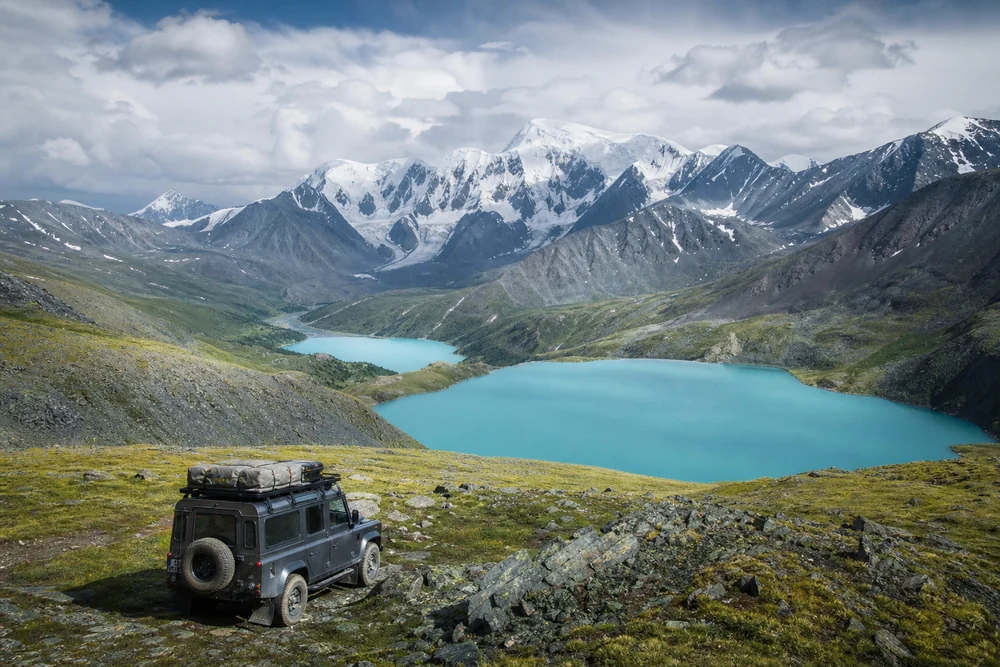
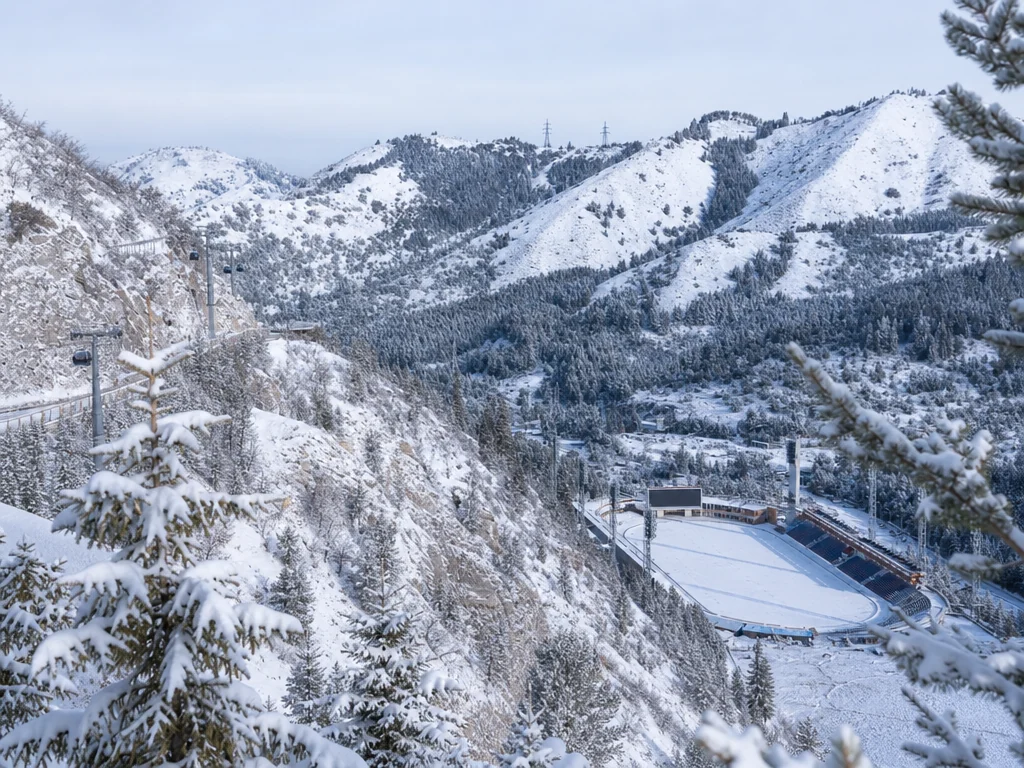
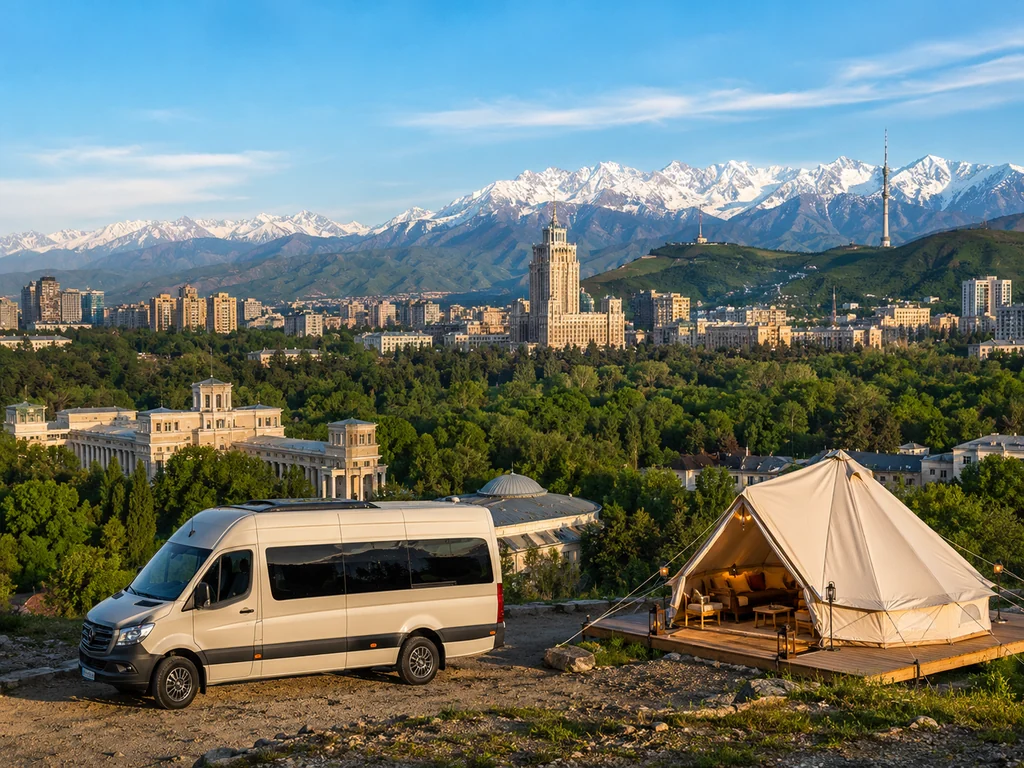
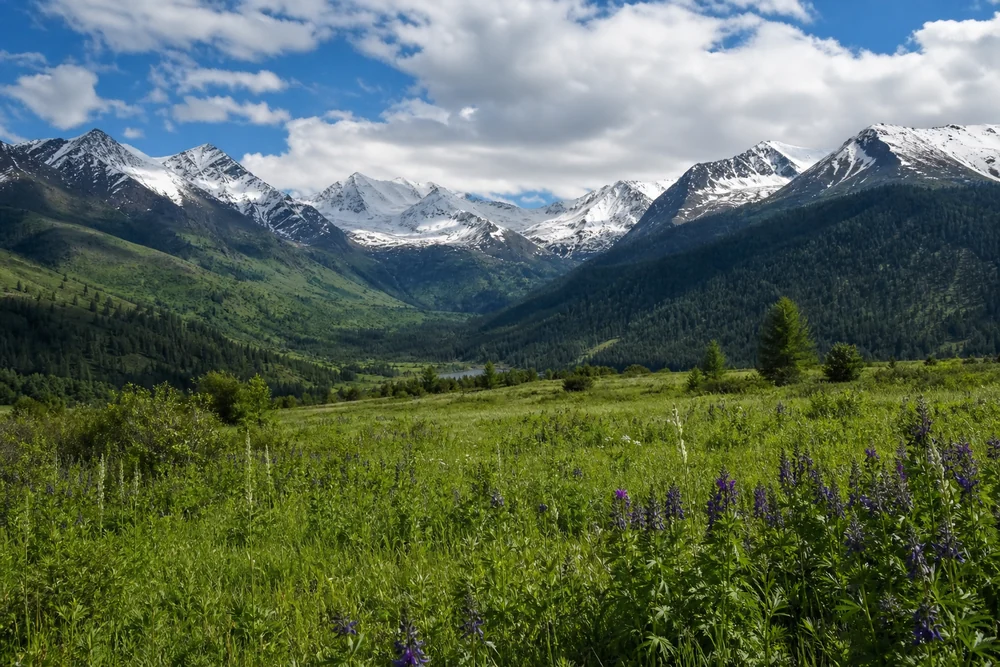
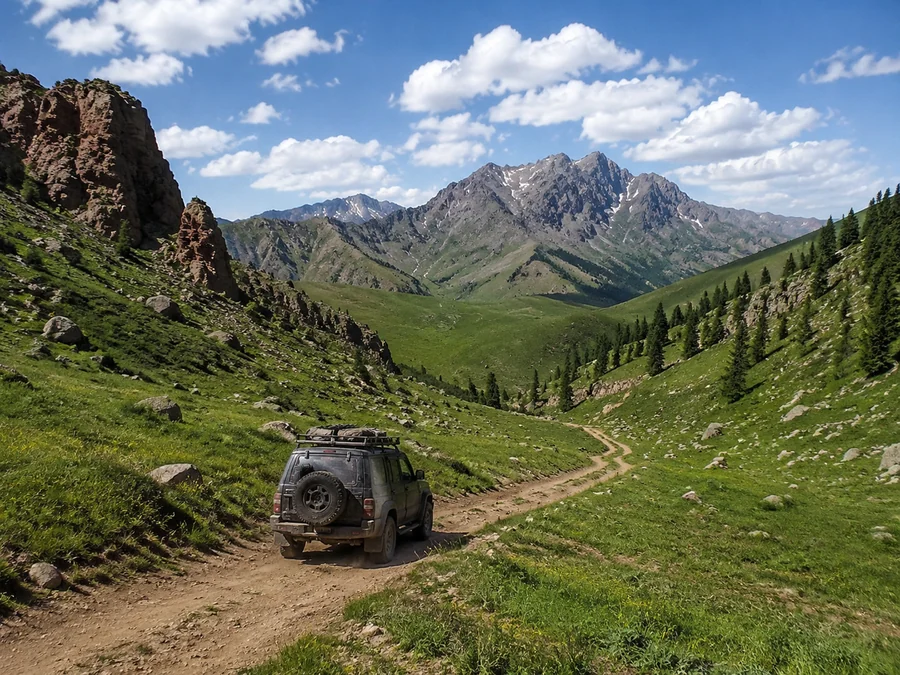
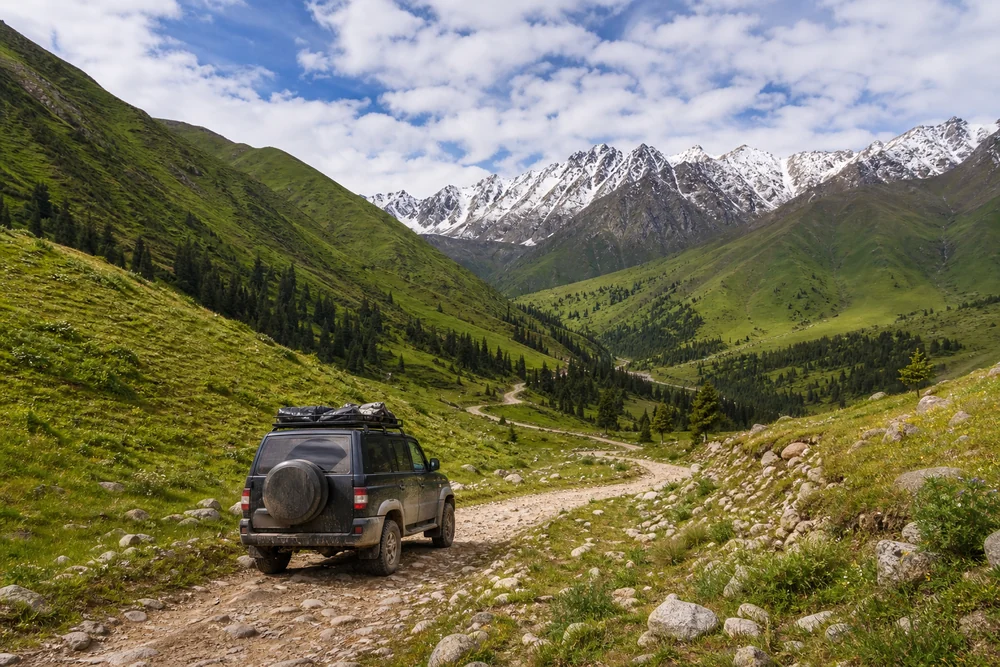
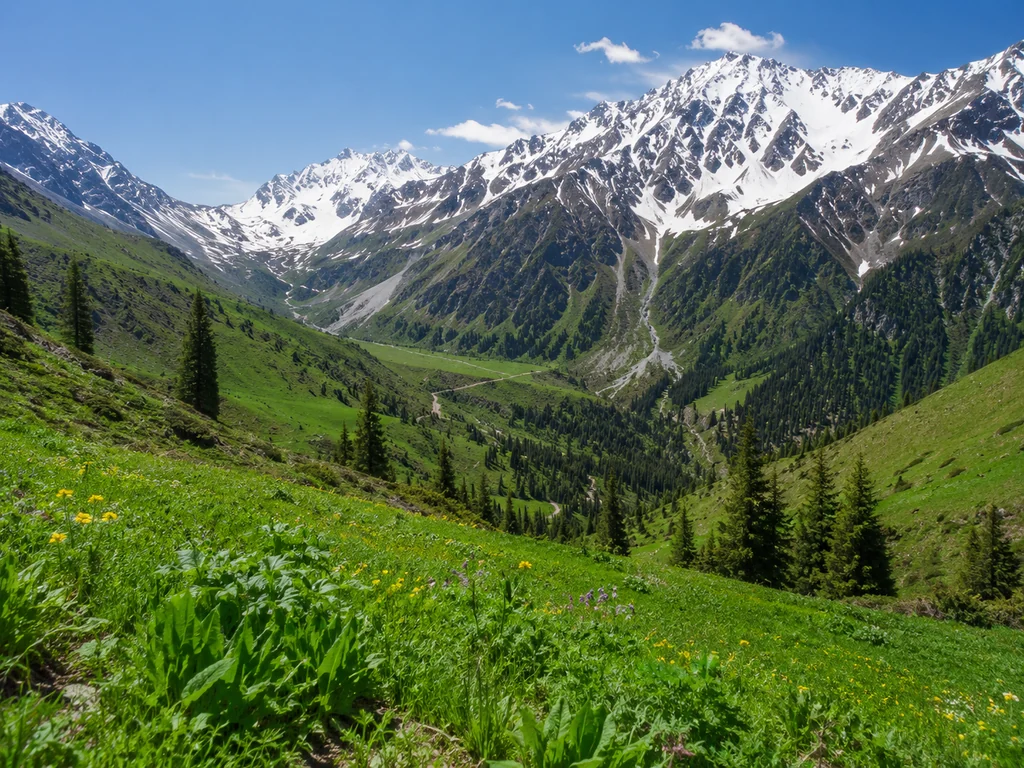
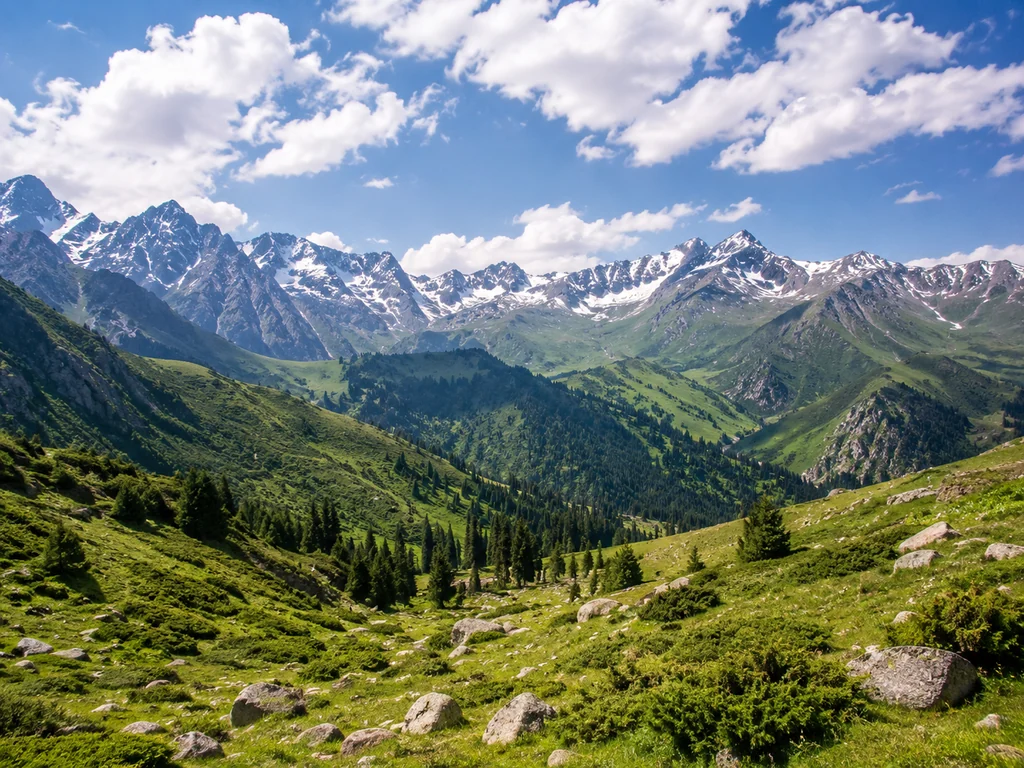
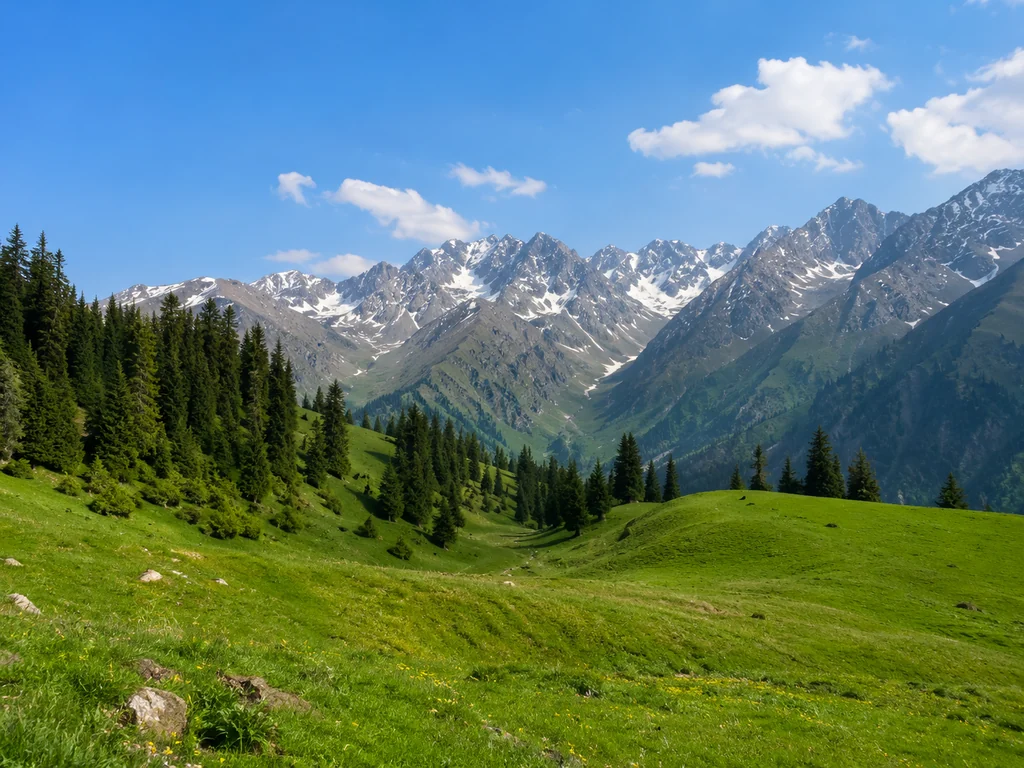
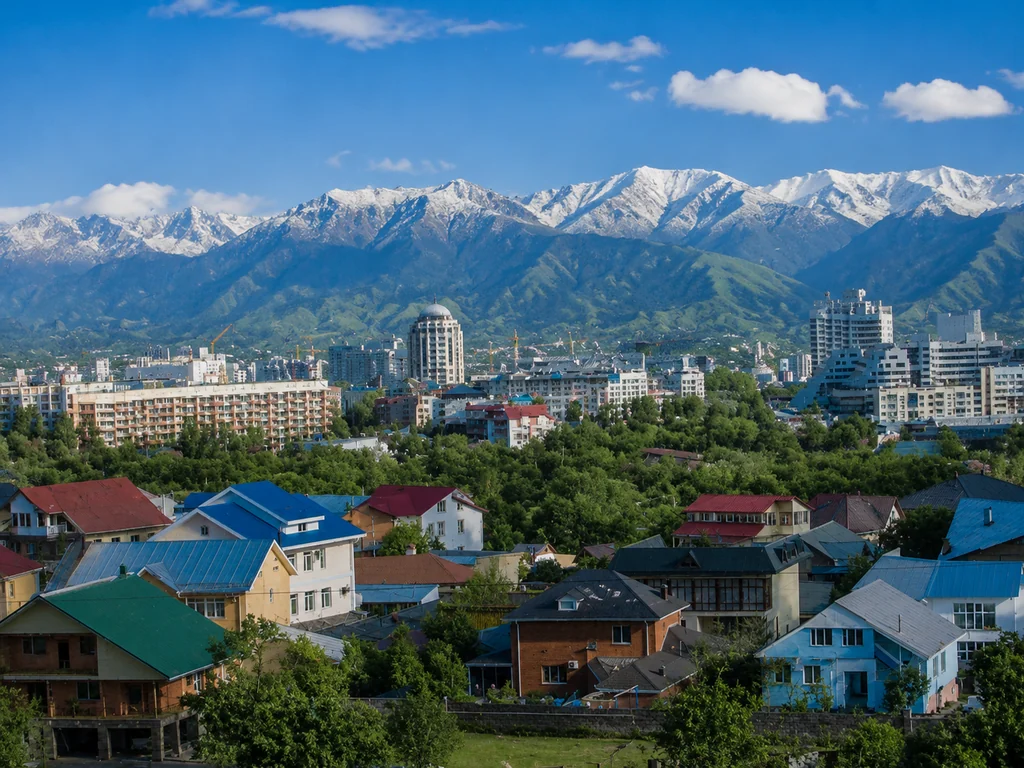
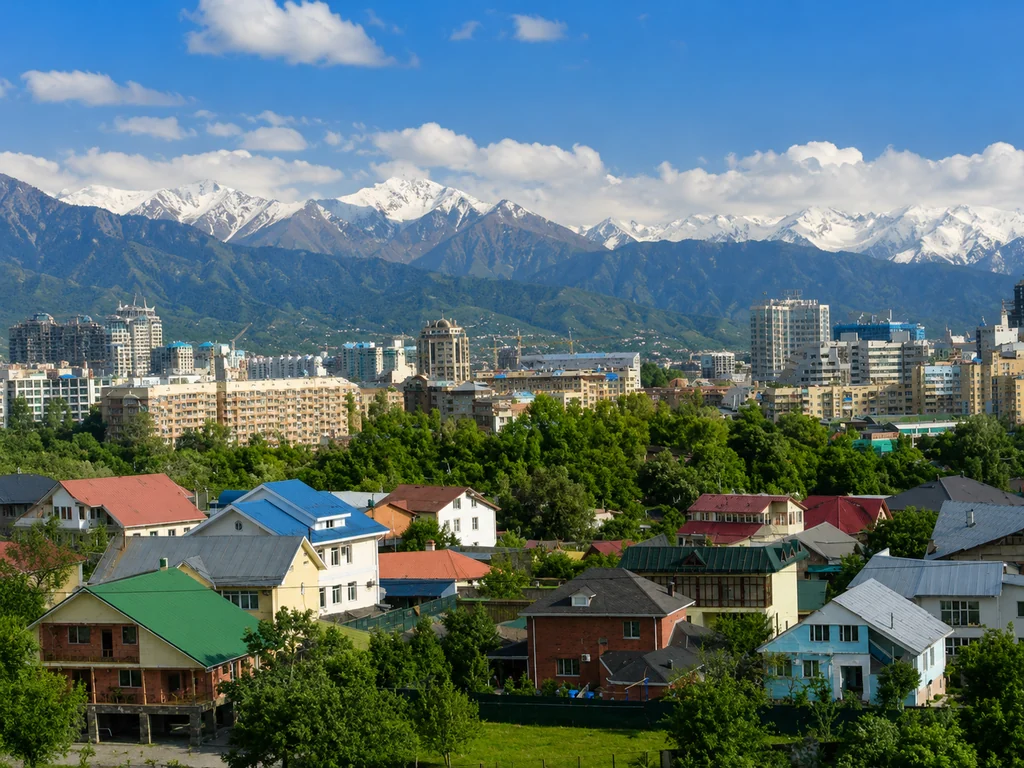
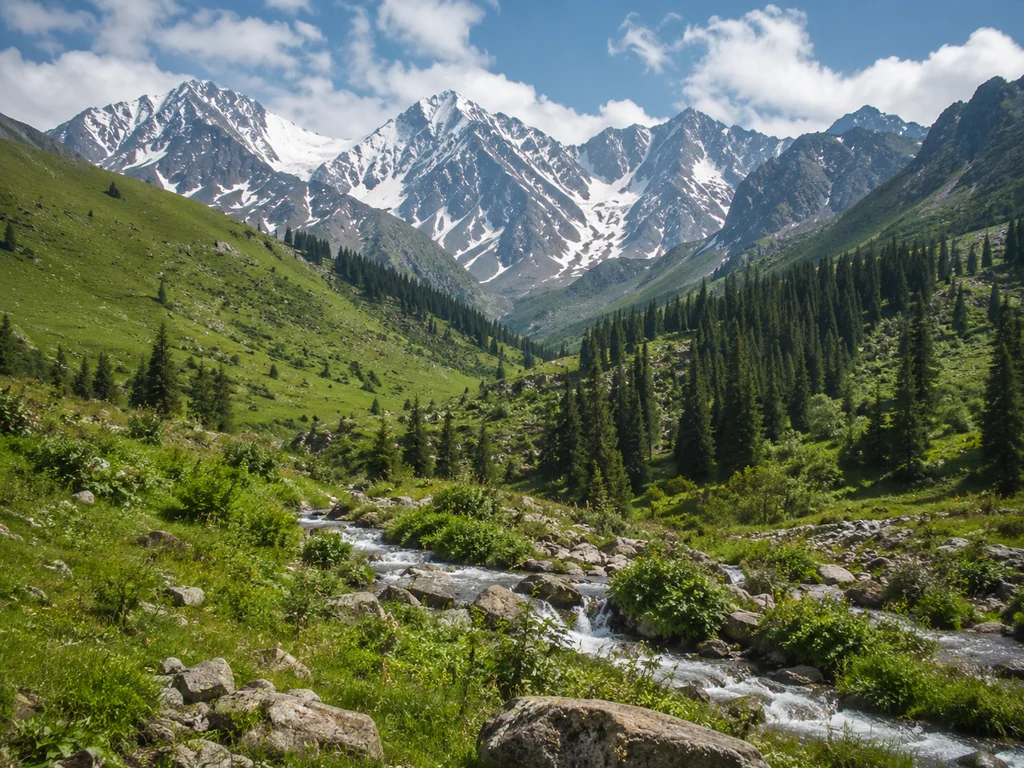
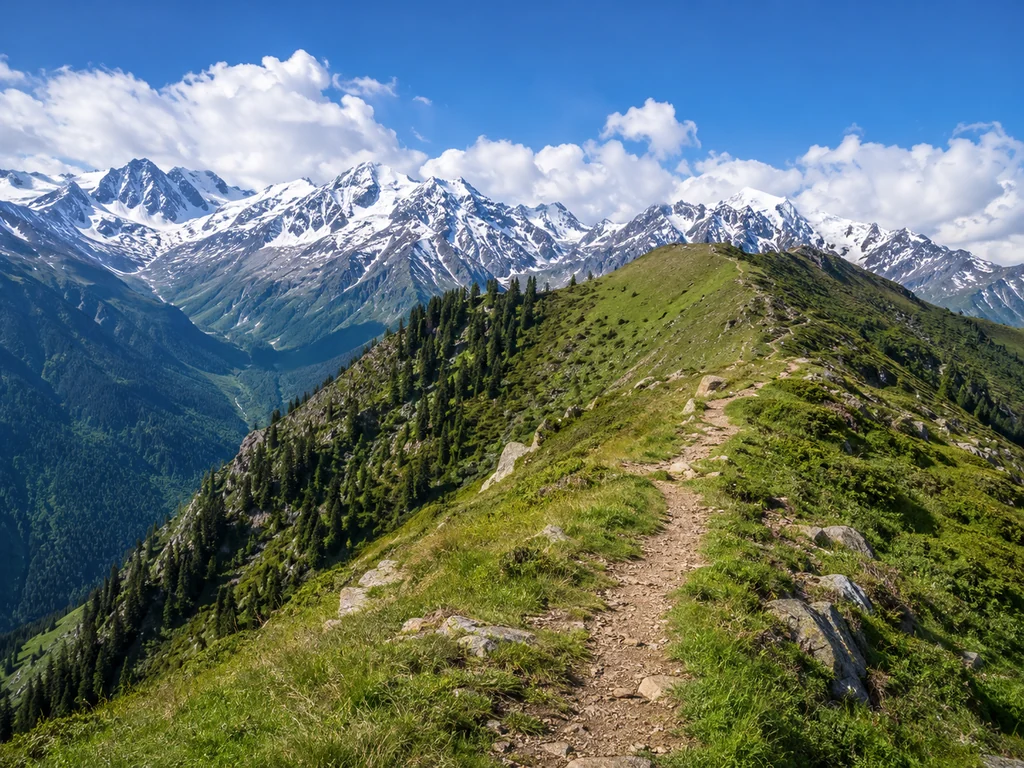
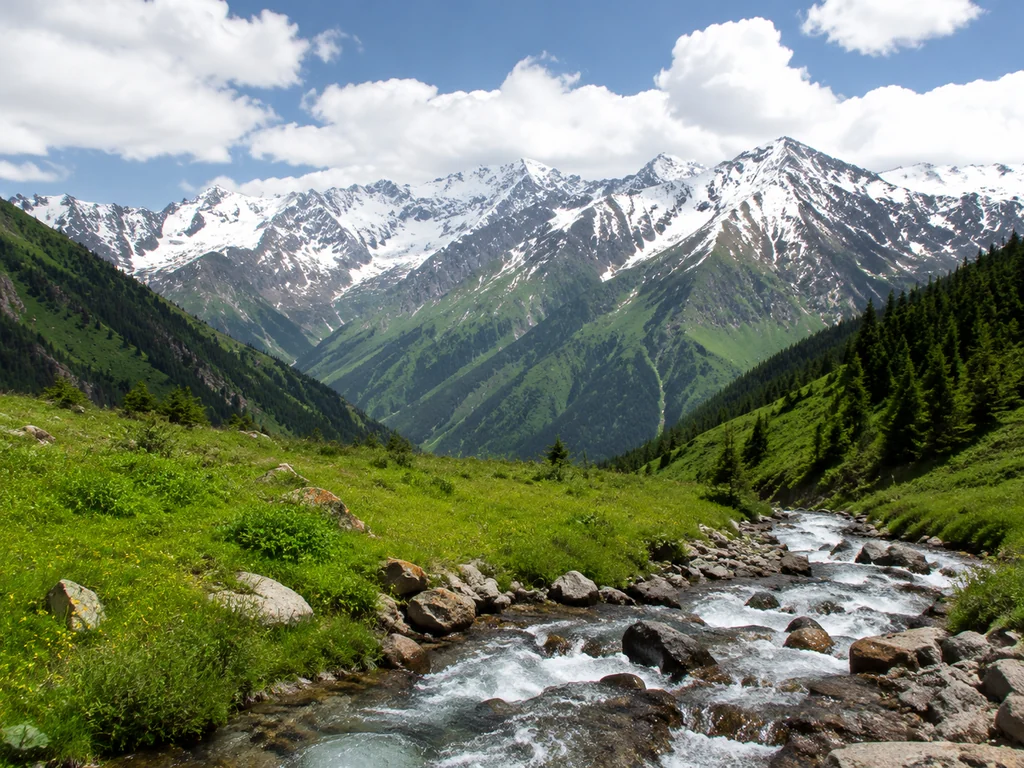
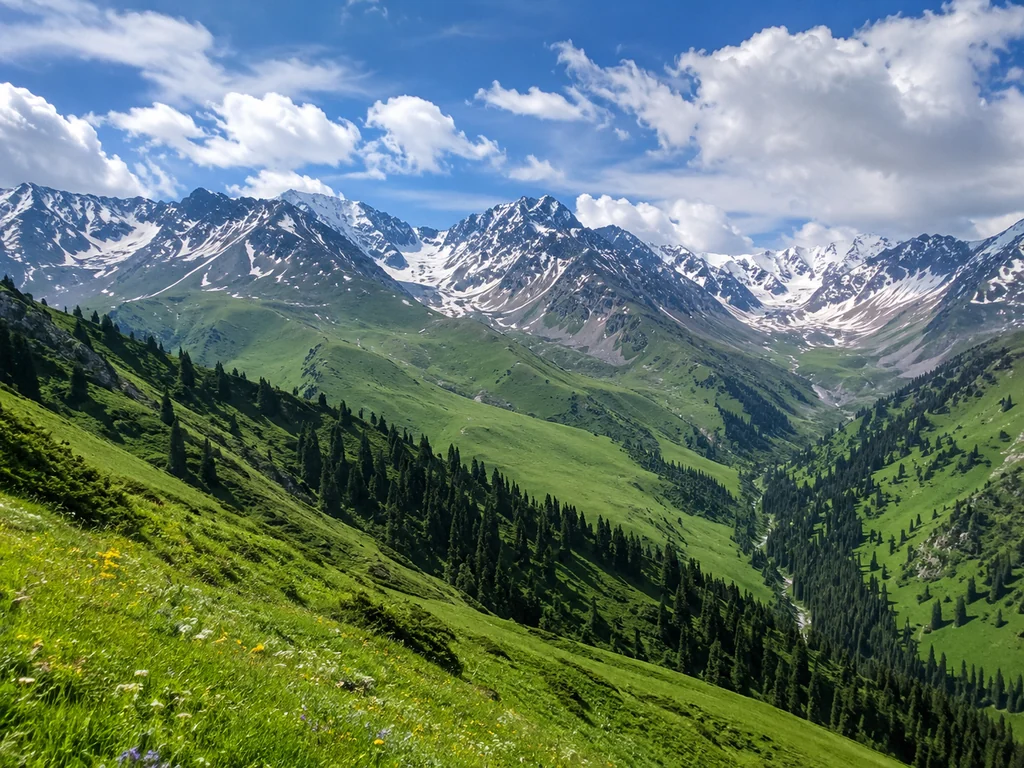
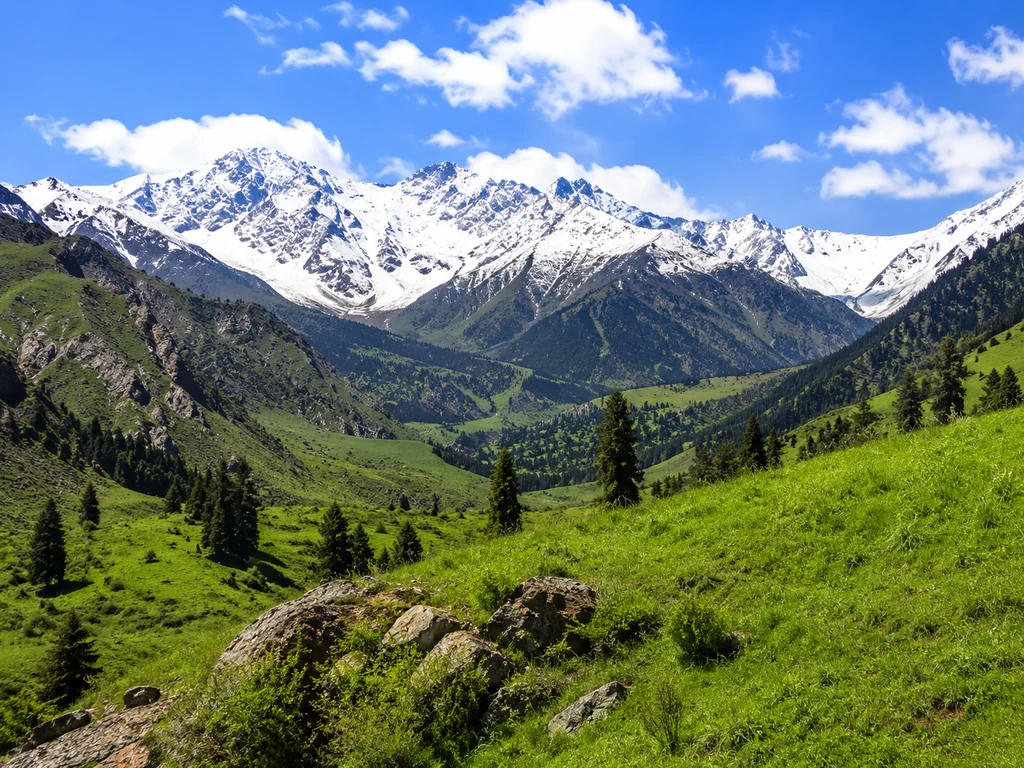
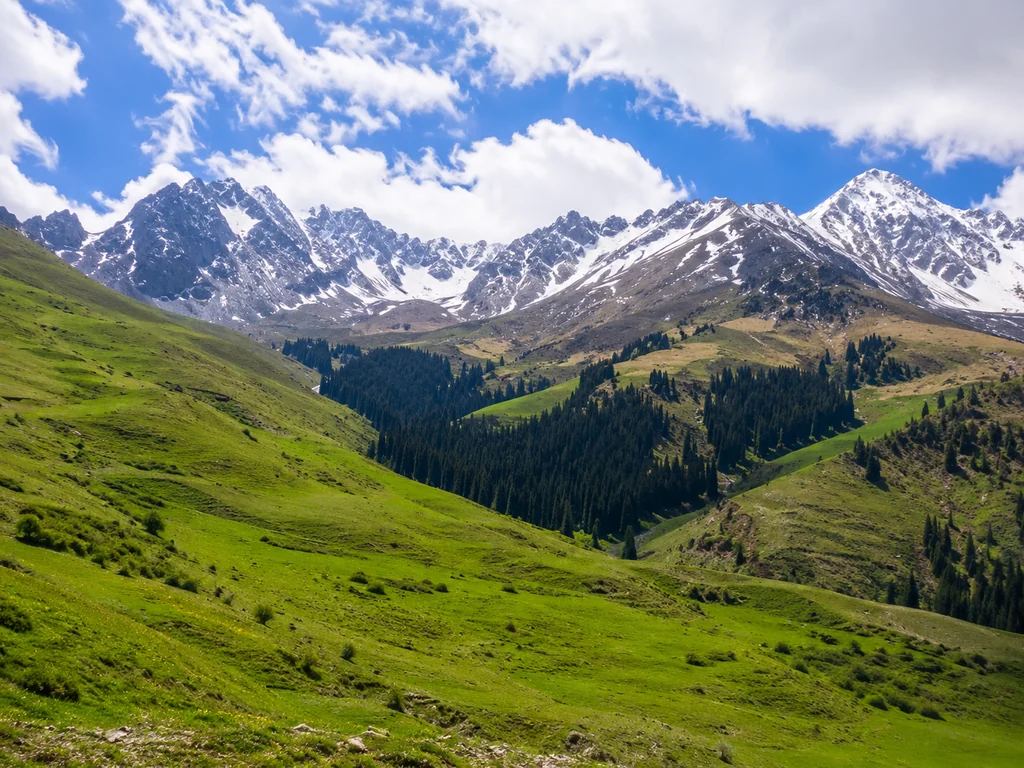
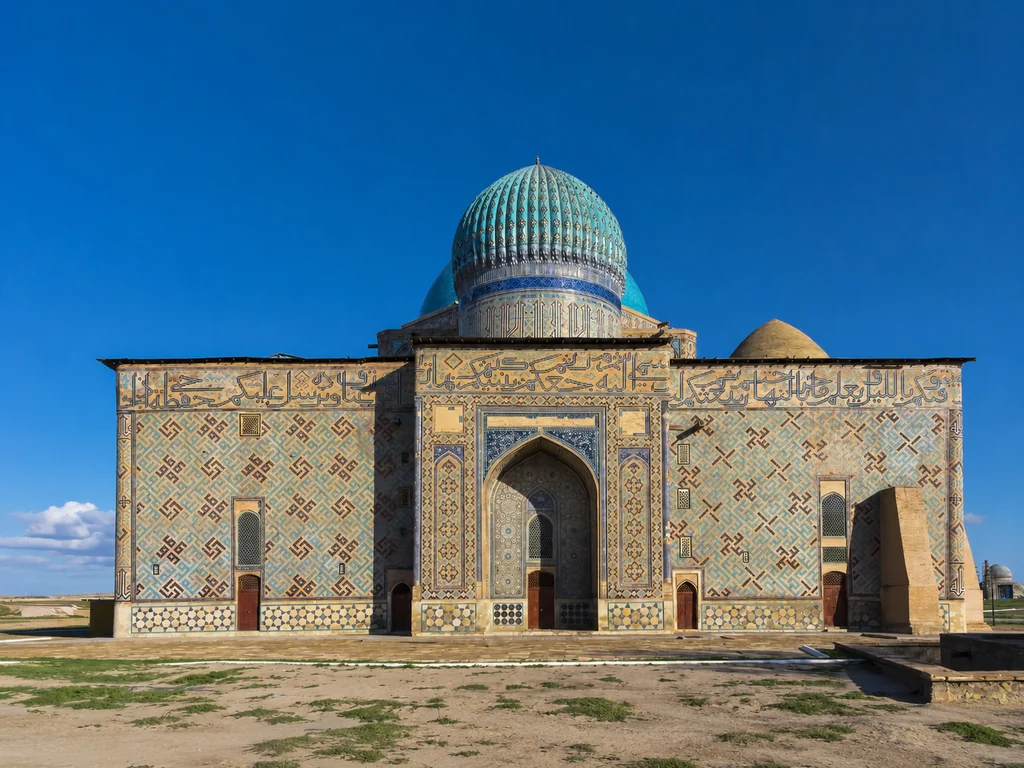
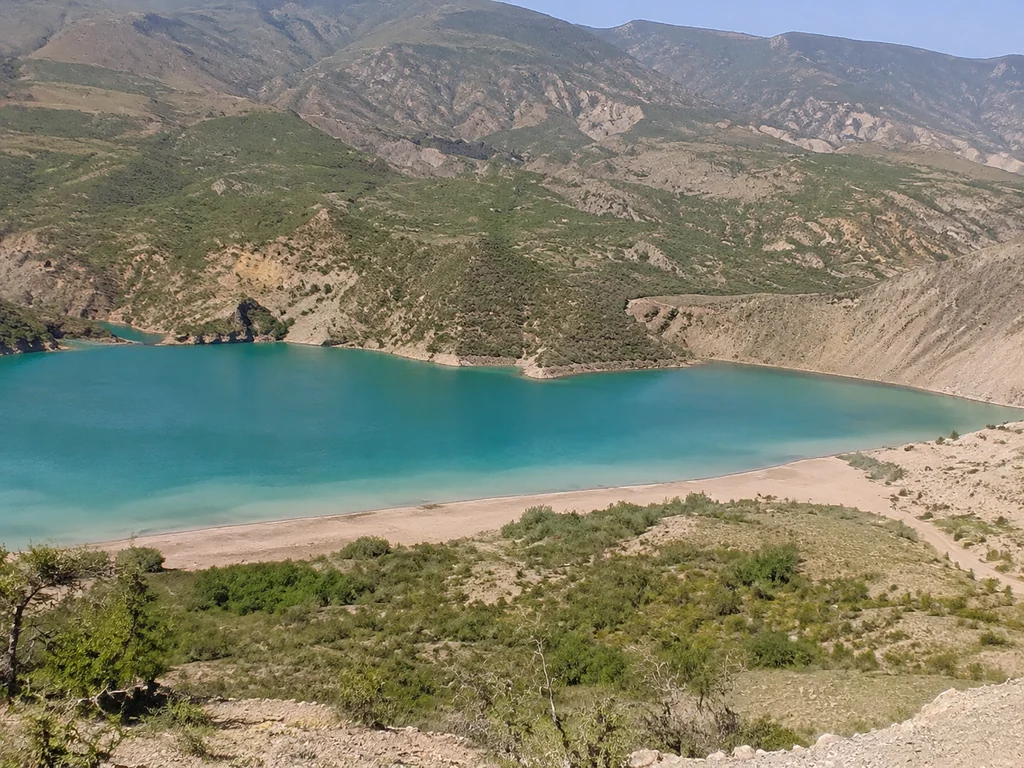
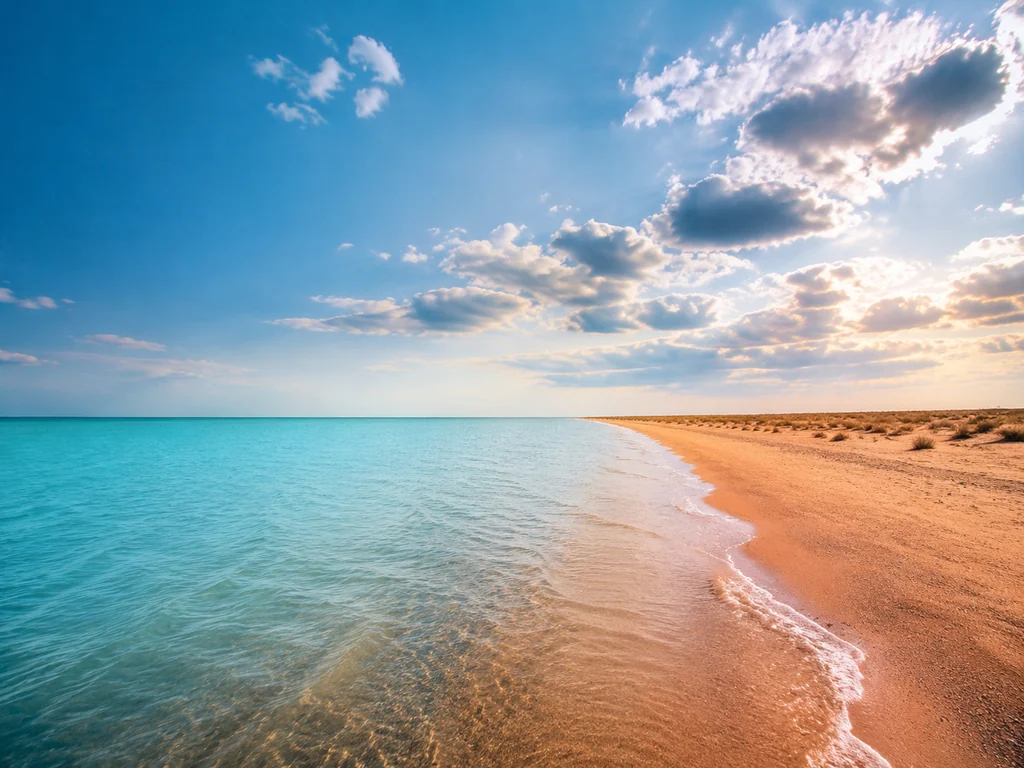
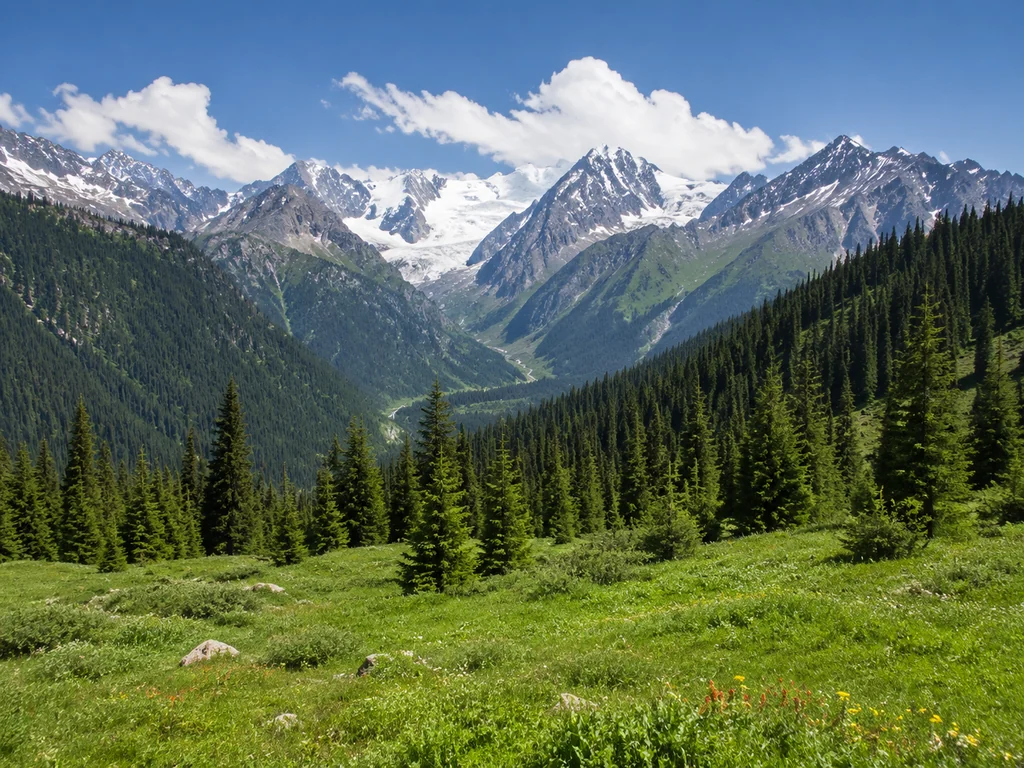
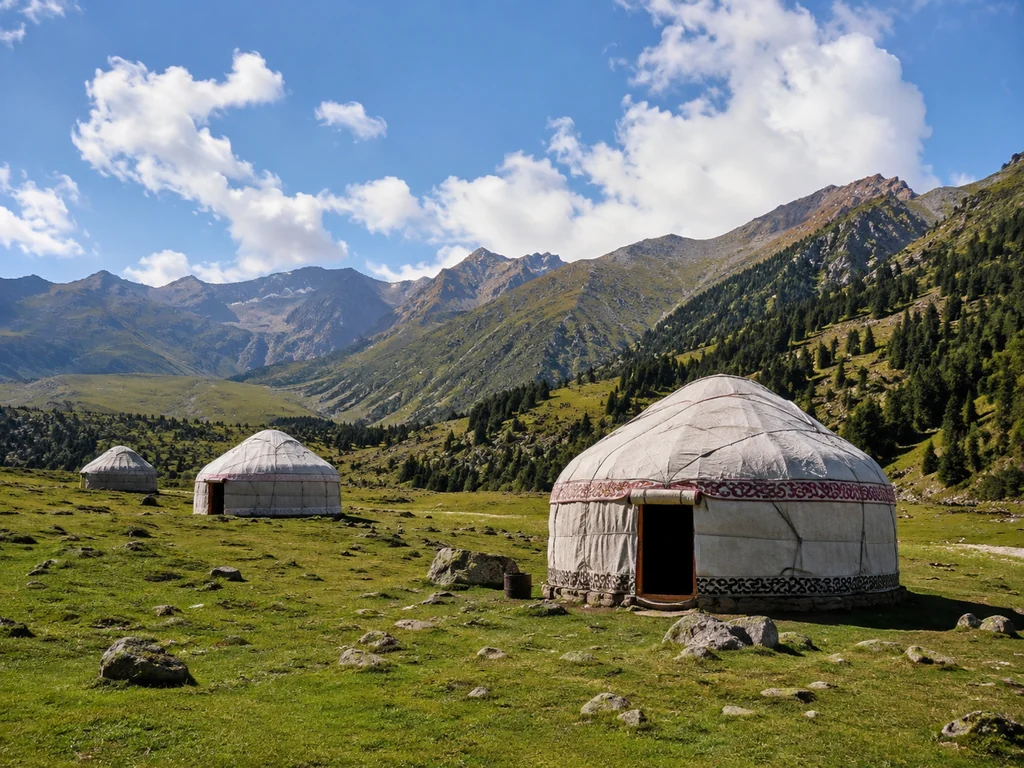
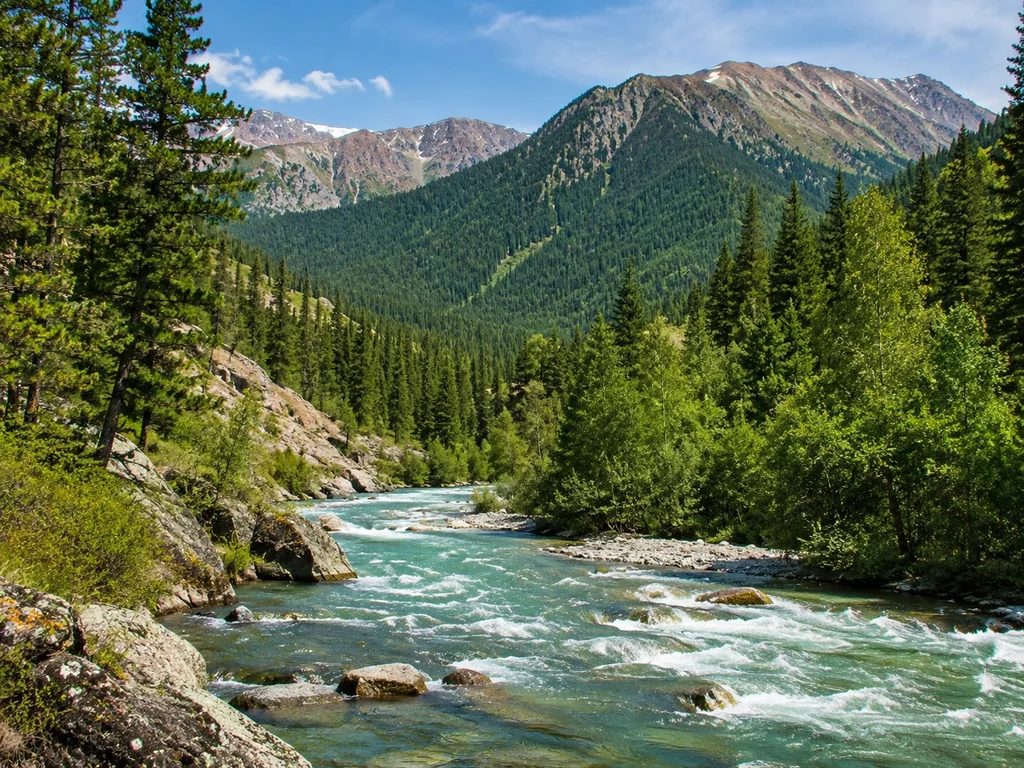
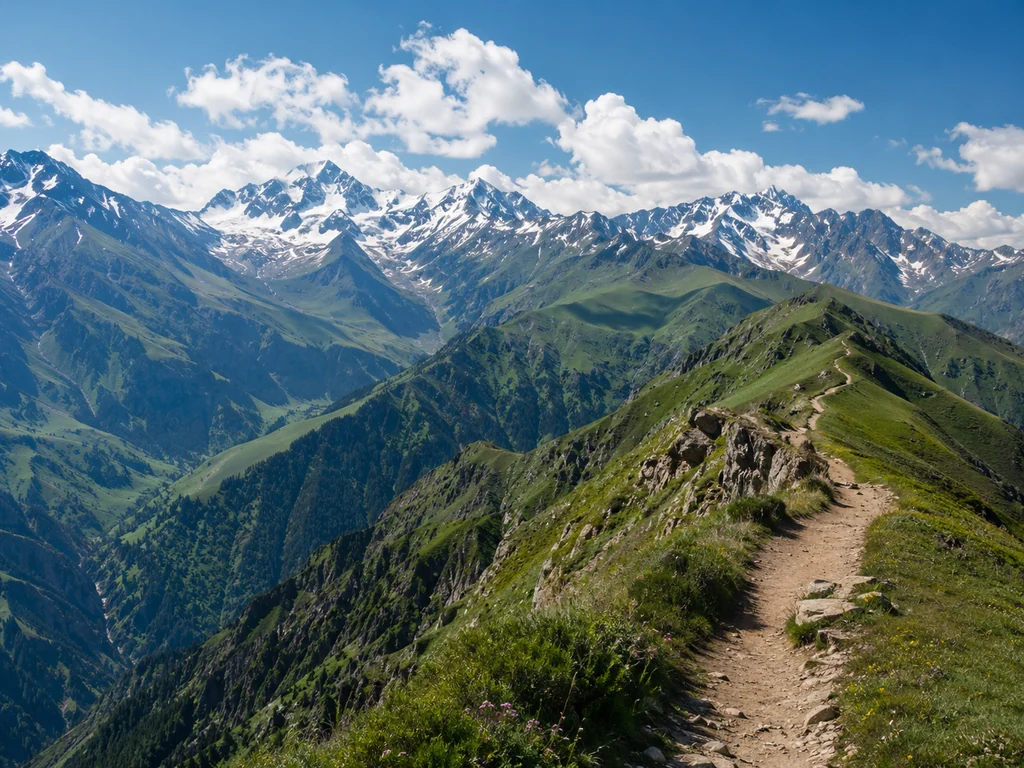
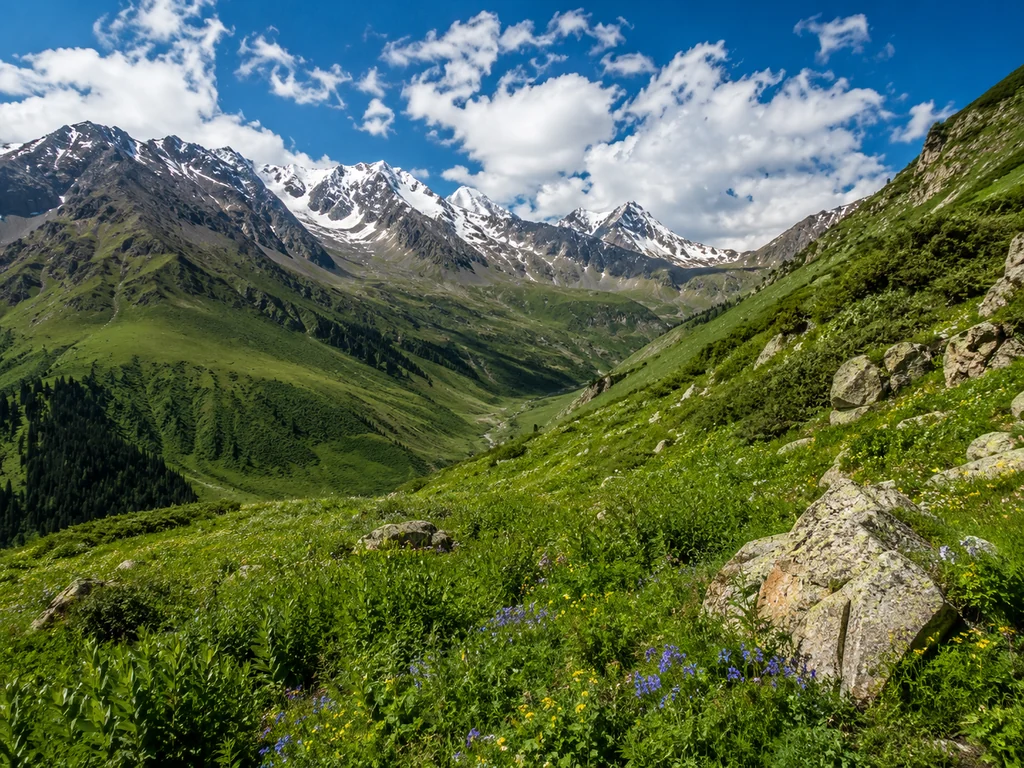
Almaty sits in a basin at the foot of the Zailiysky Alatau, and from the city you can reach completely different worlds within a day: the dry clay castles of Charyn, the turquoise Kolsai lakes, the singing dunes of Altyn-Emel, and the high passes of the Tian Shan. This section of the catalogue brings together tours across Kazakhstan, from a four-hour city walk in Almaty to week-long jeep expeditions across the Mangystau desert.
Prices per person in this section start at $15 and go up to $709. That range reflects distance, duration and transport: a walking city tour and a seven-day off-road expedition are simply different products. Everything else — the exact meeting point, the departure time and any extras — is confirmed at the moment of booking.
Below you will find how the tours differ, what the landscapes look like through the year, how to prepare physically, and what to pack. The focus is on the places themselves, because the geography of Kazakhstan is the main reason people book these routes.
Kazakhstan City Tours: Almaty on Foot and by Bus
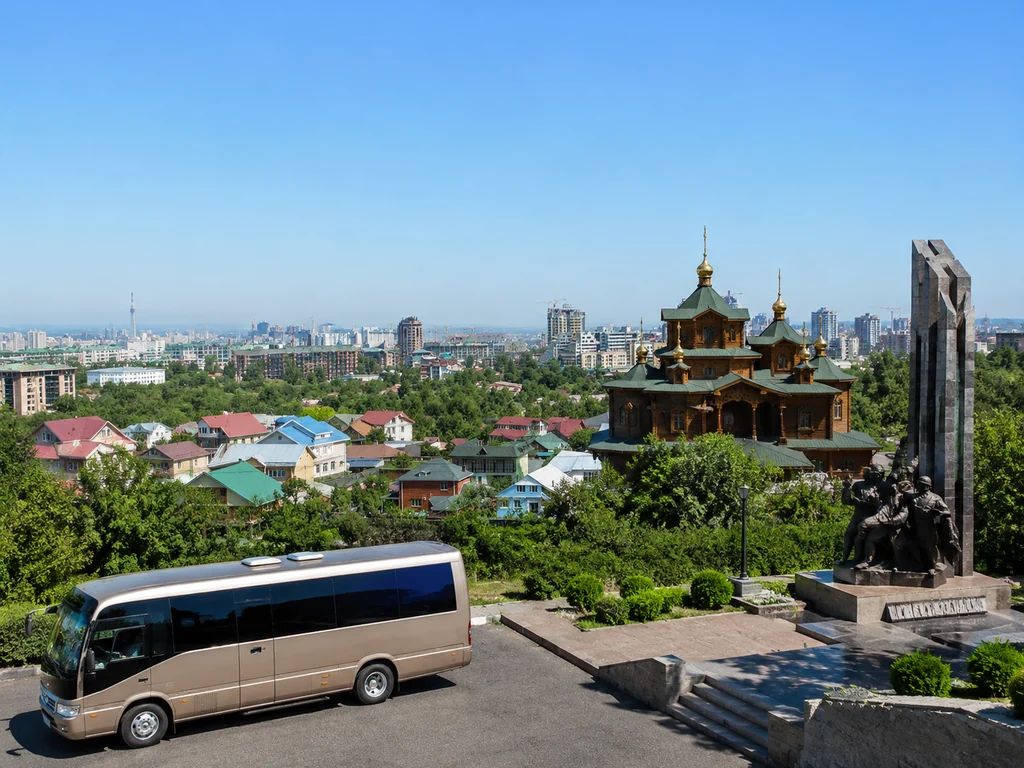
Overview Tour of Almaty
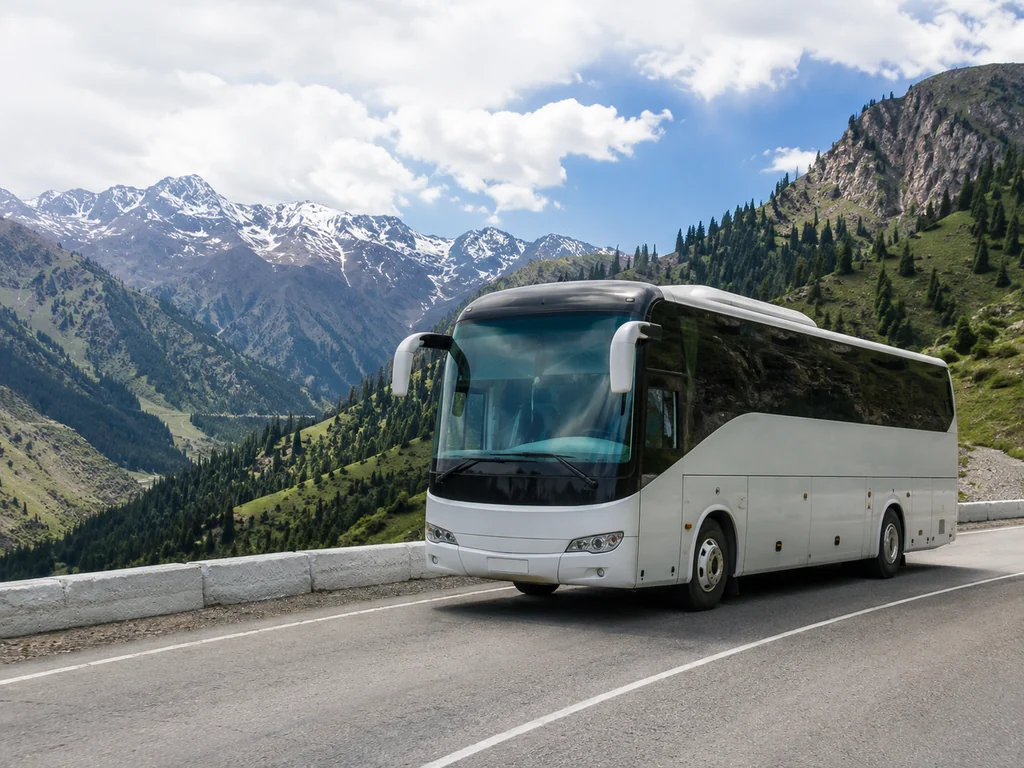
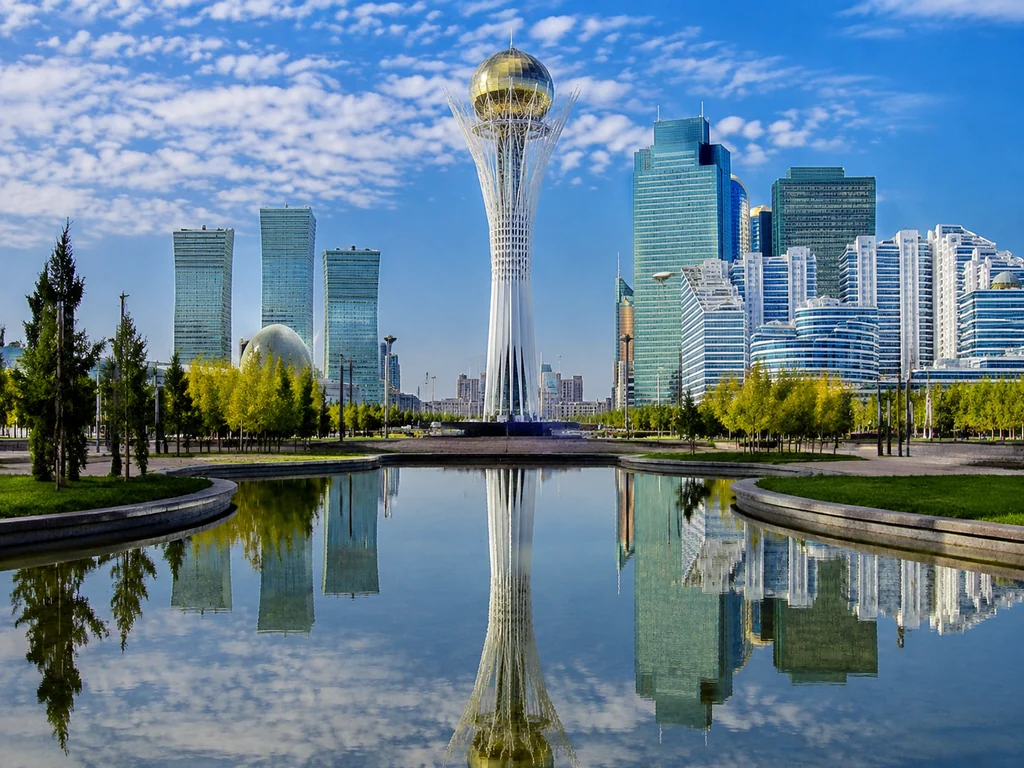
This is the shortest and cheapest route in the section: $15 per person, four hours, daily departures, group format with a bus. The route covers the central squares, the green boulevards and the viewpoints that explain why Almaty is called a garden city. You will see the mixture of pre-revolutionary merchant houses, Soviet-era administrative buildings and modern towers that grew up after the 1991 independence.
Four hours is enough to understand the layout of the city: Almaty runs roughly north to south, from the steppe plain up towards the mountains, and the streets climb steadily as you move south. The altitude of the city centre is around 700–900 metres above sea level, and the upper districts reach 1,100 metres, so even a city walk gives you a first taste of the mountains.
This tour suits anyone who has just landed and wants orientation, or travellers with limited time who still want to see the main squares. It is a bus-based group route, so expect fixed stops and a steady pace rather than a slow wander.
Alma-Ata: From Pre-Revolutionary to Soviet
A three-hour individual walking tour at $17 per person, available daily at a time agreed on request. The route follows the old streets of Verny — the name Almaty carried in the 19th century — and shows how a merchant town turned into a Soviet industrial and cultural centre. You pass wooden carved houses, constructivist buildings of the 1920s and 1930s, and the heavy colonnades of Stalinist empire style.
Walking is the right pace here, because the details are small: window frames, brickwork, the way a courtyard opens onto a street. The route is mostly flat, in the lower part of the city, so it is comfortable for most fitness levels. Three hours covers a compact area, and the guide adapts the depth of the story to your interests.
Choose this if you care about architecture and history and prefer a private pace. It is an individual format, so the schedule is yours, but the route stays within the historic centre.
From Wooden Architecture to Soviet Modernism
Another three-hour individual walking tour, priced at $27 per person, daily on request. Here the theme is the evolution of Almaty architecture: from carved wooden houses of the late 19th century to the monumental concrete forms of the Soviet period. You trace how building materials, heights and styles changed decade by decade.
The contrast is sharp and visible in a single walk: a low wooden cottage with lace-like carvings, then a stern constructivist block, then a pompous post-war facade with columns and stucco. Understanding this sequence helps you read any street in the city afterwards. The walking distance is modest, but there is a lot of looking up and stopping.
This tour is for travellers who have already seen the main squares and want a deeper layer. It pairs well with the overview tour, but it works on its own too.
Kazakhstan Nature Tours: Canyons, Dunes and Singing Sand
Charyn Canyon — Valley of Castles
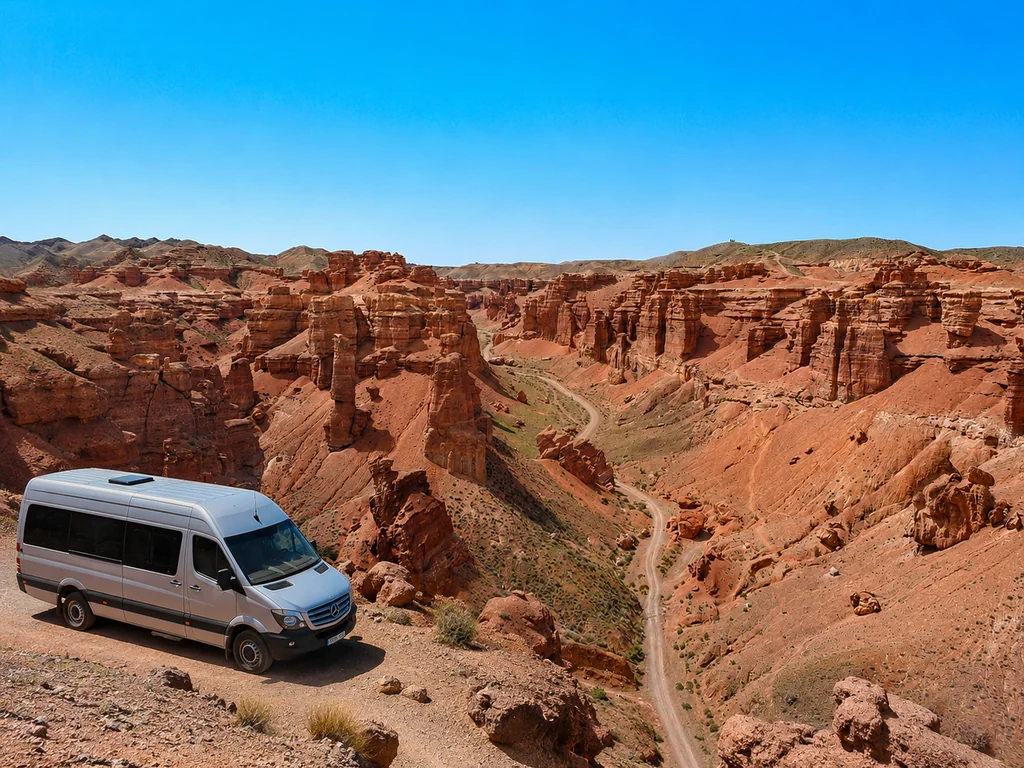
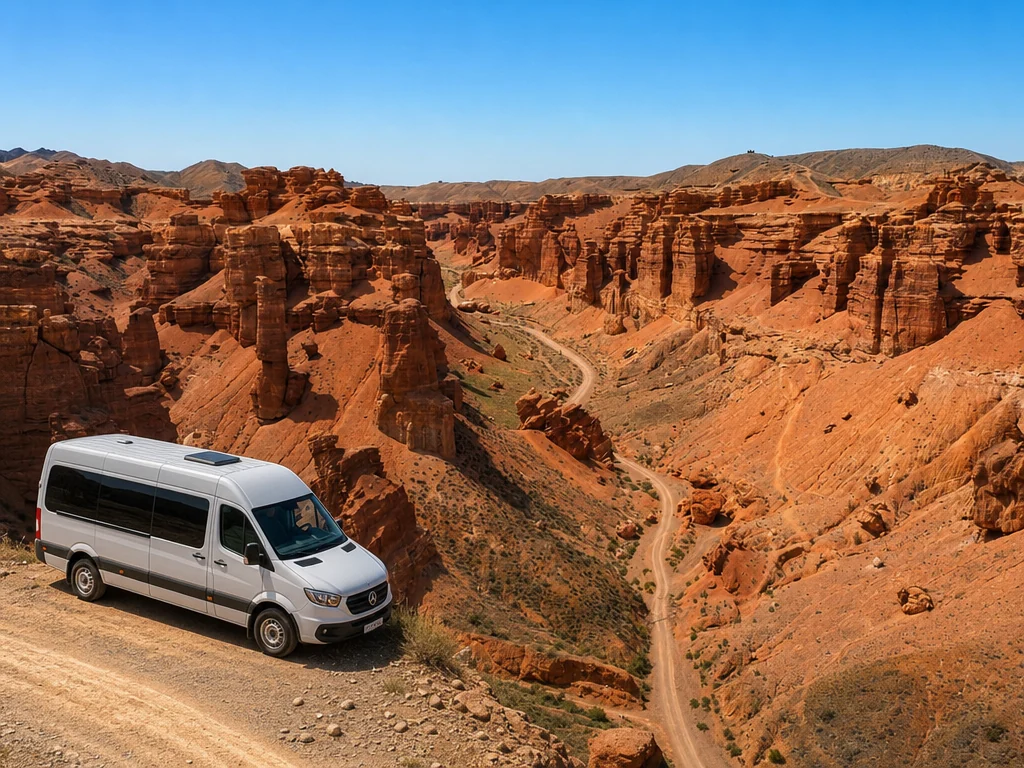
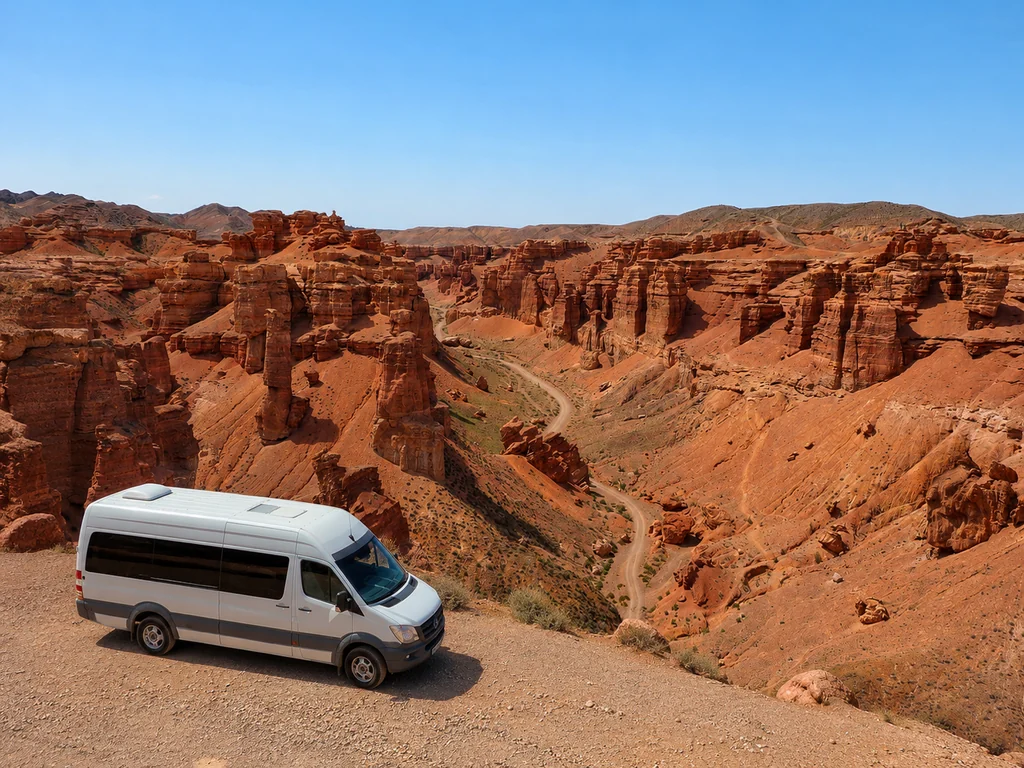
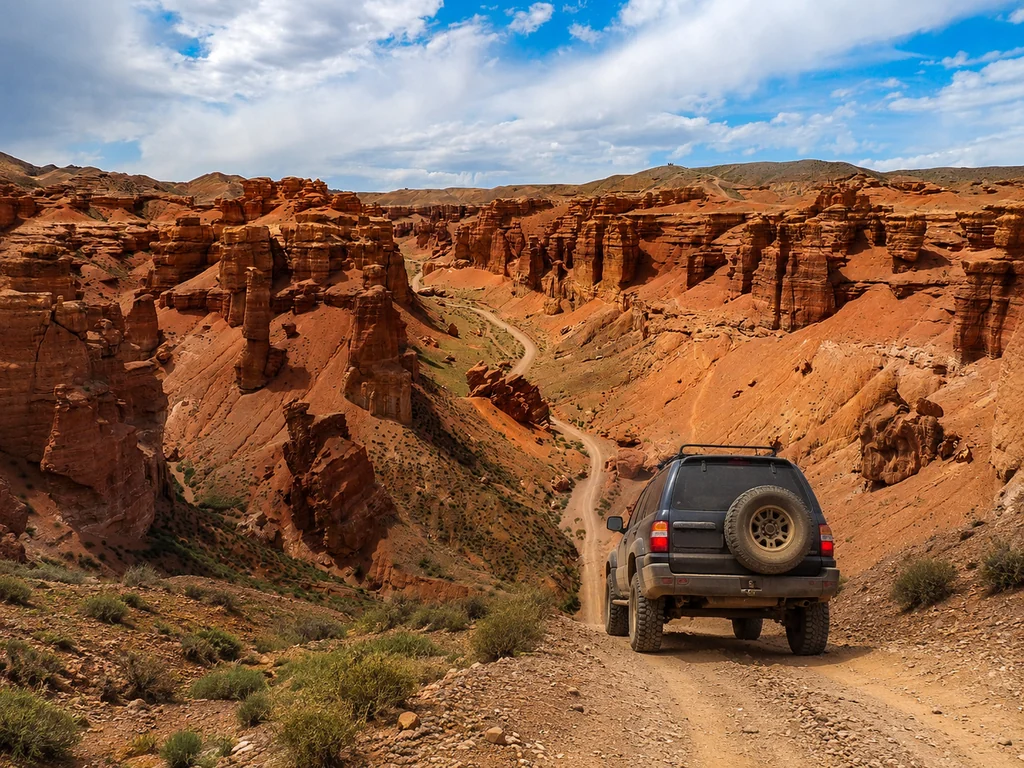
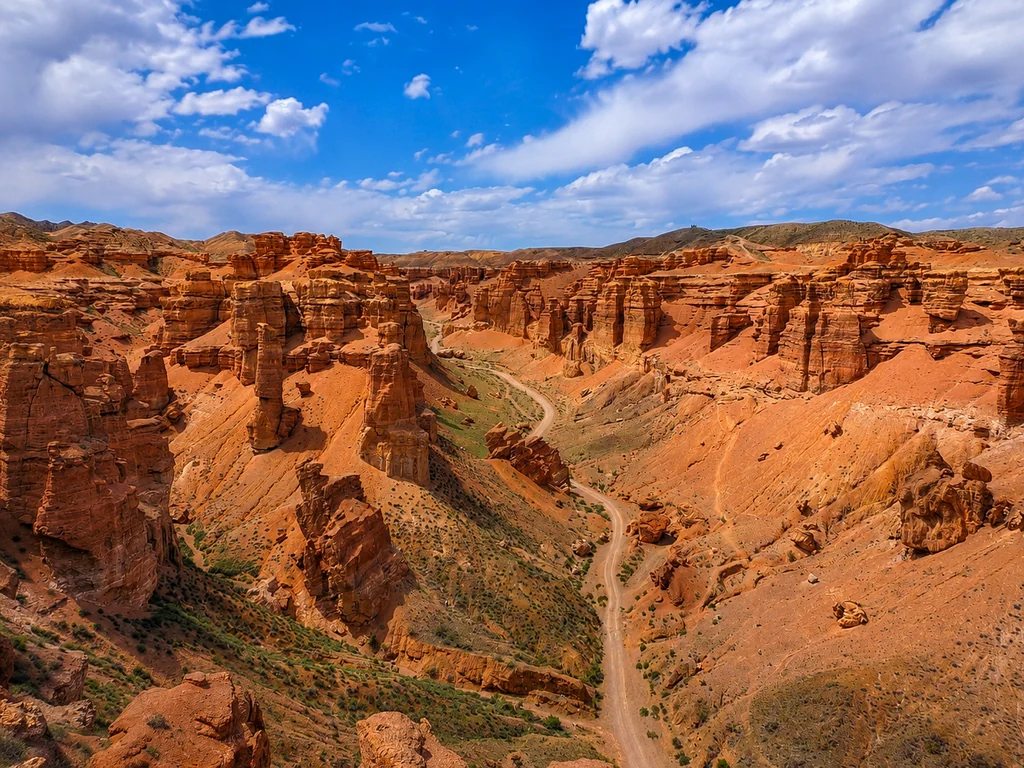
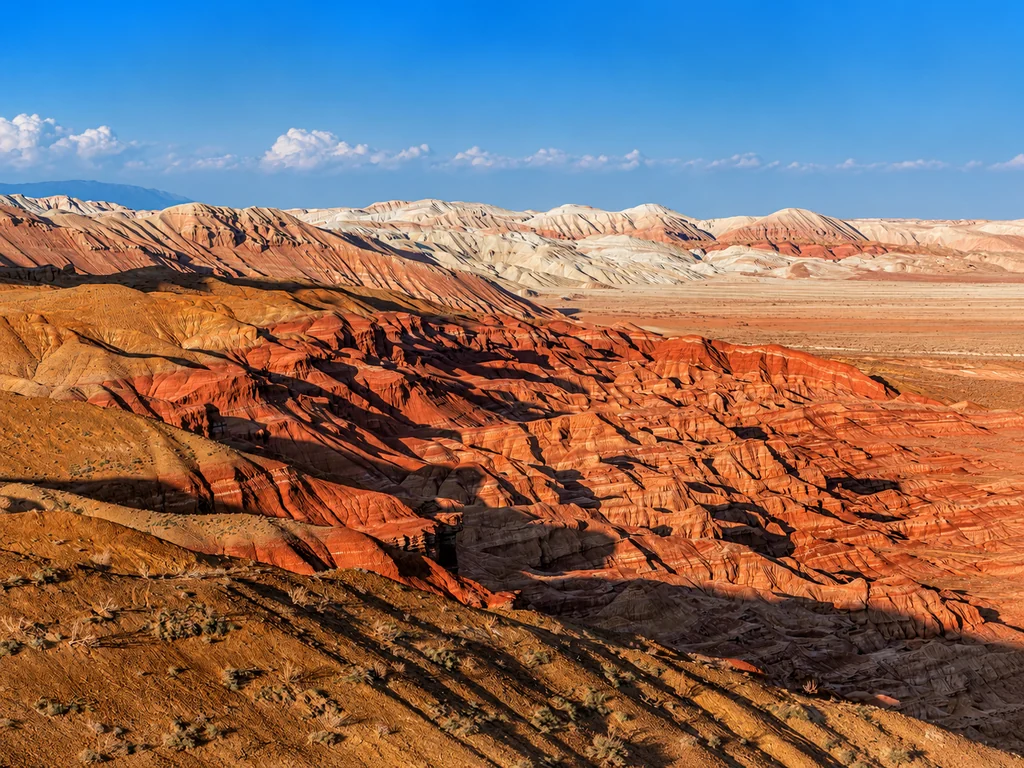
A 12-hour group bus tour at $33 per person, departing daily at 07:00. Charyn is about 200 kilometres east of Almaty, and the drive takes roughly three to four hours each way depending on the road and stops. The canyon is carved by the Charyn river, a tributary of the Ili river, and its walls of red sedimentary rock reach 150–300 metres in places.
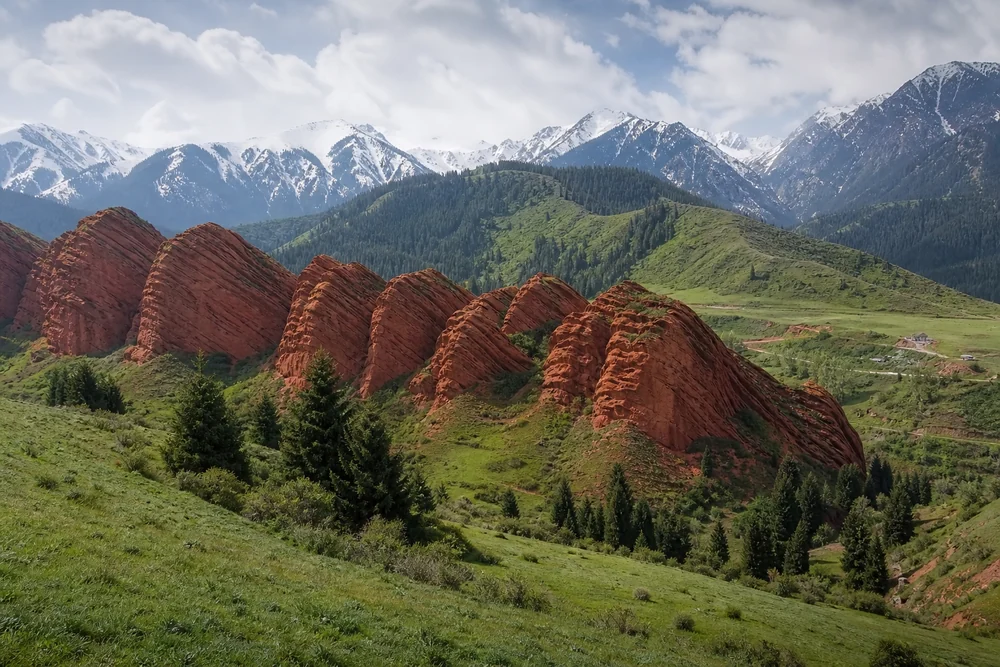
The route covers four sections: the Valley of Castles, the Kurtogay tract, the Red Canyon and the Black Canyon. The Valley of Castles is the most famous, with rock towers that look like fortresses and spires. The Black Canyon is darker, with narrow shaded walls, and the Red Canyon glows in the afternoon light.
Be ready for a long day: early start, several hours on the road, walking on dusty trails and uneven ground. Summer temperatures in the canyon can exceed 35°C, so water and a hat matter. Spring and autumn are the most comfortable seasons for this route.
Singing Dune and Tamgaly-Tas
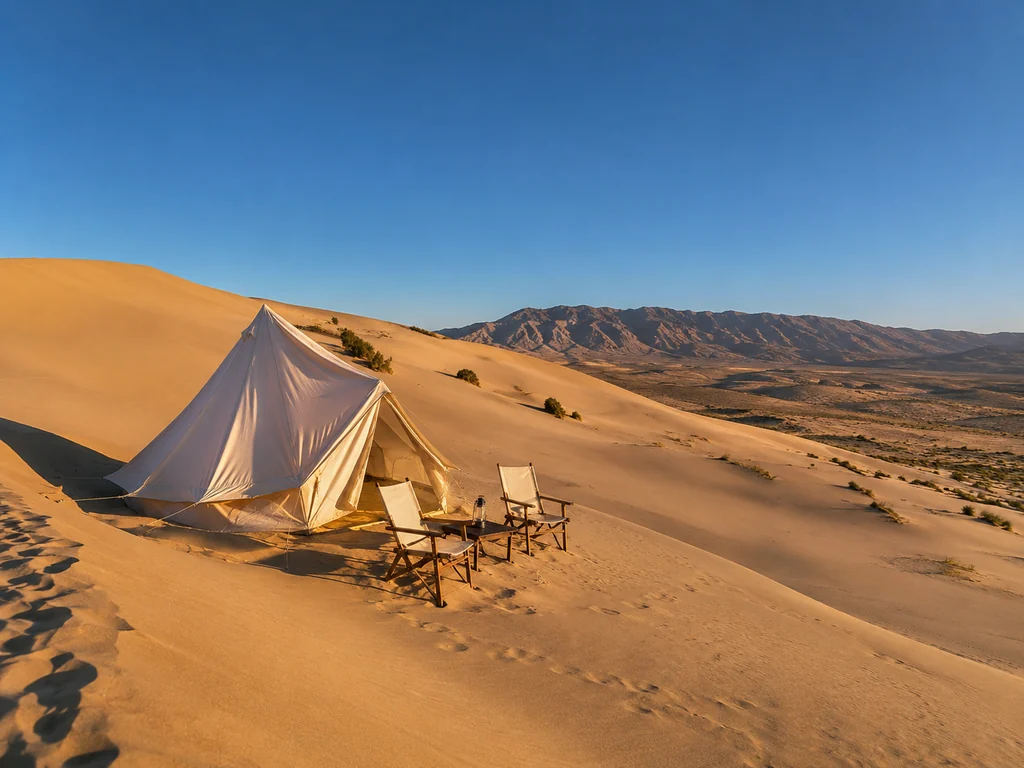
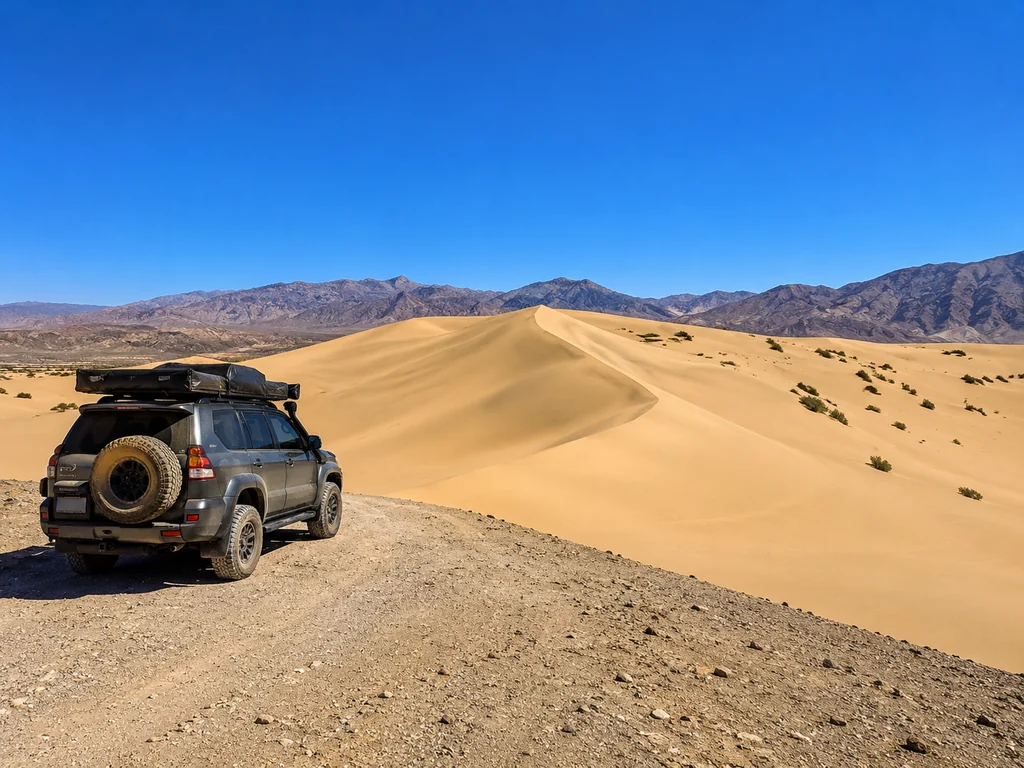
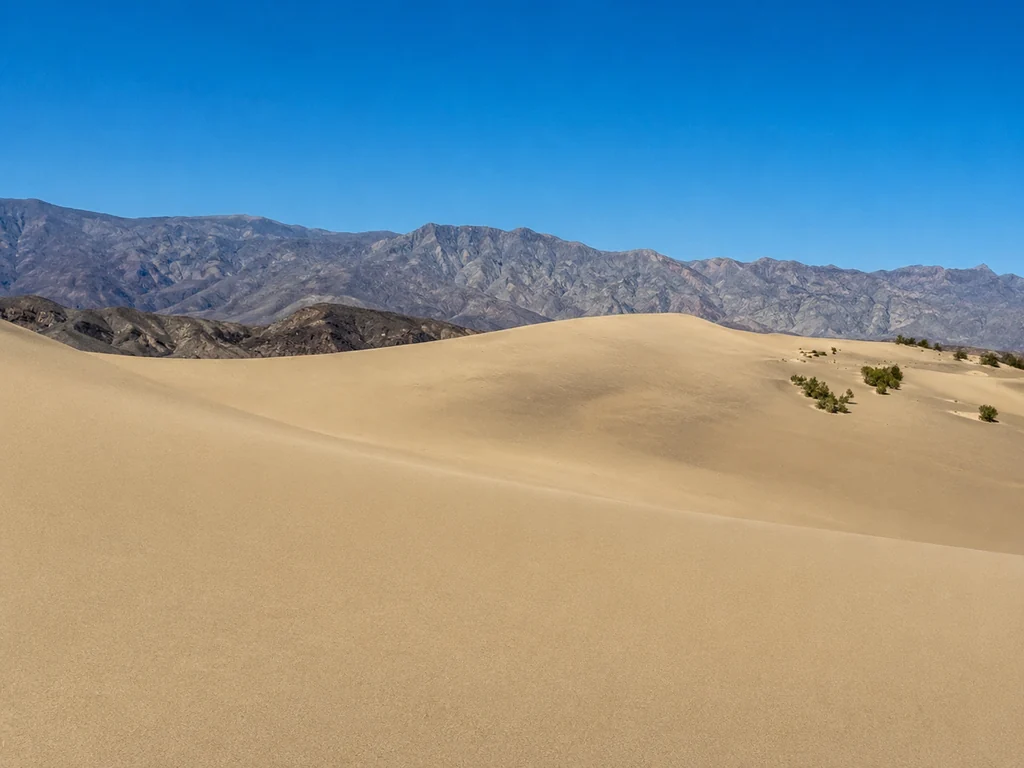
A 13-hour group jeep tour at $40 per person, running on Saturdays. The route goes to Altyn-Emel national park, home of the Singing Dune — a sand hill about 150 metres high and roughly 3 kilometres long, which produces a low humming sound when the dry sand slides. The second stop is the Tamgaly-Tas tract, where ancient petroglyphs are carved on rocks above the Ili river.
The drive from Almaty to Altyn-Emel is around 250 kilometres, and the last stretch is off-road, which is why the tour uses jeeps. The park is a semi-desert: hot and dry in summer, windy in spring, cold in winter. The petroglyphs at Tamgaly-Tas include Buddhist images and later rock carvings, and the site sits close to the river, so the views combine stone, water and steppe.
This is a good choice for travellers who want desert scenery and archaeology in one day. It is a group jeep format, so the pace is set by the convoy, and the day is long.
Sunken Forest — Kaindy Lake
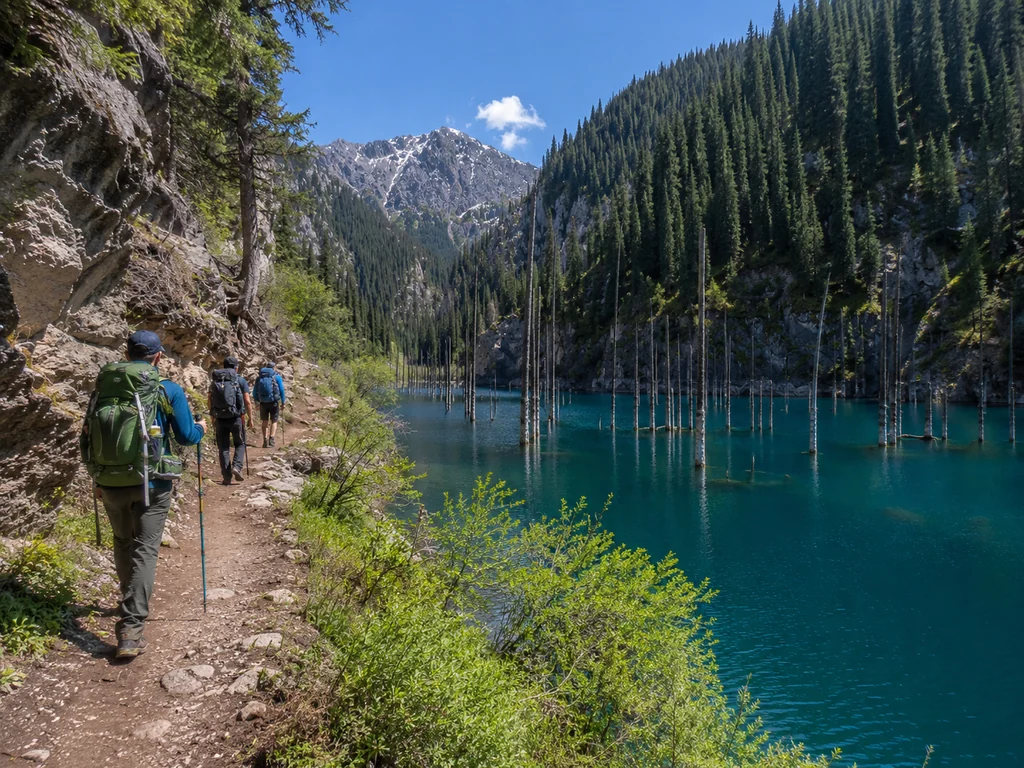
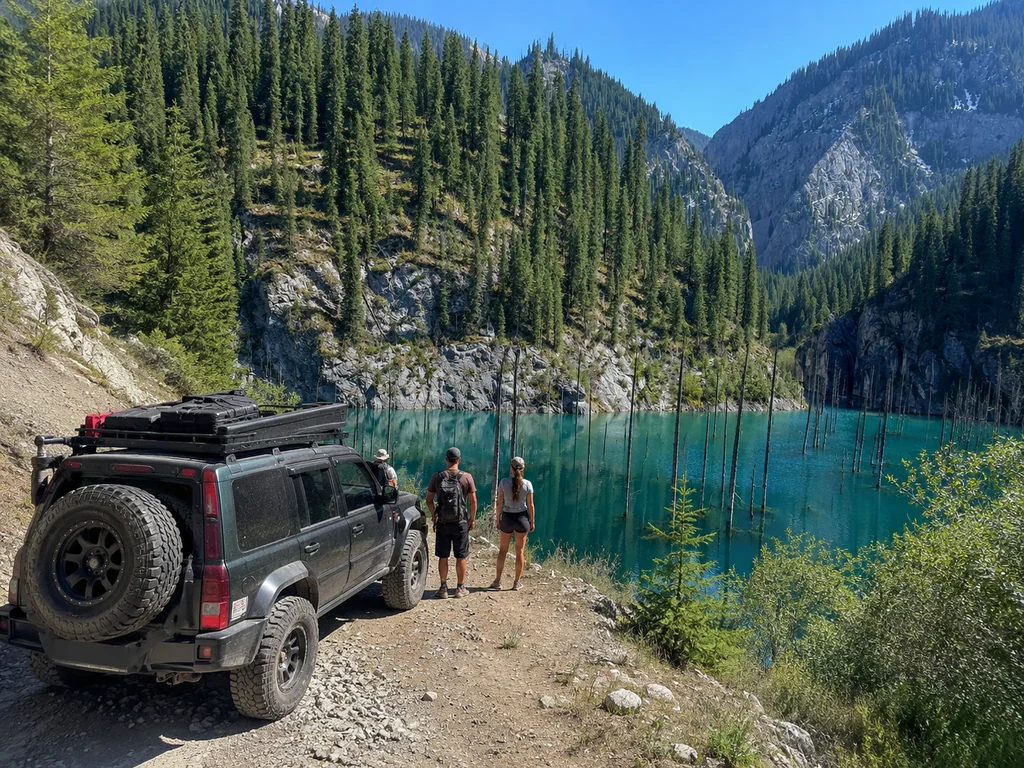
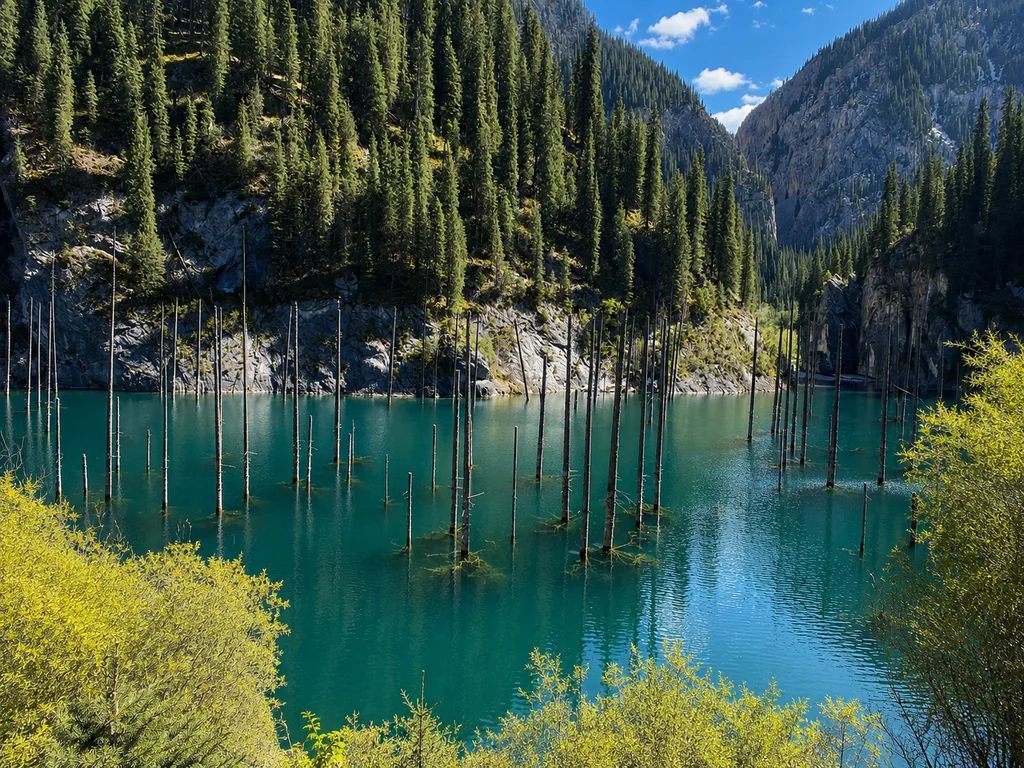
A 14-hour group jeep tour at $53 per person, available on Saturdays and Sundays. Kaindy lake lies in the Kungey Alatau range at about 1,800–2,000 metres above sea level, and it was formed by a landslide in 1911 that flooded a spruce forest. The dead trunks still stand in the turquoise water, which is why it is called the sunken forest.
The route passes through the Kungey Alatau, and on the way back there is a stop at Charyn Canyon. This combination makes the day long but varied: high mountain forest, cold clear water and dry canyon walls. The lake itself is small, and the water is cold even in summer, so swimming is for the brave.
Access to Kaindy involves off-road driving and a short walk. Weather in the mountains changes quickly, so a warm layer is useful even on a sunny morning. This tour suits travellers who want one of the most unusual lakes in Kazakhstan and do not mind a full day on the road.
Kazakhstan Lake Tours: Kolsai and Kaindy
Kolsai and Kaindy in One Day
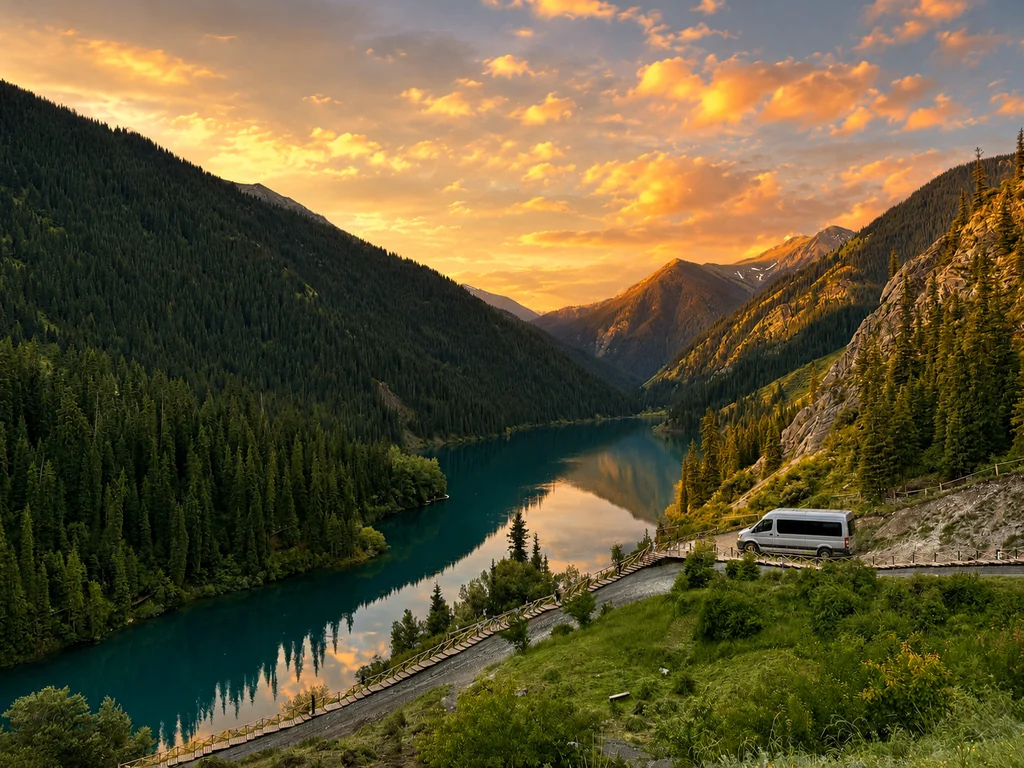
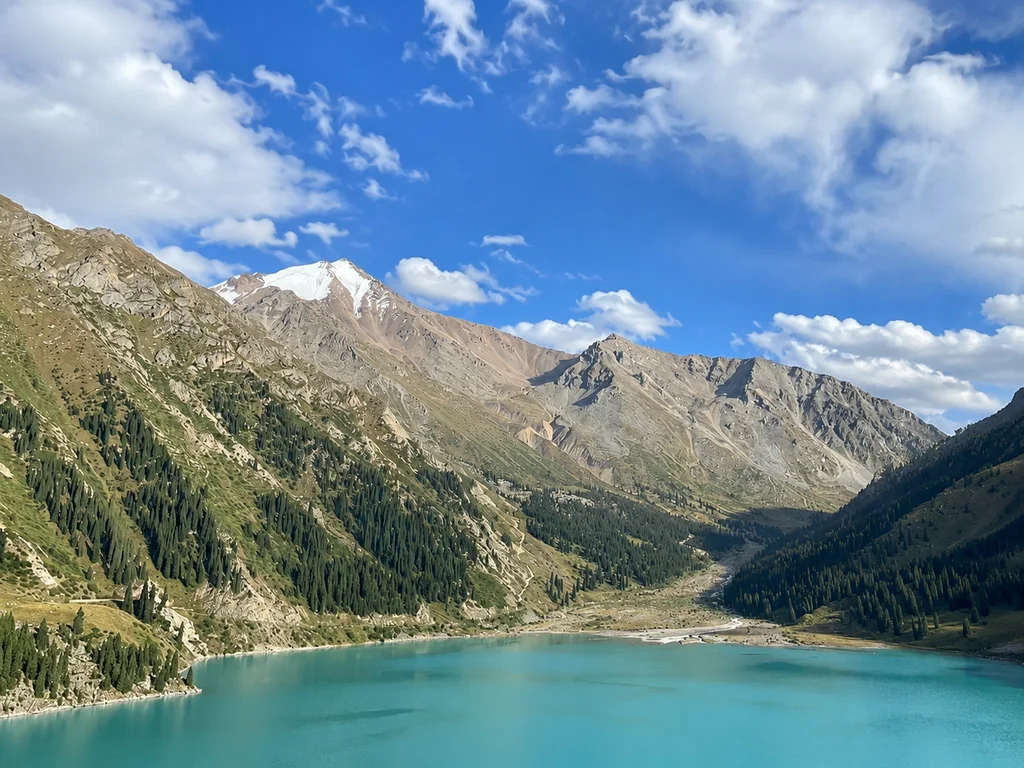
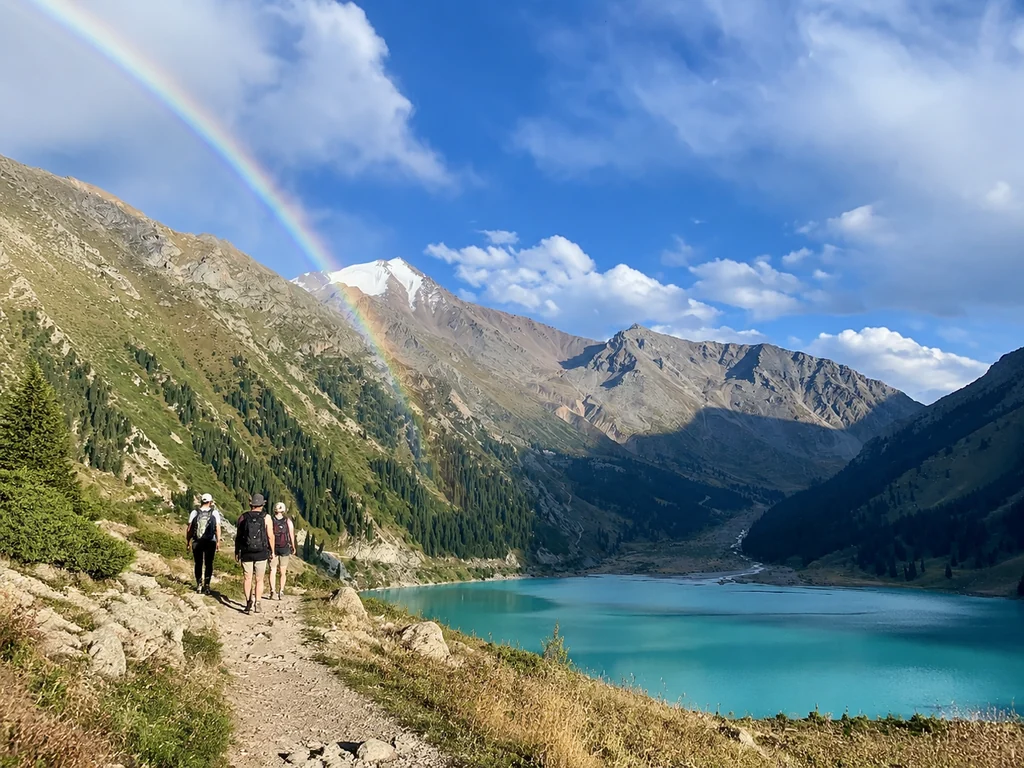
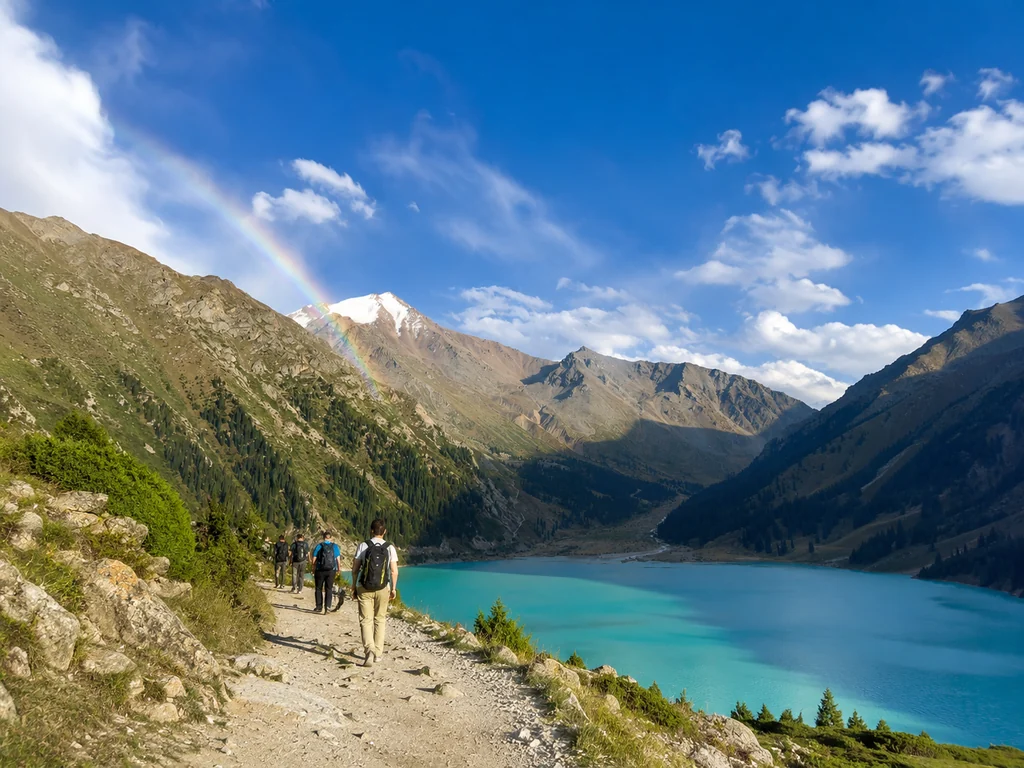
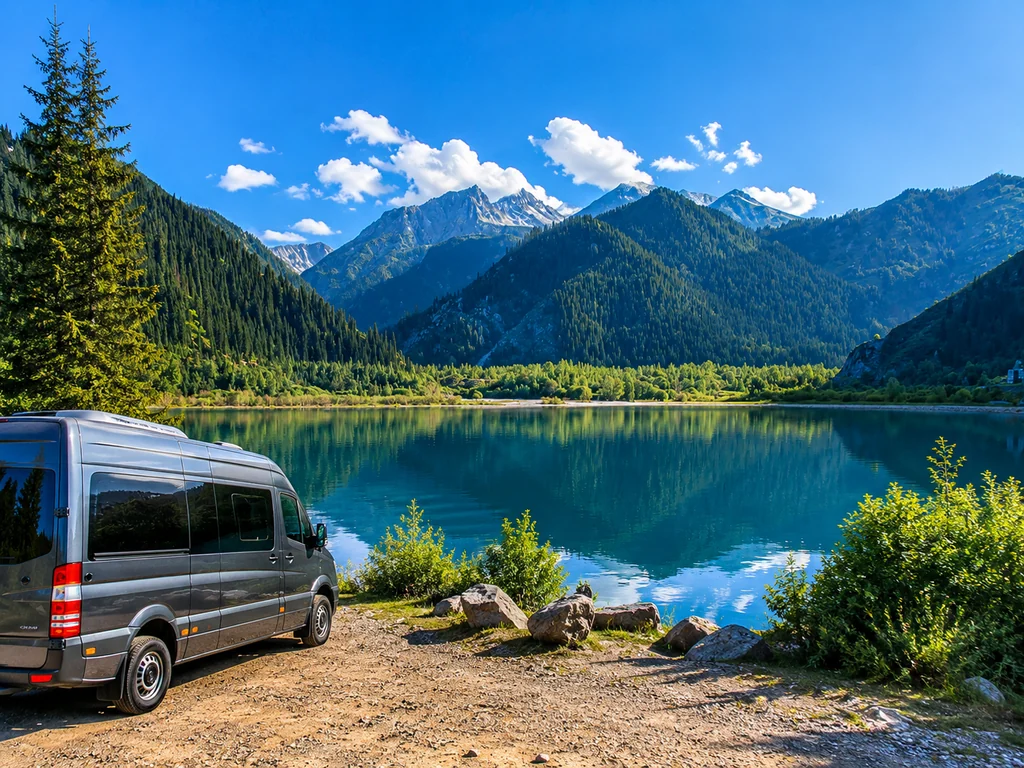
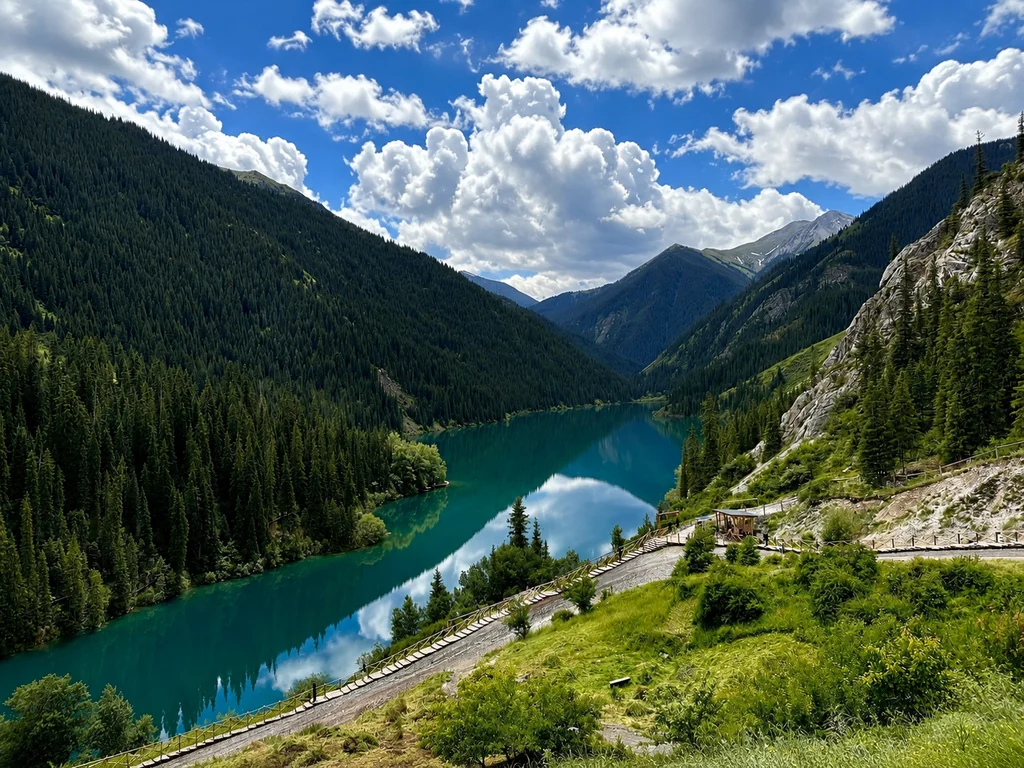
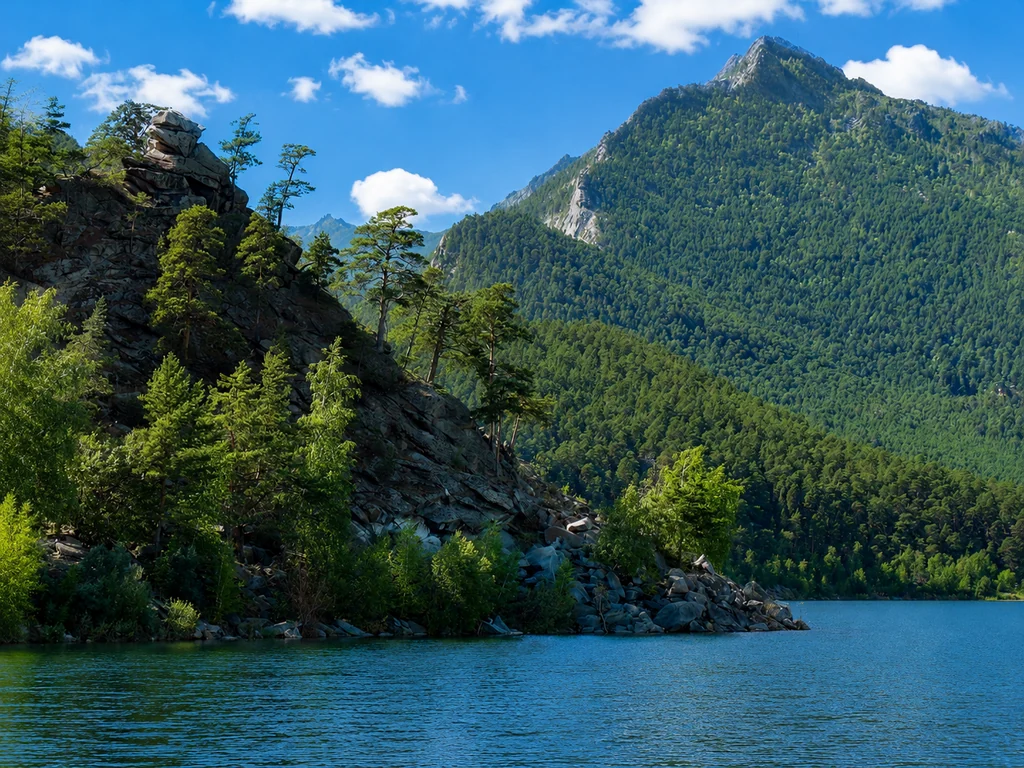
A 13-hour individual car tour at $66 per person, daily at a time agreed on request. The route links two jewels of the Kungey Alatau: the Kolsai lakes and Kaindy. Kolsai is a chain of three lakes at roughly 1,800, 2,250 and 2,700 metres above sea level, connected by trails through fir forests. Kaindy is the sunken forest described above.
In one day you see both, but the schedule is tight: the drive from Almaty to the Kolsai area is around 280 kilometres, and you need time on foot between the lakes. The lower Kolsai lake is the easiest to reach, and the upper lakes require more walking and climbing. The water is cold, the air is fresh, and the mountain slopes are covered with Tian Shan fir.
This individual format is good for travellers who want flexibility and privacy. It is a long day, so an early start helps. The route is popular in summer and autumn, when the roads are clear and the lakes are at their most colourful.
Kolsai Lakes and Kaindy over Two Days
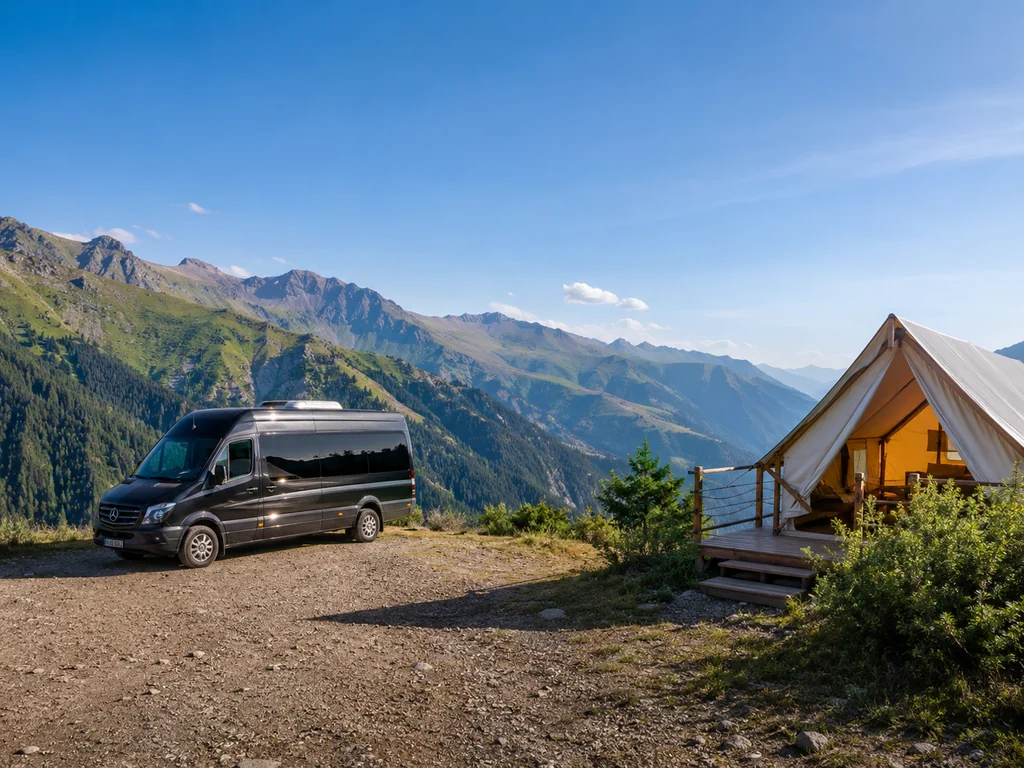
A two-day, one-night group car tour at $88 per person, running on Fridays, Saturdays and Sundays. The extra day changes the rhythm completely: instead of rushing, you can walk between the Kolsai lakes, spend time at the water and sleep at a mountain guesthouse. The route covers three turquoise Kolsai lakes and the sunken forest of Kaindy.
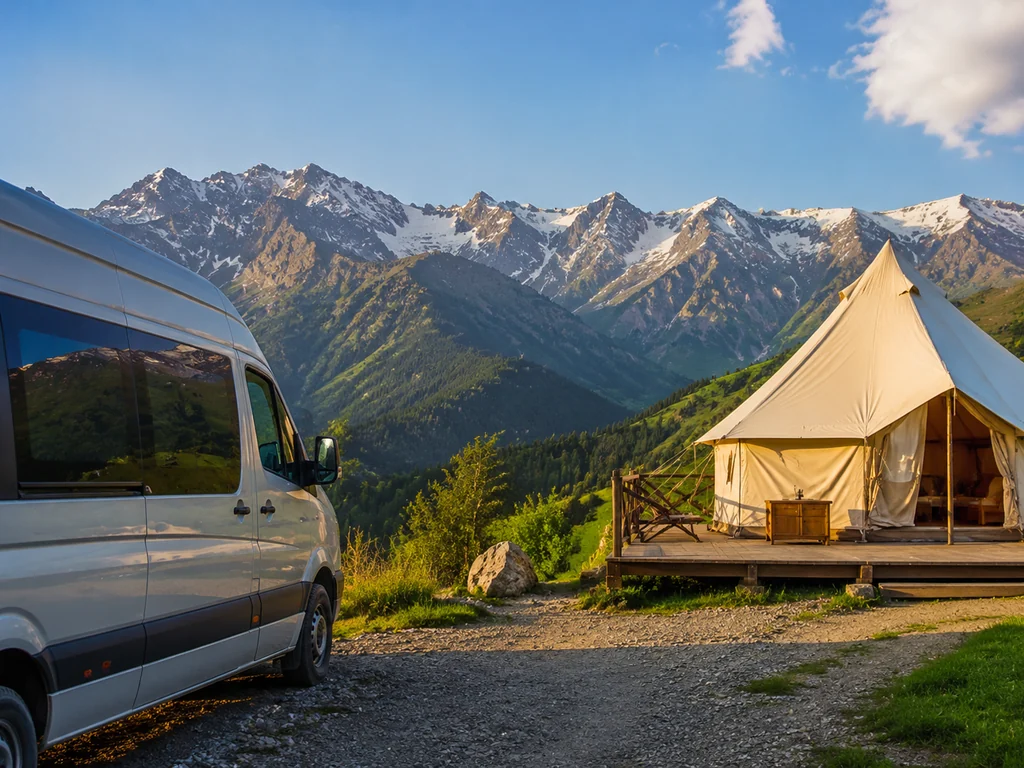
The overnight stay is in the Kolsai area, at an altitude where nights are cool even in summer. The second day allows a slower return to Almaty with stops along the way. This is the version to choose if you want to enjoy the scenery rather than tick it off.
The tour is a group format by car, so the pace is shared. Walking between the lakes involves uphill sections, and the trails can be muddy after rain. Sturdy shoes and a rain jacket are worth packing.
Kolsai Lakes and Kaindy: What to Expect on the Trails
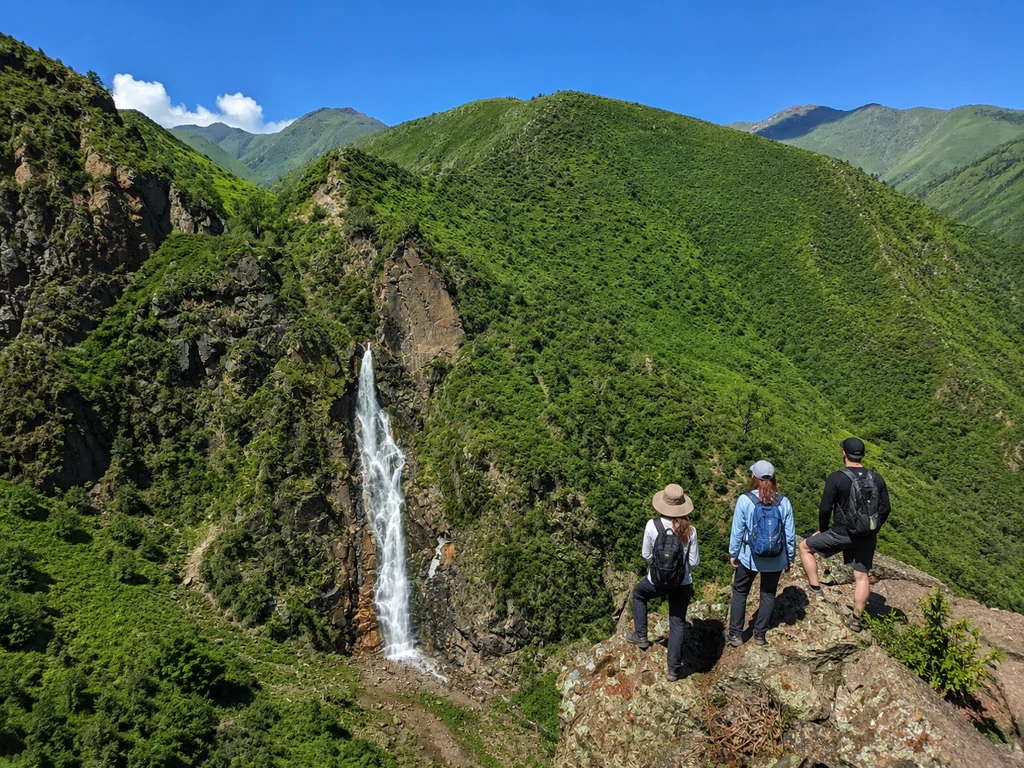
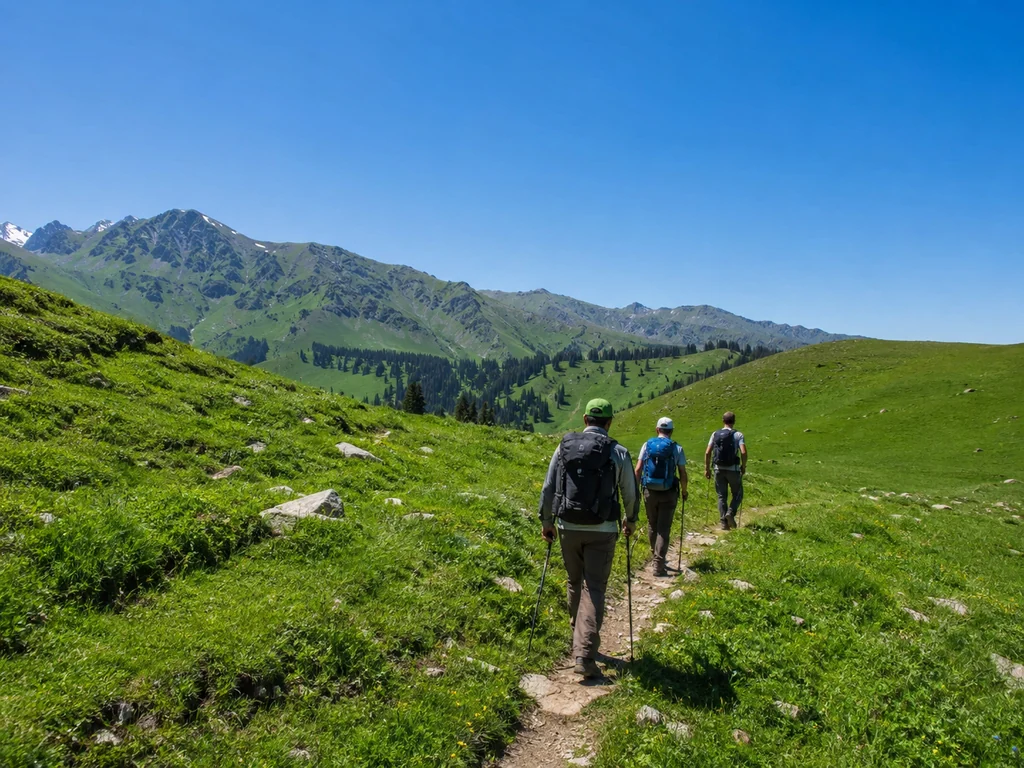
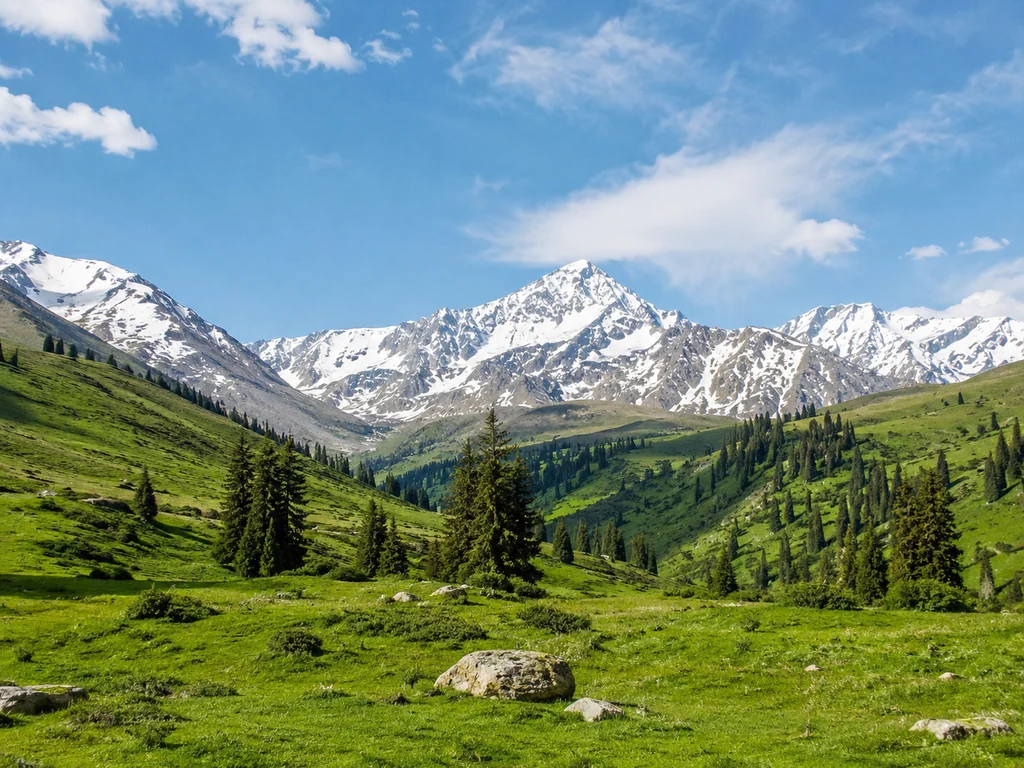
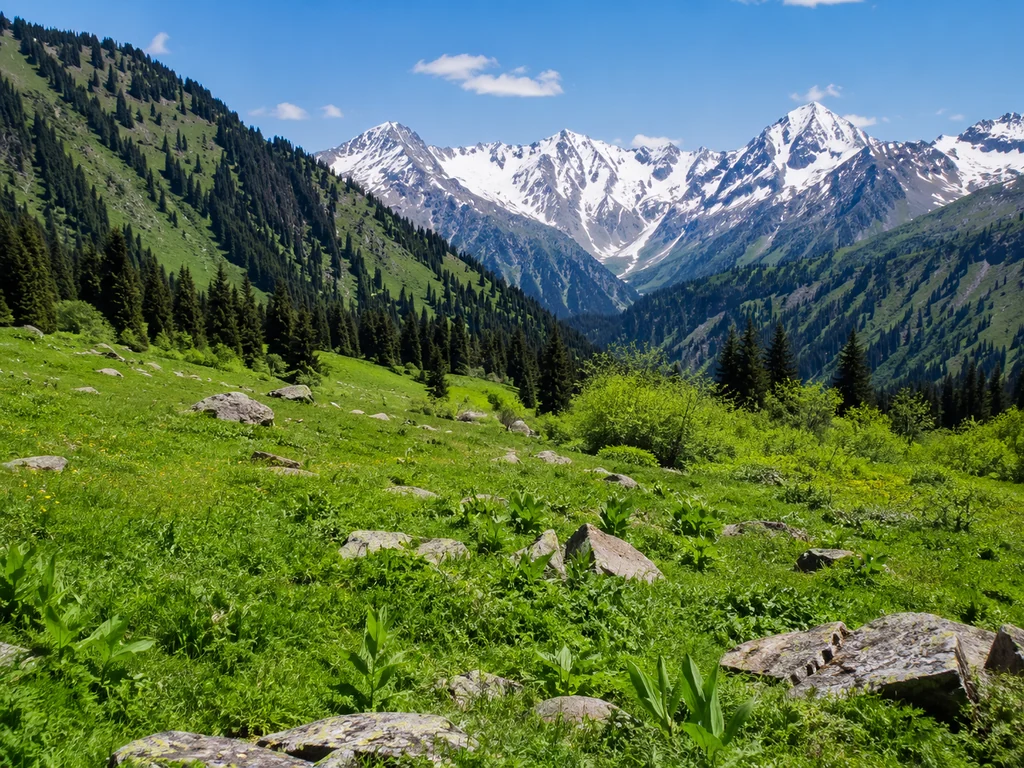
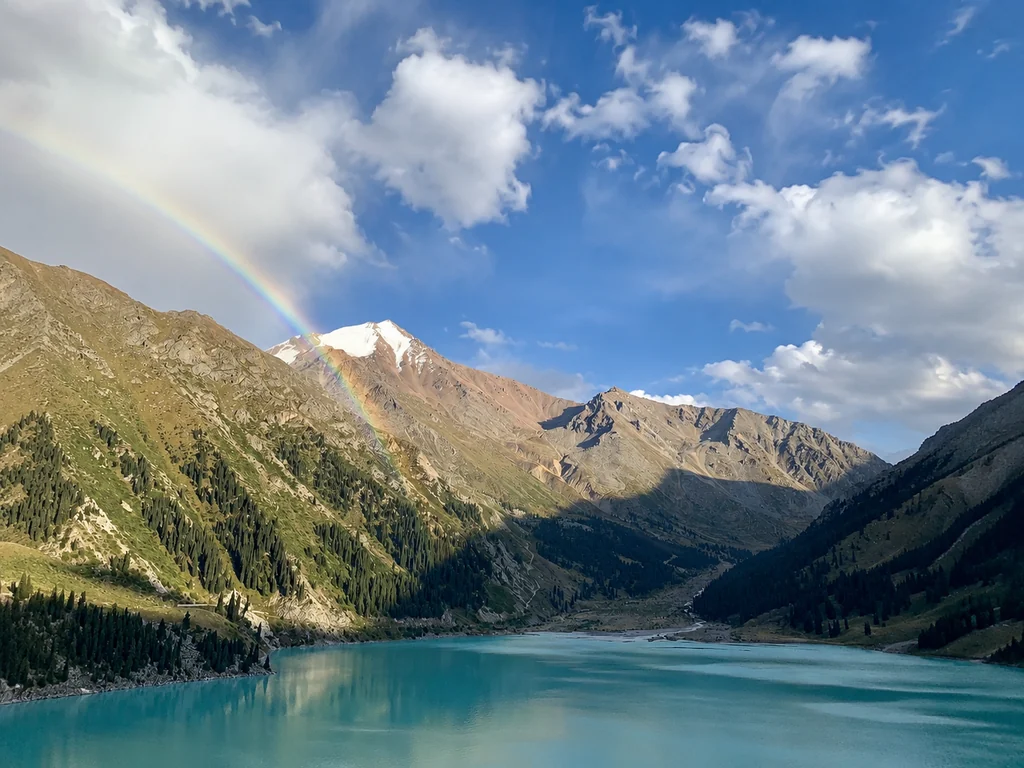
The Kolsai lakes sit in a protected national park, and the trails between them climb steadily. The first lake is a short walk from the road, the second is about an hour uphill, and the third is a longer hike. Altitude gain matters: from around 1,800 metres at the first lake to 2,700 metres at the third, so take your time if you are not used to thin air.
The forest is dense with Tian Shan fir, and wildlife includes ibex and roe deer on the higher slopes. Fishing is regulated in the park, and hunting is not part of these tours. The water is clean and cold, fed by glaciers, and the colour shifts from green to deep blue depending on the light.
Weather in the Zailiysky Alatau is changeable: a sunny morning can turn into rain or even snow at altitude in shoulder seasons. June to September is the most reliable window for hiking, while late May and October can be cold and wet.
Kazakhstan Multi-Day Tours: Issyk-Kul, Mangystau and Beyond
Issyk-Kul by Bus (Kyrgyzstan)
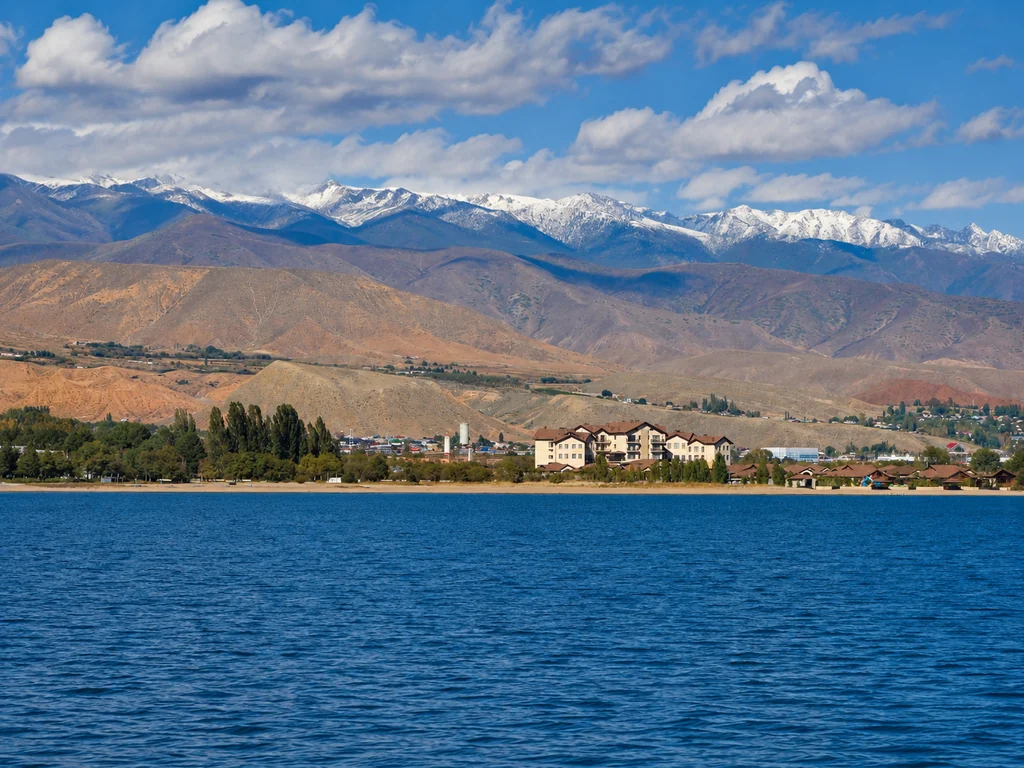
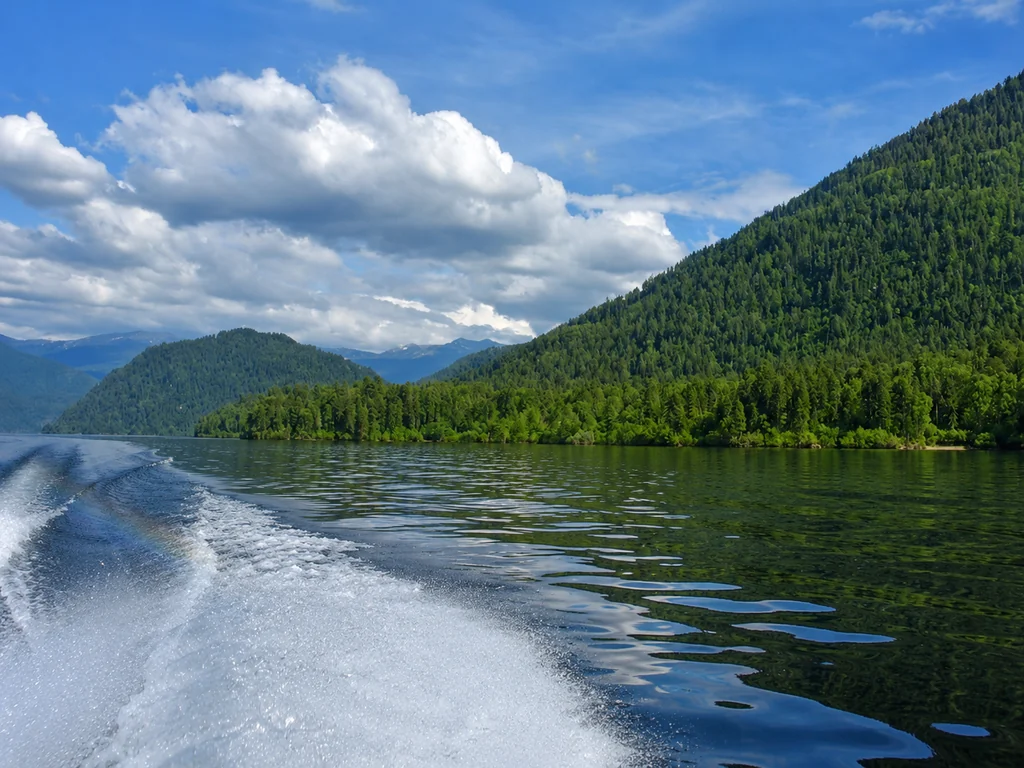
A four-day, three-night group bus tour at $144 per person, running on schedule. The route crosses into Kyrgyzstan and reaches Lake Issyk-Kul, one of the largest alpine lakes in the world, lying at about 1,600 metres above sea level. The lake is slightly saline, so it does not freeze in winter, and the surrounding mountains are part of the Tian Shan system.
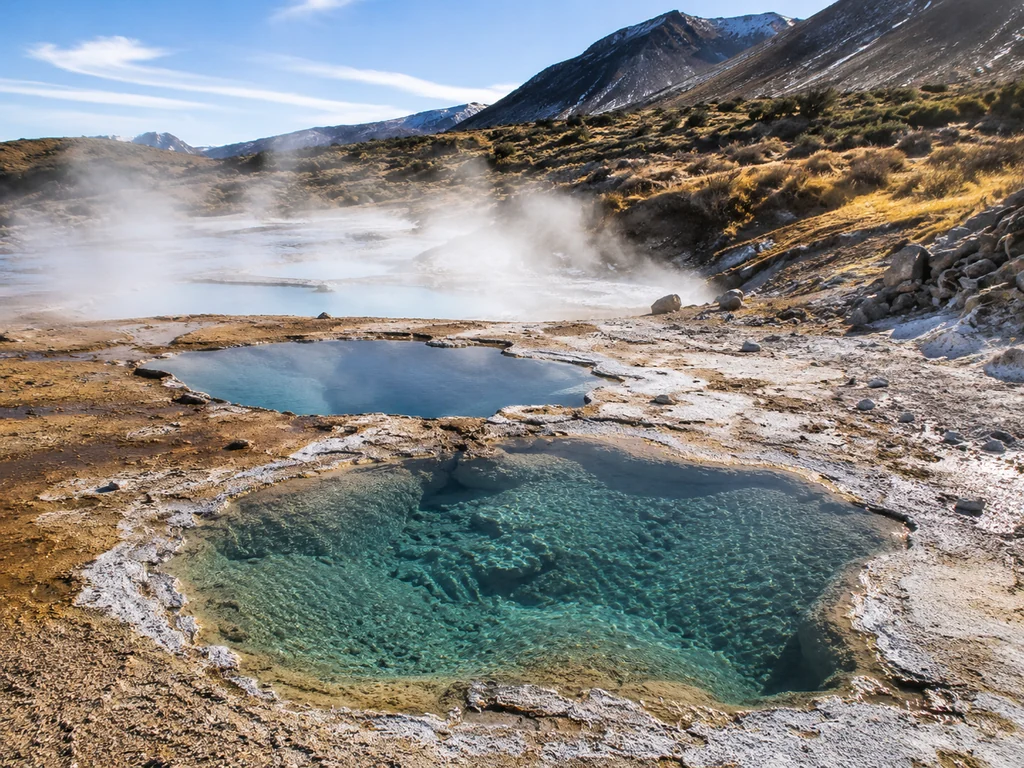
The programme includes hot springs, the Ak-Bermet canyon and nights on the shore with mountain views. Crossing a border means carrying your passport and checking entry rules in advance; border formalities can take time. The drive from Almaty to the lake is long, so the bus format suits travellers who prefer a structured schedule.
Issyk-Kul is a summer destination: the swimming season runs roughly from June to September, and the water is warmest in July and August. The canyon and springs are accessible for most of the year, but winter travel in the mountains requires care.
Mangystau Jeep Expedition: Boszhira, Tuzbair and Underground Mosques
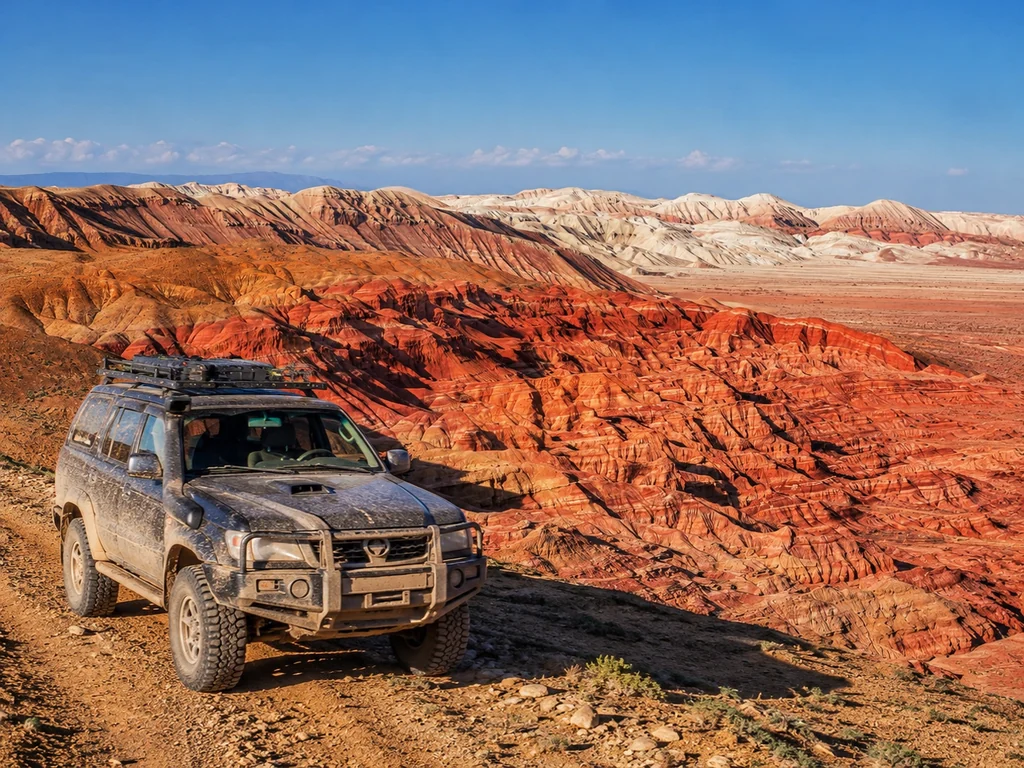
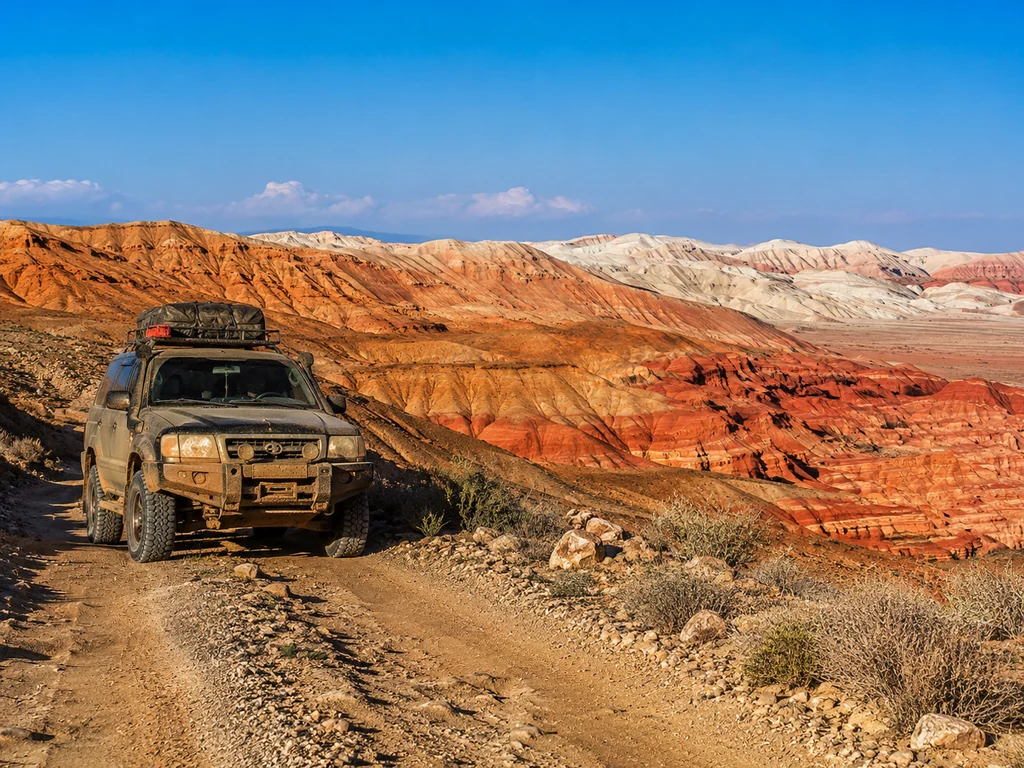
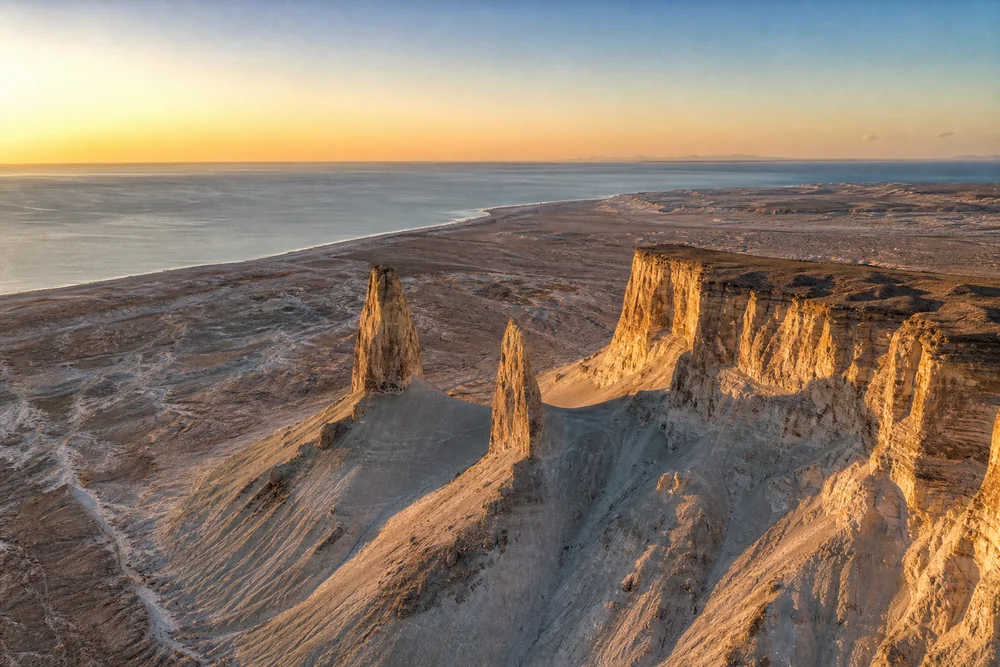
A four-day, three-night group jeep tour at $399 per person, running on schedule. Mangystau is a desert region in western Kazakhstan, on the eastern shore of the Caspian Sea. The route covers the Boszhira plateau, the Tuzbair canyons, Mount Sherkala and the underground mosques carved into rock.
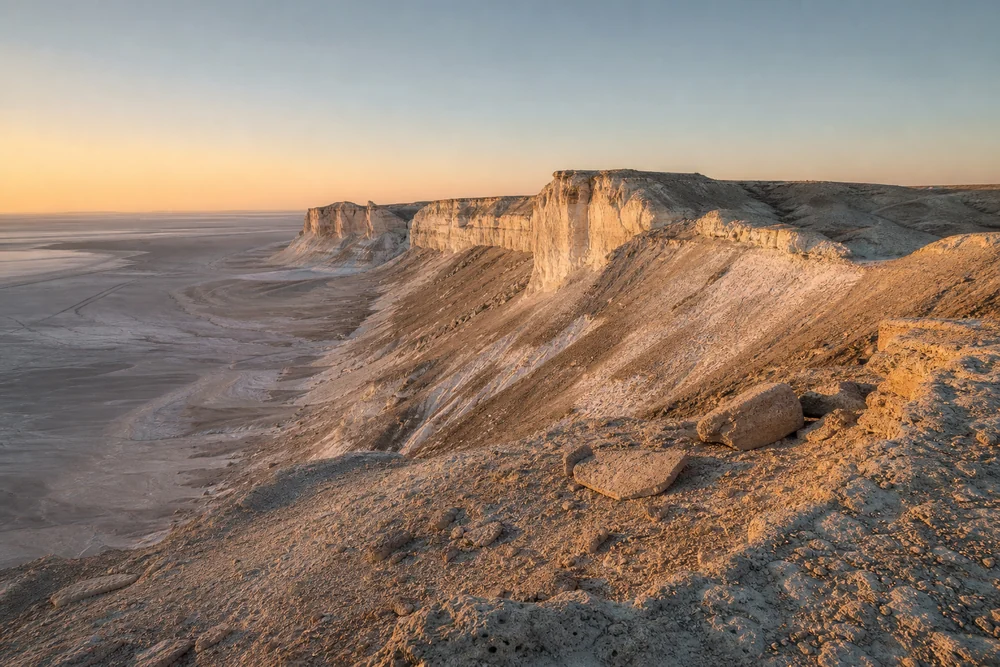
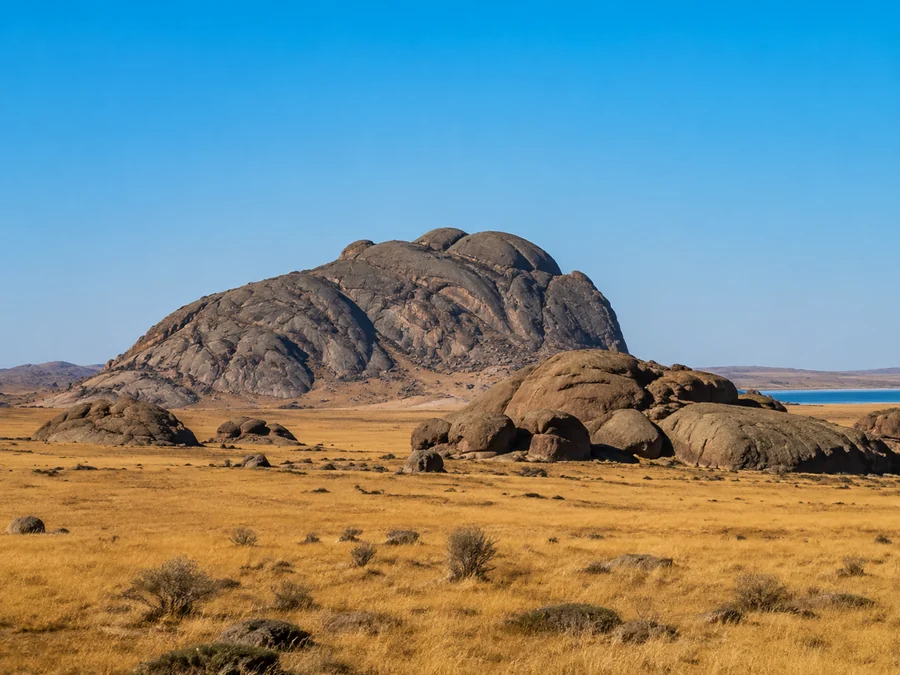
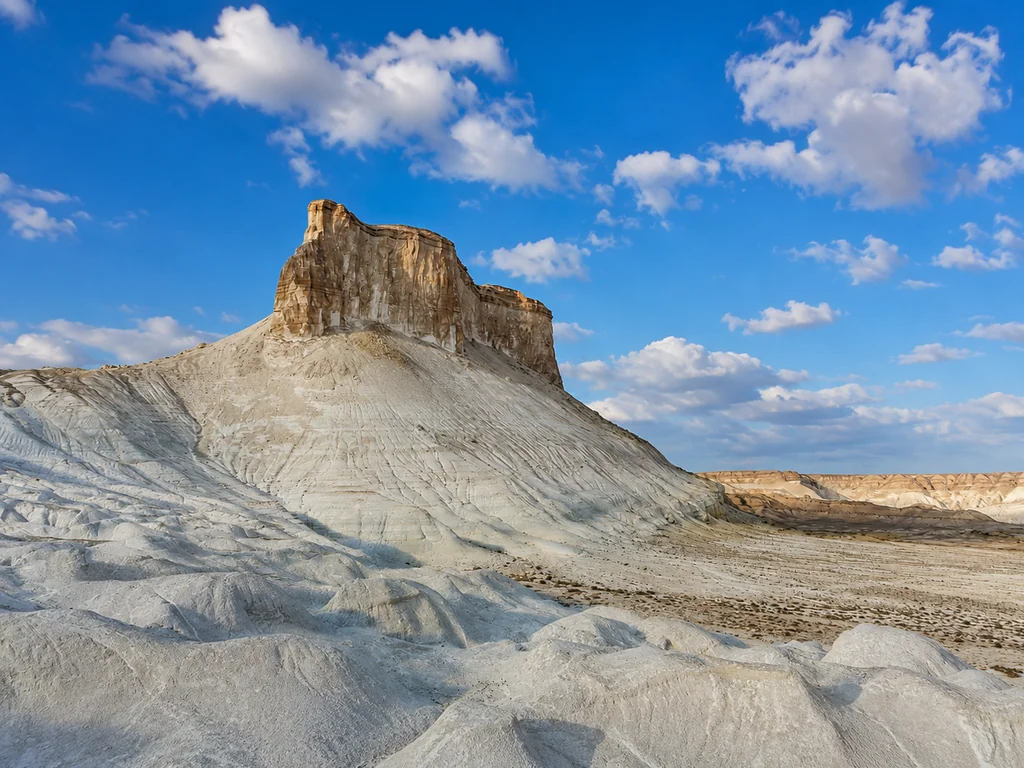
The landscapes here are unlike anything near Almaty: white chalk cliffs, salt flats, table mountains and dry steppe. Boszhira is known for its layered rock remnants that look like stone ships, and Tuzbair for its white limestone walls and salt lakes. Sherkala is a solitary mountain that rises from the plain and is visible for kilometres.
The region is arid, with hot summers and cold winters. Spring and autumn are the best seasons, when daytime temperatures are moderate. The tour is a jeep expedition, so expect long off-road drives, basic conditions and big distances between stops.
Grand Mangystau Tour: Seven Days Across the Desert
A seven-day, six-night group jeep tour at $709 per person, running on schedule. This is the longest and most expensive route in the section, and it covers all the key locations of Mangystau: the Boszhira plateau, the Tuzbair canyons, Mount Sherkala and the underground mosques, plus time to absorb the desert itself.
Seven days allow a slower pace and more time at each site, including sunrise and sunset at the most photogenic spots. The region is remote, with long drives on dirt roads and few settlements. Nights are spent in the desert or in simple accommodation, and the weather can change from hot days to cold nights.
This tour is for travellers who want a deep immersion in a harsh and beautiful landscape. Physical preparation matters less than patience and a taste for off-road travel. Water, sun protection and warm layers for the evening are essential.
Kazakhstan Climbing and Adventure: Rock and Ice
Rock Climbing for Beginners on Natural Terrain
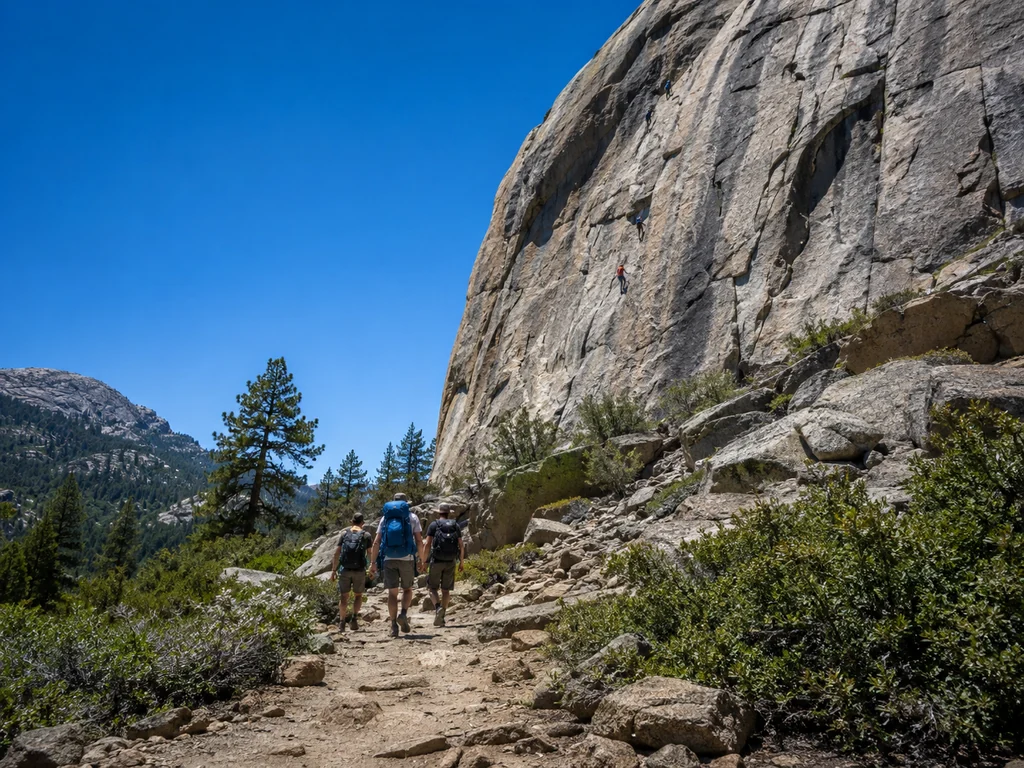
A five-hour individual walking tour at $172 per person, daily at a time agreed on request. The venue is natural rock near Almaty, in the foothills of the Zailiysky Alatau. Under the guidance of an instructor you learn basic climbing techniques and try routes of different difficulty. No special equipment is needed — it is provided.
Climbing outdoors is different from a gym: the rock is real, the holds are natural, and the view from the top is a reward in itself. The routes are chosen to match your level, and the session includes safety basics, belaying and movement on rock. Five hours is enough for a first taste and a few climbs.
This tour suits complete beginners and anyone curious about the sport. Fitness helps but is not a requirement, as the routes are adapted to the participant. Restrictions on age and weight are confirmed at the time of booking. Wear comfortable clothes and shoes with good grip.
What the Mountains Around Almaty Offer
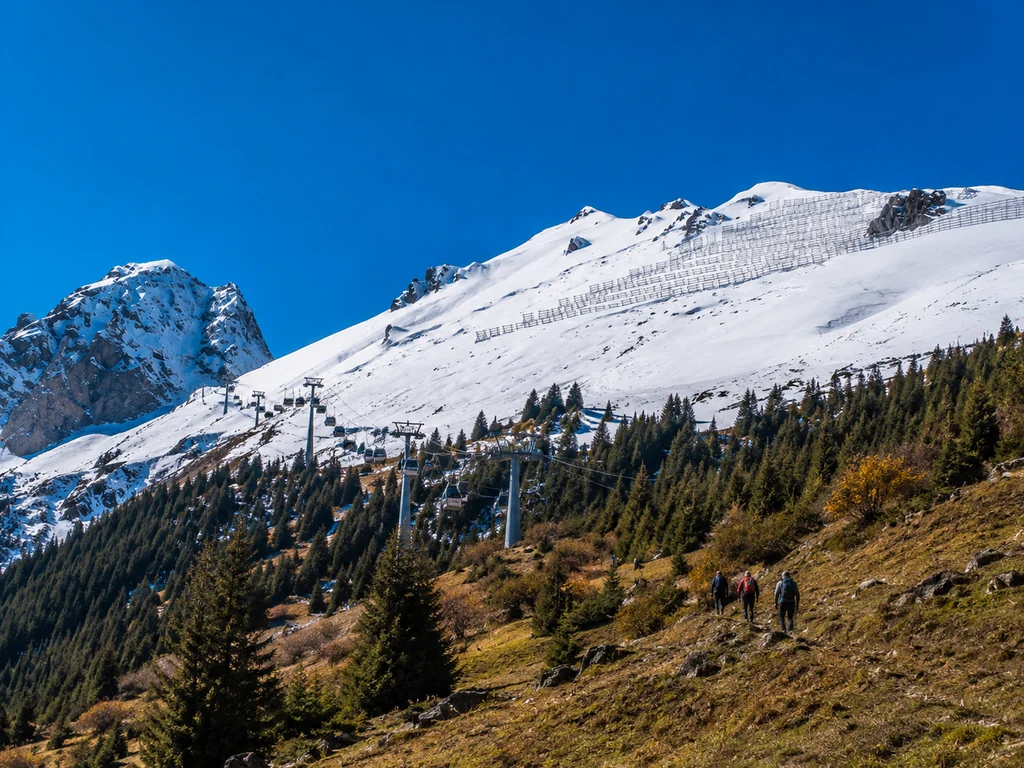
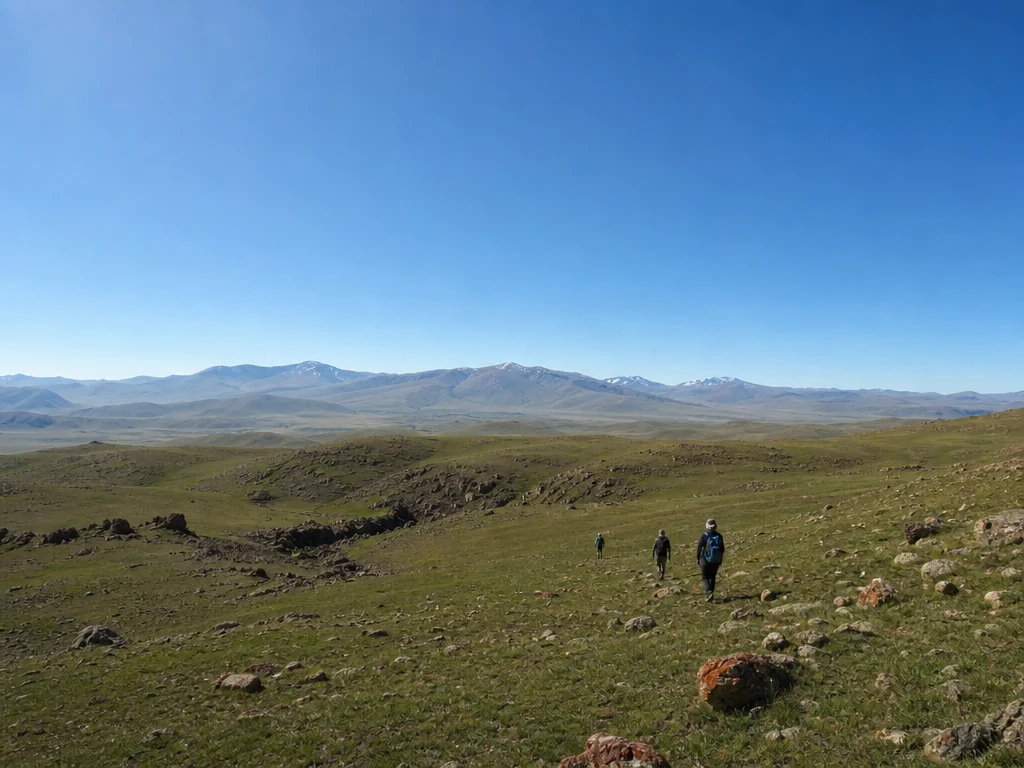
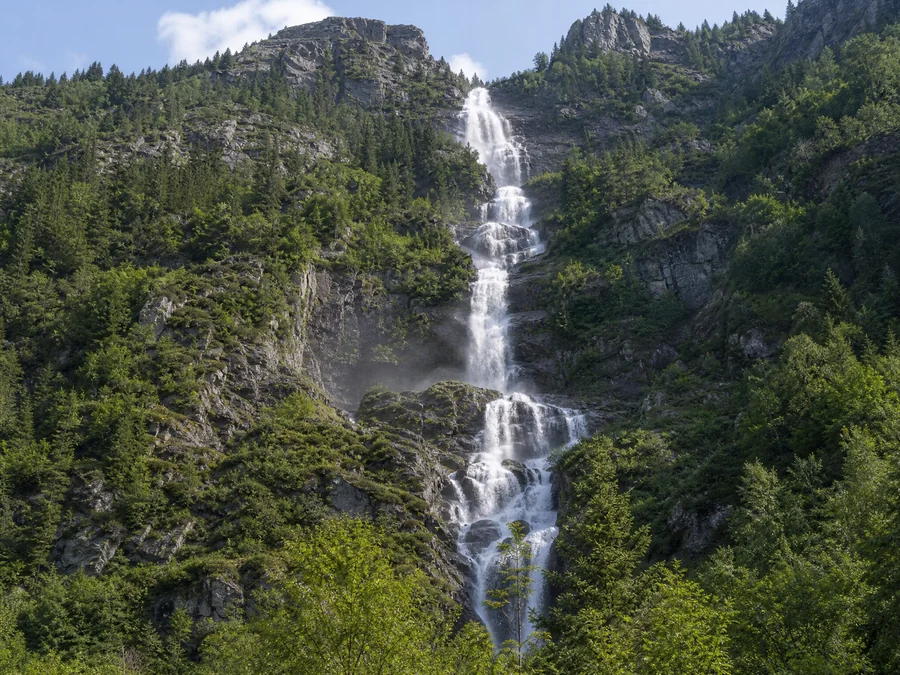
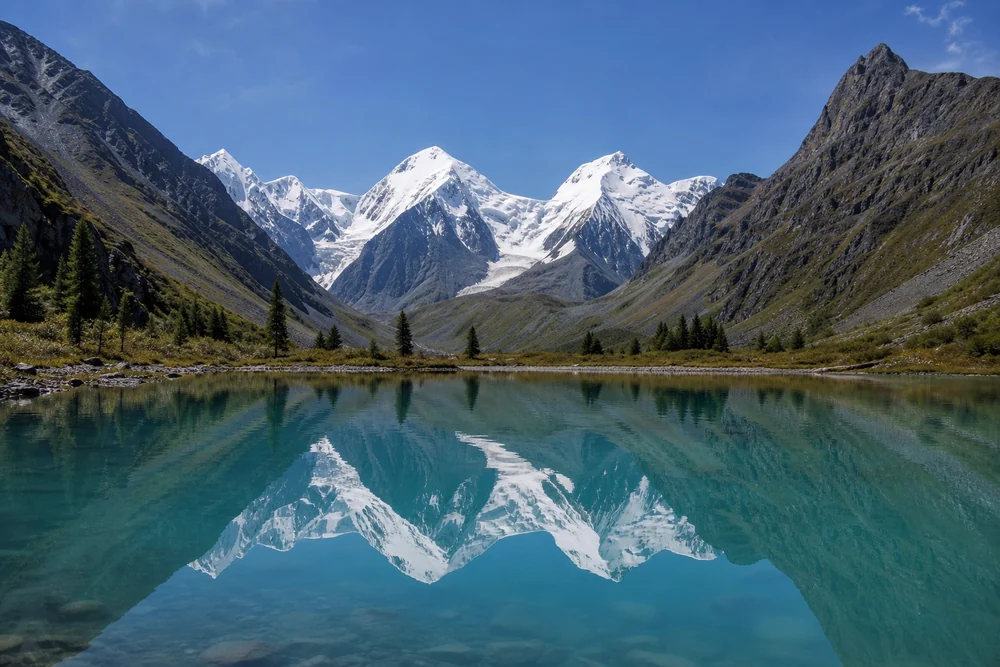
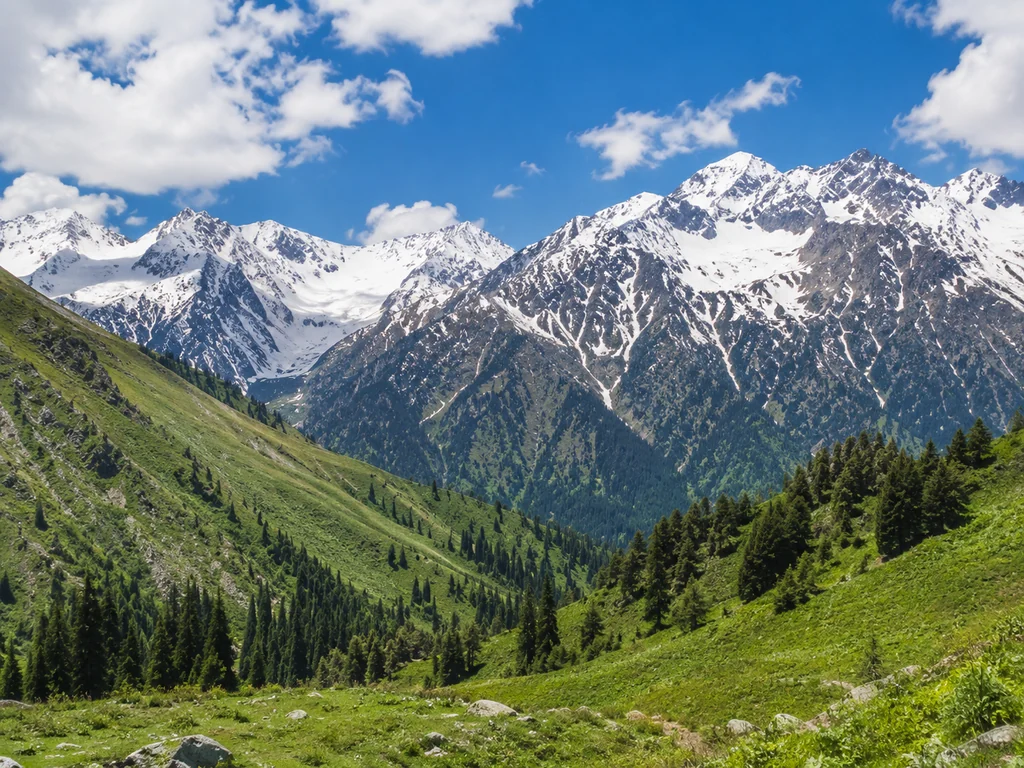
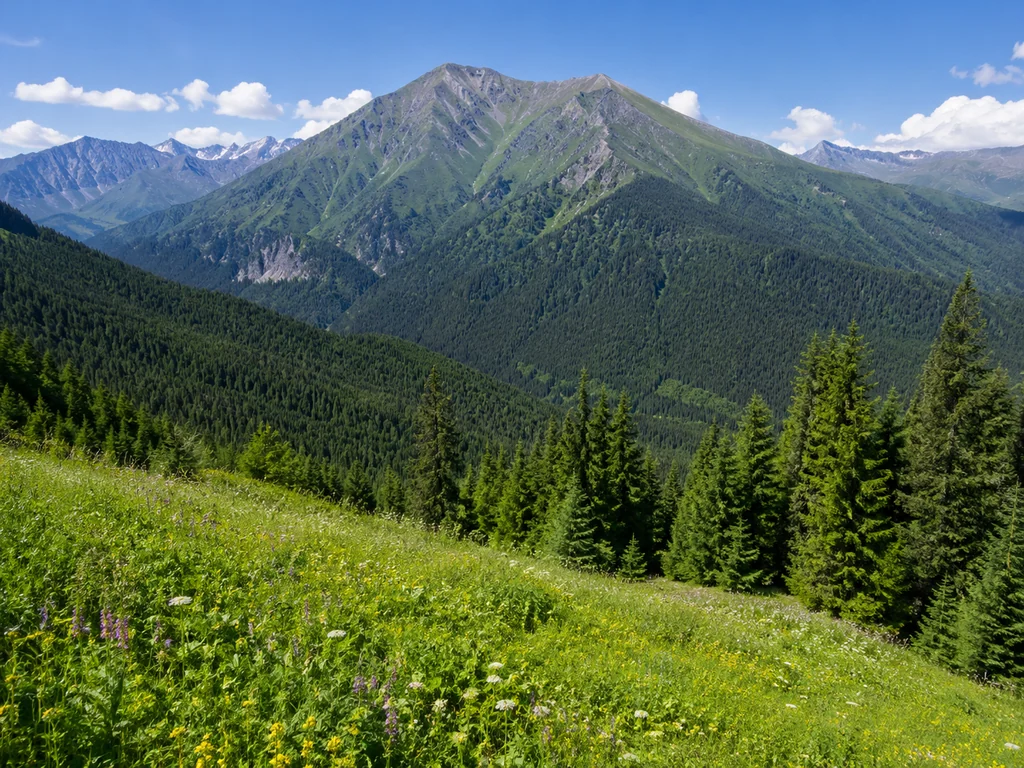
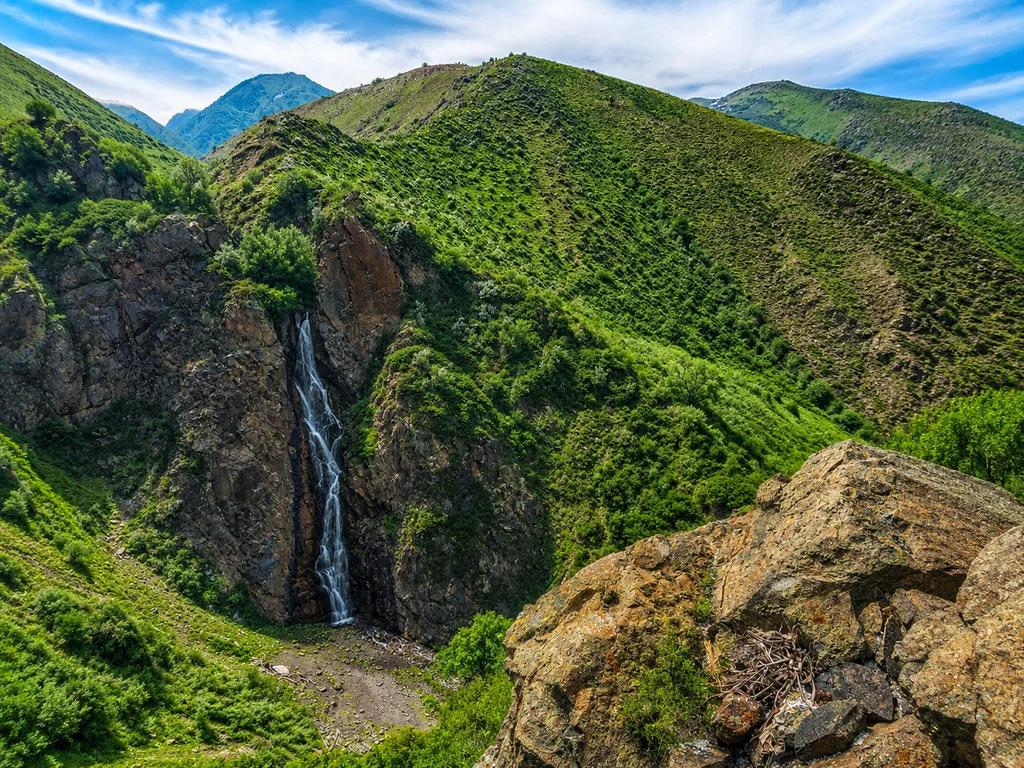
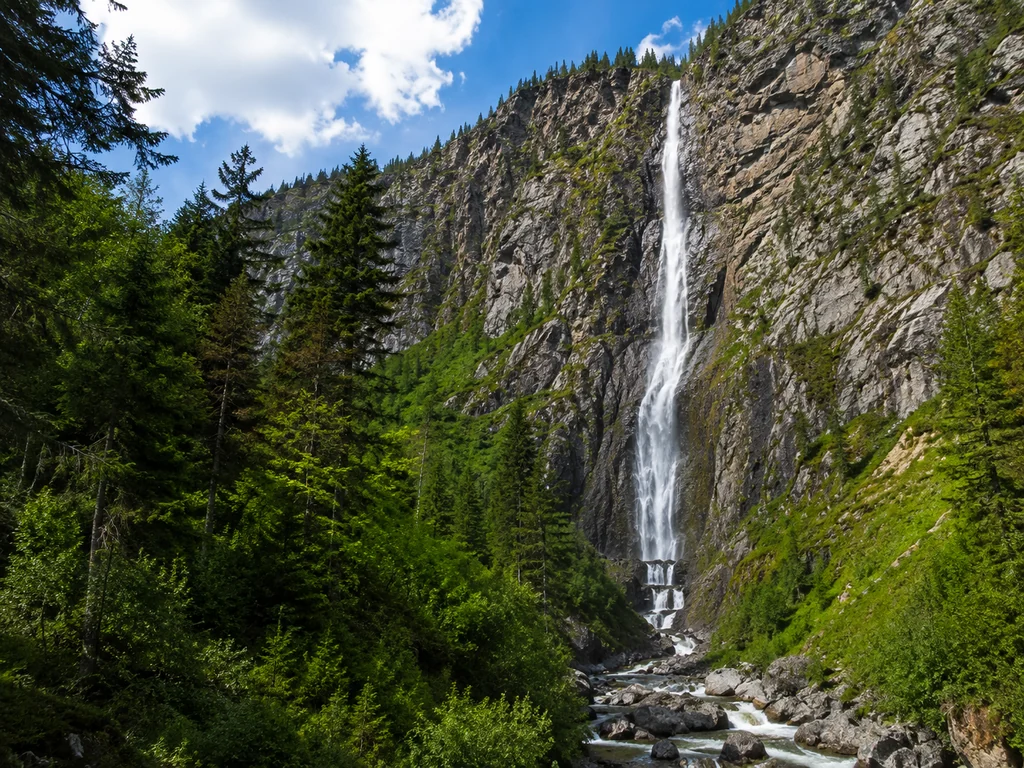
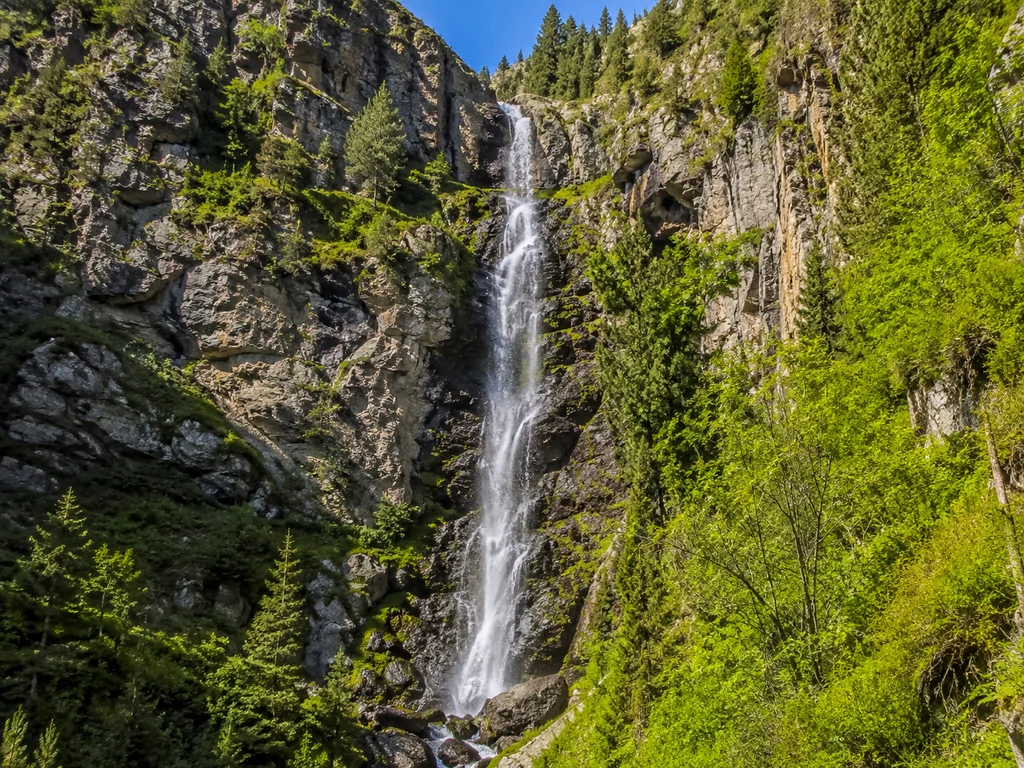
The Zailiysky Alatau rises immediately south of the city, with peaks such as Pobeda Peak (7,439 m) and Khan Tengri (7,010 m) further east in the Tian Shan. Closer to Almaty, the Turgen and Ushkonyr gorges offer waterfalls, hot springs and trails for hiking. Shymbulak, at around 2,200 metres, is a year-round base for mountain activities.
The climate is continental: hot summers, cold winters, and a lot of sun. The best months for rock climbing are May to October, when the rock is dry and temperatures are comfortable. In winter, the same areas can be snowy and icy, requiring different skills.
Wildlife in the mountains includes ibex and roe deer, and the flora ranges from steppe grasses to alpine meadows. Fishing is possible in some rivers and lakes, and hunting is regulated by law. These activities are separate from the tours listed here and are not part of the programme.
Safety and Preparation for Adventure Tours
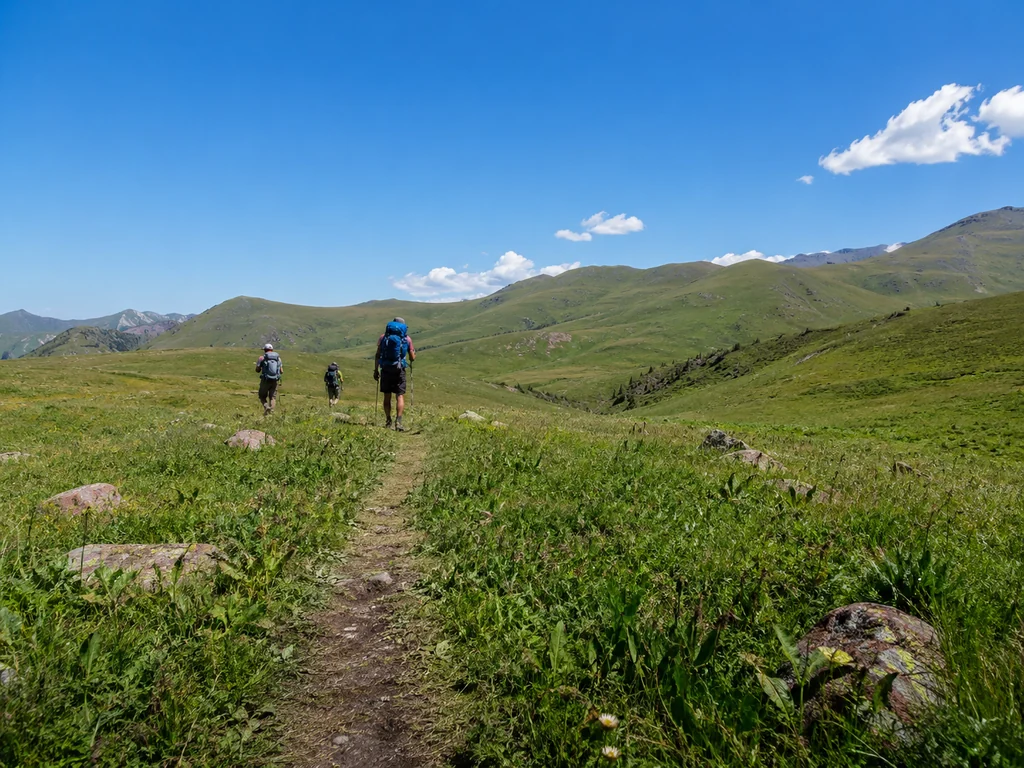
Adventure tours in Kazakhstan require basic preparation: good physical condition, appropriate clothing and respect for the weather. For climbing, listen to your instructor and follow safety rules. For jeep expeditions, be ready for long drives and rough roads. For hiking, carry water, snacks and a first-aid kit.
Altitude, heat and cold are the main challenges. Acclimatise gradually if you are going above 2,500 metres, and drink more water than usual. In the desert, cover your head and skin, and avoid the midday sun. In the mountains, pack a warm layer even in summer.
Permits may be required for border zones and protected areas; this is checked at the time of booking. Travel insurance is not included and is arranged separately if needed. Medical support is not part of the standard programme, so carry any personal medication you require.
Kazakhstan Travel Seasons and Planning
When to Visit: Month by Month
Kazakhstan is a large country with a continental climate, so seasons vary by region. In the south, around Almaty, spring starts in April and autumn lasts until October. In the desert regions of Mangystau, summer is very hot and winter is cold, with the best windows in April–May and September–October. In the mountains, snow persists until June on high trails.
The table below summarises the best months for the main tour types in this section. It is a general guide; specific dates and conditions are confirmed at booking.
Winter tours are possible in the city and at lower altitudes, but mountain roads and desert tracks can be closed by snow or mud. Always check conditions before departure.
How to Choose Between the Tours
The tours in this section differ by duration, transport and landscape. City tours are short and easy, canyon and dune tours are long day trips, and lake and desert tours last several days. The table below compares the main options by duration, format and price per person, using only the published figures.
Use this table to match your available time and interests. Shorter tours focus on one area, while longer tours combine several regions and require more preparation.
Practical Preparation for Kazakhstan Tours
Before any tour, check your documents, health and equipment. For border areas and national parks, permits may be needed; this is confirmed at booking. For mountain and desert routes, physical fitness and the right clothing make a big difference. The lists below cover the essentials.
- Documents: passport, permits if required, and a copy of your booking confirmation.
- Clothing: layers for changing temperatures, a waterproof jacket, sturdy shoes.
- Sun protection: hat, sunglasses, high-factor sunscreen.
- Water and food: enough water for the day, snacks for long drives.
- Personal items: medication, first-aid kit, power bank.
- City tours: comfortable shoes, a light jacket, a camera.
- Canyon and desert tours: hat, sunscreen, dust-proof clothing, plenty of water.
- Lake and mountain tours: warm layer, rain jacket, trekking shoes, insect repellent.
- Multi-day tours: backpack, sleeping bag if required, personal hygiene items.
Restrictions on age, weight and health are confirmed at the time of booking. Travel insurance and medical support are arranged separately if needed. Anything not mentioned in the tour description is paid separately, and the cost is confirmed at booking.
Kazakhstan Tours: Final Thoughts
This section covers a wide range of experiences, from a four-hour city walk to a seven-day desert expedition. The common thread is Kazakhstan itself: its mountains, canyons, lakes and steppe, and the cultures that have shaped them. Prices per person range from $15 to $709, and the choice depends on your time, interests and appetite for adventure.
Whatever you choose, prepare for the climate and the distances. Kazakhstan is a big country, and even a day tour can cover hundreds of kilometres. Respect the environment, follow local rules, and take your time to enjoy the landscapes. The rest — meeting points, departure times and extras — is confirmed when you book.


 Trekking