


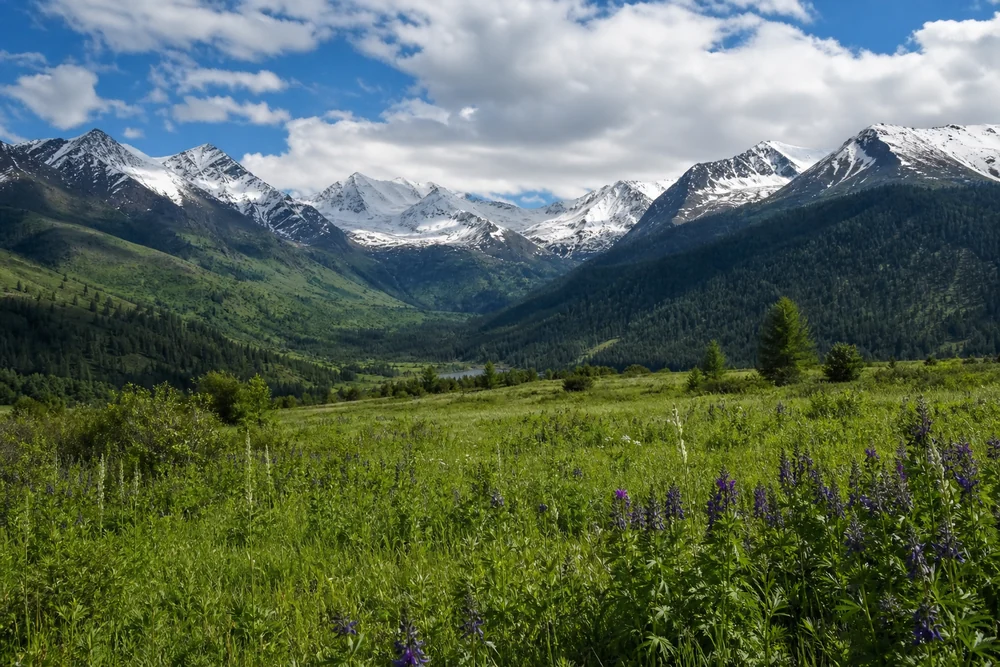
Grand tour of Katon-Karagay
★★★★★ 4.9 · 24 reviews
Seven-day tour covering Rakhmanovskie Springs, the foot of Belukha, Bukhtarma, and the Austrian Road with full immersion in nature.
from $559/person
Catalog
Choose by direction, duration, and season — the price is per person
Seven-day tour covering Rakhmanovskie Springs, the foot of Belukha, Bukhtarma, and the Austrian Road with full immersion in nature.
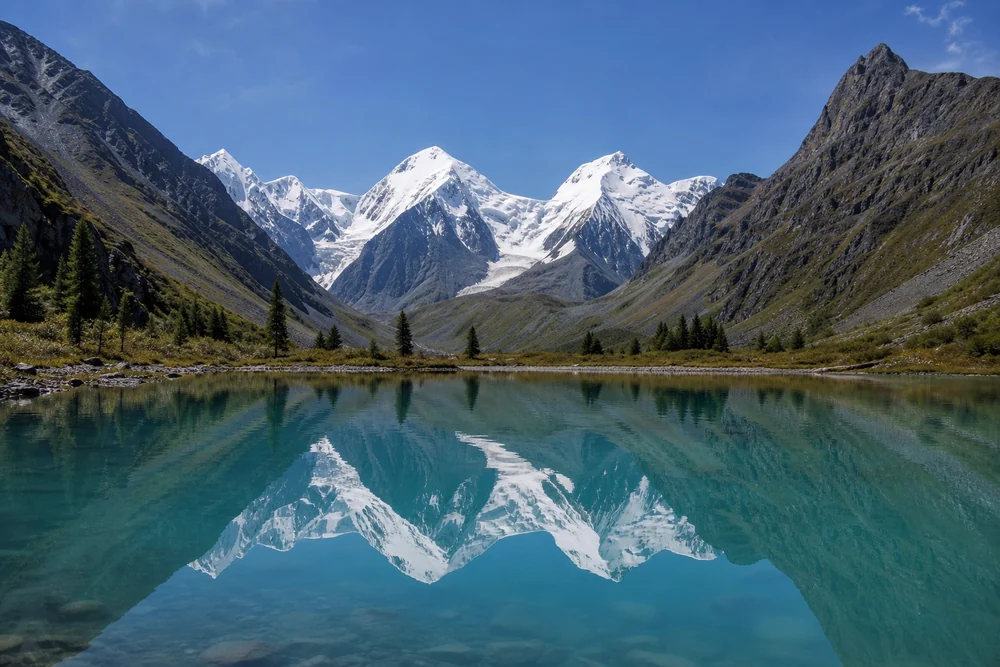
Five-day tour to the healing springs of Rakhmanovskie Springs and the foot of Mount Belukha with overnight stays in guest houses.
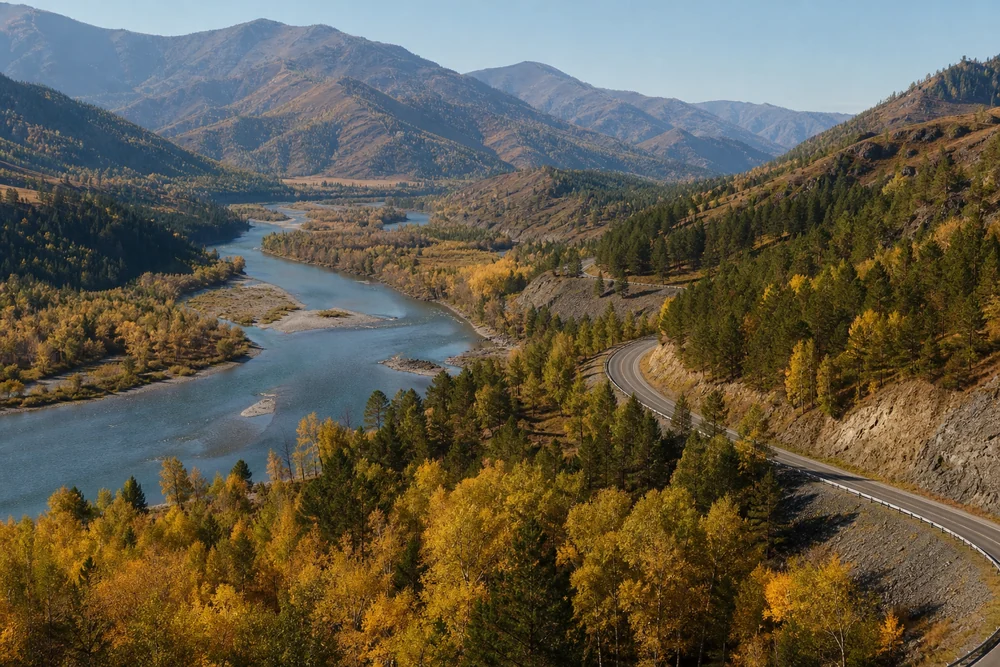
Six-day journey through the Bukhtarma Valley with a transfer along the historic Austrian Road and visits to mountain lakes.
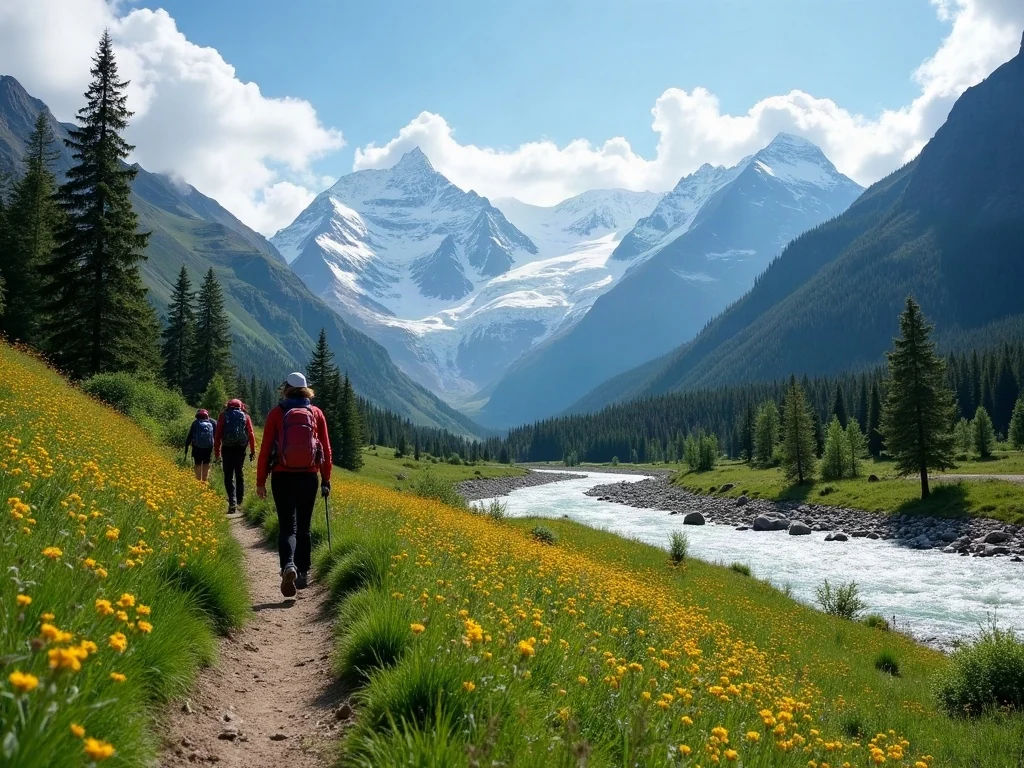 Trekking
Eight days in the Kazakh Altai: Katon-Karagay, Yazevoye Lake, and access to Belukha from Kazakhstan. Permits to the border zone, eco-fees, and three meals a day included.
 Adventure
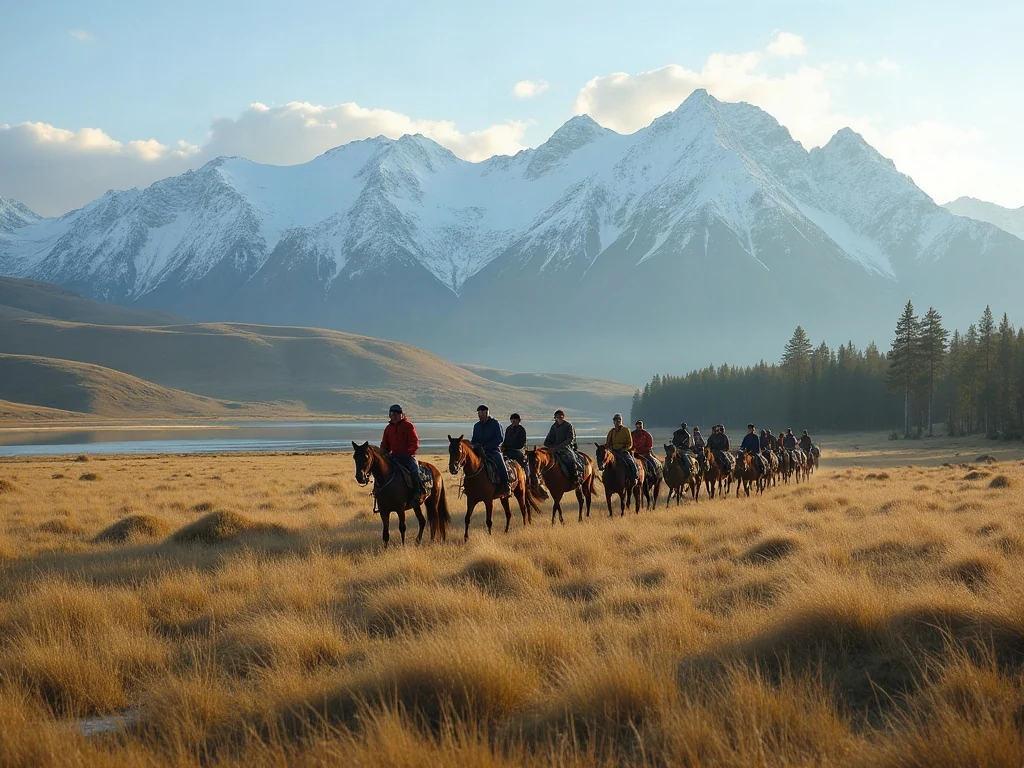
Ten days on horseback through Katon-Karagay: passes, fords, and camps near Belukha. Horse, saddle, and guide for the group included; be prepared for six to seven hours in the saddle, weight limit 110 kg.
No tours found for the selected filters.
Destinations
47 destinations across Kazakhstan and Zhetysu — choose yours and find out the price per person in WhatsApp.
 Weekend Tours
 Tours in Kazakhstan
 One-Day Tours
 Bus Excursions
 City Tours
 Jeep Tours
 Guide to Almaty
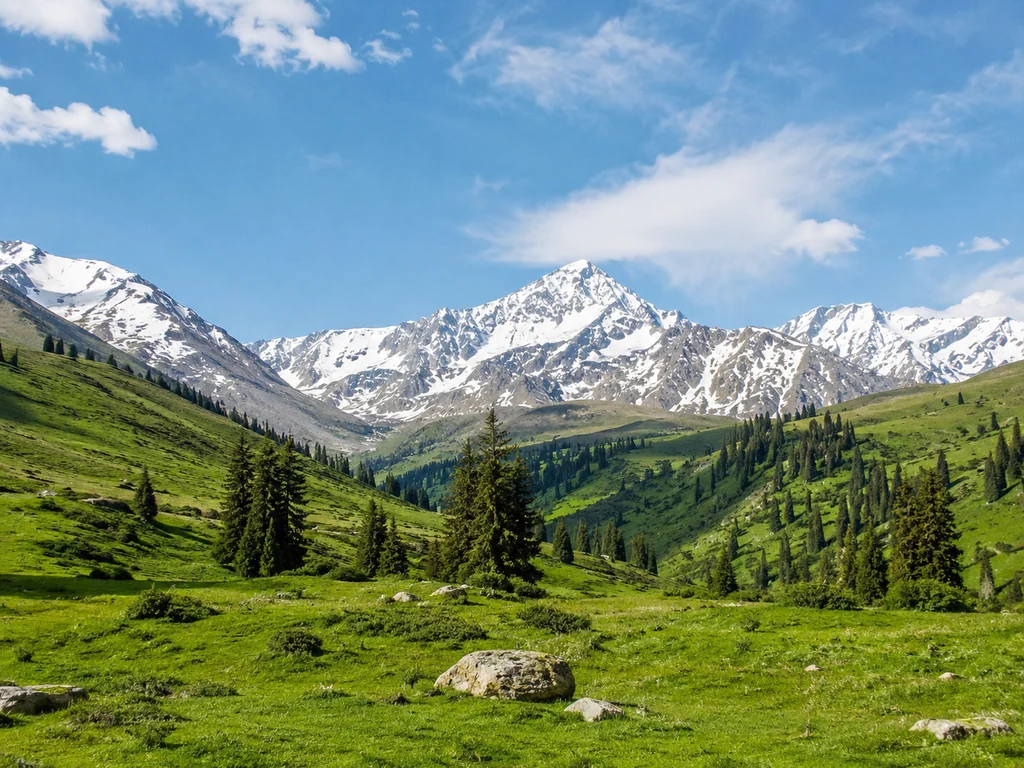 Group Tours
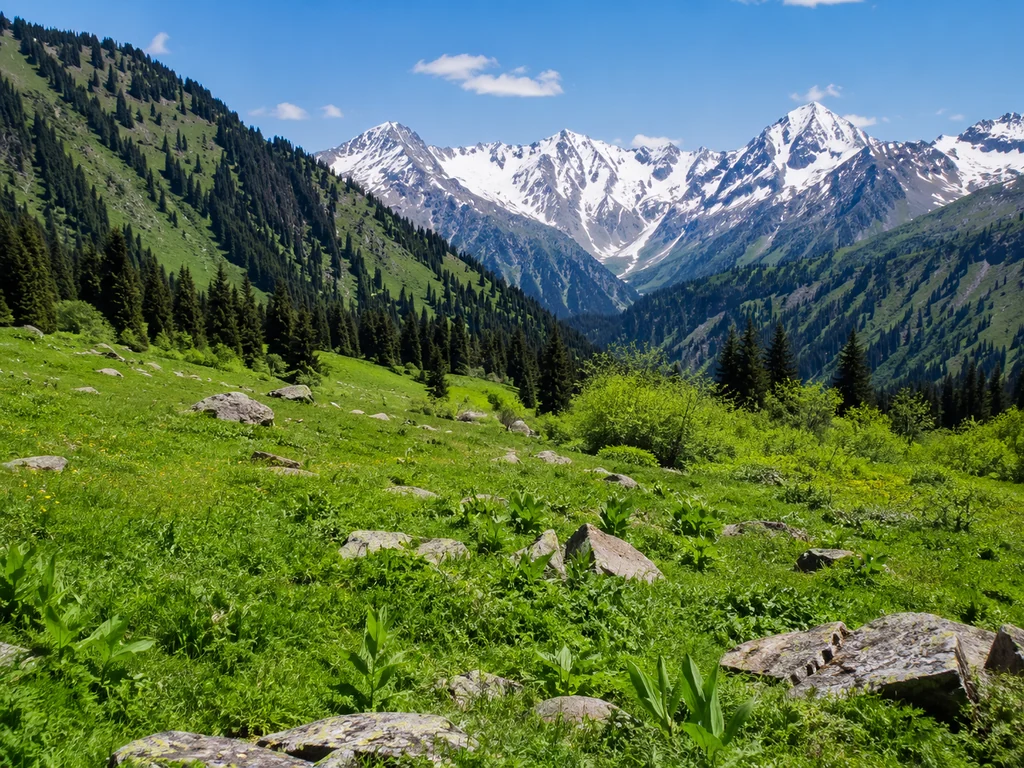 Tours in Almaty Region
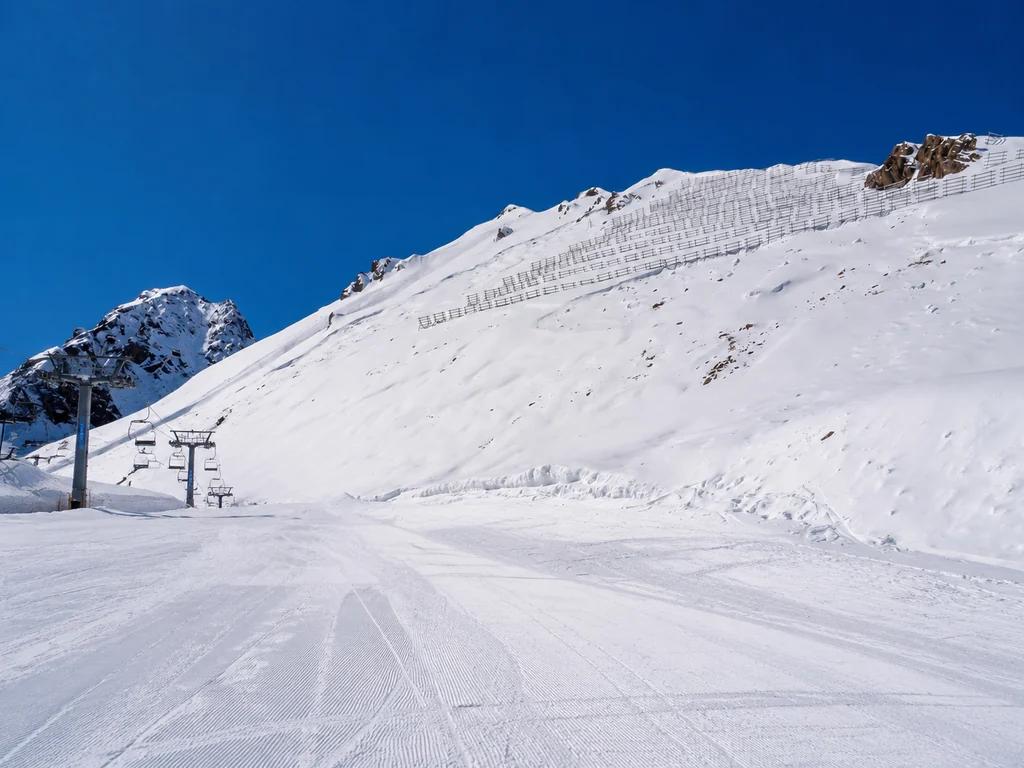 Ski Tours
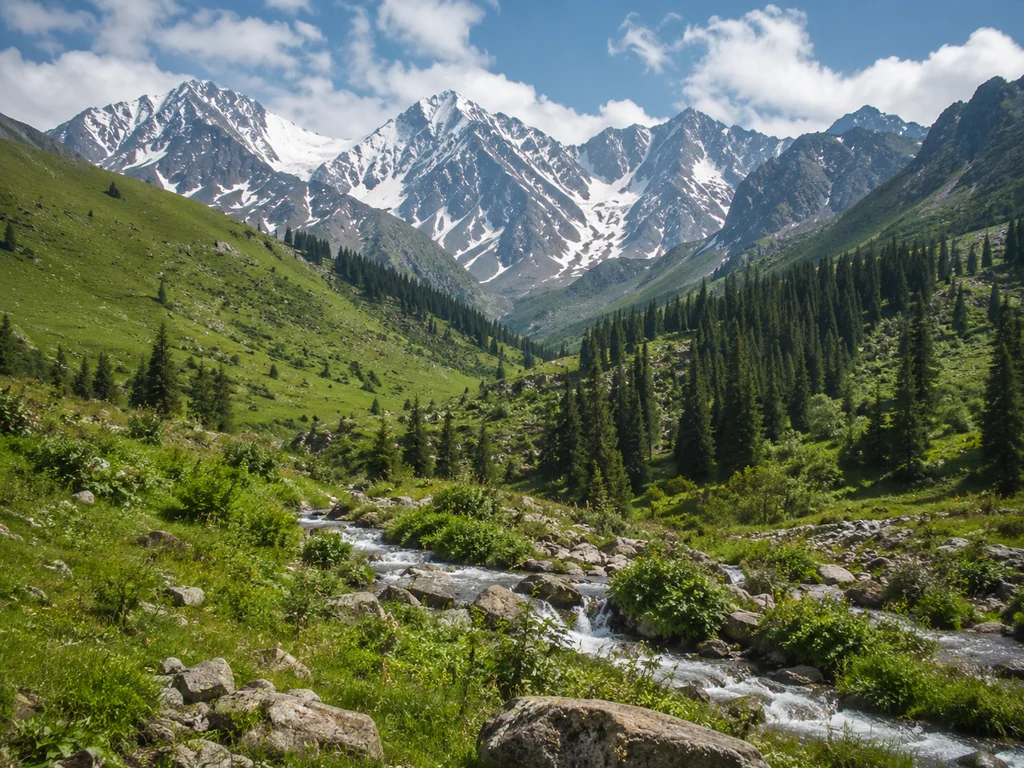 Individual Tours
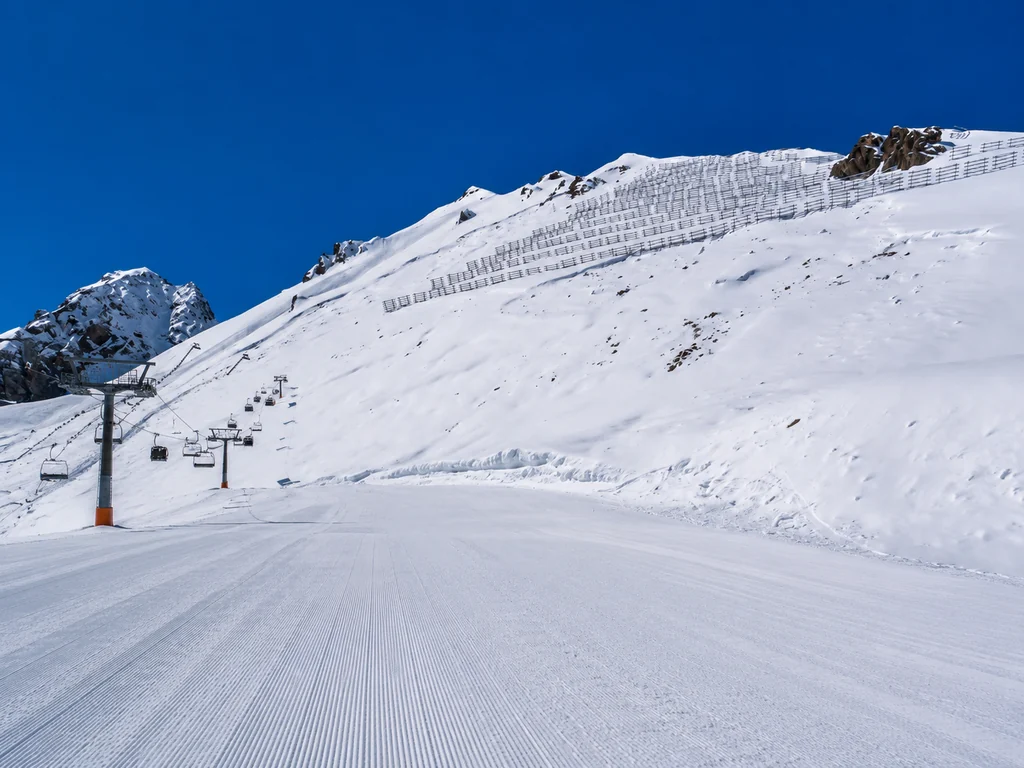 Winter Tours
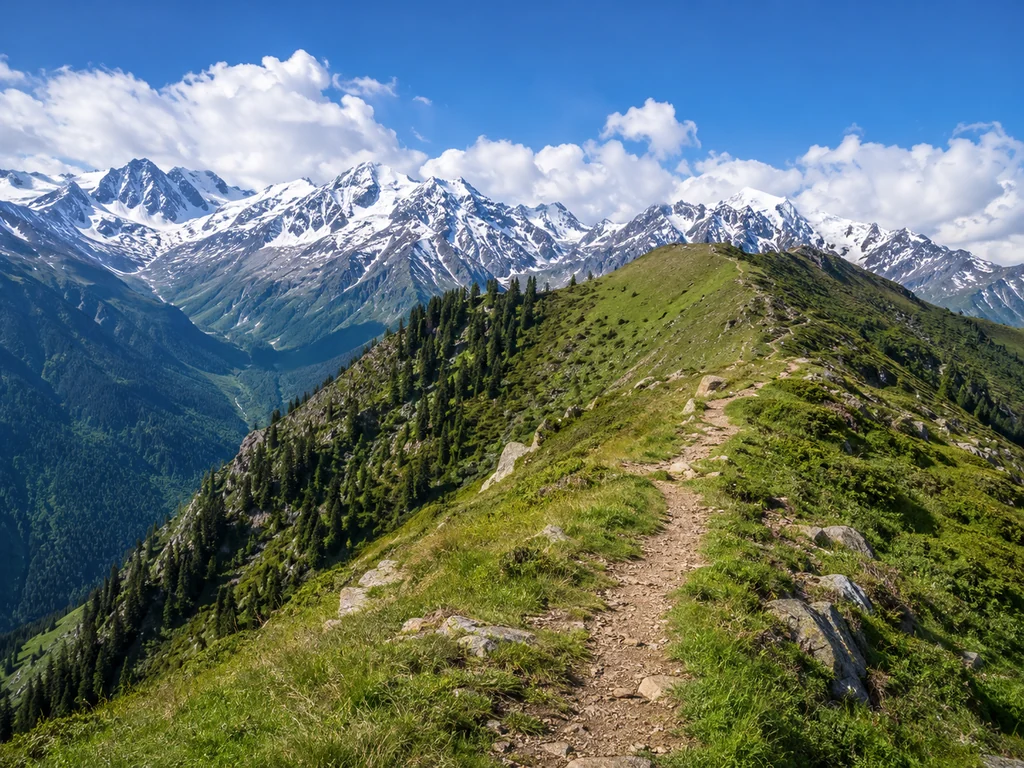 Hiking Tours
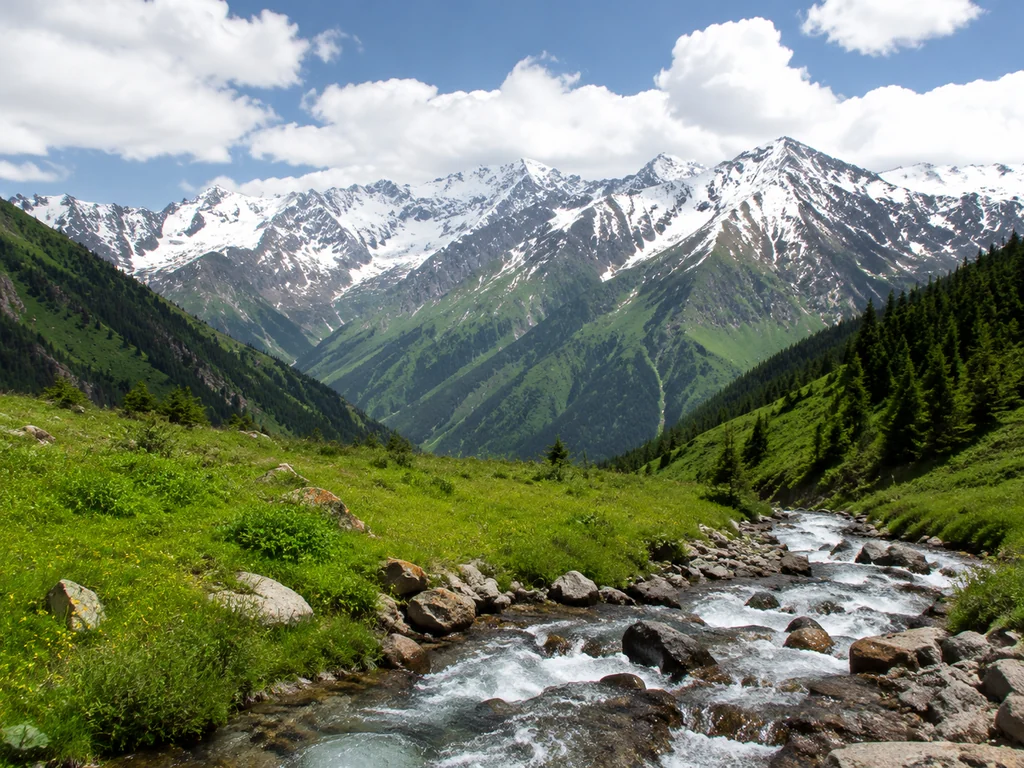 Two-Day Tours
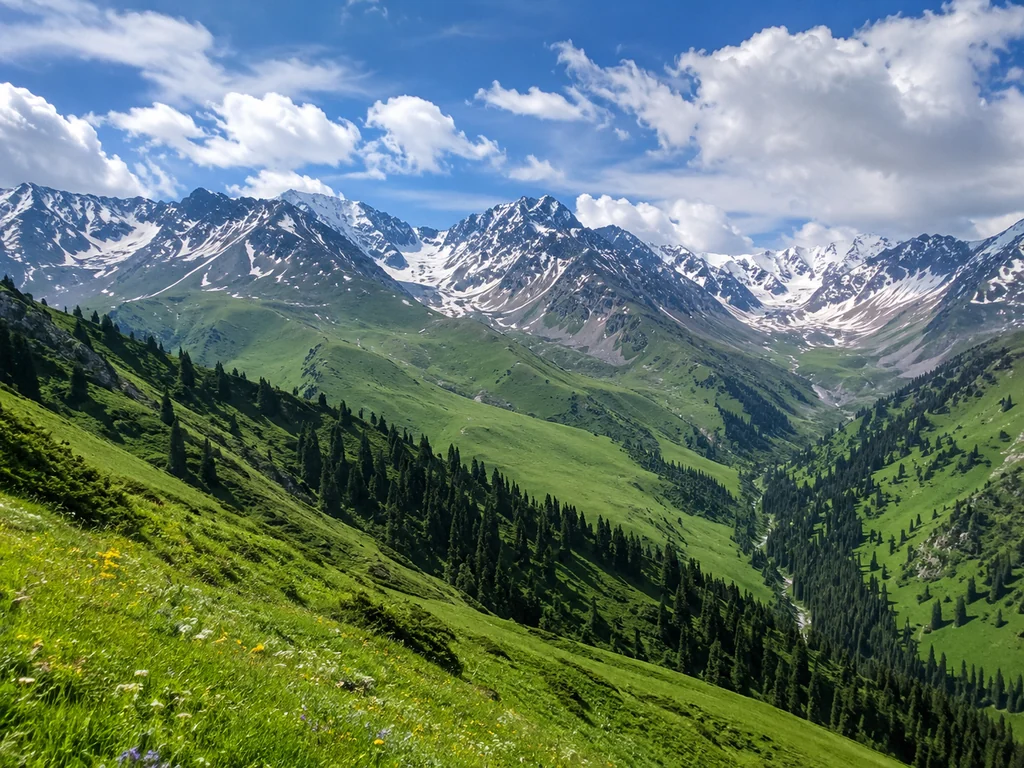 Three-Day Tours
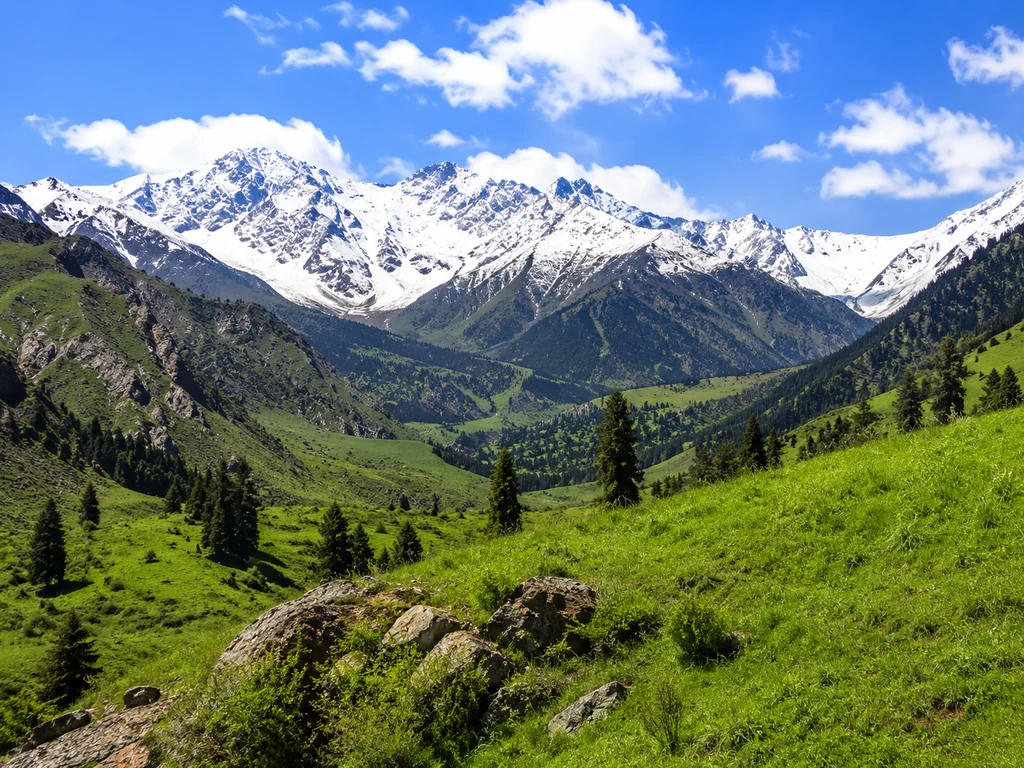 Tour Calendar
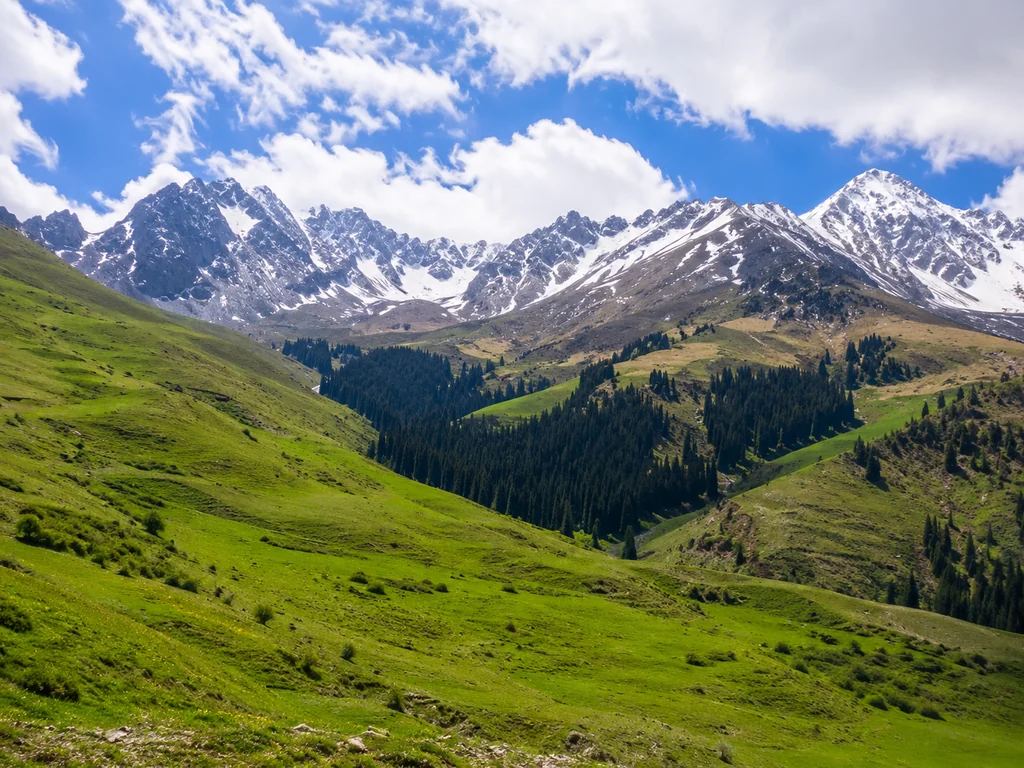 Multi-Day Tours
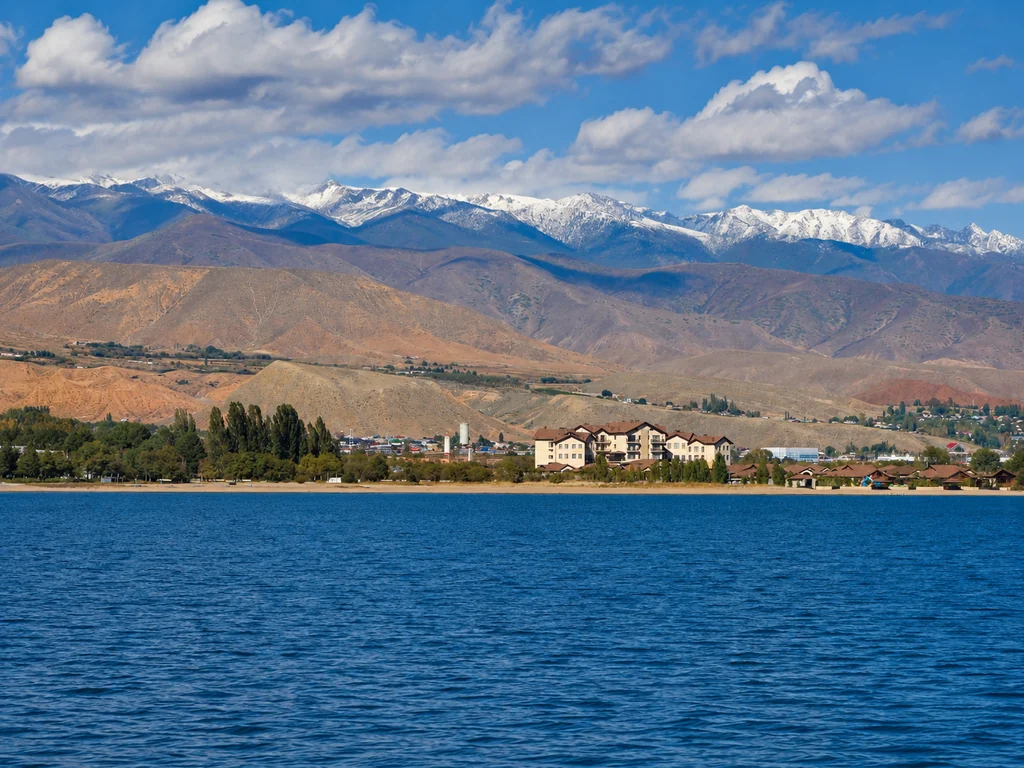 Tours to Issyk-Kul
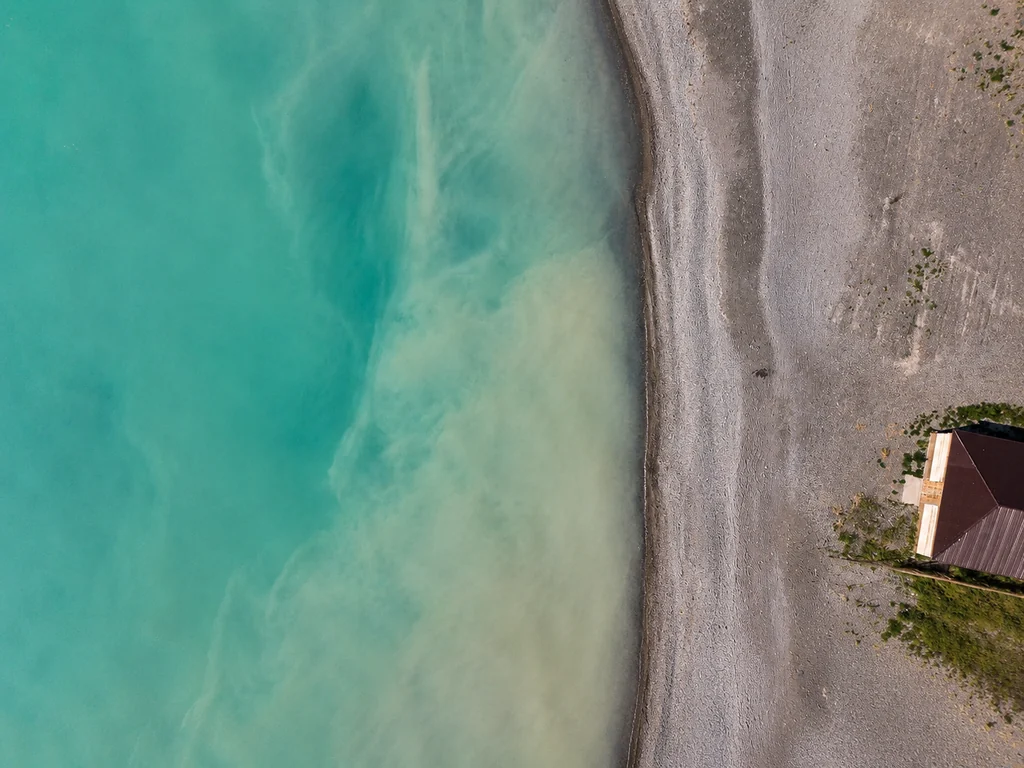 Tours to Alakol
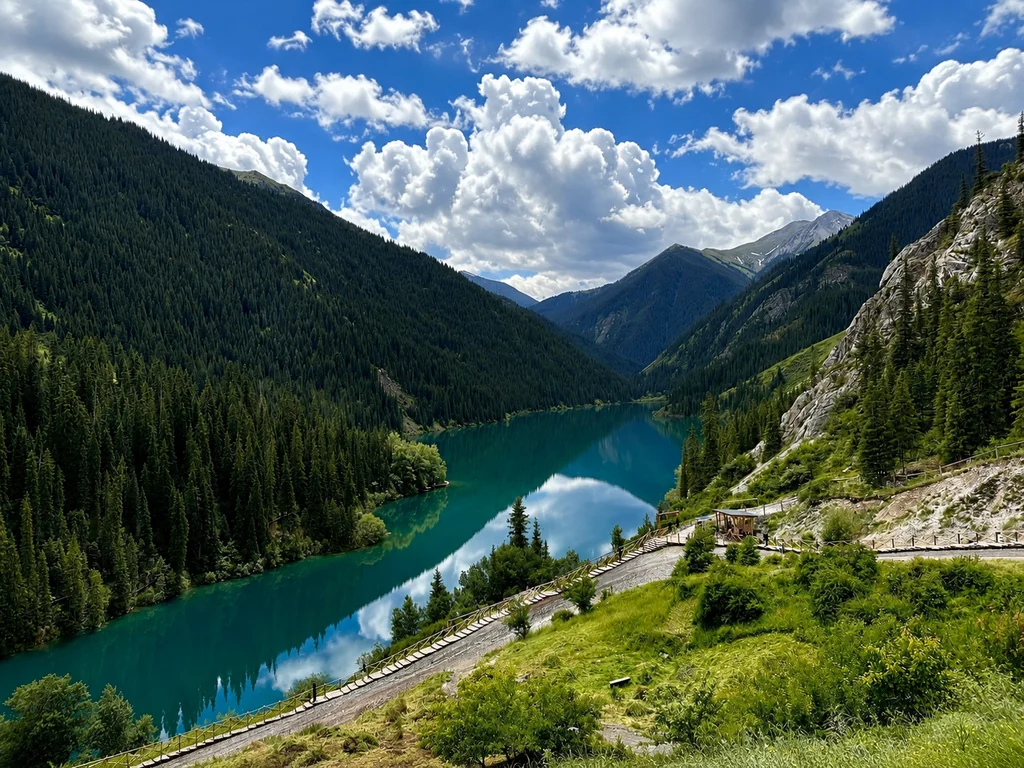 Tours to Kolsai
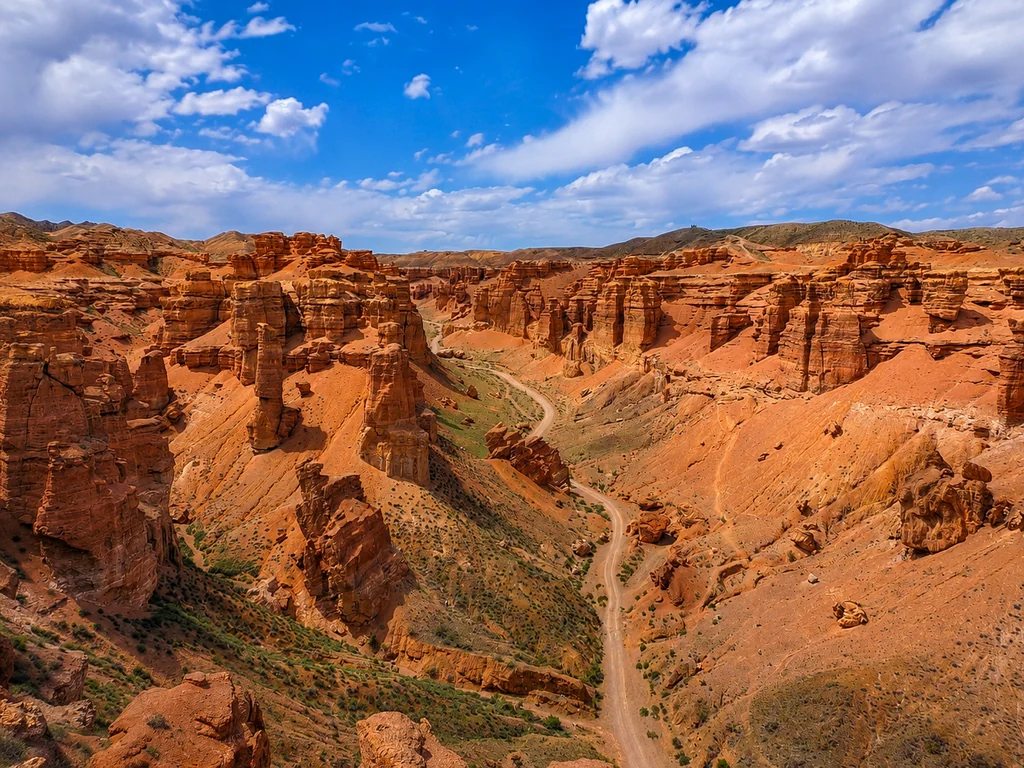 Tours to Charyn Canyon
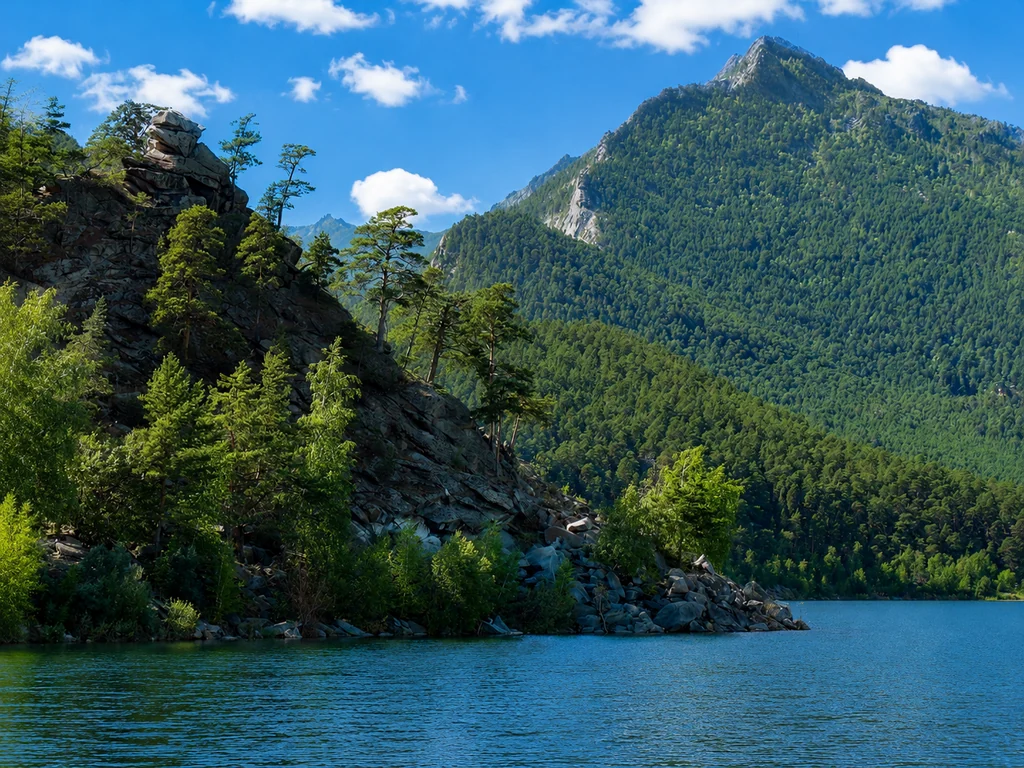 Tours to Borovoye
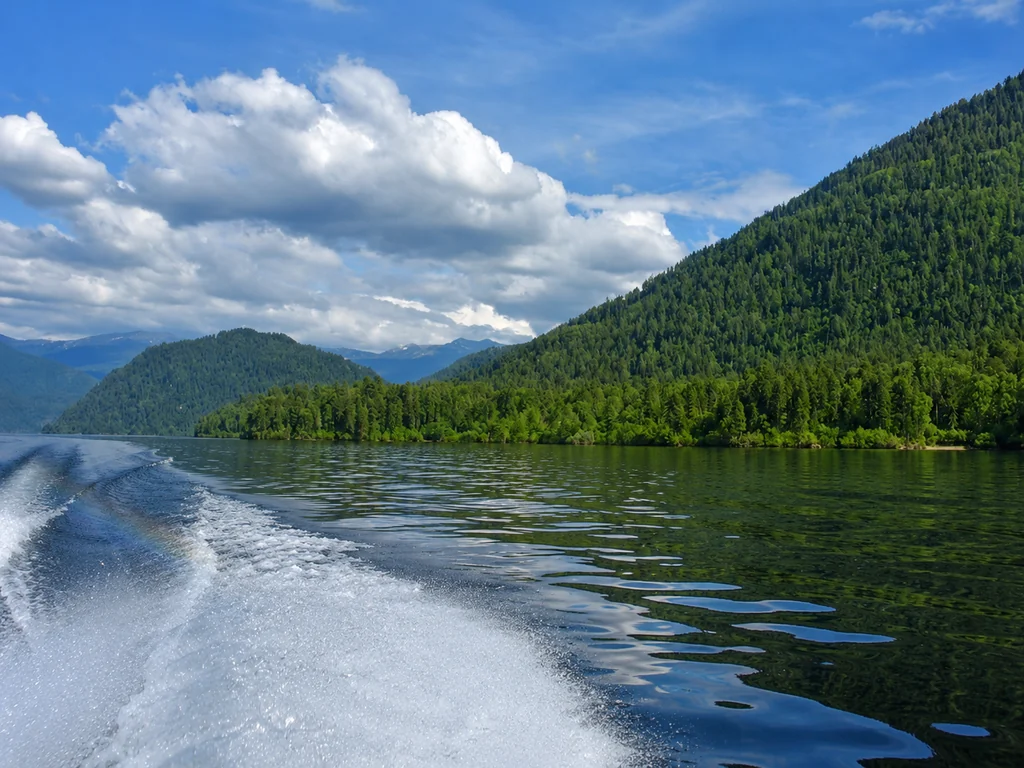 Tours to Altai
 Tours to Kyrgyzstan
 Tours to Hot Springs
 Tours to Big Almaty Lake
 Tours to Katon-Karagay
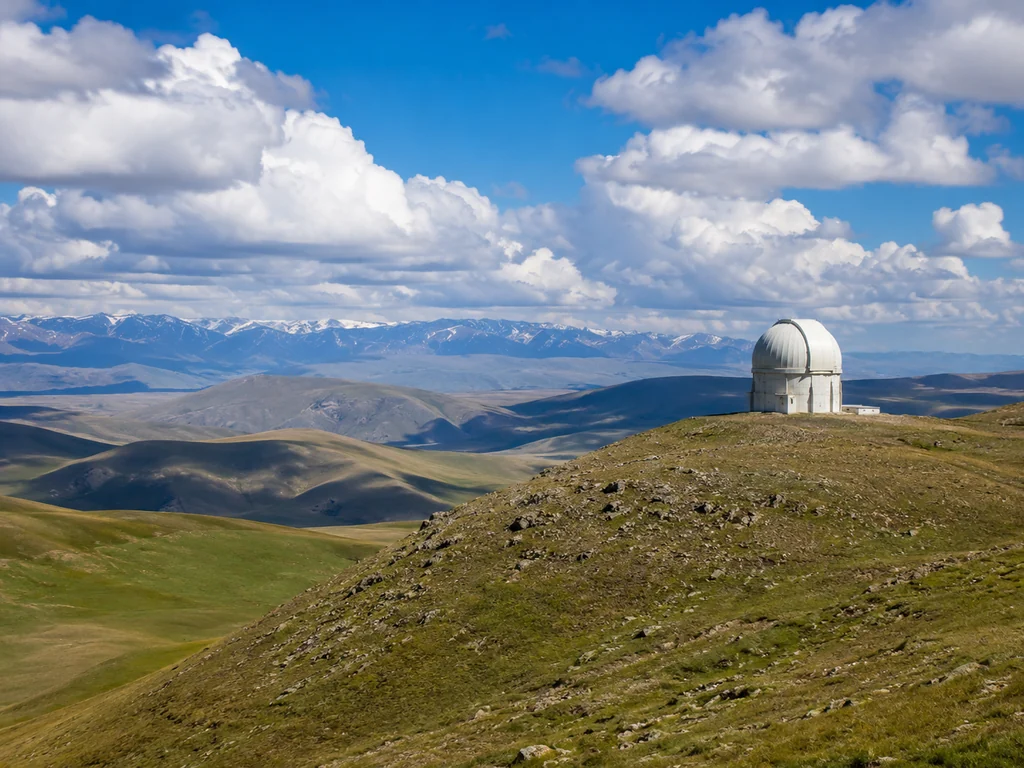 Tours to Assy Plateau
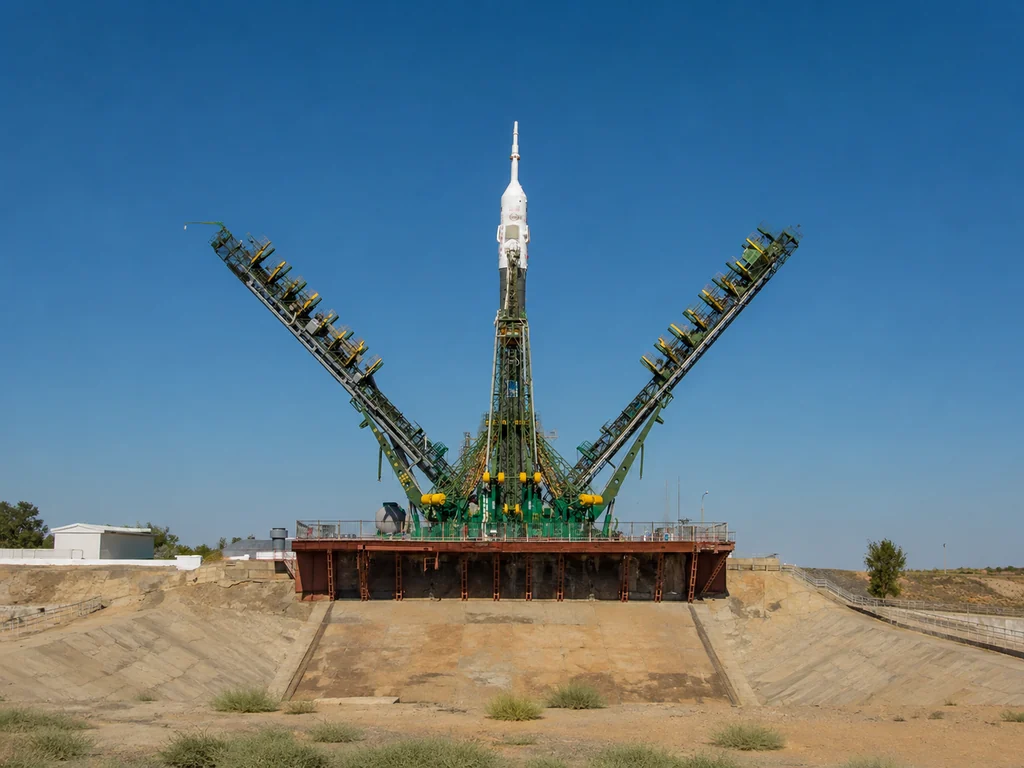 Tours to Baikonur
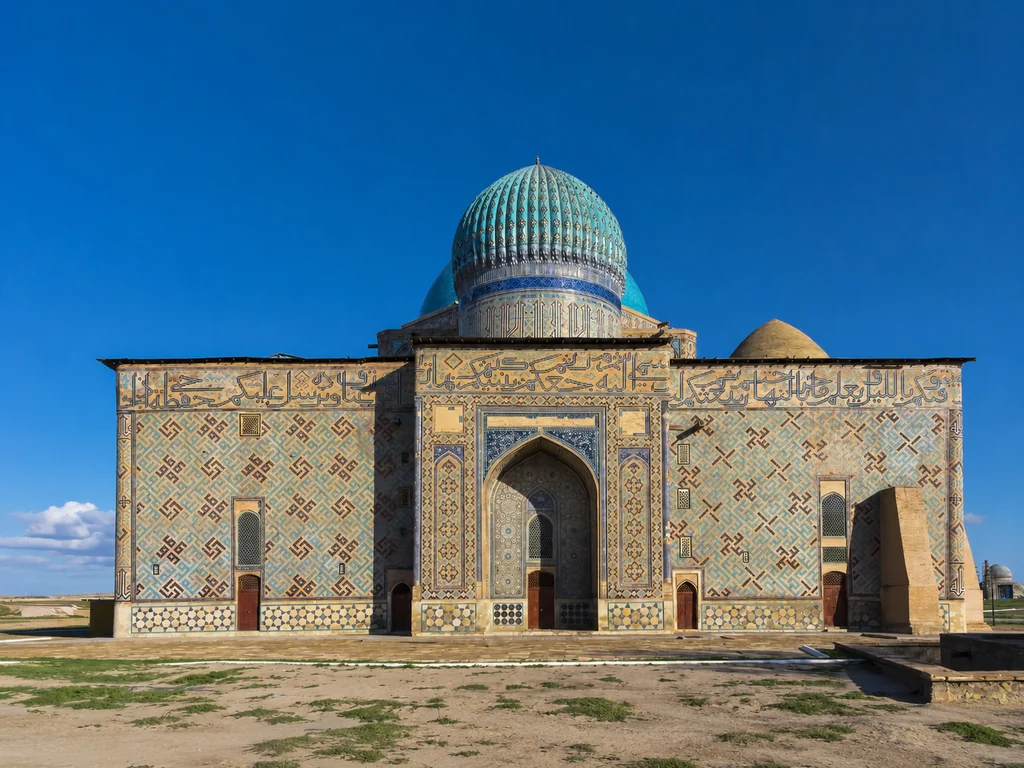 Tours to Turkestan
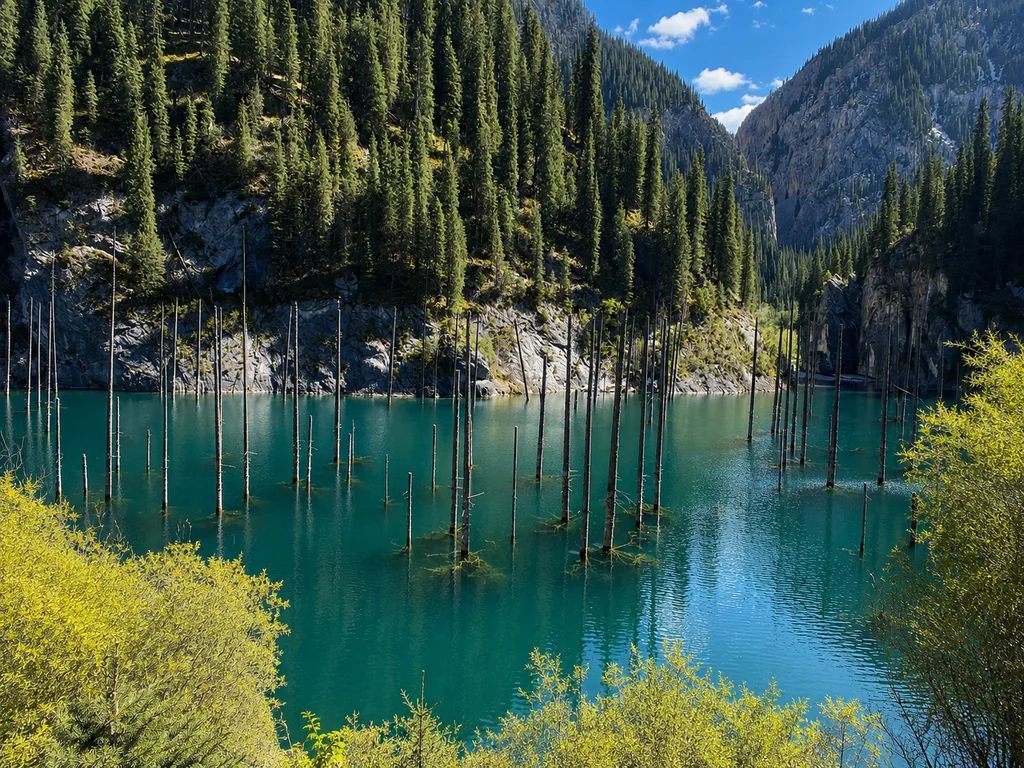 Tours to Kolsai and Kaindy
 Tours to Almaty Observatory
 Tours to Kapchagay
 Tours to Balkhash
 Tours to Aktau
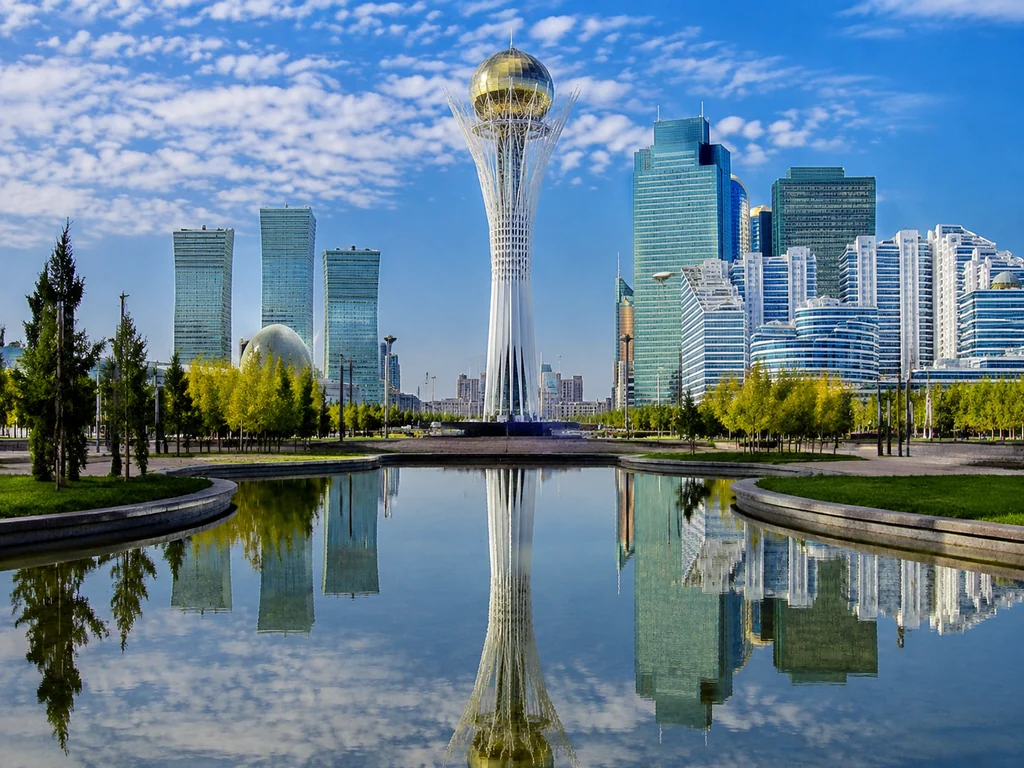 Tours to Astana
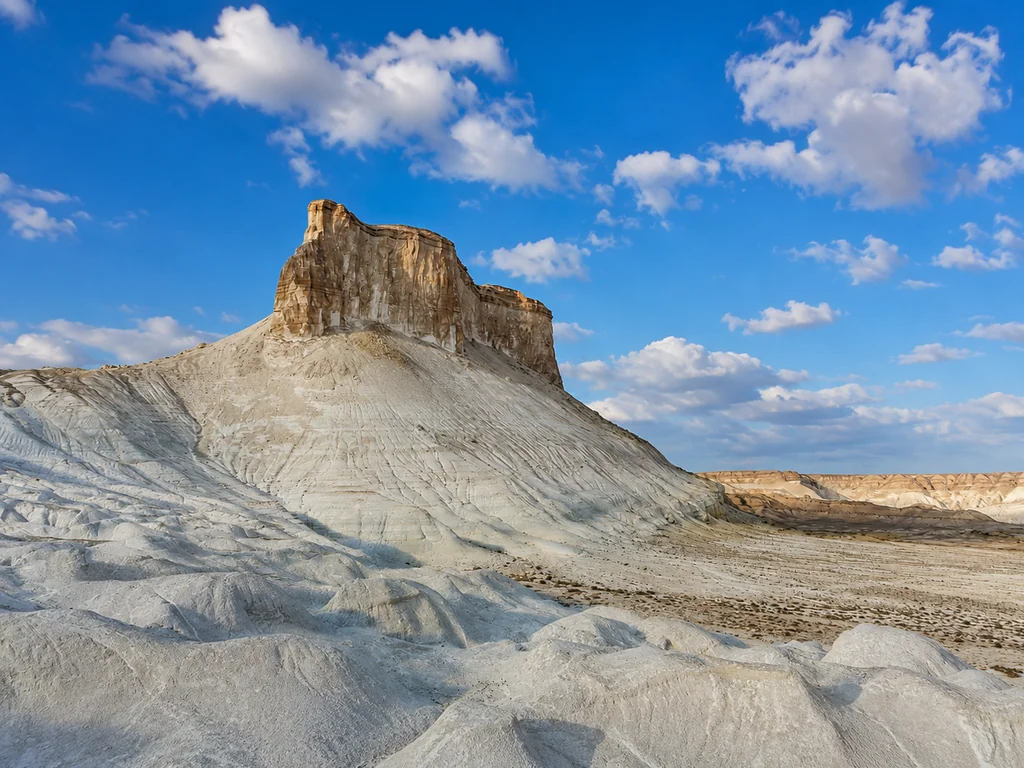 Tours to Mangystau
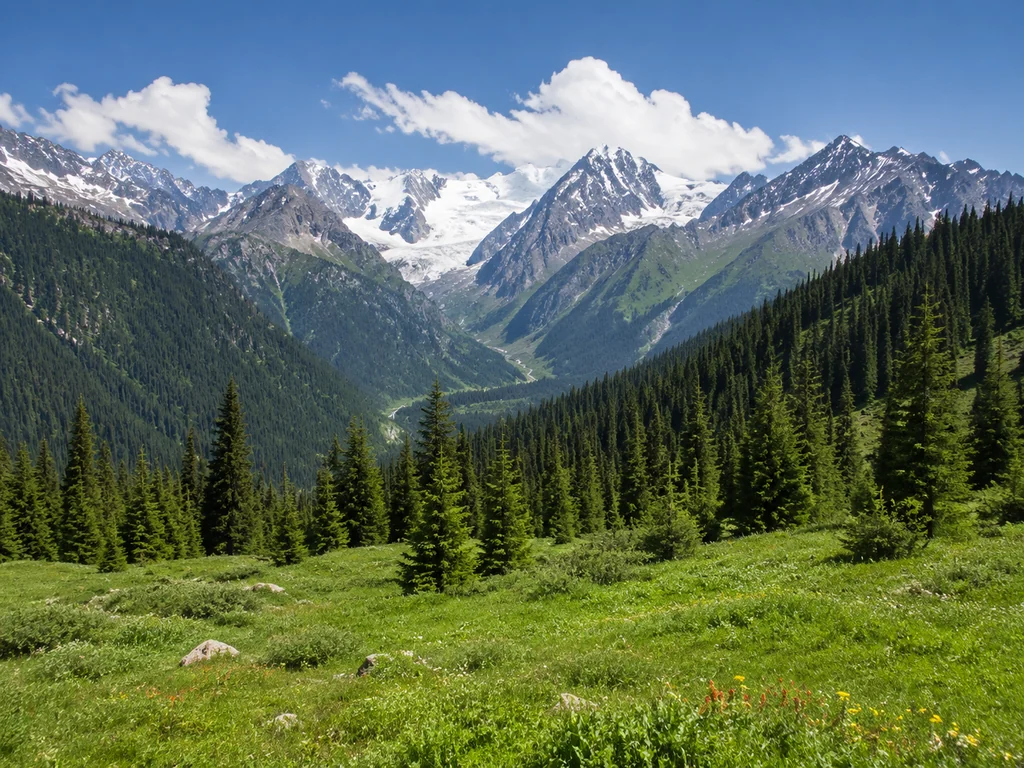 Tours to Karakol
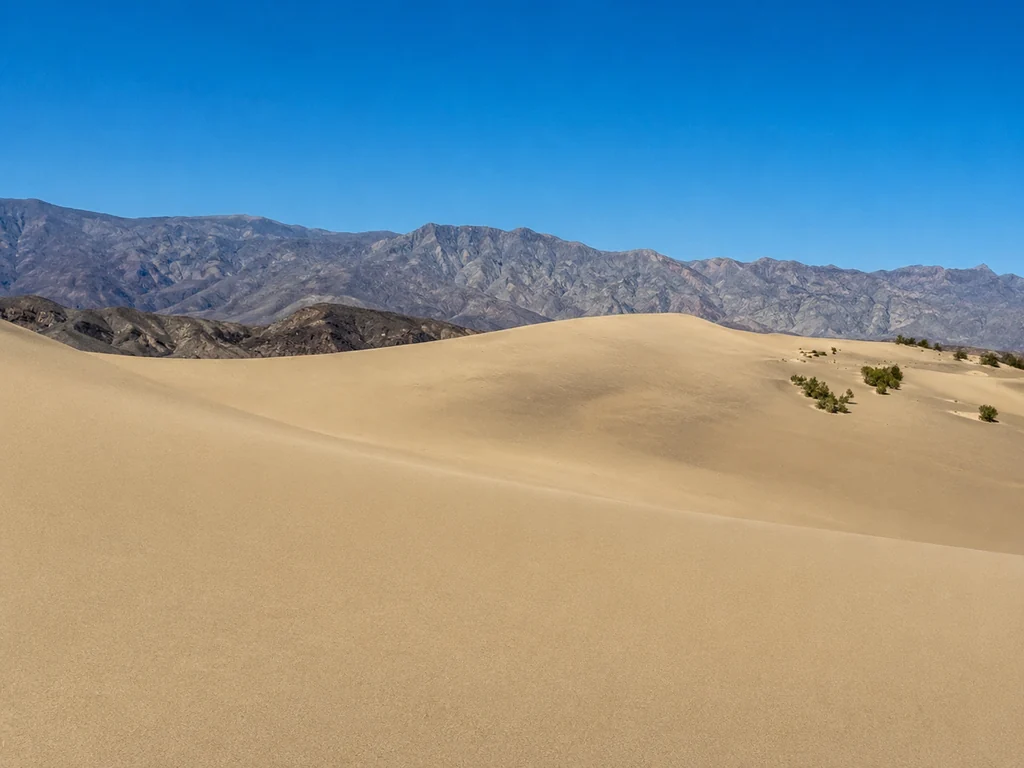 Tours to Singing Dunes
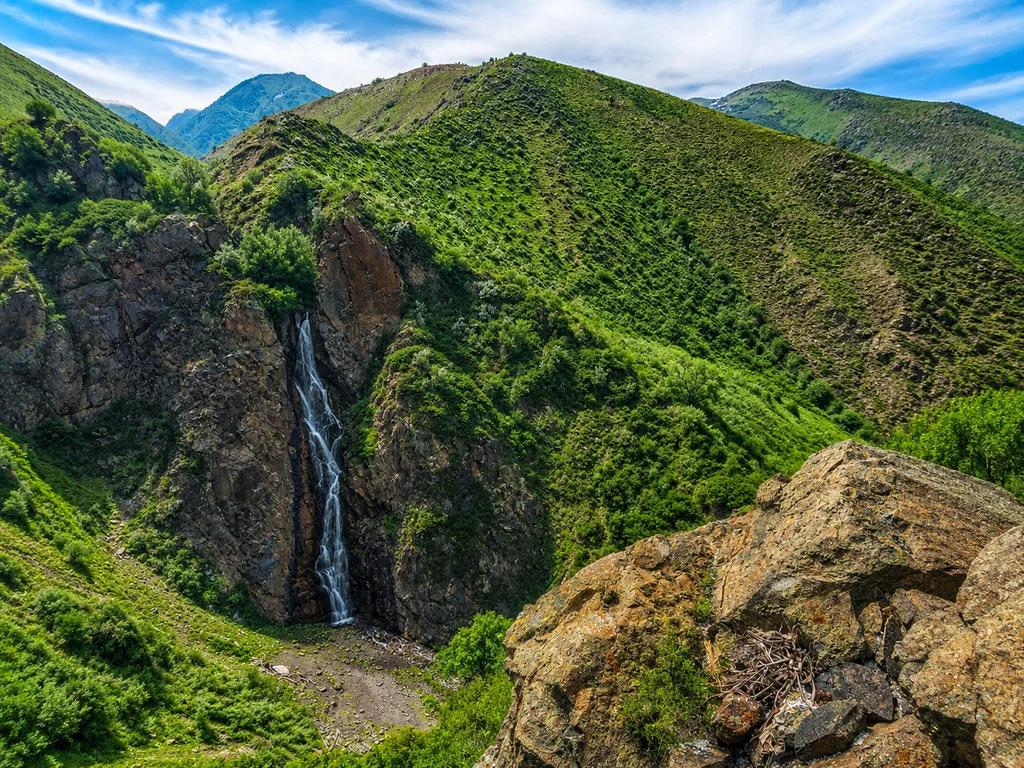 Tours to Turgen Waterfalls
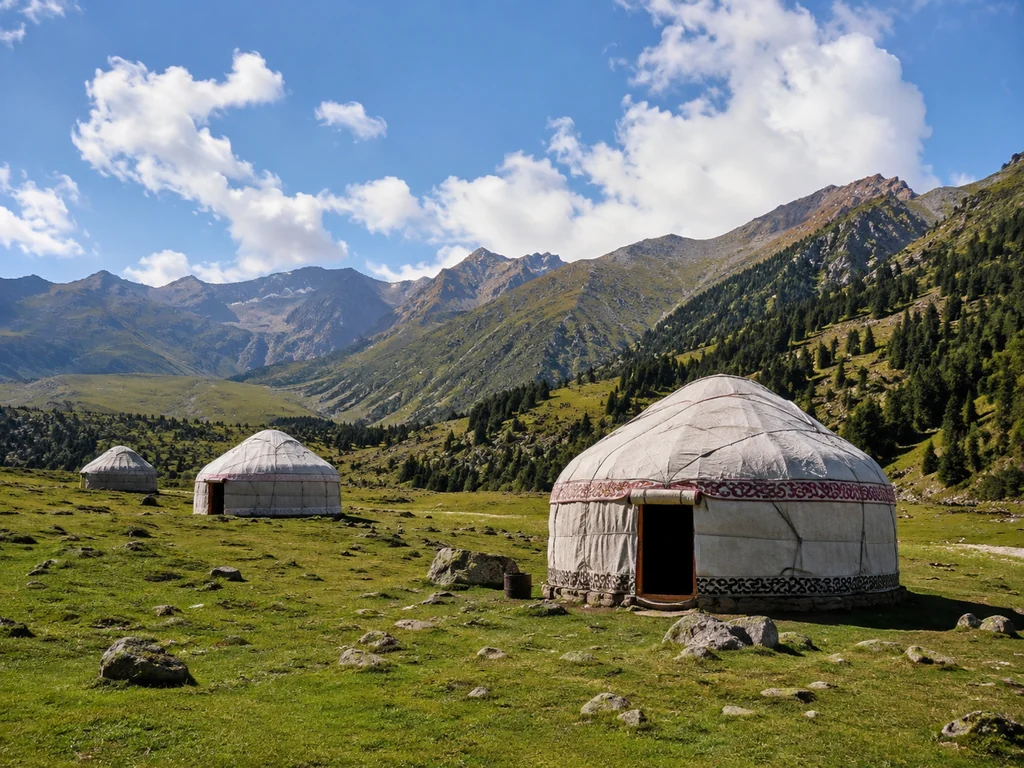 Ethno Tours
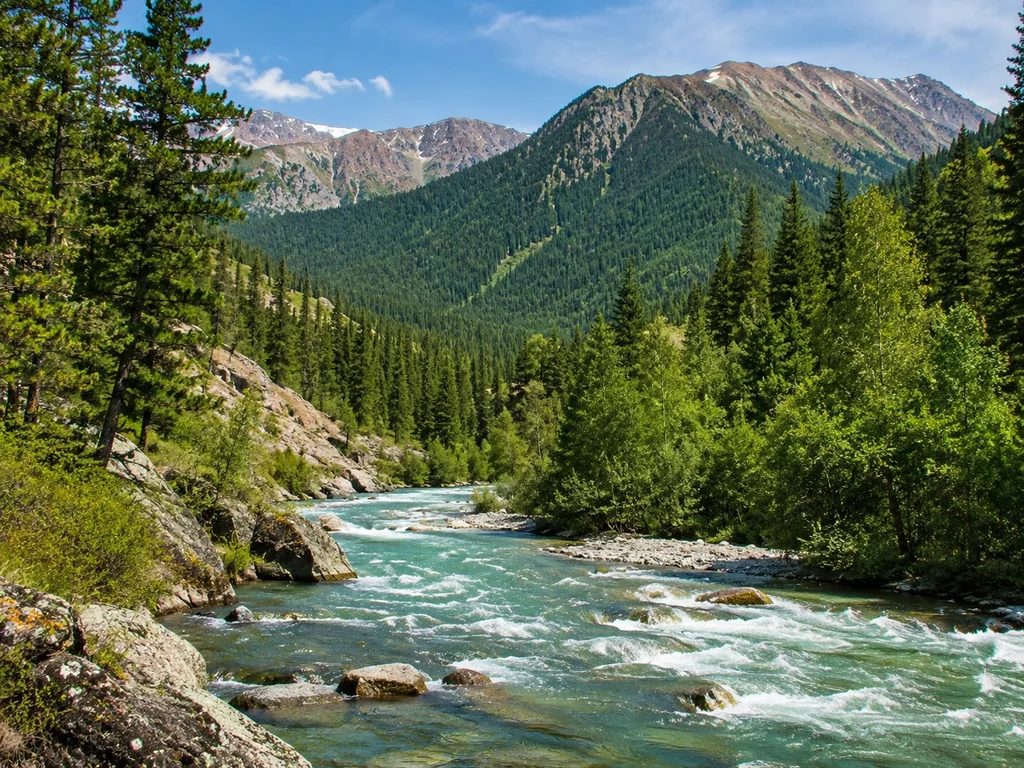 Tours to East Kazakhstan
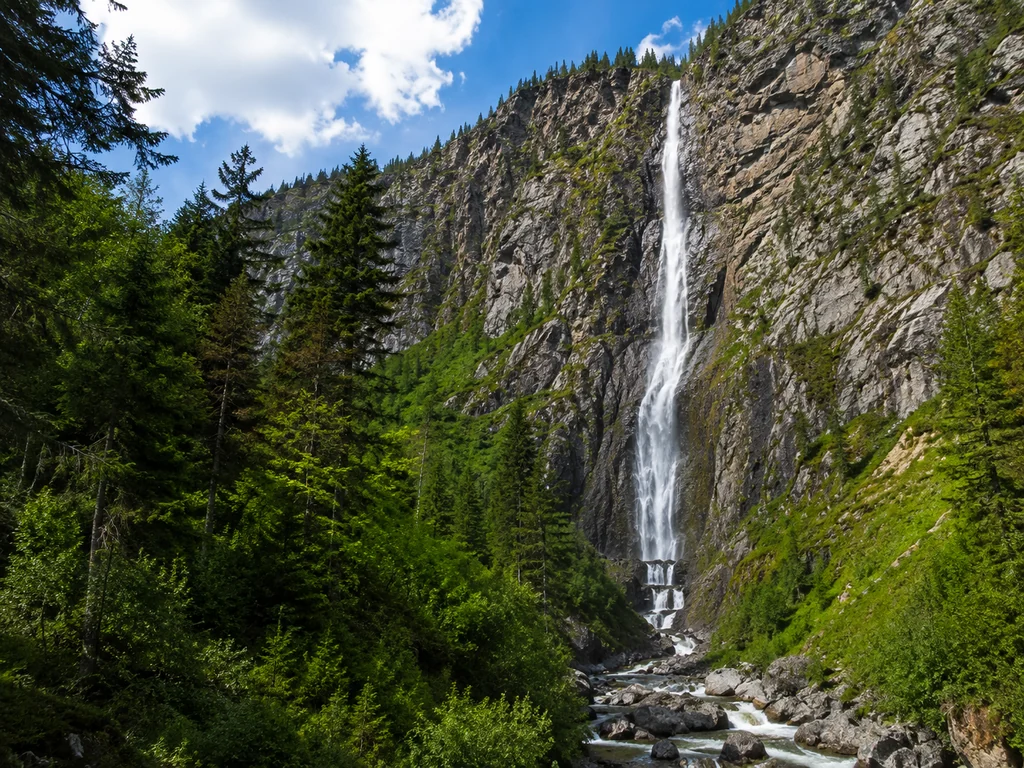 Tours to Paradise Lakes
 Tours to Burkhan-Bulak
 Hikes
 Active Recreation
 Transfer
Local guides, fixed price per person, and care on every route. — everything for a relaxing vacation.
The most affordable Katon-Karagay tour costs 180,000 tg per person for 5 days by jeep. The most expensive is the trek to the foot of Belukha, 455,900 tg per person for 8 days.
All routes are led by accredited guides who know every stream and trail. Safety is a priority.
In most tours, transport along the route and the guide's work are already included — no need to look for a car or travel companions on the spot.
How it works
You write to us on WhatsApp. A manager asks about your experience, preferred length and budget and helps you choose one of the five tours in this section.

Three days before departure you get a checklist: what to pack, the weather forecast and the meeting time. Bring your own sleeping bag and mat for nights in tents.

The group meets at the start of the route and travels by jeep to the Katon-Karagay district, with stops for rest and lunch.

Arrival in the village of Katon-Karagay. Accommodation in a guesthouse or campsite. The guide conducts a safety briefing and introduces the route.
By jeep — to the Rakhmanov Springs, the foot of Belukha, the Bukhtarma and the Austrian Road with walks along the way; on the trek — hiking with a backpack. Nights in guesthouses or tents, depending on the tour.
The last day is the journey back and the end of the programme. After the trip you can leave a review on the website.
Team
Routes are led by working guides and instructors. The same people answer in WhatsApp and accompany groups on tour.
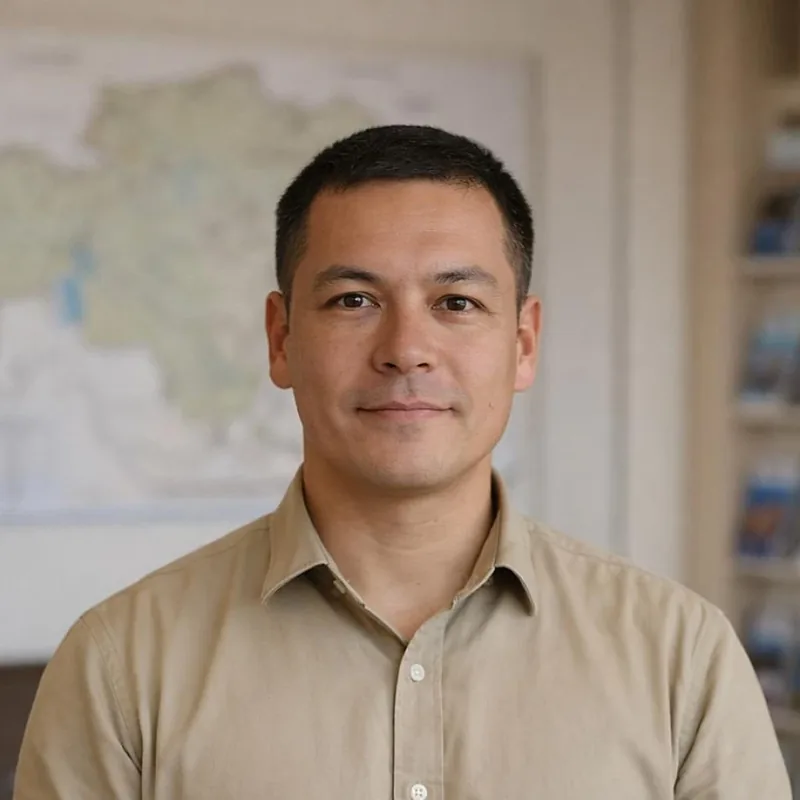 ★5
Senior guide, hiking & jeep-tour organizer
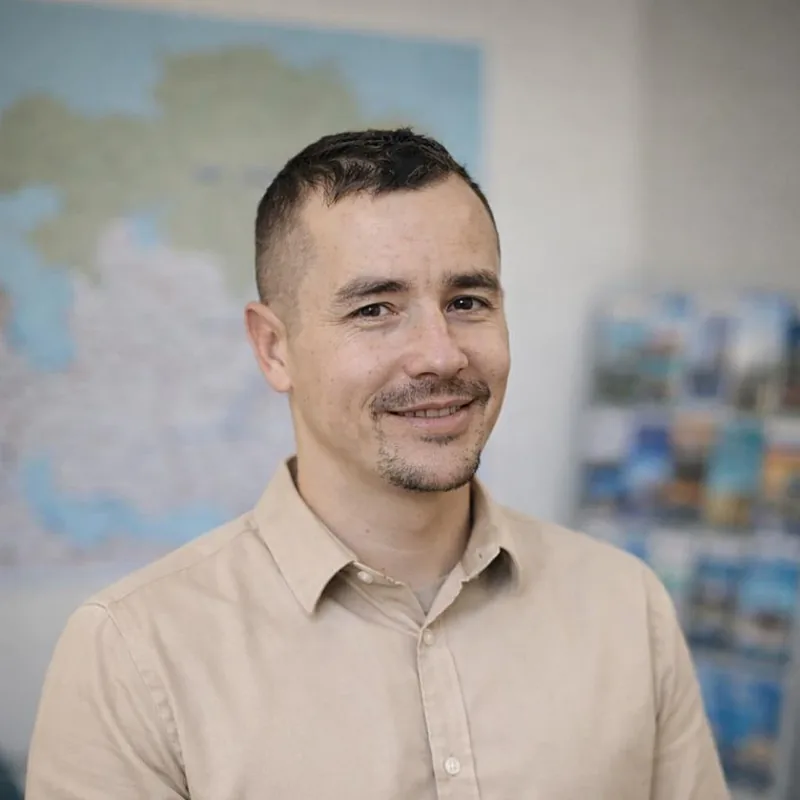 ★4.52
Alexander Пашкин
Driver-guide, инструктор по трекингу
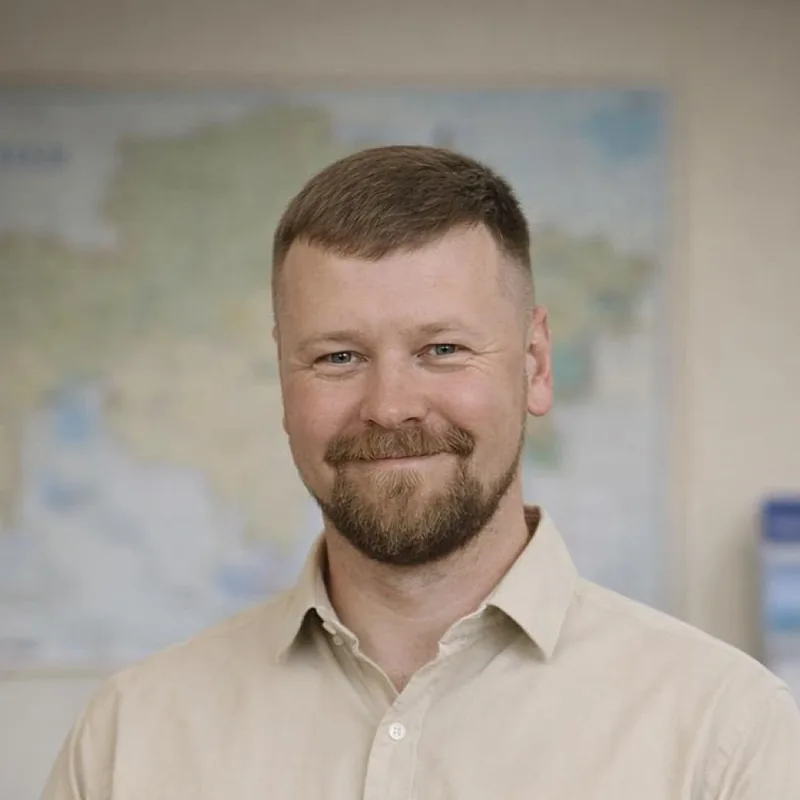 ★4.74
Andrey Шевелёв
Driver-guide
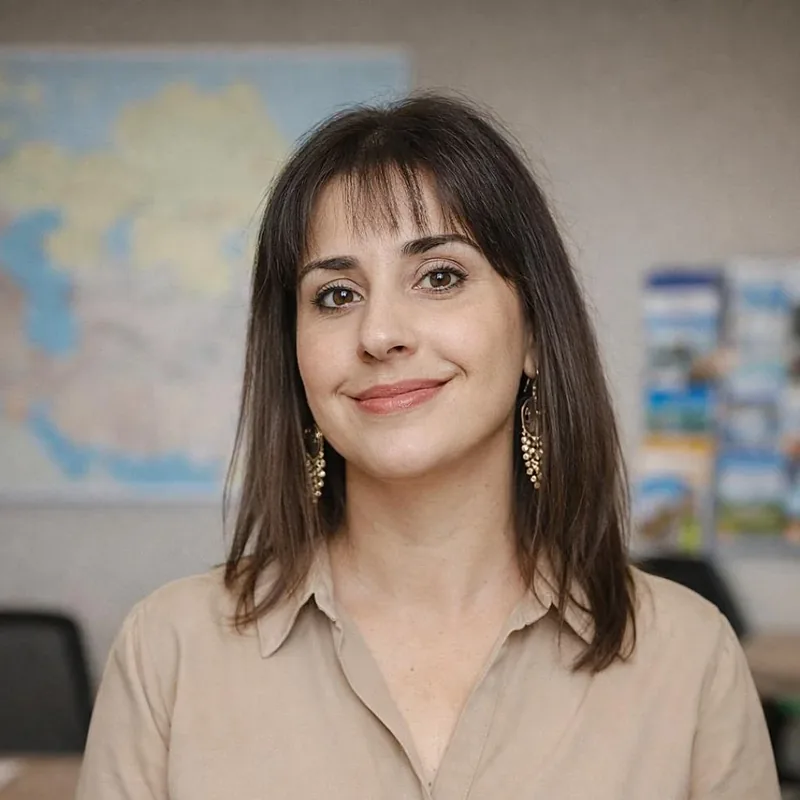 ★4.27
Анжелика Чвыкова
Гид-фотограф
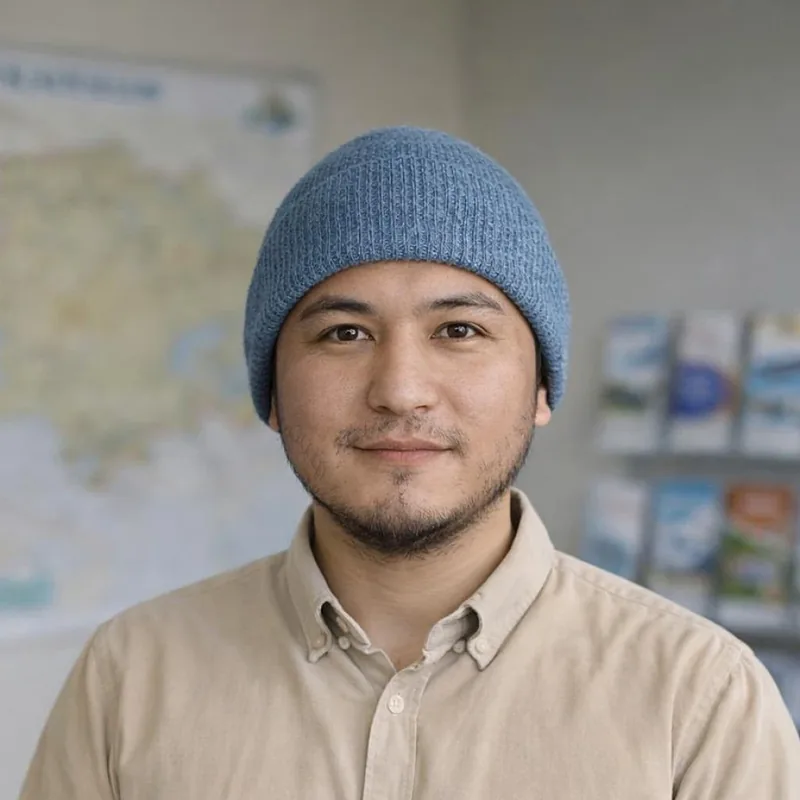 ★4.27
Ильяс Дарбеков
Гид-переводчик
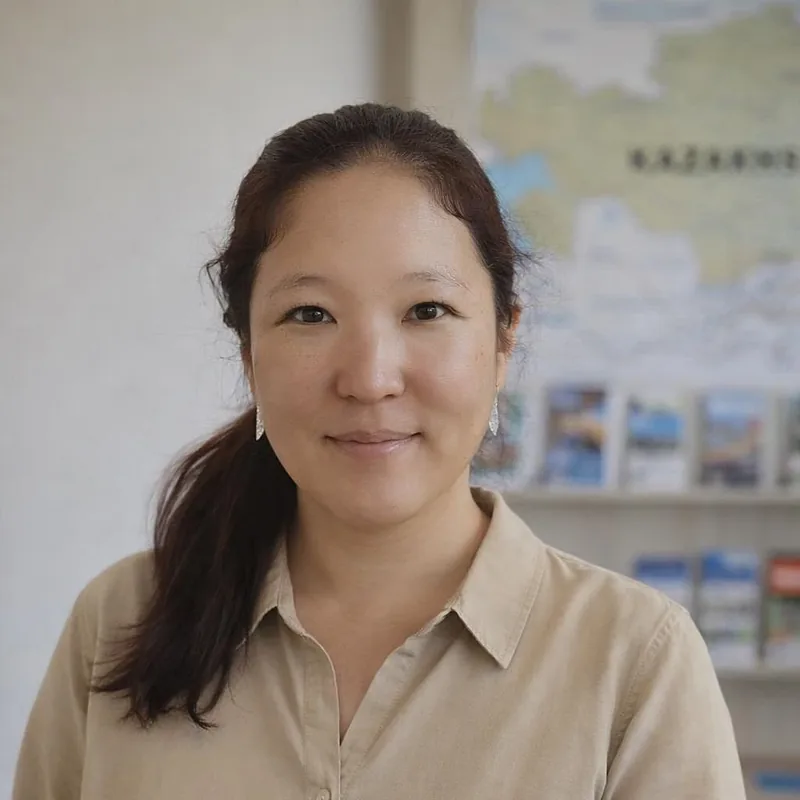 ★4.55
Мадина Данина
Организатор туров
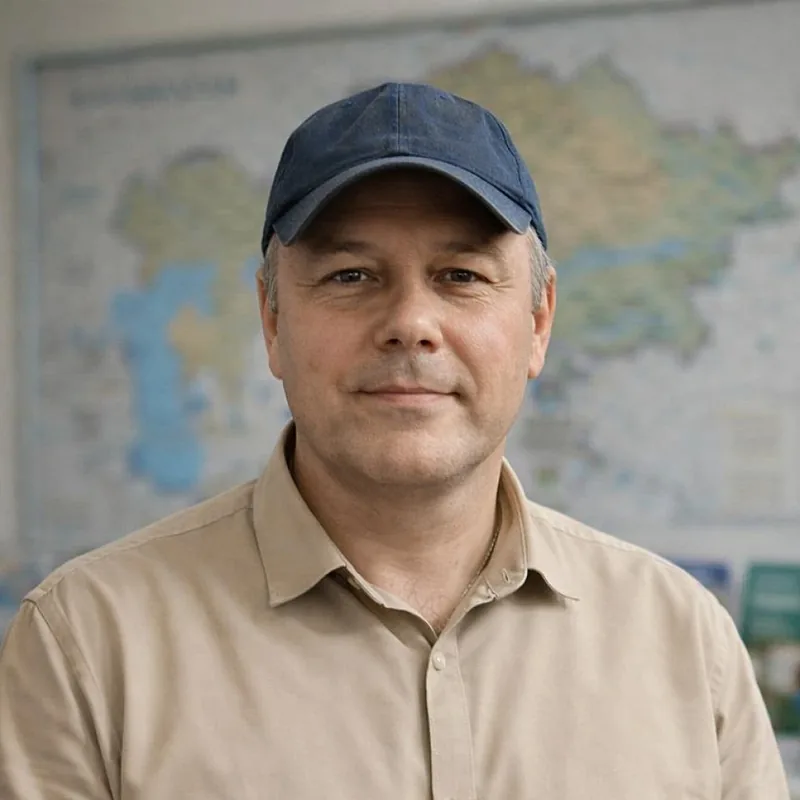 ★4.49
Сергей Бабичев
Personal guide-водитель
Useful
Katon-Karagay is a national park and a district in the extreme east of Kazakhstan, pressed against the Russian border in the East Kazakhstan region. It is the largest protected area in the country, covering more than 6,400 square kilometres of mountain taiga, alpine meadows, and glacier-fed rivers. The administrative village of Katon-Karagay sits roughly 40 kilometres from the Russian frontier. The park is part of the Altai mountain system, the same range that continues into Siberia and Mongolia.
The core of the park is the southern slope of the Katunsky range and the western spurs of the Altai proper. Belukha, the highest peak in Siberia and the Altai, reaches 4,506 metres and forms the visual anchor of the whole region. Around it lie the Berel, Bukhtarma, and Katun river basins, each with its own character. The park is not a single valley but a knot of ridges, passes, and river systems that take days to cross.
Because the park sits at the junction of Central Asian and Siberian climate zones, the weather changes fast. A clear morning in July can turn into a cold, wet afternoon at 2,000 metres. This is not a place to treat as a single-day stop; the distances and the terrain demand time.
Below 1,200 metres, the valleys are covered in larch, birch, and aspen forest with dense undergrowth. Between 1,200 and 2,000 metres, the forest thins into subalpine meadows and shrub thickets. Above 2,000 metres, alpine grasses, dwarf willows, and rock fields dominate. Above 2,800 metres, snowfields and small glaciers persist through the summer. The treeline in this part of the Altai runs roughly at 2,000 to 2,200 metres.
River valleys cut deep into the plateau. The Bukhtarma river, a major tributary of the Irtysh, drains much of the western park. The Belaya Berel and the Katun drain the eastern side toward Russia. The valleys are steep-walled, and the roads that exist often follow old trade and mail routes rather than modern highways. Gradients of 8 to 12 percent are normal on the main tracks.
Wildlife is abundant because the park is sparsely populated. Ibex and roe deer are common on the slopes, brown bear and lynx are present but rarely seen, and the rivers hold grayling and taimen. Hunting and fishing are regulated activities in the region, and both require proper permits. For most visitors, the main draw is simply walking or riding through this landscape rather than pursuing game.
Our tours start with a group meeting at the start of the route and a jeep transfer to Katon-Karagay; after that, each tour follows its own programme.
Once inside the park, the road network is limited. Paved sections exist only near the main villages; most routes are gravel or dirt tracks. In dry weather, a sturdy vehicle can cover 30 to 50 kilometres per hour on these tracks. In rain, speeds drop and some sections become difficult even for four-wheel drive.
Because the park borders Russia, parts of it lie in a border zone. Access to certain valleys and passes requires a border permit, which is arranged in advance through official channels. The rules are not exotic; they are the standard border-zone regulations of Kazakhstan. Without the permit, some of the most interesting routes, including approaches to Belukha from the Kazakh side, are closed.
Winter in Katon-Karagay is long and severe. From November to March, temperatures commonly fall to minus 20 to minus 30 Celsius in the valleys, and lower on the slopes. Snow depth at 1,500 metres can exceed one metre. Roads are often blocked, and most tourist routes are not practical. This is a season for local life, not for visiting.
Spring arrives late. April and May are mud seasons: snow melts in the valleys, rivers rise, and dirt roads become difficult. The first green appears in May, but the high passes remain snow-covered until late June. Early summer, from mid-June to early July, is when the alpine meadows bloom and the rivers are at their highest from snowmelt.
July and August are the warmest and most stable months. Daytime temperatures at 1,500 metres range from 15 to 25 Celsius, and nights from 5 to 12 Celsius. Afternoon thunderstorms are common, especially in July. September brings cooler, clearer weather, golden larch forests, and fewer insects. By late September, the first snow can fall on the passes.
| Month | Valley conditions | High passes (above 2,000 m) | Suitability for tours |
|---|---|---|---|
| January | Deep snow, minus 20 to minus 30 C | Snowbound, avalanche risk | Not practical |
| February | Deep snow, severe frost | Snowbound | Not practical |
| March | Snow begins to settle, still cold | Snowbound | Not practical |
| April | Mud, rising rivers | Snow-covered | Difficult |
| May | Green appears, roads soft | Snow-covered | Limited |
| June | Warm days, high water | Snow melting, some open | Good from mid-month |
| July | Warm, afternoon storms | Mostly open | Best |
| August | Warm, stable | Open | Best |
| September | Cool, clear, golden forest | Open early, snow late | Good |
| October | Cold, rain turning to snow | Snow returning | Limited |
| November | Snow, freezing roads | Snowbound | Not practical |
| December | Deep snow, severe frost | Snowbound | Not practical |
In the Altai, weather is the main variable. A route that is easy in dry August can be impassable after two days of rain. River fords that a vehicle crosses in the morning may be too deep by evening. Groups that plan rigid schedules often have to adjust them, and the best approach is to build slack into the itinerary.
Altitude adds another layer. Most of the park's valleys lie between 800 and 1,500 metres, which is comfortable for almost anyone. But passes and viewpoints reach 2,000 to 2,500 metres, and the approaches to Belukha go higher. At those altitudes, even fit people notice the thinner air, especially on the first day above 2,000 metres.
Insects are a real factor in June and early July, particularly in the forested valleys. Mosquitoes and blackflies are active from dawn to dusk. By August, their numbers drop sharply, which is one reason late summer is popular with people who prefer to walk without a head net.
At this latitude, summer days are long. In late June, it is light by 4:30 in the morning and does not get fully dark until after 22:00. This allows long travel days and late arrivals at camp. By mid-September, daylight shrinks to roughly 12 hours, and by October, to 10.
Local life follows the sun. Herders move livestock to high pastures in June and bring them down in September. Villagers cut hay in July and August. If you travel through the park in those months, you will see this seasonal work everywhere, and it is part of what makes the region feel alive rather than like a museum.
For visitors, the practical rhythm is early starts. Mornings are usually clear; clouds build after noon; rain often falls in late afternoon or evening. A group that reaches a pass by 10:00 has a much better chance of a view than one that arrives at 16:00.
The five-day tour to the Rakhmanov springs and the foot of Belukha is the shortest option in this section. It focuses on the therapeutic mineral springs near the village of Rakhmanovka and on the viewpoints toward Belukha that are reachable without a long trek. Nights are spent in guest houses, which means beds, hot food, and a roof rather than tents.
The six-day Bukhtarma and Austrian Road tour moves through the Bukhtarma river valley and follows the historic Austrian Road, a route built by Austrian prisoners of war in the early twentieth century. The road climbs through forest and past mountain lakes, and the driving itself is a large part of the experience. This itinerary suits people who want scenery from a vehicle with moderate walking.
The seven-day Great Journey through Katon-Karagay combines the Rakhmanov springs, the approaches to Belukha, the Bukhtarma valley, and the Austrian Road in one loop. It is the most complete introduction to the park for someone who wants to see several distinct areas without committing to a long trek. The pace is still active, with several hours of driving on most days.
The eight-day trek to the foot of Belukha is a walking route. It goes through Katon-Karagay, past Yazovoye lake, and approaches Belukha from the Kazakh side. The itinerary includes three meals a day and the permits and ecological fees needed for the border zone. Distances on foot range from 10 to 18 kilometres per day, with elevation gains of several hundred metres on the harder days.
The ten-day horse tour to the foot of Belukha covers similar country but on horseback. Riders cross passes and fords and camp near Belukha. A horse, saddle, and guide for the group are part of the arrangement. The days are long: six to seven hours in the saddle is normal, and there is a weight limit of 110 kilograms for riders.
Neither the trek nor the horse tour is a technical climb. They reach the foot of Belukha, not the summit. The summit itself requires mountaineering skills, ropes, and glacier travel, and it is not part of these itineraries. What you get instead is a sustained journey through the Altai foothills with the great peak always in view on clear days.
| Tour | Duration | Transport | Focus | When | Price per person |
|---|---|---|---|---|---|
| Great Journey through Katon-Karagay | 7 days / 6 nights | Jeep | Rakhmanov springs, Belukha foothills, Bukhtarma, Austrian Road | Scheduled, 7 days | $559 |
| Katon-Karagay: Rakhmanov Springs and Belukha | 5 days / 4 nights | Jeep | Mineral springs, Belukha viewpoints, guest houses | Scheduled, 5 days | $403 |
| Bukhtarma and the Austrian Road | 6 days / 5 nights | Jeep | Bukhtarma valley, historic road, mountain lakes | Scheduled, 6 days | $492 |
| Trek to the Foot of Belukha | 8 days / 7 nights | On foot | Katon-Karagay, Yazovoye lake, Belukha approach | June to September | $1,020 |
| Horse Tour to the Foot of Belukha | 10 days | Horse | Passes, fords, camps near Belukha | June to September | $911 |
If you have limited time and want comfort, the five-day Rakhmanov springs and Belukha tour is the most efficient way to see the highlights. If you want more variety and do not mind longer drives, the six-day Bukhtarma and Austrian Road tour adds a different landscape. The seven-day Great Journey is for people who want both and can handle a fuller schedule.
The trek and the horse tour are for travellers who want to move slowly and cover ground under their own power or on horseback. They demand more fitness and more tolerance for simple conditions. The horse tour is open to beginners who have never ridden, but six to seven hours a day in the saddle will find every weak muscle.
All five tours are group formats. That means fixed departure dates for the jeep tours and scheduled windows in June to September for the trek and horse tour. Conditions of booking are confirmed when you reserve; the itineraries themselves are as described above.
The Rakhmanov springs sit near the village of Rakhmanovka, at around 700 to 800 metres above sea level, in a valley framed by forested slopes. The water is warm and mineral-rich, and the site has been used for bathing and relaxation for generations. Guest houses in the village provide simple accommodation, and the surrounding meadows are good for easy walks.
The Bukhtarma river flows through a long valley that runs roughly north to south before turning west. The river is fed by glaciers and snowmelt, so it is cold even in August. Along its course are small settlements, hay meadows, and side valleys that lead up toward the high country. The road follows the river for long stretches, which makes the driving scenic rather than merely functional.
Mountain lakes are scattered through the side valleys. They are small, often cirque lakes formed by glaciers, and they sit at 1,800 to 2,200 metres. Reaching them usually involves a walk of a few hours from the nearest road. The water is clear and cold, and the surrounding meadows are full of wildflowers in July.
The Austrian Road is a historic route built during the First World War by Austrian prisoners of war. It was designed as a military and trade road and still functions as a track through difficult terrain. It climbs over a pass and descends into the next valley, with sections cut into steep slopes. The engineering is impressive for its era, and the road is now used mainly by locals and travellers.
Belukha itself is visible from several points in the park on clear days. The peak has two summits, the eastern at 4,506 metres and the western slightly lower, and it is heavily glaciated. From the Kazakh side, the mountain appears as a massive white wall above the green foothills. The best views come in the early morning before clouds build.
The area around Belukha is a border zone, and access is regulated. Permits are required for the approaches, and the rules are enforced. This is not a bureaucratic nuisance but a genuine border control, and travellers should expect checks. The trek and horse tour itineraries include the necessary permits and ecological fees.
Yazovoye lake lies in a side valley on the approach to Belukha and is one of the scenic stops on the eight-day trek. It sits at around 1,800 metres, surrounded by larch forest and meadows. The lake is fed by snowmelt and is cold year-round, but the setting is calm and open, with good views up the valley.
The passes on these routes are not technical but they are real mountain passes. They reach 2,000 to 2,500 metres, and the trails are steep in places. Snow can linger on north-facing slopes into July, and early-season travellers may cross snowfields. By August, the trails are usually clear, though afternoon storms can bring hail or rain.
Fords are another feature of the region. Small rivers cross the trails, and water levels rise after rain. On the horse tour, fords are part of the daily routine. On the trek, they are usually shallow enough to wade, but boots get wet. A spare pair of dry socks is not a luxury here; it is basic equipment.
Because Katon-Karagay borders Russia, parts of the park lie in a border zone. Access to these areas requires a permit, which must be arranged in advance through official channels. The permit is specific to places and dates, and it is checked at control points. Travellers without the correct permit are turned back.
The trek and horse tour itineraries include the permits and ecological fees in their arrangements. For the jeep tours, the routes are chosen to stay within areas that are accessible under normal rules, or permits are handled as part of the itinerary. In all cases, the paperwork is part of the trip planning, not an afterthought.
Ecological fees are charged for visiting the national park. These are separate from border permits and are used for park maintenance. They are modest, but they are mandatory. Again, on the trek and horse tour they are included; on other routes, they are handled as part of the arrangements.
The jeep tours require only general fitness. Days involve several hours of driving on rough roads, with stops for walks and viewpoints. The walking is usually optional and short, though the ground is uneven. Anyone who can walk for an hour on a forest trail can manage these tours.
The trek is a different matter. Eight days of walking with a pack, at altitudes up to 2,500 metres, demands stamina. Daily distances of 10 to 18 kilometres with elevation gain are normal. Training beforehand should include long walks with a loaded pack, ideally on hilly terrain. If you have not walked more than 10 kilometres in a day recently, start training at least two months before departure.
The horse tour requires riding fitness rather than walking fitness. Six to seven hours in the saddle uses muscles that most people do not train. Beginners can manage if they are generally fit and willing to be sore, but experienced riders will enjoy it more. The weight limit of 110 kilograms is set for the horses' welfare and is enforced.
Weather in the Altai changes quickly, so layering is the key. A typical summer day starts cool, warms up by midday, and cools again after rain. A waterproof shell and a warm mid-layer should be in your day pack even on a sunny morning. Cotton is a poor choice for base layers; synthetics or wool dry faster.
Water from rivers and streams looks clean but may carry pathogens. Boiling, filtering, or chemical treatment is advisable for drinking water. On the trek, the itinerary includes meals, so you do not need to carry food for the whole route, but snacks for the day are useful. On the horse tour, the horses carry the group's gear, but you should still keep essentials with you.
The park is a protected area and a working landscape. Fires should be limited to designated places, and rubbish should be carried out. Local herders and villagers are part of the scene, and respectful behaviour goes a long way. Photography of people is best done with permission. Hunting and fishing in the region are regulated and require permits; they are not casual activities.
The forest belt in Katon-Karagay is dominated by Siberian larch, with birch and aspen in the lower valleys and spruce in wetter sites. The undergrowth is dense in places, with ferns, mosses, and berry bushes. In autumn, the larch turns gold, and the hillsides glow for two or three weeks in late September and early October.
Above the treeline, alpine meadows are rich in flowers in July. Gentians, buttercups, and edelweiss are among the species that bloom in the short summer. The meadows are grazed by livestock in summer, and herders' camps are common. The transition from forest to meadow is gradual, which makes the walking interesting rather than monotonous.
Above 2,800 metres, the landscape is rock, snow, and ice. Small glaciers feed the rivers, and the meltwater is clear and cold. The high zone is the realm of the snow leopard, though sightings are extremely rare. More common are ibex on the cliffs and marmots on the slopes. The high country is beautiful but exposed, and weather can change in minutes.
Ibex are the most visible large mammals in the park, especially on rocky slopes in the early morning. Roe deer are common in the forest edges, and brown bear are present throughout but seldom seen. Wolves, lynx, and wolverine also live here, though they avoid people. The park is one of the few places in Kazakhstan where the full Altai mammal community survives.
Birds are diverse. Golden eagle, black stork, and various owls nest in the park, and the rivers attract dippers and wagtails. In summer, the meadows are full of pipits and buntings. Birdwatchers will find the mix of Siberian and Central Asian species interesting, especially in the forest-meadow transition zone.
Rivers and lakes hold grayling, taimen, and other cold-water fish. Fishing is regulated and requires a permit. For most visitors, the fish are part of the scenery rather than a target. Hunting is also regulated and is not a casual activity; it requires licenses and is subject to seasons and quotas.
The Altai landscape tells a story of glaciation and water. U-shaped valleys, cirques, and moraine ridges are everywhere. The rivers are braided in their upper courses and cut into gorges lower down. The Austrian Road was built to cross this terrain, and its route follows the easiest gradients, which is why it is still usable today.
Human history is also visible. Petroglyphs and burial mounds from ancient cultures are found in the region, and some are near the main routes. The villages are a mix of Kazakh and Russian heritage, with wooden houses, hay meadows, and small farms. The cultural layer is part of the experience, not a separate attraction.
Understanding the landscape helps with planning. If you know that the treeline is at 2,000 metres and that passes are at 2,500, you can estimate how much climbing a route involves. If you know that rivers rise after rain, you can plan fords for the morning. This kind of reading is what turns a trip into a journey.
For a first visit with limited time, the five-day Rakhmanov springs and Belukha tour gives the essentials: mineral springs, mountain views, and guest-house comfort. For more scenery and a sense of history, the six-day Bukhtarma and Austrian Road tour adds the historic road and mountain lakes. The seven-day Great Journey is the most complete jeep option and covers both areas.
For travellers who want to walk, the eight-day trek to the foot of Belukha is the classic route. It is physically demanding but not technical, and it includes the permits and meals. For those who prefer to ride, the ten-day horse tour covers similar ground with more range and a different pace. Both run from June to September, when the high country is accessible.
All tours are group departures. The jeep tours run on scheduled dates, and the trek and horse tour run within the June to September window. Conditions of booking are confirmed at the time of reservation. Beyond that, the choice comes down to time, fitness, and how much comfort you want.
The shortest tour is five days and the longest is ten. Prices per person range from $403 for the five-day tour to $1,020 for the eight-day trek. The six-day tour is $492, the seven-day tour is $559, and the ten-day horse tour is $911. These are the only prices in this section; anything else is quoted at booking.
Comfort levels vary. The jeep tours use guest houses and simple hotels, with beds and hot meals. The trek and horse tour involve camping and simple conditions, though meals are provided. The horse tour includes the horse, saddle, and a guide for the group. The trek includes three meals a day and the necessary permits and ecological fees.
What you get for the price is the itinerary as described: transport, guiding, accommodation as specified, and meals where stated. Personal gear and items not mentioned are your responsibility; all tours start with a group meeting at the start of the route, and transfers along the route are part of the programme. This is normal for adventure travel, and it keeps the pricing transparent.
Prepare for change. The Altai is not a resort; it is a mountain region with its own weather and its own rules. Bring layers, expect delays, and build flexibility into your plans. The rewards are landscapes that few people see and a sense of distance that is hard to find elsewhere.
Train for the trip you choose. If you are walking, walk. If you are riding, ride. If you are driving, you can relax, but even then, the roads are rough and the days are long. Fitness makes every option more enjoyable.
Finally, travel with respect. The park is a protected area, the border is a real border, and the people who live there are not scenery. A trip through Katon-Karagay is a chance to see a working mountain landscape at the edge of the map, and it is best approached with curiosity and patience.
Reviews
The tour to Katon-Karagay with Aleksandr was super! Lake Yazovoye is just turquoise, water crystal clear. The road was a bit bumpy, but worth it.
We went to the Kokkol waterfall, very beautiful. The organisation was a bit shaky, we left an hour late, but the guide smoothed over all the inconveniences
Took a long time choosing a tour and have no regrets. Katon-Karagay impressed me: the Rakhmanov Springs, mountain rivers. The guide told us lots of interesting things. The only thing — the road is very long, but that is minor
What a trip! Nature is just a fairy tale. Kokkol, Rakhmanov Springs, Bukhtarma - all in one tour. Thanks to Ilyas for the excellent company
We holidayed as a family and liked everything. The guide was very attentive and the kids found it interesting. Downside — the air conditioning in the car worked poorly
Katon-Karagay is wonderful! Kokkol waterfall, Rakhmanov Springs - I liked everything. Our guide Andrey is a wonderful person
Excellent tour, but breakfasts were meagre. Otherwise everything was great: nature, excursions, the guide told us brilliantly about the history of the region
Went with my husband, very romantic. Lake Yazevoe at sunset is simply a fairy tale. Thanks for the organisation
Vybrala etot tur potomu chto davno hotelas uvidet' Katonskie belki. Vse okazalos' eshe krashe. Gid Sergey - prosto chudo
Nature is very beautiful, but the road is long. The children were very tired. Thanks to the guide, he helped a lot.
First time in Katon-Karagay and I fell in love. The Kokkol waterfall is powerful, the lake is turquoise. Excellent organisation, the guide is a professional. The only downside — not enough time for everything
Sorry for the typos, writing from my phone. Excellent tour! Wild nature, mountains, rivers. Our guide Aleksandr talked about the Austrian Road so fascinatingly that I forgot about everything
We searched a long time for a tour with kids and chose this one. No regrets. The guide was patient with the children, and they loved the Rakhmanov Springs. Departure was a little delayed, but that is forgivable
Liked everything, but we would have liked more time at the lake. Good organisation, a helpful guide
So many impressions! Bukhtarma, Austrian Road, mountain lakes. The guide told a lot about history. Two nights in tents - it's something
Katon-Karagay is a picturesque place. The guide is a master of his craft. But on the road the car broke down and we were delayed a bit.
The tour exceeded expectations. Pristine nature, the cleanest air. The guide gave an excellent tour of the Austrian Road. Downside — dinner was cold, but that is a minor thing
Chose the tour because of the reviews. They did not lie: Lake Yazevoe looks just like the pictures. The guide was great. The road is long, but the views are worth it
Excellent tour! The guide is just amazing. Everything is organized, but I would like more free time.
All good, but the price stings. For this money the food could have been better. But the nature is gorgeous and the guide tried hard
Katon-Karagay is love. The Rakhmanov Springs, the Kokkol waterfall, Belukha in the distance — I will definitely be back. The guide gave us unforgettable emotions. Thank you very much
We went as a group, everyone was happy. Guide Ilyas planned the route so we saw the maximum. The weather let us down a bit, but that's not counted.
First time in Katon-Karagay. Kokkol waterfall is wonderful. The guide is a wonderful person. We will come again.
Everything was cool! Rakhmanov Springs, mountains, Belukha. The guide told many legends. The only downside: it got boring waiting for everyone to gather.
A packed tour, but we got very tired. The guides looked after us like family. Lake Yazevoe is a wonder of nature. Recommend
The tour choice was spontaneous but very successful. Katon-Karagay impressed with its wild beauty. Special thanks to guide Andrey for his patience and great attitude.
Holidayed with a friend. Nothing but pluses: nature, clean air, interesting excursions. The guide created a cosy atmosphere. The only thing — it was noisy in the guesthouse
Rakhmanov Springs is something special. The guide knew a lot. And I really liked Bukhtarma.
The tour was well organised, but there was not enough time for photos. Incredible nature: turquoise water, mountain rivers. The guide did everything possible to keep us happy
We were with children. Nature is wonderful! Rakhmanov Springs are impressive. Thanks for the organization. One drawback - a lot of time was spent on the road.
Calculator
Answer a few questions — we'll send the exact price and available dates via WhatsApp.
Approximate tour cost
The cost is approximate. We'll confirm the exact amount and available dates on WhatsApp in a couple of minutes.
FAQ
We've collected the questions travelers ask most often. Didn't find your answer? Write to us — a guide will reply in a couple of minutes.
Ask a questionThe easiest are the jeep tours: most of the way is by car, with short walks on foot. The trek to Belukha needs stamina (8 days walking with a backpack), and the horseback tour means 6–7 hours a day in the saddle. Ask when booking.
Trekking boots, a waterproof jacket, a warm sweater, a torch, a personal first-aid kit and a water bottle. For nights in tents — a sleeping bag and a mat.
The trek and the horseback tour to Belukha run from June to September; jeep tours run on a schedule, so check the dates on WhatsApp. July and August have the most stable weather; September brings golden autumn but is already cool.
We discuss the child's age and the load when you book. Jeep tours are easier for families, but bear in mind the drive to the start of the route takes almost a whole day.
Cancellation is free — we take no money in advance; just let us know on WhatsApp as early as possible. If you fall ill, we move the date at no extra cost.
The price depends on the length (5–10 days), the transport (jeep, on foot or on horseback) and what is included: the trek includes permits, eco fees and three meals a day, the horseback tour a horse and a wrangler. The lowest price is 180,000 tg per person for a five-day jeep tour.
Articles on this topic
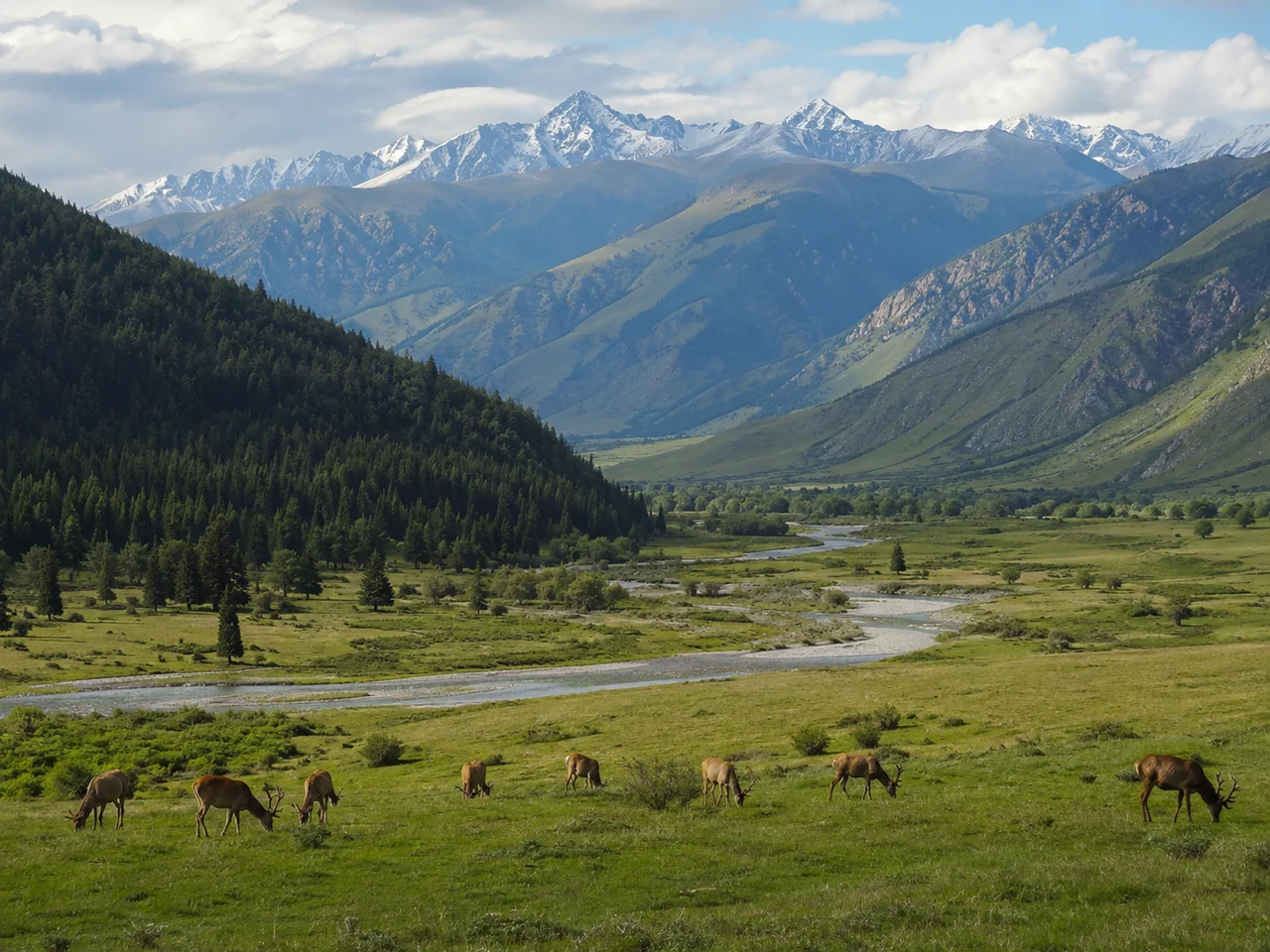 Katon-Karagay: Complete Guide from Almaty — How to Get There, What to See, and Costs in 2026Katon-Karagay National Park in the Altai: maral farms, Rakhmanov Springs, routes. How to get…
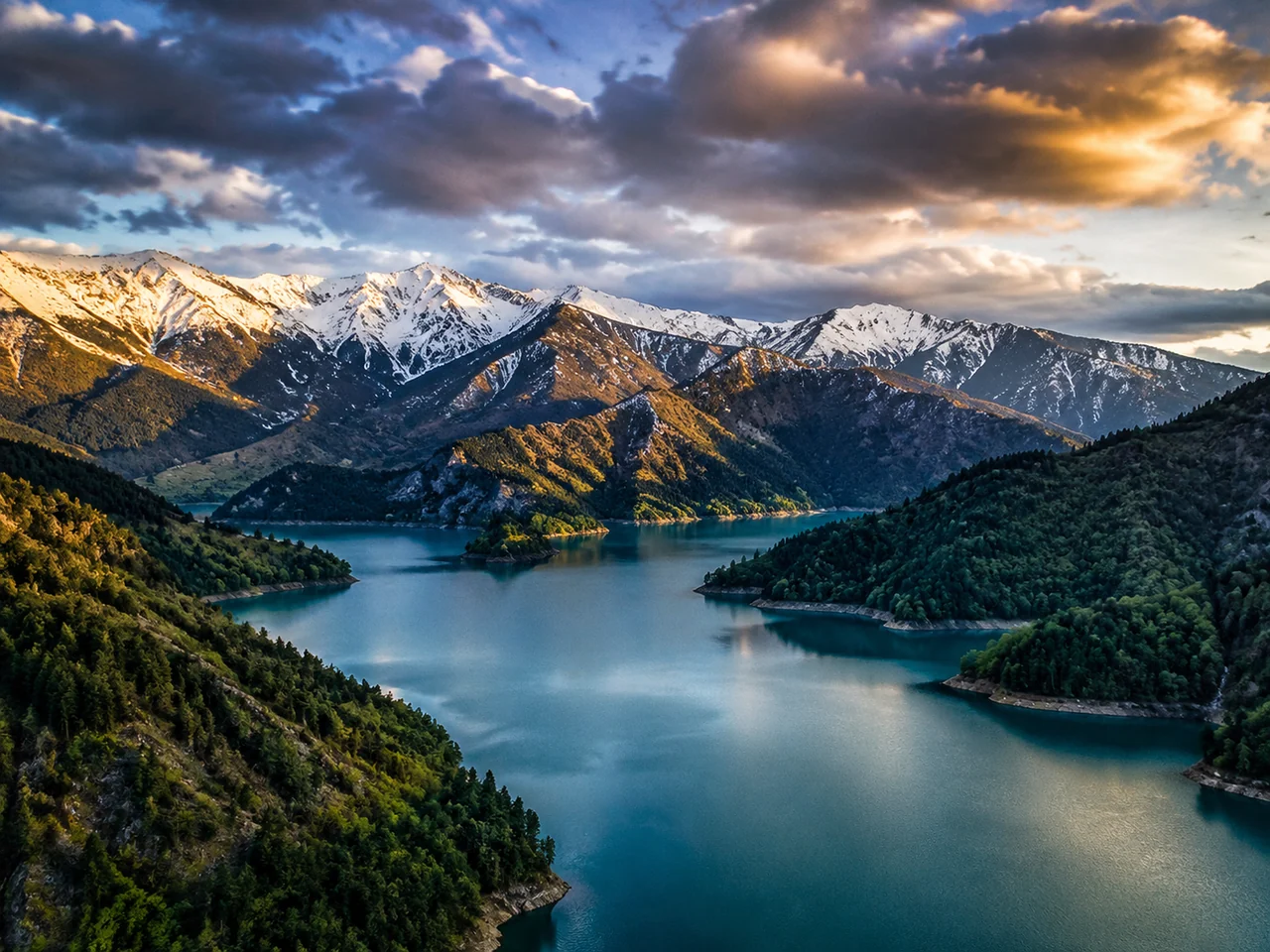 Kazakhstan Altai from Almaty: Complete Guide to Mountains, Lakes and Hot SpringsComplete guide to Kazakhstan Altai: from Almaty to Bukhtarma and Markakol. Seasons, routes, prices…
Write to us — a guide will pick a route for your dates and budget and send you the price per person.