Explore the Rich Culture and Nature of Kazakhstan
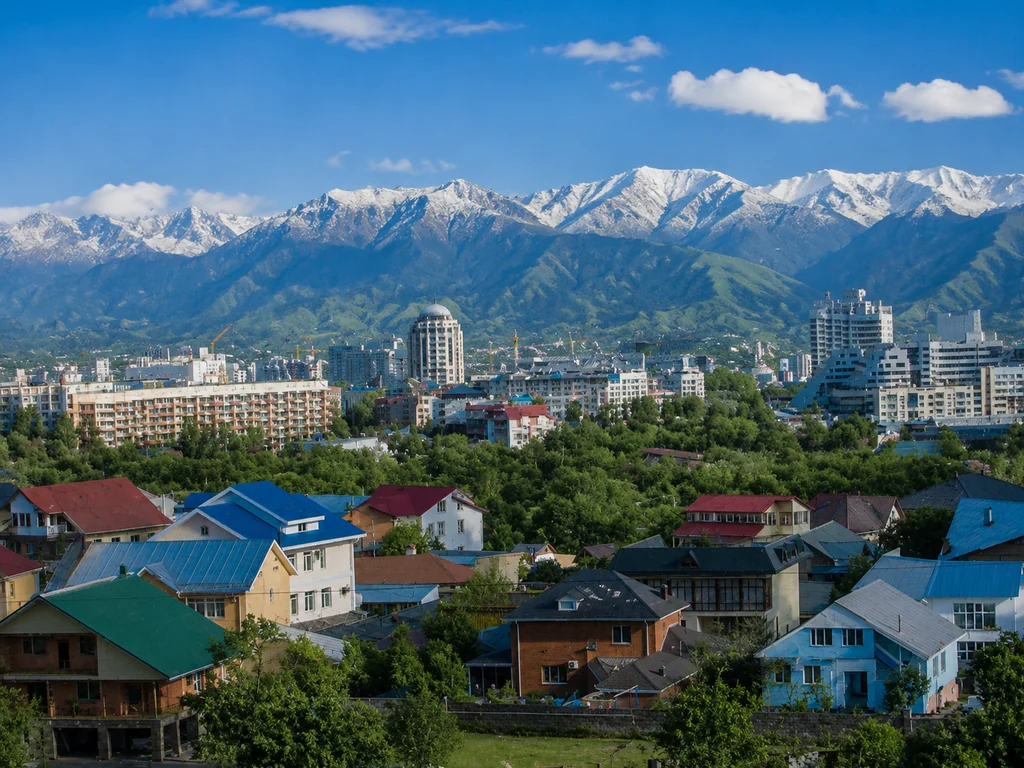
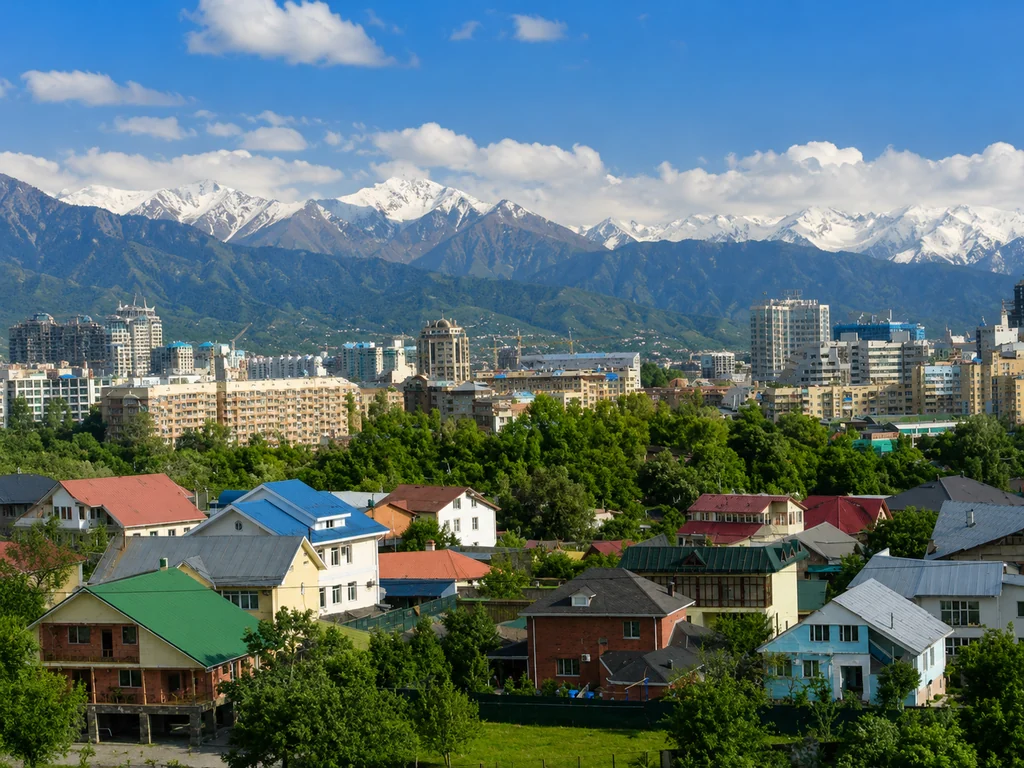
Almaty, the former capital of Kazakhstan, is the perfect starting point for ethno tours that immerse you in the country's nomadic heritage and stunning natural landscapes. From horseback riding in the Zailiysky Alatau mountains to exploring ancient petroglyphs and sacred mausoleums, these tours offer a deep dive into the history and traditions of the Kazakh people. Whether you have a few hours or a few days, there is an ethno tour that fits your schedule and interests.
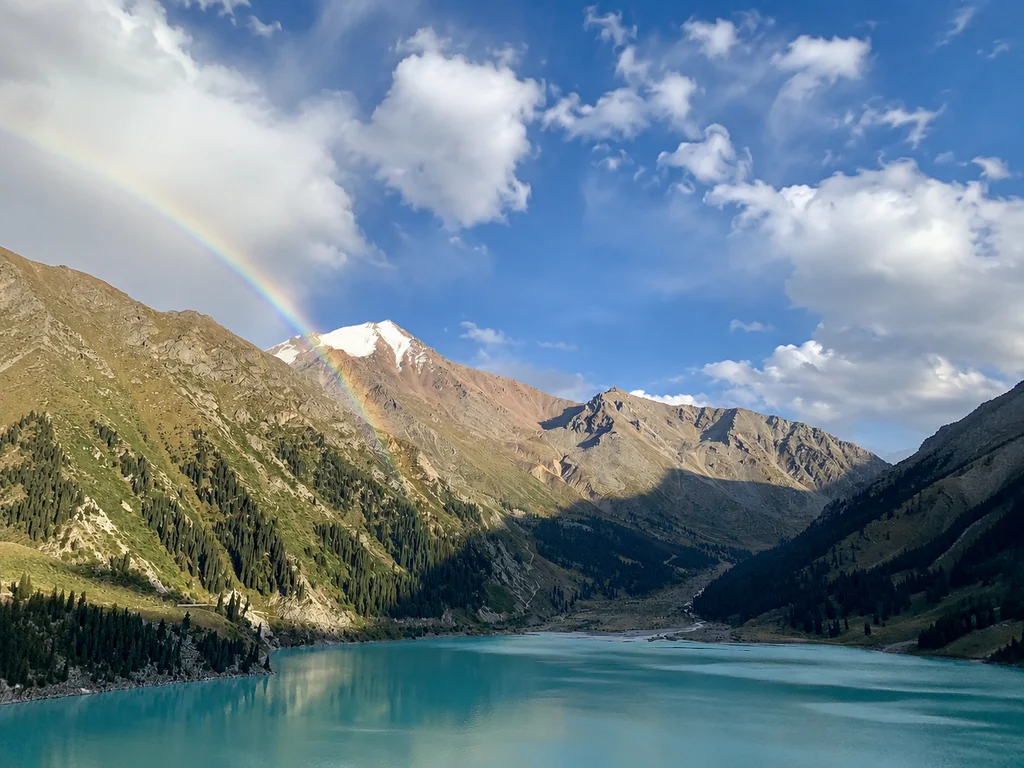
The region around Almaty is a treasure trove of cultural and natural wonders. The mountains of the Tian Shan range, the vast steppe, and the historic Silk Road cities all contribute to a unique travel experience. Our tours are designed to provide authentic encounters with local culture, nature, and history, ensuring that you return home with unforgettable memories and a deeper understanding of Kazakhstan.
In this guide, we will explore eight distinct ethno tours offered by our company, each with its own unique focus and itinerary. From short day trips to multi-day adventures, these tours cater to different interests, including history, adventure, and spirituality. We will also provide practical information on what to expect, how to prepare, and what to bring, so you can make the most of your journey.
The Essence of Ethno Tourism
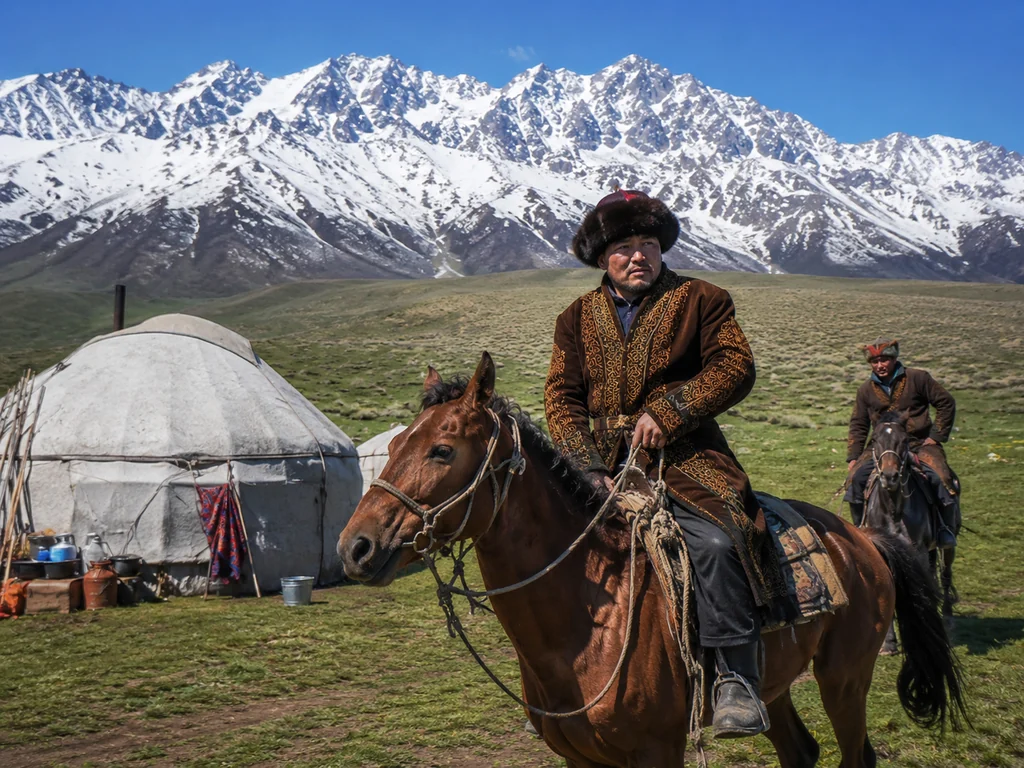
Ethno tourism is about more than just sightseeing; it is about connecting with the living culture and traditions of a place. Kazakhstan, with its nomadic past and rich cultural tapestry, offers an ideal setting for such immersive experiences. Visitors can witness traditional crafts, taste national cuisine, and even participate in activities like horseback riding and archery, which were once essential skills for survival on the steppe.
Our ethno tours are carefully crafted to provide authentic experiences while ensuring comfort and safety. We work with local guides and communities to offer genuine insights into the Kazakh way of life. Whether you are exploring the petroglyphs of Tanbaly or visiting the mausoleum of Khoja Ahmed Yasavi, you will be guided by experts who bring history to life.
In the following sections, we will detail each tour, highlighting the highlights, practical aspects, and what makes them unique. This will help you choose the tour that best suits your preferences and travel style.
Horseback Riding and Archery in the Mountains
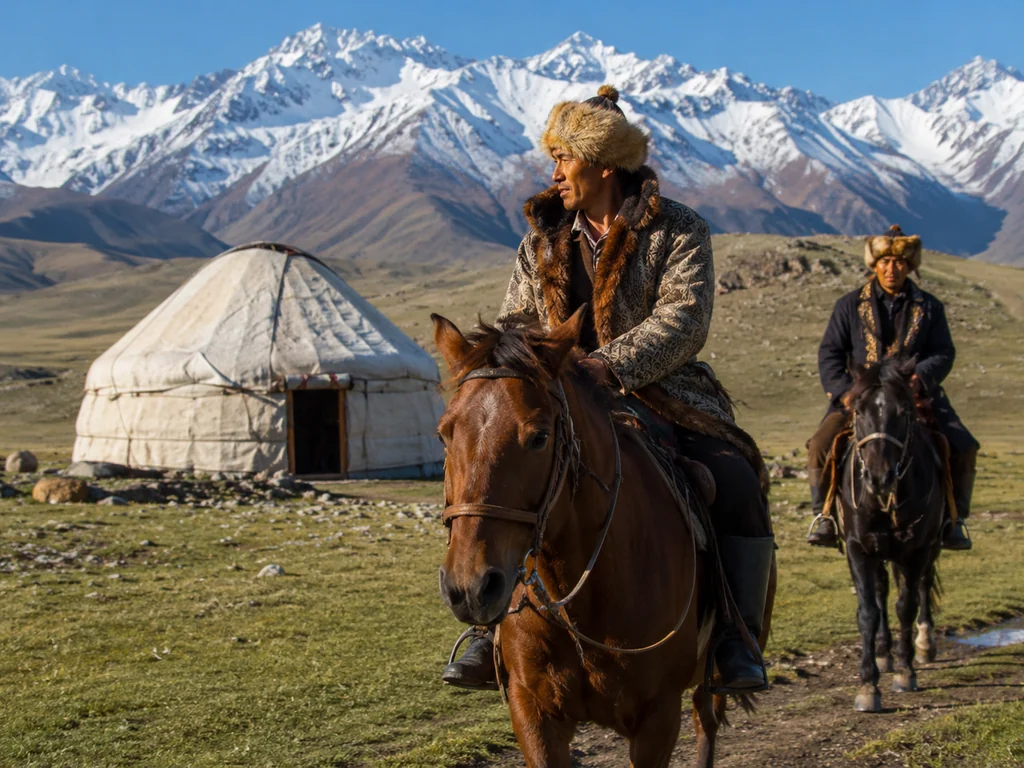
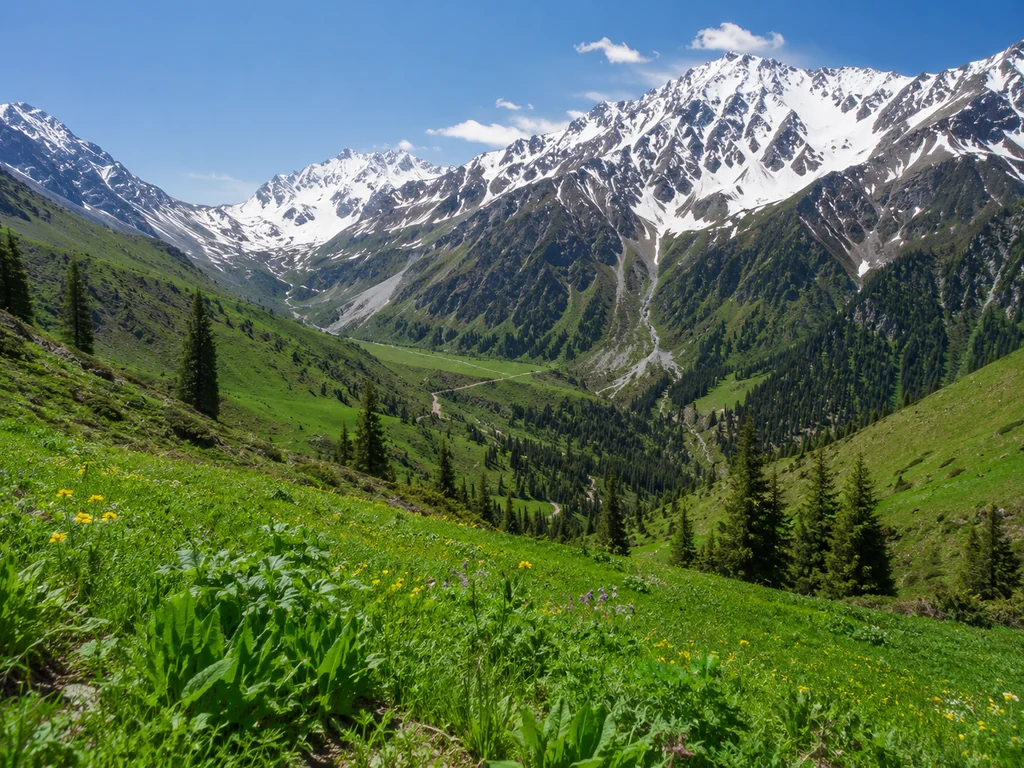
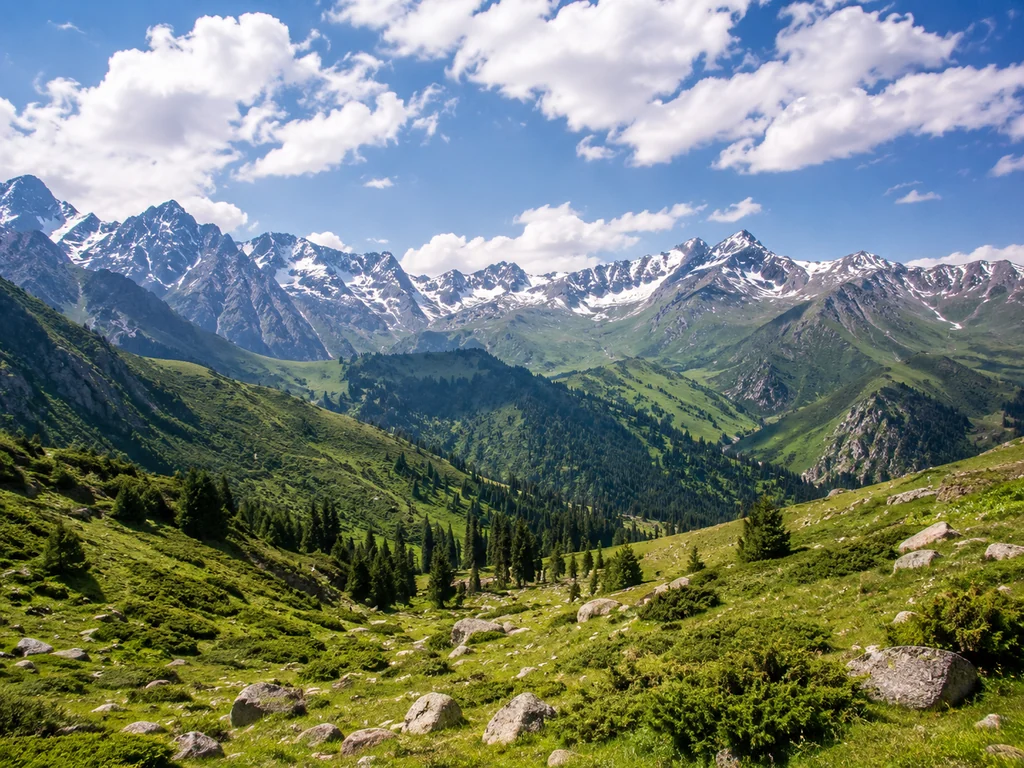
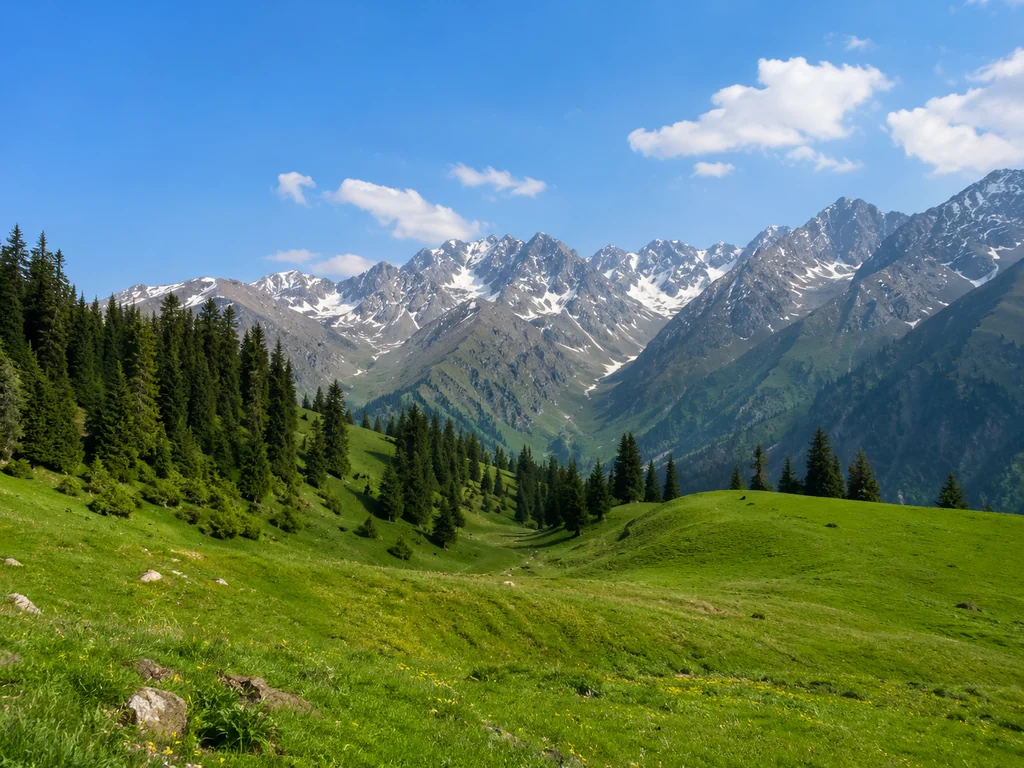
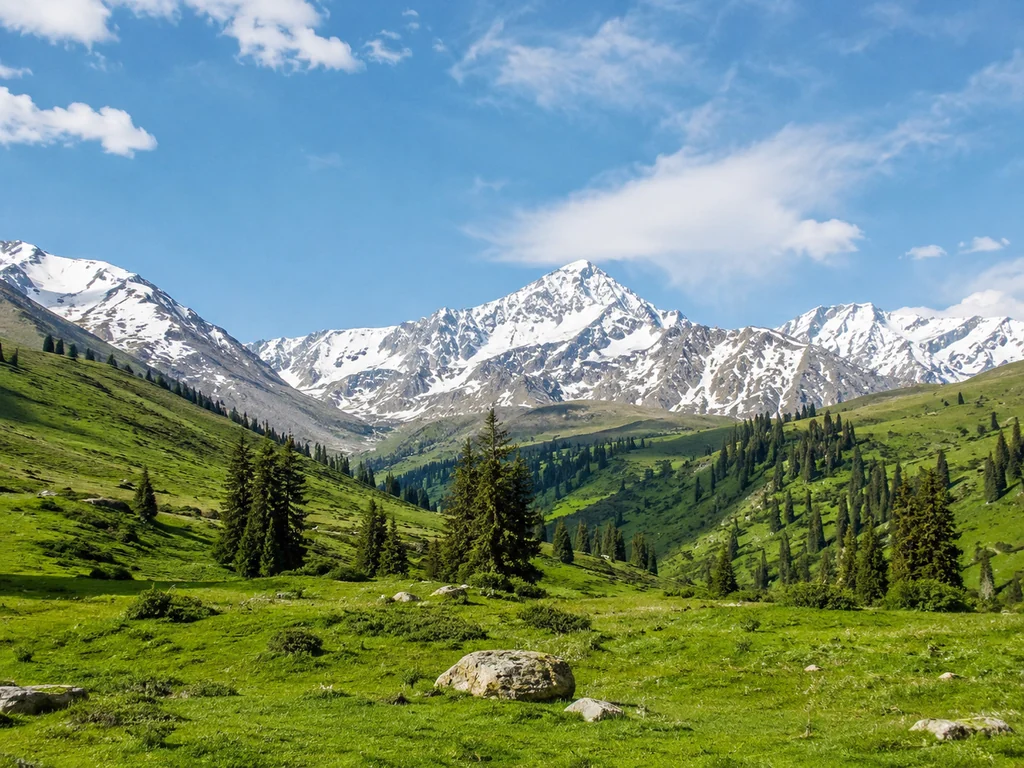
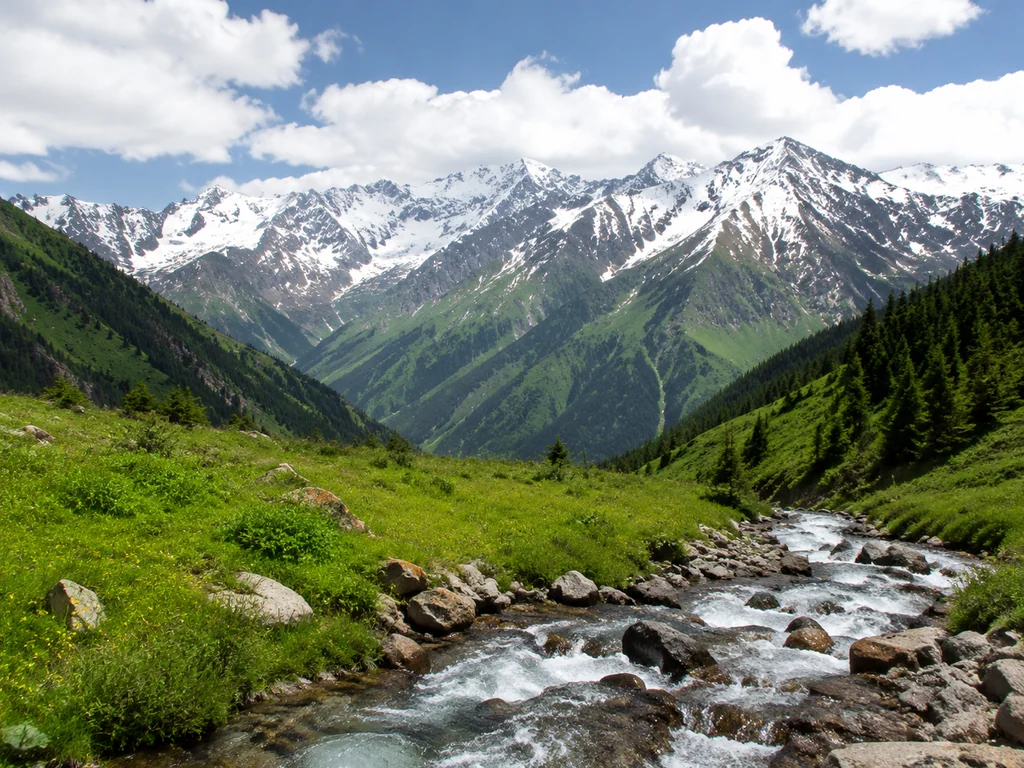
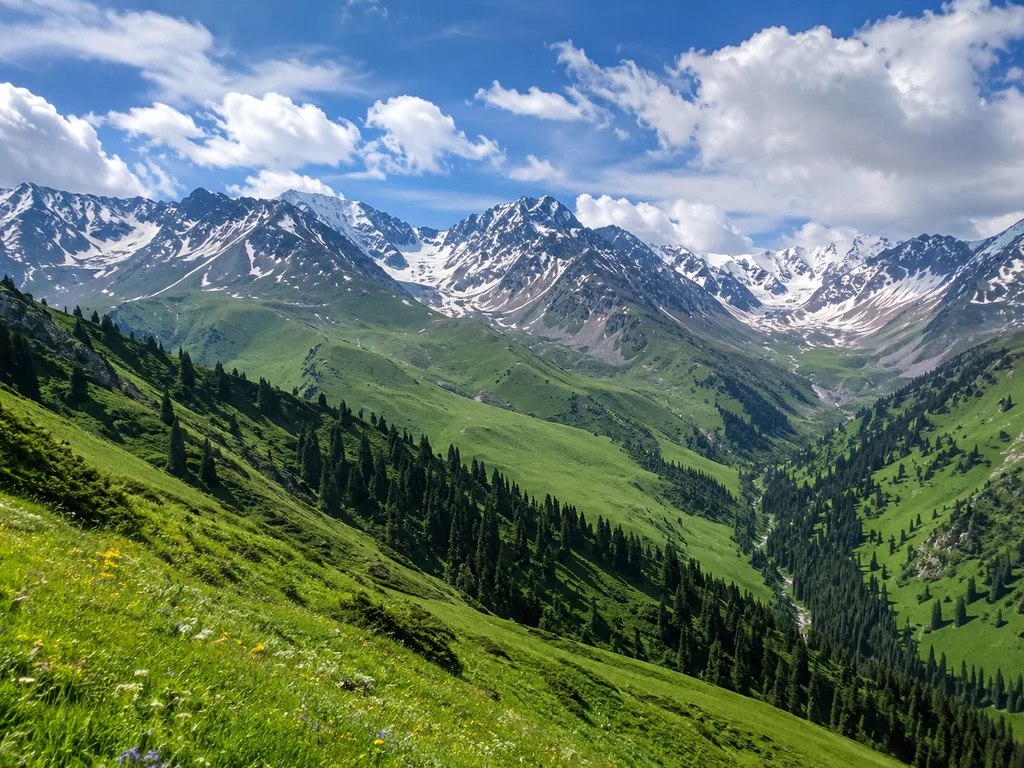
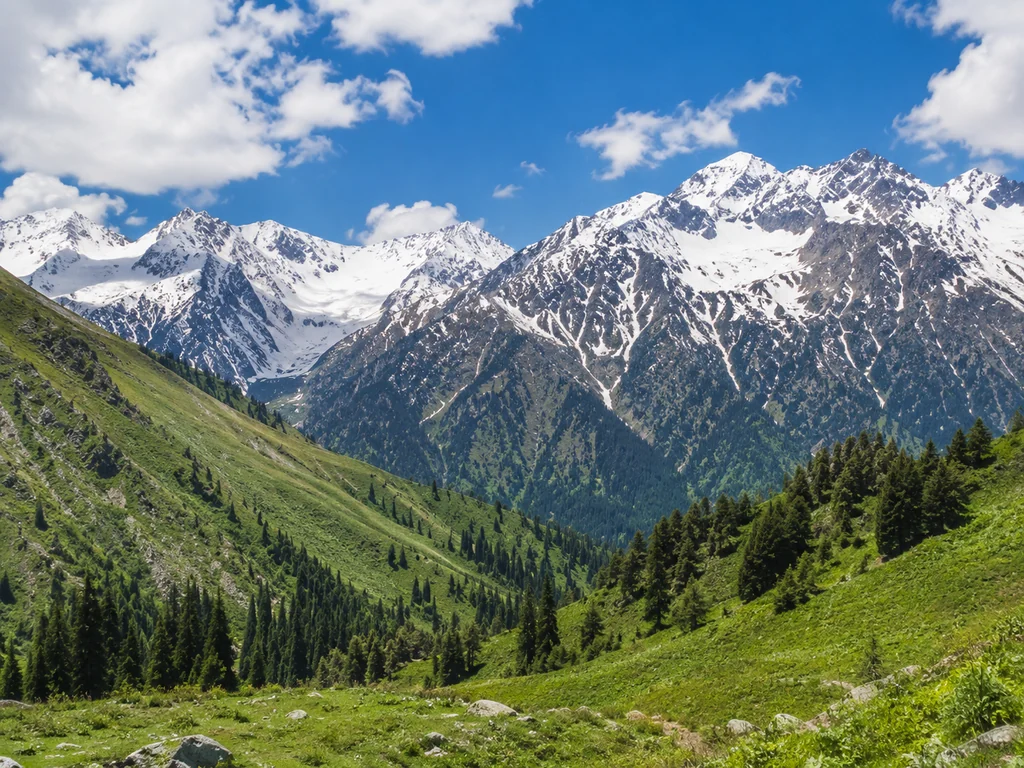
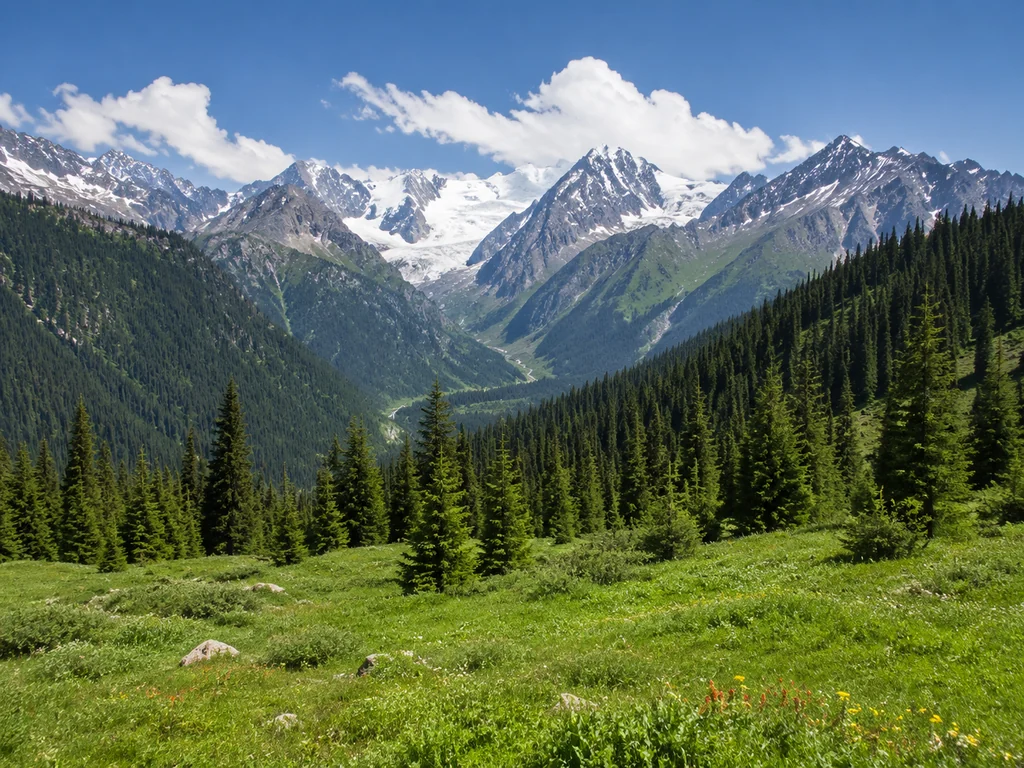
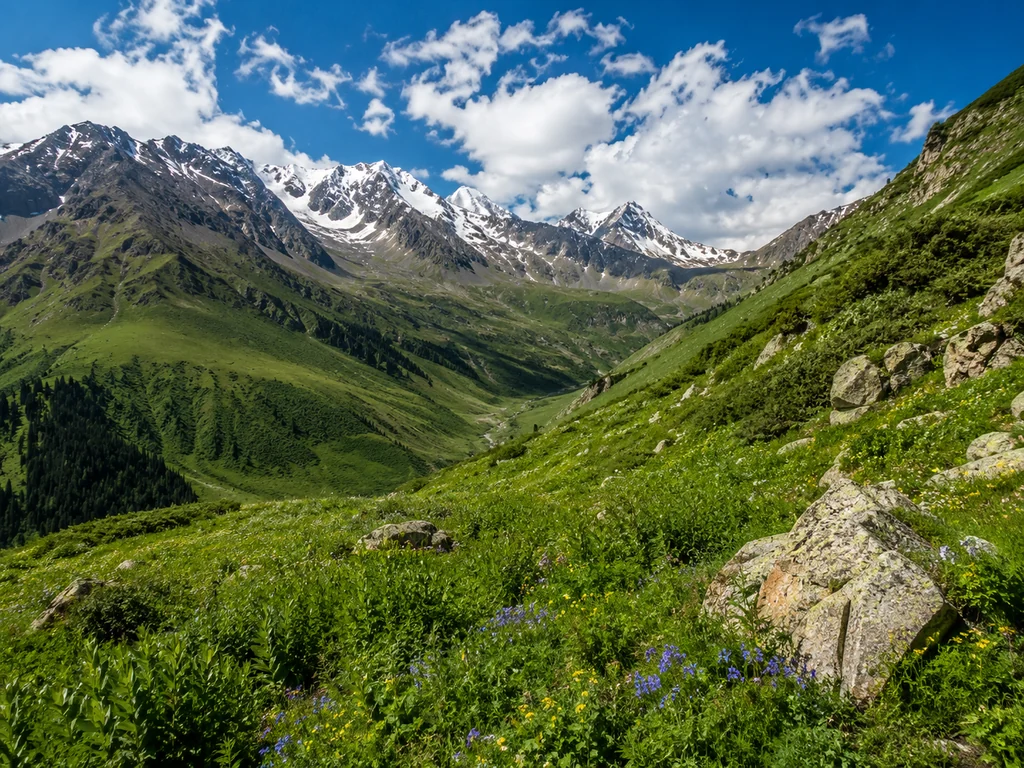
For those seeking an active adventure, our horseback riding and archery tour in the Zailiysky Alatau is an excellent choice. This tour combines the thrill of horseback riding through alpine meadows with the skill of archery, all set against the backdrop of majestic mountains. It is a perfect introduction to the nomadic lifestyle that once thrived in these lands.
Tour Highlights
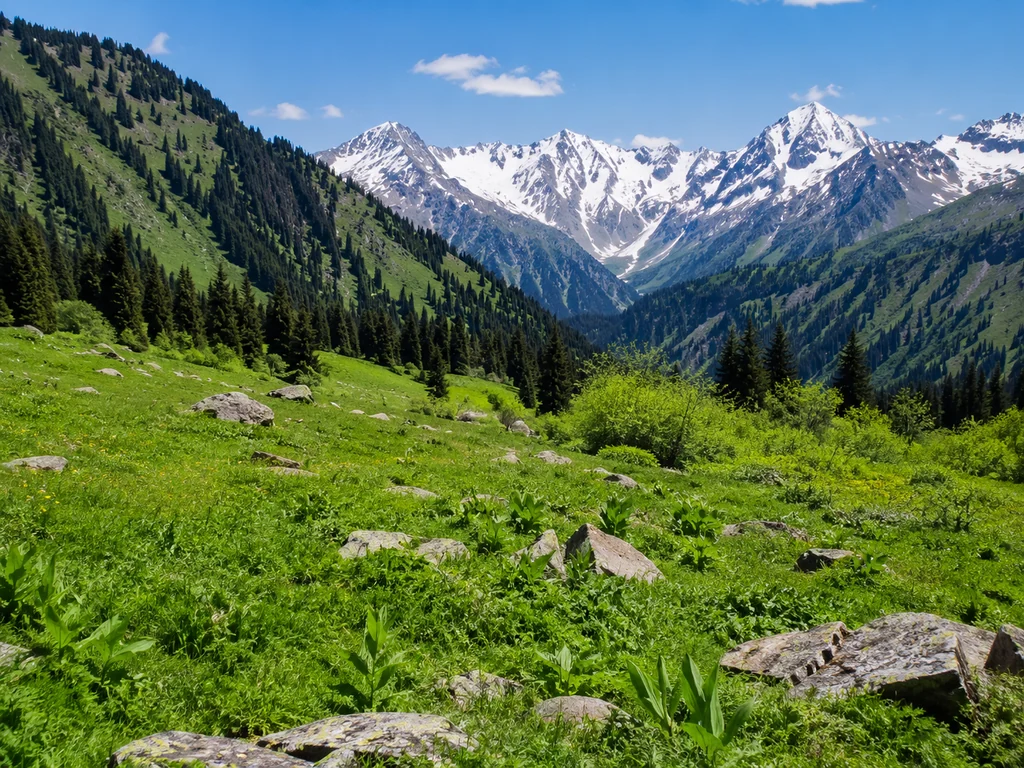
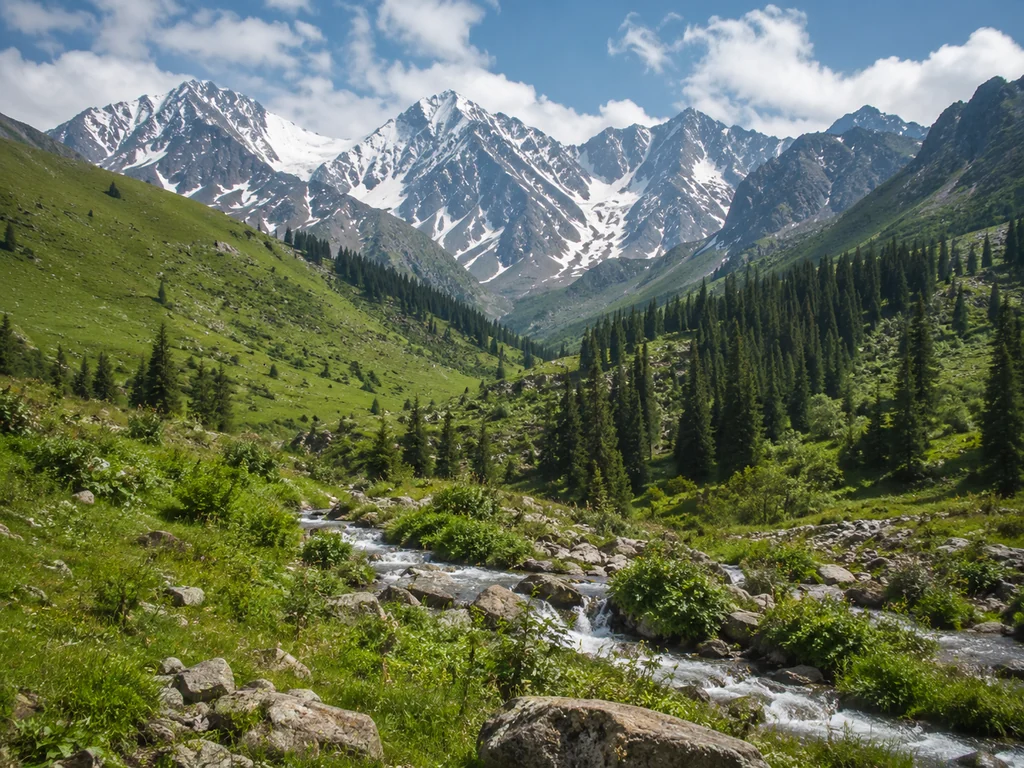
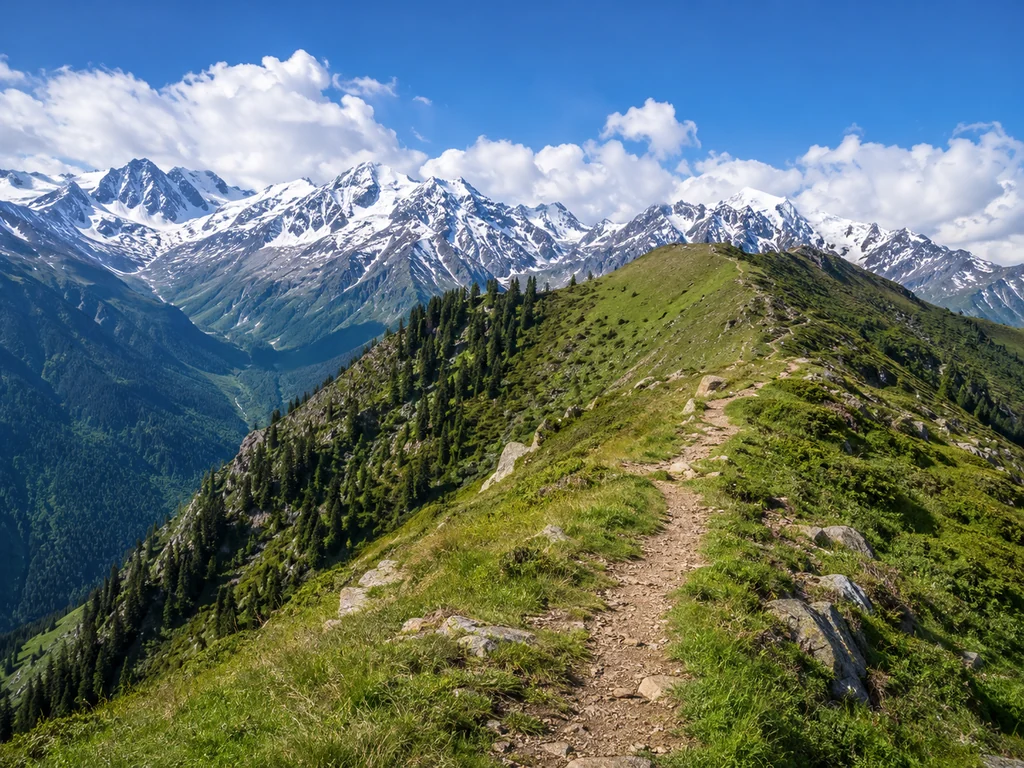
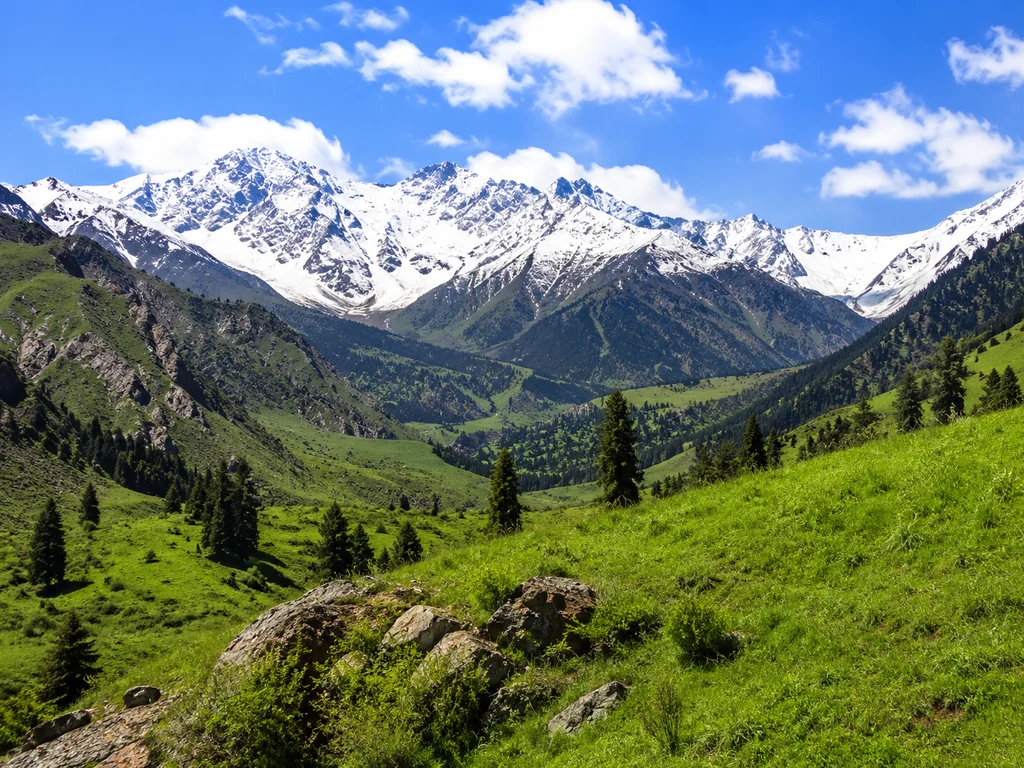
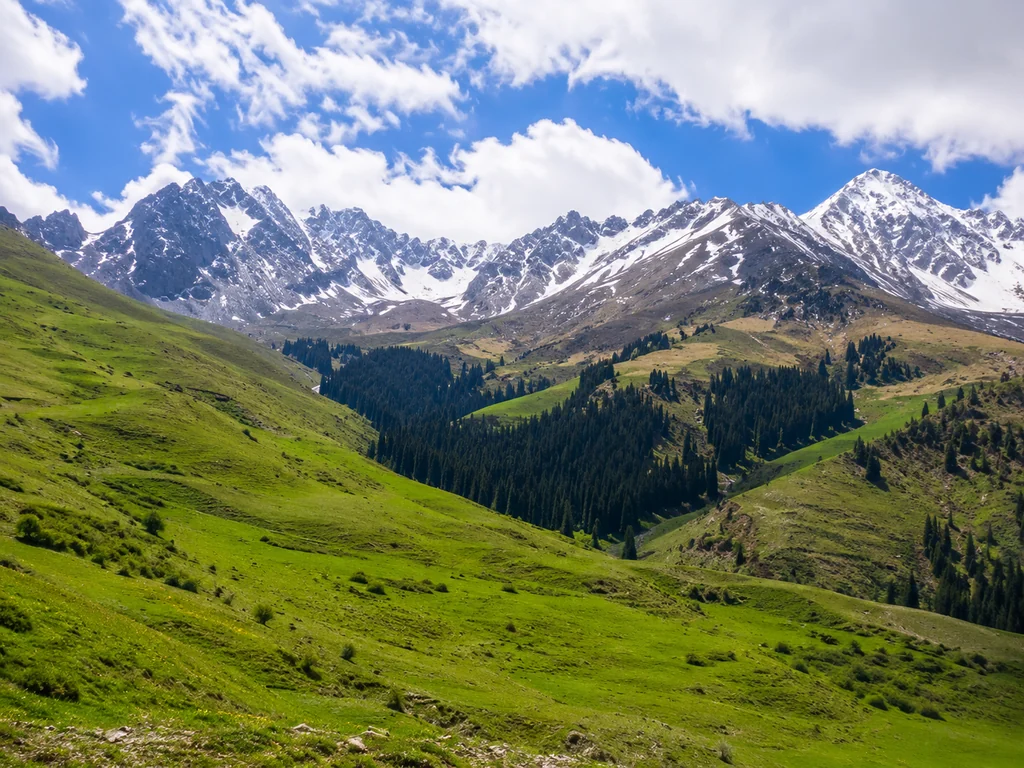
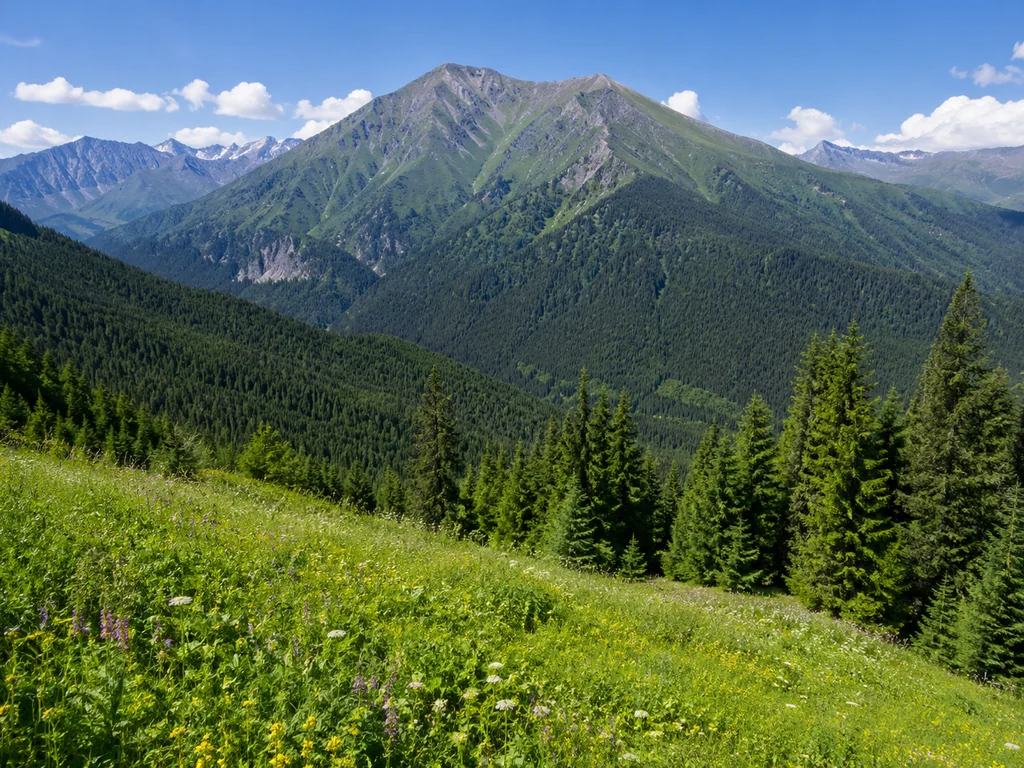
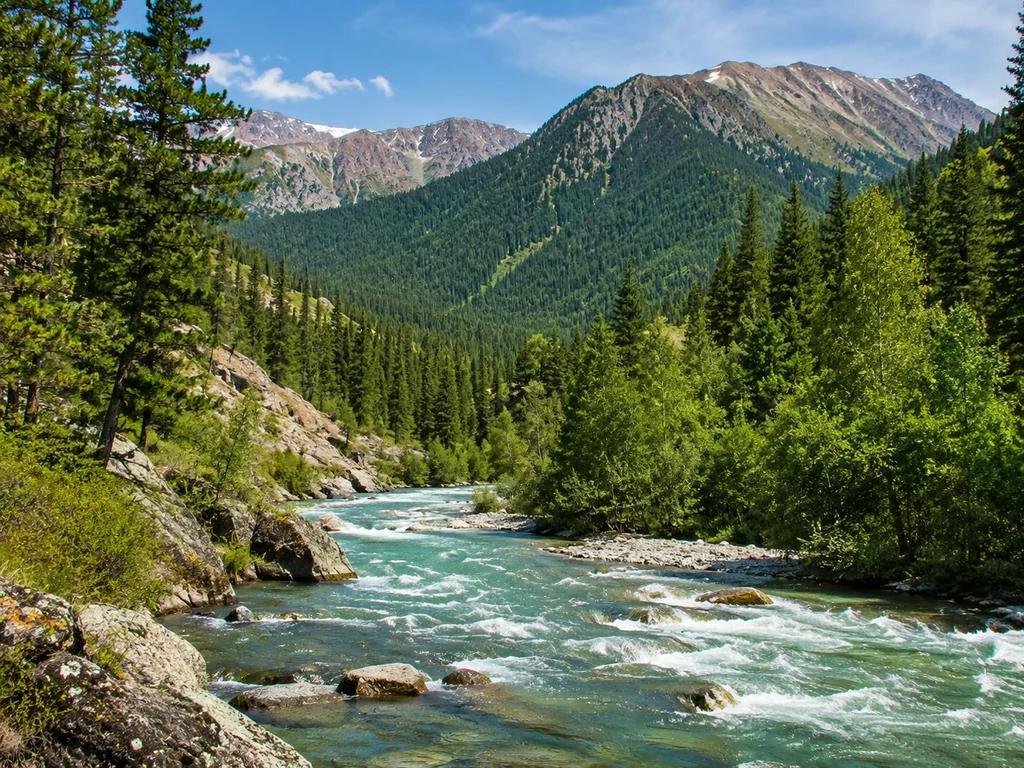
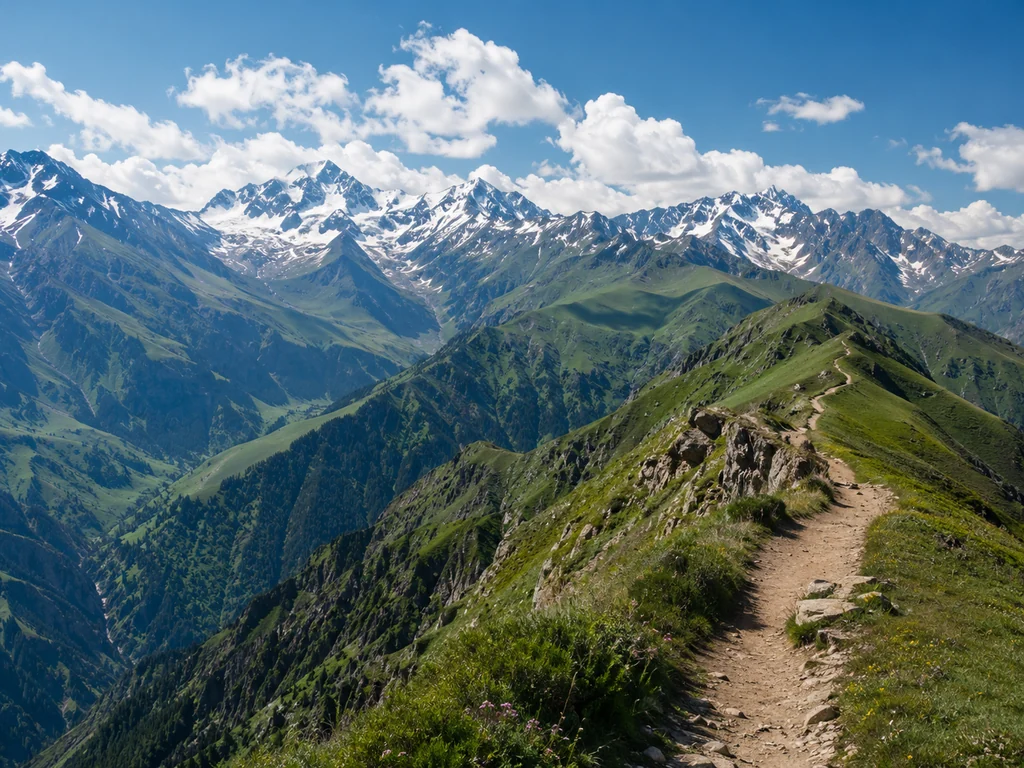
The tour begins with a two-hour horseback ride through the picturesque valleys and meadows of the Zailiysky Alatau. This mountain range, part of the Tian Shan system, rises to over 4,000 meters and offers breathtaking views. Riders of all levels can participate, as the pace is gentle and the horses are well-trained. Even beginners will feel confident under the guidance of experienced instructors.
After the ride, you will have the opportunity to try your hand at archery, a traditional skill of the Kazakh nomads. Under the watchful eye of a master archer, you will learn the basics of shooting, from proper stance to aiming. This hands-on experience is both educational and fun, and you will have plenty of opportunities to take photos with the stunning mountain scenery as your backdrop.
The tour lasts approximately six hours, including transportation from Almaty. It is available on Mondays, Wednesdays, and Fridays, with a 9:00 AM departure. The price is 24,147 KZT per person, making it an affordable adventure for individuals and groups alike.
What to Expect
The tour is conducted in a group format, with a maximum of ten participants to ensure personalized attention. Transportation is provided by horse, adding to the authenticity of the experience. The terrain is mostly gentle, but you should be prepared for some uneven ground and possible mud after rain. Good physical condition is recommended, but no prior riding experience is necessary.
Your safety is our priority, and all necessary equipment, including helmets and archery gear, is provided. The instructors are certified and speak English, ensuring clear communication and a safe environment. You will also be accompanied by a guide who will share stories about the region's history and ecology.
We recommend wearing comfortable clothing that you don't mind getting dusty, and sturdy closed-toe shoes. Sunscreen and a hat are essential, as the sun at altitude can be intense. Don't forget your camera to capture the stunning landscapes and your archery achievements.
Booking and Preparation
To book this tour, simply contact us through our website or by phone. We require a minimum of two participants to run the tour, and we can arrange private tours upon request. The price includes transportation from Almaty, the horseback ride, archery instruction, and all necessary equipment. Any additional services, such as meals or extended rides, can be arranged at an extra cost, which we will quote at the time of booking.
We advise arriving at the meeting point at least 15 minutes before departure. The tour starts at 9:00 AM, and we will return to Almaty by approximately 3:00 PM, giving you the rest of the day to explore the city or relax.
If you have any health concerns or physical limitations, please inform us when booking so we can make appropriate arrangements. Our goal is to ensure that everyone can enjoy this unique experience safely and comfortably.
Ethno-Aul "Huns": Immersion in Kazakh Culture
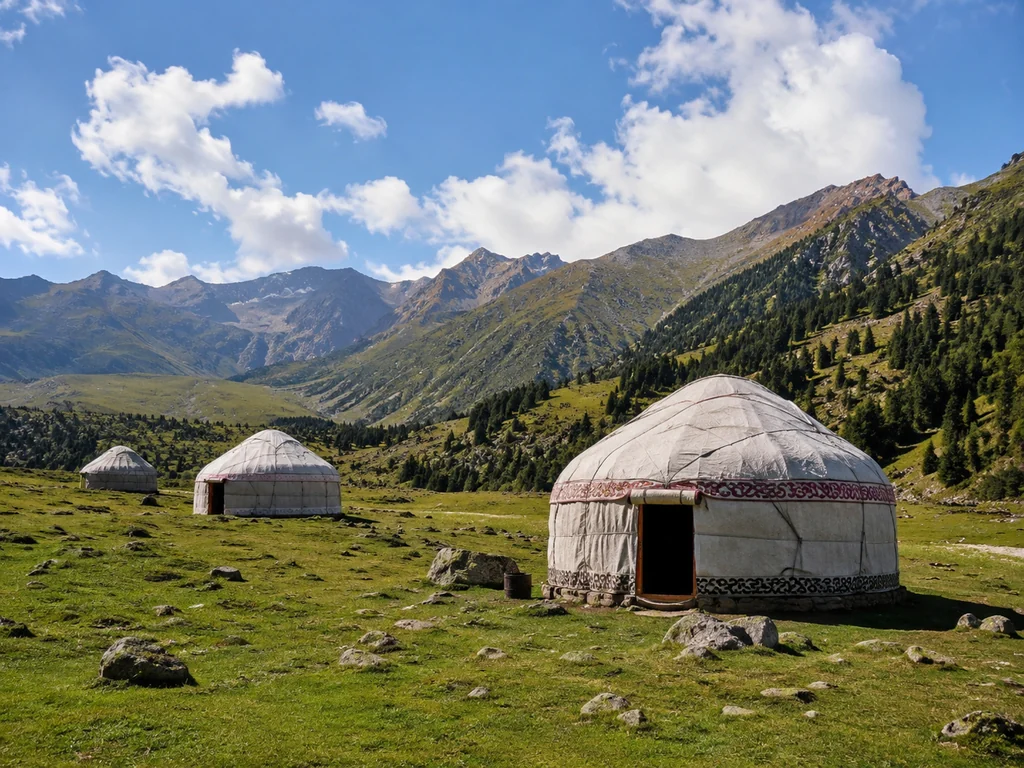
For a comprehensive cultural experience, the Ethno-Aul "Huns" tour is an excellent choice. Located just a short drive from Almaty, this living museum recreates the atmosphere of a nomadic settlement, complete with yurts, traditional crafts, and national cuisine. It is an ideal way to learn about the Kazakh way of life without traveling far.
Tour Highlights
Upon arrival at the Ethno-Aul, you will be greeted by locals dressed in traditional costumes. The settlement is designed to resemble a medieval nomadic camp, with authentic yurts furnished with felt carpets and household items. You will have the opportunity to explore the yurts and learn about the nomadic lifestyle, including how families lived and moved with the seasons.
One of the highlights of the tour is the demonstration of traditional crafts. Skilled artisans will show you how to make felt, weave carpets, and craft jewelry, and you can even try your hand at these ancient techniques. You will also witness a performance of traditional music and dance, accompanied by the sounds of the dombra, a two-stringed instrument.
The tour includes a tasting of national cuisine, featuring dishes such as beshbarmak (noodles with meat), kumys (fermented mare's milk), and baursak (fried dough). This is a great opportunity to savor the flavors of Kazakhstan and learn about the culinary traditions of the nomads.
What to Expect
The Ethno-Aul "Huns" tour is a full-day experience, lasting approximately seven hours. It is available on Saturdays and Sundays, with a 9:00 AM departure from Almaty. The tour is conducted in a group format, and transportation is provided by comfortable vehicle, ensuring a smooth journey to the settlement, which is located about 70 kilometers from the city.
The tour is suitable for all ages and is an excellent family outing. The pace is relaxed, with plenty of time to explore and soak in the atmosphere. The guides are knowledgeable and passionate about Kazakh culture, and they will gladly answer any questions you have.
We recommend wearing comfortable clothing and shoes, as you will be walking on uneven ground. The weather can be variable, so it is wise to bring a light jacket or sweater. Also, be prepared to take part in some activities, such as trying on traditional clothing or participating in a cooking class.
Booking and Preparation
The price for this tour is 34,791 KZT per person, which includes transportation, entrance fees, activities, and the traditional meal. To book, please contact us at least a day in advance, as places are limited. We can also arrange private tours for groups of ten or more, with a flexible schedule.
The Ethno-Aul is a popular destination, so we recommend booking early, especially during weekends and holidays. Our team will ensure that you have a memorable and enriching experience.
If you have any dietary restrictions or allergies, please let us know in advance so we can accommodate your needs. The tour is designed to be inclusive and enjoyable for everyone.
Petroglyphs of Tanbaly: UNESCO Heritage
The Tanbaly gorge, located about 170 kilometers from Almaty, is home to thousands of petroglyphs dating back to the Bronze Age. This UNESCO World Heritage Site offers a fascinating glimpse into the beliefs and daily life of ancient peoples. Our tours to Tanbaly are available in two formats: a shorter six-hour tour and a longer nine-hour tour, both departing from Almaty.
Tour Options
The six-hour tour is an individual tour, allowing for a personalized experience with a guide. It includes a visit to the main petroglyph site, where you will see hundreds of rock carvings depicting animals, humans, and mythical creatures. The guide will explain the meaning of these symbols and the history of the site, providing context that brings the ancient art to life.
The nine-hour tour is also individual and offers a more in-depth exploration. In addition to the main site, you will have time to hike through the canyon, which is home to rare plant species and offers stunning views. This longer tour is ideal for those who want to fully immerse themselves in the landscape and history of the area.
Both tours are available daily, with departure times arranged upon request. The price for each tour is 24,900 KZT per person, making it a great value for a private excursion.
What to Expect
The journey to Tanbaly takes about three hours each way, passing through scenic steppe and mountain landscapes. Along the way, you may see herds of horses and sheep, as well as the occasional fox or eagle. The road is paved for most of the way, with a final stretch on a gravel road that is suitable for regular cars.
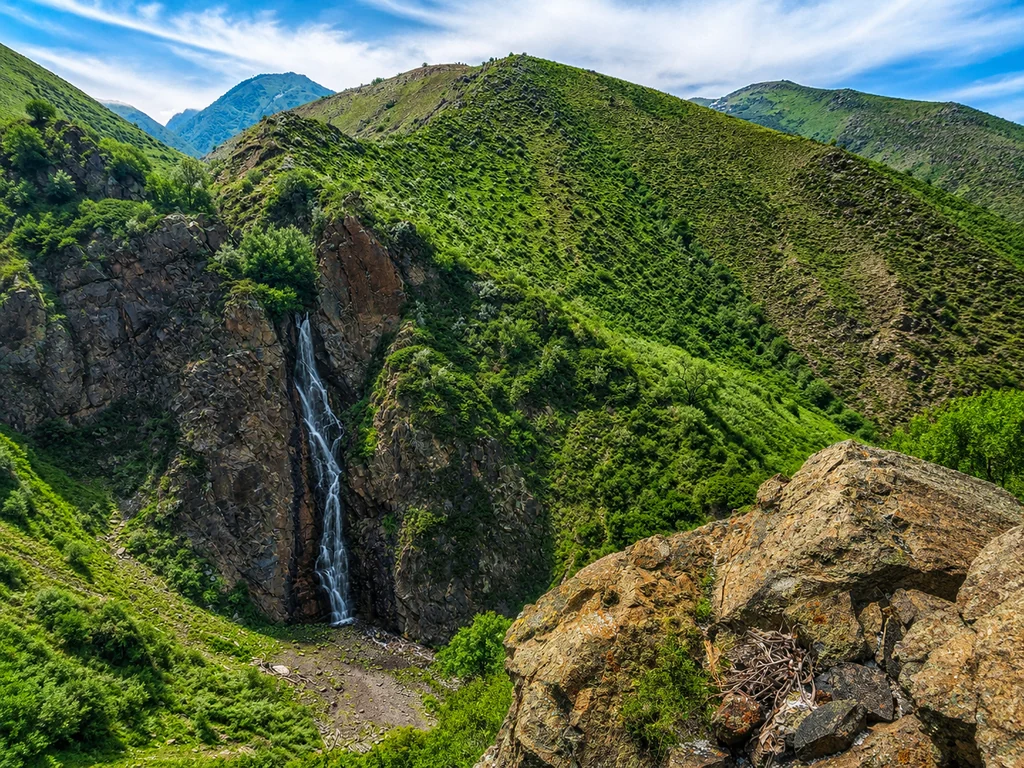
The petroglyphs are spread over a large area, and you will be walking on uneven terrain. Good walking shoes are essential, as is sun protection, as there is little shade. The site is open-air, and there are no facilities, so it is important to bring water and snacks.
Your guide will be an expert in the history of the site and will provide fascinating insights into the culture of the Bronze Age people who created these carvings. You will have ample time to take photos and absorb the atmosphere of this sacred place.
Booking and Preparation
To book either Tanbaly tour, please contact us with your preferred date and time. We can accommodate last-minute requests, but advance booking is recommended to ensure availability. The price includes transportation, guide services, and entrance fees. Any meals or additional services are not included and can be arranged at an extra cost.
We recommend starting early in the morning to avoid the heat and have more time at the site. The tours can be tailored to your interests, and we can stop for photo opportunities along the way.
If you have any mobility concerns, please inform us when booking, as the terrain can be challenging. Our guides will do their best to make the experience accessible to all.
Tamgaly-Tas, Buddha and City of Nomads
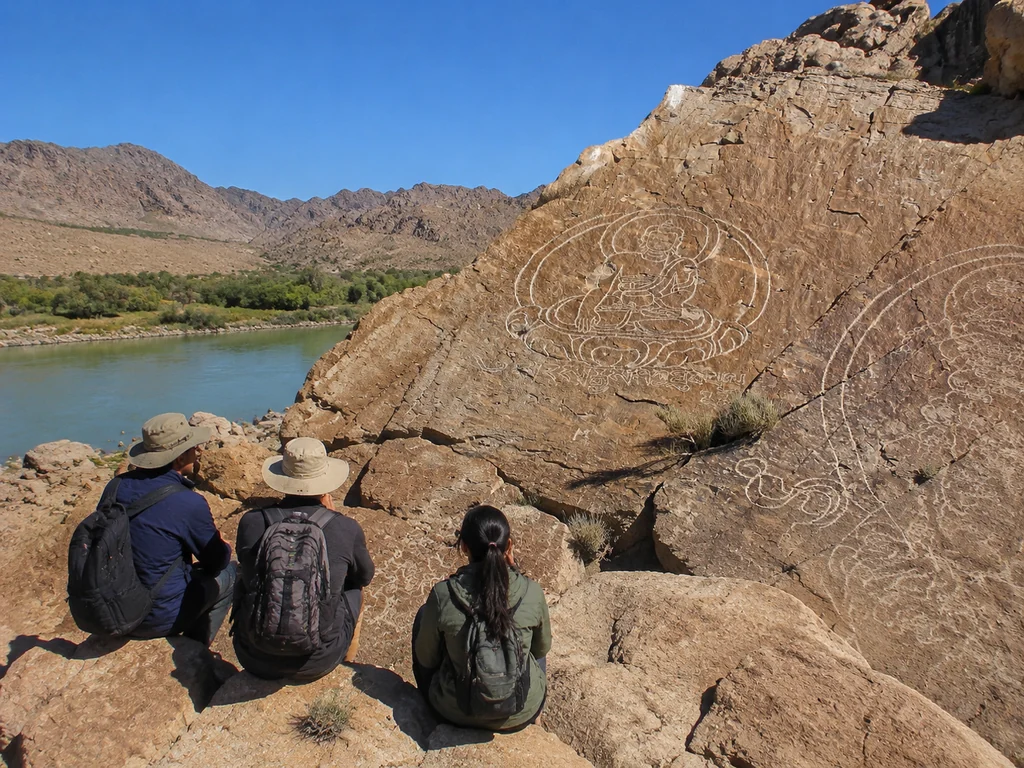
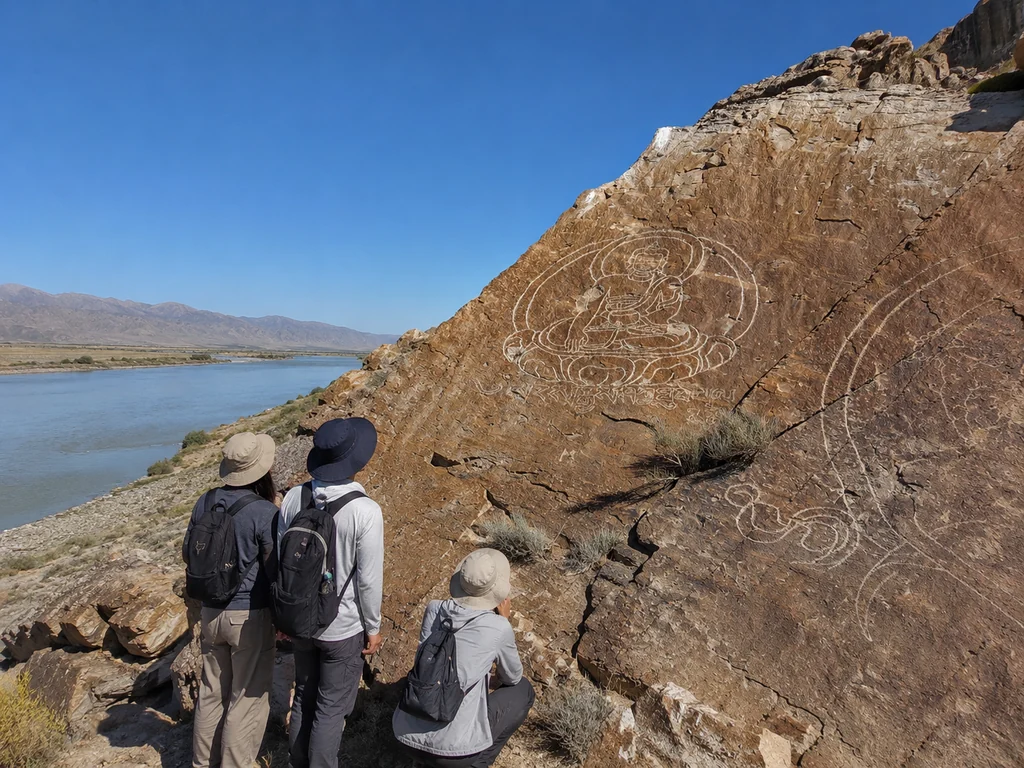
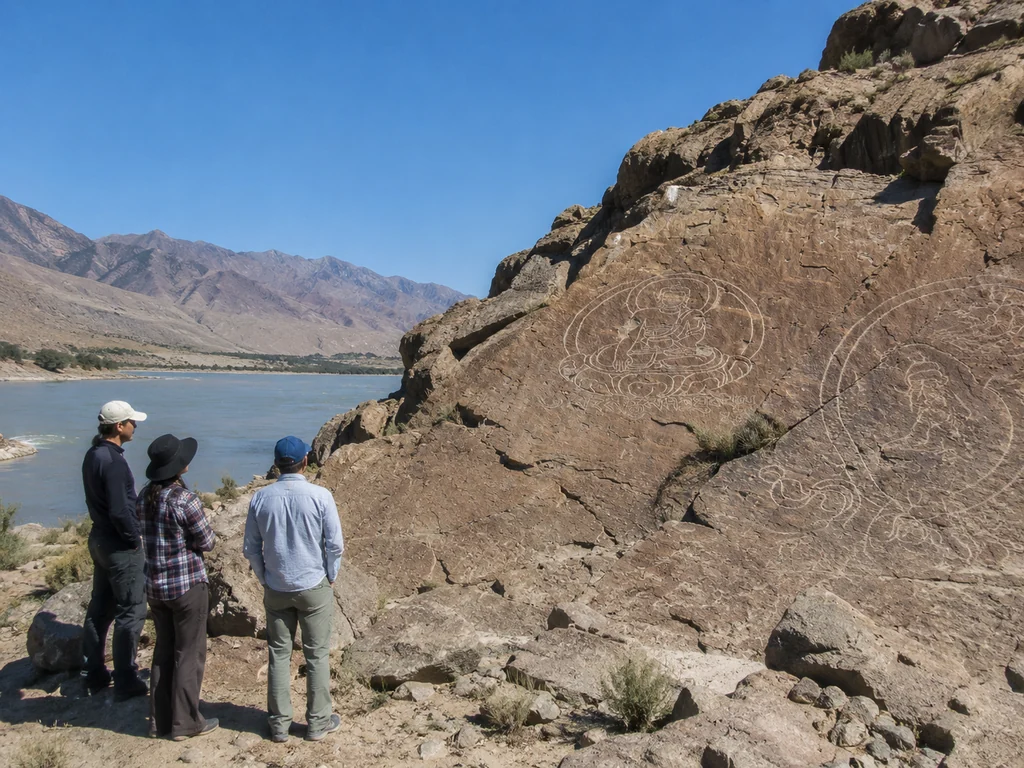
Another fascinating petroglyph site is Tamgaly-Tas, located along the Ili River. This site features unique carvings, including a depiction of Buddha, which are unusual in this region. The tour also includes a visit to the "City of Nomads," a reconstructed medieval settlement that offers insight into the life of ancient nomads.
Tour Highlights
The tour begins with a drive to Tamgaly-Tas, which is about 120 kilometers from Almaty. The site is situated on the banks of the Ili River, and the petroglyphs are carved on large boulders. The most famous carving is a large figure of Buddha, which is believed to date from the 18th century, along with inscriptions in Tibetan and Mongolian.
After exploring the petroglyphs, you will visit the adjacent "City of Nomads" complex. This open-air museum reconstructs a typical nomadic settlement, with yurts, watchtowers, and defensive walls. You can wander through the streets, visit the craft workshops, and learn about the daily life of the nomads who once inhabited this area.
The tour includes a guided walk through the site, with explanations of the historical and cultural significance of the carvings and the settlement. You will also have free time to explore on your own and take photographs.
What to Expect
This tour lasts approximately nine hours, including transportation from Almaty. It is available daily, with departure times arranged upon request. The tour is conducted in an individual format, ensuring a personalized experience. The price is 22,900 KZT per person, making it one of the most affordable options.
The terrain at Tamgaly-Tas is relatively flat, but the site is vast, so be prepared for a moderate amount of walking. The weather can be hot in summer, so bring a hat, sunscreen, and plenty of water. In spring and autumn, the weather is milder, but a light jacket is recommended.
The drive to the site takes you through the Kapchagai region, where you can see the Kapchagai Reservoir, a popular spot for water sports. The landscape changes from steppe to semi-desert, offering a unique beauty of its own.
Booking and Preparation
To book this tour, contact us with your preferred date. The tour is flexible and can be adjusted to suit your pace. The price includes transportation, guide, and entrance fees. Any meals or additional activities, such as a boat ride on the reservoir, are not included and can be arranged at an extra cost.
We recommend wearing comfortable clothing and shoes suitable for walking. Since the tour is individual, you can take your time to explore and ask questions. Your guide will be happy to share stories about the history of the area and the significance of the Buddha carving.
This tour is suitable for history enthusiasts and those interested in religious art. It is also a great option for families, as the City of Nomads offers interactive experiences for children.
Golden Ring of Turkestan: Yasavi, Otrar, Sauran
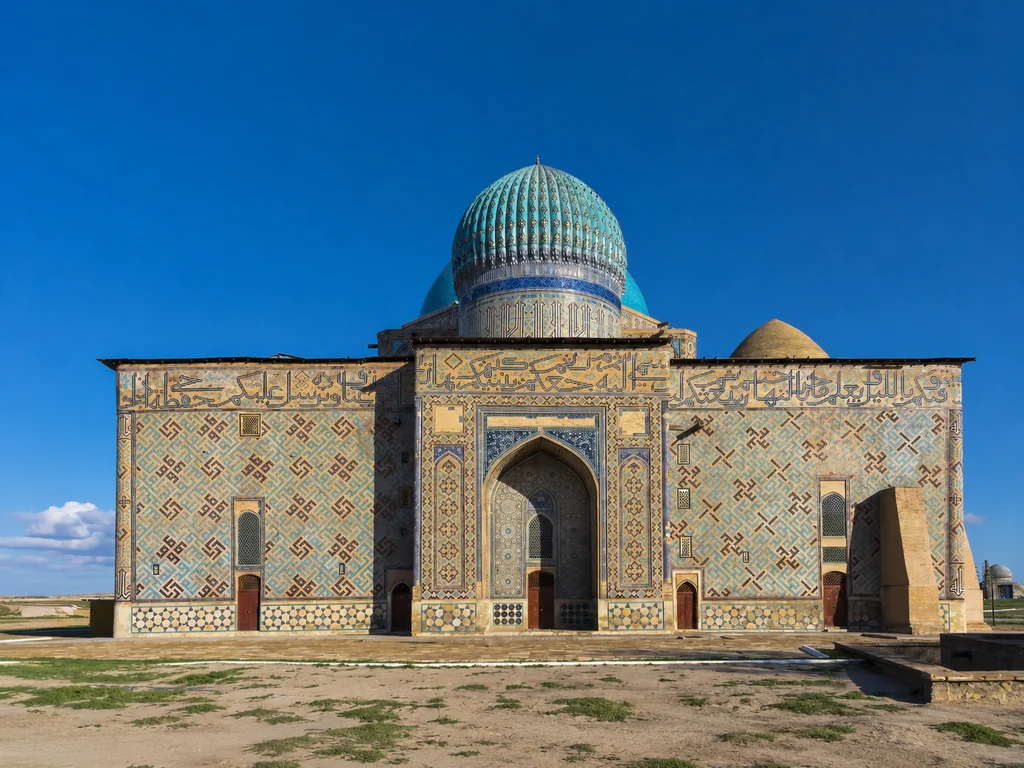
For a deeper journey into Kazakhstan's history, the Golden Ring of Turkestan tour is a three-day expedition to some of the most significant historical sites in the south of the country. This tour takes you to the mausoleum of Khoja Ahmed Yasavi, a UNESCO World Heritage Site, as well as the ancient cities of Otrar and Sauran.
Tour Highlights
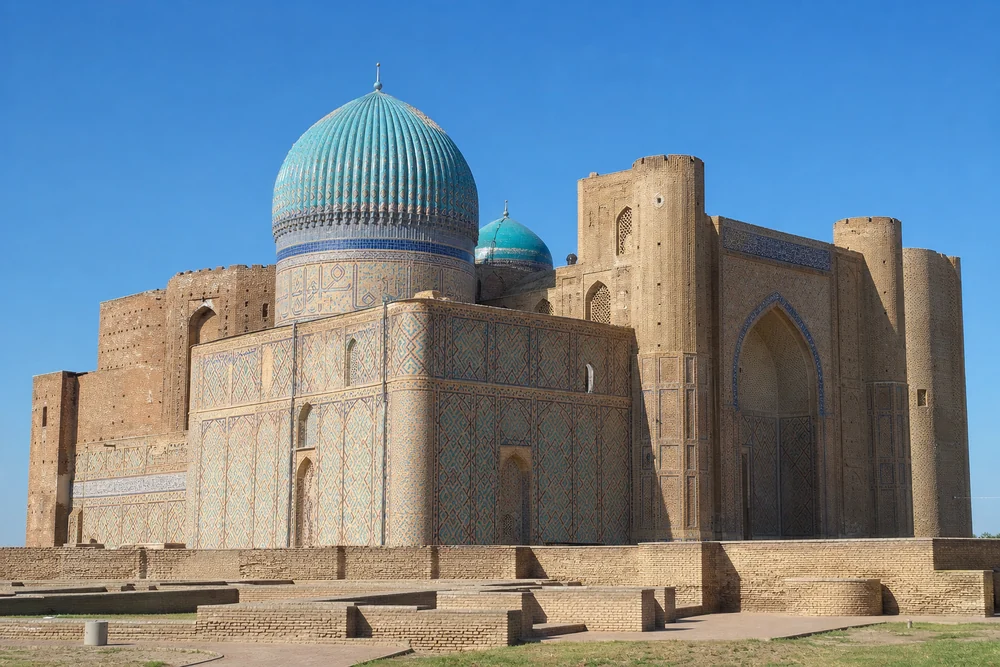
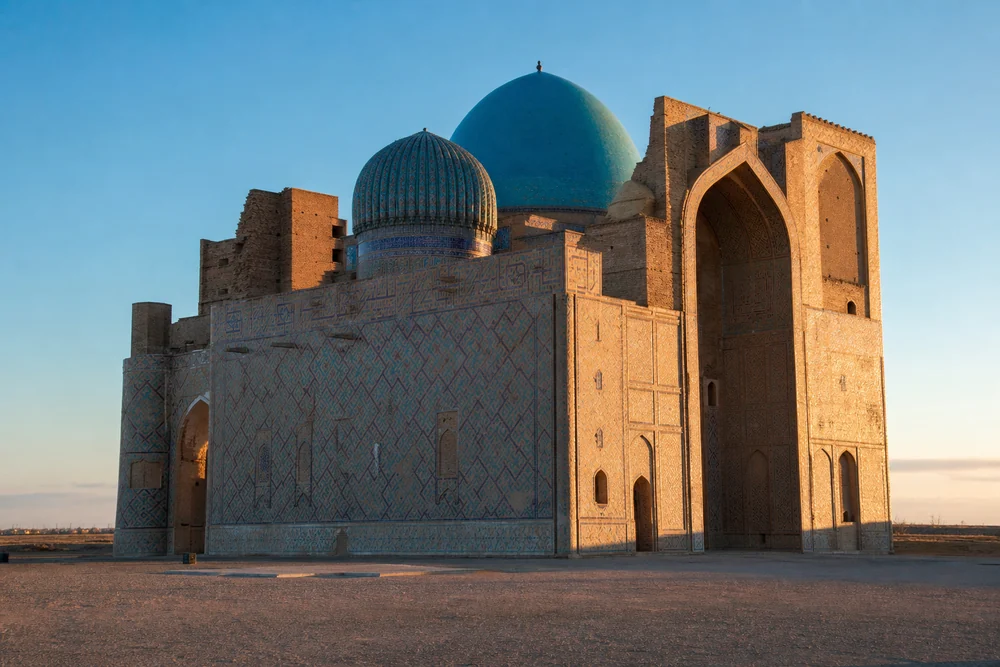
The tour begins with a visit to the mausoleum of Khoja Ahmed Yasavi in the city of Turkestan. This magnificent structure was built in the 14th century by Timur and is considered a masterpiece of Islamic architecture. The mausoleum is a place of pilgrimage for Muslims and a symbol of Kazakhstan's cultural heritage. You will have time to explore the interior, which features intricate tile work and a large bronze cauldron.
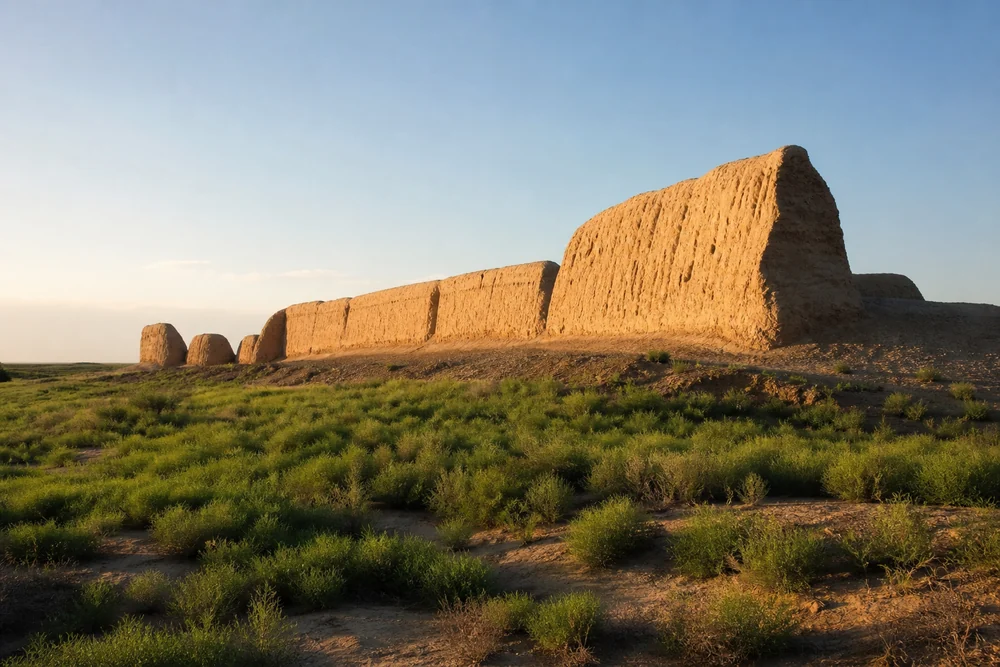
Next, you will visit the archaeological site of Otrar, once a major city on the Silk Road. Although now in ruins, Otrar was an important center of trade and learning, and it was here that the famous scholar Al-Farabi was born. You will walk among the remains of the city walls, mosques, and houses, and your guide will paint a picture of life in this bustling metropolis.
The tour also includes a visit to the fortress of Sauran, another ancient city that served as a key trading post. The ruins of Sauran are well-preserved, and you can still see the remnants of its gates and walls. The site offers a glimpse into the military architecture of the time.
What to Expect
This three-day tour includes two nights of accommodation, transportation, and guided excursions. The tour operates on a set schedule, with departures on specific dates. The price is 120,000 KZT per person, which covers all entrance fees, meals (breakfast and dinner), and the services of a professional guide.
The journey from Almaty to Turkestan is about 1,100 kilometers, so the first day is largely spent traveling. You will stop along the way for lunch and rest breaks, and you will arrive in Turkestan in the evening. The following days are dedicated to exploring the historical sites.
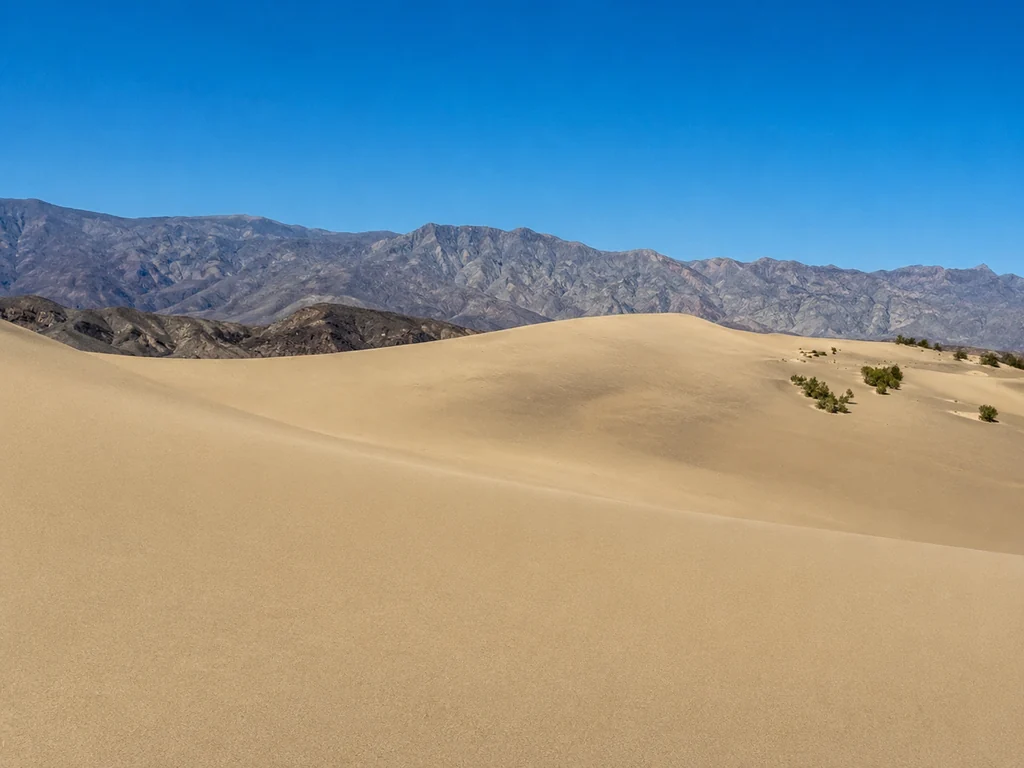
The climate in the Turkestan region is arid, with hot summers and mild winters. The best time to visit is spring (April-May) and autumn (September-October), when temperatures are pleasant. During the summer, temperatures can exceed 40°C, so it is important to stay hydrated and protect yourself from the sun.
Booking and Preparation
To book this tour, please check our website for available dates and contact us to reserve your spot. The tour is conducted in a group format, with a maximum of 15 participants. We recommend booking well in advance, as this tour is popular.
What to bring: comfortable walking shoes, a hat, sunscreen, and a refillable water bottle. It is also advisable to bring a light jacket for the evenings, as temperatures can drop. The accommodation is in a comfortable hotel with modern amenities.
This tour is ideal for history buffs and those interested in the Silk Road heritage. It provides a comprehensive overview of the region's significance and offers a unique opportunity to visit remote archaeological sites.
Sacred Sites of Turkestan: Yasavi and Arystan-Bab
For a shorter but equally enriching experience, the two-day tour to Turkestan focuses on the most sacred sites: the mausoleum of Khoja Ahmed Yasavi and the mausoleum of Arystan-Bab. This tour is perfect for those who want to combine spirituality with history.
Tour Highlights
The tour begins with a visit to the mausoleum of Arystan-Bab, a revered Sufi teacher who is said to have been the spiritual guide of Khoja Ahmed Yasavi. The mausoleum is located near the village of Otrar and is an important pilgrimage site. You will have the opportunity to learn about the life and teachings of Arystan-Bab and the significance of the site.
After visiting Arystan-Bab, you will continue to the mausoleum of Khoja Ahmed Yasavi in Turkestan. This iconic structure is a masterpiece of Timurid architecture and is considered one of the most important monuments in Kazakhstan. You will have ample time to explore the mausoleum and its surroundings, including the historic old town of Turkestan.
The tour also includes a walk through the old city of Turkestan, where you can see traditional houses, bazaars, and the remains of ancient baths and mosques. This gives you a sense of the city's history as a major religious and cultural center.
What to Expect
This two-day tour includes one night of accommodation, transportation, and guided excursions. The tour operates on a set schedule, with departures on specific dates. The price is 65,000 KZT per person, which covers all entrance fees, meals, and guide services.
The journey from Almaty to Turkestan is long, but the tour is designed to make the most of your time. You will travel in a comfortable vehicle, with rest stops along the way. On the first day, you will visit Arystan-Bab and then check into your hotel in Turkestan. The second day is dedicated to exploring the mausoleum and the old town.
The climate in Turkestan is similar to that of the Golden Ring tour, so be prepared for hot summers and mild winters. The best time to visit is during the spring and autumn months.
Booking and Preparation
To book this tour, please contact us with your preferred dates. The tour is conducted in a group format, with a maximum of 12 participants. We recommend booking at least a week in advance.
What to bring: comfortable clothing, a hat, sunscreen, and a camera. The tour involves a significant amount of walking, so comfortable shoes are essential. You will also have the opportunity to purchase souvenirs at the local bazaar.
This tour is suitable for those with a spiritual interest or a passion for history. It offers a deeper understanding of the Islamic heritage of Kazakhstan and the importance of these sacred sites.
Individual Journey to Ancient Cities
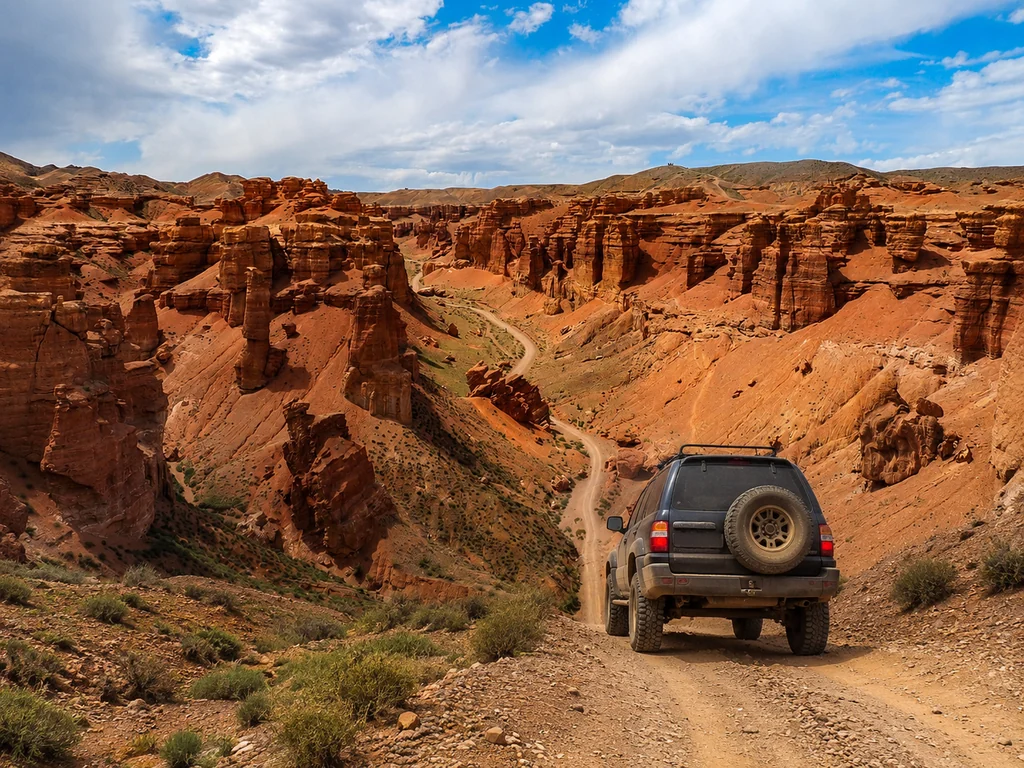
For travelers who prefer a more personalized experience, our individual journey to the ancient cities of Turkestan, Otrar, Sauran, and Arystan-Bab is the ultimate choice. This three-day tour is conducted in a private jeep, allowing for a flexible itinerary and a more intimate exploration of these historical sites.
Tour Highlights
This tour is fully customizable, with a knowledgeable guide-driver who will accompany you throughout the journey. You can choose to spend more time at certain sites, take detours to interesting places, or adjust the schedule to suit your preferences. The tour covers the main highlights of the region, including the mausoleum of Yasavi, the ruins of Otrar and Sauran, and the mausoleum of Arystan-Bab.
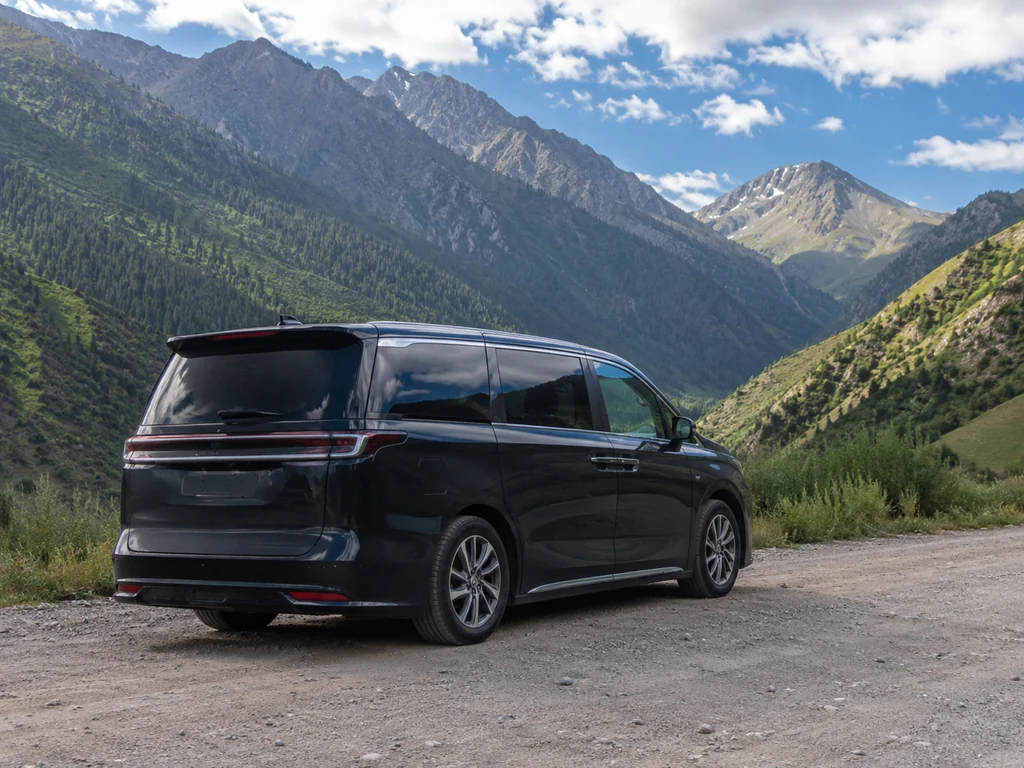
The use of a jeep allows access to more remote areas and provides a comfortable ride over rough terrain. You will travel in style, with ample space for your luggage and personal belongings. The guide-driver will share stories and historical context, making the journey educational and engaging.
This tour is ideal for those who want to explore at their own pace and have a more personal connection with the places they visit. It is also suitable for photographers, as you can stop at any time to capture the perfect shot.
What to Expect
The tour lasts three days and includes two nights of accommodation. The price is 250,000 KZT per person, which includes the jeep, driver-guide, accommodation, and some meals. The itinerary is flexible, and we can arrange the tour to start on any date that suits you.
The terrain in the south of Kazakhstan varies from steppe to semi-desert, and the jeep is well-suited for these conditions. You will visit sites that are off the beaten path, providing a unique perspective on the region's history.
As this is an individual tour, you can expect a high level of service and attention to detail. Your guide will be available to answer questions and make adjustments to the itinerary as needed.
Booking and Preparation
To book this tour, please contact us with your desired dates and any specific requests. We will work with you to create a personalized itinerary that meets your needs. The price includes all transportation, accommodation, and guide services. Any additional expenses, such as meals not included, are at your discretion.
We recommend packing light but including essentials such as comfortable clothing, a hat, sunscreen, and a camera. Since the tour is in a private jeep, you can bring extra luggage if necessary.
This tour is perfect for those who value flexibility and exclusivity. It is also a great option for couples or small groups of friends who want to explore the ancient cities without the constraints of a fixed schedule.
Practical Information for All Tours
To ensure you have a smooth and enjoyable experience, here is some practical information that applies to all our ethno tours.
Booking and Payment
All tours can be booked through our website or by contacting our office in Almaty. We require a deposit to confirm your booking, with the balance payable before the tour starts. We accept cash and major credit cards. Please note that prices are per person and may vary depending on the number of participants and the season.
We recommend booking your tour at least a few days in advance, especially for weekend departures. For group tours, a minimum number of participants is required to operate; if this number is not reached, we will offer you an alternative date or a full refund.
If you need to cancel your booking, please inform us as early as possible. Our cancellation policy is flexible, and we will do our best to accommodate changes. Please contact us for details.
What to Bring
Regardless of the tour you choose, there are some essential items you should bring:
- Comfortable walking shoes
- Sun hat and sunglasses
- Sunscreen (SPF 30 or higher)
- Water bottle
- Light jacket or sweater (for cooler evenings)
- Camera to capture memories
- Personal medications
For horseback riding, we recommend wearing long pants and closed-toe shoes. For tours that involve hiking, a daypack is useful. In summer, light clothing is recommended, but always have a layer for the mountains, as temperatures can drop quickly.
Safety and Health
Your safety is our top priority. All our guides are experienced and trained in first aid. We provide all necessary safety equipment, such as helmets for horseback riding. Please inform us of any medical conditions or allergies when booking, so we can make appropriate arrangements.
The tours involve some physical activity, and a reasonable level of fitness is required. If you have any concerns, please consult your doctor before booking. We also advise that you have travel insurance that covers adventure activities.
In the mountains, the sun can be strong, and dehydration is a risk. We provide water on most tours, but we encourage you to bring extra. Altitude sickness is rare at the elevations we visit, but if you feel unwell, inform your guide immediately.
Weather and Best Time to Visit
Kazakhstan has a continental climate, with hot summers and cold winters. The best time for ethno tours is from May to September, when temperatures are mild and the landscapes are green. In the mountains, the summer months offer the most pleasant conditions, with daytime temperatures around 20-25°C.
Spring (April-May) and autumn (September-October) are also good times to visit, with fewer crowds and comfortable temperatures. Winter tours are possible, but some sites may be inaccessible due to snow. We recommend checking the weather forecast before your tour and dressing accordingly.
The table below shows the average monthly temperatures in Almaty to help you plan your trip:
| Month | Average High (°C) | Average Low (°C) |
|---|
| January | -4 | -12 |
| February | -2 | -10 |
| March | 5 | -3 |
| April | 15 | 5 |
| May | 20 | 10 |
| June | 25 | 14 |
| July | 28 | 16 |
| August | 27 | 15 |
| September | 22 | 10 |
| October | 14 | 3 |
| November | 4 | -4 |
| December | -2 | -10 |
As you can see, the summer months are the warmest, making them ideal for outdoor activities. However, the spring and autumn months offer a more moderate climate and beautiful colors.
Comparison of Tours
To help you decide which tour is right for you, here is a comparison of the key features:
| Tour | Duration | Format | Transport | Price (KZT) |
|---|
| Horseback & Archery | 6 hours | Group | Horse | 24,147 |
| Ethno-Aul "Huns" | 7 hours | Group | Car | 34,791 |
| Tanbaly (short) | 6 hours | Individual | Car | 24,900 |
| Tanbaly (long) | 9 hours | Individual | Car | 24,900 |
| Tamgaly-Tas & Nomad City | 9 hours | Individual | Car | 22,900 |
| Golden Ring of Turkestan | 3 days | Group | Bus | 120,000 |
| Sacred Sites of Turkestan | 2 days | Group | Car | 65,000 |
| Individual Ancient Cities | 3 days | Individual | Jeep | 250,000 |
This table gives you a quick overview of the options. Whether you prefer a short day trip or a multi-day adventure, there is a tour to suit your needs.
Additional Services
We can arrange additional services to enhance your experience, such as:
- Private guides in languages other than English
- Special dietary requirements (vegetarian, halal, etc.)
- Photography services
- Cultural performances
- Extended itineraries
These services can be added to any tour at an extra cost, which we will quote at the time of booking. We are flexible and can tailor the tour to your specific interests.
For more information or to book a tour, please contact us. Our team is ready to help you plan an unforgettable ethno tour in Kazakhstan.
Conclusion
Kazakhstan offers a wealth of cultural and natural attractions, and our ethno tours are designed to help you discover them. From the mountains of Zailiysky Alatau to the ancient cities of the Silk Road, there is something for every traveler. We hope this guide has been helpful in choosing the perfect tour for your interests.
Our experienced guides and comfortable transportation ensure a safe and enjoyable journey. We are committed to providing authentic experiences that respect local traditions and the environment. By joining our tours, you not only gain insight into Kazakhstan's rich heritage but also support local communities.
We look forward to welcoming you to Almaty and sharing the wonders of this beautiful country with you. Book your ethno tour today and embark on a journey of discovery.










 Unusual