









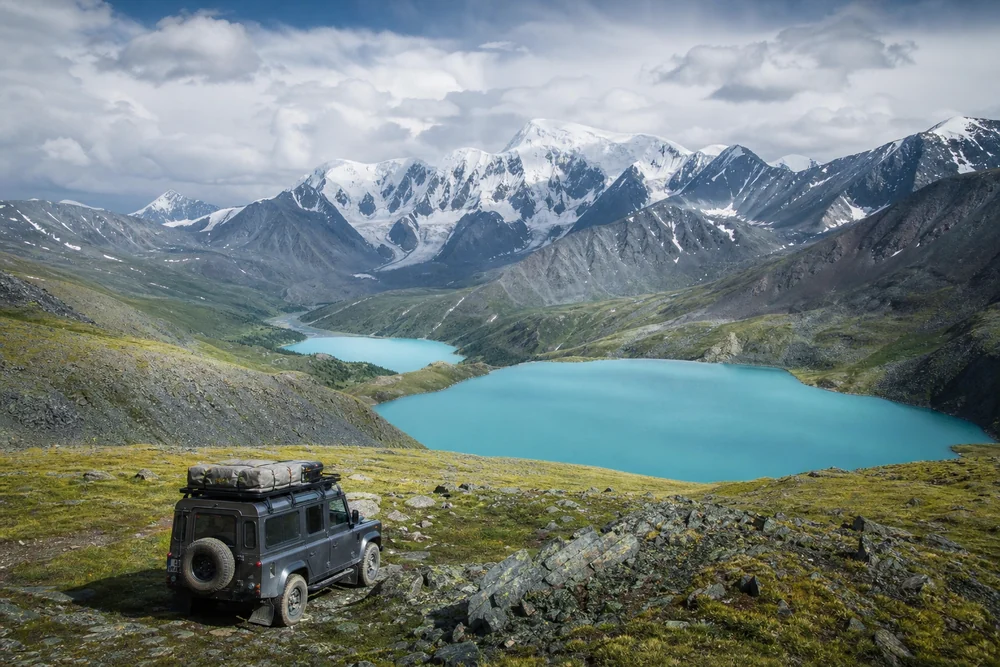
Big Altai: Belukha, maralniks and Rakhmanovskie lakes by jeeps
★★★★★ 4.9 · 78 reviews
Eight-day expeditionary jeep tour with trekking to Belukha glaciers, swimming in Rakhmanovskie springs and introduction to maral breeding.
from $561/person
Catalog
Choose by direction, duration, and season — the price is per person
Eight-day expeditionary jeep tour with trekking to Belukha glaciers, swimming in Rakhmanovskie springs and introduction to maral breeding.
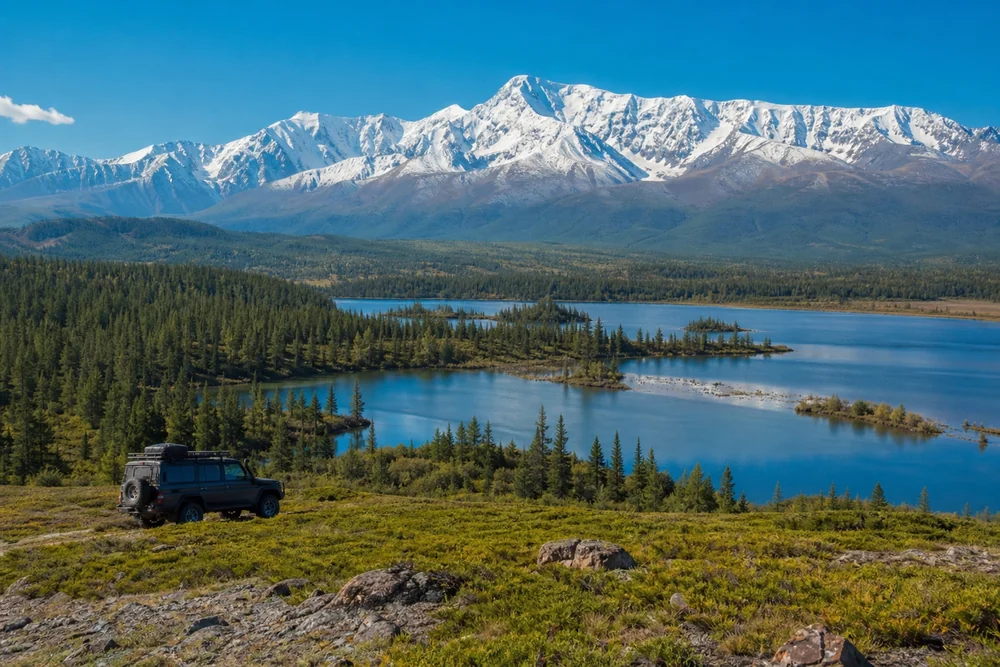
Five-day jeep adventure through mountain passes to the healing Rakhmanovskie Lakes and the foot of Mount Belukha.
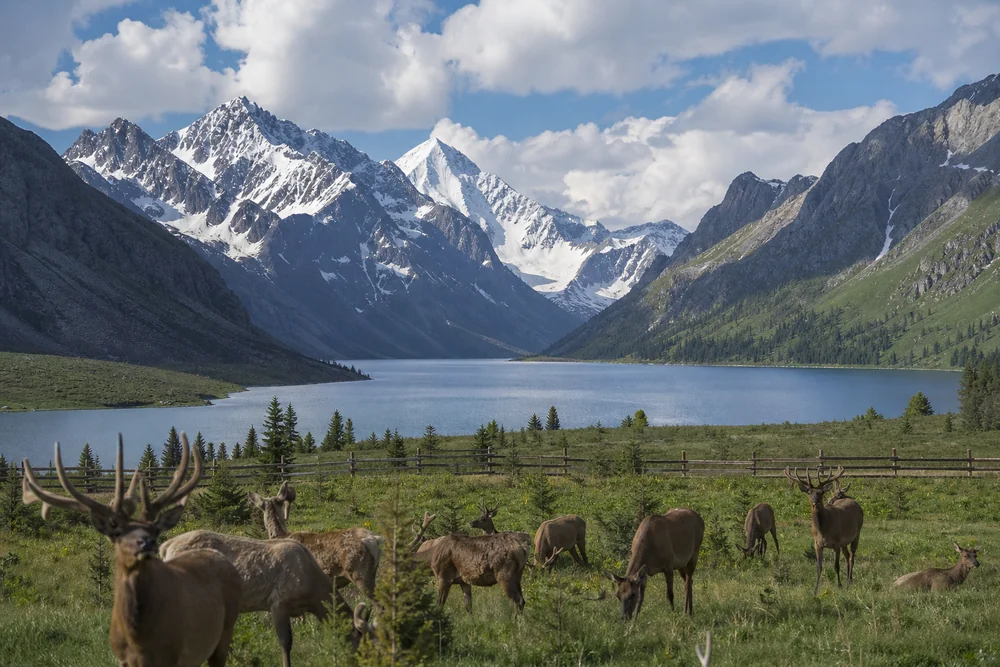
Six-day hiking trip to the picturesque Yazyovoye Lake with visits to maral farms in the vicinity of Katon-Karagai.
No tours found for the selected filters.
Destinations
47 destinations across Kazakhstan and Zhetysu — choose yours and find out the price per person in WhatsApp.
 Weekend Tours
 Tours in Kazakhstan
 One-Day Tours
 Bus Excursions
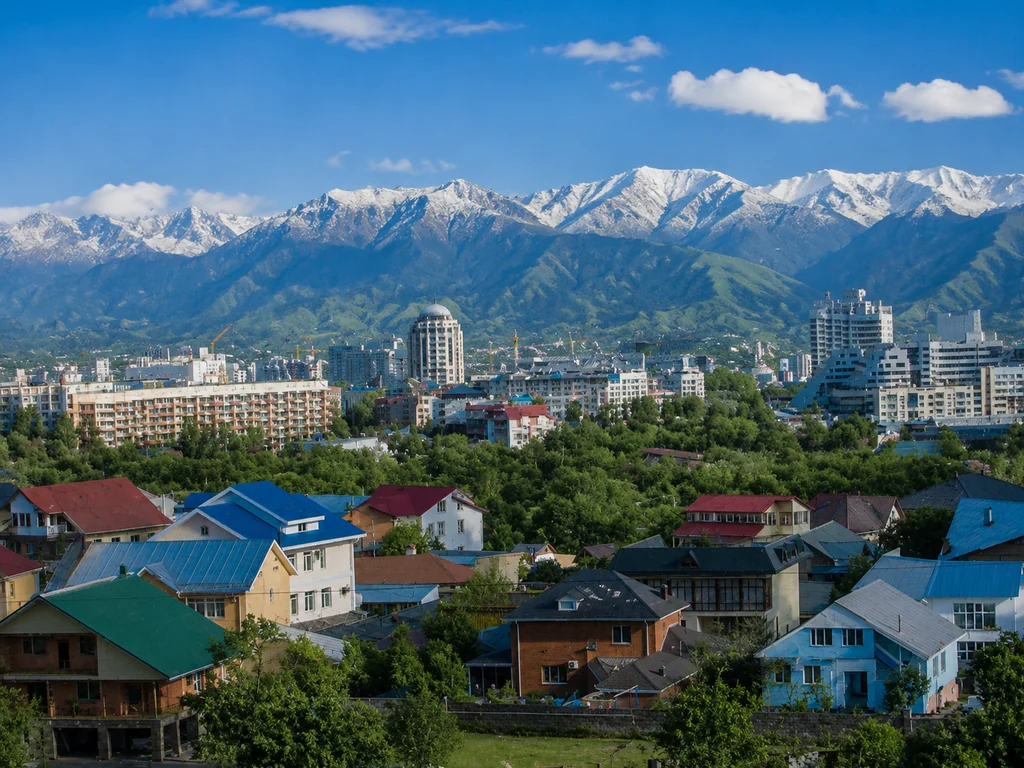 City Tours
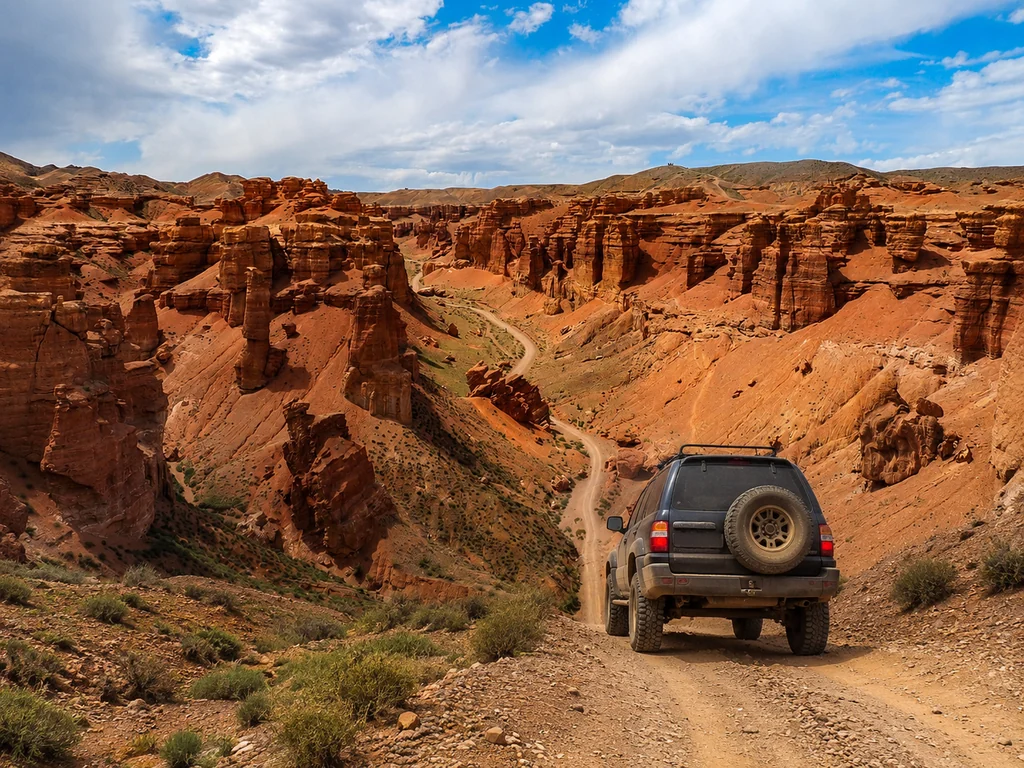 Jeep Tours
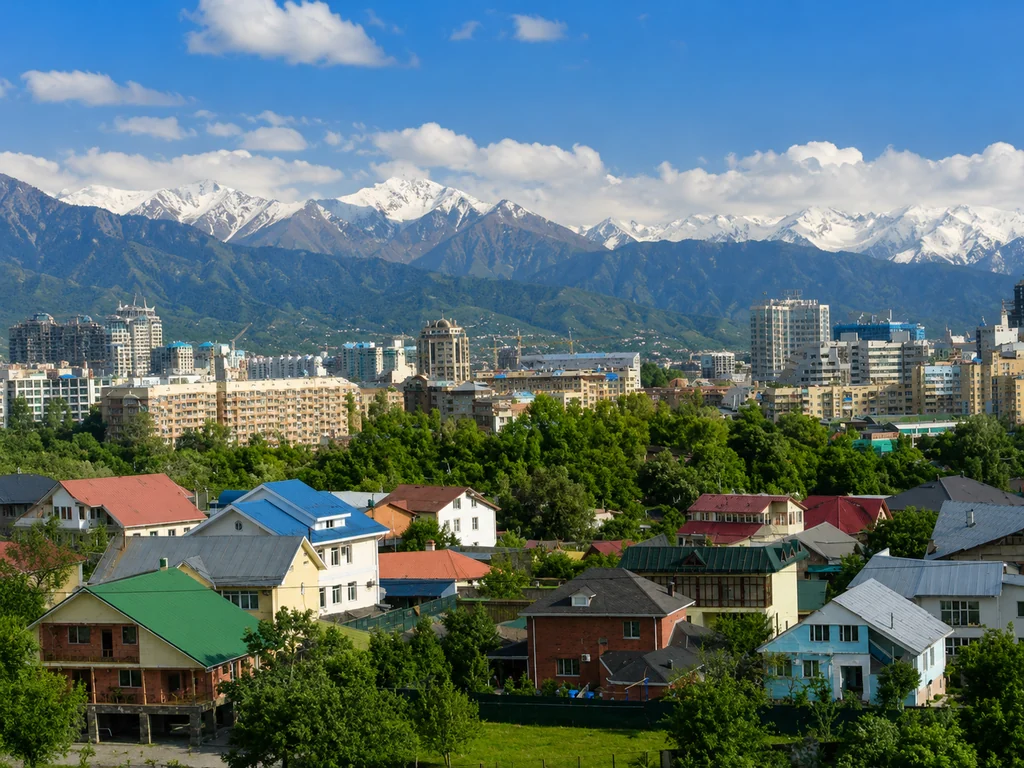 Guide to Almaty
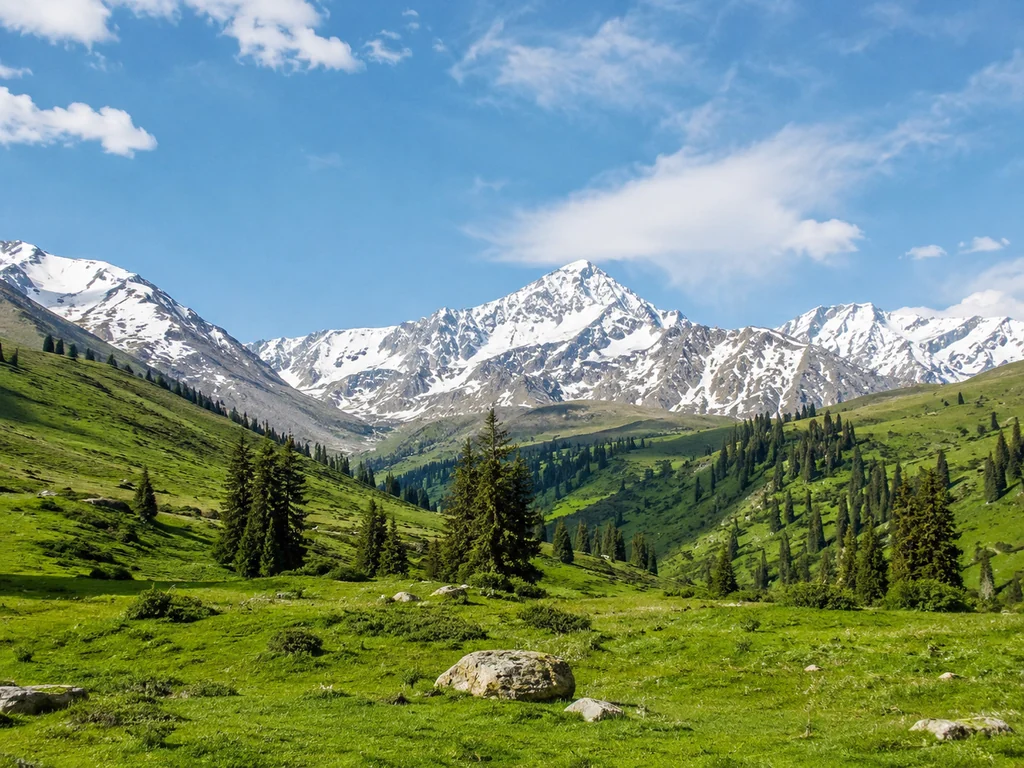 Group Tours
 Tours in Almaty Region
 Ski Tours
 Individual Tours
 Winter Tours
 Hiking Tours
 Two-Day Tours
 Three-Day Tours
 Tour Calendar
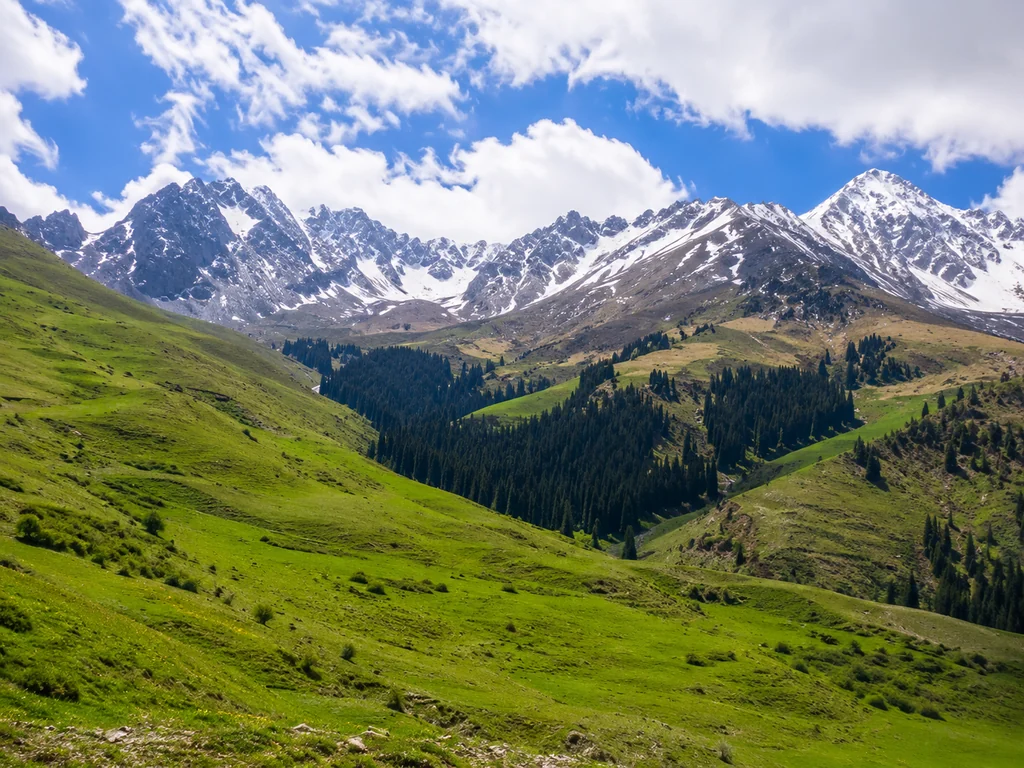 Multi-Day Tours
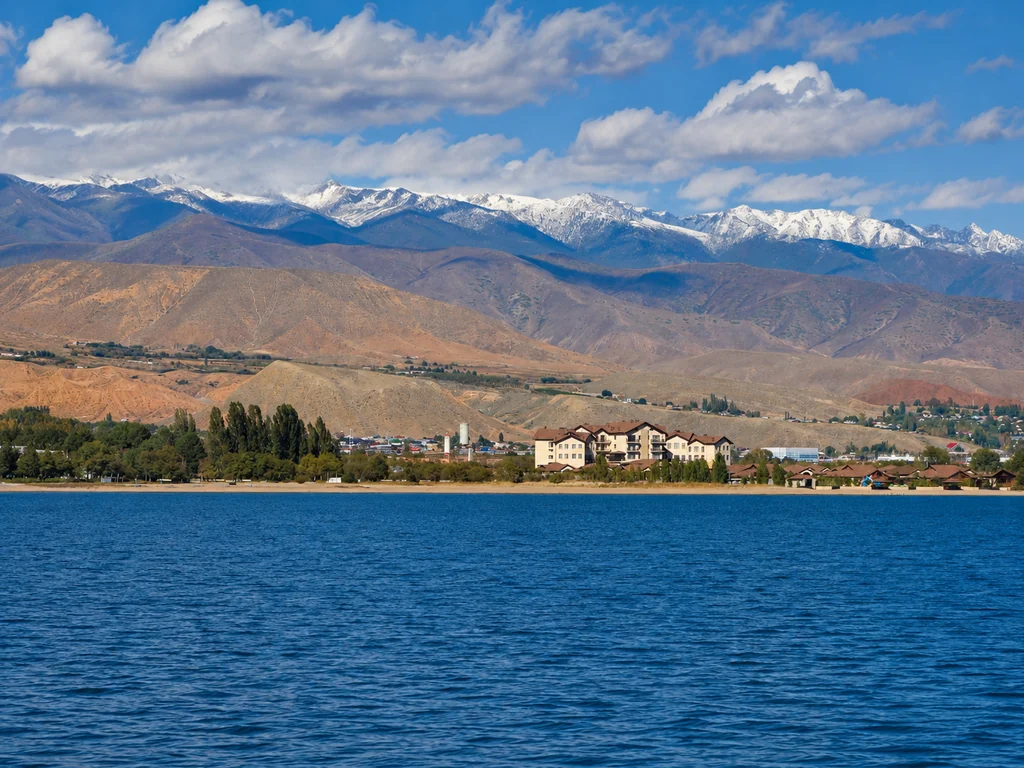 Tours to Issyk-Kul
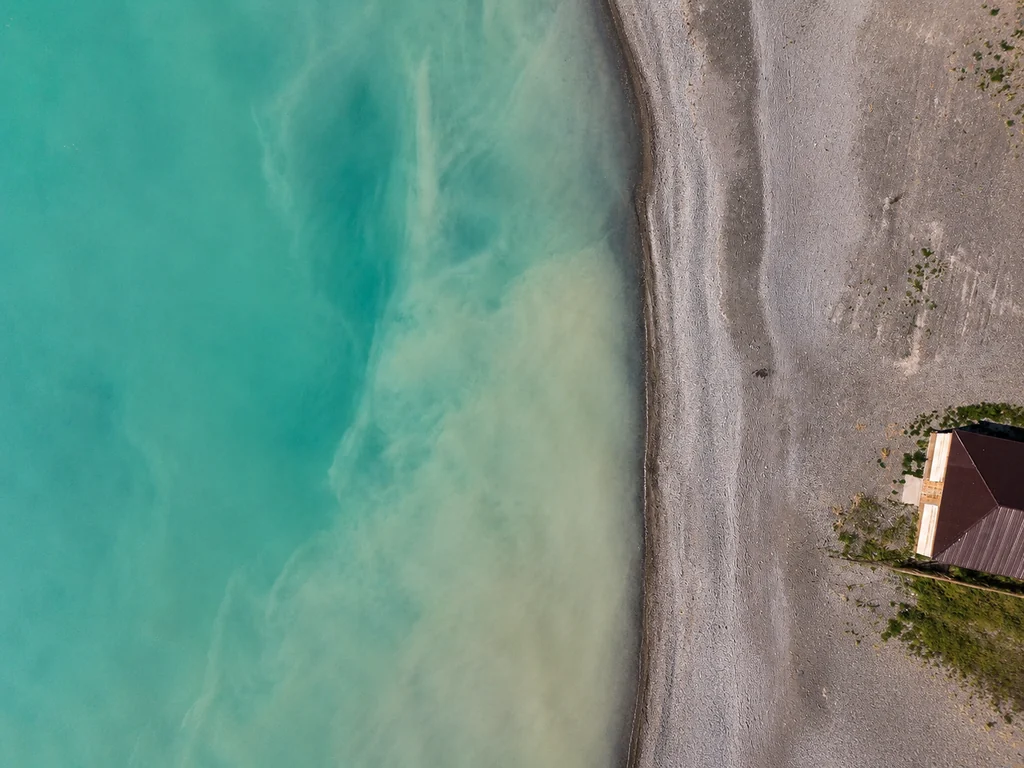 Tours to Alakol
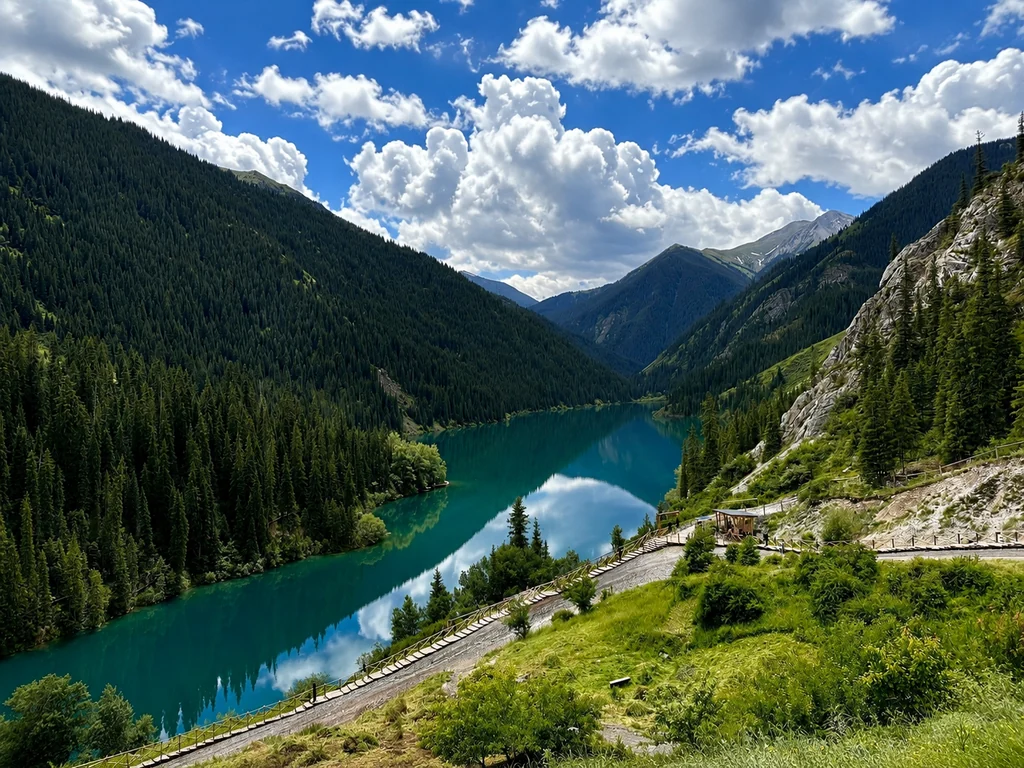 Tours to Kolsai
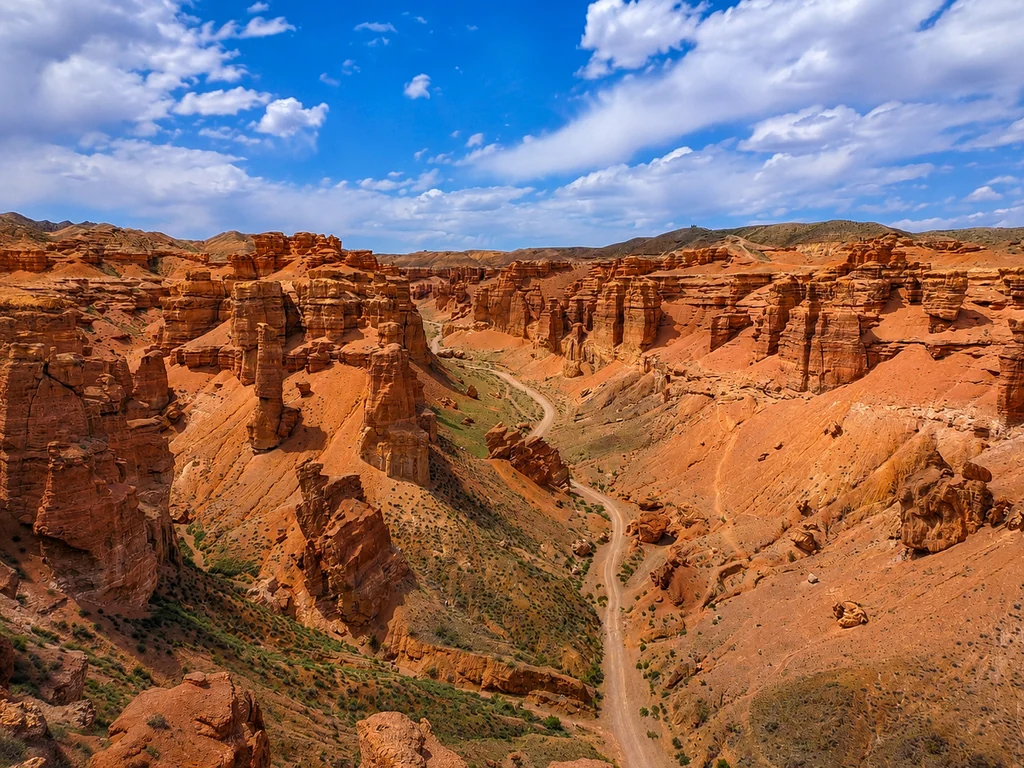 Tours to Charyn Canyon
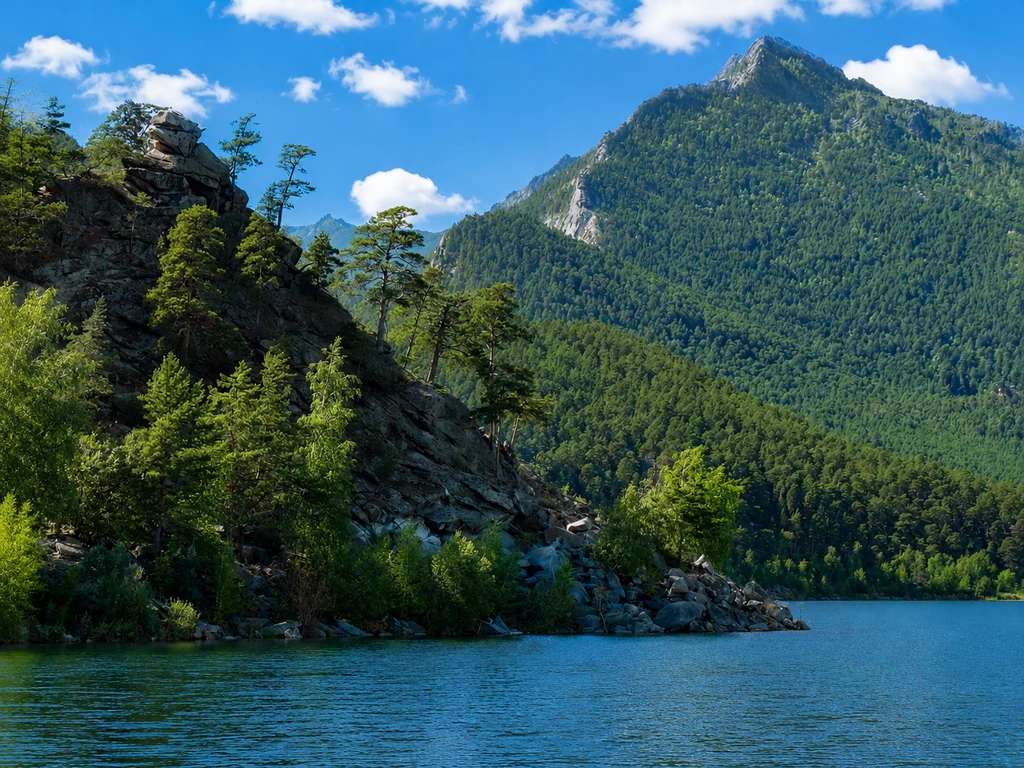 Tours to Borovoye
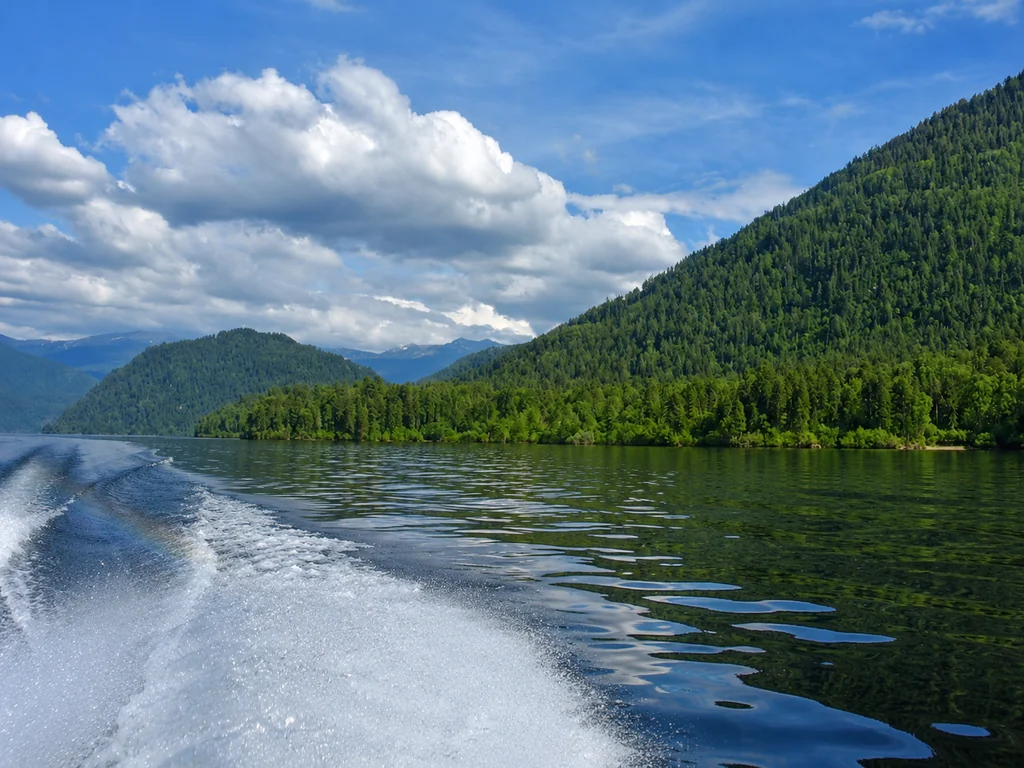 Tours to Altai
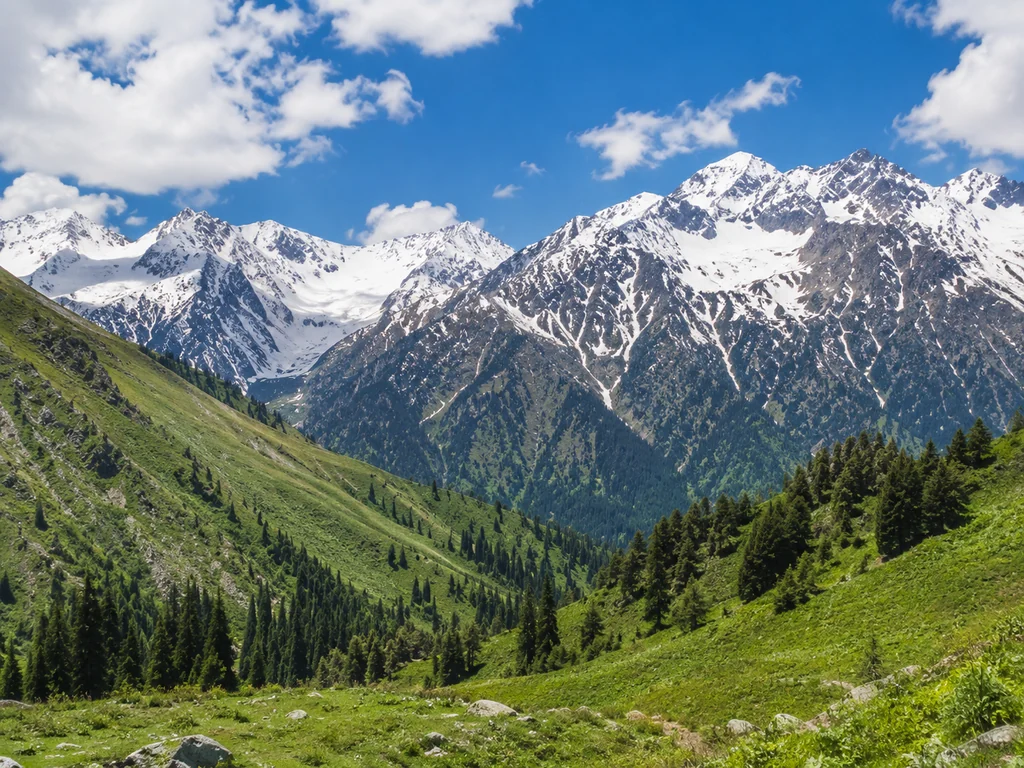 Tours to Kyrgyzstan
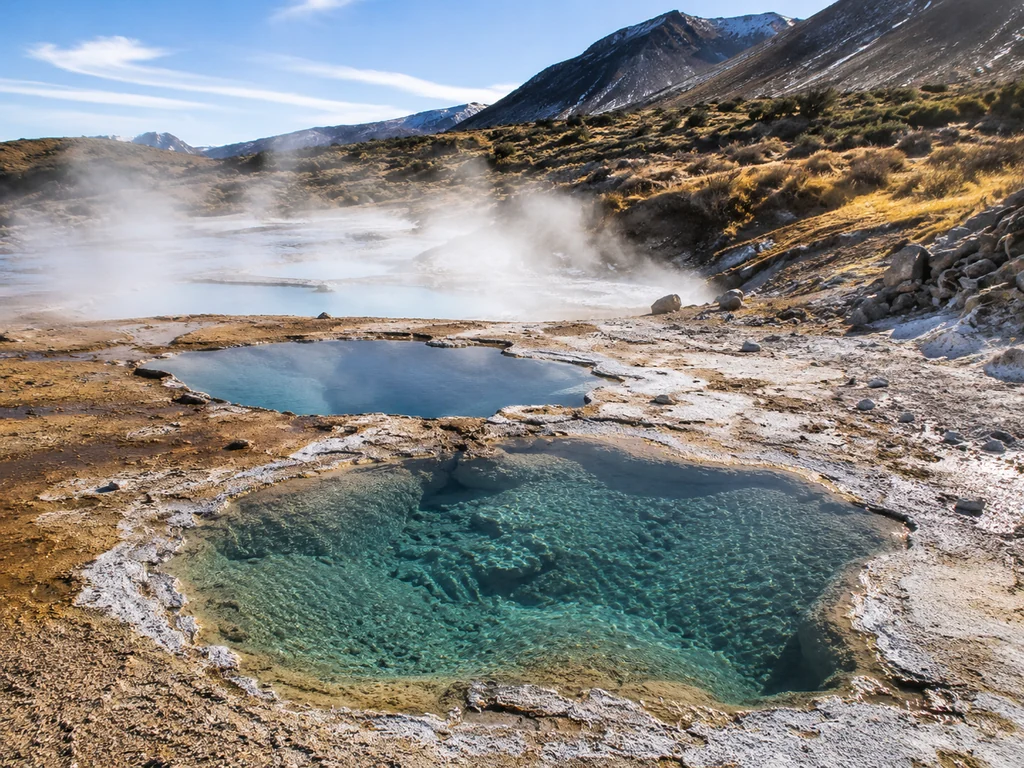 Tours to Hot Springs
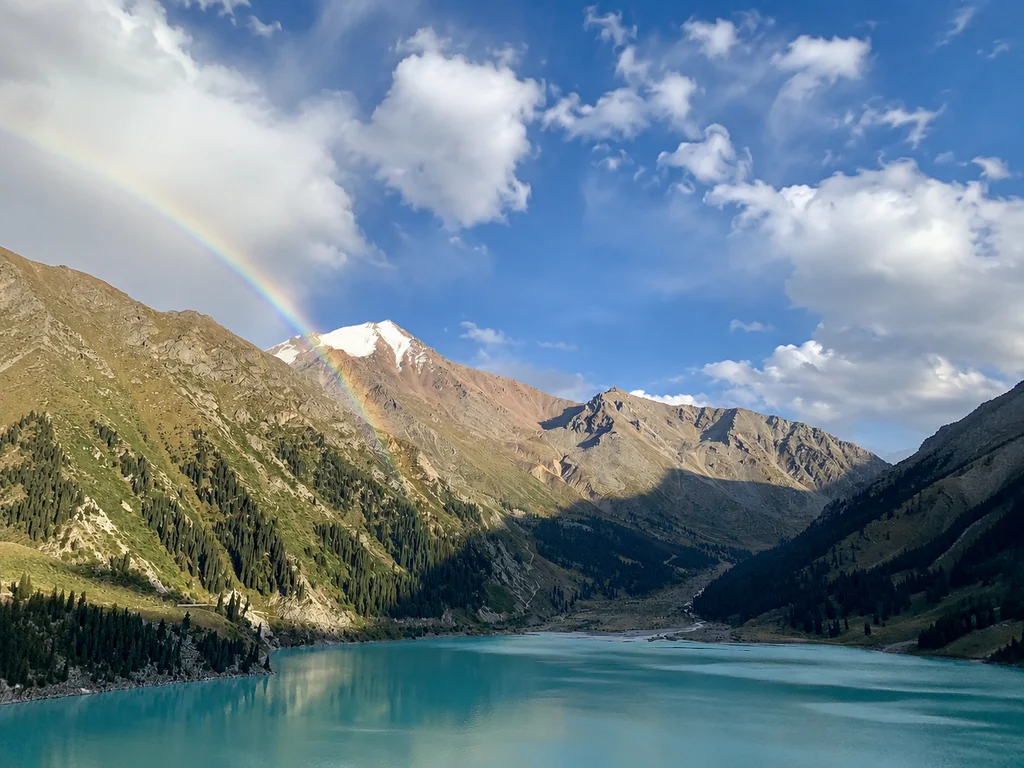 Tours to Big Almaty Lake
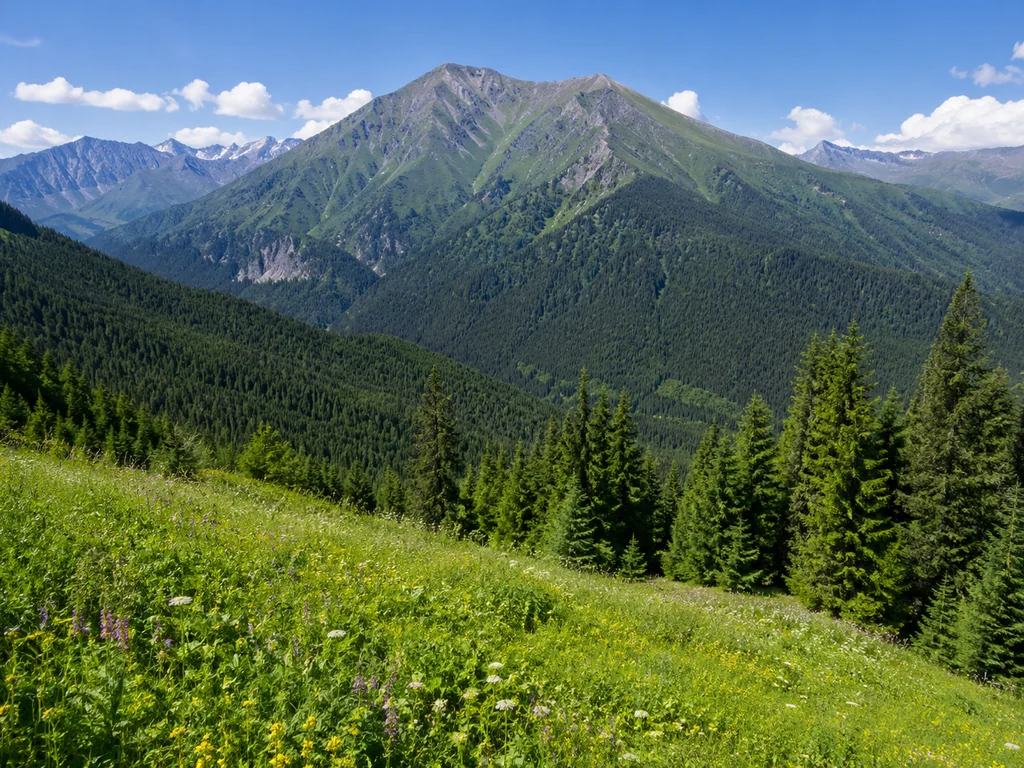 Tours to Katon-Karagay
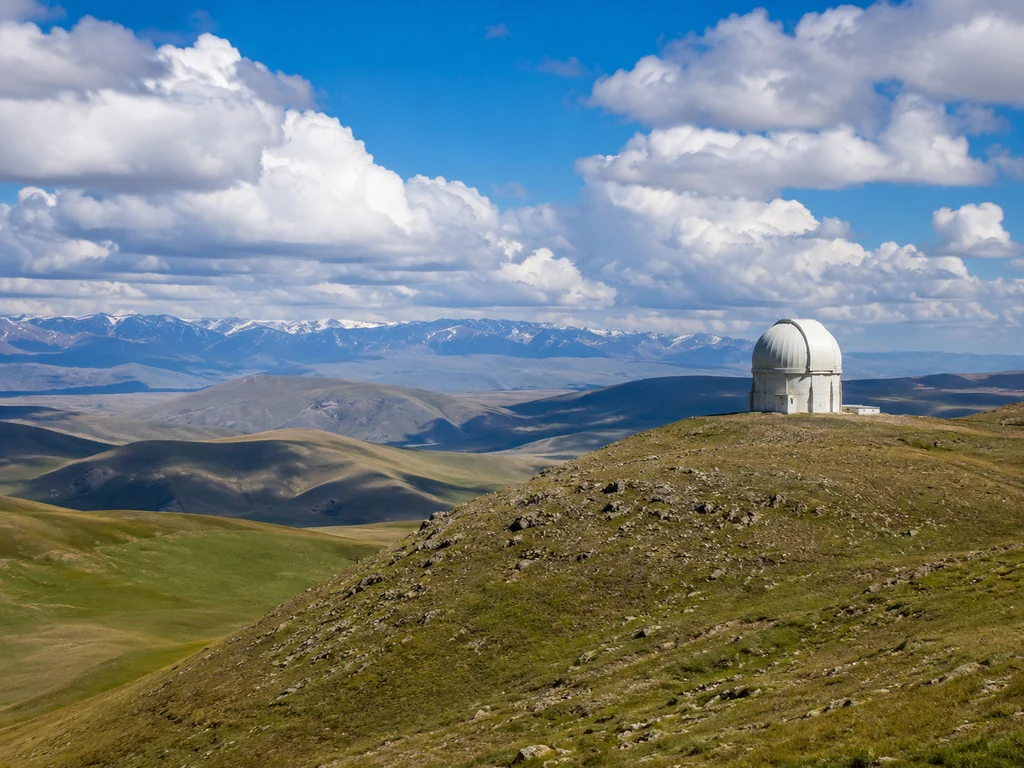 Tours to Assi Plateau
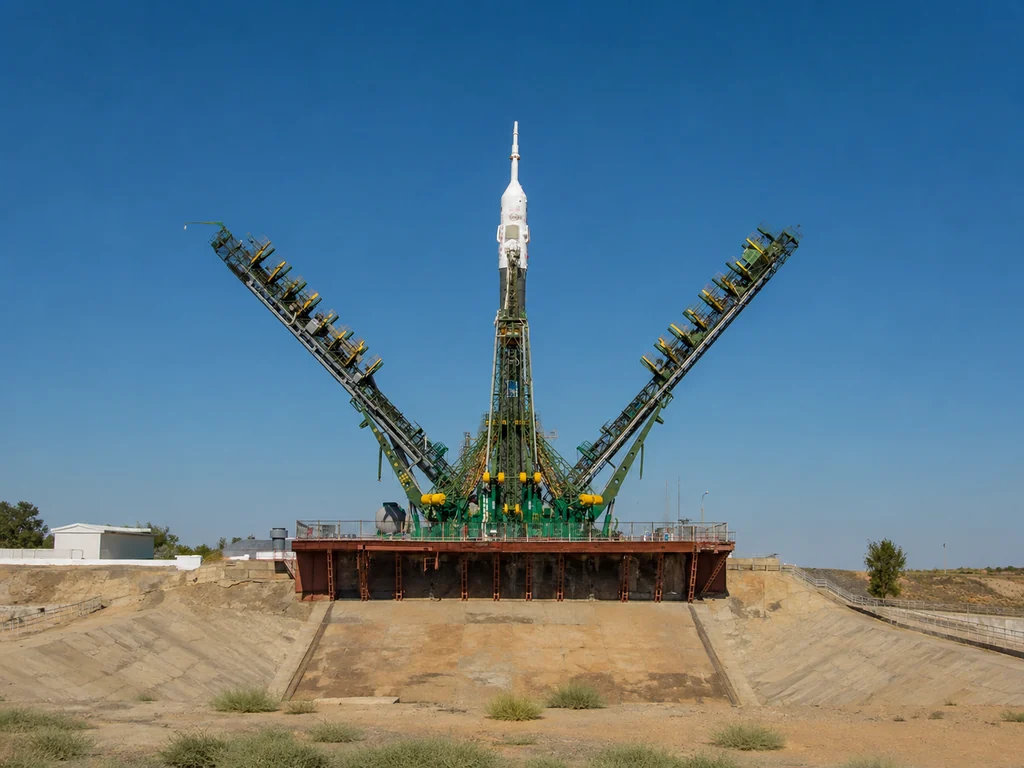 Tours to Baikonur
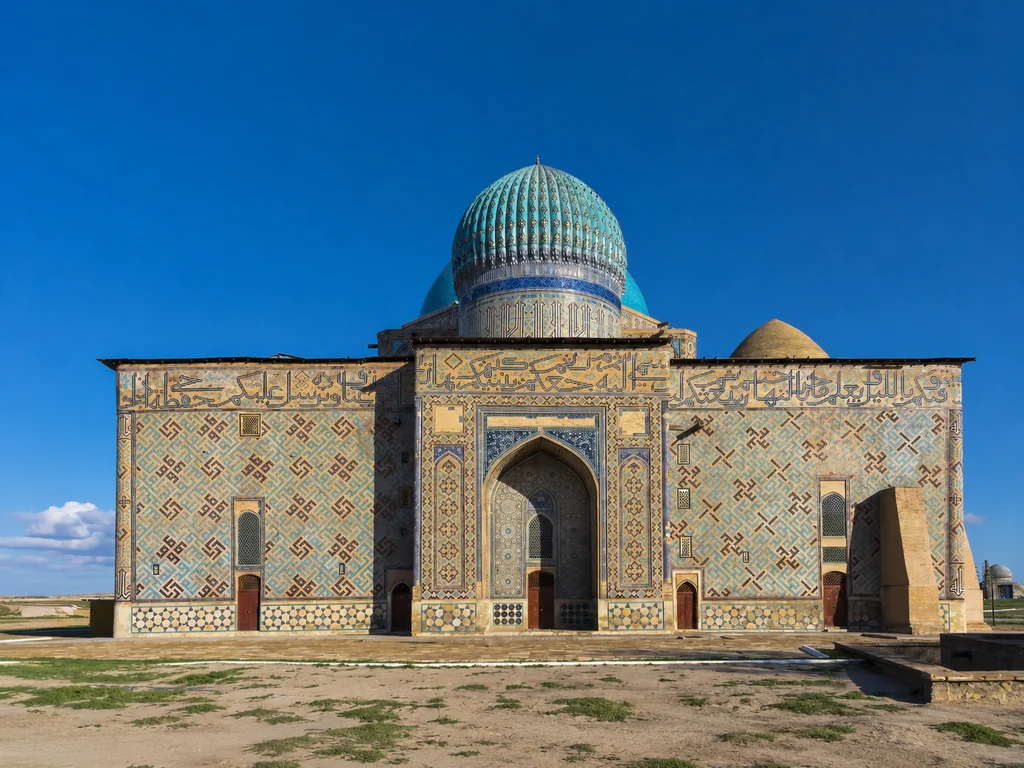 Tours to Turkistan
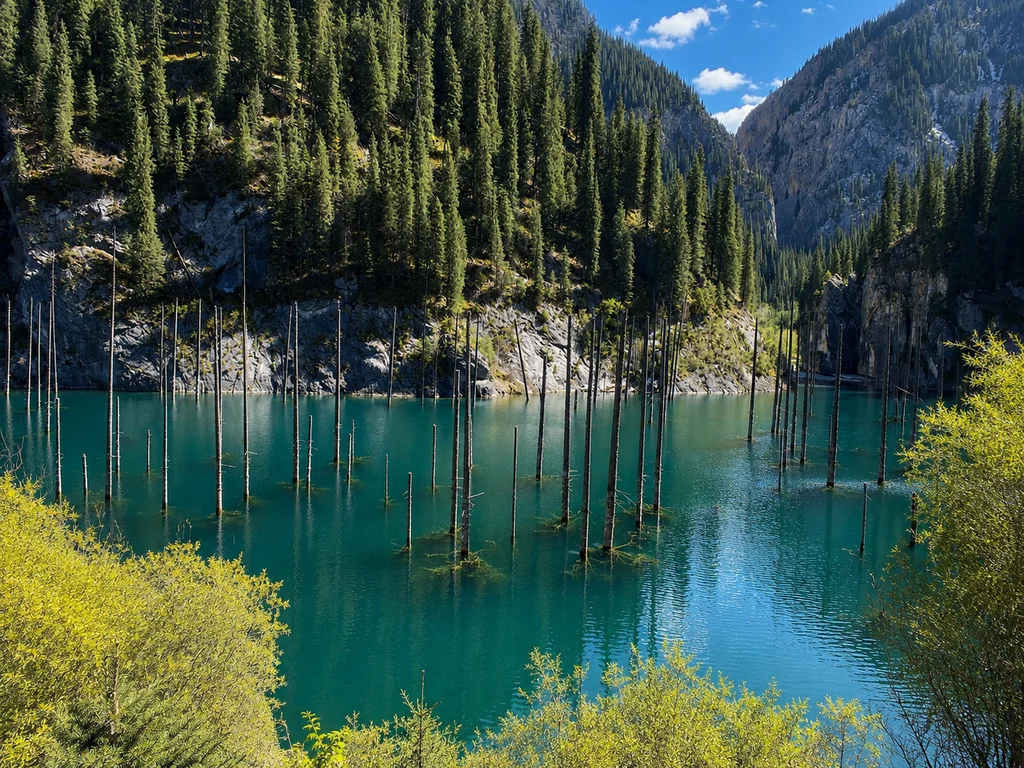 Tours to Kolsai and Kaindy
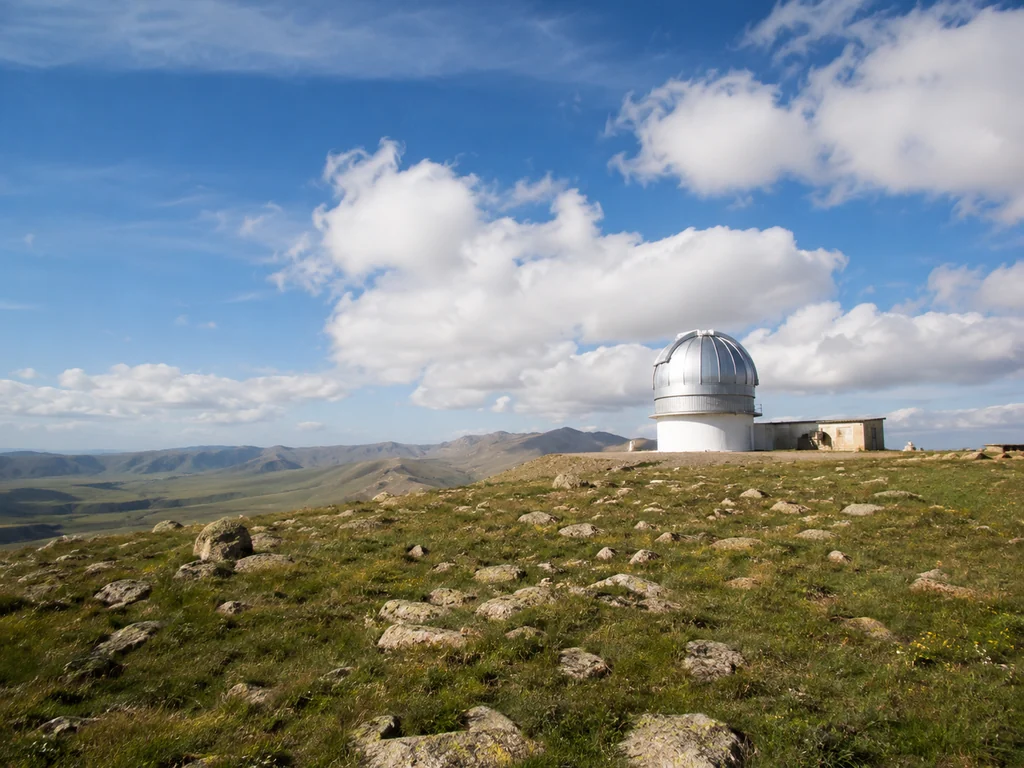 Tours to Almaty Observatory
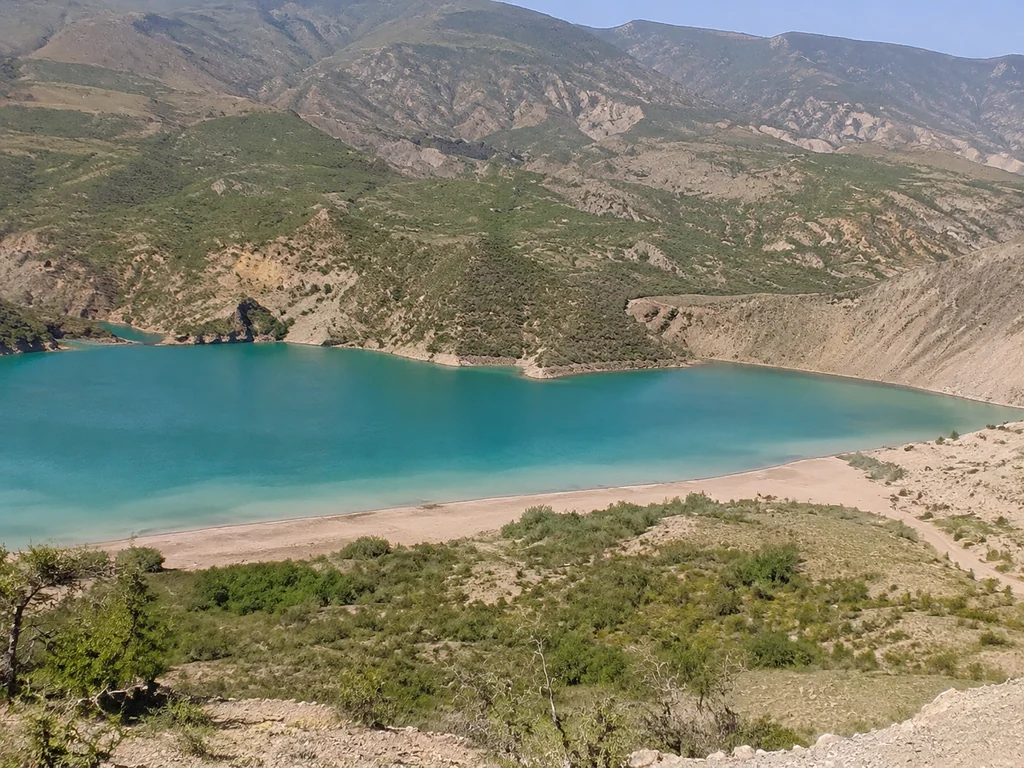 Tours to Kapchagai
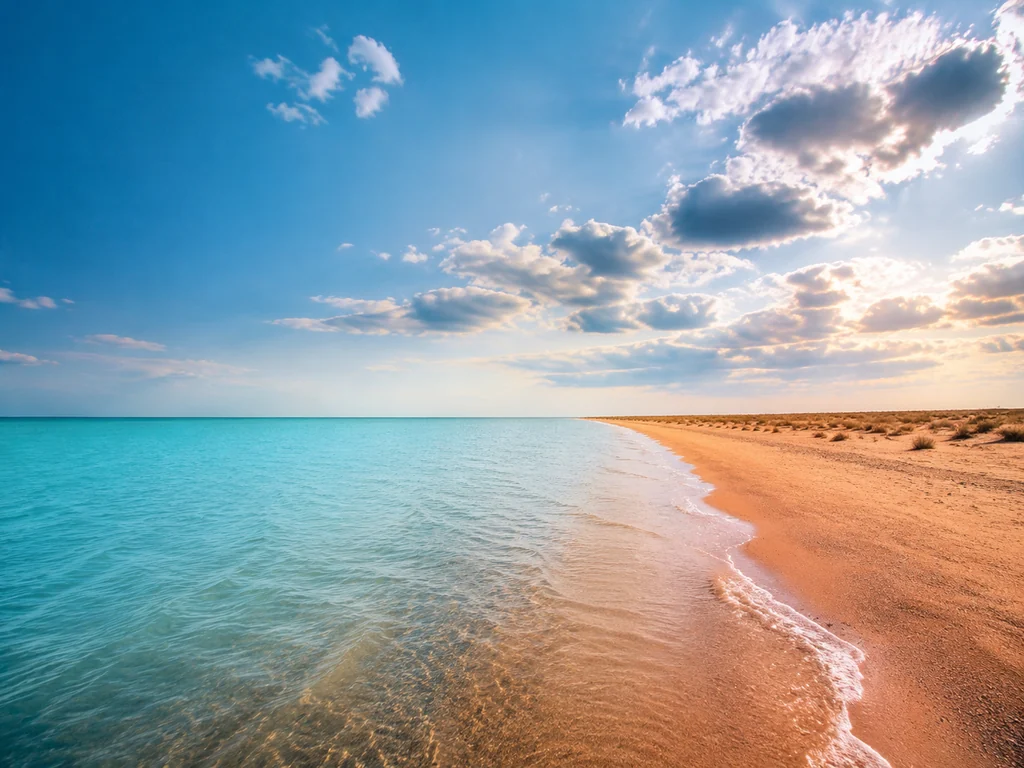 Tours to Balkhash
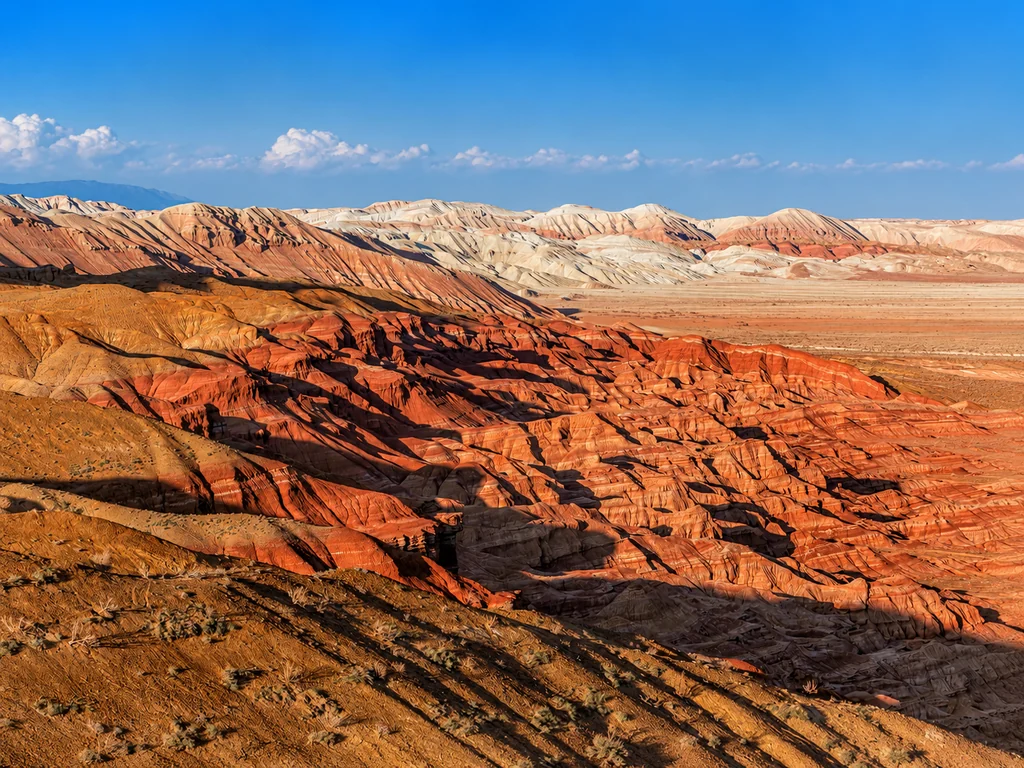 Tours to Aktau
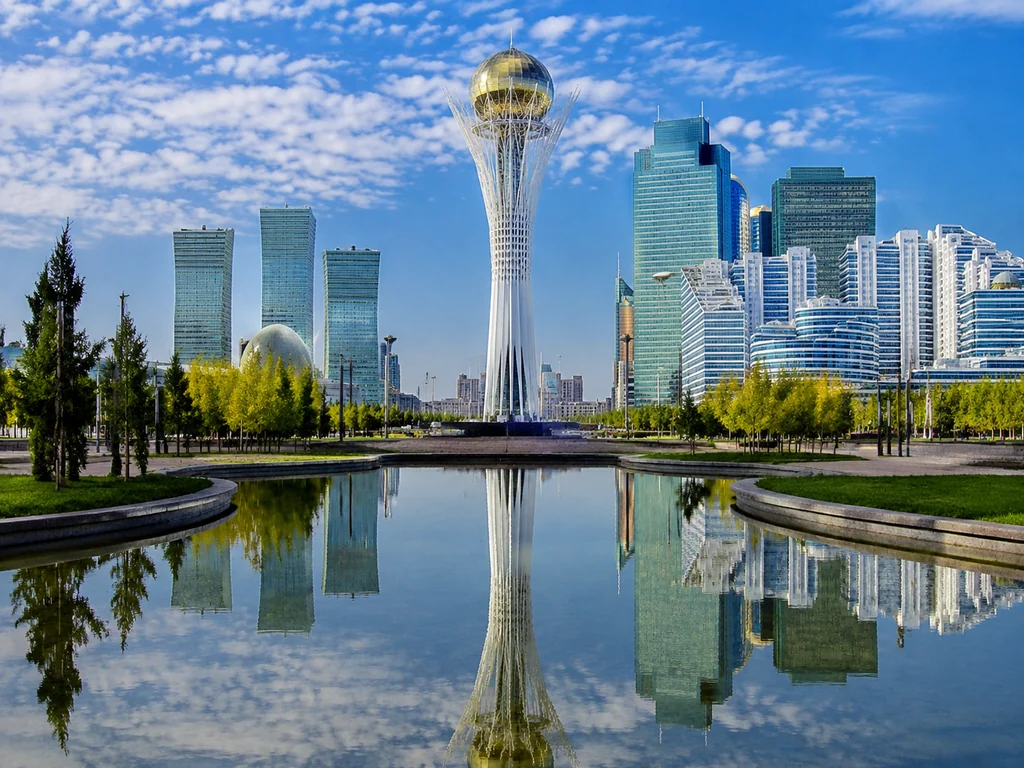 Tours to Astana
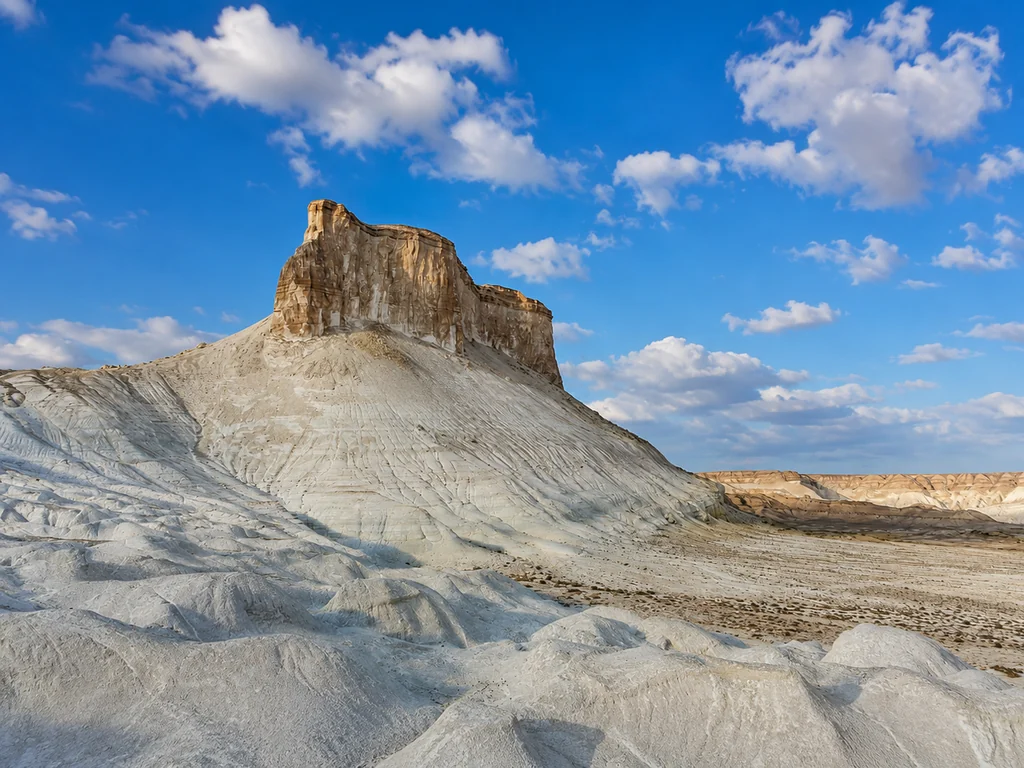 Tours to Mangystau
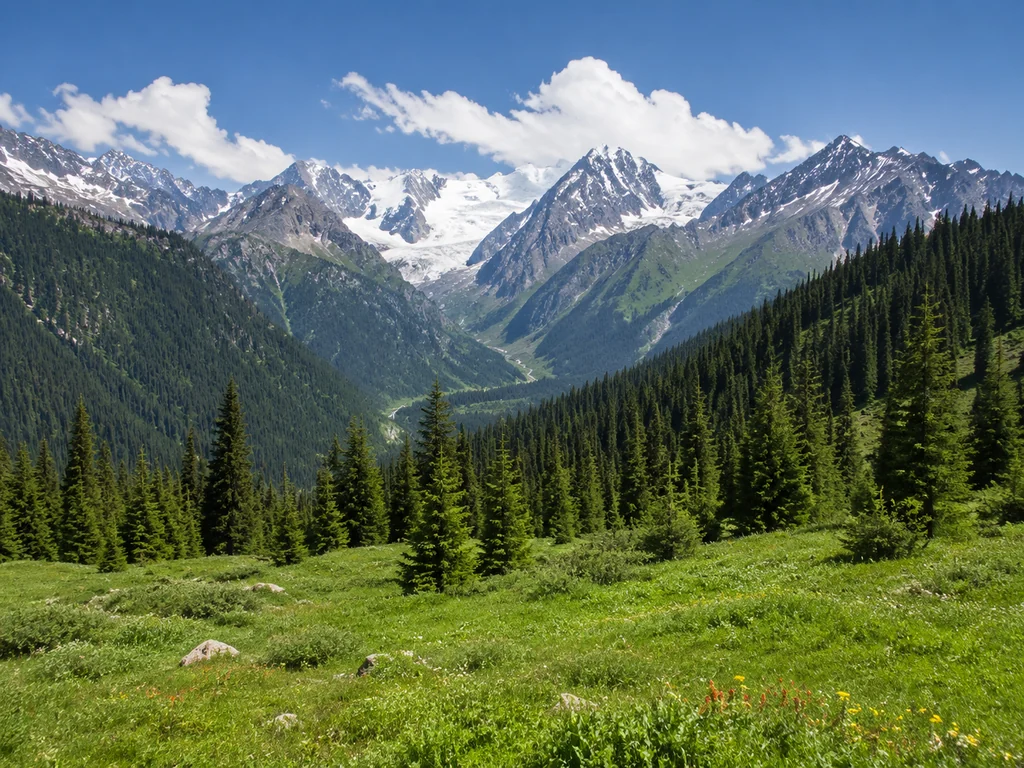 Tours to Karakol
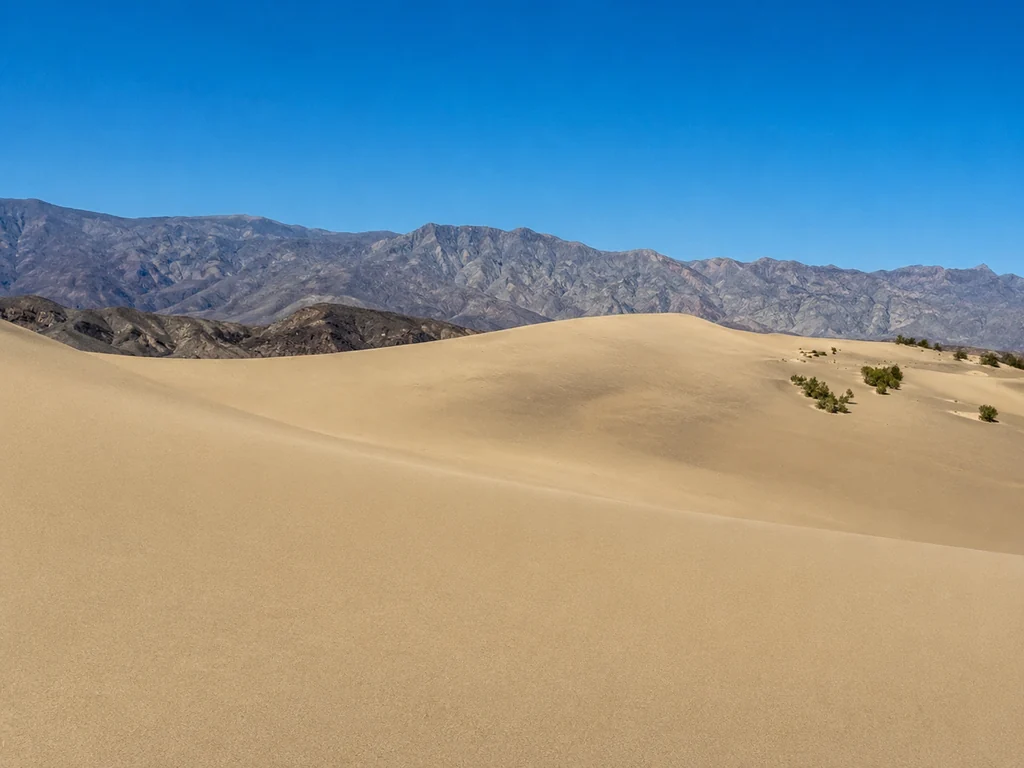 Tours to Singing Dunes
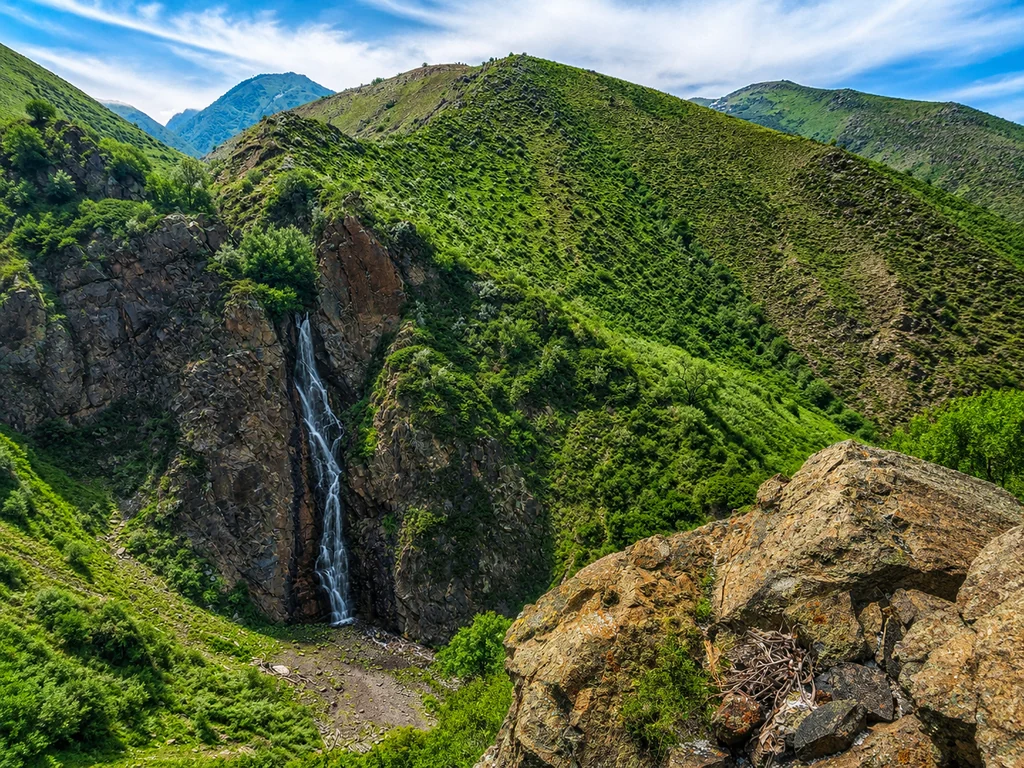 Tours to Turgen Waterfalls
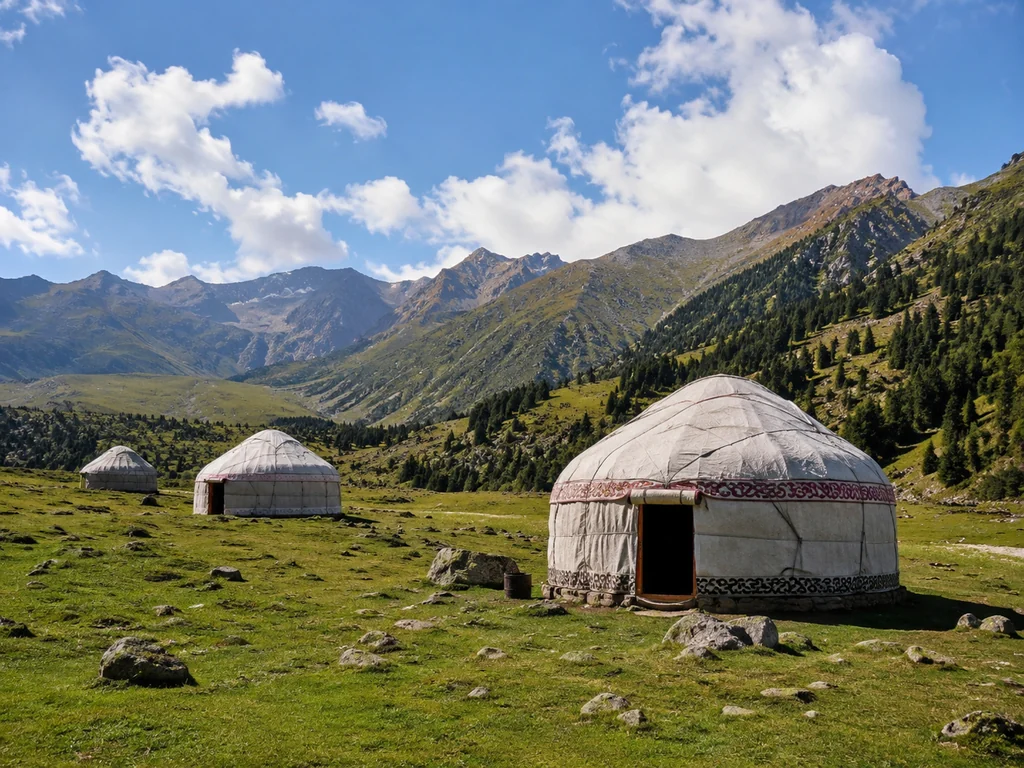 Ethno Tours
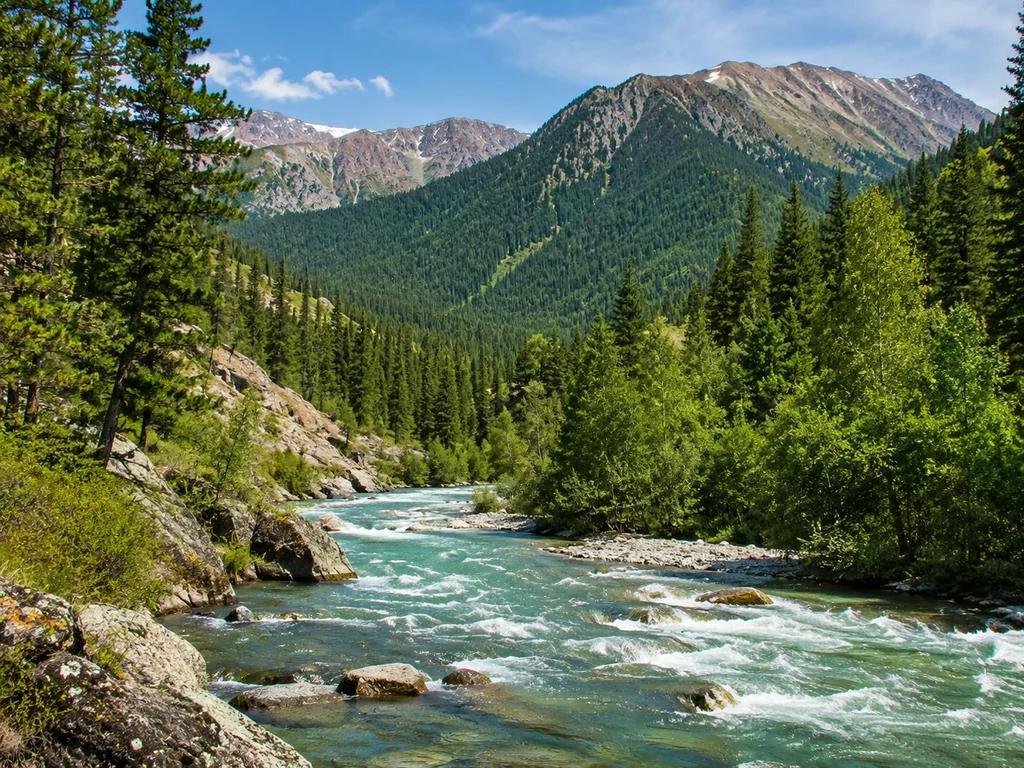 Tours to East Kazakhstan
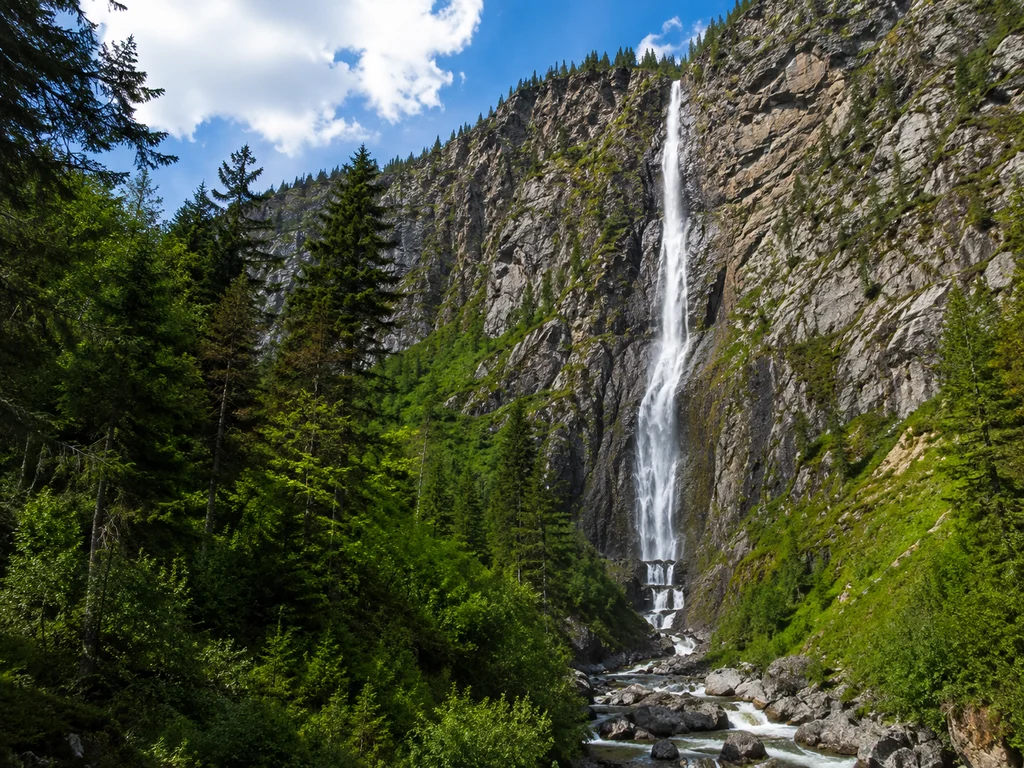 Tours to Paradise Lakes
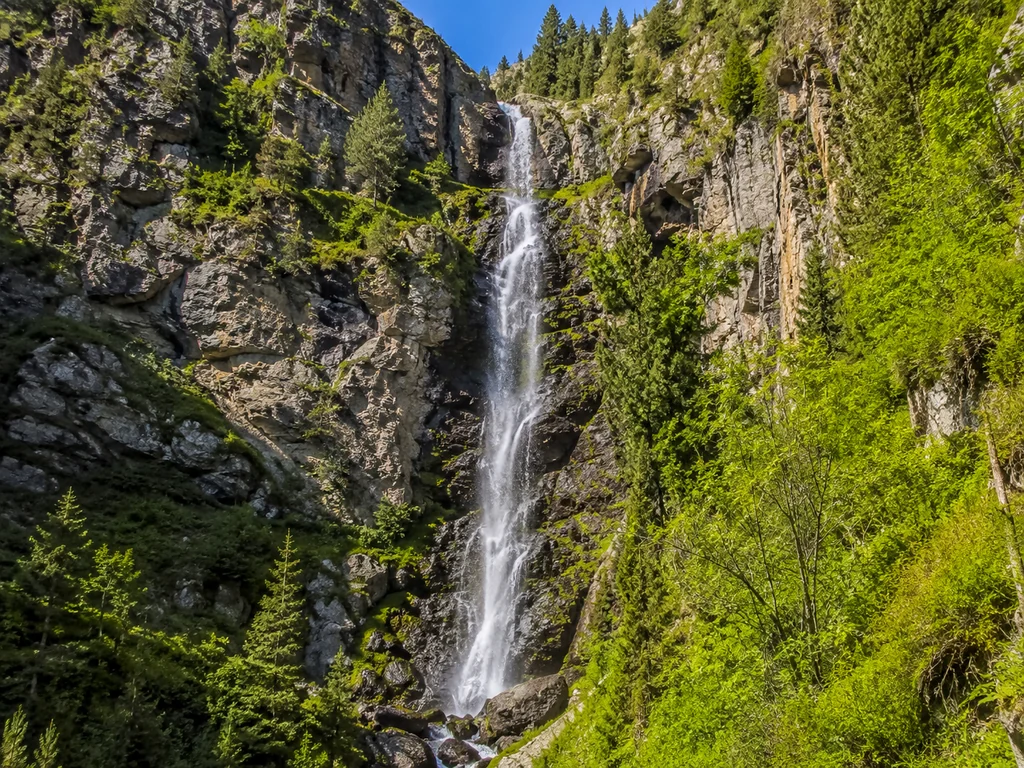 Tours to Burkhan Bulak
 Hikes
Hikes Active Recreation
 Transfer
Local guides, fixed price per person, and care on every route. — everything for a relaxing vacation.
All routes are led by guides who know Altai like the back of their hand—they'll share legends and show hidden trails.
The price includes transfer from Almaty, meals, and accommodation—no extra charges along the way. Check the price in WhatsApp.
Each tour includes a first aid kit, satellite communication, and insurance. For challenging sections—additional equipment.
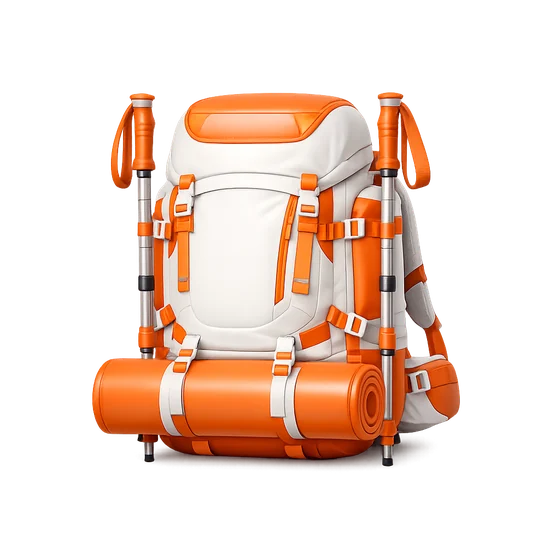
Tents, sleeping bags, mats, and kitchen equipment are provided—you only need to bring personal items.
How it works
You submit a request on the website or via WhatsApp. The manager clarifies your preferences: dates, number of people, fitness level — and suggests a suitable Altai route.

After booking, you receive a list of personal gear (trekking boots, warm jacket, raincoat). The rest — tents, sleeping bags, gas — we take with us.

Early morning departure in a comfortable minibus. Along the way, stops at viewpoints and a light breakfast. In 3-4 hours you are already in the foothills of Altai.

A hiking trek with backpacks through valleys and passes. The guide sets the pace, makes stops for photos, and talks about flora and fauna. Lunch — hot from thermoses or cooked over a fire.
Setting up camp at an equipped site. Dinner cooked over the fire, herbal tea, and starry sky. The guide tells you about the next day and checks the tents.
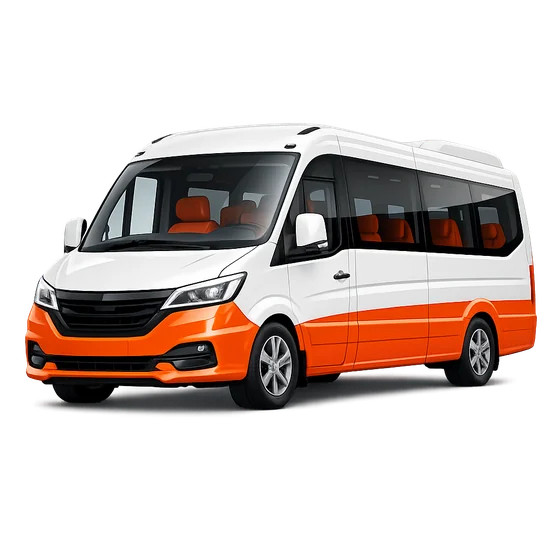
After breakfast, pack up camp and head back to the vehicle. Transfer to Almaty by evening. You receive a photo report and recommendations for future routes.

Team
Routes are led by practicing guides and instructors. These same people respond in. WhatsApp and accompany groups on the tour.
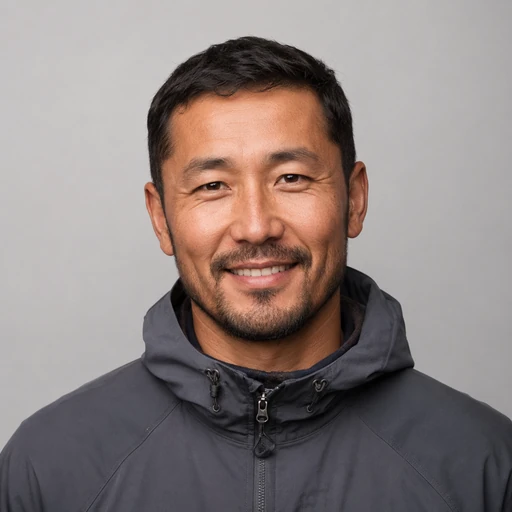 ★4.9
★4.9Aidos Serikov
Senior guide, mountain routes
 ★5
★5Dinara Kassymova
Guide-lecturer in Almaty
 ★4.8
★4.8Marat Zhunussov
Trekking instructor
 ★4.9
★4.9Oleg Kim
Driver-guide, jeep tours
 ★4.8
★4.8Zhanna Abenova
Tour manager
 ★4.9
★4.9Timur Beketov
Multi-day tour guide
 ★5
★5Aliya Nurlan
Group coordinator
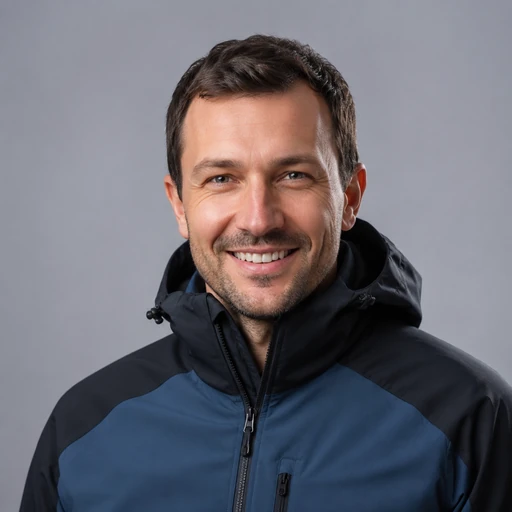 ★4.8
★4.8Sergey Volkov
Instructor, ski tours
Useful
We at toor organize tours to Altai from Almaty — from two-day excursions to week-long expeditions. The price includes transfer, meals, equipment, insurance, and the accompaniment of a certified guide. Groups are up to 8 people, route difficulty from 1 to 3 out of 5. Season runs from May to October.
The main question for a beginner is which format to choose. Let's break down jeep tours, hiking, and combined options: who each suits, pros and cons, and how to avoid mistakes.
We conduct excursions to Altai from Almaty in three formats — jeep tour, hiking, and combined option.
A jeep tour to Altai with crossings of fords and rocky roads is ideal for beginners without physical fitness who want to see as many locations as possible in 2-3 days. On one off-road route, you reach Charyn Canyon (depth up to 300 m, age 12 million years), then Kolsai Lakes (three lakes at an altitude of 1800-2800 m), and the Asy Plateau (3000 m, from where on a clear day you can see Khan Tengri peak). Transfer from Almaty to the start of the route takes 4-5 hours, group up to 8 people, guide certified and speaks Russian and English. By jeep, you cover 4-6 locations per tour — on foot, such a volume would take 5-7 days, so for getting to know the region, this is the most efficient start.
Hiking tours to Altai cover 10-20 km per day with elevation gain of 500-800 m — difficulty level 2-3 out of 5, suitable for people with minimal fitness. Routes pass at altitudes of 1500-3000 m, so for hikes above 2500 m we recommend an acclimatization day: without it, beginners often get headaches on the second day. Meals are included — breakfast, snack lunch, and hot dinner; equipment (tent, sleeping bag, mat, stove) is provided; you only need to bring trekking boots, a warm jacket, raincoat, and flashlight. If you've never been to the mountains, choose a difficulty 1 route — for example, to Lake Kaindy with its submerged forest, where the trail is flat and without steep climbs.
Our combined tours combine jeep transfers between locations and hiking sections of 5-10 km — the optimal format for 3-5 days for those who want both to see and feel Altai. By jeep, you cover long distances (e.g., to Charyn Canyon or Kolsai Lakes), and at key points you go on radial hikes without a backpack — the guide stays with the group, the car waits. In 4 days of a combined tour, you manage to tour the canyon and lakes by jeep, and hike up to the Asy Plateau — this gives a complete picture of the region without overload and is suitable for beginners unsure of their endurance.
| Parameter | Jeep tour | Hiking | Combined tour |
|---|---|---|---|
| Duration | 2-3 days | 4-7 days | 3-5 days |
| Difficulty | 1 out of 5 | 2-3 out of 5 | 1-2 out of 5 |
| Distance per day | up to 5 km on foot | 10-20 km | 5-10 km on foot |
| Physical fitness | not required | minimal to moderate | minimal |
| Location coverage | 4-6 per tour | 2-3 per tour | 3-5 per tour |
| Group size toor | up to 8 people | up to 8 people | up to 8 people |
If you're unsure between formats, start with a 3-day combined tour — it gives you a taste of both jeep adventures and hiking routes without risk of overexertion, and afterwards it's easier to decide which format suits you best for the next trip.
Let's break down what makes up the cost of a trip to Altai: transfer, meals, equipment, insurance, and guide services. We'll show prices for different formats and compare with independent travel.
The price of a trip to Altai depends on format, duration, and included services — below we break down each option.
Tours to Altai 2026 are already on sale — prices are fixed, book in advance for peak dates in July and August.
The cost of our Altai routes includes transfer from the city to the route and back (4-5 hours one way), three meals a day (breakfast, snack lunch, hot dinner), tent, sleeping bag, mat, stove, and insurance for participants. The transfer reaches starting points in the Turgen and Shelek gorges and the foothills of the Tarbagatai ridge — to Charyn Canyon (200 km) or Kolsai Lakes (300 km). Meals on the route — porridge, stew, canned food, dried fruits for snacks — are designed for 2500-3000 kcal per day with an elevation gain of 500-800 m. Unlike aggregators, we have no hidden surcharges for equipment or insurance — the price per person is fixed and stated upfront.
| Tour format | Duration | Price per person (estimate) | What's included |
|---|---|---|---|
| Jeep tour | 2 days | from 85,000 KZT | Transfer, meals, insurance, guide |
| Jeep tour | 3 days | from 120,000 KZT | Transfer, meals, insurance, guide |
| Hiking | 4 days | from 150,000 KZT | Transfer, meals, equipment, insurance, guide |
| Hiking | 7 days | from 250,000 KZT | Transfer, meals, equipment, insurance, guide |
| Combined tour | 4 days | from 180,000 KZT | Transfer, meals, equipment, insurance, guide |
| Combined tour | 5 days | from 220,000 KZT | Transfer, meals, equipment, insurance, guide |
A self-drive trip to Altai from Almaty for 3 days will cost 50,000-70,000 KZT per person (gas round trip — 12,000-15,000 KZT, food for three days — 15,000-20,000 KZT, camping fees — 5,000-10,000 KZT) — cheaper than an organized option, but without insurance, equipment, and a guide. On routes above 2500 m (Asy Plateau, Kok-Zhailau Pass), without a guide there is a high risk of losing the trail in fog or sudden snowfall — in July and August, up to 30% of the annual precipitation falls there. If you add equipment rental (tent, sleeping bag, stove — about 15,000 KZT per person), insurance (5,000 KZT), and guide fees (20,000-30,000 KZT per day per group), the total approaches the cost of an organized option, while safety on the route is higher.
We've compiled five key Altai locations that are included in local tour operators' itineraries. A guided trip to Altai is safer and more enriching than independent travel — the guide shows hidden trails, tells the history of places, and monitors the group's well-being. For each: what to see, how to get there, which tour format suits, and how much time to allocate.
Charyn Canyon is the main highlight of any trip to Altai from Almaty: depth up to 300 m, age 12 million years, length of the Valley of Castles about 2 km — accessible both by jeep tour and hiking. The descent to the Charyn River takes 20-30 minutes along a serpentine trail with an elevation gain of about 150 m on the way back, providing moderate difficulty, and in the valley guides show fossils of marine organisms from the Tethys Ocean floor. The sandstone walls change color from orange to burgundy depending on the sun's angle; in the crevices, the temperature is 5-7°C lower year-round, so even in hot weather, bring a windbreaker. The best time to visit is morning or sunset, when the sun highlights the red sandstone walls, producing the most contrasting photos.
Kolsai Lakes — three high-altitude lakes at 1800, 2250, and 2800 m, connected by a 12 km trail — are included in hiking and combined programs as the central part of a 2-3 day route. The transition between the first and second lakes takes about 2 hours with an elevation gain of 450 m through a spruce forest with springs, while the third section to Kolsai-3 is more challenging: a steep climb of 550 m along a rocky trail in 2.5-3 hours, requiring minimal physical fitness. At 2800 m, the forest gives way to alpine meadows with edelweiss and views of the snowy peaks of the Zailiysky Alatau, and the turquoise water of the second lake against the spruce trees is the most recognizable shot of the entire route. The second lake (Kolsai-2) is the most photogenic: the climb to the third offers a panorama of snowy peaks, so be sure to bring a wide-angle lens.
Lake Kaindy is a unique spot with a submerged spruce forest, where tree trunks rise from the bottom up to 4 m high, and underwater visibility reaches 15 m — accessible by jeep tour in 1 day from Almaty. The road from the highway to the lake is an 8 km dirt track passable only by off-road vehicles with a ground clearance of at least 200 mm, so a sedan is out of the question. The lake was formed in 1911 after the Kemin earthquake: a landslide blocked the gorge, water flooded the forest, and the trunks were preserved in the cold. The water stays at +6..+8°C year-round, so swimming is not possible, but for a photo session against the submerged forest, this is the best spot in all of Altai — arrive by 9 a.m. to avoid crowds and enjoy soft light.
The Asy Plateau at 3000 m is the highest point of Altai routes, offering a panoramic view of Khan Tengri peak (7010 m) and the glaciers of the Central Tien Shan on a clear day. The ascent from the Turgen tract goes along a serpentine with 12 sharp turns — 18 km by jeep in 40-50 minutes, and at the top there is an observation platform and, in season, a yurt complex with kumis and baursaks from shepherds. Visibility of Khan Tengri peak in July-August is 60-70% of days, less in May and September due to cloud cover. The temperature on the plateau is 8-10°C lower than in Almaty, even in July — bring a warm jacket; the wind is strong and cold, you won't last long without it.
A three-day jeep tour covers three main Altai locations: day 1 — Charyn Canyon and overnight by the river, day 2 — Kolsai Lakes (ascent to the second), day 3 — Lake Kaindy and return to Almaty. Transfer from the city to Charyn takes 4 hours, overnight in tents on the shore with a hot dinner from the guide; on the second day — transfer to Kolsai (2.5 hours) and trekking to the second lake with a snack lunch at 2250 m, then return to a guest house at the foot. The third day — a short transfer to Kaindy (1 hour), a walk along the wooden boardwalk along the lake, lunch, and a 4.5-hour return transfer to the city. This route is optimal for a beginner: in 3 days you see three fundamentally different landscapes — canyon, high-altitude lakes, and submerged forest — without overloading on distance and altitude.
Let's break down what is provided on site and what you need to bring from home. We'll explain why you need a warm jacket when daytime temperatures are +25°C and why a flashlight is necessary even if the tent has light.
We provide each participant with a tent (2-3 person, double-layer — protects against condensation), a sleeping bag with a comfort temperature of +5°C, a polyurethane foam mat (8 mm thick, insulates from cold ground), and a gas stove with a canister — all equipment is new or in excellent condition, checked before each departure. The cost also includes dishes (bowl, cup, spoon) and group equipment: first aid kit, repair kit, and satellite phone for communication in the mountains, where mobile networks are unavailable already on the approach to Kolsai Lakes. The sleeping bag is designed for nighttime temperatures down to +5°C — if you get cold easily, bring an additional fleece liner; it weighs 200 g and adds 5-7°C of warmth without increasing backpack volume.
Mandatory personal equipment includes trekking boots with high ankle support (protects ankles on rocky trails), a warm jacket (even in summer, nights are +5..+10°C, and on the Asy Plateau wind further lowers the perceived temperature by 5°C), a raincoat (mountain downpours are sudden, especially in the afternoon), and a headlamp (for the tent and evening trips to the stream for water). Clothing works on the layering principle: thermal underwear wicks moisture, fleece provides warmth, and a membrane jacket protects from wind and rain — a cotton T-shirt gets wet in a minute and takes until morning to dry. A hat and gloves are needed even in July: at 2500-3000 m, wind makes +15°C feel like +5°C. Low-top sneakers are a common mistake by beginners: on the rocky trails of Charyn Canyon, it's easy to twist an ankle, and wet sneakers won't dry by morning.
We recommend adding a minimal first aid kit to your backpack: blister plasters (Compeed or similar — better than regular adhesive tape on wet feet), pain reliever (ibuprofen or ketoprofen — relieves altitude headache), antihistamine (cetirizine — for reactions to flowering or bites), stomach upset remedies (loperamide and enterosgel), and sunscreen SPF 50+ (at 2000-3000 m, the sun is aggressive even in cloudy weather, you can burn in an hour). For hygiene, a toothbrush and toothpaste, a compact microfiber towel (dries in an hour), and toilet paper — you won't find it on the trail. Wet wipes and hand sanitizer are must-haves: there isn't always water for washing on the route, and after a snack break, it's easier to sanitize hands than to look for a stream.
On our hikes, accommodation is in tents at equipped campsites by lakes and canyons, but for those not ready for camping, there is an option with overnight stays at a base near Kolsai Lakes (surcharge for accommodation). The base has electricity, hot showers, and beds — this saves 2-3 kg of backpack weight by eliminating the tent and sleeping bag. The tent option is 15-20% cheaper and allows you to camp right on the lakeshore instead of walking 1-2 km to the base from the water. Overnight in a tent by the lake gives you the main advantage — you wake up at dawn on the shore when tourists from the bases are just arriving, and you get shots without people.
Let's break down the main risks in Altai: temperature fluctuations, altitude sickness, wild animals, and weather surprises. We'll tell you how to prepare and what to do in an emergency.
| Month | Daytime temperature | Nighttime temperature | Precipitation | Features |
|---|---|---|---|---|
| May | +15..+20°C | +3..+8°C | Moderate | Green slopes, full rivers |
| June | +20..+25°C | +5..+10°C | Frequent rain | Peak flowering, lots of water in waterfalls |
| July | +25..+30°C | +8..+12°C | Rare downpours | Warmest month, peak season |
| August | +25..+28°C | +7..+10°C | Minimum | Stable weather, warm lake water |
| September | +18..+22°C | +2..+5°C | Little | Golden autumn, best light for photos |
| October | +10..+15°C | -2..+3°C | Moderate | Possible first snow at 2500+ m |
September is the best month for photos: golden autumn, minimal precipitation, and no heat, but nights are already +2..+5°C — a sleeping bag with a comfort temperature of +5°C may not suffice, so bring a liner.
Acclimatization is mandatory on routes above 2500 m — Asy Plateau (3000 m) and the third Kolsai Lake (2800 m): on the first day, do not ascend above 2000 m, drink 2-3 liters of water per day, and avoid alcohol. At altitudes of 1500-2000 m, where Charyn Canyon and Lake Kaindy are located, acclimatization is usually not required — the body adapts in 2-3 hours. Symptoms of altitude sickness — headache, nausea, dizziness — appear 6-12 hours after ascending above 2500 m. If they do not subside after rest and water, the guide decides to descend 500-800 m — this is the only reliable way to relieve the body.
The main risks on Altai routes are rockfalls on steep slopes (especially after rain), hypothermia during sudden weather changes, and encounters with wild animals (bears, wild boars, wolves) — all trails are checked, guides know the risk zones. Rockfalls are more common on scree slopes above 2000 m: the guide assesses the slope before the group passes and chooses a safe distance between hikers. Hypothermia is real during daytime rains and wind on the Asy Plateau — even in July, the temperature drops by 10-15°C in an hour. Bears are rare and avoid people — the guide always carries a flare and knows how to scare off the animal without harming it. The main rule: do not leave food in the tent and do not approach cubs.
At the first symptoms of discomfort — headache, nausea, weakness — the guide stops the group, provides warm drinks and light food, measures pulse and oxygen saturation with a pulse oximeter. Water with lemon or ginger tea relieves nausea, and light carbohydrates (crackers, dried fruit) restore energy without burdening digestion. If saturation drops below 90% or symptoms worsen within an hour, the guide decides to descend 300-500 meters — this is standard safety protocol on all routes above 2500 m. Never endure pain or lag behind the group — inform the guide immediately; this can prevent serious consequences.
Let's break down key safety aspects in Altai: from weather and acclimatization to actions if you feel unwell.
| Month | Daytime in valleys | Daytime at 2000+ m | Precipitation | Recommended formats |
|---|---|---|---|---|
| May | +15..+20°C | +5..+10°C | Frequent rain | Jeep tours in valleys |
| June | +20..+25°C | +10..+15°C | Moderate | Hiking + repellents against gnats |
| July | +25..+30°C | +15..+20°C | Rare downpours | All routes, peak season |
| August | +25..+28°C | +15..+18°C | Minimum | Hiking, berries, mushrooms |
| September | +18..+22°C | +8..+12°C | Little | Jeep tours, photos, golden autumn |
| October | +10..+15°C | -2..+3°C | Moderate | Jeep tours, possible snow |
Our guides recommend July-August for hiking — the warmest and most stable months with minimal precipitation, and September for jeep tours — dry, little rain, and beautiful autumn colors. In May and October, snow is possible at 2000+ m, and in June there are many gnats and mosquitoes in the valleys — families with children should choose July-August.
For routes above 2500 m — Asy Plateau (3000 m) and the third Kolsai Lake (2800 m) — our guides recommend acclimatization: on the first day, do not ascend above 2000 m, drink 2-3 liters of water, and completely avoid alcohol. The body adapts to thin air in 24-48 hours, so the program includes a rest day at an intermediate altitude — an overnight stay at the second Kolsai (2250 m) before heading to the third lake. The first signs of altitude sickness — headache, nausea, dizziness — appear 6-12 hours after ascending above 2500 m. If symptoms do not subside after rest and water, the guide decides to descend 500-800 meters — this is the only reliable way to prevent the development of pulmonary edema.
The main risks on the routes are rockfalls on steep slopes after rain, hypothermia during sudden weather changes, and encounters with wild animals (bears, wild boars, wolves). Our guides lead along proven trails, know the risk zones, and avoid potentially dangerous areas after downpours. The Charyn, Koksu, and Karkara rivers are full in June-July — fording is allowed only in a line with the guide in places with waist-deep water. Bears are rare in Altai and avoid people: the guide always carries a flare and scares off the animal without harming it. The main rule is not to leave food in the tent and not to approach cubs, otherwise the risk of encounter triples.
At the first symptoms — headache, nausea, weakness — our guide stops the group, provides warm drinks, light food, and measures pulse and oxygen saturation with a pulse oximeter. If saturation drops below 90% or symptoms worsen within an hour, the guide decides to descend 300-500 meters — standard protocol on all routes above 2500 m. Until arrival at the nearest populated area (Kegen, Saty, Chundzha), the victim is given oxygen from a canister — it is in the first aid kit of each group. On all routes, there is communication with Kazselezashchita rescuers via satellite phone — emergency assistance takes no more than 15 minutes.
We've gathered the main answers to questions about a trip to Altai from Almaty — from choosing a route to budget and equipment.
Reviews
The tour to Altai with Aidos was fantastic. Kucherlinskoye Lake is breathtaking.
I spent a long time picking a tour to Altai from Almaty. I chose this company because of the reviews. Dinara helped me choose. I liked everything.
ezdili na Altai s grupou, vse organizovano, tolko doroga traskaya. no vidy stoili togo
Huge thanks to Oleg for organizing the Altai tour. Ukok Plateau is something else. Just keep in mind it's cold there, even in summer.
Altai was my dream. Kucherlinskoye Lake and the Katun-Yaryk pass are magnificent. Thank you, Aidos!
The departure was delayed by 20 minutes, but it's a minor thing. We admired the views the whole way. Zhanna was very caring.
I recommend the Altai tour. I saw turquoise lakes and snowy peaks. Marat is an excellent guide.
vse ochen ponravilos, krasivaya priroda, uyutnyi transfer. tolko v kanatku ochen dlinnaia ochered',
First time in Altai. Chose the tour because of the packed program. Timur was always in touch. Unforgettable impressions.
Our trip to Altai with my family was very good. The children were happy. Aliya's organization was excellent.
The tour fully met expectations. The road was bumpy, but the views of Lake Kucherlinskoye made up for everything. Sergey is a pro.
We went to Altai with a friend. Everything was super! Dinara helped us choose the best route. A small downside - we waited a long time at the border.
Altai eto skazka, ochen' ponravilos' organizovanost'. Zhanna provela interesnuiu ekskursiiu,
Absolutely loved the Katut-Yaryk pass! Aidos told us all about the legends. The only downside was not having enough time for the Ukok Plateau.
I chose the tour for a long time. As a result, I saw the beautiful places of Altai. Thanks to Timur, everything was great.
Thanks for organizing! The departure was slightly delayed, but it was worth it. Kucherlinskoye Lake is a dream. Sergey is a gem.
I dreamed of seeing Altai for a long time. Thanks to Aliya, everything worked out. Comfortable transfer, packed program. Minus: no hot water in the cabin.
Turo otlichnyi, priroda krasivaia. Ochen' ponravilos', chto malo liudei. Rekomenduiu!
Altai stole my heart. Went with family. Oleg really helped with choosing photo spots. Everything was great!
Trip to Altai exceeded expectations. Marat organized everything perfectly. A bit bumpy, but it's the road, no big deal.
Nature is amazing, air is clean. Katy-Yaryk is very interesting. Thanks to Aidos. Only it was a short time.
Great vacation. The Katut-Yaryk pass was something else. Dinara was always in touch. Thanks!
I booked a tour to Altai for my parents. They really enjoyed it. Zhanna took care of them. Everything was smooth, except we got stuck in traffic on the way back.
Altaiskie ozera prosto volshebnye. Ochen' ponravilos' gostepriimstvo. Rekomenduiu vsem!
Great tour! Saw both mountains and lakes. Timur told a lot of interesting stuff. Minus - would have liked more time at the Ukok Plateau.
Thanks to the tour company for organizing. Sergey is a great guide. Unforgettable experience. No issues.
I saw Altai and was amazed. I chose the tour on Aliya's advice. Everything was on time and comfortable.
I really liked the tour, but I would have liked more comfort at the accommodation. Oleg tried to resolve issues. Overall, it was good.
Puteshestvie na Altai okazalos' mechtoi. Mne ochen' ponravilis' biuruzovye ozera. Tol'ko ochen' mnogo moshek,
Feedback from my mom: she's delighted. She loved everything—the Kucherlinskoye Lake and the pass. Dinara helped with the choice. Thanks.
Calculator
Answer a few questions — we'll send the exact price and available dates via WhatsApp.
Approximate tour cost
The cost is approximate. We will confirm the exact amount and available dates in. WhatsApp in a couple of minutes.
FAQ
We've gathered what tourists ask most often. Didn't find an answer. — write to us, the guide will tell you in a couple of minutes.
Ask a questionWe have easy routes (for beginners, without backpacks) and medium-difficulty routes (with a backpack of 10-15 kg, overnight stays in tents). More details when selecting a tour.
Trekking boots, a warm jacket (even in summer it's cool at night), a raincoat, a flashlight, and a personal first aid kit. We provide the rest of the equipment.
The season runs from May to October. July-August is peak, warm and dry. September offers beautiful colors but is colder. May and October are for experienced travelers, with possible snow.
Yes, on easy routes (without long treks), children from 8 years old are allowed when accompanied by parents. Children under 12 get a discount.
Cancellation 7 days in advance: full refund. 3-6 days: 50% refund. Later: refund only in case of force majeure (with supporting documents).
The price depends on the duration, number of people, and route. Please inquire about the exact cost via WhatsApp — we will find an option within your budget.
Write to us — The guide will select a route for your dates and budget and send the price per person.