Introduction to Khan Tengri
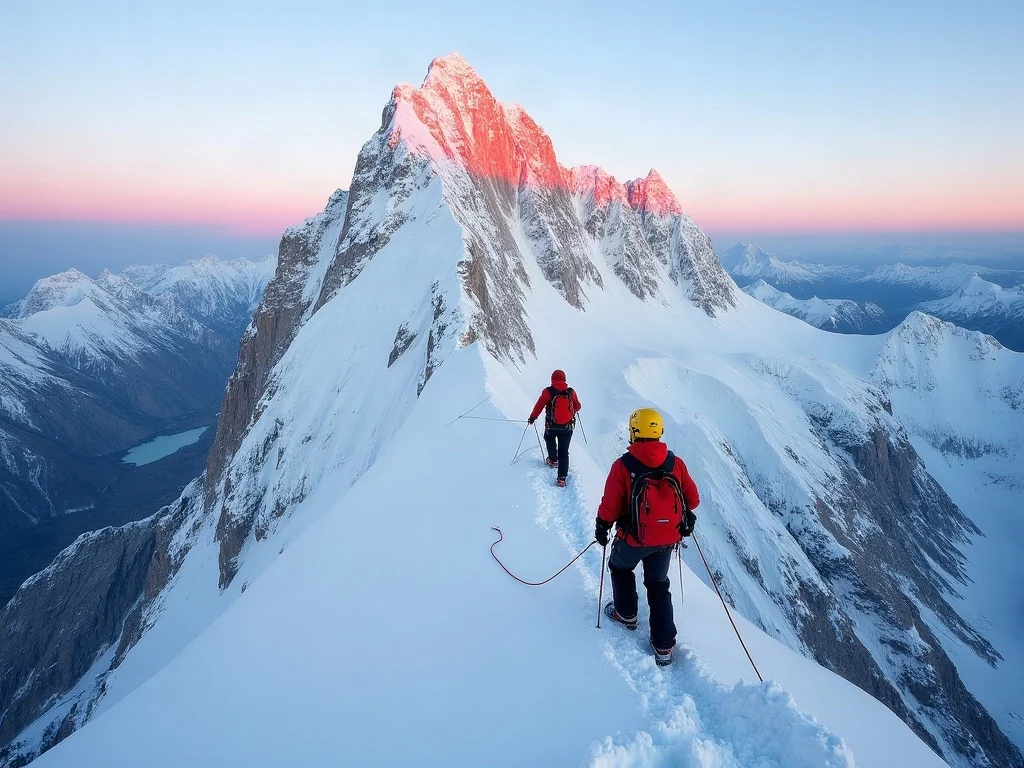
Khan Tengri, meaning "Lord of the Spirits," is a majestic peak in the Tian Shan mountain range, standing at 7,010 meters. It is located on the border of Kazakhstan, Kyrgyzstan, and China, and is one of the most beautiful and challenging seven-thousanders in the world. The pyramid-shaped summit is covered with marble and ice, giving it a distinctive glow at sunrise and sunset.
This expedition, organized by our tour operator from Almaty, offers a 21-day journey to conquer this iconic peak. The adventure begins with a helicopter transfer to the base camp on the Inylchek glacier, followed by acclimatization rotations and a final summit push. It is designed for experienced high-altitude climbers seeking a true test of endurance and skill.
In this article, we will provide comprehensive information about the route, physical preparation, equipment, weather, and the unique experience of climbing in the Central Tian Shan. Whether you are a seasoned mountaineer or an enthusiast dreaming of high peaks, this guide will help you understand what to expect and how to prepare for this once-in-a-lifetime expedition.
Geography and Climate of the Region
Location and Surroundings
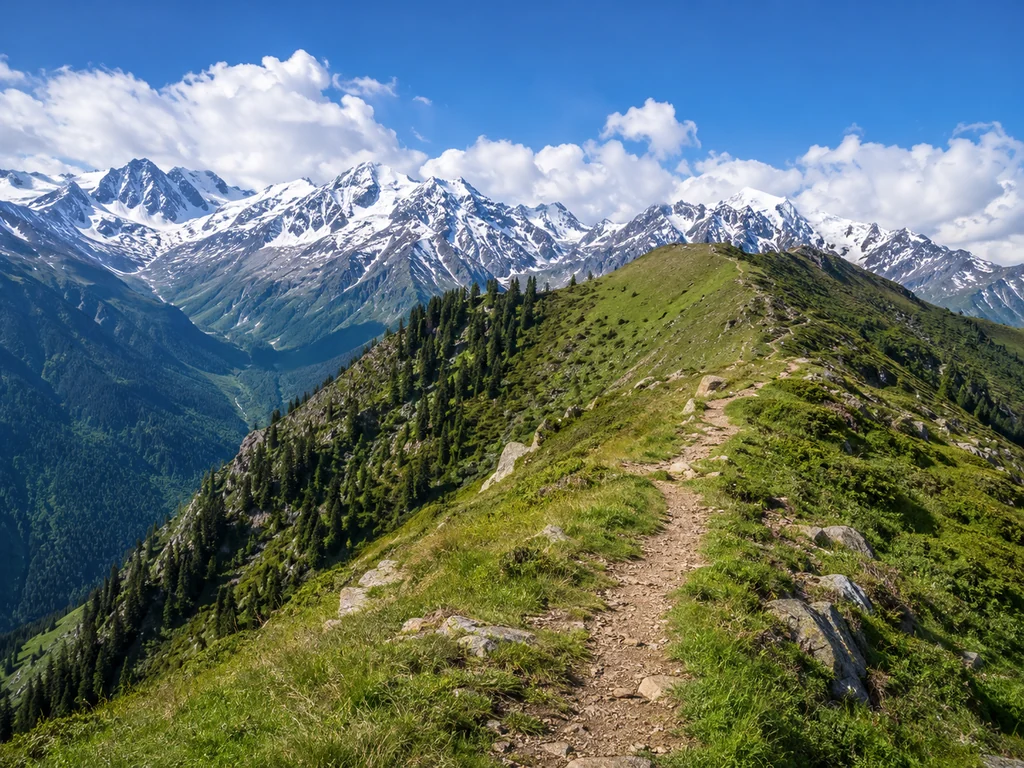
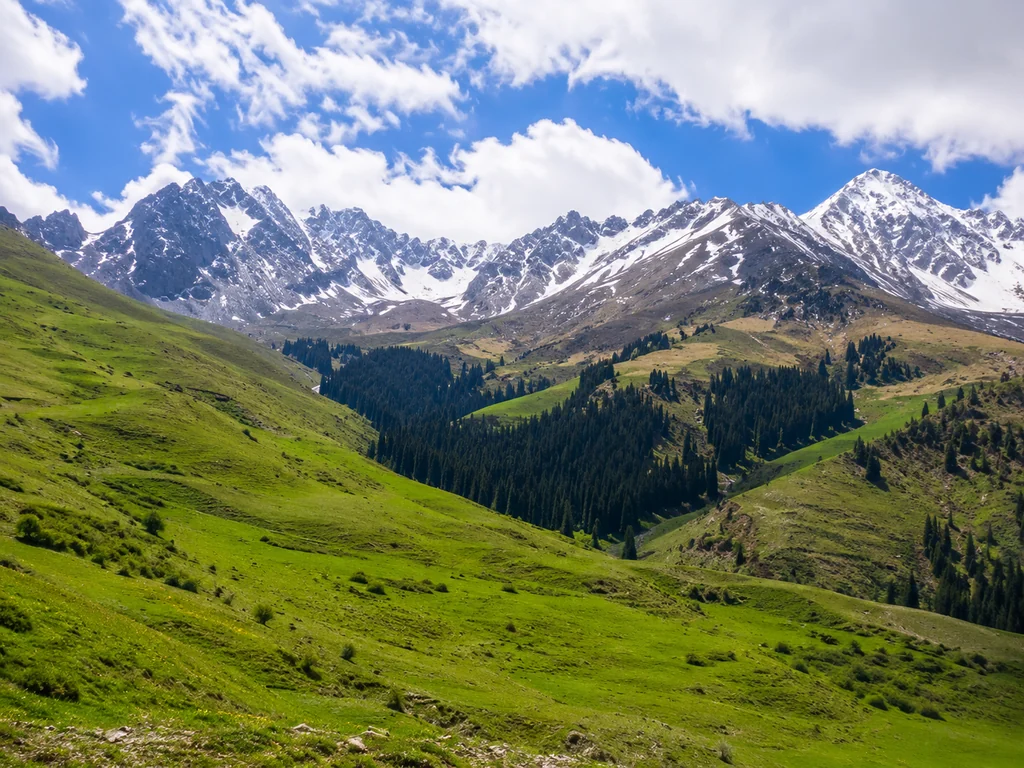
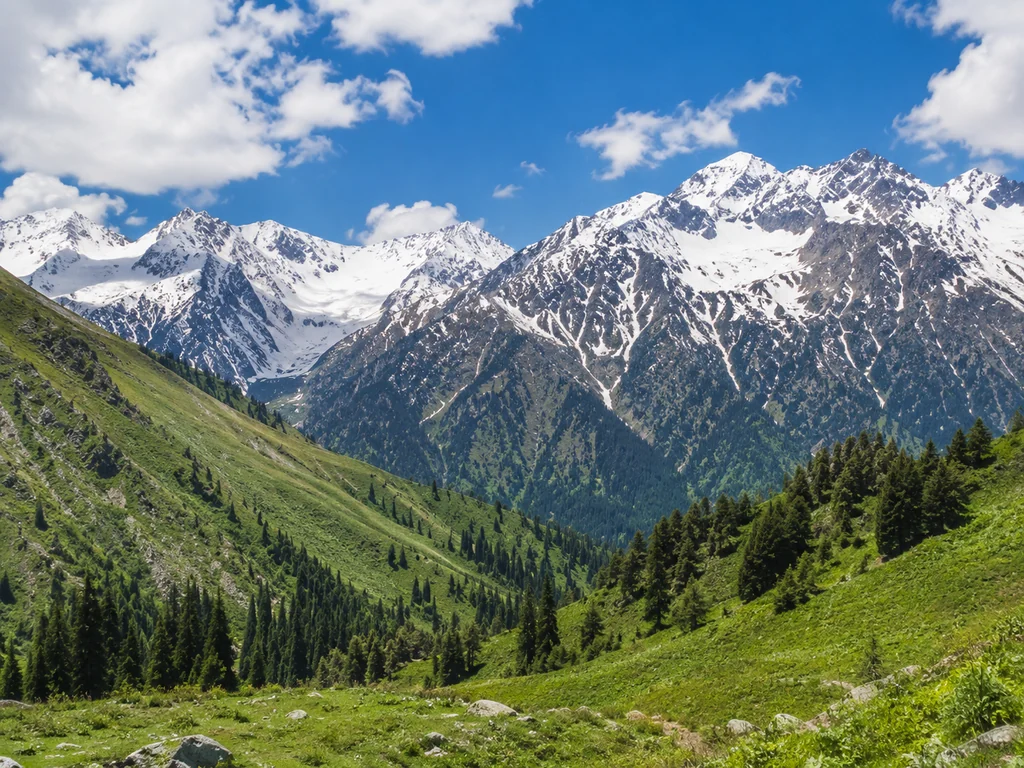
Khan Tengri is situated in the Central Tian Shan, a vast mountain system that stretches across Kazakhstan, Kyrgyzstan, and China. The peak is part of the Tengri Tag range and lies just 16 kilometers northeast of Pobeda Peak (Jengish Chokusu), which at 7,439 meters is the highest point in Kyrgyzstan. The two peaks are separated by the Inylchek glacier, one of the largest glaciers outside the polar regions.
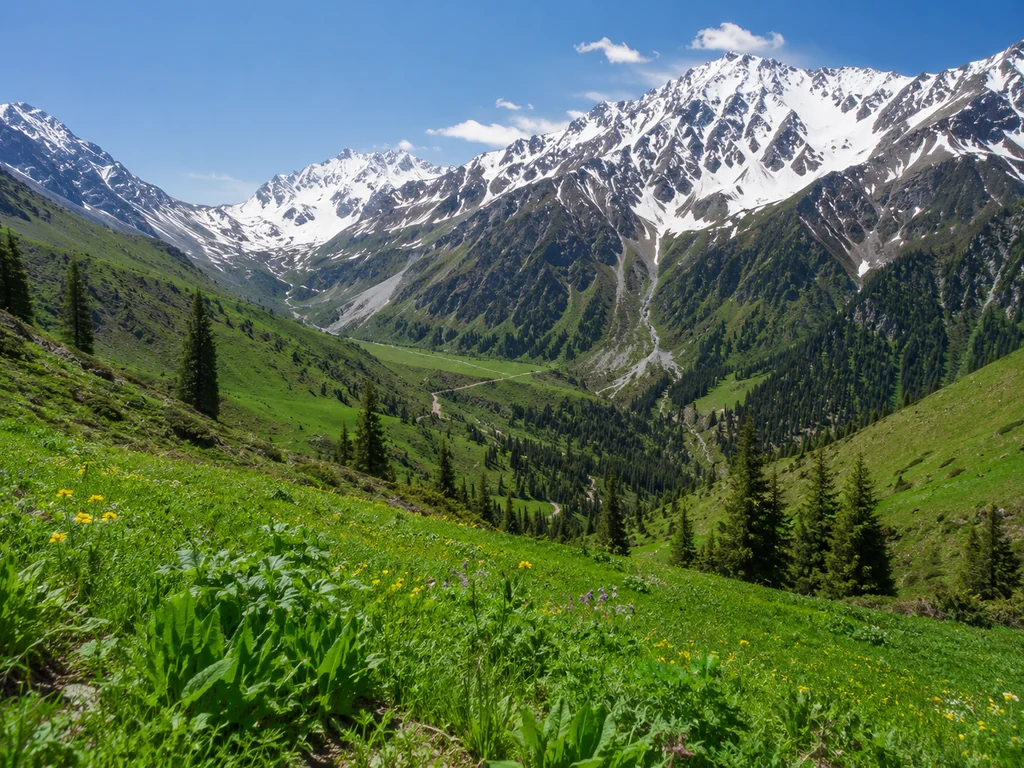
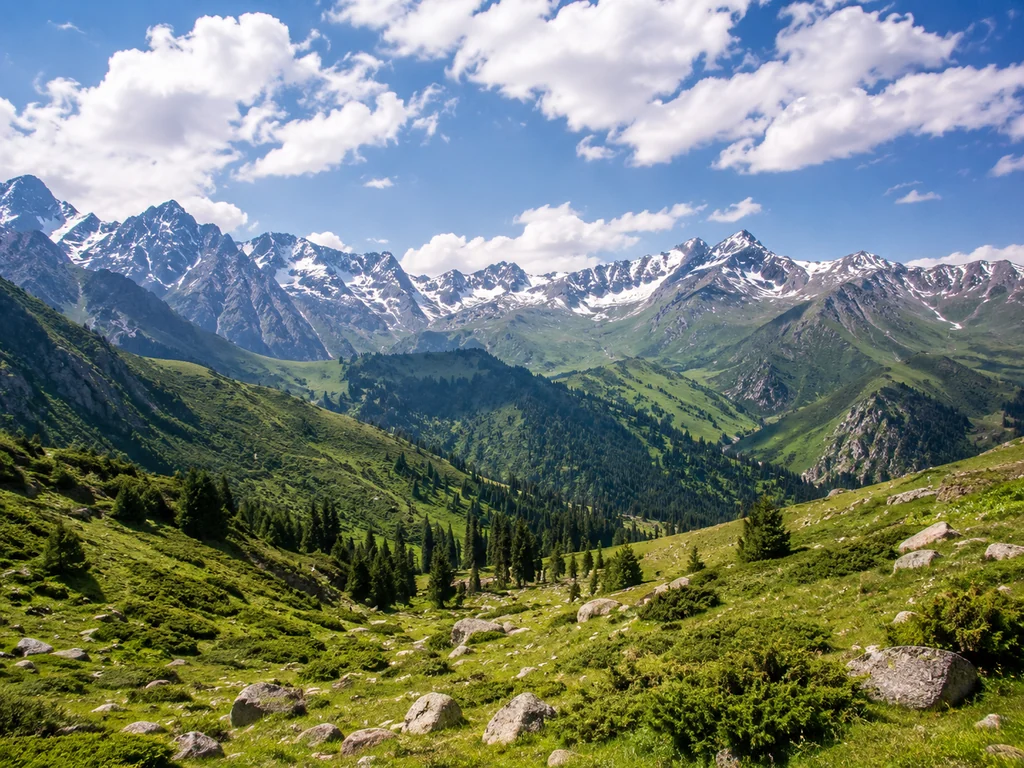
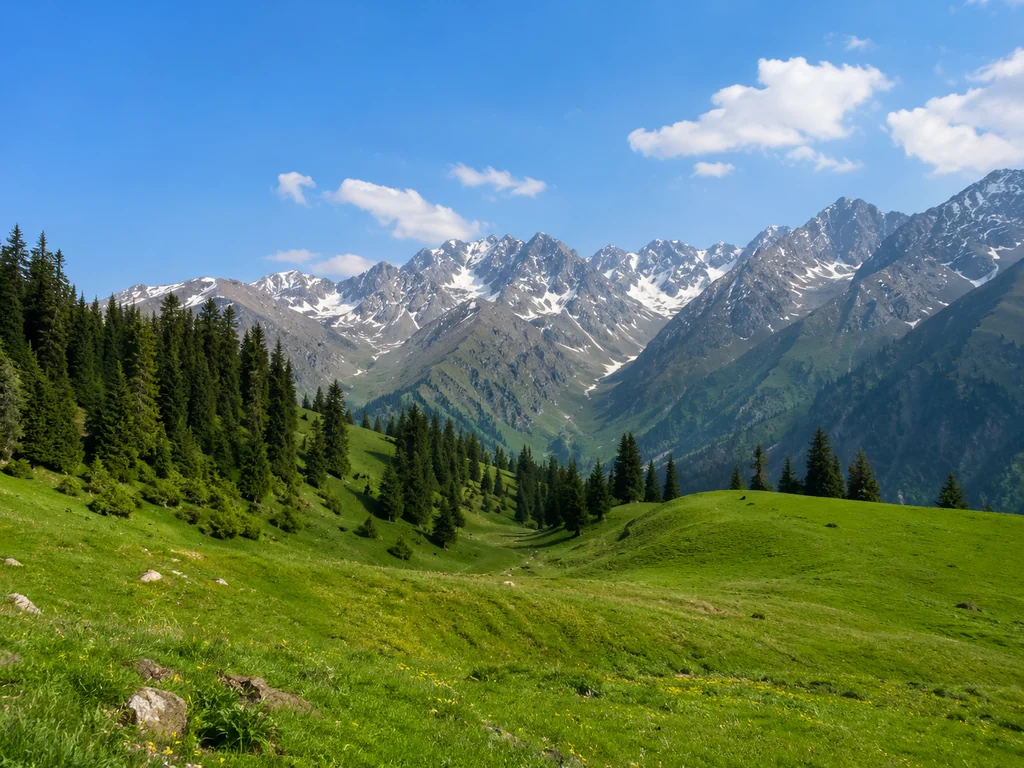
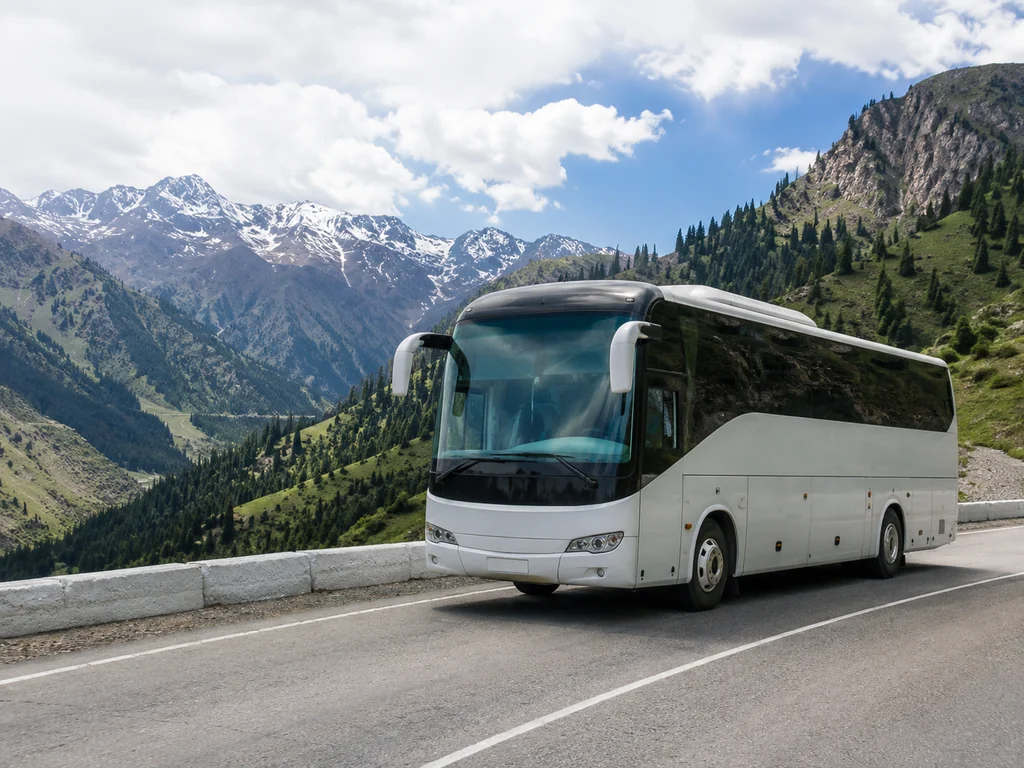
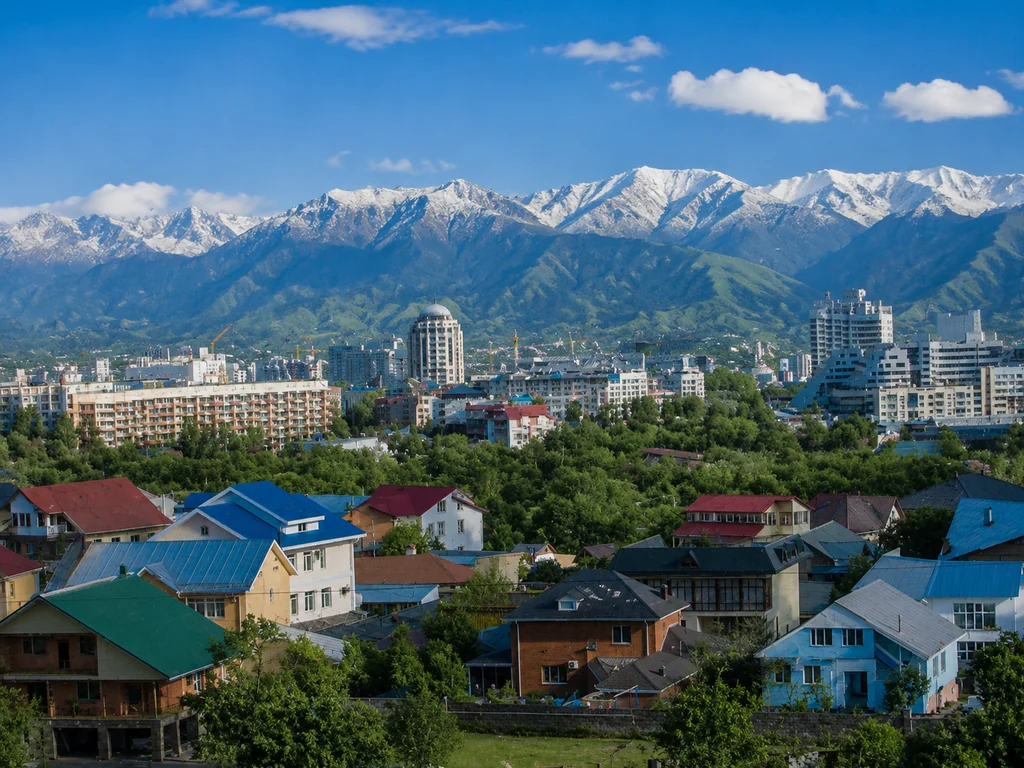
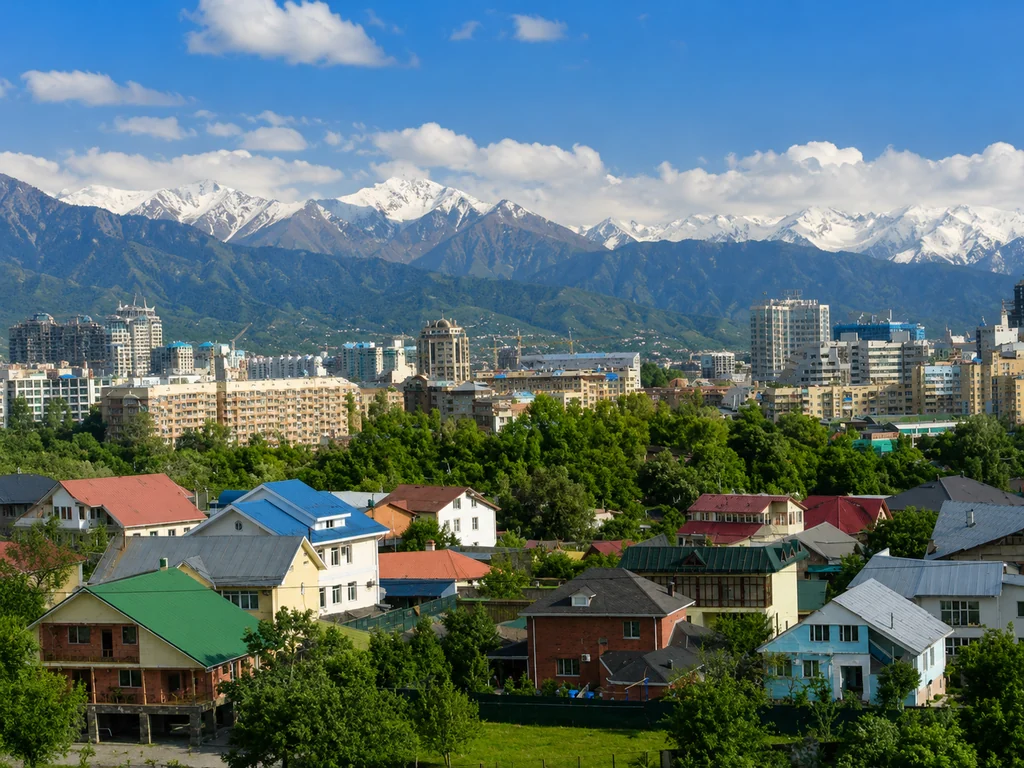
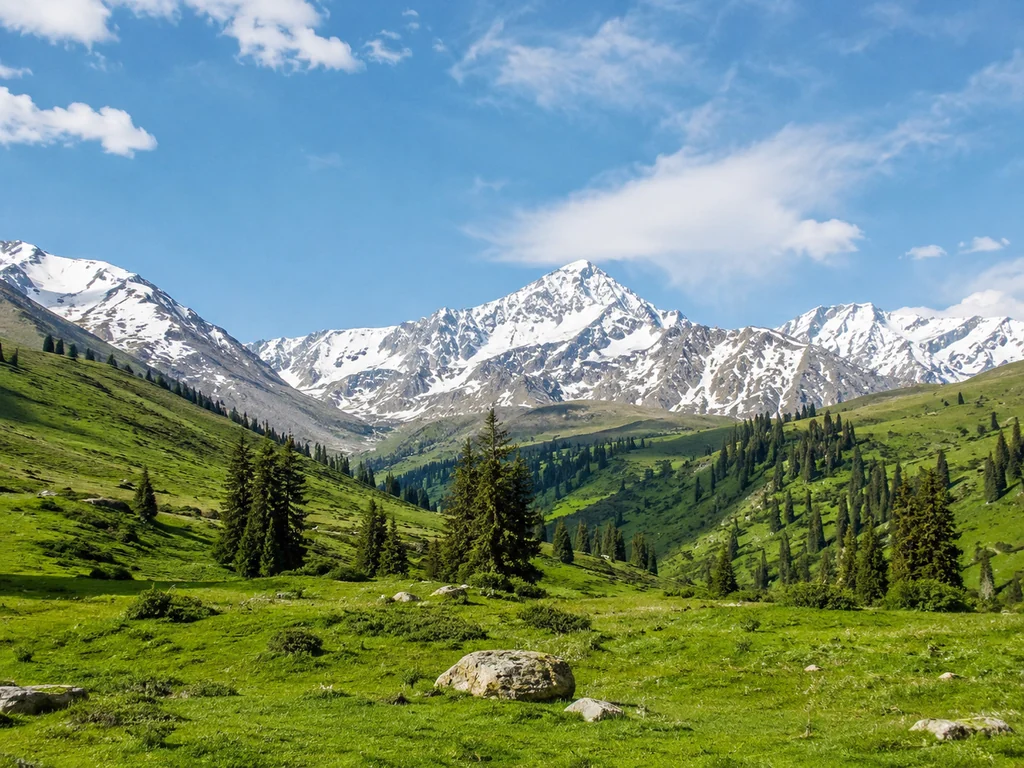
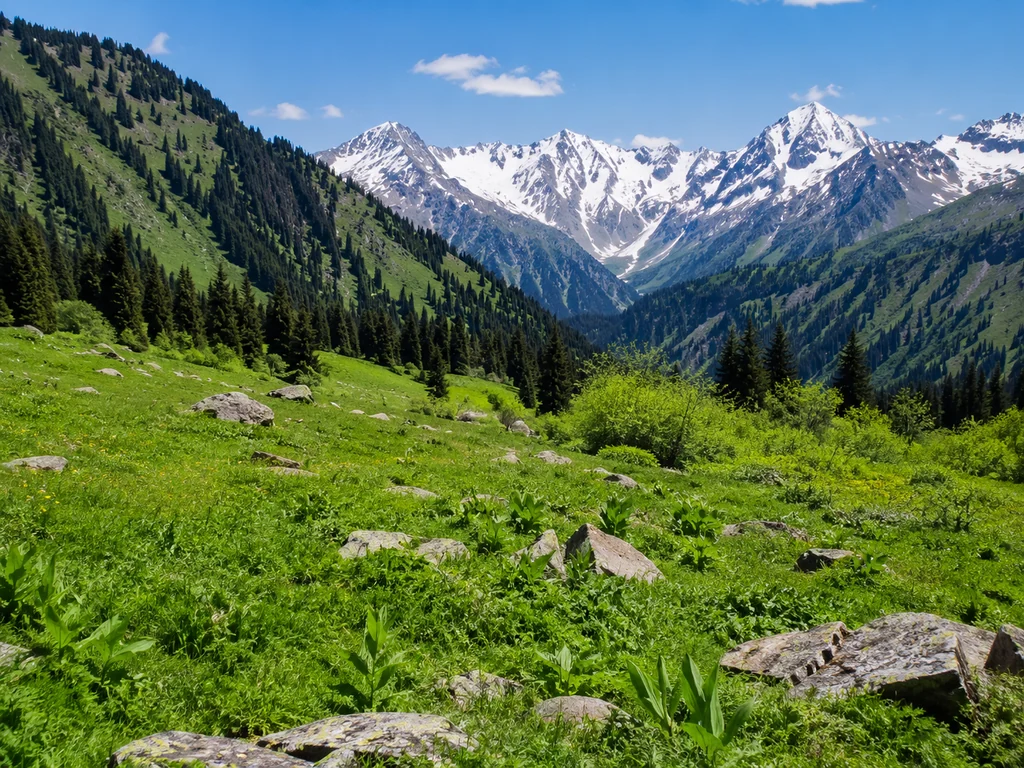
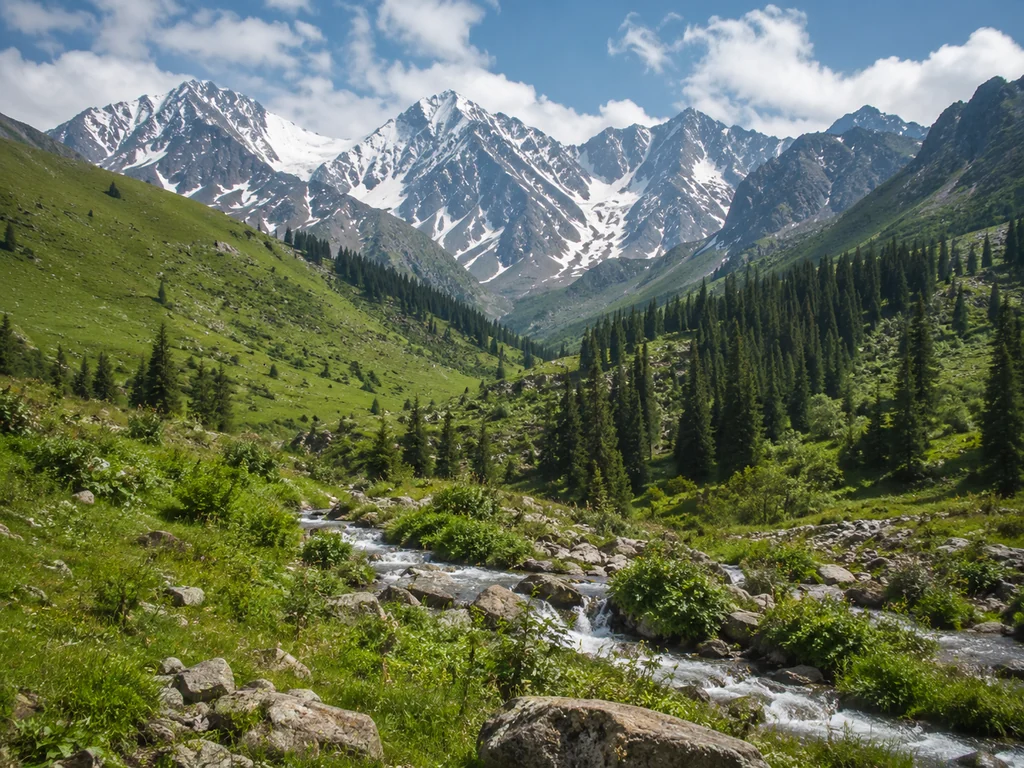
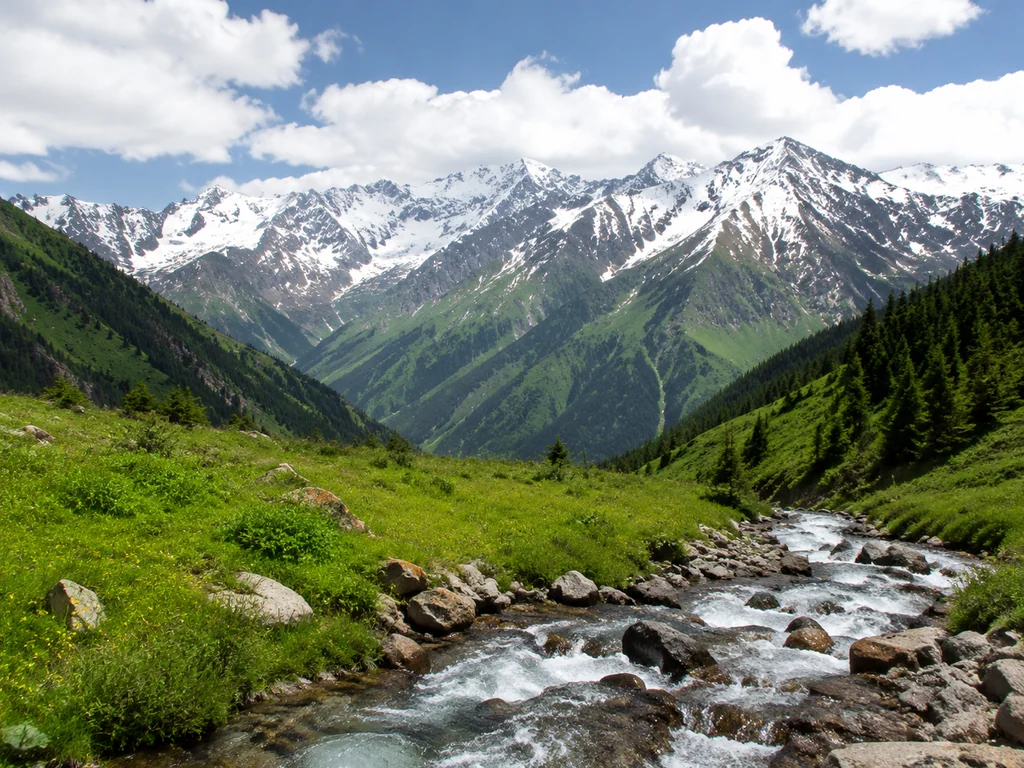
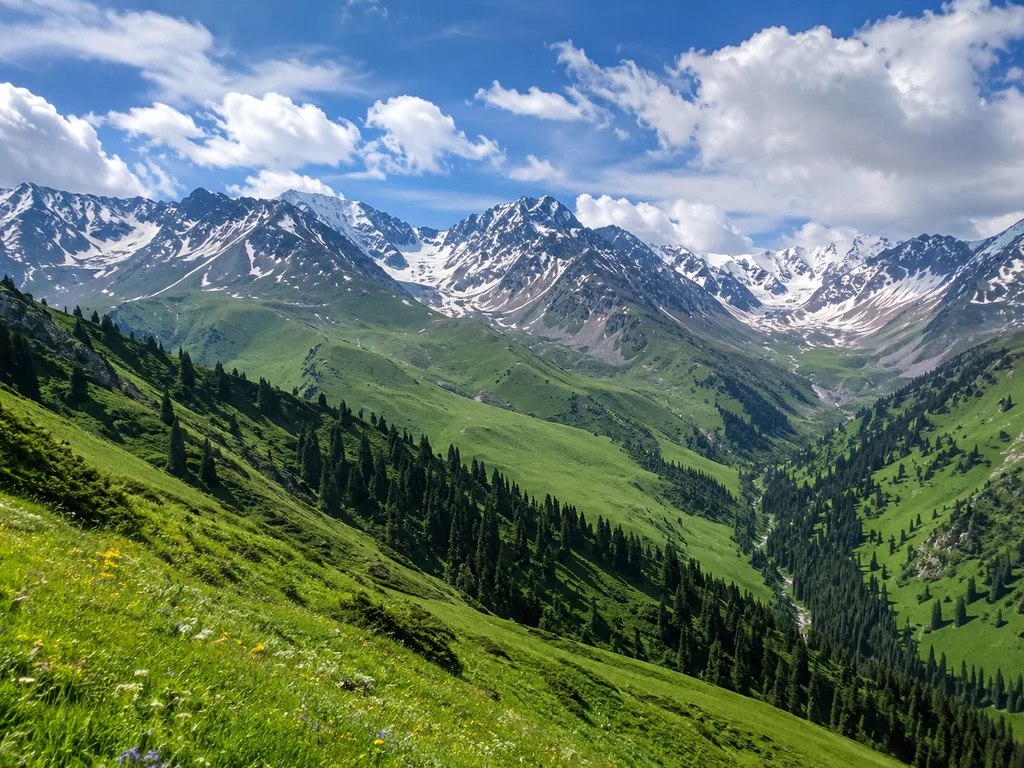
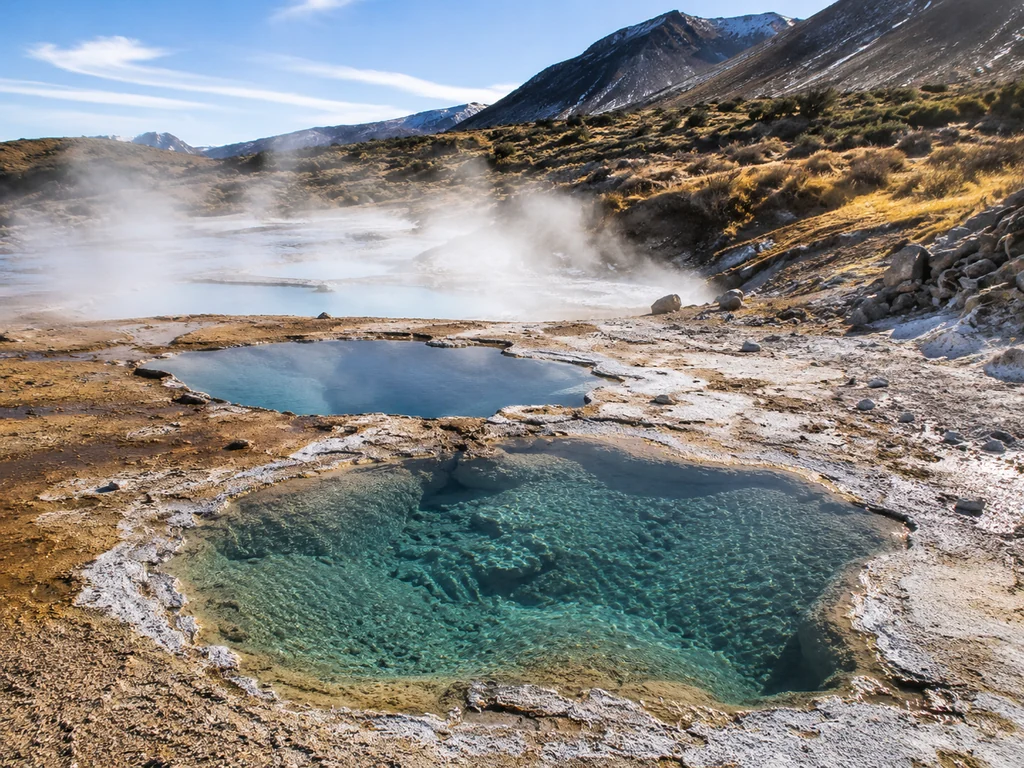
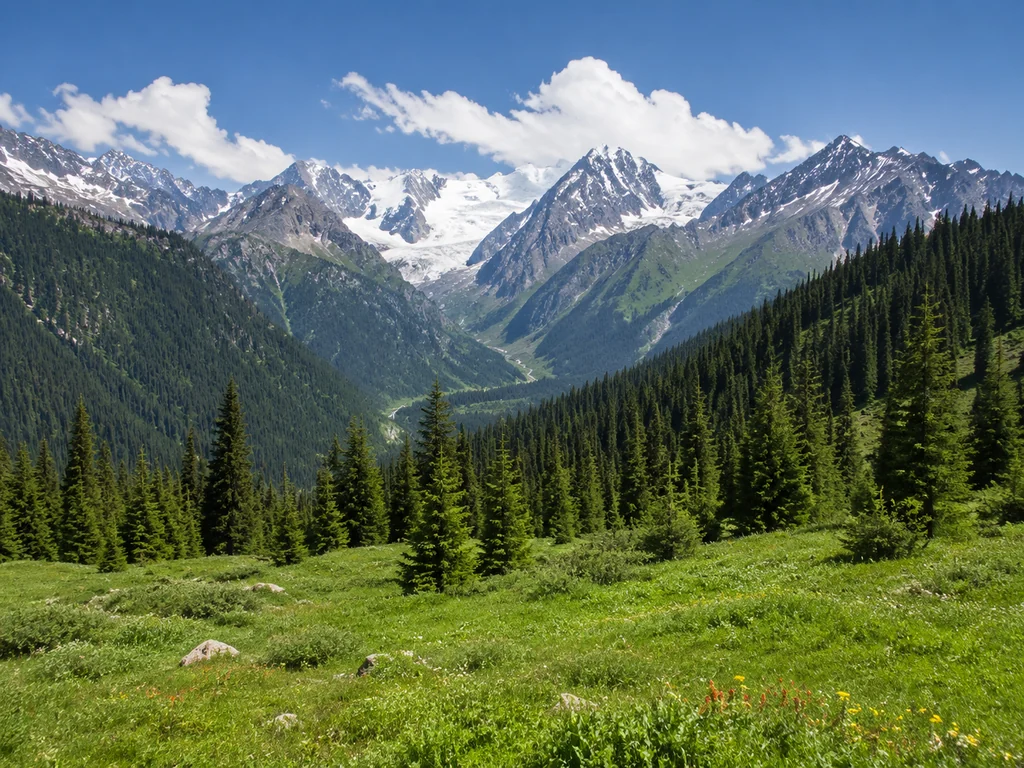
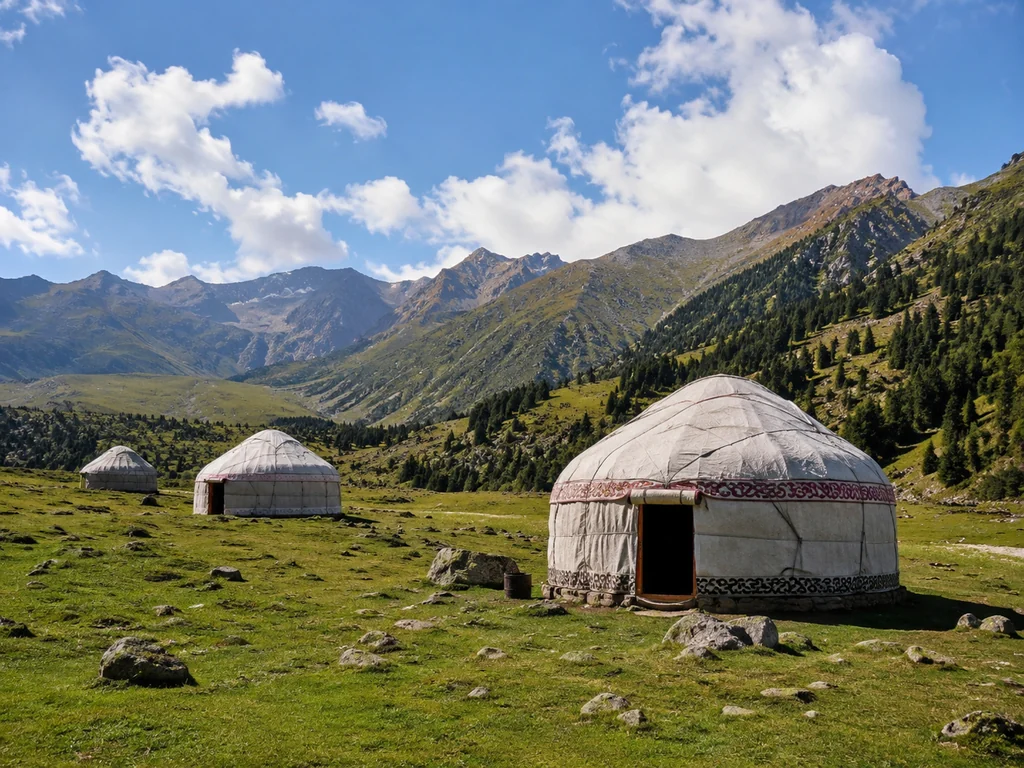
The region is characterized by rugged terrain, deep valleys, and high-altitude plateaus. The nearest major city is Almaty, Kazakhstan's former capital, located approximately 200 kilometers to the north. The journey from Almaty to the mountain involves a scenic drive through the Zailiysky Alatau and then a helicopter flight to the base camp. The Bayankol valley, located on the northern side, offers an alternative approach and is known for its beautiful alpine meadows and hot springs.
The Inylchek glacier, which flows from Khan Tengri and Pobeda Peak, is a stunning feature of the area. It is a massive river of ice, over 60 kilometers long, and is a popular destination for trekking and mountaineering. Climbers often spend time on the glacier acclimatizing and training before attempting the summit.
Weather Patterns
The climate in the Central Tian Shan is continental, with significant temperature variations between day and night. The climbing season is limited to July and August, when the weather is relatively stable and temperatures are milder. During this period, daytime temperatures at base camp (4,000 meters) can reach 10-15°C, while nighttime temperatures often drop below freezing.
At higher altitudes, conditions are severe. On the summit, temperatures can plummet to -20°C or lower, and strong winds are common. Storms can occur suddenly, bringing heavy snowfall and whiteout conditions. Climbers must be prepared for rapid weather changes and be flexible with their summit plans.
Pre-monsoon and post-monsoon periods are not suitable for climbing due to unstable weather and heavy precipitation. The summer months offer the best window of opportunity, but even then, weather forecasts are essential, and climbing teams often rely on satellite phones and weather apps to monitor conditions.
Best Time to Climb
The optimal time for climbing Khan Tengri is from mid-July to mid-August. During this period, the weather is most predictable, and the glacier is less crevassed, making the route safer. The days are longer, providing more daylight hours for climbing and acclimatization.
In early July, the snow conditions are still firm, and the route may be more challenging due to recent snowfalls. By late August, the glacier becomes more broken, and there is a higher risk of rockfall from the surrounding peaks. Therefore, the expedition is scheduled for 21 days in July-August to maximize the chances of a successful summit.
It is important to note that even during the best season, climbers must be prepared for adverse weather. The mountain creates its own microclimate, and local conditions can differ significantly from regional forecasts. Experienced guides will make decisions based on real-time observations and safety considerations.
Expedition Itinerary Overview
Day-by-Day Plan
The 21-day expedition is carefully designed to ensure proper acclimatization and maximize summit success. The itinerary includes helicopter transfer, multiple rotations to higher camps, and a summit attempt. Here is a general outline of the plan:
- Day 1-2: Arrival in Almaty, gear check, and preparation. Drive to the Inylchek base camp area (via helicopter).
- Day 3-4: Helicopter flight to the base camp (4,000m). Set up camp and acclimatize.
- Day 5-7: Acclimatization hike to Camp 1 (4,800m) and return to base camp.
- Day 8-10: Second rotation to Camp 2 (5,400m) and back to base camp.
- Day 11-13: Rest and preparation at base camp.
- Day 14-15: Move to Camp 1 and then to Camp 2.
- Day 16-17: Move to Camp 3 (6,300m) and rest.
- Day 18-19: Summit attempt (7,010m) and return to Camp 2.
- Day 20-21: Descend to base camp and helicopter back to Almaty.
This itinerary allows for gradual acclimatization, with two rotations to higher altitudes before the final push. Each rotation helps the body adapt to the reduced oxygen levels, reducing the risk of altitude sickness.
The exact schedule may vary depending on weather conditions and the team's overall fitness. Guides will adjust the plan to ensure safety and the best possible chance of reaching the summit.
Acclimatization Strategy
Acclimatization is crucial for a successful and safe climb. The human body needs time to adapt to high altitude, and rushing can lead to serious health issues. The expedition includes two acclimatization rotations, which are standard for seven-thousanders.
During the first rotation, climbers ascend to Camp 1 (4,800m) and spend a night there, then return to base camp. This allows the body to experience moderate altitude stress and stimulate the production of red blood cells. After a rest day, the second rotation goes higher to Camp 2 (5,400m) and back.
By the time of the summit attempt, climbers will have spent several nights above 5,000 meters, significantly improving their acclimatization. The use of supplemental oxygen is not typically required on Khan Tengri, but some climbers may choose to use it for the summit push. Our guides will monitor each climber's condition and provide advice.
Helicopter Transfer and Logistics
The expedition begins with a helicopter transfer from the base town to the Inylchek glacier base camp. The flight takes about 45 minutes and offers breathtaking views of the Tian Shan mountains. The helicopter lands on a flat area near the base camp, which is a hub for various expeditions.
All equipment and supplies are transported by helicopter, so climbers only need to carry their personal gear for the climb. At the base camp, there are basic facilities including tents, a kitchen, and a dining area. The camp is run by experienced staff who prepare meals and provide support.
On the return, the helicopter picks up the group from the base camp and flies back to the starting point. The logistics are carefully coordinated to ensure a smooth and safe experience for all participants.
Physical Preparation and Training
Endurance and Strength
Climbing Khan Tengri is a physically demanding endeavor that requires excellent cardiovascular fitness and muscular strength. You will be climbing for up to 12 hours on summit day, carrying a pack of 10-15 kilograms. To prepare, you should engage in regular aerobic exercises such as running, cycling, or swimming, aiming for at least 60 minutes a day, five days a week.
In addition to cardiovascular training, strength training is essential, focusing on your legs, core, and back. Exercises like squats, lunges, step-ups, and planks will help build the muscles needed for steep ascents and descents. It is recommended to start training at least six months before the expedition.
Hiking with a loaded backpack on hilly terrain is the most specific training. Try to gradually increase the weight and elevation gain to simulate the conditions you will face. In the months leading up to the climb, you should also do some high-altitude treks if possible, to prepare your body for reduced oxygen levels.
Altitude Experience
Previous experience at altitudes above 5,000 meters is required for this expedition. Climbing Khan Tengri is not a beginner's mountain; it demands knowledge of using crampons, ice axes, and ropes. You should be comfortable with basic mountaineering skills and have a good understanding of altitude sickness symptoms and prevention.
If you have climbed peaks like Lenin Peak (7,134m) or Elbrus (5,642m), you will have a solid foundation. However, even experienced climbers must acclimatize properly and respect the mountain's challenges. Our guides will assess your skills and provide guidance, but you must be self-sufficient in terms of physical fitness and technical ability.
It is also advisable to have some experience on glaciers, as the route involves negotiating crevasses. Familiarity with crevasse rescue techniques is a plus, though our guides will handle safety ropes and systems.
Medical and Health Considerations
Before joining the expedition, you must obtain a medical certificate confirming that you are fit for high-altitude mountaineering. This is a mandatory requirement for safety reasons. Climbers with pre-existing conditions such as heart or lung disease should consult their doctors and may be advised against the climb.
Altitude sickness is a real risk, and you should be aware of its symptoms: headache, nausea, dizziness, and fatigue. In severe cases, it can lead to HACE (High Altitude Cerebral Edema) or HAPE (High Altitude Pulmonary Edema), which are life-threatening. Our guides are trained to recognize these conditions and will carry emergency oxygen and medications.
You should also be in good overall health and have no recent major illnesses. It is recommended to have a dental check-up before the trip, as dental infections can become painful at high altitudes. Additionally, bring a personal first-aid kit with your regular medications and any specific remedies you might need.
Equipment and Gear
Essential Clothing
Proper clothing is vital to protect against cold, wind, and precipitation. The key is layering, which allows you to regulate your body temperature. Your clothing system should include a base layer (merino wool or synthetic), an insulating mid-layer (fleece or down jacket), and a waterproof-breathable outer shell.
For the summit, you will need a high-quality down suit or a heavy down jacket with pants. Temperatures can be extremely low, and wind chill can make it feel even colder. Also, bring warm hats, gloves (both liner and mittens), and a balaclava to protect your face.
Don't forget high-altitude boots that are compatible with crampons. They should be insulated and have a stiff sole for kicking steps. Gaiters are also useful to keep snow out of your boots. Sunglasses with UV protection and glacier goggles are essential to prevent snow blindness.
Technical Gear
You will need a set of technical gear for climbing on snow and ice. This includes:
- Mountaineering crampons (12-point, steel)
- Ice axe (for steep sections)
- Climbing harness with locking carabiners
- Helmet (for protection against rockfall)
- Ropes (provided by the expedition, but you may carry a personal prusik cord)
- Jumar (ascender) for rope ascent
- Ice screws and snow pickets (for crevasse rescue, if required)
It is important to be familiar with your gear before the expedition. Practice using crampons and an ice axe on snow slopes near your home if possible. Our guides will conduct a gear check in Almaty and at base camp to ensure everything is in order.
Also, bring a headlamp with extra batteries, as you will be starting the summit attempt in the dark. A trekking pole or two can be helpful for the approach hikes, but they are not necessary on the technical sections.
Personal Items and Accessories
Beyond technical gear, you will need personal items to make your life comfortable at base camp and on the mountain. These include:
- Sleeping bag rated for -20°C or lower
- Sleeping pad (inflatable or foam)
- Backpack (60-80 liters for carries)
- Water bottles or thermos (at least 2 liters capacity)
- Water purification tablets or filter
- High-energy snacks (chocolate, nuts, energy bars)
- Sunscreen (SPF 50+) and lip balm with SPF
- Personal first-aid kit
- Toiletries and personal hygiene items
It is also wise to bring a small repair kit for your gear, including duct tape and a sewing kit. A power bank for charging electronic devices is useful, but note that charging opportunities are limited at base camp. Some camps have solar panels, but they may not be sufficient for all climbers.
Finally, bring a copy of your passport and necessary permits. You will need to present these at checkpoints and to the border guards. Our team will assist with obtaining the necessary permissions, but you must carry your identification at all times.
Route Description and Technical Challenges
Approach and Base Camp
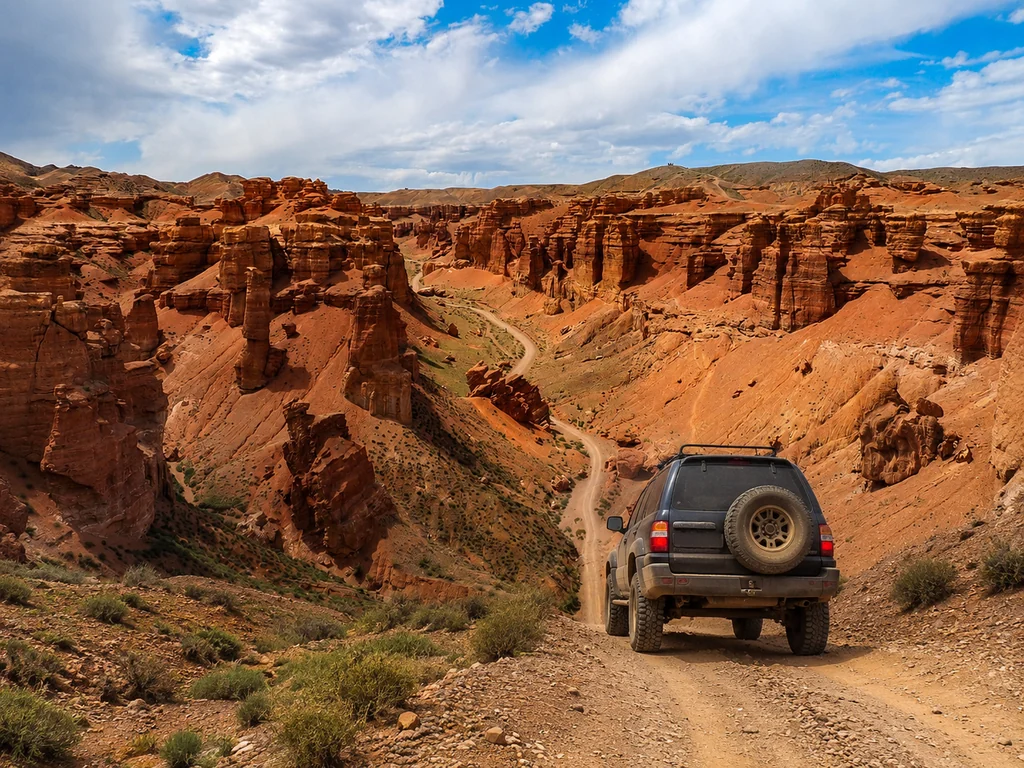
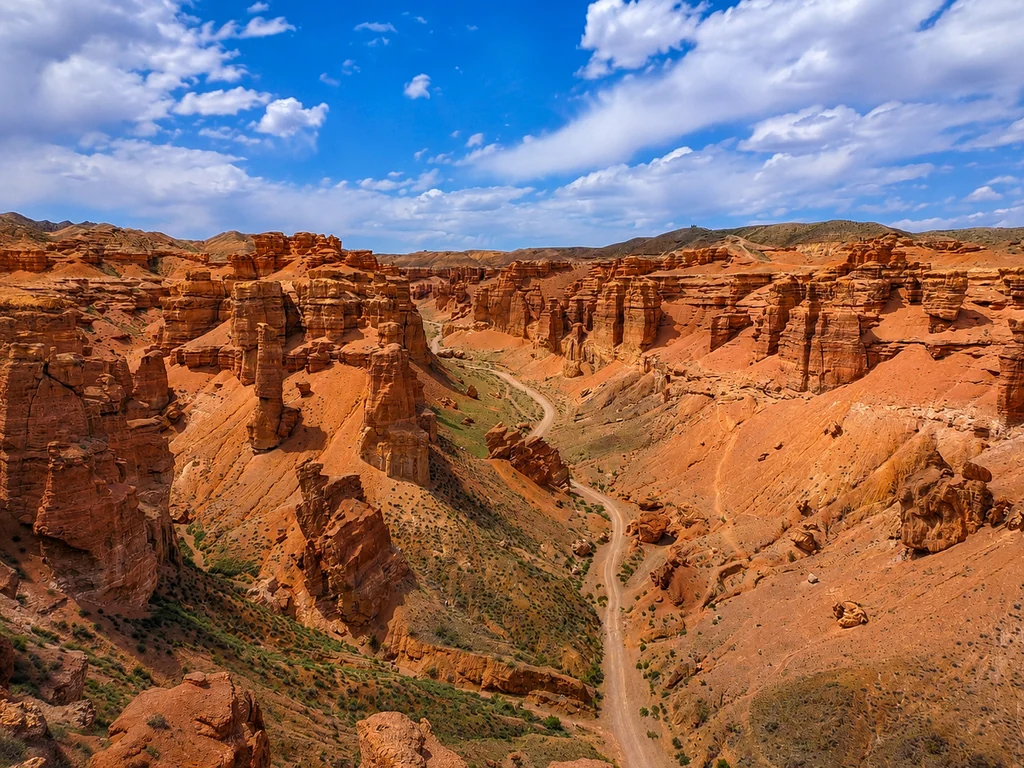
The expedition begins with a drive from Almaty to the village of Karkara or the Inylchek base camp helicopter pad. The drive takes about 4-5 hours, passing through beautiful landscapes and the Charyn Canyon. After a night in a guesthouse, you will board a helicopter for a scenic flight to the base camp.
The base camp is situated on the moraine of the Inylchek glacier, at an altitude of approximately 4,000 meters. It is a bustling tent city during the climbing season, with teams from around the world. Here, you will meet your guides and other team members, and spend a couple of days acclimatizing and sorting gear.
From the base camp, you can see the majestic Khan Tengri and the nearby Pobeda Peak. The surroundings are stark but beautiful, with the glacier stretching out before you. The camp has basic amenities, including a kitchen tent and dining area, but you should be prepared for a rough and basic lifestyle.
Climbing Route
The standard route on Khan Tengri is via the west ridge, which is technically challenging but not overly difficult. The climb involves steep snow and ice slopes, with some sections of rock and mixed climbing. You will ascend through a series of camps, each higher than the last.
From base camp, you climb to Camp 1 at 4,800 meters, located on the glacier. This is a relatively straightforward hike, but you need to be aware of crevasses and follow the marked route. Camp 2 is at 5,400 meters, and the route becomes steeper, with some fixed ropes on the steeper sections.
Camp 3 is situated at around 6,300 meters, and this is where the final summit push begins. The route from Camp 3 to the summit is the most demanding, with steep ice slopes and a narrow ridge. You will need to use your technical skills and be prepared for high-altitude conditions.
Summit Day
Summit day typically starts early, around 2-3 am, to take advantage of the stable morning weather. You will climb in the dark with headlamps, following the route illuminated by the lights of other climbers. The ascent takes about 8-10 hours, depending on conditions and your pace.
The final part of the climb involves a steep snow slope and a rocky section known as the "Marble Wall" (Marmar Wall), which is a distinctive feature of Khan Tengri. This wall is made of marble and is quite exposed, requiring careful footwork. After overcoming this obstacle, you will reach the summit ridge and finally the top.
Standing on the summit of Khan Tengri is an unforgettable experience. You will have panoramic views of the Tian Shan and Pamir ranges, with Pobeda Peak to the south and the vast Inylchek glacier below. After a brief celebration and photos, you must descend to Camp 2 or even Camp 1 to spend the night, as descending all the way to base camp in one day is exhausting.
Safety and Permits
Permits and Border Zone
Climbing Khan Tengri requires special permits due to its proximity to the borders of Kazakhstan, Kyrgyzstan, and China. The mountain is located in a border zone, and you must obtain permission from the relevant authorities. Our expedition company handles the necessary paperwork, but it is important to provide accurate passport information and allow sufficient time for processing.
You will also need a visa for Kazakhstan if your country requires one. Check with the Kazakh embassy in your home country for the latest visa requirements. Additionally, you may need a permit to enter the border zone, which is issued by the Border Guard Service of Kazakhstan.
It is advisable to carry multiple copies of your passport, permits, and visa. At checkpoints, you may be asked to present these documents. Our guides will assist in coordinating with the authorities and ensure that all legal requirements are met.
Risks and Hazards
Climbing Khan Tengri involves inherent risks, including altitude sickness, frostbite, falls, and crevasses. The remote location means that rescue operations are difficult and may take time. Therefore, safety is our top priority, and we take every precaution to minimize risks.
Our guides are experienced high-altitude climbers with first-aid training. They will carry satellite phones and emergency equipment, and they are in constant communication with base camp. In case of an emergency, a helicopter rescue may be possible, but it is dependent on weather and availability.
You should also be aware of the risks of rockfall, especially on the Marble Wall and other rocky sections. Always wear a helmet and follow your guide's instructions. It is crucial to be physically and mentally prepared for the challenges ahead.
Insurance and Emergency Plans
We strongly recommend that you purchase travel insurance that covers high-altitude mountaineering up to 7,000 meters, including helicopter rescue and medical evacuation. This is not included in the expedition price and is your responsibility.
Our team has a comprehensive emergency action plan, which includes communication protocols, evacuation routes, and first-aid procedures. At base camp, there is a medical tent with oxygen and essential medications. If a climber develops severe altitude sickness, they will be evacuated immediately.
It is also important to have a personal emergency contact and to inform them of your itinerary. We will provide you with a detailed schedule and contact information for our office in Almaty, so that your family can reach us in case of any concerns.
Comparison of Our Expedition
What's Included
Our 21-day expedition is designed to provide a comprehensive and safe climbing experience. The price includes all necessary logistics, permits, and professional guidance. Here is a breakdown of what is included:
| Included Services | Details |
|---|
| Professional guides | Experienced IFMGA-certified mountain guides |
| Helicopter transfer | Almaty to base camp and return |
| Accommodation | Tents at base camp and high camps |
| Meals | All meals during the expedition |
| Permits | Border zone and climbing permits |
| Group equipment | Ropes, tents, stoves, communication devices |
The price is 1,977,500 KZT per person. This is a full package, and there are no hidden costs. However, you should budget for personal expenses such as travel insurance, personal gear, and tips for the staff.
What's Not Included
Not included in the price are international flights, accommodation in Almaty before and after the expedition, personal climbing gear, and any additional services. You will also need to pay for your personal expenses, such as snacks and drinks at base camp, which are not covered.
If you need to rent equipment, we can assist with rental arrangements, but the cost is not included. Additionally, any extra nights in Almaty or changes to the itinerary due to weather will be at your own expense.
It is important to read the full terms and conditions before booking. We will provide a detailed list of what is included and what is not, so you can plan your budget accordingly.
Why Choose Our Expedition?
Our expedition stands out due to our experienced team, comprehensive safety measures, and personalized attention. We limit group sizes to ensure a high guide-to-climber ratio and provide individual support throughout the climb.
We also offer flexible dates within the July-August season, allowing you to choose the best time for your schedule. Our logistics are well-organized, and we have a strong track record of successful summits.
For any additional services, such as extra accommodation or equipment rental, we can arrange them at an additional cost. We are committed to making your expedition as smooth and enjoyable as possible.
Conclusion and Final Tips
Preparing for the Adventure
Climbing Khan Tengri is a serious undertaking that requires thorough preparation. Start your physical training early, acquire the necessary gear, and gain experience on lower mountains before attempting this peak. Mentally, you must be prepared for the challenges of high altitude and the possibility of not reaching the summit due to weather or other factors.
It is also essential to have a positive attitude and be flexible. Weather conditions can change rapidly, and your guides may alter the plan for safety reasons. Trust their expertise and focus on your own performance.
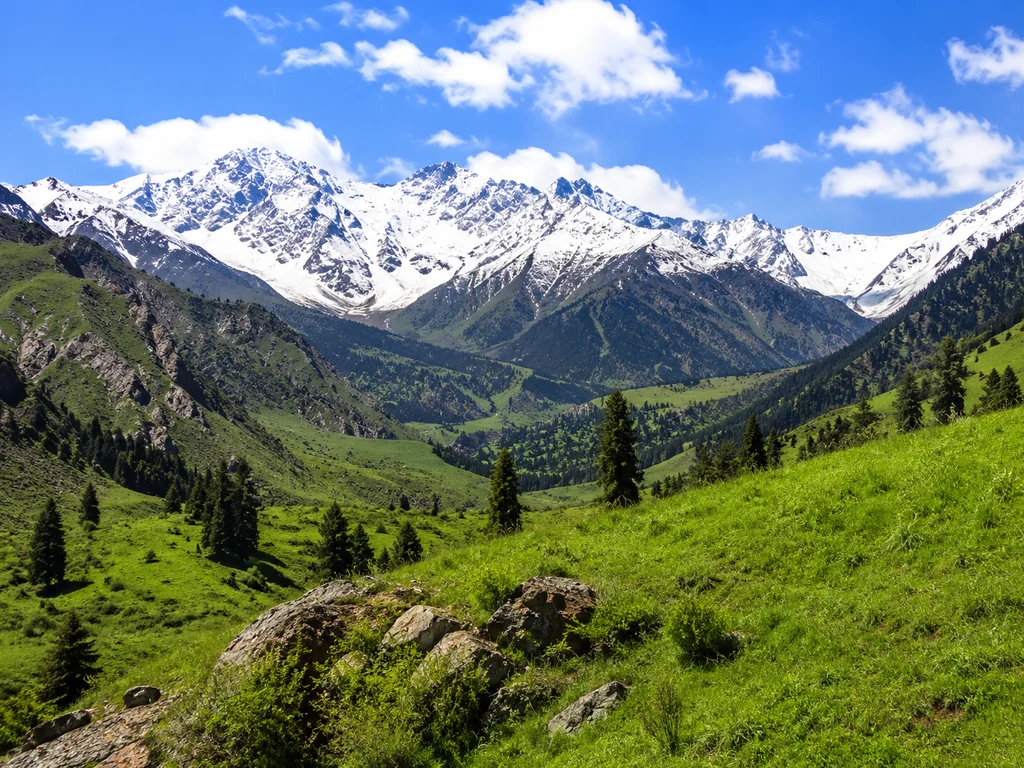
Finally, take time to enjoy the beauty of the Tian Shan. The region is stunning, with pristine glaciers and dramatic peaks. The sense of achievement when you stand on top of Khan Tengri is indescribable, but the journey itself is equally rewarding.
Packing and Logistics
Before you leave for Almaty, double-check your packing list to ensure you have everything you need. Remember that you will be carrying your personal gear, so keep it as light as possible. Every kilogram counts at high altitude.
Arrive in Almaty a day or two before the expedition to acclimatize to the city's altitude (around 800 meters) and to attend the pre-expedition briefing. We will conduct a gear check and answer any last-minute questions.
During the expedition, stay hydrated and eat well. Your body needs fuel to perform at high altitudes. Listen to your body and communicate any symptoms of altitude sickness to your guide immediately.
Booking and Contact
If you are ready to take on this challenge, please contact us for booking and availability. We recommend reserving your spot well in advance, as the season is short and places are limited.
For any additional questions about the expedition, including specific requirements and restrictions, feel free to reach out. We are here to help you prepare for a safe and successful climb.
Remember, this is a once-in-a-lifetime adventure. With the right preparation and a reliable team, you can conquer Khan Tengri and create memories that will last forever.










 Hardcore