Discover the Best Two-Day Tours from Almaty
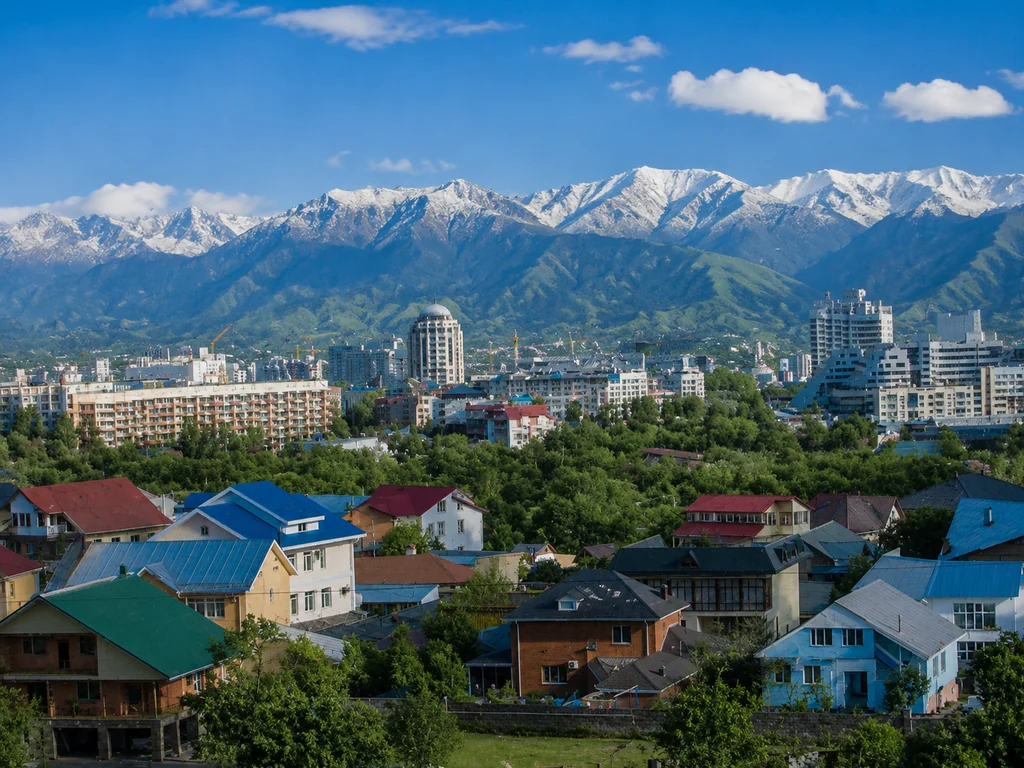
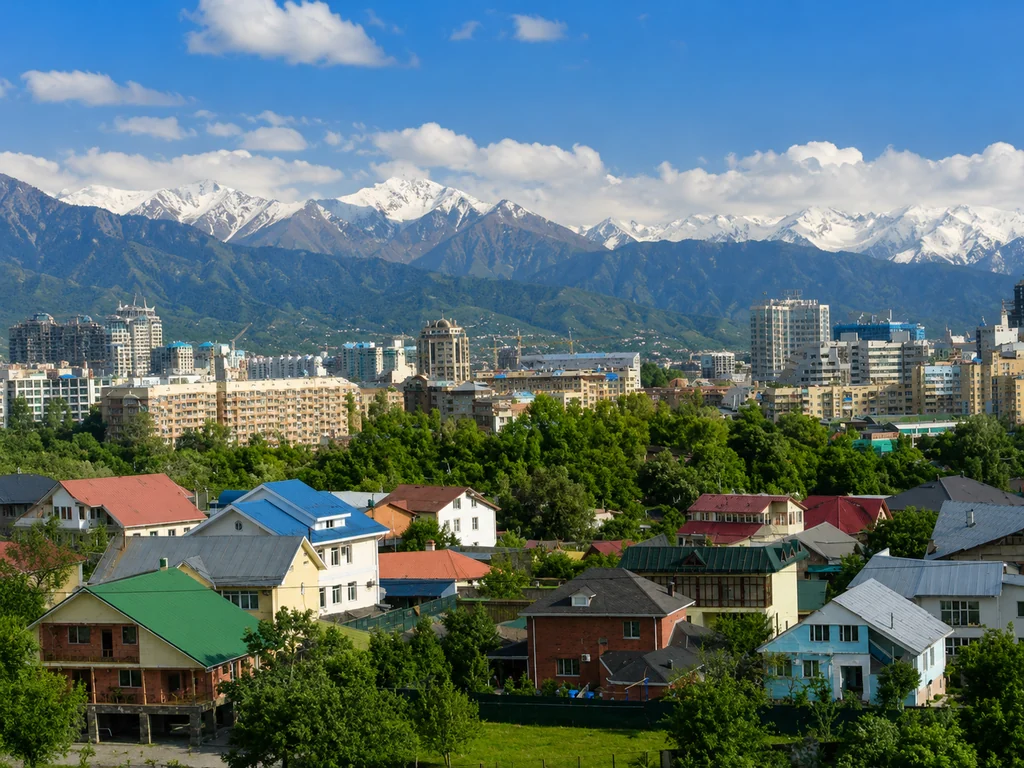
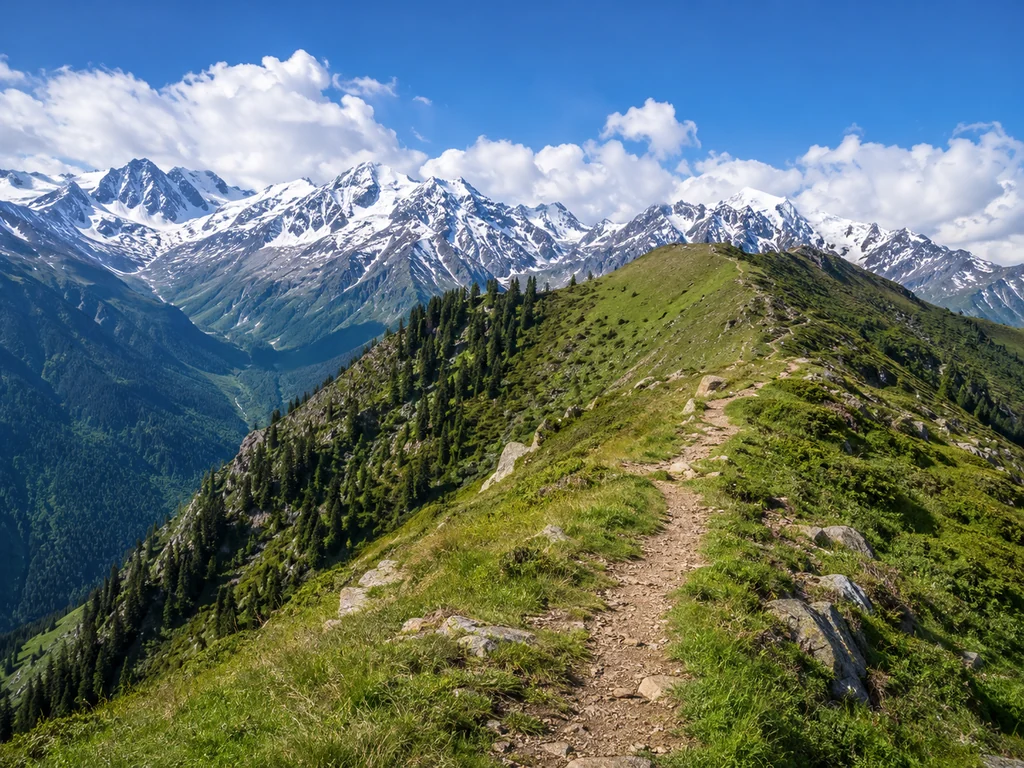
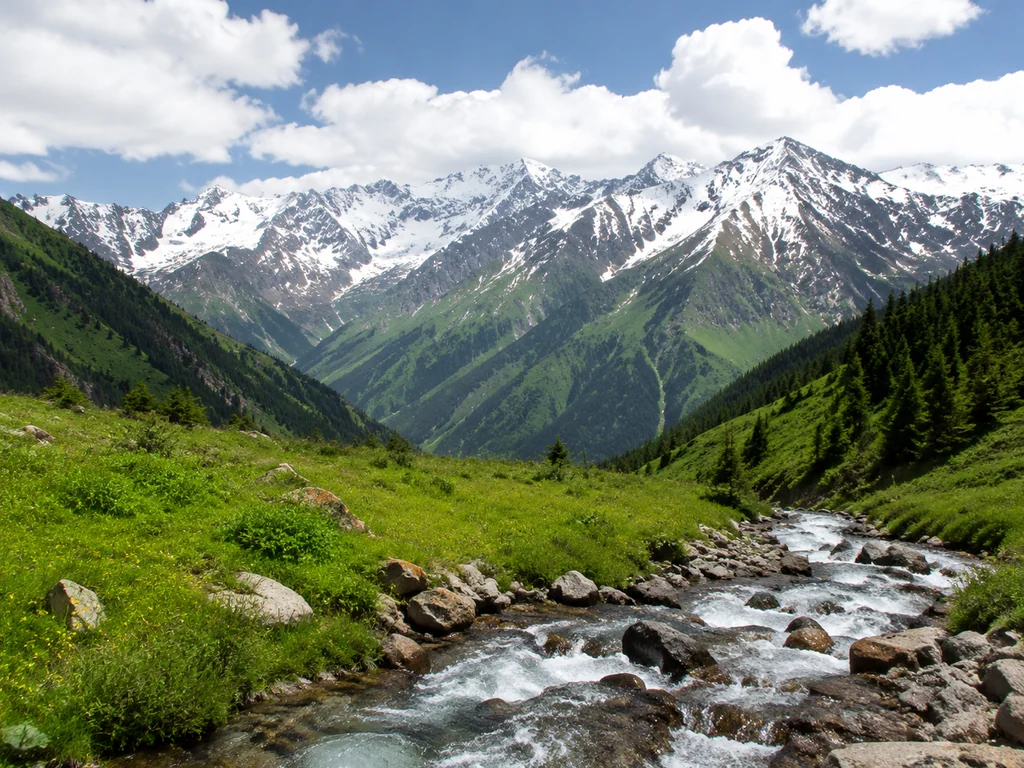
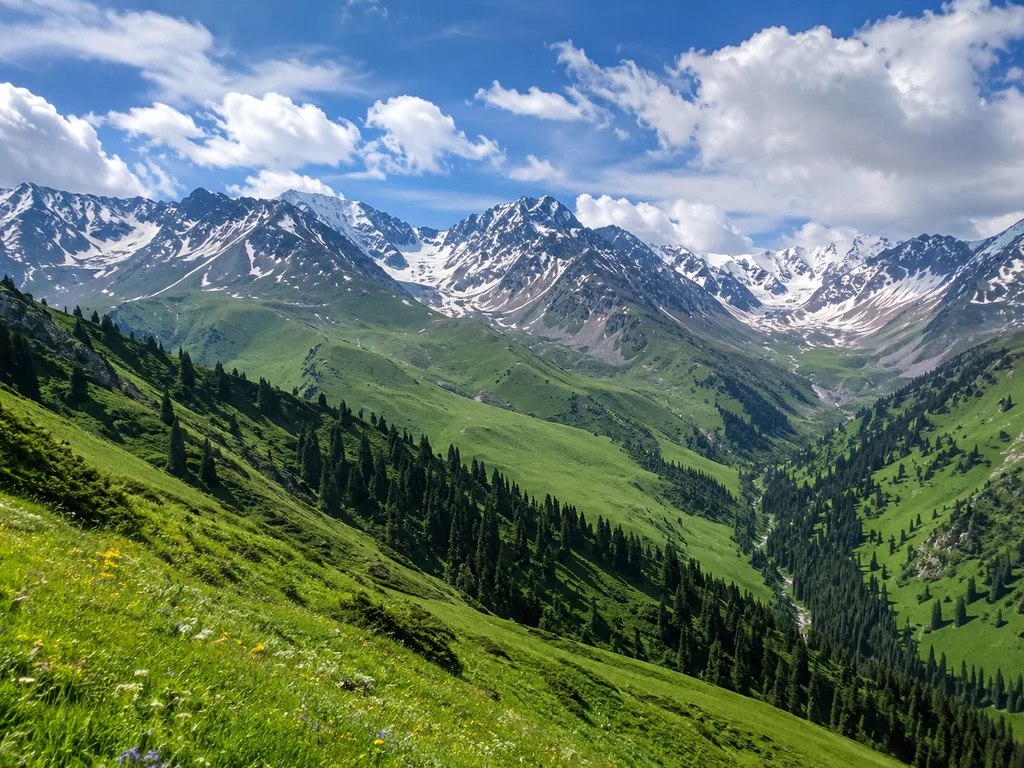
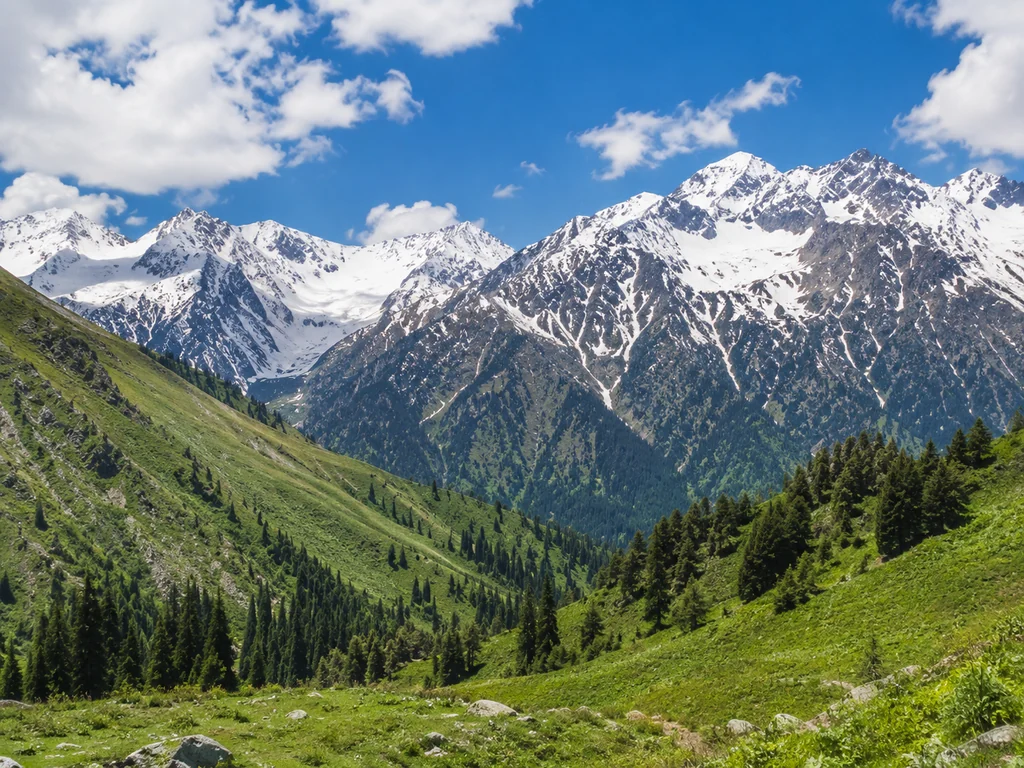
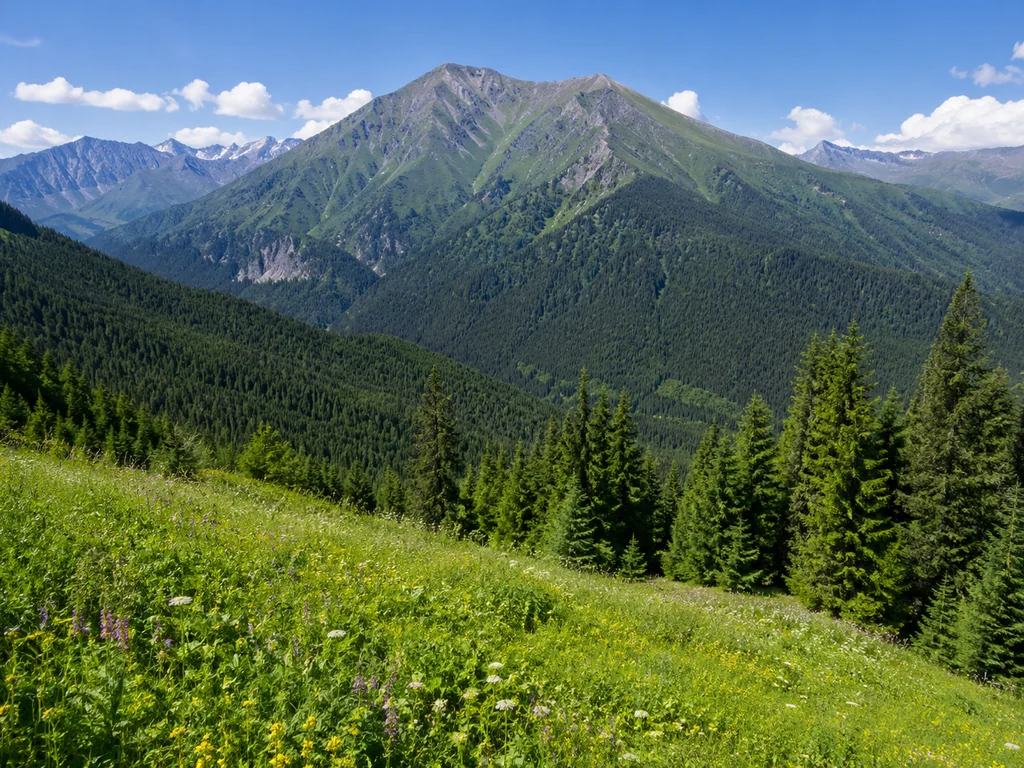
Almaty, the largest city in Kazakhstan, is surrounded by stunning natural landscapes, from the majestic Tian Shan mountains to vast steppes and ancient canyons. Two-day tours are the perfect way to escape the city and immerse yourself in the region's beauty without taking too much time off. Whether you're seeking adventure, relaxation, or cultural experiences, there's a tour for everyone.
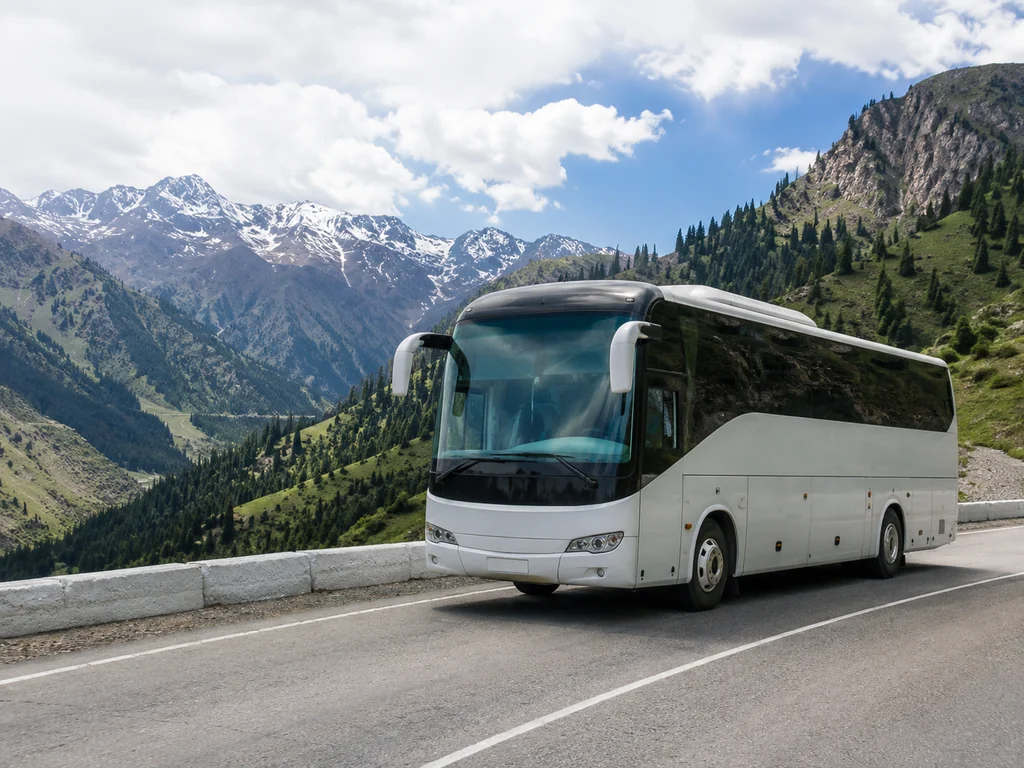
Our carefully curated selection of two-day tours covers the most iconic destinations around Almaty. Each tour is designed to offer a unique experience, with comfortable transportation and well-planned itineraries. From the turquoise lakes of Kolsai and the surreal sunken forest of Kaindy to the dramatic Charyn Canyon and the historic sites of Turkestan, these tours showcase the diversity of Kazakhstan's natural and cultural heritage.
In this article, we'll provide an overview of each tour, including what to expect, how to prepare, and what makes each destination special. We'll also include practical tips on what to pack, physical requirements, and the best times to go. Whether you're a first-time visitor or a seasoned traveler, these two-day tours offer unforgettable experiences.
Tour Highlights and Detailed Itineraries
Kolsai Lakes and Kaindy: A Journey to Alpine Lakes
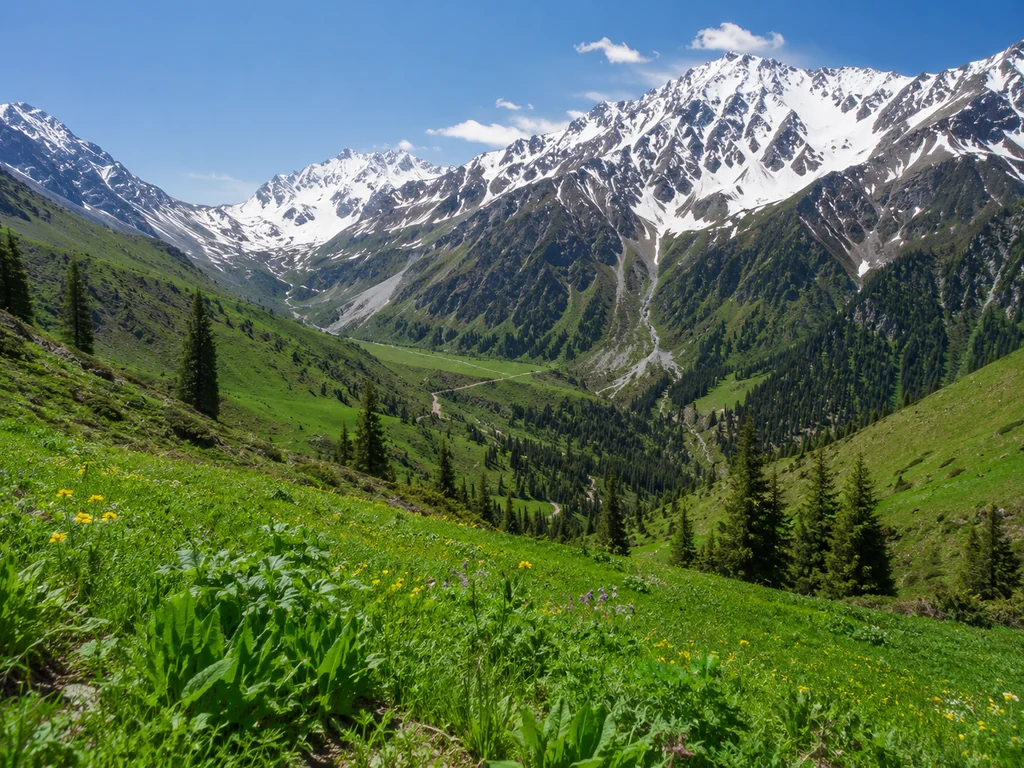
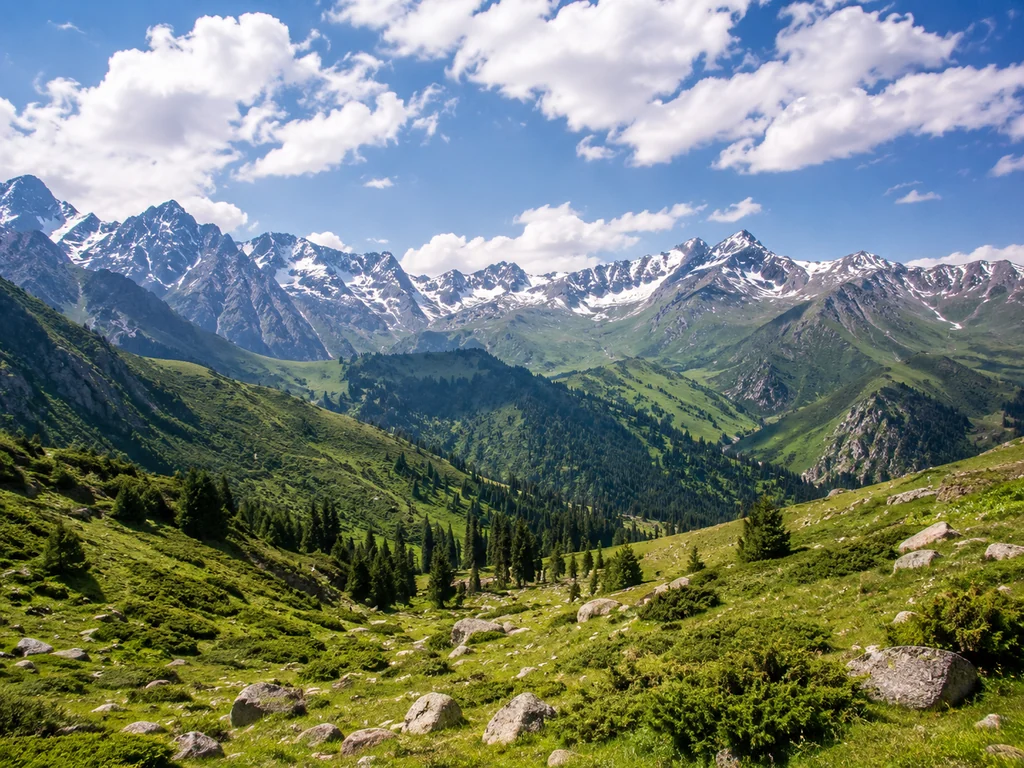
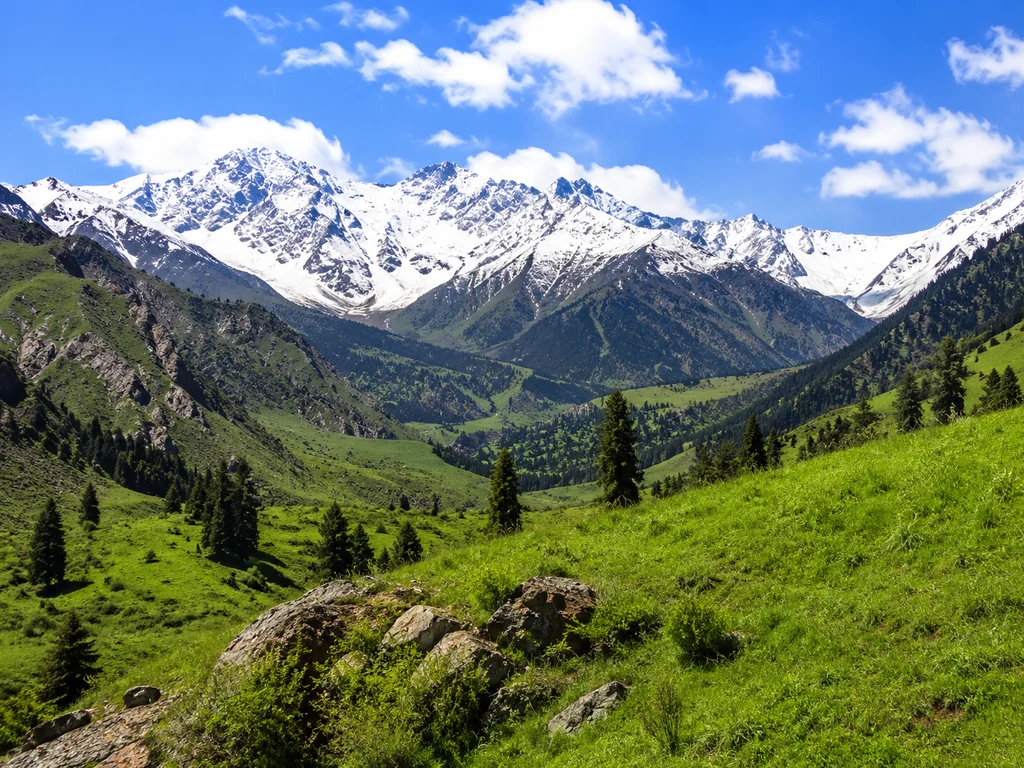
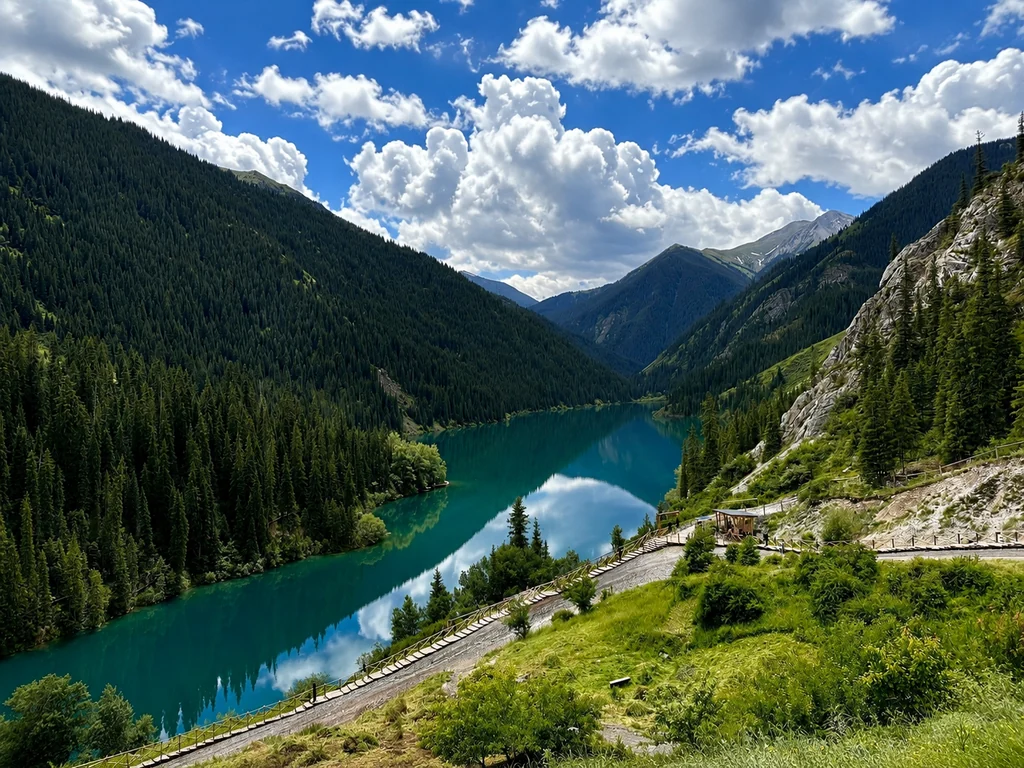
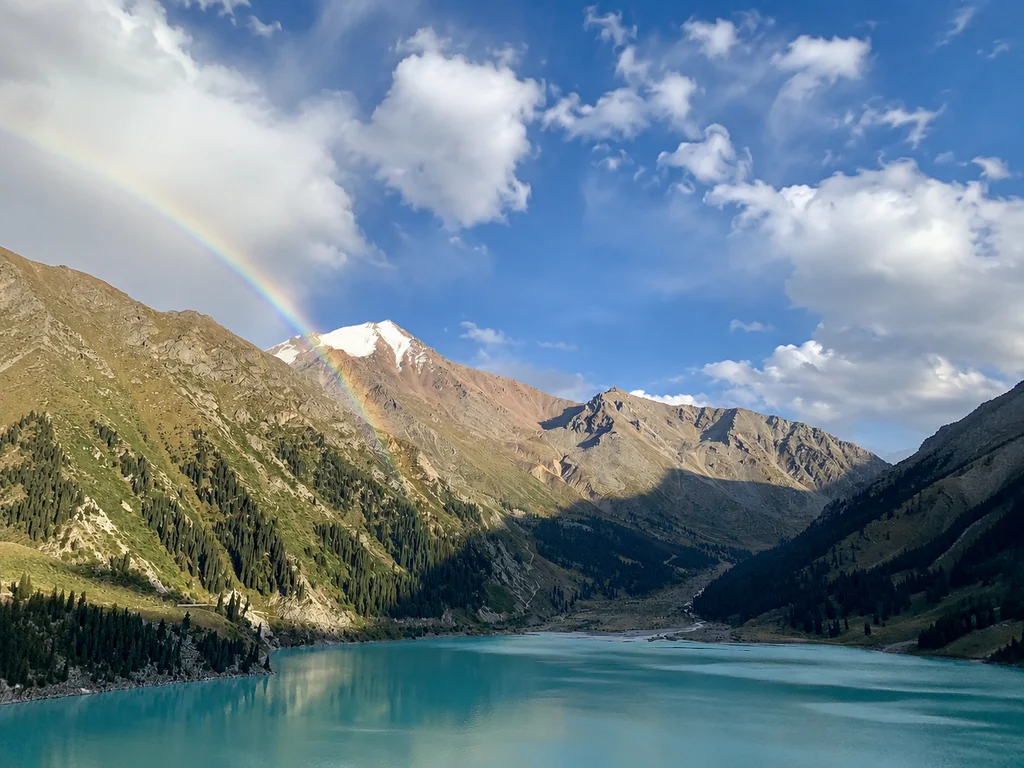
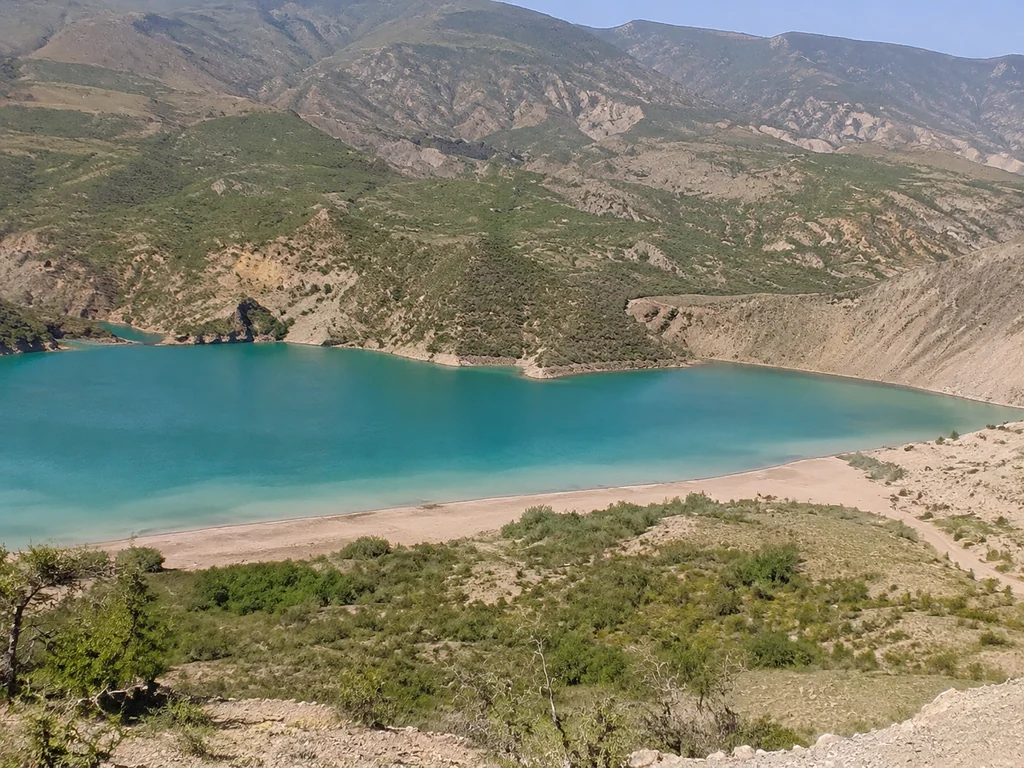
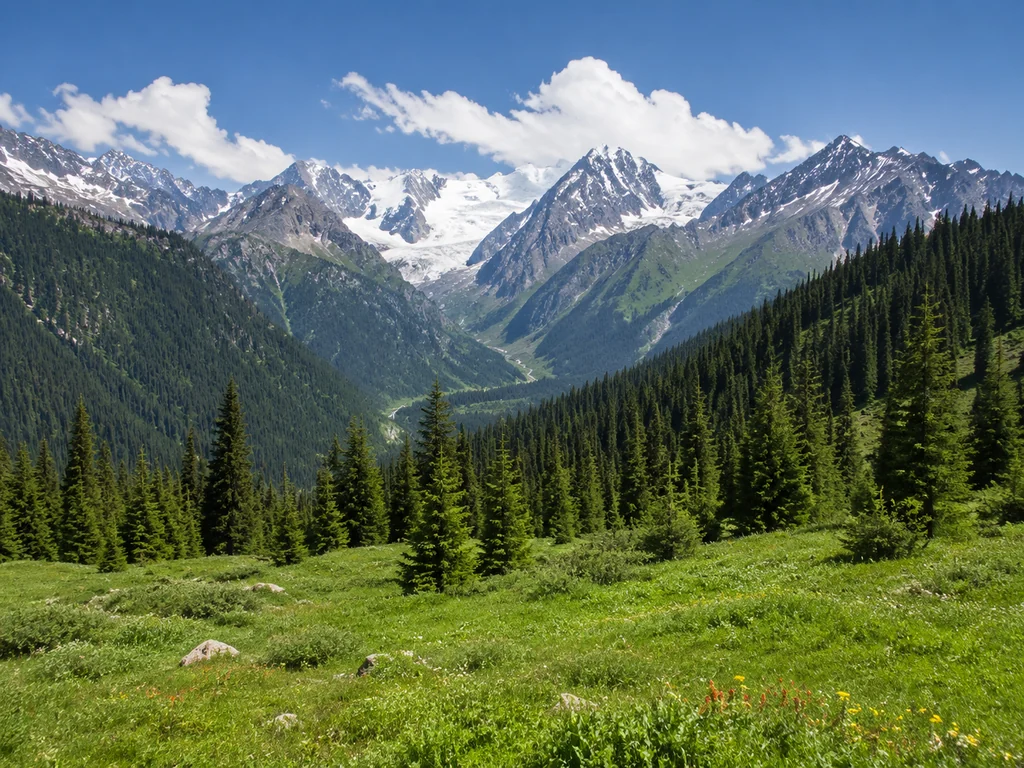
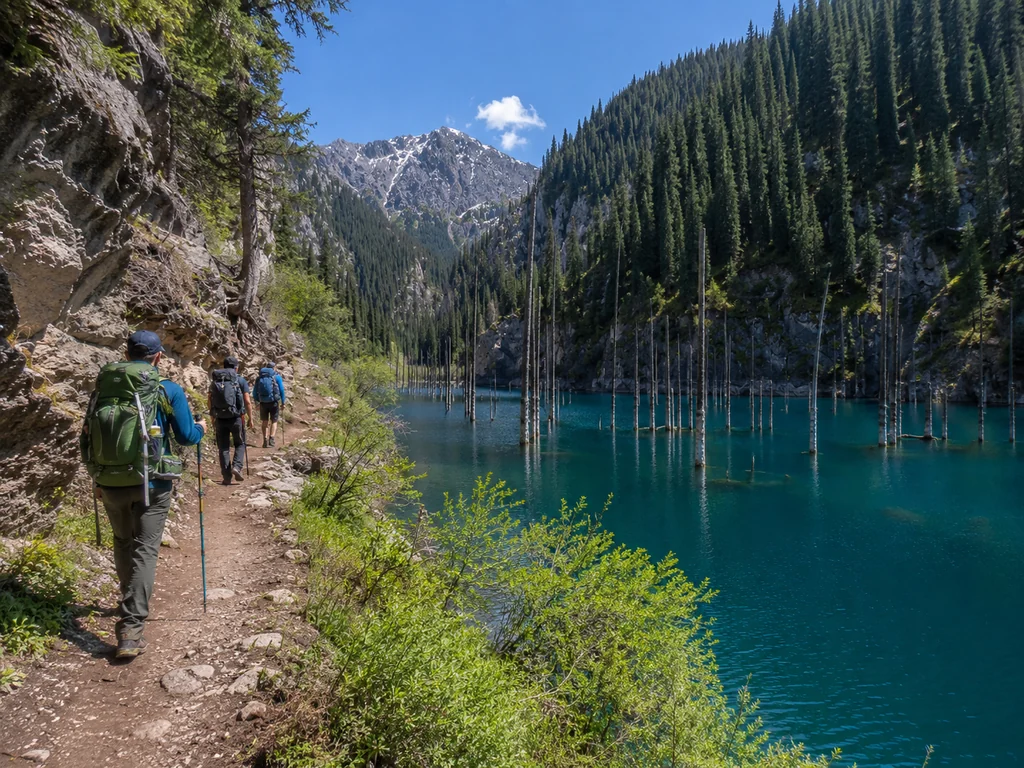
The Kolsai Lakes are a series of three alpine lakes located in the northern Tian Shan mountains, about 300 kilometers southeast of Almaty. The lakes are known for their stunning turquoise waters, surrounded by spruce forests and snow-capped peaks. The first lake, located at an altitude of about 1,800 meters, is accessible by car, while the second and third lakes require hiking.
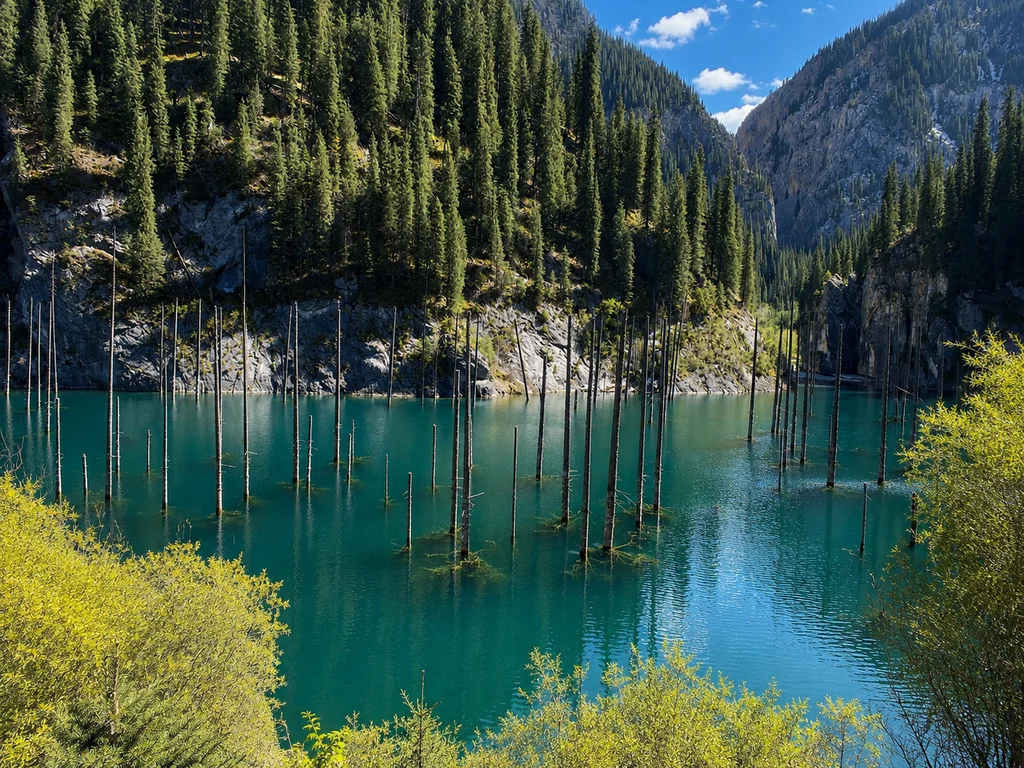
Kaindy Lake, located about 30 kilometers from the Kolsai Lakes, is famous for its submerged forest. The lake was formed after an earthquake in 1911, which created a natural dam, flooding the valley and leaving the spruce trees standing in the water. The clear water allows you to see the trunks of the trees below the surface, creating a surreal and enchanting sight.
This two-day tour typically starts early in the morning from Almaty, with a drive of about 4-5 hours to the Kolsai Lakes region. On the first day, you'll explore the lakes, perhaps hiking to the second lake, and then spend the night at a guesthouse or camp near the first lake. On the second day, you'll visit Kaindy Lake and have time for a short hike before returning to Almaty in the evening.
Physical fitness is required for the hikes, which can be moderate in difficulty. The altitude may affect some people, so it's important to acclimatize and stay hydrated. The best time to visit is from May to October, when the weather is mild and the roads are accessible. In winter, the area is covered in snow, and the lakes may be frozen, but the scenery is still beautiful.
Charyn Canyon and Hot Springs: A Weekend of Contrasts
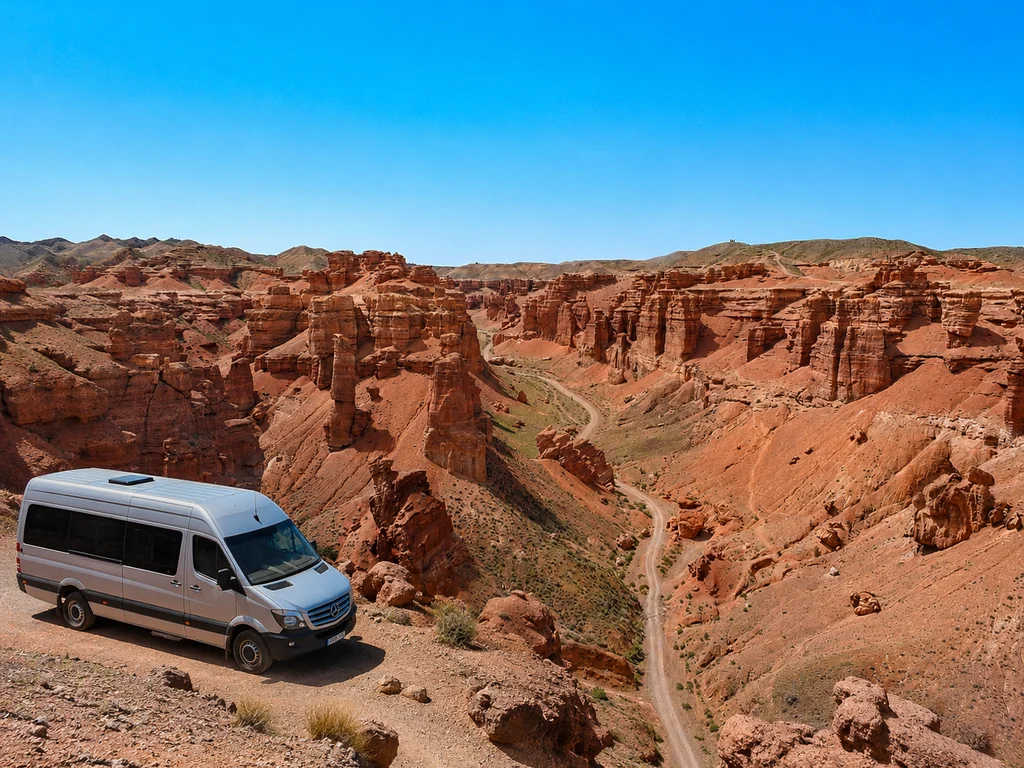
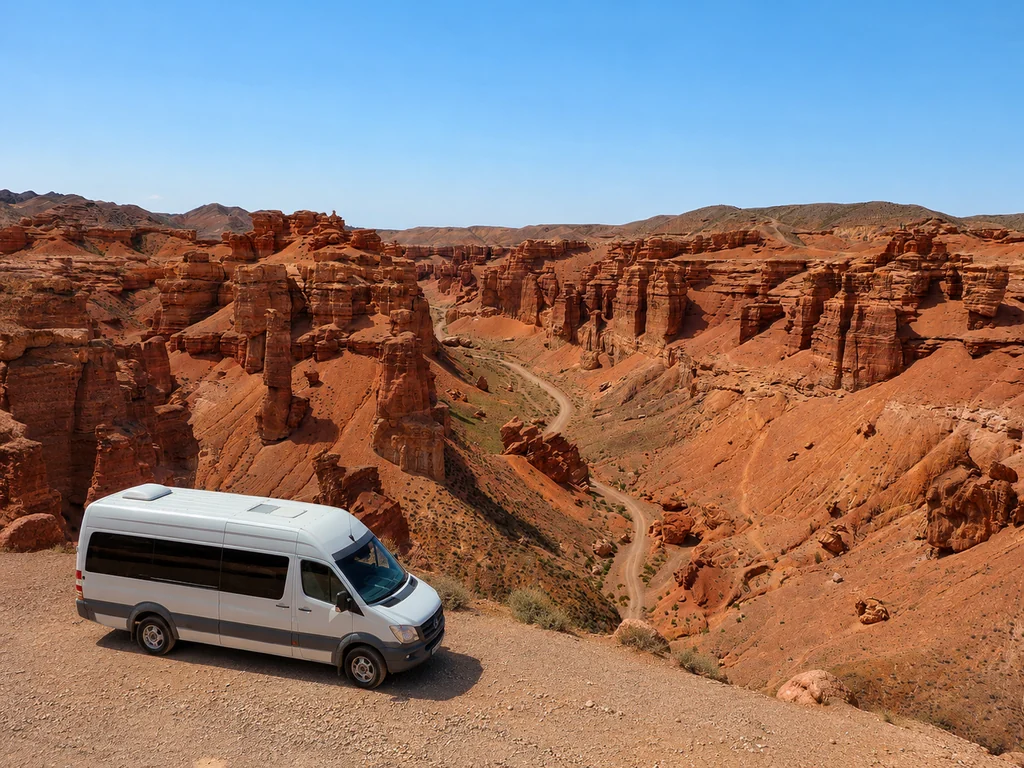
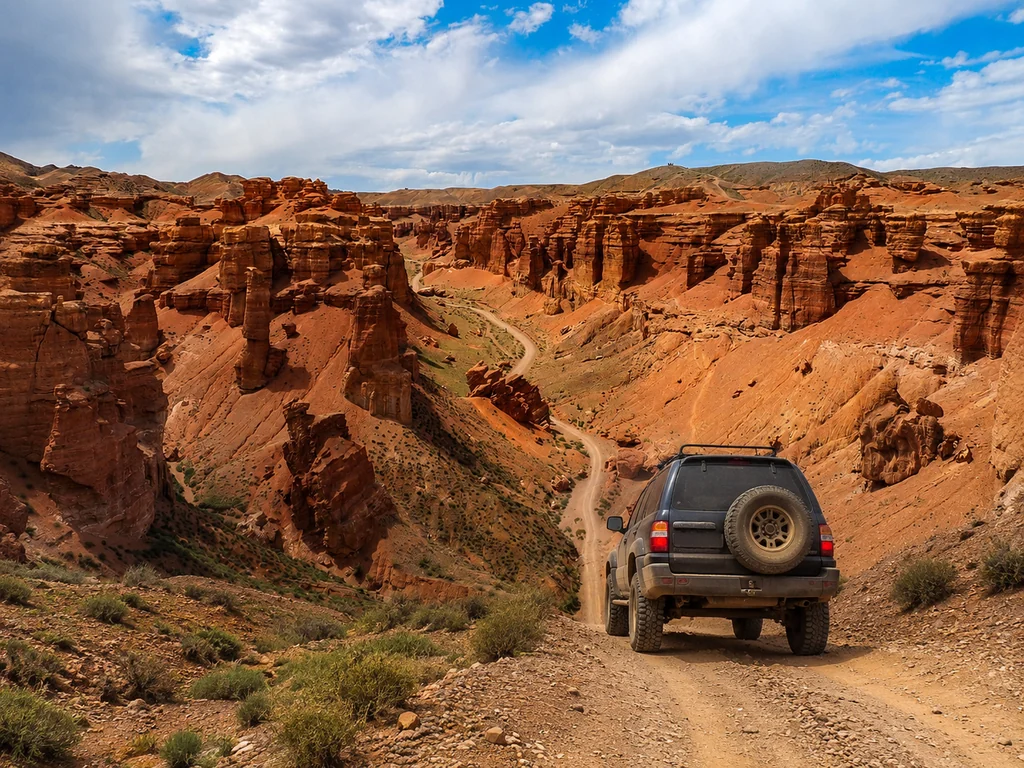
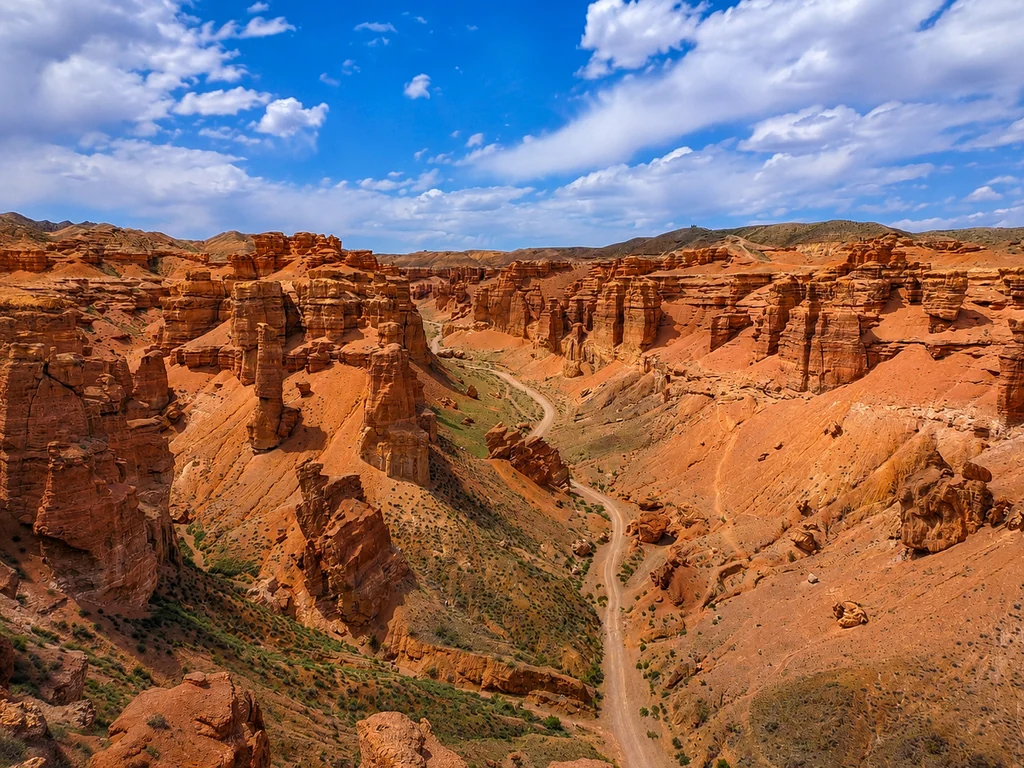
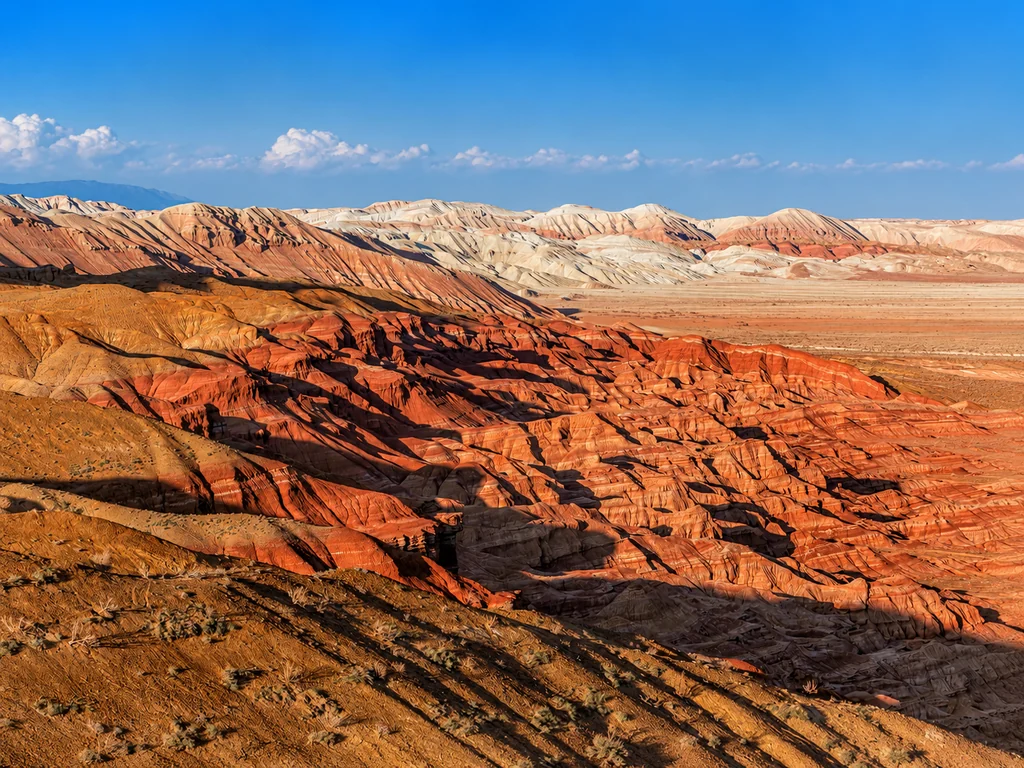
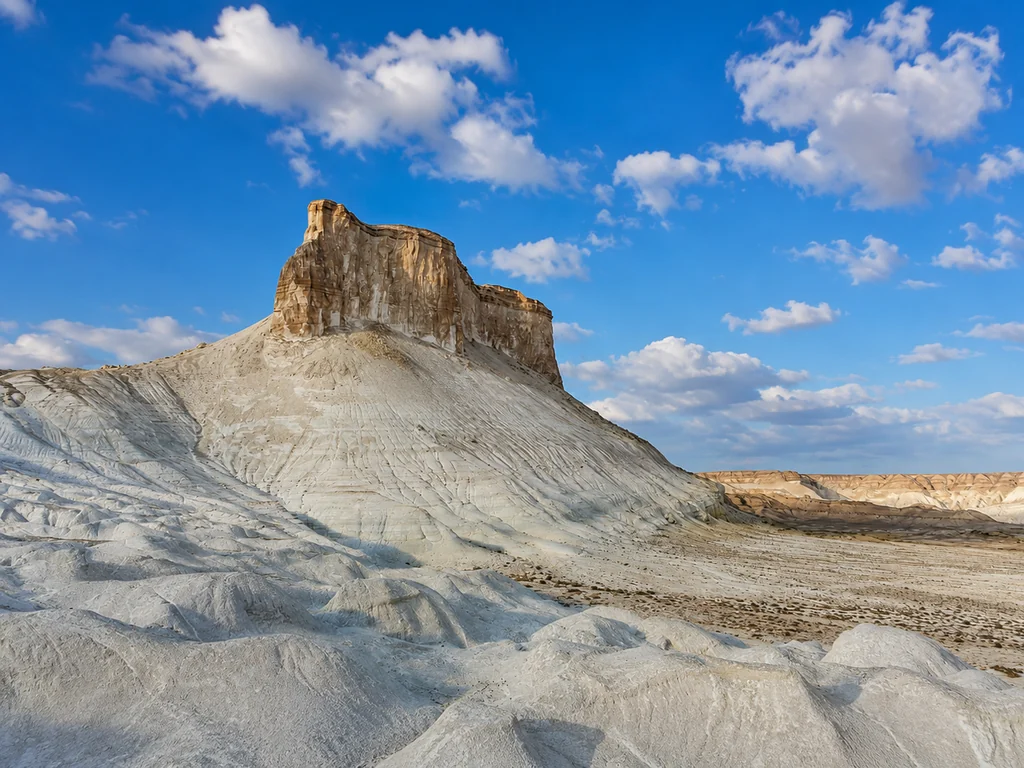
Charyn Canyon, often called the 'Grand Canyon's little brother,' is a spectacular canyon carved by the Charyn River over millions of years. Located about 200 kilometers east of Almaty, the canyon is up to 300 meters deep and stretches for 154 kilometers. The most famous part is the Valley of Castles, where you can see unique rock formations and vibrant colors.
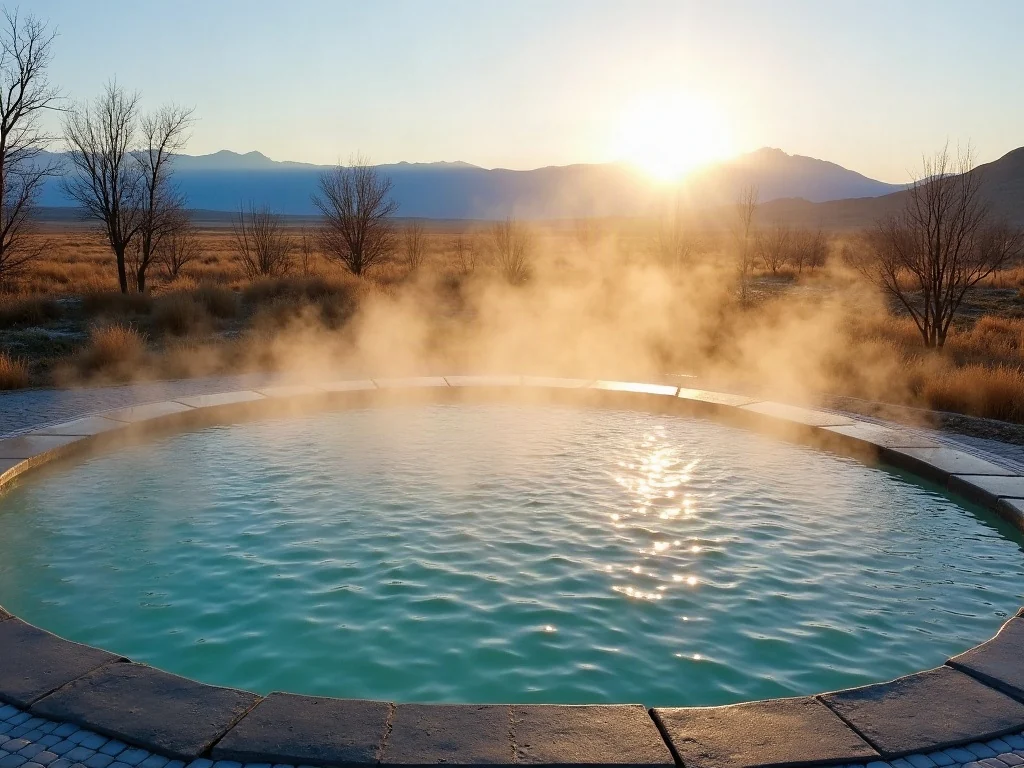
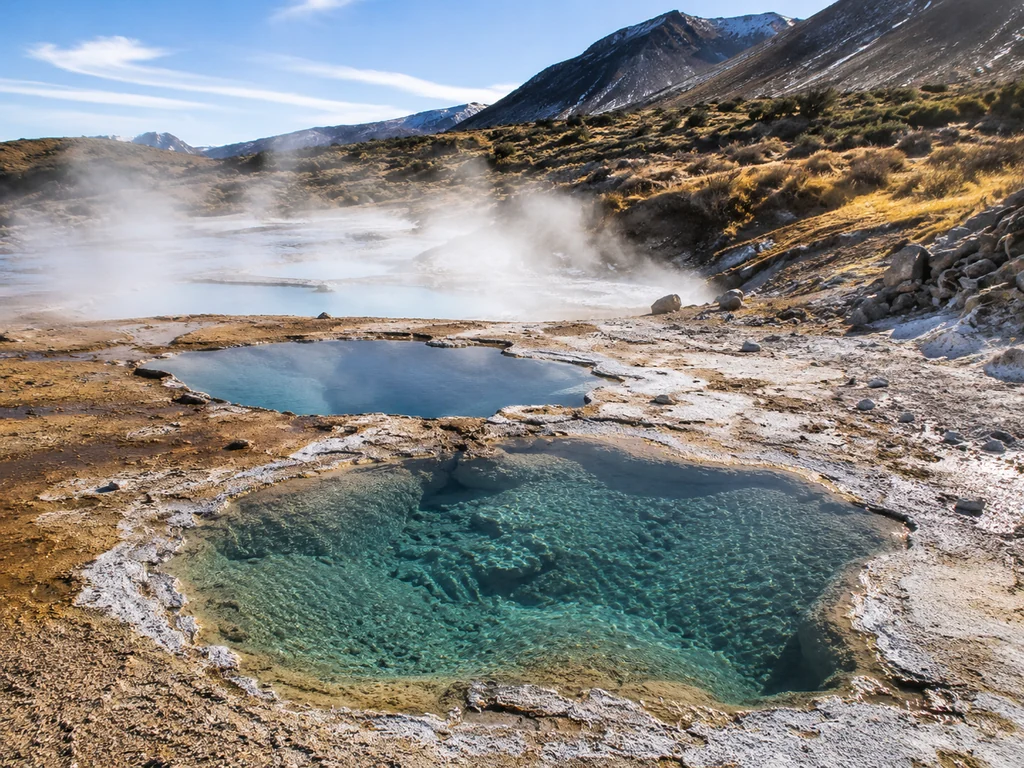
This tour combines the dramatic landscapes of Charyn Canyon with the relaxation of natural hot springs. The hot springs, located near the village of Chundzha, are known for their therapeutic properties, with water temperatures reaching up to 45°C. The contrast between the rugged canyon and the soothing thermal waters makes for a perfect weekend getaway.
On the first day, you'll drive to Charyn Canyon, spend the afternoon exploring the Valley of Castles and other viewpoints, and then continue to the hot springs area. You'll stay overnight at a resort or guesthouse near the springs. The second day is dedicated to enjoying the hot springs and the surrounding area, with a return to Almaty in the late afternoon.
This tour is suitable for most people, as the walking in the canyon is not very demanding, and the hot springs offer a relaxing break. The best time to visit is from April to October, when the weather is pleasant. In summer, the canyon can be very hot, so it's advisable to bring sunscreen and a hat.
Charyn and Black Canyon: Adventure with a Night Under the Stars
This tour takes you beyond the main tourist spots to explore the less-known Black Canyon, a dramatic gorge that is part of the Charyn River system. The Black Canyon is narrower and steeper than the main Charyn Canyon, offering a more intimate encounter with nature.
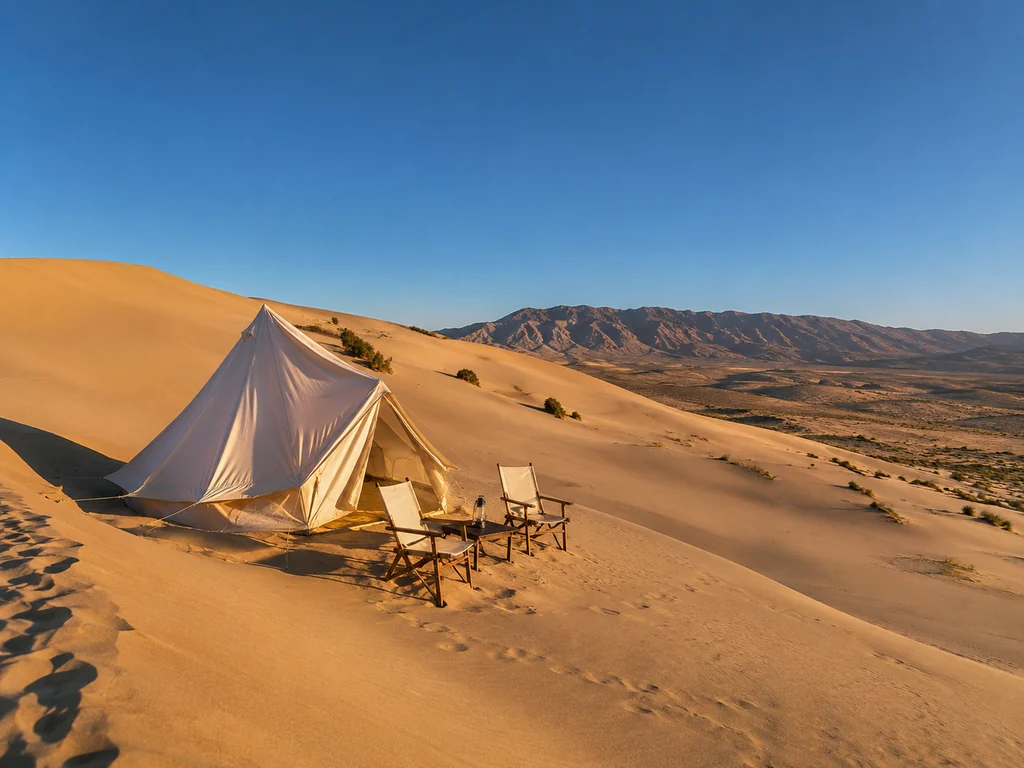
The tour is designed for those who enjoy camping and the outdoors. You'll travel in a comfortable off-road vehicle, as some parts of the route are rugged. On the first day, you'll explore the Charyn Canyon, including the Valley of Castles, and then drive to a campsite near the Black Canyon. You'll spend the night in tents under a canopy of stars.
The second day is devoted to hiking and exploring the Black Canyon, with its sheer cliffs and the turquoise waters of the Charyn River. After a picnic lunch, you'll begin the journey back to Almaty, arriving in the evening.
This tour is more adventurous and requires a reasonable level of fitness. Camping gear is provided, but you should bring warm clothing for the night, as temperatures can drop significantly. The best time is from May to September, when the weather is stable and the nights are not too cold.
Cultural and Historical Tours
Baikonur Cosmodrome: A Journey into Space History
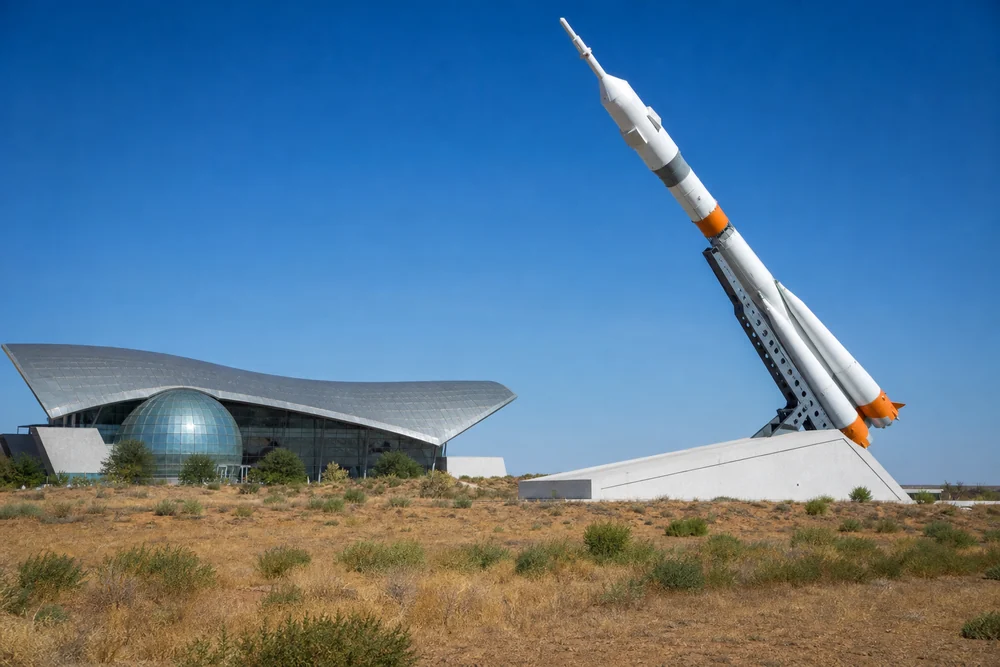
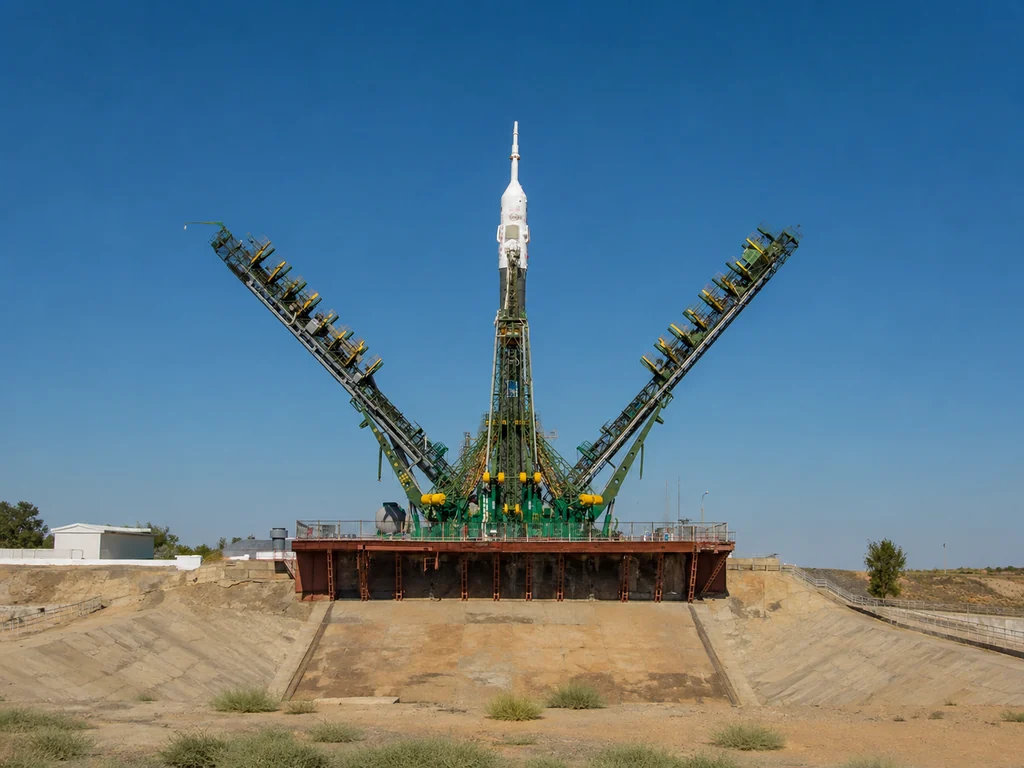
Baikonur, located in the Kyzylorda region of Kazakhstan, is the world's first and largest space launch facility. It is from here that Yuri Gagarin made history as the first human in space in 1961. Today, Baikonur remains an active spaceport, with regular launches of Russian spacecraft.
This two-day tour offers a rare opportunity to visit the Baikonur Cosmodrome, which is usually closed to the public. The tour includes visits to the museum of cosmonautics, where you can see spacecraft and memorabilia, and the house where Yuri Gagarin stayed before his flight. You'll also have the chance to see the launch pad from where rockets are sent into space.
The tour is scheduled according to launch dates, as the site is most accessible when there is a launch. The journey from Almaty to Baikonur takes about 10 hours by car, so the tour involves a long drive. You'll spend the night in Baikonur or nearby, and the second day is dedicated to exploring the cosmodrome and its surroundings.
This tour is ideal for space enthusiasts and history buffs. It's important to note that Baikonur is in a restricted area, and permits are required. Our team will handle the necessary permissions, but you'll need to provide your passport details at the time of booking. The best time to visit is during a scheduled launch, which can occur at any time of the year.
Turkestan: The Spiritual Heart of Kazakhstan
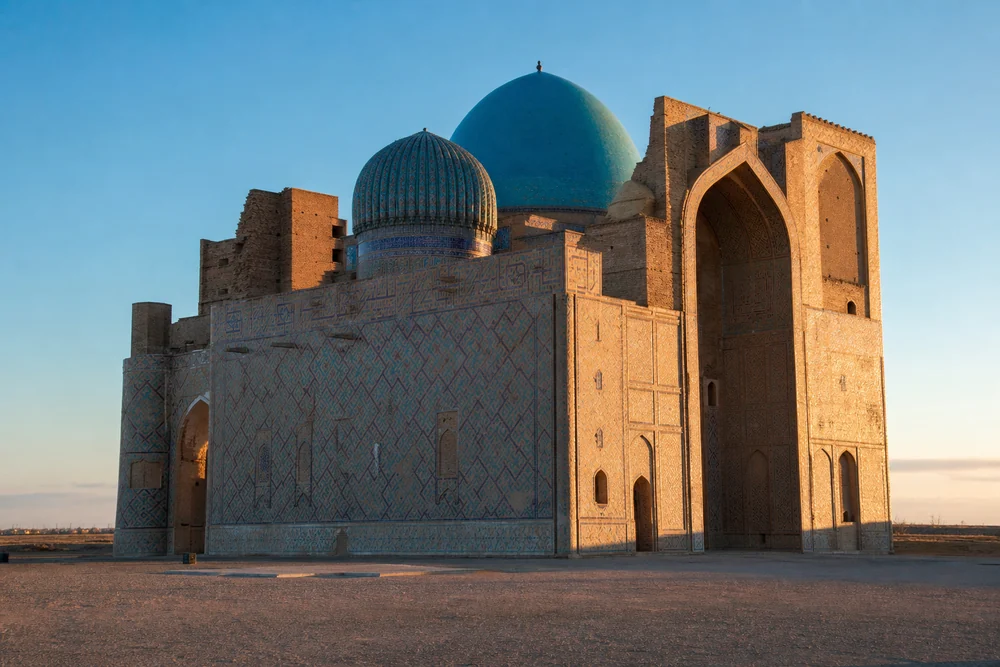
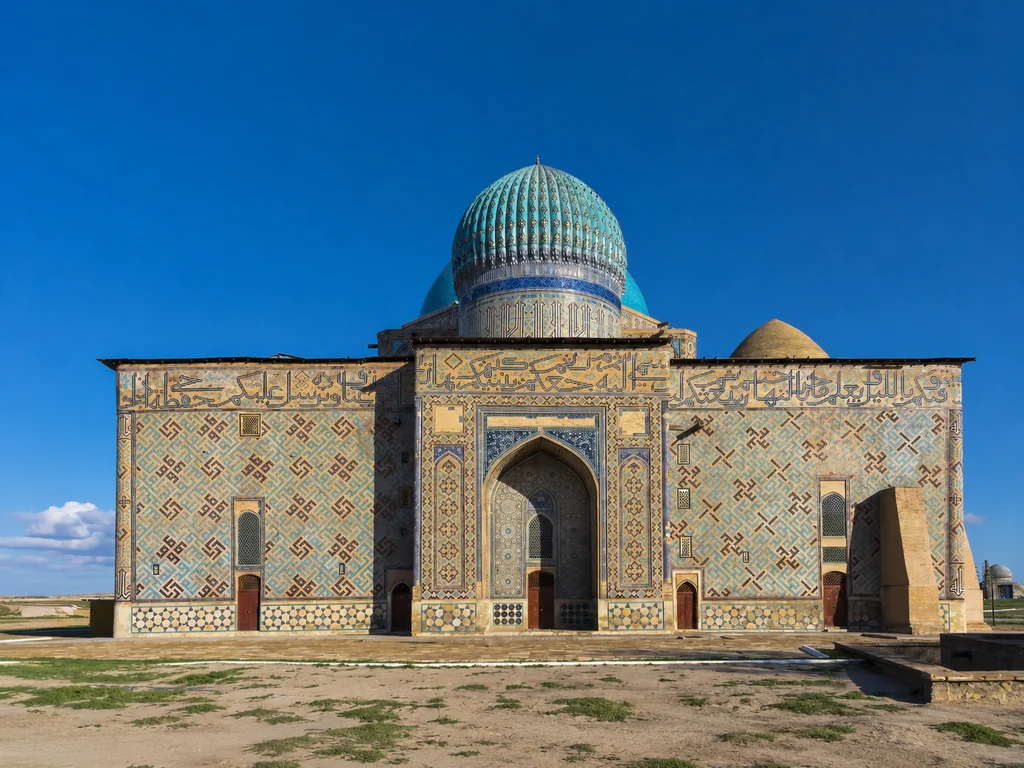
Turkestan, a city in southern Kazakhstan, is one of the most important historical and religious sites in the country. The city is home to the Mausoleum of Khoja Ahmed Yasawi, a UNESCO World Heritage Site and a masterpiece of Timurid architecture. The mausoleum, built in the 14th century, is a pilgrimage site for Muslims and a symbol of Kazakhstan's rich cultural heritage.
This two-day tour takes you to Turkestan, located about 1,000 kilometers west of Almaty. The journey takes about 12 hours by car, so the tour includes an overnight stay in Turkestan. On the first day, you'll visit the Mausoleum of Khoja Ahmed Yasawi and the surrounding historical complex, including the bathhouse and the underground mosque. You'll also have time to explore the old city and its bazaars.
The second day is spent visiting the Mausoleum of Arystan Bab, a revered Sufi saint, located about 60 kilometers from Turkestan. After the visit, you'll begin the return journey to Almaty, arriving late in the evening.
This tour is suitable for those interested in history, architecture, and religion. It's a long trip, but the cultural significance of Turkestan makes it worthwhile. The best time to visit is from April to October, when the weather is mild, but the site is open year-round.
Adventure and Wildlife Tours
Altyn-Emel National Park: The Singing Dune
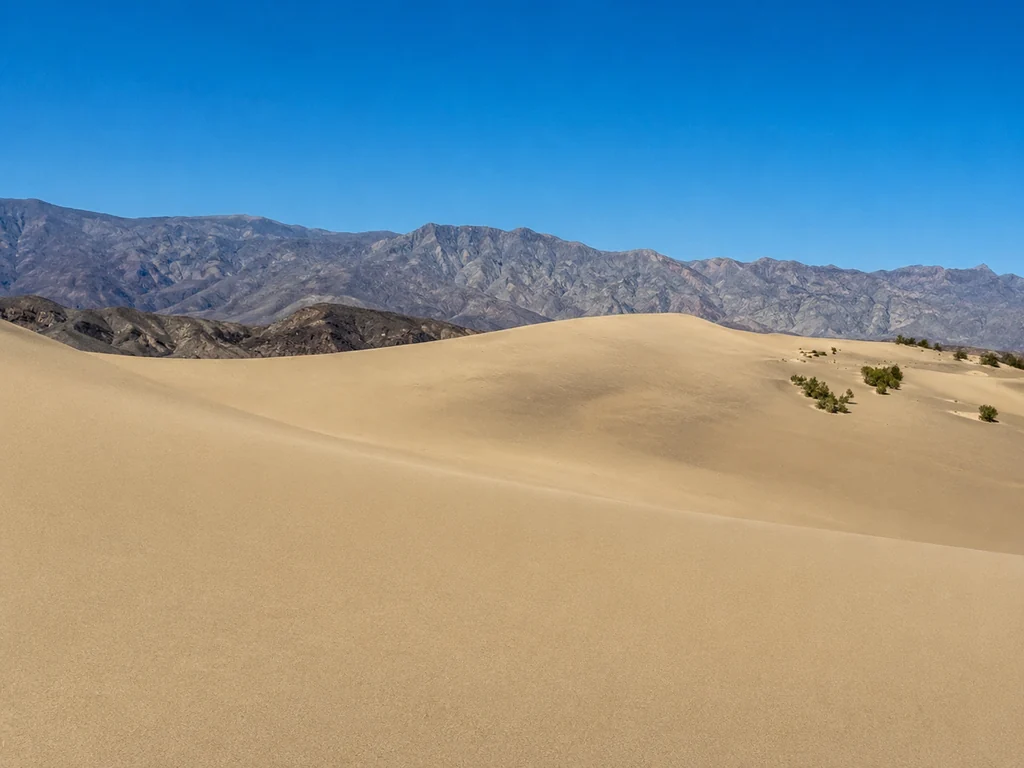
Altyn-Emel National Park, located about 150 kilometers north of Almaty, is a vast protected area known for its unique landscapes and wildlife. The park is home to the famous Singing Dune, a 150-meter-high sand dune that emits a low humming sound when the wind blows. The sound is caused by the friction of sand grains and can be heard for several kilometers.
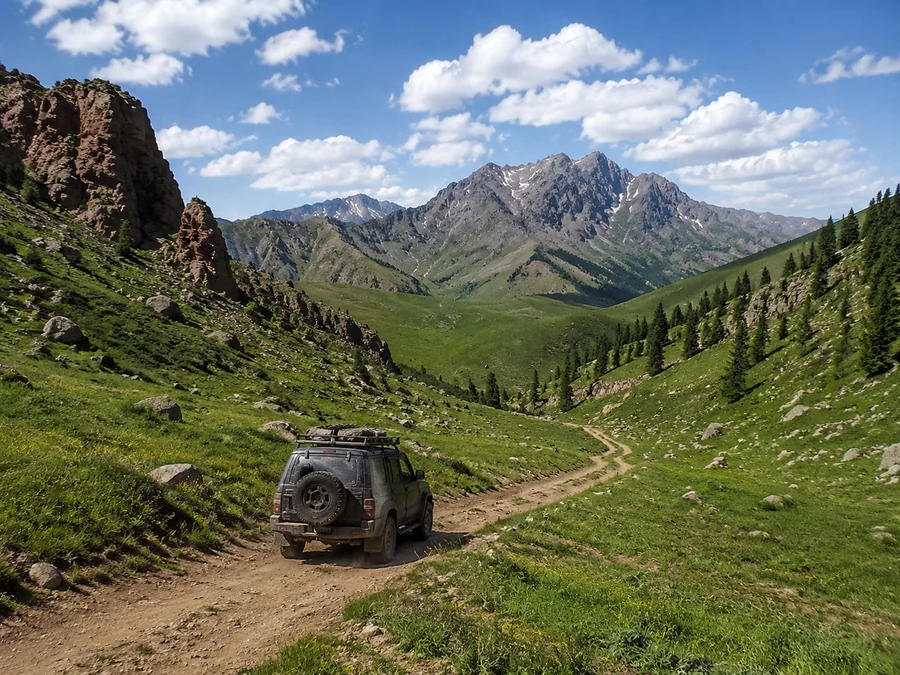
This two-day jeep tour takes you through the park, with stops at the Singing Dune, the ancient petroglyphs of Tanbaly, and the shores of the Kapchagai Reservoir. You'll also have the opportunity to see wildlife such as wild asses, goitered gazelles, and if you're lucky, the rare snow leopard.
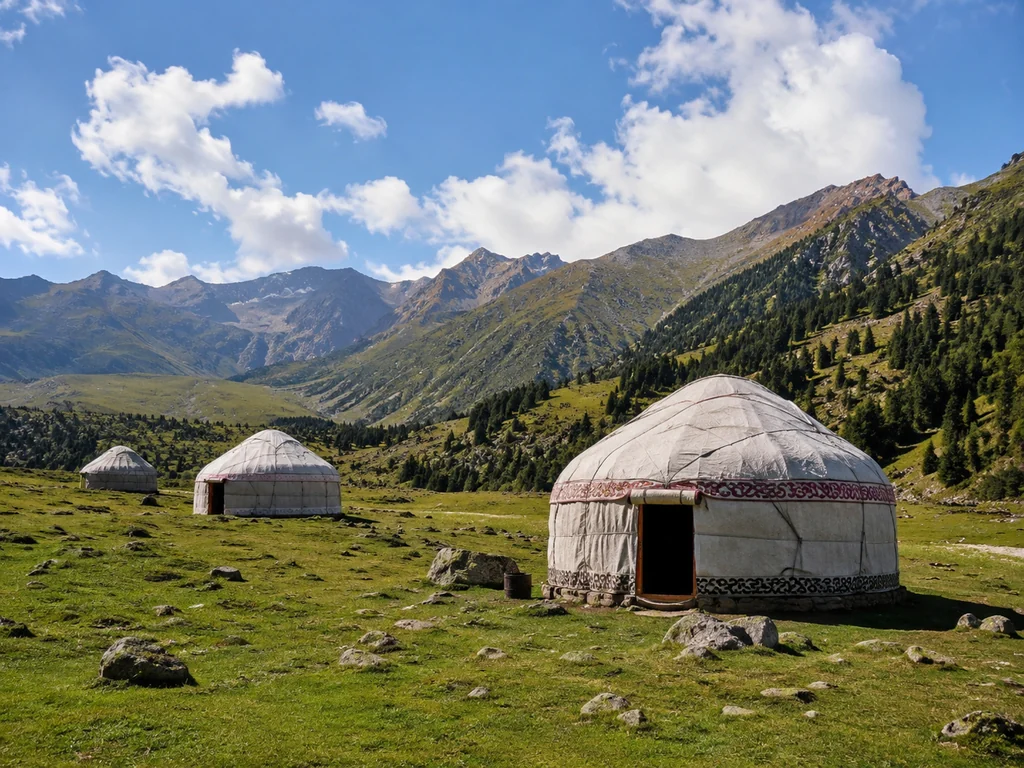
The tour includes an overnight stay in a traditional yurt camp, where you'll experience the hospitality of the Kazakh people and enjoy a dinner of local cuisine. The second day is spent exploring more of the park, including the Aktau and Katutau mountains, which are known for their colorful rock formations.
This tour is perfect for nature lovers and photographers. The park is remote, and the roads are rough, so a sturdy jeep is essential. The best time to visit is from April to October, when the weather is pleasant, but the park is accessible year-round.
Dzungarian Alatau: Canyons and Starry Nights
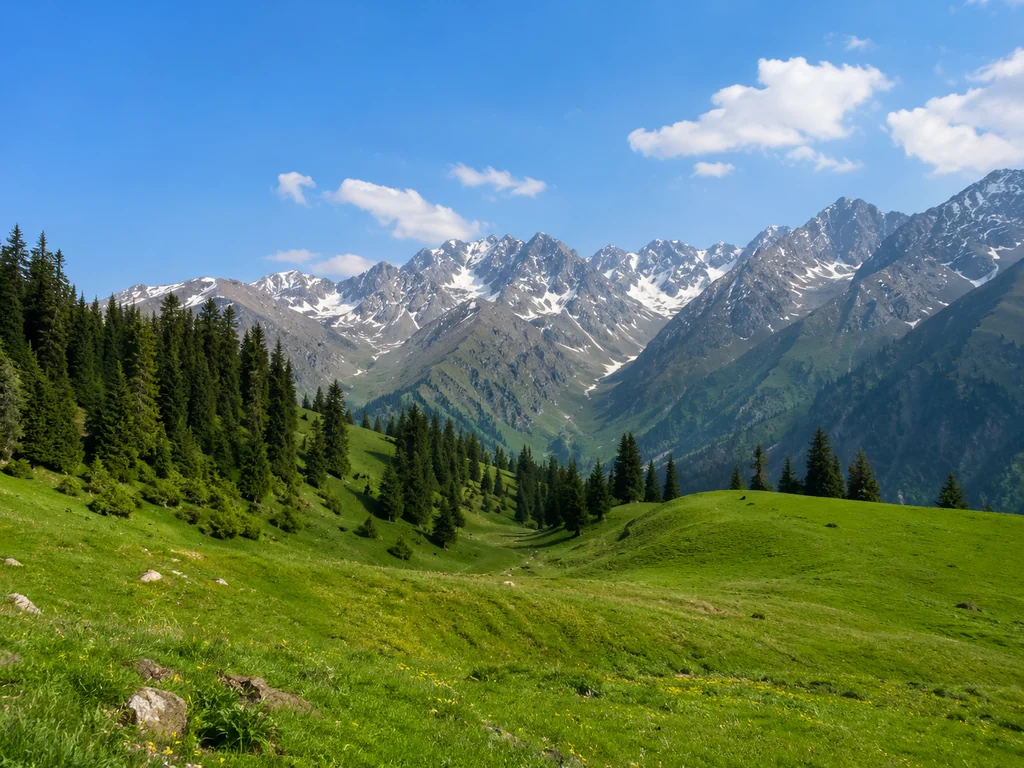
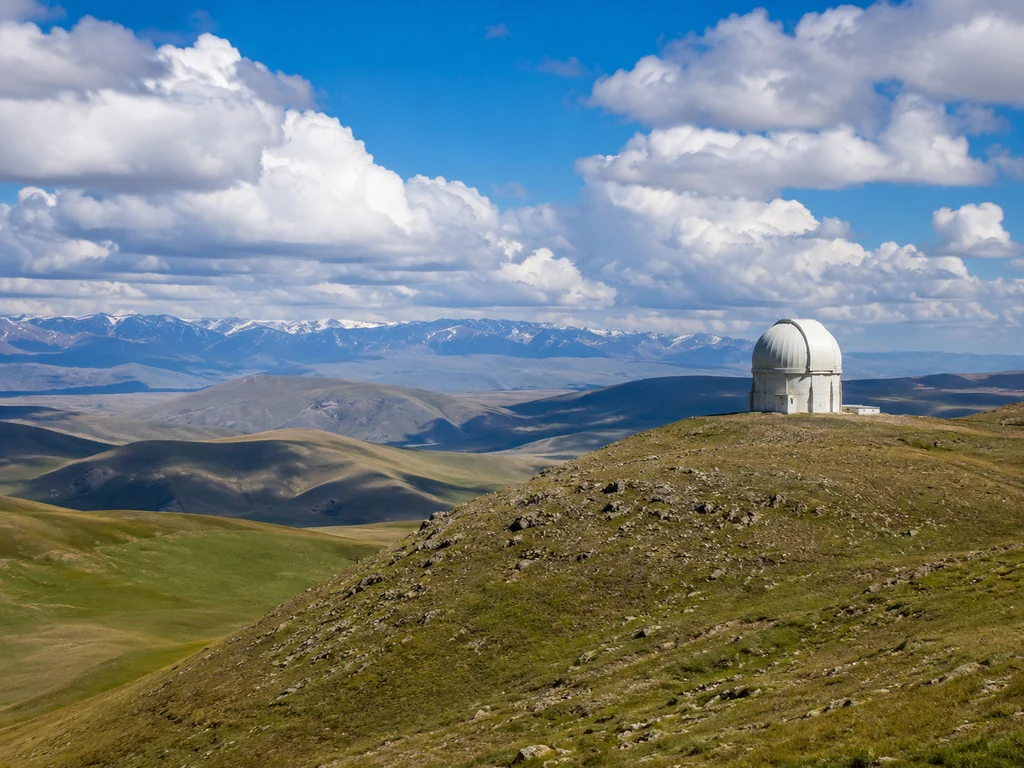
The Dzungarian Alatau is a mountain range that stretches along the border between Kazakhstan and China. The range is known for its dramatic canyons, alpine meadows, and diverse wildlife, including the rare ibex and snow leopard. The area is less visited than the Tian Shan, offering a sense of wilderness and solitude.
This two-day jeep tour takes you into the heart of the Dzungarian Alatau, where you'll explore the Kokentau and Kora canyons, with their striking red and orange rock formations. You'll also have the chance to hike to alpine lakes and waterfalls, and in the evening, you'll camp under a sky filled with stars.
The tour is designed for those who enjoy off-road adventures and camping. The terrain is challenging, but the rewards are stunning landscapes and a true feeling of escape. You'll be accompanied by an experienced guide who knows the area well.
The best time to visit is from June to September, when the weather is mild and the roads are passable. It's important to be physically fit and prepared for changing weather conditions, as the mountains can be unpredictable.
Wildlife and Hunting Tours
Hunting for Siberian Roe Deer
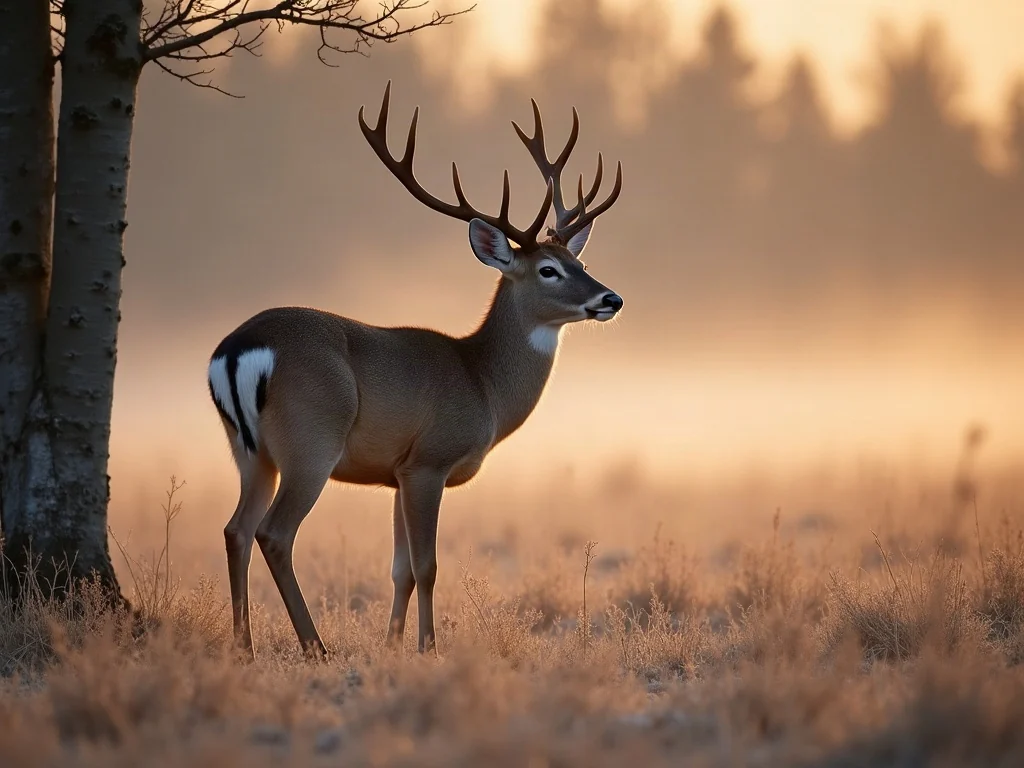
Kazakhstan offers unique hunting opportunities for those interested in wildlife management and traditional hunting. This two-day hunting tour is focused on the Siberian roe deer, a species that inhabits the forests and steppes of the region. The tour is conducted in designated hunting grounds, with experienced guides and gamekeepers.
The tour includes the necessary permits and licenses, as well as the services of a professional hunter. You'll have the opportunity to track and hunt a mature roe deer, with the meat and trophy included in the package. The tour is conducted in a responsible and sustainable manner, ensuring the conservation of the species.
Accommodation is provided in a hunting lodge, with full board and meals. The tour is available from May to December, with the best hunting periods being during the mating season in late summer and early autumn. Physical fitness is required, as hunting involves walking and tracking.
This tour is suitable for experienced hunters and those with a valid hunting license. It's important to note that hunting is regulated, and all activities are conducted legally and ethically. The tour can be customized for groups of up to three hunters, with one guide leading the group.
Practical Information and Preparation
What to Pack for Your Two-Day Tour
When packing for a two-day tour, it's essential to consider the specific destination and season. In general, comfortable clothing and sturdy walking shoes are a must. For mountain tours, bring layers, a waterproof jacket, and a warm hat and gloves, as temperatures can change quickly. For desert or canyon tours, pack sunscreen, a hat, and plenty of water.
Don't forget your camera to capture the stunning landscapes, as well as personal items like medications and toiletries. If your tour includes camping, you may want to bring a sleeping bag, although most tours provide equipment. It's also a good idea to have a small backpack for day hikes.
- Comfortable clothing and walking shoes
- Layers for changing weather
- Waterproof jacket
- Sunscreen and hat
- Water bottle and snacks
- Camera
- Personal medications
- Small backpack
Physical Requirements and Health Considerations
Most two-day tours involve a moderate level of physical activity, such as hiking and walking. It's important to be in good health and have a basic level of fitness. For tours at high altitudes, such as Kolsai Lakes, you should be prepared for the effects of altitude, including shortness of breath and fatigue. It's advisable to spend a day acclimatizing in Almaty before the tour.
If you have any pre-existing health conditions, it's recommended to consult your doctor before booking. The tours are not suitable for those with severe mobility issues, but many can be adapted. For hunting tours, you'll need to be physically fit and able to walk over uneven terrain.
Please note that some tours have age and weight restrictions, which we will inform you about at the time of booking. It's also important to stay hydrated and protect yourself from the sun, especially in summer.
Best Time to Visit and Seasonal Considerations
The best time to visit the natural attractions around Almaty is generally from May to October, when the weather is mild and the roads are accessible. During this period, you can enjoy the lush green landscapes, blooming wildflowers, and clear skies. Summer temperatures can be high, especially in the canyons, so it's important to plan your activities for the cooler parts of the day.
In winter, the mountains are covered in snow, and some tours may not operate due to road closures. However, the hot springs and cultural tours are available year-round. The spring months of April and May are ideal for seeing the steppes come alive with flowers, while autumn offers golden colors and clear skies.
Here is a seasonal guide for the main destinations:
| Destination | Best Months | Notes |
|---|
| Kolsai Lakes and Kaindy | May - October | Roads may be closed in winter |
| Charyn Canyon | April - October | Hot in summer, but manageable |
| Altyn-Emel | April - October | Hot in summer, but manageable |
| Dzungarian Alatau | June - September | Mountain weather unpredictable |
| Baikonur | Year-round | Depending on launch schedule |
| Turkestan | April - October | Mild winters, but hot summers |
Comparing Our Two-Day Tours
Tour Comparison Table
To help you choose the right tour, we've compiled a comparison table of our two-day tours, highlighting key differences in price, schedule, and style.
| Tour | Price per Person (KZT) | Days of Departure | Format | Transport |
|---|
| Kolsai Lakes + Kaindy | 39,900 | Fri, Sat, Sun | Group | Car |
| Hot Springs + Charyn | 18,900 | Sat, Sun | Group | Bus |
| Charyn + Black Canyon | 36,900 | Sat | Group | Bus |
| Altyn-Emel: Singing Dune | 69,900 | Daily, time on request | Individual | Jeep |
| Dzungarian Alatau | 74,900 | Weekends | Group | Jeep |
| Baikonur Tour | 120,000 | By launch schedule | Group | Car |
| Turkestan Shrines | 65,000 | By schedule | Group | Car |
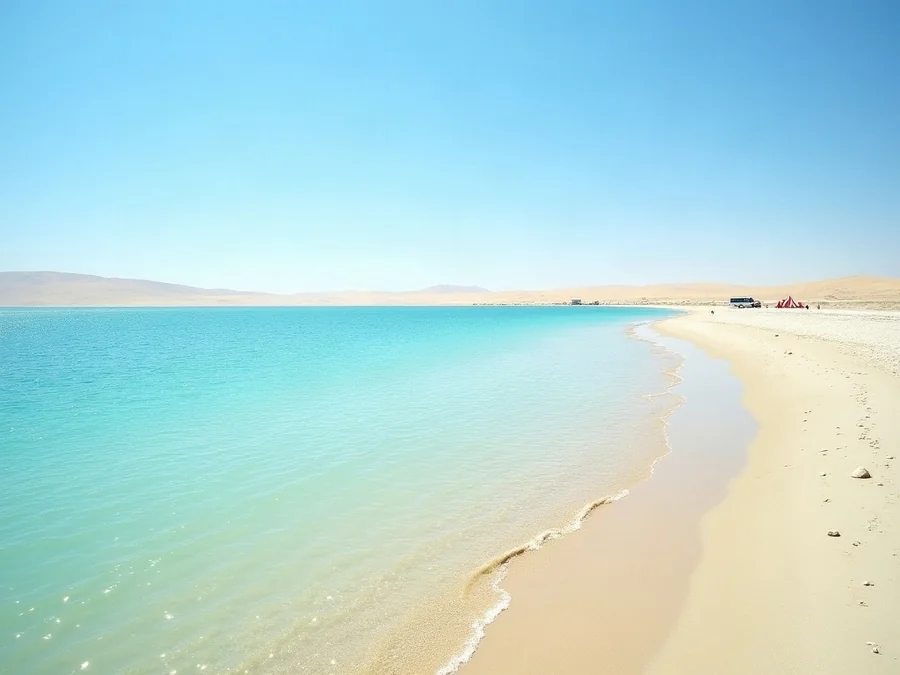
| Lake Balkhash | 34,435 | Sat, Sun | Group | Bus |
| Chundzha Hot Springs | 20,370 | Sat-Sun | Group | Bus |
| Roe Deer Hunting | 362,800 | May - December | Individual | Jeep |
As you can see, there is a wide range of options, from budget-friendly weekend getaways to exclusive hunting experiences. Group tours are more affordable and offer the chance to meet fellow travelers, while individual tours provide flexibility and privacy.
All tours include transportation to and from Almaty, as well as the services of an experienced guide. Accommodation and meals vary by tour, and are specified in the detailed itinerary. If you have any special requests or questions, please don't hesitate to contact us.
Choosing the Right Tour for You
When selecting a two-day tour, consider your interests, fitness level, and the type of experience you're looking for. If you love hiking and mountain scenery, the Kolsai Lakes and Kaindy tour is an excellent choice. For a mix of adventure and relaxation, the Charyn Canyon and Hot Springs tour offers the best of both worlds.
Those interested in history and culture will appreciate the Turkestan tour, while space enthusiasts should not miss the Baikonur Cosmodrome. For wildlife and photography, the Altyn-Emel and Dzungarian Alatau tours are ideal, offering unique landscapes and the chance to see rare animals.
If you're an experienced hunter, the Roe Deer Hunting tour provides a unique opportunity to engage in traditional hunting in a responsible manner. Regardless of your choice, all tours are designed to give you an unforgettable experience of Kazakhstan's natural and cultural wonders.
- For hikers: Kolsai Lakes + Kaindy
- For families: Hot Springs + Charyn
- For adventurers: Charyn + Black Canyon
- For nature lovers: Altyn-Emel
- For photographers: Dzungarian Alatau
- For history buffs: Turkestan
- For space enthusiasts: Baikonur
- For hunters: Roe Deer Hunting
Booking and Travel Tips
How to Book Your Tour
Booking your two-day tour is easy. Simply browse our website, choose the tour that interests you, and follow the booking instructions. You can also contact our office in Almaty directly, and our friendly staff will assist you with any questions and help you plan your trip.
We recommend booking in advance, especially for popular tours and during peak season. Some tours, such as Baikonur, require special permits, so early booking is essential to secure your spot. Payment can be made online or in our office, and we accept various methods.
If you have specific requirements, such as dietary restrictions or accessibility needs, please let us know at the time of booking. We will do our best to accommodate your needs and ensure you have a comfortable and enjoyable experience.
What's Included and What's Not
All tours include transportation, guide services, and as specified, accommodation and meals. However, personal expenses, such as souvenirs, additional snacks, and gratuities, are not included. Some tours may have optional activities that are not included in the price, and we will inform you in advance.
For tours that require permits, such as Baikonur or hunting, the necessary permissions are arranged by us, but you may need to provide certain documents, such as a valid passport. Any additional costs, such as visa fees or travel insurance, are the responsibility of the traveler.
We strive to provide transparent pricing, and there are no hidden fees. If you have any questions about what is included in a specific tour, please don't hesitate to ask.
Safety and Responsible Travel
Your safety is our top priority. All our tours are conducted by experienced guides who are trained in first aid and emergency procedures. We follow strict safety protocols, and you will be briefed on safety measures at the start of each tour.
We also promote responsible and sustainable tourism. We respect the natural environment and local communities, and we ask that you do the same. Please follow the guidance of your guide, stay on designated trails, and avoid disturbing wildlife. By traveling responsibly, we can preserve these beautiful places for future generations.
If you have any concerns about your health or fitness for a particular tour, please consult your doctor before booking. We are happy to discuss any special requirements you may have and make adjustments where possible.
We look forward to welcoming you on a two-day tour from Almaty. Discover the beauty of Kazakhstan with us!









 Weekend Top