Geography and Setting
Location and Landscape
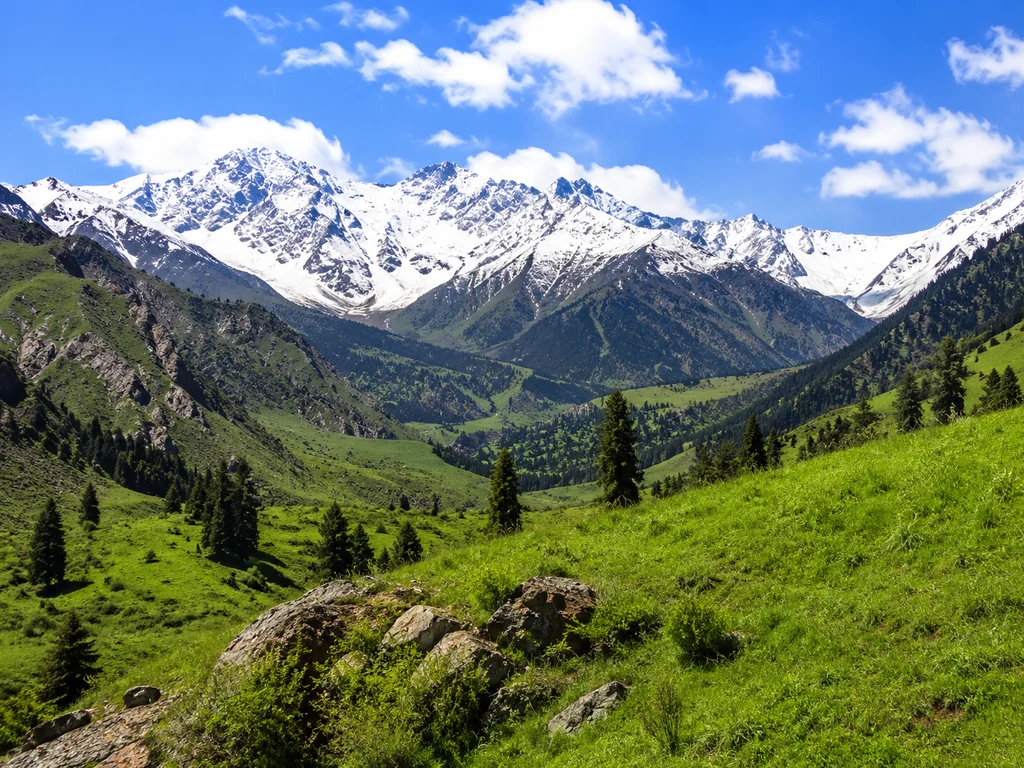
Marble Wall Peak, known as Mramornaya Stena in Russian and Mermer Kabyrga in Kazakh, is the northernmost six-thousander in Asia. It rises to 6,276 meters (20,590 feet) in the Bayankol Gorge, a remote valley in the eastern Tian Shan range, near the border with China. The peak is part of the Khan Tengri massif, a dramatic cluster of high summits that includes Khan Tengri (7,010 m) and Pobeda Peak (7,439 m).
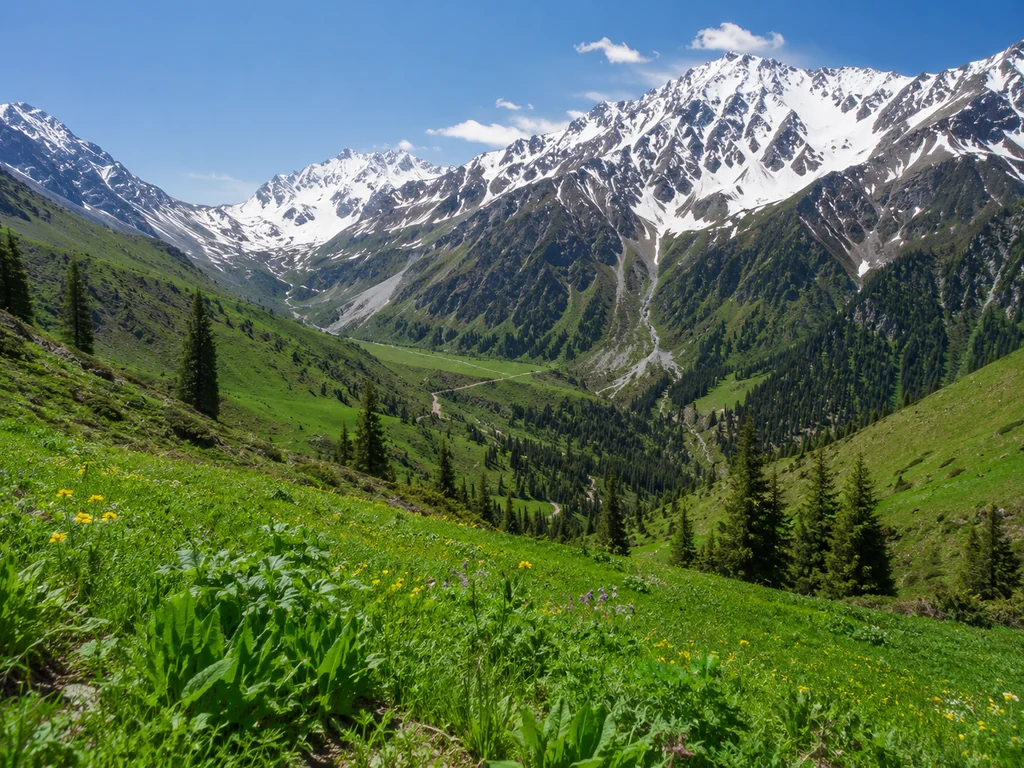
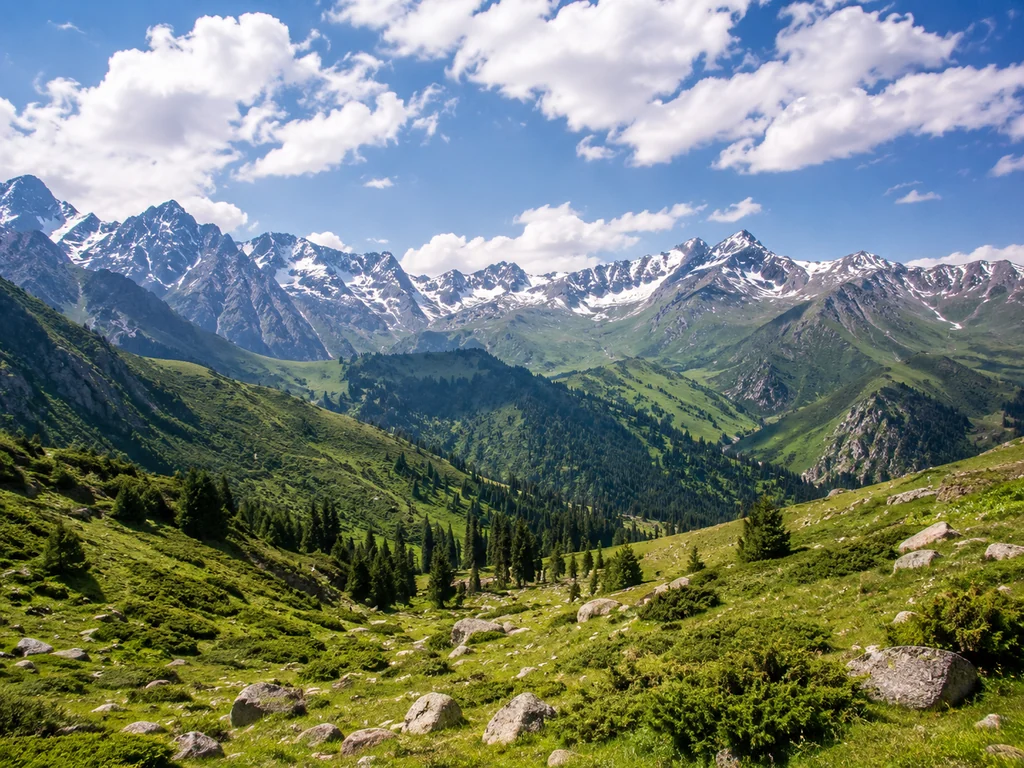
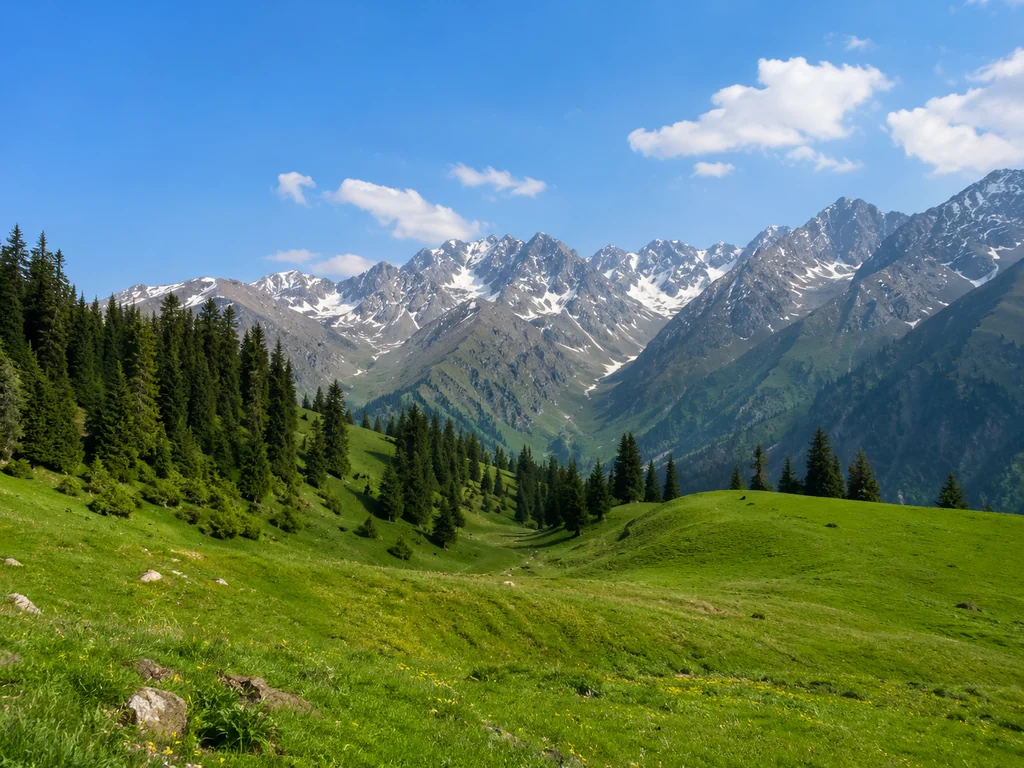
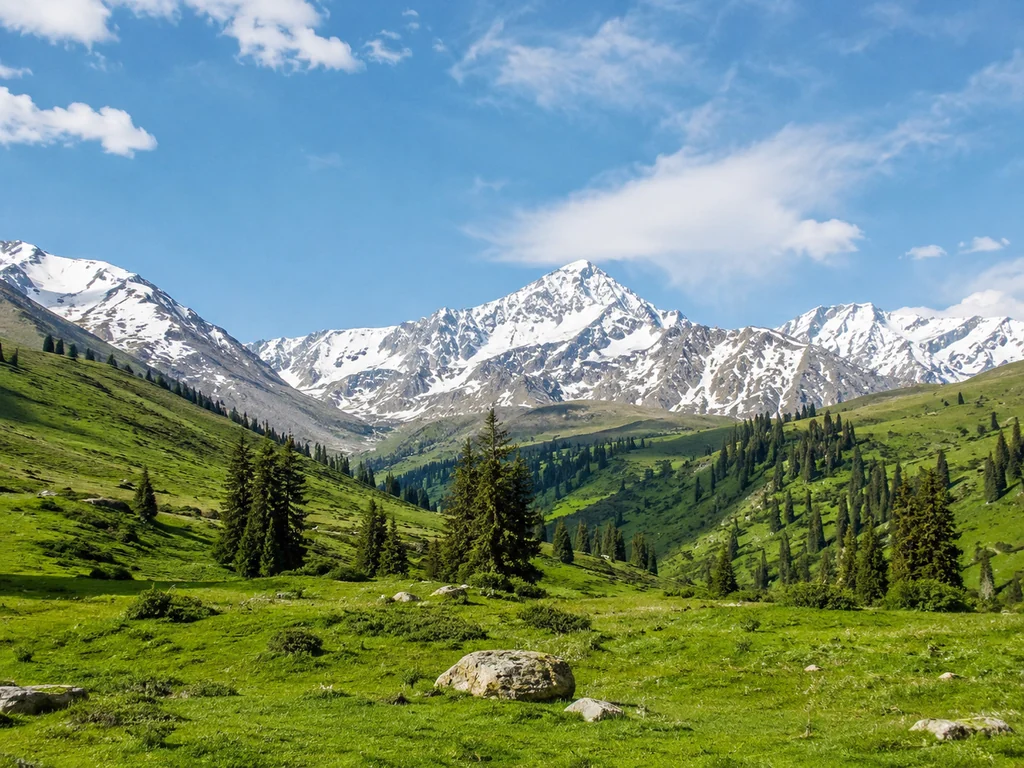
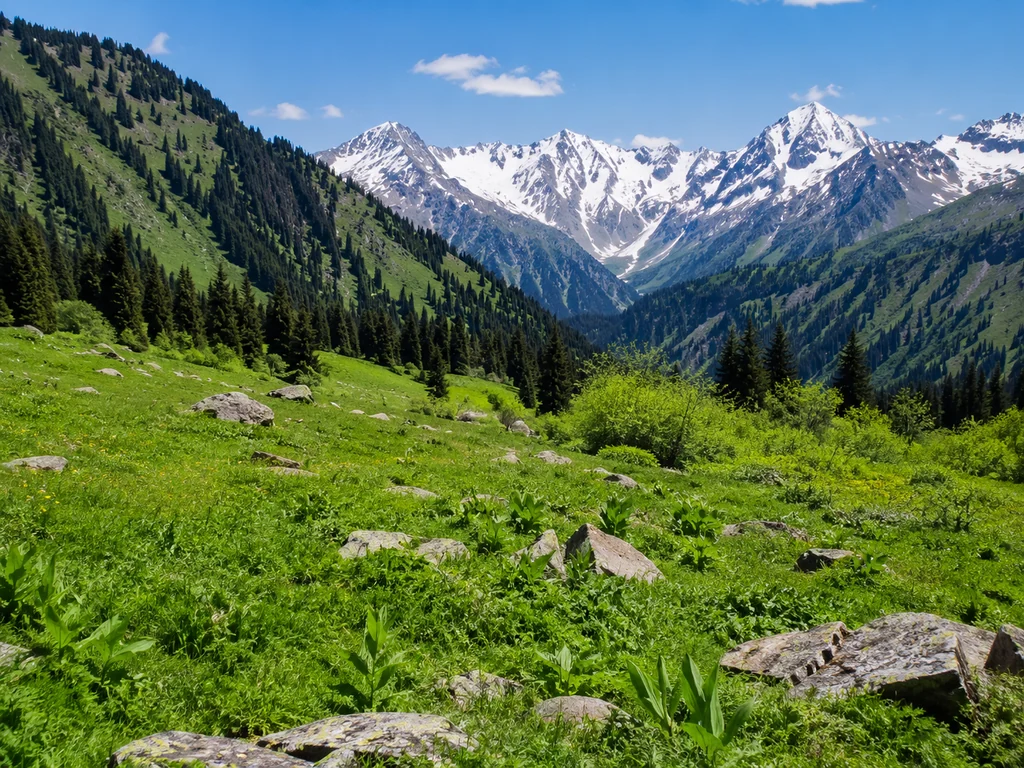
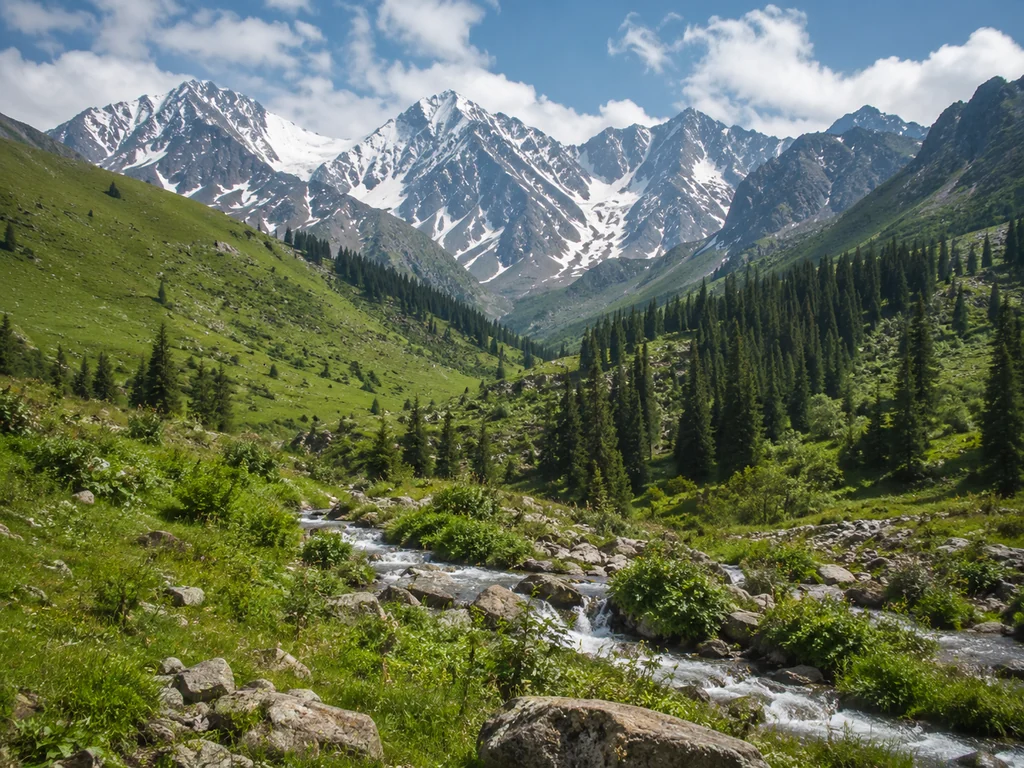
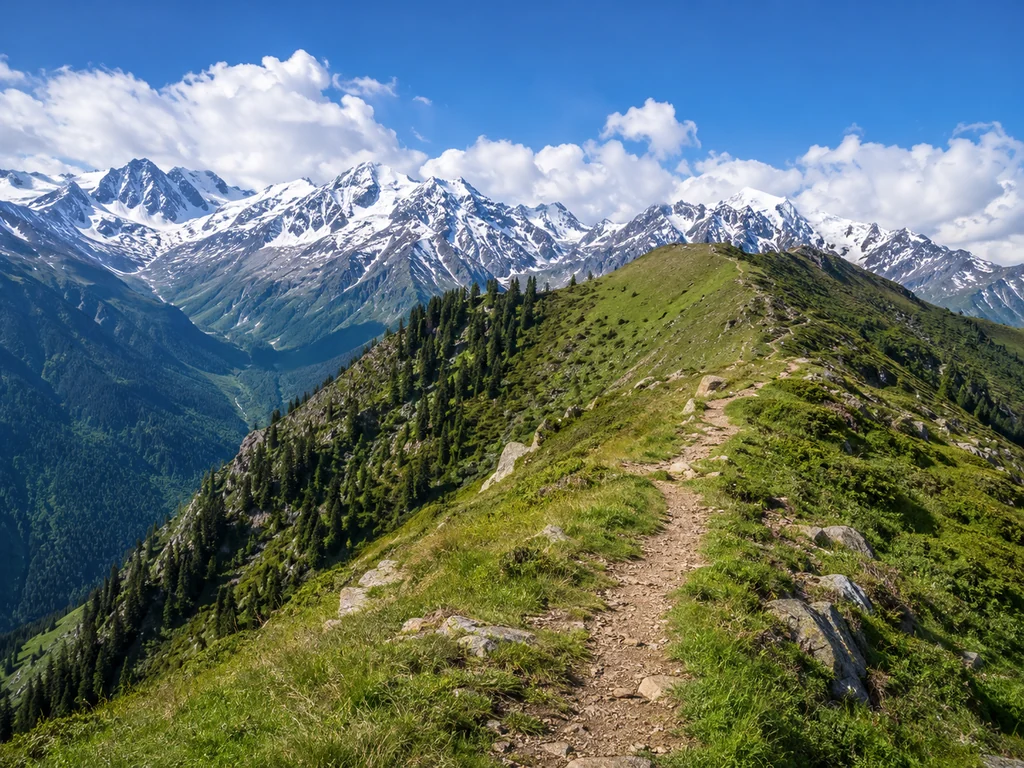
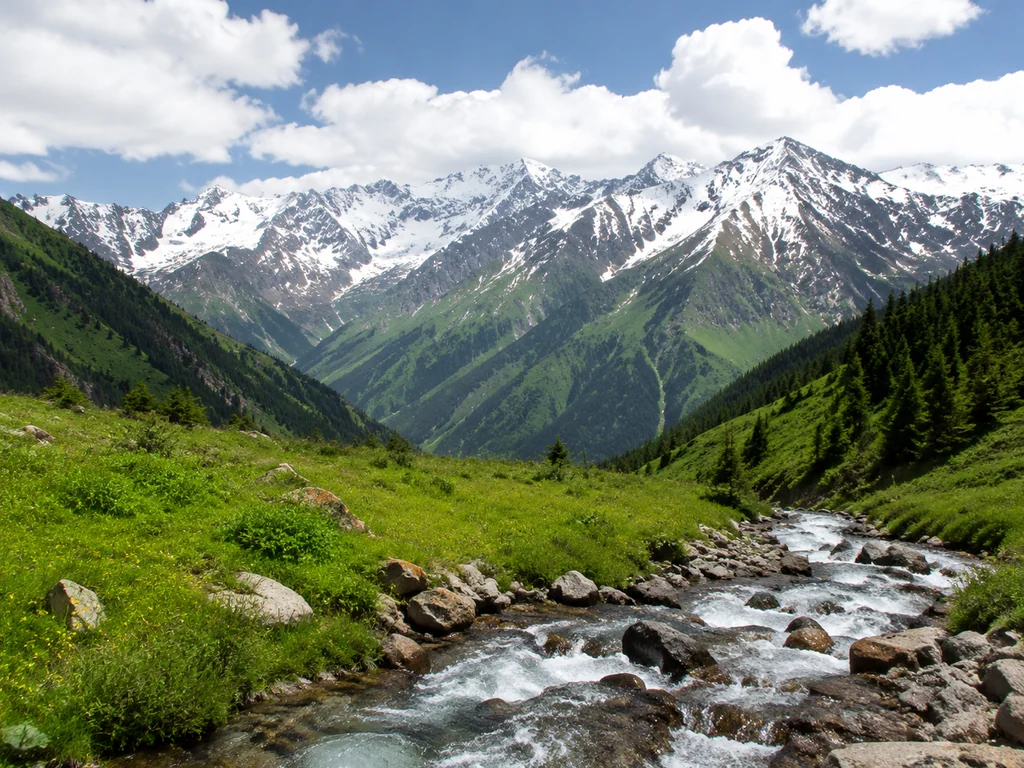
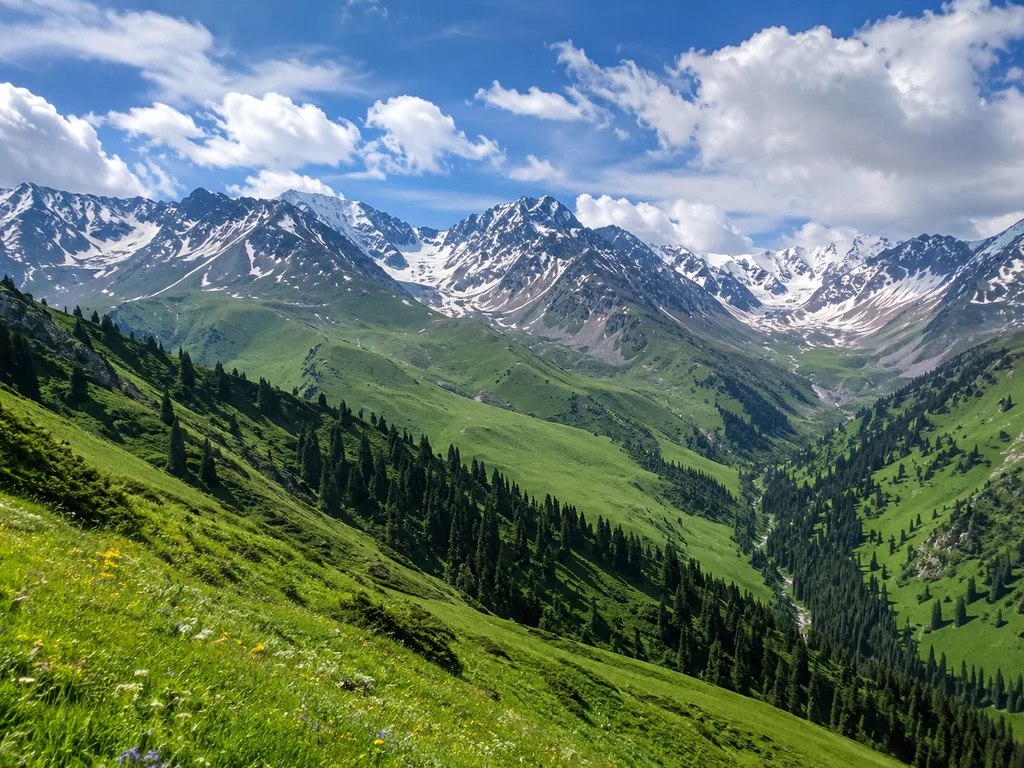
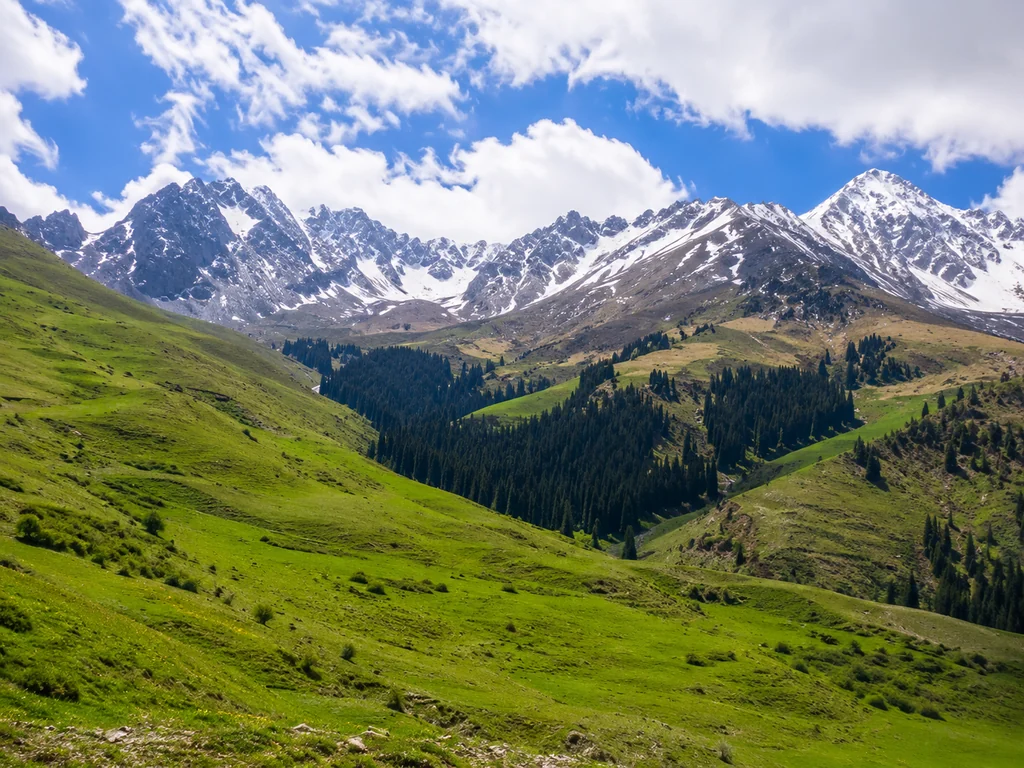
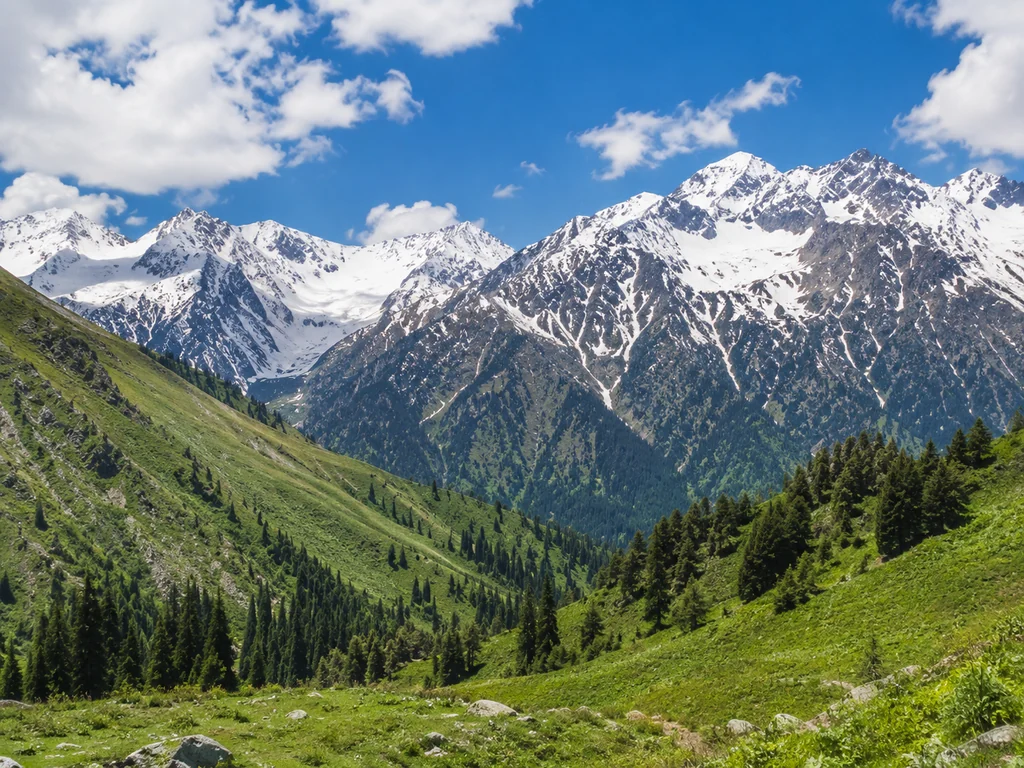
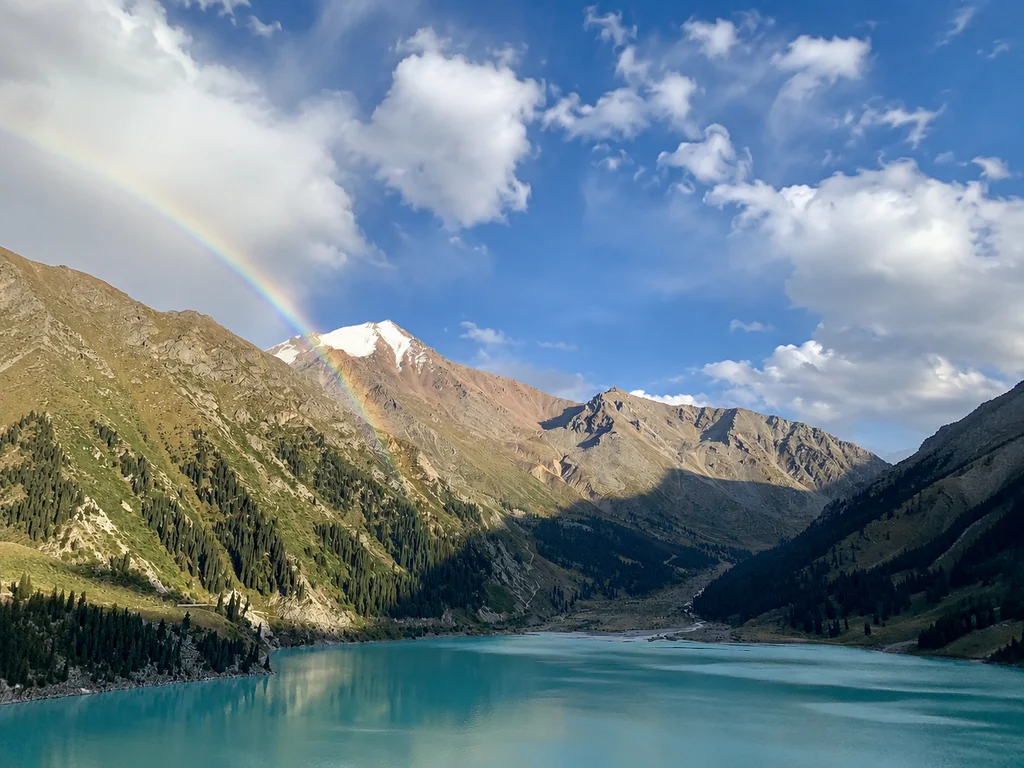
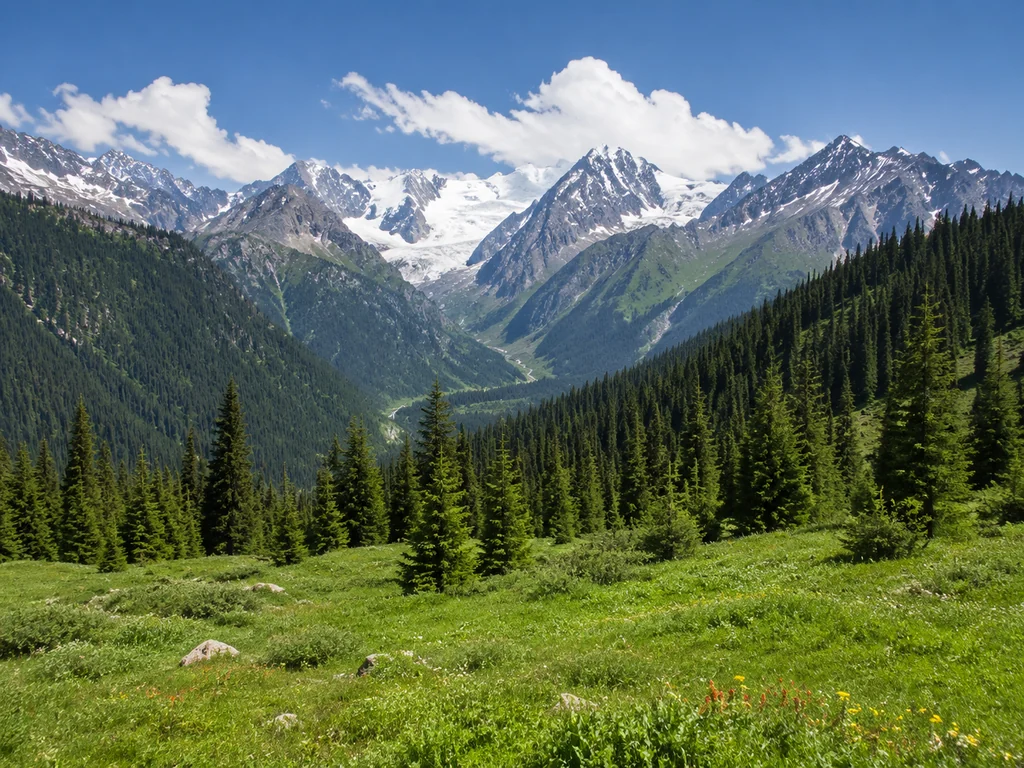
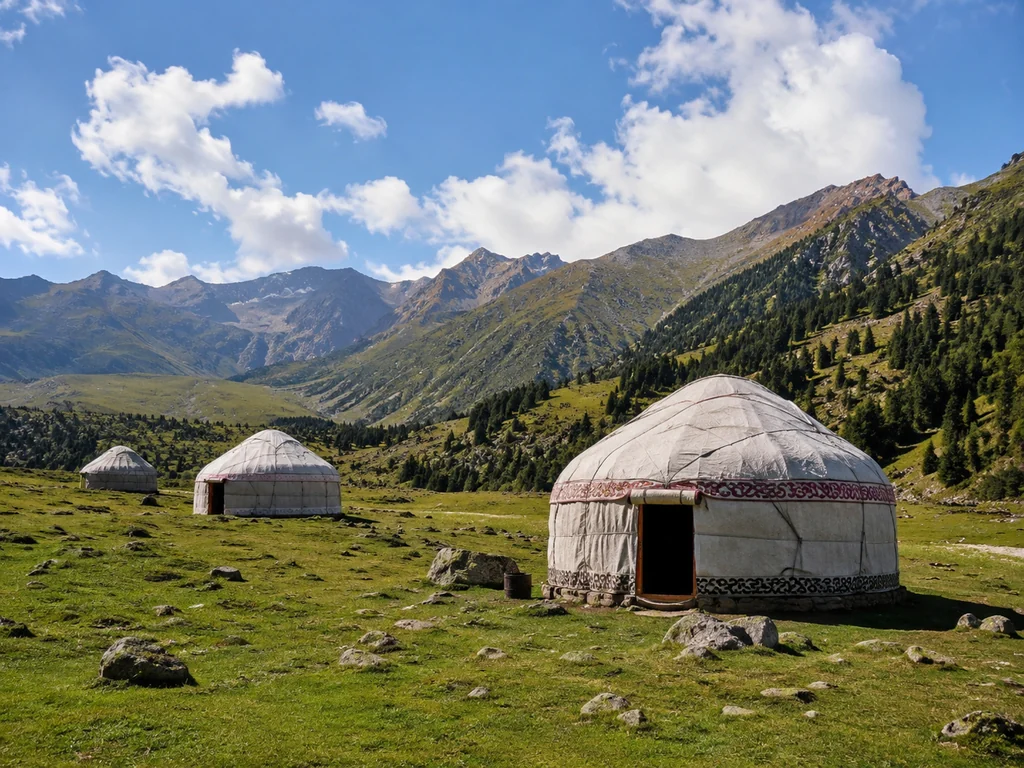
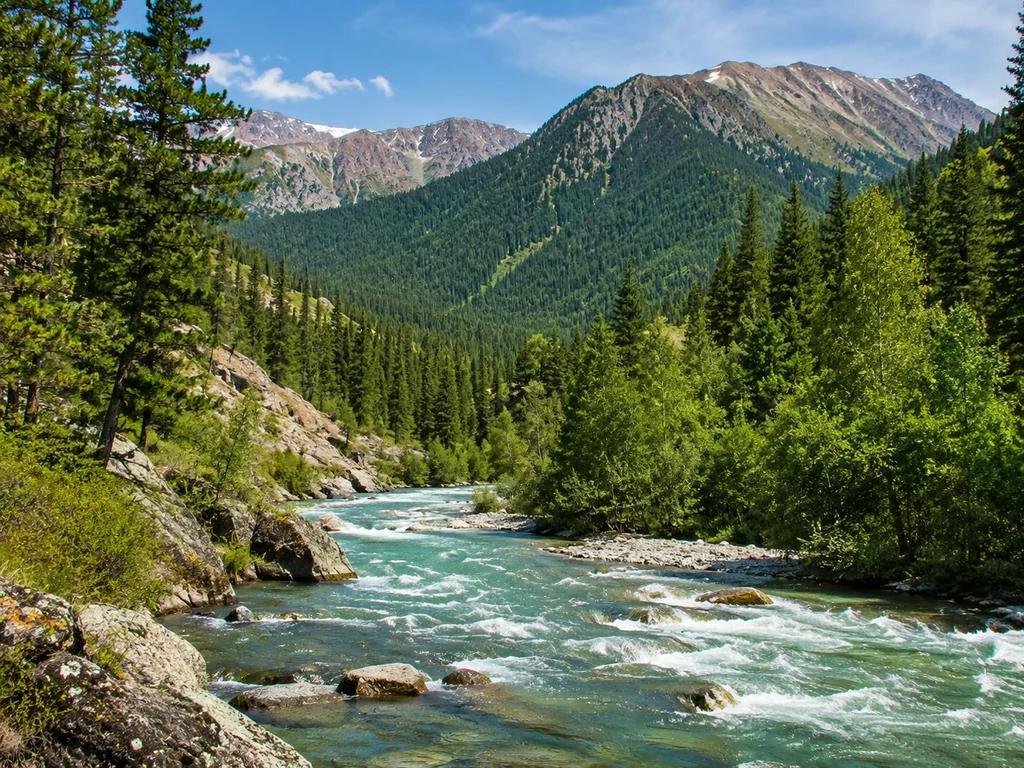
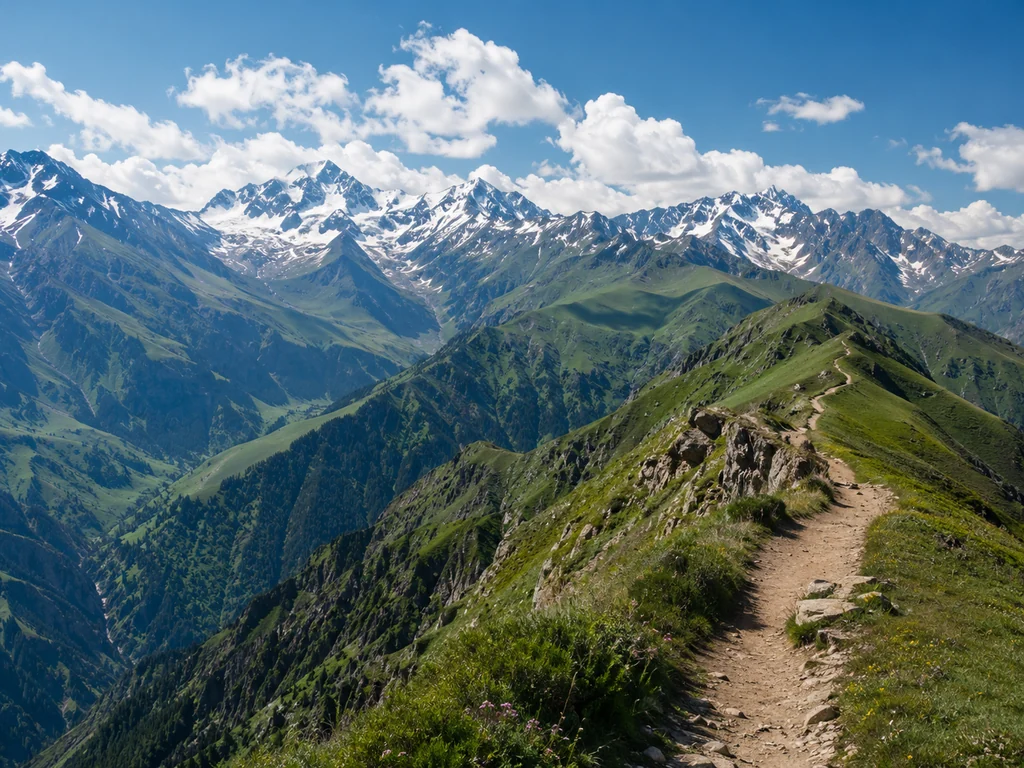
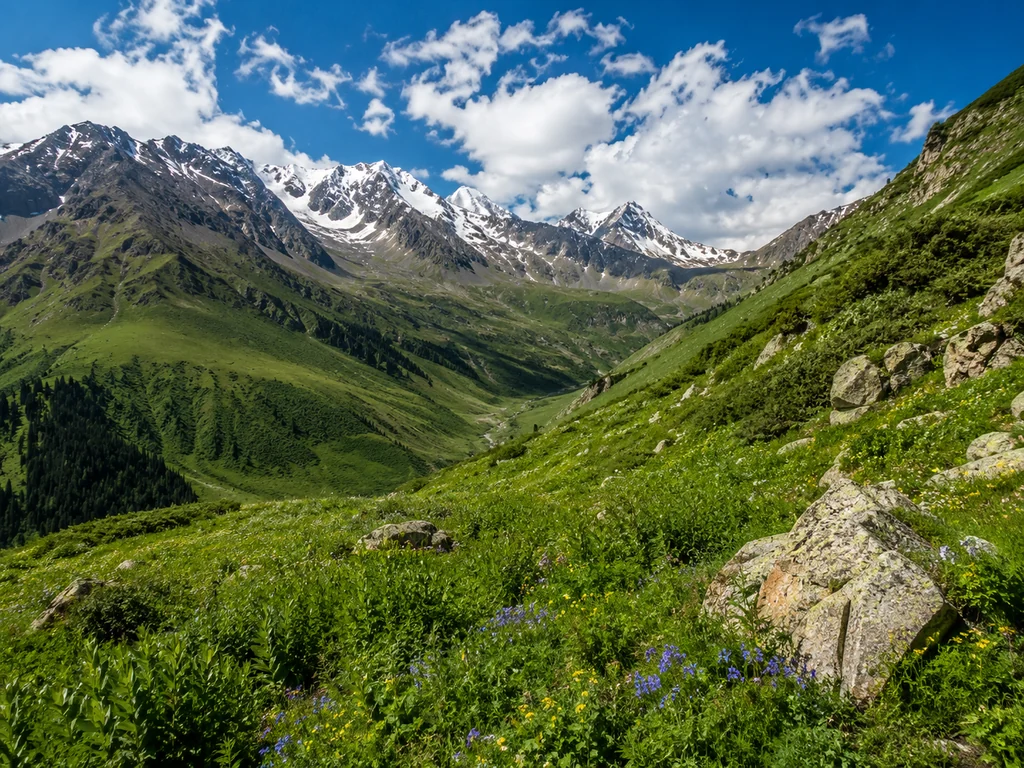
The Bayankol Gorge is carved by the Bayankol River, which originates from the Inylchek Glacier system. The gorge stretches for about 60 kilometers, with walls of granite and marble that give the peak its name. The area is characterized by alpine meadows, moraines, and icefalls, with the summit ridge offering panoramic views of the surrounding giants.
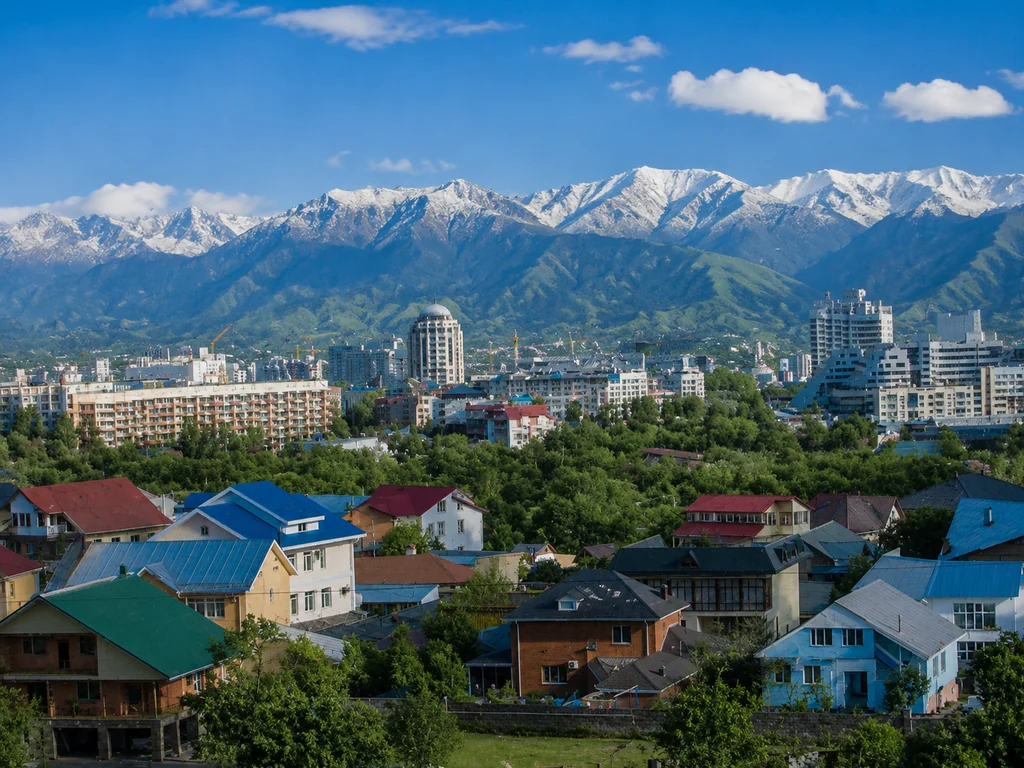
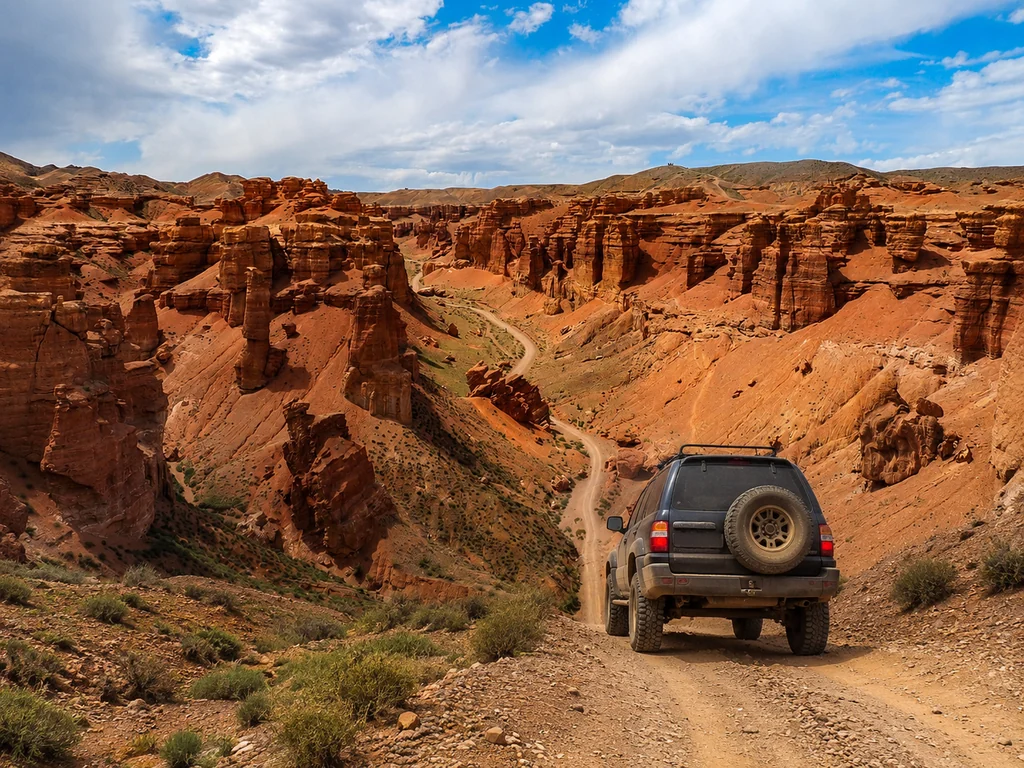
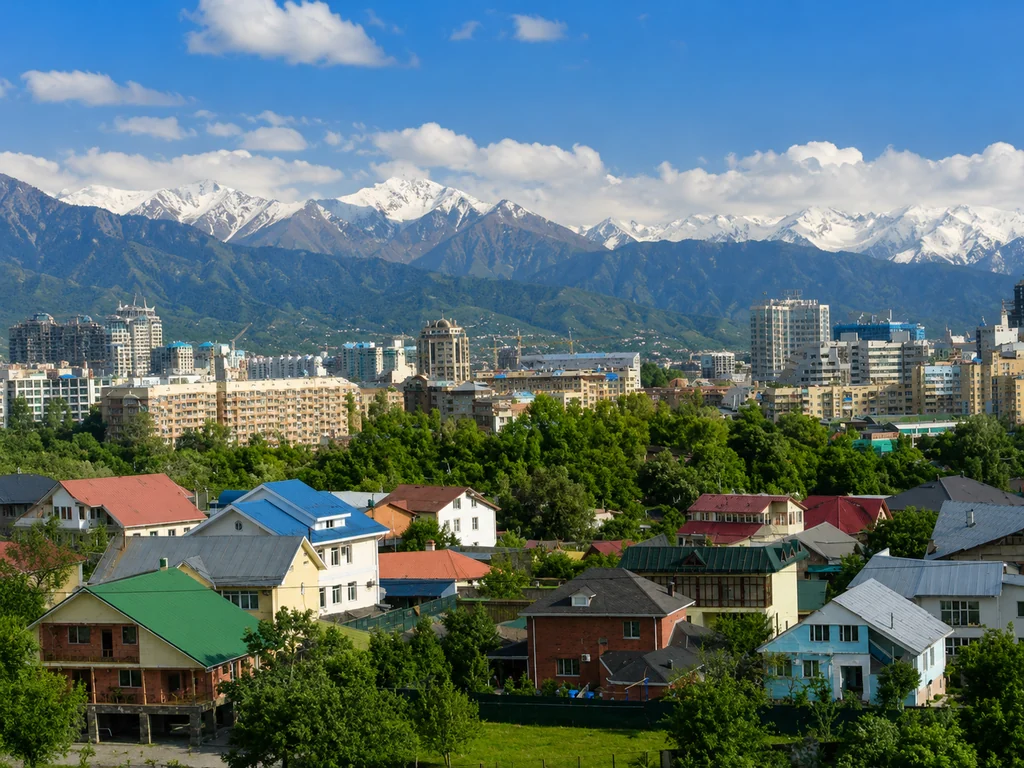
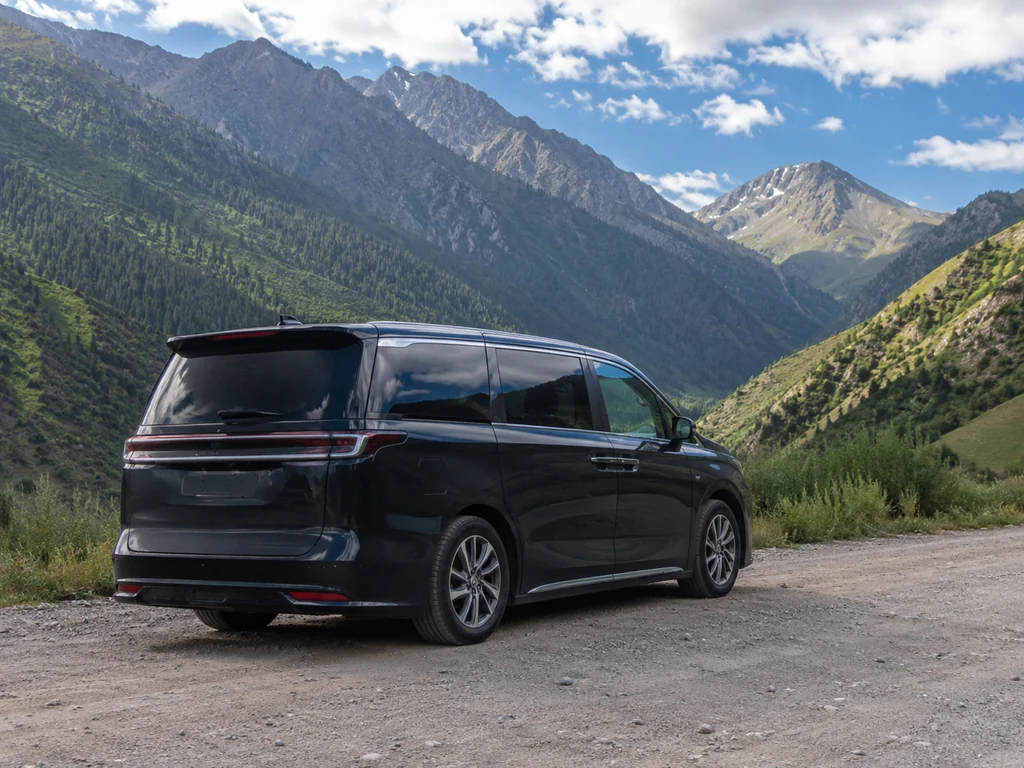
Access to the region typically starts from Almaty, Kazakhstan's largest city, located about 350 kilometers to the northwest. From Almaty, the journey proceeds by road to the village of Kegen or Narynkol, then by off-road vehicle to the trailhead at the Bayankol Gorge. The approach on foot begins at an altitude of approximately 2,800 meters, where the base camp is often established.
Geology and the Marble Wall
The peak's name derives from its distinctive marble composition, which is unusual in the Tian Shan. The marble bands on the north face are visible from a distance, giving the mountain a streaked appearance. Geologically, the area is part of the Paleozoic fold belt, with metamorphic rocks that have been uplifted and sculpted by glaciers.
The climbing route on Marble Wall is primarily along the southwest ridge, which involves mixed terrain: rock, snow, and ice. The final section to the summit is a steep snow ridge with exposed sections. The mountain is less frequented than its higher neighbors, offering a sense of wilderness and solitude.
Regional Significance
Marble Wall is not only a mountaineering objective but also a vantage point for observing the vast Inylchek Glacier, which is the longest glacier in the Tian Shan at over 60 kilometers. The glacier feeds the Bayankol River, which eventually flows into the Ili River system, a vital water source for the region.
The area is home to wildlife such as the Siberian ibex (tau-teke) and the roe deer (elik), which are often spotted on the lower slopes. The Bayankol Gorge is also a corridor for shepherds moving livestock to summer pastures, adding a cultural dimension to the trek.
Climate and Seasonality
Best Time to Climb
The climbing season for Marble Wall is short, typically from July to August, when the weather is most stable. During these months, daytime temperatures at base camp (around 3,500 m) can reach 10°C to 15°C, while nighttime lows drop to -5°C. At the summit, temperatures rarely rise above -10°C, with wind chill making it feel much colder.
July is often the driest month, with less precipitation, but sudden snowstorms are always possible. August can be slightly warmer but also brings more cloud cover and occasional precipitation. The monsoon influence from the south is minimal, but cyclonic systems can bring heavy snowfall to the high peaks.
Outside this window, the mountain is subject to harsh winter conditions, with temperatures plummeting to -30°C and strong winds making climbing impossible. The approach routes are also covered in deep snow, preventing access.
Weather Patterns
The weather in the Tian Shan is notorious for its rapid changes. Clear mornings can give way to afternoon thunderstorms, especially on the glacier. Climbers must be prepared for a wide range of conditions, from blazing sun to blizzards, often within the same day.
At altitudes above 5,000 meters, the air is thin, and the jet stream can bring winds exceeding 100 km/h. These winds can cause severe wind chill and make ridge travel dangerous. Monitoring weather forecasts from the base camp is essential, and experienced guides will often adjust the schedule based on the forecast.
Seasonal Table
| Month | Conditions | Climbing Suitability |
|---|
| June | Snowmelt, unstable snow, cold | Not recommended |
| July | Stable weather, moderate temperatures | Best season |
| August | Warm but more cloud, possible storms | Good, with caution |
| September | Cold, snow begins | Not recommended |
Expedition Overview
Tour Characteristics
Our expedition to Marble Wall Peak is a 19-day program designed for climbers with prior high-altitude experience. The itinerary includes a multi-day approach, acclimatization rotations, and a summit attempt via the southwest ridge. The group format ensures safety and camaraderie, with a guide-to-client ratio of 1:3.
The tour runs from July to August, with fixed departures. The price is 1,240,000 tenge per person, covering all logistics from Almaty, including permits, transport, and mountain guide services. Meals during the trek and climb are provided, but personal climbing gear and insurance are the responsibility of the participant.
This is not a technical climb suitable for beginners; it requires experience in high-altitude trekking and basic glacier travel. The physical demands are significant, and participants should be in excellent shape.
Day-by-Day Itinerary
The expedition begins in Almaty with a briefing and gear check. Then, a 6-8 hour drive takes the group to the Bayankol region, where the trek starts. The approach to base camp takes about two days, covering 25 kilometers and ascending from 2,800 to 3,600 meters.
Acclimatization is a key part of the schedule, with planned rest days and rotation climbs to higher camps. The summit attempt is scheduled for the final days, weather permitting. The descent follows the same route, with a return to Almaty on the last day.
The itinerary is subject to change based on weather and the group's acclimatization status, but the overall structure ensures maximum safety and success probability.
Physical and Mental Preparation
To tackle Marble Wall, climbers should have experience on peaks above 5,000 meters. Prior knowledge of using crampons, ice axes, and ropes is essential. The climb involves steep snow and ice, requiring good footwork and endurance.
Training should include cardiovascular exercises such as running, cycling, and stair climbing, as well as strength training for the legs and core. Long hikes with a loaded backpack (15-20 kg) are recommended to simulate the approach. Mental toughness is equally important, as the summit day can be long and arduous.
We recommend starting physical preparation at least six months in advance. On the mountain, maintaining hydration and nutrition is critical to prevent altitude sickness.
Route and Camps
Approach and Base Camp
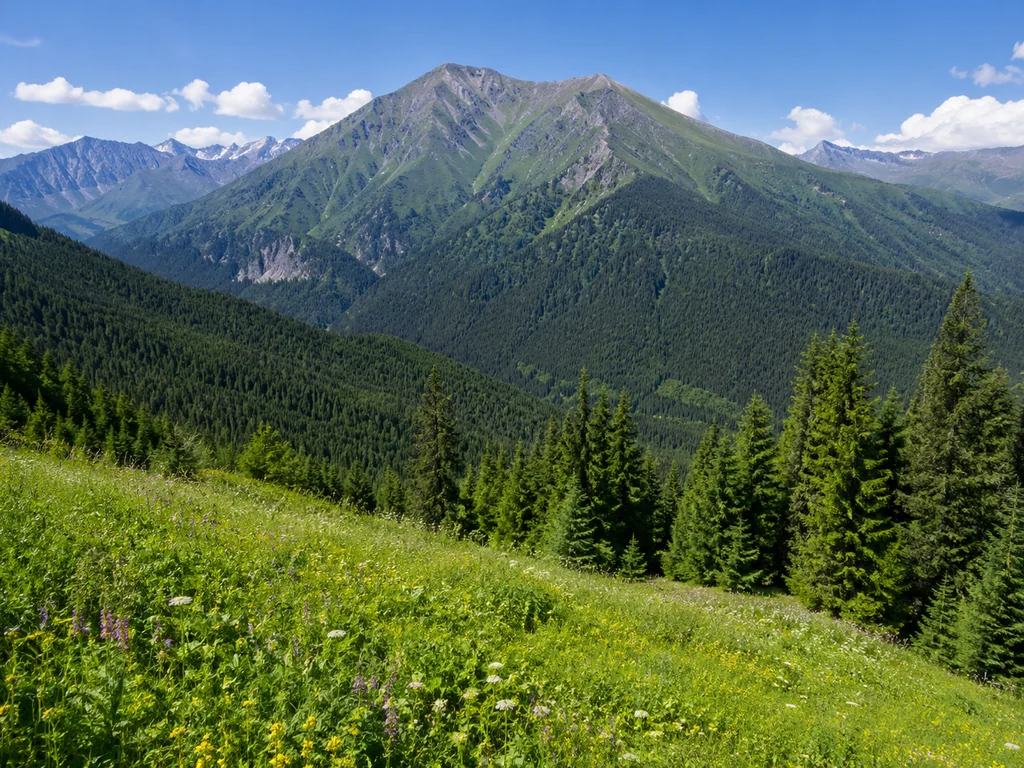
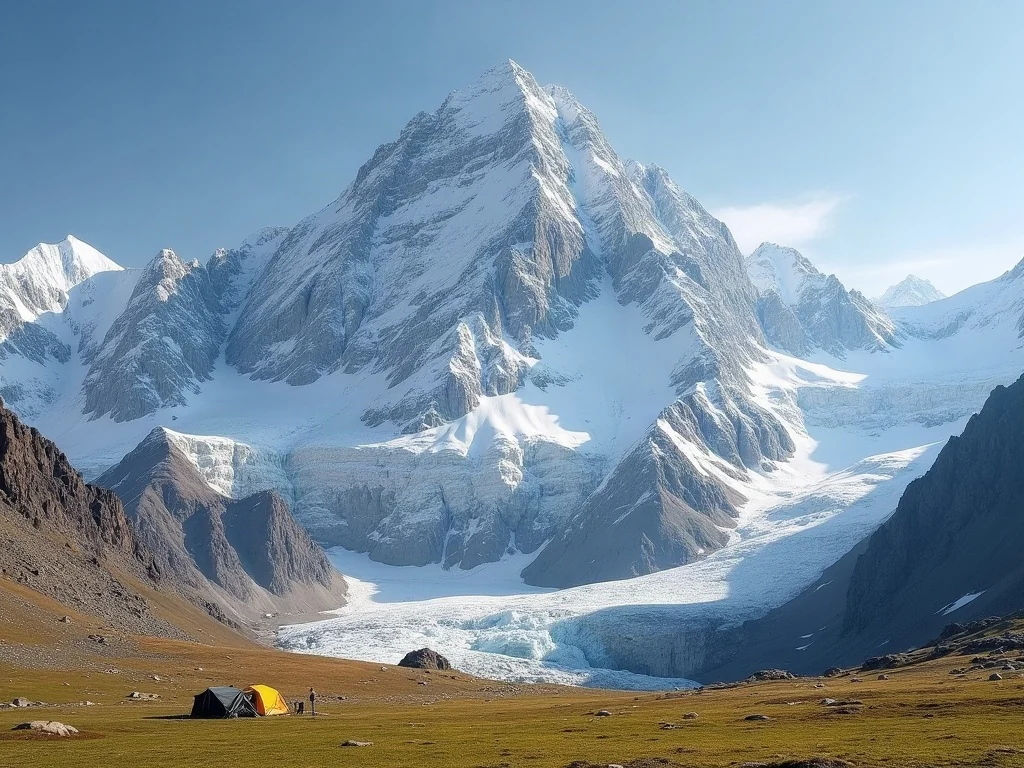
The trek from the trailhead to base camp winds through the Bayankol Gorge, passing by the river and through juniper forests. The path is well-defined but involves several stream crossings. The base camp is typically set up on a grassy plateau at 3,600 meters, surrounded by moraines and peaks.
The base camp is equipped with tents for sleeping and dining, and a kitchen tent. Meals are hearty, with a focus on carbohydrates and hydration. Solar panels may provide limited electricity for charging devices, but the primary energy source is for cooking.
From base camp, the route to Camp 1 ascends a lateral moraine and then a glacier. The climb is not technically difficult but requires careful navigation through crevasses. Camp 1 is usually placed at around 4,300 meters on a safe spot on the glacier.
Higher Camps
Camp 2 is established at approximately 5,000 meters, on a snow shoulder below the southwest ridge. The ascent from Camp 1 involves crossing a crevasse field and a steep snow slope. Camp 2 is a small platform, often with limited space, so tents are set up on the snow.
From Camp 2, the route follows the ridge, which becomes rockier and more exposed. Camp 3, if used, is at around 5,600 meters, but some expeditions may attempt the summit directly from Camp 2. The summit day is long, with an altitude gain of over 1,000 meters.
The camps are strategic for acclimatization and for breaking the climb into manageable segments. Each camp is stocked with oxygen only for emergencies, but supplemental oxygen is not typically used on this route.
Summit Day
Summit day begins early, often at 2-3 AM, to take advantage of stable morning weather. Climbers ascend the ridge, which has sections of snow and rock. The final part is a steep snow climb, with a cornice on the crest, requiring careful navigation.
The summit offers a stunning panorama: to the south, the peaks of the Xinjiang region of China, and to the north, the vast expanses of the Kazakh steppe. The descent is equally demanding, and climbers must be cautious to avoid fatigue-induced accidents.
After the summit, the group returns to base camp, where a well-deserved rest and celebration awaits. The descent to the trailhead takes two days, with the expedition concluding in Almaty.
Equipment and Logistics
Personal Gear Checklist
Proper equipment is vital for safety and comfort. The following list is a comprehensive guide to what you need to bring:
- Mountaineering boots (double boots recommended)
- Crampons and ice axe
- Climbing harness, carabiners, and belay device
- Sleeping bag rated to -20°C and sleeping pad
- Backpack (70-80 liters) and daypack
- Technical clothing: base layers, fleece, insulated jacket, waterproof shell
- Gloves (light and heavy), hat, and neck gaiter
- Sunglasses with UV protection and ski goggles
- Headlamp with extra batteries
- Sunscreen and lip balm with high SPF
- Water bottles or thermos
- Personal first aid kit and medications
We also recommend bringing a camera and a power bank, as charging opportunities are limited. It is essential to break in boots before the expedition to avoid blisters.
Group Equipment Provided
Our expedition provides all shared equipment, including tents, cooking gear, and safety equipment such as ropes and crevasse rescue gear. We also provide high-altitude food, which is specially formulated to be light and nutritious.
Each participant will receive a detailed equipment list upon booking, with recommendations on where to purchase or rent gear in Almaty. We also conduct a gear check on the first day to ensure everyone is properly equipped.
Permits and Regulations
Climbing Marble Wall requires permits from the Kazakhstan government, as the area is near the border with China and is designated as a border zone. Our tour price includes all necessary permits, but climbers must provide their passport details in advance.
Participants must also have valid travel insurance that covers high-altitude trekking and climbing up to 6,300 meters. We recommend obtaining insurance that includes emergency evacuation, as this is a remote area.
It is imperative to respect the local environment and regulations. The Bayankol Gorge is a protected area, and climbers must carry out all trash. The use of drones is prohibited without special permission.
Comparison with Other Expeditions
Marble Wall vs. Khan Tengri
Khan Tengri (7,010 m) is a more challenging and prestigious climb, requiring technical ice and rock skills. Marble Wall is slightly lower but still a serious expedition. Khan Tengri has a longer approach and is more crowded, while Marble Wall offers a more remote experience.
The difficulty of Marble Wall is comparable to Lenin Peak (7,134 m) in the Pamir, but Lenin Peak is a walk-up on snow with less technical challenge. Marble Wall's ridge has more rock and exposure, making it a good stepping stone for higher peaks.
For climbers aiming for Pobeda Peak (7,439 m), Marble Wall is an excellent preparatory climb. It provides experience on similar terrain and altitude, but with a shorter duration and lower objective danger.
Decision Table
| Feature | Marble Wall | Khan Tengri | Lenin Peak |
|---|
| Altitude | 6,276 m | 7,010 m | 7,134 m |
| Technical Difficulty | Moderate | High | Low to Moderate |
| Duration | 19 days | 20-25 days | 18-21 days |
| Approach | Short (2 days) | Long (4-5 days) | Moderate (2-3 days) |
| Crowds | Low | High | High |
Why Choose Marble Wall
Marble Wall is ideal for climbers who seek a challenging but achievable objective in the 6,000-meter range. It offers a mix of rock and ice climbing, with a remote and pristine setting. The expedition is shorter than many other 6,000-meter peaks, making it more accessible for those with limited vacation time.
The northern location of Marble Wall means it is less affected by the monsoon, providing a more predictable weather window in July and August. The views of the Inylchek Glacier and the surrounding peaks are extraordinary, and the sense of accomplishment is immense.
Our expedition is designed to maximize your chances of success while ensuring safety and comfort. With a small group size and experienced guides, we provide a personalized experience that is both challenging and rewarding.
Practical Information
Getting to Almaty
Almaty is served by Almaty International Airport (ALA) with connections from major cities in Asia and Europe. Many international airlines operate direct flights from Moscow, Istanbul, Dubai, and Beijing, among others. From the airport, it is a 30-minute drive to the city center.
For those arriving overland, Almaty is accessible by road from Kazakhstan's capital Astana and from neighboring countries like Kyrgyzstan and China. However, the expedition includes transport from Almaty, so you will be met at a designated meeting point.
We recommend arriving at least one day before the expedition starts to adjust to the time zone and to attend the pre-trip briefing.
Health and Safety
High-altitude climbing carries inherent risks, including acute mountain sickness (AMS), which can be life-threatening. Our guides are trained to recognize symptoms and will conduct regular health checks. In case of severe AMS, the only treatment is descent, which our itinerary allows for.
We carry a comprehensive first aid kit and a portable hyperbaric chamber for emergency use. All guides are certified in wilderness first aid and have extensive experience on this mountain.
Participants should be in good health and free from chronic conditions that could be exacerbated by altitude. We recommend a thorough medical check-up before booking. Age and weight restrictions are determined on a case-by-case basis; please consult us for details.
Booking and Additional Costs
The tour price of 1,240,000 tenge per person includes all necessary services, but does not cover personal expenses such as alcoholic beverages, souvenirs, or extra hotel nights in Almaty. If you need to rent personal gear, this can be arranged in Almaty at an additional cost.
Our policy is transparent: the price quoted is the full cost, and there are no hidden fees. However, if you choose to extend your stay or add acclimatization days, these are paid separately; the exact cost will be communicated at the time of booking.
To reserve your spot, a deposit is required, and the balance is due a certain number of days before departure. Please contact us for the current payment schedule and cancellation policy. We are committed to providing a safe and memorable expedition, and we are happy to answer any questions you may have.










 Adventure