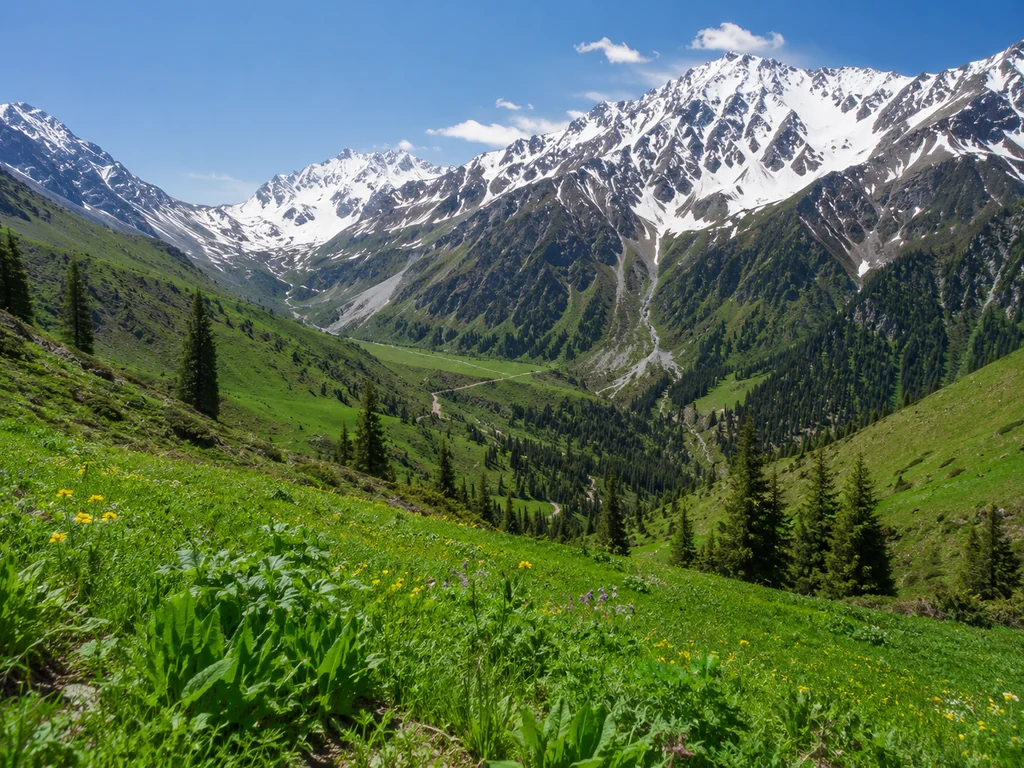
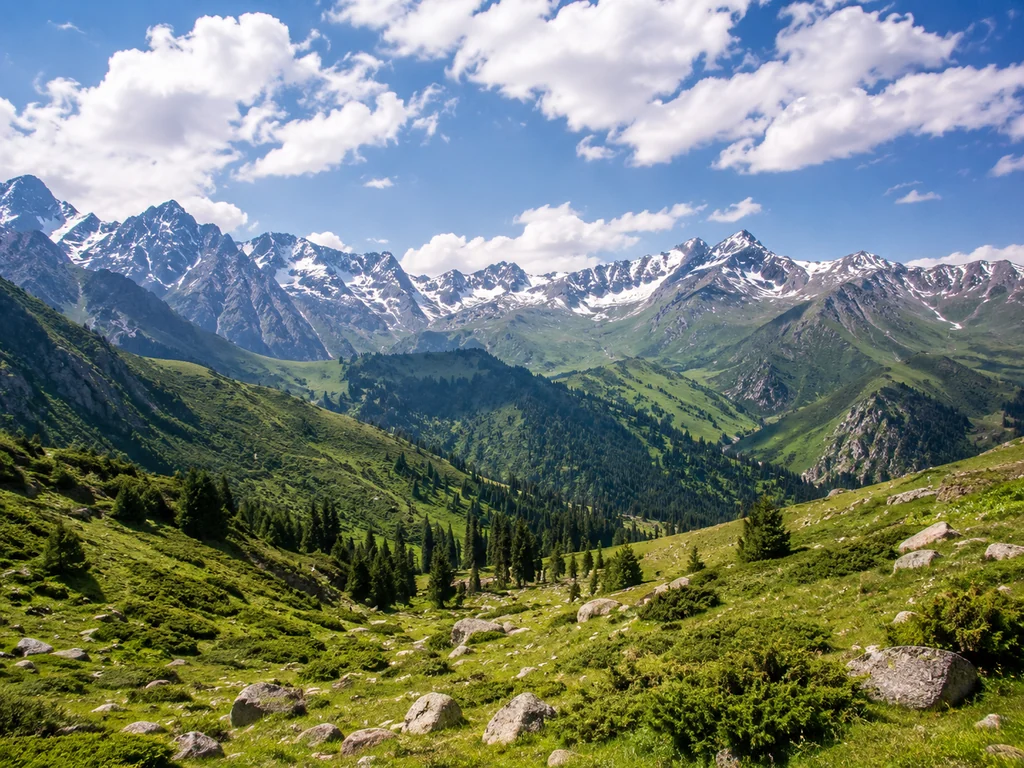
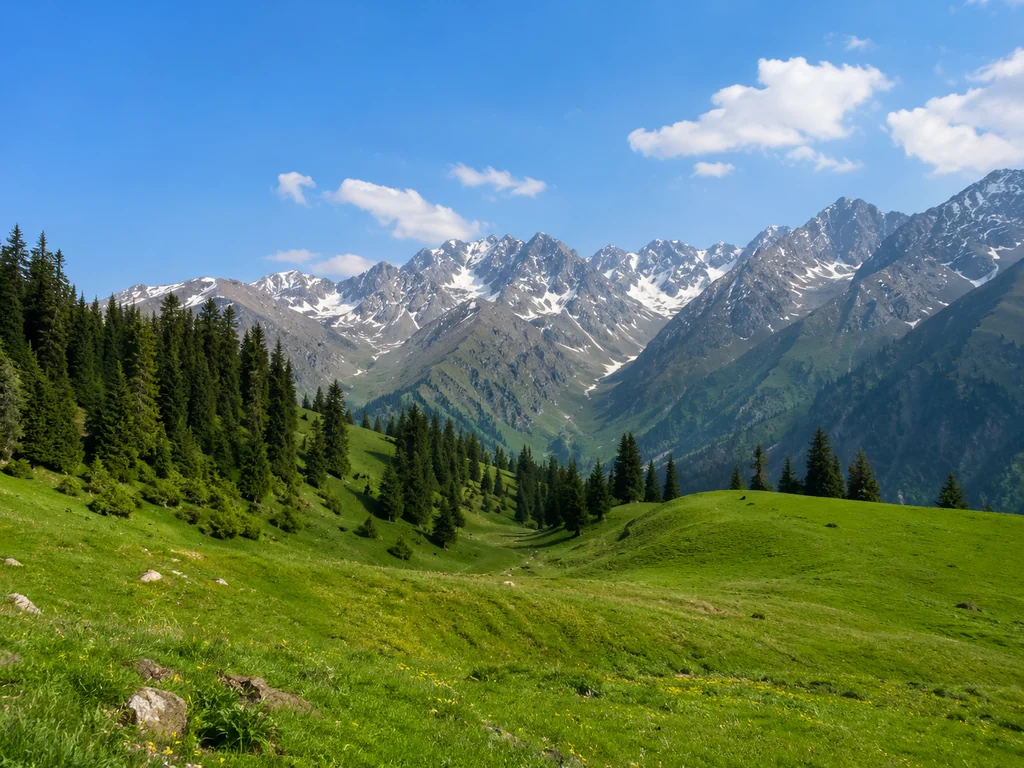
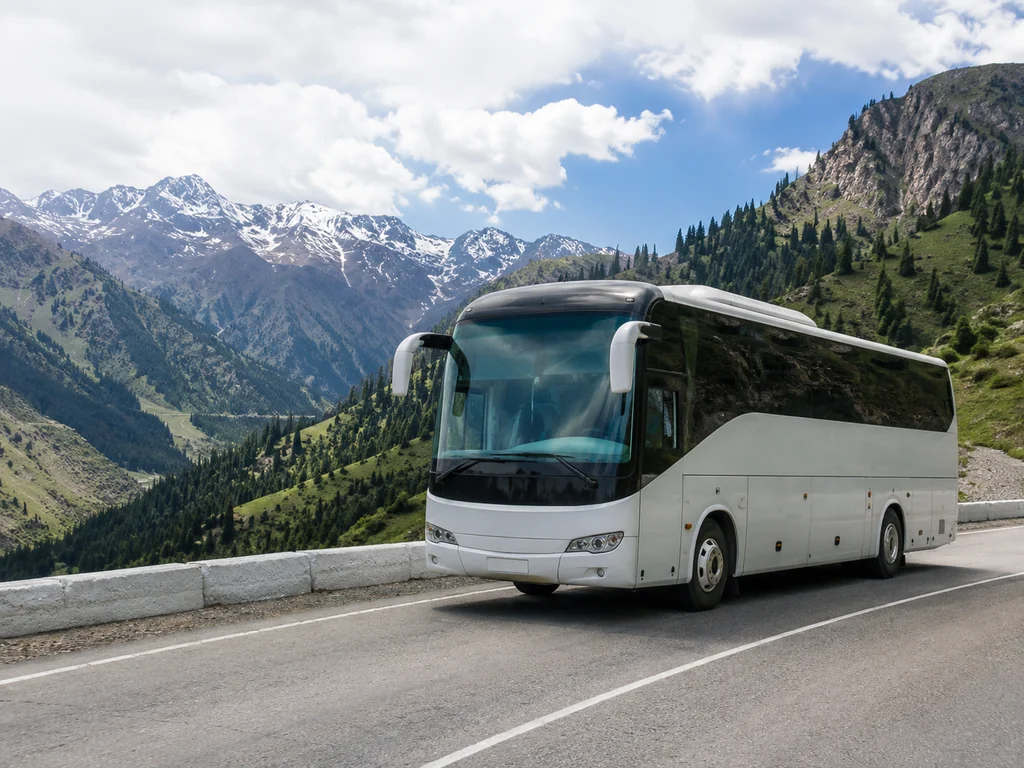
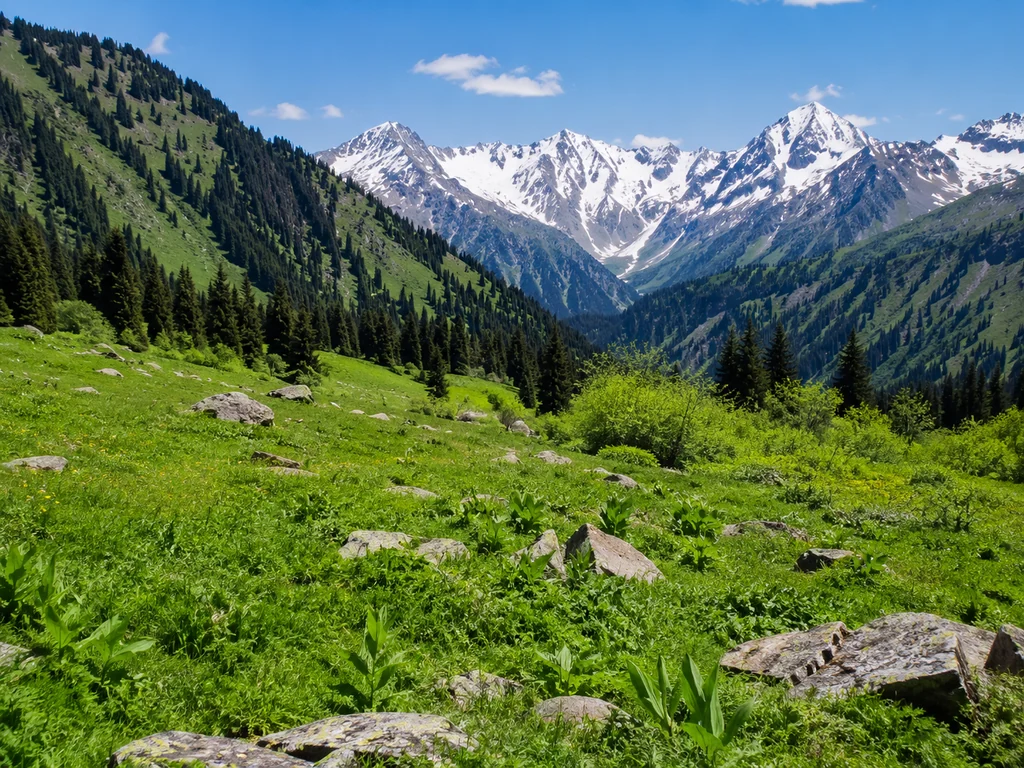
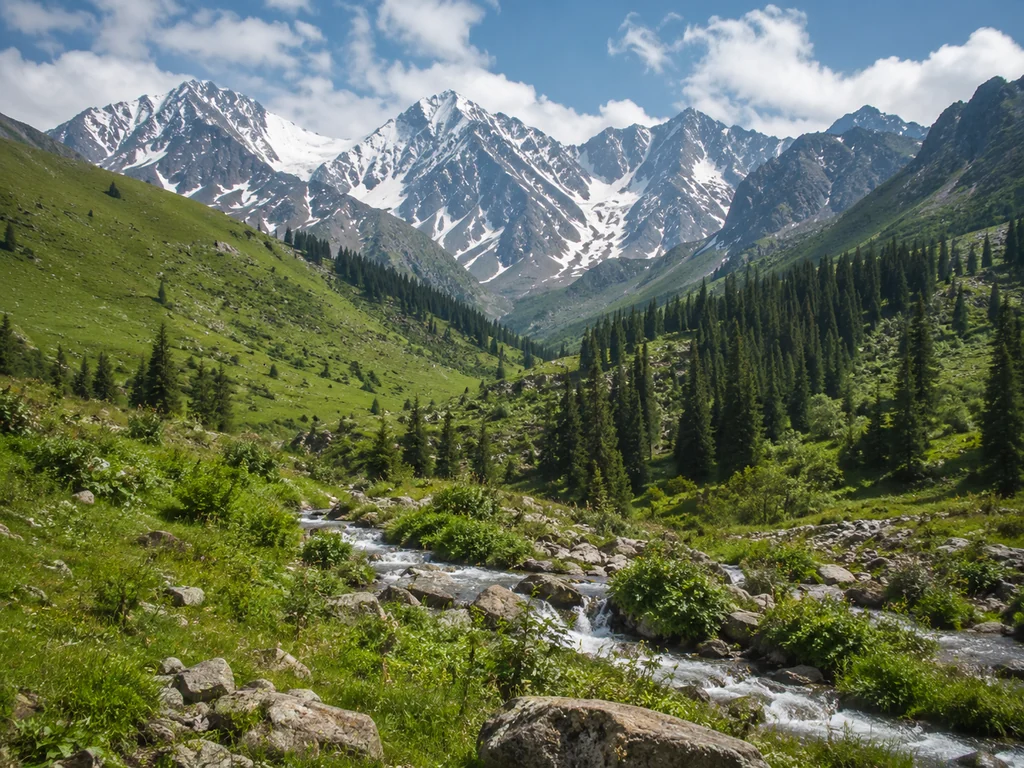
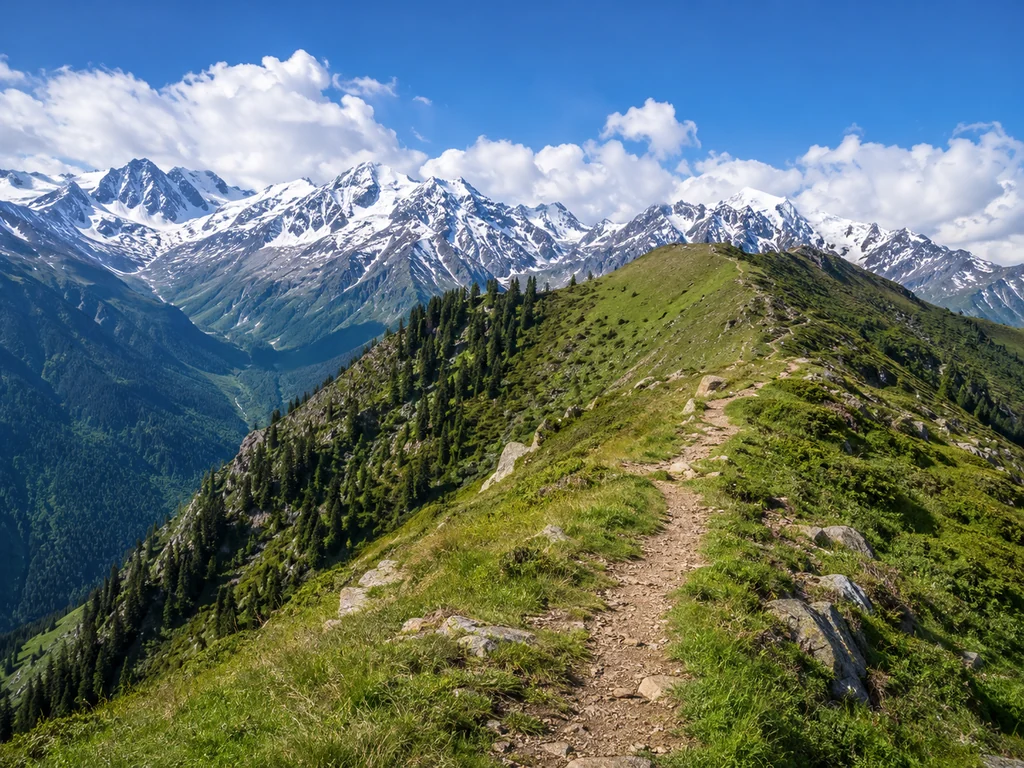
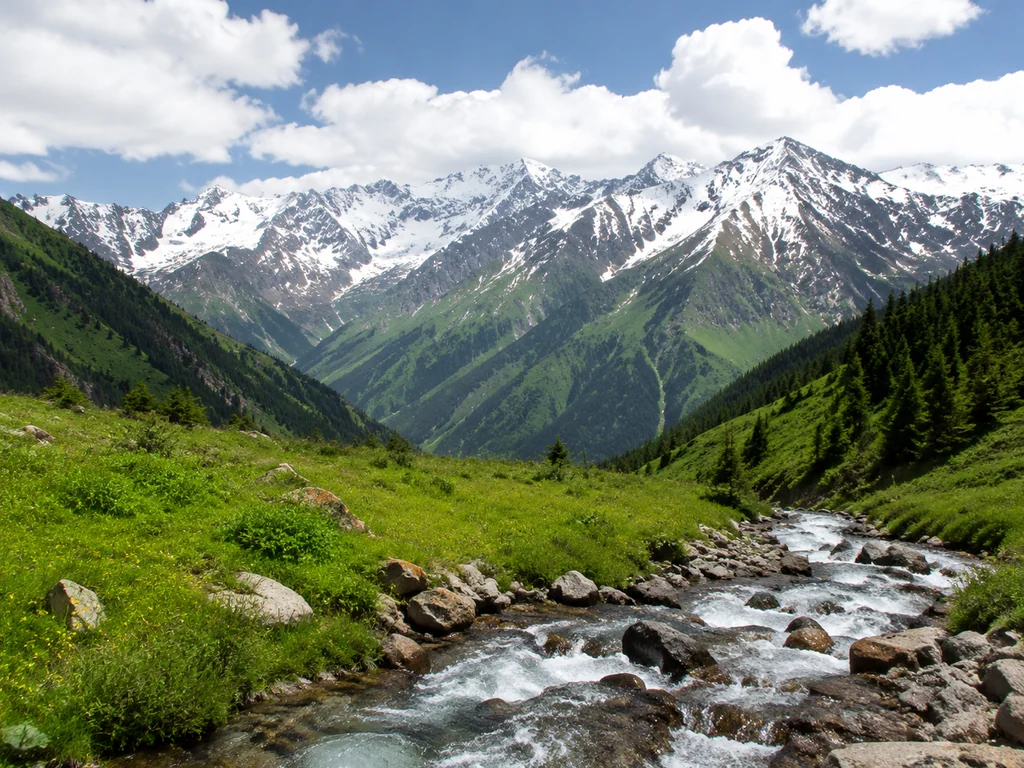
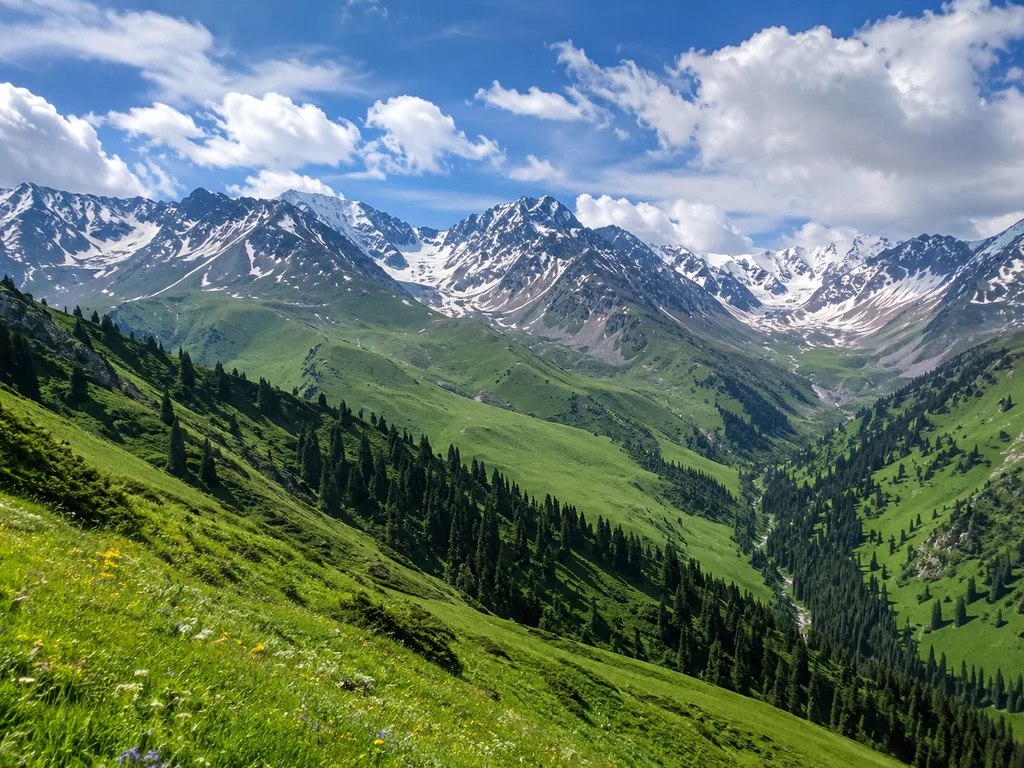
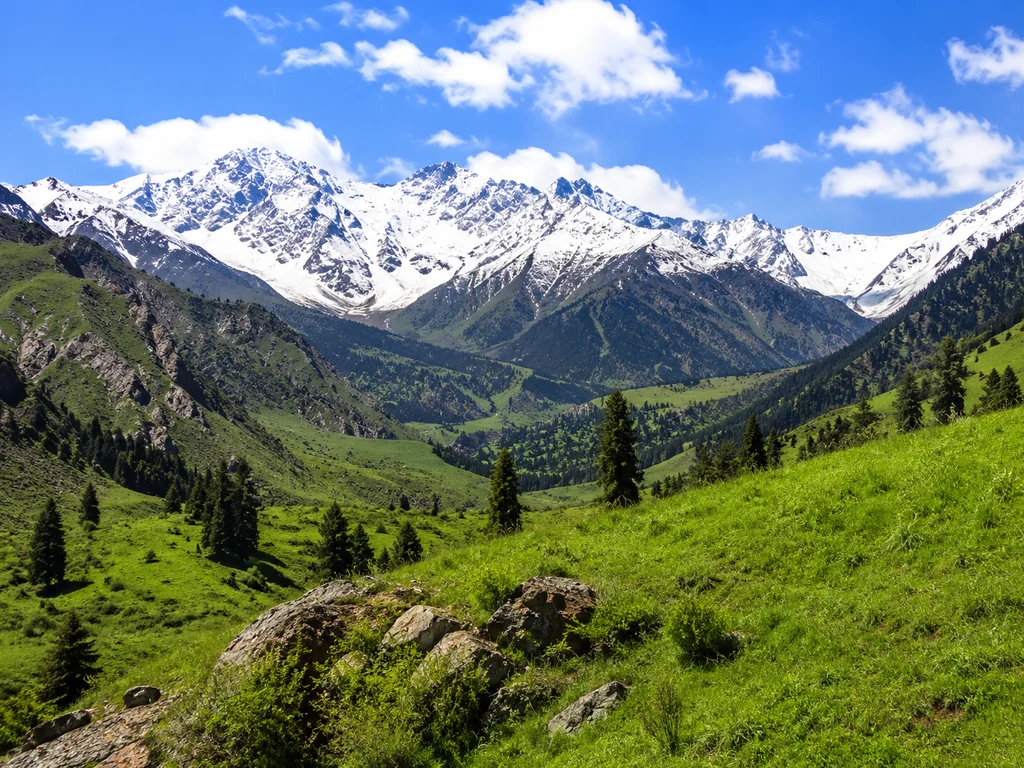
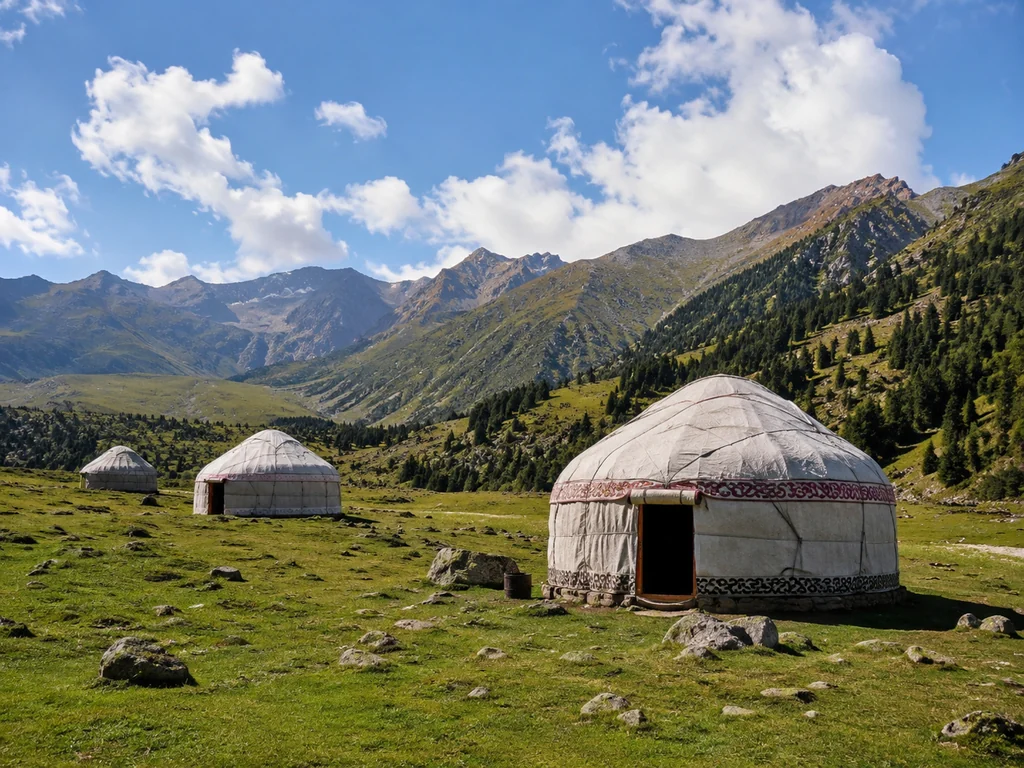
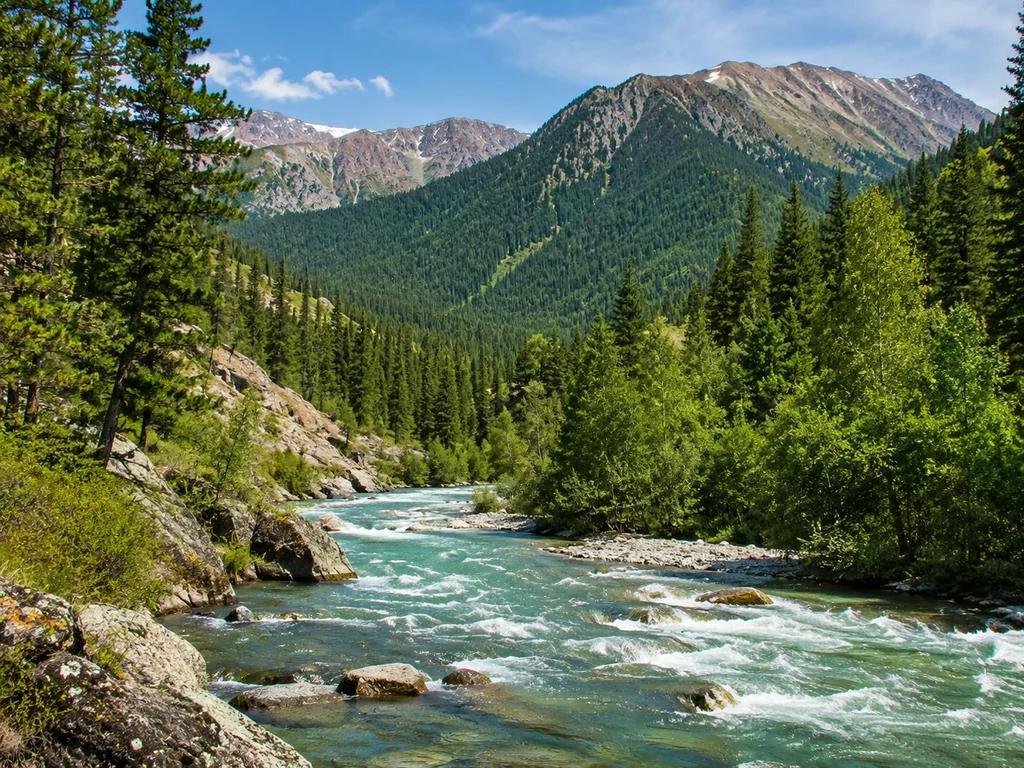
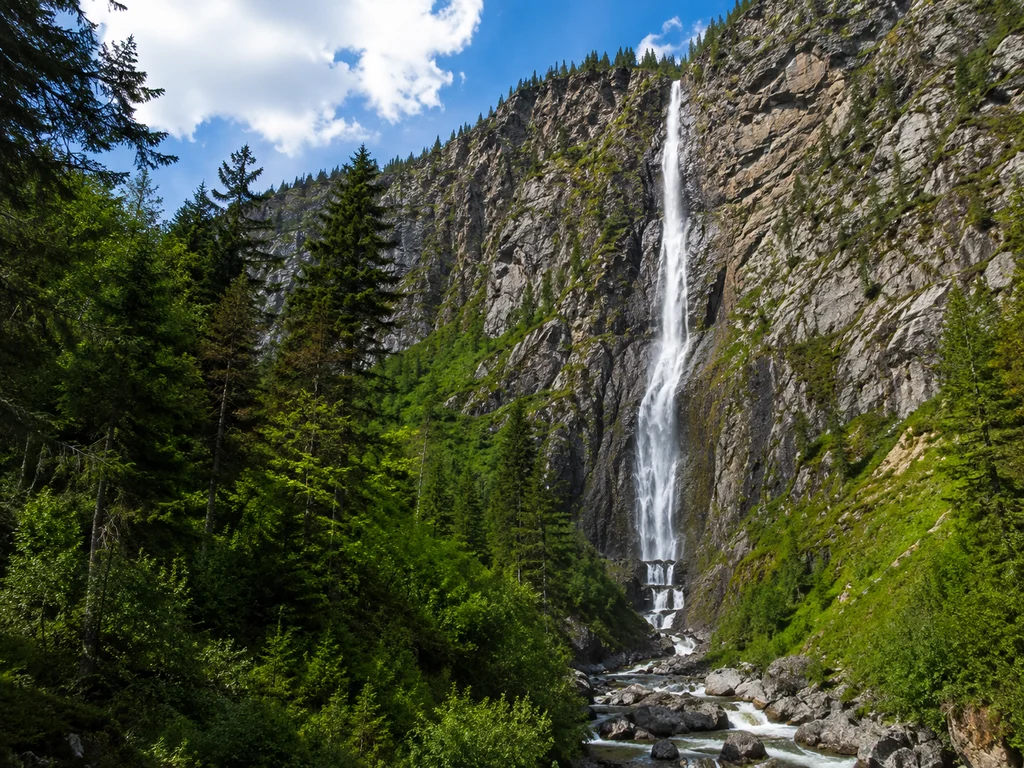
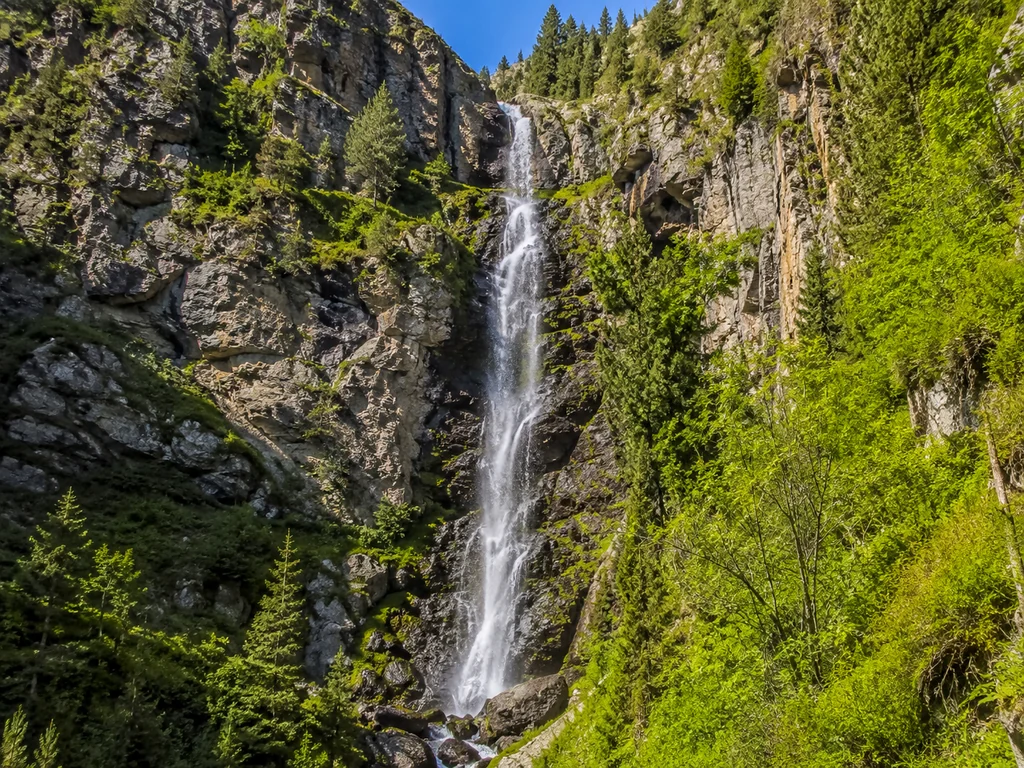
At toor, we organize tours to Kolsai and Kaindy from Almaty — one-day trips from 21,900 KZT/person and two-day trips from 39,900 KZT/person. The price includes transfer, a certified guide, lunch, entrance fees, and insurance. The route covers three Kolsai Lakes (1800–2300 m) and the submerged spruce forest of Kaindy.
One-Day or Multi-Day Tour to Kolsai and Kaindy: Which One Fits Your Scenario?
The main question for travelers is whether you can see everything in one day or need two. Let's break down the scenarios: who you are, how much time you have, and who you're traveling with.
What You Can See in One Day at Kolsai and Kaindy
The Kolsai Kaindy guide accompanies the group throughout the route, sharing history and helping with navigation. In a one-day tour, you'll visit the Lower Kolsai Lake (1818 m) and Lake Kaindy — the two main attractions that 90% of tourists come for. If you leave the city at 6 AM, you'll be at Kolsai by 11:00 AM — a walk along the shore, lunch, then a transfer to the submerged spruce forest of Kaindy, returning by 8:00 PM. The schedule is tight but not rushed: you spend 1.5–2 hours at each site. The Middle (2250 m) and Upper (2300 m) Kolsai Lakes are not included in this format — reaching them requires another 3–4 hours of hiking uphill, and there simply isn't enough daylight for the return trip. For most tourists, a one-day trip is enough to get an impression and take the main photos, but if you want to see all three lakes, plan for two days.
When to Choose a Two-Day Tour to the Kolsai Lakes
An excursion to the Kolsai Lakes with an overnight stay allows you to see all three lakes without rushing. A two-day tour to Kolsai and Kaindy lets you see all three Kolsai Lakes — Lower, Middle (2250 m), and Upper (2300 m) — plus Lake Kaindy, with an overnight stay in a guesthouse in the village of Saty or in a campsite on the shore. On the first day, you hike to the Middle Lake — 4–5 km with an elevation gain of about 400 meters, stay overnight, and the next morning head to the Upper Lake and then descend to Kaindy. This route gives you 3–4 more hours for trekking and photos compared to a one-day trip. The two-day format is especially suitable if you're with children or not ready for an early 5 AM start: you depart at 9–10 AM, take a relaxed pace, and have plenty of rest between transitions. If you're unsure about your physical fitness, a two-day trip is more comfortable — the load is spread over two days of 5–7 km each.
Who Should Choose a Multi-Day Tour with Trekking at Kolsai
A multi-day tour to the Kolsai Lakes (from 69,900 KZT/person) is a full trekking experience of 3–4 days with overnight stays in tents, covering all three lakes and a radial hike to Kaindy. The program includes an ascent to the pass between the lakes (up to 2500 m), a circuit around the entire Lower Lake, and a descent to the submerged forest through the ridge — a route not possible in a one-day or two-day format. This option is for those who want not just a "checkmark" but to complete the entire route, fully immersed in the mountains and sleeping under the stars. The elevation change is up to 500 m, and the distance is 10–15 km per day — be prepared for physical exertion, but the views from the high points are worth every step.
Prices for Tours to Kolsai and Kaindy: What's Included and How to Save
The price of tours to Kolsai and Kaindy depends on the format — one-day from 21,900 KZT/person, two-day from 39,900 KZT/person. Let's break down what's included, what's paid separately, and where you can actually save money.
Cost of Tours to Kolsai and Kaindy: Breakdown by Format
The one-day tour to Kolsai Kaindy is the most popular format among travelers with limited time.
| Tour Format | Cost (KZT/person) | Duration | What's Included |
|---|
| One-Day | from 21,900 | 1 day (departure 6:00 AM, return ~8:00 PM) | Transfer, guide, lunch, entrance fees, insurance |
| Two-Day | from 39,900 | 2 days / 1 night | Transfer, guide, 2 lunches, dinner, breakfast, entrance fees, insurance, overnight in guesthouse |
| Multi-Day | from 69,900 | 3–4 days / 2–3 nights | Transfer, guide, full board, entrance fees, insurance, tents, sleeping bags, mats |
The price is fixed per person with no hidden fees — you pay exactly what is stated when booking.
What's Included in the Price: Full List of Services
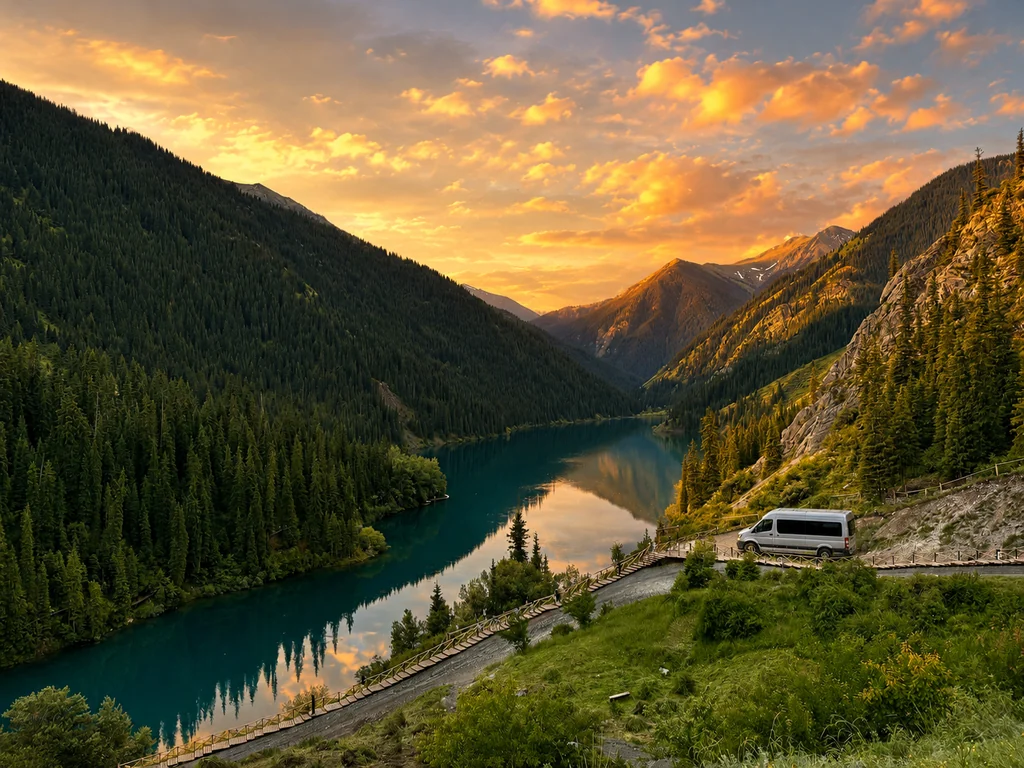
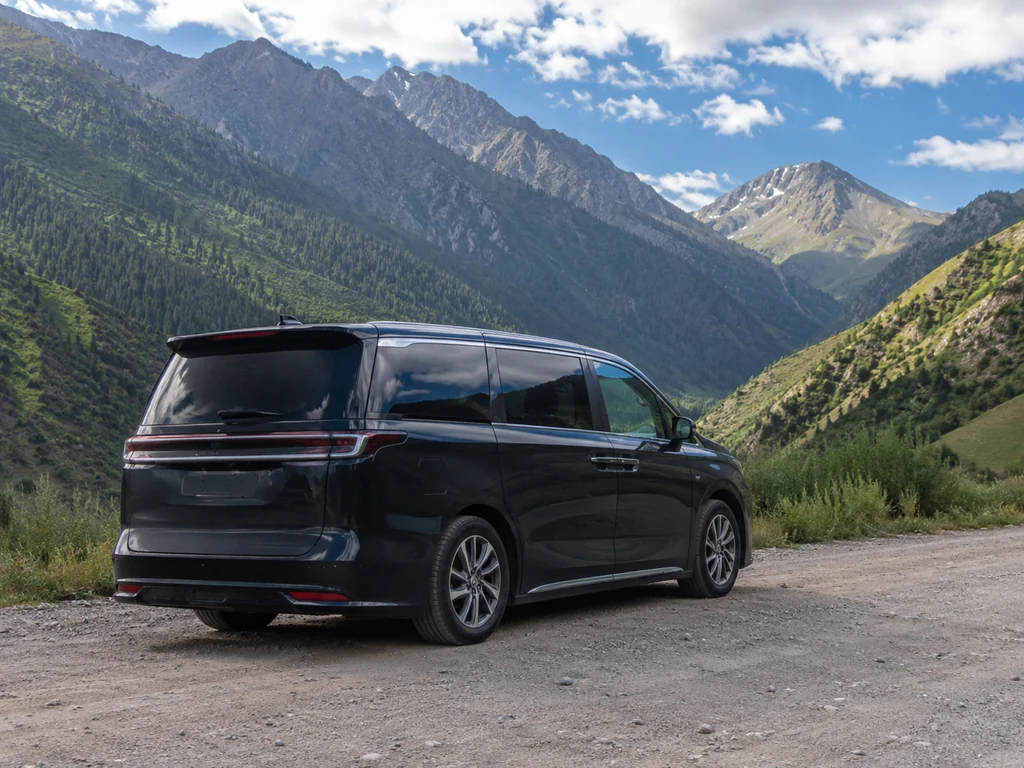
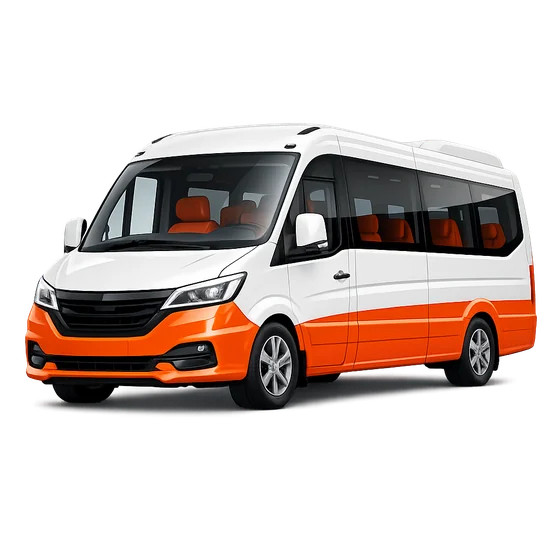
- Transfer from Almaty and back: comfortable minibus with air conditioning (about 270 km, 4–5 hours one way), pickup in the city center or along the route.
- Certified guide: a local expert who knows the route, weather patterns, and the history of the gorge, with groups of up to 10 people.
- Lunch on the route: hot meal (chicken noodle soup, pilaf, or porridge), tea, cookies — at an altitude of 1800–2300 m, this is not a luxury but a necessity for energy.
- Entrance fees: to the Kolsai State Nature Park (about 1,000 KZT per person) — included in the price, no need to pay separately at the checkpoint.
- Accident insurance: covers injuries and emergency evacuation from the route — mandatory for all tourists in the national park.
How to Save Money on a Trip to Kolsai and Kaindy
The main additional expense is personal purchases: souvenirs, extra drinks, equipment rental (trekking poles — 500 KZT, raincoat — 1,000 KZT). It's better to bring cash — there are no terminals in the mountains; the nearest ATM is in the village of Saty, 30 km from the lakes. How to actually save: bring your own lunch instead of the paid one — we'll refund the cost (about 2,000 KZT). Or join a group of 8–10 people — an individual trip becomes cheaper per person because the transfer cost is shared. Another option is to bring your own tent and sleeping bag instead of renting (saving 2,000–3,000 KZT per night).
Routes and Locations: Lower, Middle, Upper Kolsai, and Lake Kaindy
The route to the Kolsai Lakes and Kaindy includes four key points. Let's describe each one and how they connect in the trip program.
Lower Lake (Kolsai 1) — Starting Point of the Route
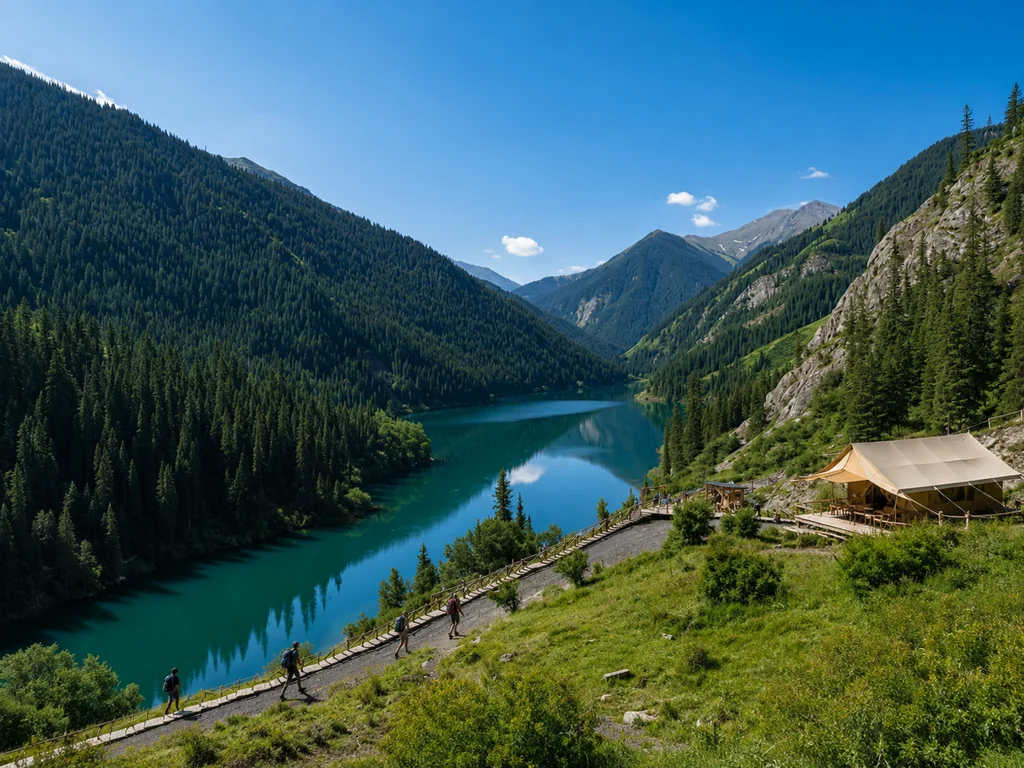
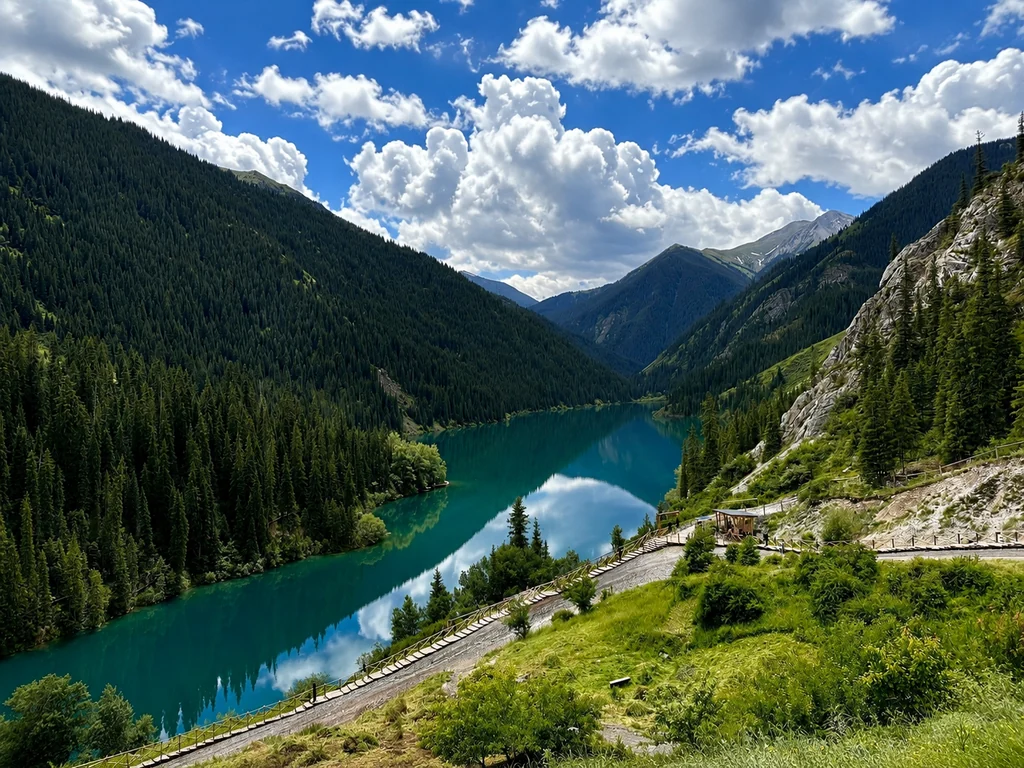
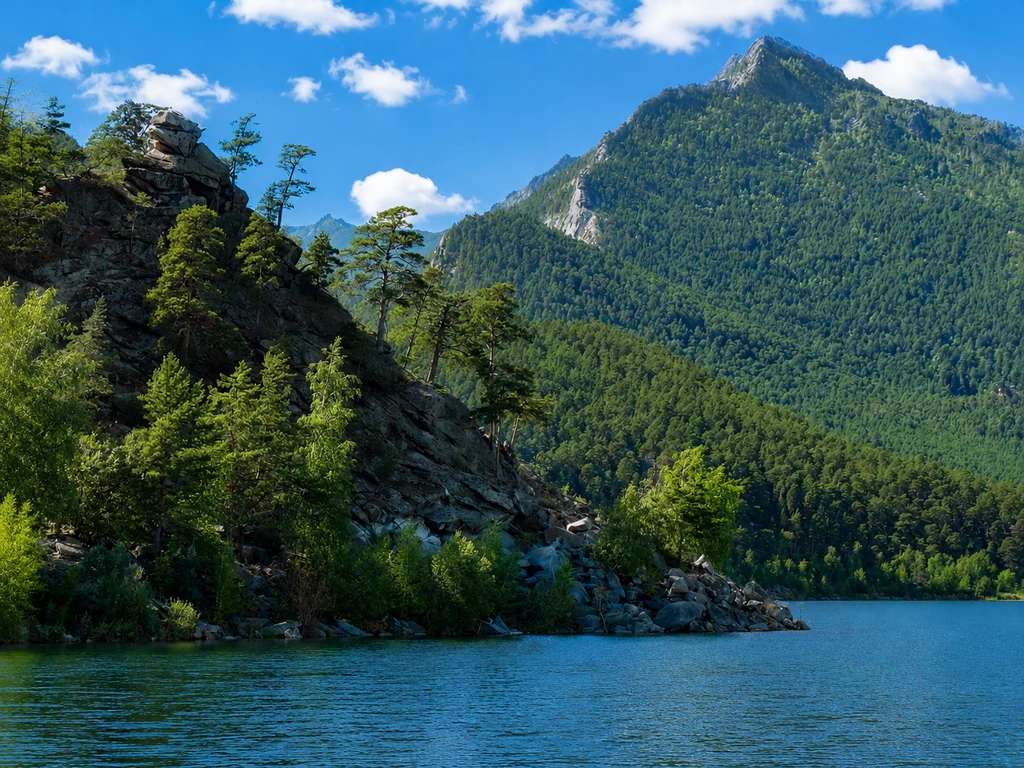
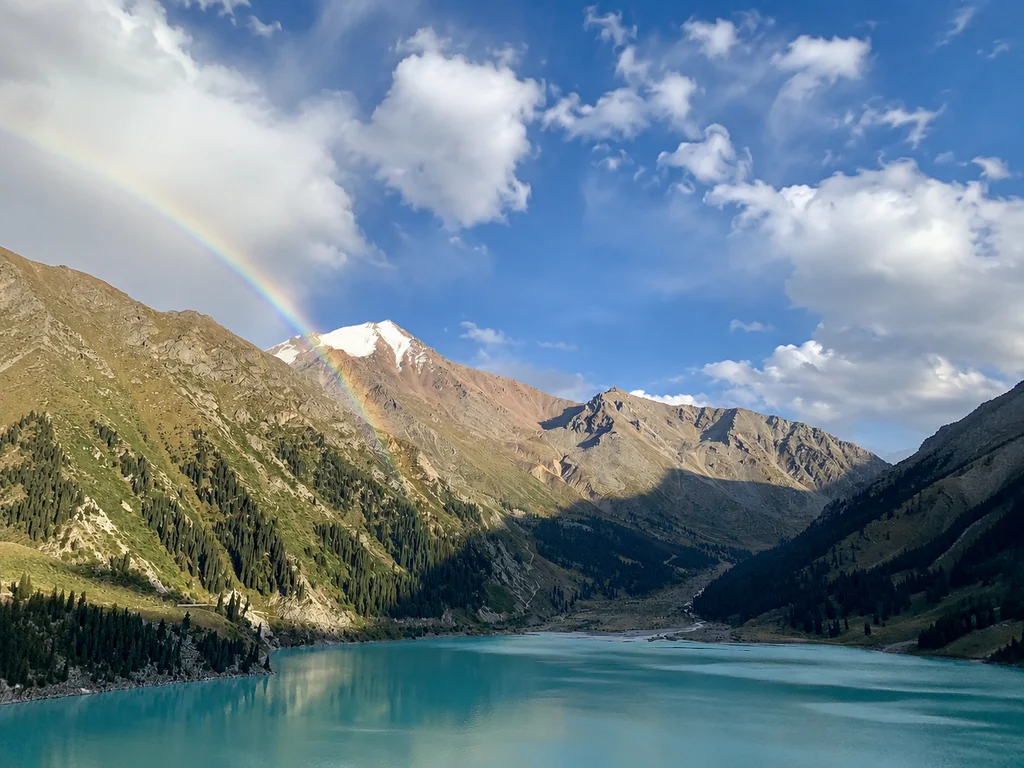
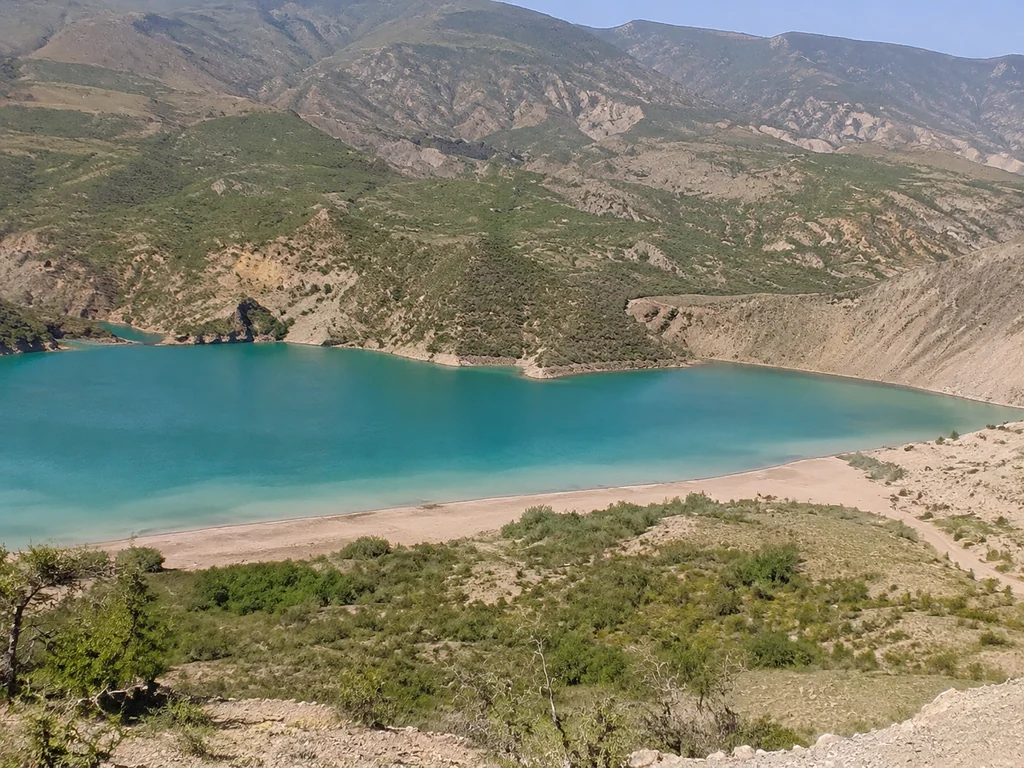
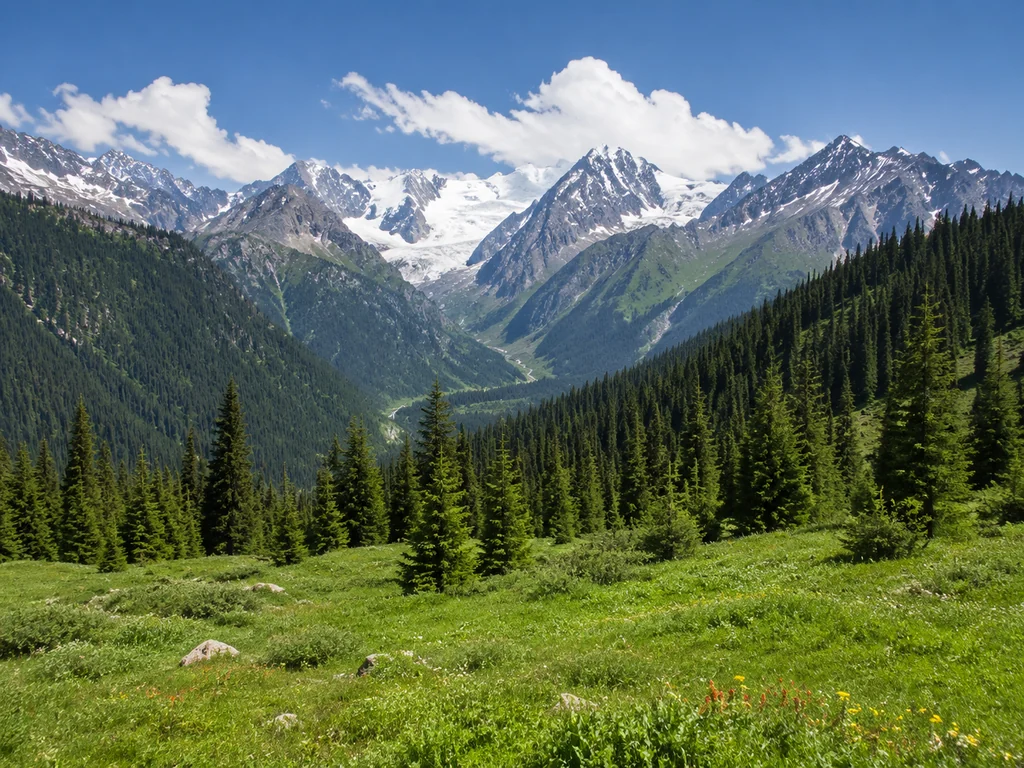
Lower Lake (Kolsai 1) is located at an altitude of 1818 m — it's the first stop on our tour, where the hiking route to the Middle and Upper Lakes begins. It is surrounded by Tien Shan spruce forest, with emerald-colored water — on clear days, you can see the bottom at depths of up to 5 meters. There is a rest area with benches, gazebos, and eco-toilets — you can take a break before the ascent. From Lower to Middle Lake, it's about 3 km on foot with an elevation gain of 430 meters, along a serpentine path through dense forest. Before starting, make sure you have trekking poles: on a wet trail after rain, the clay climb without support is more exhausting than the entire route in dry weather.
Middle and Upper Kolsai — For Those Going Further
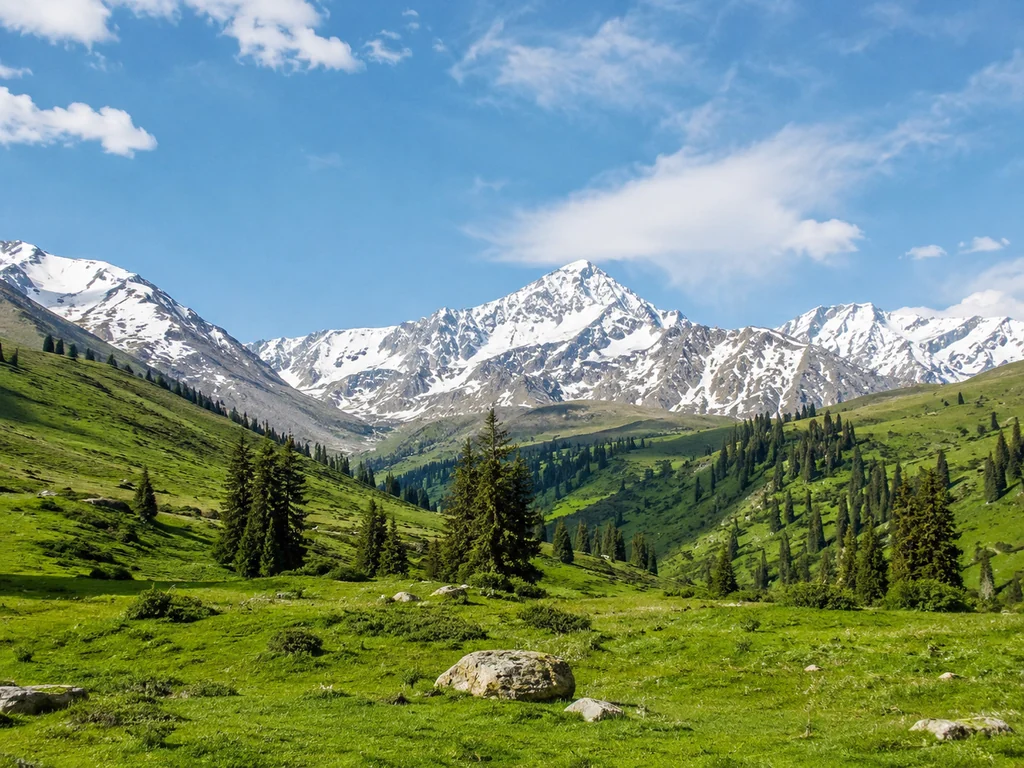
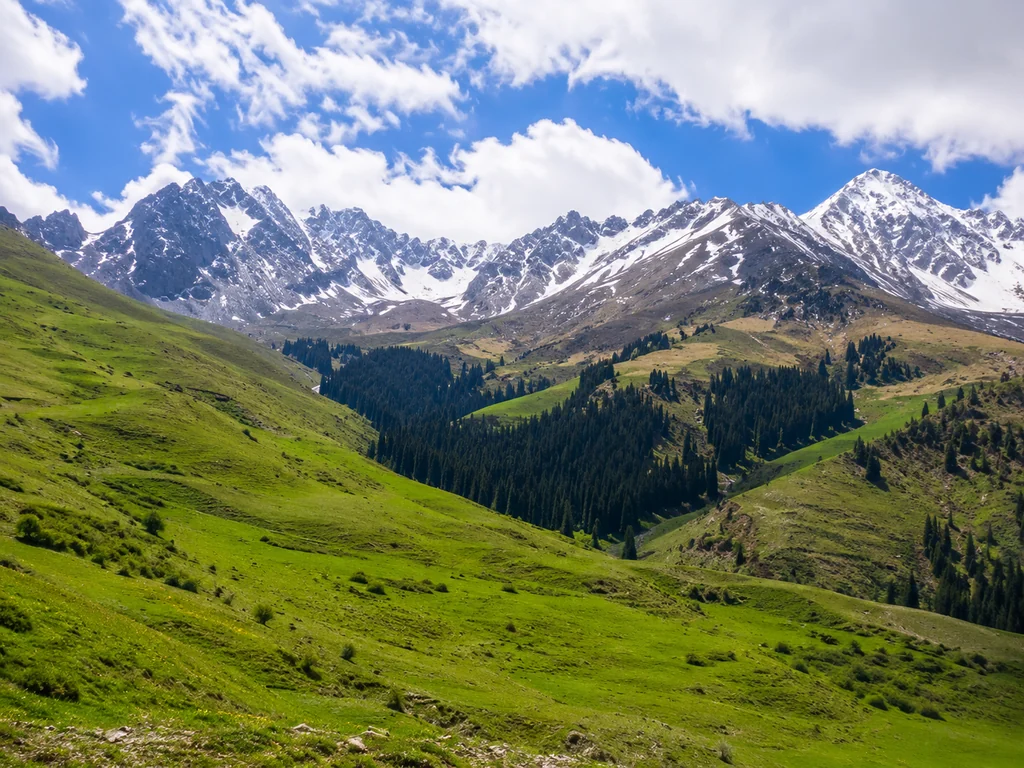
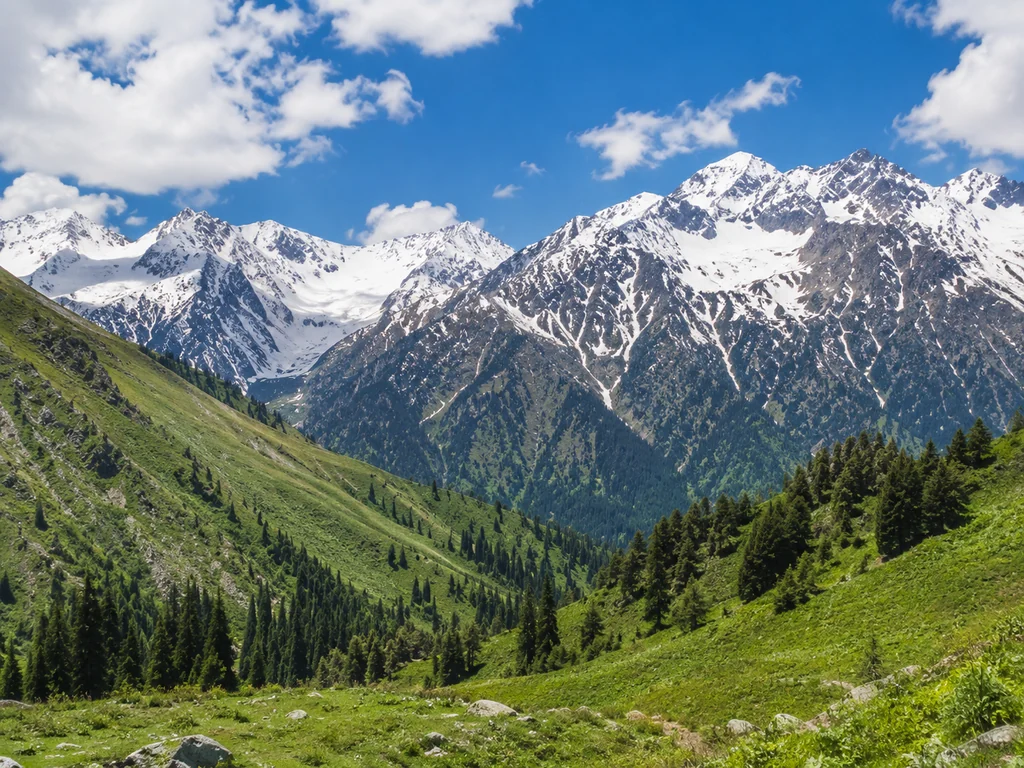
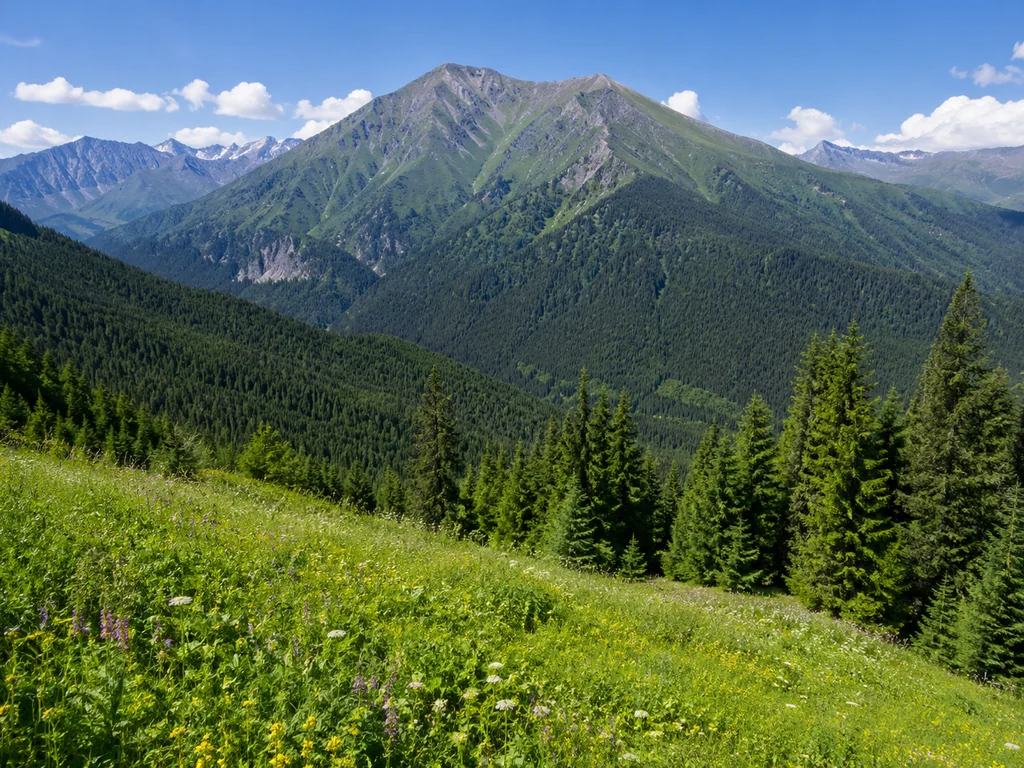
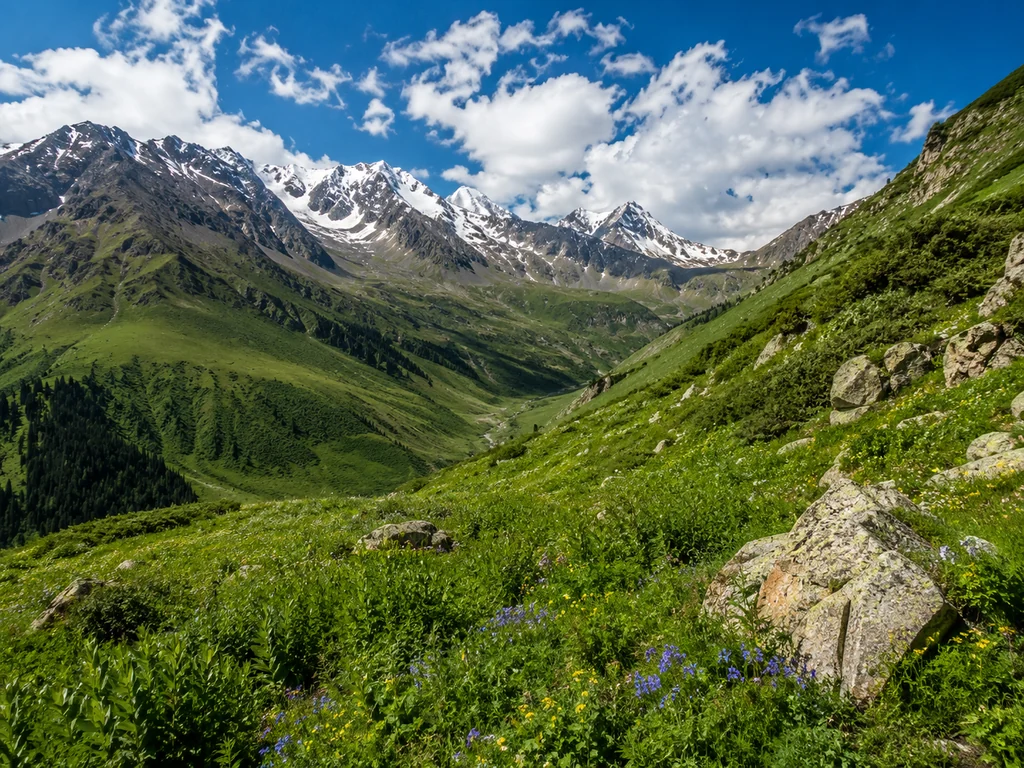
Middle Lake (2250 m) and Upper Lake (2300 m) are the goals of the two-day route. From Lower to Upper Lake, it's about 7 km on foot with an elevation change of almost 500 meters, taking 3–4 hours at a relaxed pace with stops. Middle Lake is the deepest of the three (up to 80 meters) and the coldest — water here is +8..+10°C even in July, so even hardy tourists don't risk swimming. Upper Lake is the smallest but offers a panoramic view of the Kungey Alatau ridge: from the saddle between the lakes, you can see the snow line of peaks over 4000 m. You usually stay overnight at Middle Lake, in tents or a cabin by the water — bring a sleeping bag rated to -5°C, because even in August, nighttime temperatures drop to +5°C.
Lake Kaindy — Submerged Spruce Forest with Turquoise Water
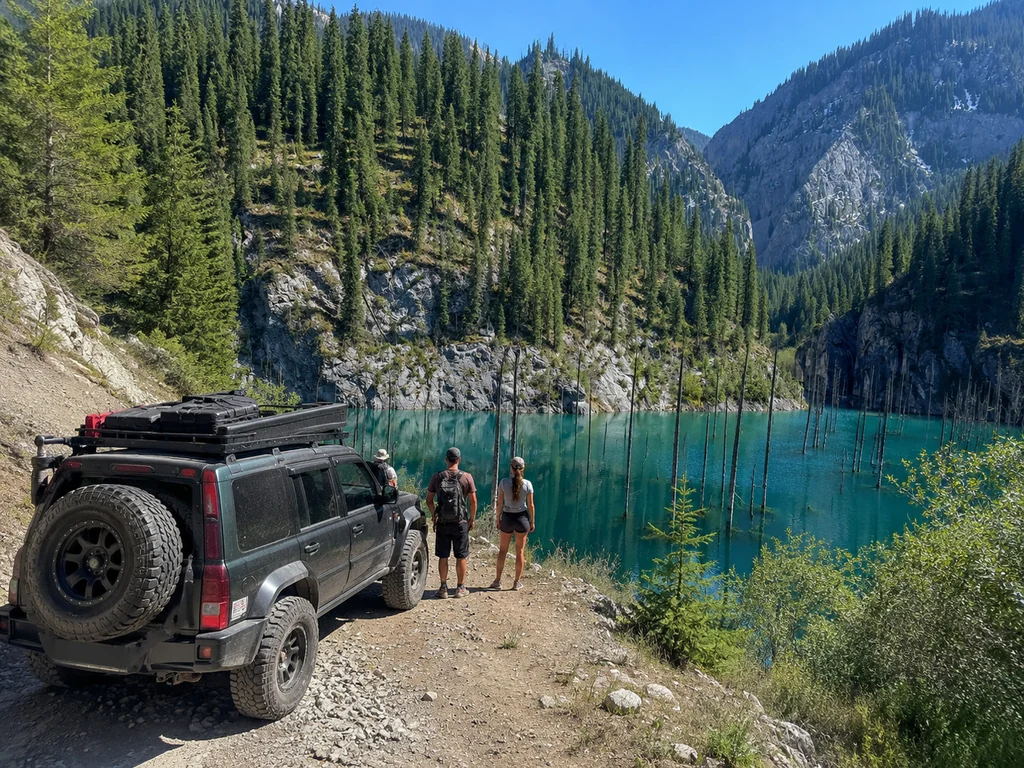
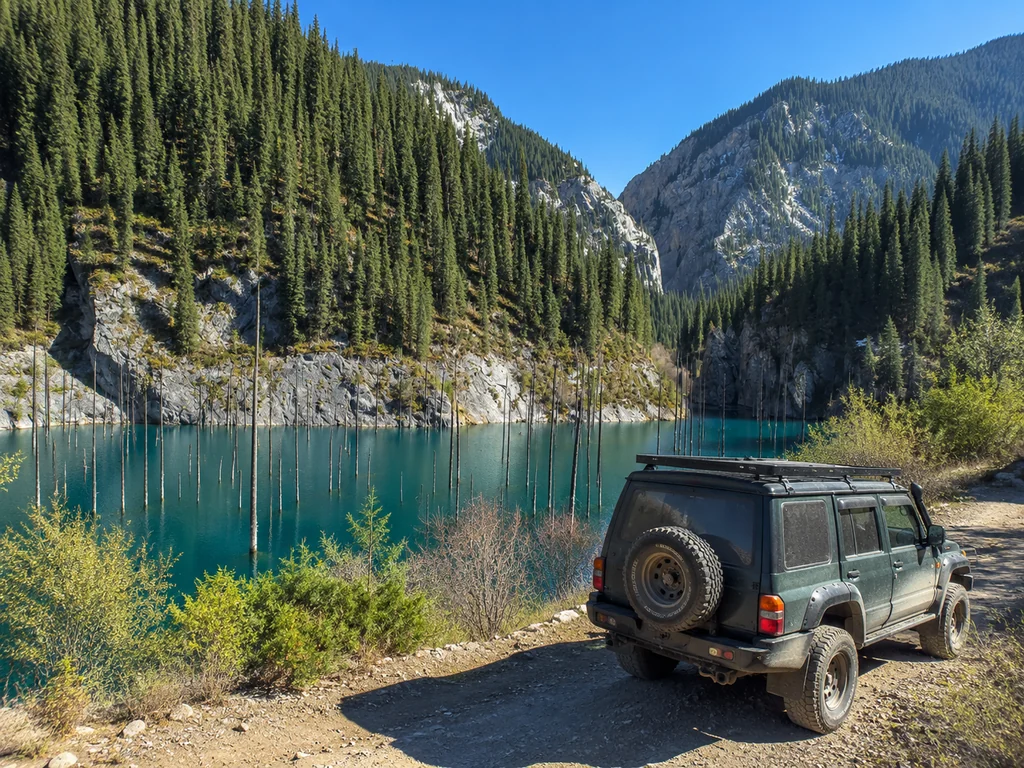
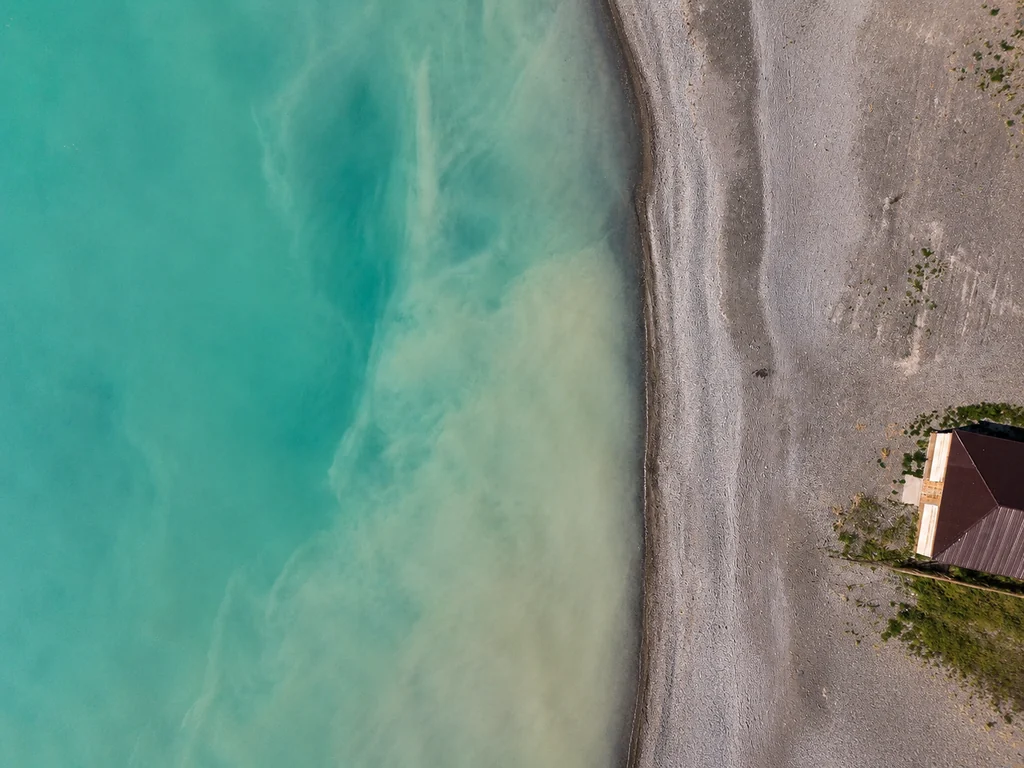
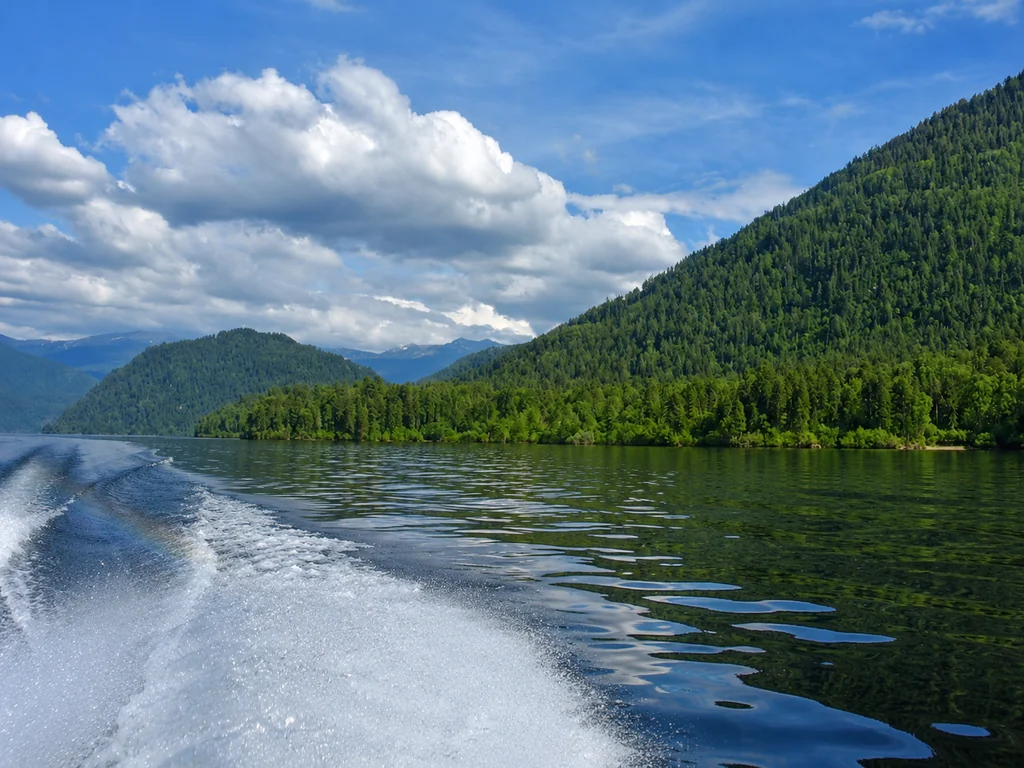
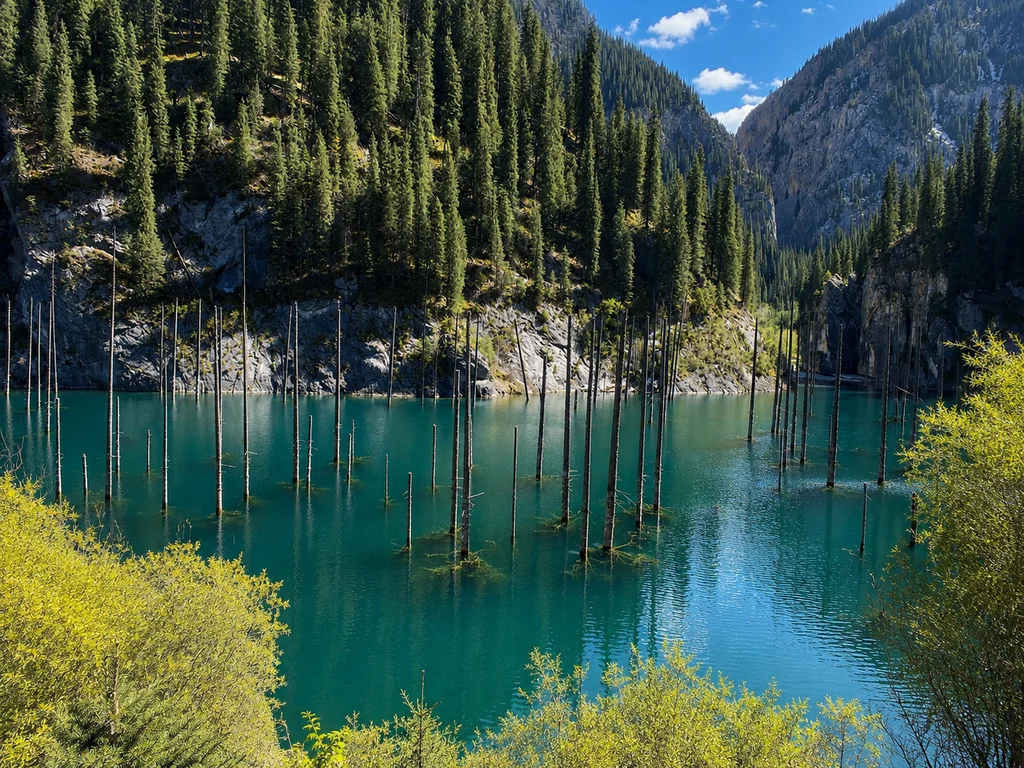
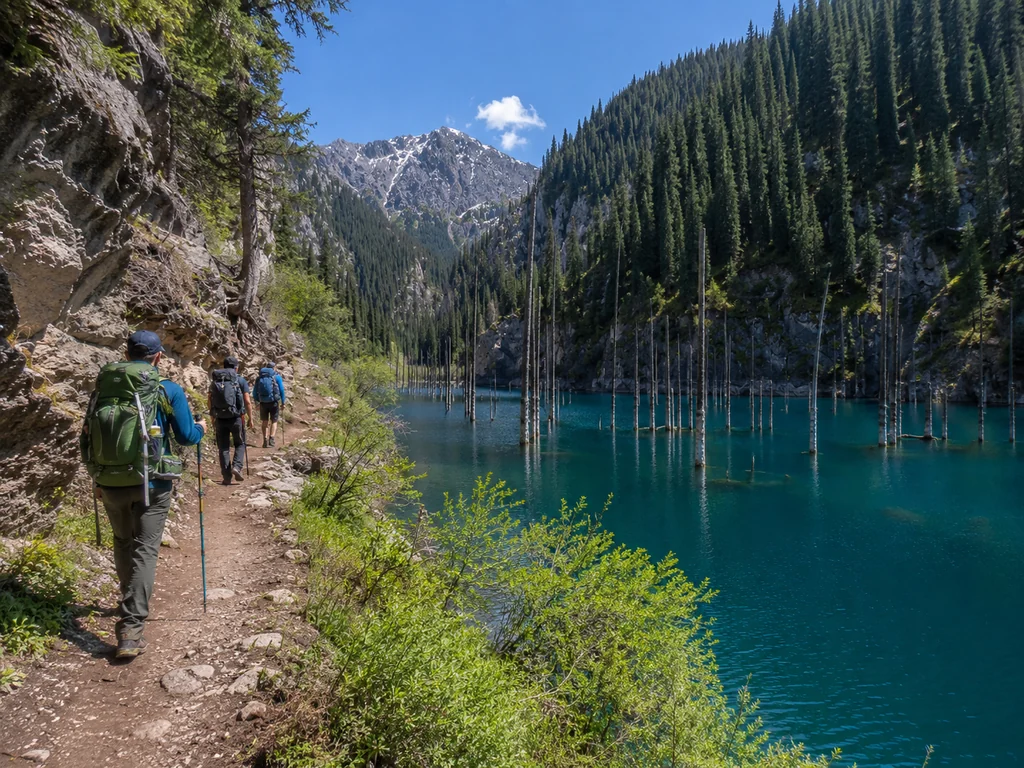
The Kaindy tour from Almaty usually includes a visit to this lake in the afternoon. Lake Kaindy is a submerged spruce forest where tree trunks up to 5 meters high rise from turquoise water, formed after the 1911 earthquake. The water is so clear that you can see underwater trunks at depths of 10–15 meters — the effect of an underwater forest is visible from the shore and from catamarans available for rent on site. This place and Kolsai offer different experiences: Kolsai is classic mountain lakes with green shores and forest trails, while Kaindy is a unique natural phenomenon not repeated anywhere else in Kazakhstan. On a one-day trip, you can visit both — first Kolsai, then this lake, with lunch in between. It's best to arrive here before 10 AM, when the sun is low and rays illuminate the trunks from within — by noon, the light becomes flat and the effect fades.
What to Bring on a Hike to Kolsai and Kaindy: Full Checklist
Proper gear is the key to a comfortable and safe hike to Kolsai and Kaindy. Let's break down what you must bring and what you can rent on site.
Footwear and Clothing: What to Wear to Avoid Freezing and Blisters
- Trekking boots: mandatory — sneakers with smooth soles slip on rocks and wet grass, especially on descents with elevation changes of up to 500 m.
- Three-layer system: thermal underwear wicks moisture, fleece retains heat, and a windbreaker protects against wind. Daytime +20..+25°C, nighttime +5..+10°C — a difference of up to 15 degrees.
- Raincoat: mandatory even on sunny days — mountain weather can change in 15 minutes, and wet clothes in the wind lead to hypothermia within 30–40 minutes.
- Spare pair of socks: wet feet are a common cause of blisters. Bring merino wool trekking socks: they dry faster than cotton and don't chafe.
- Hat: cap or sun hat — UV radiation at 2000 m is 20–30% more intense than in the city, even on cloudy days.
Gear You Can Rent from toor
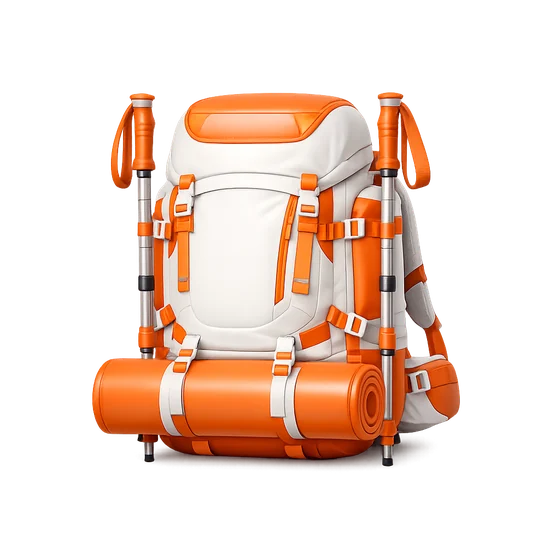
At toor, you can rent trekking poles (500 KZT) and a raincoat (1,000 KZT) — the two items most often forgotten but critically important on the route. Trekking poles reduce knee strain on descents by 30–40% — especially relevant on the section from Middle to Lower Kolsai, where the elevation change is 430 m. A raincoat protects not only from rain but also from wind on open sections of the pass between Kaindy and Kolsai, where gusts can reach 15–20 m/s. Other gear — backpack, sleeping pad, sleeping bag — is included in the cost of a multi-day hike, so you don't need to buy it separately. Before departure, the guide checks each participant's gear: if you don't have a raincoat or poles, they will be provided on site at no extra cost beyond the stated rental price.
Personal Items: What Else to Pack in Your Backpack
- Water 1.5–2 liters: there are no sources of drinking water on the route, and lake water is cold (+8..+12°C) and not recommended for drinking due to bacteria — bring your own.
- Snacks: nuts, chocolate, protein bars — on a 5–12 km route, you burn 400–600 kcal; without food, your blood sugar will drop by lunchtime.
- Sunscreen SPF 50+: at 2000 m, clouds don't filter UV — you can get sunburned in 40 minutes, even if the sky is overcast.
- Power bank: there are no outlets on the route — your phone drains faster in the cold, and without navigation and communication, it's easy to lose the trail on the descent.
- Cash: there are no terminals in the village of Saty — kumis, honey, or souvenirs from locals are sold only for cash; the nearest ATM is in the town of Shelek, 40 km from the start of the route.
Safety in the Mountains: Weather, Altitude, Wild Animals
Mountains always involve risks, but most are manageable. Let's talk about how safety is organized on the Kolsai and Kaindy routes and what tourists need to know before departure.
Mountain Weather: How It Changes and What to Do in Case of Sudden Deterioration
Mountain weather can change in 15–20 minutes: clear skies can turn into a hailstorm, so at toor, every guide has a satellite phone for emergency communication and a first aid kit. There are shelters on the route — ranger cabins at Lower and Middle Kolsai — where you can take refuge during sudden cold snaps or downpours. In summer, daytime temperatures range from +20..+25°C, but as you ascend to Upper Kolsai (2300 m), it drops by 5–7 degrees, and wind on open sections intensifies the cold. If the weather suddenly worsens, the guide decides whether to return to base or stop at a shelter — no trip goes out during a storm warning from Kazhydromet, and the group is rescheduled to another day without penalty.
Altitude Acclimatization: How to Prepare for Elevation Changes of Up to 500 m
The route altitude ranges from 1818 m (Lower Kolsai) to 2300 m (Upper Kolsai), which is comfortable for most tourists, but rapid ascent without stops can cause mild shortness of breath or dizziness. To reduce the risk of altitude sickness, the guide stops every 30–40 minutes for acclimatization and to check participants' pulse. The 500 m elevation gain is covered in 1.5–2 hours on foot along a serpentine path — the pace is set by the slowest in the group, and trekking poles are used on steep sections to relieve knee strain. Beginners are advised to start with a one-day trip to Lower Kolsai and Kaindy — it requires no special training, just average physical fitness and comfortable flat shoes.
Wild Animals on the Route: What You Might Encounter and How to Behave
On the route, you may encounter marals, roe deer, hares, and marmots — predators are practically absent in this part of the Kungey Alatau; the last recorded bear sighting was over 5 years ago. Marals and roe deer are most often seen near the trail early in the morning (before 9:00 AM) or at sunset; marmots are active throughout the day and are not afraid of people at a distance of 15–20 meters. The main rule is not to feed or approach animals: even a marmot can bite if it feels threatened, and a maral during the rutting season (September) may attack if you make sudden movements. If you encounter a hoofed animal, stop, avoid sudden arm movements, and let it move away — the guide always warns the group about possible encounters during the morning briefing and knows how to act in unusual situations.
Common Tourist Mistakes at Kolsai and Kaindy and How to Avoid Them
Over five years of work, we've seen the same mistakes over and over. Here are the five most common ones — so you don't repeat them.
Mistake 1: Trying to Cover Kolsai and Kaindy in One Day by Car
The road from Almaty to Kolsai is 270 km, with the last 30–40 km being a dirt road full of potholes and rocks. In a sedan, you risk damaging the suspension or getting stuck, especially after rain — in July, we pulled a Nissan Almera out of mud that was buried up to its axles. A self-guided trip to Kolsai and Kaindy in one day means 8–10 hours of driving and 2–3 hours of sightseeing: you'll spend more time on the road than on the route. An organized tour solves this — you relax while being driven and don't risk returning to the city after midnight.
Mistake 2: Wearing the Wrong Shoes and Not Bringing a Raincoat
The most common mistake is wearing sneakers with smooth soles and no raincoat: on wet rocks at Lake Kaindy, the soles slip, and without a raincoat, you'll get soaked in five minutes under a mountain downpour. In June, a tourist in Converse sneakers slipped and cut his knee on the descent to Kaindy — we had to return with the guide ahead. Trekking boots with a tread and a lightweight rain jacket solve both problems: the boots provide grip on wet rocks, and the jacket protects from sudden rain on the pass. If you forget, rent a raincoat and trekking poles for 1,500 tenge — it's cheaper than ruined shoes.
Mistake 3: Not Bringing Water and Snacks
There are no shops or cafes on the route — lake water is cold (+8..+12°C) and undrinkable without boiling, and without a water supply, dehydration sets in after just 2–3 hours of walking in 30°C heat. The norm is 1.5–2 liters per person, plus chocolate or nuts for quick energy recovery on the ascent to Upper Kolsai. Lunch is included in the one-day tour, but it's better to bring an extra snack — it will prevent your blood sugar from dropping on the final descent.
Comparison of Hiking and Jeep Tours to Kolsai and Kaindy
On foot or by jeep — both options have their advantages. Let's break down which format suits whom and what you get with each.
Hiking Tour (Trekking): For Whom and What Routes
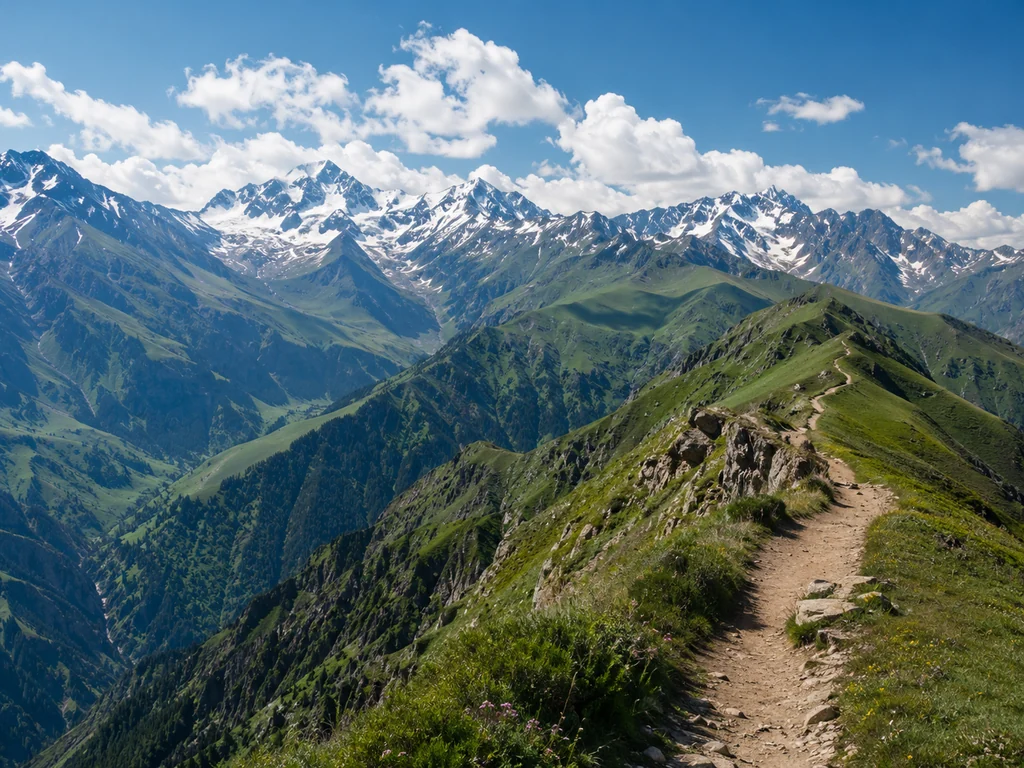
A hiking tour to Kolsai Kaindy is for those who want to cover the route on their own two feet and enjoy every view. The toor hiking tour to Kolsai is a trek of 5–15 km with elevation changes of up to 500 m. You walk along a trail through spruce forest, see all three lakes and Kaindy at your own pace, stopping for photos by the turquoise water. The route goes from Lower Kolsai (1818 m) to Upper (2300 m), then descends to the submerged forest of Kaindy — the most picturesque shots are at sunrise when the sun's rays pierce the spruce trunks underwater. The hiking format is suitable for those who want to fully immerse themselves in nature, take photo breaks, and enjoy the views. The physical load is moderate — with stops, the route takes 4–6 hours. Not recommended for people with knee problems.
Jeep Tour in UAZ or Toyota Land Cruiser: For Comfort and Families with Children
A jeep tour to Kolsai Kaindy allows you to see the same locations without prolonged physical exertion. The toor jeep tour to Kolsai and Kaindy uses UAZ or Toyota Land Cruiser — you drive to key points on the route, with minimal walking (up to 1–2 km). The vehicle handles mountain switchbacks and dirt roads that are impassable for regular sedans, especially after rains in June and July. You visit the same locations as in the hiking version but without physical strain — the guide stops at viewpoints offering panoramas of all three Kolsai Lakes. An ideal option for families with children, elderly people, or those not ready for long walks. The cost of a jeep tour starts from 25,900 KZT/person.
Comparison of Hiking and Jeep Tours: Table for Selection
| Parameter | Hiking Tour (Trekking) | Jeep Tour (UAZ / Toyota Land Cruiser) |
|---|
| Physical Load | High (5–15 km, elevation change up to 500 m) | Minimal (walking up to 1–2 km) |
| Travel Time | 4–6 hours of active walking | 2–3 hours by car + short walks |
| Suitable For | Active tourists, trekking enthusiasts | Families with children, elderly, unprepared individuals |
| Cost | from 15,000 KZT/person | from 25,900 KZT/person |
| Experience | Full immersion in nature, silence, photos | Comfort, speed, access to the same locations |
If you're unsure, focus on the main criterion: are you ready for 4–6 hours of physical activity? If yes, the hiking option will give you more nature impressions. If not, the jeep tour is more comfortable and faster.
Conclusion
The Kolsai Lakes and Kaindy leave lifelong impressions, but the trip requires thoughtful choice of format, preparation, and a realistic assessment of your abilities.
Key Takeaways
- Choose your format: the hiking route is for active and fit individuals; the jeep tour is for comfort and families with children.
- Plan your time: a one-day trip is possible but packed; a two-day trip offers more freedom and time for photos without rushing.
- Gear up properly: comfortable shoes, warm clothes, a raincoat, water, and snacks are the bare minimum — without them, the day will turn into an ordeal.
- Consider the season: the best time is May–September; in the off-season, weather is unpredictable and roads are washed out, disrupting routes.
- Don't risk safety: hire a guide, inform loved ones of your route, charge your phone, and download offline maps — mobile reception is unstable in the gorges.










 Weekend Top