Multi-Day Tours from Almaty: Your Gateway to Kazakhstan's Wild Beauty
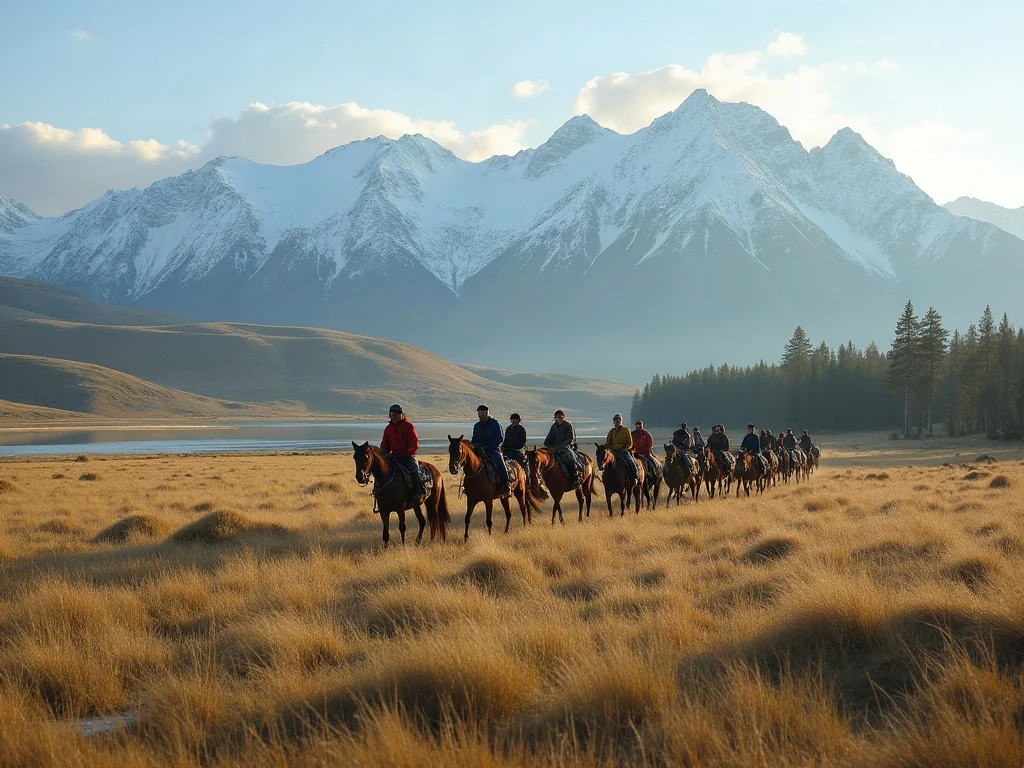
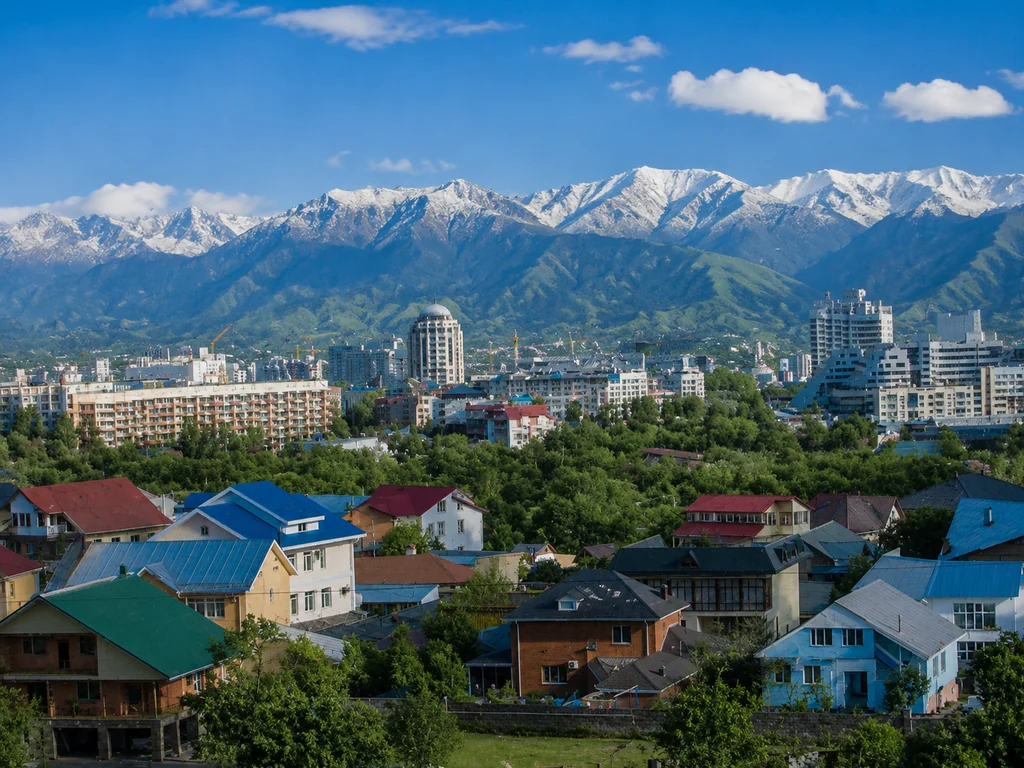
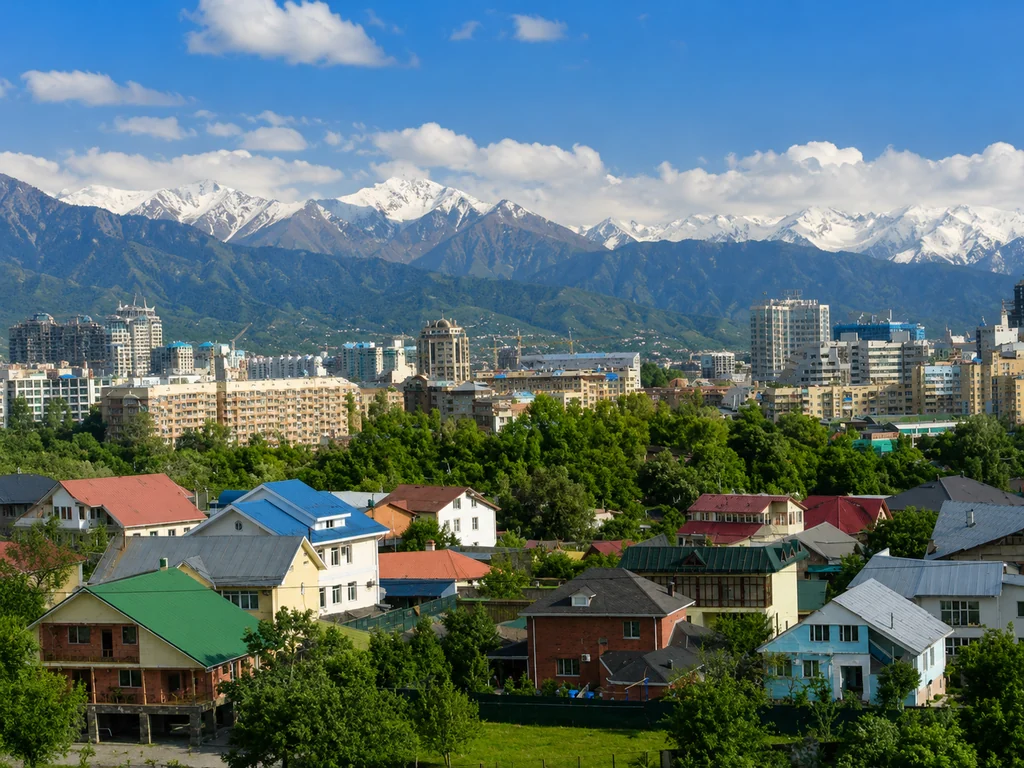
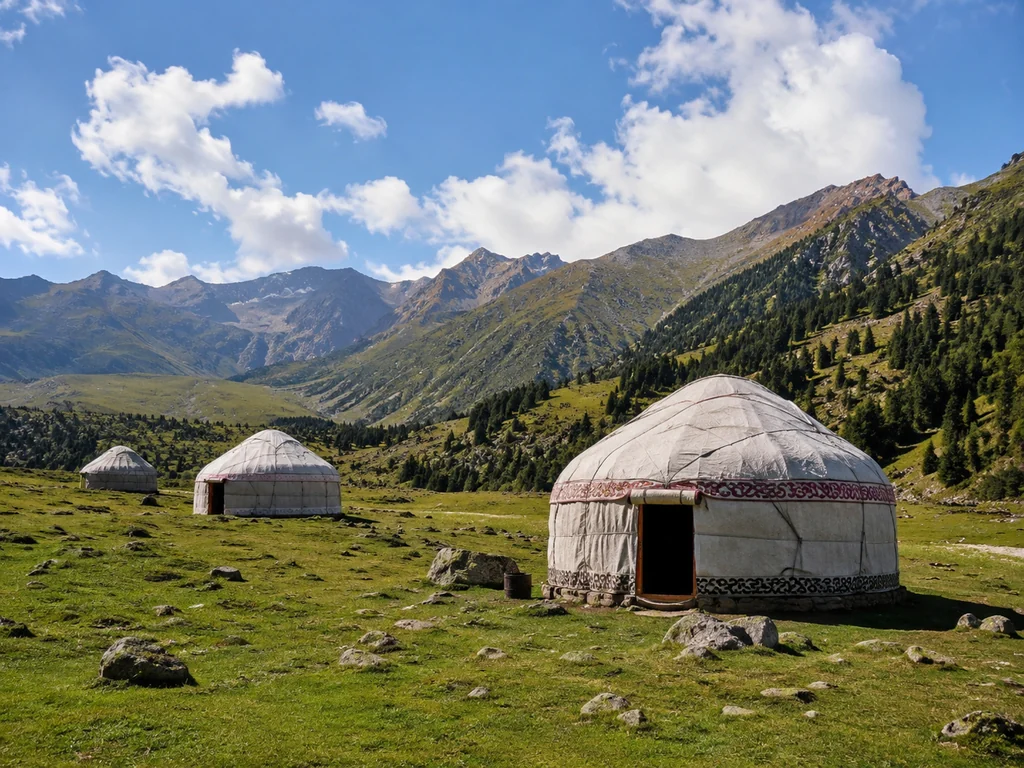
Almaty, the former capital of Kazakhstan, is a perfect starting point for multi-day adventures. Surrounded by the majestic Tian Shan mountains and within reach of stunning lakes, canyons, and the remote Altai region, the city offers a variety of tours that cater to different interests and fitness levels. From trekking in the Zailiysky Alatau to relaxing on the shores of Issyk-Kul or exploring the lunar landscapes of Mangystau, there's a journey for every type of traveler. This guide provides an overview of the multi-day tours we offer, with details on what to expect, how to prepare, and what makes each destination unique.
1. Trekking and Hiking Adventures in the Zailiysky Alatau
Understanding the Terrain and Climate
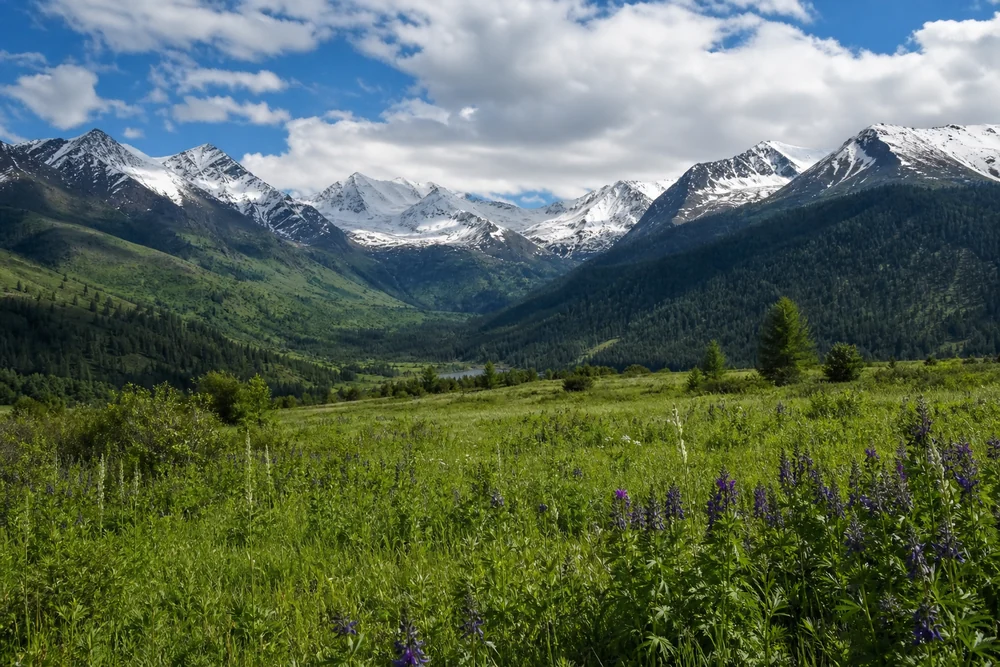
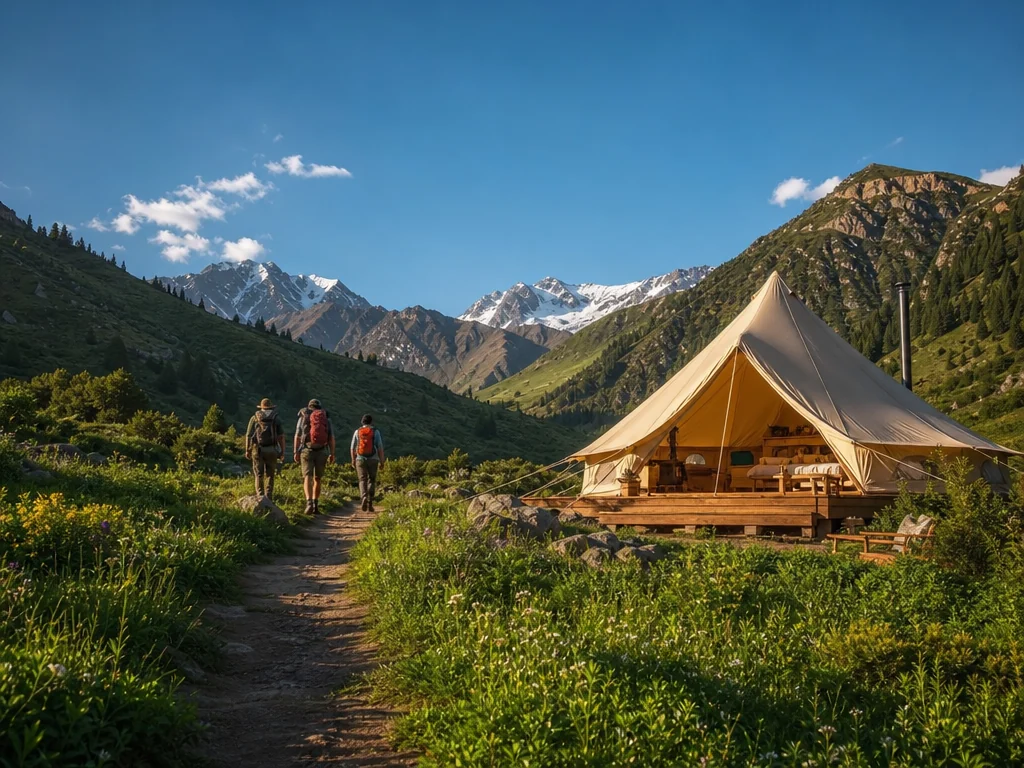
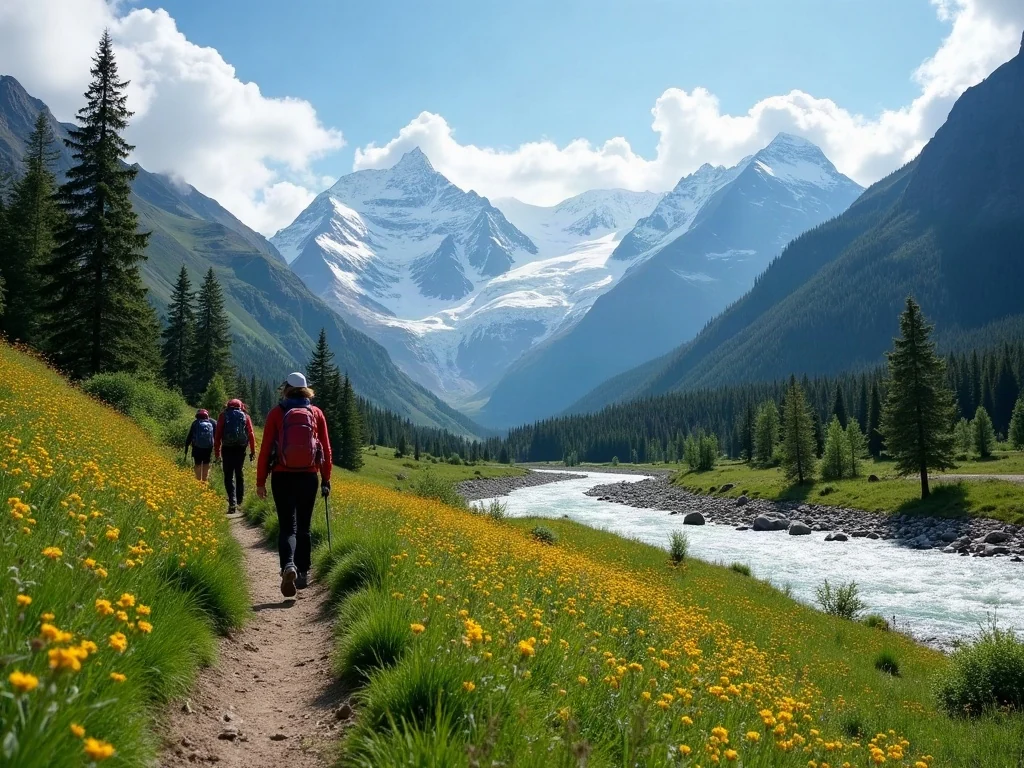
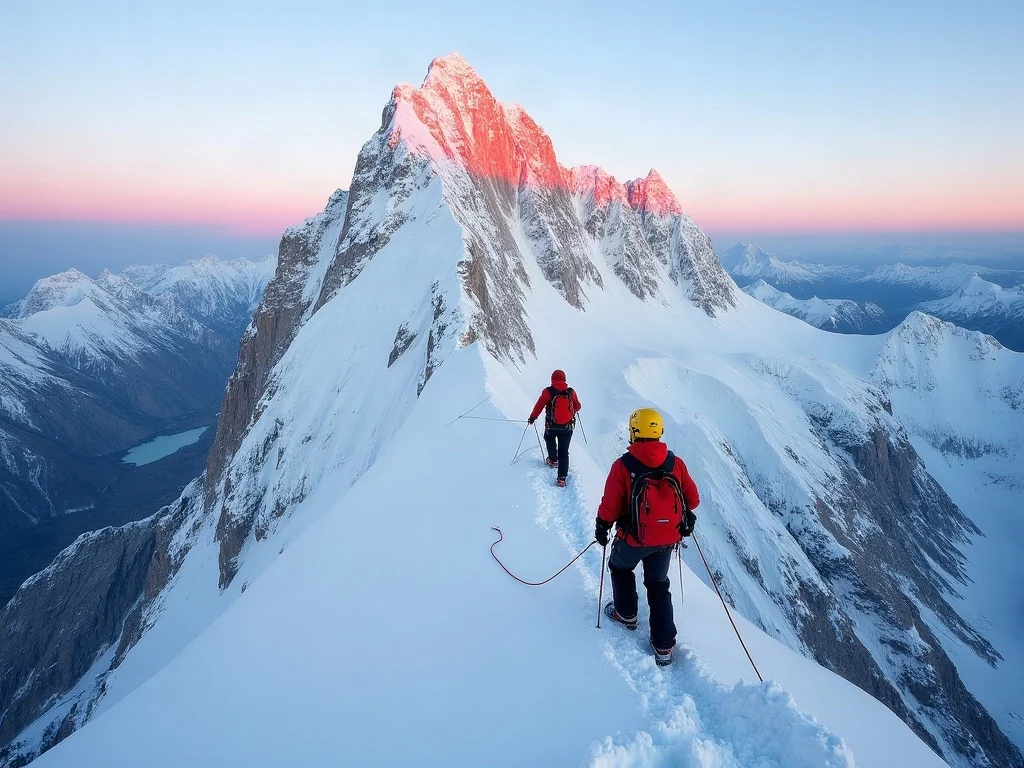
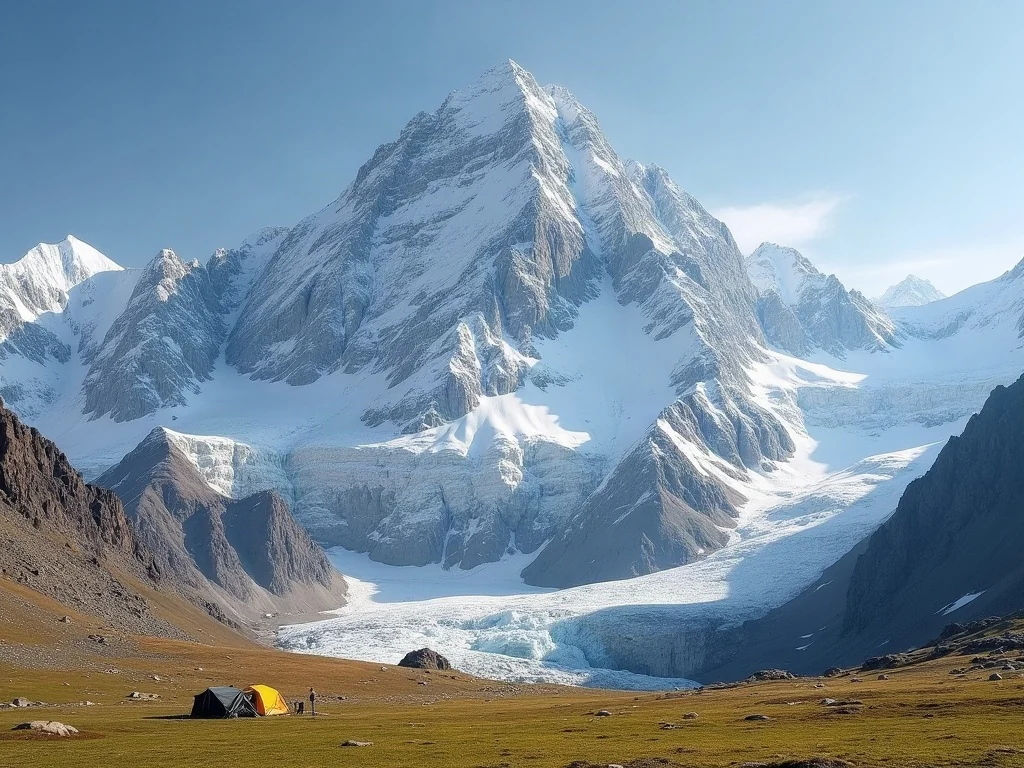
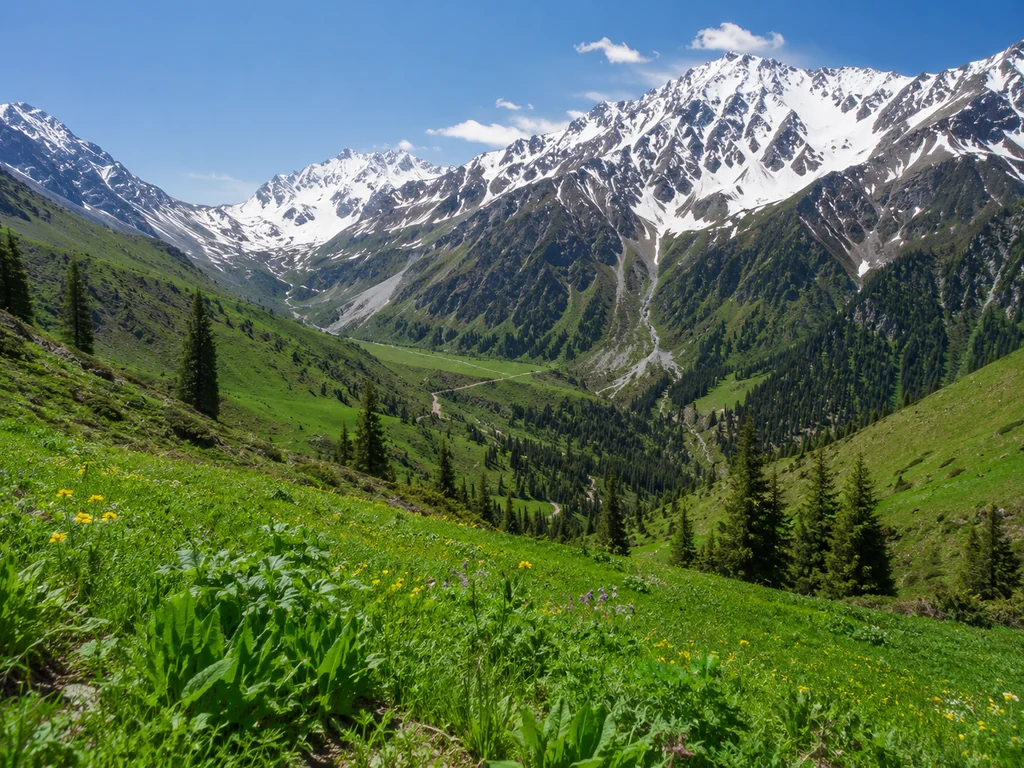
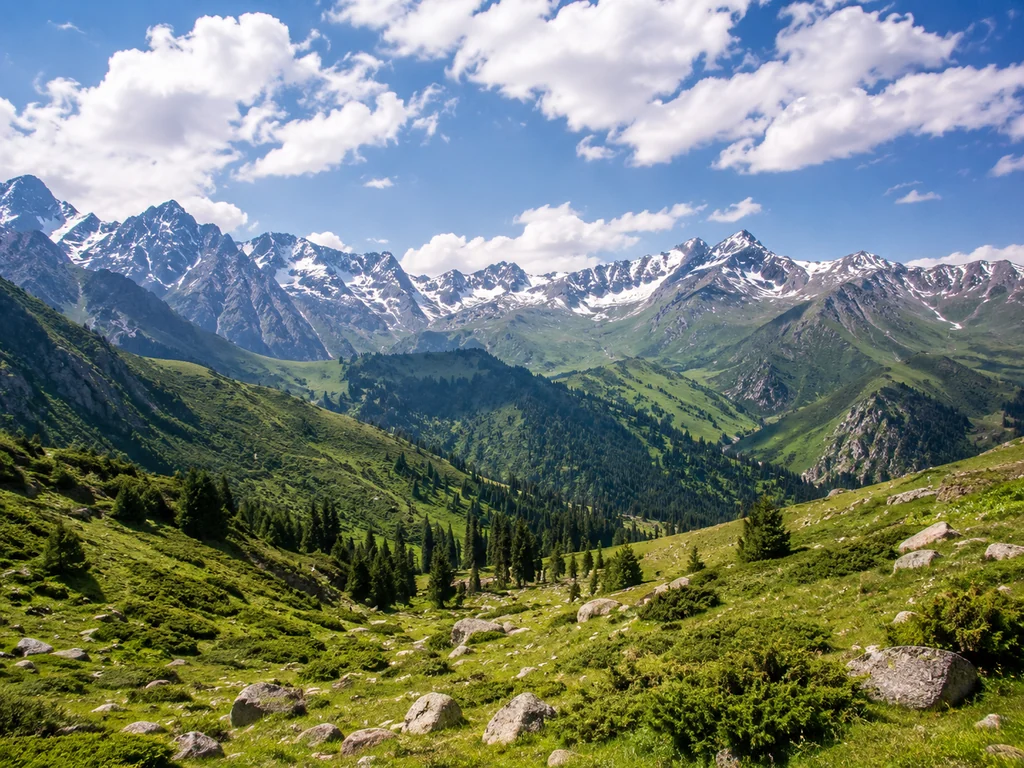
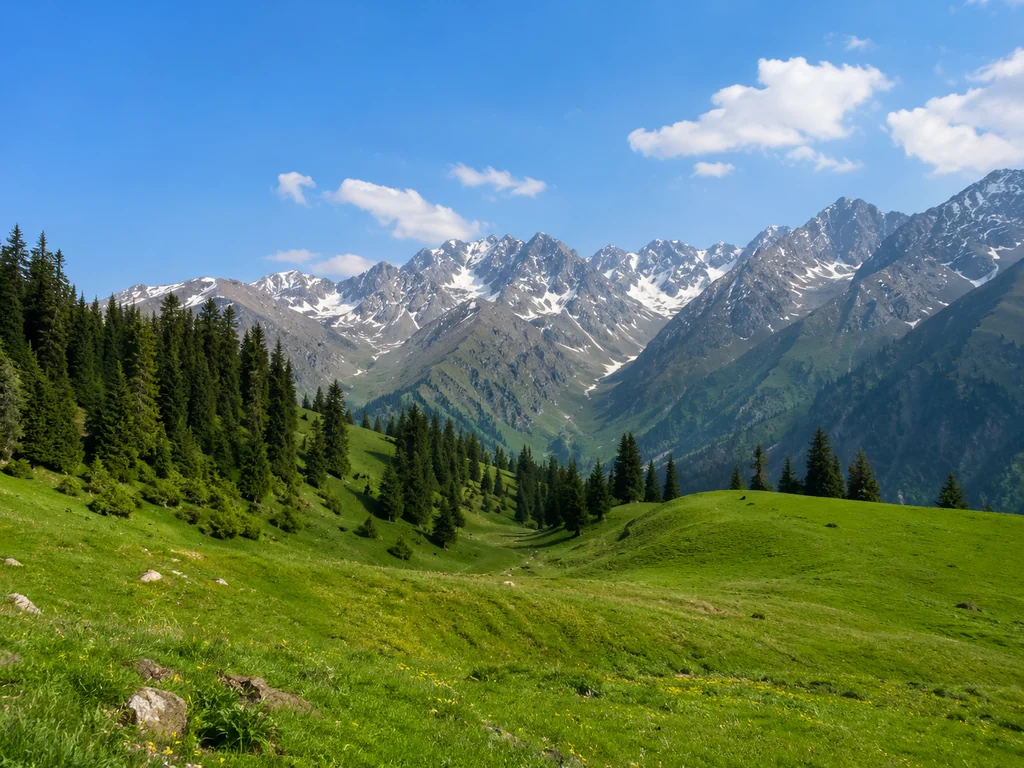
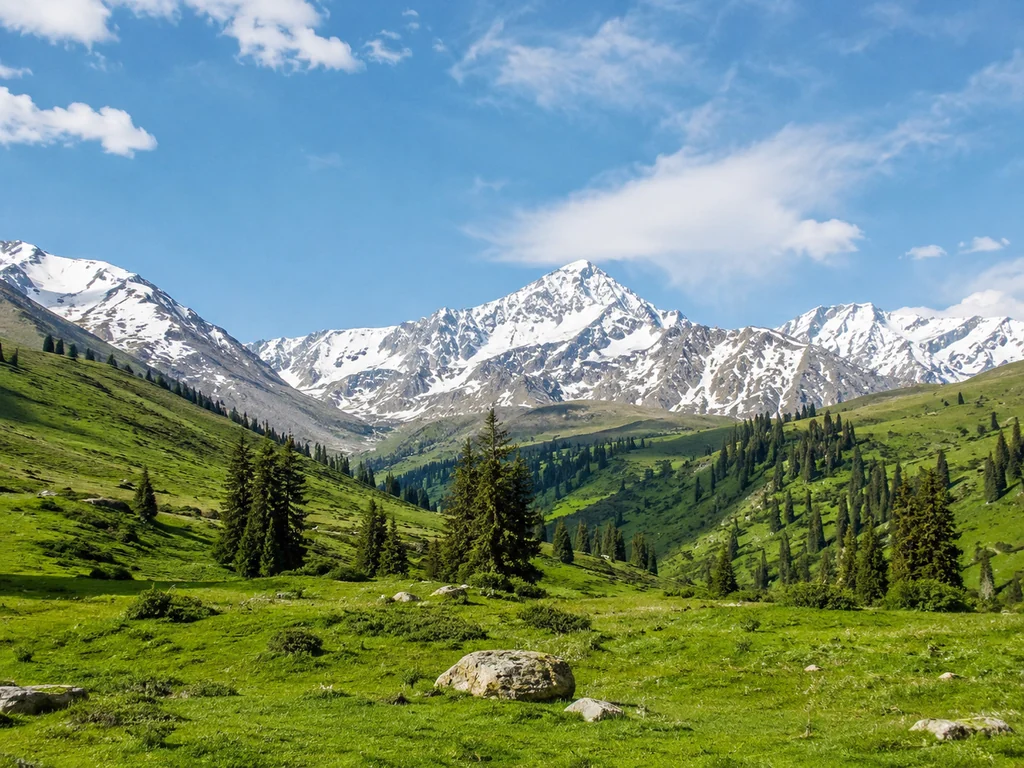
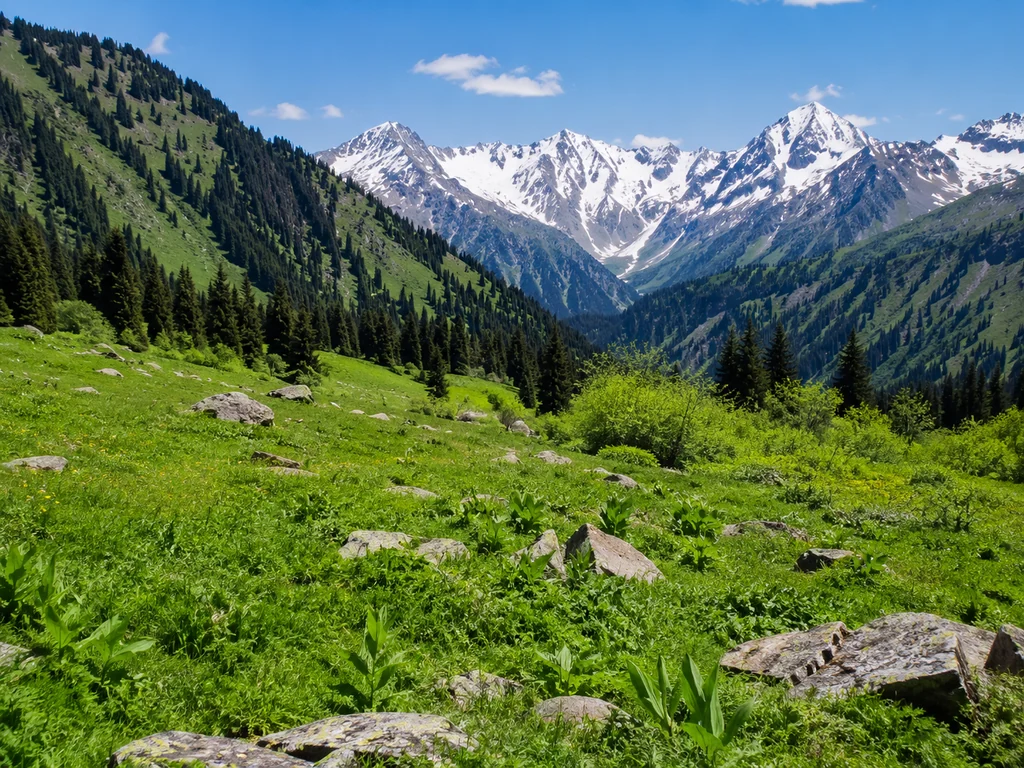
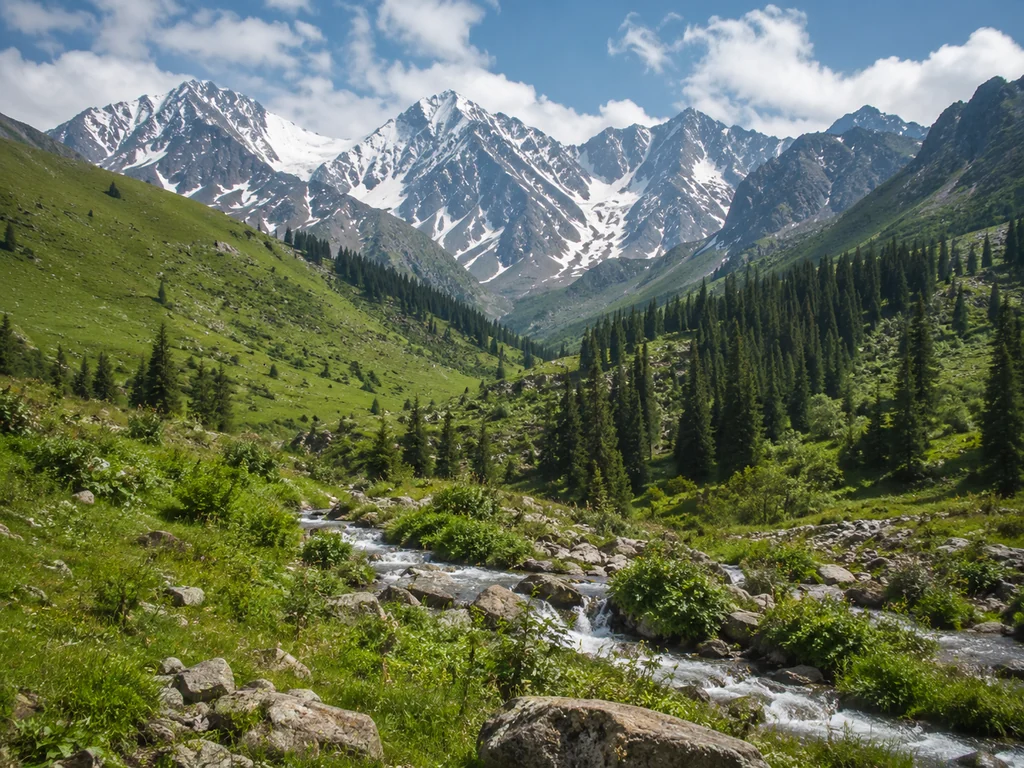
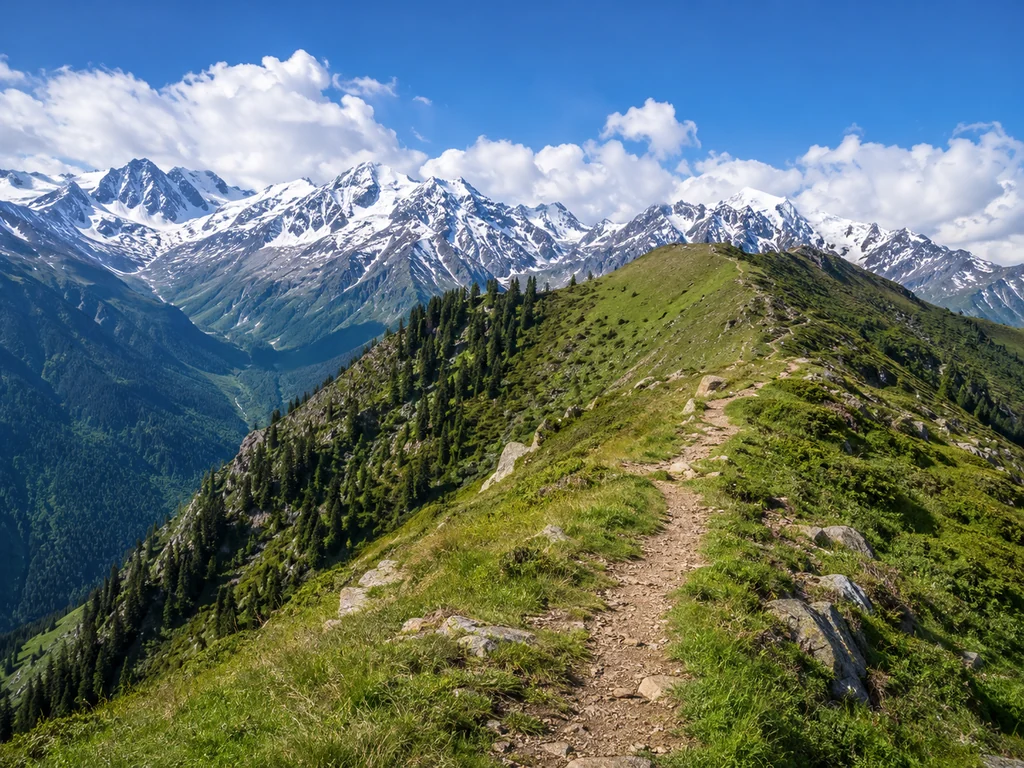
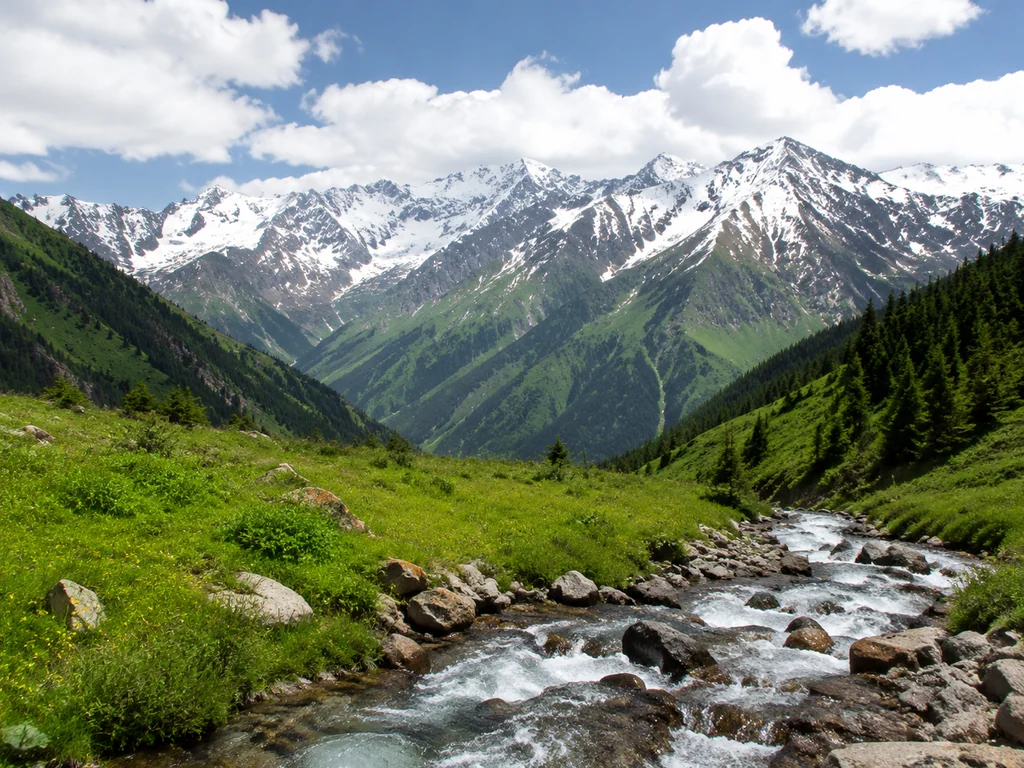
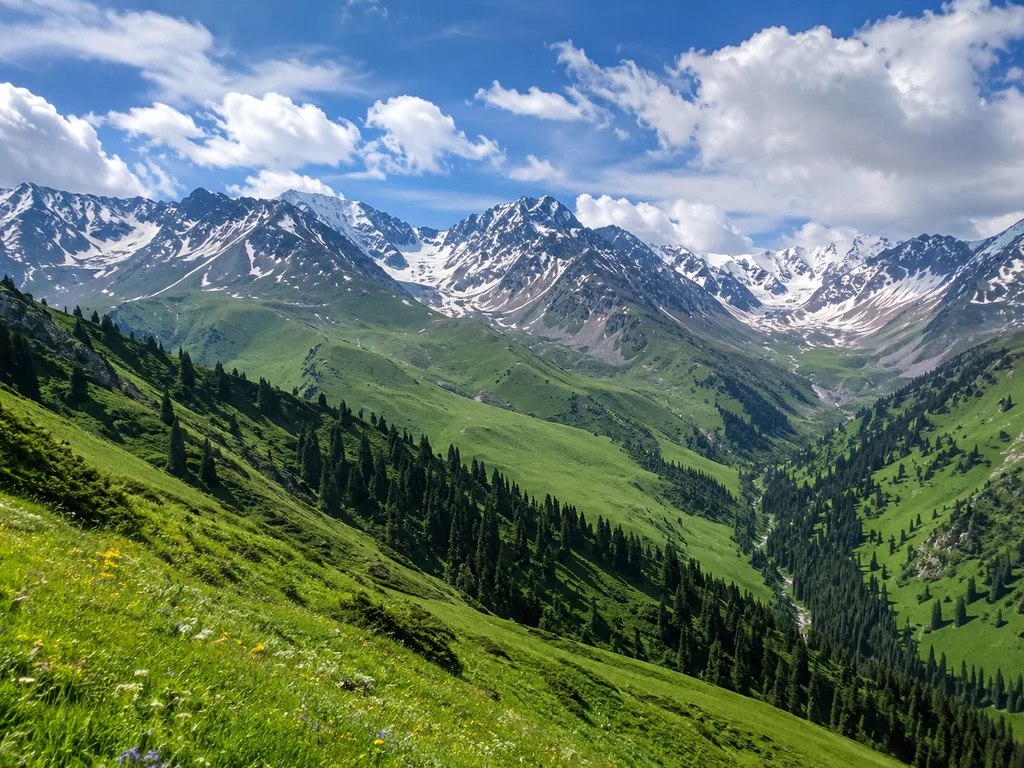
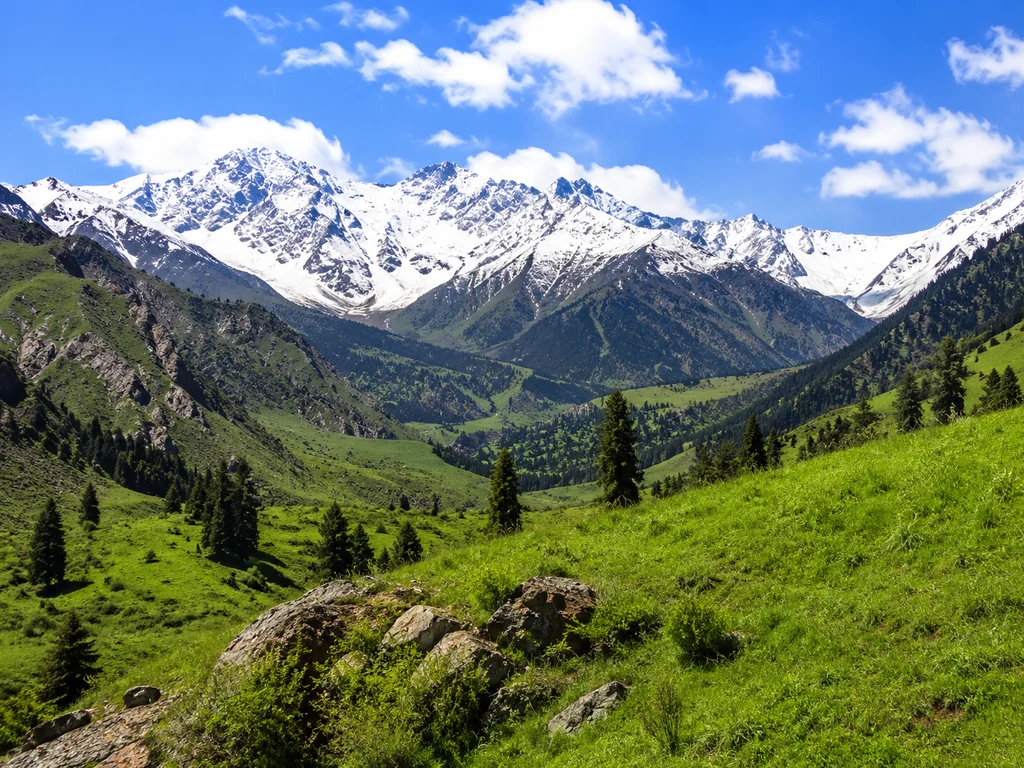
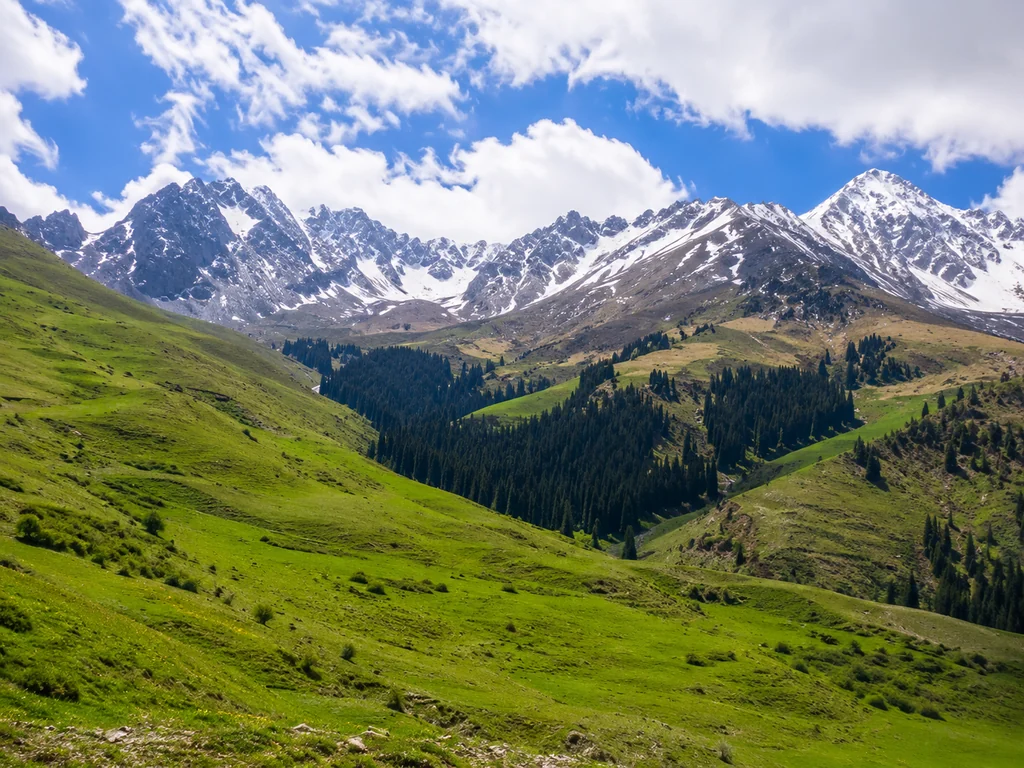
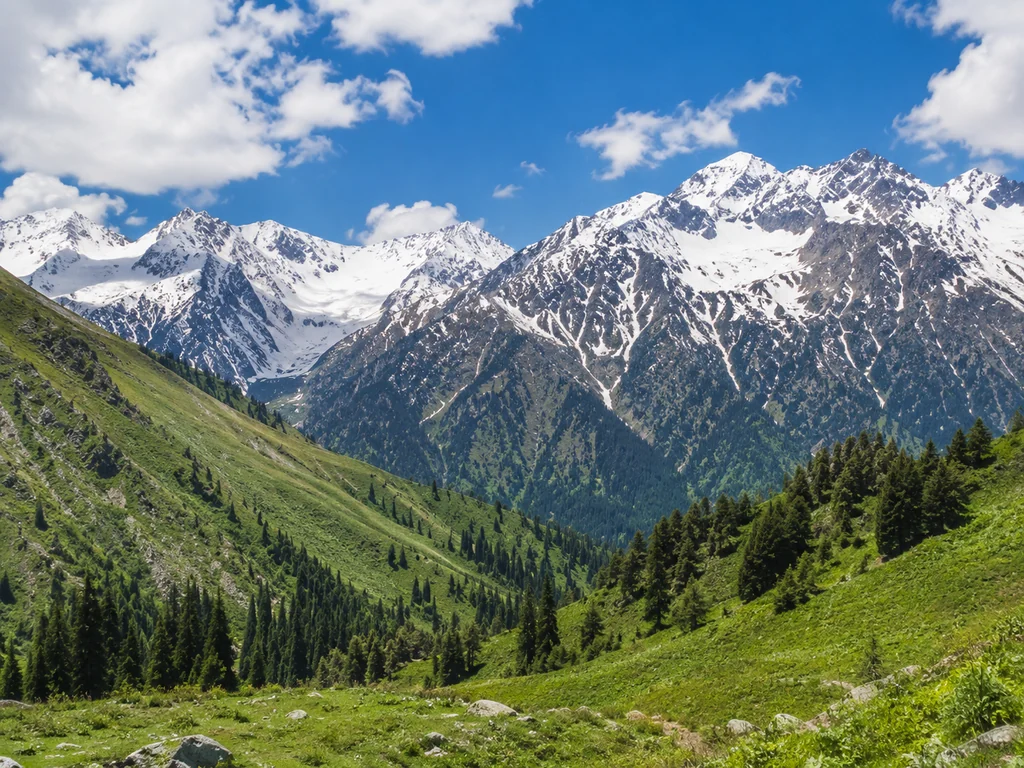
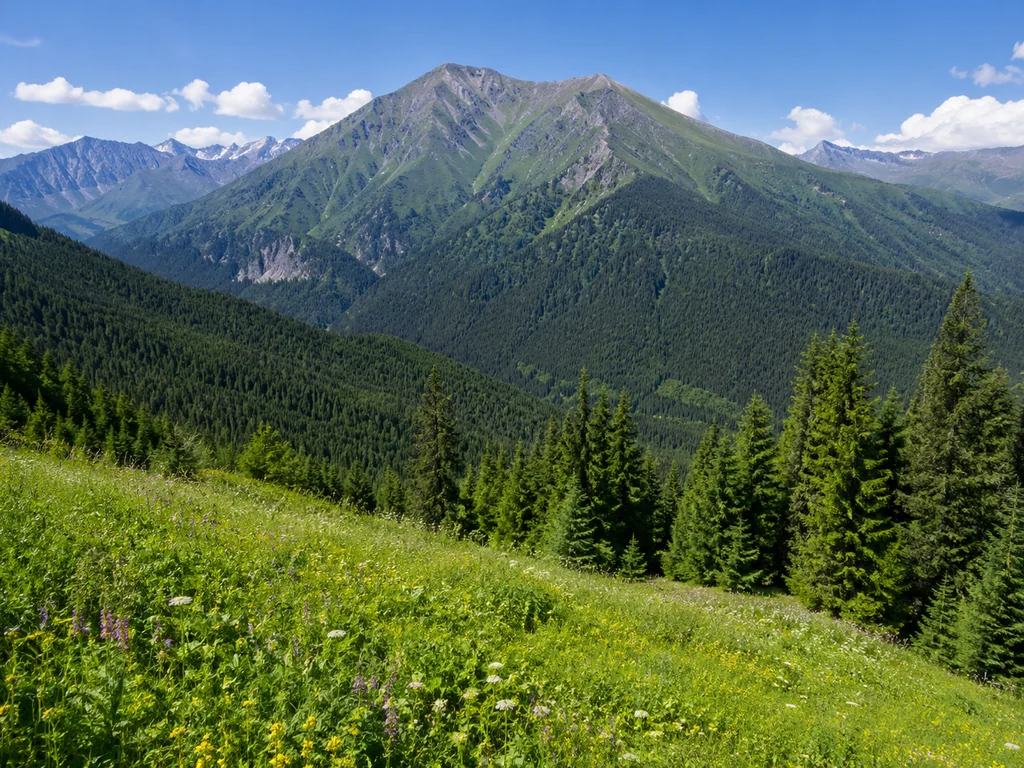
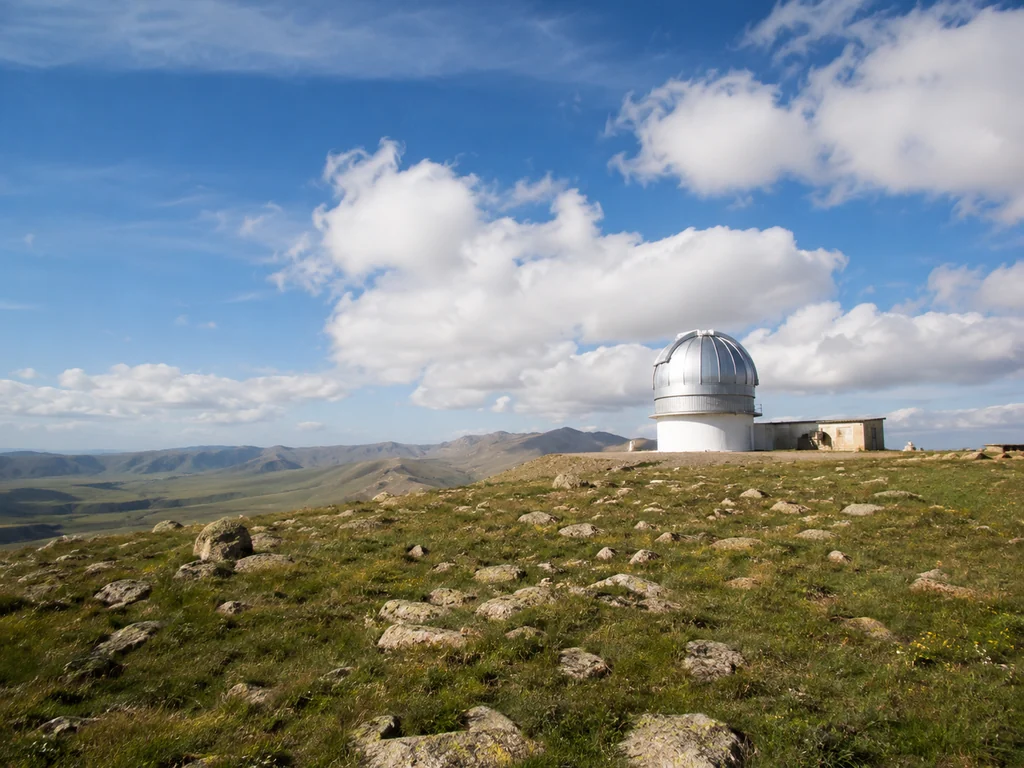
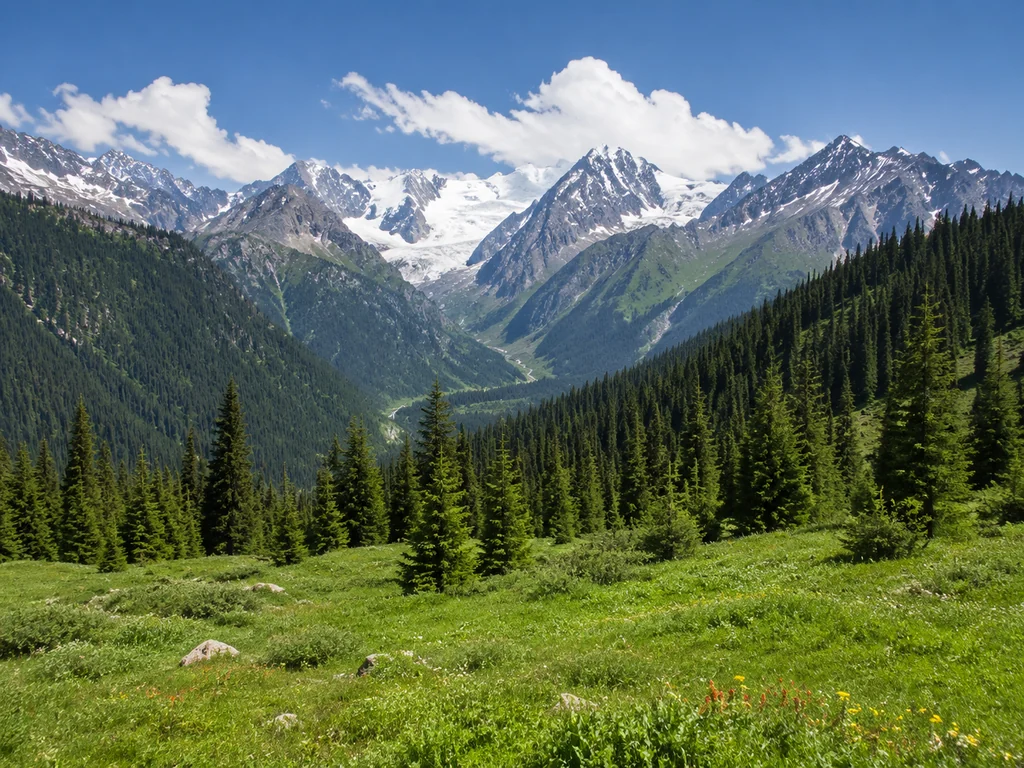
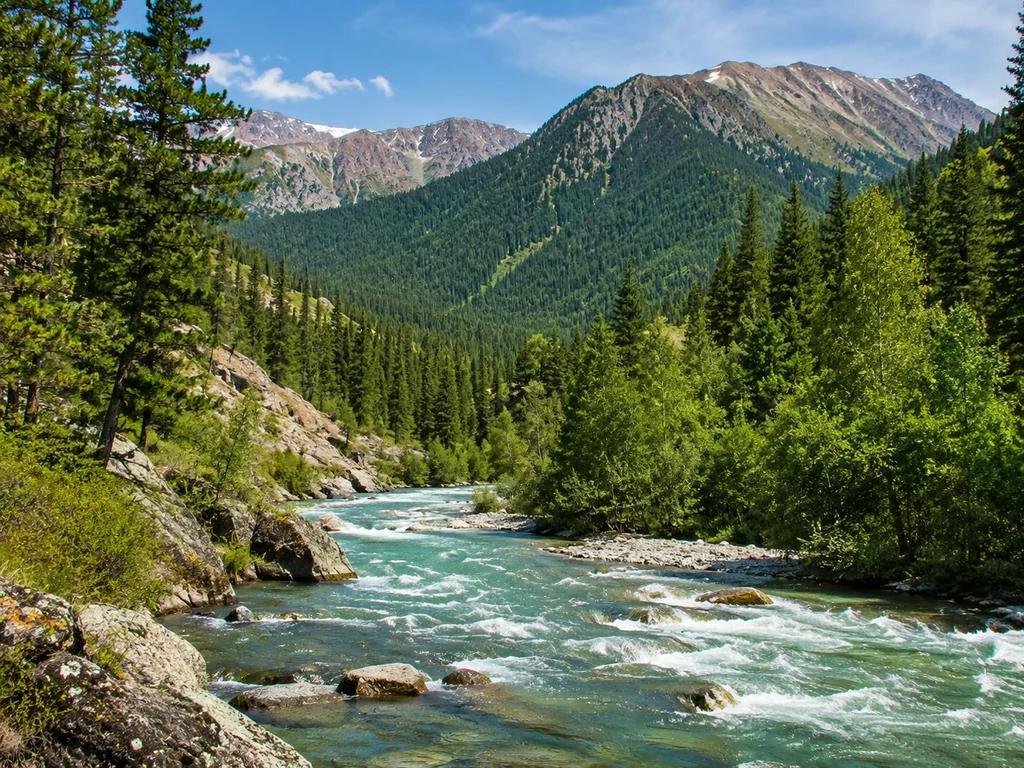
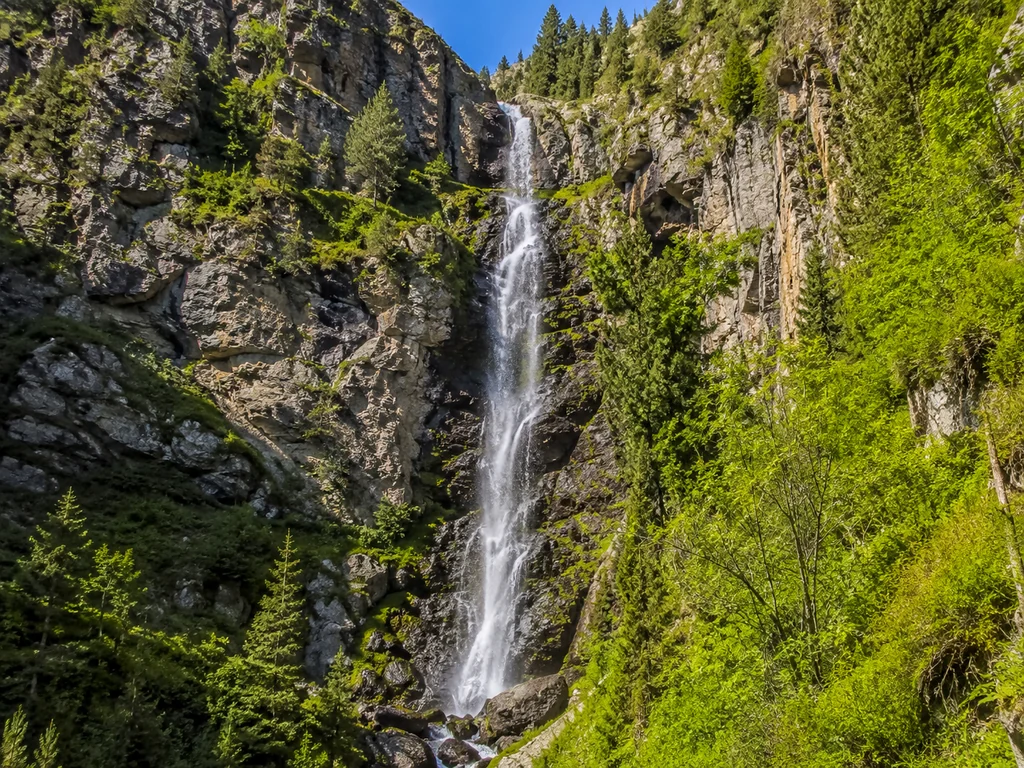
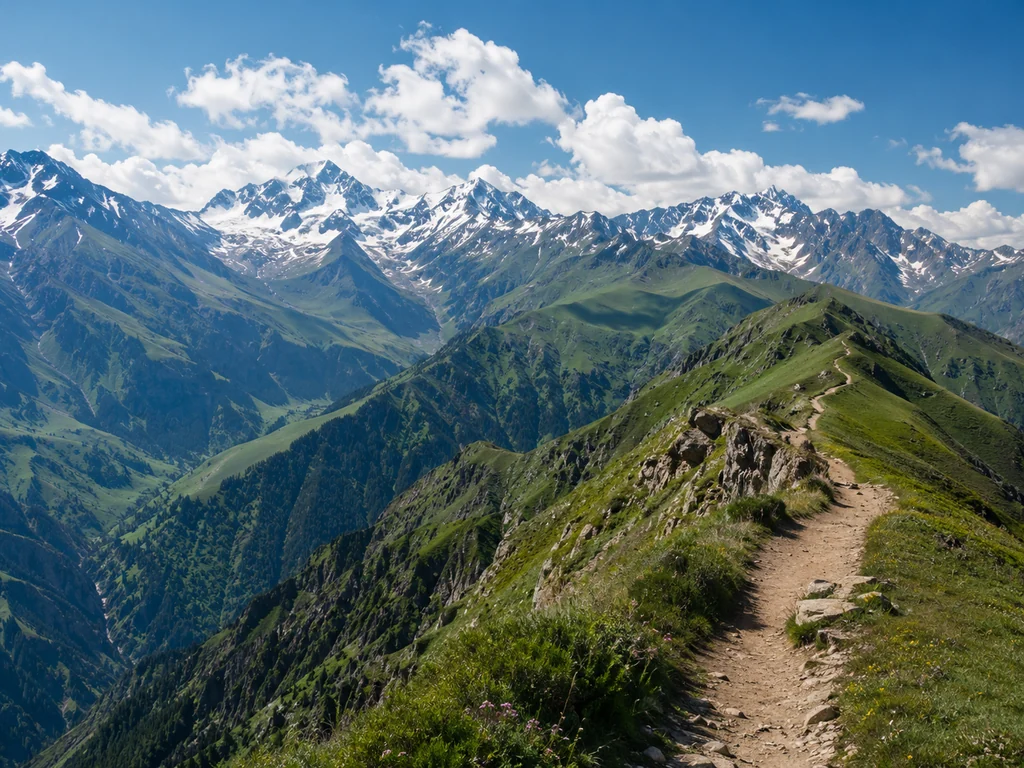
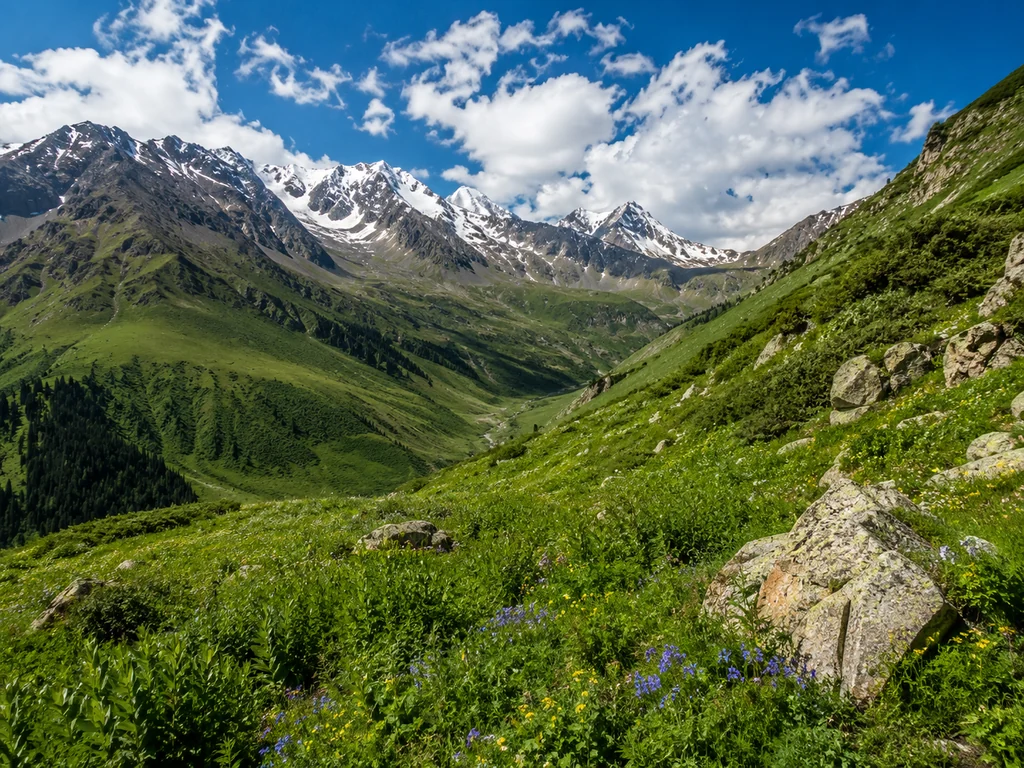
The Zailiysky Alatau is a northern range of the Tian Shan, stretching for about 350 kilometers. The mountains rise dramatically from the Ili River valley to over 4,000 meters, with peaks like Talgar (4,979 m) and Abai (4,010 m). The trekking routes here typically start from alpine meadows and ascend through forests of Tien Shan spruce, then cross rocky moraines and snowfields to reach high-altitude lakes and passes. The climate is continental, with warm summers and cold winters. The best trekking season is from June to September, when the weather is stable and the trails are clear of snow. July and August are the warmest months, with daytime temperatures around 20-25°C at lower elevations, but nights can be chilly, dropping to 5-10°C. Rain is common in the afternoons, so a waterproof jacket is essential.
Detailed Itinerary of the 4-Day Trek
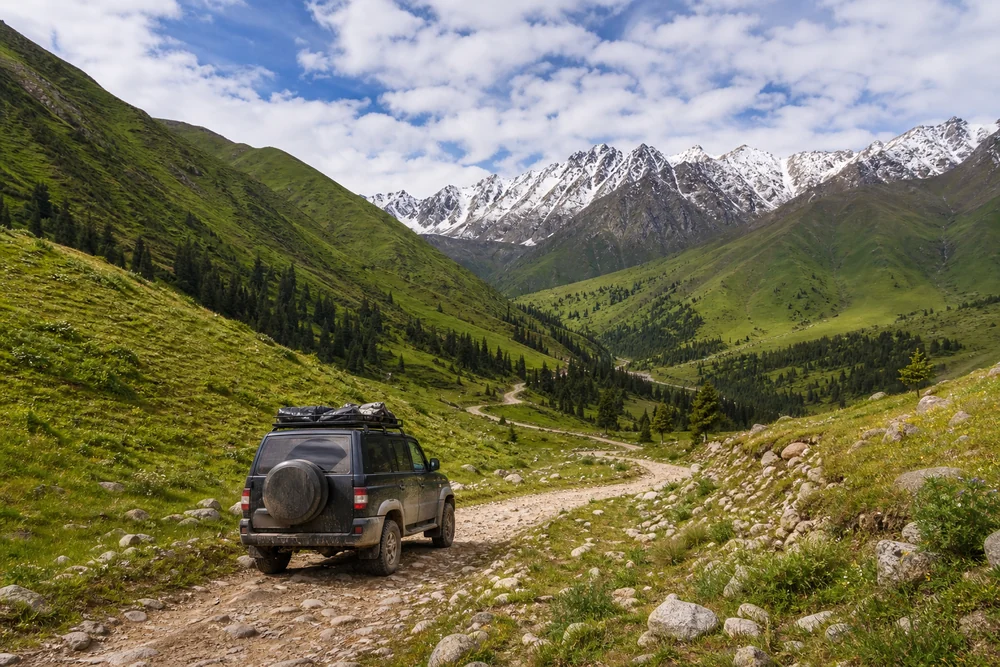
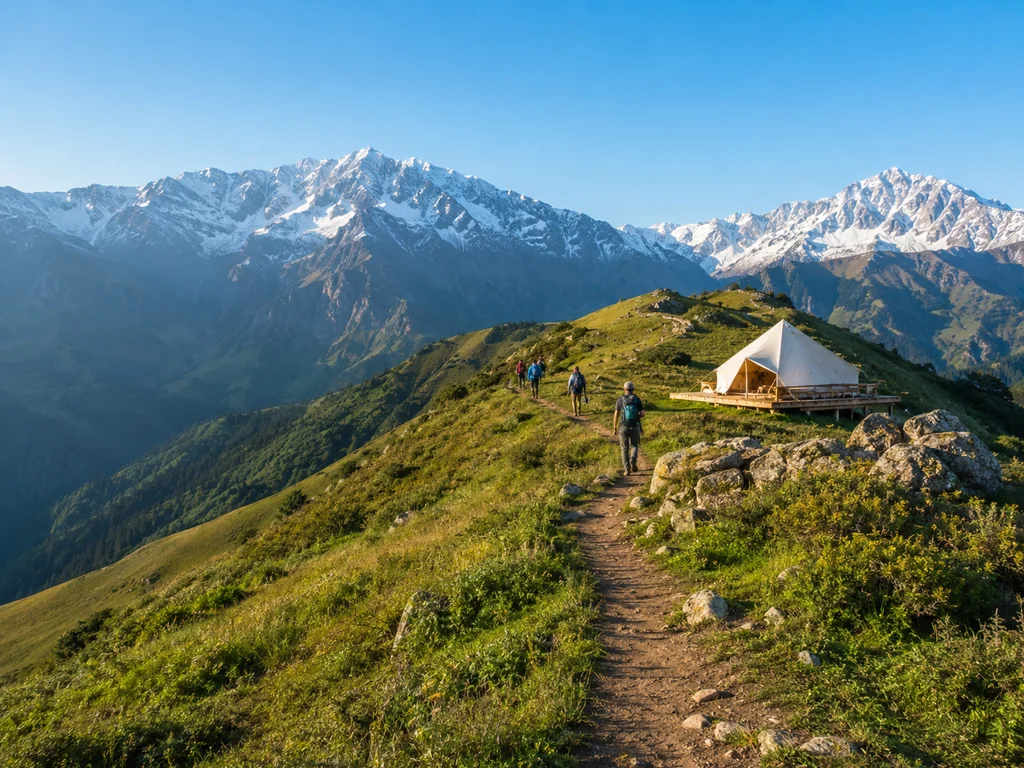
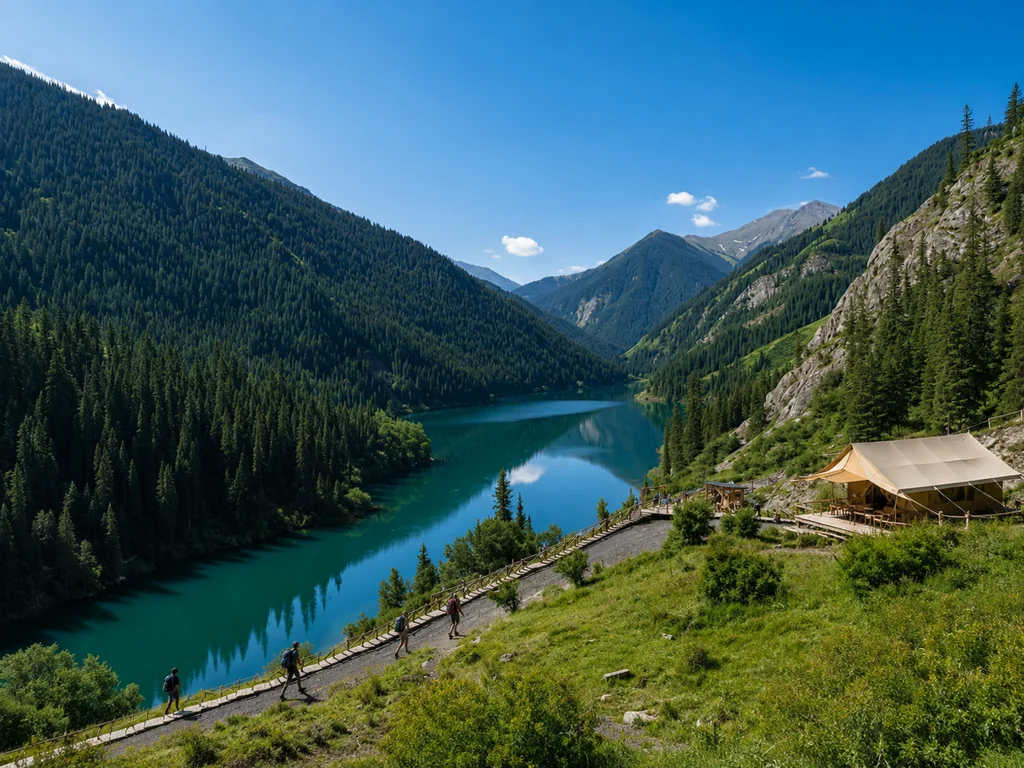
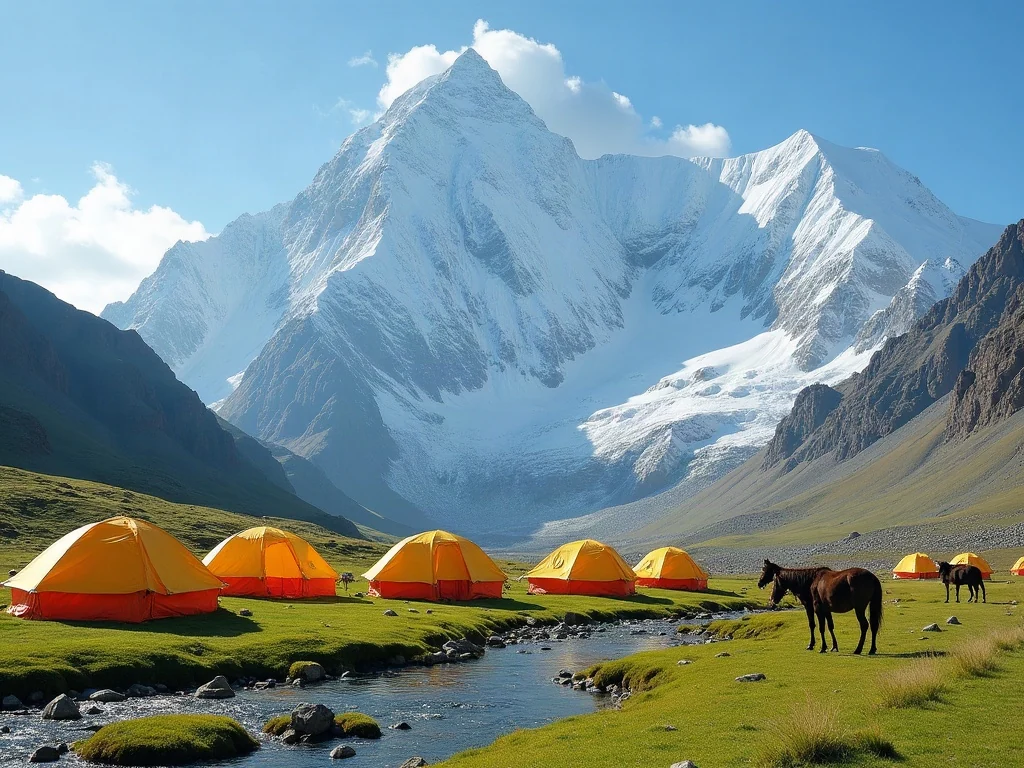
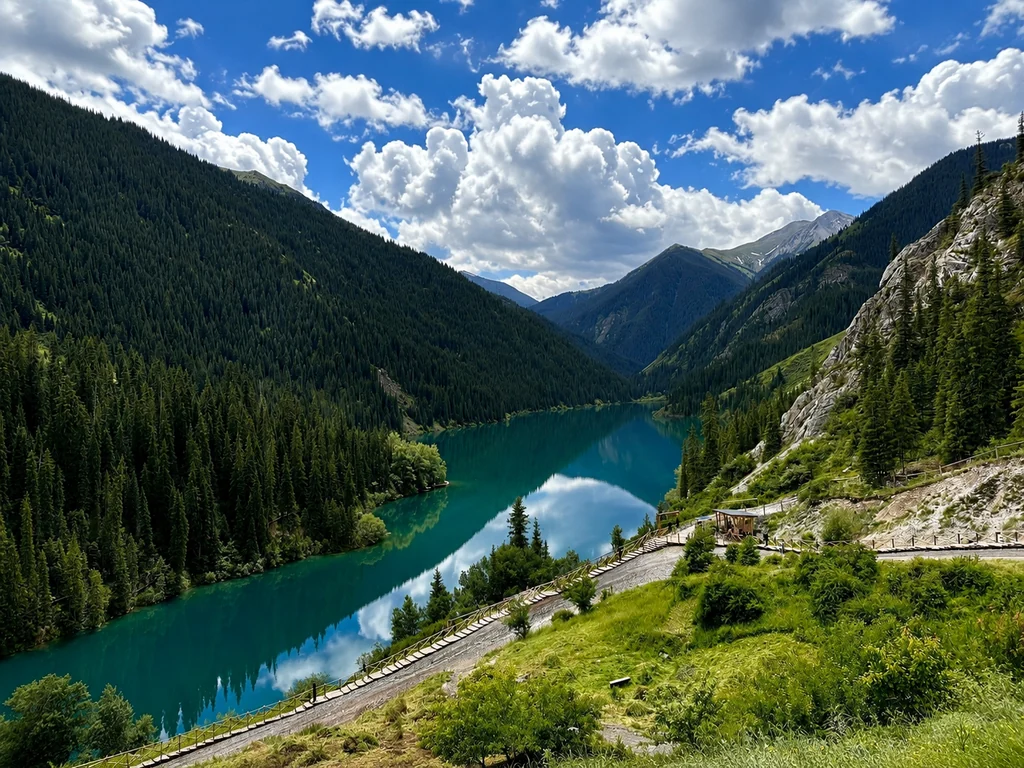
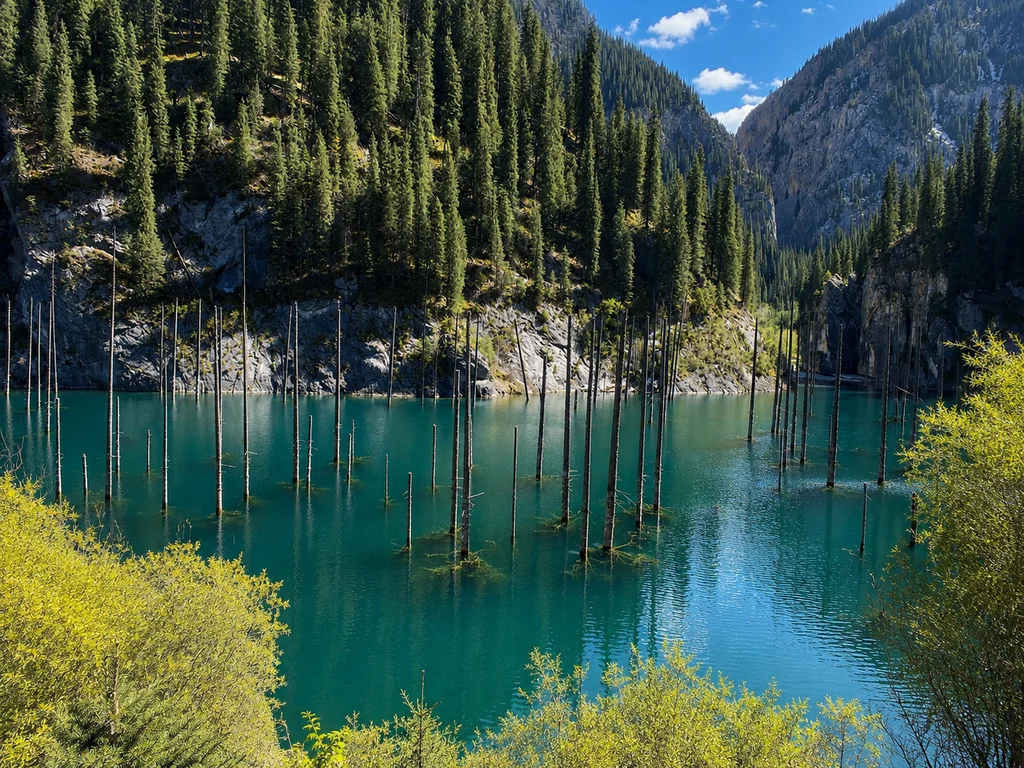
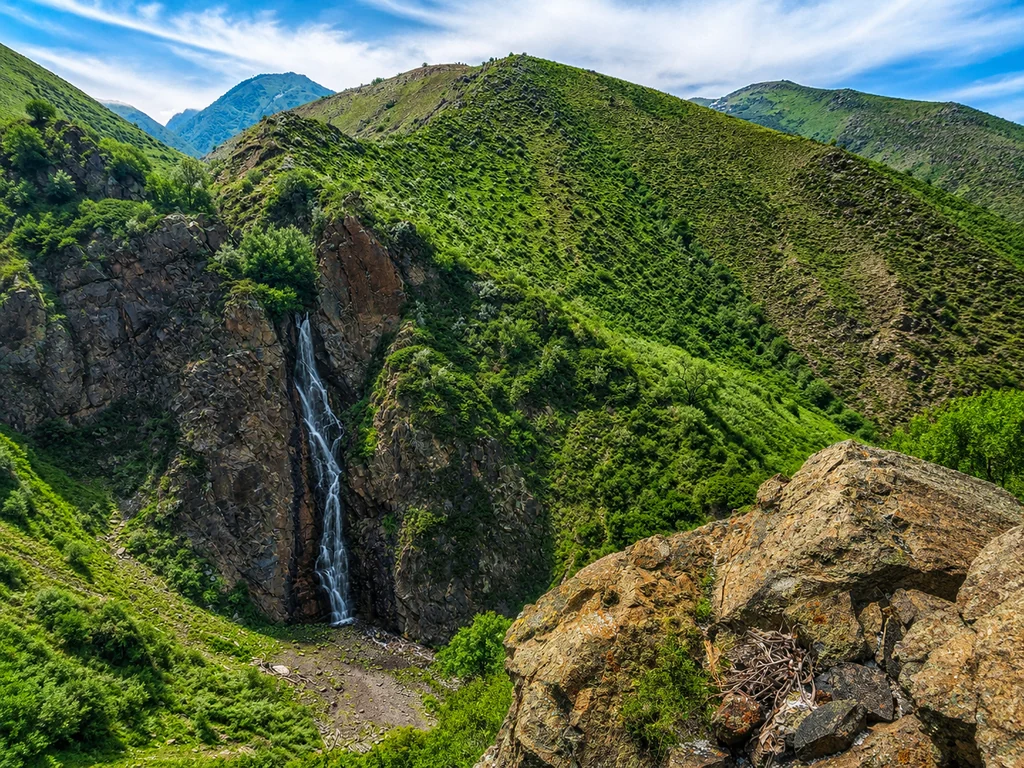
Our 4-day trek covers approximately 45 kilometers, starting from the Turgen Gorge area. On the first day, you'll hike from the trailhead at 1,800 meters to the picturesque Kaiyndy Lake (2,000 m) and then to the Kolsai Lake region, which is actually a series of three lakes. The first day ends at Kolsai Lake 1, where you'll camp near the shore. The second day involves a challenging climb over the Kolsai Pass (2,900 m) and descent to the second lake, with optional side trips to see wildflowers and possibly wildlife like ibex. Day three takes you to the third lake and then up to the Sary-Bulak plateau, offering panoramic views of the surrounding peaks. The final day descends through the picturesque Satai Gorge back to the starting point. Throughout the trek, you'll encounter diverse landscapes: alpine meadows, coniferous forests, and rocky terrain. The trek is rated as moderate to challenging, with daily ascents of 500-800 meters. It's essential to have good physical fitness and proper hiking boots.
What to Pack and How to Prepare
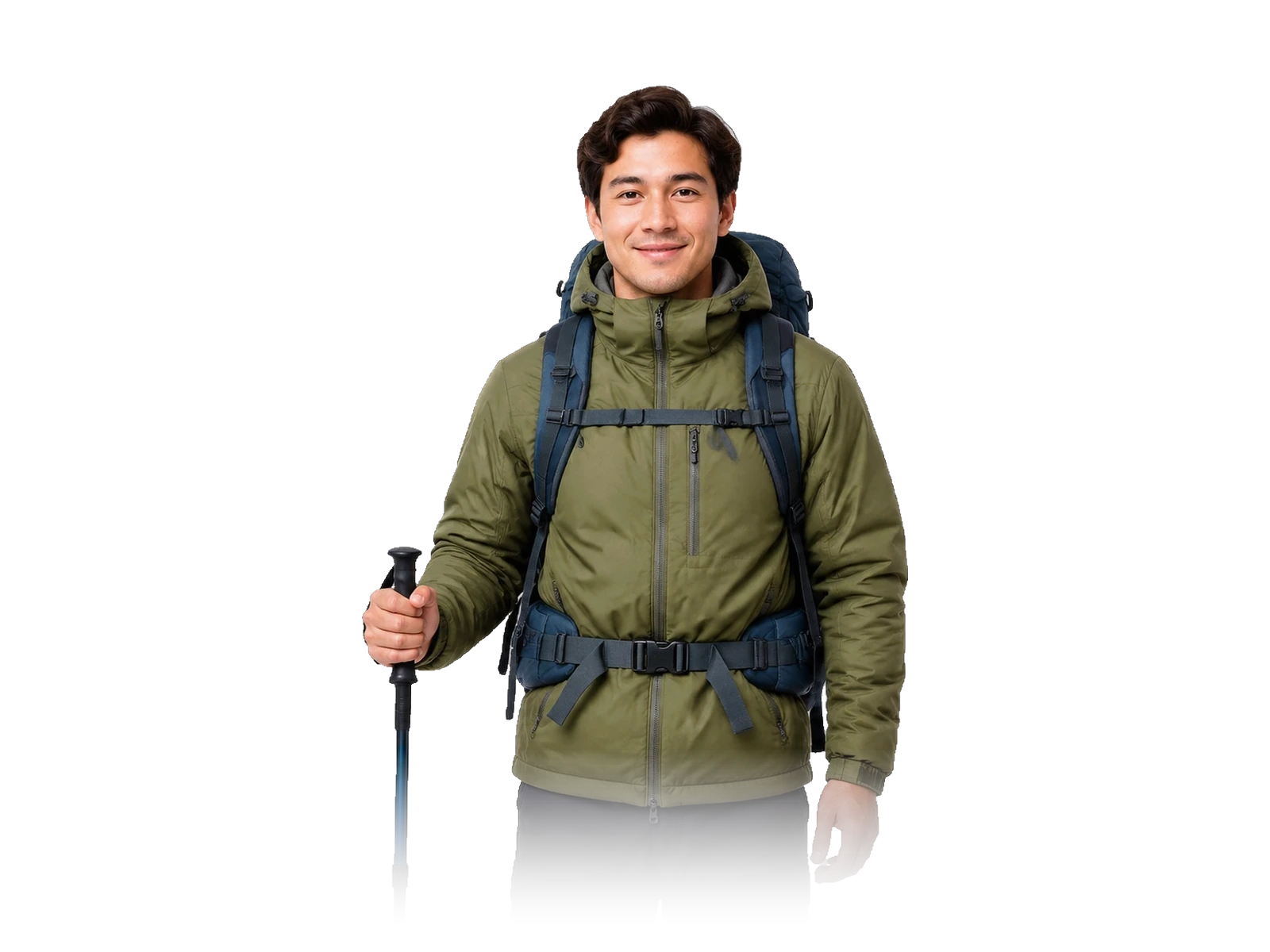
For this trek, it's crucial to pack layered clothing to adapt to changing temperatures. A base layer of merino wool, a fleece jacket, and a waterproof shell are recommended. You'll also need a hat, gloves, and a warm sleeping bag rated for -5°C, as nights can be cold even in summer. A headlamp, sunscreen, sunglasses, and a first-aid kit are essential. Hiking poles will help on steep sections. Since the trek is fully supported, you only need to carry a daypack with water, snacks, and extra layers. We recommend starting a fitness routine at least a month in advance, focusing on cardiovascular exercises and leg strength. Hiking on weekends with a loaded backpack is the best preparation.
2. Lakes and Beach Relaxation: Issyk-Kul, Alakol, and Beyond
Issyk-Kul: The Pearl of Kyrgyzstan
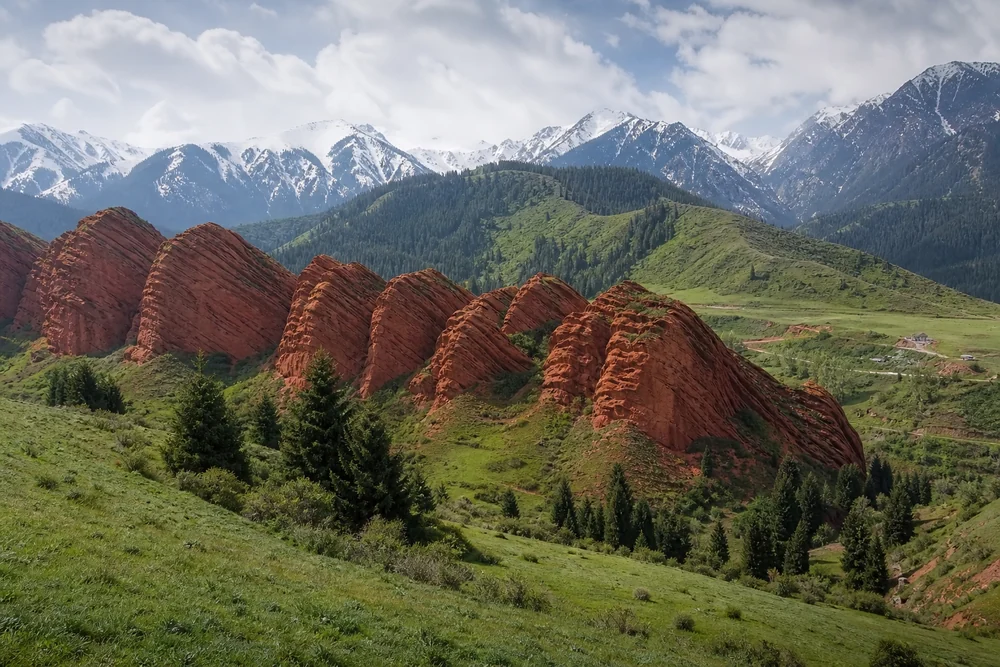
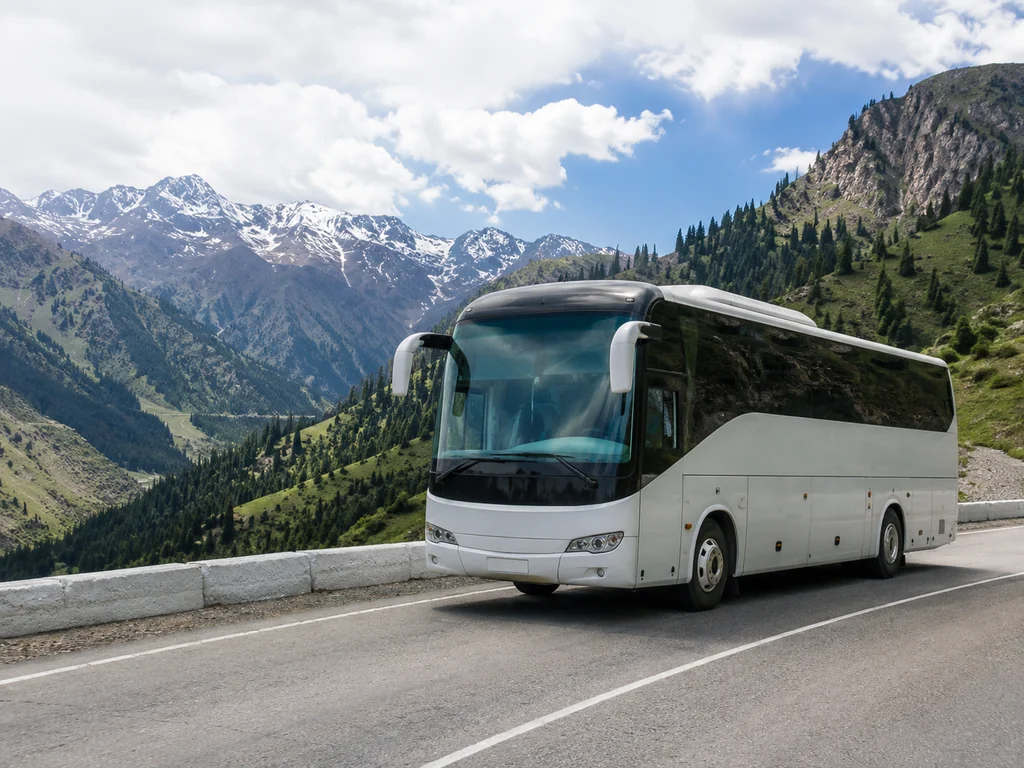
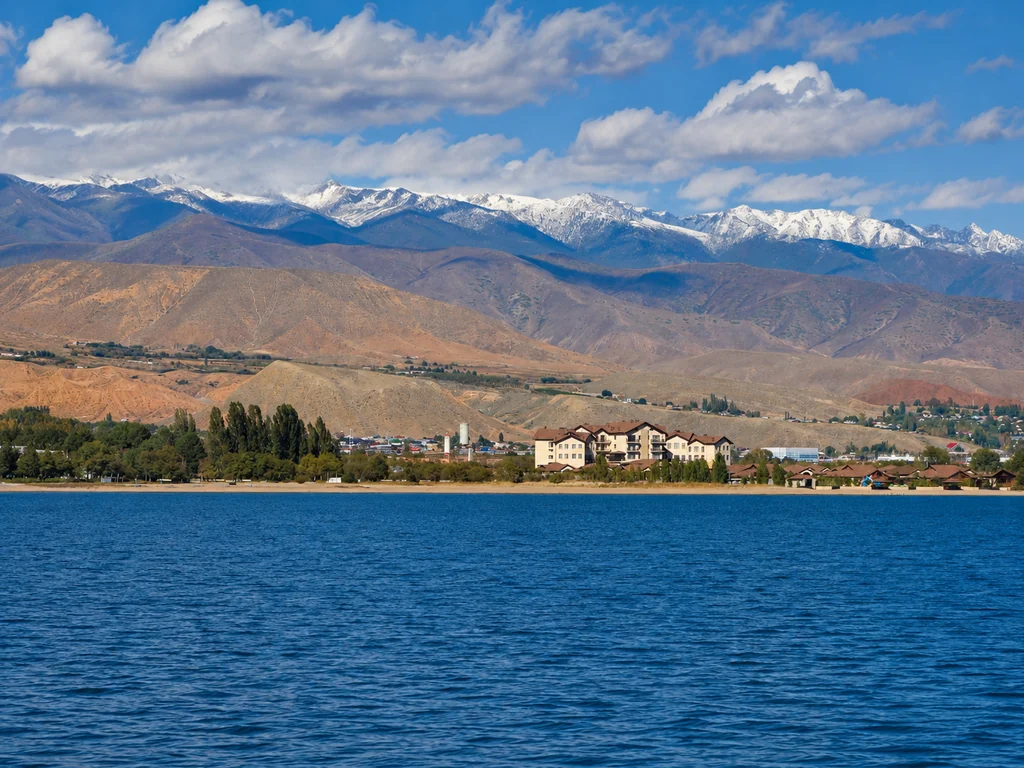
Issyk-Kul is a large endorheic lake in Kyrgyzstan, located at an altitude of 1,607 meters. It is the second-largest saline lake in the world after the Caspian Sea, and its name means 'warm lake' in Kyrgyz, as it never freezes in winter. The lake is surrounded by the Tian Shan mountains, creating a stunning backdrop. Our 4-day bus tour from Almaty takes you to the northern shore, where you'll have time to relax on the beaches, swim in the clear water, and visit the famous hot springs. The journey from Almaty to the lake takes about 5-6 hours, crossing the border at Korday. The tour includes stops at the Ak-Bermet Canyon, known for its red rock formations, and the Cholpon-Ata open-air petroglyph museum. Accommodation is in a comfortable guesthouse with views of the lake and mountains.
Alakol: Healing Waters and Sandy Beaches
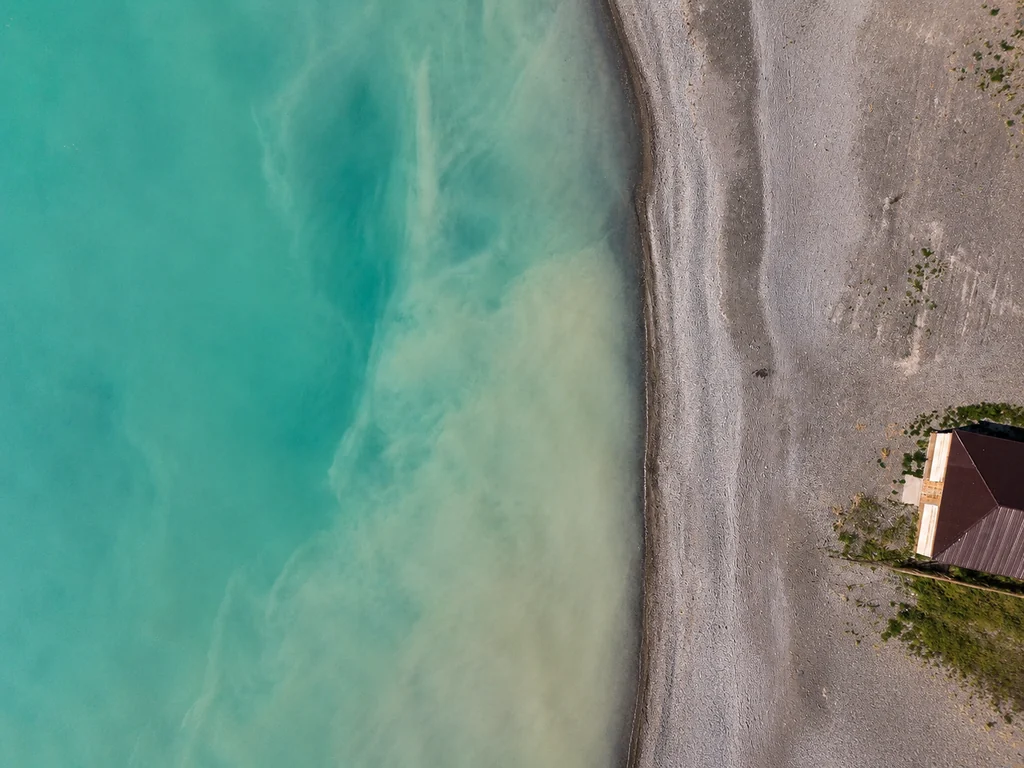
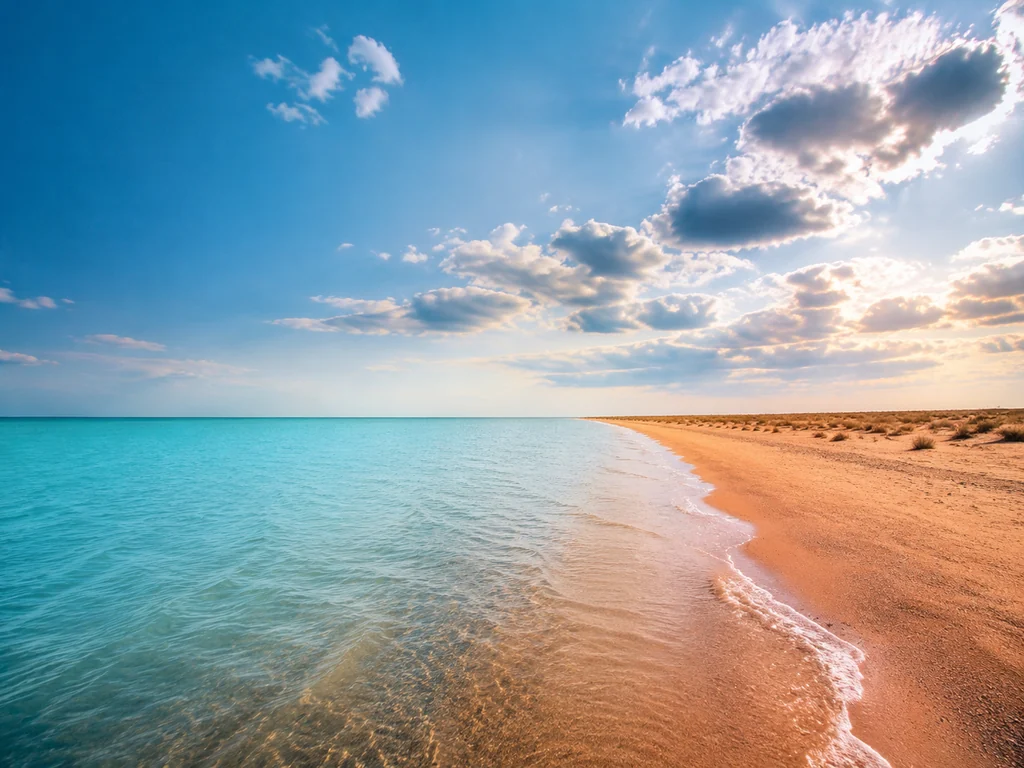
Alakol Lake is located in southeastern Kazakhstan, near the border with China. It lies at an altitude of 347 meters and is famous for its mineral-rich water and therapeutic mud. The lake is surrounded by sandy beaches, making it a popular summer destination. Our 5-day bus tour takes you to the Marsell Family Resort, which offers direct beach access and spa facilities. The resort has indoor and outdoor pools, a sauna, and a variety of massage and mud therapy treatments. The water of Alakol has a high concentration of minerals, including sodium, magnesium, and bromine, which are beneficial for skin and joint conditions. The tour includes all meals, and you'll have free time to relax on the beach, take walks along the shore, or participate in optional excursions. For those who prefer a quicker journey, we also offer a 4-day package that includes a flight from Almaty to Usharal and a transfer to the resort.
Comparing the Lake Experiences
| Feature | Issyk-Kul (Kyrgyzstan) | Alakol (Kazakhstan) |
|---|
| Location | Northern Tian Shan, 1,607 m | Dzungarian Alatau foothills, 347 m |
| Water type | Saline, never freezes | Saline, mineral-rich |
| Beach type | Sandy and pebble | Sandy |
| Main activities | Swimming, sightseeing, hot springs | Swimming, mud therapy, spa |
| Accommodation | Guesthouse | Resort hotel |
Both lakes offer unique experiences. Issyk-Kul is larger and more culturally diverse, with historical sites and a bustling promenade. Alakol is more focused on wellness, with its therapeutic waters and resort amenities. The choice depends on whether you prefer exploring or pure relaxation.
3. Exploring Kazakhstan's Natural Wonders: Canyons, Mountains, and Altai
Charyn Canyon, Kolsai Lakes, and Big Almaty Lake
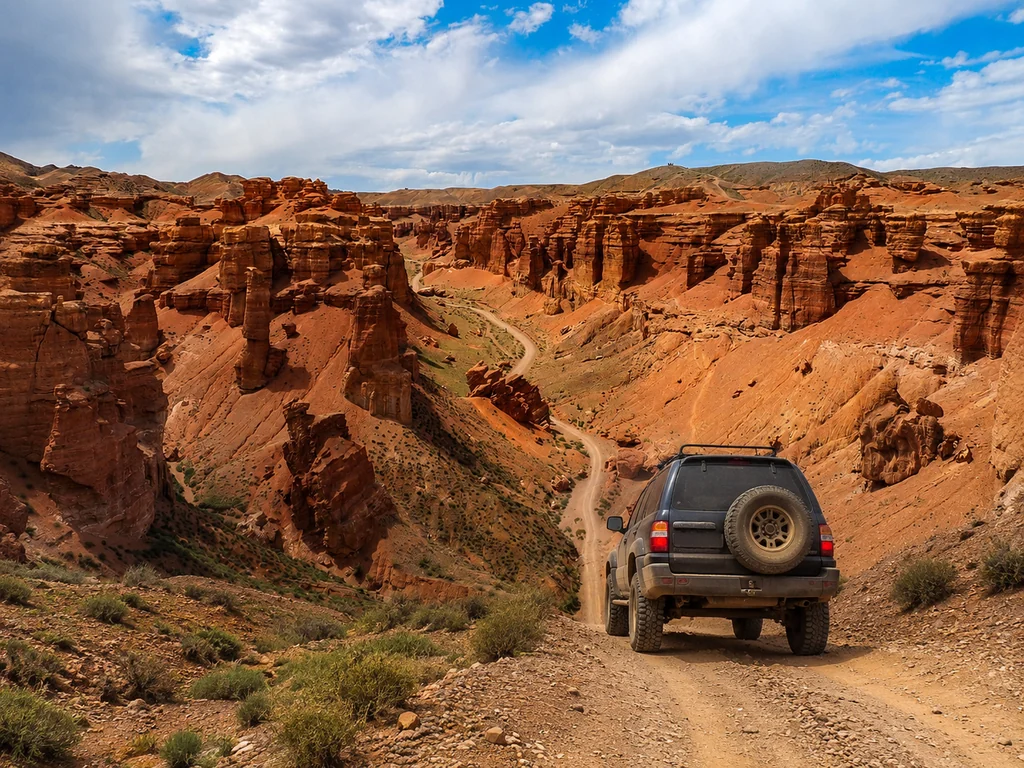
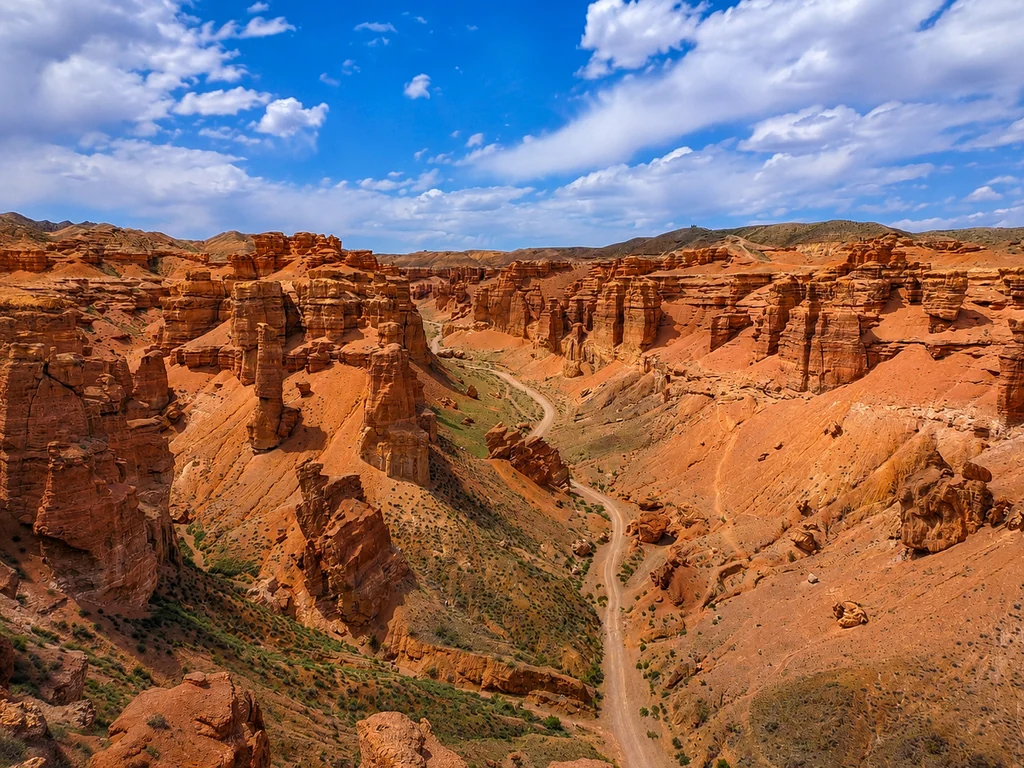
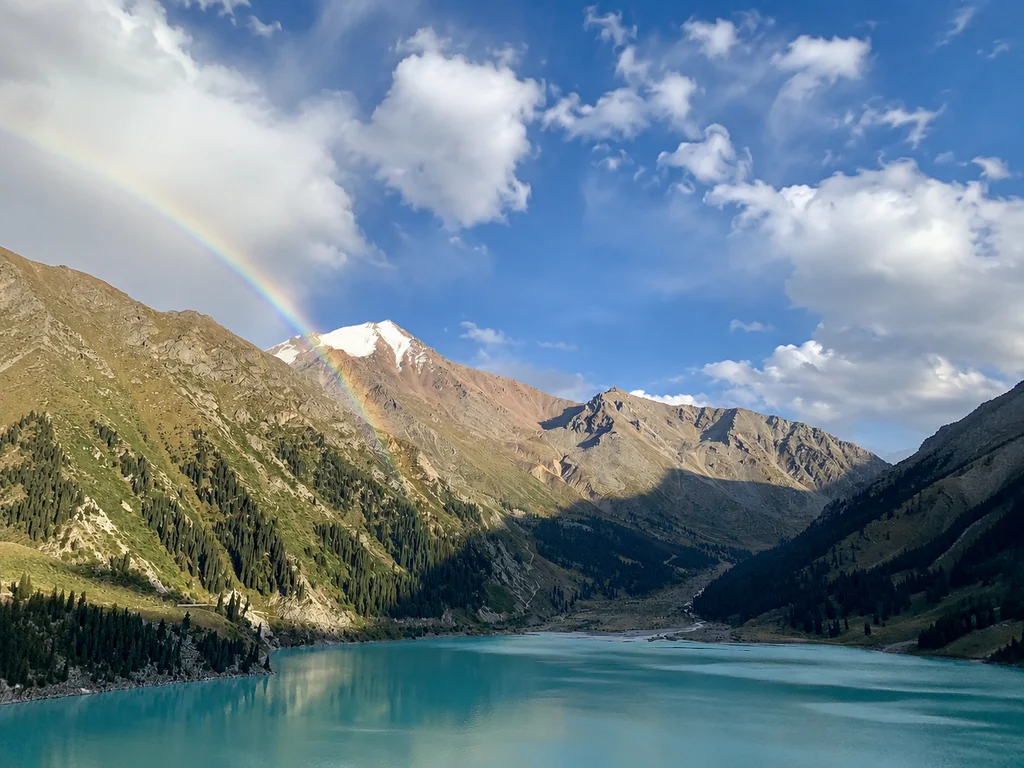
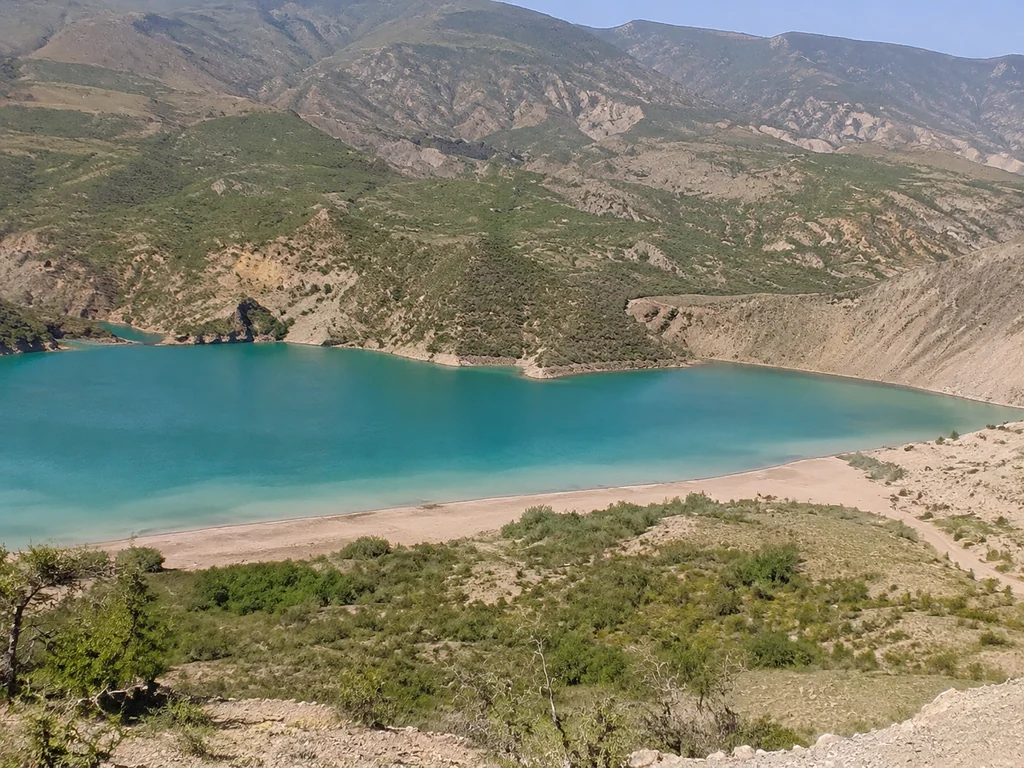
This 5-day tour is a comprehensive introduction to the natural beauty of the Almaty region. The itinerary includes visits to Charyn Canyon, often called the 'Grand Canyon's little brother', with its dramatic red rock formations that are up to 300 meters deep. You'll also explore the Kolsai Lakes, a series of three alpine lakes located in the Kolsai Lakes National Park, and Big Almaty Lake, a turquoise reservoir nestled in the mountains at 2,511 meters. The tour is designed for small groups and includes comfortable bus transfers and hotel accommodations. Each day features a different landscape, from the Martian-like canyon to the serene mountain lakes. The best time to visit is from May to October, when the roads are accessible and the weather is pleasant.
The Altai Region: Katon-Karagay and the Belukha Mountain
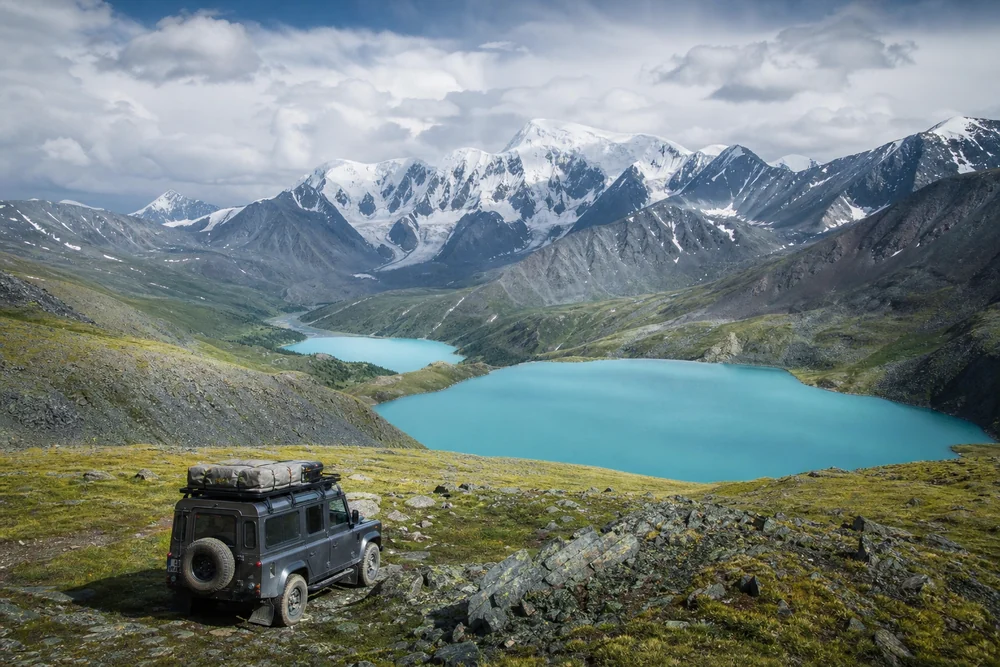
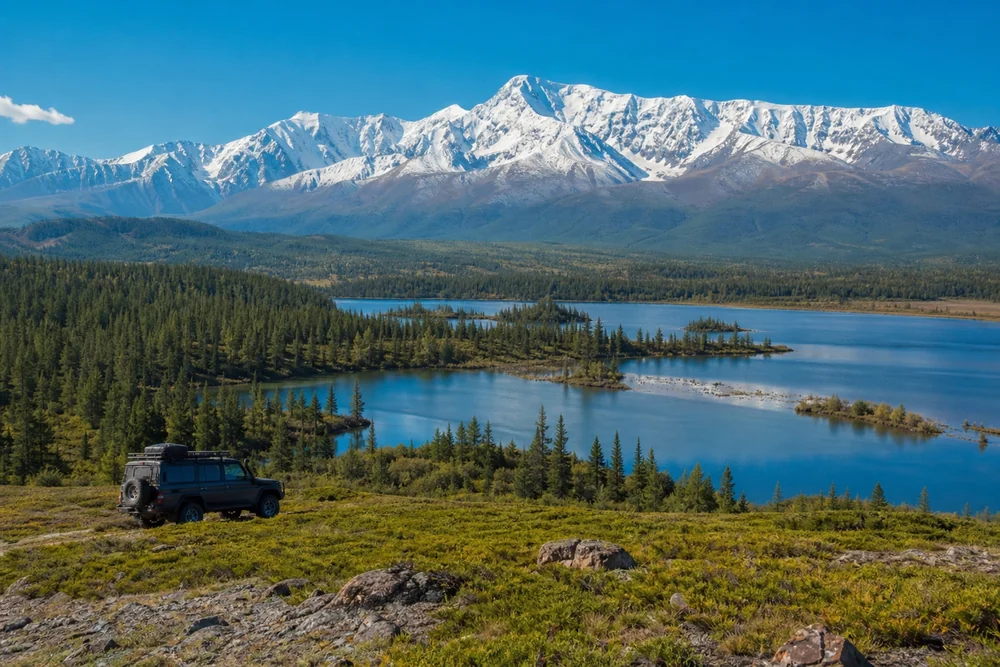
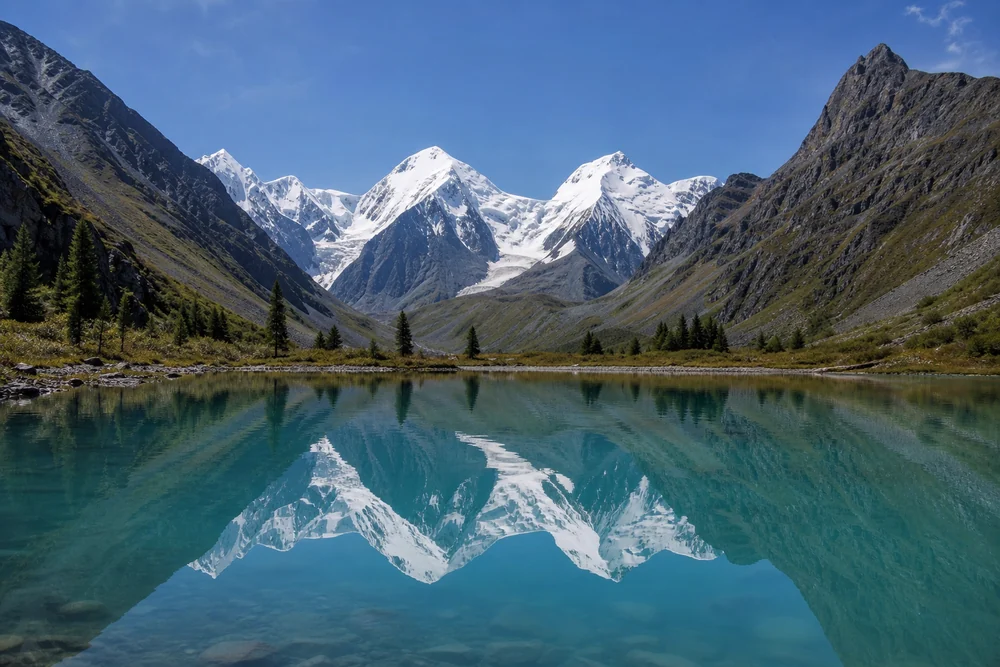
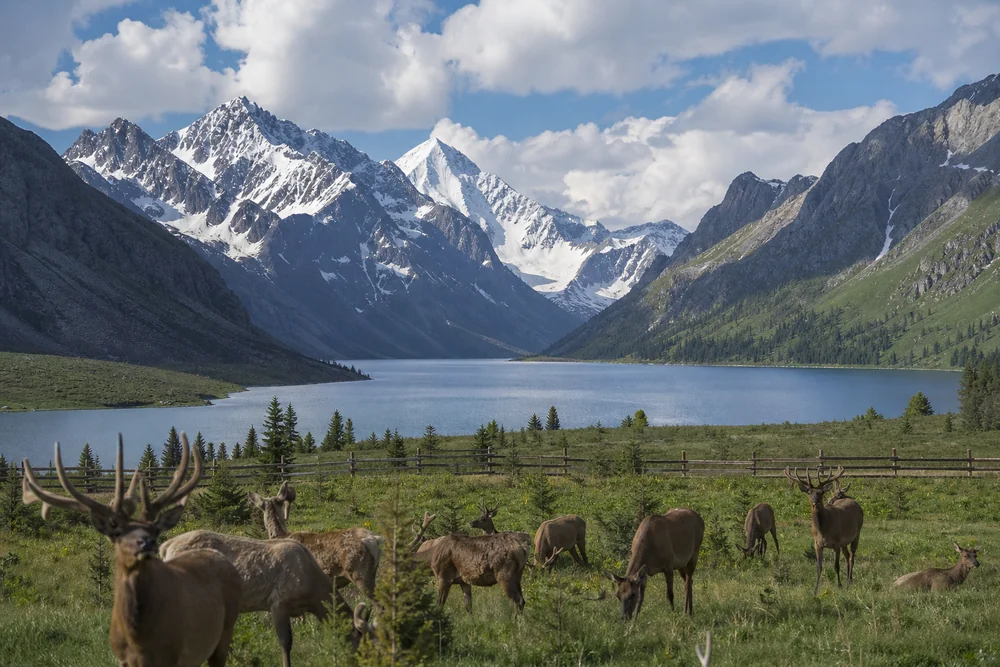
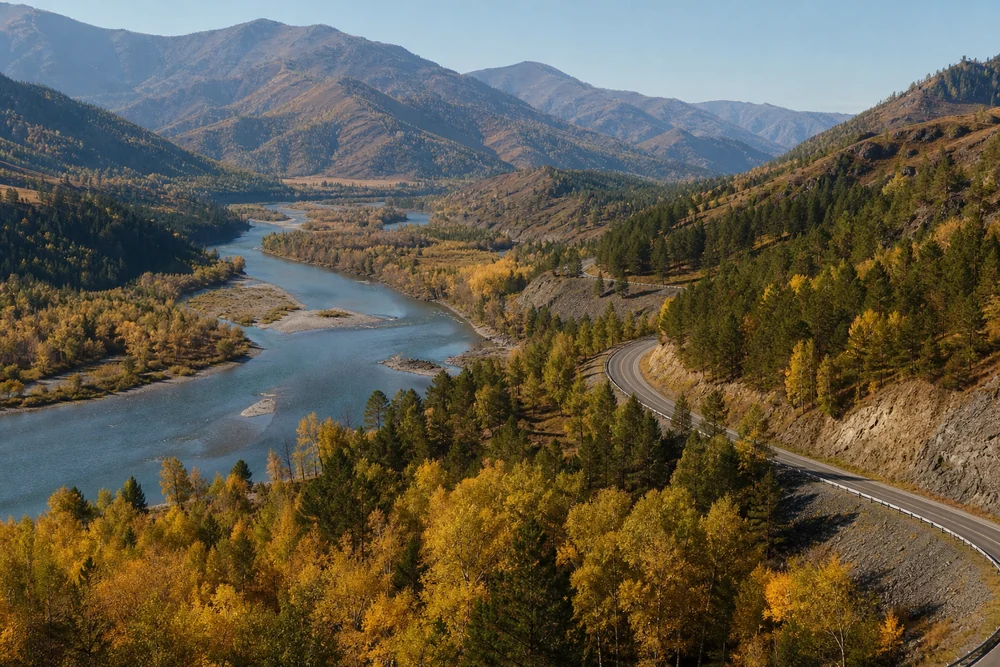
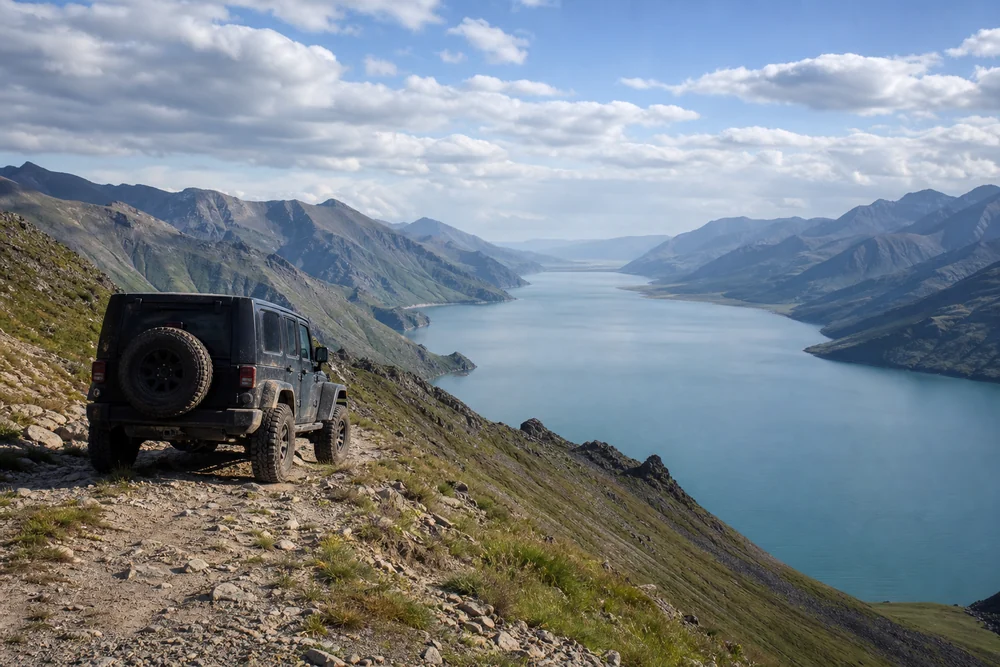
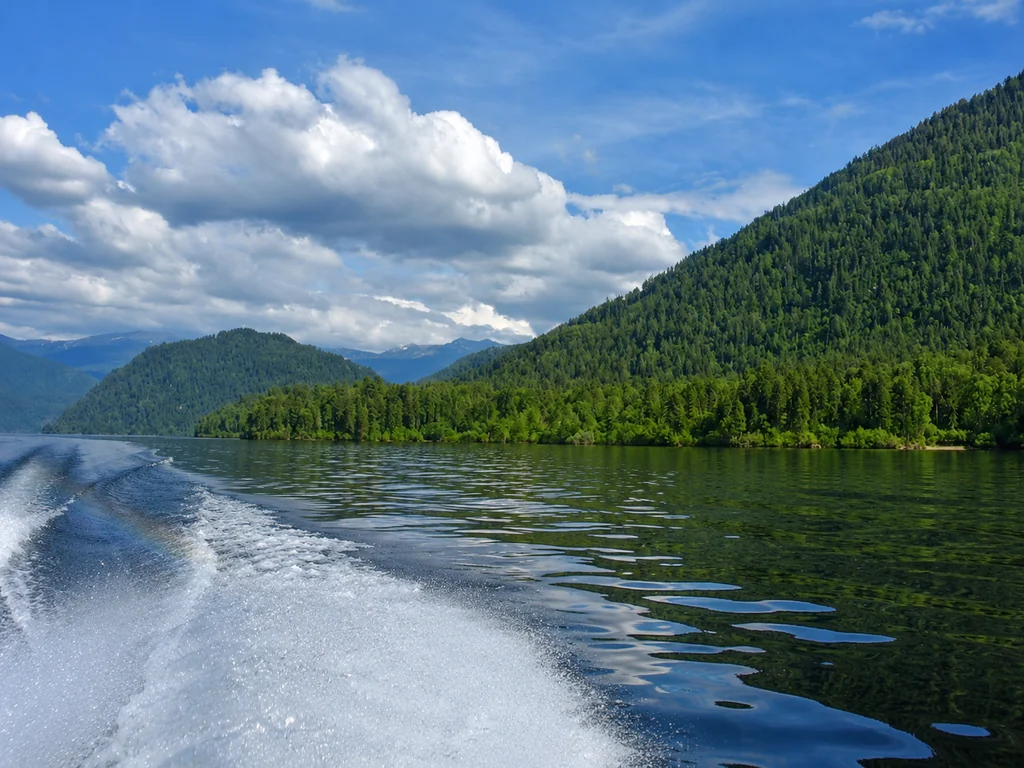
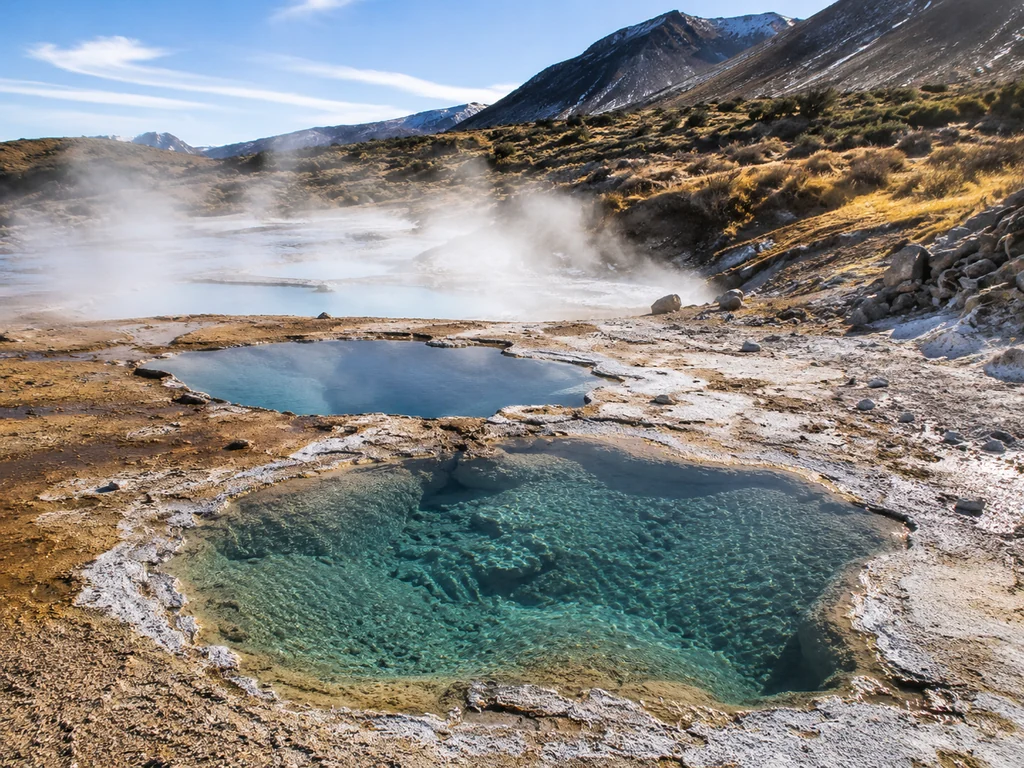
The Katon-Karagay National Park is the largest national park in Kazakhstan, covering over 643,000 hectares. It is located in the eastern part of the country, near the borders with Russia and China, and is part of the Altai Mountains, a UNESCO World Heritage Site. The park is home to the Belukha Mountain (4,506 m), the highest peak in the Altai, which is considered sacred by many. The area is known for its pristine nature, diverse wildlife, and therapeutic hot springs, such as the Rakhmanov Springs. Our 5-day jeep tour takes you to the springs, where you can bathe in the mineral-rich water, and offers a trek to the foot of Belukha for those who are physically prepared. The journey from Almaty is long, approximately 1,000 kilometers, and includes an overnight stop. The tour includes meals and accommodation in guesthouses.
Mangystau: The Caspian Coast and Otherworldly Landscapes
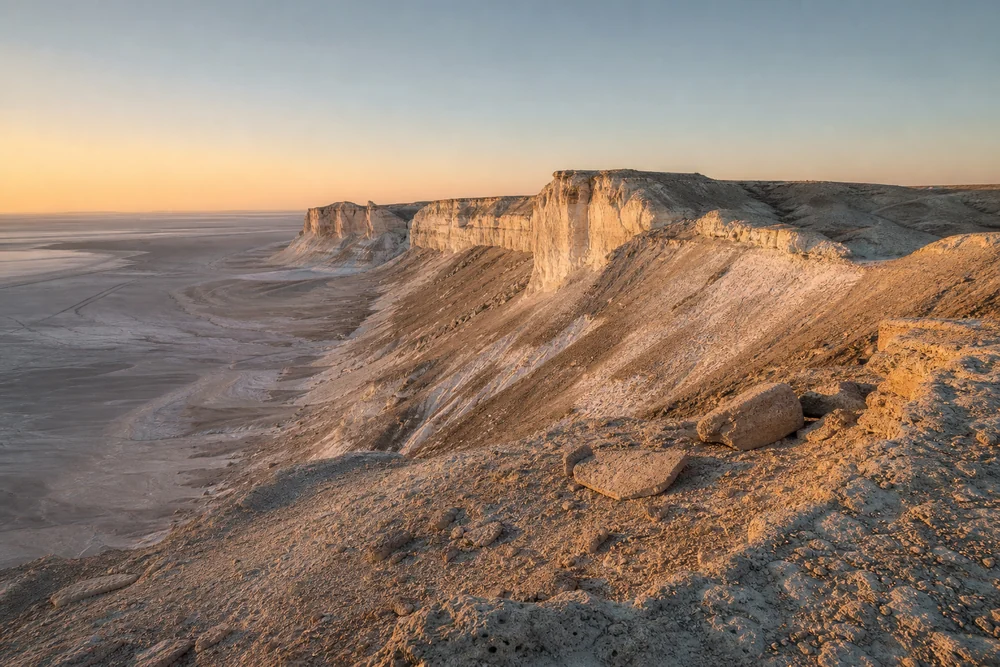
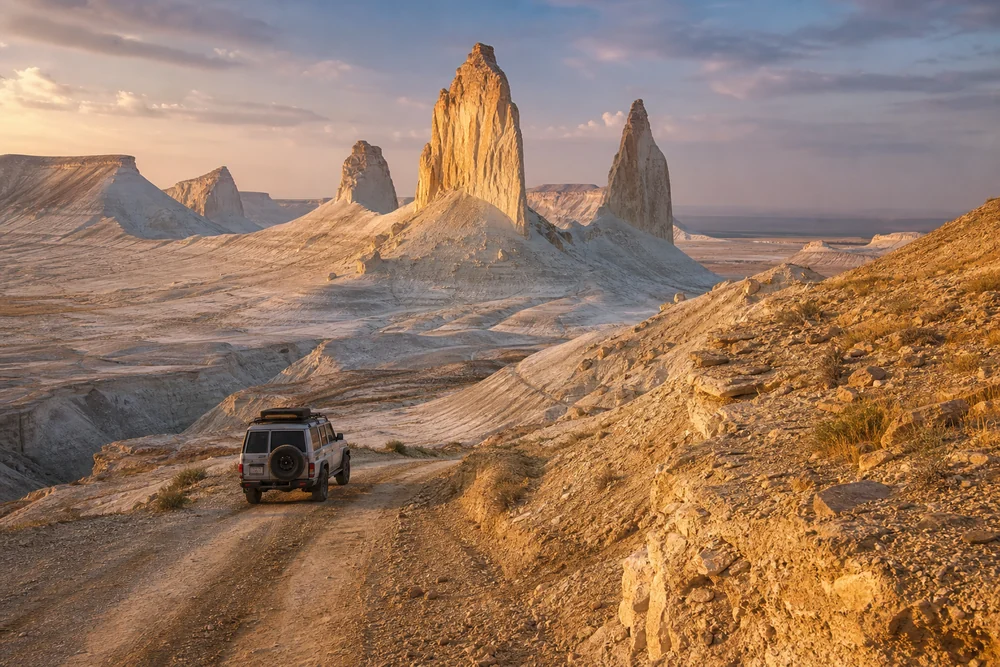
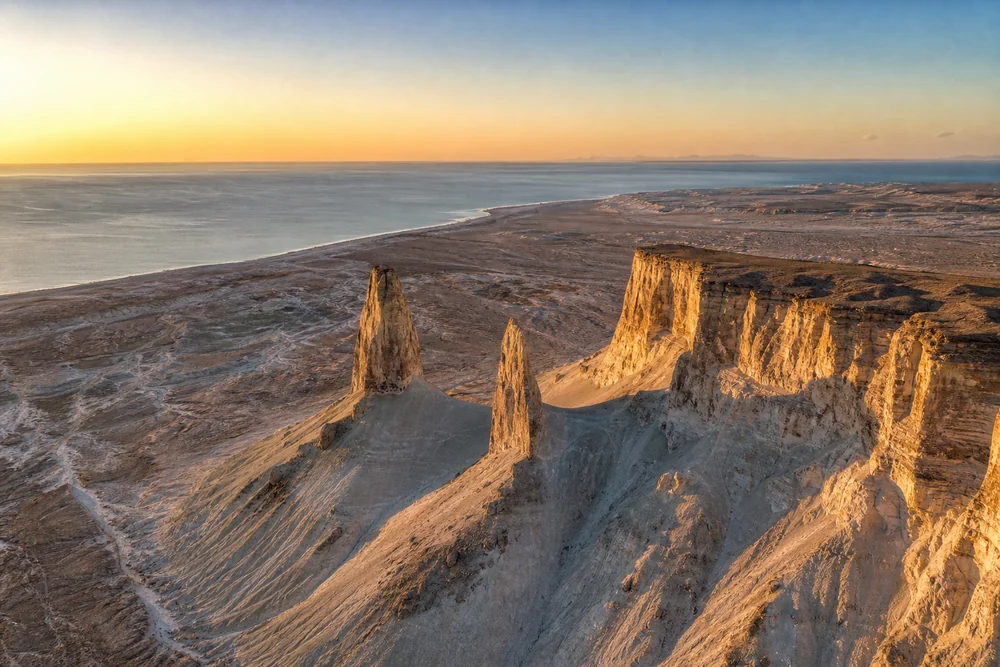
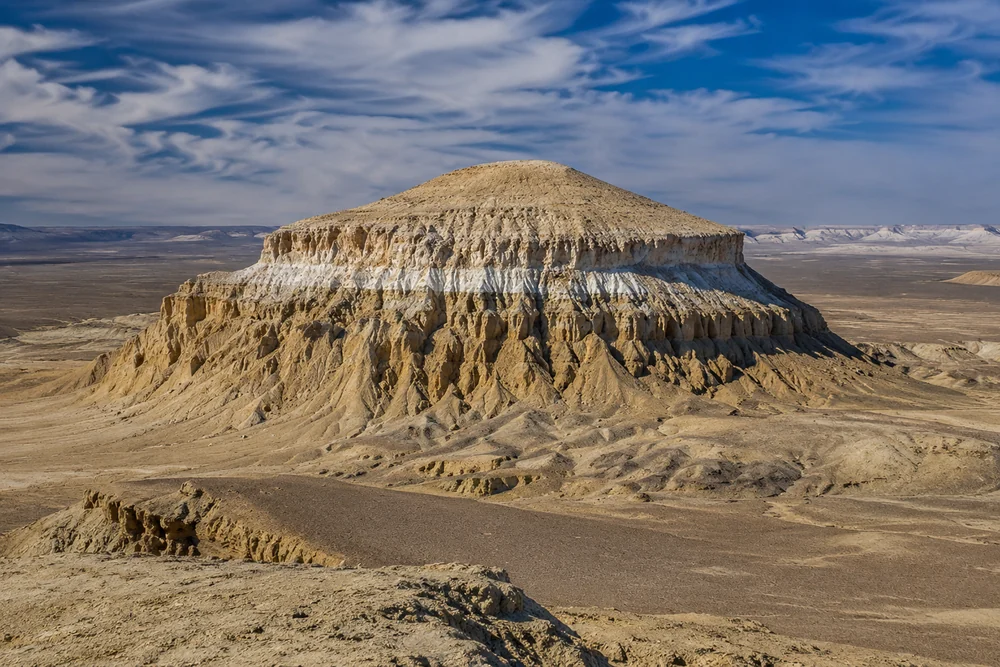
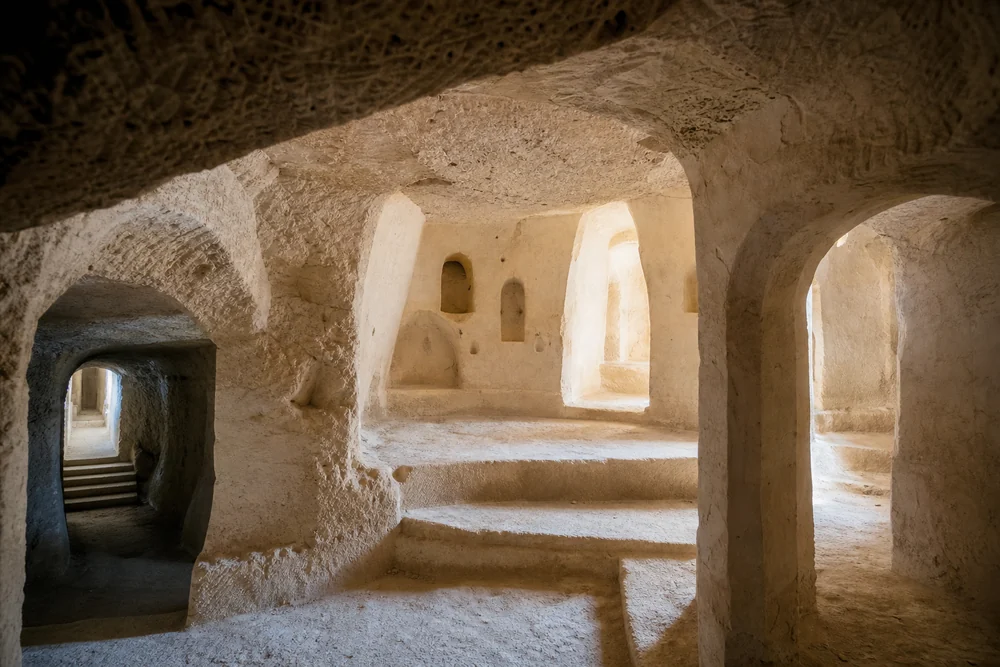
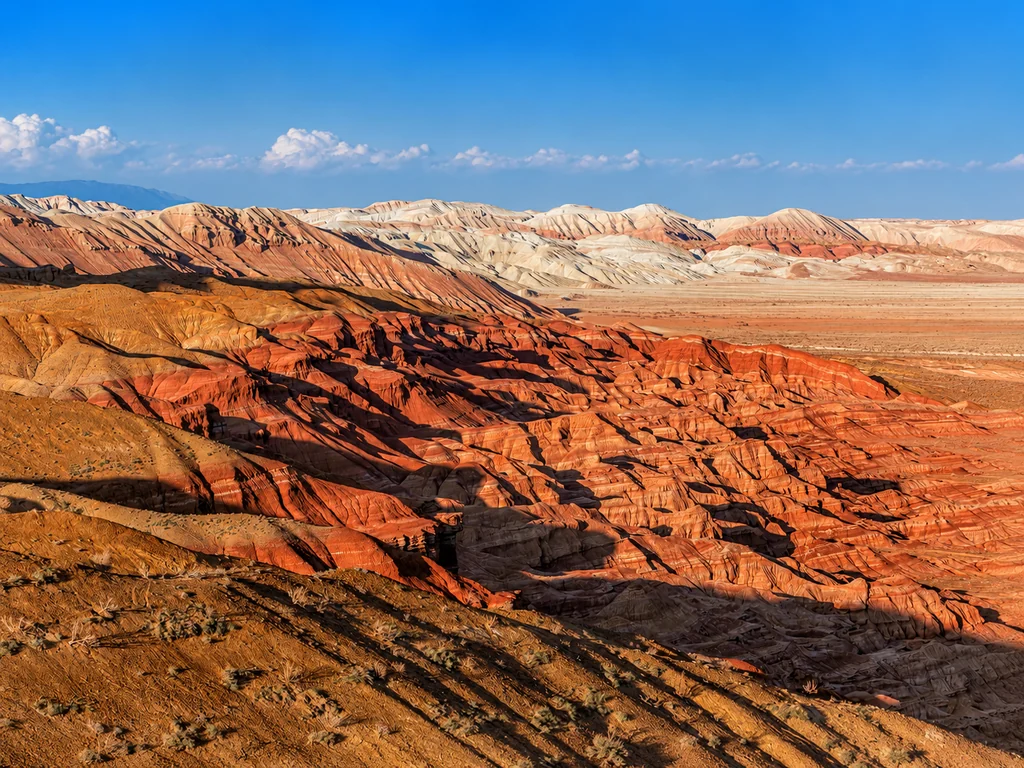
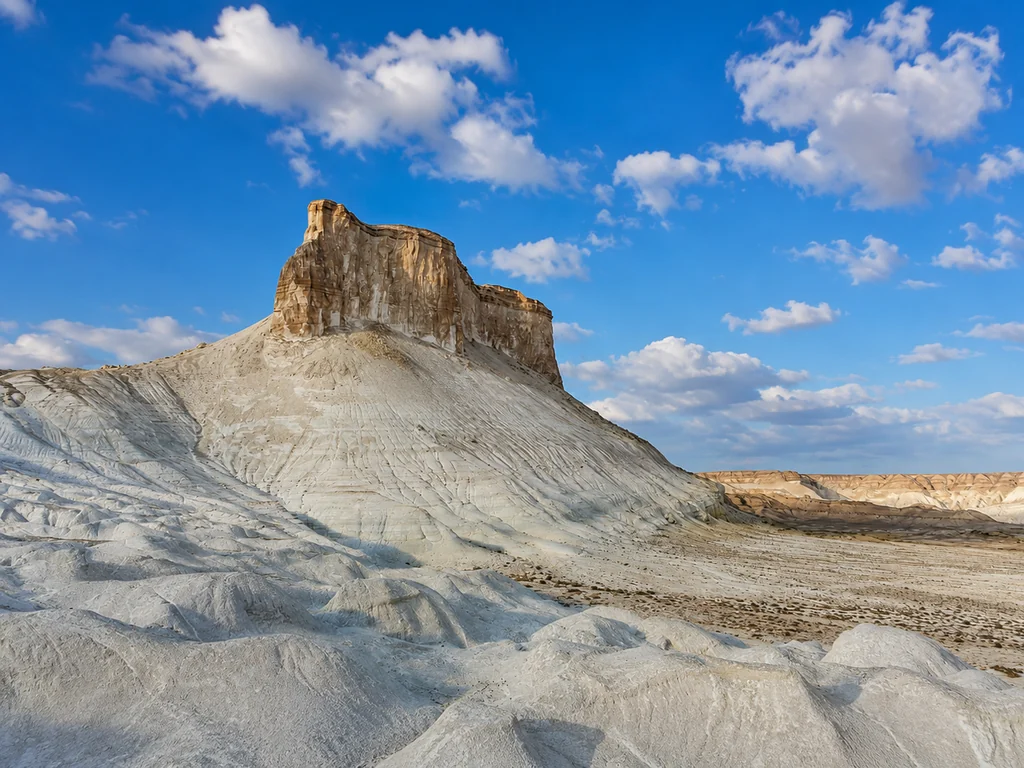
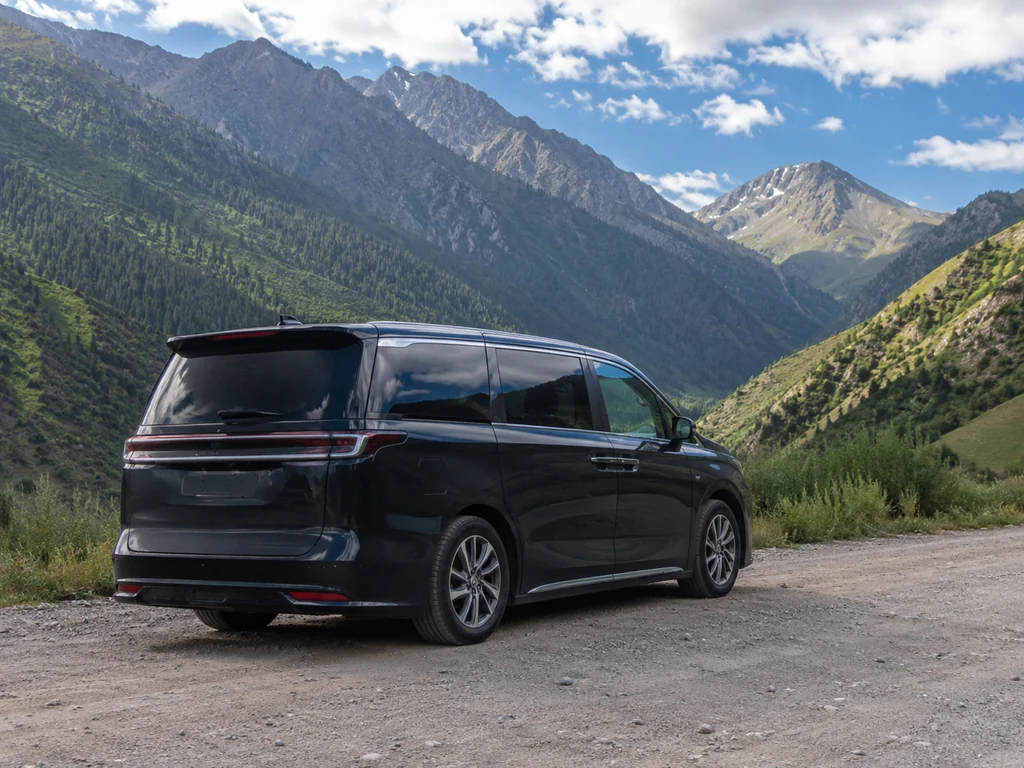
Mangystau is a region in western Kazakhstan, bordering the Caspian Sea. It is known for its stark, desert-like landscapes, including the chalk canyons of Torysh and the Boszhira tract, which look like something from another planet. The area also has cultural significance, with the underground mosque of Beket-Ata, a place of pilgrimage. Our 5-day jeep tour from Almaty requires a flight to Aktau (not included) and then covers the main sights in a comfortable 4x4 vehicle. The trip is physically demanding due to the rough terrain and lack of facilities, but the scenery is breathtaking. The best time to visit is from April to October, when temperatures are moderate. In summer, it can be scorching, so bring plenty of water and sun protection.
4. Hunting and Extreme Adventures: Dzungarian Alatau and Beyond
Ibex Hunting in the Dzungarian Alatau
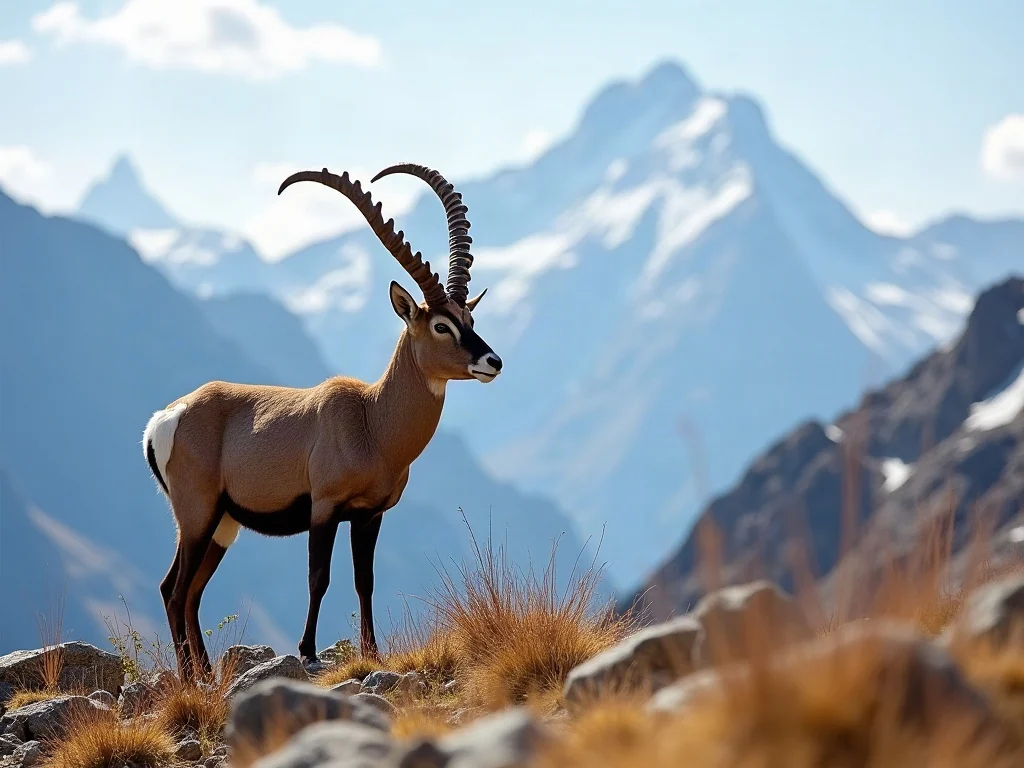
For experienced hunters, we offer a 7-day hunting expedition for Siberian ibex (Capra sibirica) in the Dzungarian Alatau mountains. This region is known for its large ibex populations, and the hunting season runs from September to November, when the animals are at their prime. The tour includes the services of a professional hunter, accommodation in a hunting camp, and transportation within the hunting area. The price covers the organization of the hunt, but the trophy fee is paid separately, depending on the size of the horns. Hunters should be in good physical condition, as the terrain is steep and rugged. The success rate is high, but it requires patience and skill. All necessary permits are arranged by us.
Comparing Our Multi-Day Tours
| Tour Name | Duration | Price per Person (KZT) | Format | Key Highlights |
|---|
| Trek in Zailiysky Alatau | 4 days | 61,900 | Group | Alpine lakes, passes, meadows |
| Issyk-Kul by Bus | 4 days | 64,900 | Group | Lake Issyk-Kul, hot springs |
| Alakol Lake | 5 days | 72,900 | Group | Healing waters, beach resort |
| Alakol Express (flight) | 4 days | 98,900 | Individual | Quick escape to Alakol |
| Almaty & Region | 5 days | 167,983 | Small group | Charyn, Kolsai, Big Almaty Lake |
| Katon-Karagay & Belukha | 5 days | 180,000 | Group | Rakhmanov Springs, Belukha |
| Altai Ring | 5 days | 180,000 | Group | Jeep tour, Rakhmanov Ozyora |
| Mangystau | 5 days | 185,000 | Group | Chalk canyons, Beket-Ata |
| Bukhtarma & Austrian Road | 6 days | 220,000 | Group | Bukhtarma valley, Austrian road |
| Great Katon-Karagay | 7 days | 250,000 | Group | Comprehensive Altai experience |
| Big Altai: Belukha & Maral | 8 days | 250,000 | Group | Belukha glacier trek, maral farms |
| Ibex Hunt | 7 days | 3,446,600 | Individual | Professional hunt, trophy |
As you can see, there is a wide range of tours, from budget-friendly treks to exclusive hunting expeditions. Prices vary based on distance, mode of transport, accommodation, and included services. For any additional costs, such as trophy fees or optional excursions, we will provide details at the time of booking.
5. Practical Information for Your Multi-Day Tour
What's Included and What's Not
Each tour includes accommodation, meals as specified in the itinerary, transportation from Almaty (unless otherwise stated), and the services of a guide or driver. Not included are international flights, visa fees, personal expenses, travel insurance, and any items not mentioned in the itinerary. For hunting tours, the trophy fee is separate. Please note that some tours may require a permit for border zones (e.g., near China or Kyrgyzstan), which we will arrange for you.
Booking and Cancellation Policies
To book a tour, please contact us via our website or phone. A deposit of 30% is required to confirm your reservation, with the balance due 30 days before departure. Cancellations made more than 60 days in advance receive a full refund minus a 10% administrative fee. Between 30 and 60 days, the deposit is non-refundable, but you can transfer to another date. For cancellations less than 30 days, no refund is provided. We strongly recommend purchasing travel insurance that covers cancellation, medical expenses, and emergency evacuation.
Health and Safety Considerations
Multi-day tours involve physical activity and time spent in remote areas. It is essential to be in good health and inform us of any medical conditions. For high-altitude treks (above 3,000 m), altitude sickness is a risk; we advise a gradual ascent and proper hydration. Our guides are trained in first aid and carry oxygen for emergencies. In wildlife areas, it's important to follow the guide's instructions and respect the animals. Always wear appropriate clothing and footwear, and bring personal medications.
6. Essential Packing List
- Backpack (50-70 liters for trekking tours)
- Daypack for daily excursions
- Hiking boots (broken in)
- Comfortable shoes for evenings
- Layered clothing (thermal base, fleece, waterproof jacket)
- Warm hat and gloves (even in summer)
- Sun hat and sunglasses
- Sunscreen (SPF 50+) and lip balm
- Reusable water bottle (1-2 liters)
- Water purification tablets or filter
- Personal first-aid kit (band-aids, pain relievers, antiseptic)
- Headlamp or flashlight with spare batteries
- Sleeping bag (for trekking tours, comfort rating -5°C)
- Toiletries and towel
- Insect repellent
- Power bank for electronics
- Passport and necessary permits (we provide)
- Travel insurance documents
7. Why Choose Us for Your Multi-Day Adventure?
Experience and Local Knowledge
Our team is based in Almaty and has years of experience organizing tours across Kazakhstan and neighboring countries. We know the best times to visit, the safest routes, and the most scenic spots. Our guides are certified and speak both English and Russian, ensuring you have a rich cultural experience. We work with local partners to provide authentic accommodations and meals.
Customization and Flexibility
While we have set itineraries, we understand that every traveler is different. We can customize tours to match your interests, fitness level, and schedule. Whether you want to add an extra day at a lake or focus more on photography, we'll do our best to accommodate. For private tours, we can also adjust the departure dates.
Responsible Travel
We are committed to sustainable tourism. We respect local communities and the environment, and we follow the principles of Leave No Trace. By choosing us, you support conservation efforts and the local economy. We also provide information on how you can minimize your impact during the trip.
We invite you to explore the diverse landscapes of Kazakhstan with us. From the high peaks of the Tian Shan to the tranquil shores of Alakol, each tour offers a unique opportunity to connect with nature and create lasting memories. Contact us today to start planning your adventure!