Overview of the Tour
This full-day excursion from Almaty takes you to the ancient petroglyph site of Tamgaly-Tas, where you will see rock carvings dating back thousands of years, including a prominent depiction of Buddha. The journey continues to the Nomad City, an open-air museum dedicated to the nomadic heritage of the Kazakh steppe. The tour lasts approximately 9 hours and operates daily, with departure times flexible to your preference.
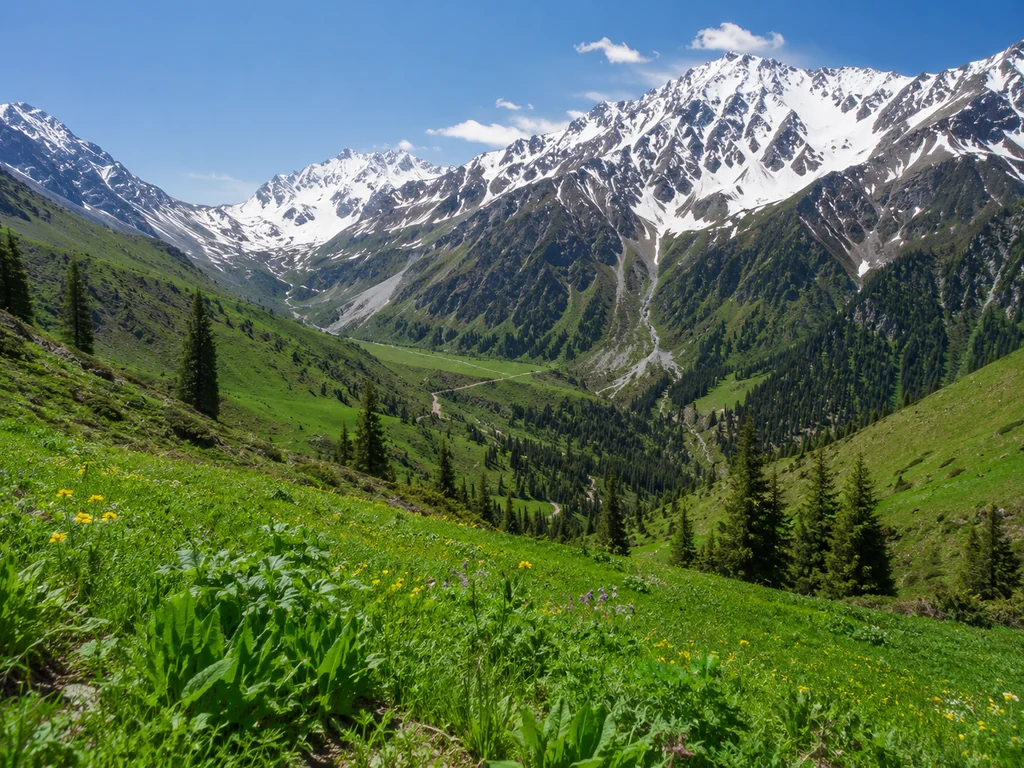
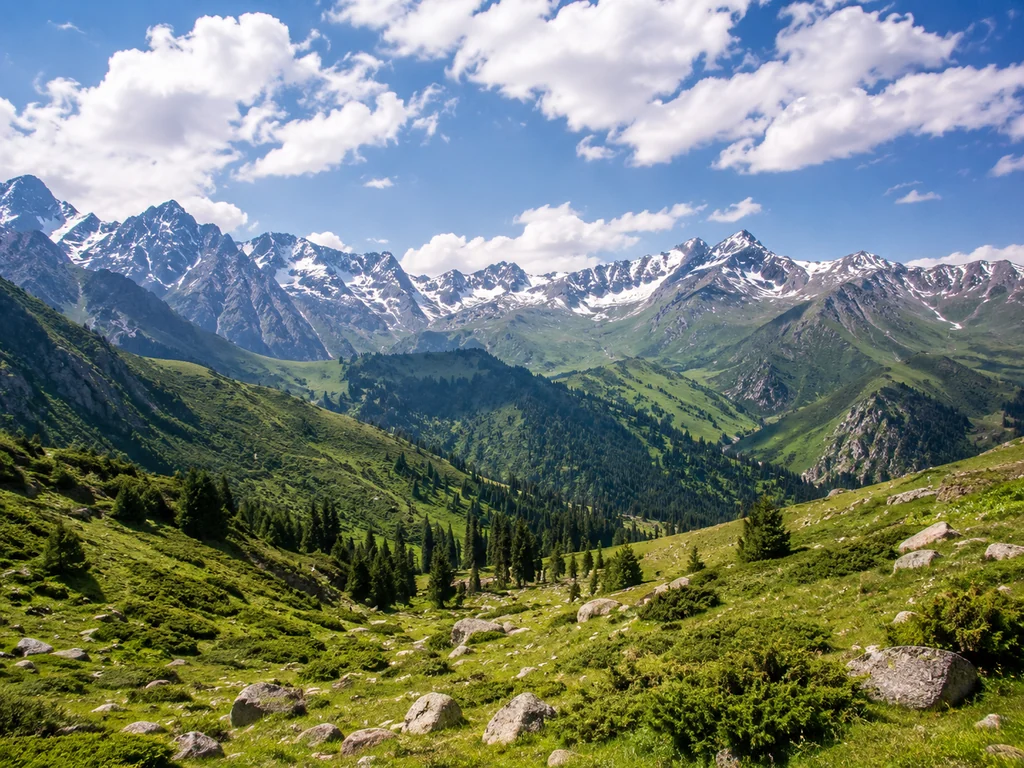
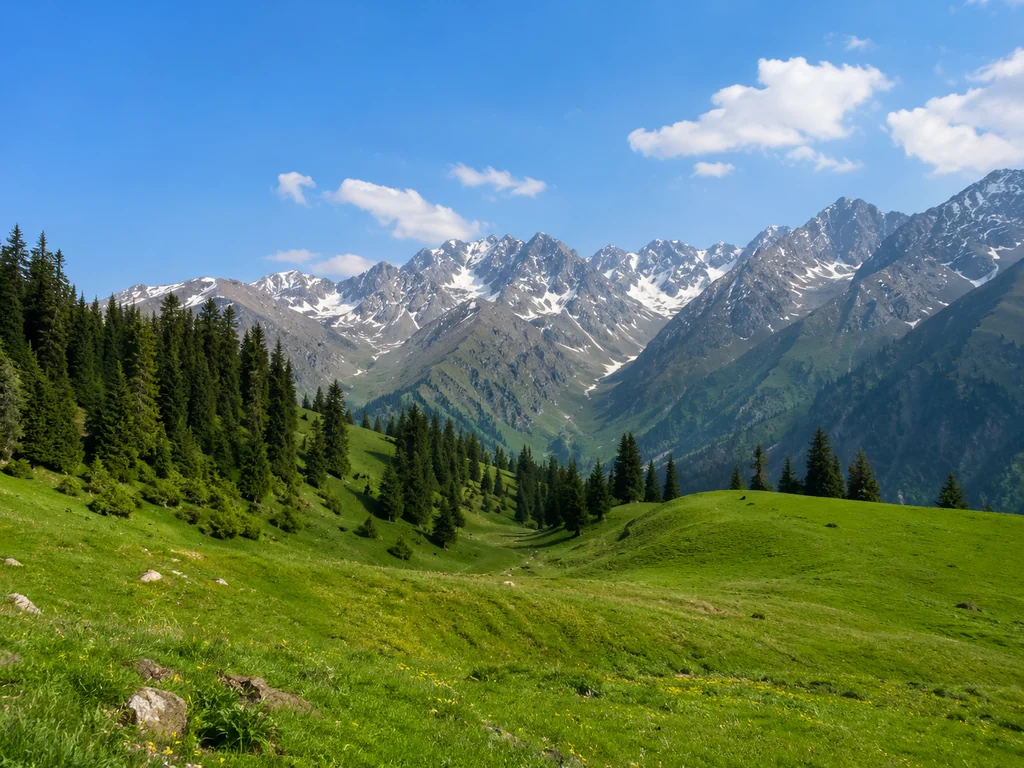
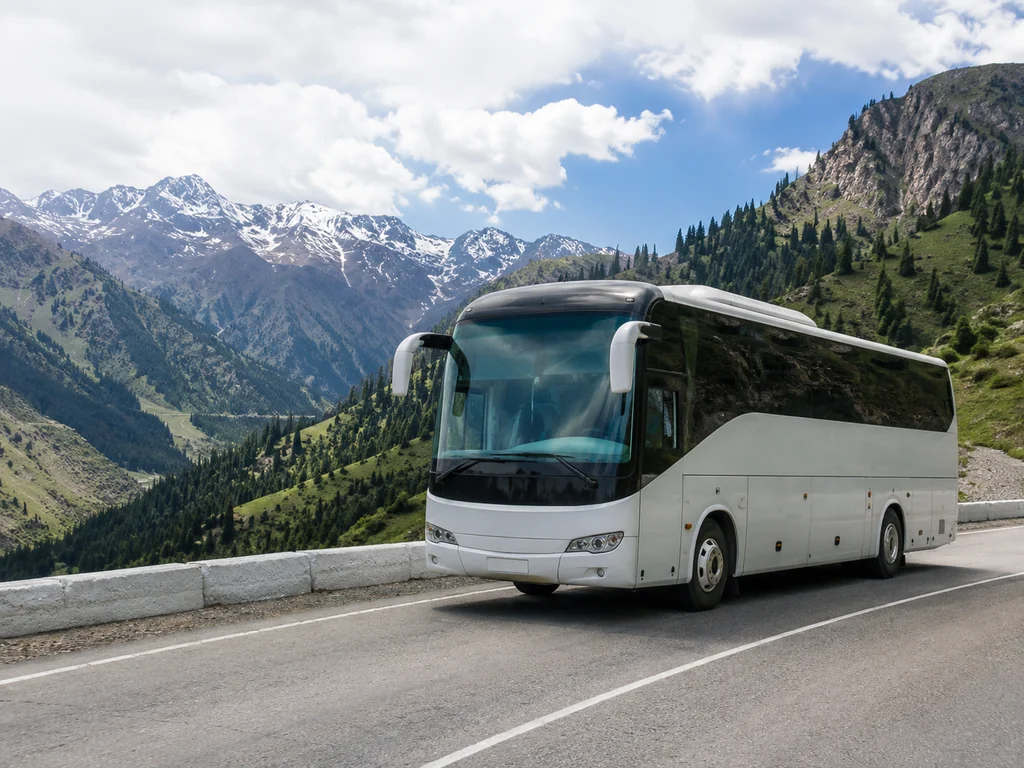
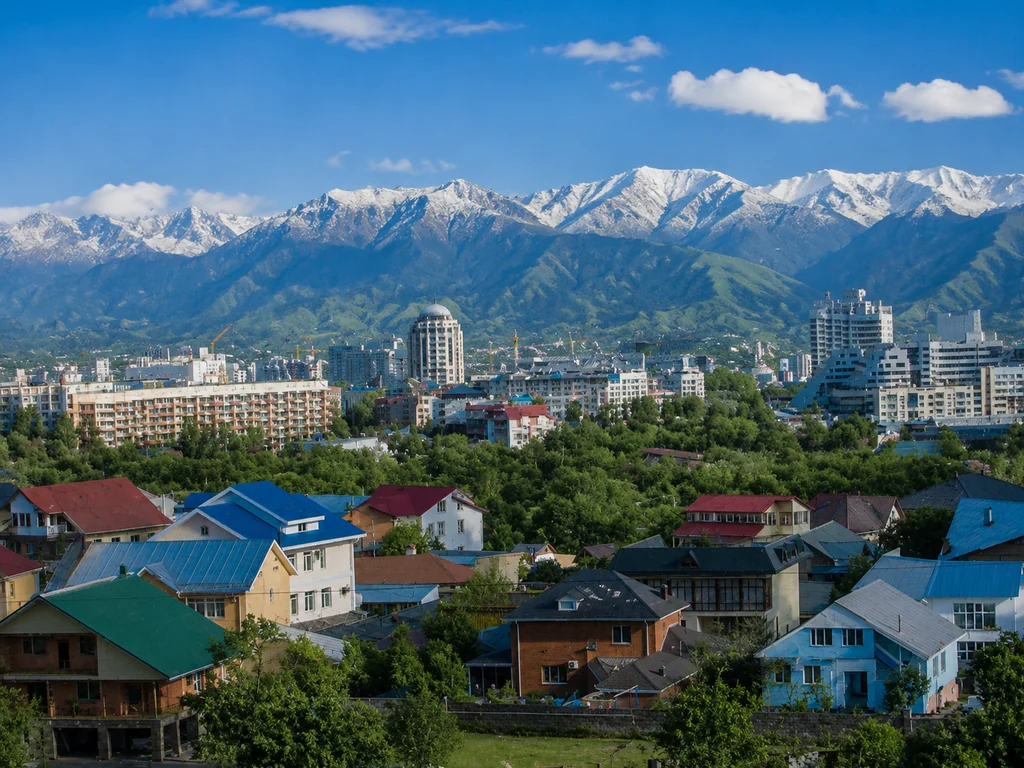
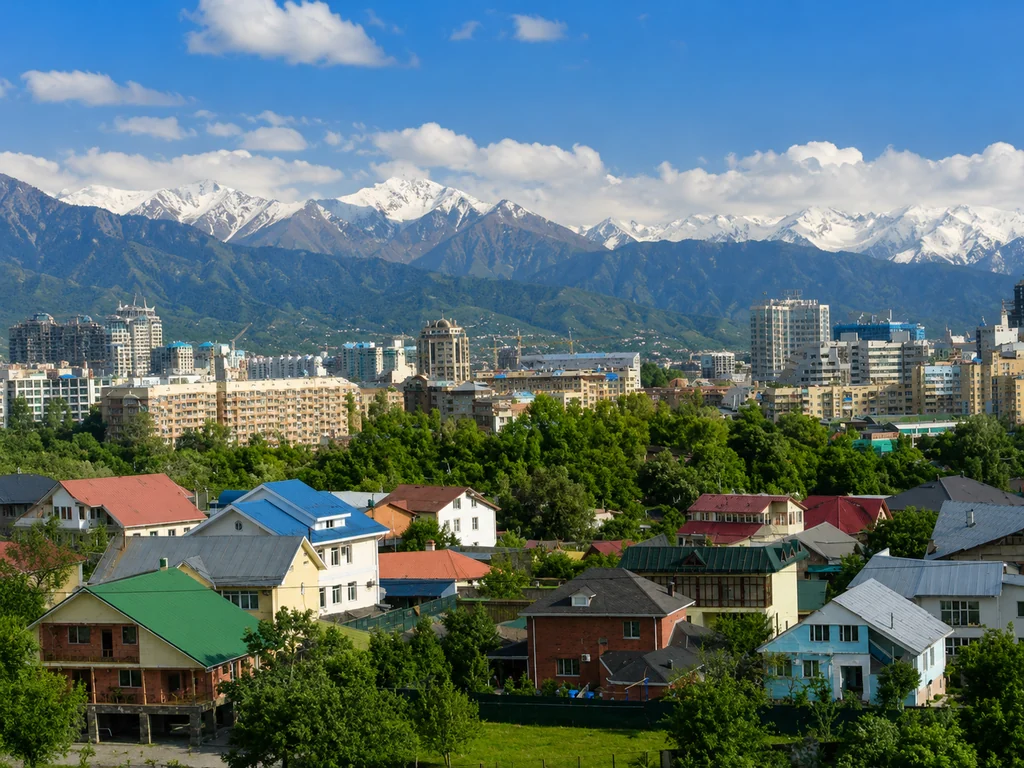
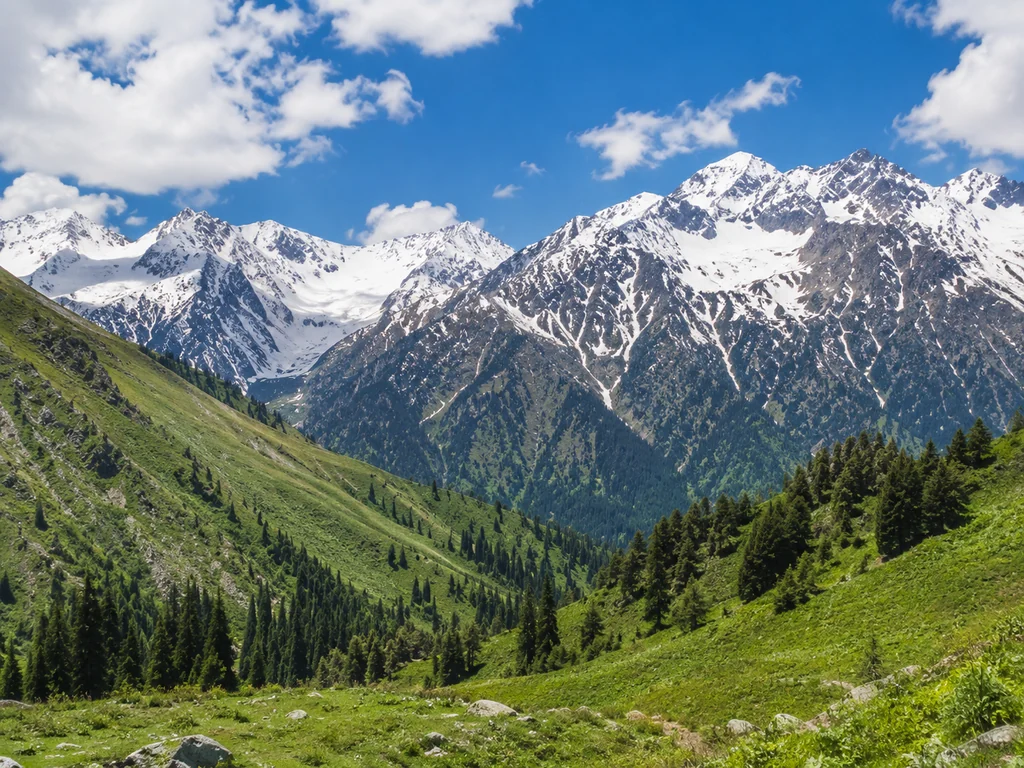
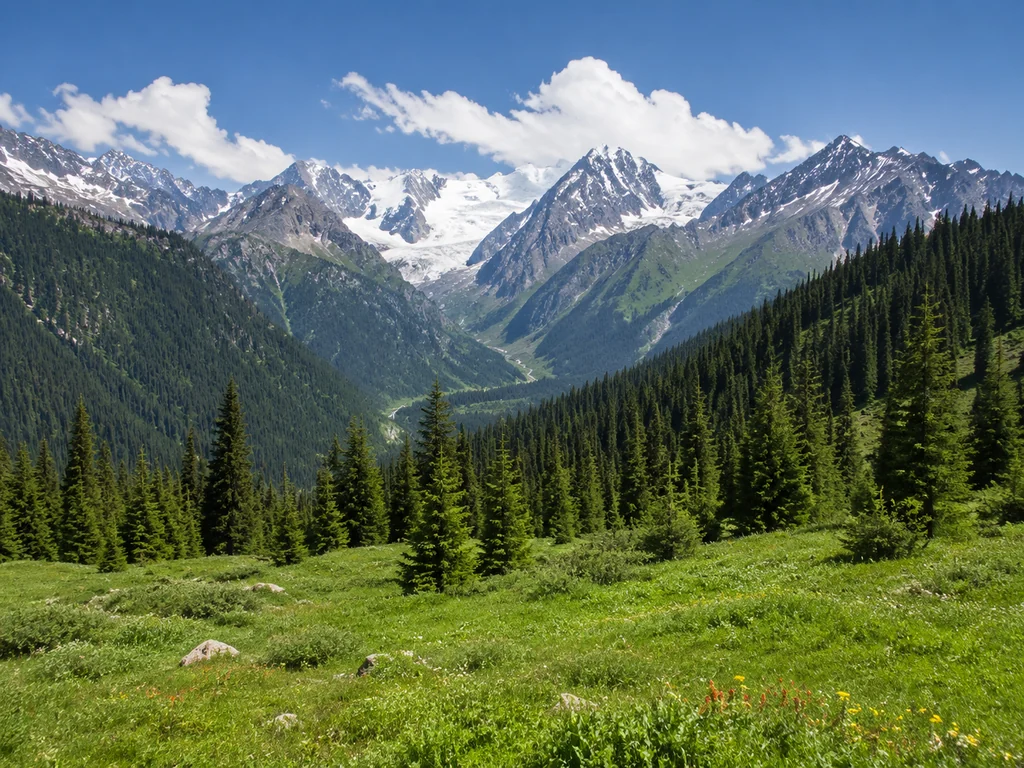
The route begins in Almaty, the largest city in Kazakhstan, nestled at the foot of the Zailiysky Alatau mountains. As you travel northwest, the landscape transitions from urban sprawl to the vast, open steppe, offering a glimpse into the country's diverse geography. The tour is conducted in a comfortable vehicle, ensuring a smooth ride on well-maintained roads.
This experience is ideal for history enthusiasts, culture seekers, and travelers looking to understand the deep-rooted nomadic traditions of Central Asia. With a small group or private setting, you can explore at your own pace and ask your guide questions along the way.
Tamgaly-Tas: Ancient Rock Art
Location and Significance
Tamgaly-Tas is an open-air gallery of petroglyphs located approximately 120 kilometers northwest of Almaty, near the Ili River. The name translates to 'stones with signs' or 'painted stones' in Kazakh, reflecting the site's rich collection of rock engravings. This area is part of the larger Tamgaly archaeological landscape, which is a UNESCO World Heritage Site.
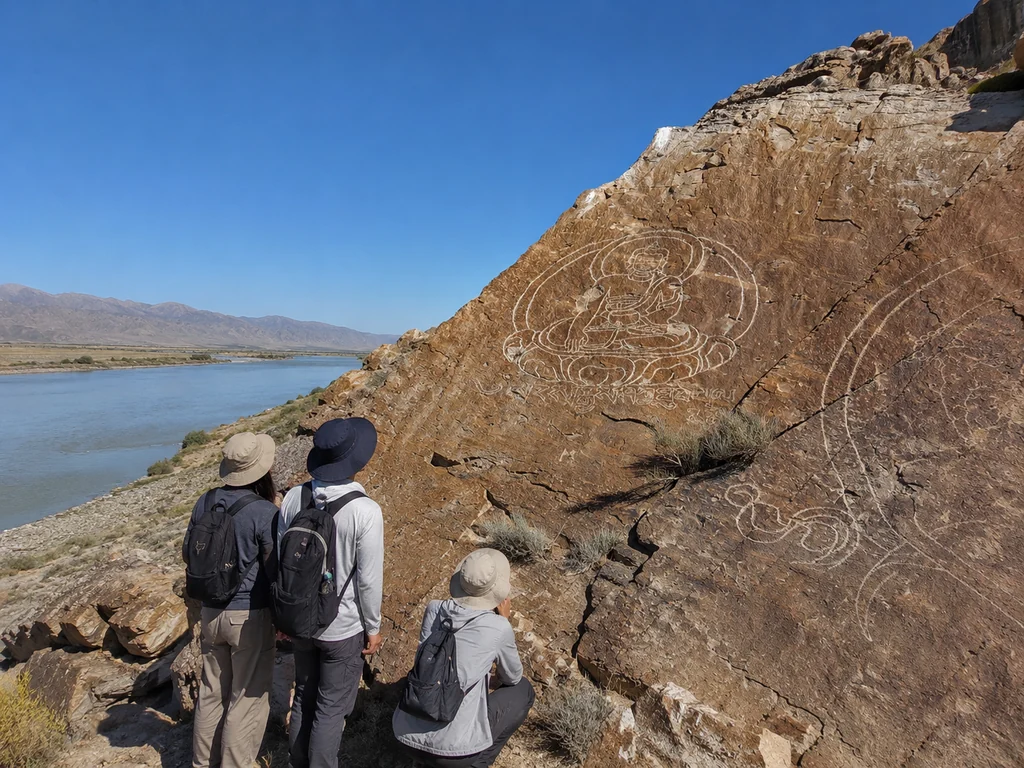
The petroglyphs at Tamgaly-Tas are estimated to be between 3,000 and 4,000 years old, spanning the Bronze Age to the Middle Ages. They depict a variety of subjects, including animals like ibex and roe deer, hunting scenes, and solar deities. The most famous image is a large Buddha figure, which is unique in Central Asia and indicates the spread of Buddhism along the Silk Road.
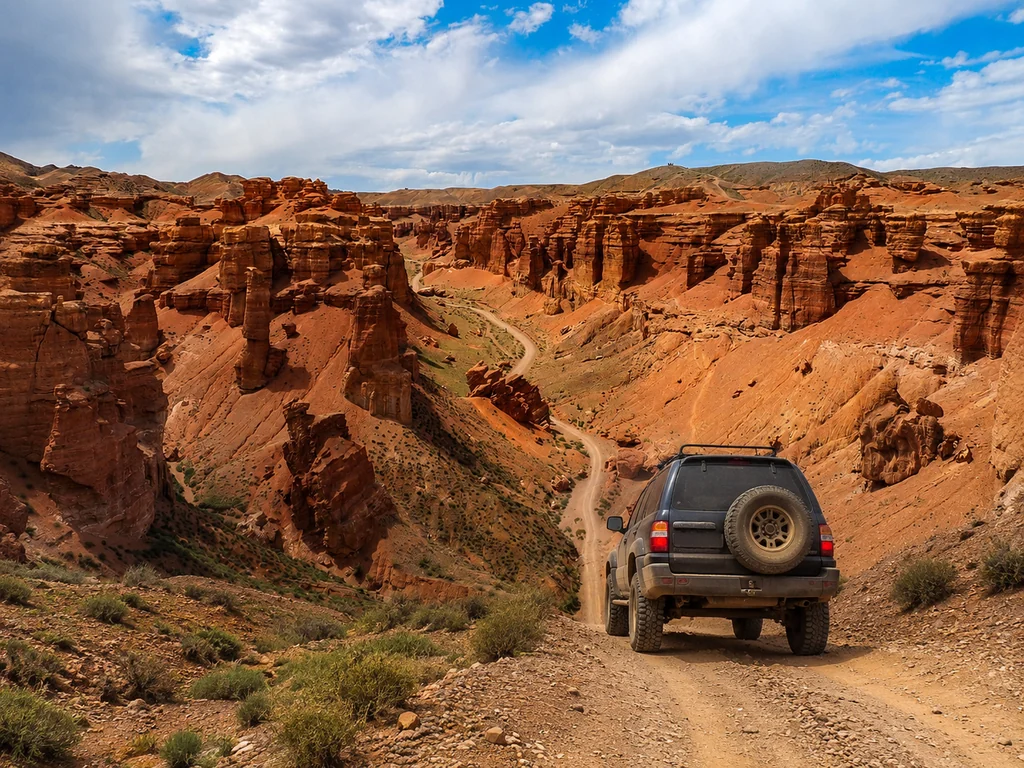
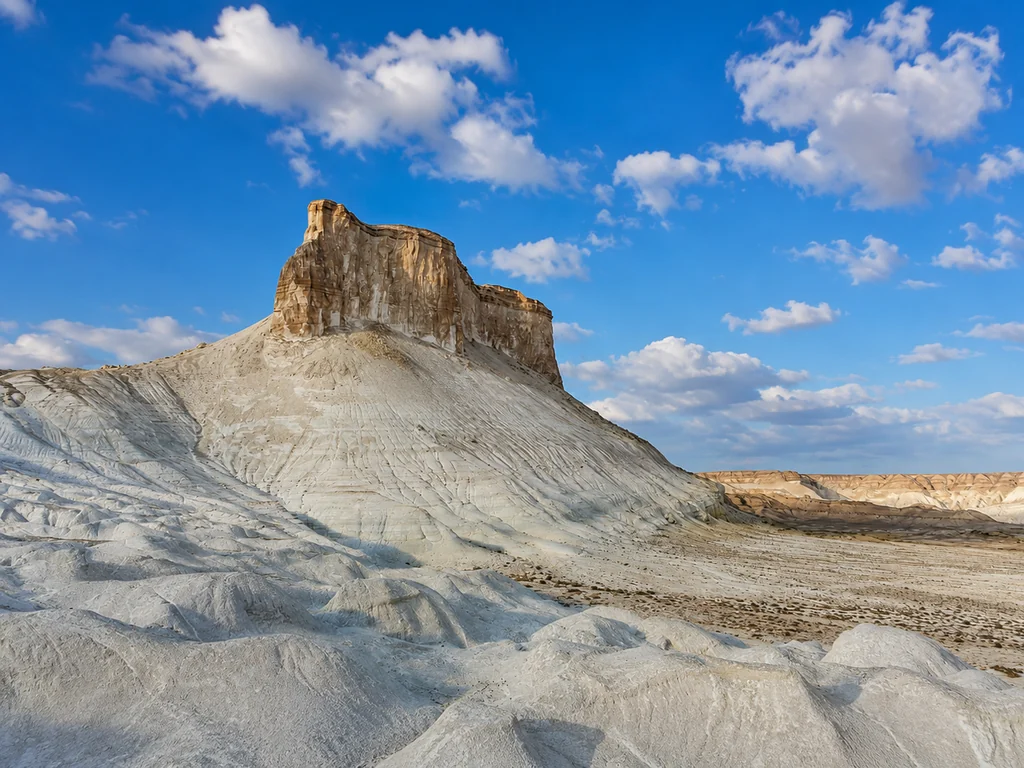
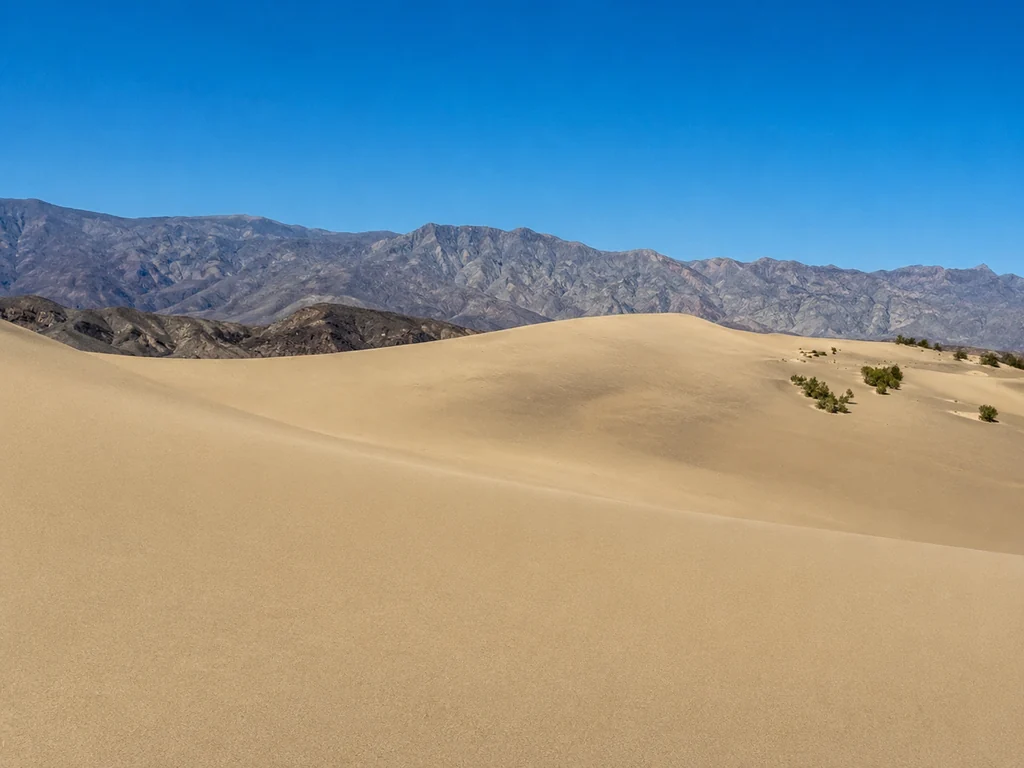
The site is situated in a semi-desert zone, with sparse vegetation and dramatic rock formations. The carvings are etched into dark, weathered boulders that stand out against the lighter stone of the hillsides. Visitors can walk among these rocks and view the intricate details of the engravings, which have survived millennia of exposure to the elements.
What to Expect
Upon arrival, you will have about an hour to explore the main cluster of petroglyphs. A short, guided walk will lead you through the site, pointing out key carvings and explaining their historical context. The terrain is relatively flat, but you should wear sturdy footwear as you will be walking on uneven ground and gravel paths.
The Buddha figure at Tamgaly-Tas is particularly striking, standing over two meters tall and carved into a vertical rock face. It is believed to date from the 17th century, when Buddhist missionaries traveled through the region. Nearby, you can also see Tibetan inscriptions and other religious symbols, adding to the site's spiritual atmosphere.
Photography is allowed, but please be respectful of the ancient carvings and avoid touching them. The site is unprotected from the sun, so bring a hat, sunscreen, and plenty of water, especially during the summer months.
Historical Context
The petroglyphs of Tamgaly-Tas provide invaluable insights into the lives and beliefs of ancient nomadic peoples. Similar rock art sites are found throughout Kazakhstan, but Tamgaly-Tas is particularly notable for its concentration and variety of images. The carvings reflect a transition from shamanistic practices to organized religions, including Buddhism and later Islam.
Archaeologists believe that the site was used for ritual purposes for thousands of years. The presence of the Buddha figure suggests that it was a place of pilgrimage for Silk Road travelers. Over time, the site fell into obscurity until it was rediscovered in the 20th century and subsequently protected as a national monument.
Today, Tamgaly-Tas is not only a tourist attraction but also an active archaeological research area. Ongoing studies continue to uncover new details about the region's history, making each visit a unique opportunity to connect with the past.
Nomad City: A Living Museum
Concept and Attractions
Nomad City, also known as the City of Nomads, is an ethnic theme park that recreates the traditional lifestyle of Kazakh nomads. Located about 60 kilometers from Almaty, near the Kapchagai reservoir, this complex offers a hands-on experience of the culture that shaped the steppe for centuries. Visitors can explore yurts, watch craft demonstrations, and even participate in activities like archery and horseback riding.
The park is designed to be immersive, with actors in period costumes and authentic artifacts on display. You can sample traditional dishes such as beshbarmak and kumis, and listen to music played on the dombra, a two-stringed instrument. The atmosphere is lively, especially during national holidays when special events are held.
One of the highlights is the opportunity to try on traditional clothing and take photos with eagles and other birds of prey, which are central to Kazakh hunting traditions. The park also features a small museum with exhibits on the history of nomadism, from the ancient Scythians to the modern day.
Interactive Experiences
Visitors are encouraged to engage with the culture rather than just observe it. You can learn how to milk a mare, a traditional skill, or try your hand at making felt, which is used to cover yurts and make carpets. The staff are knowledgeable and happy to share stories about their heritage.
For those interested in equestrian culture, there are opportunities to watch or participate in horse games such as kokpar, a form of polo played with a goat carcass. These events are thrilling to watch and provide a glimpse into the nomadic warrior spirit.
The park is open year-round, but the experience varies by season. In summer, you might see more outdoor activities, while winter offers a quieter, more intimate look at how nomads survived the harsh cold. Regardless of when you visit, you will leave with a deeper appreciation for the resilience and ingenuity of the Kazakh people.
Architecture and Layout
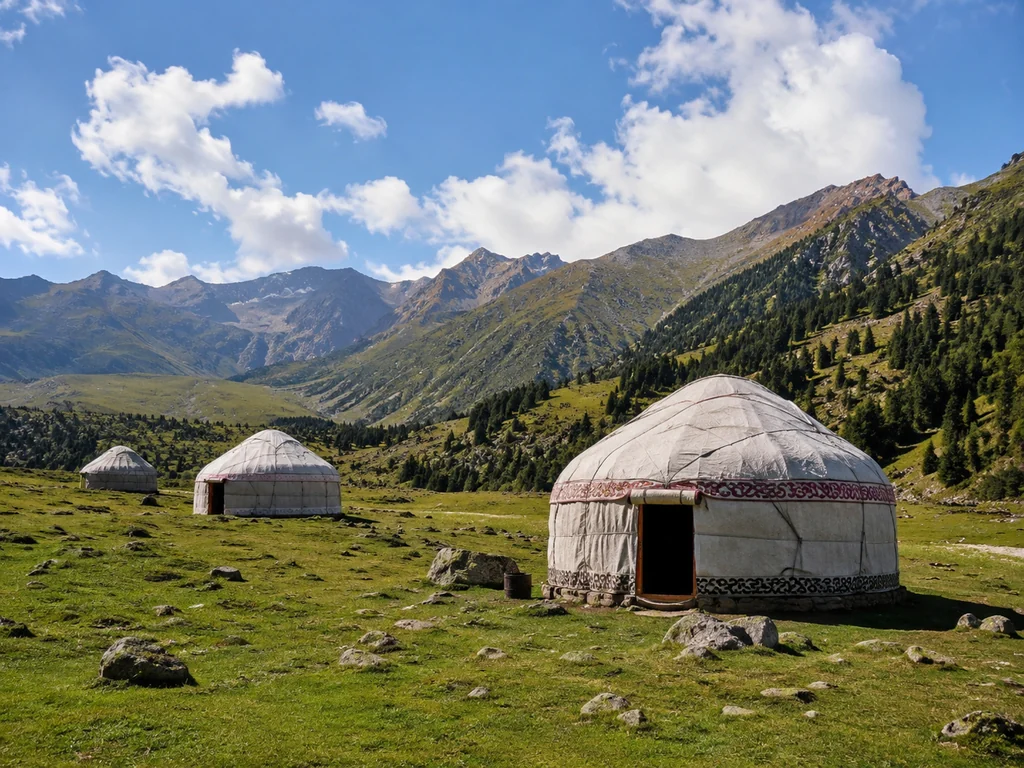
Nomad City is laid out like a traditional settlement, with clusters of yurts arranged around a central square. Each yurt serves a different purpose: some are dwellings, others are workshops, and a few are dedicated to food preparation. The structures are made from felt and wood, following ancient construction techniques that are still used by some families today.
The park also includes a reconstructed burial mound, or kurgun, which offers insight into the funerary practices of ancient nomads. Visitors can descend into the mound and see replicas of artifacts found in such tombs, including gold jewelry and weapons.
Walking through Nomad City feels like stepping back in time. The attention to detail is remarkable, from the intricate patterns on the felt rugs to the smell of wood smoke in the air. It is a perfect complement to the historical depth of Tamgaly-Tas, providing a tangible connection to the living culture.
Practical Information
Tour Logistics
The tour departs from Almaty and returns to your hotel in the evening. The total distance traveled is approximately 300 kilometers, with about 3 hours spent on the road. The first stop is Tamgaly-Tas, where you will spend about an hour. After a break for lunch, you will continue to Nomad City for a two-hour visit.
Transportation is provided in a comfortable, air-conditioned vehicle, and all entrance fees are included in the tour price. The tour operates daily, and departure time can be arranged to suit your schedule, typically in the morning around 9:00 AM. Please note that the tour is not wheelchair accessible due to uneven terrain at the sites.
The price for this tour is 22,900 tenge per person, which covers transportation, guide services, and entrance fees. Meals and personal expenses are not included, but there are opportunities to purchase food and drinks at both locations. Additional costs, if any, will be communicated during booking.
What to Bring
- Comfortable walking shoes
- Hat and sunscreen
- Water bottle
- Camera
- Light jacket (for cooler months)
It is also advisable to bring some cash in tenge for souvenirs or snacks. The weather in the steppe can be unpredictable, so dressing in layers is recommended. During summer, temperatures can exceed 30°C, while winter days are cold and windy.
Physical Demands
The tour involves moderate walking on uneven ground, but it is suitable for most fitness levels. The path at Tamgaly-Tas is relatively flat, with some gentle slopes. At Nomad City, you will be on your feet for extended periods, but there are benches and shaded areas to rest.
If you have mobility concerns, please inform us in advance so we can make necessary arrangements. However, please note that the sites are not wheelchair accessible, and some areas may be challenging for those with limited mobility.
Children are welcome on this tour, and families with young kids will find the interactive nature of Nomad City particularly engaging. However, parents should supervise their children at all times, especially around the animals and historical artifacts.
Seasonality and Best Time to Visit
Monthly Weather and Experience
| Month | Temperature (°C) | Conditions | Experience |
|---|
| January | -10 to -2 | Cold, snowy | Clear skies, fewer crowds |
| February | -8 to 0 | Cold, some snow | Similar to January |
| March | -2 to 8 | Mild, possible rain | Early spring, thawing |
| April | 5 to 18 | Mild, sunny | Pleasant, wildflowers |
| May | 10 to 25 | Warm, occasional showers | Ideal, green steppe |
| June | 15 to 30 | Hot, dry | Peak season, busy |
| July | 18 to 35 | Very hot | Hot, but manageable |
| August | 16 to 33 | Hot, dry | Still warm, less crowded |
| September | 10 to 25 | Mild, pleasant | Excellent, golden steppe |
| October | 4 to 16 | Cool, some rain | Autumn colors |
| November | -2 to 8 | Cold, possible snow | Quiet, crisp air |
| December | -8 to 0 | Cold, snowy | Winter scenery |
The best time to visit is from April to June and September to October, when temperatures are moderate and the landscape is at its most beautiful. During these months, you can enjoy clear views of the mountains and the steppe without the extreme heat or cold.
Summer months (July-August) are popular but can be uncomfortably hot, especially in the open areas of Tamgaly-Tas. Winter visits offer a unique perspective, with snow-capped rocks and a serene atmosphere, but you need to dress warmly.
Regardless of the season, the tour operates daily, and we recommend booking in advance to secure your preferred date.
Special Considerations
During spring and early summer, the steppe comes alive with wildflowers, making the drive from Almaty particularly scenic. In contrast, late autumn and winter provide a stark, minimalist beauty that is equally captivating.
If you are interested in photography, the golden hours of sunrise and sunset provide the best lighting for the petroglyphs. We can adjust the departure time to maximize your photographic opportunities, but please note that the tour duration remains the same.
For those sensitive to heat, we recommend the months of May and September, when temperatures are pleasant and the sun is not too intense. Always check the weather forecast before your tour and dress accordingly.
Comparing with Other Tours
Why Choose This Tour?
This tour uniquely combines two distinct attractions: the ancient rock art of Tamgaly-Tas and the living culture of Nomad City. While other tours may focus solely on one aspect, this itinerary offers a comprehensive overview of Kazakhstan's heritage in a single day.
Compared to more strenuous mountain excursions, this tour is relatively easy, making it suitable for families and older travelers. The journey is mostly on flat terrain, with limited walking required, allowing you to absorb the history without physical strain.
Additionally, the tour is private, meaning you will have your own vehicle and guide, providing flexibility and personalized attention. This is especially valuable for those who prefer a more intimate experience.
Comparison Table
| Feature | This Tour | Other Cultural Tours | Mountain Tours |
|---|
| Duration | 9 hours | Varies | Full day |
| Focus | History & culture | Usually single site | Scenery & hiking |
| Physical difficulty | Low | Low to moderate | High |
| Price | 22,900 KZT | Varies | Varies |
| Group size | Private | Group | Group |
As the table shows, this tour offers a balanced experience that is both educational and relaxing. The price is competitive, and the private format ensures that you get the most out of your day.
If you are considering other options, we recommend comparing the specific attractions and logistics to find the best fit for your interests. Our team is happy to provide more details on request.
Preparation and Tips
Before You Go
To make the most of your tour, it is helpful to learn a bit about the history of the sites. Reading about the petroglyphs and the nomadic culture will enhance your appreciation. You can also bring a field guide to identify the animals depicted in the carvings.
Ensure you have comfortable clothing and footwear, as well as protection against the sun and insects. During the summer, insect repellent is recommended, especially near the Ili River area.
If you have dietary restrictions, please inform us at the time of booking so we can suggest suitable lunch options. While meals are not included, there are restaurants at both Tamgaly-Tas and Nomad City offering local cuisine.
During the Tour
Listen to your guide's instructions, especially regarding safety and preservation of the sites. Do not climb on the rocks or touch the petroglyphs, as oils from your skin can cause damage.
Stay hydrated and take breaks as needed. The tour pace is relaxed, but the dry climate can be dehydrating.
Feel free to ask questions and engage with the guide. They are knowledgeable about the region and can provide deeper insights into the cultural significance of what you are seeing.
After the Tour
Consider purchasing souvenirs from local artisans to support the communities living near the sites. Handmade felt items and traditional jewelry make excellent gifts.
Share your experience with friends and family, and encourage them to explore the rich history of Kazakhstan. Your visit contributes to the preservation of these ancient sites.
If you have any feedback or suggestions, we would love to hear from you. Our goal is to provide an unforgettable journey that respects and celebrates the heritage of this remarkable country.