Introduction to Pobeda Peak
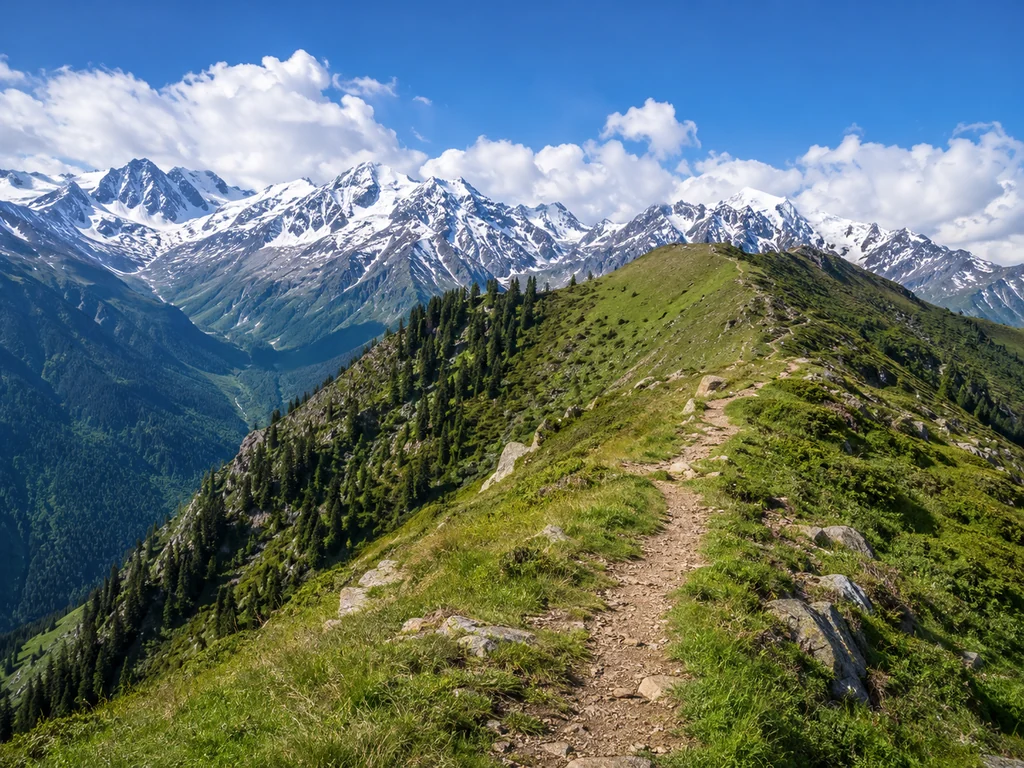
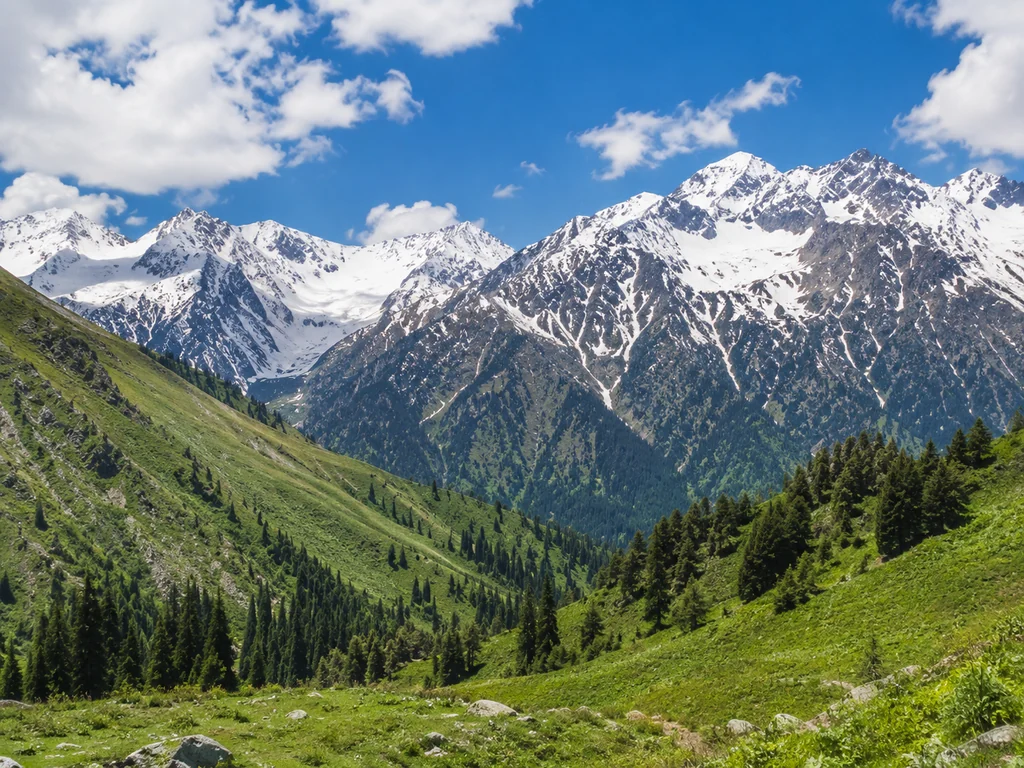
Pobeda Peak, known locally as Zhens Shyngy, is a legendary summit in the Tian Shan mountain range. Rising to 7,439 meters, it holds the title of the northernmost seven-thousander on Earth. Its remote location and extreme weather make it one of the most challenging climbs in the world, often compared to Everest in difficulty. This guide provides essential information for experienced mountaineers considering this expedition.
Located on the border of Kyrgyzstan and China, Pobeda Peak is part of the Kakshaal-Too range. The peak was first summited in 1956 by a Soviet team, and since then, it has seen relatively few ascents due to its severity. For those attempting it, the journey begins in the vibrant city of Almaty, Kazakhstan, before heading into the remote wilderness.
Geography and Climate
Location and Terrain
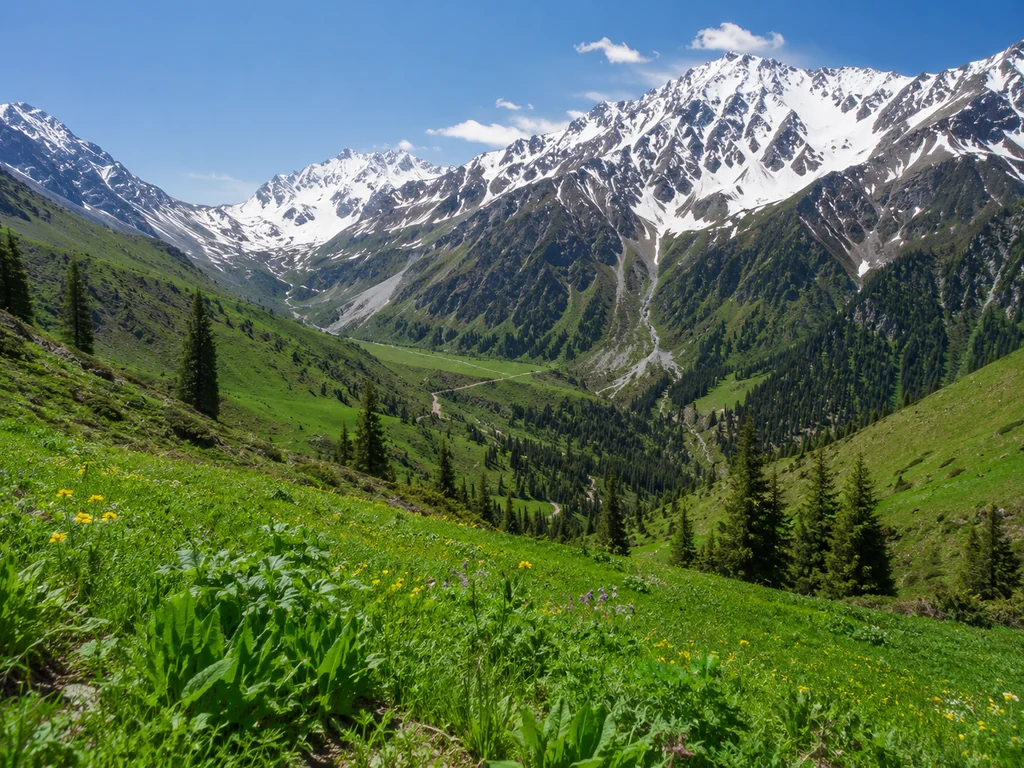
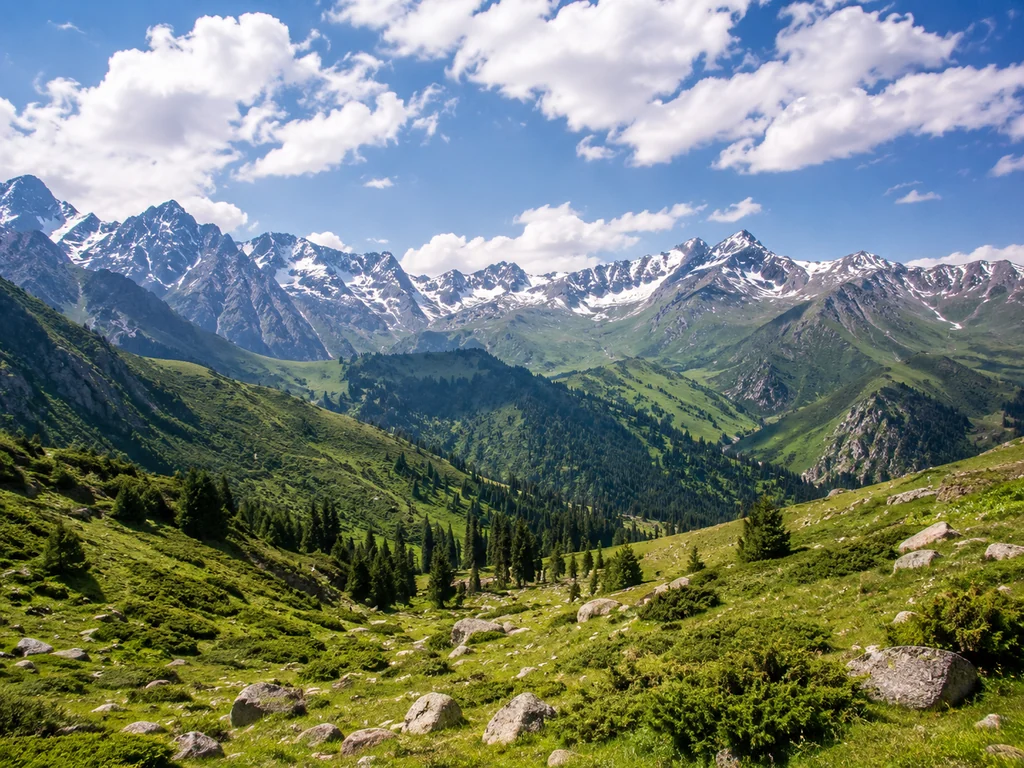
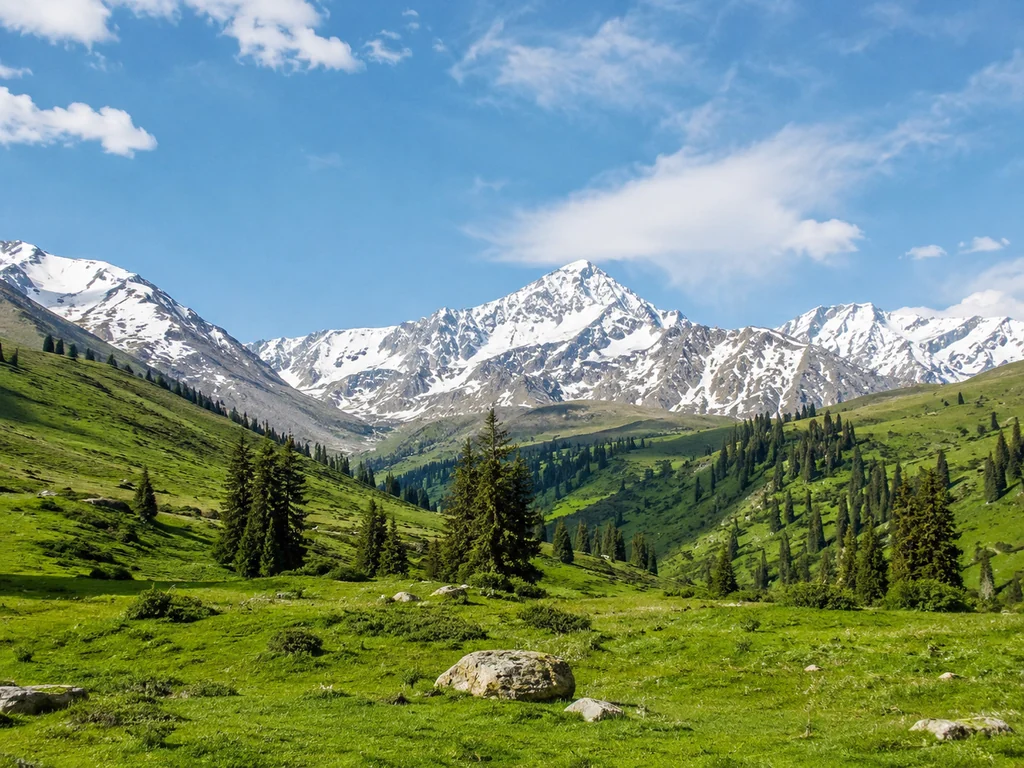
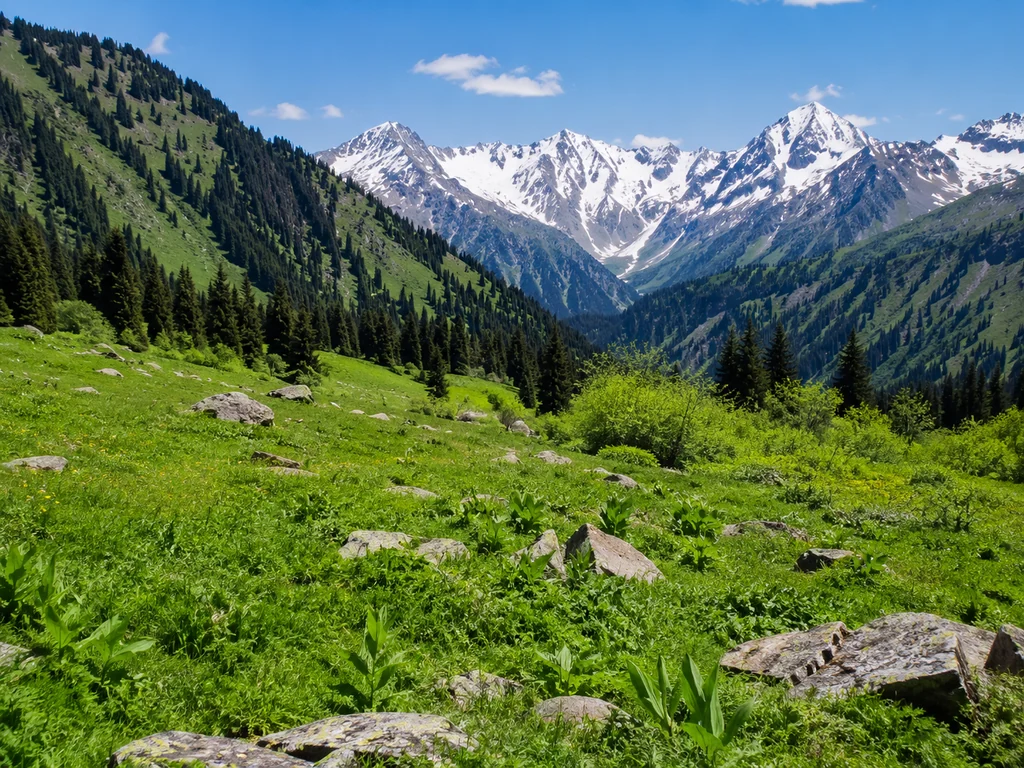
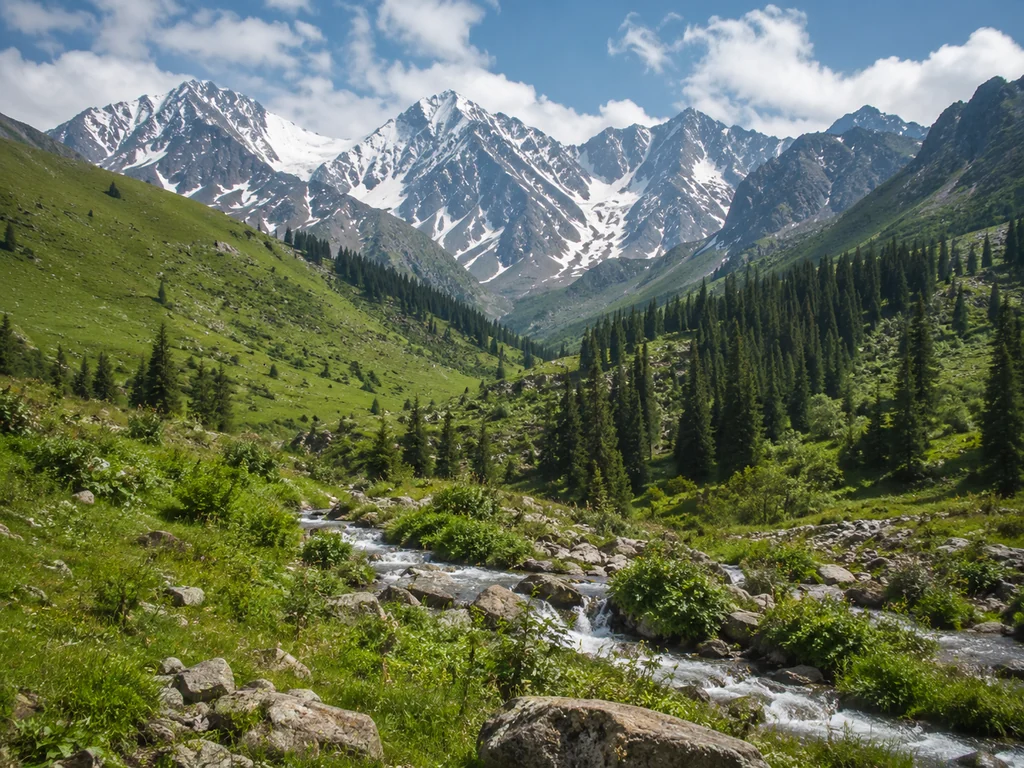
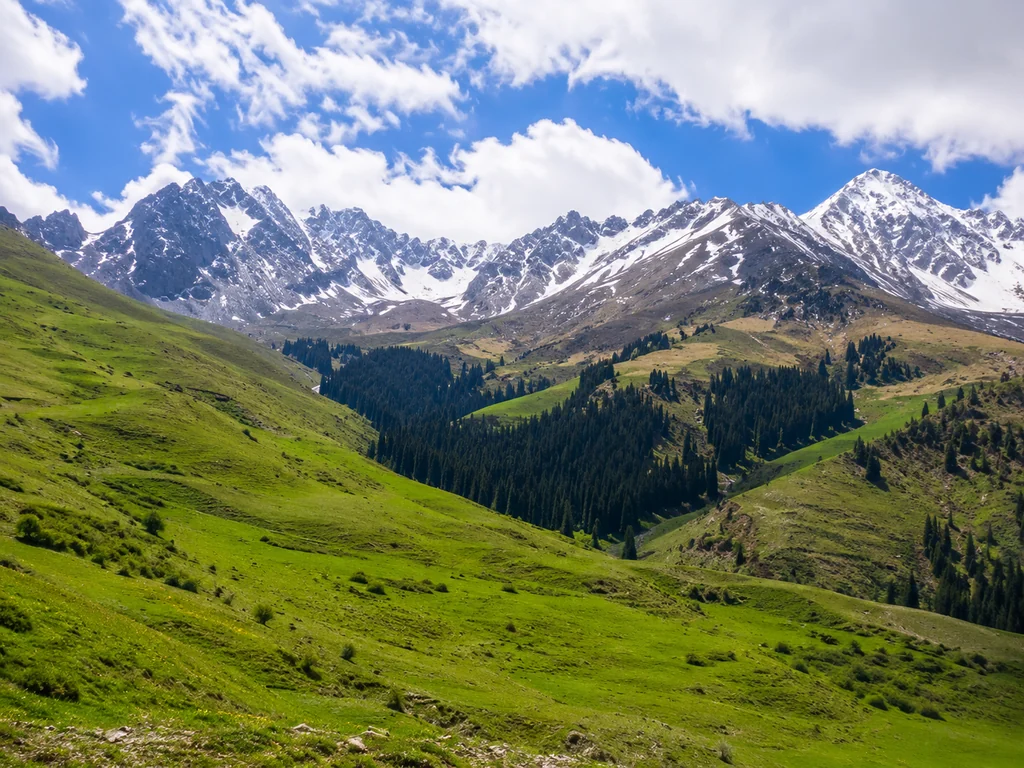
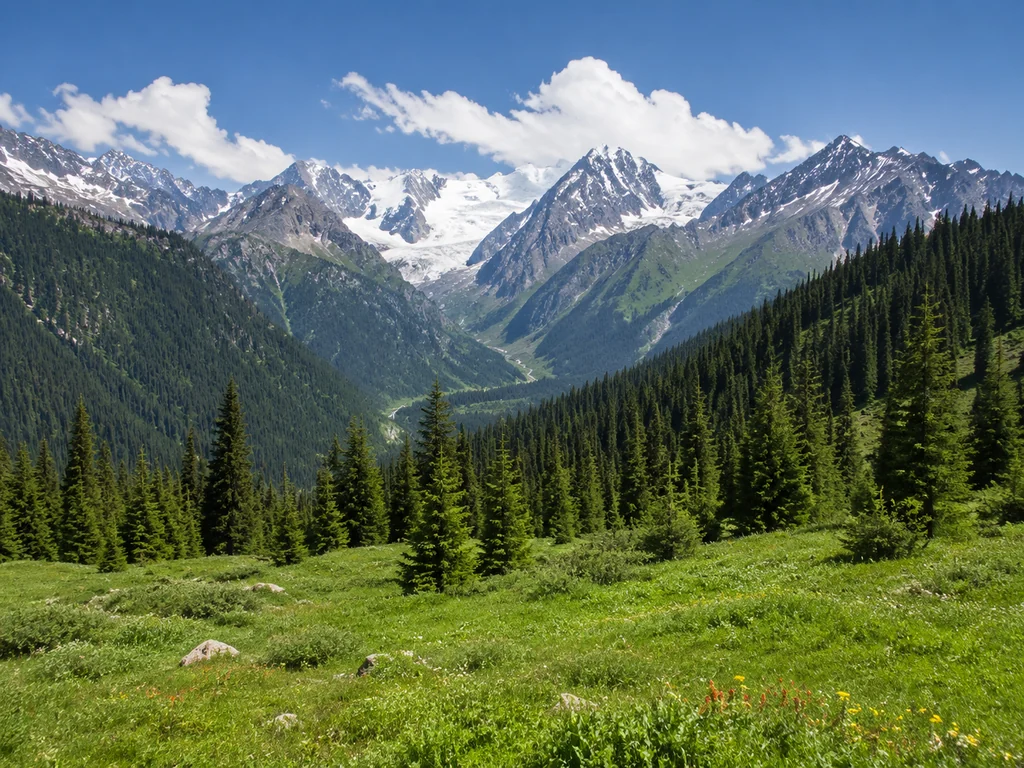
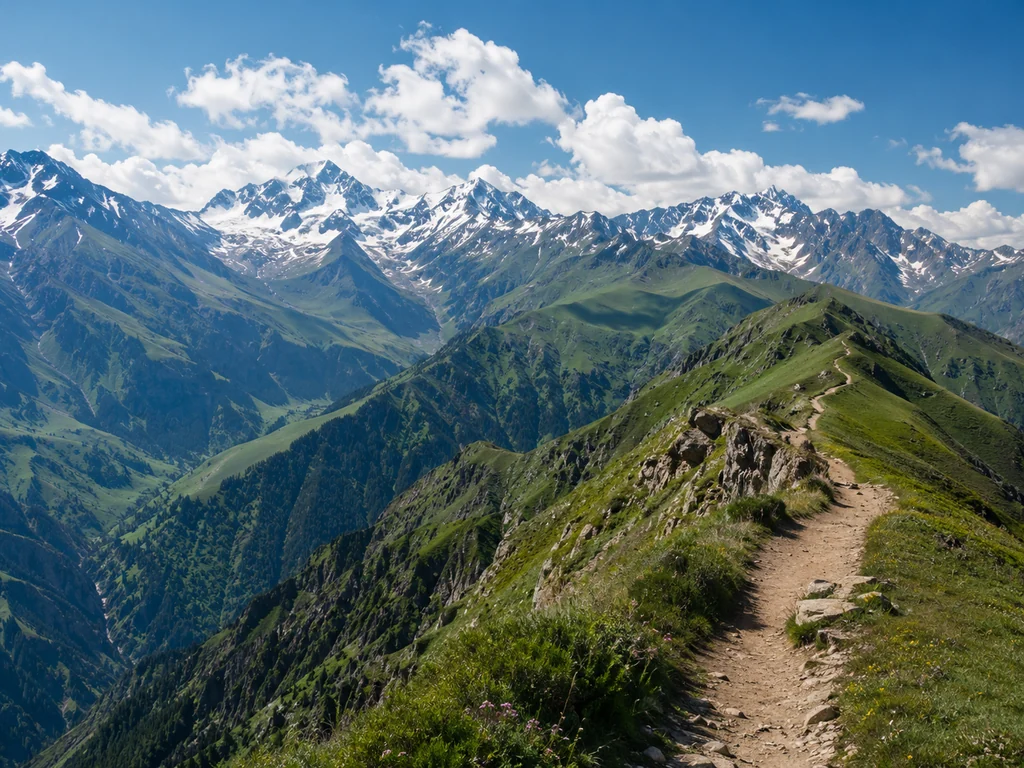
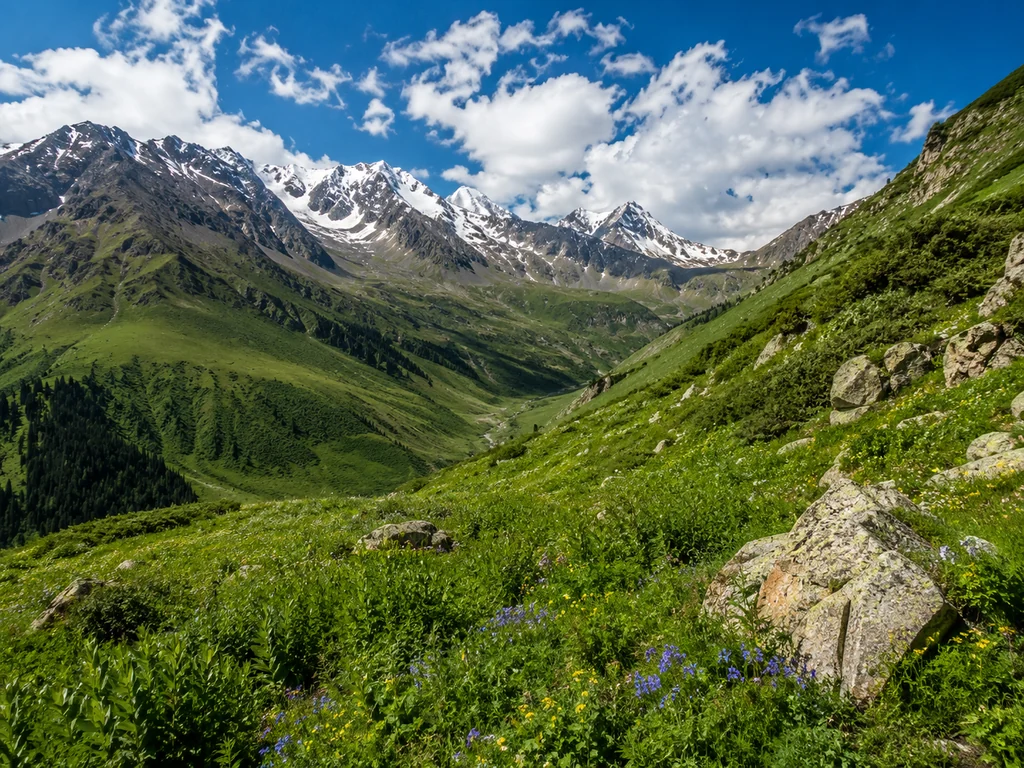
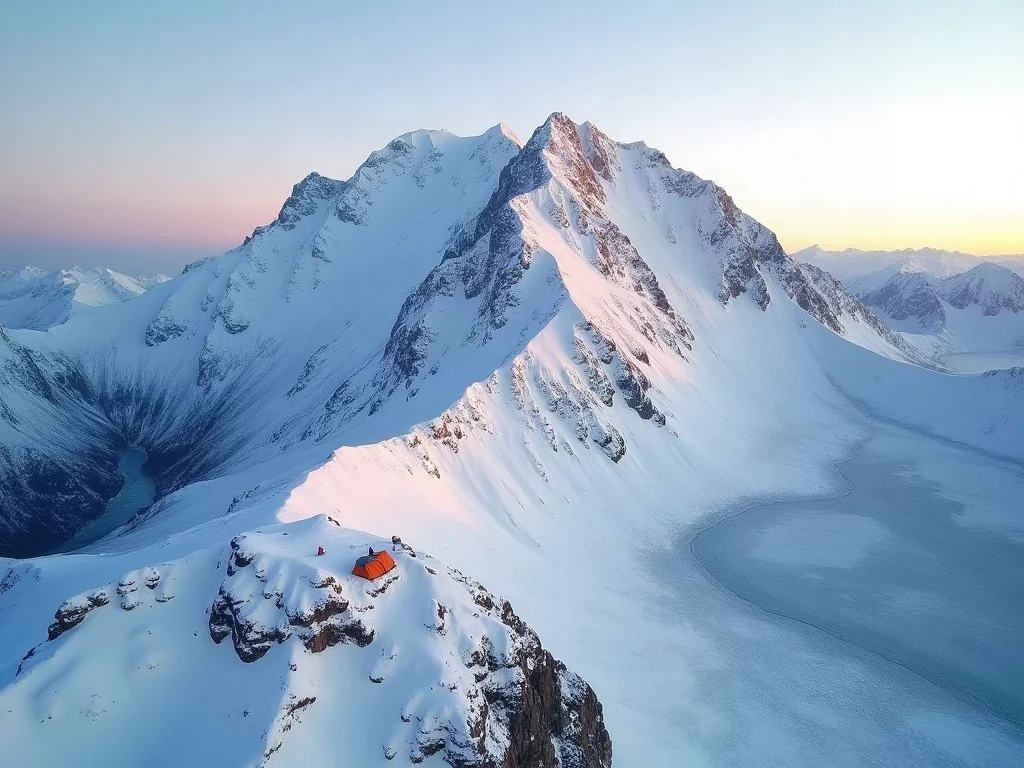
Pobeda Peak is situated in the eastern Tian Shan, about 150 kilometers south of the city of Karakol, Kyrgyzstan. The mountain is characterized by steep ridges, massive glaciers, and a long summit ridge that stretches over 2 kilometers above 7,000 meters. The terrain is rugged, with deep crevasses and seracs posing constant hazards.
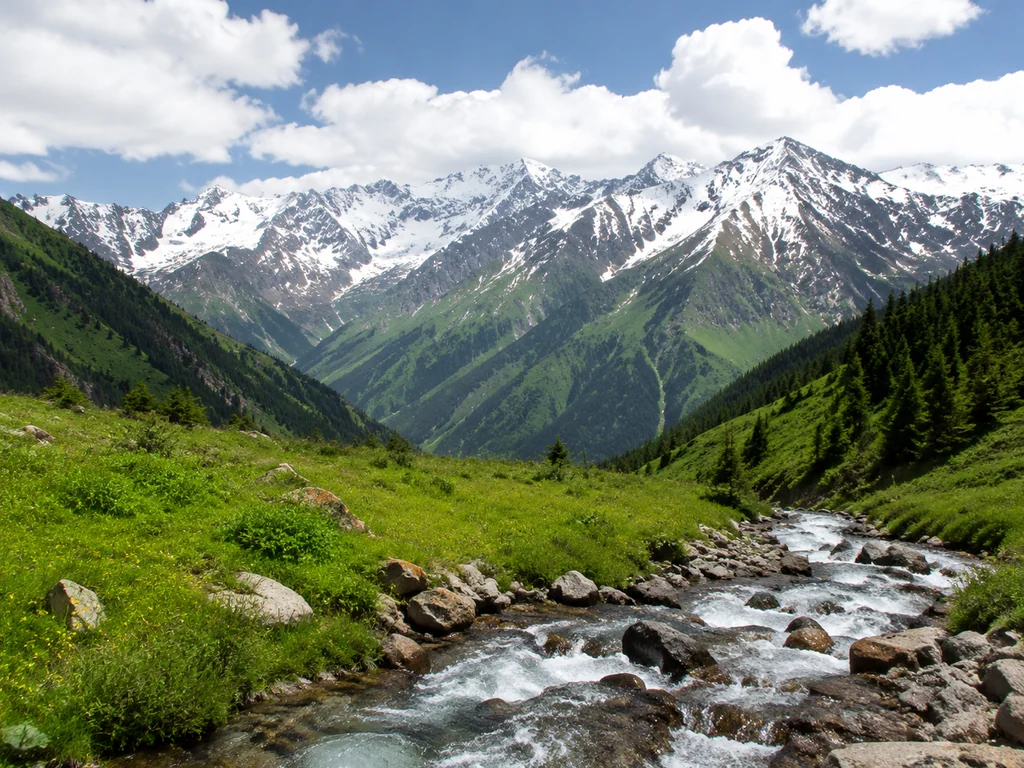
The peak is flanked by several major glaciers, including the Zvezdochka Glacier to the north and the Inylchek Glacier to the south. These glaciers are among the largest outside the polar regions, providing a dramatic approach. Climbers typically access the mountain via the Inylchek Glacier, which offers a relatively straightforward route to the base camp.
Weather Patterns
Weather on Pobeda Peak is notoriously unpredictable, with sudden storms and extreme cold even in summer. Temperatures at the summit can drop to -40°C, and winds often exceed 100 kilometers per hour. The climbing season is short, usually from July to August, when the jet stream moves north and conditions become slightly more stable.
Despite the summer window, climbers must be prepared for rapid changes. Clear mornings can give way to whiteout conditions by afternoon, making navigation difficult. Proper acclimatization and flexible scheduling are crucial to wait out bad weather and ensure safety.
Seasonal Considerations
The expedition we offer takes place in August, which is typically the most favorable month for climbing. During this time, temperatures are relatively mild, and the days are longer, providing more daylight for climbing. However, even in August, the weather can be severe, and climbers should expect winter-like conditions on the upper mountain.
Outside of this window, climbing is highly dangerous due to extreme cold and increased storm frequency. Most commercial expeditions, including ours, operate only in August to maximize the chance of a successful summit. For those interested in other seasons, we do not offer trips outside this period, but we can provide information on weather patterns if needed.
Expedition Overview
Tour Details
Our Pobeda Peak expedition is an 18-day program designed for experienced mountaineers. It is a group expedition, with all logistics managed by our team. The price is 1,741,400 KZT per person, which includes all necessary permits, guides, and base camp services. The expedition is by foot, meaning no helicopter support is included, so participants must be prepared for a demanding trek.
The itinerary is carefully crafted to allow for proper acclimatization and summit attempts. We spend several days at base camp, making acclimatization climbs to nearby peaks before pushing for the summit. This approach has proven successful for many climbers and increases the chances of a safe and successful ascent.
Physical and Technical Requirements
This climb is not for beginners. Participants must have prior experience climbing at least one 7,000-meter peak, such as Lenin Peak or Khan Tengri. Technical skills required include proficiency in using crampons, ice axes, and ropes on steep, glaciated terrain. Climbers should also be comfortable with altitude above 7,000 meters and be able to handle the physical demands of long days in the mountains.
We strongly recommend that climbers engage in a rigorous fitness regimen in the months leading up to the expedition. This should include cardiovascular training, strength training, and endurance activities like hiking with a heavy pack. Mental resilience is equally important, as the isolation and harsh conditions can be psychologically taxing.
Group Dynamics
As a group expedition, you will be climbing with a team of like-minded mountaineers. Our guides are highly experienced, having summited Pobeda and other seven-thousanders multiple times. They will lead the group, make critical decisions, and ensure safety throughout.
Being part of a group enhances the experience, providing camaraderie and support during challenging times. However, it also requires flexibility and a cooperative attitude. Each climber is responsible for their own personal gear and should be prepared to contribute to camp chores. The group size is limited to ensure a safe and intimate experience.
Itinerary and Preparation
Day-by-Day Itinerary
Our 18-day itinerary is designed to optimize acclimatization and summit success. Here is a brief overview:
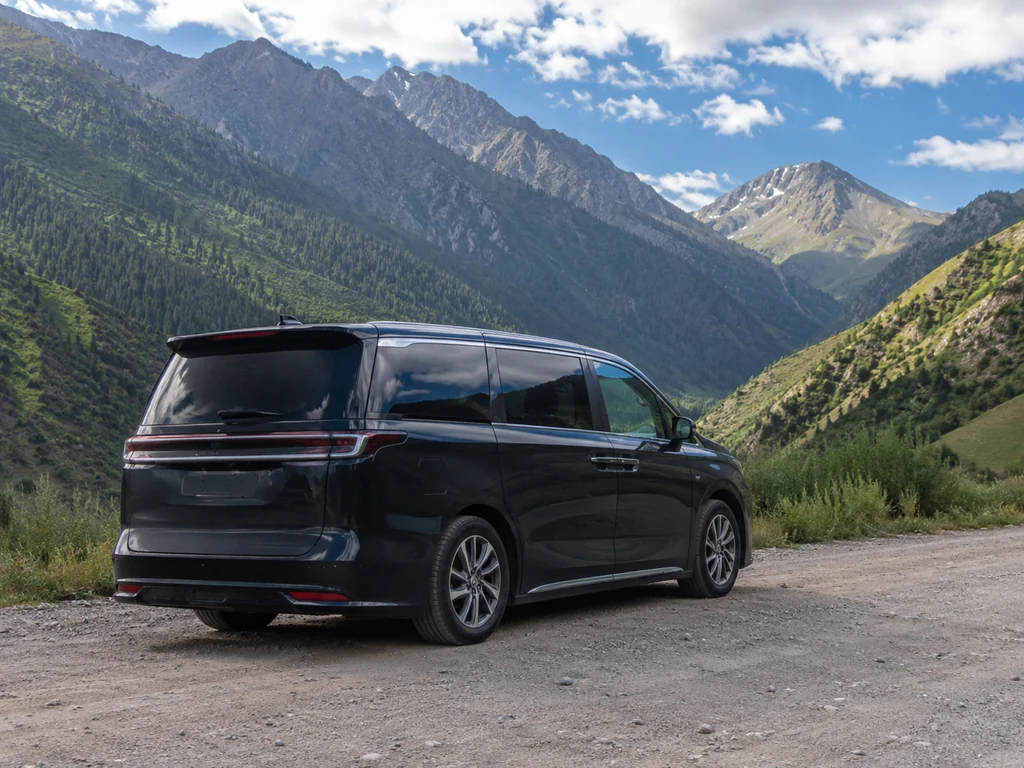
- Days 1-2: Arrive in Almaty, Kazakhstan. Meet your guides, check gear, and attend a briefing. Transfer to the Inylchek Glacier area by vehicle and then by foot or light aircraft (if weather permits) to base camp.
- Days 3-5: Establish base camp at approximately 4,000 meters. Conduct acclimatization hikes and practice skills on nearby glaciers.
- Days 6-10: Shuttle loads to higher camps (Camp 1 at ~5,300m, Camp 2 at ~6,100m). Spend nights at altitude to aid acclimatization.
- Days 11-14: Move to Camp 3 at ~6,800m. Attempt summit during a weather window, typically between days 13-16.
- Days 15-17: Descend to base camp, pack up, and return to Almaty.
- Day 18: Departure from Almaty.
Please note that this itinerary is flexible and may change due to weather or other unforeseen circumstances. Our guides will make adjustments to ensure the best possible outcome.
Physical Training
To prepare for the physical demands of Pobeda, you should start training at least 3-4 months in advance. Focus on building cardiovascular endurance through activities like running, cycling, and swimming. Incorporate strength training, particularly for your legs and core, to handle steep ascents and heavy loads.
In the final month, practice hiking with a loaded backpack (at least 15-20 kg) on steep terrain. If possible, do high-altitude treks to get used to the altitude. Mental preparation is also key; visualize the climb, anticipate challenges, and develop strategies to stay motivated.
Gear and Equipment
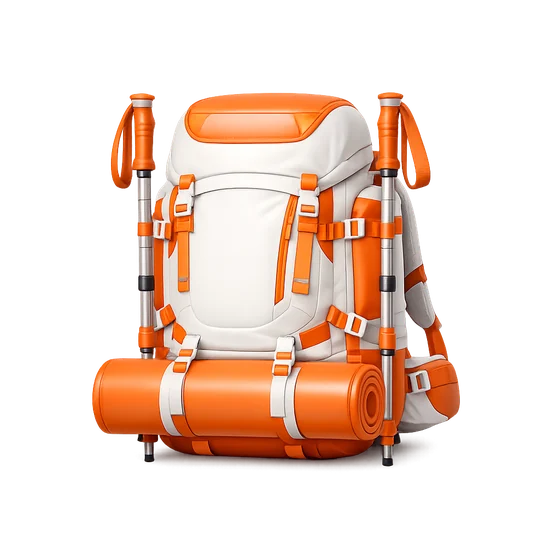
Proper gear is essential for safety and comfort. We provide a detailed packing list upon booking, but here are the essentials:
- Mountaineering boots rated for -40°C
- Insulated down suit or high-quality down jacket and pants
- Climbing harness, ice axe, crampons, and carabiners
- Ropes, pulleys, and other technical gear (we provide group equipment)
- Sleeping bag rated for extreme cold (comfort -30°C)
- Headlamp with extra batteries
- Sun protection: glacier glasses, sunscreen, lip balm
- Personal medication and first aid kit
We also recommend bringing a thermos, water bottles, and high-energy snacks. Our team will provide all group gear, including tents, stoves, and communication devices. For a complete list, please refer to the gear guide we send after booking.
Comparing Routes and Logistics
Access Routes
There are two main access routes to Pobeda Peak: the northern side from Kyrgyzstan via the Inylchek Glacier, and the southern side from China. The northern route is the most commonly used and is the one we employ. It offers shorter approach times and easier logistics, though it still requires a trek or helicopter flight to base camp.
The southern route from China is rarely used due to political and logistical complications. It is longer and more remote, but some climbers prefer it for its novelty. However, for most, the northern route is the standard choice, providing a balance of accessibility and challenge.
Comparison with Other Seven-Thousanders
To help you understand what to expect, here is a comparison between Pobeda Peak, Khan Tengri, and Lenin Peak:
| Mountain | Height (m) | Location | Technical Difficulty | Typical Season |
|---|
| Pobeda Peak | 7,439 | Tian Shan, Kyrgyzstan/China | Very High | July-August |
| Khan Tengri | 7,010 | Tian Shan, Kazakhstan/Kyrgyzstan/China | High | July-September |
| Lenin Peak | 7,134 | Pamir, Kyrgyzstan/Tajikistan | Moderate | July-September |
Pobeda is considered the most technically challenging of the three due to its extreme weather and long, exposed ridges. Lenin Peak is often used as a first seven-thousander because it is relatively straightforward. Khan Tengri, while stunning, also requires advanced skills. For Pobeda, we require prior experience on a 7,000-meter peak, so if you haven't climbed one yet, we recommend starting with Lenin or Khan Tengri.
Acclimatization Strategy
Acclimatization is critical to success and safety. Our itinerary includes several rest days and gradual altitude gains. We follow the principle of "climb high, sleep low," making acclimatization climbs to higher camps and returning to lower altitudes to sleep.
We also use supplementary oxygen only in emergencies, as it is not typically needed at these altitudes if properly acclimatized. Our guides monitor each climber's condition and may adjust the schedule if signs of altitude sickness appear. It is essential to communicate any symptoms immediately.
Safety and Regulations
Permits and Border Zones
Pobeda Peak lies in a border zone between Kyrgyzstan and China, requiring special permits. Our expedition includes all necessary permits, but climbers must have a valid passport with at least 6 months validity. We will handle the paperwork, but you must provide us with your passport details well in advance.
Additionally, the area is near sensitive borders, and all movements are regulated. Our guides are experienced in these procedures and will ensure compliance. It is crucial to follow their instructions to avoid any legal issues.
Safety Measures
Safety is our top priority. Our guides are certified mountain rescuers and carry satellite phones, first aid kits, and oxygen for emergencies. We conduct daily weather briefings and make decisions based on current conditions. In the event of an accident, we have evacuation plans in place, though helicopter rescue is not guaranteed due to remote location.
We also emphasize personal responsibility. Each climber must have adequate insurance that covers high-altitude rescue and medical evacuation. We can provide advice on suitable insurance providers. Remember that mountain rescue is not always possible, so preparation and risk management are essential.
Environmental Considerations
We are committed to preserving the pristine environment of the Tian Shan. We follow Leave No Trace principles, packing out all trash and minimizing our impact. Climbers are expected to respect the local wildlife, including ibex and roe deer, and not disturb their habitats.
The region is also home to unique flora and fauna, and we encourage climbers to appreciate and protect it. By following these guidelines, we ensure that future generations can enjoy these mountains as we do.
Practical Information
Booking and Inclusions
To book your spot on our Pobeda Peak expedition, please contact us. The price includes all permits, guides, meals during the expedition, group gear, and transfers from Almaty to the trailhead. It does not include international flights, personal gear, or insurance.
We require a deposit to confirm your place, with the balance due a certain number of days before departure. Please note that the expedition is subject to minimum group size and weather conditions. If the expedition is cancelled, we offer a full refund or transfer to a future date.
What to Expect in Almaty
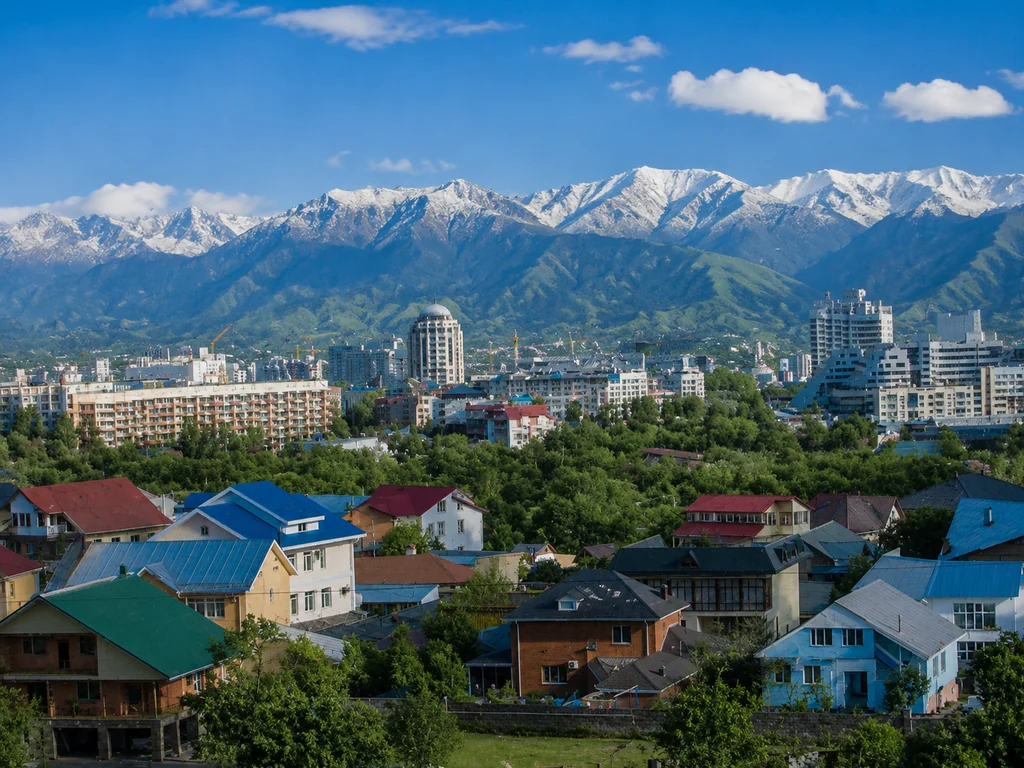
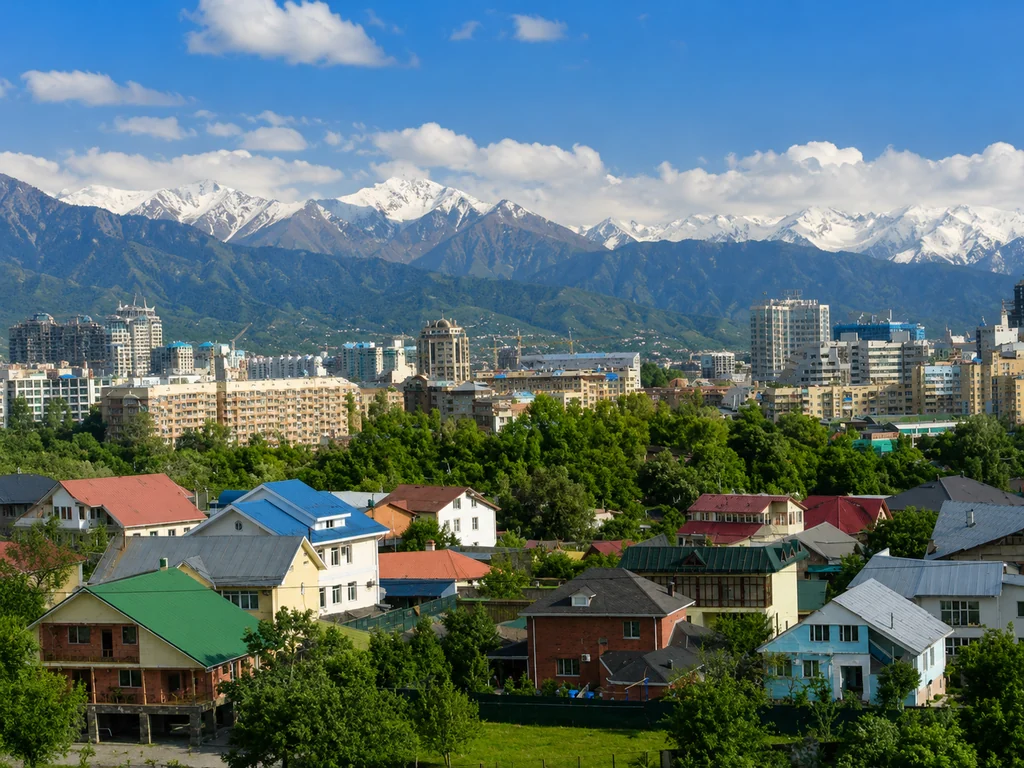
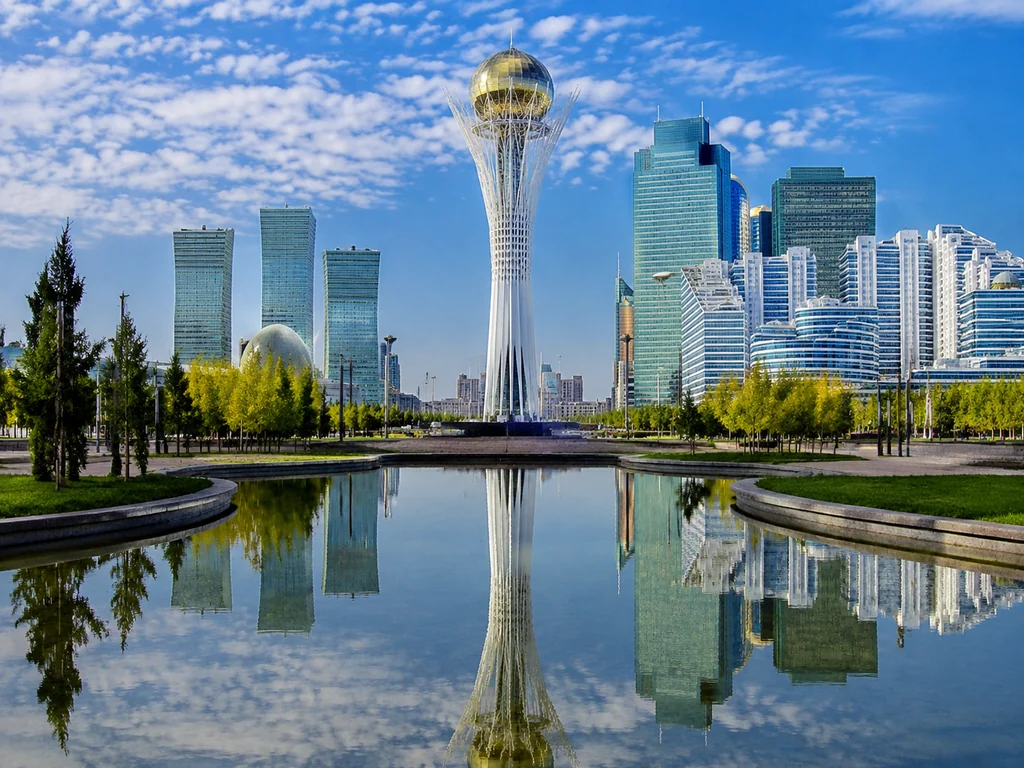
Almaty is a vibrant city at the foot of the Zailiysky Alatau mountains. You will arrive here and have time to explore before the expedition. The city offers a blend of modern amenities and natural beauty, with parks, museums, and excellent restaurants. We recommend arriving a day or two early to recover from your travels and attend the pre-expedition briefing.
During your stay, you can visit the Green Bazaar, take a cable car to Kok Tobe hill, or enjoy the views from the Almaty Tower. The city is also a great place to purchase any last-minute gear, as there are several outdoor equipment stores.
Final Checklist
Before you leave home, double-check that you have:
- Valid passport with at least 6 months validity
- Travel insurance covering high-altitude climbing and evacuation
- All personal climbing gear as per the packing list
- Any personal medications and a first aid kit
- A positive attitude and readiness for an adventure
We look forward to joining you on this incredible journey to the top of Pobeda Peak. Prepare well, and you will be rewarded with an unforgettable experience in one of the world's most majestic mountain ranges.
Conclusion
Climbing Pobeda Peak is a serious undertaking, but for those who are prepared, it is a deeply rewarding achievement. The mountain's remote beauty and technical challenges test every aspect of a mountaineer's skill. With our experienced team and meticulous planning, you can focus on the climb while we handle the logistics.
We hope this guide has provided you with valuable information. If you have any further questions, please do not hesitate to contact us. We are here to help you turn your dream of standing on top of Pobeda Peak into a reality.










 Hardcore