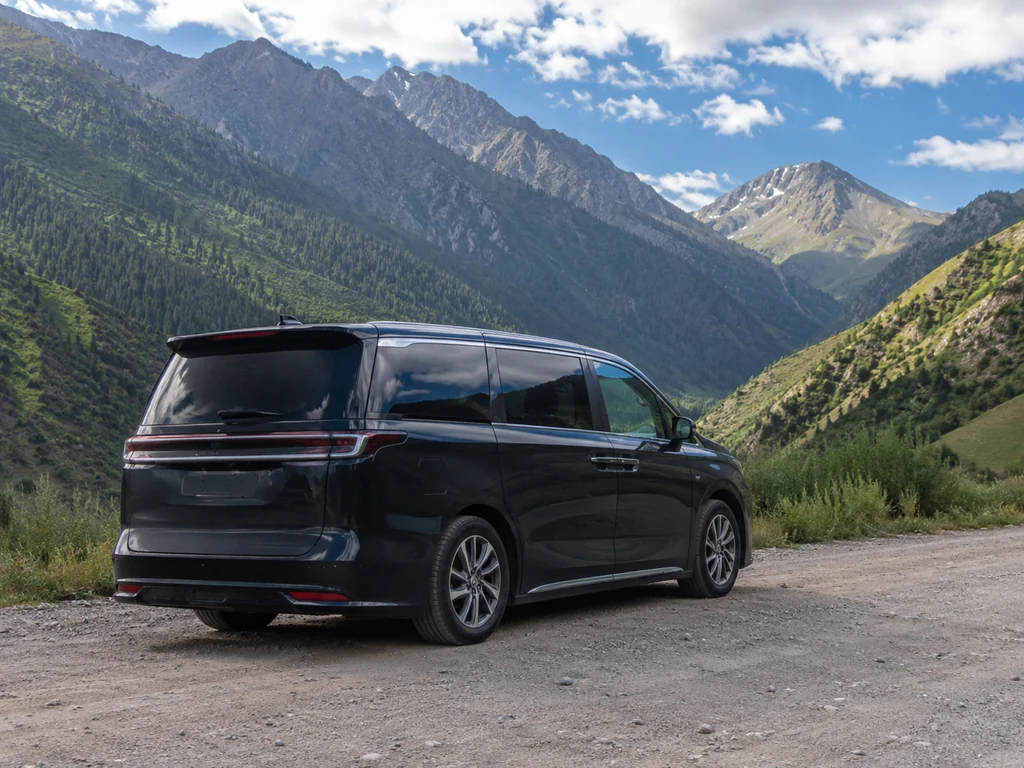
Exploring Zailiysky Alatau: Hiking from Almaty
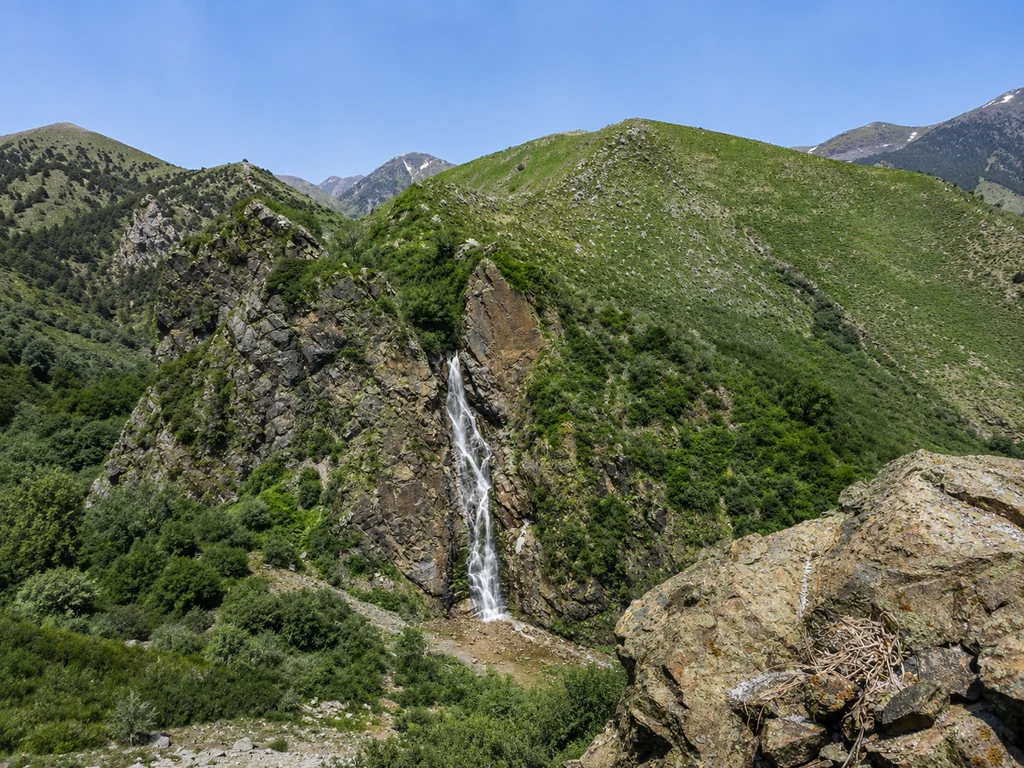
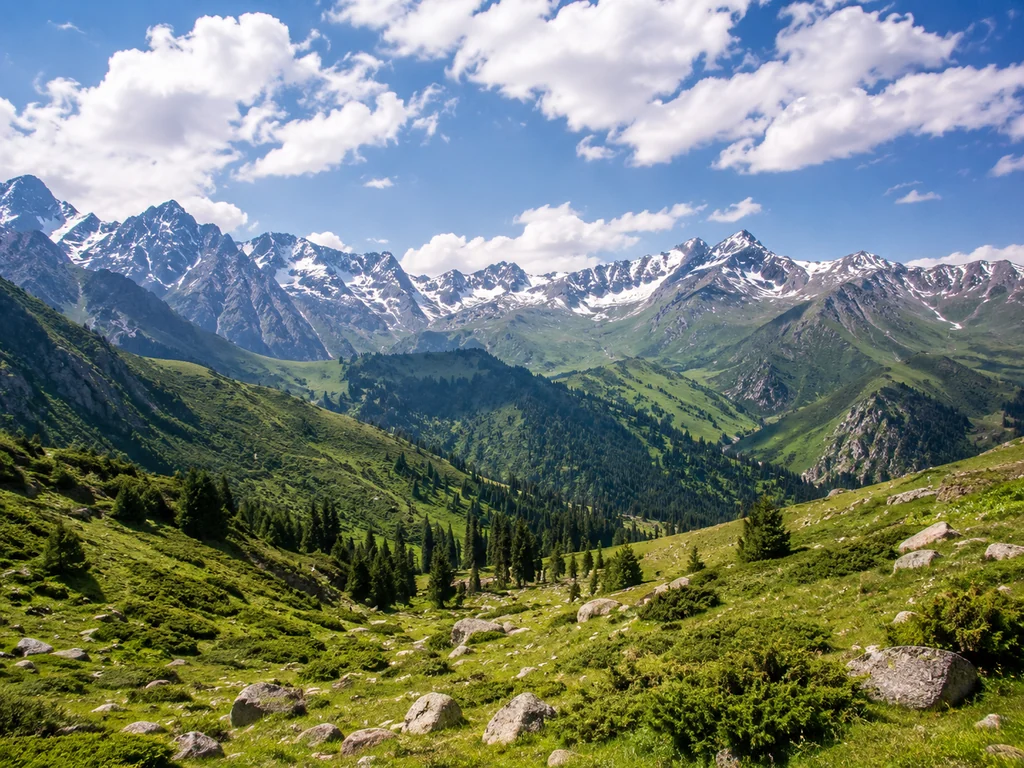
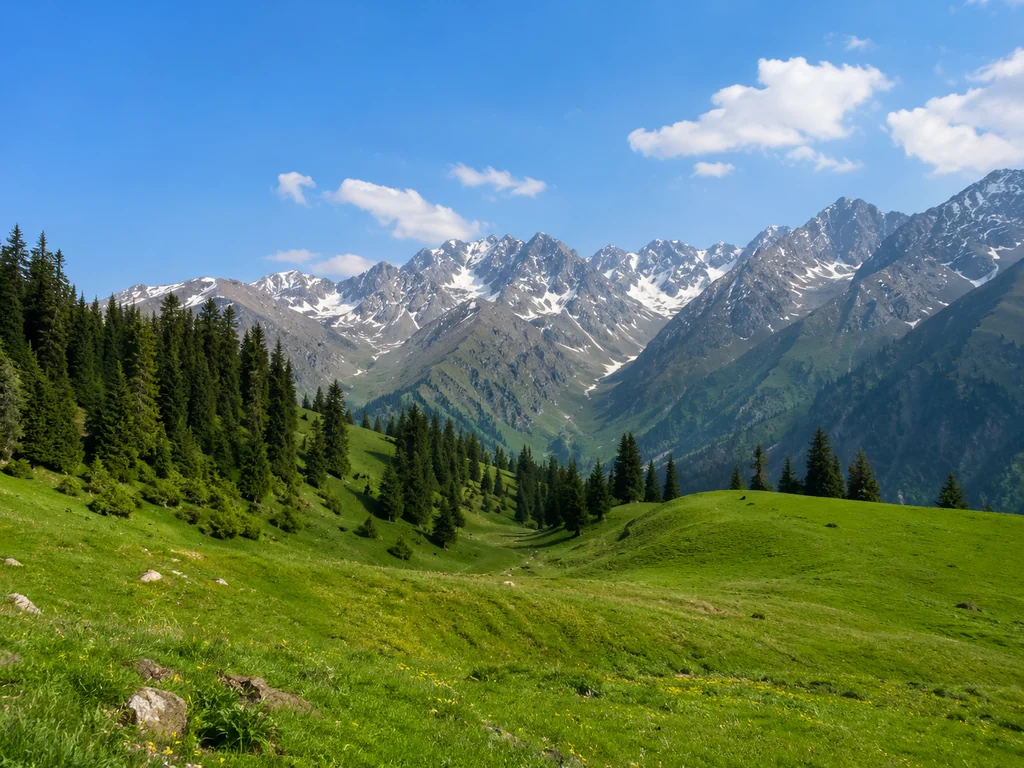
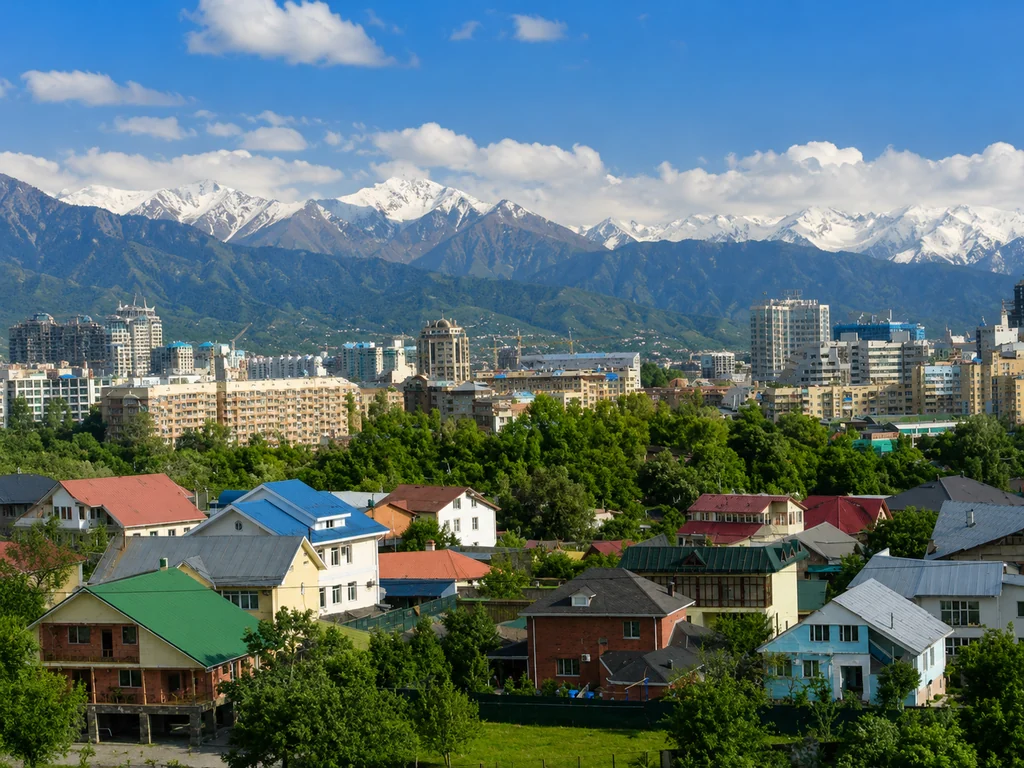
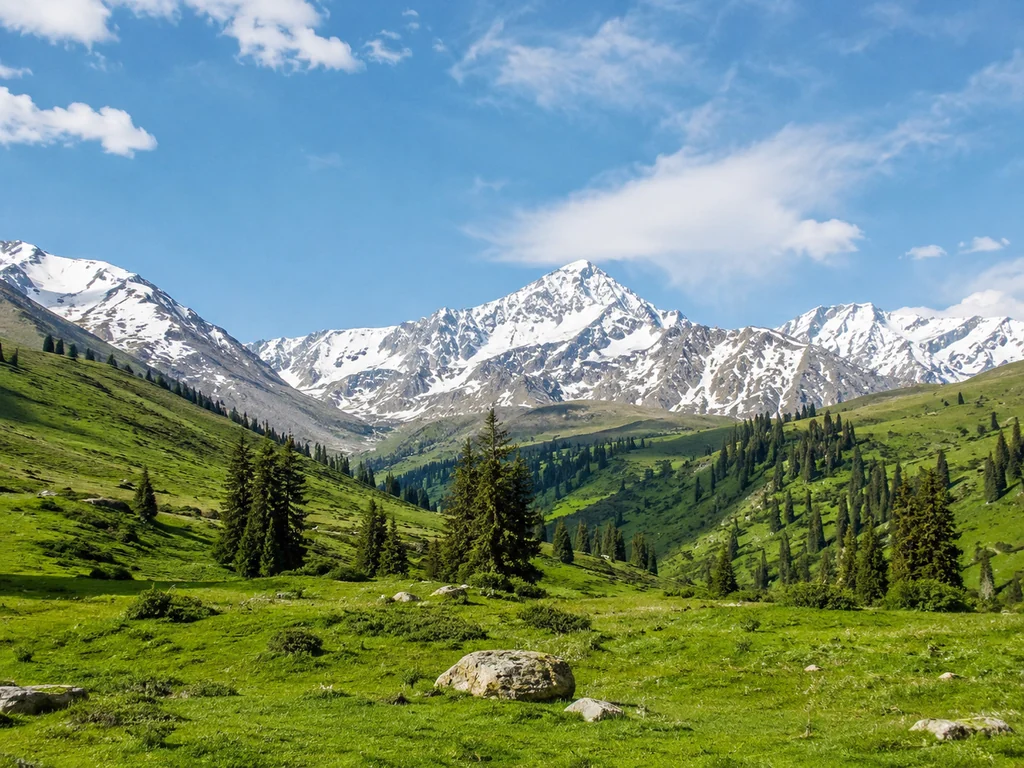
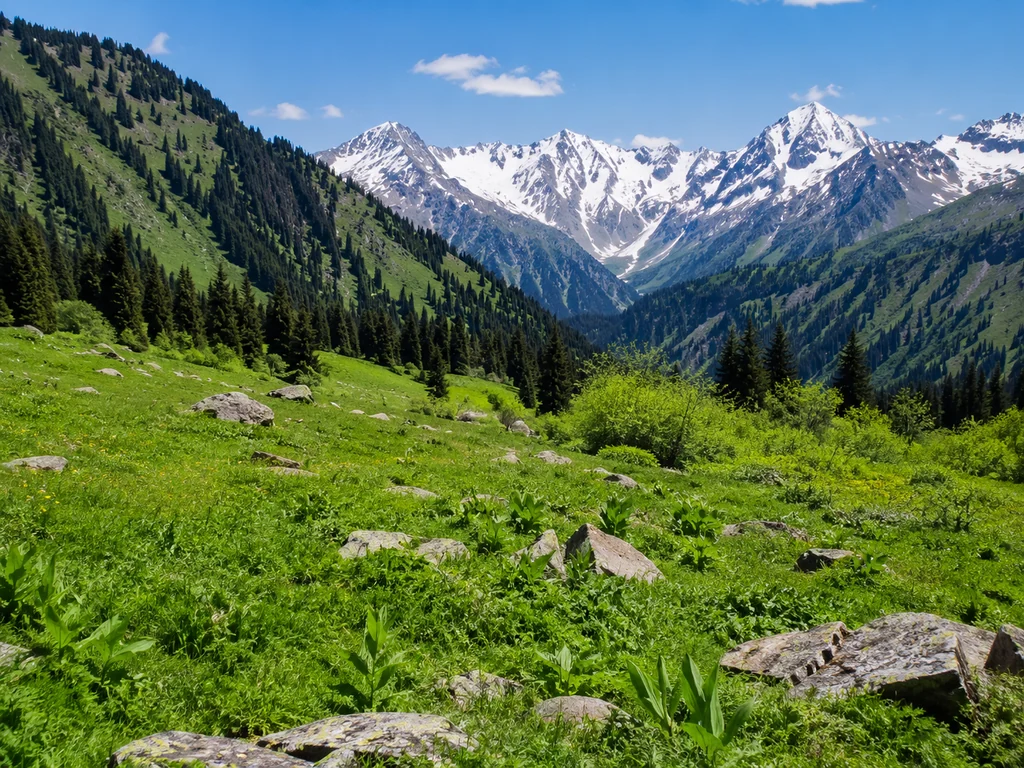
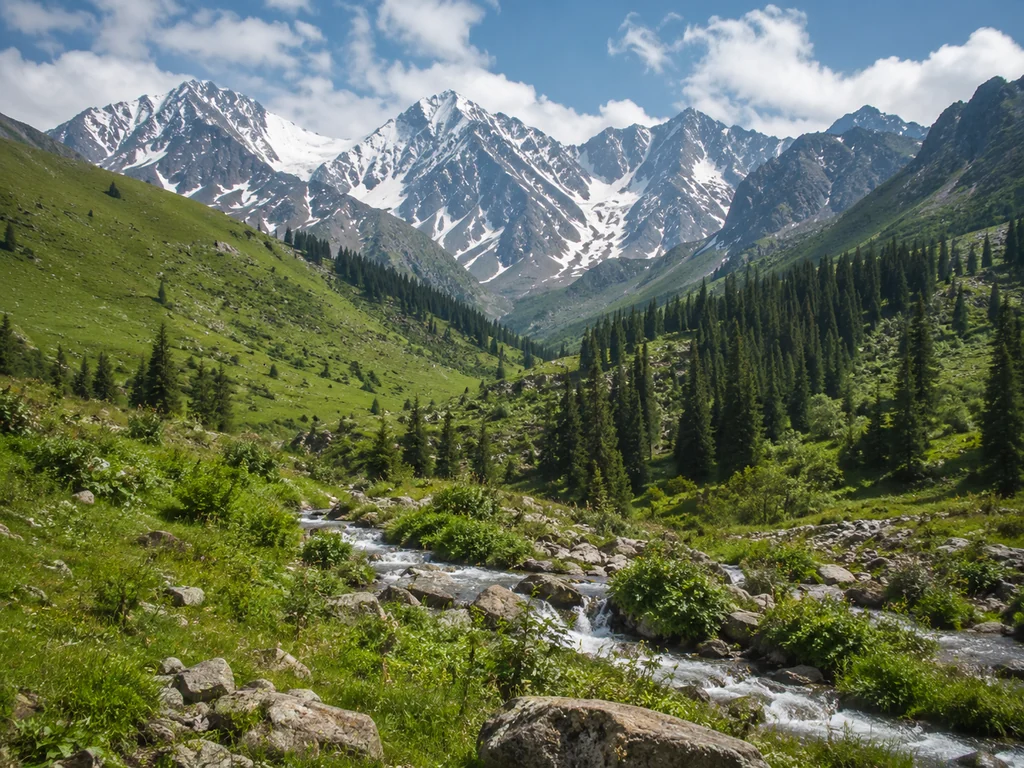
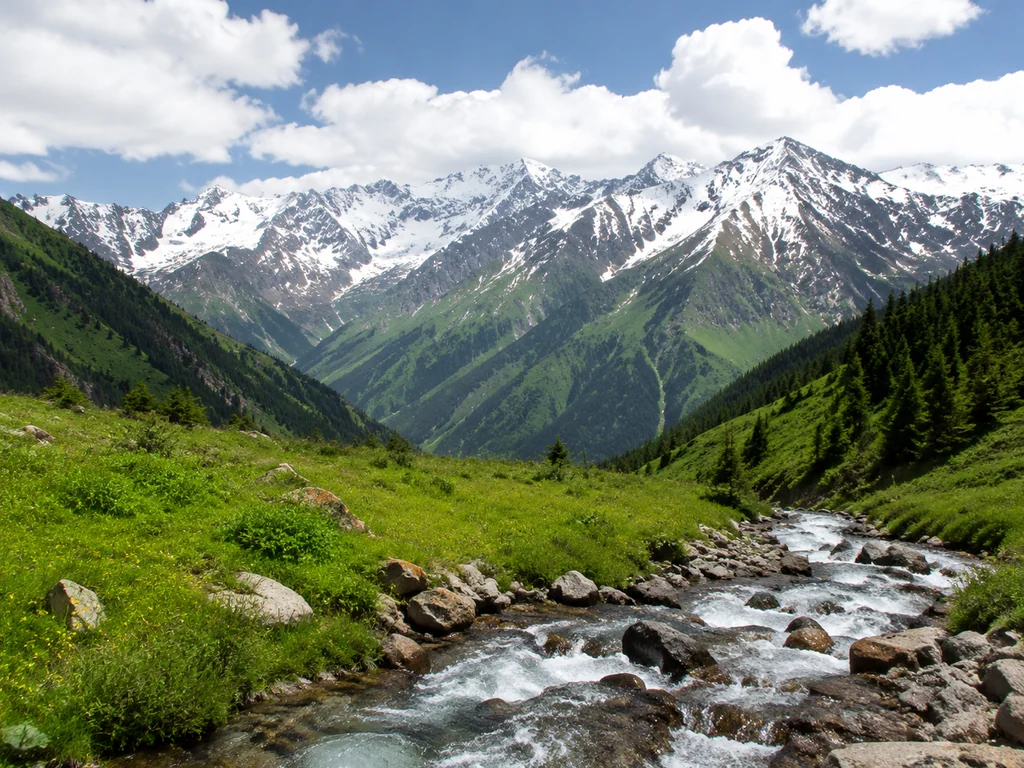
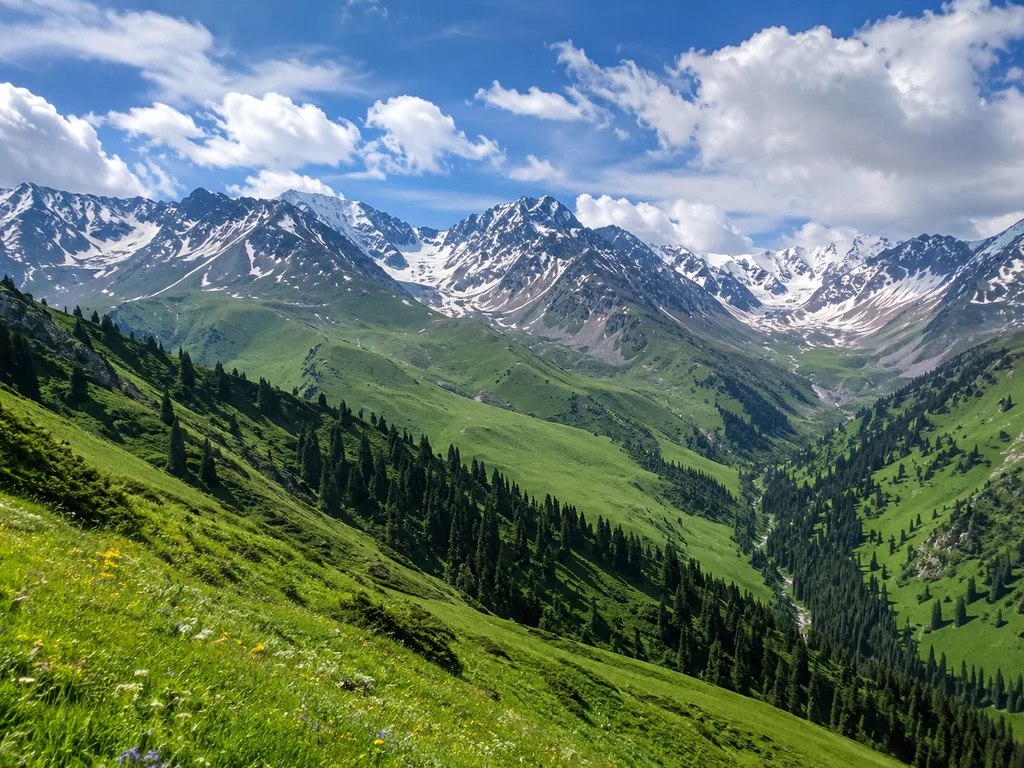
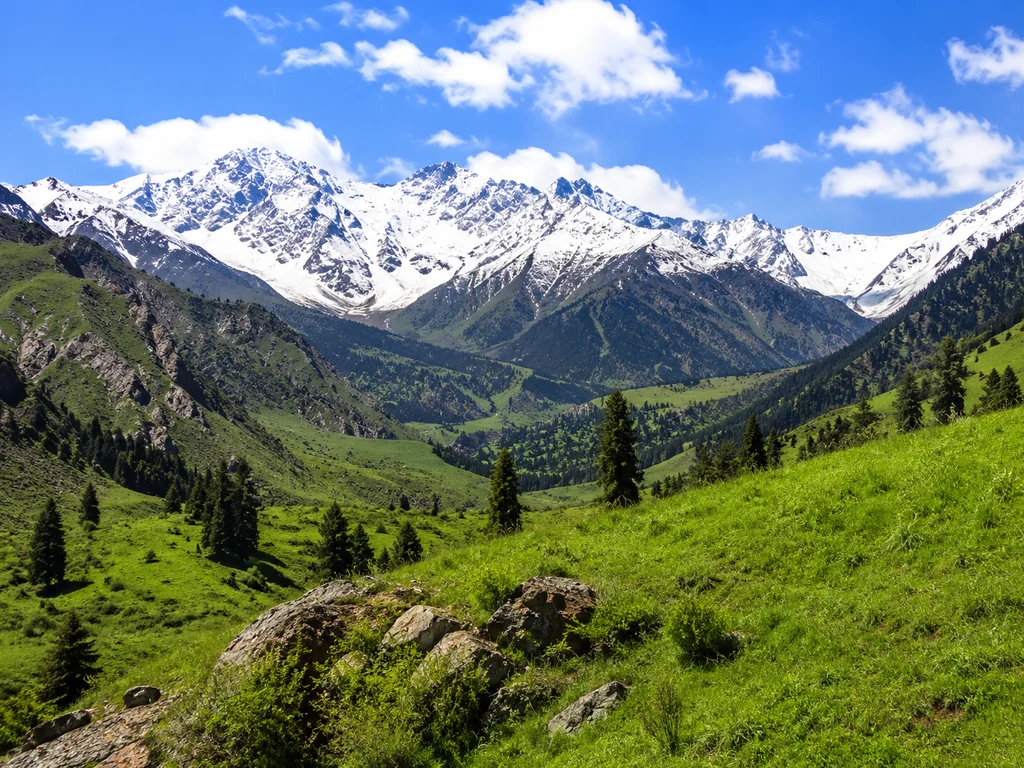
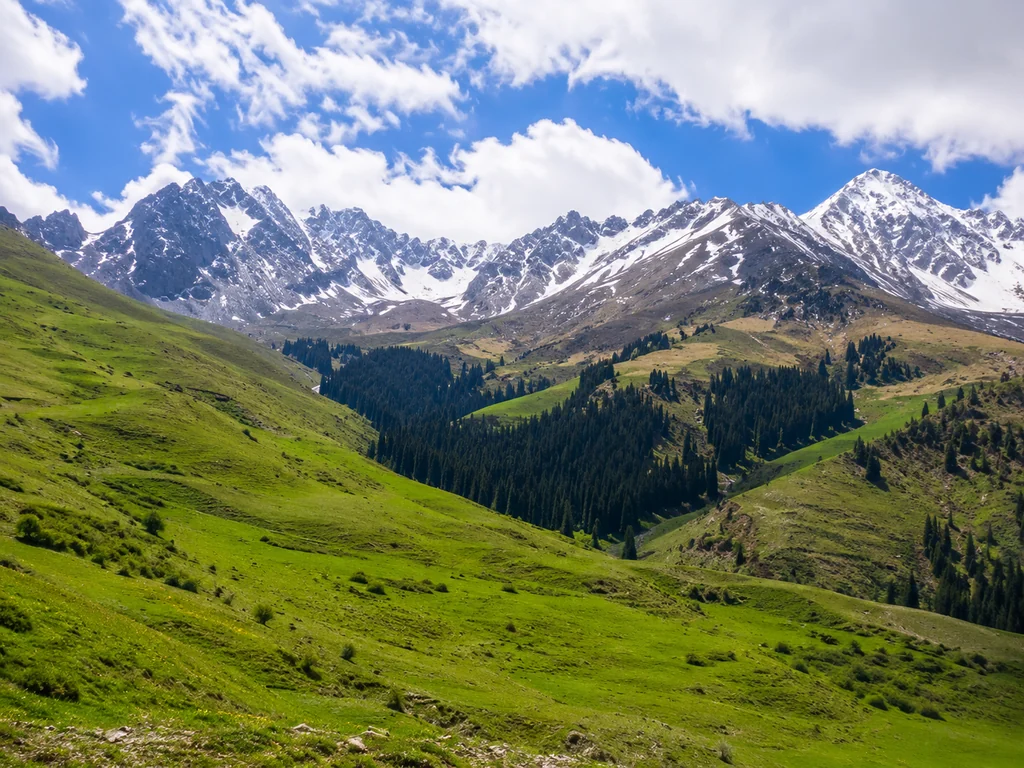
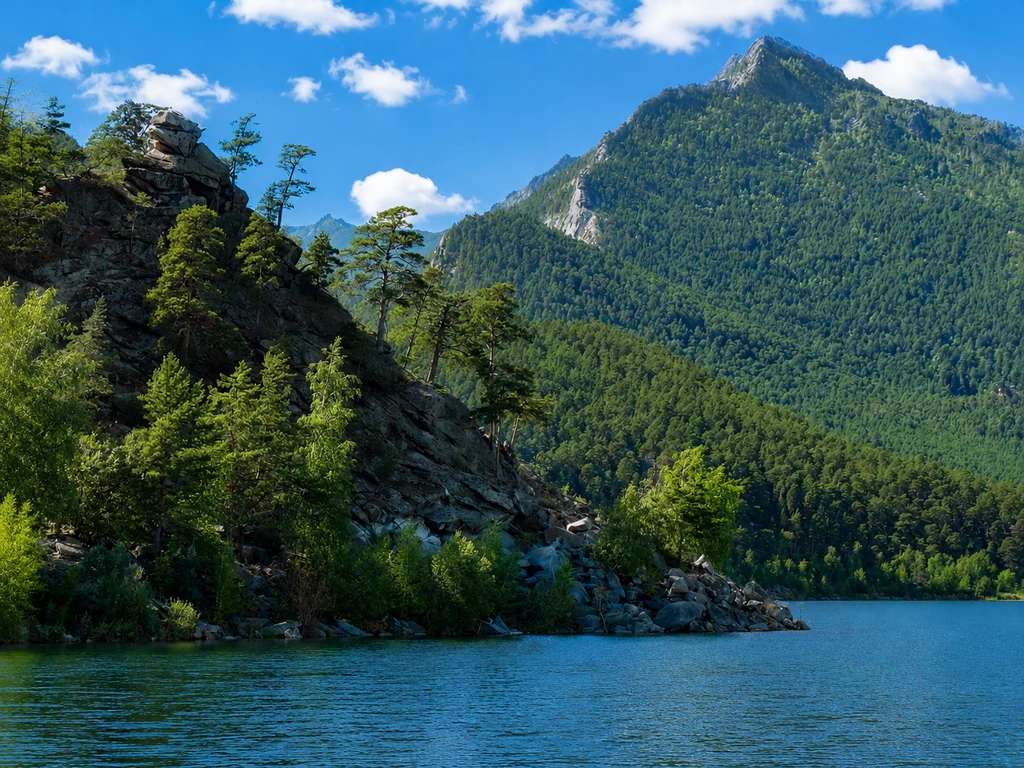
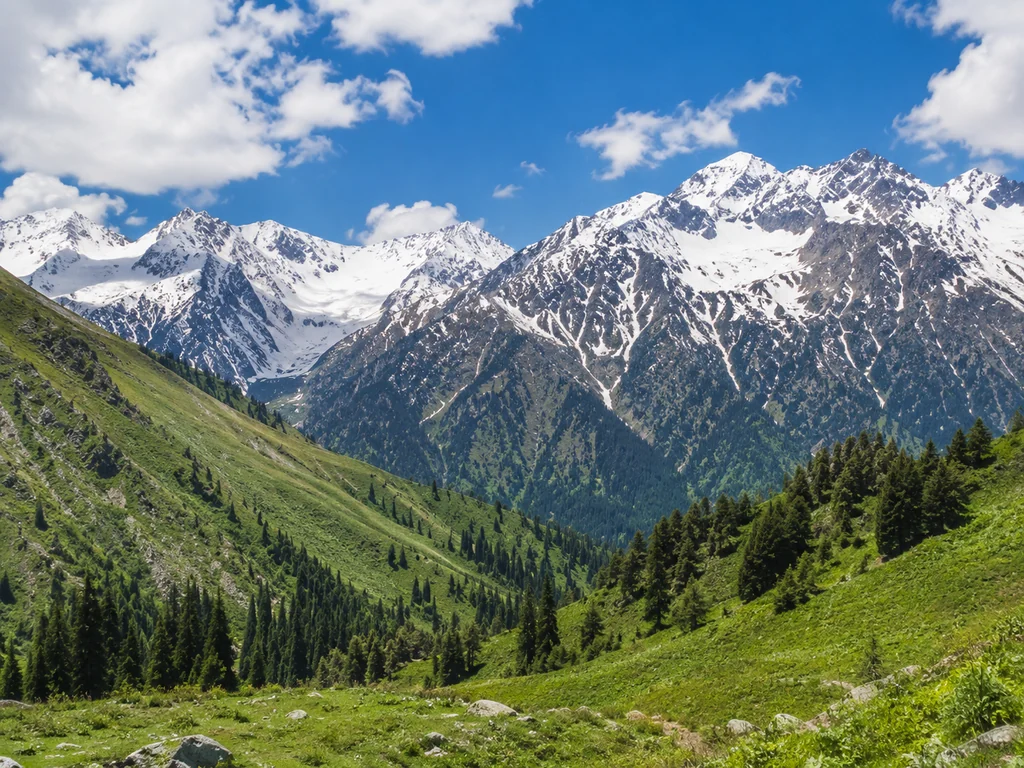
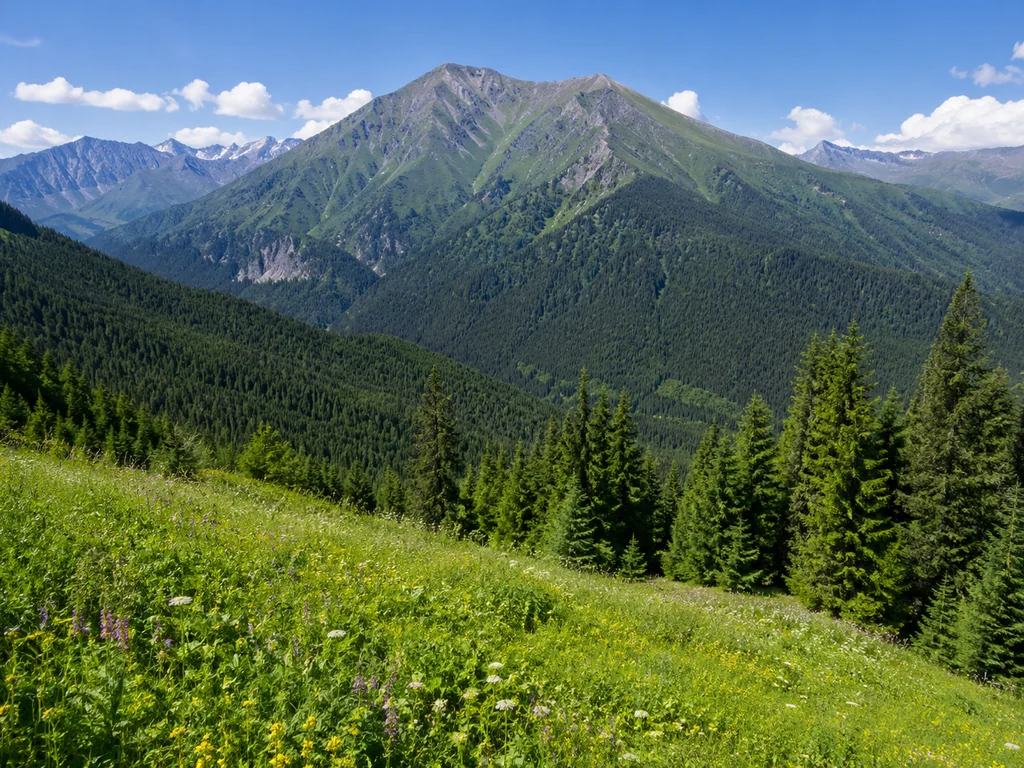
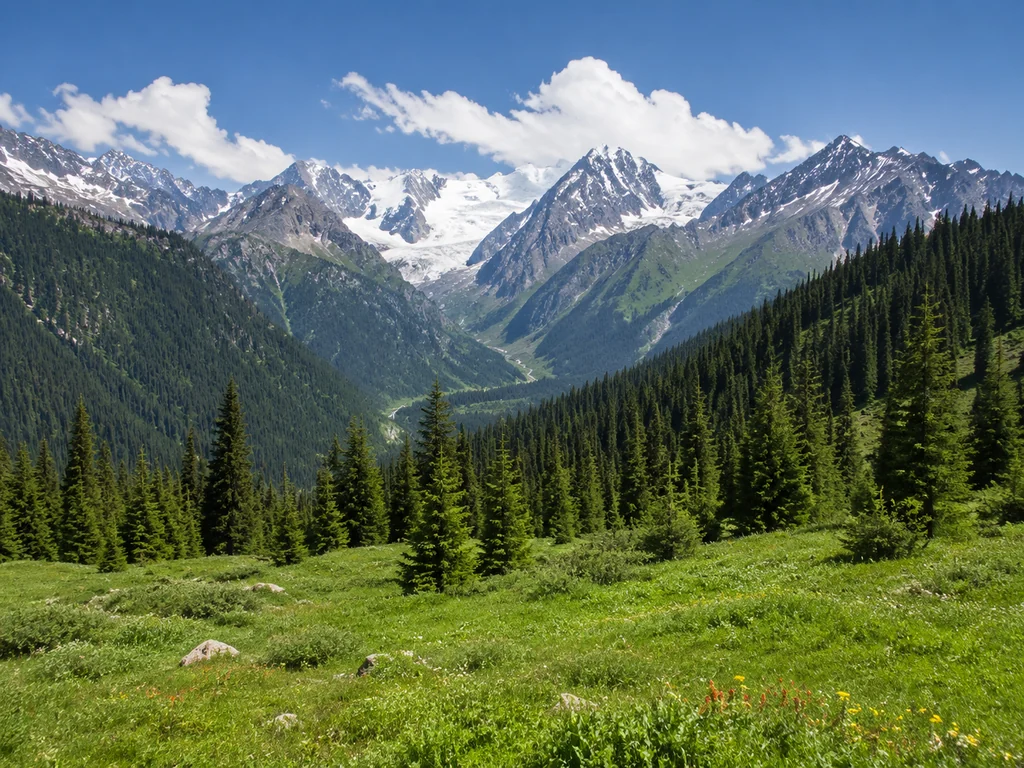
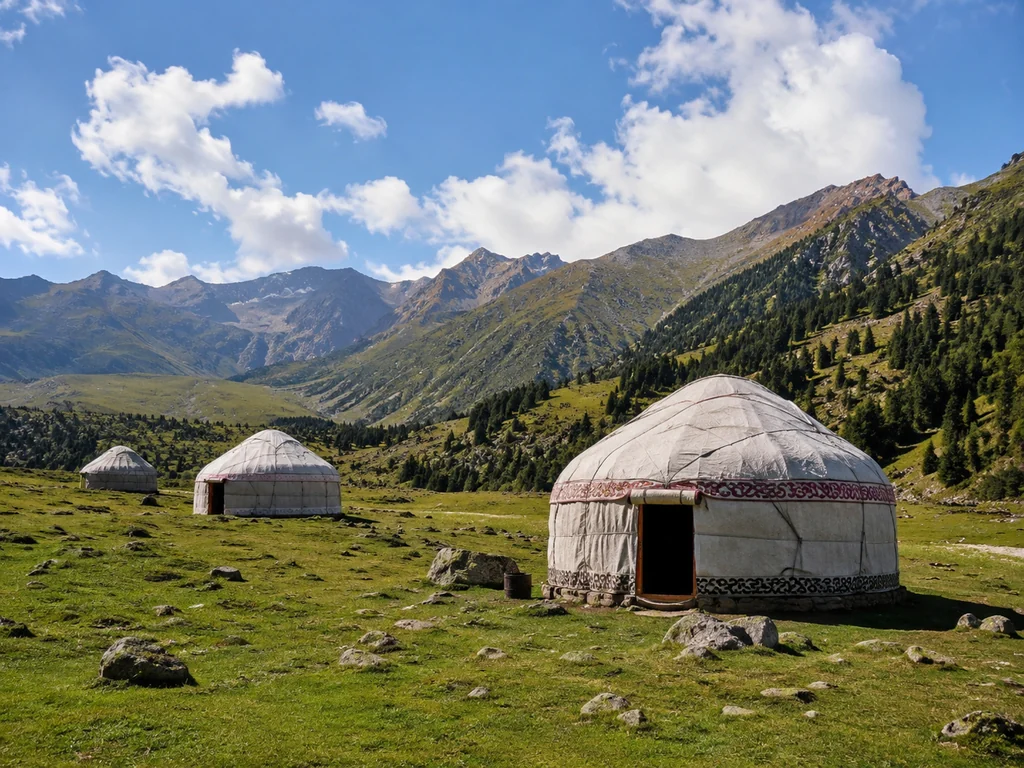
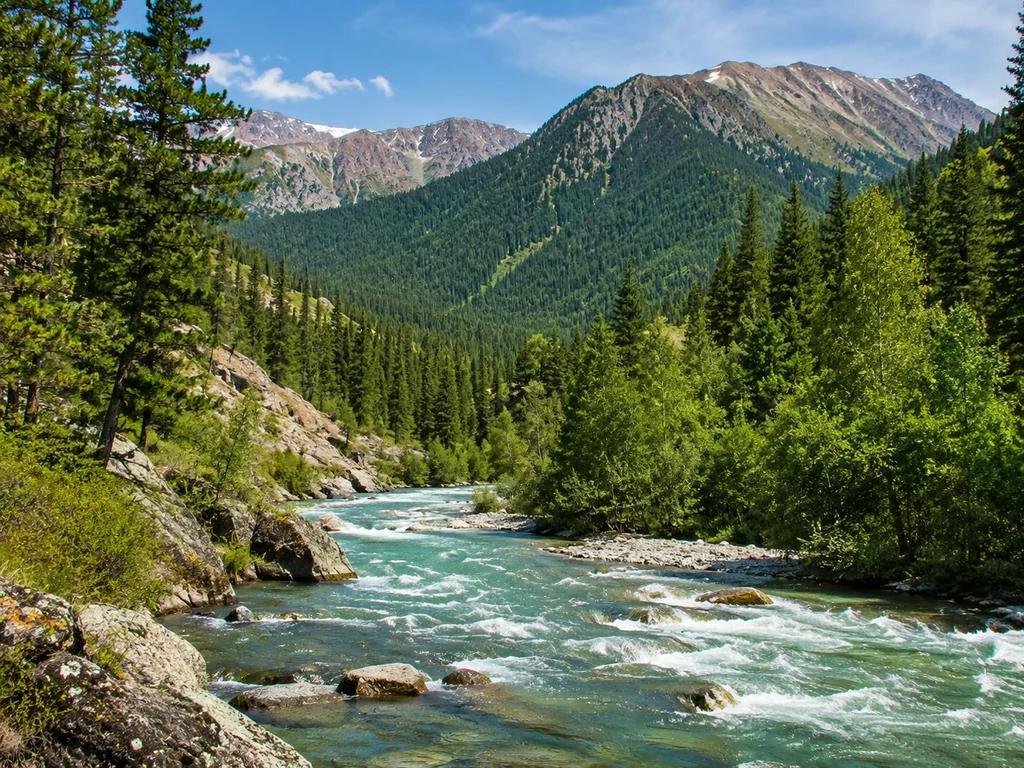
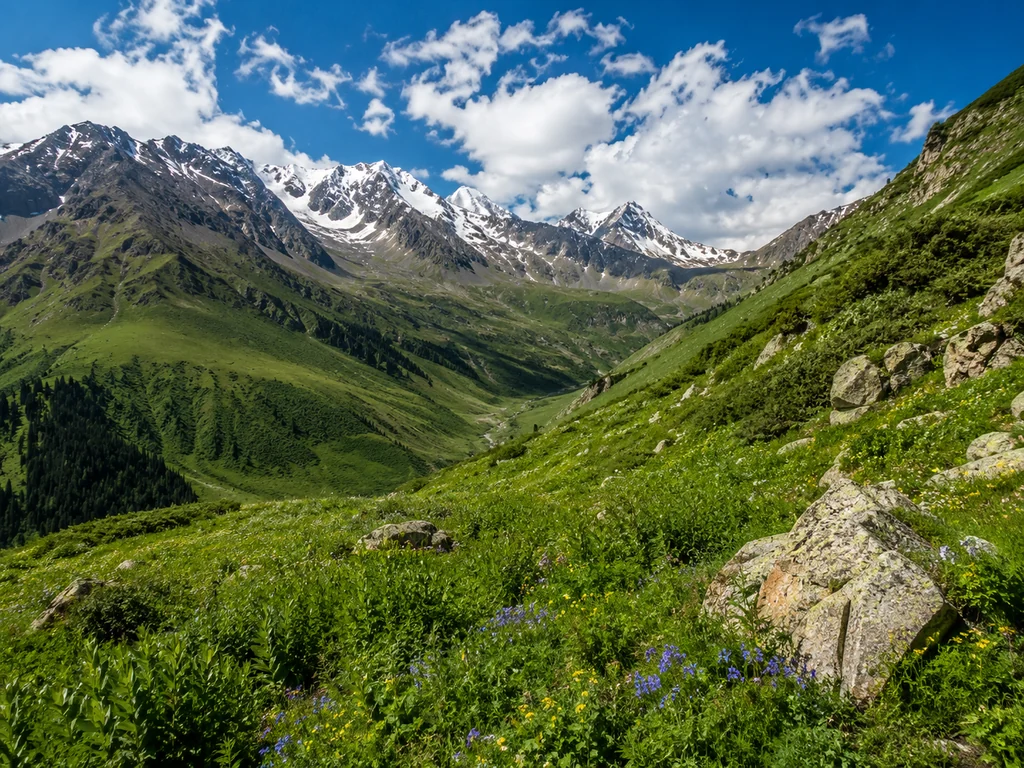
The mountains around Almaty are part of the Zailiysky Alatau, a northern range of the Tian Shan system. Unlike the dry steppe to the north, these slopes catch moisture from the west, creating forests of Tien Shan spruce, alpine meadows, and glacial valleys. The hiking season typically runs from May through October, with July and August being the warmest months. However, weather changes quickly above 2,500 meters, so even summer hikes require layers and rain gear.
Geography and Notable Peaks
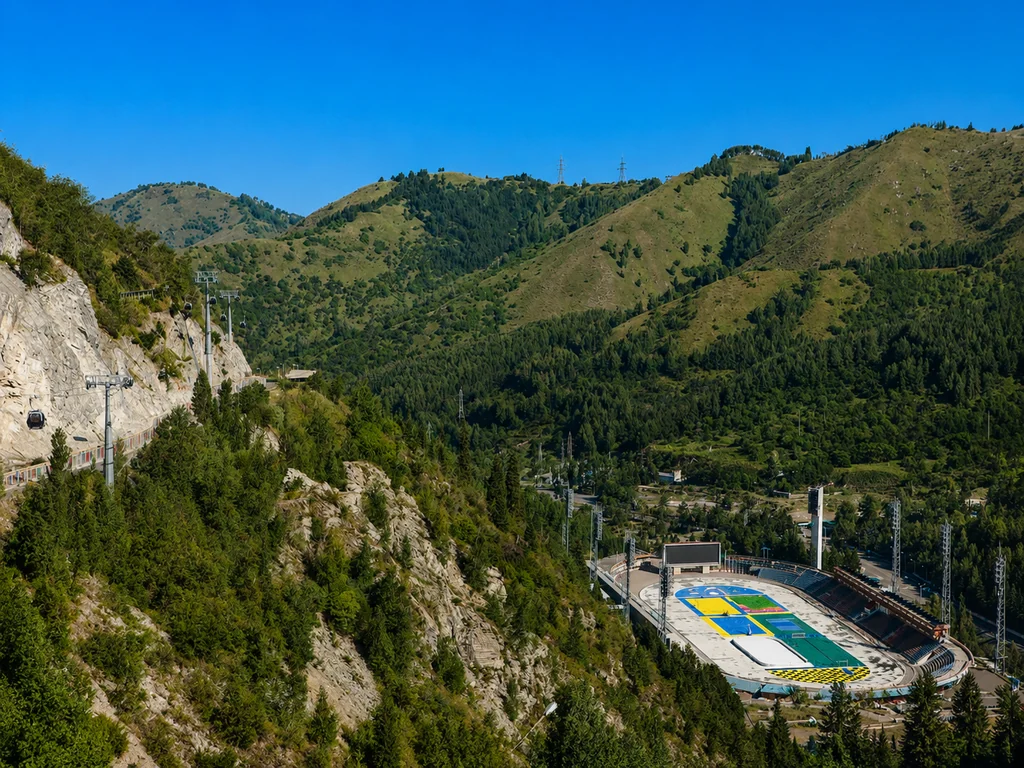
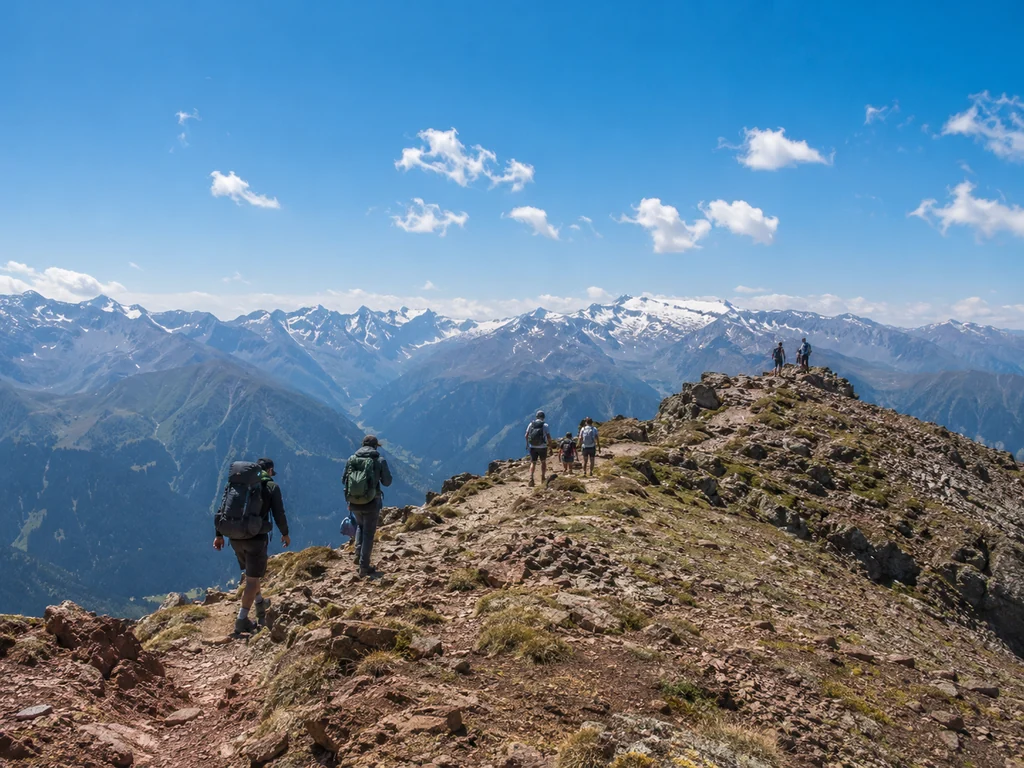
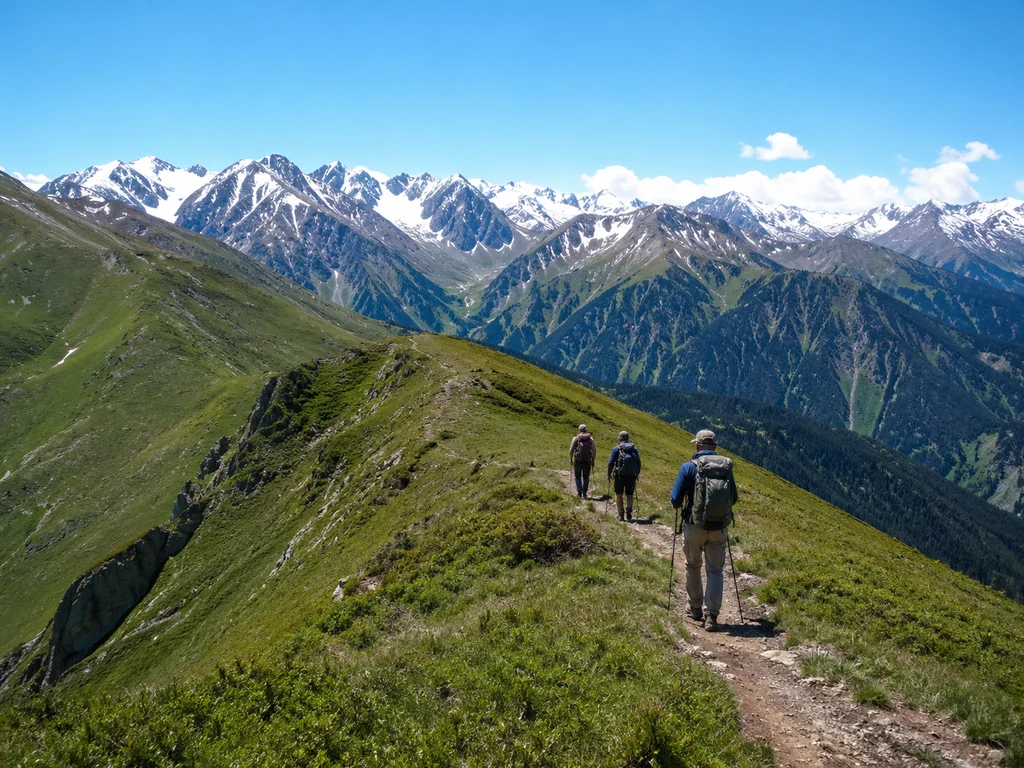
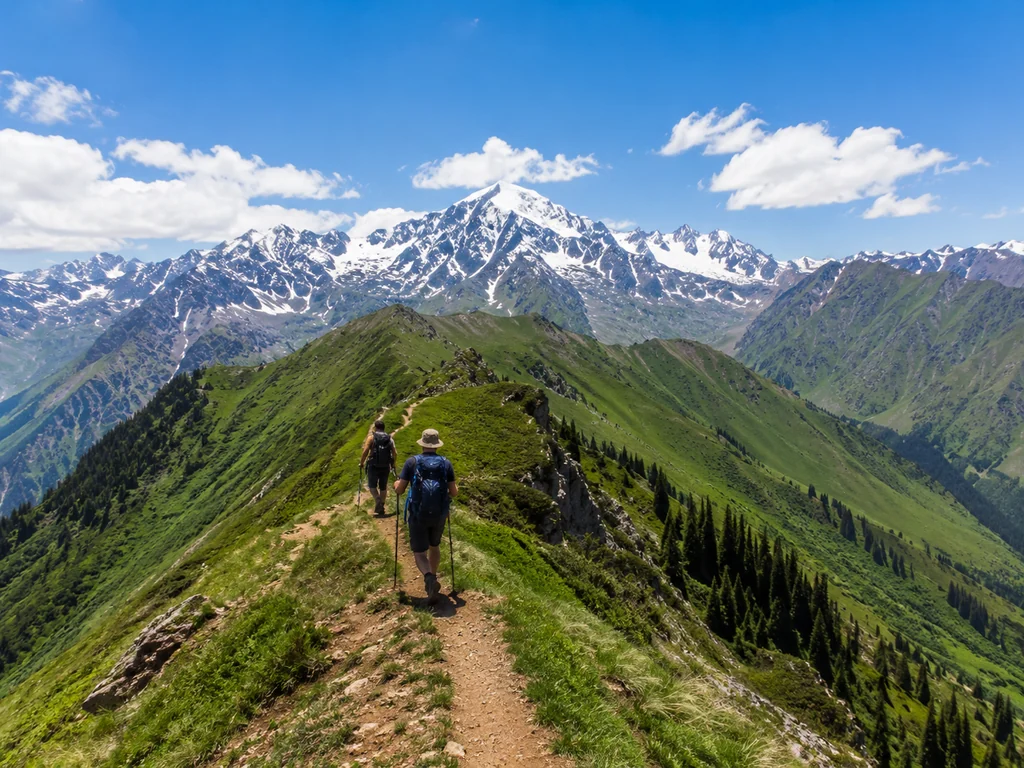
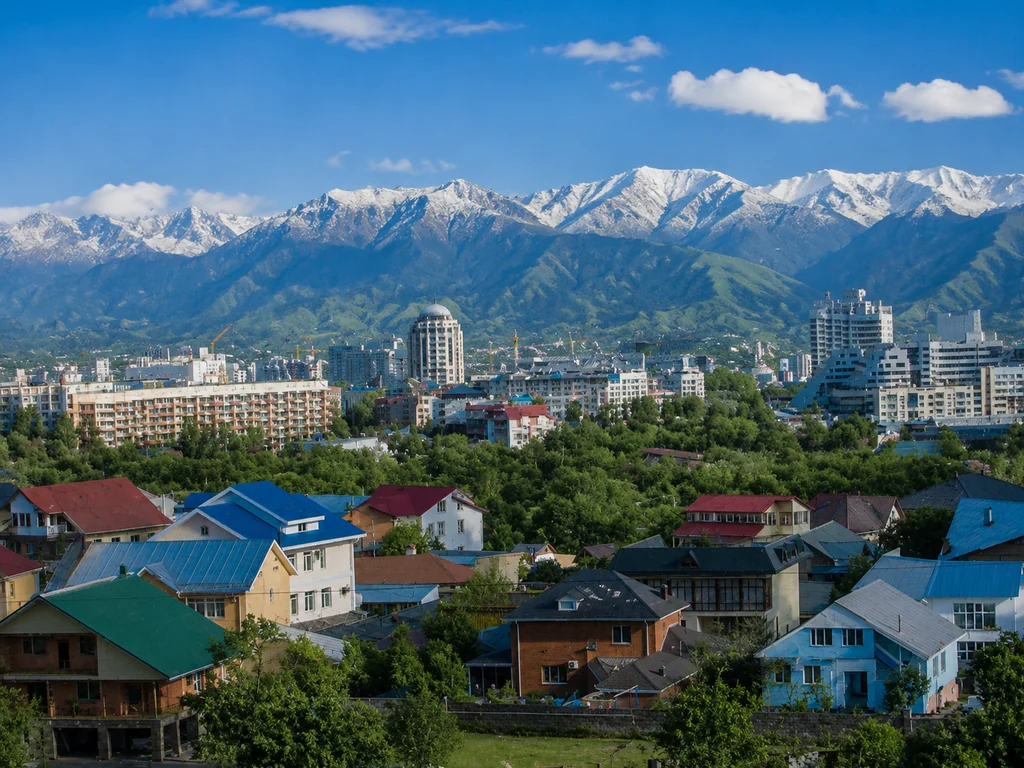
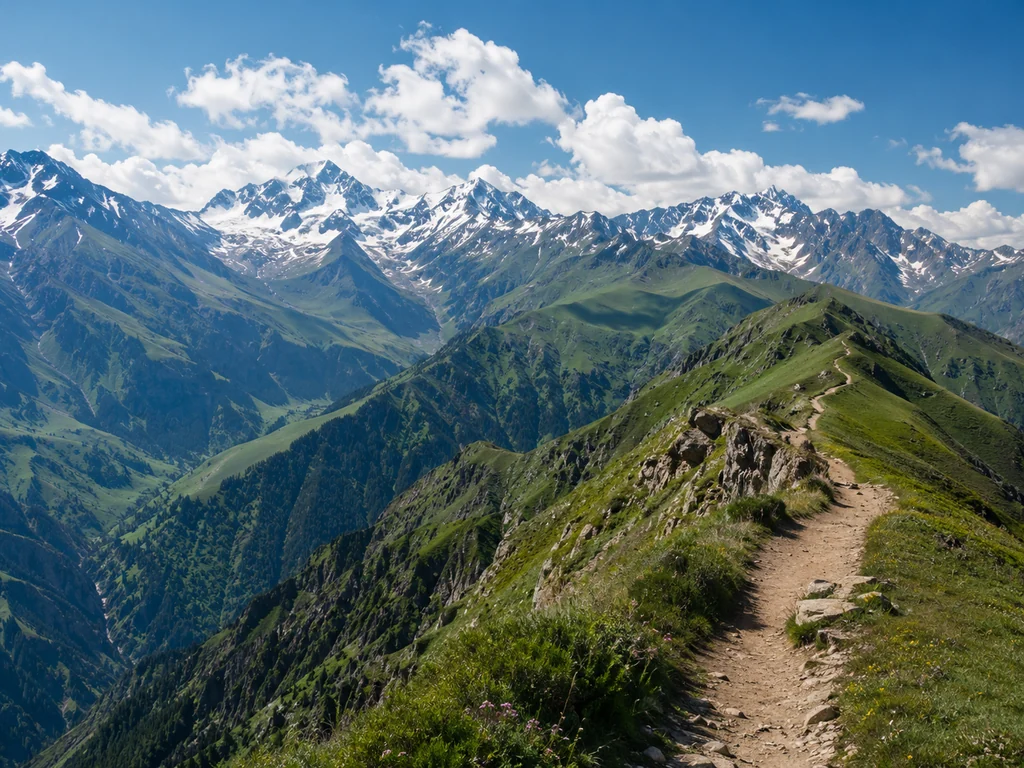
The range rises abruptly from the city, with peaks like Bolshoy Almatinsky (3,681 m) and Furmanov (3,050 m) visible from downtown. The famous Kok-Zhailau plateau sits at about 2,500 meters, offering panoramic views of both the mountains and the city below. Many trails start near the Medeu Dam or in the Malaya Almatinka gorge, then climb through spruce forest and alpine meadows.
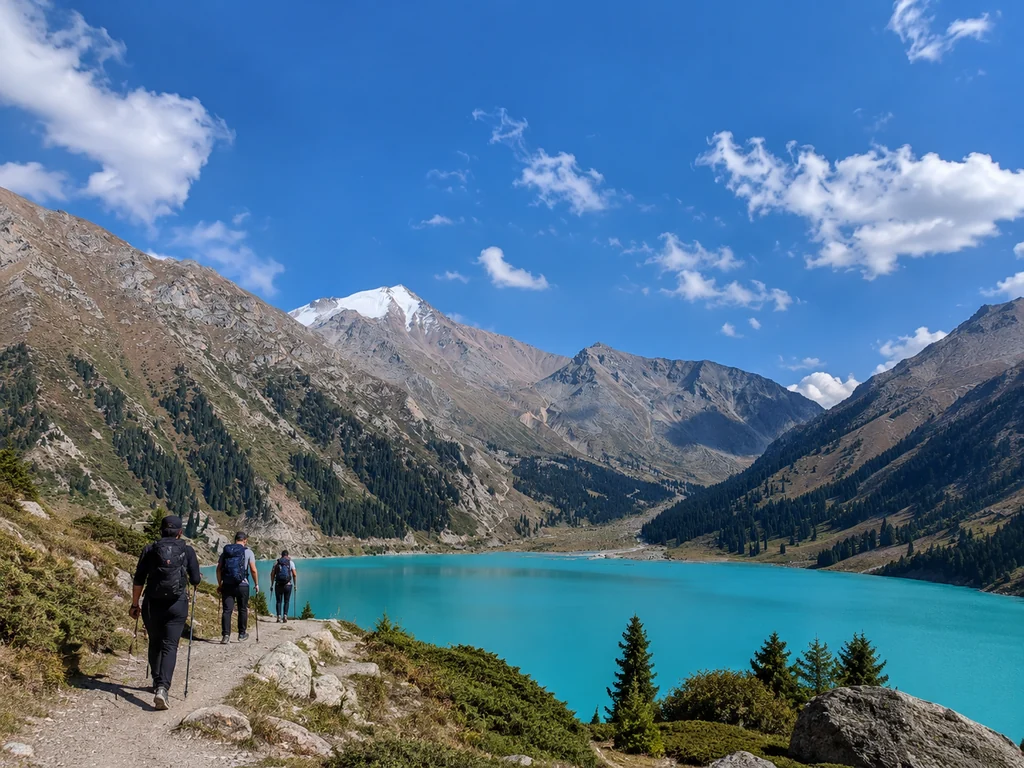
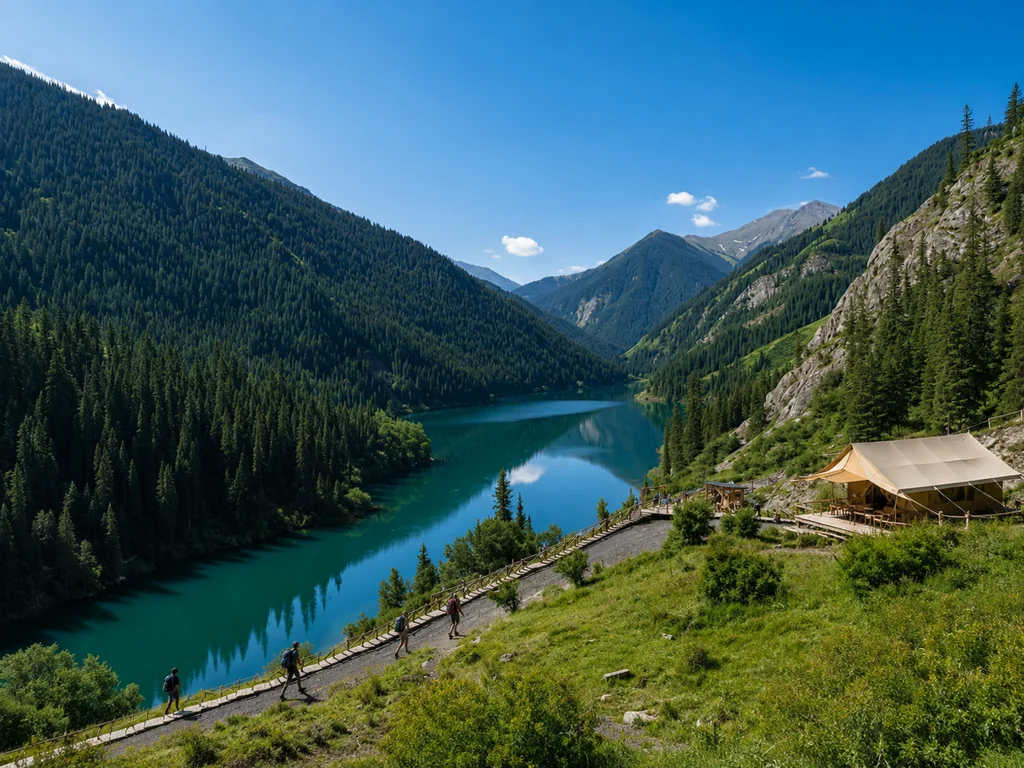
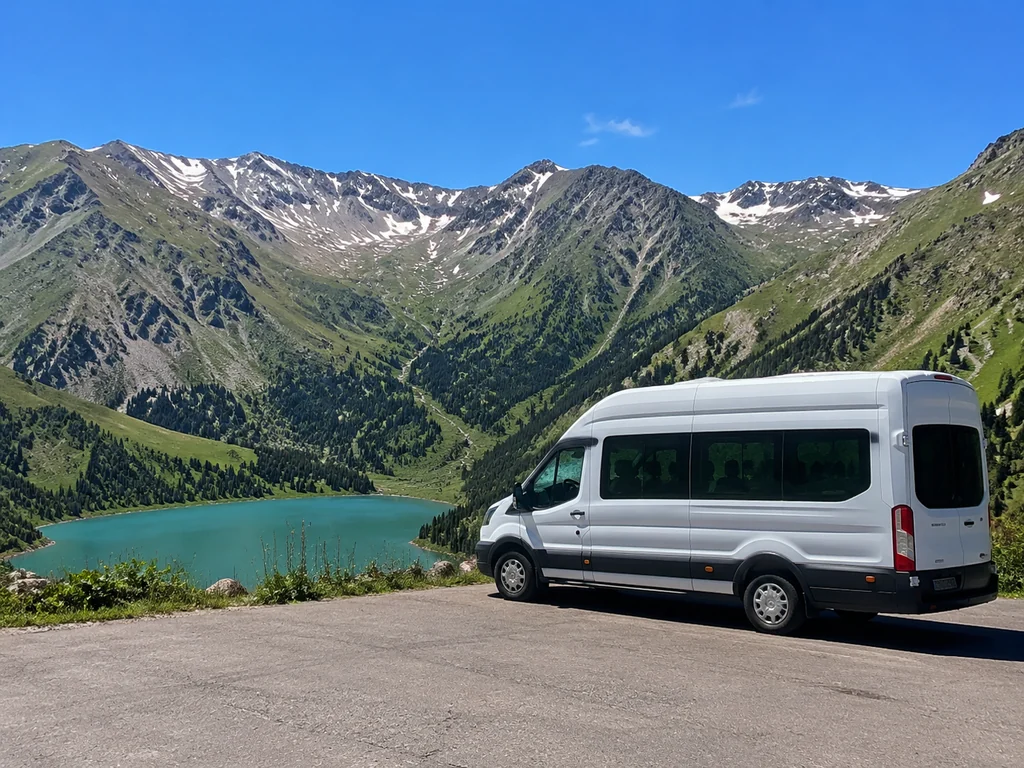
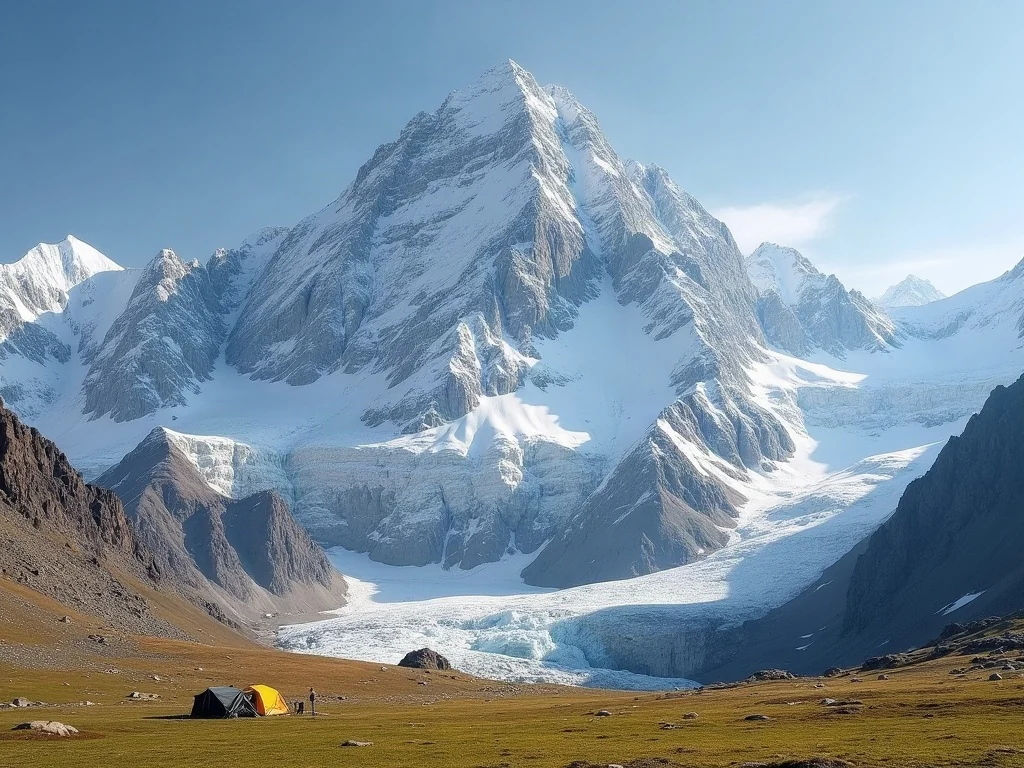
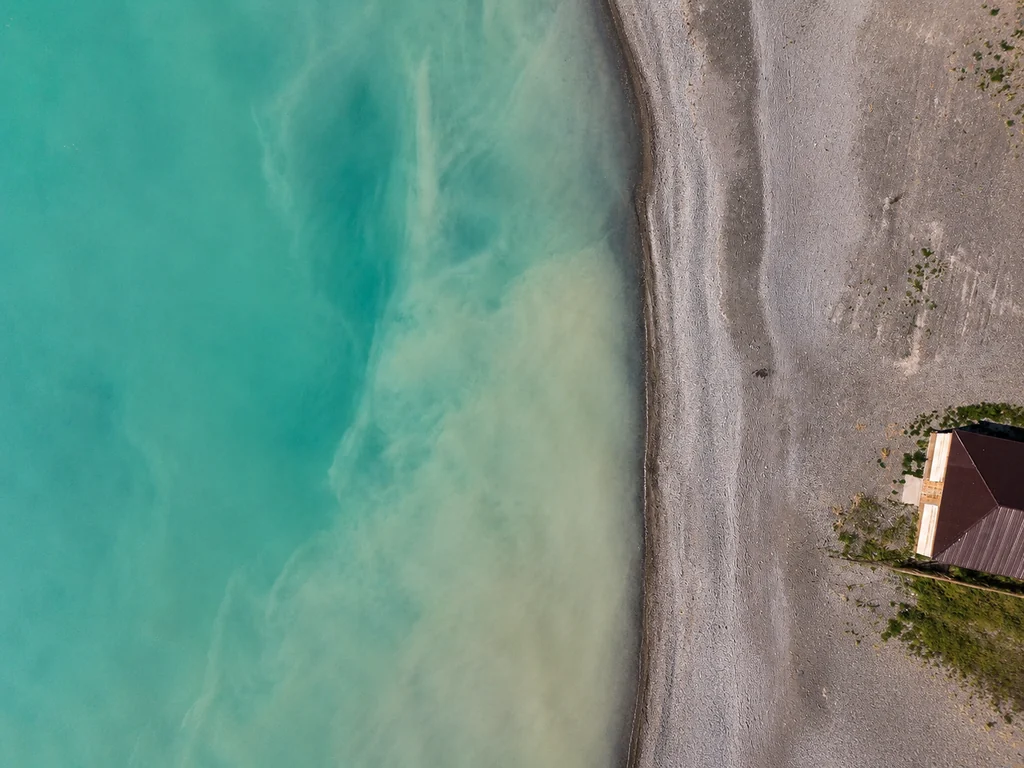
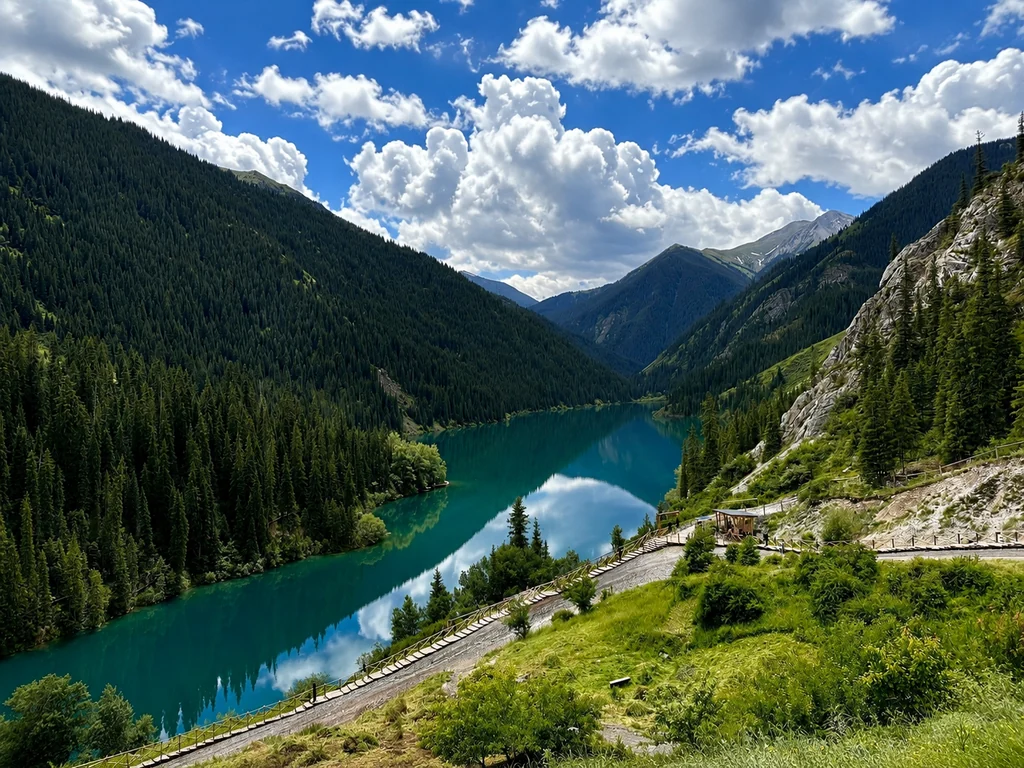
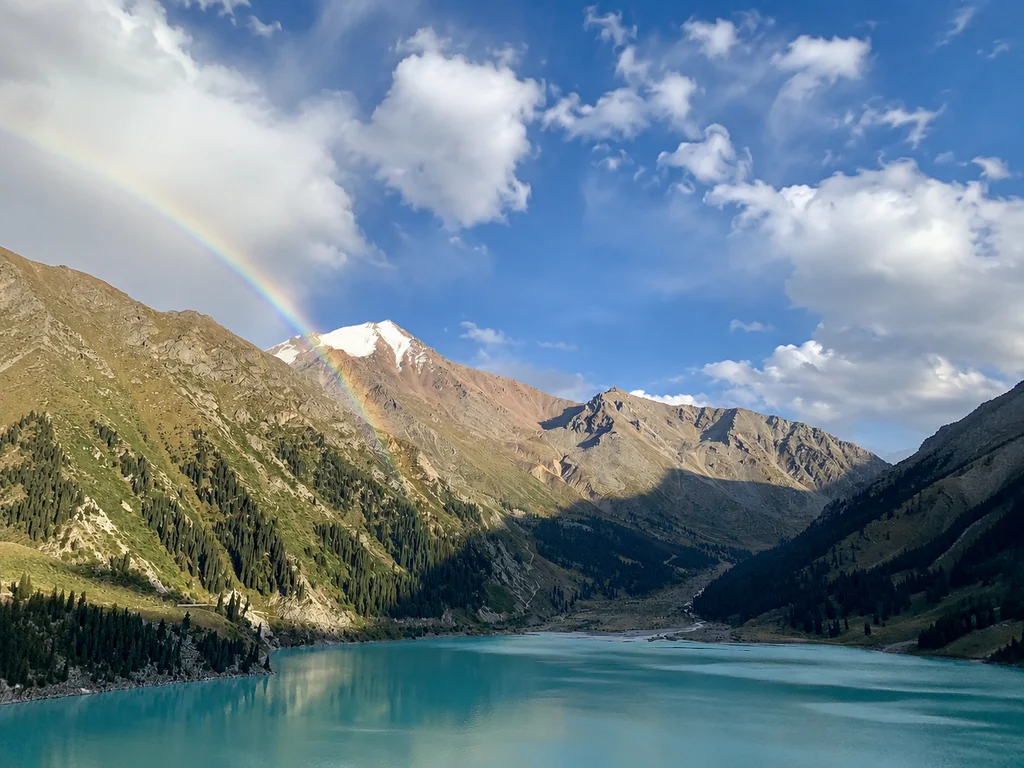
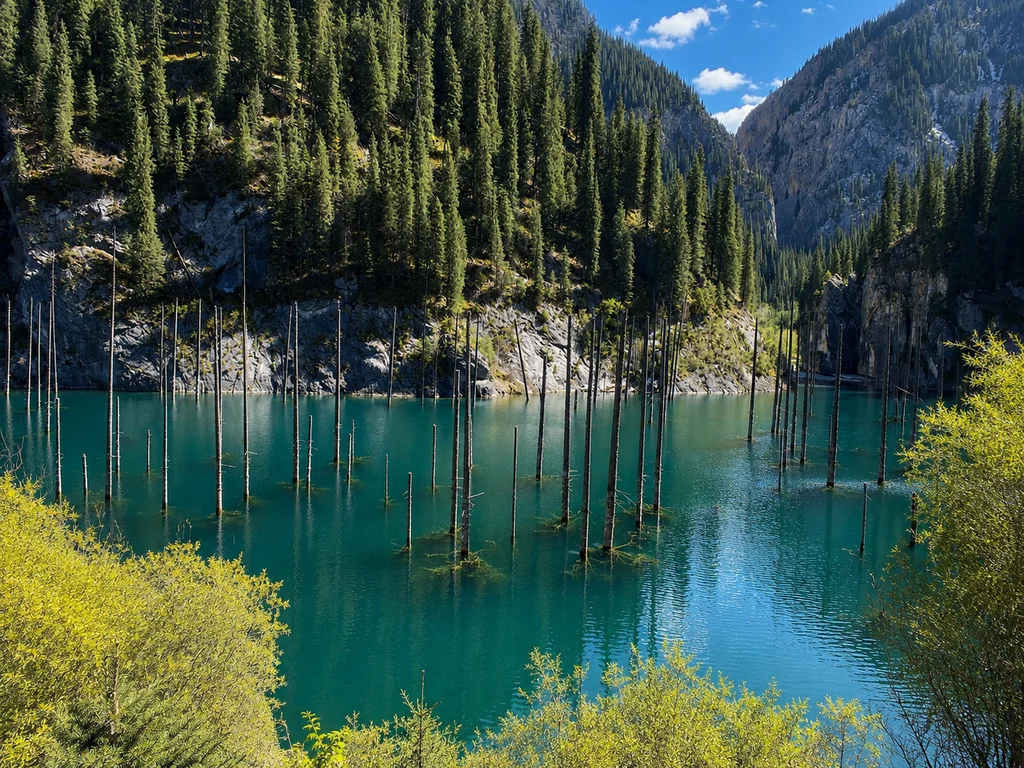
Further afield, the Kolsai lakes lie in the Kungoy Alatau range, about 300 km from Almaty. These three lakes, at 1,800, 2,250, and 2,700 meters, are known for their turquoise water and are often combined with a visit to Lake Kaindy, a submerged forest created by an earthquake in 1911. For experienced climbers, Khan Tengri (7,010 m) in the Central Tian Shan is a serious expedition, requiring glacier travel and high-altitude experience.
Climate and Best Times to Go
In Almaty, spring (April-May) brings melting snow and muddy trails, but wildflowers bloom in May. Summer (June-August) is the most popular time, with comfortable temperatures at lower elevations, though afternoon thunderstorms are common. Autumn (September-October) offers stable weather, golden larch forests, and fewer crowds. Winter hikes are possible on lower trails, but most high routes are snow-covered.
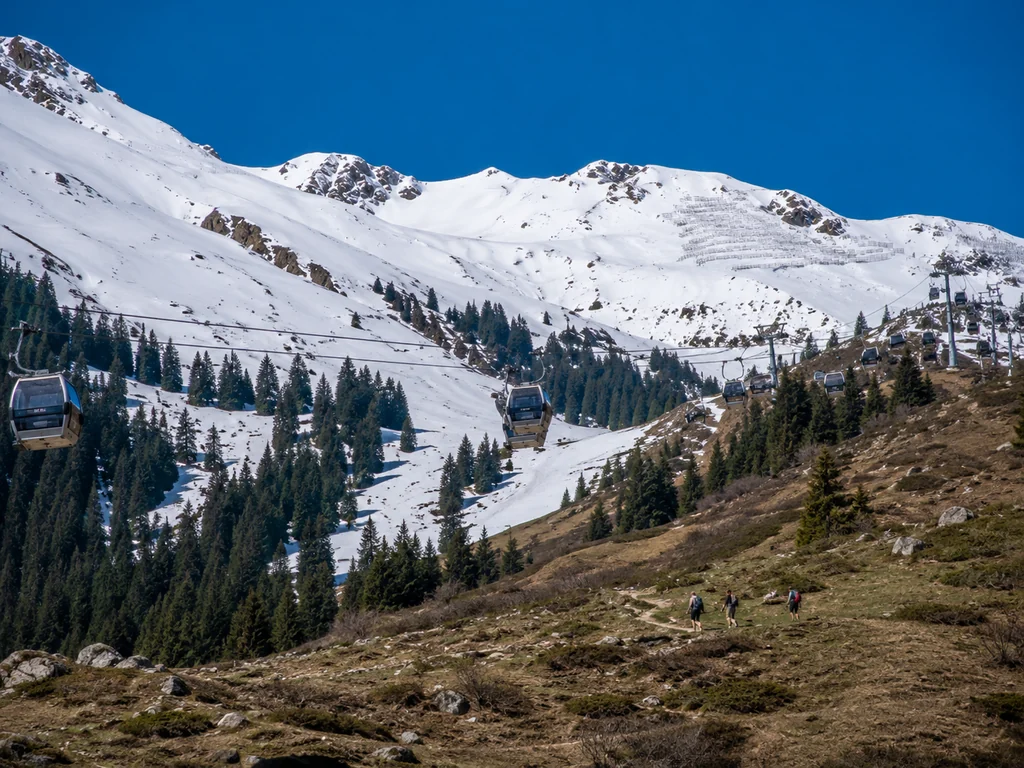
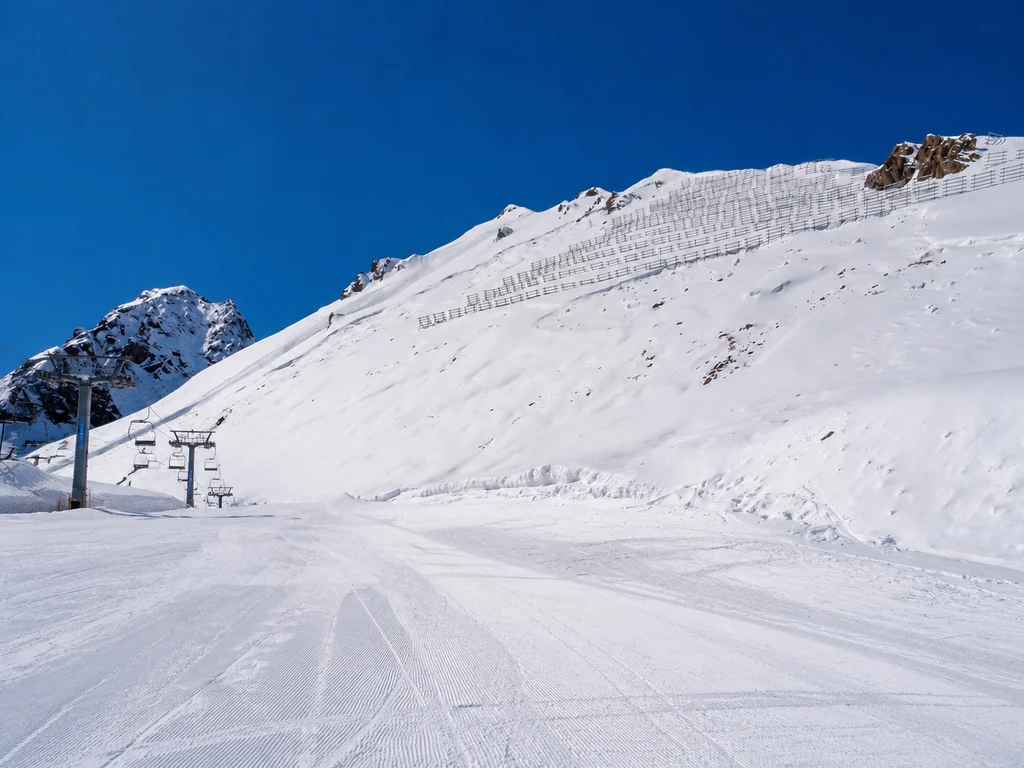
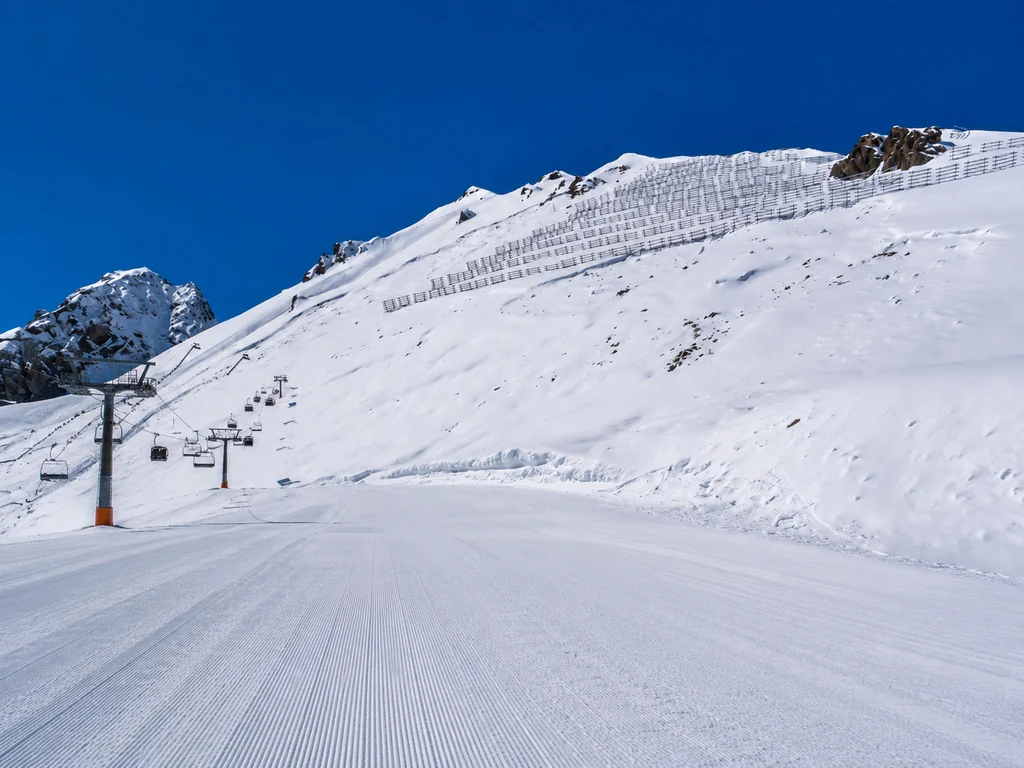
For the Kolsai lakes and other high-altitude treks, July to September is the safest window. In winter, only the Medeu area and Shymbulak ski resort are accessible for winter sports. Always check the weather forecast before heading out, as conditions can change rapidly.
Day Hikes and Short Treks
For those with limited time, the Zailiysky Alatau offers numerous day hikes. These trips are perfect for acclimatization or for those who want a taste of mountain scenery without a long commitment. Most day hikes take 4-8 hours and cover 10-15 km with elevation gains of 600-1,200 meters.
Popular Day Hikes from Almaty
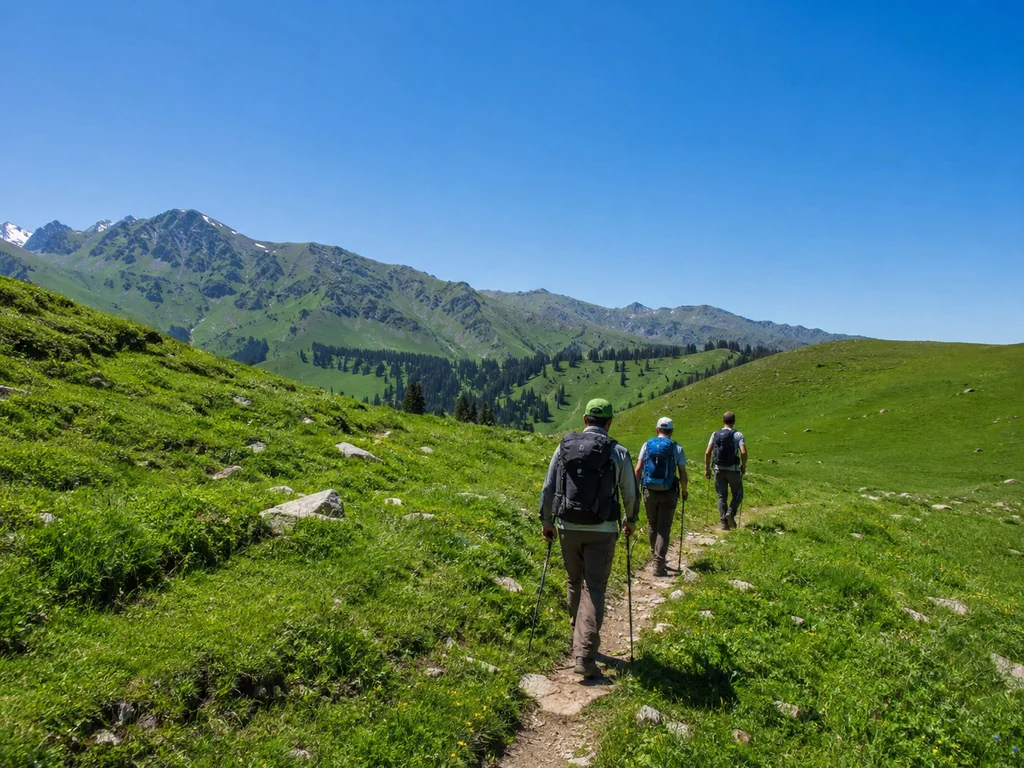
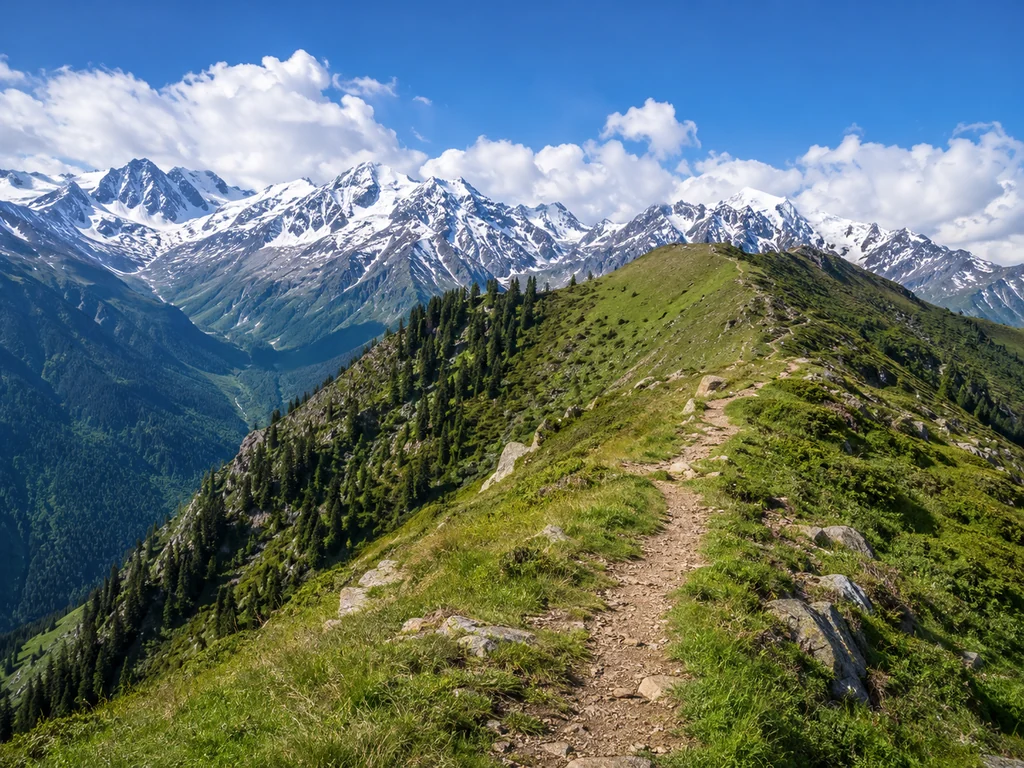
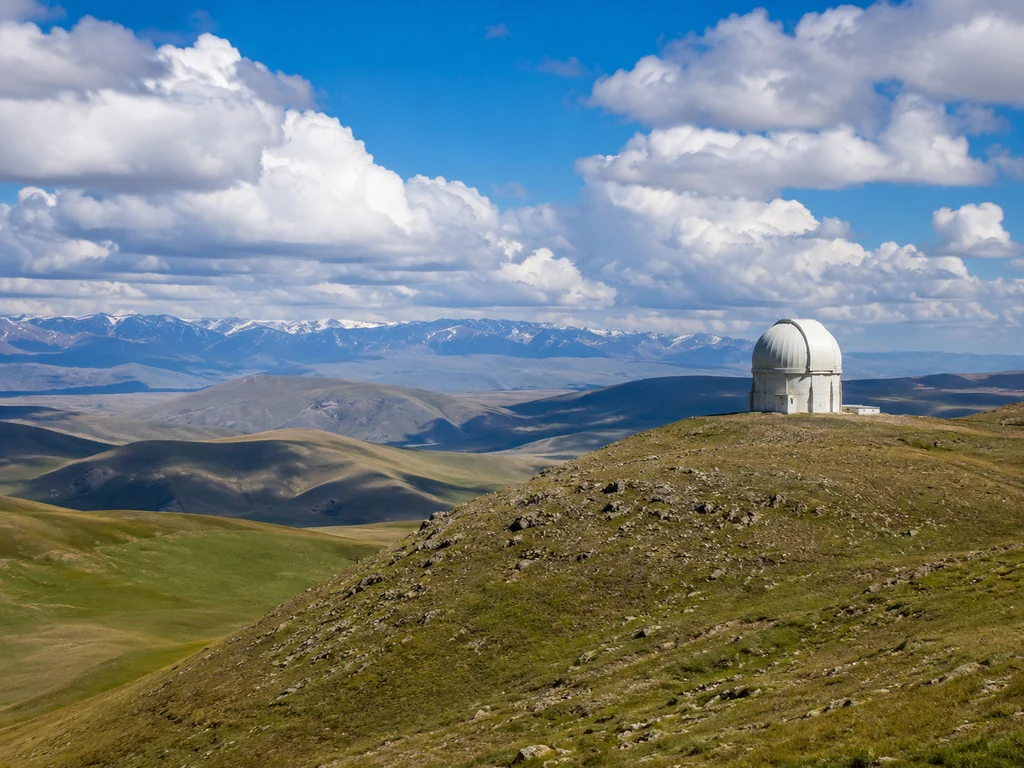
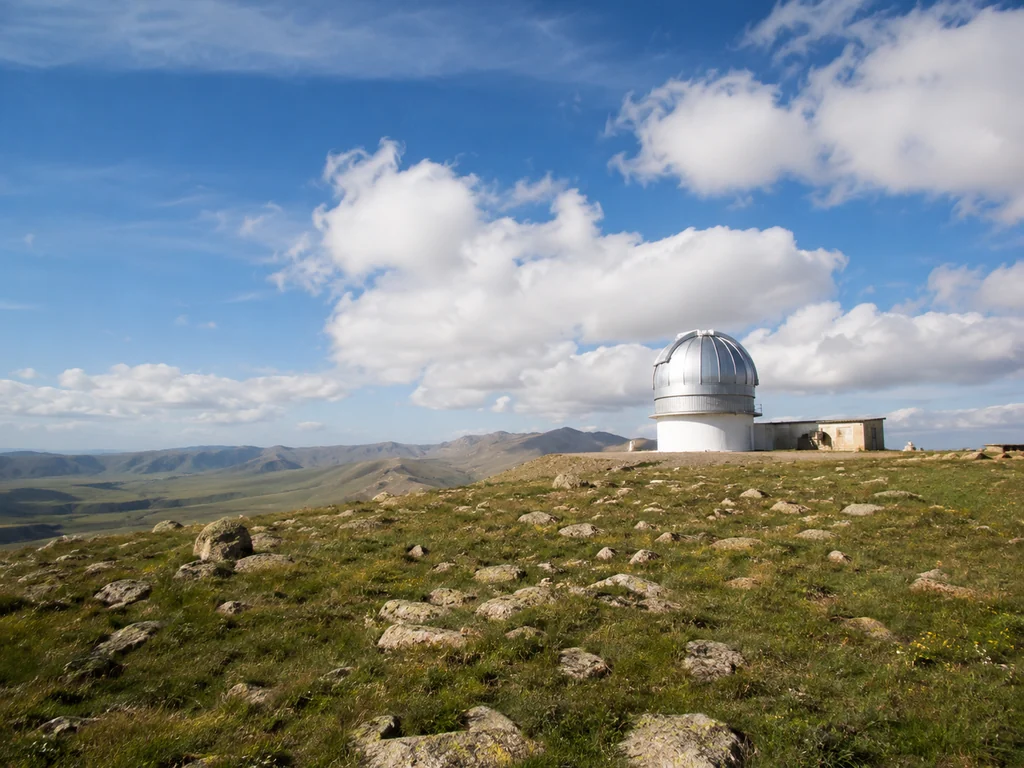
One of the most accessible hikes is to Kok-Zhailau plateau, starting from the Medeu dam or Shymbulak. The trail climbs through spruce forest and opens up to a wide plateau with views of the city. Another classic is the hike to Bolshoy Almatinsky peak, starting from the Tien Shan observatory. This is a strenuous climb that requires good physical condition and proper gear.
For a shorter but scenic option, the hike to Slonik rock in Medeu gorge offers panoramic views without the long ascent. The Almaty Alamanaty trail also leads to Kok-Zhailau, but via a less crowded path. Many of these hikes can be done independently, but joining a guided group is a good way to learn about the local flora and fauna while ensuring safety.
What to Expect on the Trail
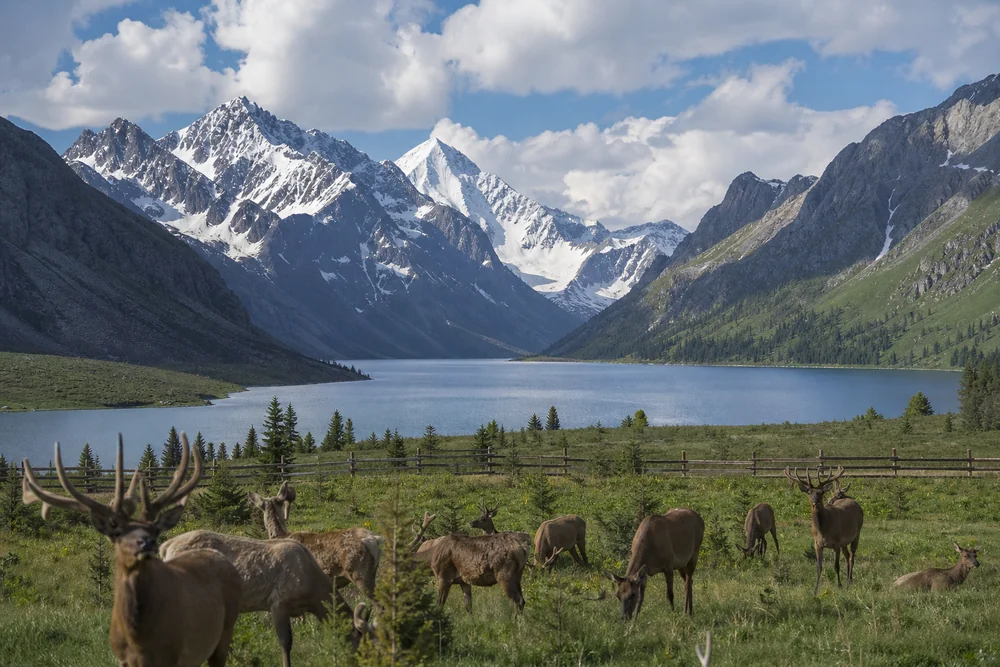
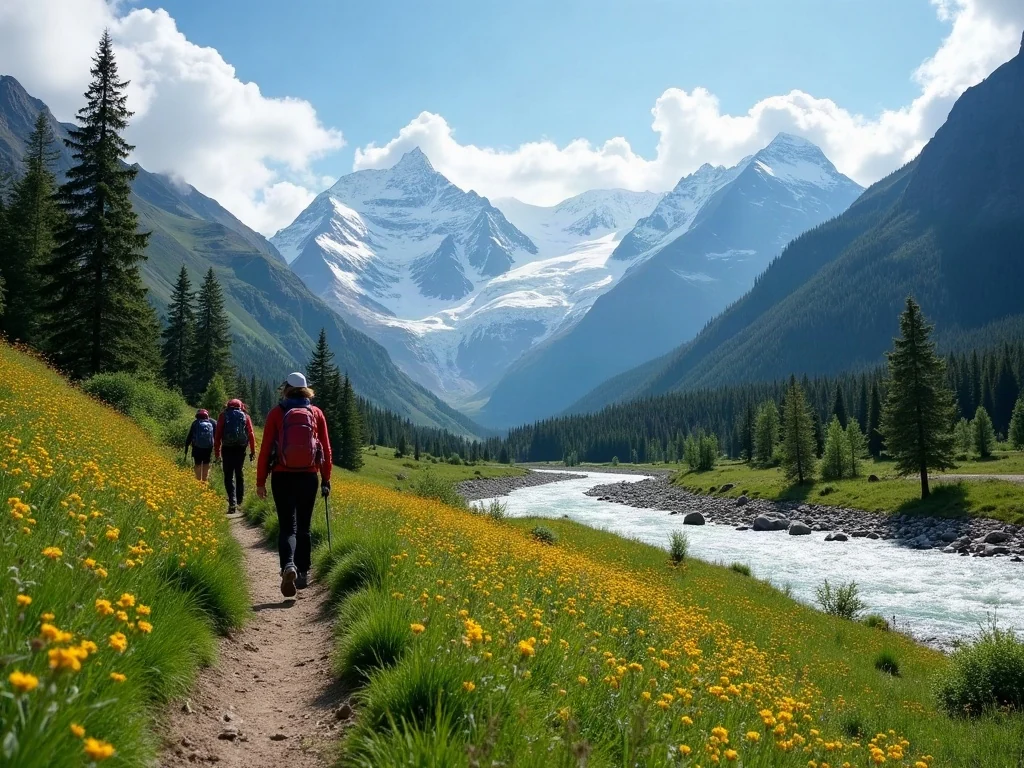
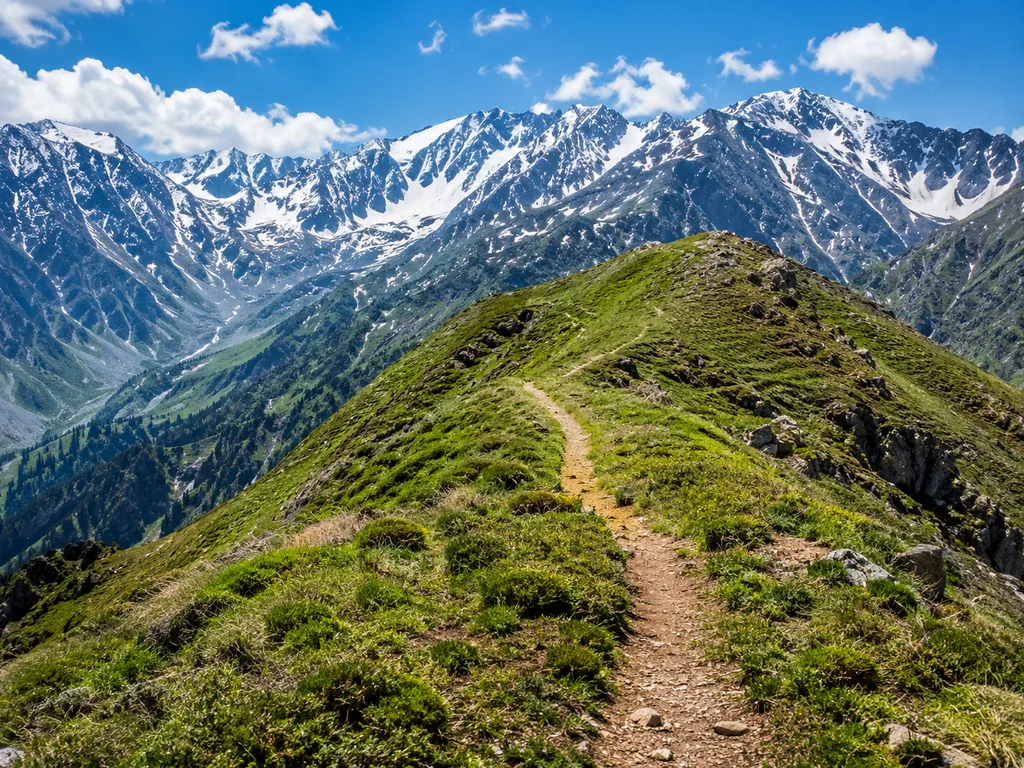
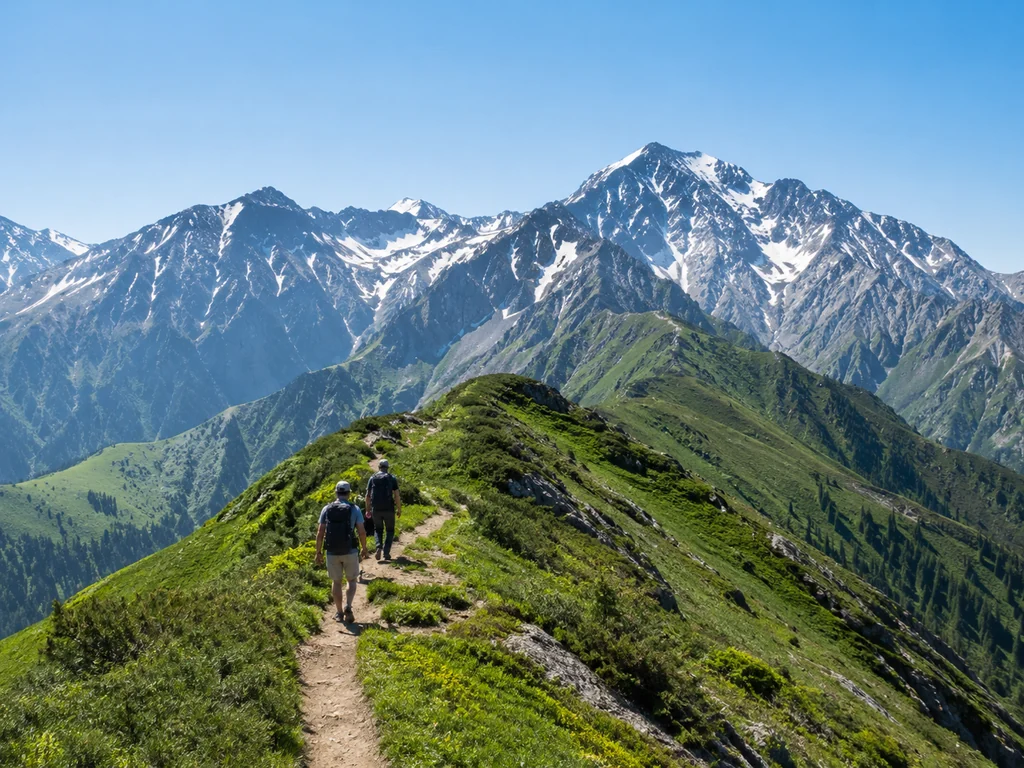
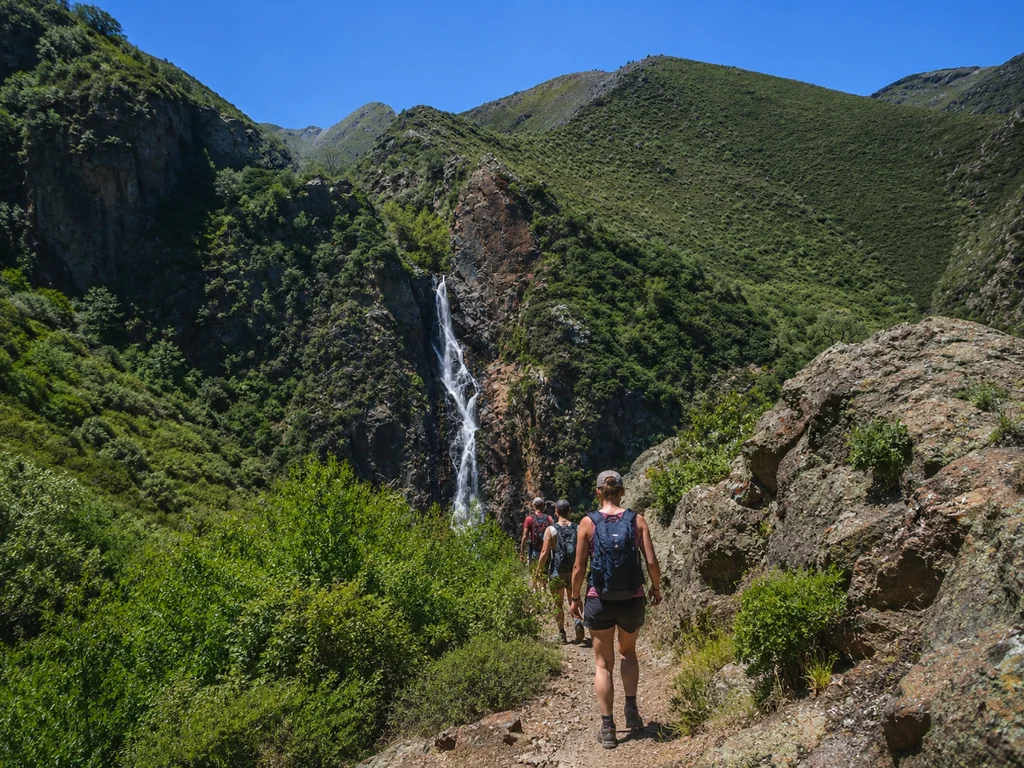
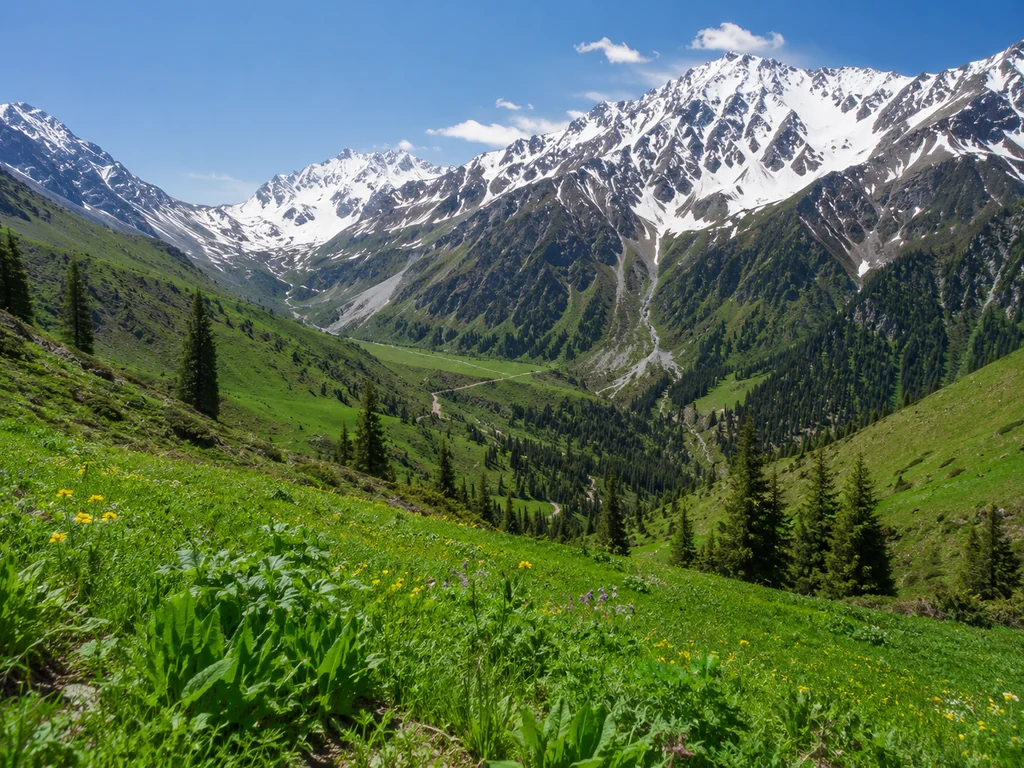
Expect well-marked trails in popular areas, but always carry a map or GPS device. The trails can be rocky and steep, so sturdy hiking boots are essential. You will likely see marmots, roe deer, and various birds. In spring and summer, the meadows are full of wildflowers, including edelweiss and primulas. The air is fresh and clean, a welcome break from the city's bustle.
Most day hikes start early in the morning to avoid afternoon heat and thunderstorms. It is advisable to carry at least 2 liters of water per person, as there are few water sources on the trail. Lunch is often eaten at a scenic spot, so a packed lunch is recommended.
Multi-Day Treks and Expeditions
For a deeper immersion, multi-day treks allow you to explore remote valleys and high passes. These trips require more planning and physical endurance, but they reward with unforgettable landscapes and a sense of accomplishment.
The Kolsai Lakes Trek
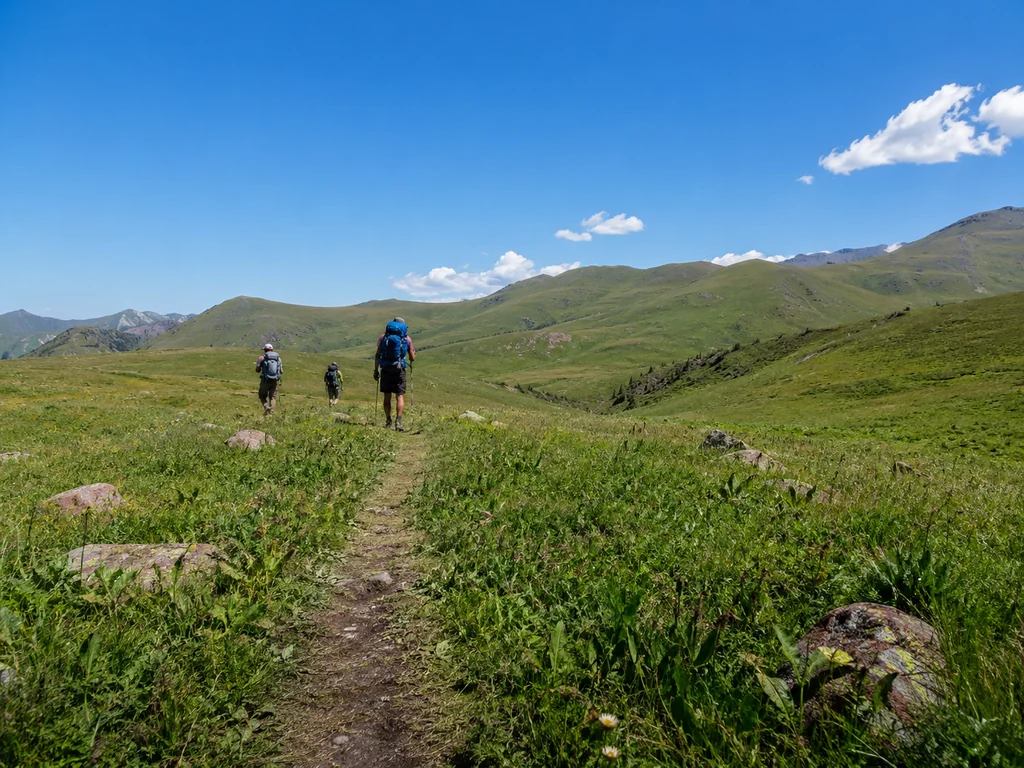
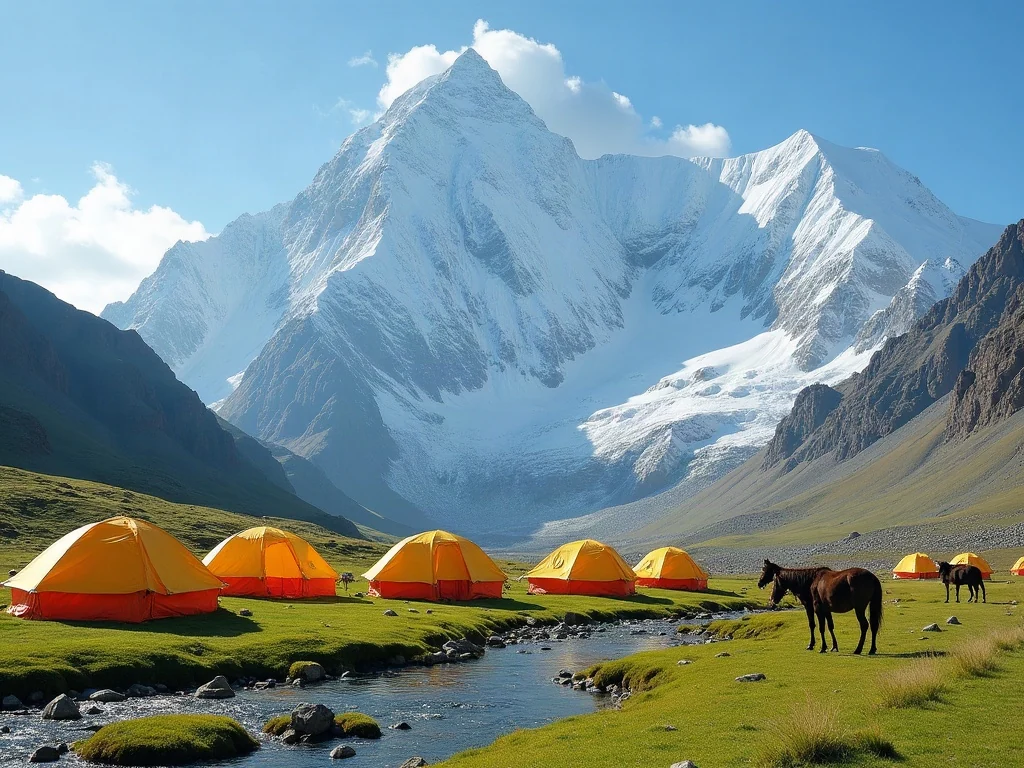
The Kolsai lakes trek is a popular 4-day itinerary that takes you through the Kungoy Alatau range. Starting from the village of Saty, you hike past the lower lake, then ascend to the middle and upper lakes, camping or staying in guesthouses. The trail continues to Lake Kaindy, where you can see the sunken spruce trees. The total distance is about 50 km with a cumulative elevation gain of over 2,000 meters.
This trek is suitable for beginners with a reasonable fitness level, as the daily hiking time is 4-6 hours. The best months are July to September, when the weather is stable. Accommodation is in basic guesthouses or tents, so bring a sleeping bag if you plan to camp.
High-Altitude Climbing
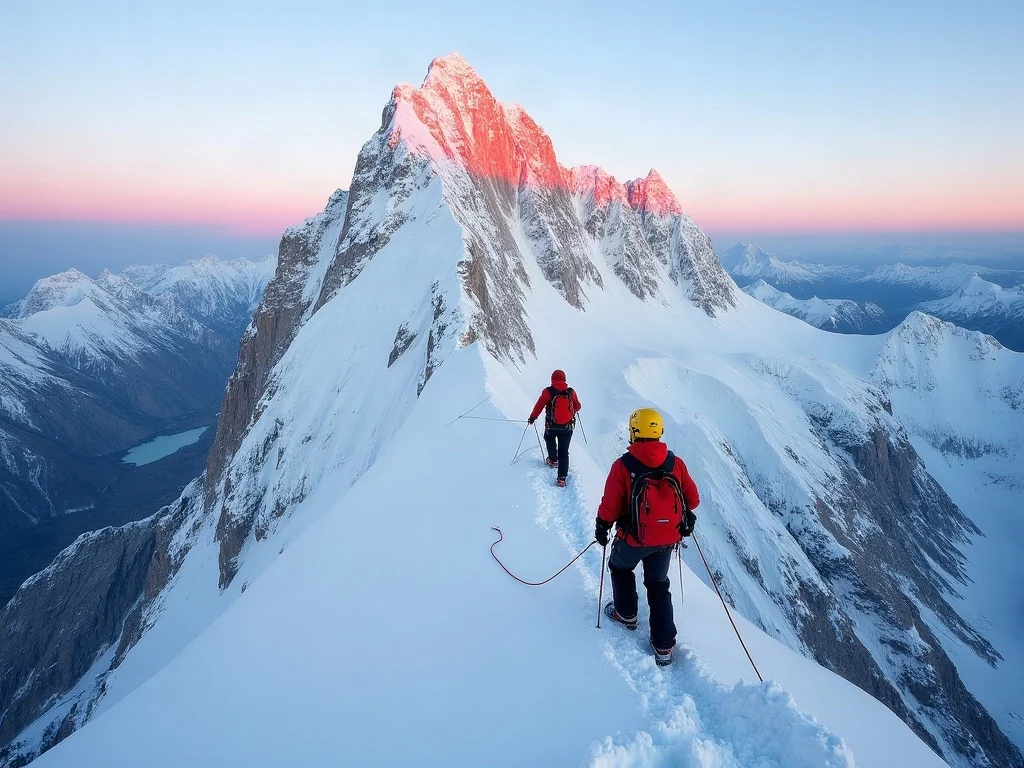
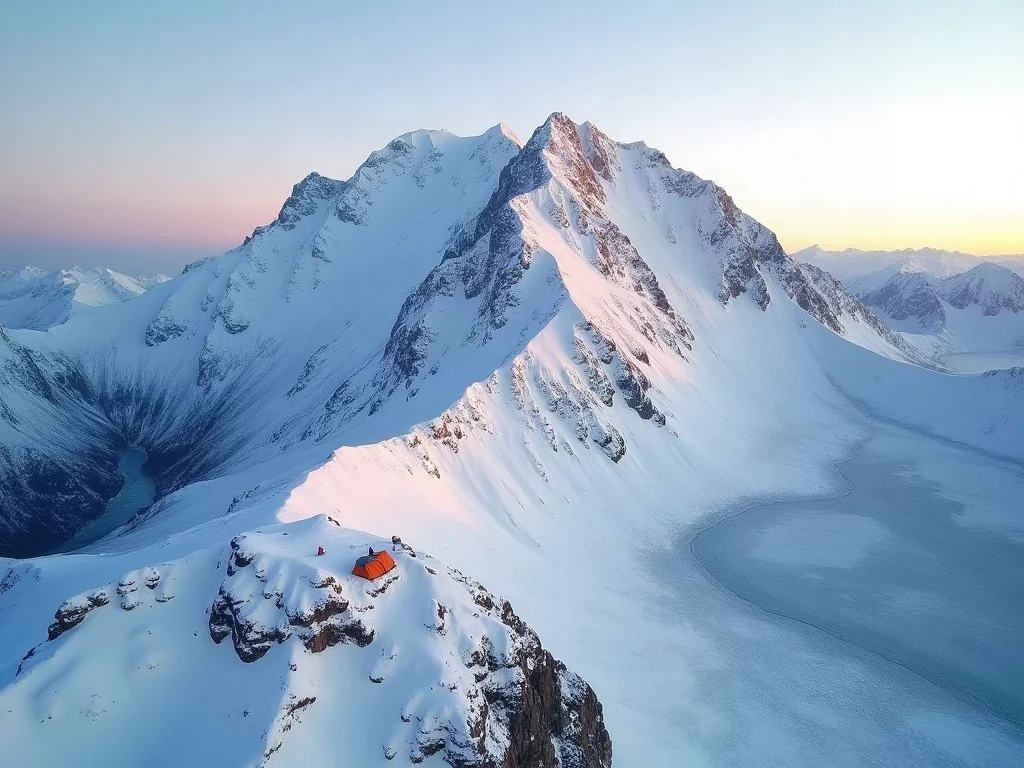
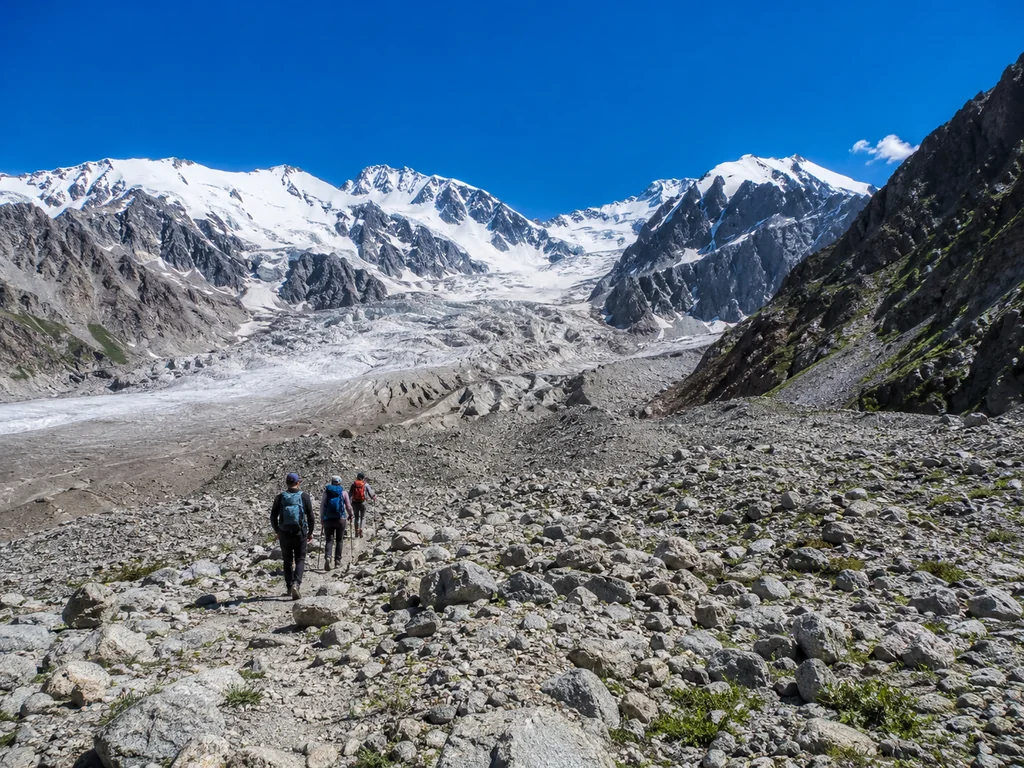
For experienced mountaineers, climbing peaks like Furmanov or even Khan Tengri is the ultimate challenge. Furmanov is a non-technical climb, but it is long and physically demanding. Khan Tengri, however, is a serious expedition that involves glacier travel, crevasse rescue, and high-altitude climbing. The ascent takes about 21 days, including acclimatization rotations and a summit day. Climbers must have previous experience at altitudes above 6,000 meters and be in excellent physical condition.
Guided expeditions to Khan Tengri are available but require early booking. The cost includes logistics, permits, and experienced guides. It is essential to have a medical check-up and obtain the necessary permits for climbing in the border zone.
Practical Information
Proper preparation is key to a safe and enjoyable hiking experience. Here are some essential tips and gear recommendations.
Essential Gear and Clothing
- Sturdy hiking boots with good ankle support
- Backpack (30-50 liters for day hikes, 70+ liters for multi-day treks)
- Waterproof jacket and pants
- Warm layers, including a fleece or light down jacket
- Sun protection: hat, sunglasses, sunscreen
- Headlamp with spare batteries
- First aid kit with blister treatment
- Water bottles or hydration system (at least 2 liters)
- High-energy snacks and lunch
- Map, compass, and GPS device (or a smartphone with offline maps)
In addition to the gear, it is important to dress in layers. The temperature can vary from warm at the start to cold at the top. Always check the weather forecast and inform someone about your route.
Physical Preparation
Hiking at altitude requires good cardiovascular fitness. Even for easy hikes, it is recommended to do regular aerobic exercise, such as running or cycling, for at least a month before the trip. For more strenuous climbs, practice hiking with a loaded backpack on hilly terrain. Acclimatization is crucial: if you are coming from sea level, spend a few days in Almaty (800 m) before attempting high altitudes.
During the hike, pace yourself and take regular breaks. Drink water frequently, even if you don't feel thirsty. Altitude sickness can affect anyone, so know the symptoms: headache, nausea, dizziness. If you experience these, descend immediately.
Safety and Regulations
Some areas, especially those near the border, require special permits. For example, the Kolsai lakes and Khan Tengri region are in the border zone, so you need to obtain a permit from the Border Guard Service. Your tour operator can help arrange this, but it is advisable to plan ahead.
Wildlife encounters are rare, but you may see ibex or roe deer. Do not approach or feed animals. Also, respect the environment: carry out all trash, and avoid camping on fragile meadows.
Choosing the Right Tour
When selecting a hiking tour, consider your fitness level, experience, and the time you have available. Our section offers a variety of options, from easy day hikes to challenging expeditions.
Comparing Our Tours
| Tour | Duration | Difficulty | Price (per person) |
|---|
| Kok-Zhailau Plateau Hiking | 6 hours | Easy | 8,900 KZT |
| Big Almaty Lake on Foot | 8 hours | Easy | 10,900 KZT |
| Almaty Gorge Walk | 3 hours | Easy | 17,173 KZT |
| Slonik Rock in Medeu Gorge | 4 hours | Moderate | 17,288 KZT |
| Custom Hiking Tour | 6 hours | Varies | 19,900 KZT |
| Bolshoy Almatinsky Peak Ascent | 10 hours | Strenuous | 19,900 KZT |
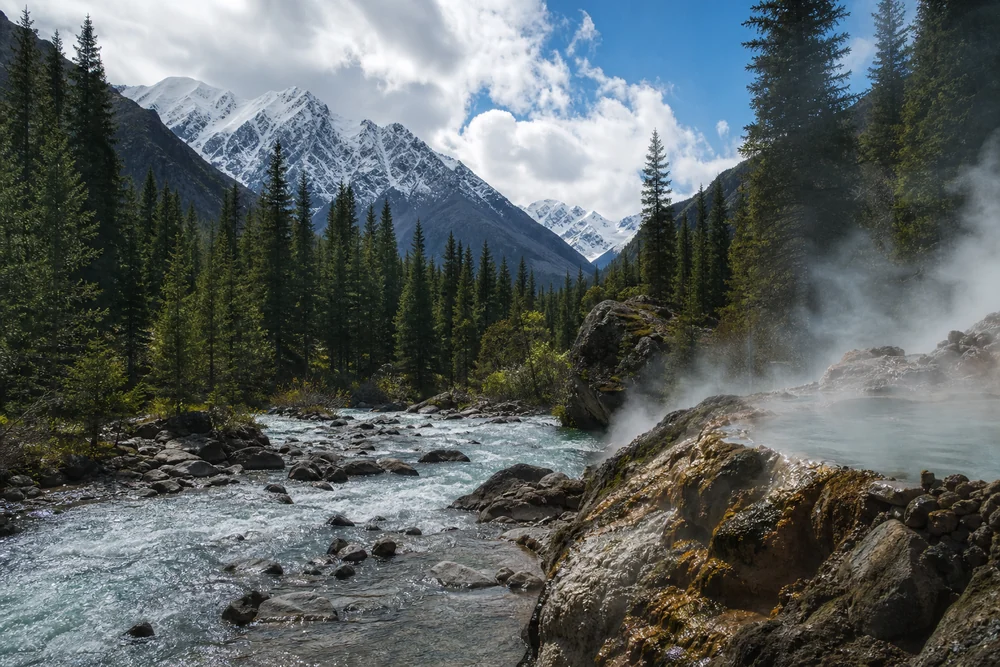
| Almarasan Hot Springs and Ayusai Waterfall | 6 hours | Easy | 30,838 KZT |
| Alatau Amanaty Trail to Kok-Zhailau | 6 hours | Moderate | 57,343 KZT |
| Furmanov Peak and Sky Swing | 8 hours | Strenuous | 67,659 KZT |
| Kolsai Lakes Trek | 4 days | Moderate | 69,900 KZT |
| Kok-Zhailau Trekking with Views | 10 hours | Moderate | 70,755 KZT |
| Khan Tengri Expedition | 21 days | Extreme | 1,977,500 KZT |
Prices include guide, group equipment, and transfers as specified. Additional costs such as meals, accommodation, and permits are paid separately; exact amounts will be provided upon booking.
How to Choose
If you are new to hiking, start with easy day hikes like Kok-Zhailau or Big Almaty Lake. These require no technical skills and are a great introduction to the local mountains. For a more challenging experience, try the Furmanov Peak hike, which involves steep sections and a bit of exposure. Experienced climbers looking for a multi-day adventure should consider the Kolsai Lakes trek, which offers diverse scenery and a sense of remoteness.
For those with the ultimate goal of climbing a seven-thousander, the Khan Tengri expedition is a lifetime achievement. It demands excellent physical condition, prior high-altitude experience, and a significant time commitment. Check the schedule and requirements carefully before booking.
Seasonal Guide
Each season offers a different experience in the mountains. Understanding the seasonal variations will help you plan the best time for your hike.
Seasonal Highlights
| Month | Conditions | Recommended Activities |
|---|
| May | Snowmelt, mud, wildflowers | Lower valley hikes |
| June | Green meadows, occasional rain | Most day hikes |
| July | Warm, thunderstorms | All trails, including Kolsai |
| August | Stable, dry | Peak climbing |
| September | Cool, golden larches | Photography, hiking |
| October | First snow at high elevations | Lower valley hikes |
In winter, most trails are snow-covered and require special equipment like snowshoes or skis. Some operators offer ice climbing in the Medeu area. However, our regular hiking tours operate mainly from May to October.
What to Pack for Each Season
- Summer: Light layers, rain jacket, sun hat, sunscreen, insect repellent.
- Autumn: Warmer layers, gloves, hat, thermal underwear.
- Spring: Waterproof footwear, gaiters, extra socks.
- Always: Whistle, emergency blanket, power bank.
For high-altitude treks in July and August, be prepared for cold nights. A warm sleeping bag (comfort rating -5°C) is essential if you are camping.
Final Tips
Respect the mountains and local culture. Always leave no trace, and support local communities by hiring local guides and staying in family-run guesthouses.
Booking and Preparation
When booking a tour, provide us with your fitness level and any medical conditions. We will recommend the most suitable itinerary. For all tours, we provide a detailed briefing before departure, including meeting points and what to bring.
We encourage you to start physical training at least a month in advance. Even easy hikes can be tiring if you are not used to walking uphill. Remember to stay hydrated and listen to your body.
Making the Most of Your Trip
Take time to enjoy the views, breathe the fresh air, and disconnect from daily life. The mountains around Almaty are a natural treasure, and we are privileged to share them with you. Whether you choose a short walk or a challenging expedition, you will leave with memories that last a lifetime.