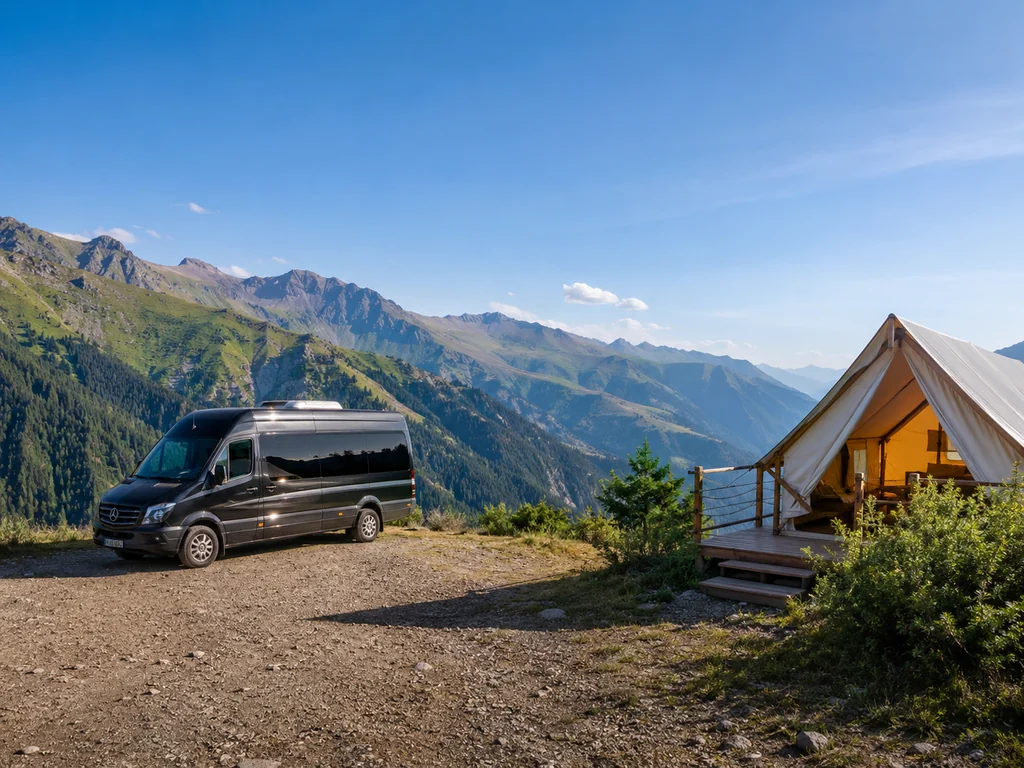
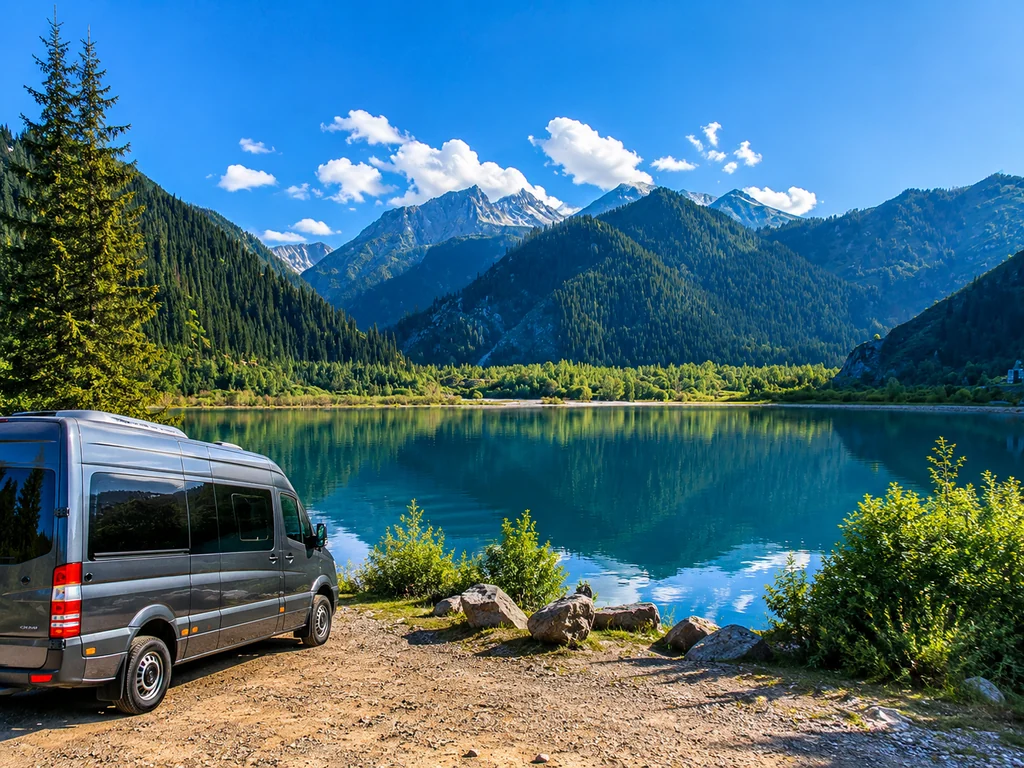
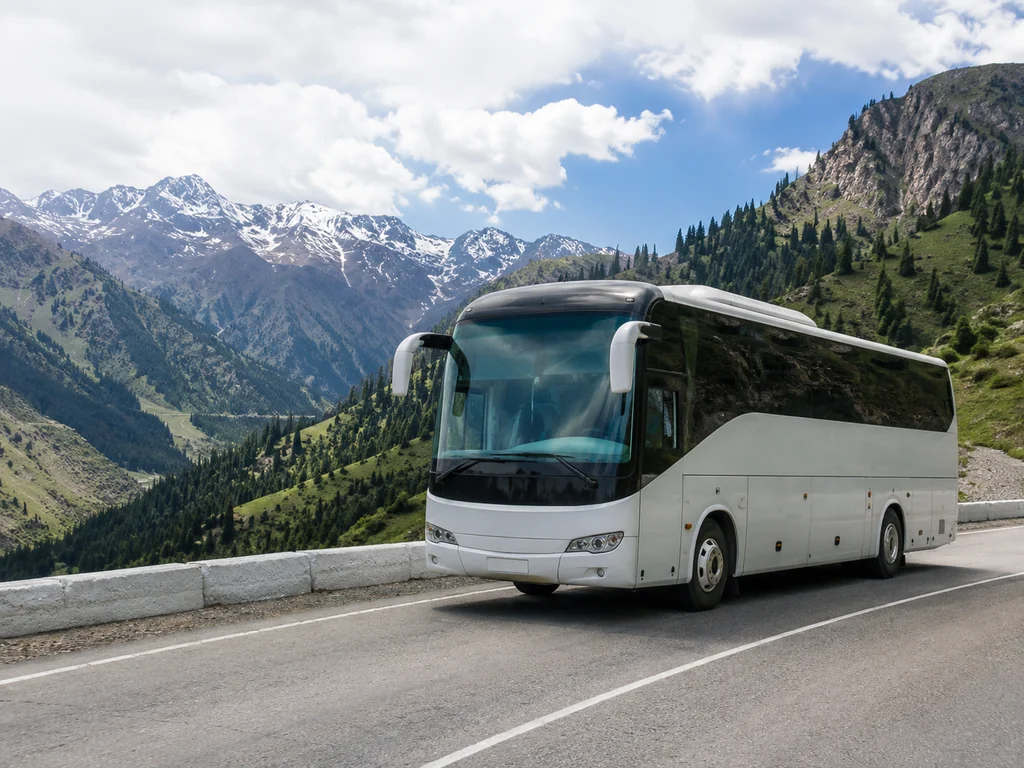
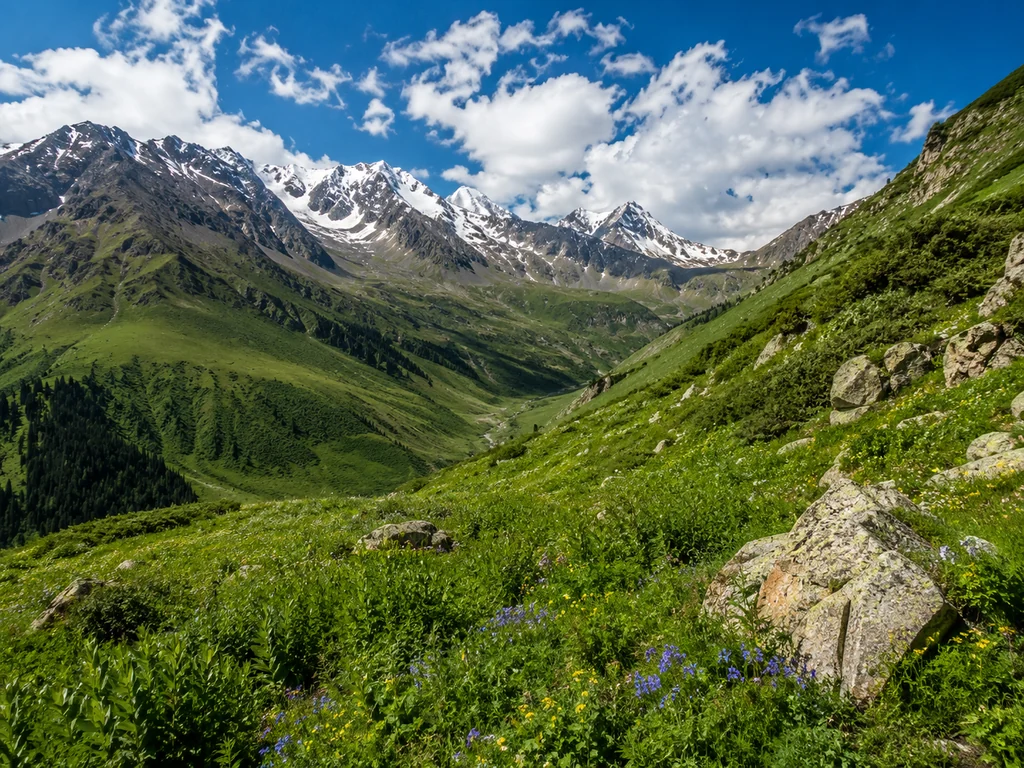
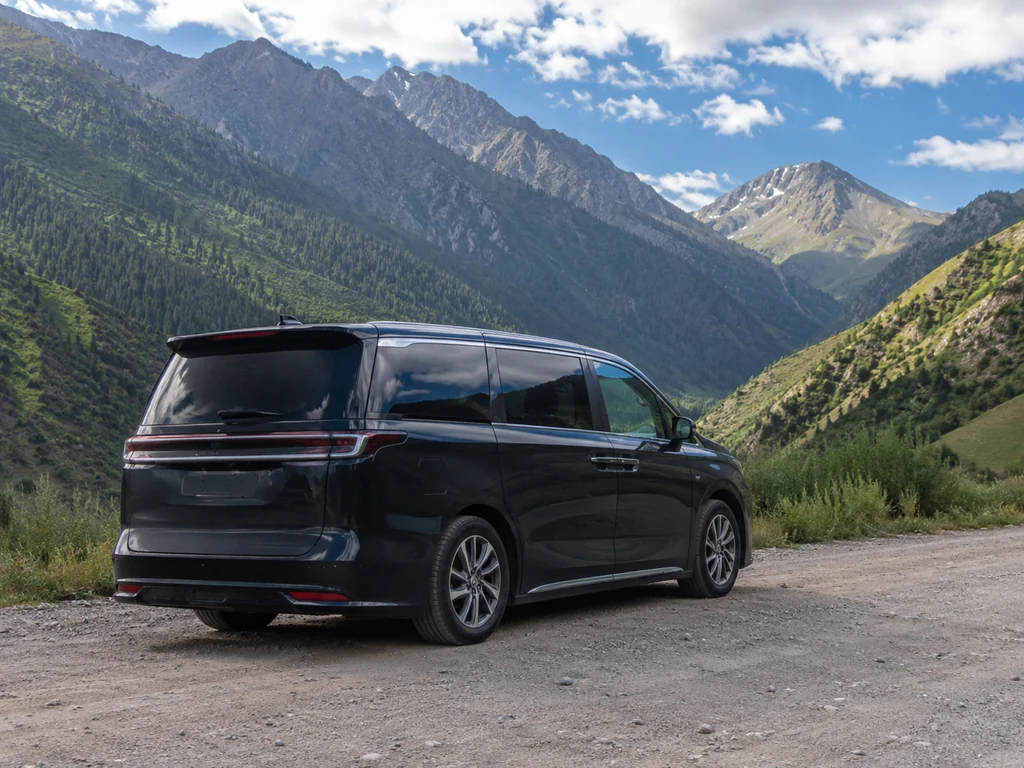
Group tours from Almaty by toor are ready-made itineraries with a certified guide, Hyundai Staria transfer, lunch, and insurance. Price — from 6,900 KZT per person per day. Groups from 4 to 20 people. Suitable for beginners and experienced travelers. Direct organizer — no extra charges or intermediaries.
How to choose a tour by difficulty and duration
The main question for a beginner is, "Can I handle it?" We break down how tour operators divide routes into three difficulty levels and which option to choose based on your experience and time.
Easy routes for beginners with no hiking experience
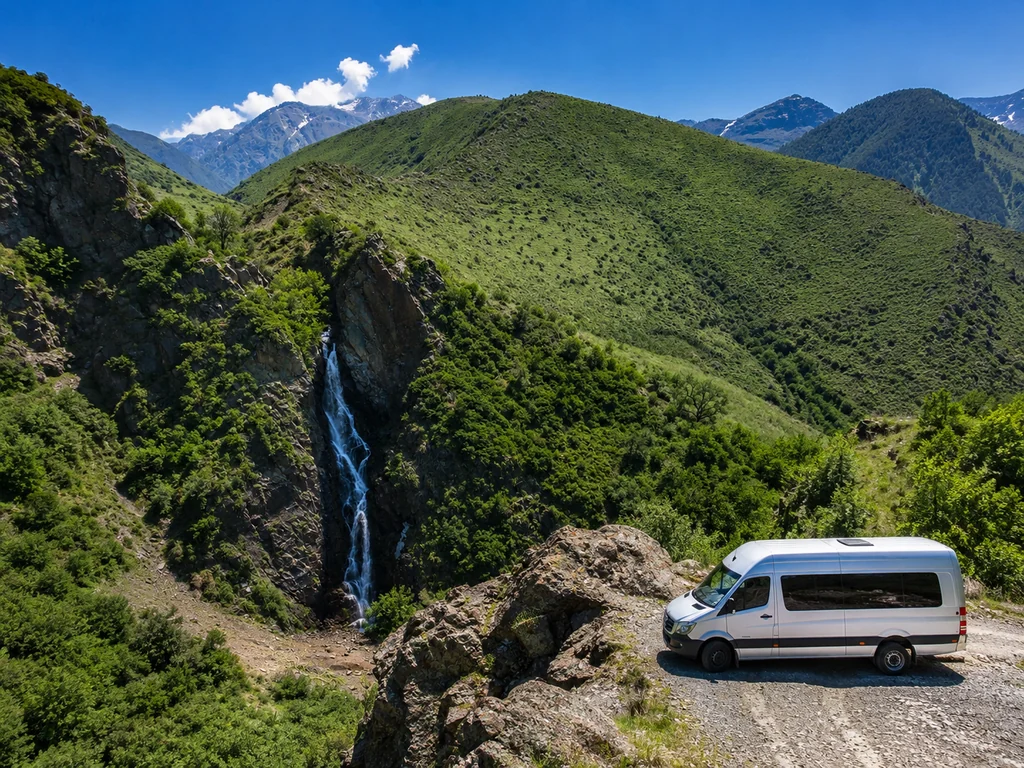
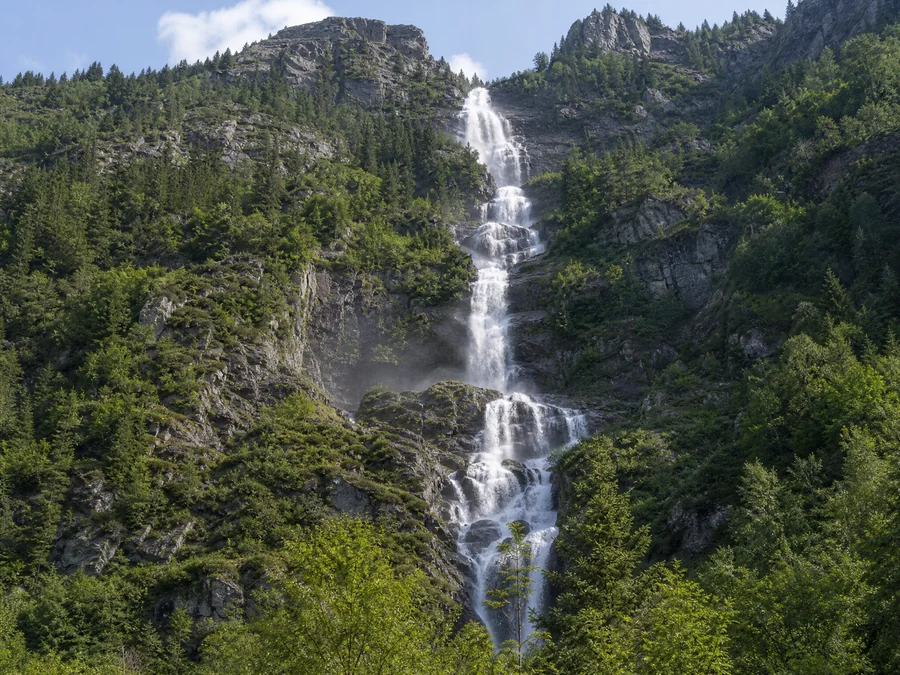
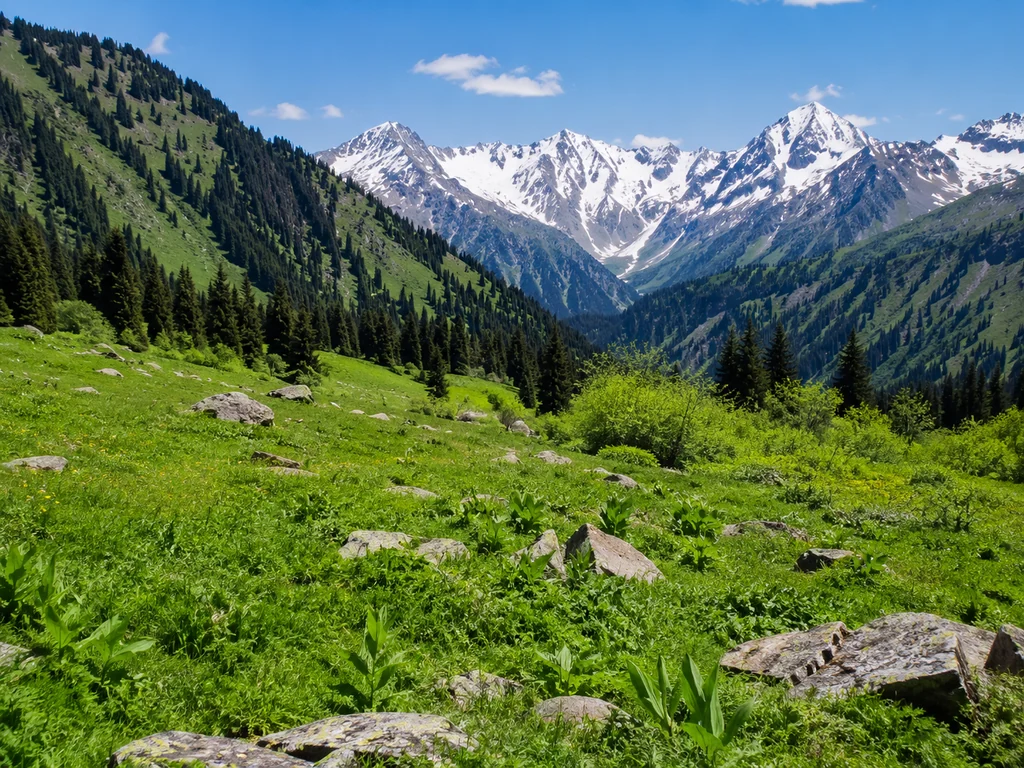
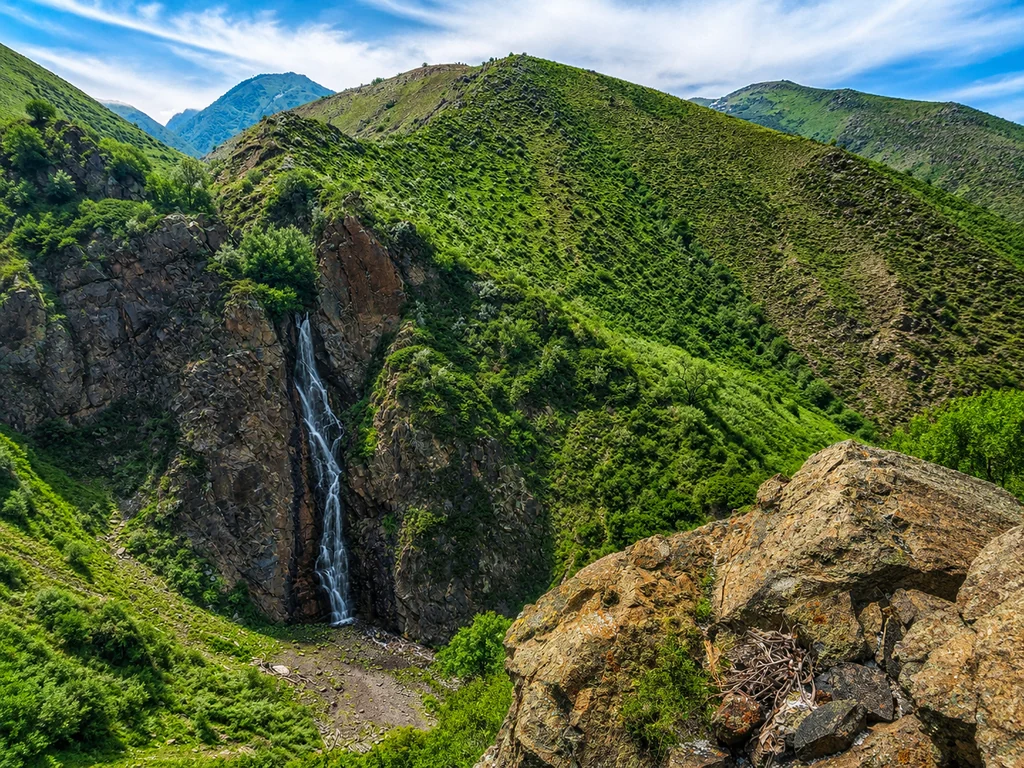
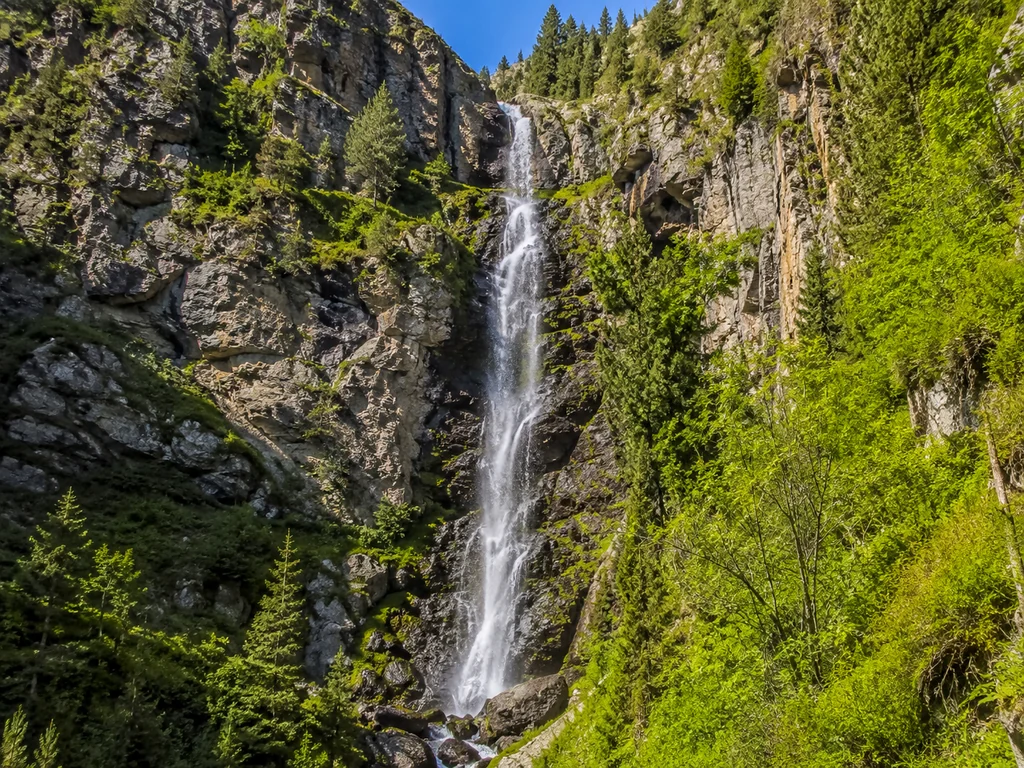
Easy routes include walks through the Alma-Arasan Gorge and to Medvezhiy Waterfall — elevation gain up to 300 m, duration 4–5 hours, suitable for any fitness level. These group excursions from Almaty require no special gear: trekking poles and sit pads are provided on-site, and lunch is included. The trail has wooden boardwalks and bridges over streams — your heart rate stays below 120 bpm, comfortable even for office workers without sports training. Beginners are advised to start with a one-day tour to assess their real endurance and decide if they're ready for two-day trips with an overnight stay. Group tours in Almaty with toor are a ready-made format where you don't need to worry about logistics.
Medium-difficulty routes for prepared groups
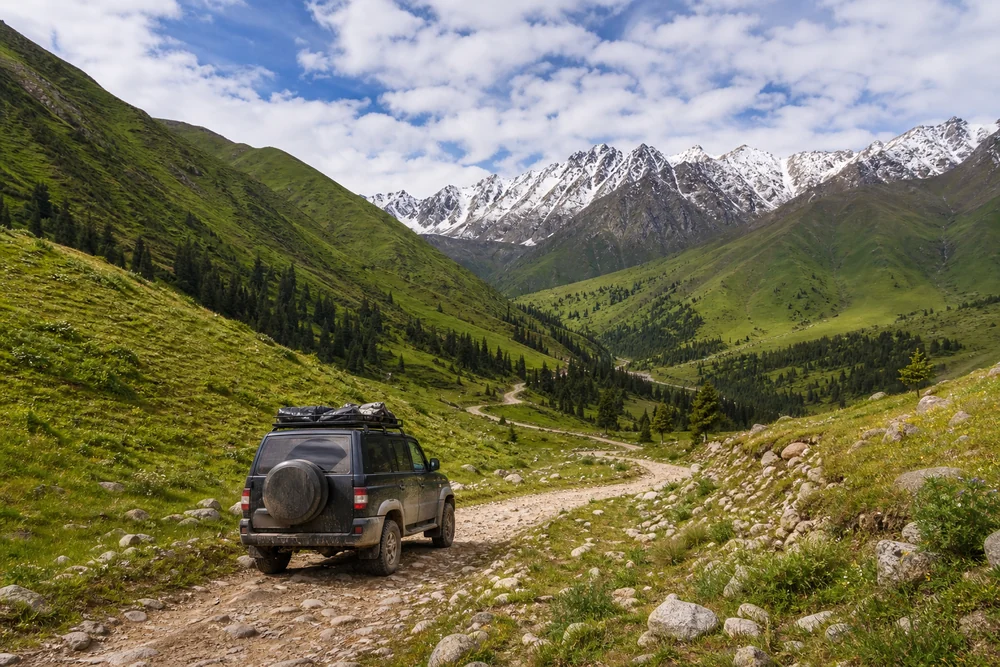
Medium-difficulty routes — Big Almaty Lake and Turgen Gorge — have an elevation gain of up to 600 m and take 6–8 hours, so we recommend them for groups where at least half the participants have basic physical fitness. At Big Almaty Lake, the group climbs a serpentine road from 2,000 to 2,600 m — even trained tourists take 2–3 breaks to catch their breath. Turgen Gorge is more challenging: the trail goes along a rocky riverbed with boulders, requiring stability and coordination. If your group has mixed fitness levels, choose the medium route: the guide can always adjust the pace and make unscheduled stops, and no one will fall behind because the group moves at a unified rhythm.
Difficult routes for experienced hikers
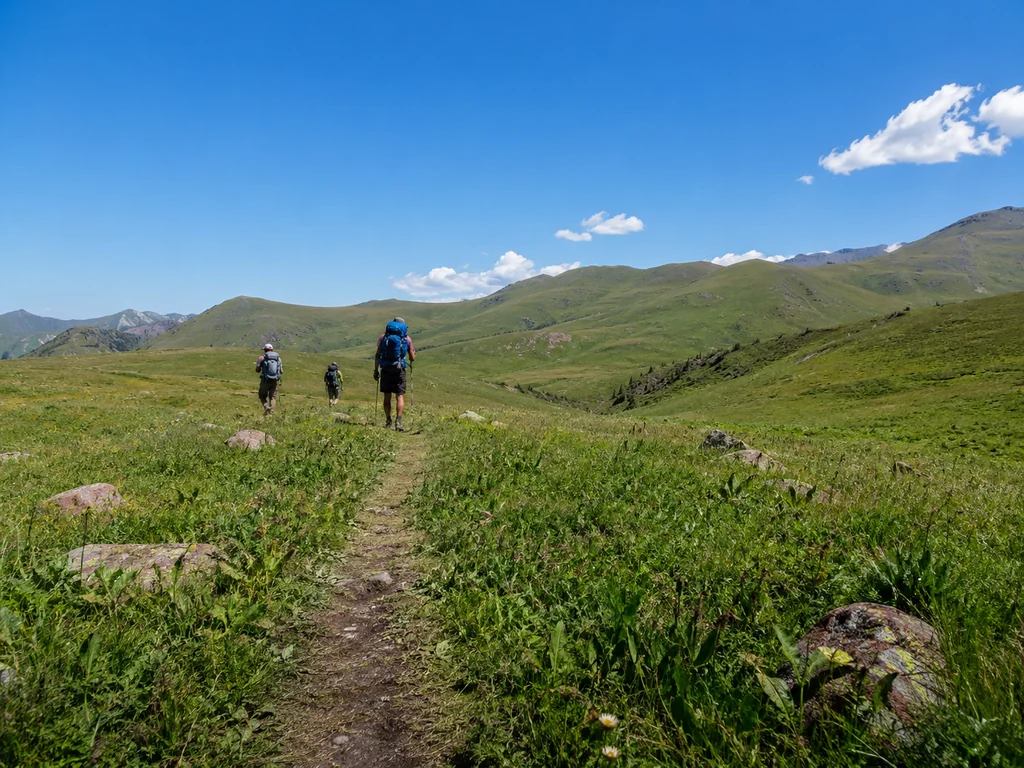
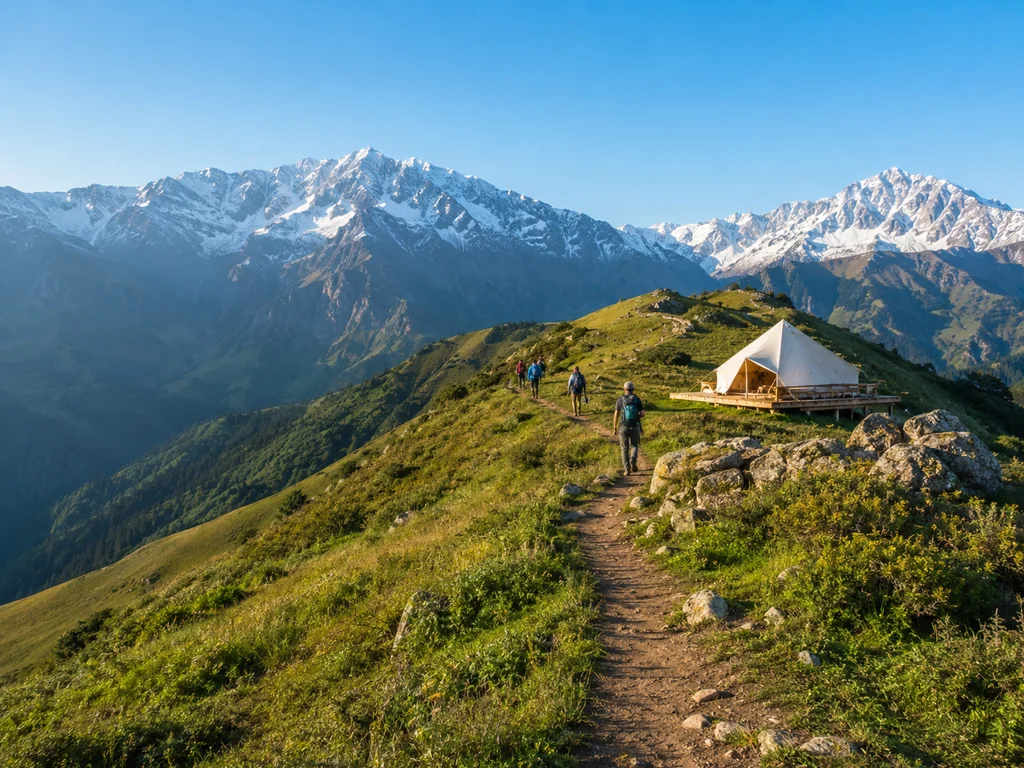
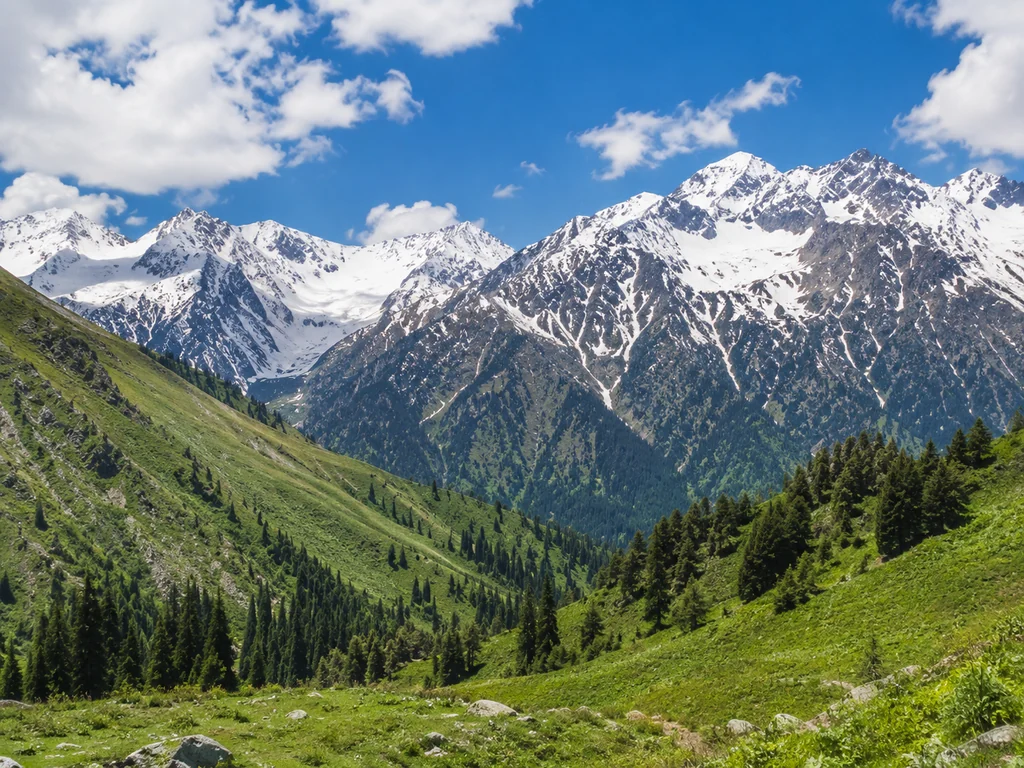
Difficult routes — multi-day treks to the Assy Plateau and Furmanov Peak with elevation gains of over 1,000 m, lasting 3–5 days with overnight camping — are only available to participants with trekking experience. The Assy Plateau is at an altitude of 2,800 m with sharp temperature swings: +25°C during the day, +5°C at night, requiring a sleeping bag with a comfort temperature of at least -5°C. Furmanov Peak (3,050 m) is technically more challenging: the final section is a rocky ridge with a 400 m gain over 1.5 km, where rope belaying is used. On these routes, the group hikes 8–10 hours per day, so organizers check participants' physical readiness during a pre-booking interview — this reduces the risk of dropping out on the second day.
Table: How to choose a tour by duration and difficulty
| Duration | Difficulty | Routes | Suitable for |
|---|
| 1 day | Easy | Alma-Arasan Gorge, Medvezhiy Waterfall | Beginners, families with children, corporate groups |
| 1 day | Medium | Big Almaty Lake, Turgen Gorge | Groups with basic fitness |
| 2 days | Medium | Charyn Canyon + Kolsai Lakes | Active tourists, groups of friends |
| 3 days | Medium/Difficult | Kolsai + Kaindy + Charyn | Experienced groups, photographers |
| 5 days | Difficult | Assy Plateau — Furmanov Peak | Experienced trekkers only |
If you're unsure between two options, choose the easier one: in the mountains, it's better to underestimate your strength than overestimate it.
Best routes for group tours from Almaty
We break down the five most popular destinations — from one-day trips to multi-day expeditions with overnight stays. Each route includes specific details: what you'll see, how long you'll walk, and what's included.
Charyn Canyon and Kolsai Lakes — a classic 2-day tour
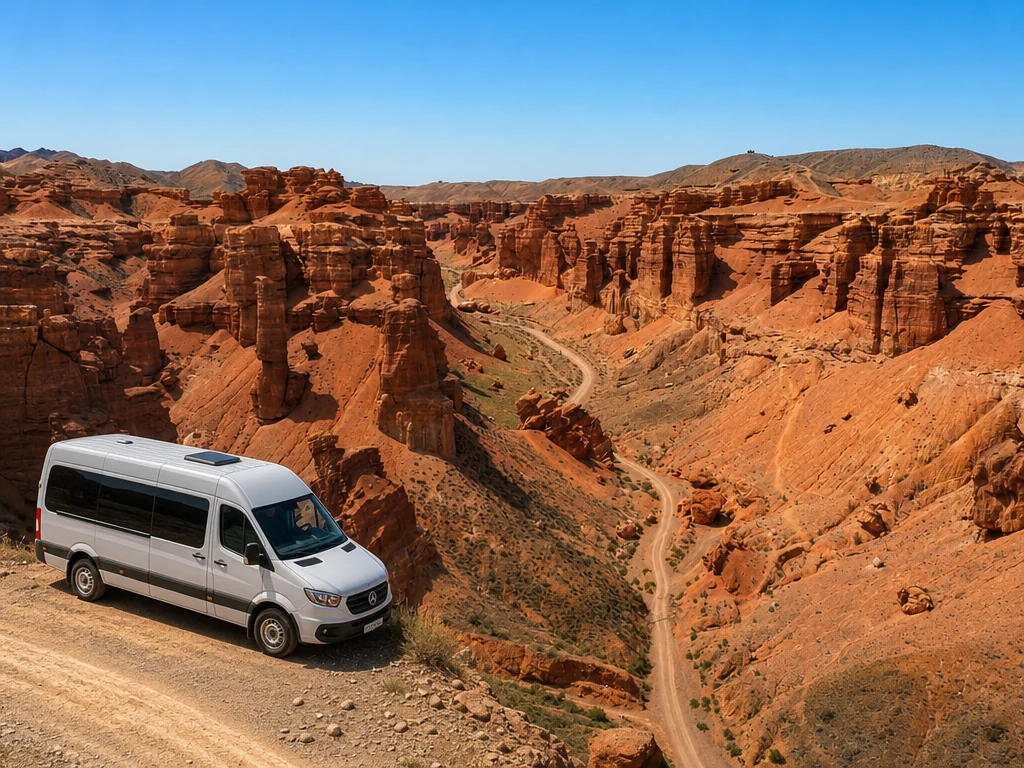
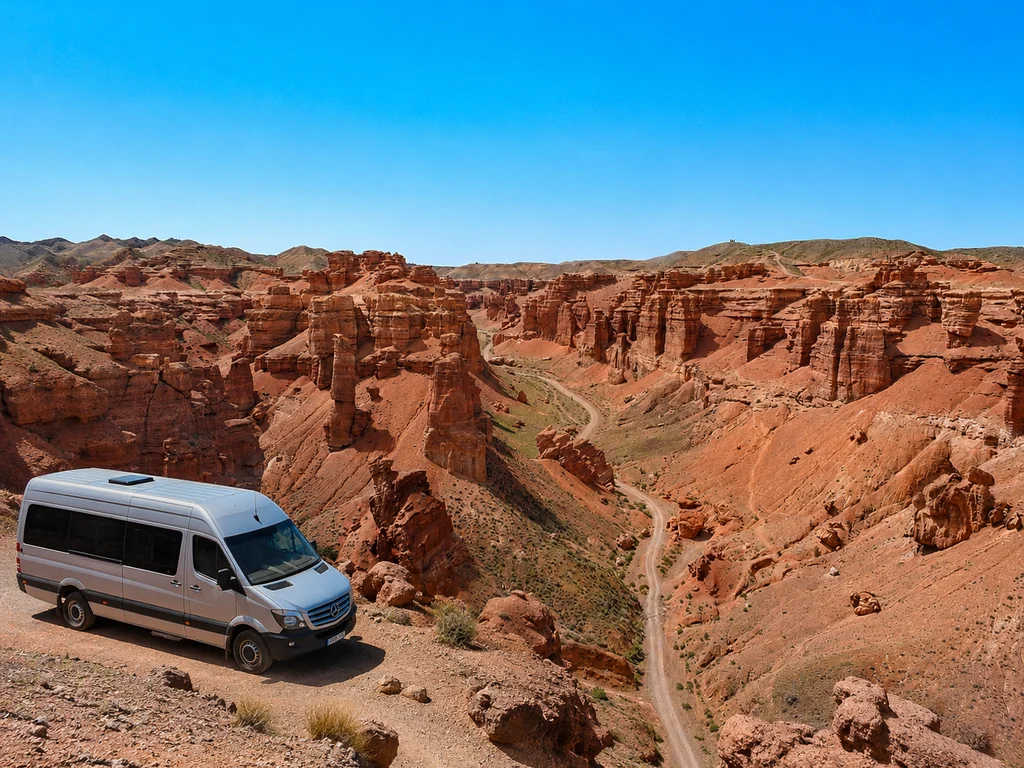
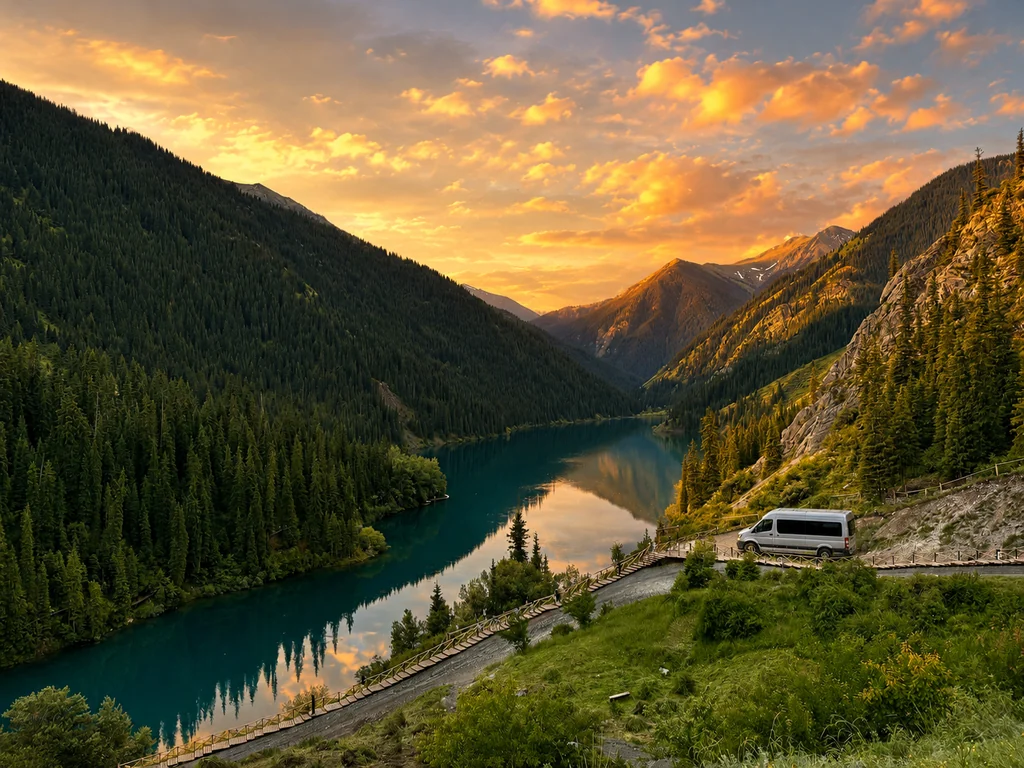
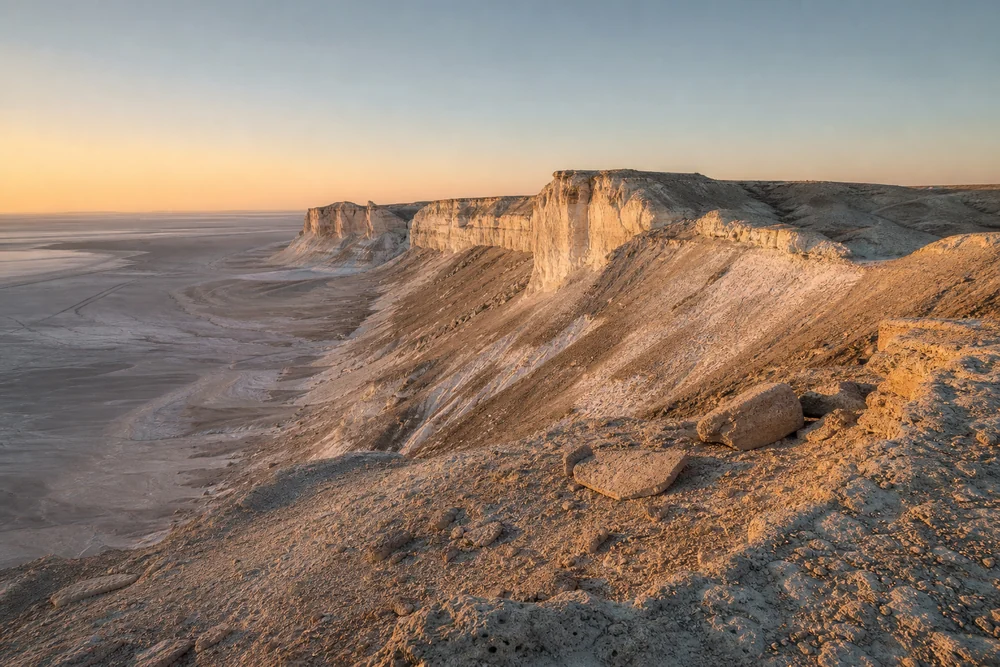
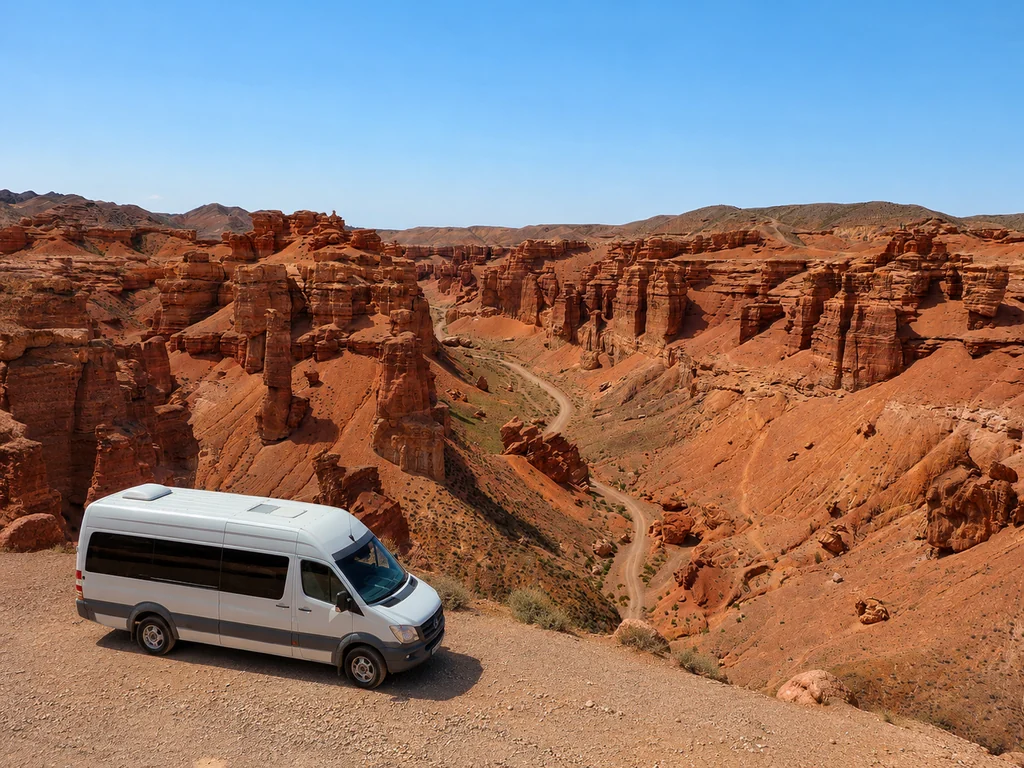
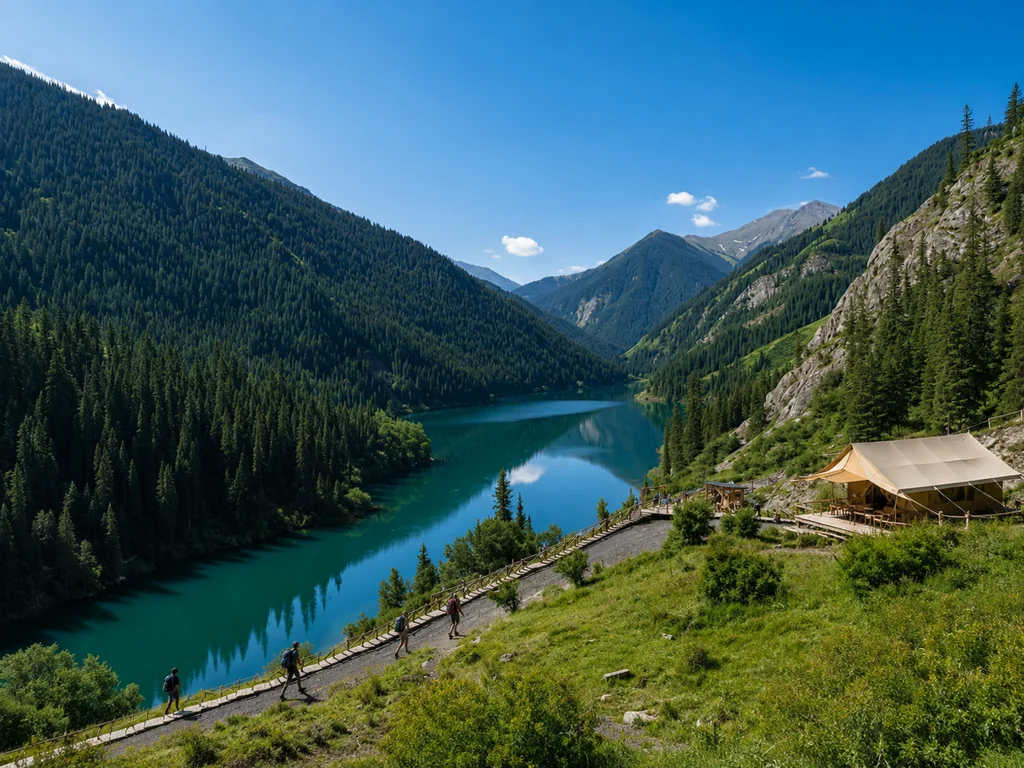
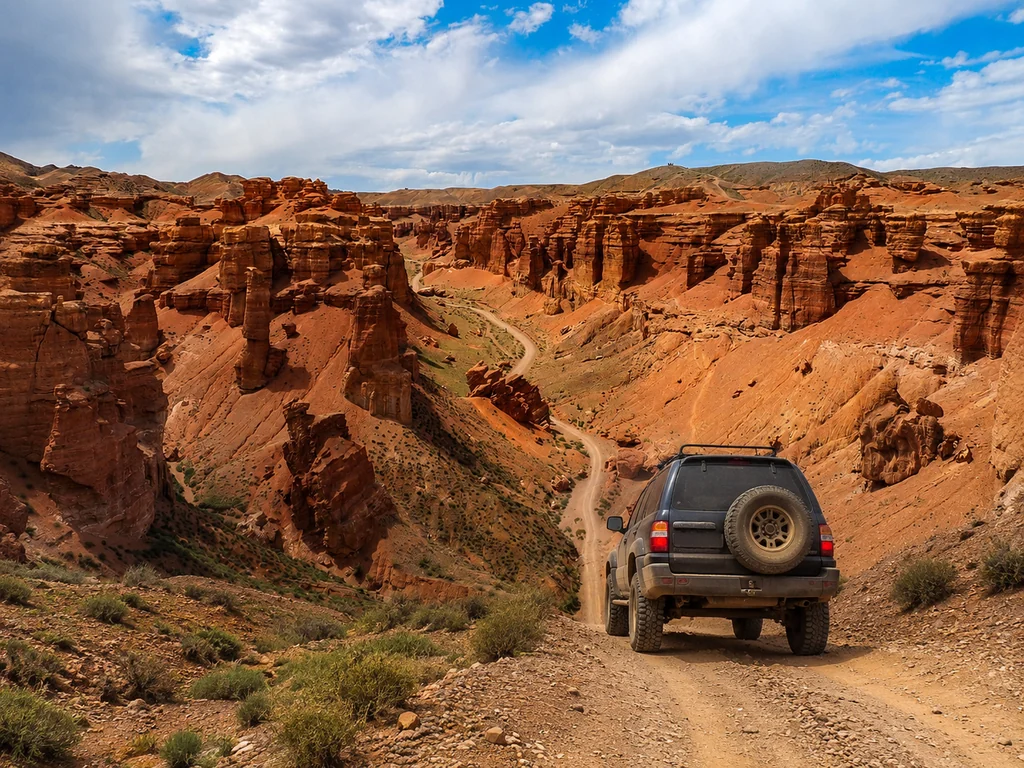
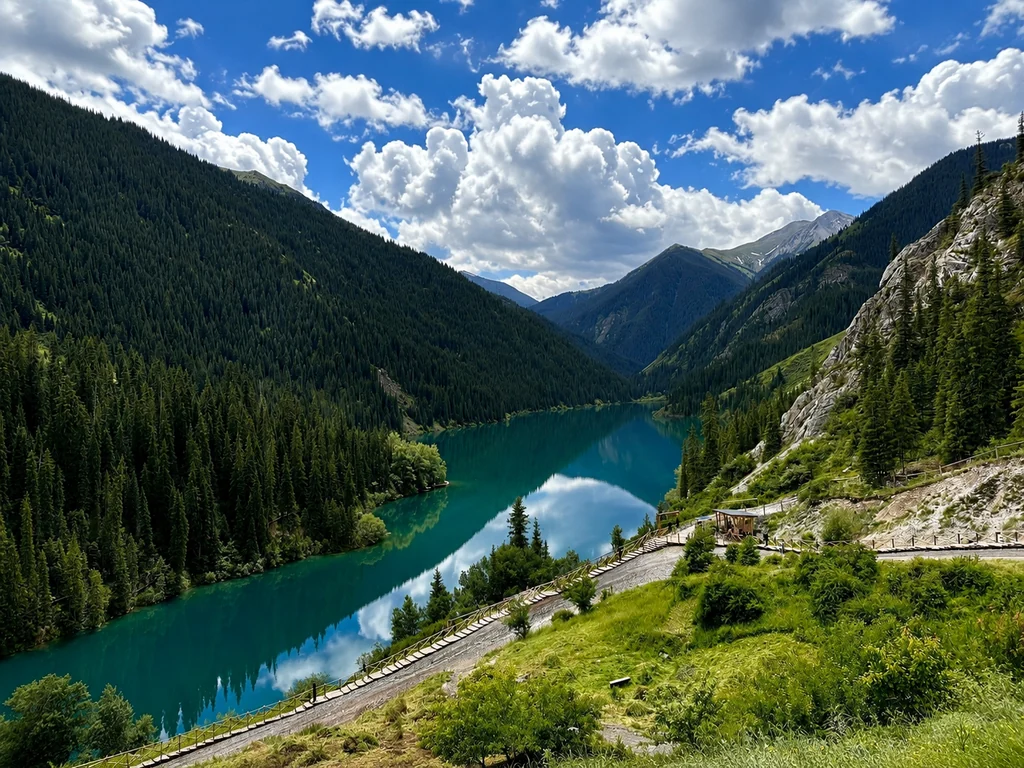
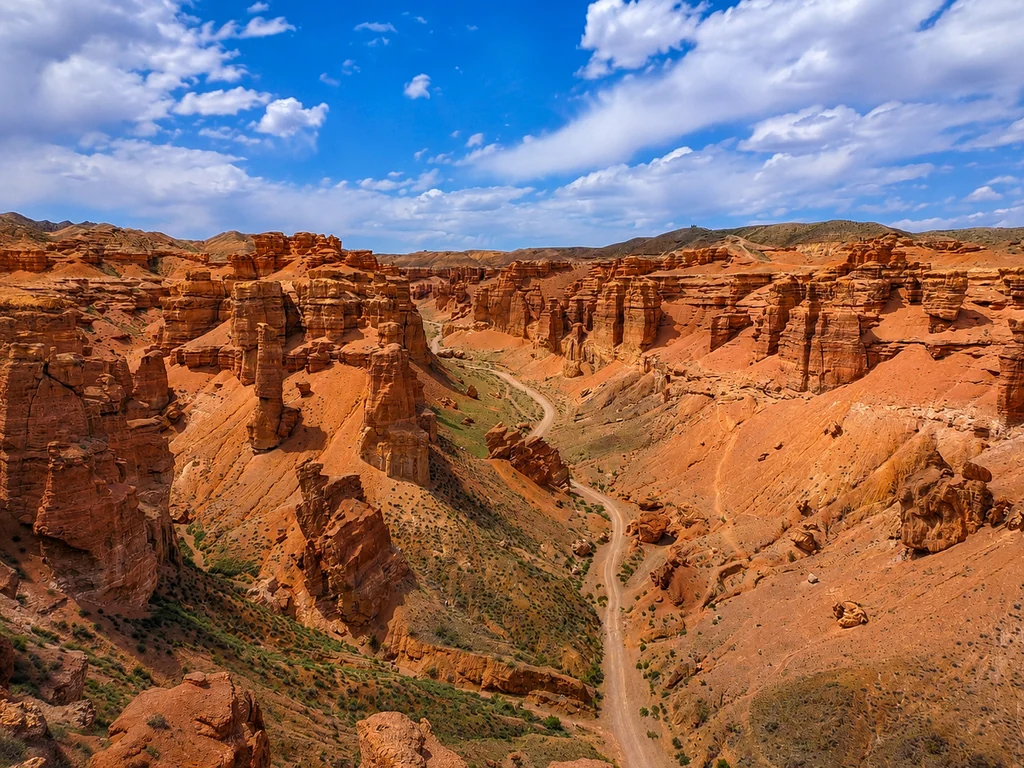
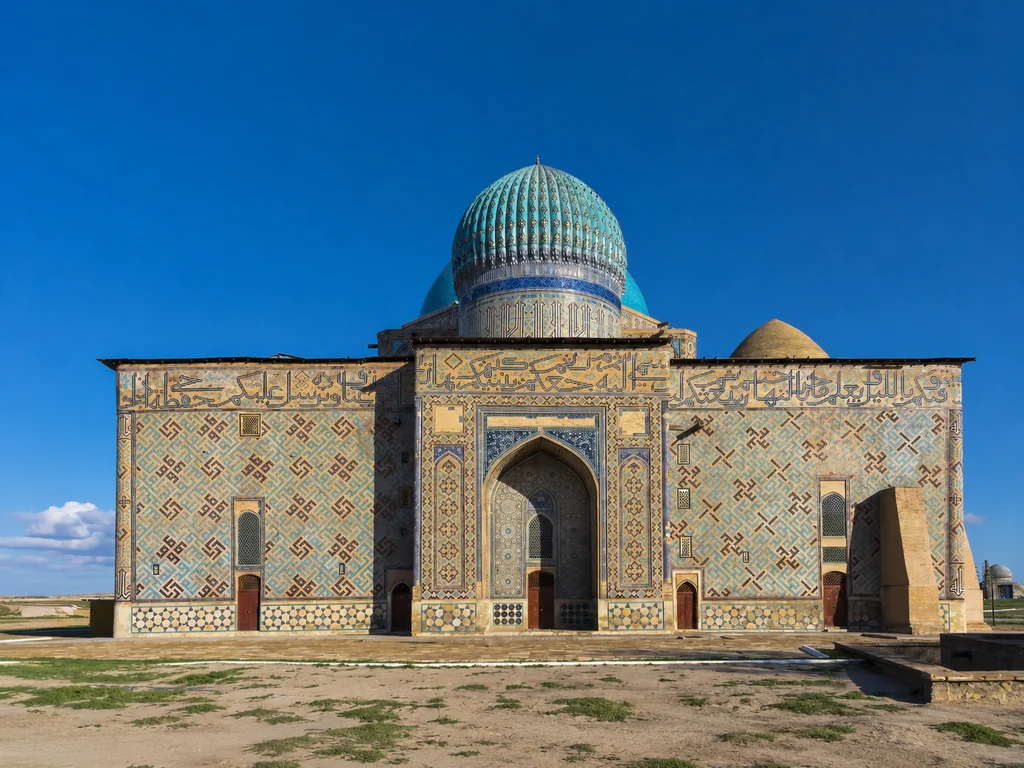
The two-day tour "Charyn + Kolsai" is the most popular route among groups: on the first day, you hike through Charyn Canyon (15 km, medium difficulty), stay overnight at a guesthouse, and on the second day, you ascend to the Kolsai Lakes with lunch on the shore. Group excursions from Almaty on this route include everything you need — from transfer to lunch. The Hyundai Staria transfer picks up the group from the hotel at 7:00 AM, returning on the second day by 7:00 PM — convenient for those taking a weekend group tour from Almaty. Two-day group trips from Almaty are the optimal format for active recreation with colleagues. The price includes both lunches, national park entrance fees, and insurance — no extra payments needed. We recommend booking this tour on weekdays: on weekends, Kolsai is crowded, but on weekdays, your group often has the lake to themselves — the difference in experience is huge.
Big Almaty Lake — a one-day tour for the whole group
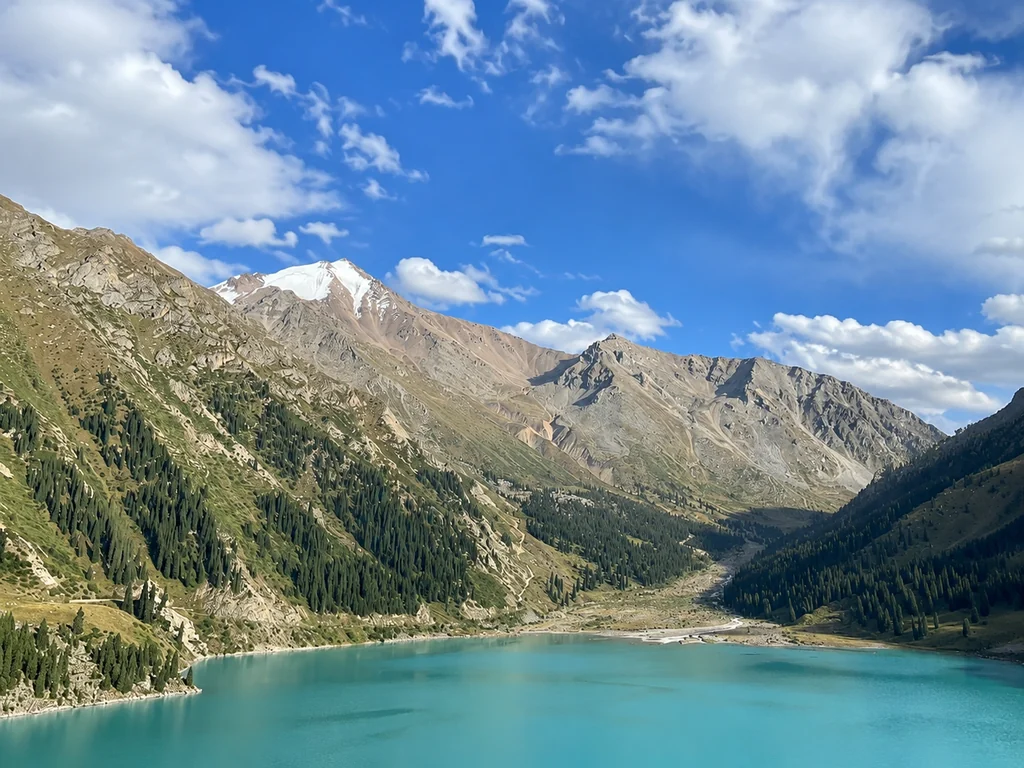
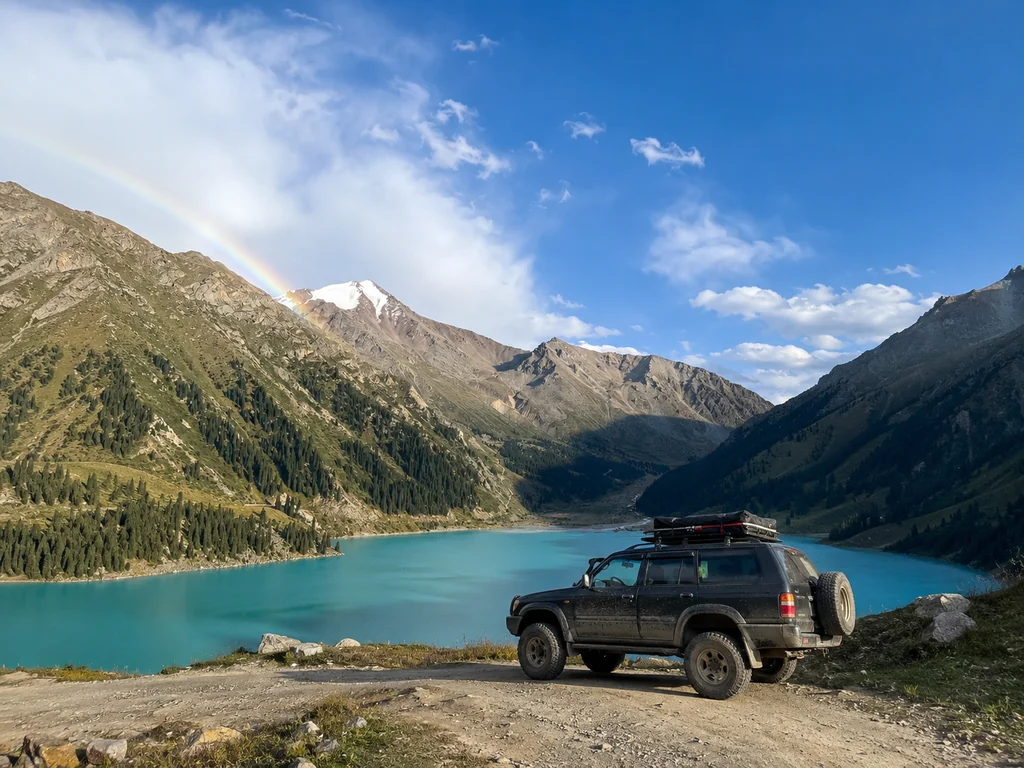
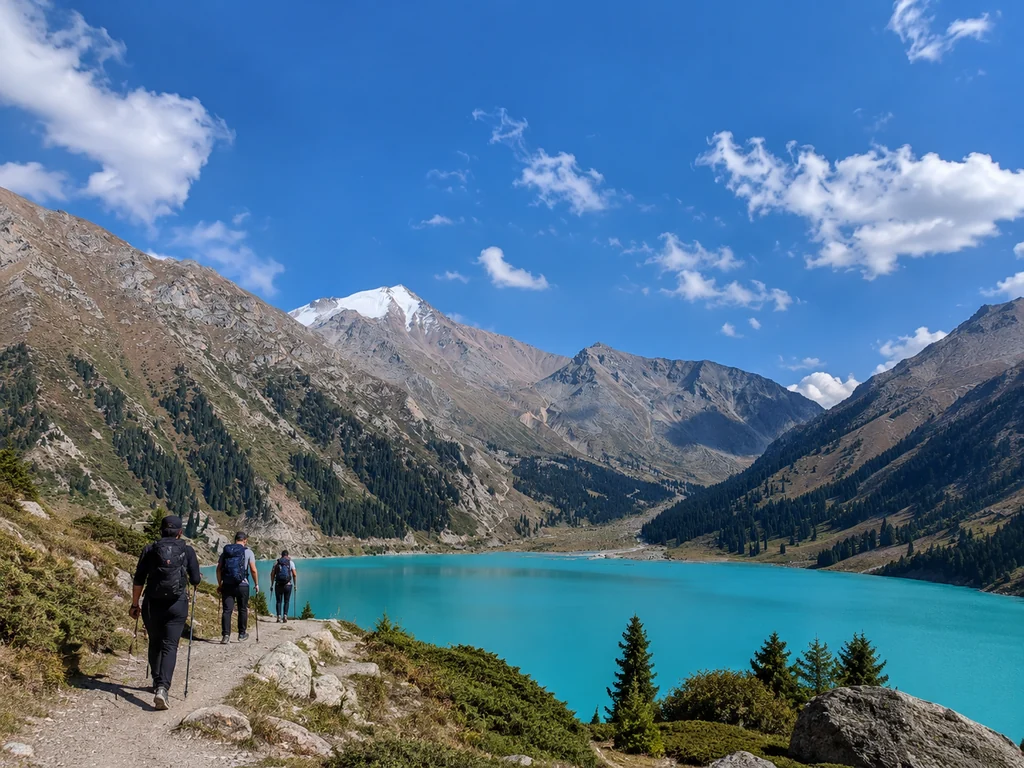
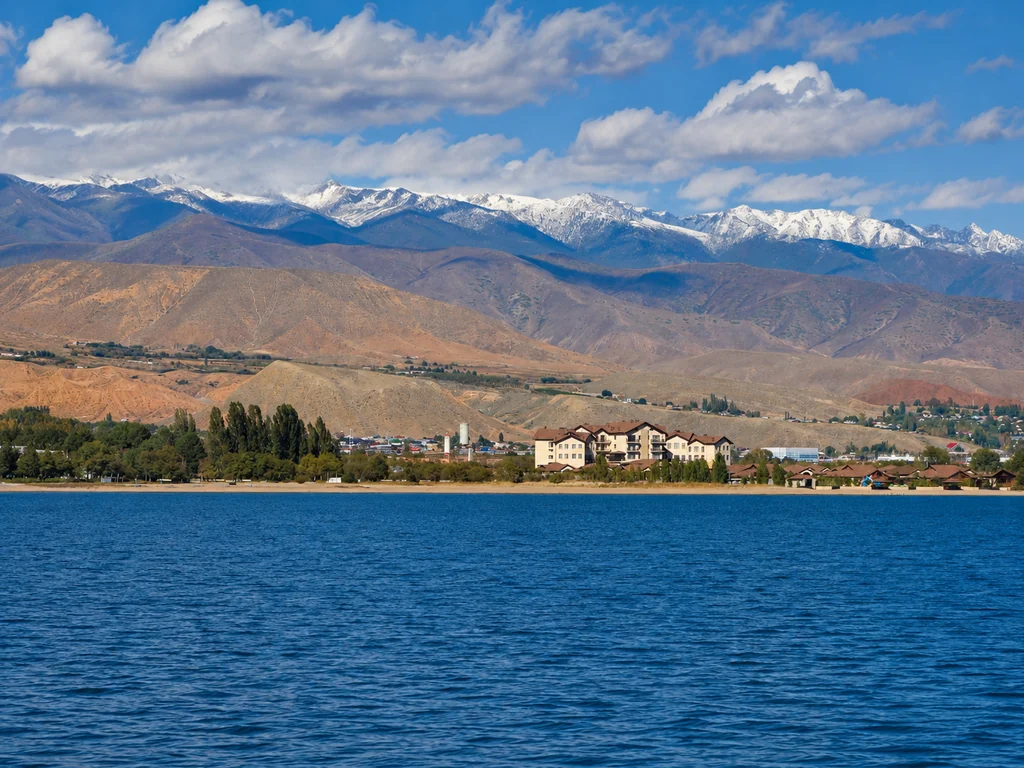
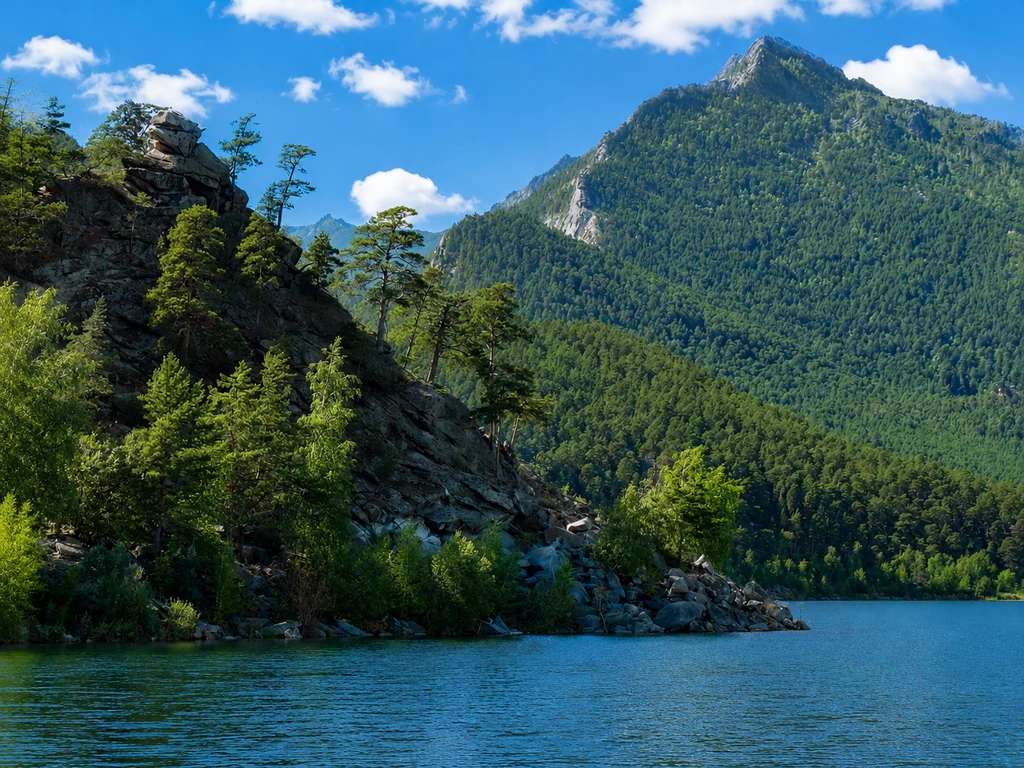
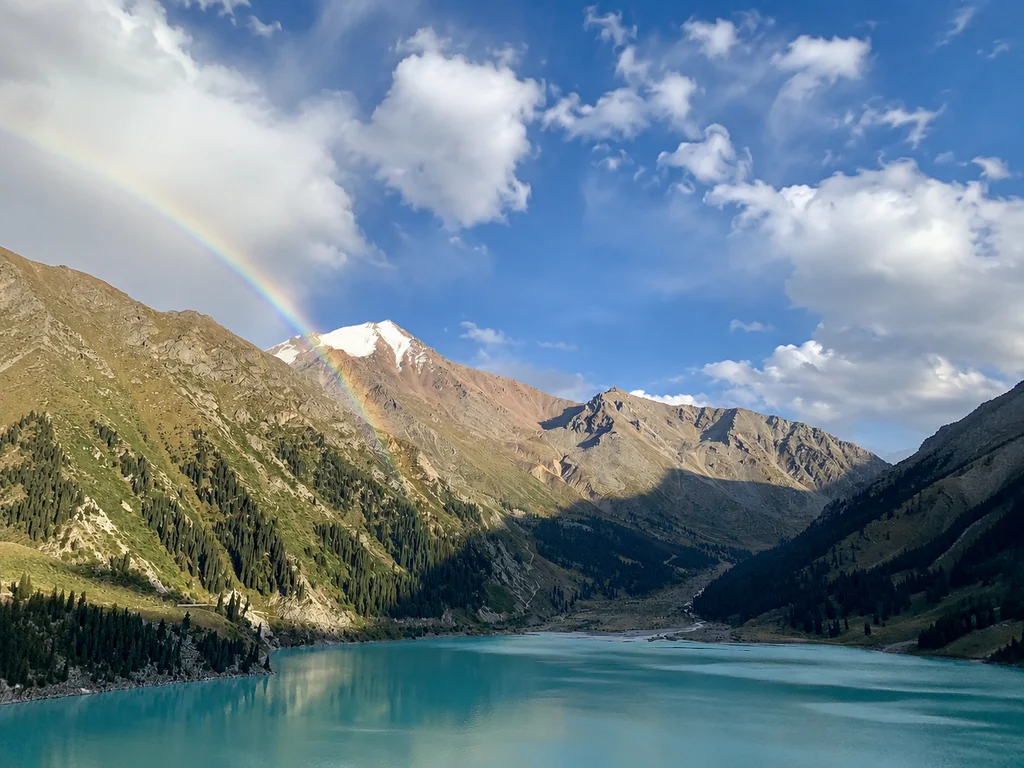
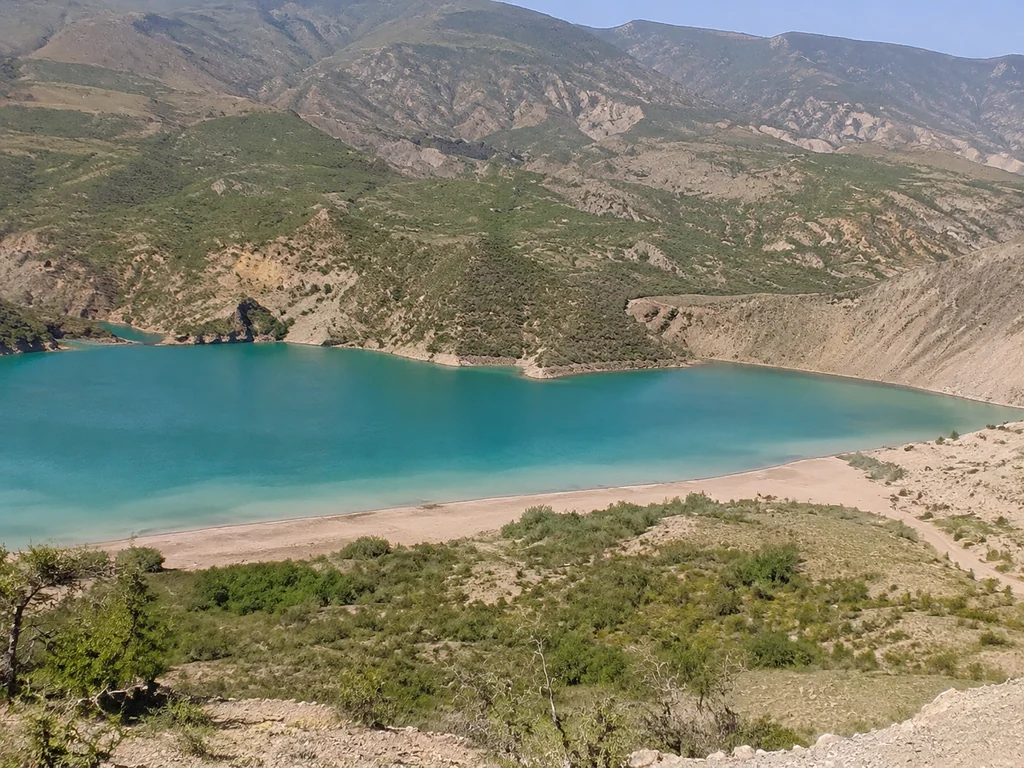
The one-day tour to Big Almaty Lake is an ideal option for a group that wants to go to the mountains without preparation: departure at 8:00 AM, transfer by Hyundai Staria, a walk around the lake (5 km, easy level), lunch with a view of the water, and return by 5:00 PM. The drive from the city takes only 40 minutes, and the infrastructure — cafes, toilets, boardwalks to the water — ensures comfort even for first-time mountain visitors. At an altitude of 2,510 m, acclimatization is quick, but just in case, guides carry oxygen canisters — there are 2–3 cases of mild dizziness per season among tourists who go straight from the plane to the mountains. Big Almaty Lake is the most accessible route for a corporate event: the drive from the city takes only 40 minutes, and the infrastructure makes even beginners feel comfortable.
Lake Kaindy and Turgen Gorge — for lovers of unique views
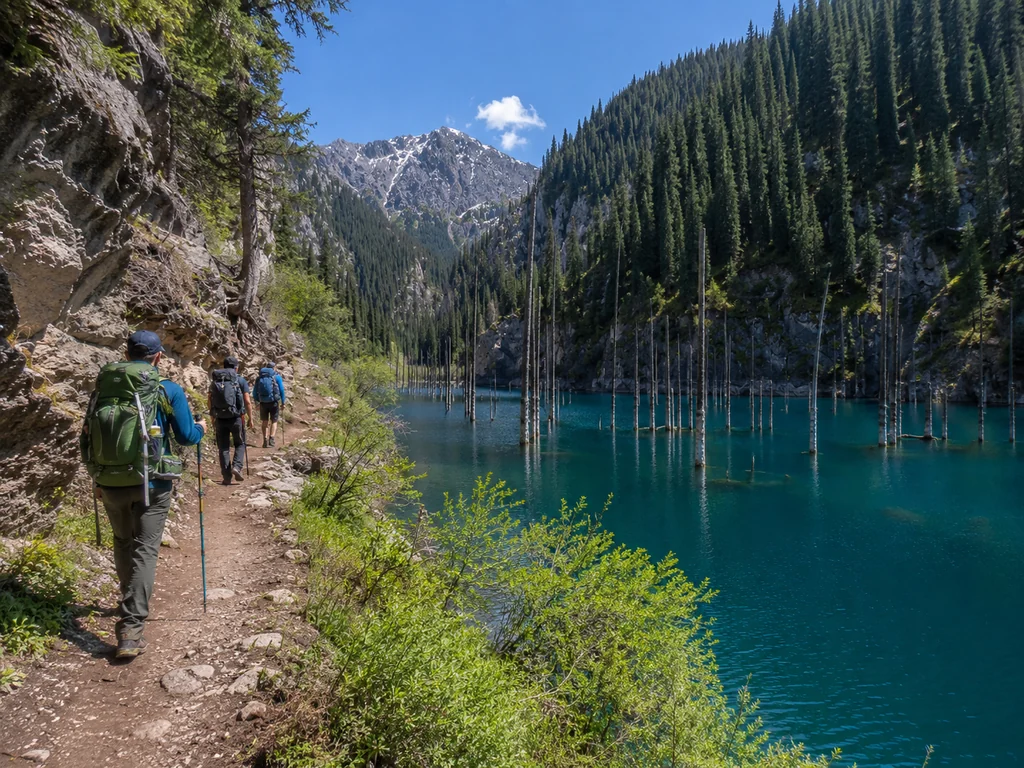
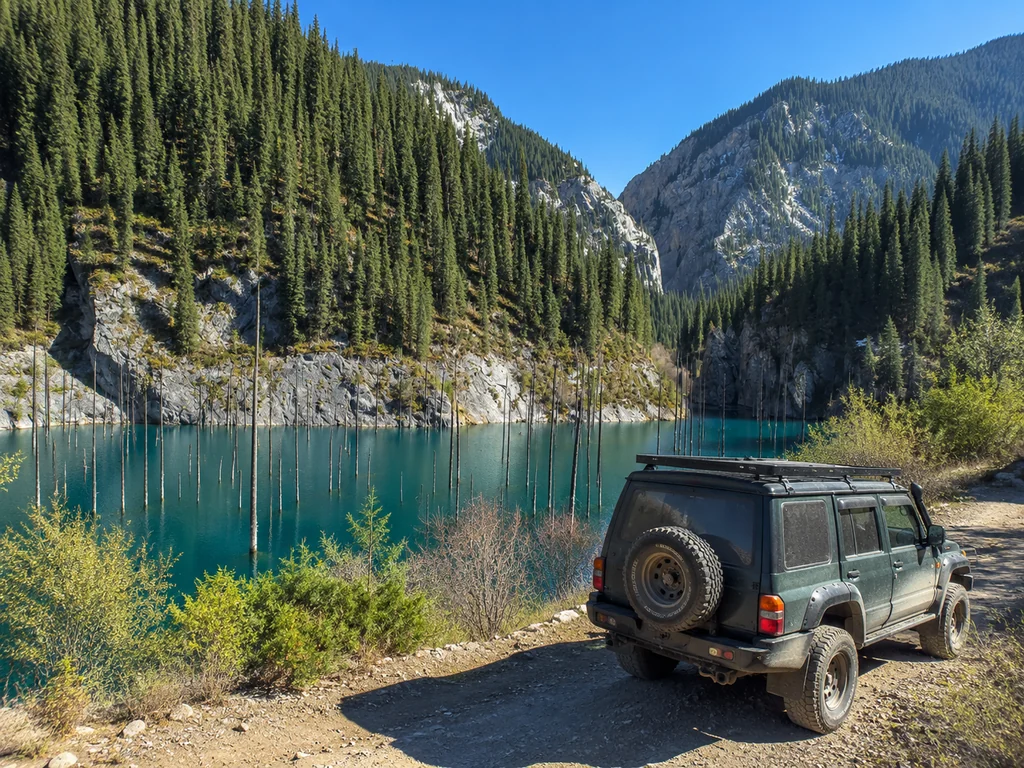
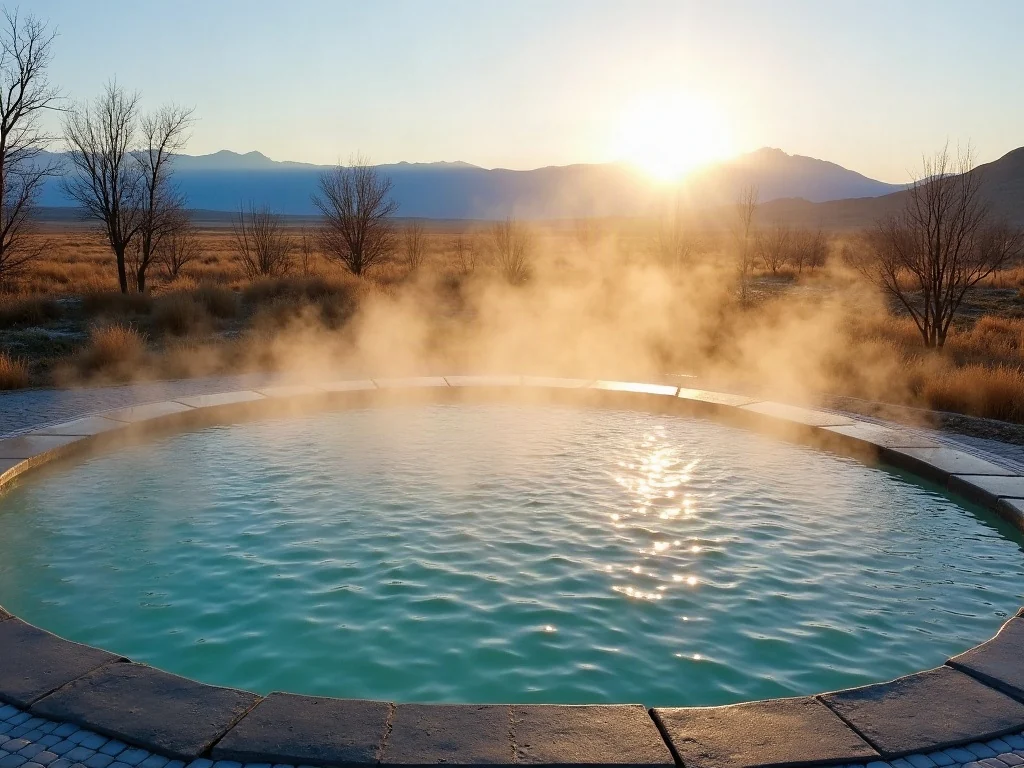
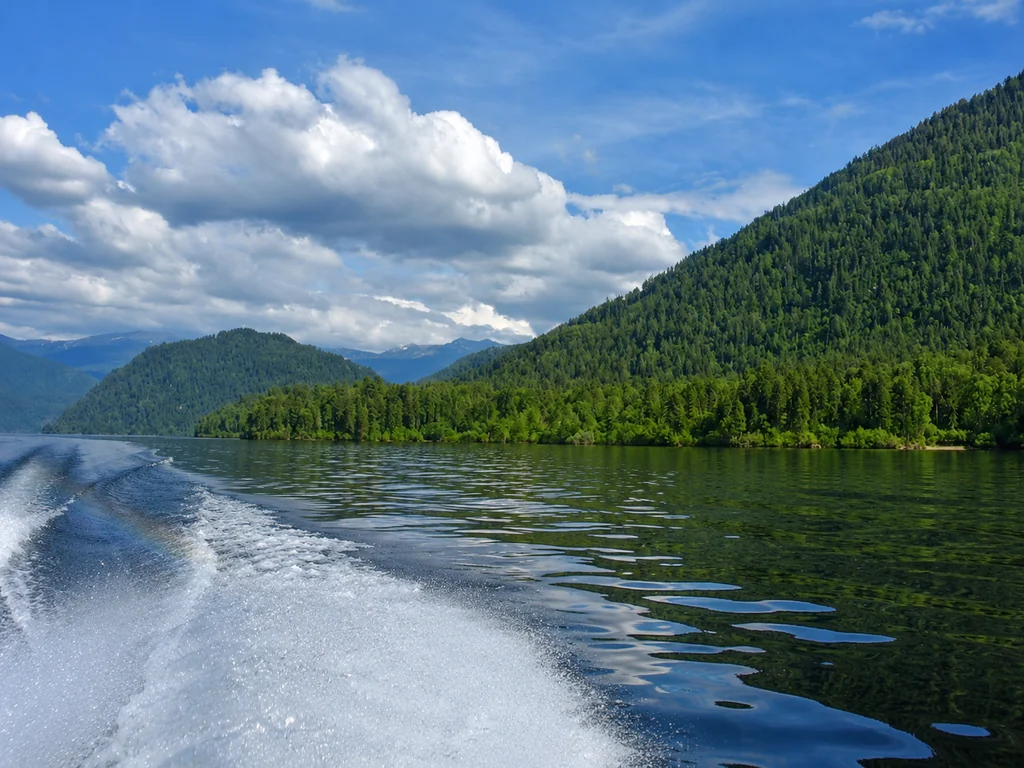
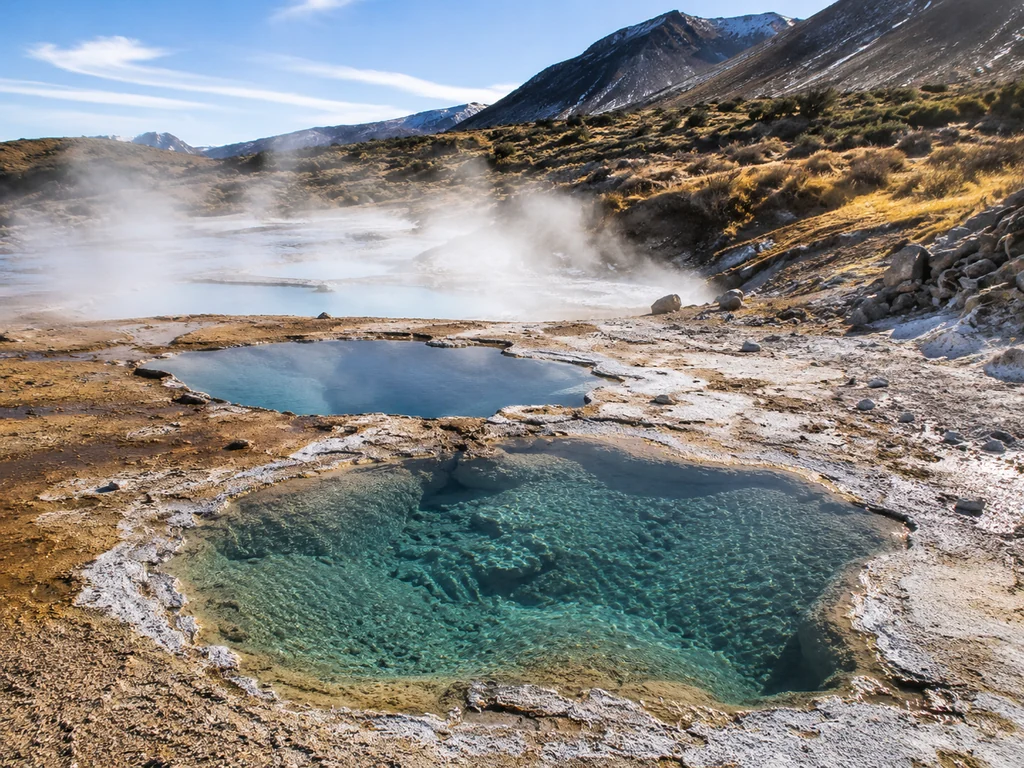
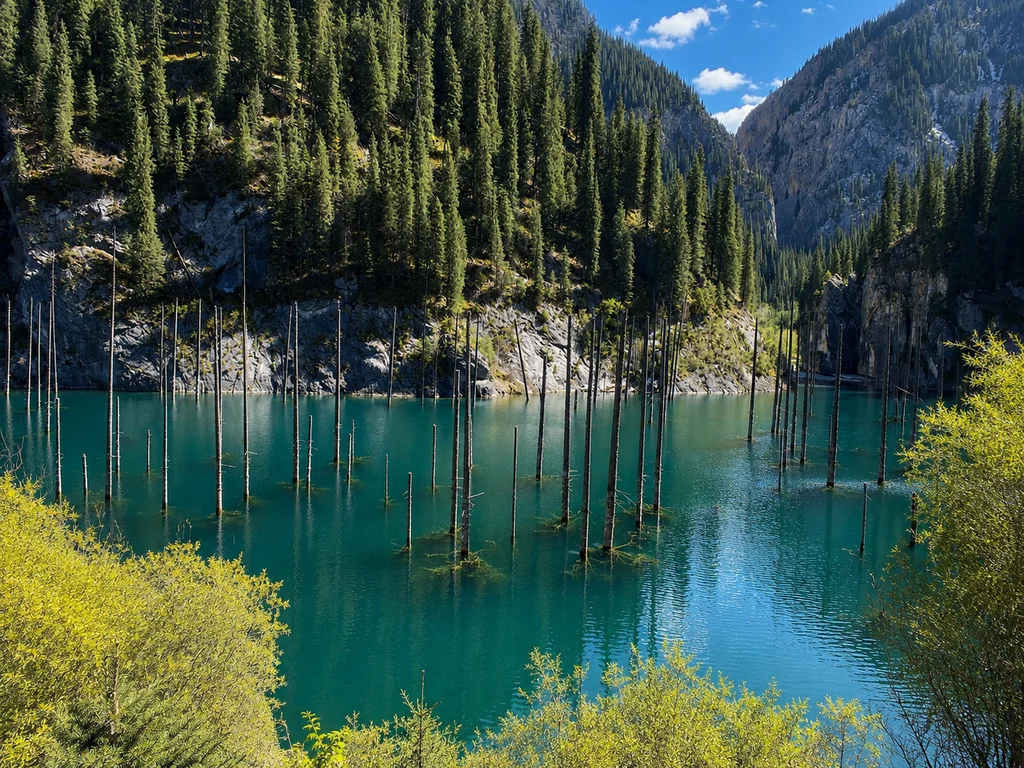
The three-day tour "Kaindy + Turgen" includes the underwater forest of Lake Kaindy (unique submerged spruce trees), the thermal springs of Turgen Gorge, and an overnight stay in a guesthouse — a medium-difficulty route with an elevation gain of up to 500 m. On the first day, the group goes to Kaindy and walks along the shore (6 km); on the second day, they transfer to Turgen for a soak in the springs (39–42°C); on the third day, they hike to Medvezhiy Waterfall and return to the city. Lake Kaindy is best seen in May–June when the water is clear and tree trunks are visible 10–15 meters deep — by mid-summer, the water becomes murky due to algae bloom, so plan your photo trip for early season. On this route, we provide a satellite phone: on the Assy Plateau, there is no cellular coverage, and communication with the city is only possible via satellite, so the group is always in contact with the base.
Assy Plateau and Furmanov Peak — for experienced groups
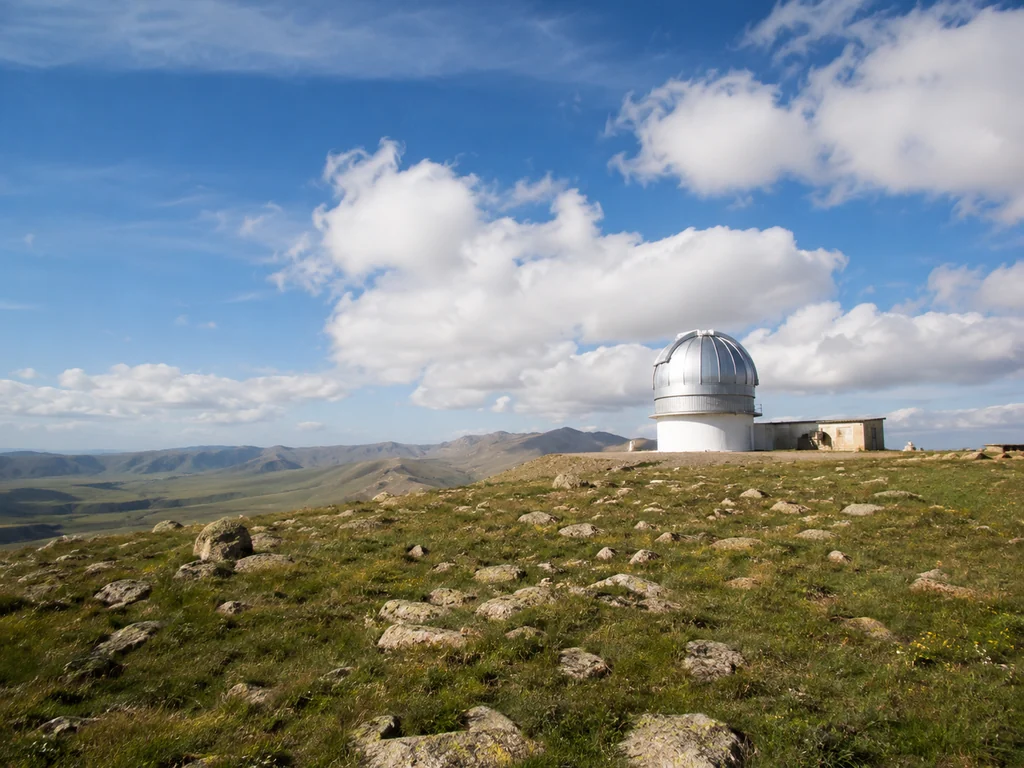
The five-day tour to the Assy Plateau with an ascent of Furmanov Peak (3,800 m) is the most difficult route in the lineup: daily treks of 8–10 hours, overnight camping, full autonomy, only for groups with mountain hiking experience. Gear — trekking poles, sit pads, gas stove — is provided on-site, food is purchased centrally, and a guide-instructor with an Emergency Ministry certificate leads the group. On this route, we provide a satellite phone: on the Assy Plateau, there is no cellular coverage, and communication with the city is only possible via satellite, so the group is always in contact with the base.
Seasonality: when is the best time for a group tour
Kazakhstan's mountains are beautiful at different times of the year, but each season has its own conditions. We break down when and where to go as a group — from May flowers to winter snowshoes.
Main season: May–October — what blooms and when
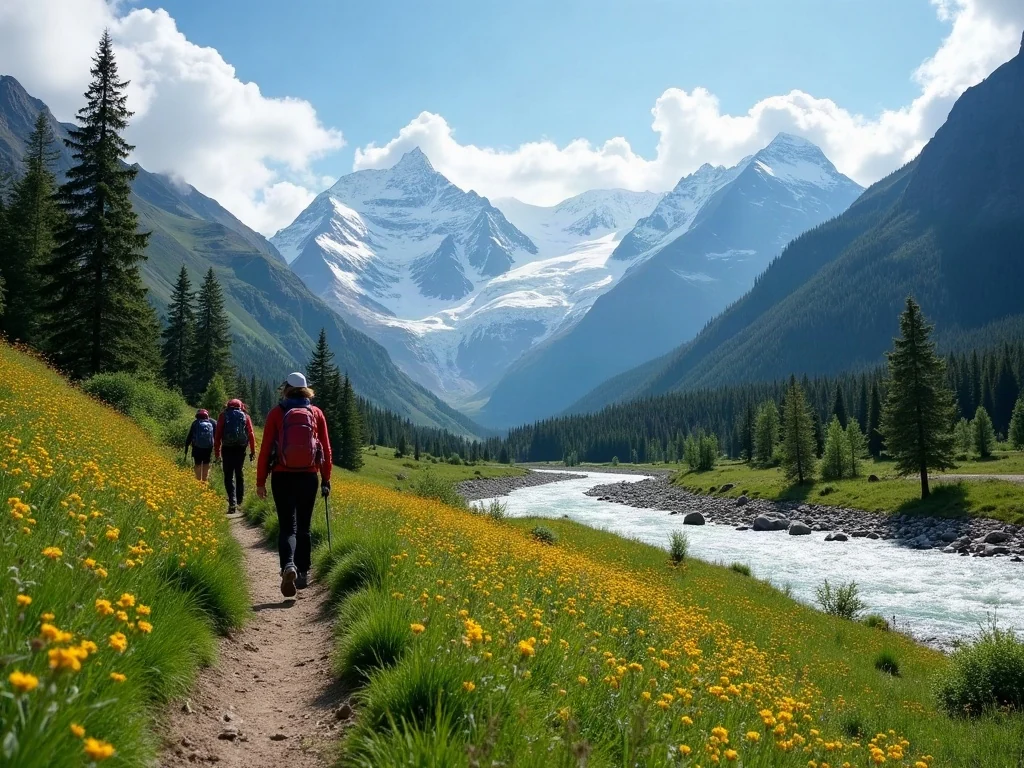
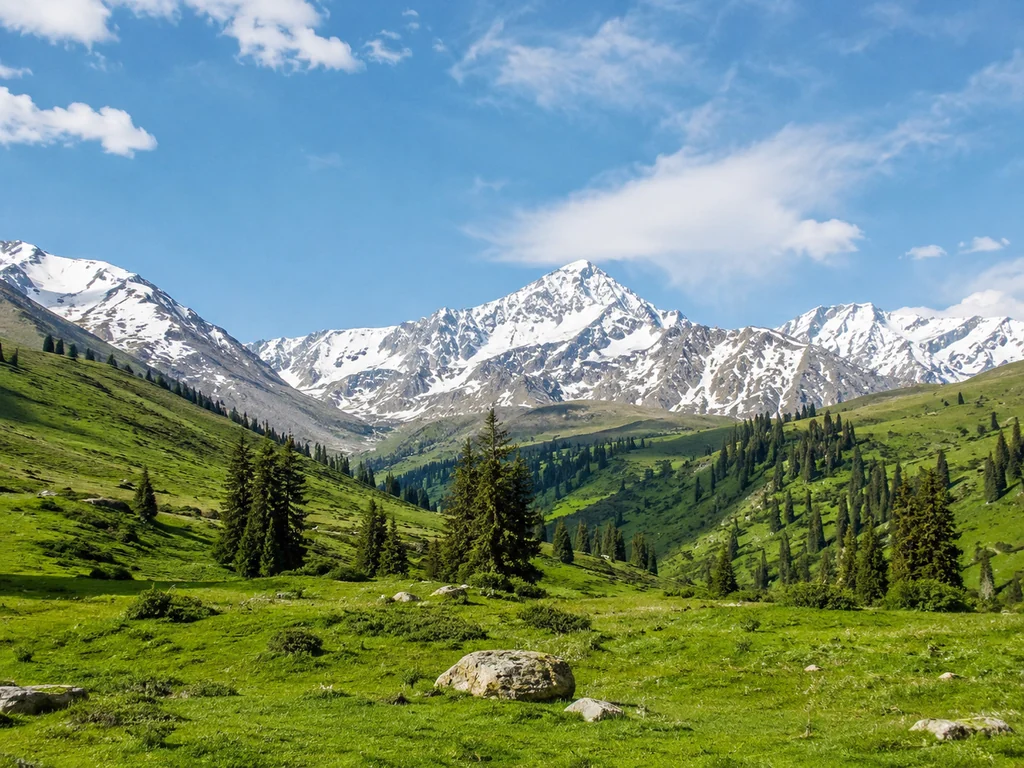
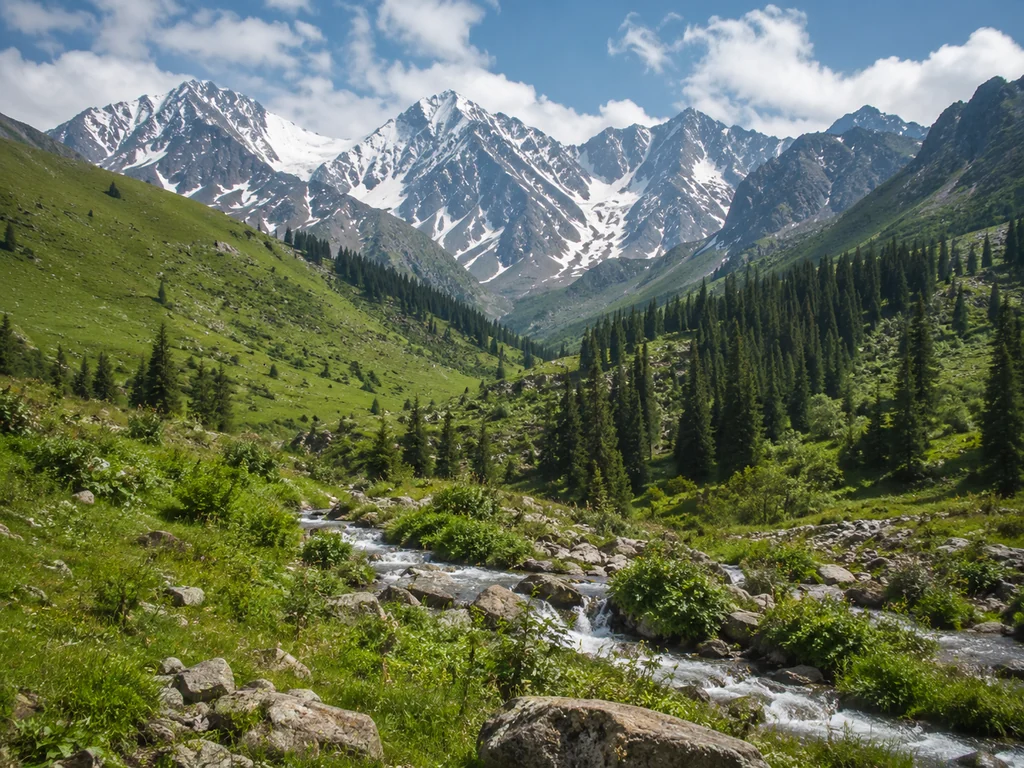
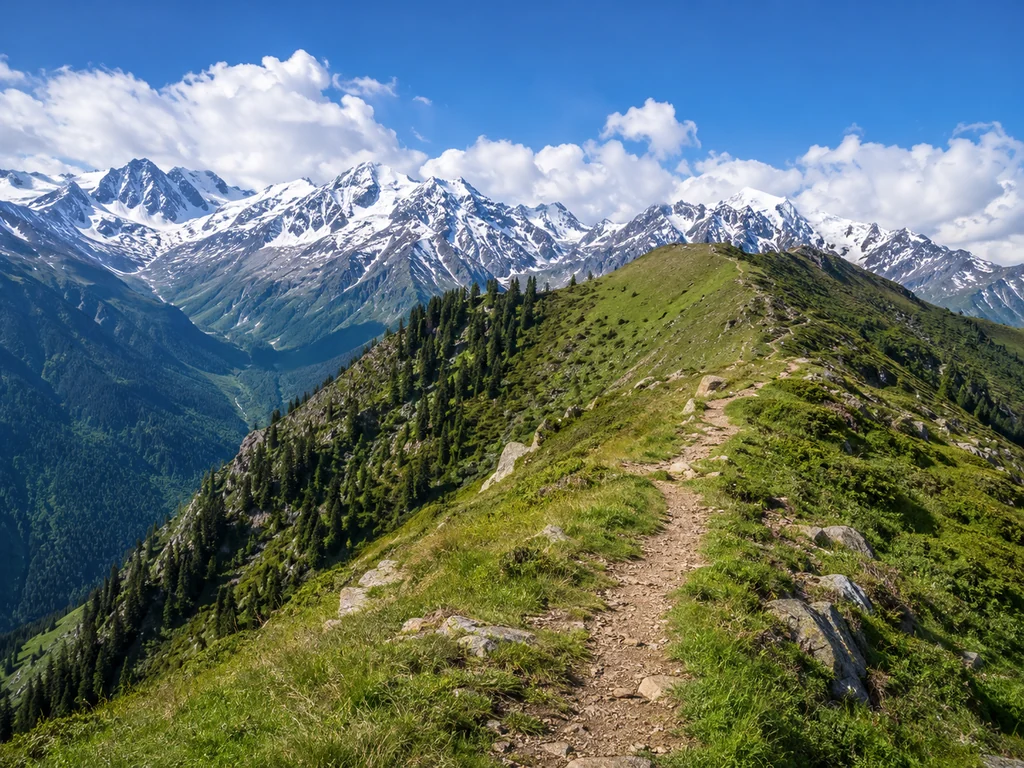
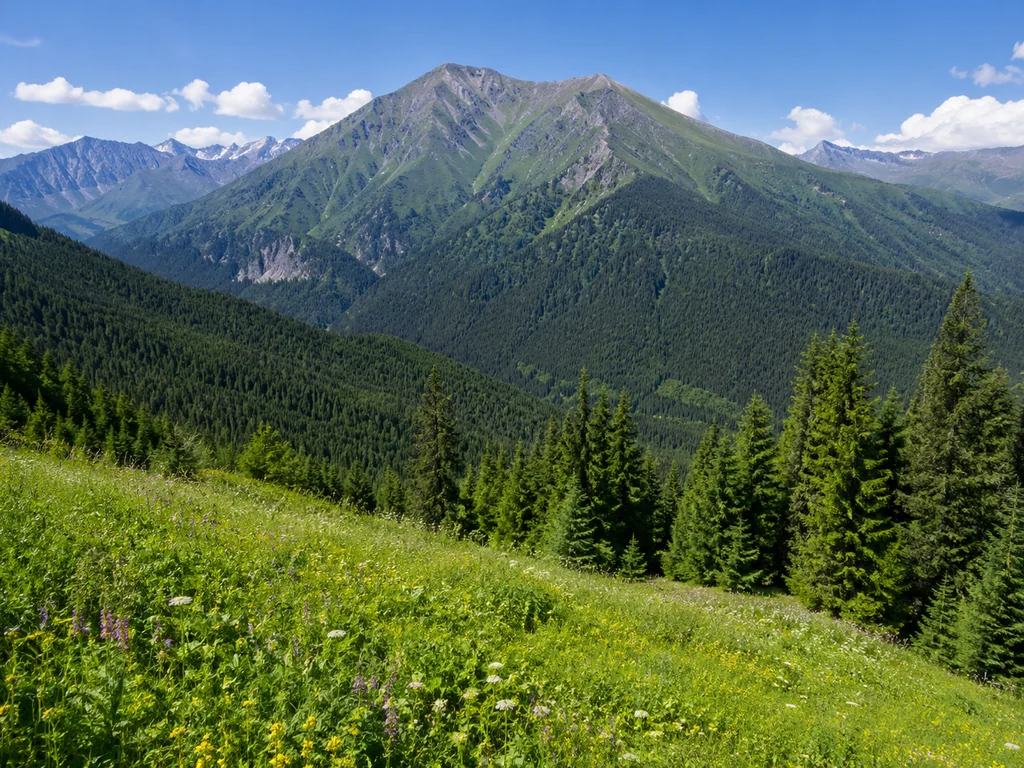
The main tour season is from May to October: in May, poppies bloom on the Assy Plateau; in June, edelweiss on Kok-Zhailau; in September, golden autumn in Charyn Canyon. Group trips from Almaty during this period offer maximum impressions with minimal preparation. In late May, the foothills are covered in scarlet poppies for 2–3 weeks — the route to the Assy Plateau sells out a month in advance. June is the peak of alpine wildflowers on the Kok-Zhailau Pass at +18…+22°C, where edelweiss, gentians, and asters bloom simultaneously. In July–August, the greenery at Kolsai Lakes is at its most vibrant, the water warms up to +16°C, and during the day, temperatures in the canyons can reach +35°C. September in Charyn offers a contrast of red rocks and yellow poplar leaves at +20…+25°C. July and August are the busiest months: book a tour to Kolsai or Charyn 2–3 weeks in advance, especially if your group has more than 10 people — during peak season, guesthouse spots fill up within a week.
Winter hikes: skis and snowshoes
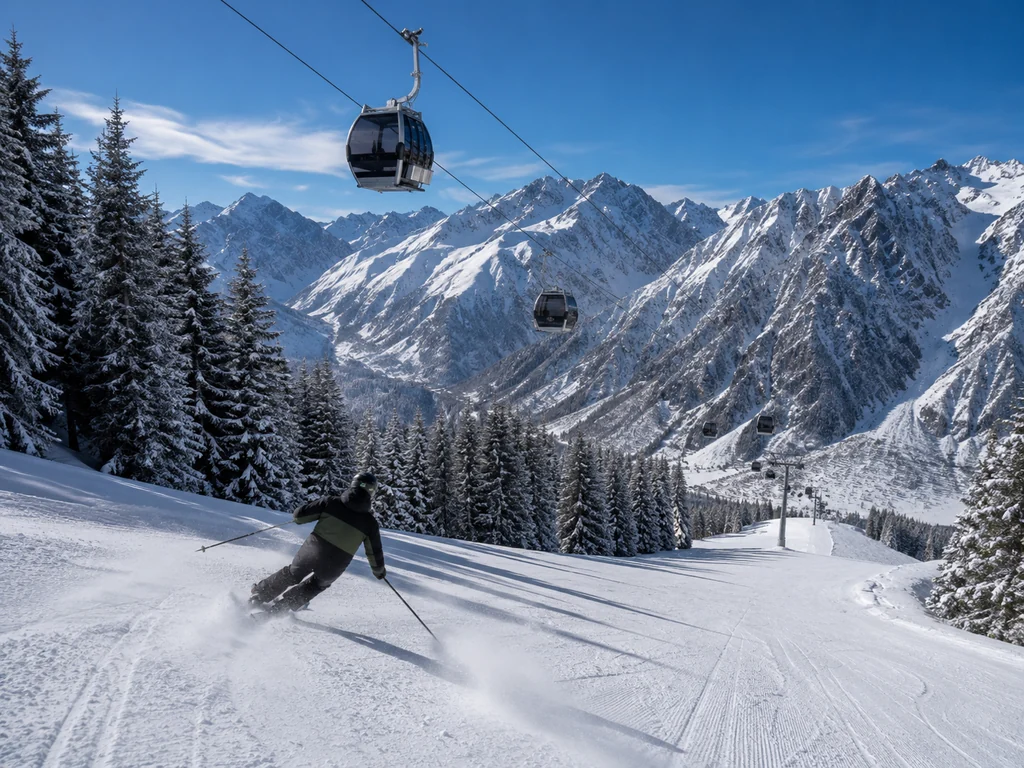
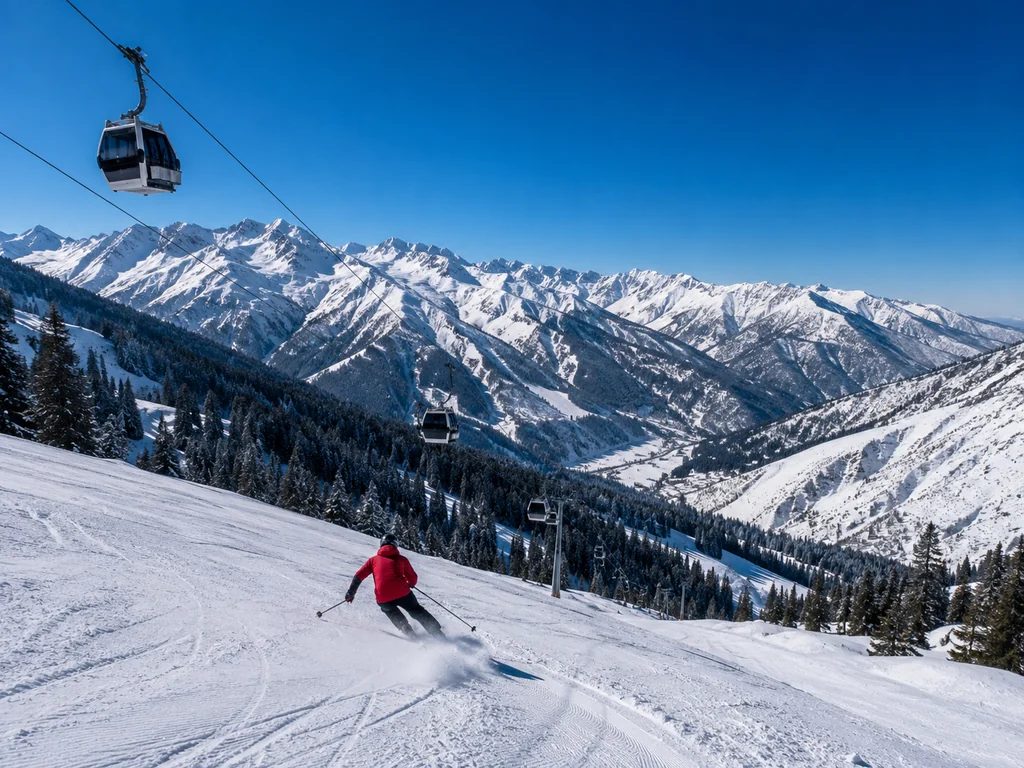
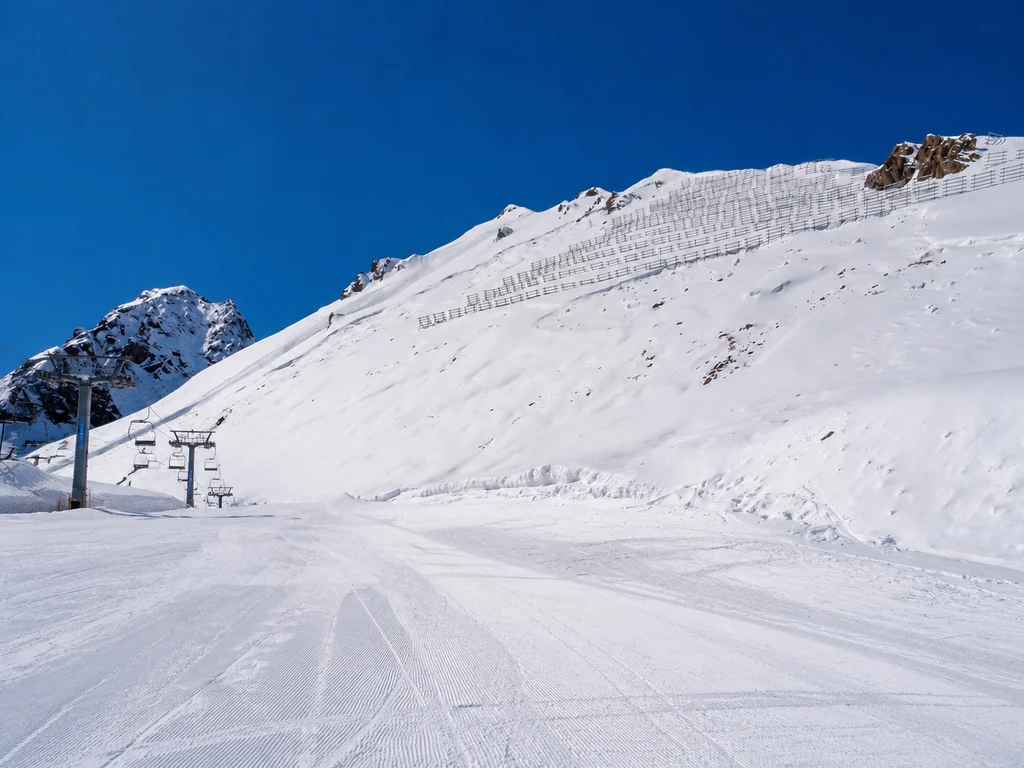
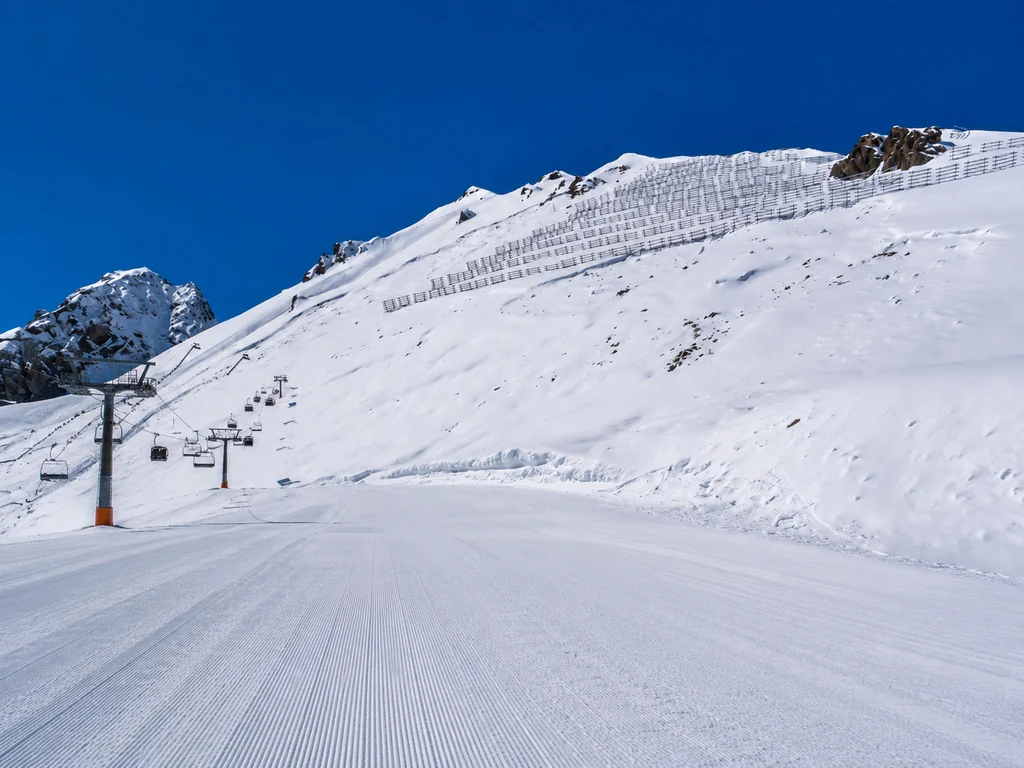
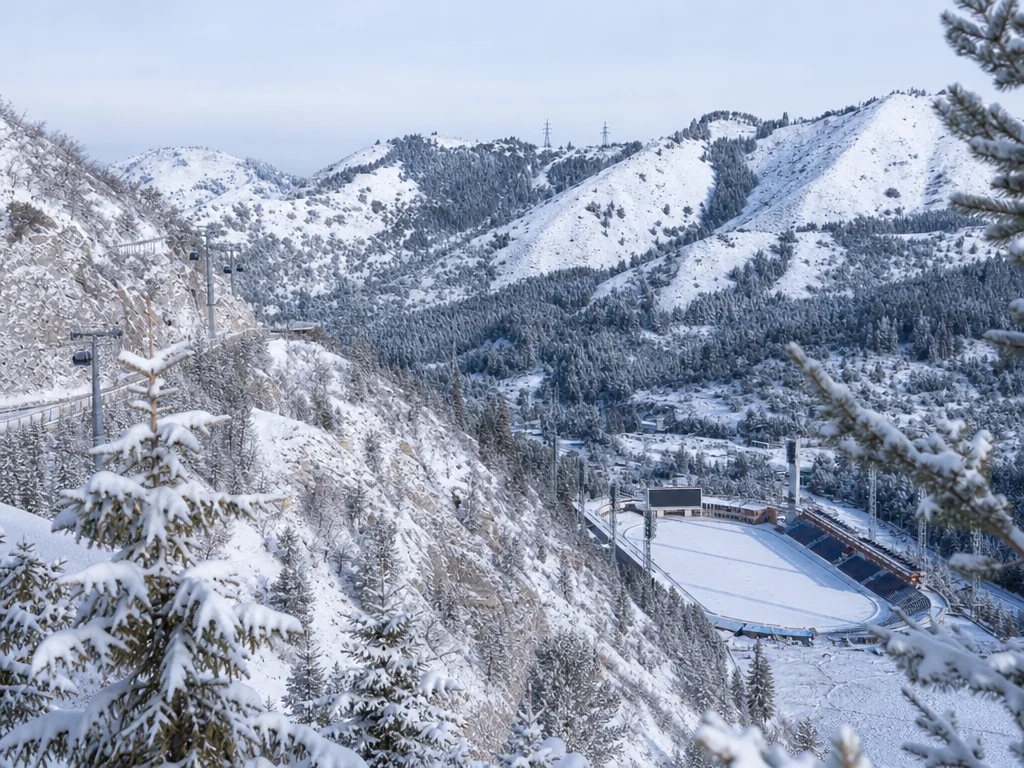
In winter, we organize snowshoe outings in the Alma-Arasan Gorge and ski trips to the Kok-Zhailau Pass — easy and medium-difficulty routes lasting 1–2 days, priced from 6,900 KZT per person per day, with snowshoes provided free of charge. From December to February, the Alma-Arasan Gorge becomes a snow corridor with 3-meter drifts; the trail follows a frozen stream to hot springs: -10°C outside, +40°C in the water. The ski route to Kok-Zhailau is 8 km long with a 300 m elevation gain, taking 3–4 hours with panoramic views of the Zailiysky Alatau. Gear (snowshoes, poles, sit pads) is included in the price, and the guide-instructor checks avalanche safety before each outing. In winter, mountain temperatures are -5…-10°C, which is more comfortable than the city due to the lack of wind — many tourists note that winter hikes are more pleasant than summer ones because of the absence of heat and dust.
When NOT to go on a group tour
November and March are off-season: the snow has either melted or hasn't fallen yet, trails are muddy, and the scenery is gray — these months are not recommended for trips except for short walks in the Alma-Arasan Gorge. In late March, melting on sunny slopes creates ice patches on trails, and in November, wet snow slides over rocky scree. The risk of rockfalls and wet snow avalanches is higher in the off-season — even in warm weather, it's better to wait for a stable season: May or December.
Gear for a group hike: what's provided and what to bring
One of the biggest fears for beginners is "what to wear and what to bring?" We break down what organizers provide for free and what you need to bring yourself to ensure a comfortable hike.
What toor provides for free: trekking poles, sit pads, first aid kit
On every group hike in Almaty, we provide participants with trekking poles (relieve knee strain on descents), sit pads (for sitting during breaks), and a group first aid kit with painkillers, bandages, and plasters — all included in the price. On multi-day routes (Kolsai — Kaindy, 2 days), we additionally provide sleeping bags and tents; on one-day trips like Charyn Canyon or Turgen Gorge, only poles and sit pads are provided, with lunch breaks lasting 30–40 minutes. The instructor adjusts the poles to your height before departure: if the poles are too high, the load shifts from your legs to your shoulders, causing fatigue within an hour of walking. Trekking poles are especially important on descents in Charyn Canyon — an elevation drop of 400 m, and without them, your knees experience 3–4 times the impact compared to flat terrain.
What to bring: clothing, footwear, personal items
- Footwear: trekking boots with a stiff sole (ankle-high) or sneakers with an aggressive tread — sneakers slip on wet rocks and scree at Big Almaty Lake.
- Clothing: windbreaker, fleece, spare synthetic T-shirt — cotton gets wet from sweat and doesn't dry, causing you to freeze in the wind within 10 minutes.
- Protection: sunglasses, SPF 30+ sunscreen, hat — on the Assy Plateau and open ridges of Alma-Arasan Gorge, UV burns in 20–30 minutes even in cloudy weather.
- Water and snacks: at least 1.5 liters; for routes longer than 6 hours, 2 liters; nuts, chocolate, dried fruit — lunch is included, but between meals, it's your responsibility.
- Personal items: personal medications, wet wipes, trash bag — at Kolsai, Kaindy, and Charyn, packing out trash is mandatory; fines for leaving trash are up to 50 MCI.
Winter gear: what to add in the cold season
In winter, we add snowshoes (provided free) to the standard set, and we recommend participants bring thermal underwear, waterproof pants, a down jacket or ski jacket, hat, gloves, and a balaclava — your face freezes even at -5°C in the wind. On routes with elevation gain (Kok-Zhailau Pass, 1,600 m), the wind is 5–7 m/s stronger than at the base, so a knitted hat is not enough — you need a windproof hat or a balaclava underneath. The snowshoes are MSR Evo Trail (900 g per pair, suitable for crust and loose snow up to 30 cm), covering 90% of winter routes. We recommend bringing a thermos with tea instead of a plastic bottle — water in your backpack freezes within an hour below freezing, while hot tea saves you during breaks.
Safety in the mountains: group behavior rules
Mountains are safe if you follow the rules. We break down how participant protection is organized — from briefing to insurance — and what to do to ensure a trouble-free hike.
Pre-departure briefing: what the guide covers
Before each tour, our guide conducts a mandatory briefing: explaining the route, rules for moving in a group (don't overtake the leader, don't fall behind the sweeper), stop signals, what to do if the weather worsens, and where the first aid kit is. The certified instructor points out key locations on a map — rest stops, water sources, and emergency exits from the route — and teaches how to use trekking poles on descents and determine a comfortable pace (2–3.5 km/h depending on terrain). The briefing lasts 10–15 minutes, but those who listen carefully are 80% less likely to experience minor injuries — blisters and sprains occur precisely because of not understanding how to walk and what to pay attention to.
How insurance works and what it covers
Every tour participant is insured against accidents for the duration of the route — the insurance covers injuries, animal bites, emergency evacuation, and transport to a medical facility, with the cost included in the tour price. The policy is valid from the moment you board the transfer until your return to the city, with coverage up to 500,000 KZT per person with no deductible, and is issued by name a day before departure. Many tour operators offer insurance for an extra fee or skip it altogether — with us, it's included in the base price; the guide checks policies before departure and carries copies, so you are protected from the first minute.
Group behavior rules: what is allowed and what is not
- Do not leave the route without the guide: even for a short "shortcut" — mountain trails are not obvious, and you can get lost in 5 minutes, especially in fog or juniper thickets.
- Keep a distance of up to 50 meters: if you fall further behind, the guide may not hear your shout or whistle — sound is distorted by echoes in canyons.
- Do not light open fires outside designated areas: on the Assy Plateau and in Turgen Gorge, dry grass ignites instantly; fines for fire start at 150 MCI.
- Report any deterioration in health to the guide: nausea, dizziness, chills — early symptoms of altitude sickness or dehydration; it's better to stop for 15 minutes than to call for a helicopter evacuation.
- Drink water every 20–30 minutes even if you don't feel thirsty: dehydration in the mountains occurs unnoticed, and its symptoms (dizziness, weakness) mimic altitude sickness, which can lead to false evacuation.
How to distinguish a direct organizer from a reseller
A direct organizer creates their own itineraries, hires guides, owns their own transport and gear — you deal with the company that is personally responsible for the tour, not a middleman reselling someone else's product with a 20–30% markup. A direct tour operator will show guide certifications, minibus documents, and insurance policies before booking, works under a contract with a 50% deposit, and names the guide 3 days before departure. A reseller is easy to spot: they withhold this information until the last moment, demand 100% prepayment, and cannot confirm who will actually lead the group to Charyn Canyon or Kolsai Lakes — before booking, request a copy of the contract and the insurance company's name; this immediately eliminates intermediaries.
Common mistakes beginners make on group tours
Over the years, we've seen hundreds of groups and noticed the same mistakes among beginners. Here are the top 4 — so you don't repeat them and get the most enjoyment out of your tour.
Misjudging your own fitness
The most common mistake is beginners choosing a medium-difficulty route, thinking, "I go to the gym," but mountains are different from the gym: elevation gain, thin air, and prolonged exertion — by the end of the day, even fitness trainers' legs are "falling off." On the ascent to Kok-Zhailau Pass, your heart rate spikes within 20 minutes of walking, even though you can easily do an hour of cardio in the gym — the difference is a constant 15–30 degree incline without breaks. Our routes are clearly divided into easy (up to 8 km, elevation gain up to 400 m), medium (up to 14 km, gain up to 800 m), and difficult — each has the distance and elevation listed, and the guide always asks about your fitness level at the start. If you're unsure between an easy and medium option, choose the easy one: you'll complete a simple tour in one day, and if you have energy left, you can spontaneously join a medium route the next day (with the guide's approval).
Inappropriate clothing and footwear
The second most common mistake is wearing sneakers or shoes with smooth soles: on descents in Charyn Canyon or wet rocks at Big Almaty Lake, they slip, and the risk of sprains or falls increases dramatically — trekking boots or sneakers with an aggressive tread are mandatory. Participants in jeans and cotton T-shirts also miss the mark: cotton gets wet from sweat and doesn't dry, and in the wind on the Assy Plateau, you start freezing within 15 minutes of stopping — synthetic thermal underwear and a fleece jacket solve the problem. Before departure, our guide gives a short briefing on gear and can lend trekking poles to beginners who come unprepared — take advantage of this opportunity instead of suffering. Even on a hot day, temperatures in the mountains near Almaty can be 10–15°C lower than in the city — always carry a windbreaker in your backpack, regardless of the weather forecast.
Ignoring the guide and going off on your own
The third mistake is participants deciding to "take a shortcut" or step aside for a photo without notifying the guide: in the mountains, you can get lost in 5 minutes, and searching for someone in unfamiliar terrain delays the entire group by 1–2 hours. In Turgen Gorge or at Kolsai Lakes, trails branch out, and without a guide, a beginner can end up in a neighboring canyon with no cell service — every season, rescuers pull out such "independent" tourists. The certified guide always walks first, and the sweeper is last; if you step into the bushes or lag behind for a photo, just shout "I'm here" or raise your hand — the group will wait; it's normal.
Not enough water and food
The fourth mistake is bringing too little water: on a one-day tour, you need at least 1.5 liters per person, and on a hot day at Charyn, up to 2.5 liters, because there are no water sources in the canyon, and dehydration sets in unnoticed. Snacks are also important: nuts, dried fruit, or energy bars provide quick energy on climbs; chocolate melts in your backpack within an hour — replace it with protein bars without icing. Lunch is included in the tour price — it's a hot meal (plov, lagman, or kuurdak) with tea and bread, but it's served at a long break, and there are 3–4 hours of walking before that, so your own small snack is essential. Regarding dietary needs: we accommodate vegetarian and halal requests — just inform the guide 2 days before departure, and the lunch will be adapted, free of charge and hassle-free.
Conclusion
Group tours across Kazakhstan from Almaty are a simple and affordable way to discover the beauty of Kazakhstan without spending time organizing logistics and itineraries yourself.
Key takeaways
- Choose a route based on your experience: for beginners — Big Almaty Lake or Kolsai; for experienced — Charyn Canyon or Furmanov Peak.
- Check what's included in the price: transfer, guide, lunch, and insurance are the basics without which a tour shouldn't cost the advertised amount.
- Look for a direct organizer: resellers charge 20–50% more and don't control the quality of services.
- Don't skimp on safety: a certified guide, trekking boots, and a supply of water are mandatory for any hike.
- Plan ahead: in summer, popular routes are booked 2–3 weeks in advance; in winter, a week in advance, especially for ski and snowshoe tours.










 Winter and summer