









 Trekking
Trek to the foot of Belukha
★★★★★ 4.9 · 23 reviews
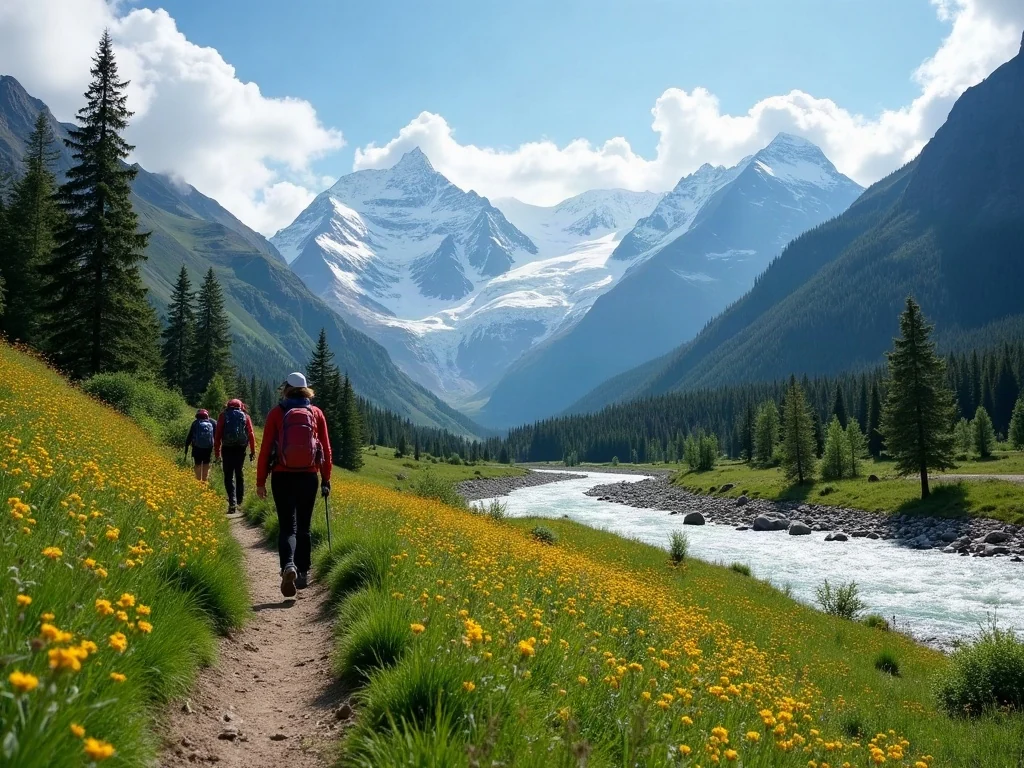
Eight days in the Kazakh Altai: Katon-Karagay, Yazevoye Lake, and access to Belukha from Kazakhstan. Permits to the border zone, eco-fees, and three meals a day included.
from $1,023/person
Catalog
Choose by direction, duration, and season — the price is per person
TrekkingEight days in the Kazakh Altai: Katon-Karagay, Yazevoye Lake, and access to Belukha from Kazakhstan. Permits to the border zone, eco-fees, and three meals a day included.
 Adventure
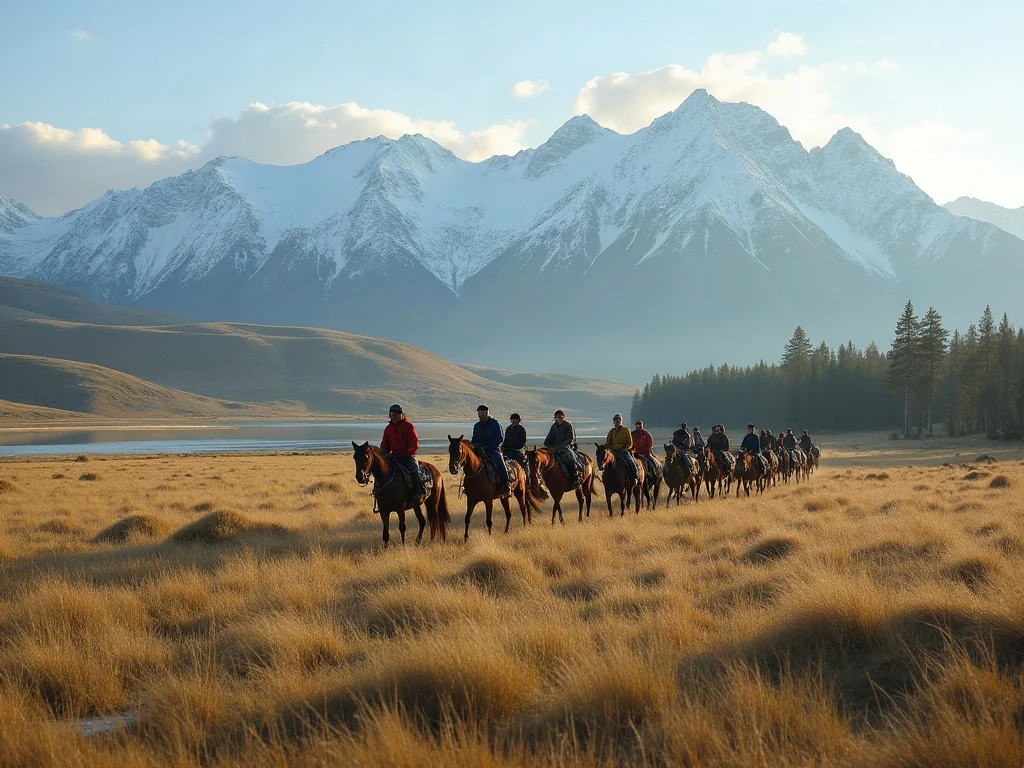
Ten days on horseback through Katon-Karagay: passes, fords, and camps near Belukha. Horse, saddle, and guide for the group included; be prepared for six to seven hours in the saddle, weight limit 110 kg.
No tours found for the selected filters.
Destinations
47 destinations across Kazakhstan and Zhetysu — choose yours and find out the price per person in WhatsApp.
 Weekend Tours
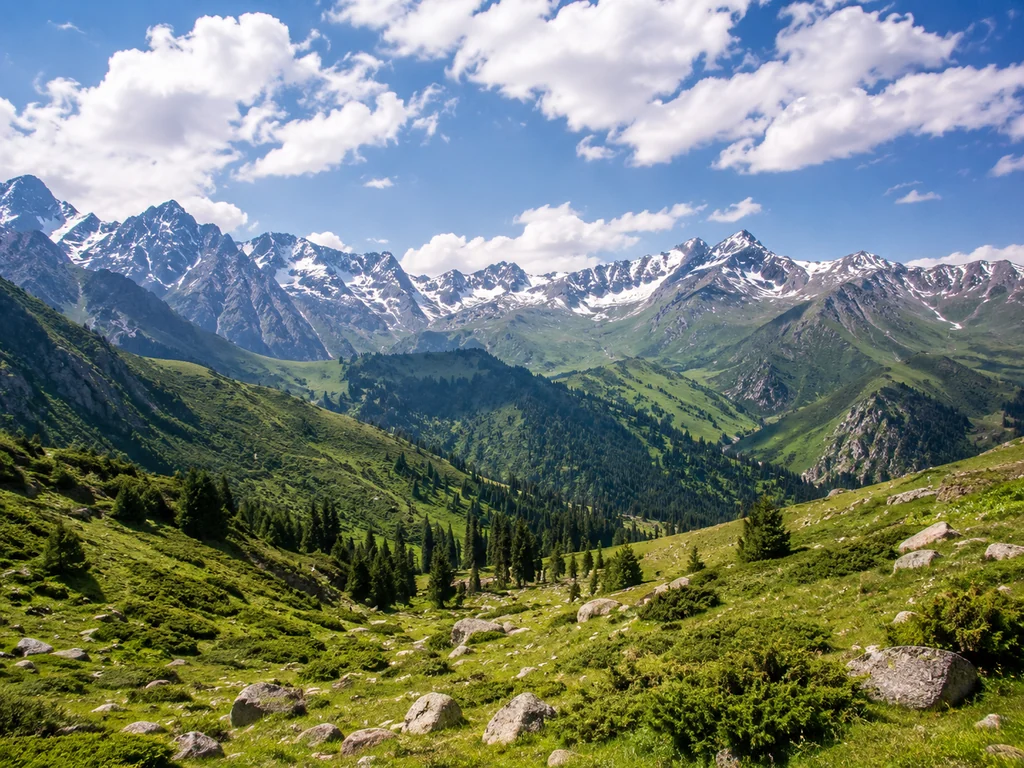 Tours in Kazakhstan
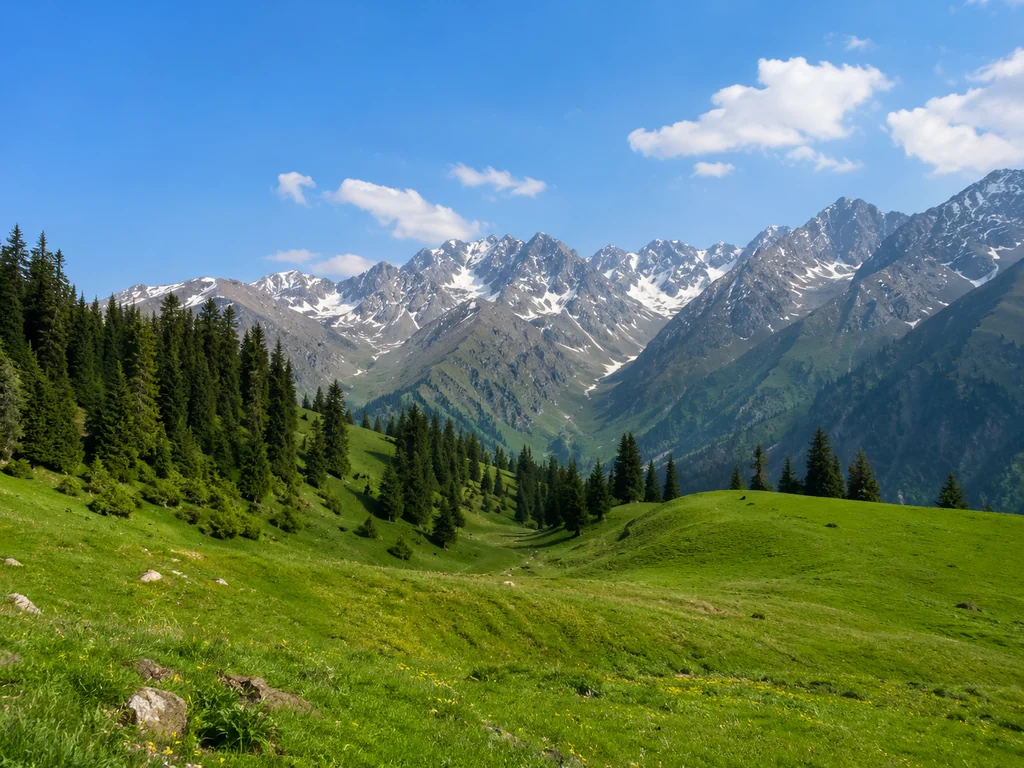 One-Day Tours
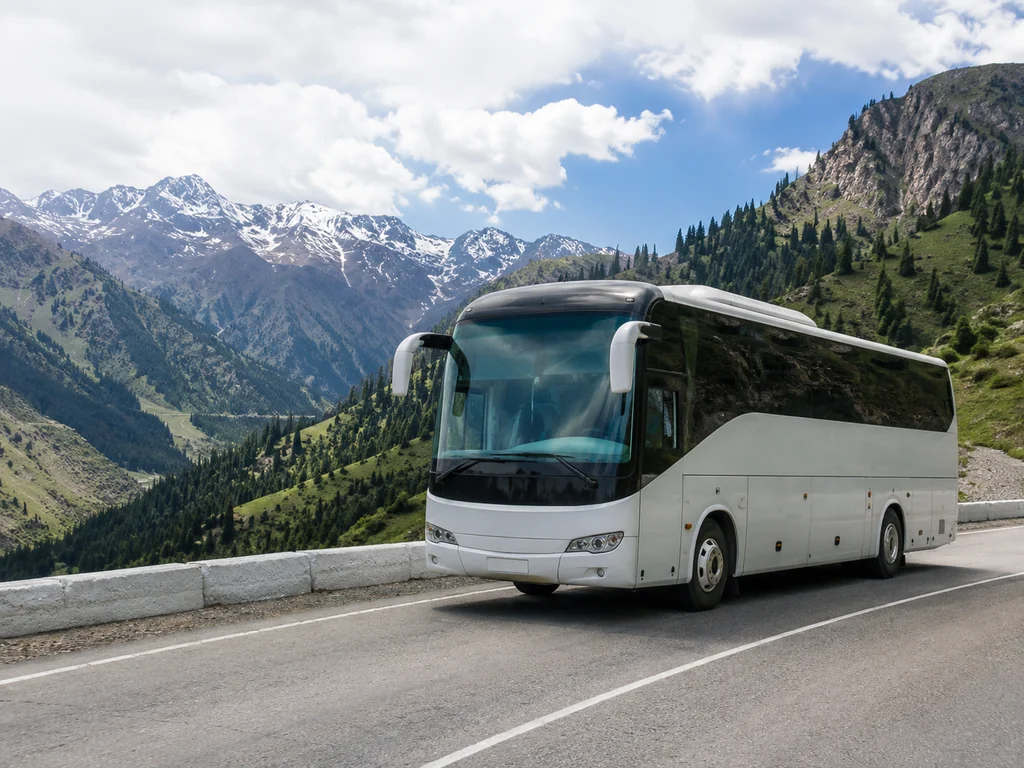 Bus Excursions
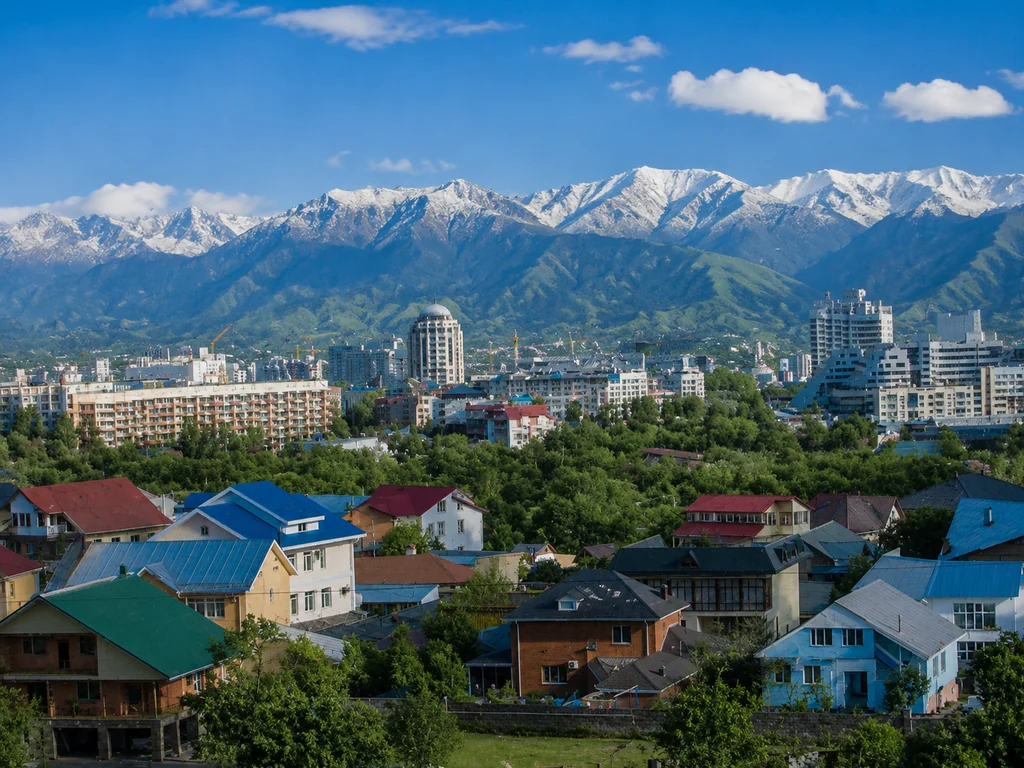 City Tours
 Jeep Tours
 Guide to Almaty
 Group Tours
 Tours in Almaty Region
 Ski Tours
 Individual Tours
 Winter Tours
 Hiking Tours
 Two-Day Tours
 Three-Day Tours
 Tour Calendar
 Multi-Day Tours
 Tours to Issyk-Kul
 Tours to Alakol
 Tours to Kolsai
 Tours to Charyn Canyon
 Tours to Borovoye
 Tours to Altai
 Tours to Kyrgyzstan
 Tours to Hot Springs
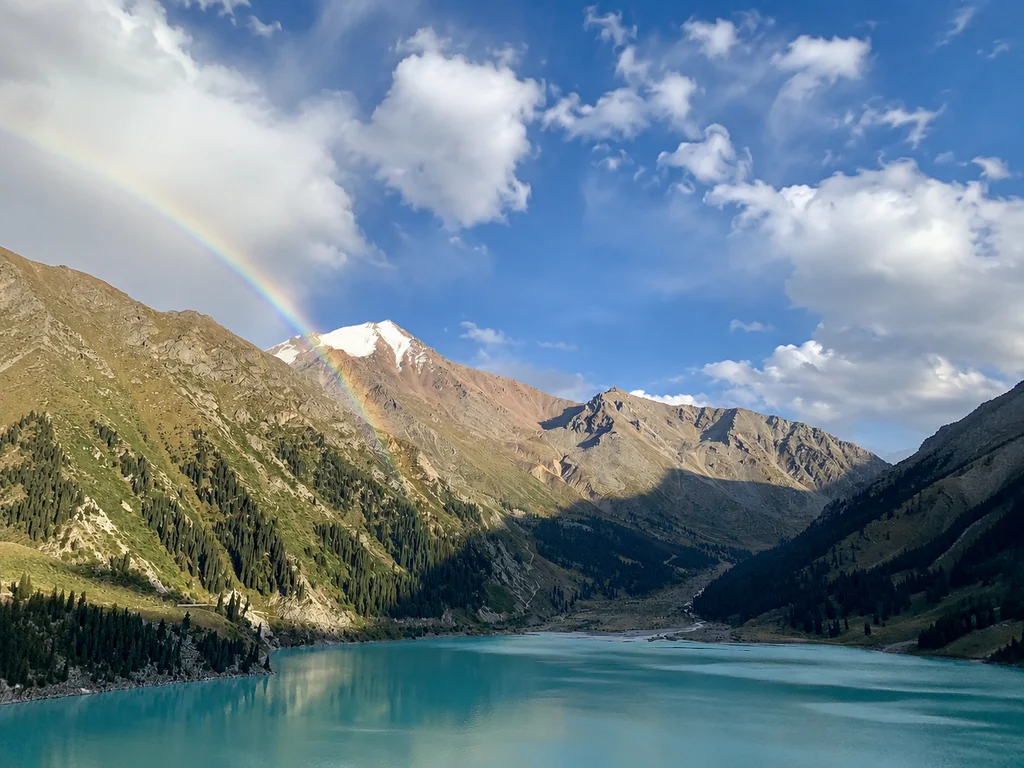 Tours to Big Almaty Lake
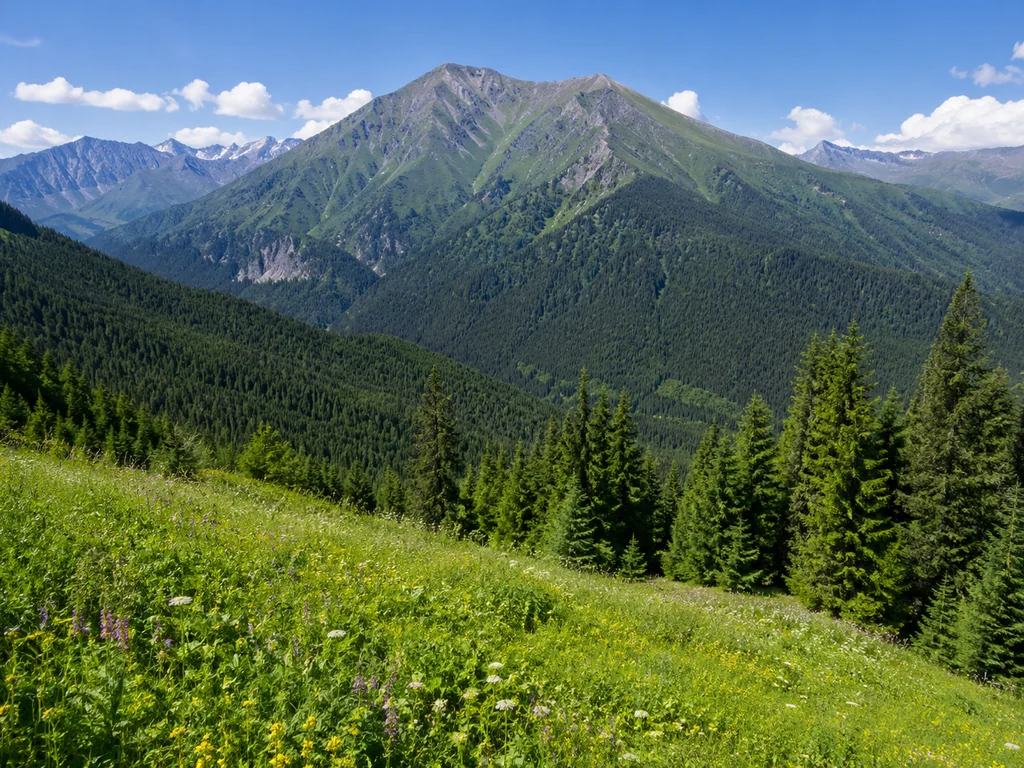 Tours to Katon-Karagay
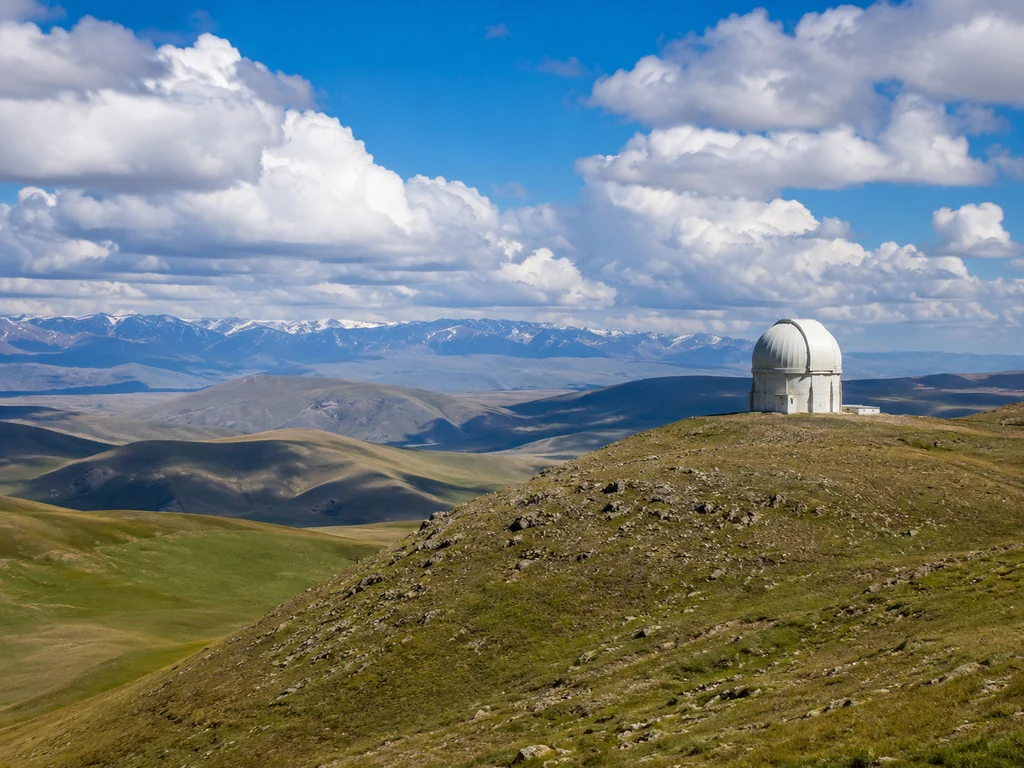 Tours to Assi Plateau
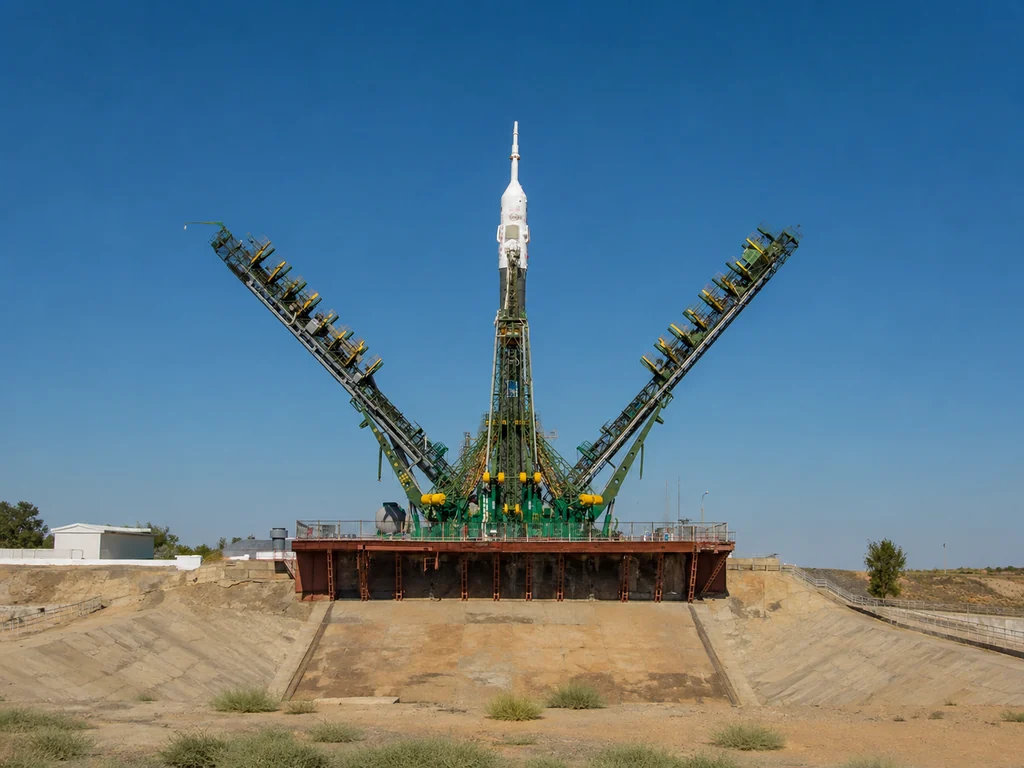 Tours to Baikonur
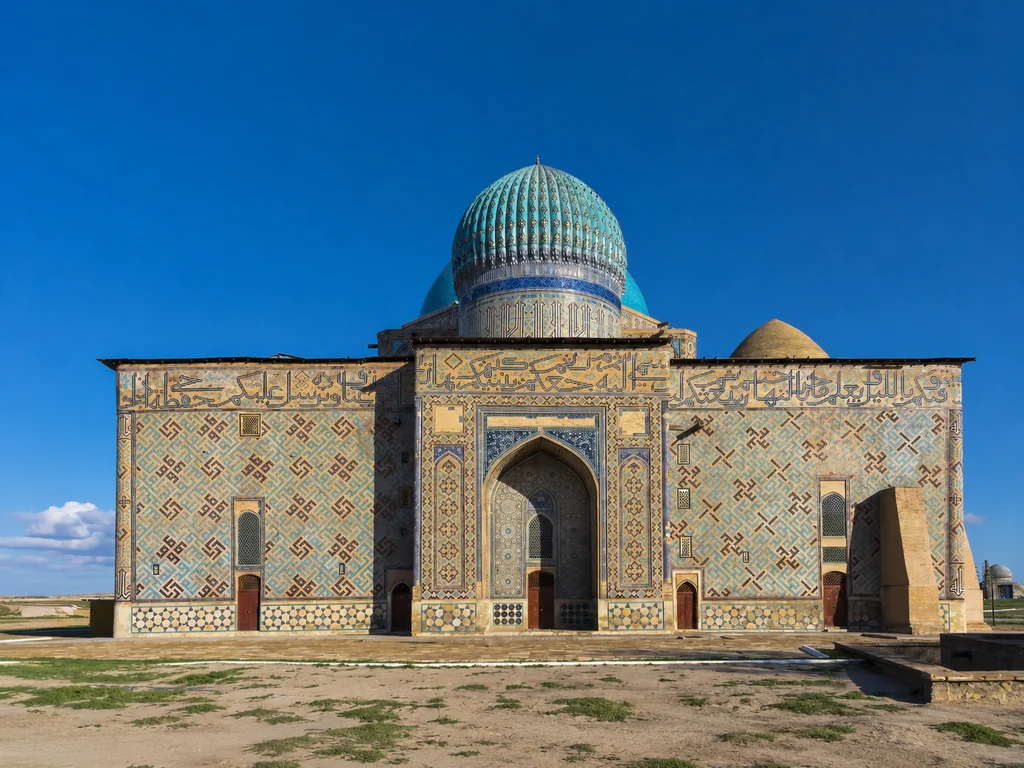 Tours to Turkistan
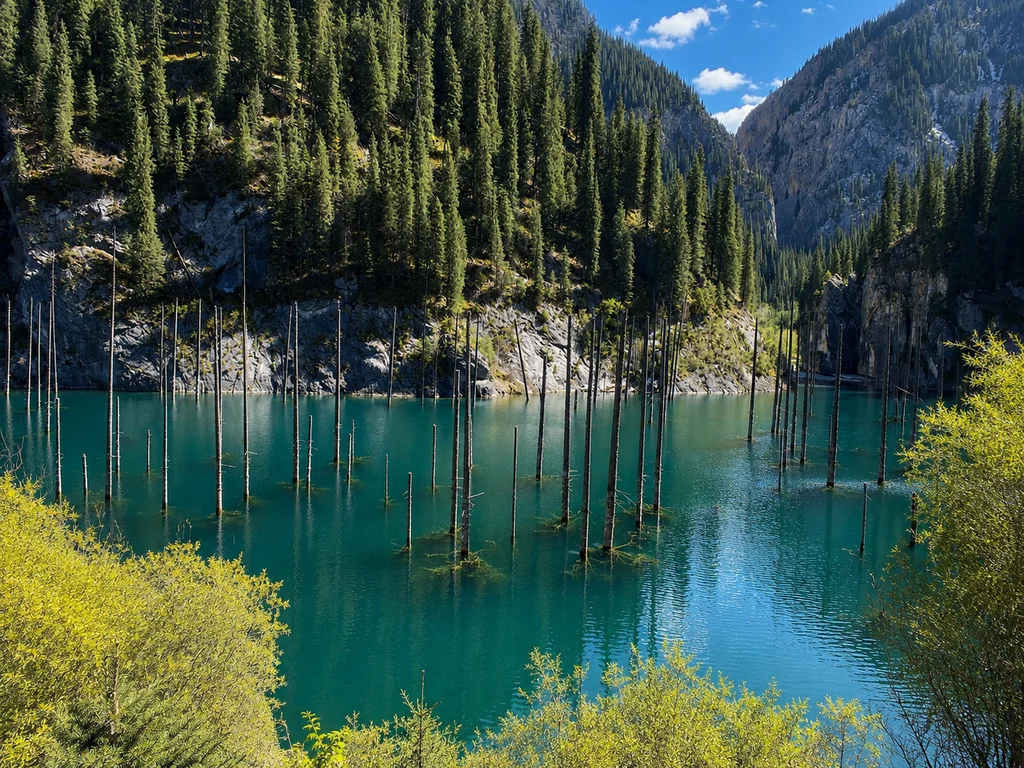 Tours to Kolsai and Kaindy
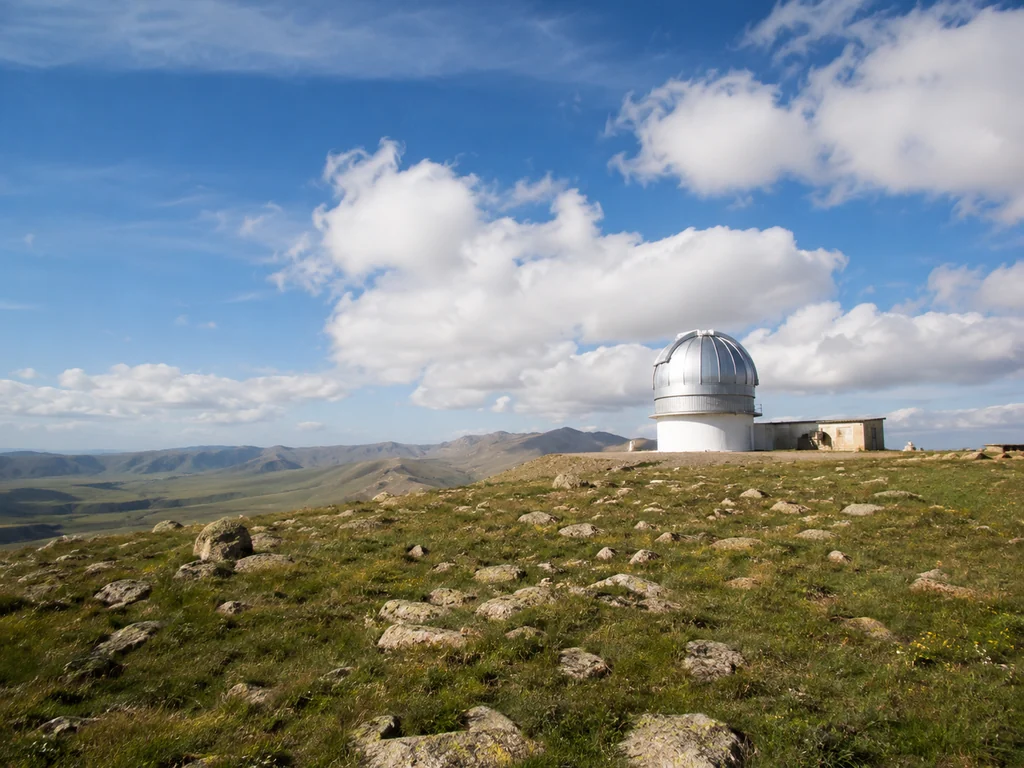 Tours to Almaty Observatory
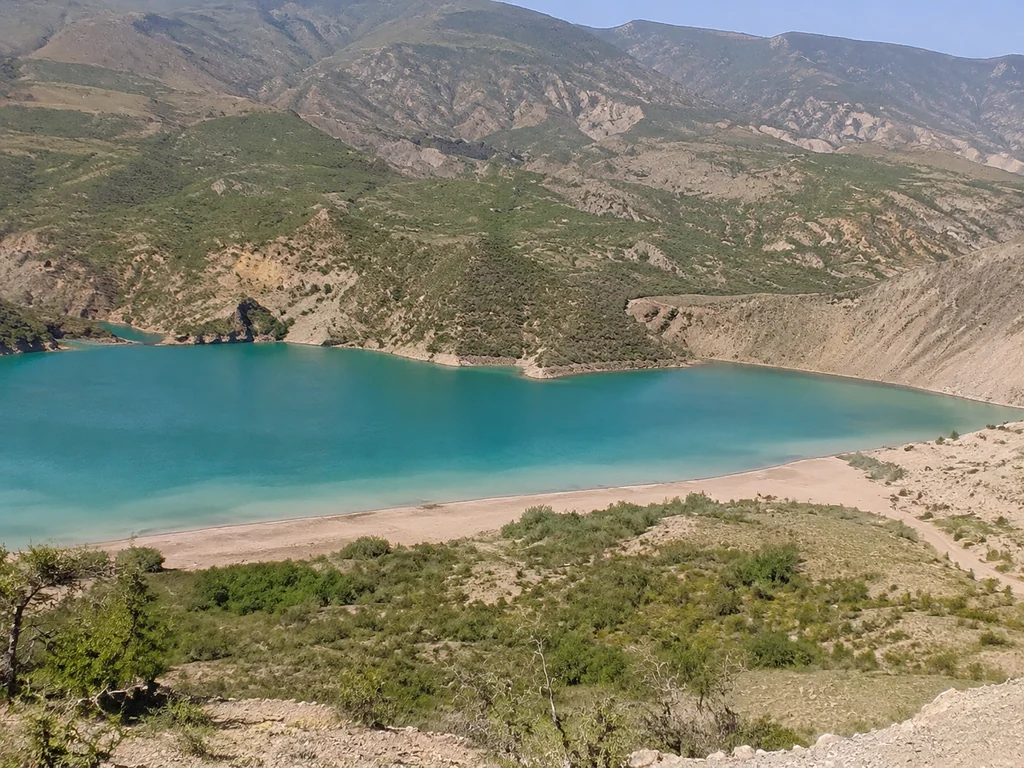 Tours to Kapchagai
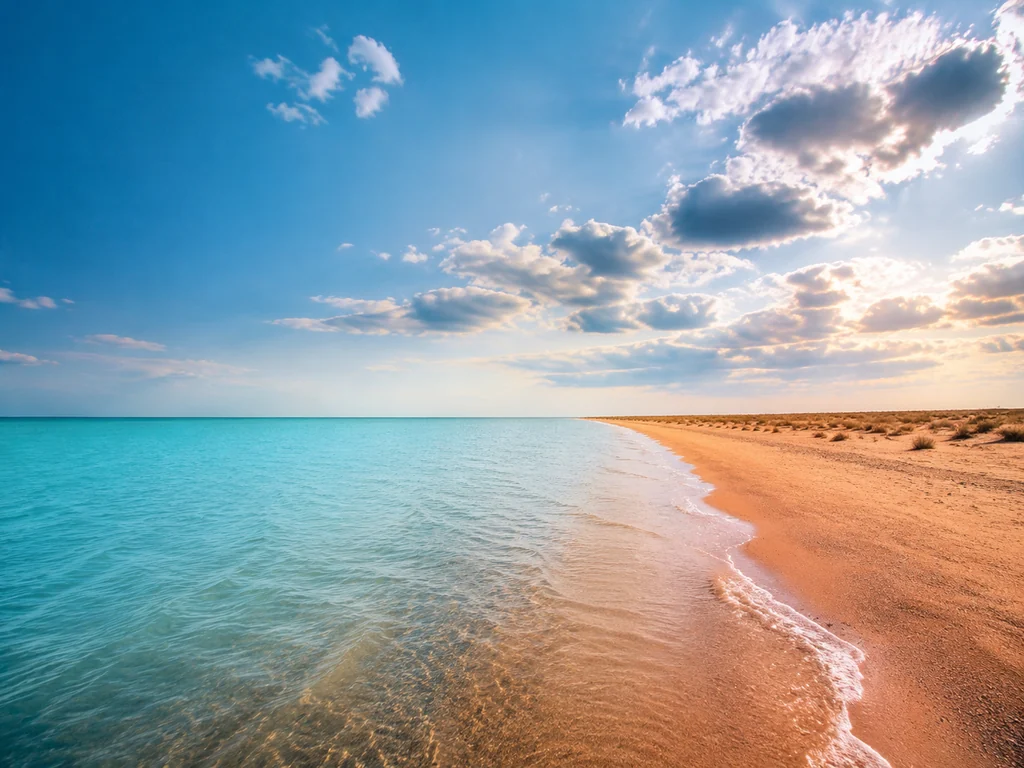 Tours to Balkhash
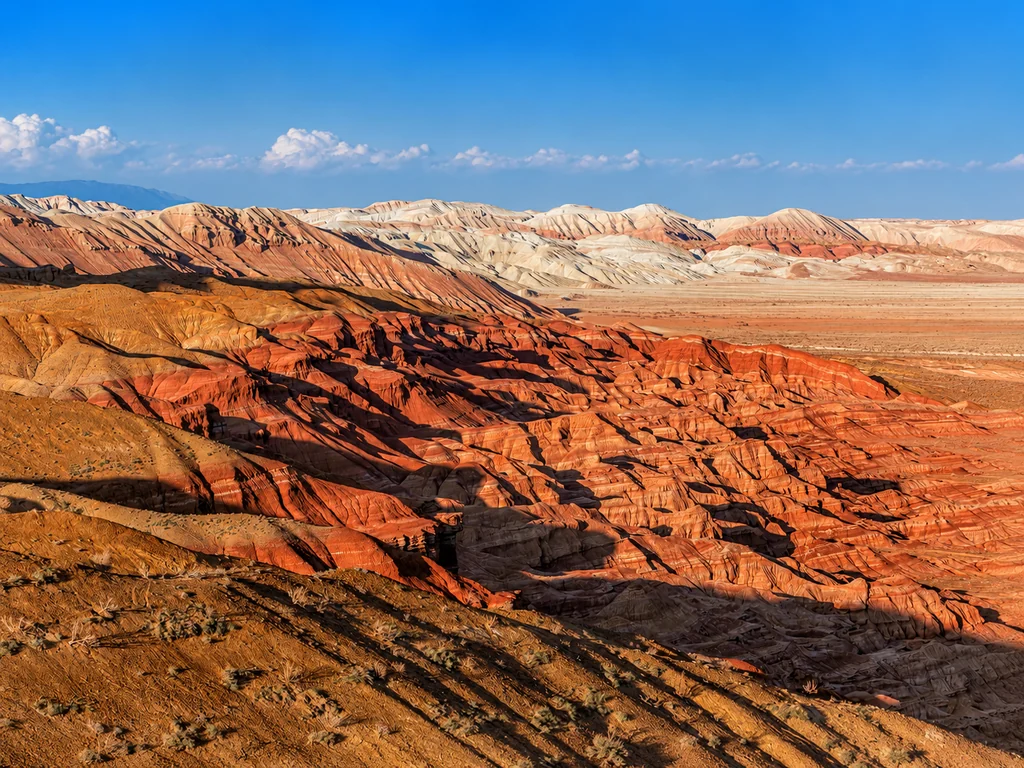 Tours to Aktau
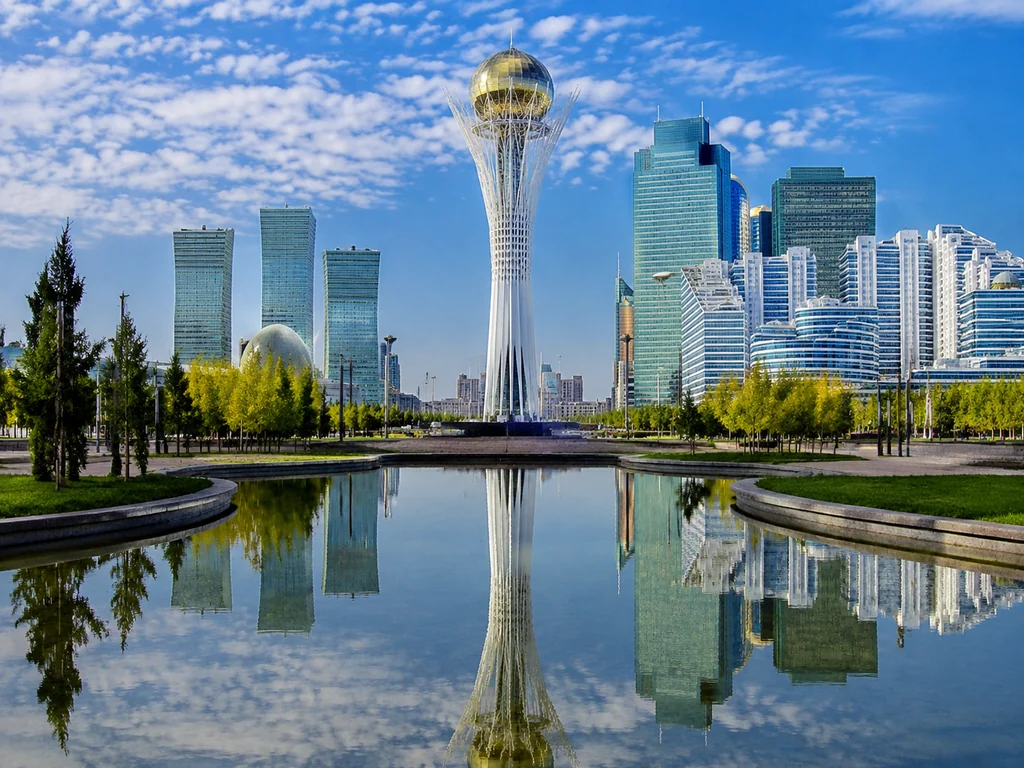 Tours to Astana
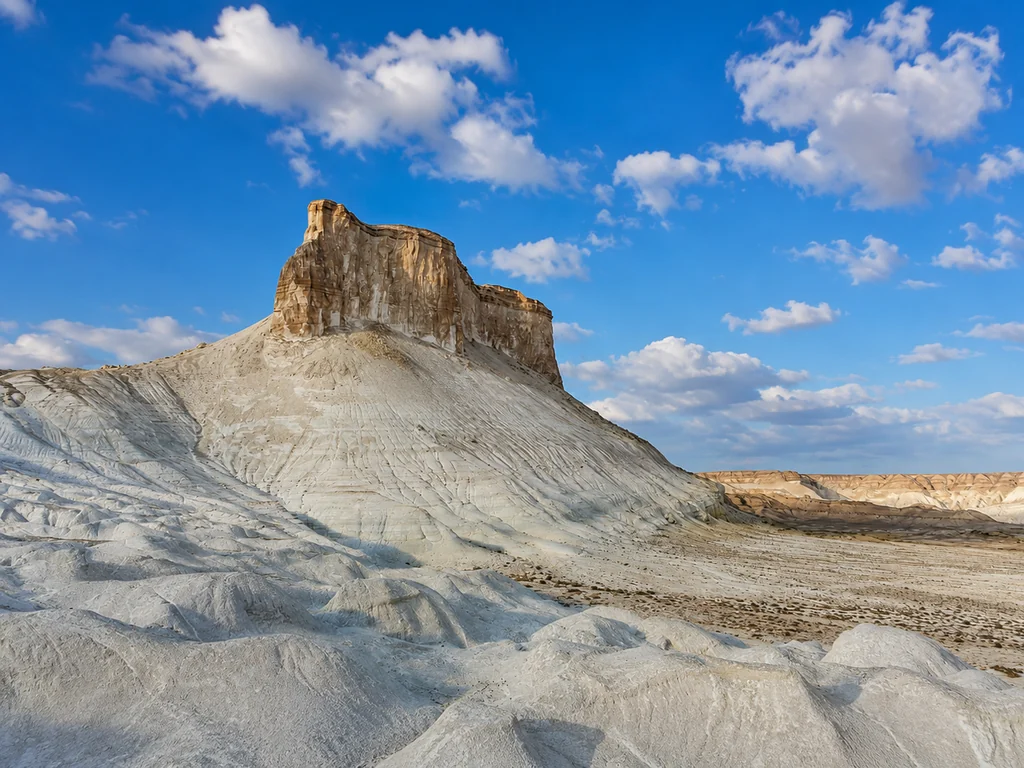 Tours to Mangystau
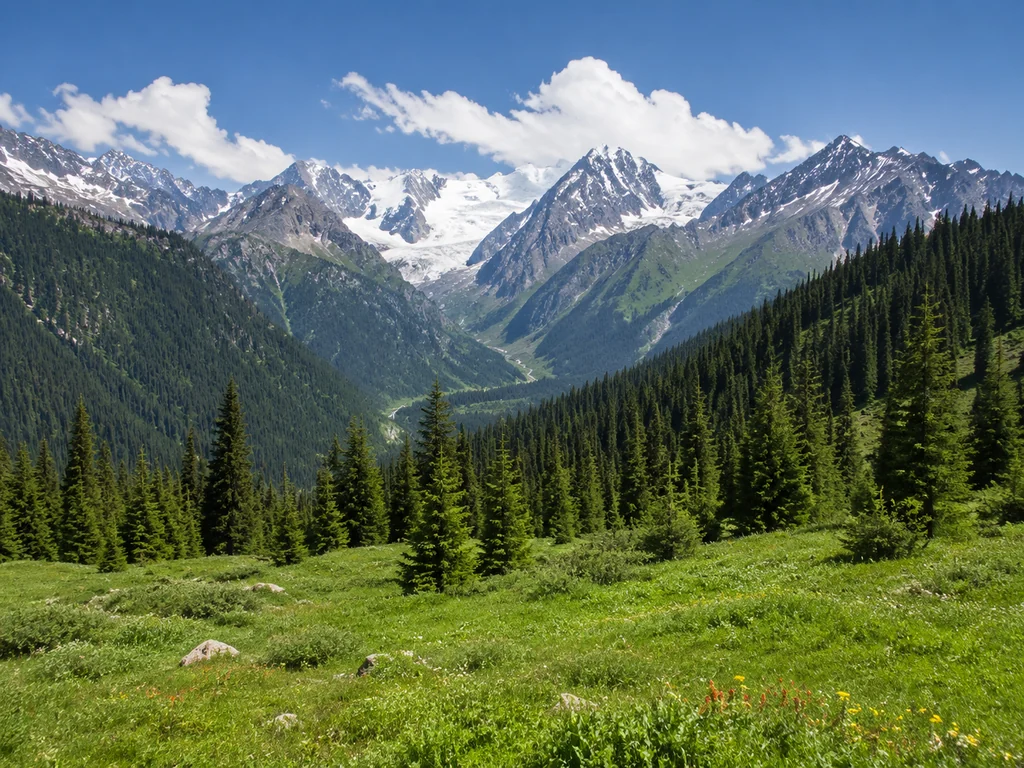 Tours to Karakol
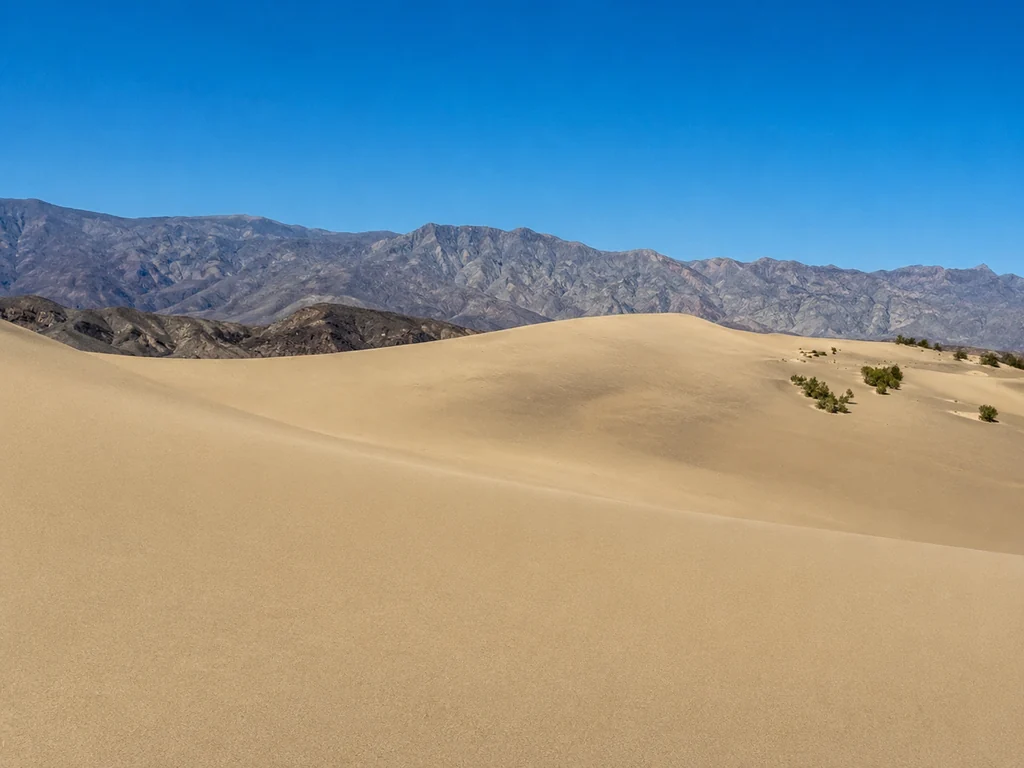 Tours to Singing Dunes
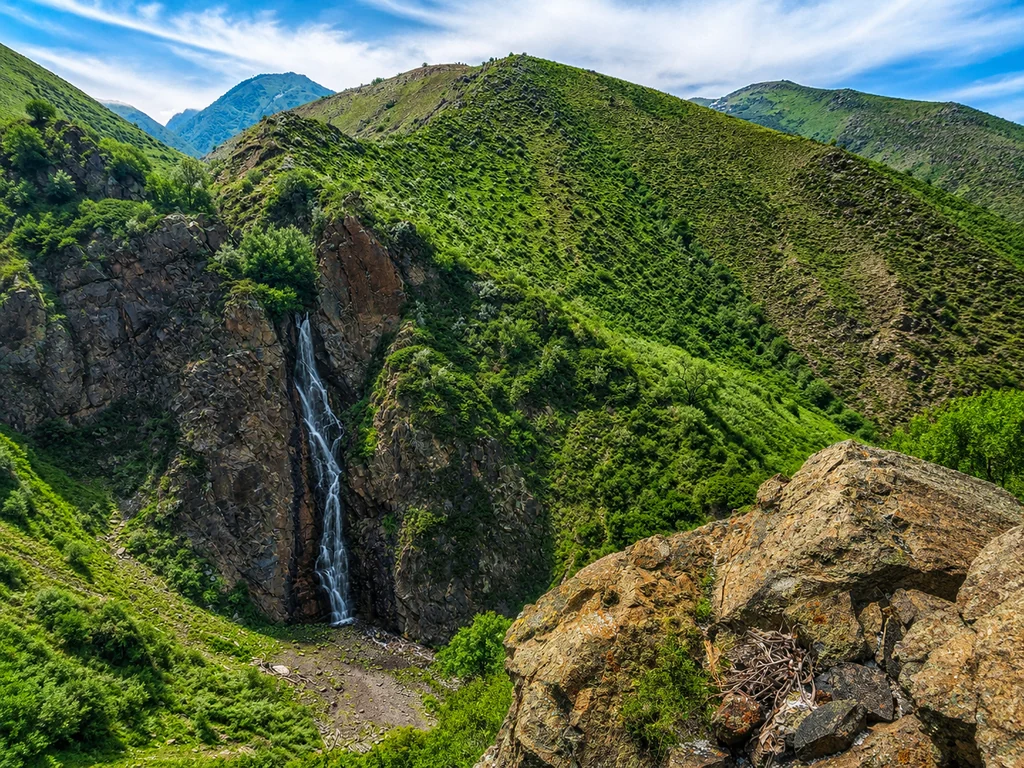 Tours to Turgen Waterfalls
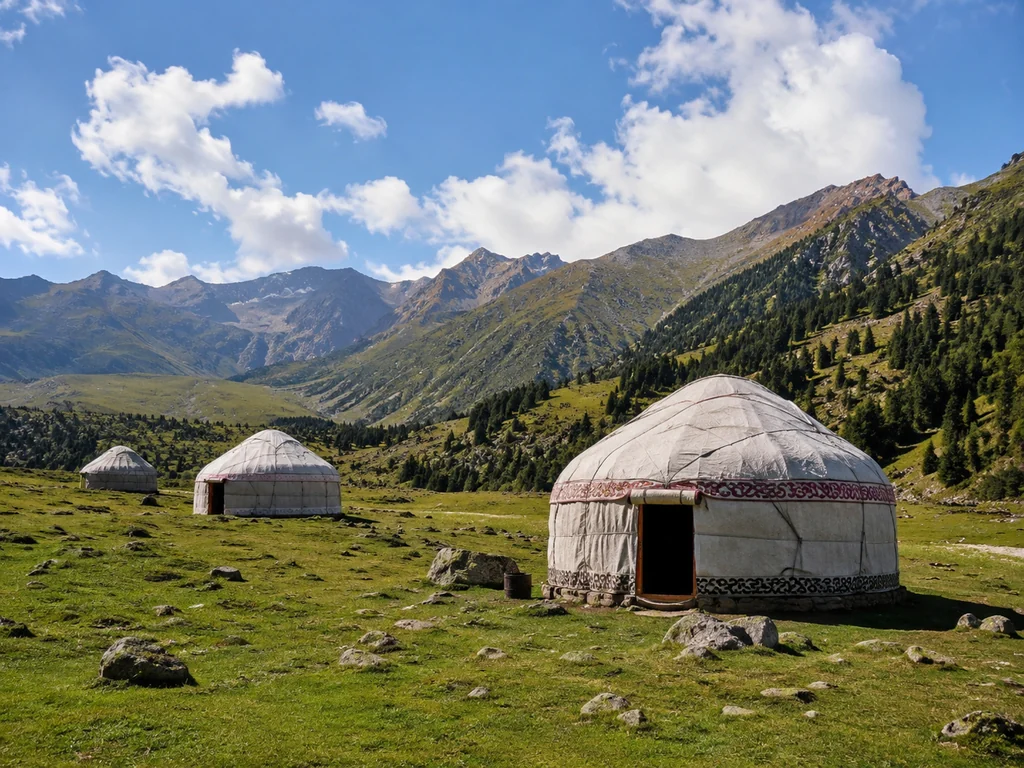 Ethno Tours
 Tours to East Kazakhstan
 Tours to Paradise Lakes
 Tours to Burkhan Bulak
 Hikes
Hikes Active Recreation
 Transfer
Local guides, fixed price per person, and care on every route. — everything for a relaxing vacation.
All гиды имеют сертификаты МЧС и experience восхождений на Белуху не менее 5 лет. Соотношение гид/турист — 1:4 на маршрутах выше 3 категории сложности.
Дешевле всего конный тур — 407 400 тг с человека за десять дней. Пеший трек к подножию стоит 455 900 тг за восемь дней. Однодневных выходов к Белухе не бывает: она слишком далеко от жилья.
Каждый тур оснащён спутниковым трекером, аптечкой и средствами связи. При ухудшении погоды маршрут корректируется гидом.
Tents, sleeping bags, mats, кухонное оборудование — предоставляется бесплатно. Для восхождений — кошки, ледорубы, каски.
How it works
Определите уровень подготовки и желаемую длительность — от 1 до 12 дней. Менеджер поможет подобрать тур с учётом вашего experienceа и пожеланий по сложности.
Submit your request на сайте или в WhatsApp. Внесите предоплату 30% для подтверждения даты. Остаток — за 7 days до выезда.

За 3 days до старта получите список личного снаряжения (трекинговые ботинки, тёплая одежда). Групповое снаряжение выдаётся на точке сбора.

Выезд в 6:00 от отеля «Казахстан». Transfer to the gorge Аккем (12 ч). По пути — остановка на обед в селе Кеген.
Ежедневные переходы 6-8 hours с рюкзаком. Ночевки в палатках на оборудованных стоянках. Готовит гид, помощь в установке лагеря — общая.
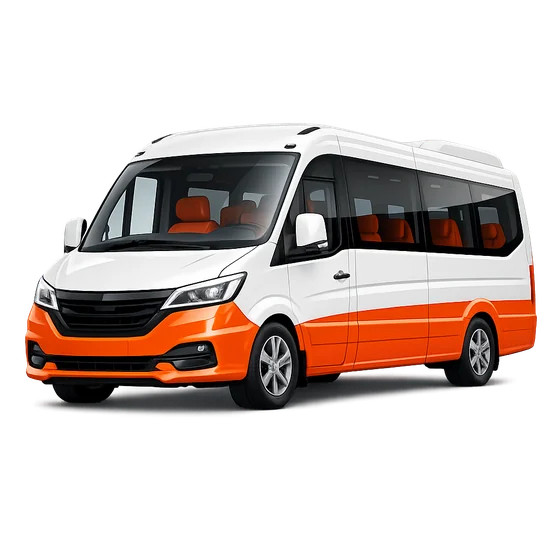
После завершения маршрута — обратный трансфер. Arrival in Almaty к 20:00. Фото и видео с тура высылаем в течение 3 дней.

Team
Routes are led by practicing guides and instructors. These same people respond in. WhatsApp and accompany groups on the tour.
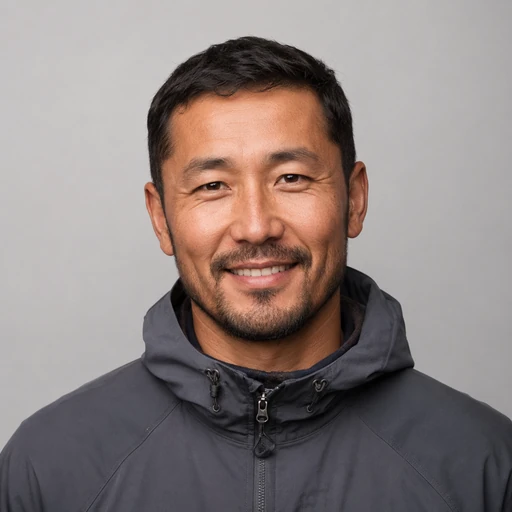 ★4.9
★4.9Aidos Serikov
Senior guide, mountain routes
 ★5
★5Dinara Kassymova
Guide-lecturer in Almaty
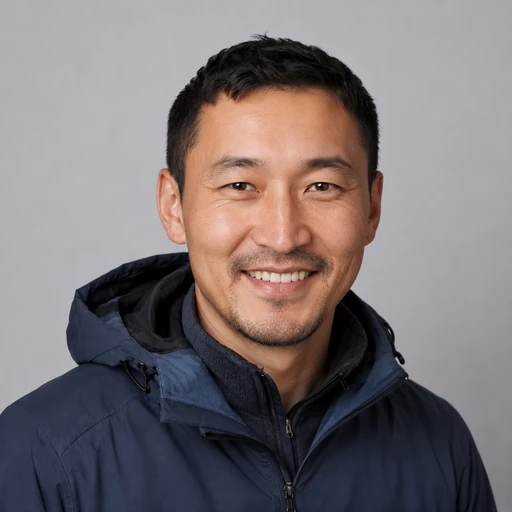 ★4.8
★4.8Marat Zhunussov
Trekking instructor
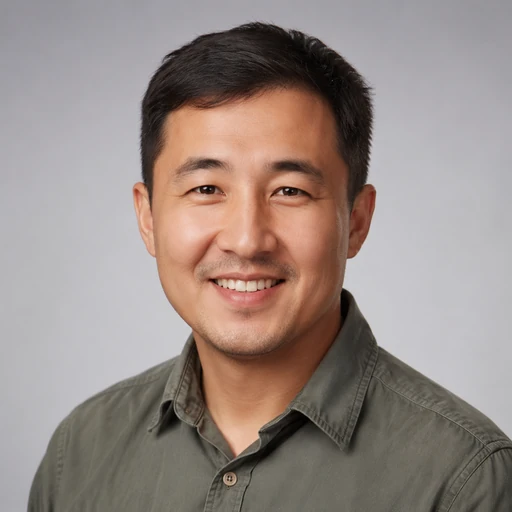 ★4.9
★4.9Oleg Kim
Driver-guide, jeep tours
 ★4.8
★4.8Zhanna Abenova
Tour manager
 ★4.9
★4.9Timur Beketov
Multi-day tour guide
 ★5
★5Aliya Nurlan
Group coordinator
 ★4.8
★4.8Sergey Volkov
Instructor, ski tours
Useful
Belukha (4,506 m) is the highest peak of the Altai Mountains, a sacred site for many peoples. From Kazakhstan, the mountain is approached through the Katon-Karagay National Park, a vast protected area in the East Kazakhstan Region. This region is known for its pristine wilderness, snow-capped peaks, and alpine lakes.
The Kazakh side of Belukha offers a more remote and less crowded experience compared to the Russian side. Treks here combine river valleys, mountain passes, and forested slopes. The nearest major city is Ust-Kamenogorsk, but tours typically start from smaller settlements within the park.
Our tours are designed for those who want to see Belukha without extreme technical climbing. They focus on reaching viewpoints and base camps at the foot of the mountain. The journey is as rewarding as the destination, with opportunities to spot wildlife and experience the nomadic culture.
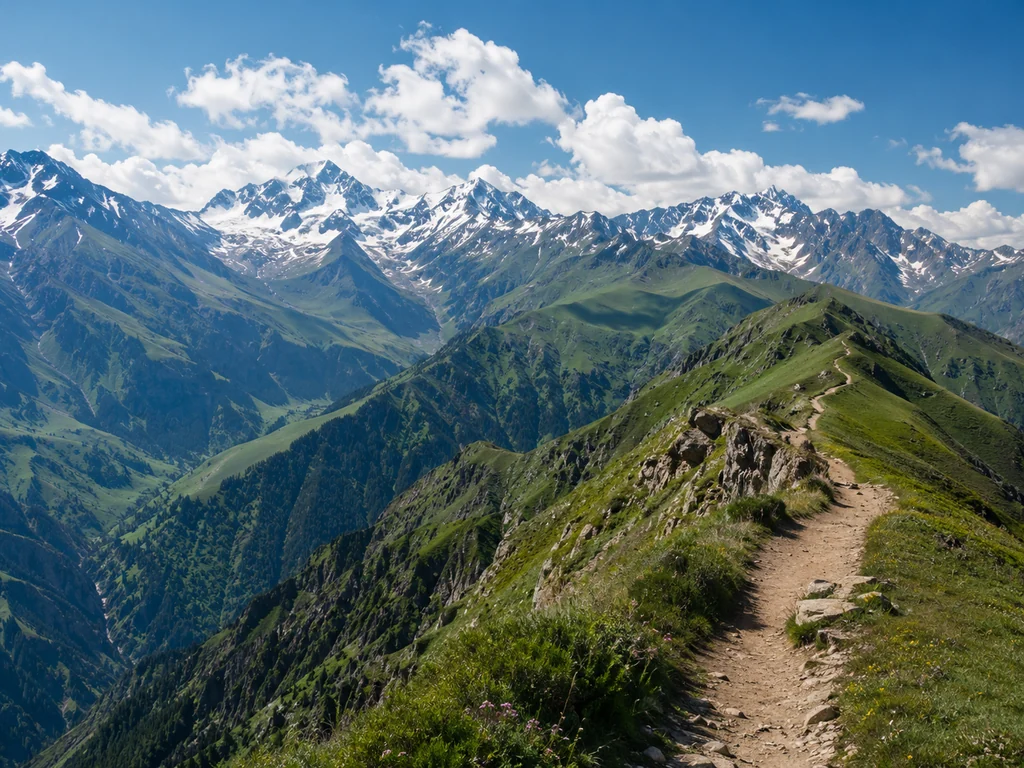
The Katon-Karagay region features a mix of steppe, forest, and alpine zones. The terrain is rugged, with elevations ranging from about 1,500 m in the valleys to over 3,000 m at passes. The treks involve significant elevation gain, so good physical condition is essential.
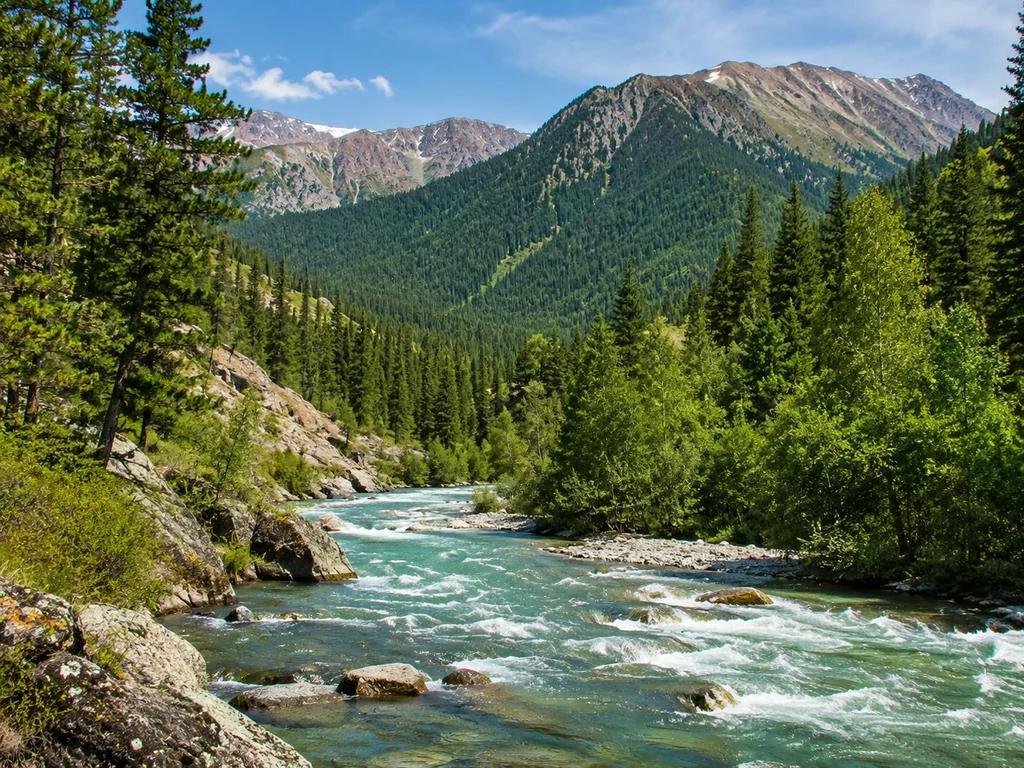
Yazevoye Lake is one of the key highlights, a turquoise glacial lake located at an altitude of about 1,600 m. The lake is a popular spot for overnight stays. The approach to Belukha from Kazakhstan follows the Belukha River valley, offering dramatic views of the mountain's northern face.
The park is home to Siberian ibex, roe deer, and occasionally snow leopards. Birdwatchers can spot golden eagles and Altai snowcocks. The vegetation changes with altitude: cedar and fir forests at lower elevations, then dwarf birch and alpine meadows, and finally bare rock and glaciers.
During the summer months, wildflowers cover the meadows, creating a colorful contrast with the snow-capped peaks. The region is also known for its medicinal plants, used in local traditional medicine.
This 8-day trek is our classic route. It starts in Katon-Karagay village and heads towards Yazevoye Lake. The first days are relatively easy, allowing acclimatization. The trek covers approximately 100 km in total, with daily hikes of 10-15 km.
On day 4, you reach the confluence of the Belukha and Kaznakhta rivers, where you establish a base camp. From there, day hikes lead to viewpoints closer to the mountain. The final viewpoint is about 10 km from the summit, offering a close-up view of the Belukha glacier.
The trek is supported by a guide and a cook. All meals are included, and you will stay in tents. No technical climbing is involved, but you need to be comfortable with hiking for several hours a day.
Days 1-2: Transfer from Almaty to Katon-Karagay (by car, 12-14 hours). Overnight in guesthouse. Days 3-4: Trek to Yazevoye Lake, set up camp. Day 5: Rest day, explore the lake and surrounding ridges.
Days 6-7: Trek towards Belukha, crossing the Belukha River via a footbridge. Set up base camp. Day 8: Early morning hike to the Belukha viewpoint, return to camp. Day 9: Trek back to Yazevoye Lake. Day 10: Return to Katon-Karagay, transfer to Almaty.
Please note that the itinerary is subject to change due to weather and group fitness. The guide will make decisions to ensure safety and the best possible experience.
This trek is rated as moderate to strenuous. Expect to hike 6-8 hours per day on uneven terrain. You should be comfortable with a backpack weighing 5-7 kg. Previous multi-day trekking experience is recommended.
Acclimatization is crucial. The highest point on this trek is about 2,500 m, which is not extreme, but some people may feel mild symptoms. The itinerary includes rest days to help you adjust.
We recommend starting a fitness routine at least two months before the trek. Focus on cardiovascular exercises, leg strength, and balance. Practice hiking with a loaded backpack.
Your main luggage will be carried by pack animals or vehicles, so you only need a daypack for daily hikes. Full packing list is provided upon booking.
This 10-day tour offers a unique perspective on the Altai landscape. You will ride sturdy local horses, covering more ground than on foot. The route follows ancient trails used by nomads, crossing passes and rivers.
Each participant gets a horse and saddle. A guide and a wrangler accompany the group. You will spend 6-7 hours in the saddle each day, so prior riding experience is helpful but not mandatory. The weight limit is 110 kg for the safety of the horses.
The tour includes all meals, prepared by a cook. You will stay in tents at designated campsites. The itinerary is similar to the trekking tour but includes longer distances each day, allowing you to reach more remote areas.
If you are new to horseback riding, we recommend taking a few lessons before the tour. You will need to be comfortable with mounting, dismounting, and controlling the horse. The wrangler will give a safety briefing on the first day.
Helmets are provided and must be worn at all times while riding. The horses are well-trained for mountain terrain, but you should always follow the guide's instructions. Do not approach horses from behind without warning.
In case of injury or fatigue, you can walk alongside the horse or ride in the support vehicle (if available). The tour is physically demanding, especially for your legs and back.
A typical day starts with breakfast at 7:00 AM. The group saddles up and rides until midday, with a short break for snacks. Lunch is often a picnic in a scenic spot. The afternoon ride continues until 4-5 PM, when you set up camp.
Evenings are spent around the campfire, with dinner and stories. The campsites are chosen for their access to water and shelter. You will have time to relax and enjoy the silence of the mountains.
One of the highlights is crossing the Yazyevoye Lake area, where you can swim if the weather is warm. The final viewpoint of Belukha is reached on day 8, giving you ample time to take photos and enjoy the panorama.
| Feature | Trekking Tour | Horseback Tour |
|---|---|---|
| Duration | 8 days / 7 nights | 10 days |
| Mode of travel | On foot | On horseback |
| Daily distance | 10-15 km | 20-25 km |
| Max elevation | ~2,500 m | ~2,500 m |
| Price per person | 455,900 KZT | 407,400 KZT |
| Physical level | Strenuous | Moderate |
The trekking tour is for those who enjoy walking and want a more intimate connection with the terrain. The horseback tour allows you to cover longer distances with less physical strain on your legs, but requires riding skills.
Both tours provide the same core experience: reaching the foot of Belukha. The choice depends on your preference for hiking vs. riding. The horseback tour is slightly cheaper, but you should consider the comfort factor.
Group sizes are limited to 10 participants to ensure safety and a quality experience. If you have specific questions about which tour suits you, contact us.
Katon-Karagay National Park is a border area. All visitors must obtain a permit to enter the border zone. We handle the permit process for you as part of the tour package. Your passport is required for this.
There are also ecological fees included in the tour price. These fees contribute to the preservation of the park. You will not need to pay any additional fees on-site.
It is important to respect the local rules: do not leave trash, do not disturb wildlife, and do not pick plants. The guide will remind you of these rules.
The tours operate from June to September. July and August are the warmest months, with daytime temperatures around 20-25°C. Nights can be cold, dropping to 5°C. Rain is possible at any time, so waterproof gear is essential.
In June and September, there may be snow at higher elevations. The routes are still accessible, but you should be prepared for colder conditions. Check the weather forecast before you go.
The best time for clear views of Belukha is usually early morning. Be prepared for variable weather, as the mountains can change quickly.
Tours start with a transfer from Almaty to Katon-Karagay. The drive takes about 12-14 hours, with rest stops. You will stay overnight in a guesthouse in Katon-Karagay before the trek begins.
Alternative: you can fly to Ust-Kamenogorsk and then take a 4-hour drive to Katon-Karagay. This option is not included in the tour price but can be arranged at an additional cost. Contact us for details.
All transfers during the tour are included. The vehicles are comfortable and suitable for mountain roads.
Before booking, please consult your doctor if you have any medical conditions. The tours involve physical exertion and time at altitude. You should be in good general health.
Our guides are trained in first aid and carry oxygen and emergency supplies. In case of serious issues, evacuation is possible, but it may take time due to the remote location. We recommend a comprehensive travel insurance that covers mountain activities.
Please inform us of any allergies or dietary restrictions at the time of booking. We will do our best to accommodate you.
To book a tour, contact us via phone or email. We will check availability and hold your spot for 3 days. A deposit is required to confirm the booking. The remaining balance is due 30 days before departure.
You will receive a detailed booking confirmation with a list of required documents. Your passport must be valid for at least 6 months. For non-Kazakhstan citizens, a visa may be required; we can provide an invitation letter.
Due to the limited number of permits, we recommend booking at least 2 months in advance.
Not included: personal expenses, travel insurance, alcoholic beverages, and any items not mentioned. Additional costs are paid separately; we will inform you of the exact amount when you book.
For the trekking tour, start walking 10-15 km per day with a backpack. For the horseback tour, practice riding and strengthen your core muscles. Regardless of the tour, cardiovascular fitness is important.
Pack in a duffel bag or backpack that can be carried by pack animals. Keep your daypack small. Bring a sleeping bag rated for -5°C, a sleeping pad, and a personal mug and spoon.
We provide tents, cooking equipment, and all group gear. You only need to bring your personal items.
Belukha is a place of immense natural beauty and spiritual significance. Respect the mountain and the local culture. Take only photos, leave only footprints.
Our team is dedicated to making your trip safe and memorable. If you have any further questions, do not hesitate to ask. We look forward to seeing you in the Altai!
Reviews
Взял тур на Белуху через эту фирму очень понравилось. Айдос отлично организовал маршрут.
Долго выбирала тур на Белуху from Almaty остановилась на этом. Динара помогла с выбором. Всё чётко
Отличный тур на Белуху природа невероятная. Марат вёл группу уверенно.
Тур на Белуху from Almaty стоил того. Олег подсказал как лучше экипироваться
Хороший тур но задержали выезд на час. Жанна всё разрулила, спасибо
Тур на Белуху очень понравился. Тимур вёл группу Awesome.. Рекомендую
Взял тур на Белуху from Almaty. Алия помогла с бронированием. Всё отлично
Сергей классный гид много знает о горе. Тур очень насыщенный
Тур на Белуху from Almaty отличный. Но дорога тряская учтите
Понравилось всё оргаlowerция на высоте. Айдос молодец
Тур на Белуху Awesome. виды завораживают. Динара всё рассказала подробно
Хороший тур только в очереди на канатку долго стояли. Марат подбодрял
Тур на Белуху from Almaty брала ради ледников. Олег отлично провёл экскурсию
Отдых удался. Жанна заботилась о комфорте. Спасибо
Тур на Белуху from Almaty очень понравился. Тимур профессионал
Хороший тур только еда могла быть лучше. Алия старалась
Тур на Белуху from Almaty советую всем. Сергей поделился интересными фактами
Классный тур! Видел Аккемское озеро. Айдос гид от бога
Тур на Белуху from Almaty. Динара организовала всё чётко. Вернусь
Отлично провели время. Марат вёл группу отлично. Палатки удобные
Тур на Белуху from Almaty. Олег помог с выбором экипировки. Everything was super.
Понравился маршрут через ледники. Жанна рассказала про гору. Спасибо
Bral tur na Beluhu iz Almaty. Vse ochen ponravilos. Timur klassnyi gid
Tyr na Beluhu. Aydos pomog s vyborom. Rekomenduu
Beluga tury alyp barganyma ote kuanyshtymyn. Dinara komektesti. Barlygy kerek
Взял тур на Белуху from Almaty. Сначала думал дорого но оно того стоит. Алия помогла с выбором маршрута. Оргаlowerция на высоте. Палатки тёплые. Кормили вкусно. Гид experienceный. Очень рекомендую
Тур на Белуху from Almaty оставил незабываемые впечатления. Мы выбрали этот тур из-за reviews. Сергей вёл группу профессионально. Видели ледники Аккемское озеро. Но в очереди на канатку пришлось ждать 40 минут. Это единственный минус. В остальном всё Awesome.
Давно хотел увидеть Белуху. Решил взять tour from Almaty. Оргаlowerция порадовала. Айдос отлично знает маршрут. Проживание в палатках комфортное. Единственное — дорога длинная и тряская. Но это часть приключения. Спасибо команде!
Men beluga tury alyp keldim. Ote korkem tabigat. Marat gid boldy. Barlygy unady. Tek kezekte kop turdyq. Birak barlygy kerek. Rakhmet
Tyr na Beluhu iz Almaty vzyal iz-za zhelaniya uvidet goru. Oleg organizoval vse chetko. Gibkie marshruty palatki udobnye. No vyekhaly s opozdaniem na 30 minut. Eto ne isportilo vpechatlenie. Vse ravno rekomenduyu
Calculator
Answer a few questions — we'll send the exact price and available dates via WhatsApp.
Approximate tour cost
The cost is approximate. We will confirm the exact amount and available dates in. WhatsApp in a couple of minutes.
FAQ
We've gathered what tourists ask most often. Didn't find an answer. — write to us, the guide will tell you in a couple of minutes.
Ask a questionКлассический маршрут (южный склон) имеет категорию 2Б — требуется experience хождения по леднику и работа с кошками. Для новичков подходят радиальные выходы к подножию (без ледника).
Trekkingовые ботинки (желательно высокие), тёплая куртка (пуховик), дождевик, термобельё, треккинговые палки, налобный фонарь, солнцезащитные очки и крем SPF 50+.
Сезон — с June по сентябрь. Июль-август — самые тёплые месяцы (температура до +15°C днём). В сентябре возможны снегопады.
Дети от 12 years допускаются на радиальные маршруты (до 2 дней). На многодневные восхождения — с 16 years при наличии справки от врача.
При отмене за 14 дней — возврат 100% предоплаты. За 7 days — 50%. Менее 7 days — prepayment не возвращается.
Включено: трансфер Almaty-Аккем-Almaty, услуги guide, групповое снаряжение, питание на маршруте, страховка. Дополнительно: аренда личного снаряжения (кошки, ледоруб) — 5000 тг за комплект.
Write to us — The guide will select a route for your dates and budget and send the price per person.