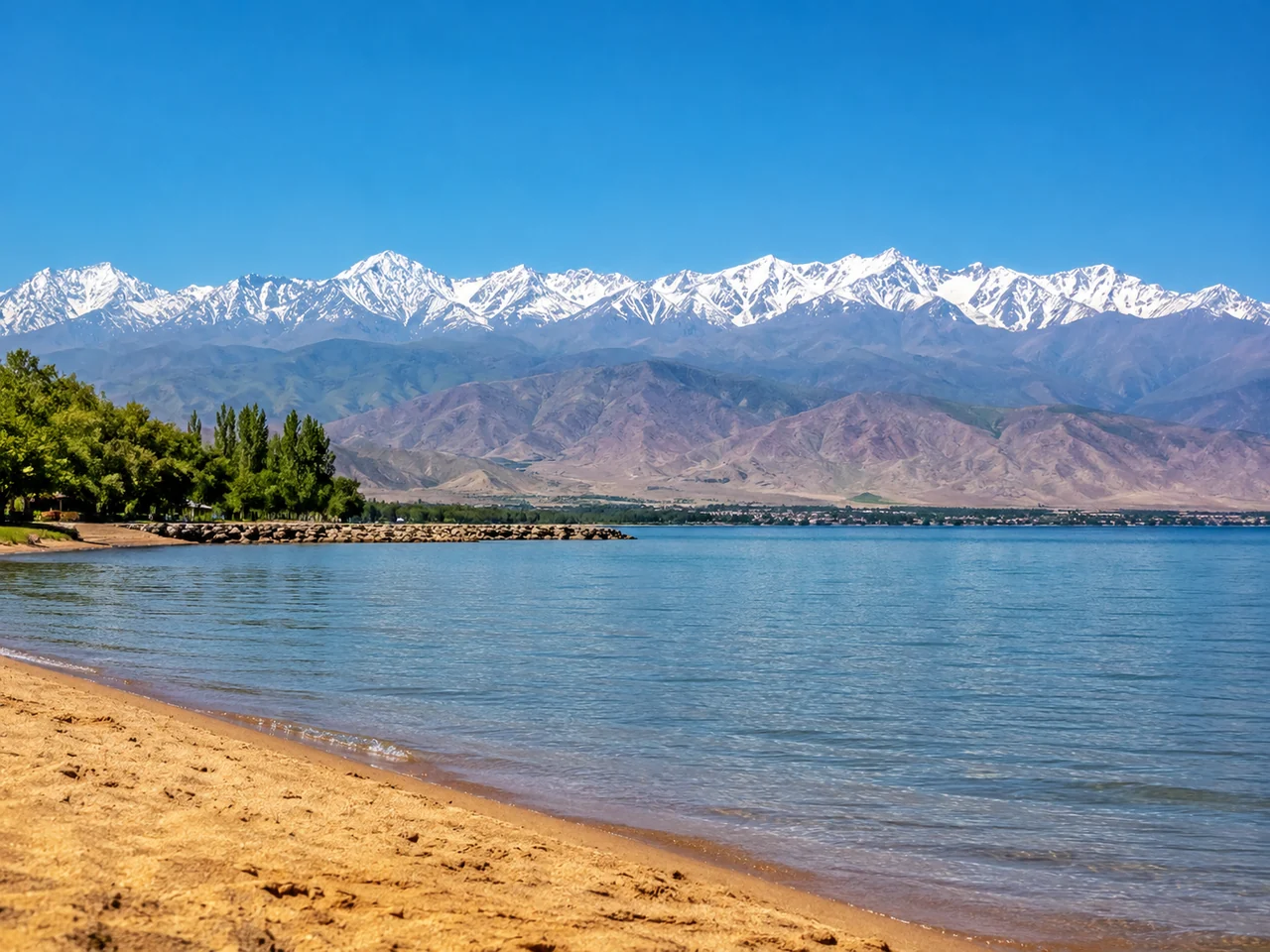
Issyk-Kul: The Lake That Never Freezes
Geography and Dimensions
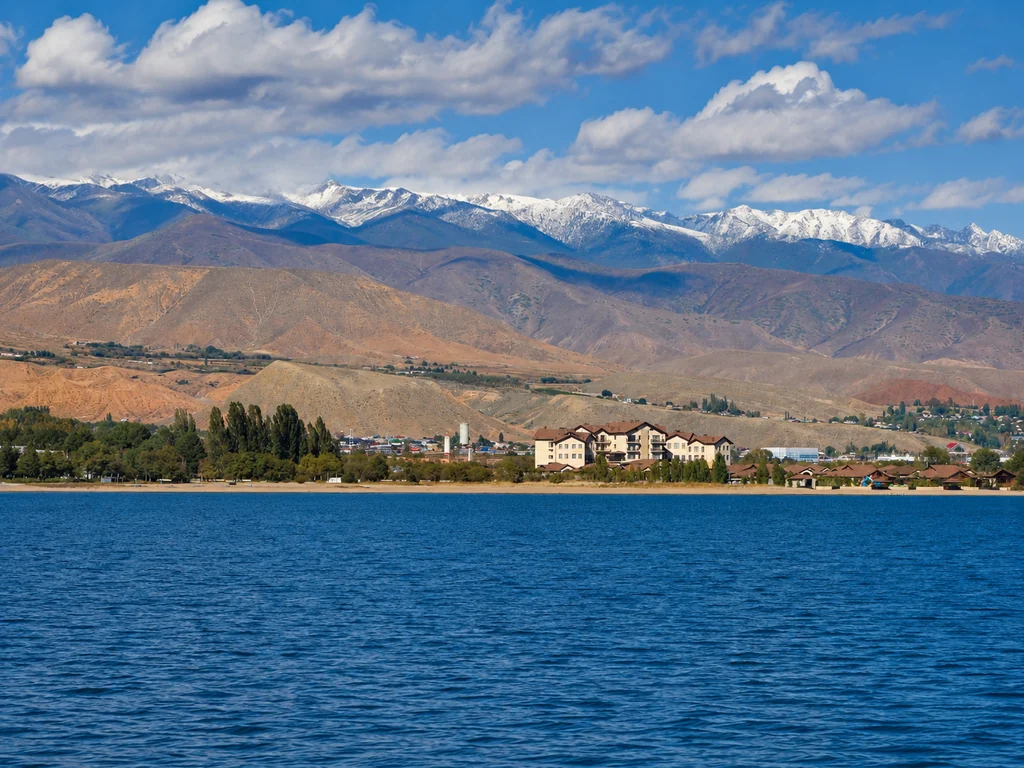
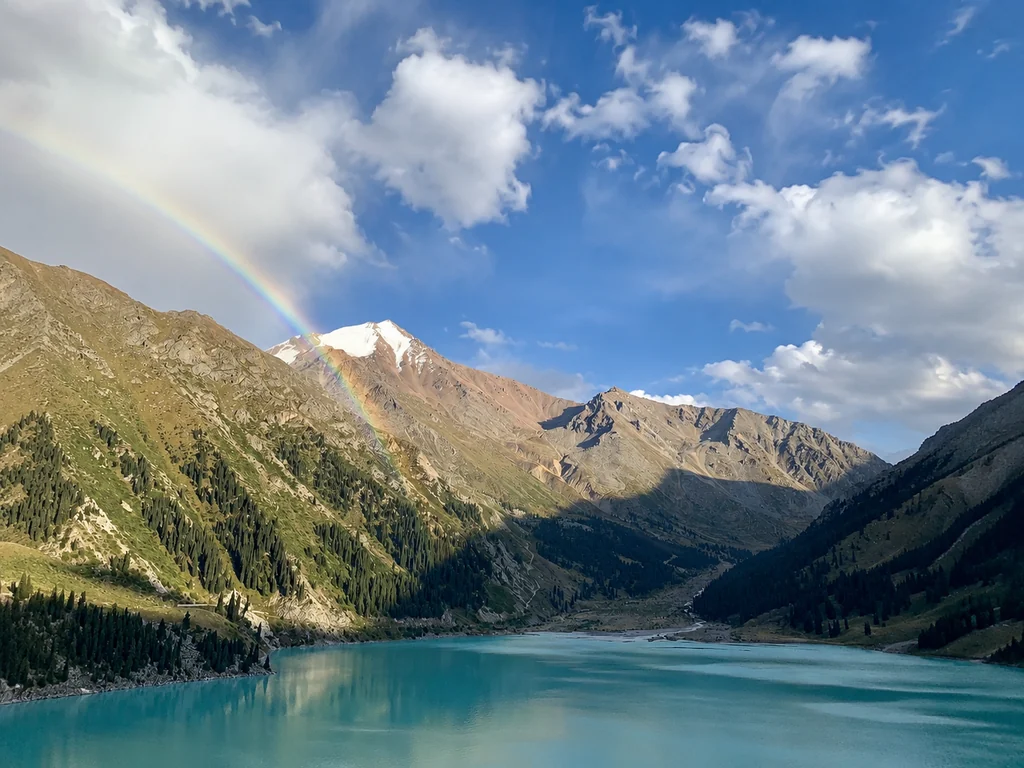
Issyk-Kul is the largest lake in Kyrgyzstan and one of the largest mountain lakes in the world. It stretches 182 kilometres from west to east and reaches a maximum depth of 668 metres. The water surface sits at 1,607 metres above sea level, cradled between the Terskey Ala-Too range to the south and the Kungey Ala-Too range to the north. Despite its high-altitude location, the lake never freezes in winter, which is why its name translates from Kyrgyz as "warm lake."
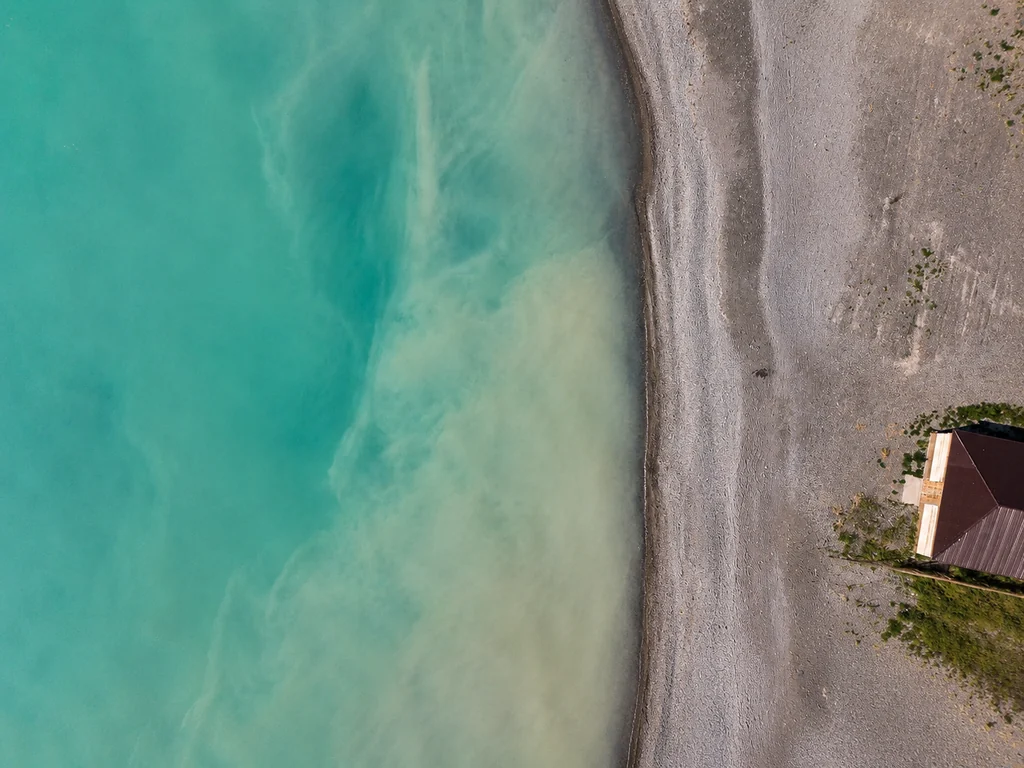
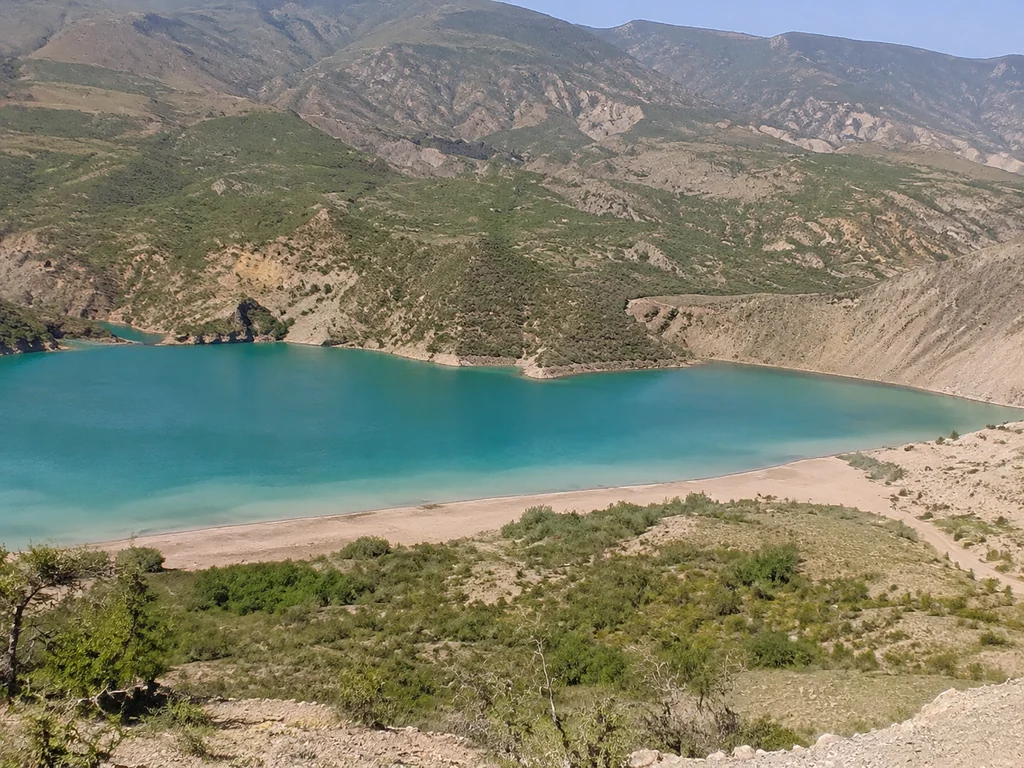
The water is slightly saline, with a mineral content that gives it a distinctive turquoise hue in bright sunlight. The lake has no outlet — water leaves only through evaporation, which concentrates dissolved salts over time. The northern shore, where our route travels, is relatively flat and resort-oriented, with towns like Cholpon-Ata, Kara-Oi, and Bosteri spread along the coastline. The southern shore is more rugged, backed by the steep slopes of the Terskey Ala-Too.
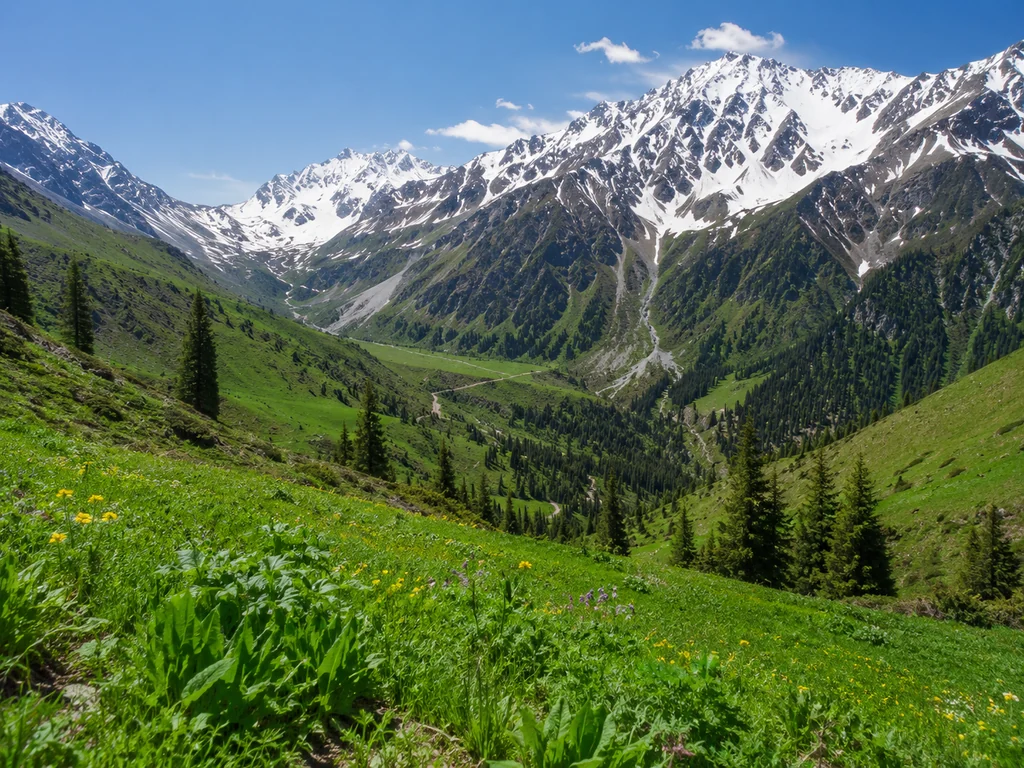
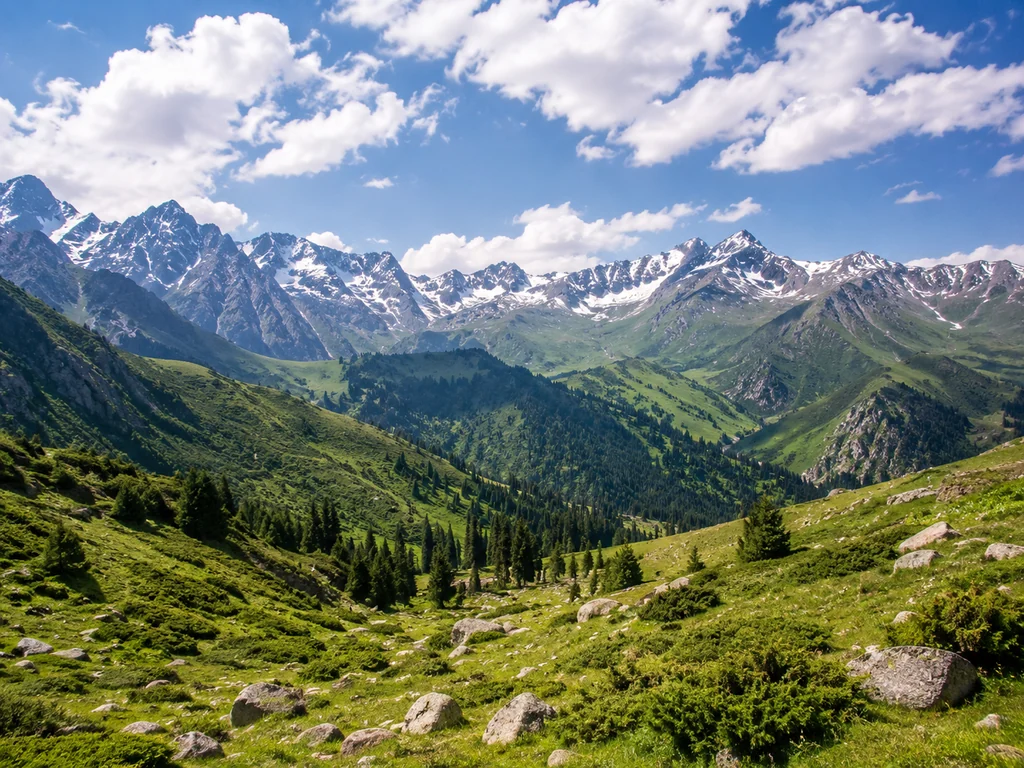
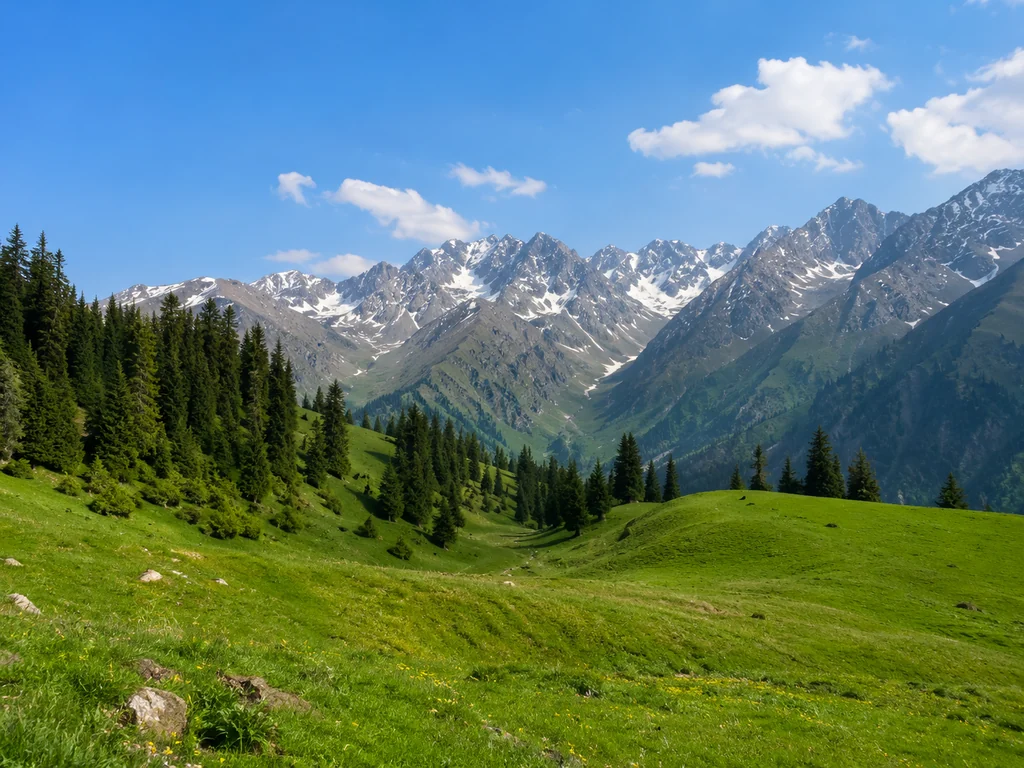
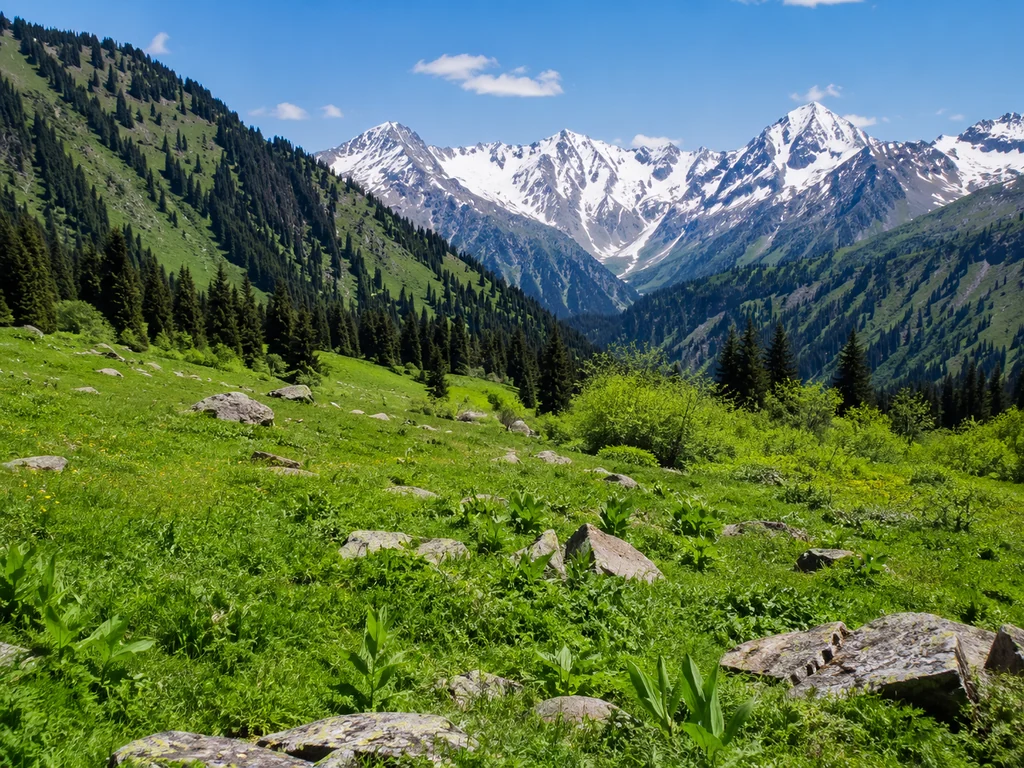
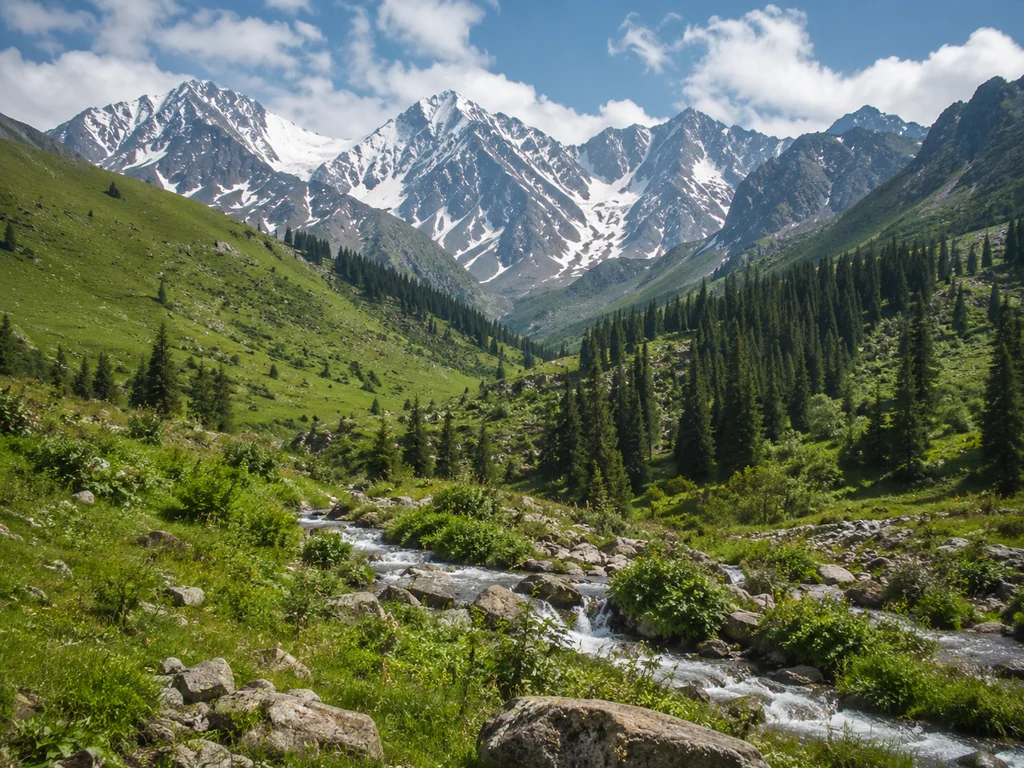
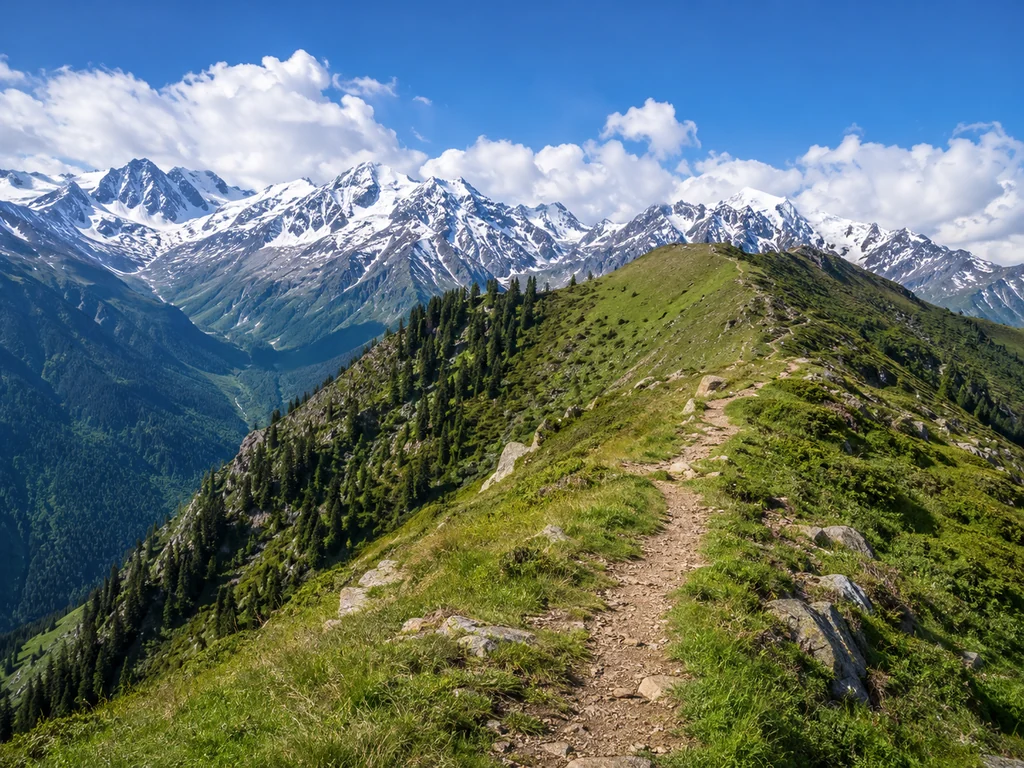
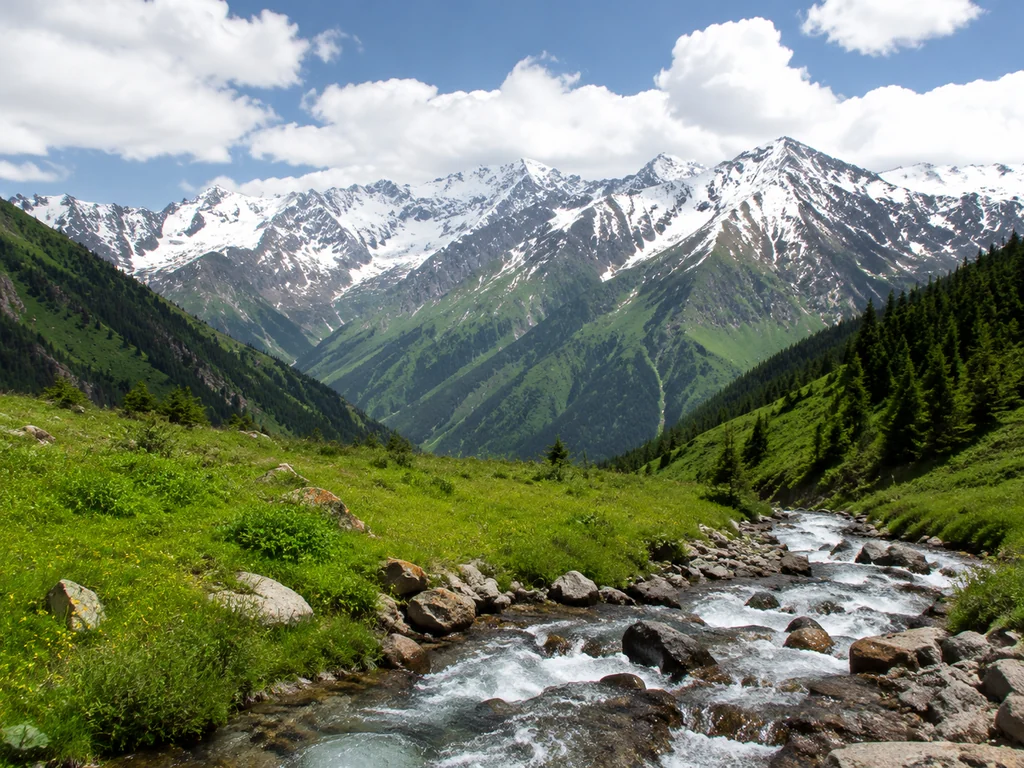
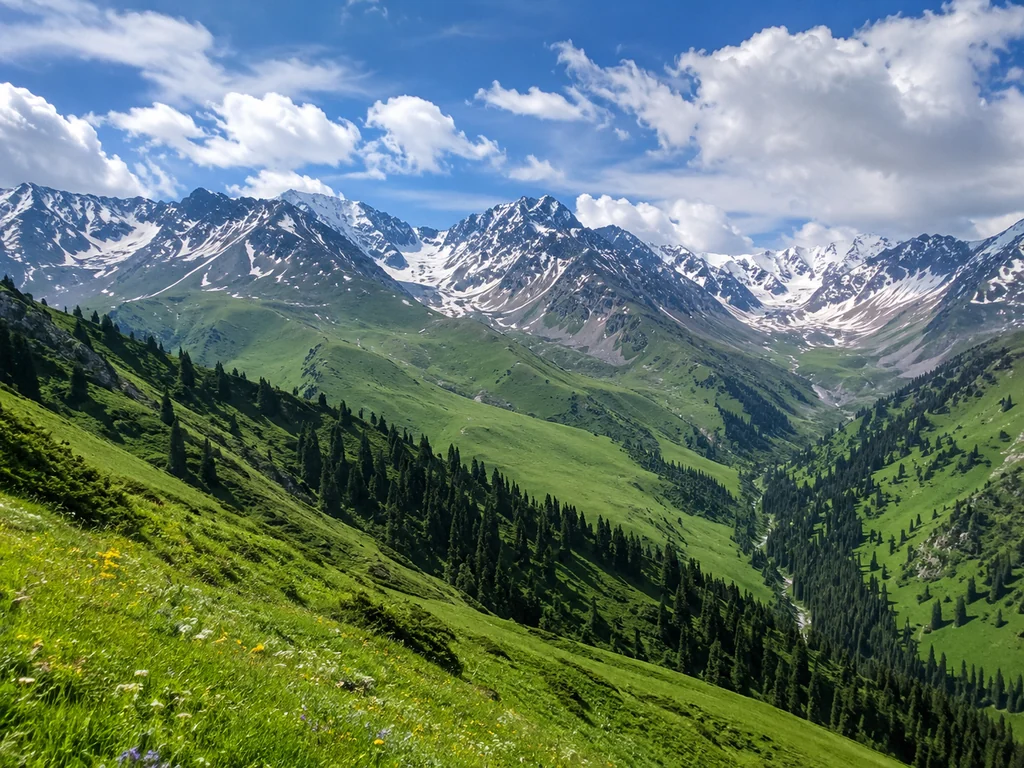
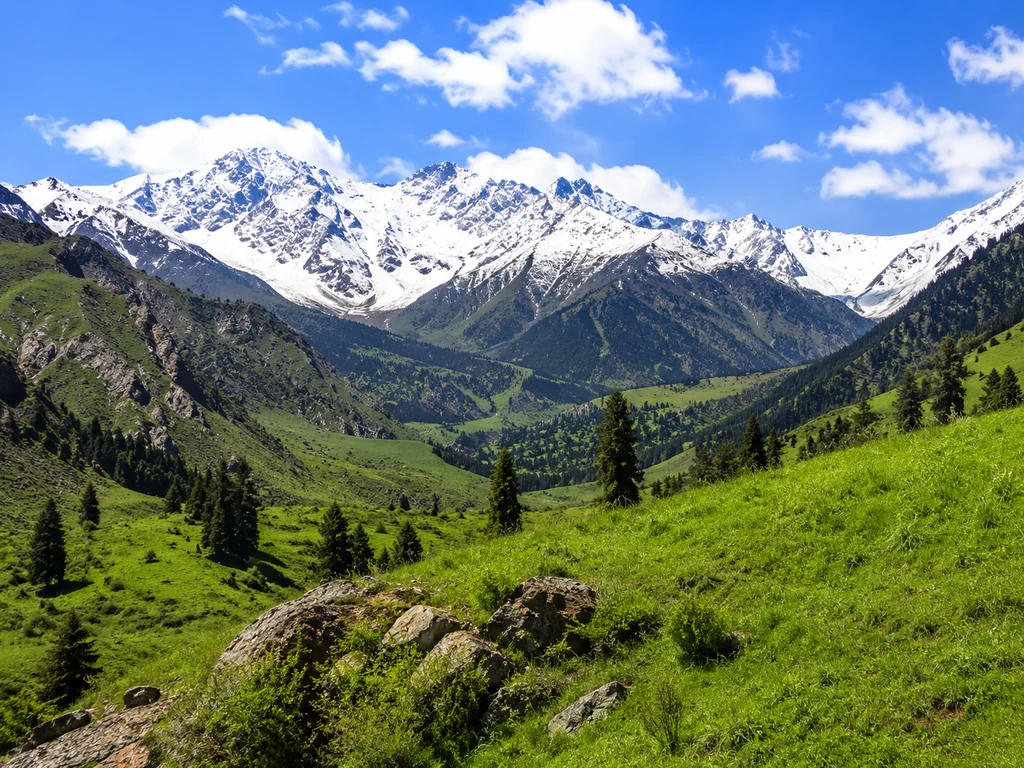
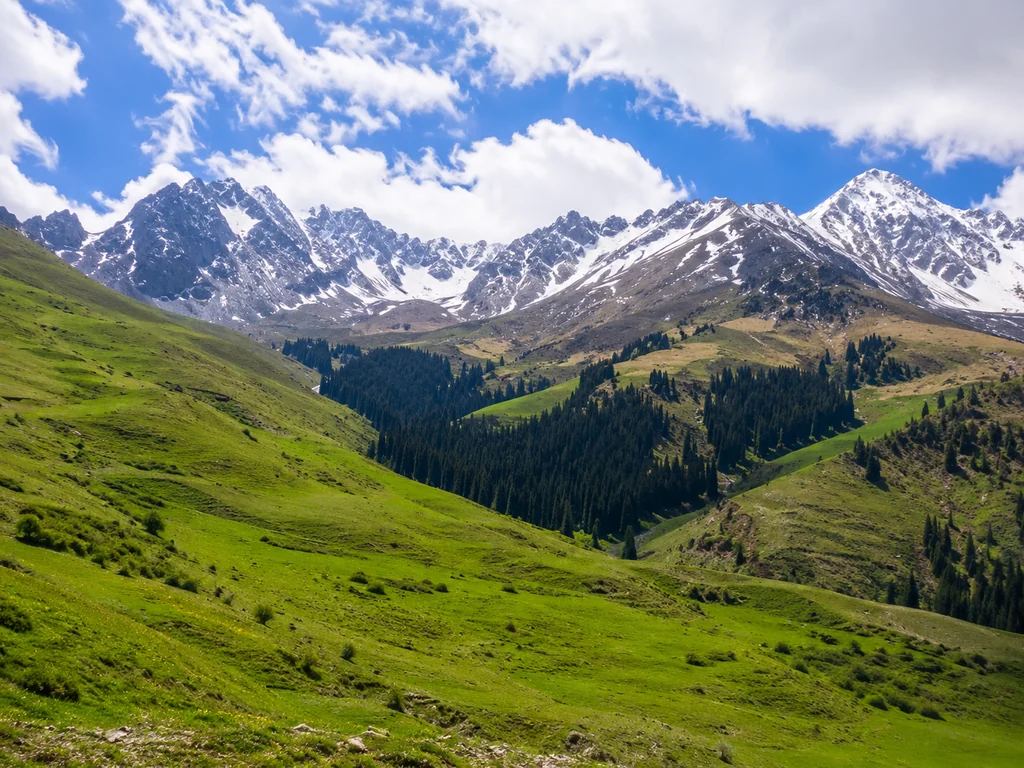
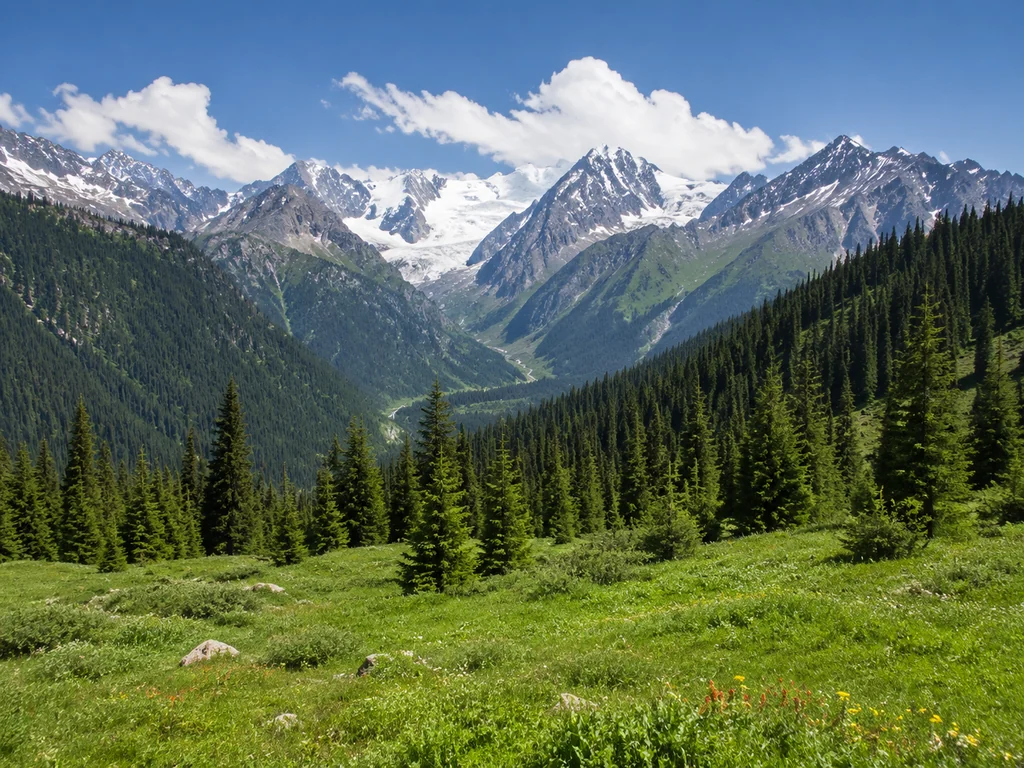
The lake sits in a tectonic depression between two major mountain ranges of the Tian Shan system. The surrounding peaks rise to 4,000–5,000 metres, creating a microclimate that keeps the lake basin warmer than other areas at similar altitudes. This geography shapes everything from the local vegetation to the seasonal weather patterns that travellers should understand before setting out.
Climate and Seasons
Issyk-Kul has a continental mountain climate with distinct seasons. Summer, from June through August, brings daytime temperatures of +25 to +30 °C on the northern shore, with water temperatures reaching +20 to +22 °C by late July. This is the peak season for swimming and beach activities. Autumn, from September to October, offers cooler air around +15 to +20 °C and fewer visitors, though the water remains swimmable into early September.
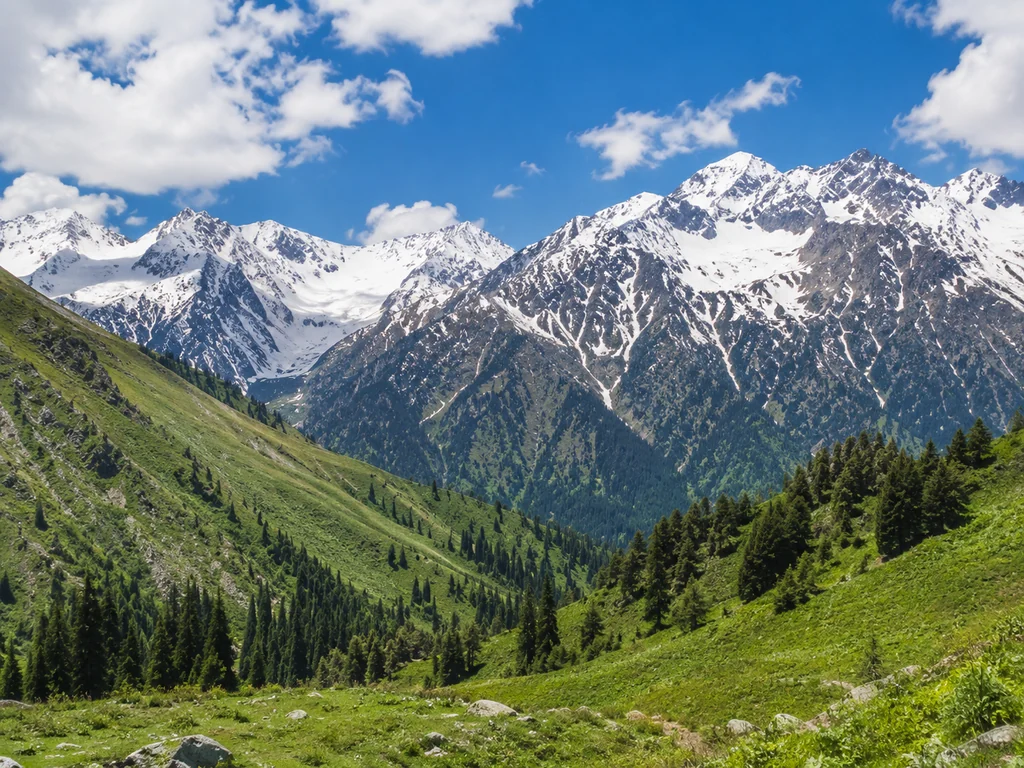
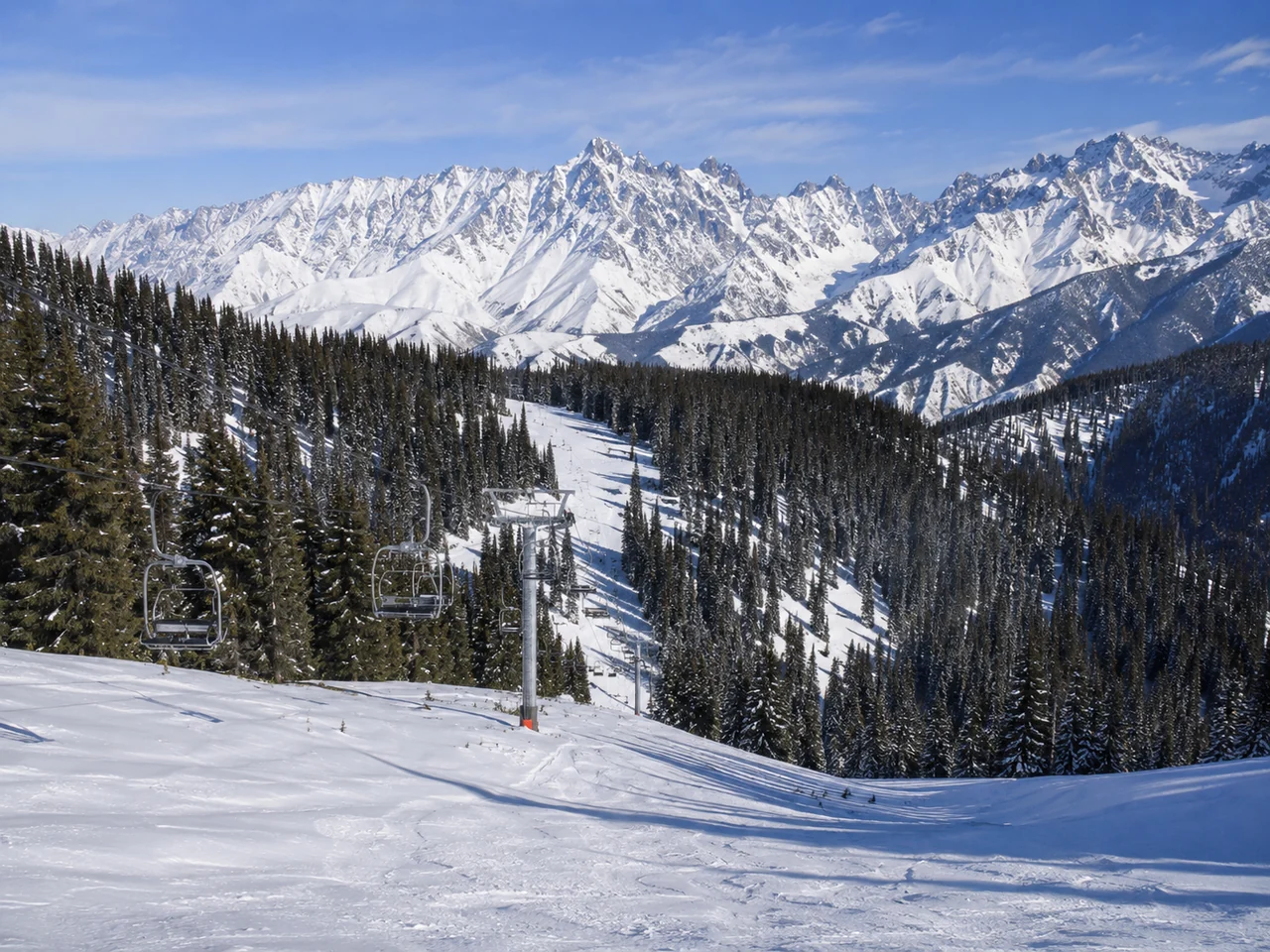
Winter, from November through March, is cold but not extreme: air temperatures range from -5 to -15 °C, and the lake surface stays unfrozen. The surrounding mountains receive heavy snow, creating a stark white backdrop against the deep blue water. Spring, from April to May, is unpredictable, with temperatures swinging between +5 and +18 °C and occasional rain. The lake's moderating effect means the northern shore is milder than inland areas at the same altitude.
Wind is a constant feature on Issyk-Kul. Afternoon breezes pick up almost daily, churning the water and creating small waves. Mornings are typically calm and clear, which is why many activities are best planned for the first half of the day. Travellers should pack layers regardless of the season, as temperatures can drop significantly after sunset.
What Makes the Lake Unique
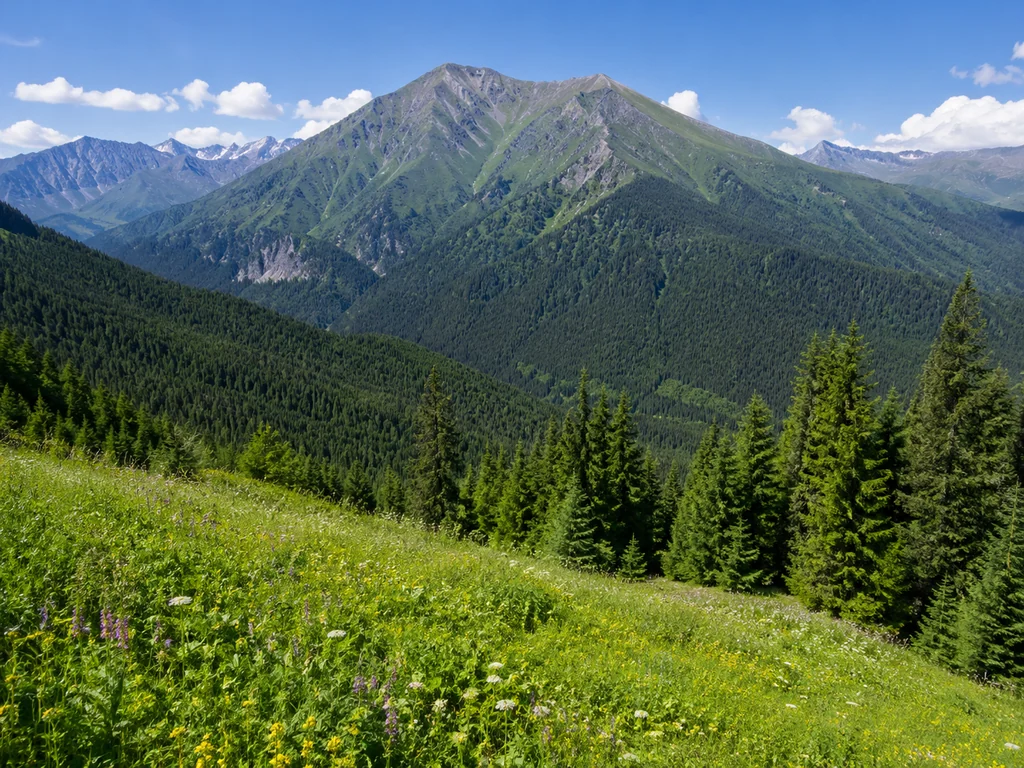
Several features set Issyk-Kul apart from other mountain lakes. The combination of high altitude, great depth, and saline water creates a distinctive ecosystem with endemic fish species. The lake's colour shifts throughout the day, from pale turquoise in the morning to deep sapphire by afternoon, depending on the angle of sunlight and wind conditions. The surrounding steppe transitions to alpine meadows and then to permanent snowfields as you move up the slopes.
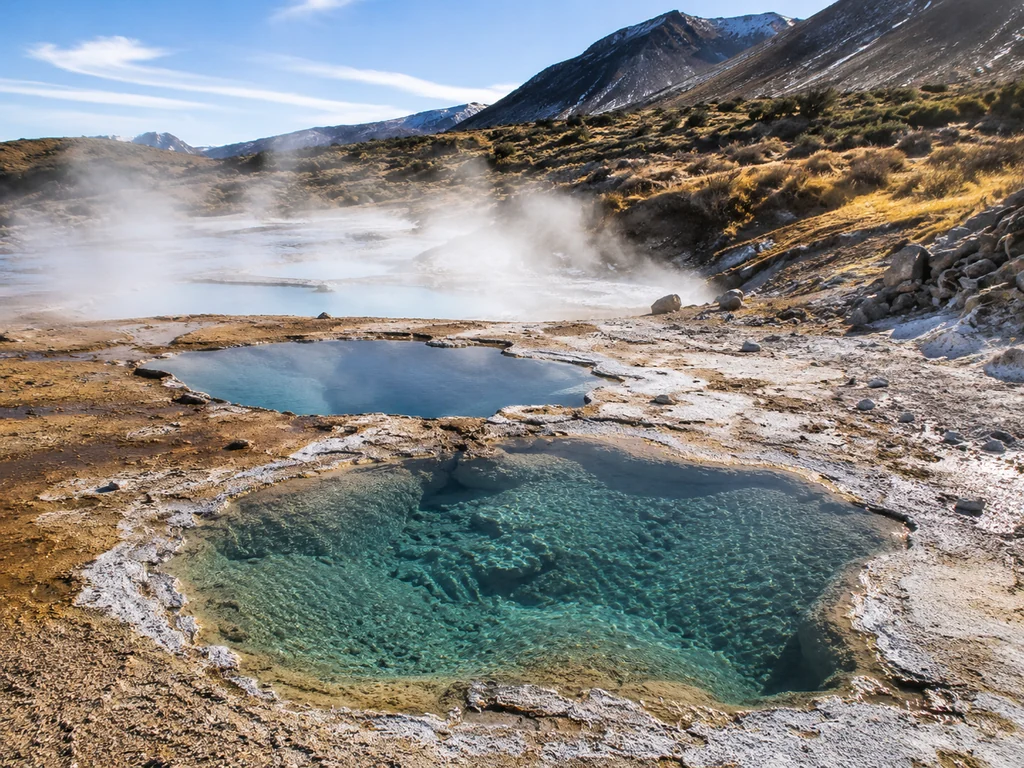
The northern shore is dotted with hot springs and mineral water sources that emerge from deep underground. These springs are a traditional attraction for locals and visitors alike, believed to have therapeutic properties. The area around Cholpon-Ata also contains ancient petroglyphs — rock carvings dating back thousands of years — that offer a glimpse into the region's long history as a crossroads of civilisations.
Wildlife in the region includes ibex, roe deer, and numerous bird species. The mountains above the lake are home to snow leopards, though sightings are extremely rare. The lake itself supports a variety of fish, including the endemic Issyk-Kul marinka and chebak. Fishing is a traditional activity in the area, though regulations apply and should be checked locally.
The Bus Route from Almaty to Issyk-Kul
Departure and the Korday Border Crossing
The journey begins in Almaty and heads west along the highway toward the Kazakh-Kyrgyz border. The first major waypoint is Korday, a border crossing point that serves as the primary gateway between the two countries for road travellers. The distance from Almaty to the Korday post is roughly 220–240 kilometres, depending on the exact starting point in the city. The road is paved and generally in good condition, passing through semi-arid steppe and foothill terrain.
Border formalities at Korday can take anywhere from 30 minutes to several hours, depending on the queue and the time of day. The crossing operates around the clock, but peak periods — early morning and late afternoon — often see longer waits. Travellers should have their documents ready and be prepared for a thorough check. The process involves exiting Kazakhstan and then entering Kyrgyzstan, with a short neutral zone between the two checkpoints.
Once through the border, the road continues toward Bishkek, the Kyrgyz capital. The distance from Korday to Bishkek is approximately 20–25 kilometres. The route passes through the Chuy Valley, a fertile agricultural region known for its grain fields, orchards, and vineyards. The valley is wide and flat, with the snow-capped peaks of the Kyrgyz Ala-Too range visible to the south.
Bishkek, Tokmok, and the Boom Gorge
From Bishkek, the highway turns east toward Tokmok, a town about 60 kilometres away. Tokmok sits at the western end of the Boom Gorge, a narrow canyon that the Chu river has carved through the mountains. The gorge itself is inside Kyrgyzstan, between Tokmok and the lake, and is not a border crossing point. The road through the Boom Gorge is approximately 30–40 kilometres long and follows the Chu river for much of its length.
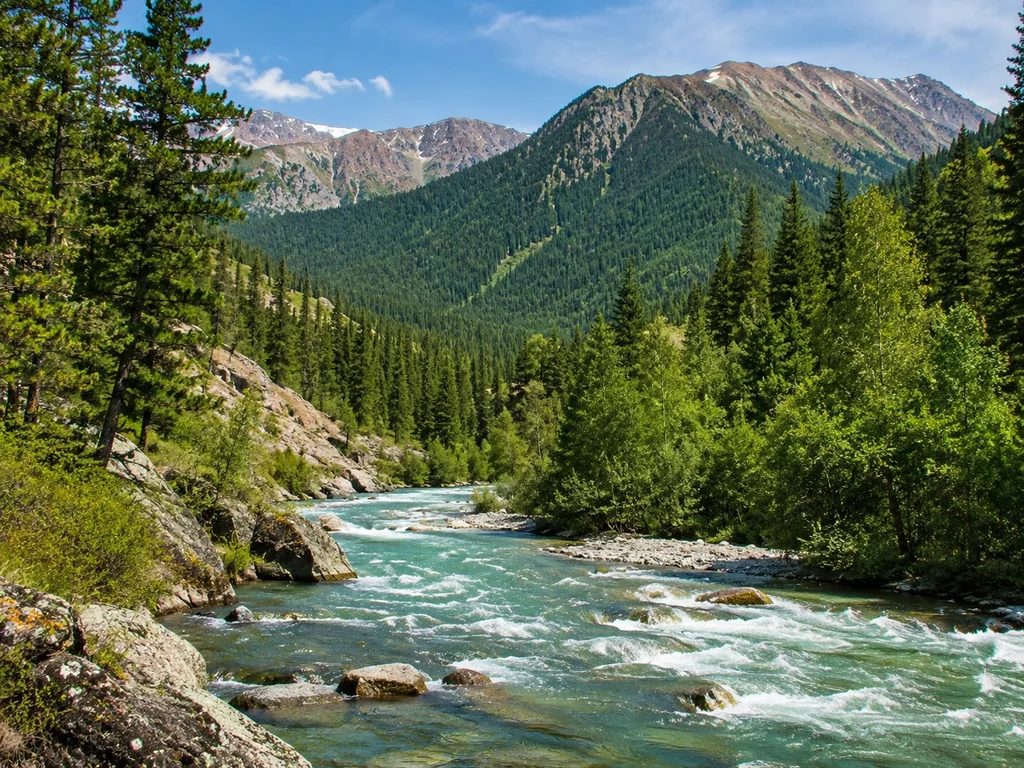
The Boom Gorge is dramatic: steep rock walls rise on both sides, and the river rushes alongside the road. The railway line from Bishkek to Issyk-Kul also runs through this corridor, often visible from the highway. The gorge narrows at points, and the road curves frequently, making it a slow but scenic section of the journey. There are a few small settlements and roadside stops along the way, but no major towns until you emerge at the lake.
After the Boom Gorge, the road opens onto the western end of Issyk-Kul. The first views of the lake appear suddenly, framed by the mountains on either side. The town of Balykchy, at the western tip, is the first settlement on the lake shore. From there, the road turns east along the northern shore toward Cholpon-Ata and beyond. The total distance from Almaty to Cholpon-Ata is approximately 450–500 kilometres, and with border formalities and road conditions, the journey takes almost a full day.
Arrival on the Northern Shore
The northern shore of Issyk-Kul is a string of resort towns and villages connected by a single highway. Cholpon-Ata is the largest and most developed, with a population of around 10,000–12,000. It serves as the main hub for the northern shore, offering markets, cafes, and access to the beach. Kara-Oi, about 10 kilometres from Cholpon-Ata, is a smaller village known for its hot springs and quieter atmosphere.
The road along the northern shore is flat and straight for the most part, with occasional curves where rivers flow down from the mountains. The Terskey Ala-Too range is visible across the lake to the south, its peaks often capped with snow even in summer. The sun sets over the lake to the west, creating long reflections on the water. The northern shore faces south, so it receives sunlight throughout the day.
Accommodation along the northern shore ranges from simple guesthouses to small hotels. The villages are spaced a few kilometres apart, and the beach is accessible from most of them. The water is shallow near the shore, warming up quickly in summer, and the bottom is sandy or pebbly depending on the location. The area is popular with families and groups, and the infrastructure is geared toward summer tourism.
Ak-Bermet: Hot Springs and the Surrounding Area
The Thermal Complex at Kara-Oi
Ak-Bermet is a thermal complex and natural area located on the northern shore of Issyk-Kul, in the village of Kara-Oi near Cholpon-Ata. The hot springs here emerge from deep underground and are rich in minerals. In the pools the group visits, the water is +38 to +40 °C, making it comfortable for soaking even in cooler weather. The springs are a traditional attraction, and the complex includes pools and bathing areas.
The name "Ak-Bermet" refers both to the thermal complex and to the surrounding natural tract. The area is characterised by steppe vegetation and rocky outcrops, with views of the lake and mountains. The hot springs are believed to have therapeutic properties, particularly for joint and skin conditions, though scientific evidence for specific benefits varies. The water is clear and slightly sulphurous, with a distinct mineral taste and smell.
Visiting the springs is a popular activity for travellers on the northern shore. The complex is typically open year-round, though hours may vary by season. Facilities are basic but functional, with changing areas and pools of different temperatures. The experience is best enjoyed in the morning or evening, when the air is cooler and the contrast with the warm water is most pronounced.
What to Expect at the Springs
The thermal pools at Ak-Bermet are fed directly from underground sources, so the water is constantly refreshed. The temperature can vary slightly from pool to pool, allowing visitors to choose their preferred warmth. The mineral content leaves a slight residue on the skin, which some find soothing. Towels and swimwear are necessary, and visitors should bring their own if they plan to bathe.
The surrounding area offers opportunities for walking and photography. The steppe landscape is dotted with shrubs and grasses, and the lake is visible in the distance. The mountains of the Terskey Ala-Too range provide a dramatic backdrop, especially in the late afternoon when the light softens. The area is quiet outside the main tourist season, making it a peaceful place to relax.
It is important to note that the hot springs are a natural feature, and conditions can change. The water temperature may fluctuate, and the facilities may be crowded during peak times. Visitors should manage their expectations and enjoy the experience for what it is — a simple, natural soak in a beautiful setting. The springs are not a luxury spa, but a traditional and authentic part of the local landscape.
Other Attractions on the Northern Shore
Beyond Ak-Bermet, the northern shore has several other points of interest. Cholpon-Ata has a small museum and a petroglyph site with ancient rock carvings. The open-air petroglyph field, located just outside town, contains thousands of drawings dating from the Bronze Age to the Middle Ages. The images depict animals, hunting scenes, and human figures, offering insight into the region's ancient cultures.
The beach at Cholpon-Ata is one of the most popular on the lake, with a long stretch of sand and pebbles. The water is clear and shallow near the shore, making it suitable for swimming. Boats and watercraft are available for rent in some areas, though regulations may apply. The town also has a small market where local products, including honey, dried fruit, and handicrafts, are sold.
Further east along the northern shore, the villages of Bosteri and Korumdy offer quieter alternatives to Cholpon-Ata. These areas have guesthouses and small resorts, often with private beaches. The landscape remains similar — flat shoreline backed by steppe and mountains — but the pace is slower. These villages are good options for travellers who prefer a more relaxed atmosphere away from the main tourist hub.
What to Bring and How to Prepare
Essential Items for the Bus Journey
The bus ride from Almaty to Issyk-Kul is long, so comfort is key. A neck pillow, a light blanket or shawl, and warm socks can make the journey more pleasant. The bus may be air-conditioned, but temperatures can vary, so layers are advisable. Snacks and water are essential, as stops may be limited and the border crossing can take time. A reusable water bottle is useful, and refilling stations are available at some stops.
Documents are critical: a valid passport, any required visas, and photocopies of important papers. The border crossing at Korday requires identification, and travellers should keep their documents accessible. A pen for filling out forms is also handy. Cash in local currencies — Kazakh tenge and Kyrgyz som — is useful for small purchases, as not all places accept cards, especially in rural areas.
Entertainment for the road is a good idea: a book, a tablet, or a music player. Power banks are essential, as charging points on the bus may be limited. A small first-aid kit with basic medications, plasters, and any personal prescriptions is also recommended. Sunscreen and sunglasses are important, as the sun can be strong even through the bus windows.
Clothing and Footwear
The climate around Issyk-Kul varies, so versatile clothing is best. In summer, light clothing for daytime and a warmer layer for evenings are ideal. A swimsuit is essential if you plan to swim or visit the hot springs. A hat and sunglasses protect against the sun, and comfortable walking shoes are necessary for exploring the area. Sandals or water shoes are useful for the beach and springs.
In spring and autumn, a waterproof jacket and warmer layers are advisable, as temperatures can drop and rain is possible. In winter, insulated clothing, a hat, gloves, and waterproof boots are necessary. The lake never freezes, but the air can be cold, and wind makes it feel colder. A scarf or buff protects the face from wind and dust.
For the hot springs, bring a towel, flip-flops, and a change of clothes. The mineral water can leave residue, so a rinse after soaking is a good idea. A waterproof bag for wet items is also useful. Overall, pack for comfort and flexibility, as conditions can change quickly in mountain regions.
Physical Preparation and Health
The tour involves some walking and time at altitude, though the lake itself is at 1,607 metres, which is moderate. Most people adapt without issue, but those with heart or lung conditions should consult a doctor before travelling. The bus journey is long, so sitting for extended periods may cause stiffness; light stretching during breaks helps. The hot springs are relaxing but can cause dehydration, so drink water before and after soaking.
Food and water safety: tap water is generally not recommended for drinking in the region. Bottled water is widely available and should be used for drinking and brushing teeth. Street food and local cuisine are part of the experience, but choose freshly cooked items and avoid raw or undercooked foods. If you have dietary restrictions, bring your own snacks or consult with the tour organiser.
Sun protection is important: the high altitude and reflective water surface increase UV exposure. Use sunscreen with a high SPF, reapply regularly, and wear sunglasses and a hat. Insect repellent is useful in summer, especially near water and in the evenings. A basic knowledge of first aid and a small kit can help with minor issues.
Who This Tour Suits and Who It Doesn't
Ideal for Nature Lovers and Relaxed Travellers
This tour is designed for travellers who enjoy natural landscapes, scenic drives, and a slower pace. The combination of the lake, mountains, and hot springs appeals to those who appreciate the outdoors and want to experience a different culture. The group format means shared experiences and a set itinerary, which suits people who prefer not to plan every detail themselves. The tour is also good for photographers, as the light and scenery change constantly.
Families with older children may find the tour suitable, as the activities are generally low-intensity. The bus journey is long, but breaks are included. The hot springs are a highlight for many, offering relaxation after the drive. The northern shore has basic amenities, and the atmosphere is friendly and unpretentious. Travellers who value authenticity over luxury will appreciate the simplicity of the experience.
Couples and solo travellers can also enjoy this tour, as the group setting provides social interaction without being overwhelming. The itinerary includes free time, allowing for personal exploration. The lake offers opportunities for swimming, walking, and simply enjoying the view. The tour is a good introduction to Kyrgyzstan for first-time visitors to Central Asia.
Not Suitable for Those Seeking Luxury or Adventure Sports
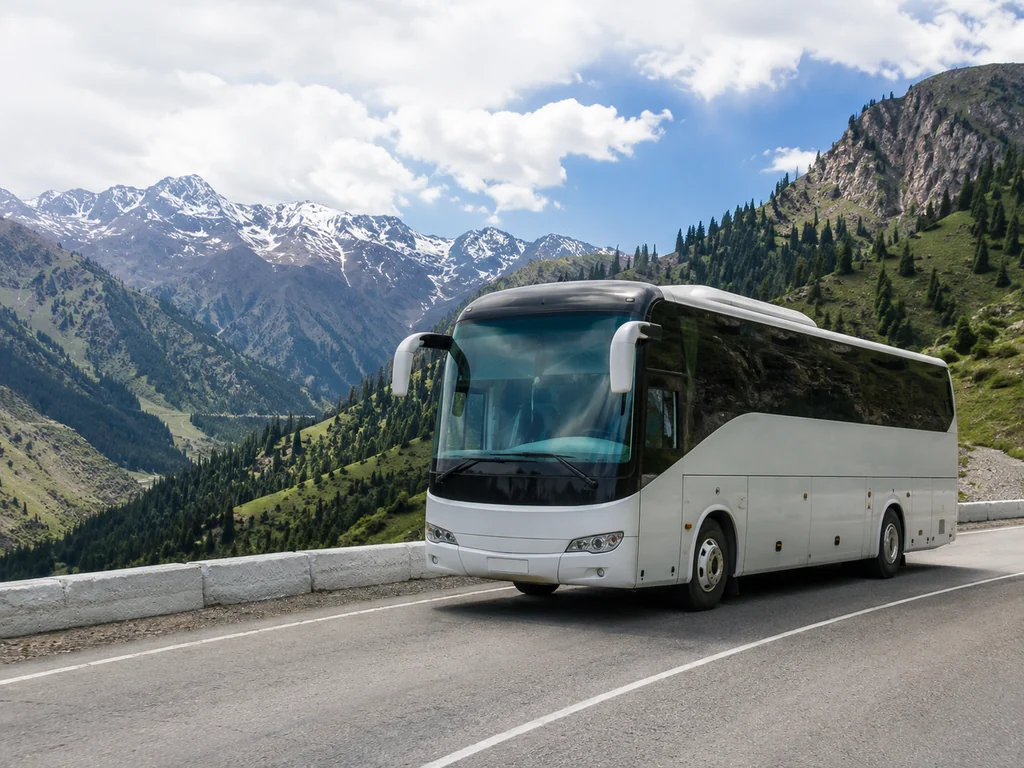
This tour is not a luxury holiday. Accommodation is comfortable but basic, and facilities may be shared. Those expecting high-end resorts, gourmet dining, or spa services will be disappointed. The focus is on the natural environment and the experience of travel, not on pampering. The bus is a standard vehicle, not a premium coach, and the journey is long.
Adventure sports enthusiasts may find the itinerary too relaxed. There is no trekking, climbing, or extreme activity included. The tour does not visit the southern shore, where more rugged terrain and longer hikes are available. Those seeking adrenaline-filled activities should look for specialised tours. This tour is about enjoying the lake and its surroundings at a leisurely pace.
Travellers with limited mobility or serious health conditions should consider carefully. The bus journey involves sitting for many hours, and the hot springs may not be accessible for everyone. The terrain around the lake is mostly flat, but some areas have uneven ground. It is advisable to discuss any specific needs with the tour organiser before booking. Restrictions on age and weight are clarified at the time of booking.
Group Dynamics and Social Aspects
The tour is a group experience, which means sharing the bus, meals, and activities with other travellers. This can be a positive aspect, as it allows for meeting new people and sharing impressions. However, it also requires flexibility and patience, as the group moves together and schedules are fixed. Those who prefer solitude may find the group setting challenging.
The group size is moderate, allowing for interaction without being crowded. The tour leader manages logistics and provides information, but the experience is largely self-directed during free time. Travellers should be respectful of others and follow the guide's instructions, especially during border crossings and at the hot springs. A cooperative attitude enhances the experience for everyone.
Language can be a barrier: the tour is accompanied by a Russian-speaking guide. Travellers should be prepared for basic communication and use translation tools if needed. The local population in Kyrgyzstan is generally friendly and helpful, and a few words of Russian or Kyrgyz can go a long way.
Practical Information and Logistics
Border Formalities and Documentation
Crossing the border at Korday requires a valid passport and, depending on nationality, a visa for Kyrgyzstan. Citizens of many countries, including Kazakhstan and Russia, can enter visa-free, but others should check requirements in advance. The border post operates 24 hours, but queues can be long. Travellers should have their documents ready and be prepared for questioning by border officials.
It is advisable to carry photocopies of your passport and visa, as well as any other relevant documents. Keep them separate from the originals in case of loss. The border crossing involves both exit and entry formalities, and the process can take time. Patience and a calm attitude are important. The tour leader will assist with the process, but ultimate responsibility lies with the traveller.
Customs regulations should be respected. There are limits on the amount of currency and goods that can be brought across the border. Prohibited items include drugs, weapons, and certain agricultural products. It is best to declare anything of value and avoid carrying items that could be misinterpreted. The border officials may inspect luggage, so packing neatly and being organised helps.
Money, Language, and Communication
The currency in Kyrgyzstan is the Kyrgyz som. It is advisable to carry cash, as card acceptance is limited outside major cities. ATMs are available in Bishkek and Cholpon-Ata, but not in smaller villages. Exchanging money at banks or official exchange points is recommended for better rates. Kazakh tenge may be accepted in some border areas, but it is safer to have som.
The official languages are Kyrgyz and Russian. English is not widely spoken outside tourist areas, so a translation app or phrasebook is useful. Learning a few basic phrases in Russian or Kyrgyz can enhance interactions. The local population is generally hospitable, and efforts to communicate are appreciated. Signs are often in Cyrillic, so familiarising yourself with the alphabet helps.
Mobile coverage is good in Bishkek and along the northern shore, but may be spotty in remote areas. Purchasing a local SIM card is easy and inexpensive, providing data and calls. Wi-Fi is available in many hotels and cafes, but speeds vary. For emergencies, the general emergency number in Kyrgyzstan is 112. It is wise to have a charged phone and a power bank.
Time Zone and Local Customs
Kyrgyzstan is on UTC+6, one hour ahead of Almaty (UTC+5), so set your watch forward after the border. Local customs are similar to other Central Asian countries: remove shoes when entering homes, dress modestly in rural areas, and ask permission before photographing people. Respect for local traditions is important and appreciated.
Alcohol is widely available but should be consumed responsibly. Public drunkenness is frowned upon. Smoking is common, but restrictions exist in some public places. Tipping is not mandatory but appreciated for good service. Bargaining is acceptable in markets but not in shops or for services. A polite and respectful attitude goes a long way.
The pace of life is relaxed, and punctuality may be less strict than in Western countries. Flexibility is key. Plans can change due to weather or other factors, so travellers should be adaptable. The tour itinerary is designed to be realistic, but delays can occur. A positive attitude and a sense of humour help navigate any unexpected situations.
Seasonal Overview and What to Expect
Monthly Breakdown of Conditions
The table shows average conditions, but actual weather can vary. Summer is the most popular time, with warm water and long sunny days. Winter is cold but offers a unique, quiet experience. Spring and autumn are transitional, with fewer tourists and moderate temperatures. The lake's moderating effect means the northern shore is milder than inland areas at the same altitude.
Comparing Our Tour with Other Options
This comparison is for general guidance. Our tour is a structured group experience with a fixed itinerary, focusing on the northern shore and Ak-Bermet. Other activities may offer different experiences, such as water sports, hiking on the southern shore, or independent travel. Each option has its own advantages, and travellers should choose based on their preferences and needs.
Packing Checklist for the Tour
- Passport and visa (if required), plus photocopies
- Comfortable clothing for layering, including warm items for evenings
- Swimsuit and towel for hot springs and swimming
- Sun protection: sunscreen, sunglasses, hat
- Comfortable walking shoes and sandals
- Personal medications and a basic first-aid kit
- Reusable water bottle and snacks for the bus
- Power bank and charging cables
- Cash in Kyrgyz som for small purchases
- Translation app or phrasebook
This checklist covers the essentials. Adjust based on the season and your personal needs. The key is to be prepared for varying conditions and to travel light enough for comfort. The bus has limited space, so a compact bag is advisable.
Final Thoughts on the Issyk-Kul Experience
Issyk-Kul is a place of contrasts: a vast lake in the middle of mountains, a warm body of water in a cold climate, a popular destination that still feels remote. The four-day bus tour from Almaty offers a chance to experience this unique environment without the hassle of planning every detail. The journey is long, but the reward is a landscape that stays with you — the deep blue water, the snow-capped peaks, the simple pleasure of soaking in a hot spring under the open sky.
The northern shore is accessible and welcoming, with basic infrastructure that caters to visitors. The hot springs at Ak-Bermet are a highlight, offering warmth and relaxation after the drive. The lake itself is a constant presence, changing colour and mood with the weather. Whether you swim, walk, or simply sit and watch, the experience is one of immersion in nature.
This tour is not for everyone. It requires patience, flexibility, and a willingness to embrace simplicity. But for those who value authentic travel and natural beauty, it is a rewarding journey. The memories of Issyk-Kul — the light on the water, the wind off the mountains, the warmth of the springs — are lasting. The lake, as locals say, is a warm lake, and its warmth extends beyond the water to the people and the experiences it offers.


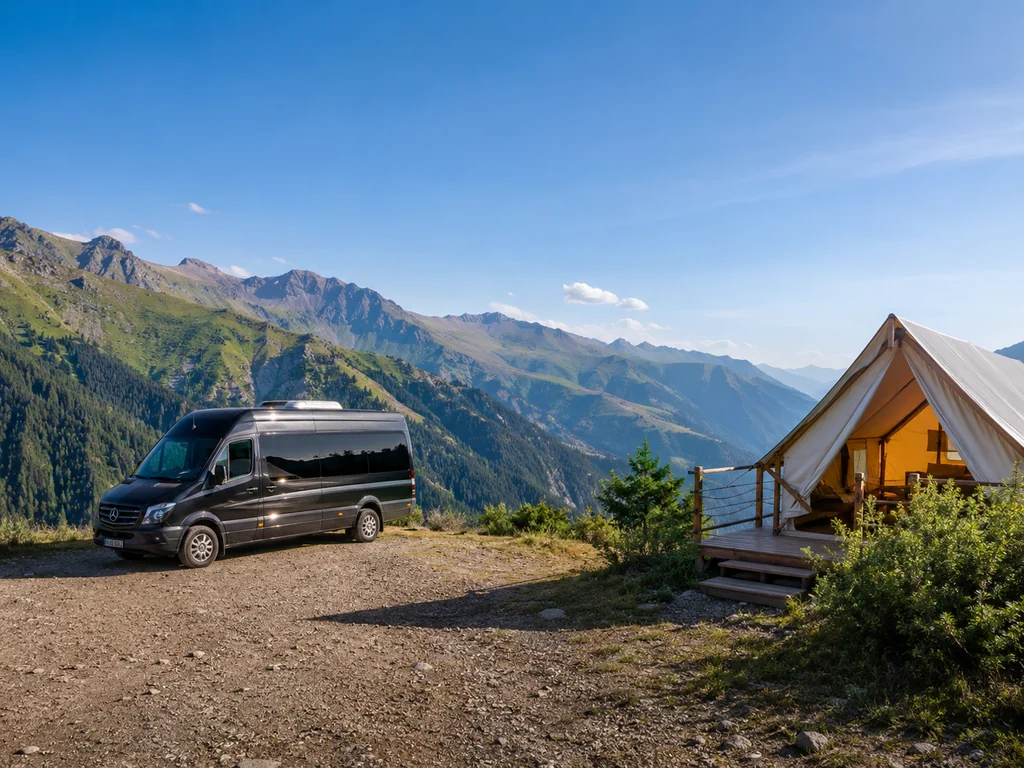 Multi-day