Individual Tours in Almaty: What This Section Offers
One Operator, Many Formats
The individual tours section of toor.kz brings together more than sixty different experiences in and around Almaty. They range from a two-hour audio walk through the city centre to a seven-day ibex hunt in the Dzungarian Alatau. Every tour is private: you go with your own guide, on your own schedule, without a group of strangers. The format is marked as individual for all of them, so the pace and the route adapt to you.
Prices across the section start at $7 per person for the audio excursion and go up to $7,708 per person for the hunting programme. That is a very wide range, and it reflects very different things: a player with a soundtrack and a pair of headphones at one end, a full hunting camp with a ranger, permits and transport at the other. Between those two extremes sit city walks, architecture tours, mountain hikes, a helicopter flight and even a three-day trip to Baikonur.
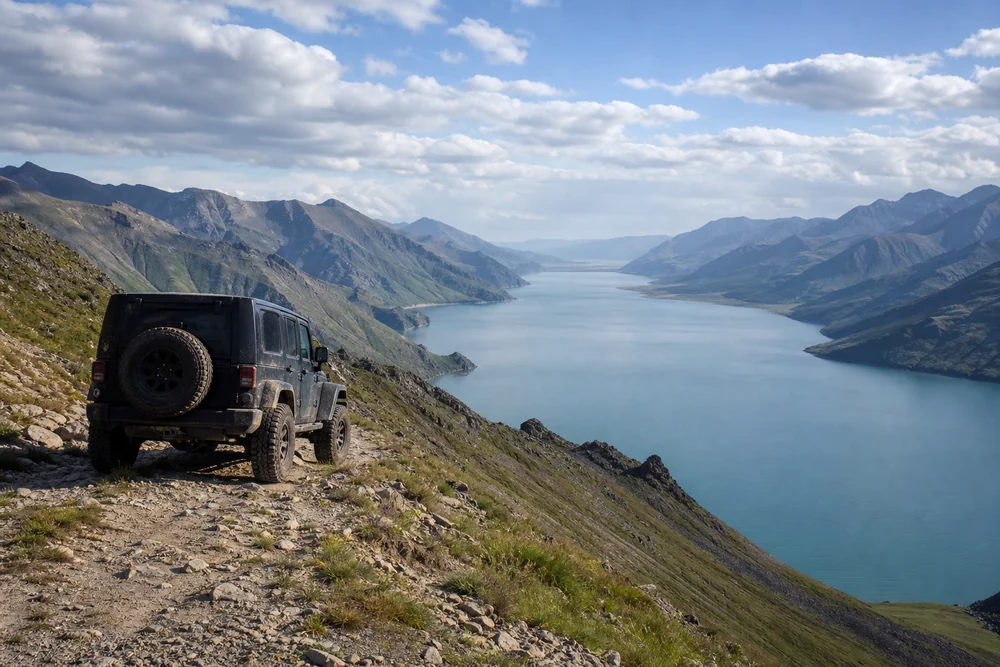
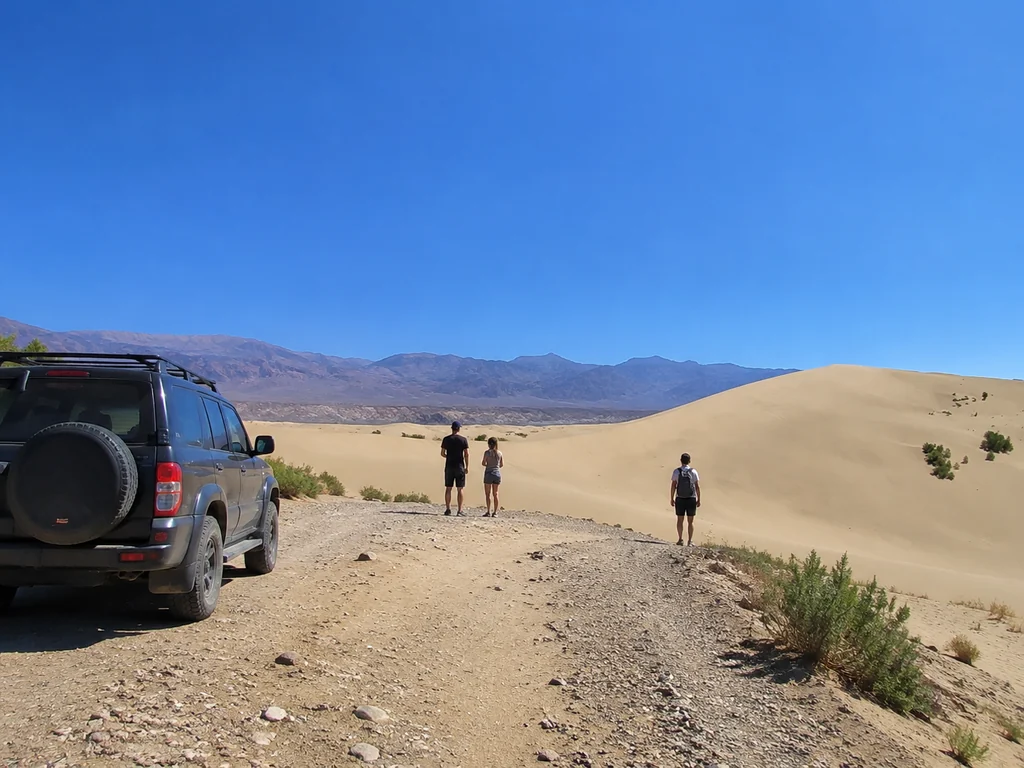
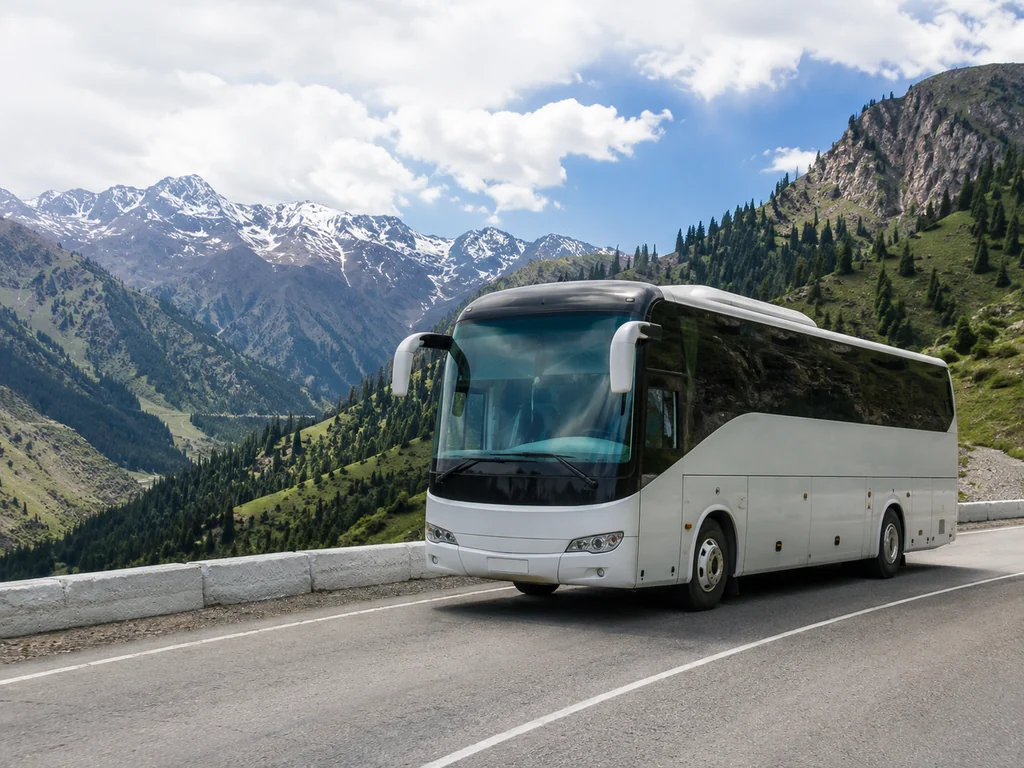
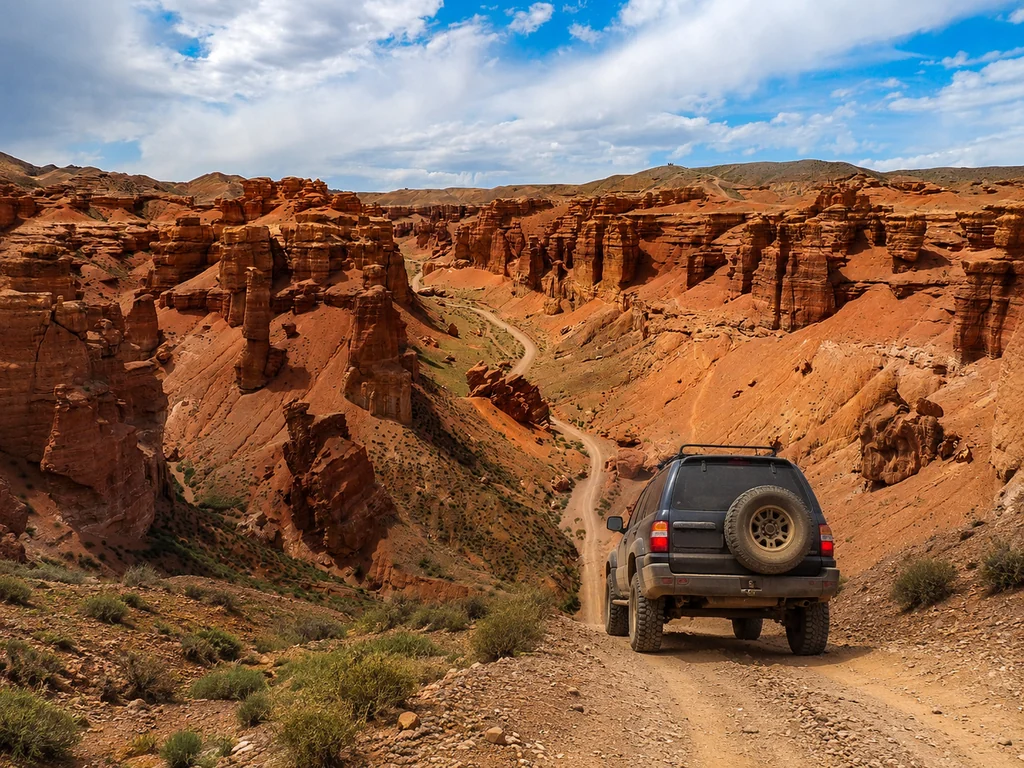
Transport inside the tours varies too. Some are on foot only, some use a car, and the longest ones use a jeep. This matters when you plan your day: a walking tour in the centre means comfortable shoes, while a jeep tour into the mountains means a full day away from the city.
How to Read the Listings
Each tour card on the site gives four things: the price per person, when it runs, how long it lasts, and how you move. The audio walk runs daily at any time and takes two hours on foot. The gastronomic walk starts at 10:00 and 15:00 every day, also two hours on foot. The classic city tour takes four hours by car, and the full sightseeing tour takes five hours by car.
The mountain programmes are longer. The hike to Bolshoy Almatinsky Peak is a ten-hour day on foot. The hike to Furmanov Peak with the sky swings is eight hours on foot. The Baikonur trip is three days and two nights by jeep. The ibex hunt lasts seven days, with two main hunting days and a reserve day, also by jeep.
Two tours have special timing notes. The helicopter flight runs by reservation and depends on the weather, with fifteen minutes in the air. The main mosque of Astana tour asks you to check dates, because it is tied to a different city and its own schedule.
What the Section Is Not
These are not group bus tours with a flag and a loudspeaker. They are not package holidays with hotels and flights included unless the description says so. And they are not a fixed menu: the time of a city walk can be set by request on most days, and the route can be adjusted to what you want to see.
It is also worth saying what the section does not promise. There are no seasonal discounts and no last-minute deals. Booking goes through WhatsApp with no prepayment: you pay on the day of the trip, cancellation is free, and rescheduling is a conversation with the manager on WhatsApp.
What the section does give you is a clear starting point: a price per person, a duration, a transport type and a short description of what you will actually do. From there, the rest is a conversation.
City Walks and Individual Tours in Almaty on Foot
The Audio Excursion with Music
The cheapest tour in the section is an audio walk through the centre of Almaty with music in your headphones. It costs $7 per person, runs daily at any time, and takes two hours on foot. The route goes from the Park of 28 Guardsmen through the Green Bazaar to the Nedelka fountain on the Arbat. You hear the story of the city through jazz, classical music and ethnic sound.
This is a good first introduction if you have just arrived. Two hours is enough to walk the grid of streets between the park and the bazaar without rushing, and the music gives the walk a shape that a plain map does not. A player and wireless headphones are provided, along with a route map; bring an ID document to leave with the player and shoes you can walk in for two hours.
Because it starts at any time, you can take it in the cool of the morning or in the late afternoon light. Almaty sits at about 700 to 900 metres above sea level in the city centre, so the air is thinner than at sea level but not enough to notice on a flat walk. The route is on pavement and through park paths, with some crossings on busy streets.
The Gastronomic Walk in the Old Centre
The gastronomic walk costs $17 per person, starts at 10:00 and 15:00 daily, and lasts two hours on foot. It is built around the old centre: quiet lanes, long-standing eateries and bazaars where recipes are passed down in families. The card mentions beshbarmak and the many varieties of samsa as the kind of thing you will meet.
Two hours is a realistic window for a walk with several stops, because eating takes time and the old centre is compact. The 10:00 start suits a late breakfast and an early lunch; the 15:00 start suits an afternoon snack and a slow walk into the evening. Either way, come hungry rather than full.
The old centre is where Almaty grew from a fort into a city, so the streets are narrow and the buildings are low. You will be on foot the whole time, with short pauses at counters and tables. If you have dietary restrictions, say so when you book, because the stops are chosen in advance.
The Park of 28 Panfilov Guardsmen
The walk in the Park of 28 Panfilov Guardsmen costs $62 per person, starts at 10:00 and 15:00 daily, and lasts two hours on foot. It covers the story of the Panfilov heroes, the Ascension Cathedral, and the myths that grew up around the park. The route begins at the park entrance.
The park is one of the oldest green spaces in the city, and the cathedral inside it is a wooden building that has survived earthquakes. Two hours is enough to walk the paths, look at the cathedral from outside and inside, and hear the history without hurrying. The ground is flat and shaded, which makes it a comfortable walk even in warm weather.
This tour works well for anyone interested in history and religion rather than food or architecture. It is on foot, so the same advice applies: comfortable shoes, water in summer, a light layer in spring and autumn. The park is in the centre, so you can combine the walk with a look at nearby streets on your own afterwards.
Architecture and Sightseeing: Individual Tours by Car and on Foot
From Constructivism to Today
The architecture tour costs $29 per person, runs daily with the time set by request, and lasts three hours on foot. It looks at the city through its buildings: constructivism, Stalinist empire style and modern high-rises. The route runs through the centre, from the Government House to the Park of 28 Panfilov Guardsmen.
Three hours on foot is a serious walk, but the centre of Almaty is compact enough for it. You will stop often to look up at facades, so the pace is slow. The route crosses several districts, and the buildings change style block by block, which is the point of the tour.
This is the tour to take if you care about how a city is put together. It is not a list of dates: it is a walk that shows you the layers. Wear shoes you can stand in for three hours, and bring a camera if you like facades, because the light in the centre changes through the day.
The Classic Four-Hour City Tour
The classic tour costs $33 per person, runs daily with the time set by request, and lasts four hours by car. It goes from the noisy Green Bazaar to the panorama from Kok-Tobe. In between you see the main sights of the southern capital and get a feel for its atmosphere.
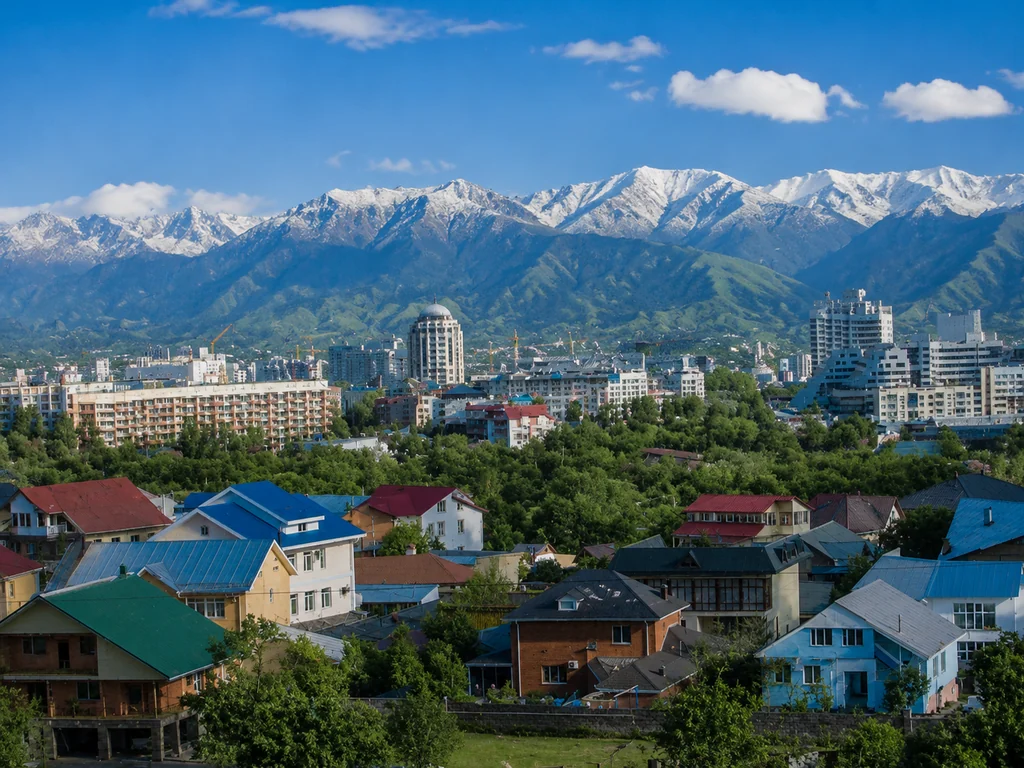
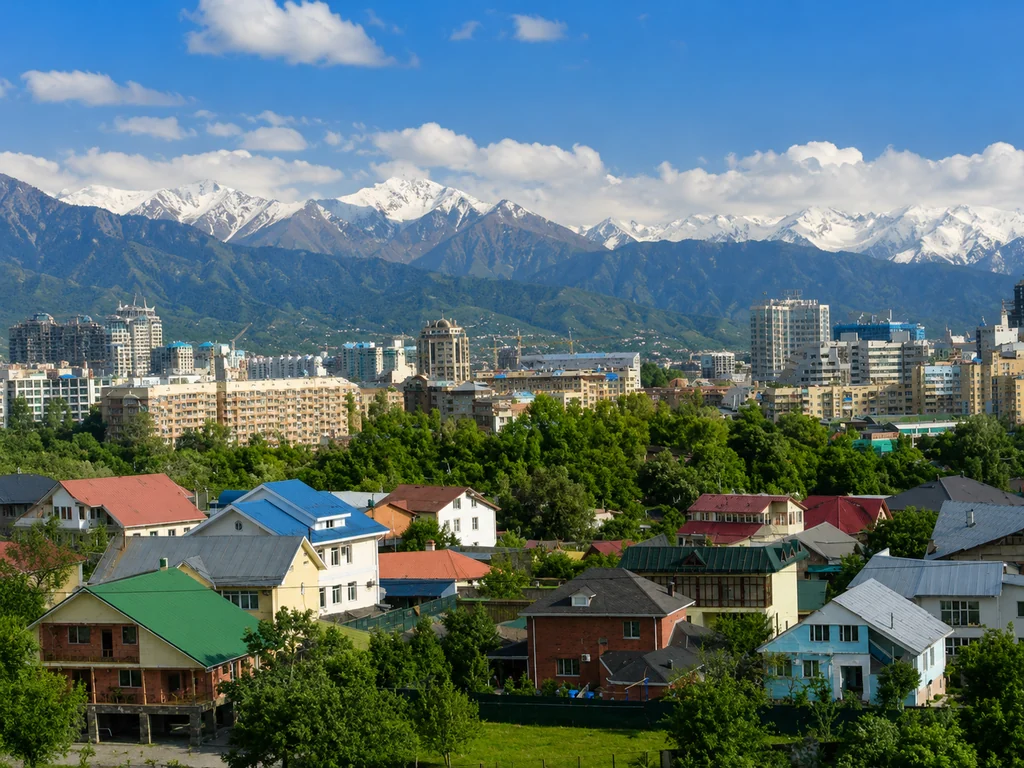
Four hours by car means you cover ground that a walking tour cannot: the bazaar, the centre, and the climb to Kok-Tobe. Kok-Tobe is a hill on the edge of the city, and the view from it takes in the whole bowl of Almaty with the Zailiysky Alatau behind it. On a clear day you can see the peaks that ring the city.
This is the best single tour for a first visit, because it touches the bazaar, the centre and the viewpoint without wearing you out. You are in a car between stops, so you can rest. Bring a layer for Kok-Tobe, because it is higher and breezier than the streets below.
The Five-Hour Sightseeing Tour
The sightseeing tour costs $173 per person, runs daily with the time set by request, and lasts five hours by car. It is a slower version of the classic route: green boulevards, the panorama from Kok-Tobe, and the history of the city, without rushing. The route covers the central sights at an unhurried pace.
Five hours allows for longer stops and a proper lunch break if you want one. The car means you are not limited by distance, so the route can include a wider loop through the centre and up to the viewpoint. It suits travellers who would rather see fewer things properly than many things quickly.
Because it is by car, this tour works in any season and in most weather. In summer the boulevards are green and shaded; in autumn they turn yellow; in winter the city is often under snow with the mountains white behind it. The car keeps you comfortable between stops in all of them.
Mountain Hikes and the Zailiysky Alatau
Bolshoy Almatinsky Peak
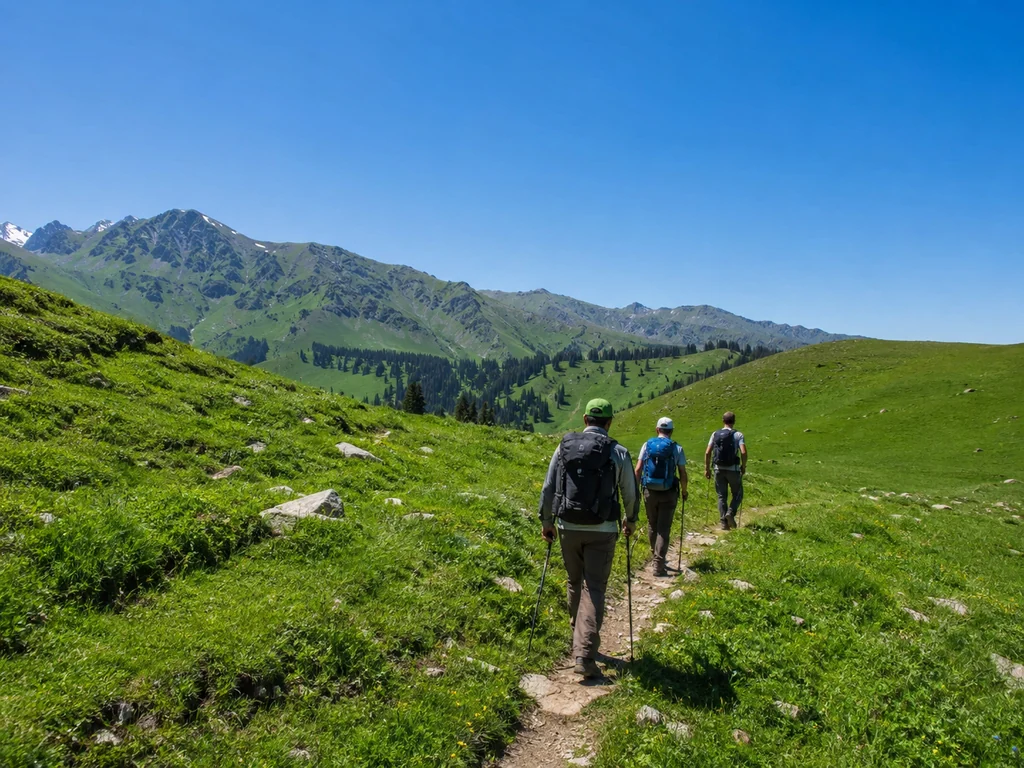
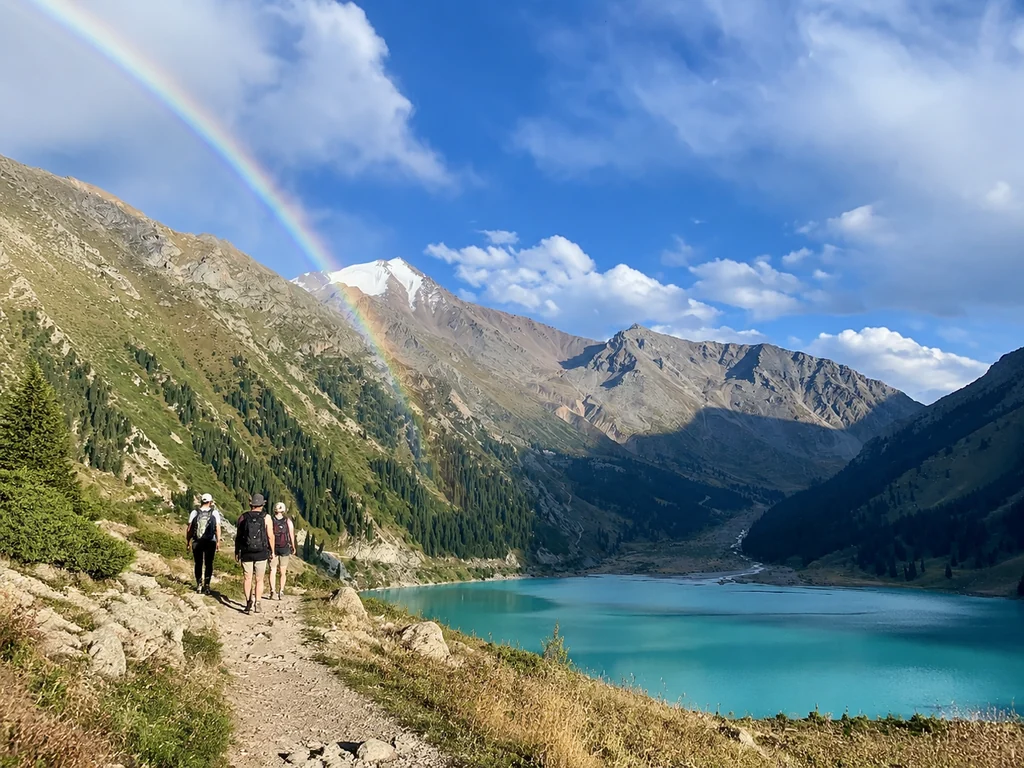
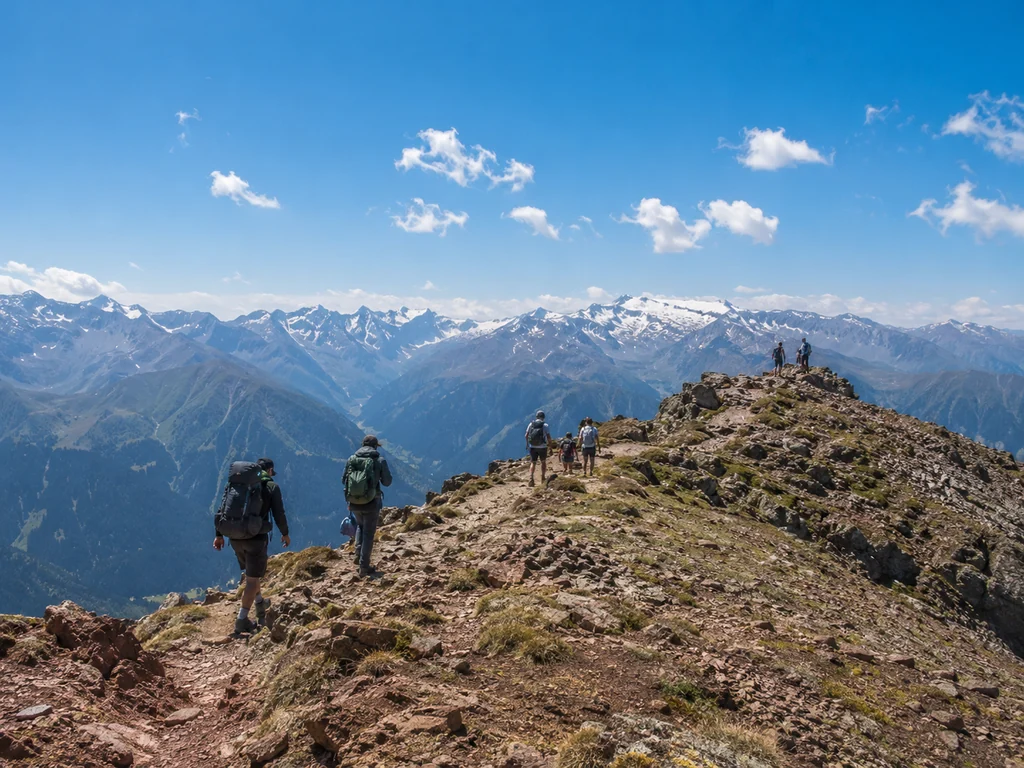
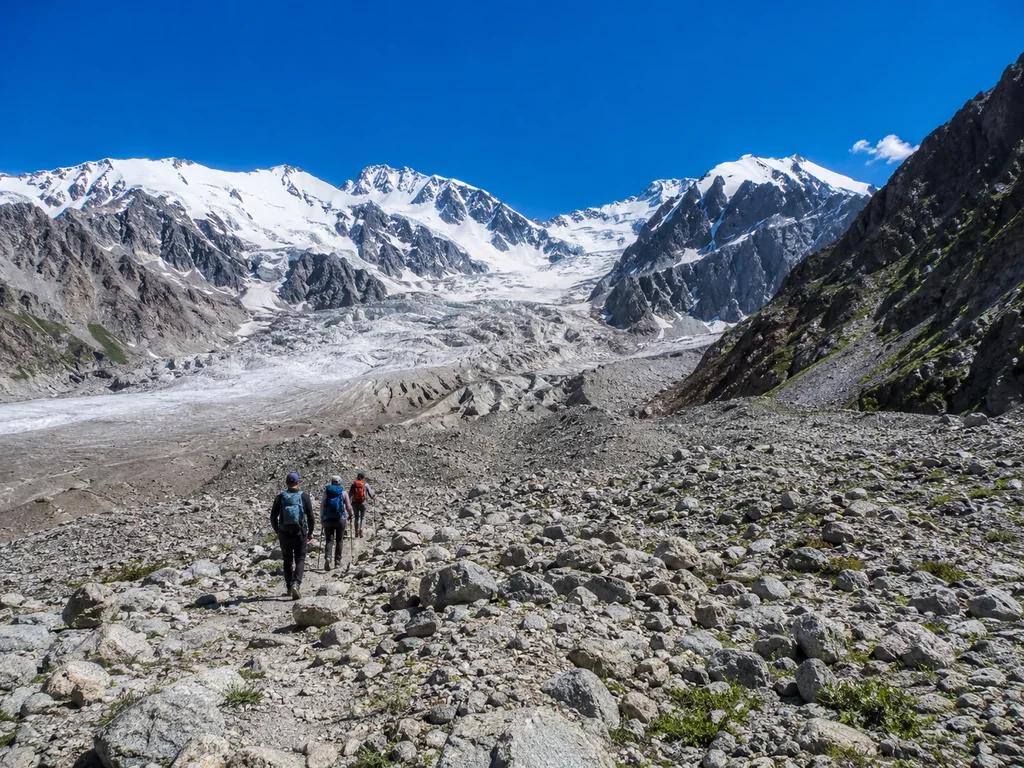
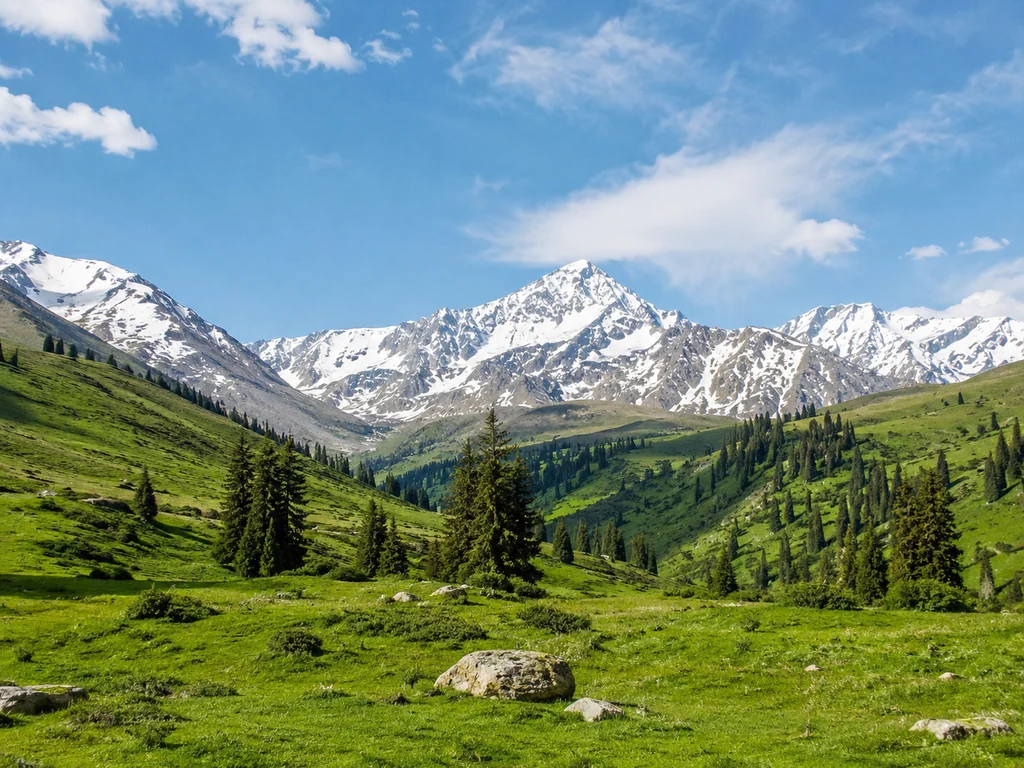
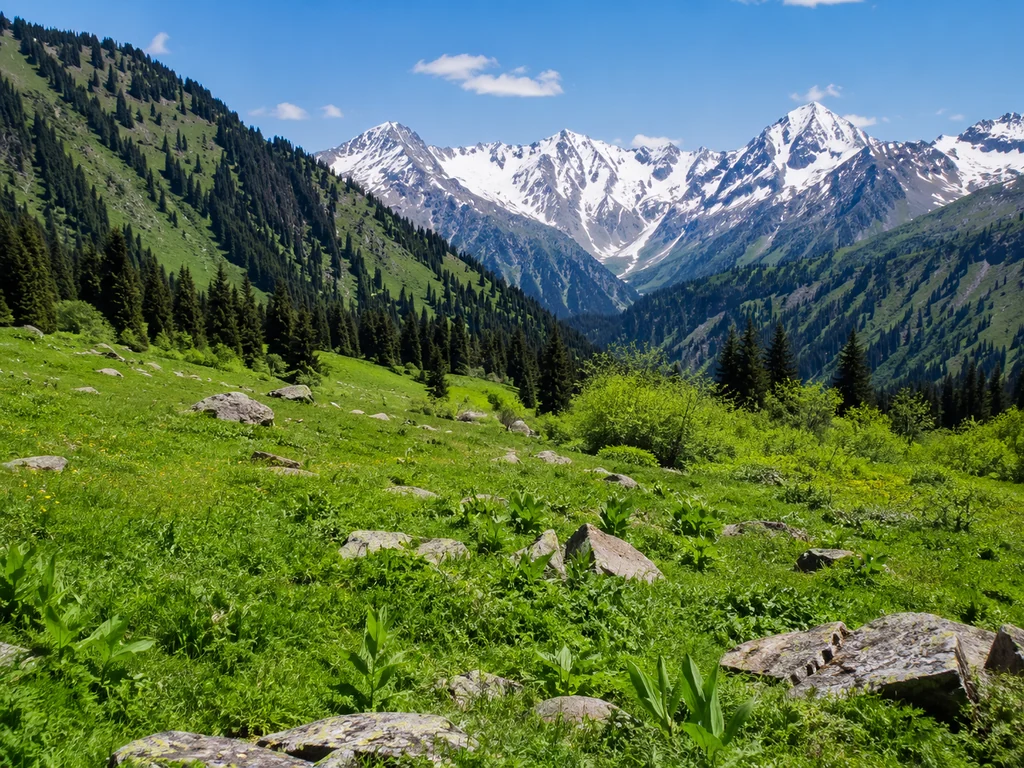
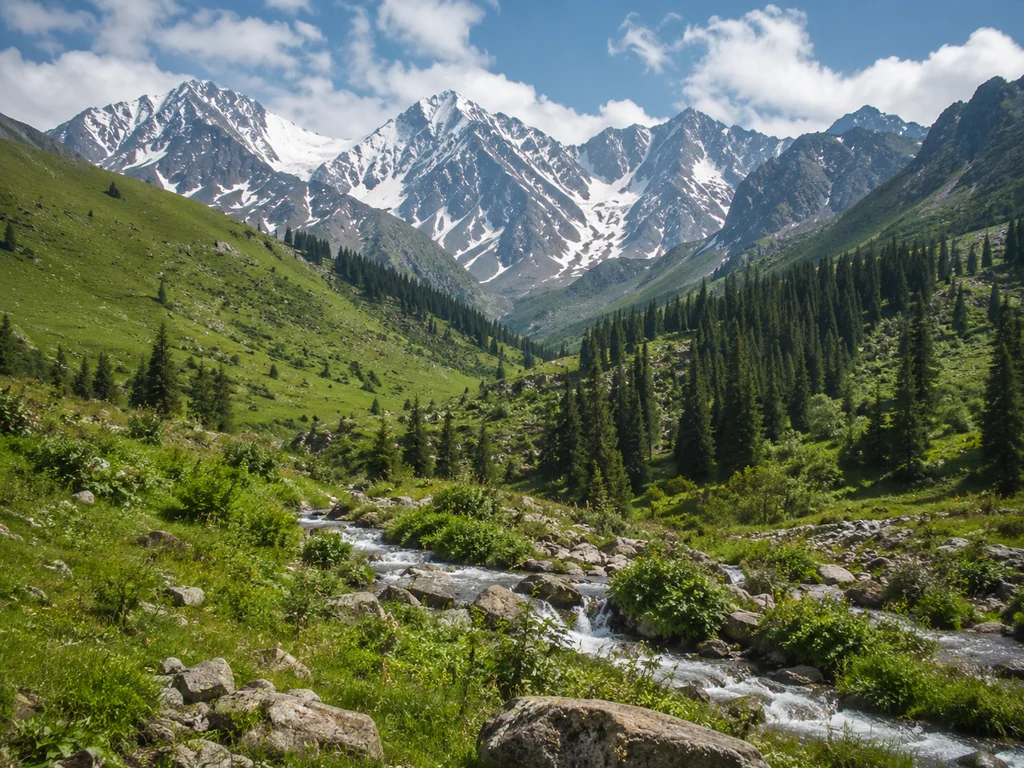
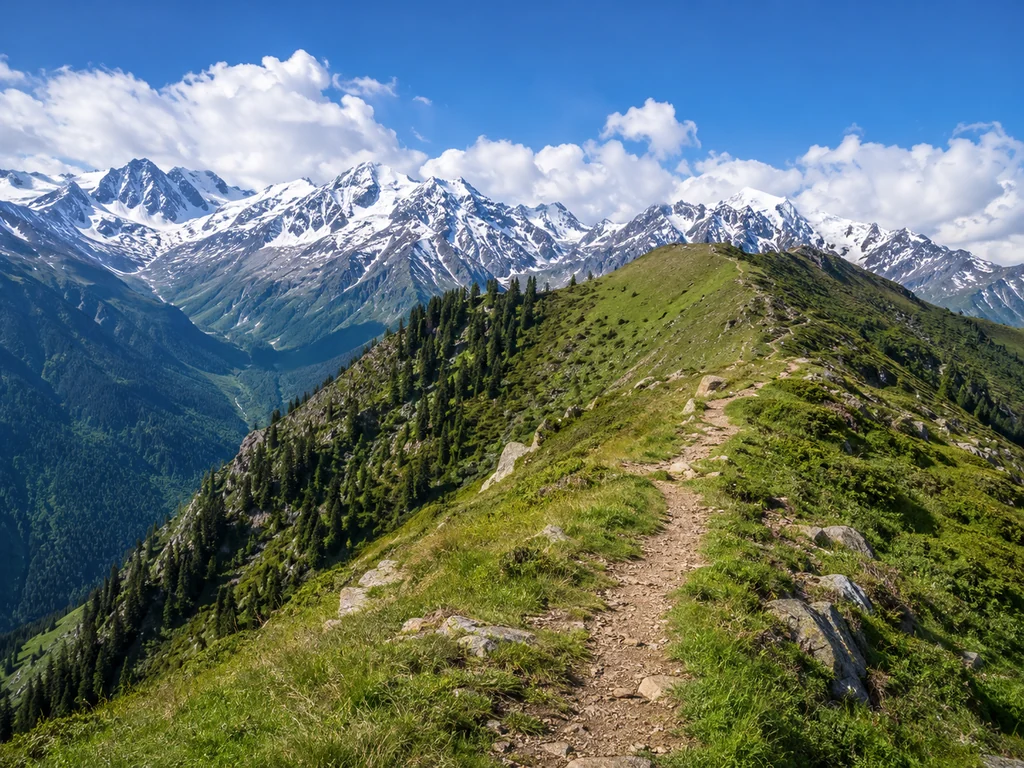
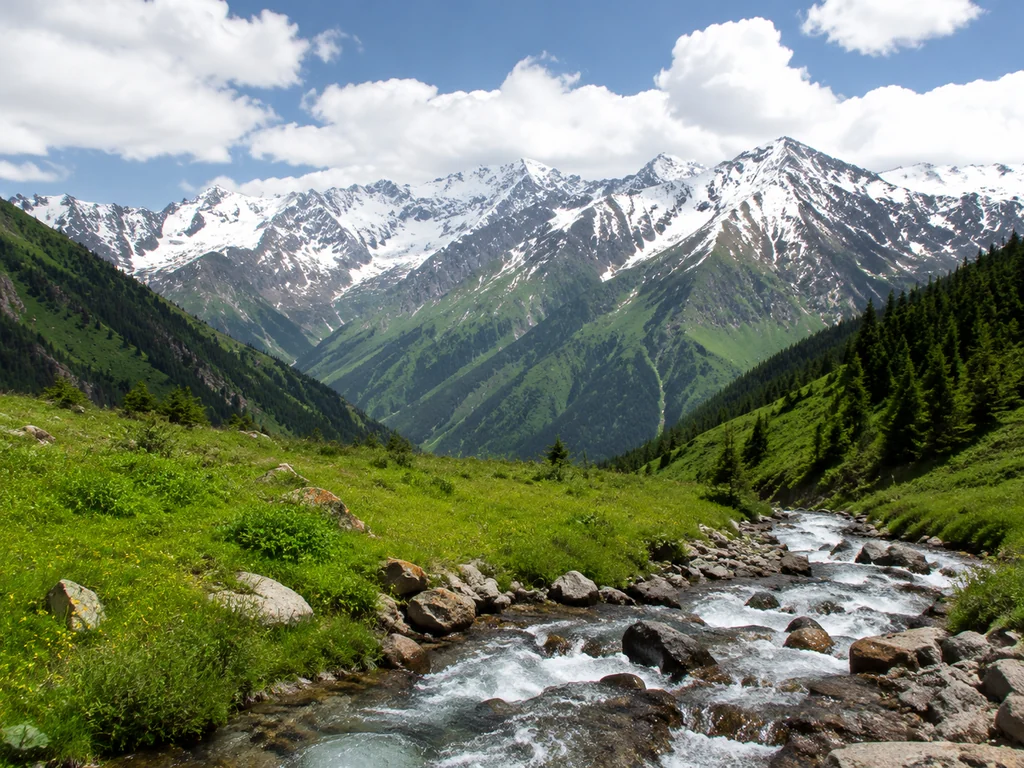
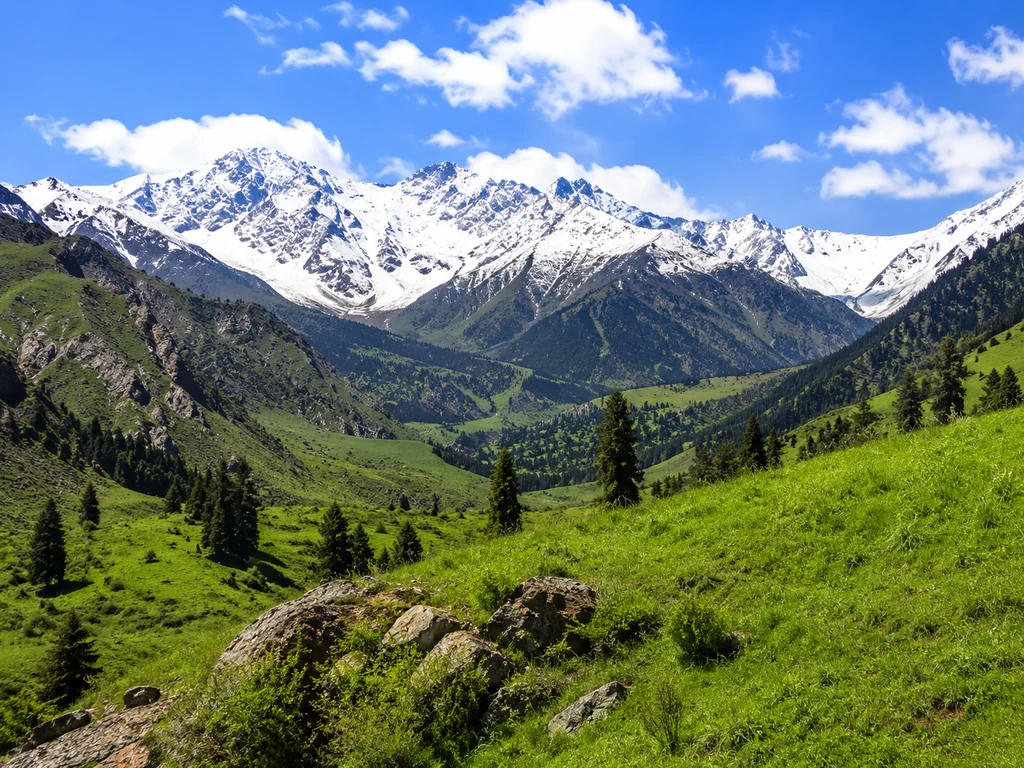
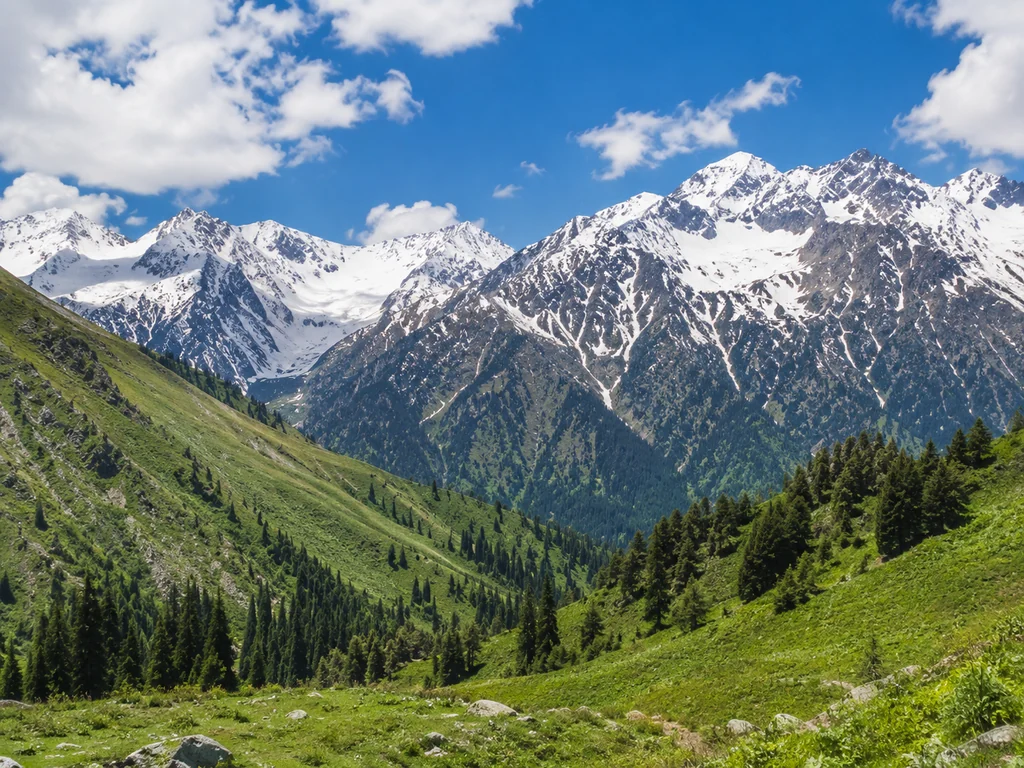
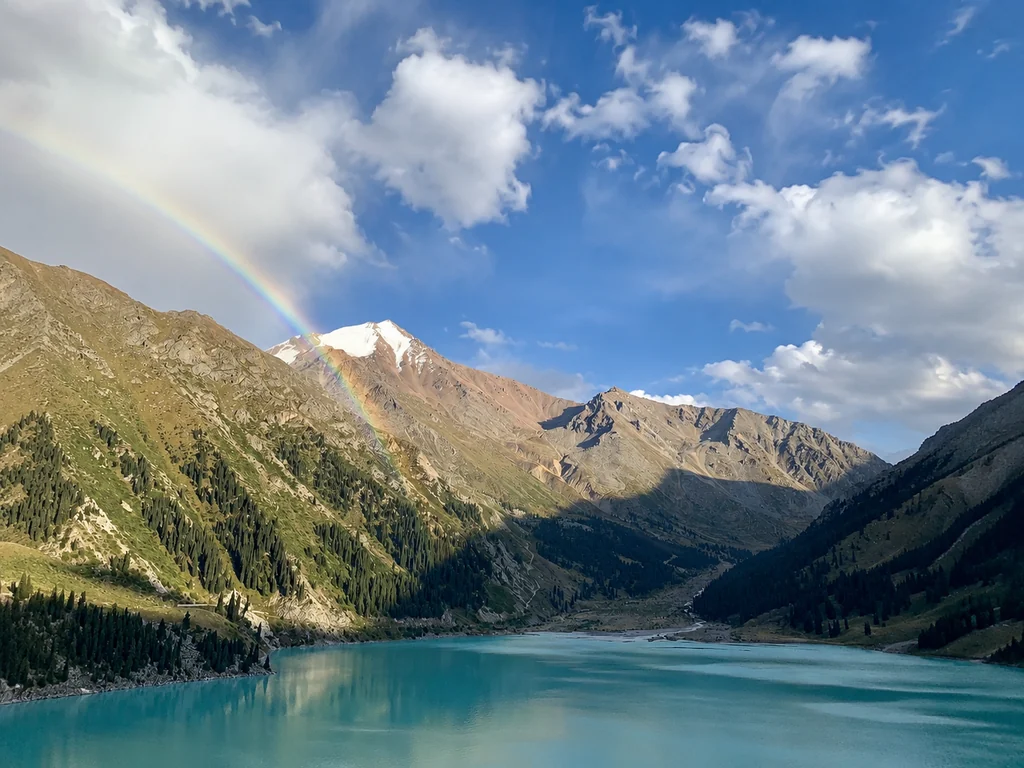
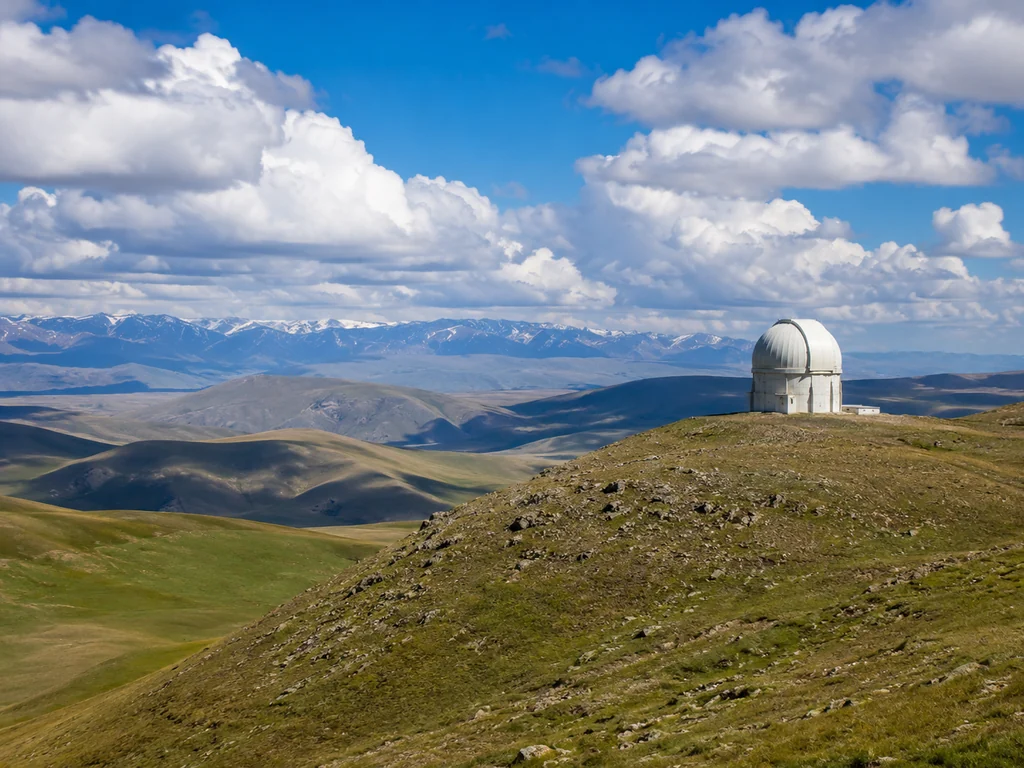
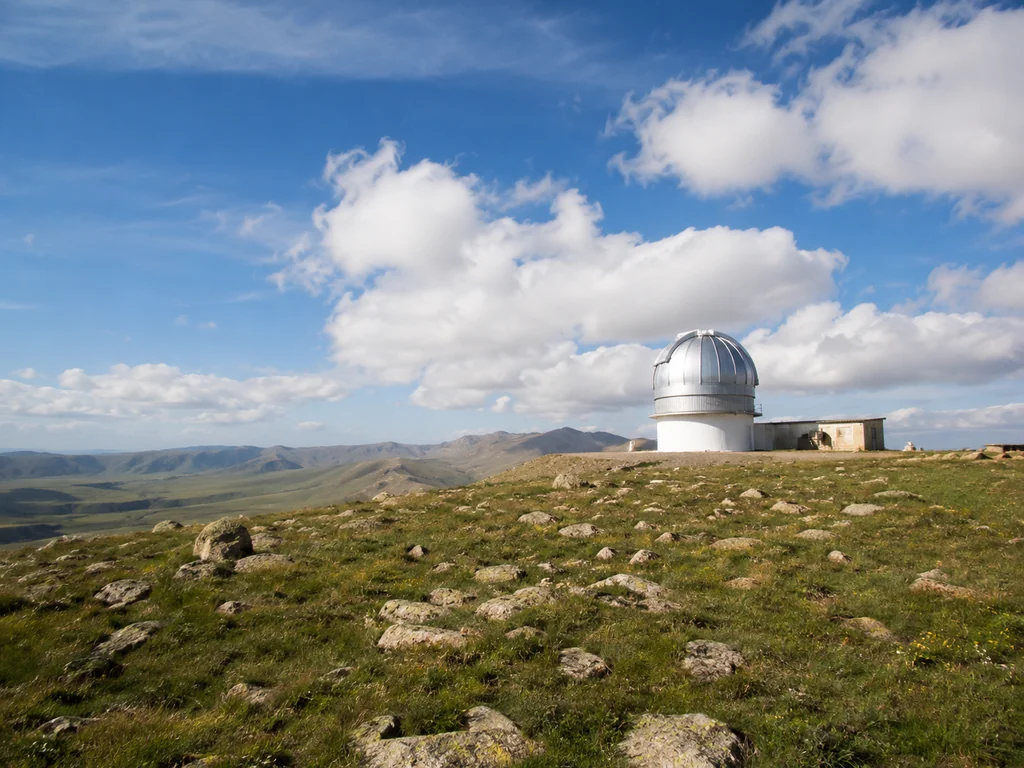
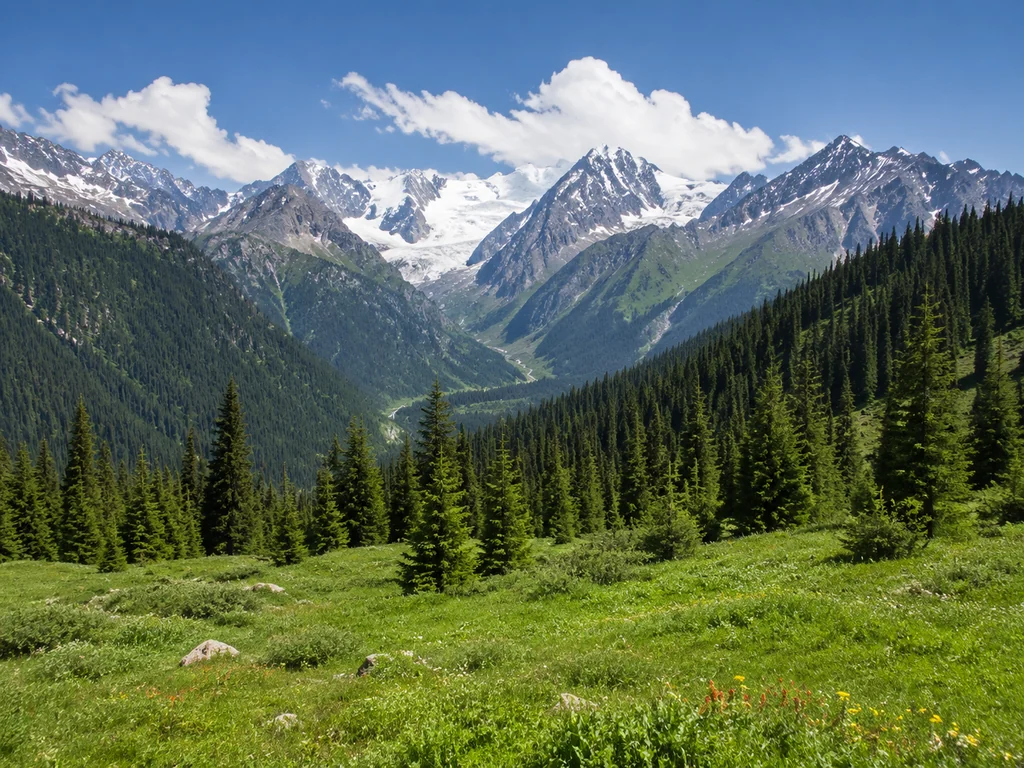
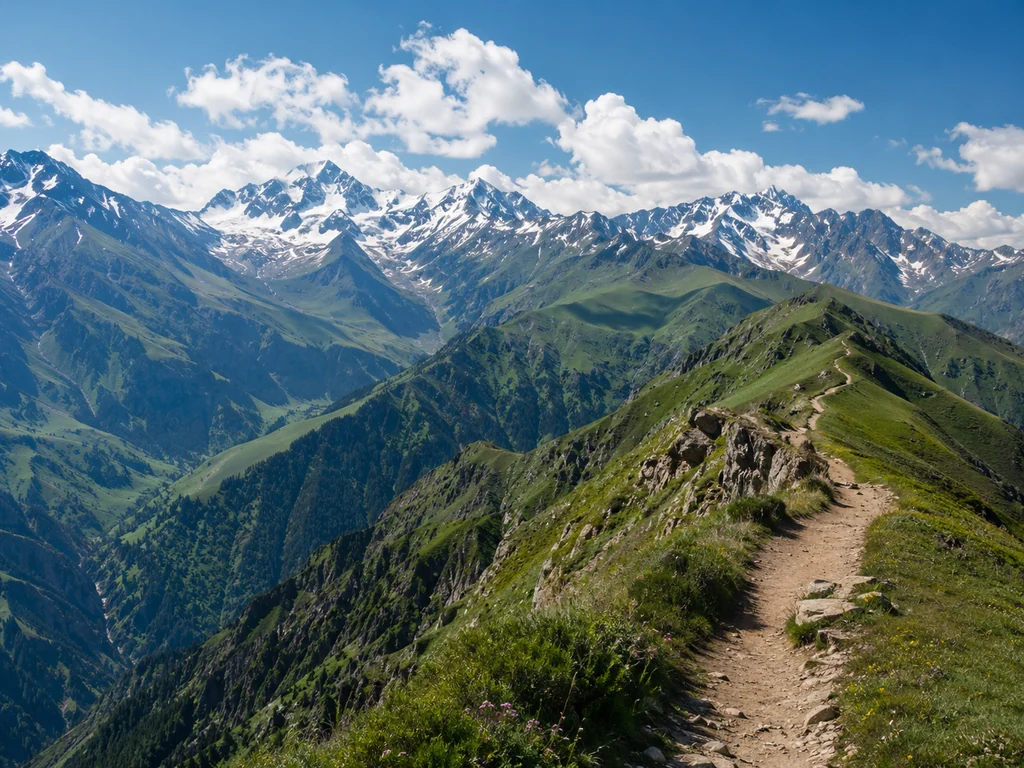
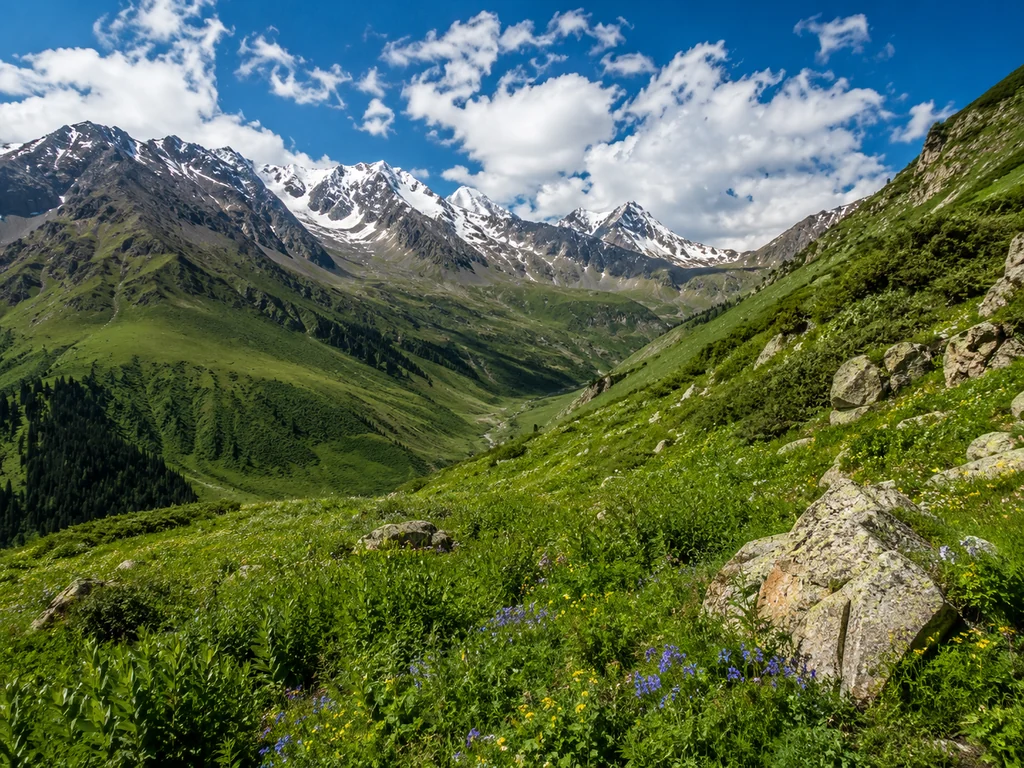
The hike to Bolshoy Almatinsky Peak costs $45 per person, runs daily with the time set by request, and takes ten hours on foot. The peak stands at 3,680 metres in the Zailiysky Alatau. The route starts at the Tian Shan Observatory, crosses alpine meadows and rocky sections, and opens up views of glaciers, Talgar Peak and the city of Almaty far below.
Ten hours is a full day, and the altitude gain is serious: from the observatory at around 2,700 metres to the summit at 3,680 metres and back. That is about a thousand metres of climbing in thin air. You need to be fit, used to walking uphill for hours, and comfortable on loose rock. This is not a walk for someone who has never hiked before.
Start early, because the day is long and the weather in the mountains changes in the afternoon. Take water, food, a windproof layer, sun protection and shoes with grip. The alpine meadows are green and full of flowers in summer, and the rocky upper section can hold snow well into the season. The descent is as long as the climb, so save energy for it.
Furmanov Peak and the Sky Swings
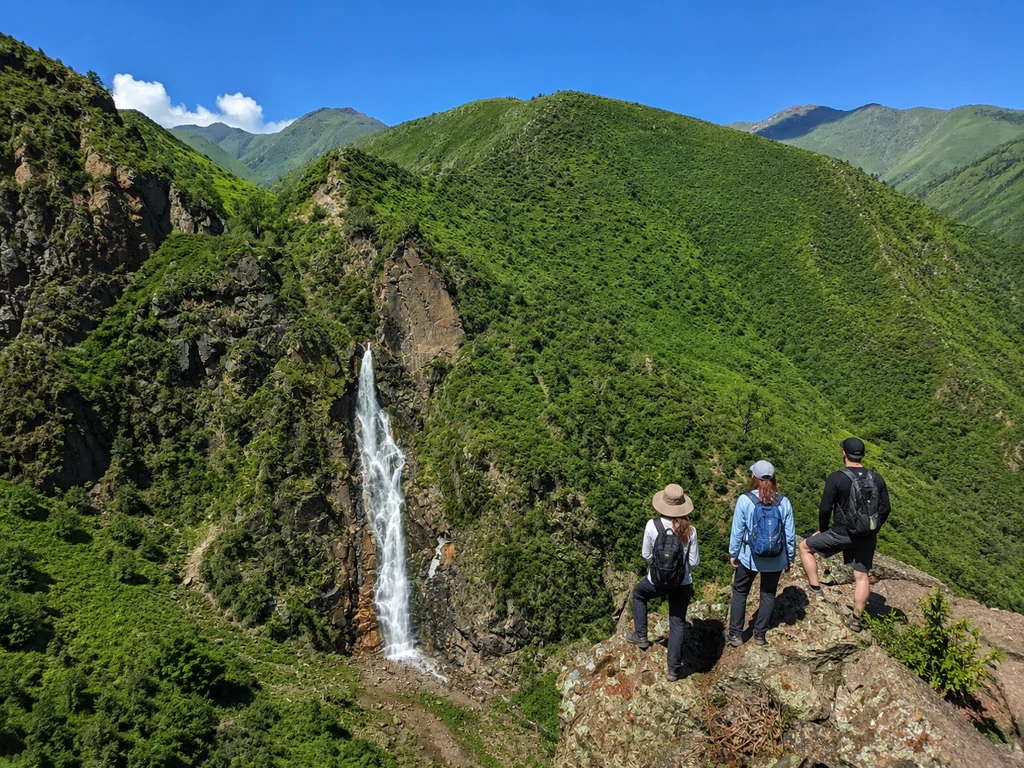
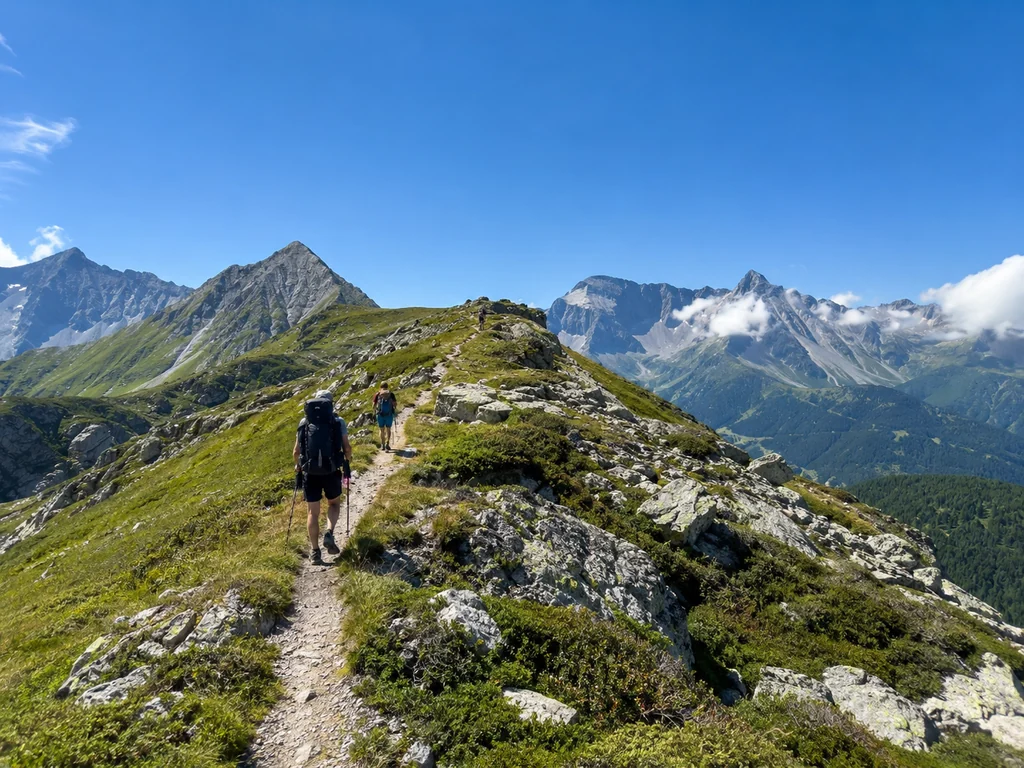
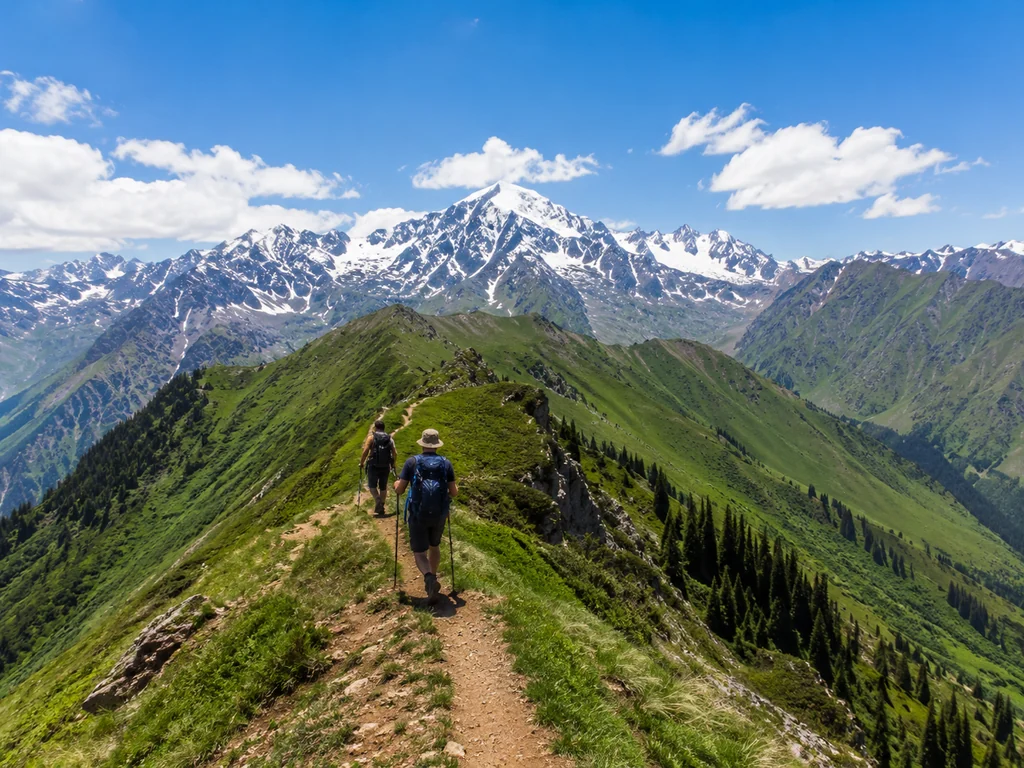
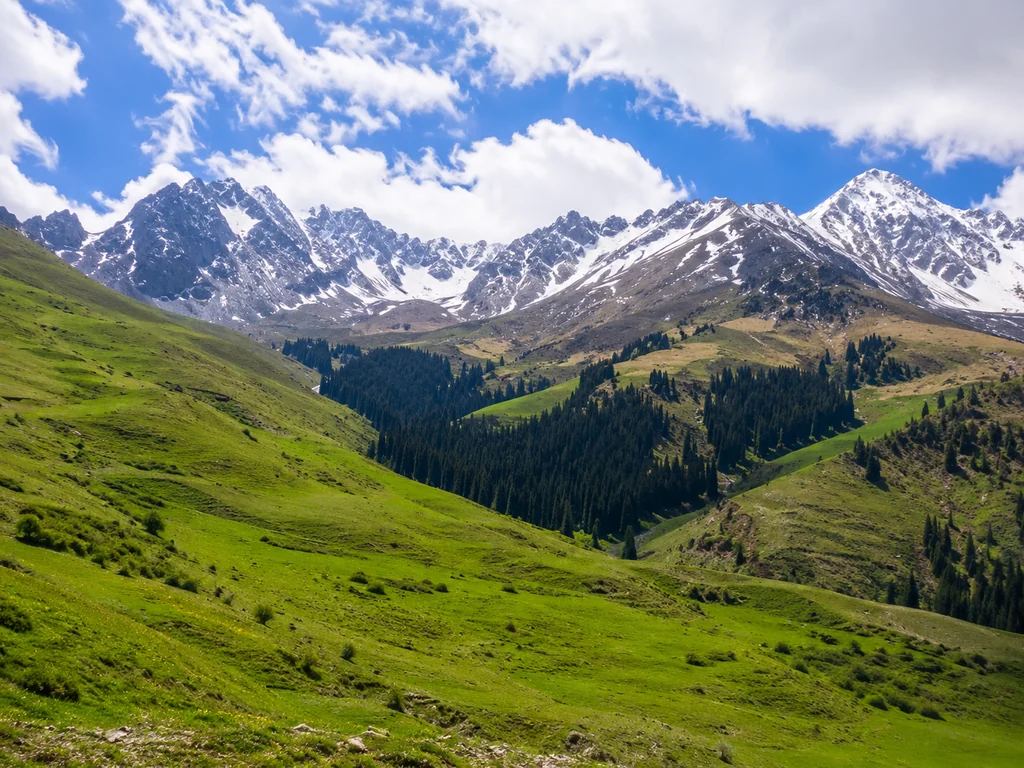
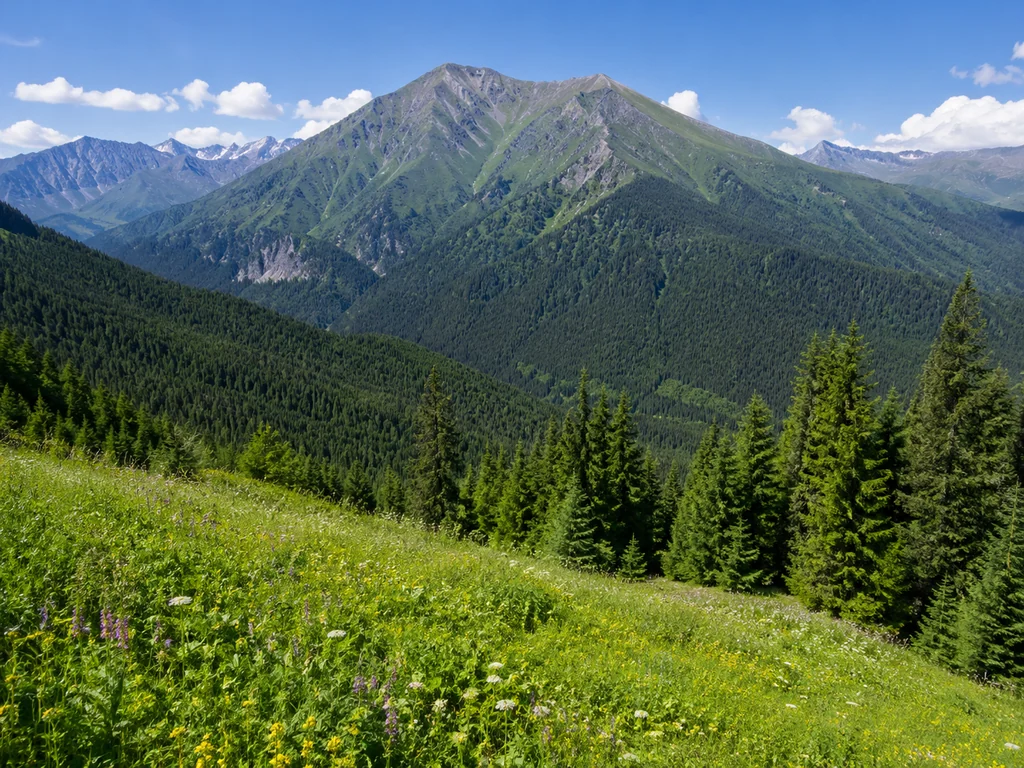
The hike to Furmanov Peak with the sky swings costs $151 per person, runs daily with the time set by request, and takes eight hours on foot. The route goes through alpine meadows and rocky ridges and opens panoramas of the Zailiysky Alatau. The sky swings hang over the gorge, and the combination of trekking and adrenaline is the point of the day.
Eight hours is shorter than the Bolshoy Almatinsky day but still demanding. The route climbs steadily, with sections on rock and ridge where you need to watch your footing. The swings are a pause in the walk rather than the whole point: you get there on your own legs, and you come back the same way.
This hike suits people who want a mountain day with a bit of a thrill. It is on foot throughout, so the same preparation applies: fitness, water, food, layers, grip. The views from the ridge take in the gorges and the peaks around Almaty, and the meadows below are at their best in early summer.
How to Prepare for a Mountain Day
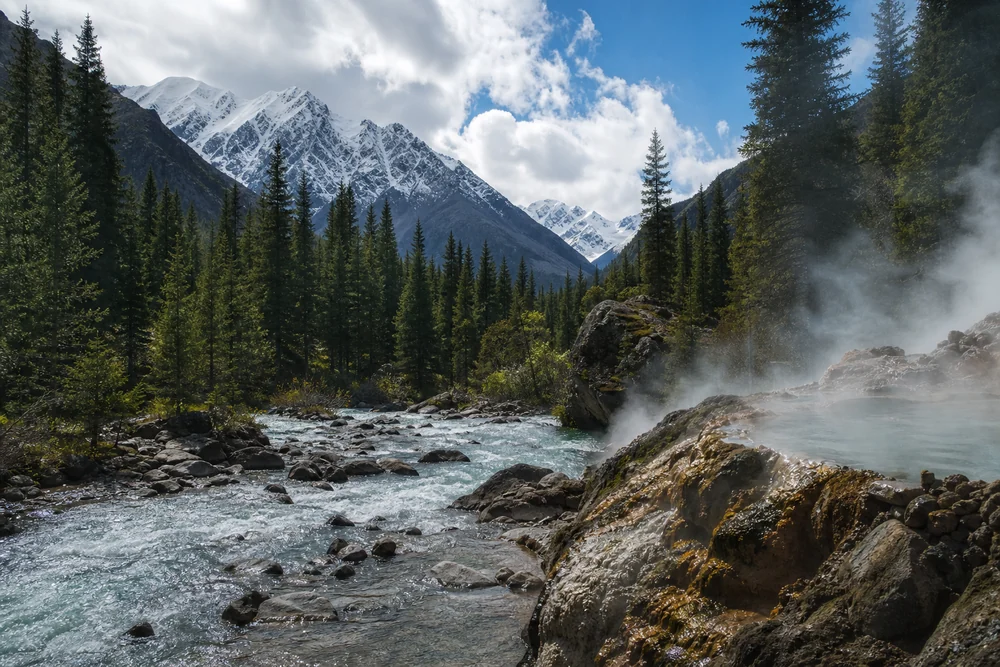
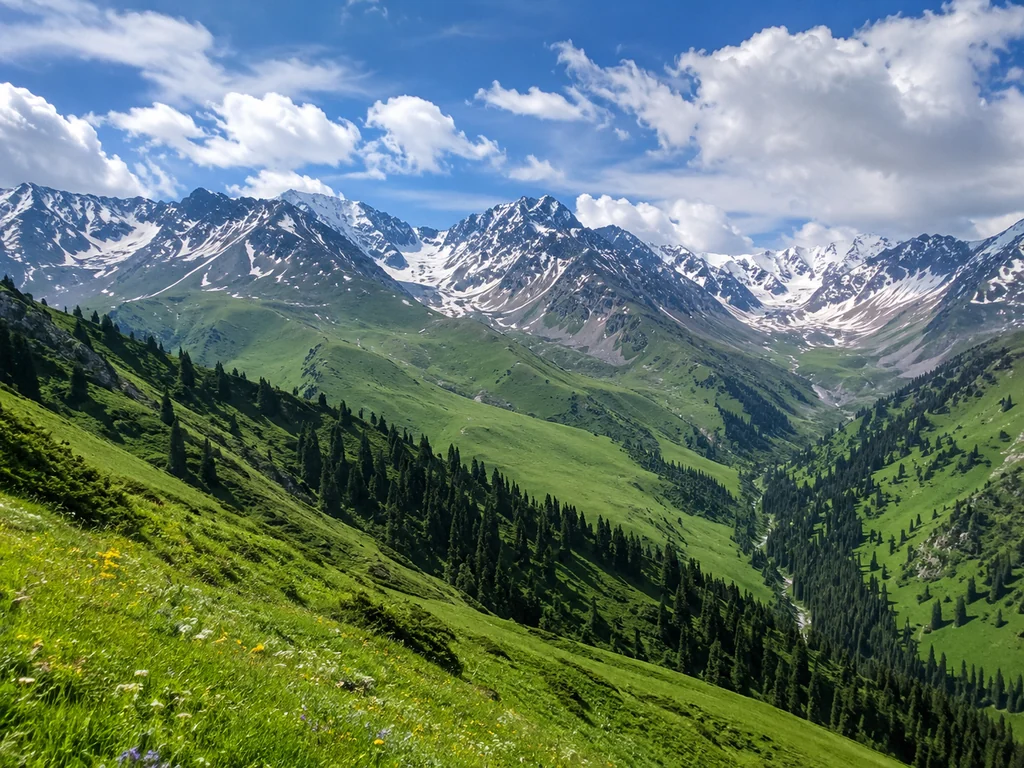
Almaty sits at the foot of the Zailiysky Alatau, and the mountains rise quickly from the city edge. That means you can start a hike in warm city air and end it in cold wind at altitude. The rule is layers: a base layer, a warm mid layer and a windproof shell. Add a hat and gloves even in summer, because the top can be cold.
Water and food matter more than gear. Take at least two litres of water per person for a long day, plus food that does not need cooking. Sun protection is essential at altitude, where the ultraviolet is stronger. A basic first-aid kit, a charged phone and a power bank are worth carrying.
Fitness is the real limit. If you can walk uphill for several hours without stopping, you can consider the eight- and ten-hour hikes. If not, start with the city walks and build up. Age and weight limits for the mountain tours are confirmed with the manager when you book, because they depend on the route and the conditions.
Air, Space and the Far Edges of the Section
The Helicopter Flight over Almaty
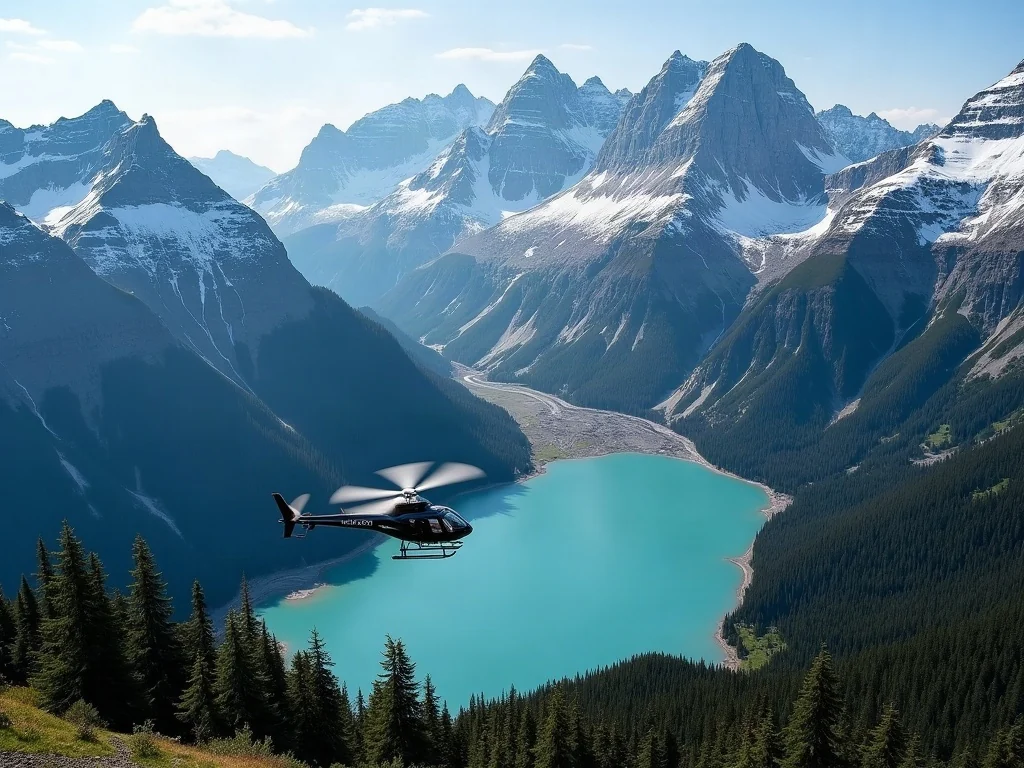
The helicopter flight costs $108 per person, runs by reservation and depends on the weather, and gives you fifteen minutes in the air. The take-off point is a site below Almaty. The cabin has four seats, and the price is per person at full load. You fly over the city and the gorges of the Zailiysky Alatau.
Fifteen minutes is short, but in the air it is enough to see the city grid, the foothills and the first gorges of the mountains. The weather rule is real: flights go by reservation and by conditions, so a day can be moved if the wind or cloud is wrong. That is normal for any small aircraft operation.
Because the price is per person at full load, the cost depends on how many seats are filled. The format is private, so your company can take all four seats. Bring a camera, dress for the open air on the ground, and expect the flight itself to be smooth in calm weather.
Baikonur: Three Days of Space and Rockets
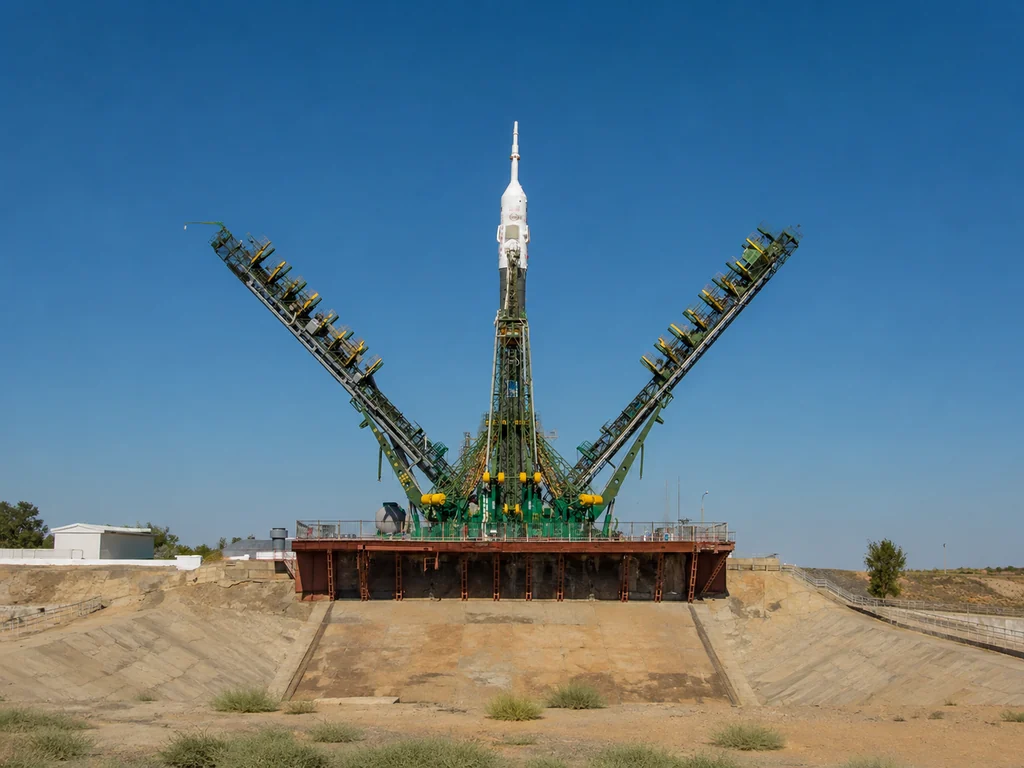
The individual Baikonur tour costs $559 per person, runs according to the launch schedule over three days and two nights, and uses a jeep. It includes a guide, the museum, Gagarin's house and watching a launch.
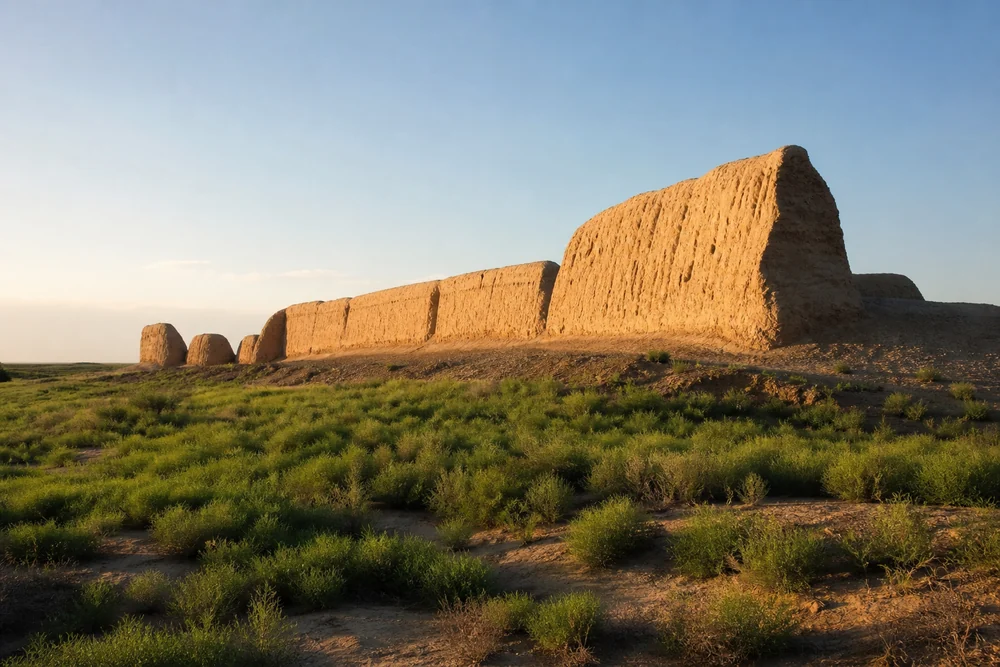
Baikonur is a real spaceport, and visits are tied to the launch calendar, which is why the dates are not fixed. Three days and two nights give time for arrival, the museum and the historic sites, and the launch itself. The site is in the steppe, so the climate is dry and the temperature range is wide: hot in summer, cold in winter, windy in between.
This is the longest city-to-city programme in the section apart from the hunt, and it needs planning. Because it depends on launches, you should ask about dates well ahead. The manager will confirm what is available and what the programme includes when you book.
The Main Mosque of Astana
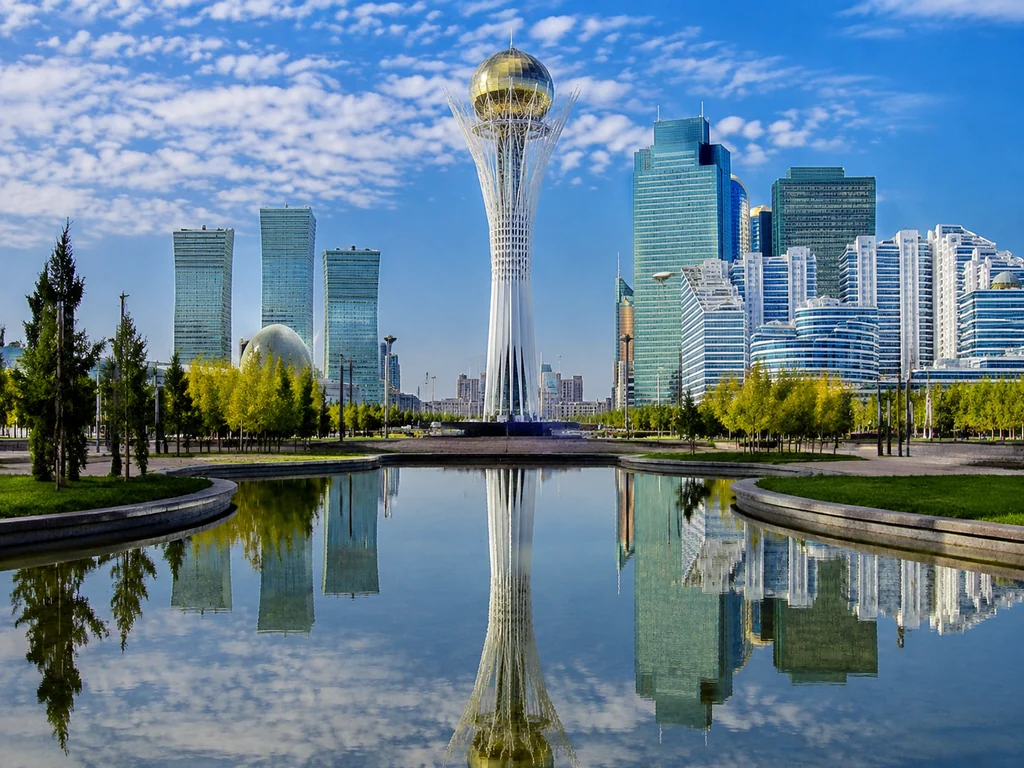
The tour of the main mosque of Astana costs $78 per person, asks you to check dates, and lasts two hours on foot. It covers one of the ten largest mosques in the world: white marble, a sky-coloured dome and four minarets. You learn the history and the architecture of the place.
Astana is a different city from Almaty, with a sharper continental climate: colder winters, warmer summers, more wind. The mosque tour is two hours on foot, so it fits easily into a day in the capital. You travel from Almaty to Astana on your own, by train or plane, and the tour starts at the mosque entrance in the morning, so arriving the day before is easier. Because dates are confirmed on request, ask the manager before you build a trip around it.
Dress modestly for a mosque visit, and expect to remove your shoes in the prayer area. Two hours is enough to see the building, hear its story and understand its place among the great mosques of the world. It is a calm, indoor experience, which makes it a good contrast to the mountain days.
Hunting in the Dzungarian Alatau: A Seven-Day Programme
What the Programme Includes
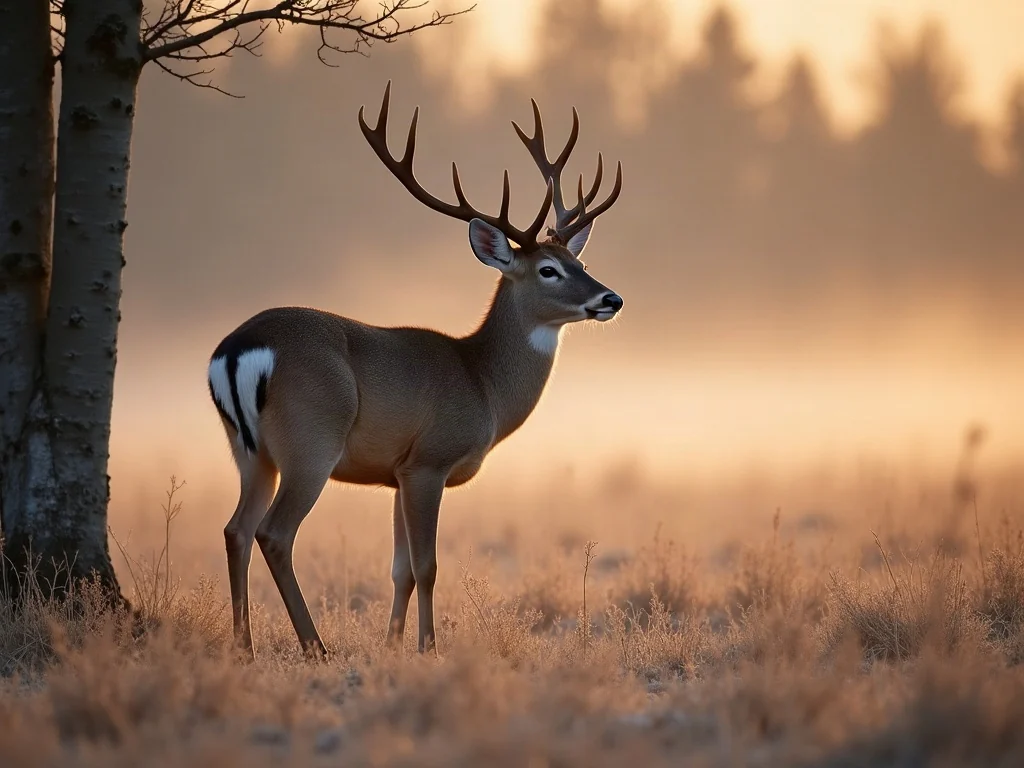
The ibex hunt in the Dzungarian Alatau costs $7,708 per person, runs from September to November, and lasts seven days, with two main hunting days and a reserve day. It uses a jeep. The price covers the organisation of the hunt: a ranger, accommodation in camp, transport within the hunting area, and the paperwork. The trophy fee is paid separately, and the cost depends on the length of the horns.
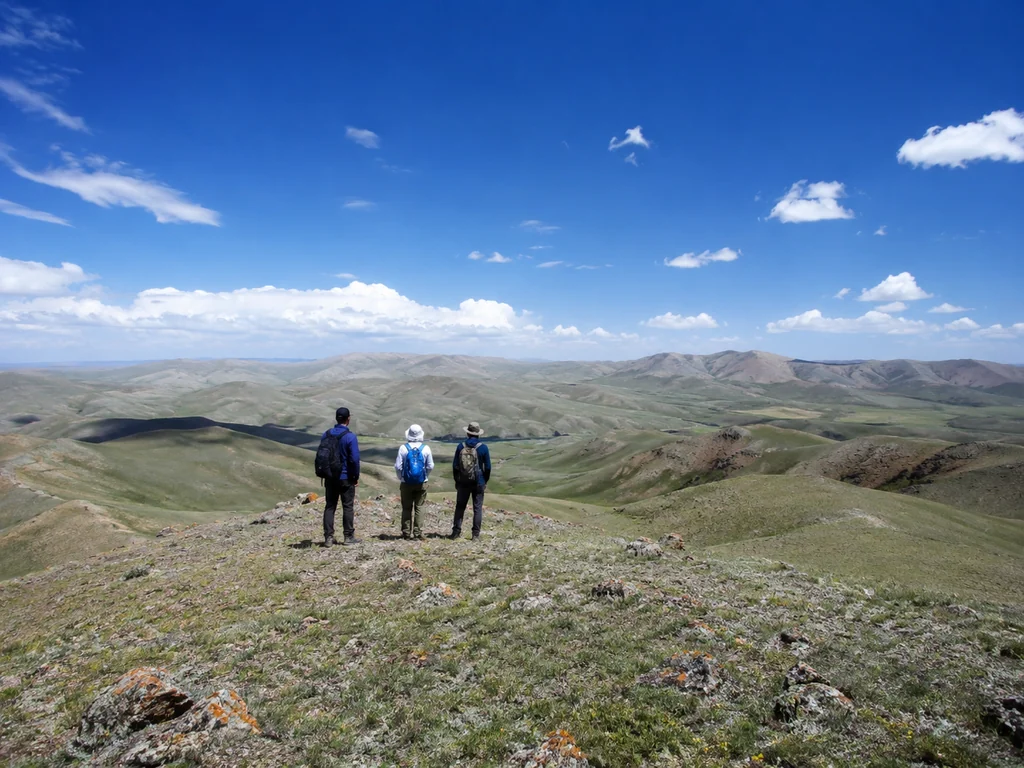
Seven days in the mountains, with scouting and two main hunting days, is a serious expedition. The Dzungarian Alatau is a separate range from the Zailiysky Alatau, further north and wilder, on the border with China. The terrain is steep and rocky, and the weather in autumn can change fast. This is not a tour for a casual walker.
Because the trophy fee is separate and depends on the animal, the total cost is not fixed at the start. The manager explains how the trophy fee is calculated when you book. That is standard for hunting anywhere: you pay for the organisation, and the trophy is priced by its size.
Ibex, Terrain and Season
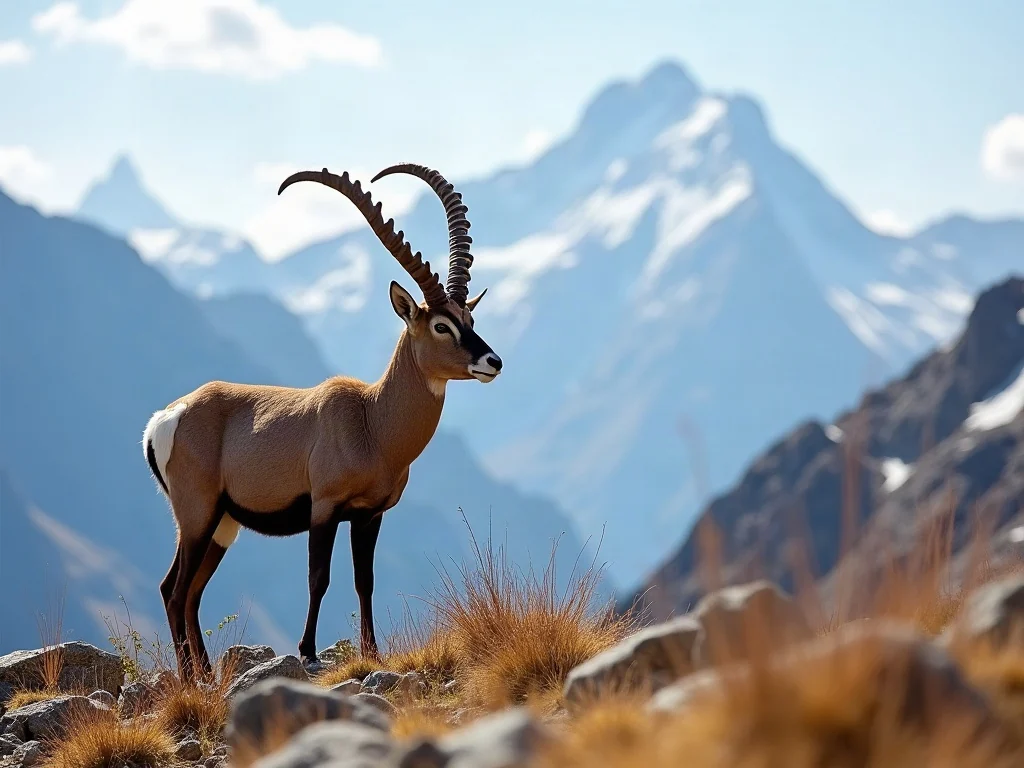
The ibex, or tau-teke, is a wild mountain goat with long, ridged horns. It lives on steep slopes and cliffs, often above the tree line, and it is alert and sure-footed. Hunting it means climbing high and glassing the slopes, often in cold wind. The Dzungarian Alatau holds good populations, which is why the season runs here.
September to November is autumn in the mountains: the heat of summer is gone and the animals are active. Early in the season the slopes are dry and the days are long; later, snow can fall and the nights get cold. The camp is in the mountains, so you live at altitude for a week.
You need to be fit for this. From the scouting days on, you walk uphill, often starting before dawn. The ranger knows the ground and the animals, but your legs do the work. Good boots, warm layers, a windproof jacket and a headlamp are the basics. Hunting licences and any border-zone permits are handled as part of the programme, and the manager confirms the details when you book.
Ethics, Licences and Limits
Hunting in Kazakhstan is regulated: you need a licence, you hunt in a defined area, and you take only what the permit allows. The programme includes the paperwork, which is one reason the price is what it is. The ranger enforces the rules in the field, and the trophy fee is tied to the animal taken.
This is a conservation-based system: the fees fund the management of the hunting area, and the quotas are set by the authorities. That is why the season is limited to three months and why the trophy fee rises with the size of the horns. It is not a free-for-all, and it is not meant to be.
If you have never hunted in the mountains, say so when you book. The manager will explain what the days look like and what is expected of you. Age, fitness and health requirements for the hunt are confirmed individually, because a week at altitude is not the same as a day hike.
Comparing the Tours: Seasons, Difficulty and Fit
A Table of Our Own Tours
The table below compares the tours described in this article using only the data from the listings: price per person, duration, transport and when they run. It is a quick way to see how the section is built, from a two-hour walk to a seven-day hunt.
Seasonality in the Mountains
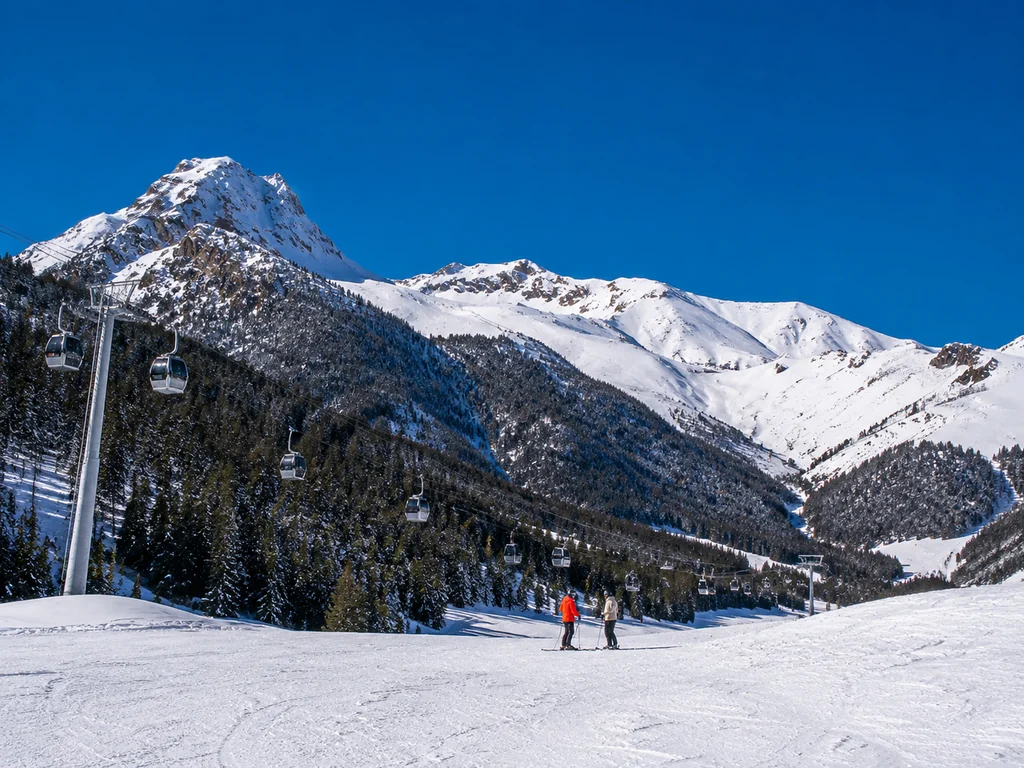
The city tours run all year, because Almaty is a city in every season. The mountain hikes are best from late spring to early autumn, when the trails are clear and the meadows are green. Winter hiking is possible but needs different gear and shorter days. The helicopter flies by weather, and the ibex hunt runs in autumn only.
Choosing by Fitness and Interest
If you have half a day and want to understand the city, take the classic four-hour tour or the five-hour sightseeing tour. If you want to walk, take the audio excursion, the gastronomic walk or the park walk. If you want altitude, take the eight- or ten-hour hikes. If you want something rare, take the helicopter, Baikonur or the hunt.
Fitness is the dividing line. The city walks need no training. The mountain hikes need a base of fitness and a full day. The hunt needs a week of walking at altitude. The helicopter and Baikonur need no fitness at all, only time and the right dates.
Interest is the other dividing line. Food, architecture, history, religion, mountains, space, hunting: the section covers all of them. Pick the one that matches why you came to Almaty, and the rest follows. Booking and payment details are confirmed by the manager when you book.
Practical Preparation for Individual Tours
What to Bring for City Tours
City tours are easy to pack for. Comfortable shoes are the main thing, because the walking tours last two to three hours on pavement and park paths. A bottle of water, a hat in summer and a light rain jacket in spring and autumn cover most days. A charged phone is handy for photos.
- Comfortable walking shoes with soft soles
- An ID document to leave with the audio player
- Water bottle, refillable if you like
- Sun hat and sunscreen in summer
- Light rain jacket in spring and autumn
- Small backpack for a camera and a layer
For the car tours you need less, because you rest between stops. Still, Kok-Tobe is higher and breezier than the streets, so a layer helps. Cash in small notes is useful at the bazaar, and a camera is worth having for the architecture and the views.
What to Bring for Mountain Days
Mountain days need real preparation. The eight- and ten-hour hikes climb up to about a thousand metres, and the weather at the top is not the weather in the city. Layers, water, food and grip are the basics. A headlamp is worth carrying in case the descent runs late.
- Hiking boots with ankle support and good grip
- Base layer, warm mid layer, windproof shell
- Hat and gloves, even in summer
- At least two litres of water per person
- Food that needs no cooking
- Sunscreen, sunglasses and lip balm
- Basic first-aid kit and a charged phone
- Headlamp and a power bank
For the seven-day hunt, add warm camp clothing, a sleeping bag liner if you prefer your own, and boots you have already broken in. The camp provides accommodation, but personal comfort is your own business. The manager confirms what the camp supplies when you book.
Permits, Licences and Border Zones
Some areas near Almaty are border zones, and some mountain routes cross them. Access can require a permit, which takes time to arrange. The hunting programme includes its paperwork, because a licence is required by law. For other tours, ask the manager whether your route needs anything.
Baikonur is a special case: it is a restricted site, and visits are tied to the launch schedule and to official permission. That is why the dates are not fixed and why you should ask well ahead. The manager explains what is needed when you book.
The general rule is simple: the further from the city and the closer to a border, the more paperwork. City tours need nothing. Mountain hikes near Almaty usually need nothing beyond your own preparation. The hunt and Baikonur need official arrangements, which are part of the programme. Booking and payment details are confirmed by the manager when you book.