Overview of the Horseback Tour to Belukha
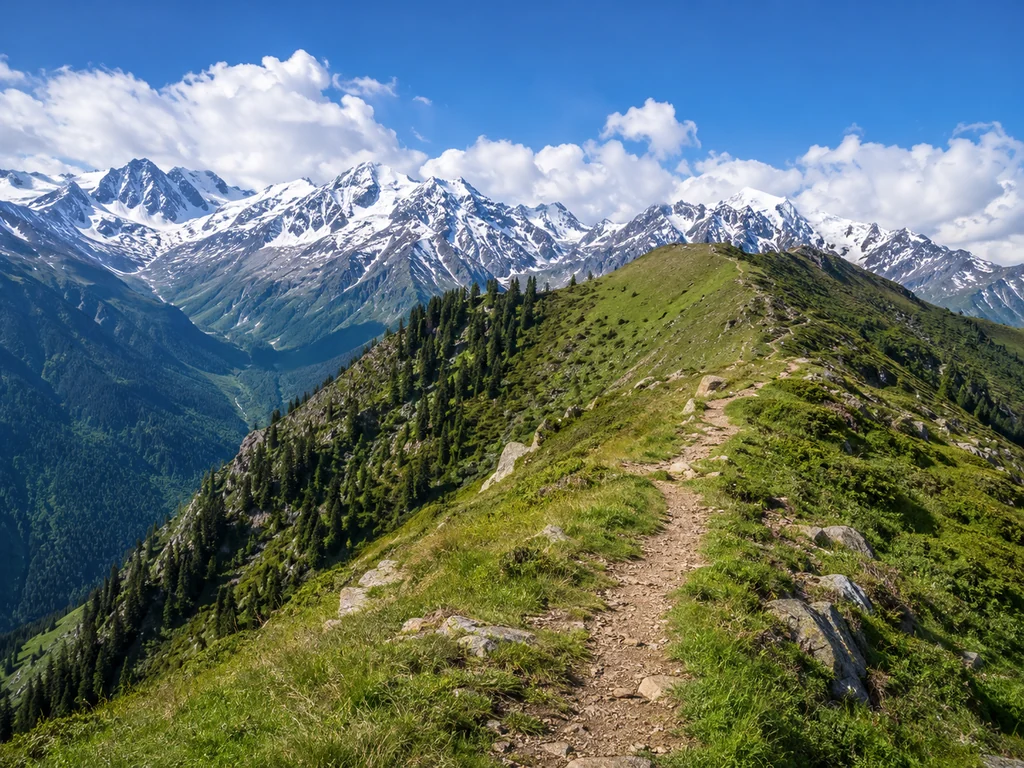
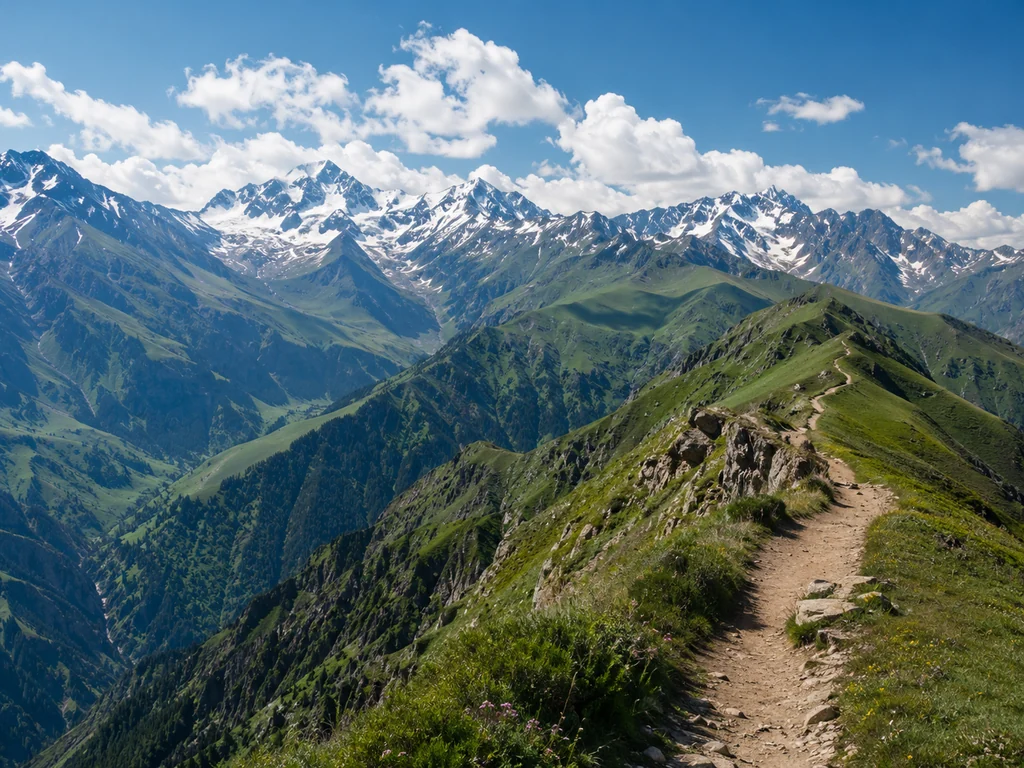
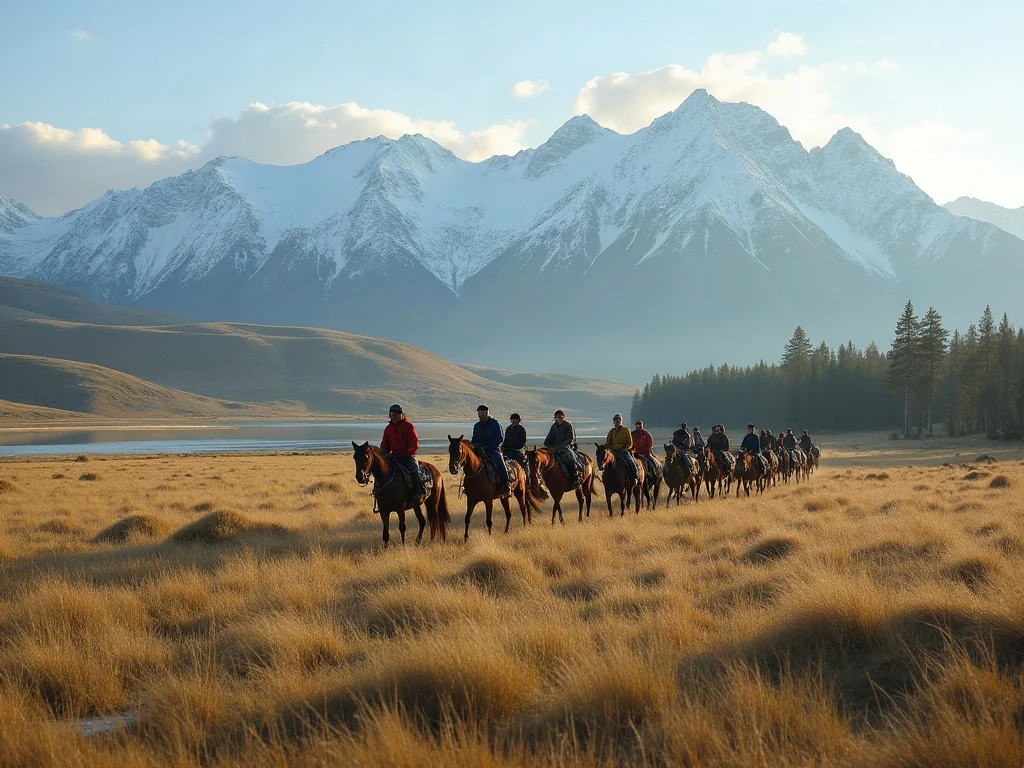
This 10-day equestrian adventure takes you through the pristine wilderness of Katon-Karagay National Park in East Kazakhstan, ending at the foot of Belukha Mountain, the highest peak in the Altai Mountains. The tour operates from June to September, when the mountain trails are free of snow and the weather is most favorable for riding. Each day involves six to seven hours in the saddle, covering varied terrain that includes mountain passes, river crossings, and alpine meadows.
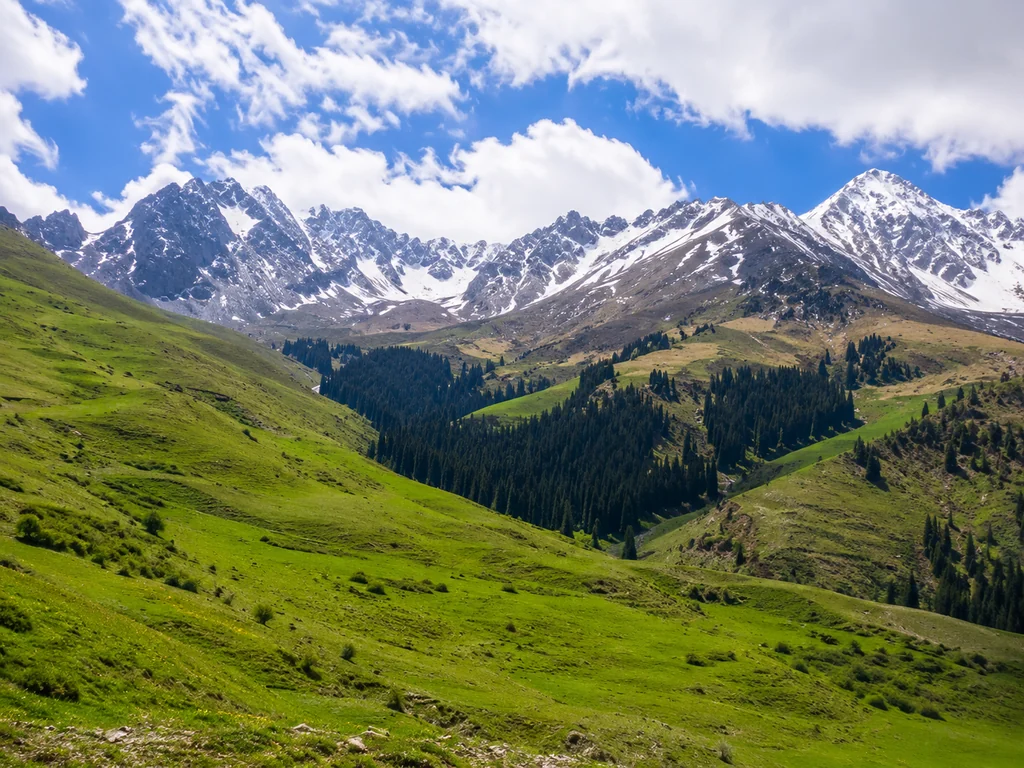
The journey begins in the village of Katon-Karagay, the administrative center of the district, and follows ancient nomad trails used for centuries by local herders. Riders will experience the region's dramatic landscapes, from the steppe foothills to the glaciated peaks of the Altai, including the Belukha massif, which rises to 4,506 meters. The tour is designed for experienced riders who are comfortable with long hours on horseback and prepared for the physical demands of high-altitude riding.
Throughout the trip, a local guide leads the group, ensuring safety and providing insights into the region's history, ecology, and culture. All necessary riding equipment, including horses and saddles, is provided, and the group is accompanied by a support team that handles logistics such as meals and camping. The price of 407,400 KZT per person covers the full ten days, including accommodation in tents, meals, and the services of the guide and support staff.
Geography and Landscape of Katon-Karagay
The Altai Mountains and Belukha
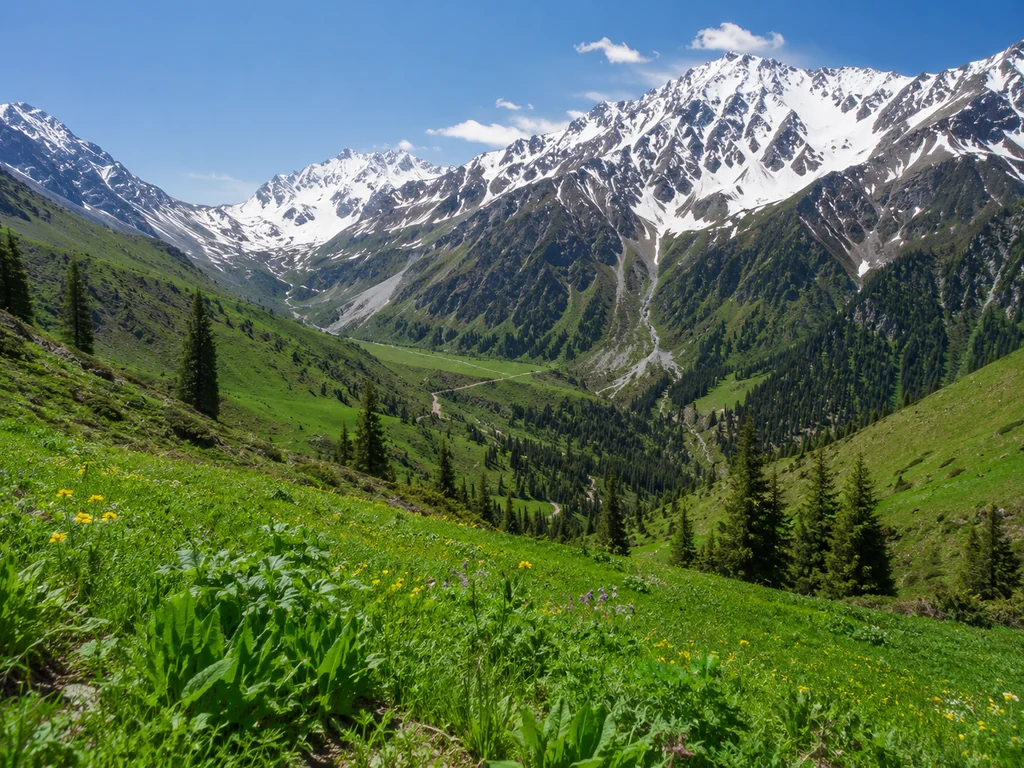
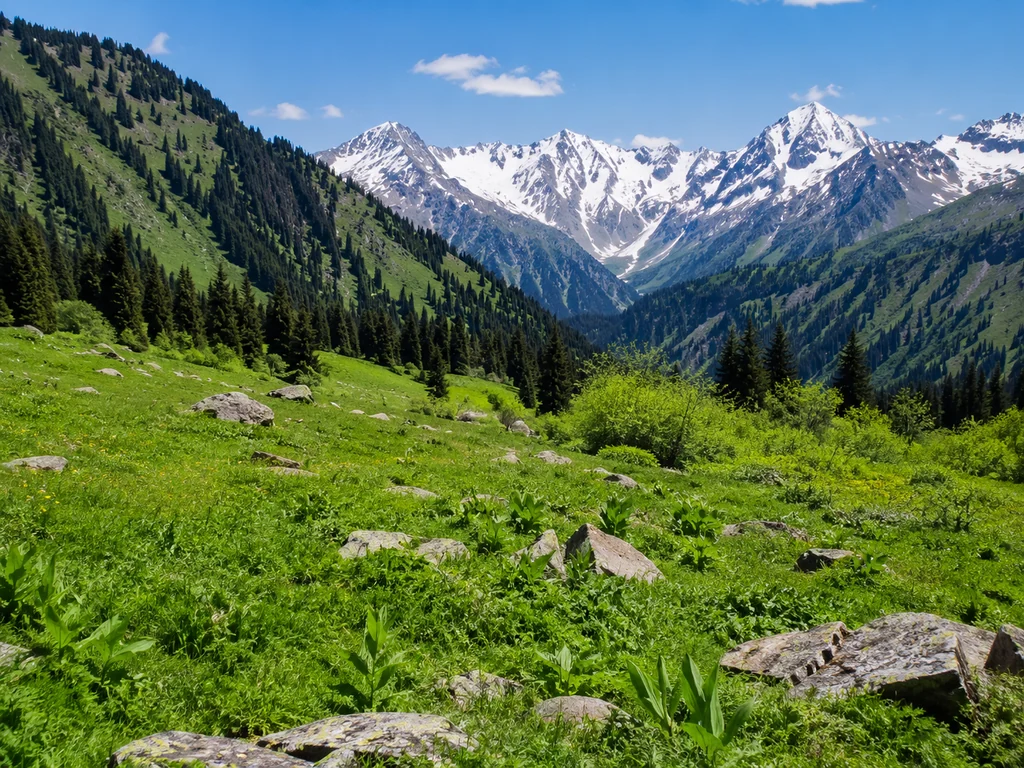
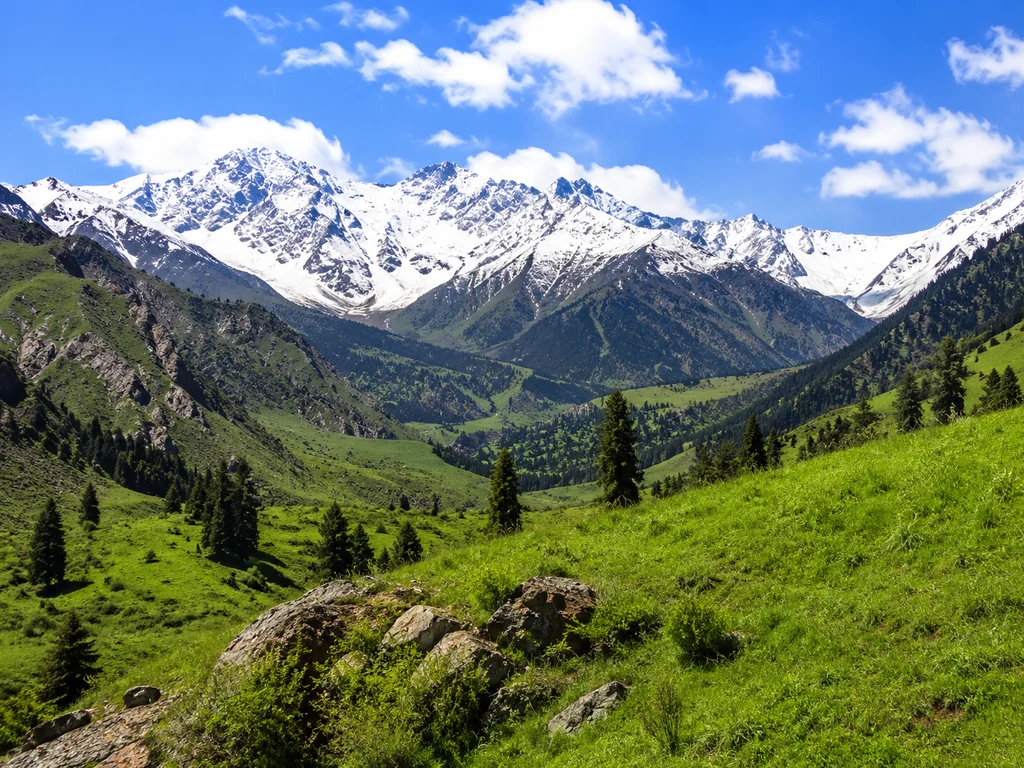
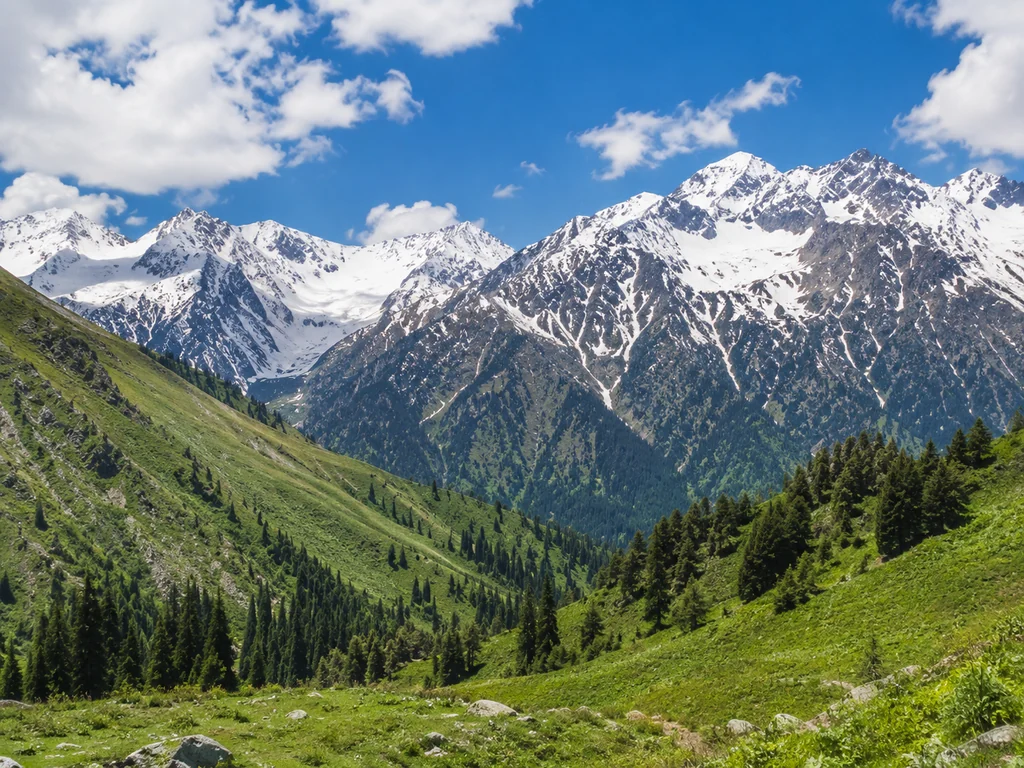
Katon-Karagay National Park is located in the southern part of the Altai Mountains, which extend across Kazakhstan, Russia, Mongolia, and China. The park covers an area of over 643,000 hectares, making it the largest national park in Kazakhstan. The centerpiece of the region is Belukha Mountain, a twin-peaked massif that is the highest point of the Altai Mountains. The eastern peak, known as Pobeda Peak, reaches 4,506 meters, while the western peak stands at 4,440 meters. Belukha is sacred to many local peoples and is considered a spiritual site, attracting pilgrims and adventurers alike.
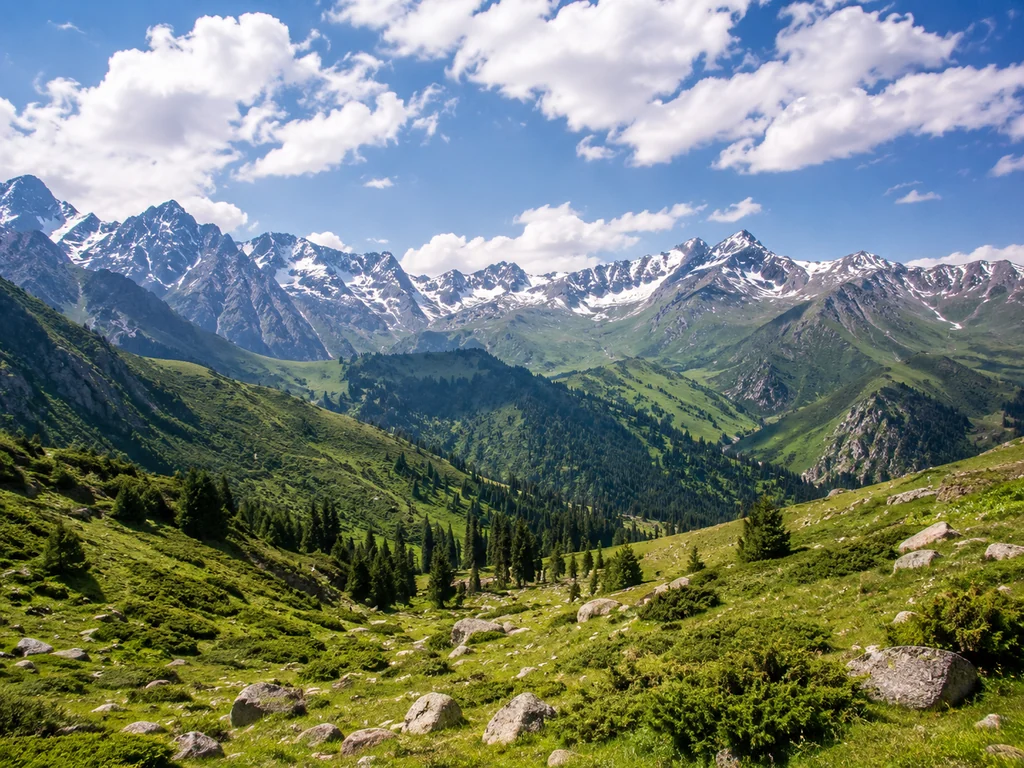
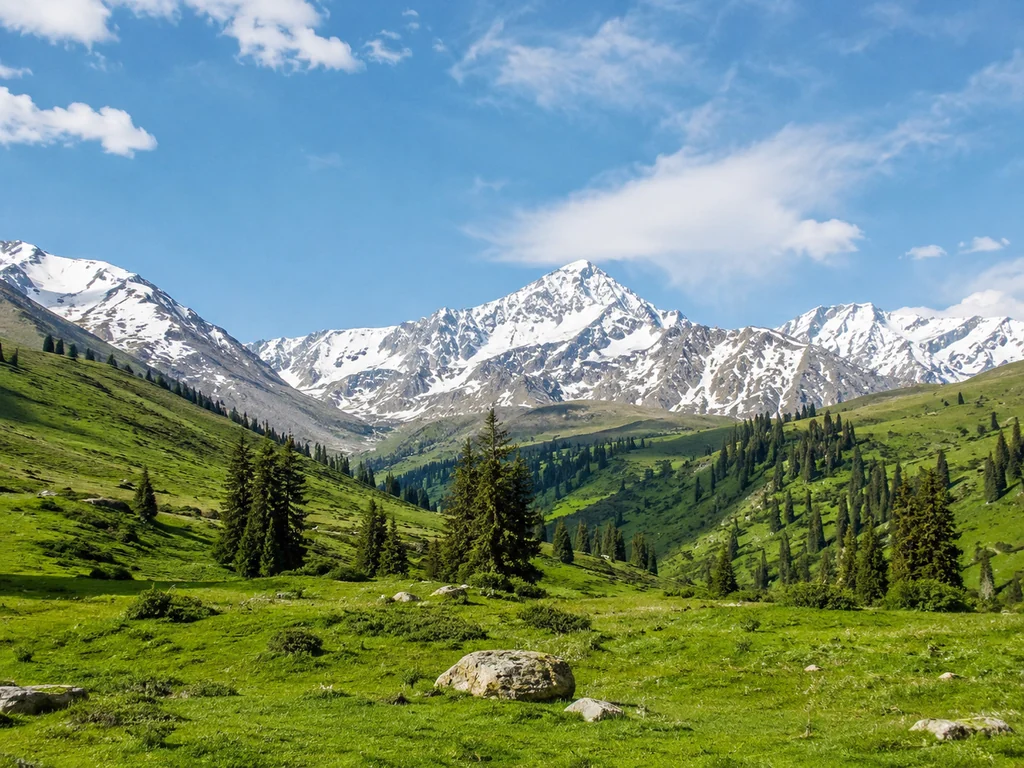
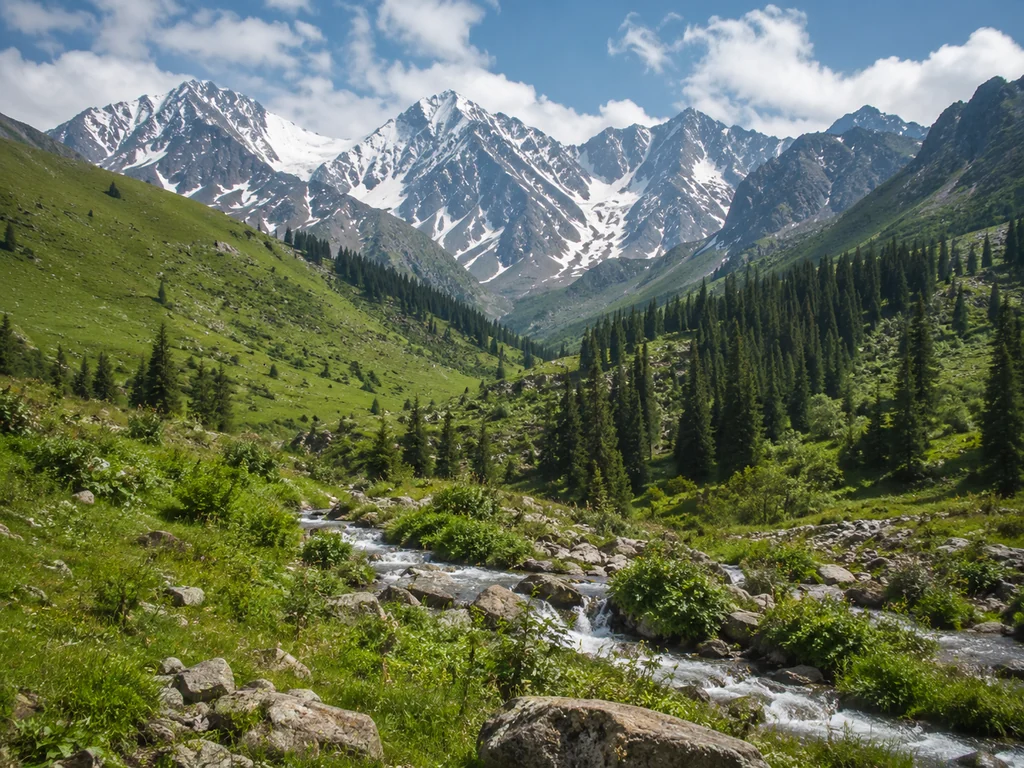
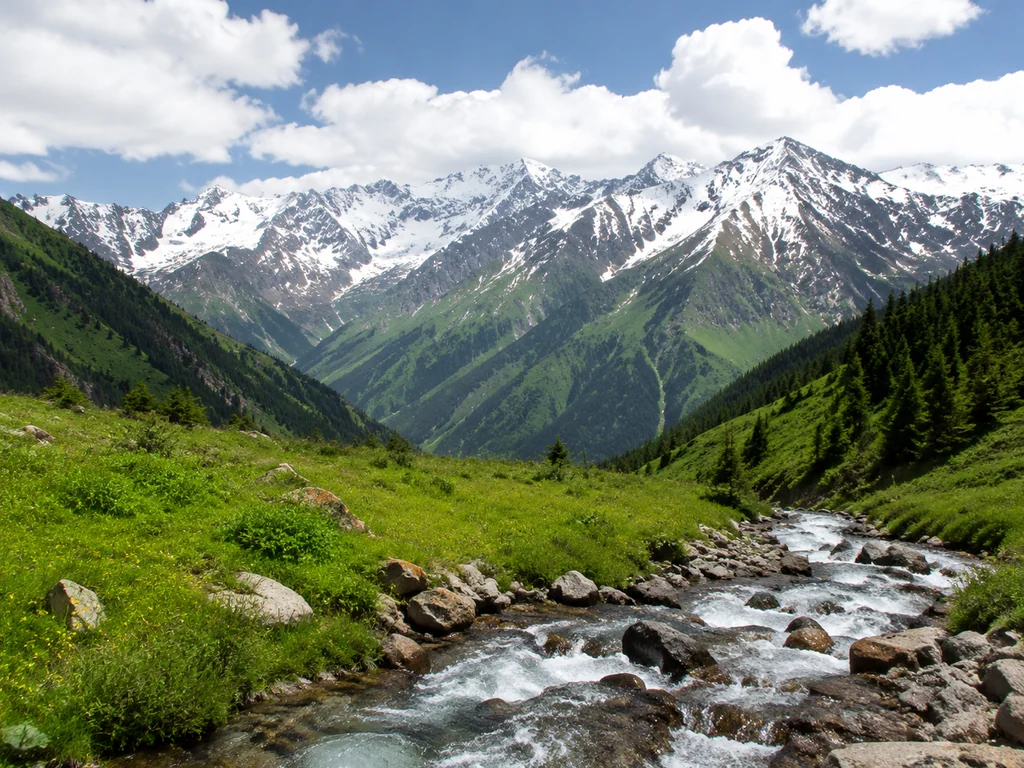
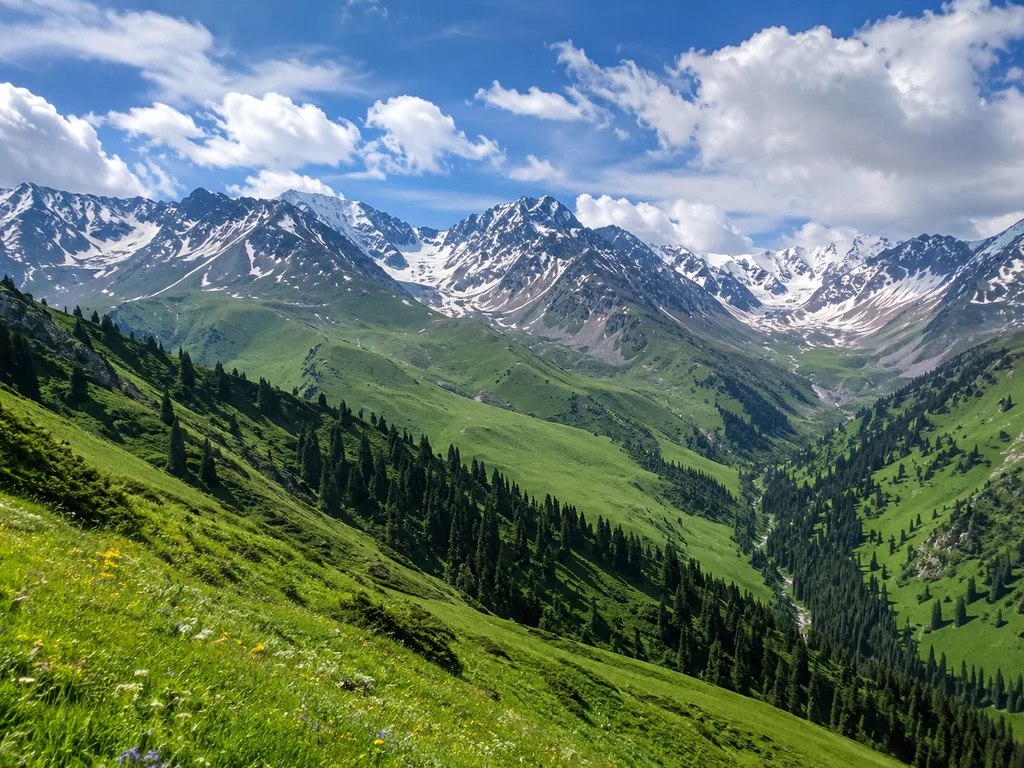
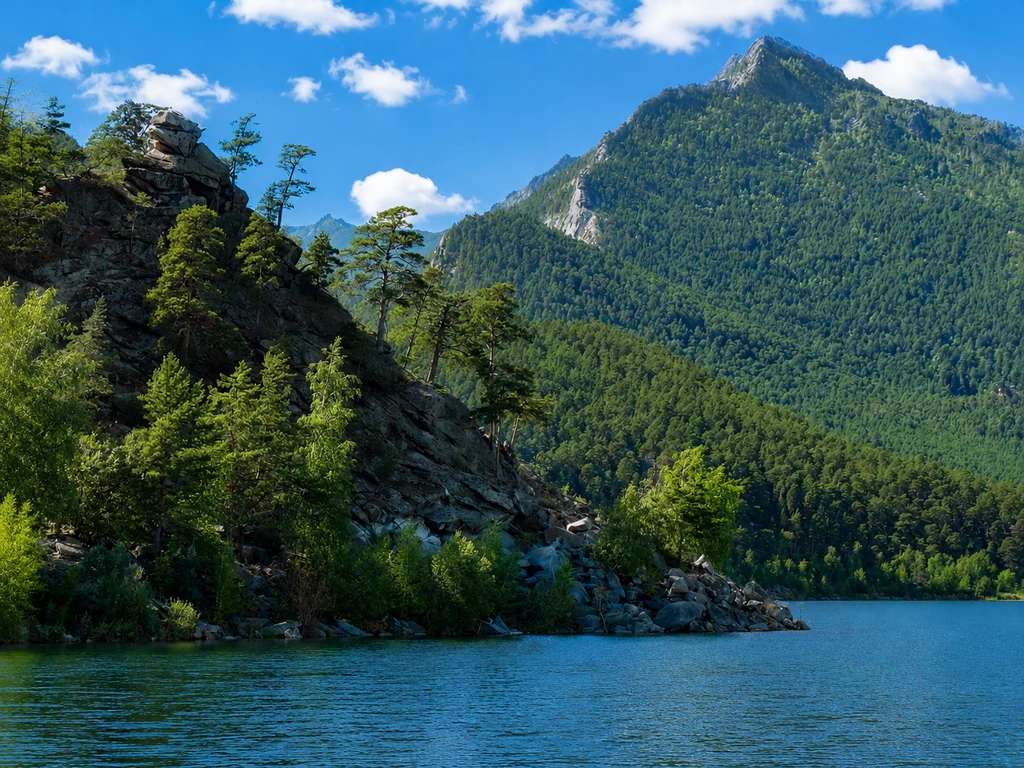
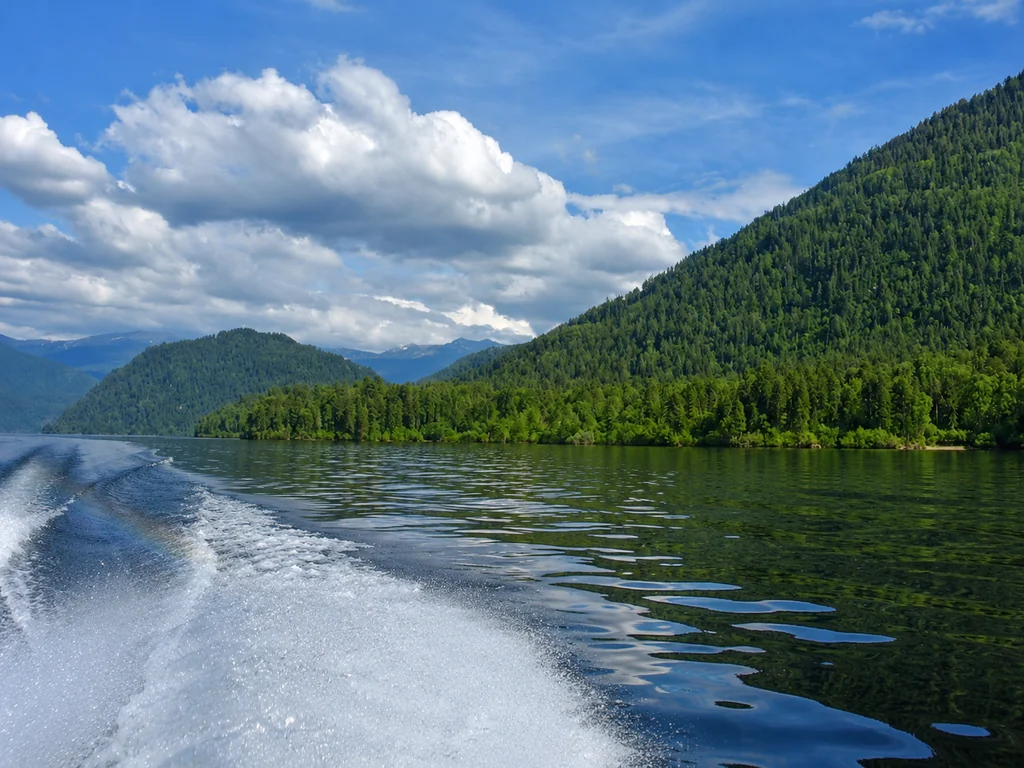
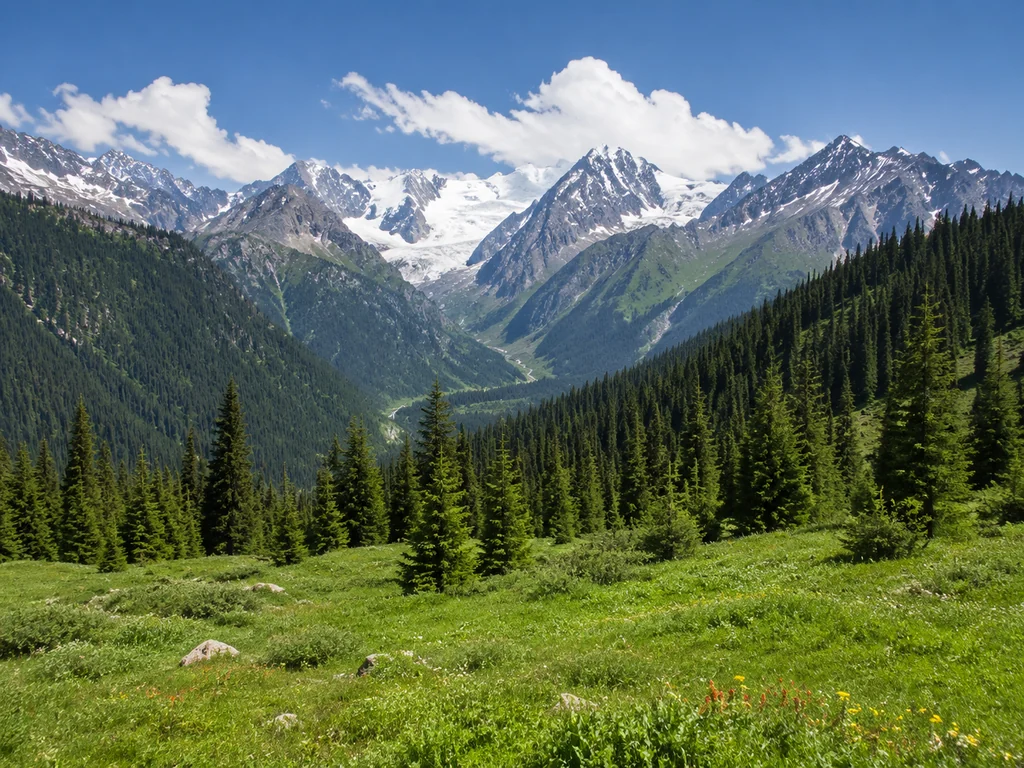
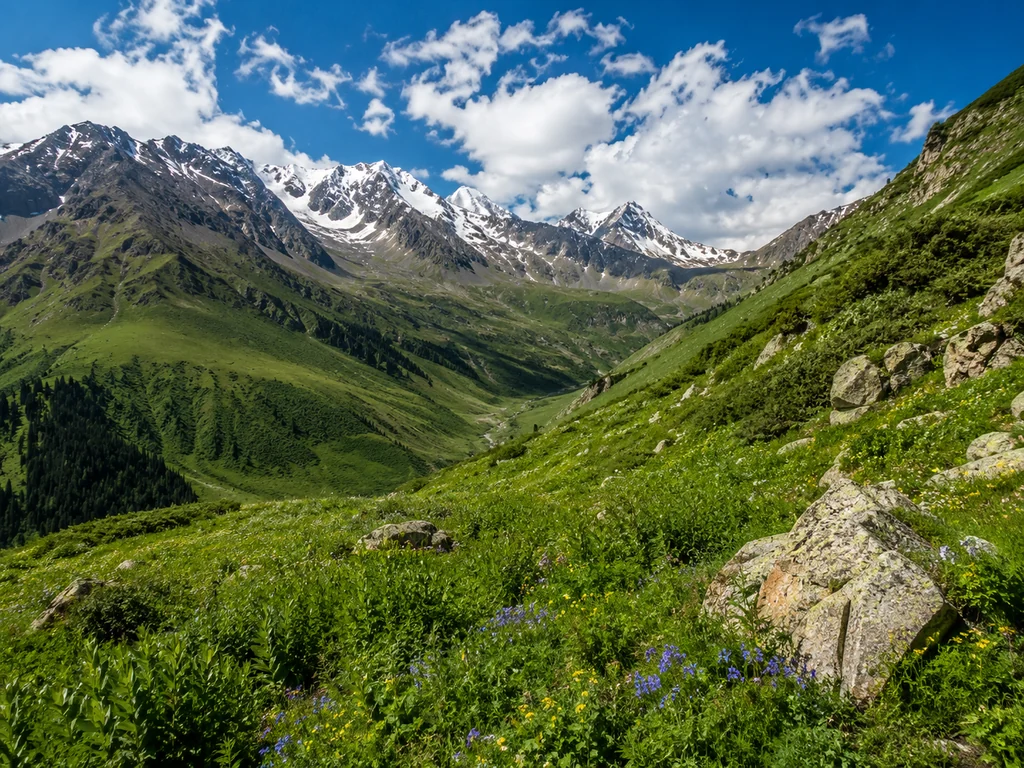
The terrain around Belukha is characterized by deep valleys, steep slopes, and numerous glaciers. The main glaciers, such as the Berel and Katun glaciers, feed the headwaters of the Katun River, which flows from the southern slopes of Belukha. The region is also dotted with alpine lakes, including Lake Yazovoe and Lake Kucherla, which are popular stops on the route. The altitude in the riding area ranges from 1,500 meters in the valleys to over 2,500 meters on the passes, providing a challenging but rewarding experience for riders.
The climate in the Altai is continental, with warm summers and cold winters. In June, temperatures can range from 10°C to 25°C, while in September, conditions are cooler, with daytime temperatures often below 15°C. Nighttime temperatures can drop to freezing even in summer, so warm clothing is essential. The summer months are also the wettest, with frequent afternoon thunderstorms, so riders should be prepared for sudden changes in weather.
Flora and Fauna
The diverse ecosystems of Katon-Karagay support a rich variety of plant and animal life. The lower slopes are covered with mixed forests of Siberian pine, larch, and birch, while higher elevations give way to alpine meadows and tundra. The region is home to many rare and endemic species, including the snow leopard, which is rarely seen but inhabits the high cliffs. More commonly encountered animals include the Siberian ibex, which can be seen on rocky slopes, and the roe deer, which frequent the forest edges. Birdwatchers may spot golden eagles, lammergeiers, and various species of owls.
The rivers and lakes of the park are teeming with fish, including grayling and trout, making fishing a popular activity for visitors. However, the tour itinerary focuses on the equestrian experience, and there is limited time for fishing. Nevertheless, riders may have opportunities to observe wildlife during the ride, especially in the early morning or late evening when animals are most active. The park's diverse flora also provides a colorful backdrop, with wildflowers blooming in the meadows during the summer months.
The Berel Valley and Ancient Burial Mounds
One of the cultural highlights of the region is the Berel Valley, located about 30 kilometers from Katon-Karagay village. This valley is famous for its Scythian burial mounds, which date back to the 4th-3rd centuries BC. The mounds, some of which are over 10 meters in diameter, contain the remains of horses and gold artifacts, reflecting the high status of the buried individuals. The site has been extensively excavated, and many of the finds are now displayed in the East Kazakhstan Museum of Local History in Oskemen.
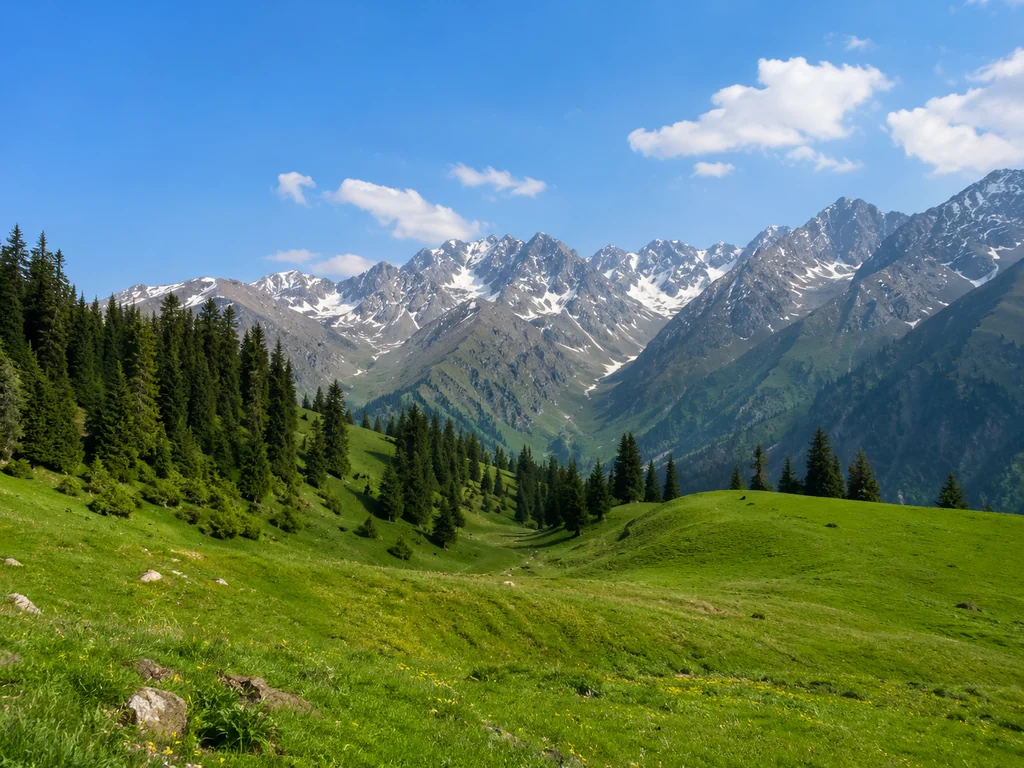
Although the tour does not include a guided visit to the Berel mounds, riders will pass through the valley and may have the opportunity to see the mounds from a distance. The landscape here is open and rolling, with wide views of the surrounding mountains. The valley is also home to the Berel River, which is crossed several times during the tour. The river is shallow and slow-moving, making it safe for horses to ford, but riders should still be cautious, as the riverbed can be rocky in places.
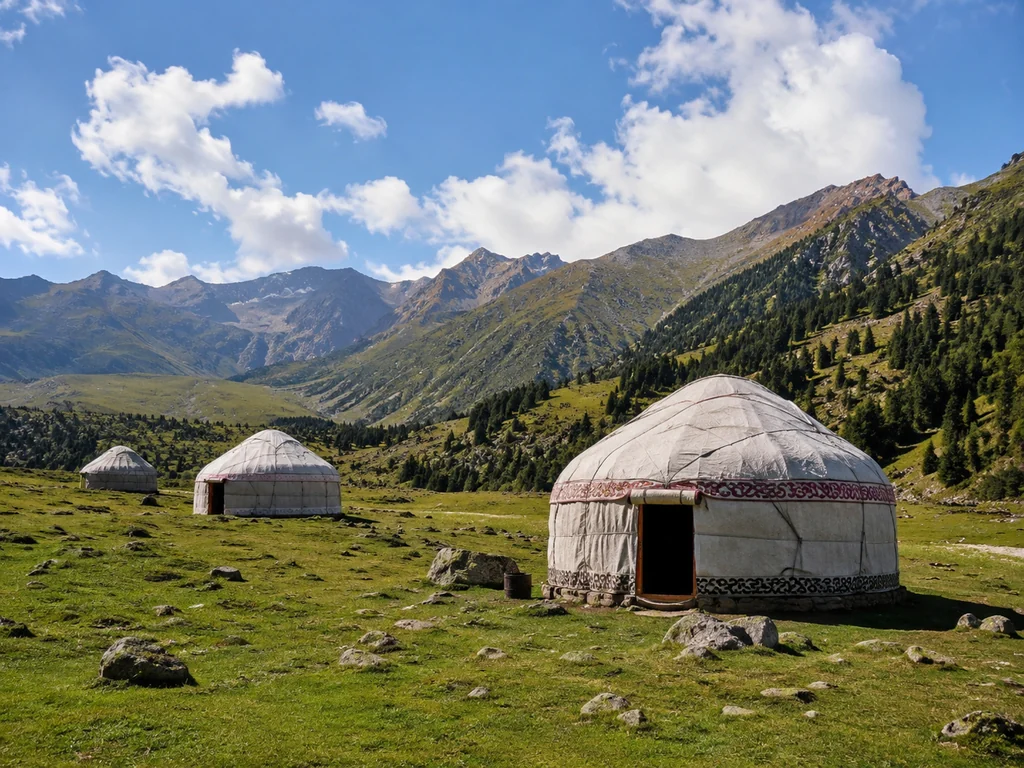
The Berel Valley is also a prime location for observing traditional Kazakh culture. Local herders still graze their livestock in the high pastures during the summer months, and riders may encounter yurts and camps along the way. The guide will provide information about the nomadic way of life, which has remained largely unchanged for centuries. This cultural immersion adds a unique dimension to the tour, allowing riders to connect with the region's heritage.
Tour Itinerary and Daily Schedule
Day 1: Arrival and Orientation
The tour begins in the village of Katon-Karagay, which is accessible by road from the city of Oskemen (Ust-Kamenogorsk), a drive of approximately 250 kilometers. Participants are met at the designated meeting point in the village and transferred to the tour base, where they are introduced to their horses and the support team. A thorough orientation session covers safety procedures, riding techniques, and the daily schedule. The first night is spent in tents at the base camp, allowing riders to acclimatize to the outdoor setting.
During the orientation, the guide will assess each rider's skill level and assign horses accordingly. The tour is suitable for riders with intermediate to advanced experience, as the terrain requires a certain level of control and endurance. Beginners are advised to take additional riding lessons before joining the tour. The guide will also review the route, highlighting the most challenging sections and the expected times for each leg of the journey.
In the evening, a hearty dinner is served, featuring local dishes such as beshbarmak (noodles with meat) and kazy (horse sausage). This is an opportunity for participants to get to know each other and the guides, and to ask any questions about the upcoming days. The guide will also provide a detailed forecast of the weather and remind riders to prepare their gear for the next day.
Days 2-4: Riding to the High Passes
On the second day, the group sets out from the base camp, heading south towards the first major pass, the Sogdian Pass, which rises to 2,900 meters. The trail climbs steadily through forested slopes, offering glimpses of the snow-capped peaks ahead. After a lunch break at a mountain stream, the group continues to the pass, where they are rewarded with panoramic views of the surrounding valleys. The descent on the other side is steep and rocky, requiring careful handling of the horses.
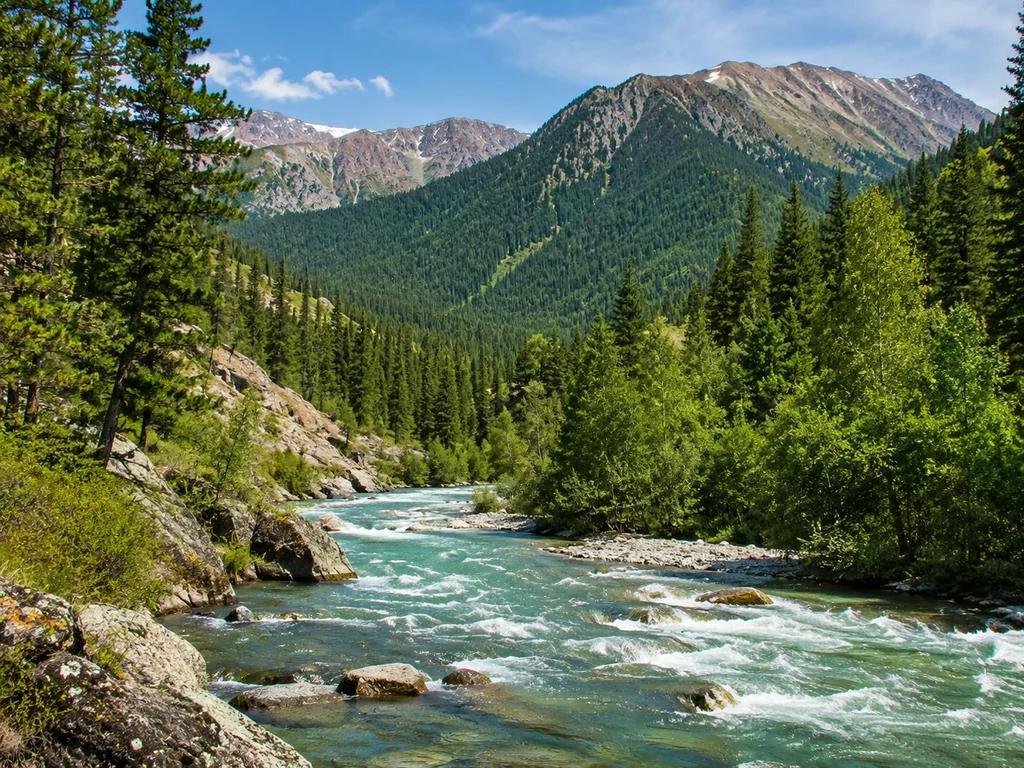
The third day involves a long ride along the Katun River valley, crossing several tributaries. The river here is fast-flowing and cold, and riders must navigate the crossings with care. The guide will lead the way, choosing the safest fording points. The day ends at a campsite near the confluence of the Katun and Kucherla rivers, where riders can relax and fish for grayling. The evening is spent around the campfire, with the guide sharing stories about the history of the Altai.
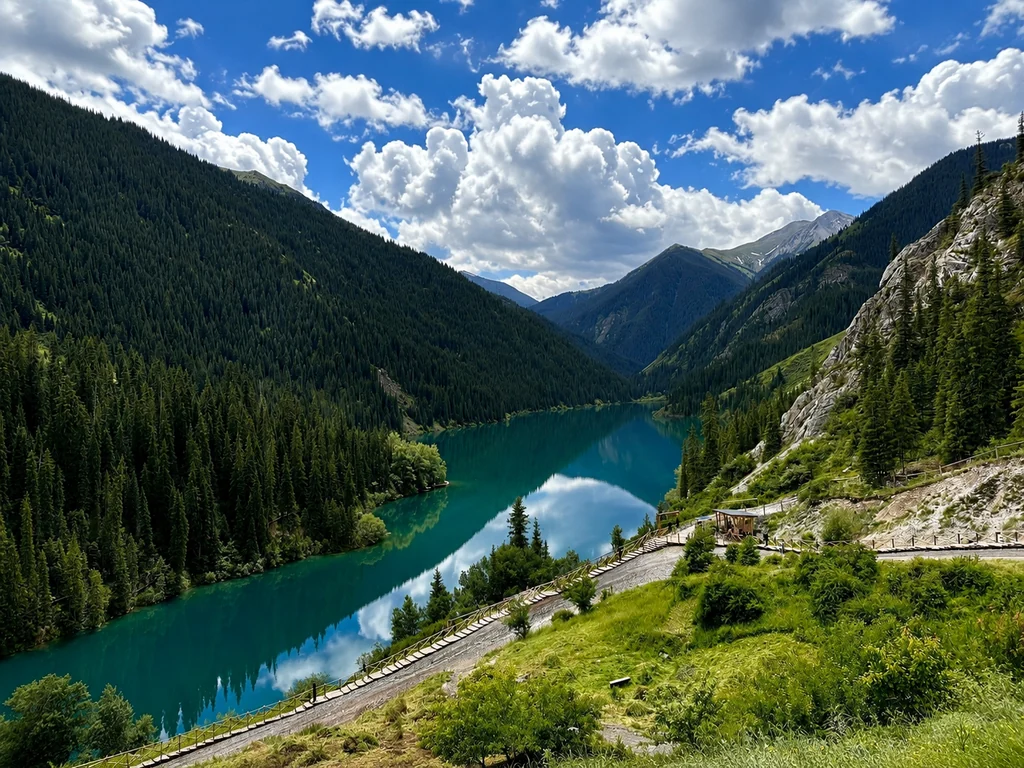
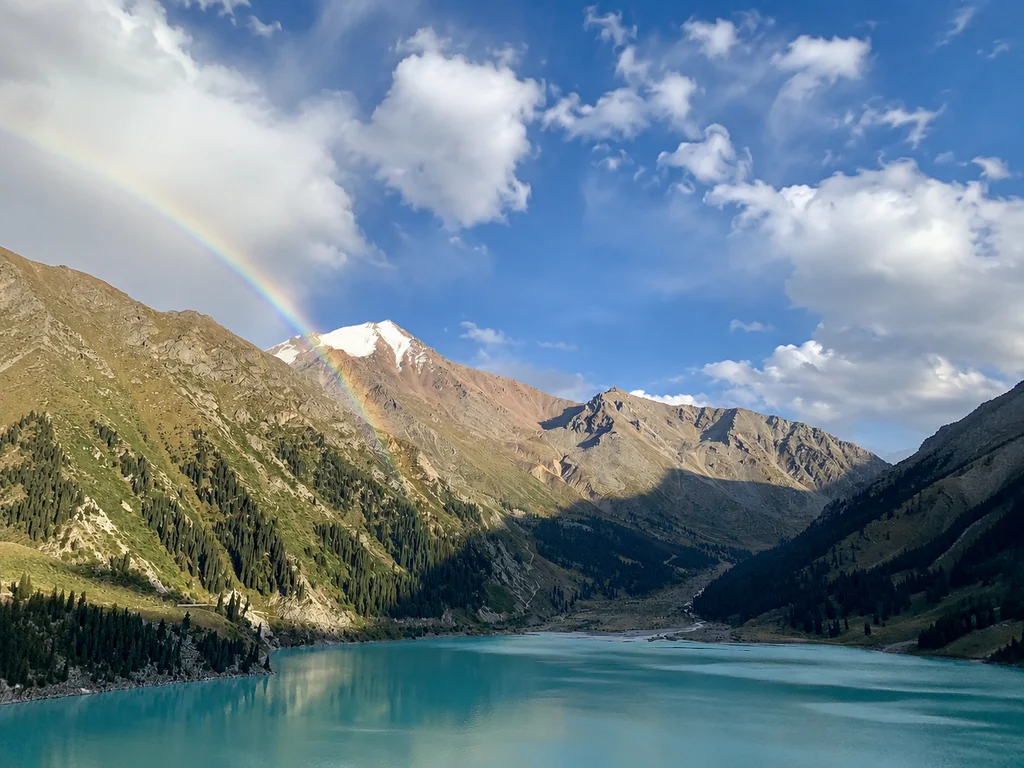
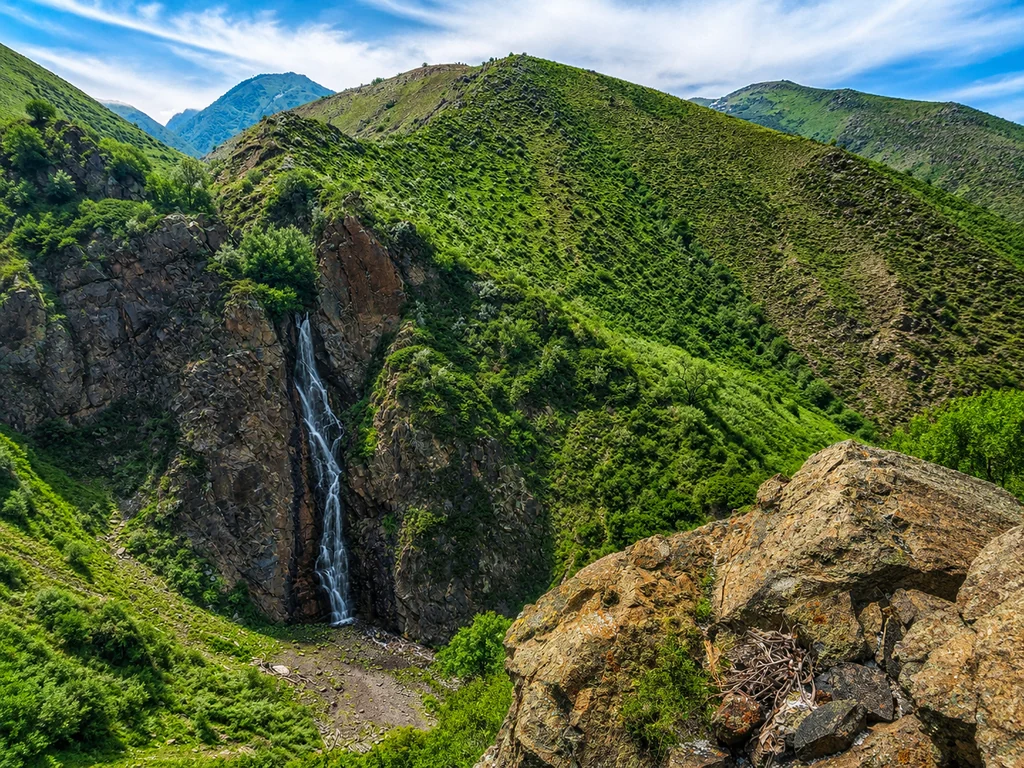
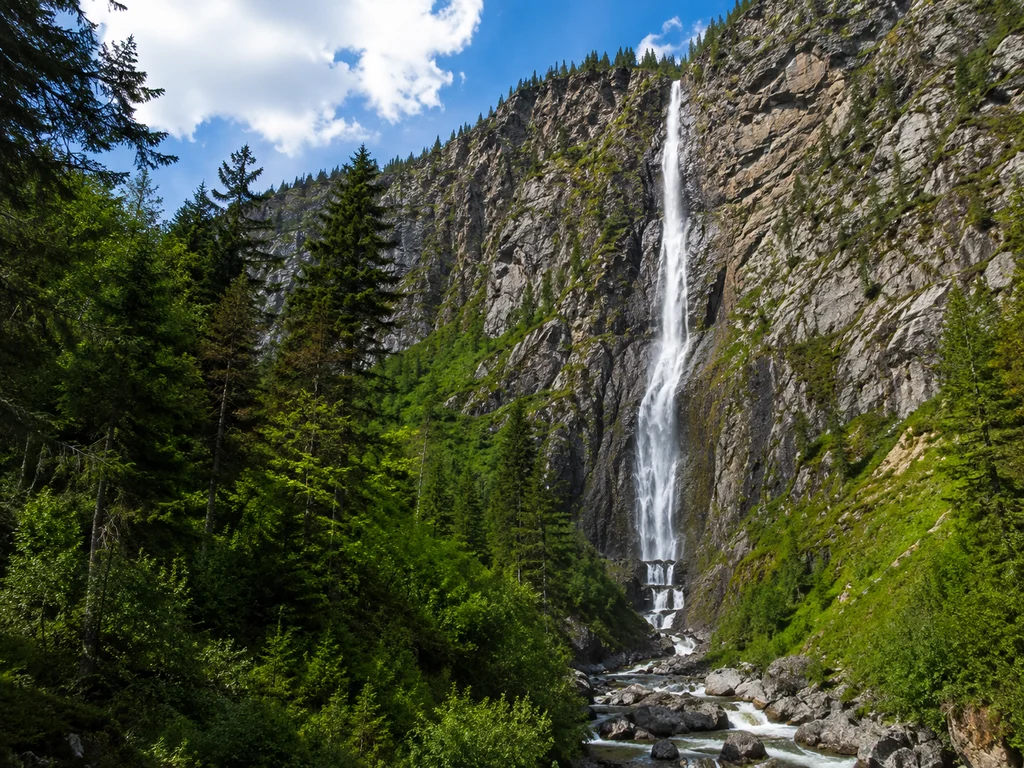
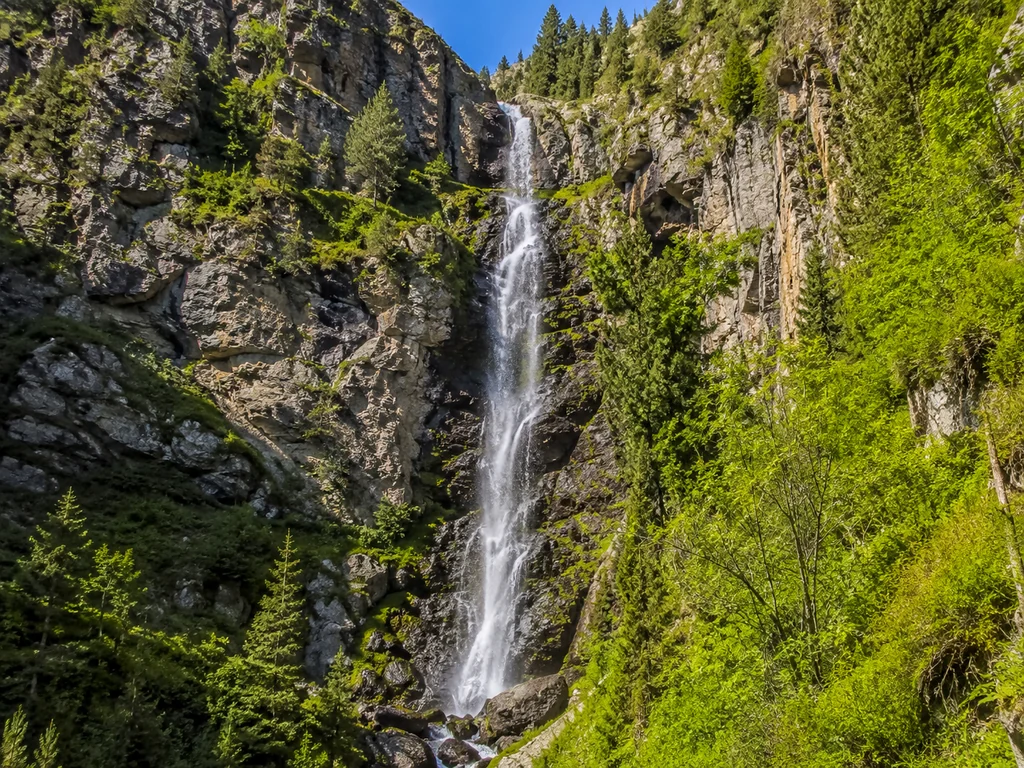
On the fourth day, the route turns eastward, climbing towards the Kucherla Pass, which reaches 2,700 meters. This is one of the most demanding parts of the tour, with a steep ascent over rocky terrain. The effort is rewarded by the breathtaking view of Kucherla Lake, a turquoise alpine lake nestled in a glacial basin. The group camps on the shore of the lake, allowing time for a refreshing dip (for the brave) or a leisurely hike to a nearby waterfall.
Days 5-7: Approaching Belukha
By the fifth day, the group is deep in the heart of the Altai, with Belukha visible on the horizon. The trail follows the Kucherla River upstream, passing through flowering meadows and stands of Siberian pine. The altitude gradually increases, and riders may begin to feel the effects of the thin air. The guide monitors everyone's condition and adjusts the pace accordingly. In the afternoon, the group reaches the Akkem River valley, which runs along the northern slope of Belukha.
The sixth day is a rest day, allowing riders to acclimatize to the altitude of 2,500 meters. The day is spent exploring the surroundings, with optional hikes to viewpoints overlooking the Akkem Glacier. The glacier, which descends from the slopes of Belukha, is a dramatic sight, with its crevasses and icefalls. The guide provides information about the geology of the region and the impact of climate change on the glaciers. In the evening, riders can enjoy a traditional Russian banya (sauna) if available at the campsite.
On the seventh day, the group makes a day trip to the foot of Belukha, riding as close as possible to the mountain's base. The terrain becomes increasingly rugged, with moraine fields and glacial streams. The final approach is on foot, as the horses cannot navigate the rocky terrain. Riders will have the opportunity to touch the ice of the glacier and take in the majestic beauty of the mountain up close. The return to the campsite is made in the afternoon, and the evening is spent reflecting on the experience.
Days 8-10: Return Journey
The return journey begins on the eighth day, following a different route to provide variety and new perspectives. The group descends along the Akkem River, crossing the Akkem Pass at 2,200 meters. The descent is long and tiring, and riders are advised to conserve their energy. The campsite on the eighth night is located in a forested valley, offering a sheltered spot for the night.
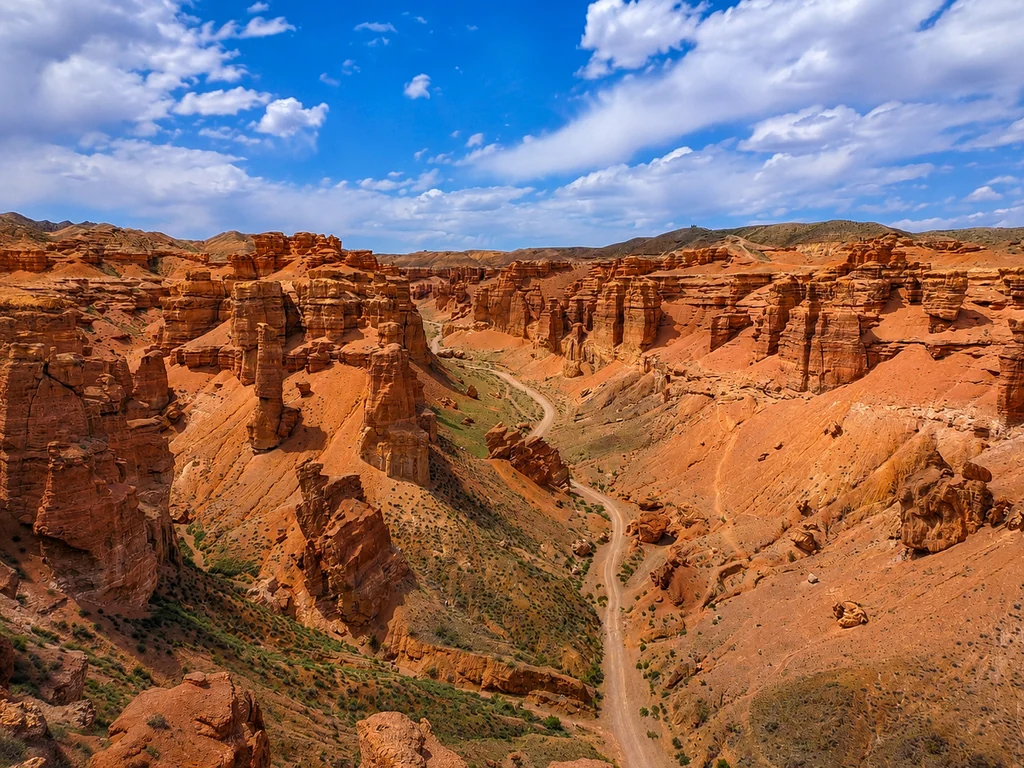
On the ninth day, the route continues through the Karakabak Valley, known for its spectacular rock formations. The valley is also home to a small hermitage, where a reclusive monk lives in a cave. The group may stop to meet the monk if he is present, adding a spiritual element to the journey. The final night is spent at a campsite near the village of Arshaly, where riders can enjoy a hot shower and a celebratory meal.
The tenth day is a short ride back to Katon-Karagay, where the tour concludes. Participants are transferred to the meeting point, where they can arrange onward transportation. The tour ends with a farewell dinner, and riders are given the opportunity to share their experiences and exchange contact information. The sense of accomplishment is palpable, as the group has completed a challenging and rewarding journey to one of the most remote and beautiful corners of Kazakhstan.
Physical Preparation and Riding Experience
Fitness Requirements
This tour demands a good level of physical fitness and riding experience. Riders should be comfortable spending six to seven hours in the saddle each day, with breaks for lunch and rest. The terrain is often steep and uneven, requiring a strong seat and the ability to control a horse at various gaits. It is recommended that participants engage in regular cardiovascular exercise and strength training in the months leading up to the tour. Additionally, riding practice on a variety of terrains will help build the necessary muscle memory.
Altitude is another factor to consider, as some parts of the route exceed 2,500 meters. While the tour includes rest days for acclimatization, riders should be aware of the symptoms of altitude sickness, such as headache, fatigue, and shortness of breath. Those with pre-existing medical conditions should consult their physician before booking. The tour operator can provide more detailed information about the physical demands and can help assess whether this tour is suitable.
Age and weight restrictions are in place for safety reasons. Participants must be at least 16 years old and weigh no more than 110 kilograms. These limits are strictly enforced to ensure the well-being of both riders and horses. If you have any concerns about your eligibility, please contact us before booking. We are happy to discuss your individual circumstances and offer advice on alternative tours if necessary.
Riding Skills and Experience
Riders should have a solid foundation in horseback riding, including the ability to post at a trot and ride confidently at a canter. Experience with riding on mountainous trails is beneficial, as the terrain can be challenging. The tour is not suitable for beginners, as there is limited time for instruction, and the safety of the group depends on the competence of all riders. If you are a novice rider, we recommend taking lessons and building up your skills before joining this expedition.
The horses used on the tour are specifically chosen for their sure-footedness and temperament. They are well-trained and accustomed to the mountain environment. However, even the most reliable horse can be unpredictable in unfamiliar situations, so riders must remain vigilant and follow the guide's instructions at all times. The guide will lead the group at a pace that is comfortable for all, but riders should be prepared for occasional moments of excitement, such as when crossing rivers or navigating steep descents.
During the orientation on the first day, the guide will pair each rider with a horse based on their skill level and weight. It is important to build a rapport with your horse, as you will be spending many hours together over the course of the tour. The guide will offer tips on how to communicate with your horse effectively and how to conserve your energy during long rides. Riders are encouraged to ask questions and seek advice from the guide whenever needed.
Packing List and Gear
Preparing the right gear is essential for comfort and safety on the tour. The following items are recommended:
- Riding helmet (mandatory; can be provided upon request)
- Riding boots with a low heel and ankle support
- Long pants (jeans or riding breeches)
- Comfortable shirts (moisture-wicking fabric)
- Warm layers (fleece or wool sweater)
- Waterproof jacket and rain pants
- Down or synthetic insulated jacket for cold evenings
- Sun hat or cap, sunglasses, and sunscreen
- Lip balm with SPF
- Personal first aid kit (including blister treatment)
- Water bottle or hydration system (at least 2 liters)
- Headlamp or flashlight with spare batteries
- Small backpack for daily essentials
All camping equipment, including tents, sleeping bags, and sleeping mats, is provided by the tour operator. However, if you have a personal sleeping bag that you prefer, you are welcome to bring it. The nights can be cold, even in summer, so a sleeping bag rated for -5°C is recommended. It is also advisable to bring earplugs to ensure a good night's sleep in the tents.
Personal hygiene items should be kept to a minimum, as space is limited. Biodegradable soap and a small towel are recommended. Laundry facilities are not available during the tour, so riders should pack enough clothing for the entire duration. A change of clothes for the evenings is recommended, as riding clothes will be dusty and may smell of horse.
Safety and Practical Information
Guides and Support Team
The tour is led by experienced guides who are familiar with the terrain and have extensive knowledge of the area. They are trained in first aid and carry satellite phones for emergencies. The support team includes a cook and a camp manager, who ride ahead to set up camp and prepare meals. This ensures that riders can focus on the experience without worrying about logistics. The guide-to-rider ratio is kept low to ensure personalized attention and safety.
All guides speak both Russian and English, and they are happy to share their knowledge of the local flora, fauna, and culture. They are passionate about the Altai and are committed to providing an authentic and memorable experience. The support team also includes a horse wrangler who is responsible for the welfare of the animals. The horses are well-cared for, with regular veterinary check-ups and appropriate rest periods.
In the unlikely event of an emergency, the guide will coordinate with the tour operator's base in Katon-Karagay, which can arrange evacuation by vehicle or helicopter if necessary. However, the tour is designed to minimize risks, and the most common incidents are minor injuries such as blisters or bruises. Riders are advised to inform the guide of any medical conditions or allergies before the tour starts.
Weather and Climate
The weather in the Altai is notoriously changeable, and riders should be prepared for all conditions. In June, temperatures range from 10°C to 25°C, but snow can fall on high passes even in summer. July and August are the warmest months, with daytime temperatures often exceeding 20°C at lower elevations. However, nights are always cold, with temperatures dropping to 5°C or below. September brings cooler weather, with daytime temperatures around 10°C-15°C and frost possible at night.
Rain is common throughout the summer, especially in the afternoons. Thunderstorms can develop quickly, bringing heavy rain and strong winds. It is essential to have waterproof gear and to protect your belongings from moisture. The guide will monitor weather forecasts and adjust the itinerary if necessary for safety. In the event of severe weather, the group may seek shelter in a ranger station or local herder's hut.
Sun protection is also important, as the sun is intense at altitude. Riders should wear sunscreen with a high SPF, even on cloudy days, and protect their lips with balm. Sunglasses with UV protection are essential, as the glare from snow and water can be harmful. A wide-brimmed hat is also recommended to shield your face and neck from the sun.
Permits and Regulations
Katon-Karagay National Park is a protected area, and visitors are required to obtain a permit for overnight stays. The tour operator handles all necessary permits and fees, which are included in the tour price. Additionally, parts of the region near the border with Russia and China are designated as a border zone, and special permission is required to visit these areas. The tour operator will arrange these permissions in advance, but it is important to provide your passport details at the time of booking.
Riders are expected to follow the rules of the park, including staying on designated trails and not littering. The tour operator follows a strict leave-no-trace policy, and all waste is packed out. Fires are only allowed in designated areas, and the support team will ensure that all campfires are properly extinguished. Hunting and the collection of plants and animals are prohibited.
It is also important to respect local customs and traditions. The Altai is home to various ethnic groups, including the Kazakhs, and their cultural heritage is deeply connected to the land. Visitors should ask permission before taking photographs of local people or their property. The guide will offer guidance on appropriate behavior to ensure a positive interaction with the local community.
Cost and Booking Information
Price and Inclusions
The price for the 10-day horseback tour to Belukha is 407,400 KZT per person. This price includes all necessary equipment (horse, saddle, and riding helmet), the services of the guide and support team, meals during the tour, camping accommodation, and all permits and entrance fees. The price is fixed and does not vary with group size or season. There are no hidden costs, and the tour operates with a minimum number of participants.
Not included in the price are transportation to and from the meeting point in Katon-Karagay, personal travel insurance, and any additional activities or services not specified in the itinerary. Alcoholic beverages and souvenirs are also not included. The tour operator can arrange transfers from Oskemen or other cities for an additional cost, which will be quoted at the time of booking.
We do not offer discounts for early booking or group bookings, and we do not have promotional offers. The price is set to ensure the highest quality of service and the welfare of the horses. We believe in transparent pricing, and we are happy to provide a detailed breakdown of costs upon request. Please note that the tour is subject to availability and may be cancelled if the minimum number of participants is not reached.
Cancellation and Changes
If you need to cancel your booking, please notify us as soon as possible. Cancellation fees may apply depending on the notice period. We recommend that you purchase travel insurance to cover any unforeseen circumstances that may force you to cancel. The tour operator reserves the right to cancel the tour due to insufficient bookings, force majeure, or safety concerns. In such cases, a full refund will be provided.
Changes to the itinerary may be made if necessary due to weather conditions, trail closures, or the physical condition of the group. The guide will always prioritize safety, and any changes will be communicated to the group as early as possible. If a participant is unable to continue the tour due to injury or illness, the tour operator will assist in arranging evacuation, but the cost of such evacuation is the responsibility of the participant.
We understand that plans can change, and we strive to be flexible. However, please note that the tour is a package, and no refunds are given for unused services, such as meals or accommodation. If you have any questions about our cancellation policy, please do not hesitate to contact us.
How to Book
To reserve your place on the tour, please contact us via the website or by phone. We will need your full name, passport details, and contact information. A deposit is required to confirm your booking, with the balance due no later than 30 days before the tour start date. We accept payment by bank transfer or credit card. Detailed instructions will be provided after you make an inquiry.
Once your booking is confirmed, you will receive a confirmation email with a detailed information pack, including a list of recommended gear, travel tips, and a medical questionnaire. Please complete the medical questionnaire honestly, as it helps us ensure your safety and the safety of the group. If you have any medical conditions, we may require a doctor's note confirming that you are fit to participate.
We recommend booking well in advance, as the tour has limited capacity and is popular during the summer months. The tour operates from June to September, with departures scheduled regularly. If you have specific dates in mind, please let us know, and we will check availability. We look forward to welcoming you on this unforgettable adventure to the foot of Belukha.
Comparing the Tour with Other Options
What Makes This Tour Unique
This tour stands out from other horseback riding holidays in Kazakhstan due to its focus on the Belukha region, which is relatively remote and less visited compared to the more accessible areas like the Tian Shan. The route passes through diverse landscapes, from forested valleys to alpine tundra, and offers a genuine wilderness experience. The cultural interactions with local herders and the opportunity to see ancient burial mounds add a historical dimension that is rare in commercial tours.
Another unique aspect is the duration and intensity. At ten days, this tour is longer and more demanding than typical weekend rides, allowing participants to immerse themselves fully in the environment. The daily riding time of six to seven hours is challenging but ensures that significant distances are covered, reaching areas that would otherwise require multiple days of trekking. This is ideal for riders seeking a true expedition experience.
In terms of logistics, the tour provides a high level of support, with a dedicated team handling camp setup and meals. This allows riders to focus on the experience without carrying heavy backpacks. The price, while not inexpensive, reflects the quality of the service, the expertise of the guides, and the unique itinerary. For those who are passionate about horseback riding and adventure, this tour offers excellent value.
Alternative Tours in the Region
For riders who prefer shorter trips or less challenging terrain, the tour operator may offer other options, such as a 5-day ride in the foothills of the Altai or a cultural tour that combines riding with visits to historical sites. However, these are not currently listed on this page, and the only tour for sale is the 10-day Belukha expedition. If you are interested in alternatives, please contact us for more information.
It is also possible to explore the region independently, but this requires careful planning and self-sufficiency. The national park has few facilities, and the trails are not well-marked. Hiring a local guide is recommended for safety and for gaining a deeper understanding of the area. Independent travel may be less expensive, but the convenience and security of an organized tour are often worth the extra cost.
When comparing tours, consider factors such as group size, guide-to-rider ratio, included amenities, and the physical demands of the route. Some tours may offer more luxurious accommodation, such as staying in lodges, but this often means less time in the wilderness. Our tour prioritizes an authentic camping experience, which is part of the charm. We believe that sleeping under the stars and waking up to the sound of horses is an integral part of the adventure.
Seasonality and Best Time to Go
The tour operates from June to September, with each month offering a slightly different experience. In June, the snow is still melting, and the rivers are high, making some crossings challenging. The wildflowers are just beginning to bloom, and the landscapes are lush and green. July is the warmest month, with the most stable weather, and the alpine meadows are in full bloom. August is similar to July, but the days start to shorten, and the evenings become cooler. September brings autumn colors, with golden larches contrasting with the snow-capped peaks, but the nights are colder, and there is a risk of early snow.
The table below summarizes the conditions for each month:
| Month | Temperature (Day) | Precipitation | Trail Conditions |
|---|
| June | 10-20°C | Moderate | Snow patches on passes, high rivers |
| July | 15-25°C | Low | Dry trails, clear passes |
| August | 15-25°C | Low | Dry trails, occasional thunderstorms |
| September | 5-15°C | Moderate | Possible early snow, cooler nights |
Each month has its own charm, and the best time to go depends on your preferences. If you want the warmest weather and the most reliable conditions, July and August are ideal. If you prefer fewer crowds and are prepared for colder temperatures, September offers a unique perspective. The tour operator can provide more detailed information about the expected conditions for your chosen departure date.
Final Tips and Recommendations
What to Expect Mentally
Embarking on a 10-day horseback tour is as much a mental challenge as a physical one. The daily routine is simple: ride, eat, sleep. This simplicity can be liberating, but it also requires a certain mindset. You must be prepared to disconnect from the outside world, as there is no internet or phone signal in most of the area. This is an opportunity to reconnect with nature and with yourself.
There will be moments of discomfort: blisters, sore muscles, and the fatigue of long hours in the saddle. It is important to stay positive and focus on the incredible scenery and the camaraderie of the group. The support team is there to help, but ultimately, your attitude will determine your experience. Many participants report that the sense of achievement at the end of the tour is overwhelming, and the memories last a lifetime.
It is also important to be flexible and patient. The weather may force changes to the itinerary, and delays are possible. The guide will do their best to ensure a smooth journey, but nature is unpredictable. Embrace the unexpected, and you will be rewarded with a truly authentic adventure.
Cultural Etiquette and Interaction
When interacting with local people, it is important to be respectful and open-minded. The Altai region has a rich cultural heritage, and the people are proud of their traditions. Always ask permission before taking photographs of individuals or their homes. When visiting a herder's camp, it is customary to greet the head of the household and accept any offered refreshments. If you are invited into a yurt, remember to remove your shoes before entering.
Kazakh hospitality is renowned, and you may be offered food or drink. It is polite to accept, even if you are not hungry. The national drink is kumis, fermented mare's milk, which is an acquired taste but is offered as a sign of respect. If you do not wish to drink it, a small sip is sufficient. The guide will provide more tips on appropriate behavior during the tour.
Language can be a barrier, but a few words in Kazakh or Russian can go a long way. The guide will act as a translator, but learning basic phrases such as "hello" (salam) and "thank you" (rakhmet) will be appreciated. The locals are generally friendly and will be pleased that you made an effort to speak their language.
Health and Safety Precautions
Before the tour, it is advisable to have a thorough medical check-up and to ensure that your vaccinations are up to date. The remote location means that medical facilities are limited, and evacuation can be time-consuming. It is essential to have comprehensive travel insurance that covers emergency medical evacuation. The tour operator can provide a certificate of insurance if required.
During the tour, it is important to stay hydrated and to protect yourself from the sun. Drink at least two liters of water per day, even if you do not feel thirsty. The dry air at altitude can lead to dehydration, which can exacerbate the effects of altitude sickness. Eat regularly to maintain your energy levels, and avoid excessive consumption of alcohol, as it can impair your judgment and increase the risk of accidents.
If you have any chronic conditions, such as asthma or diabetes, ensure that you have an adequate supply of medication and inform the guide about your condition. The guide is trained in first aid but is not a medical professional. In the event of a serious emergency, the guide will contact the tour operator's base, which will coordinate with local emergency services. The nearest hospital is in Katon-Karagay, which is equipped to handle basic medical issues, but serious cases may require evacuation to Oskemen.
We hope this information has been helpful in preparing you for your adventure. The horseback tour to Belukha is a once-in-a-lifetime experience that will challenge and inspire you. We look forward to welcoming you to the Altai and sharing the beauty of this remarkable region.









 Adventure