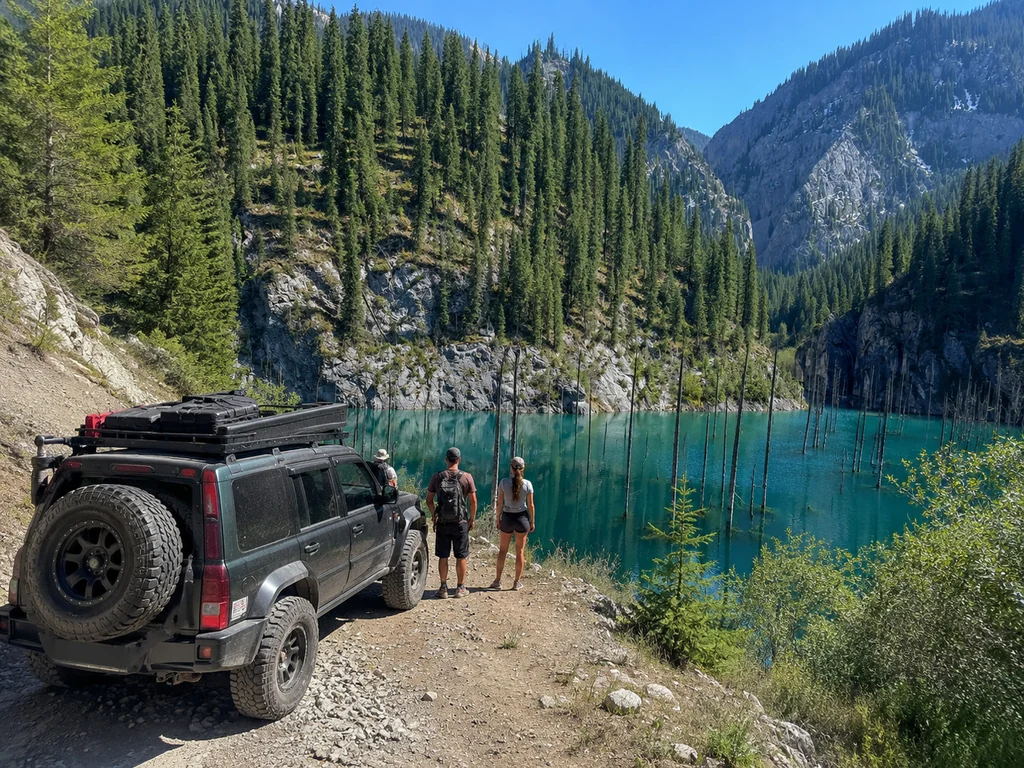
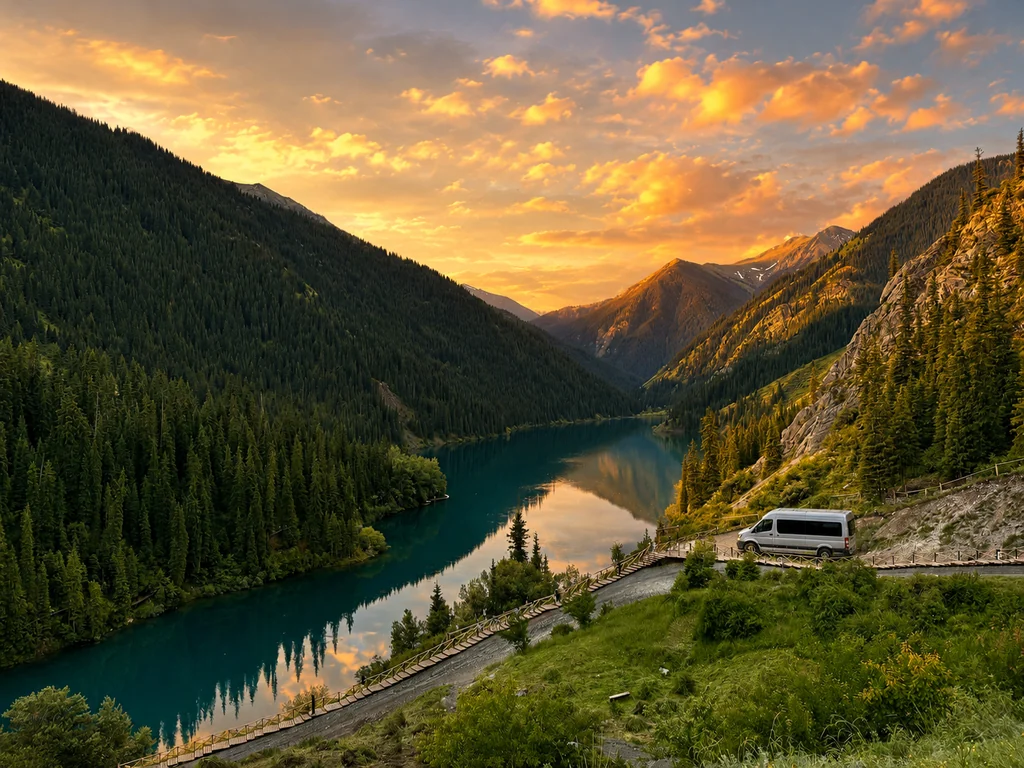
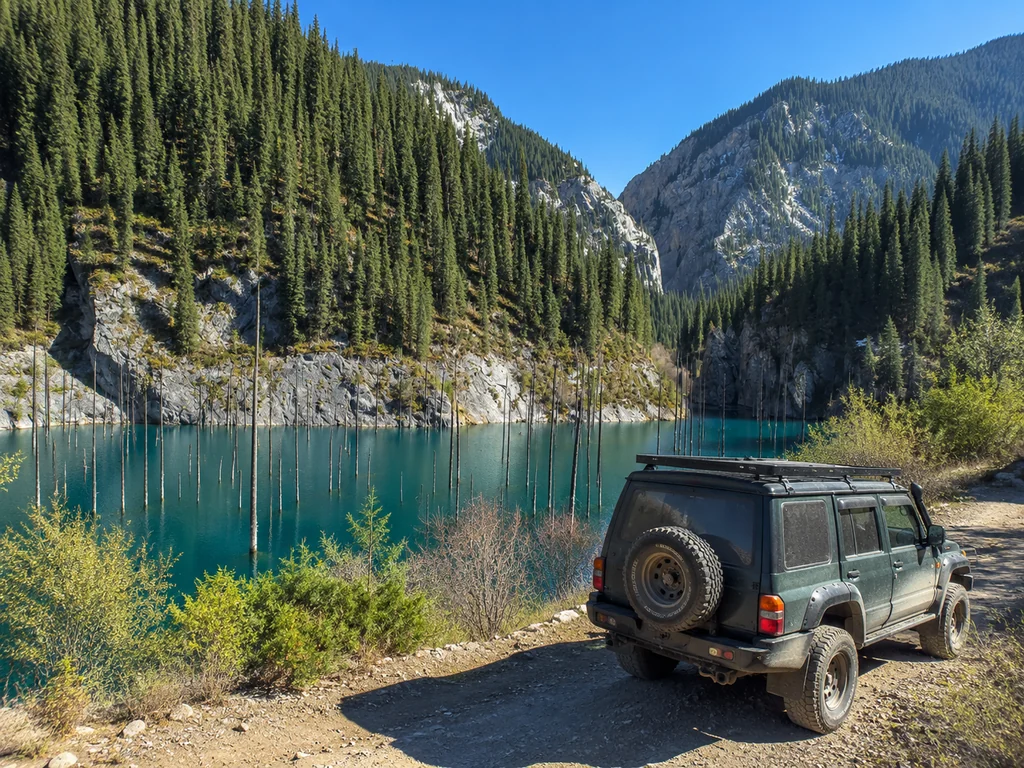
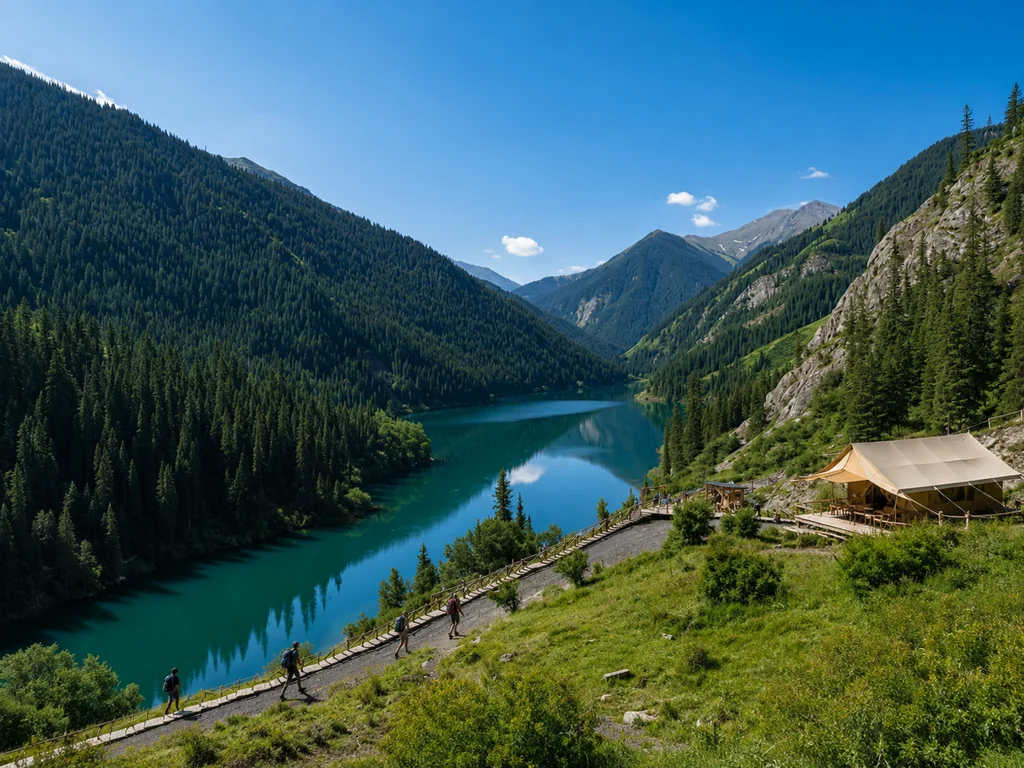
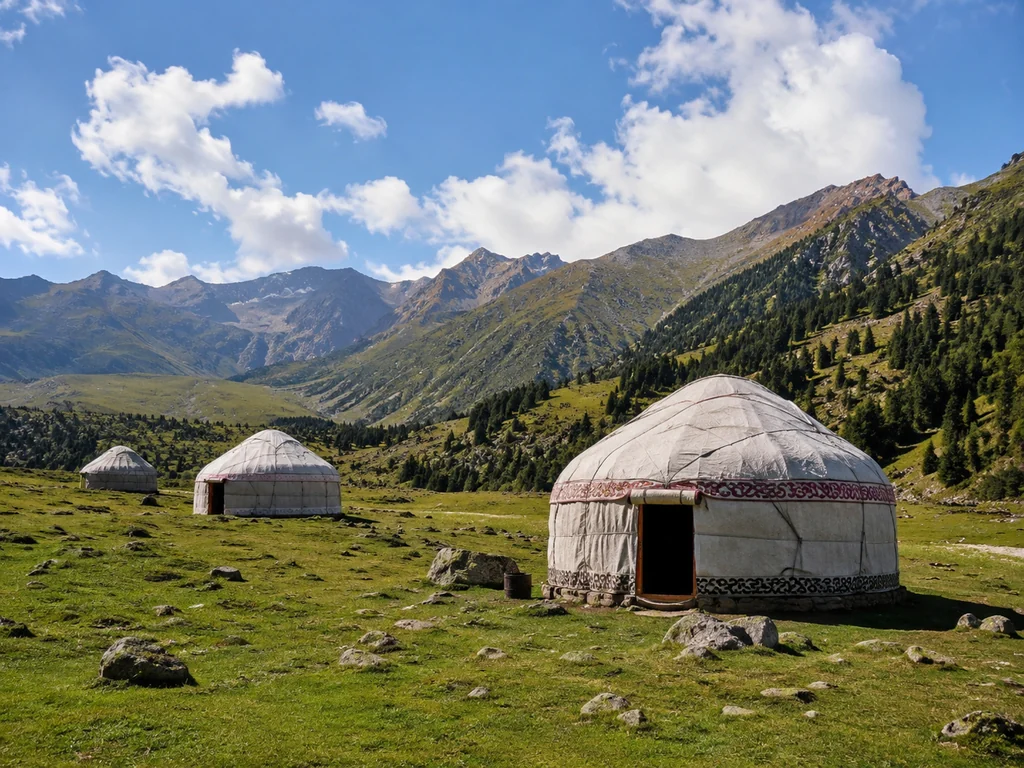
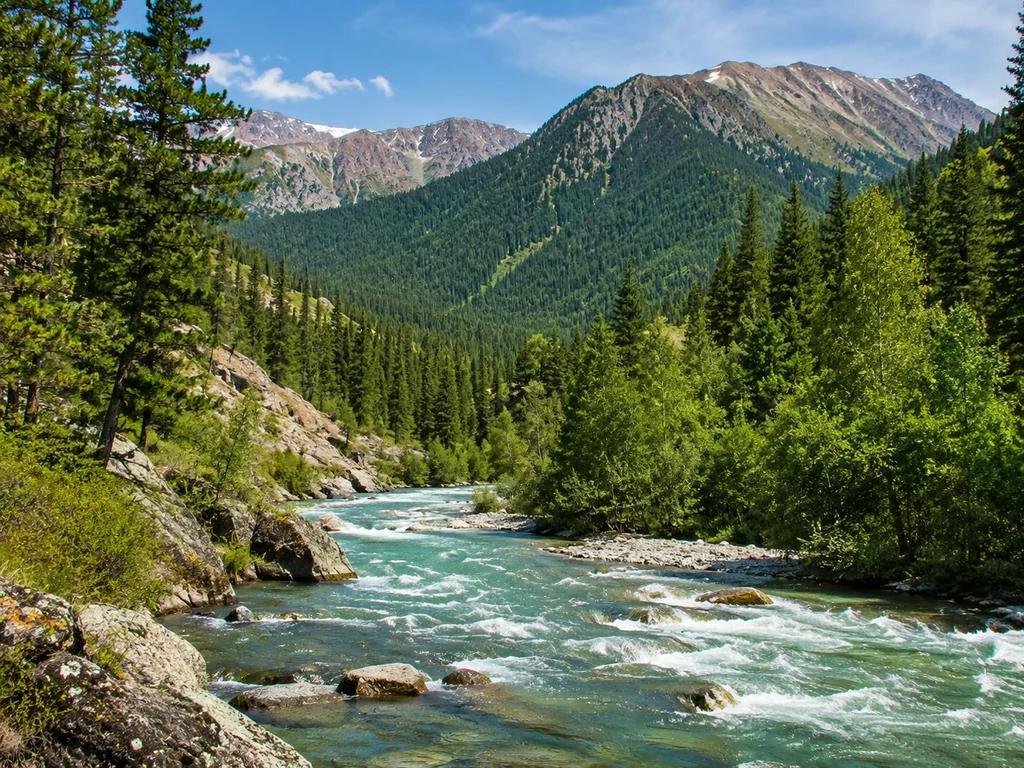
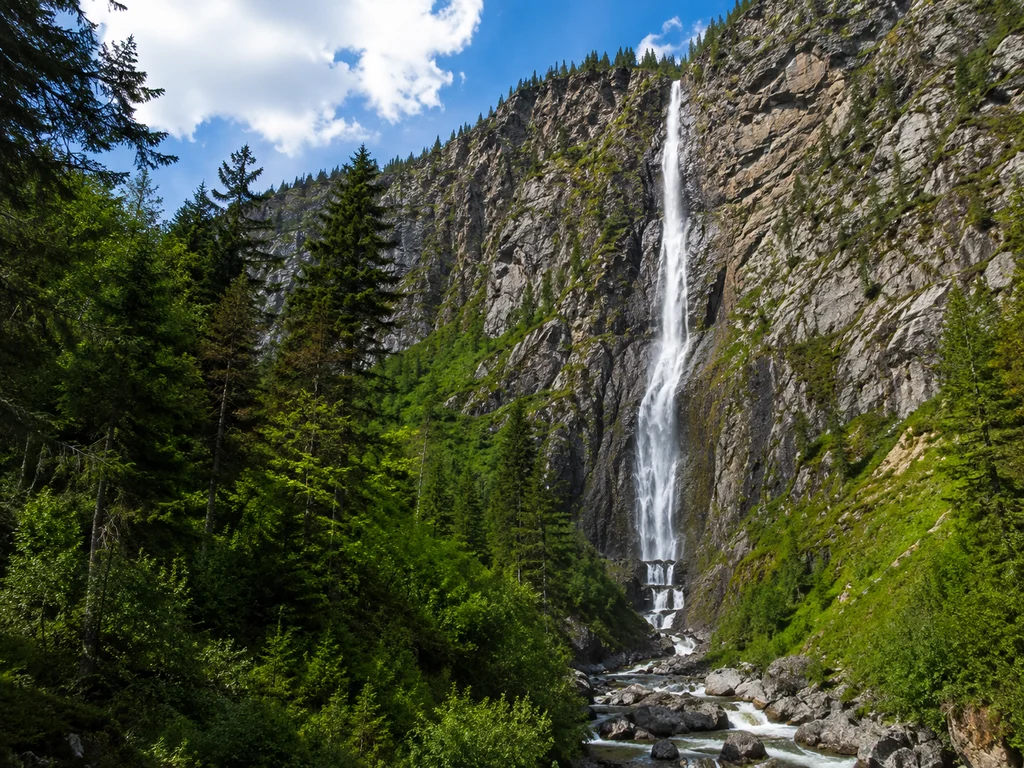
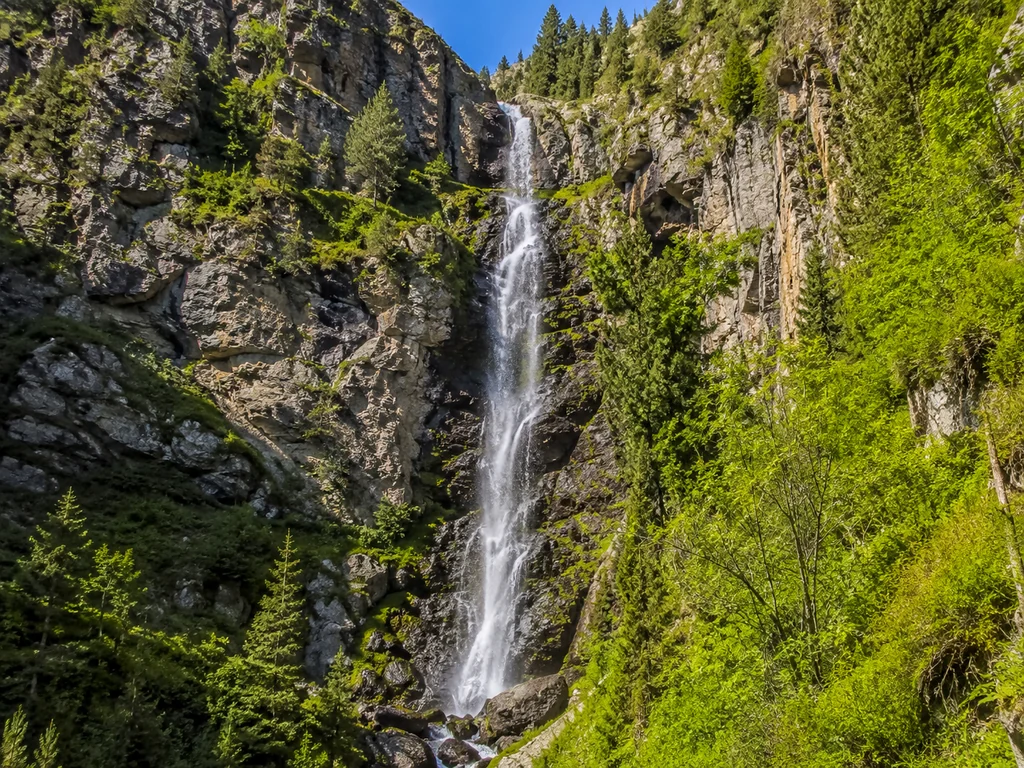
We are toor, a direct tour operator from Almaty. We organize tours to the Kolsai Lakes with transfer, certified guide, insurance, and honest pricing from 21,900 KZT per person for a one-day tour. We lead our own groups, know every stone, and do not resell other people's routes.
Which Kolsai tour to choose: one-day, two-day, or private?
The main question we get before booking: “How many days do you need for Kolsai?” Let's break down three formats—their pros, cons, and who they suit.
A Kolsai excursion from Almaty with toor is a ready-made route with transfer, meals, and a guide.
One-day trip “Kolsai + Kaindy”: for whom and what we cover
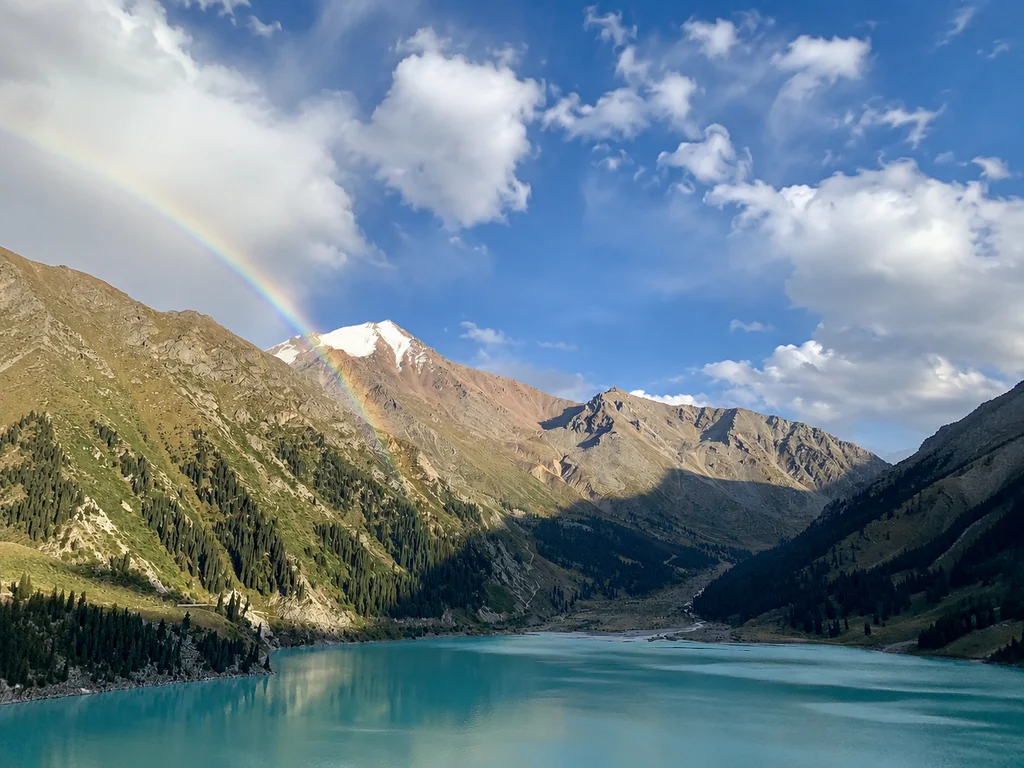
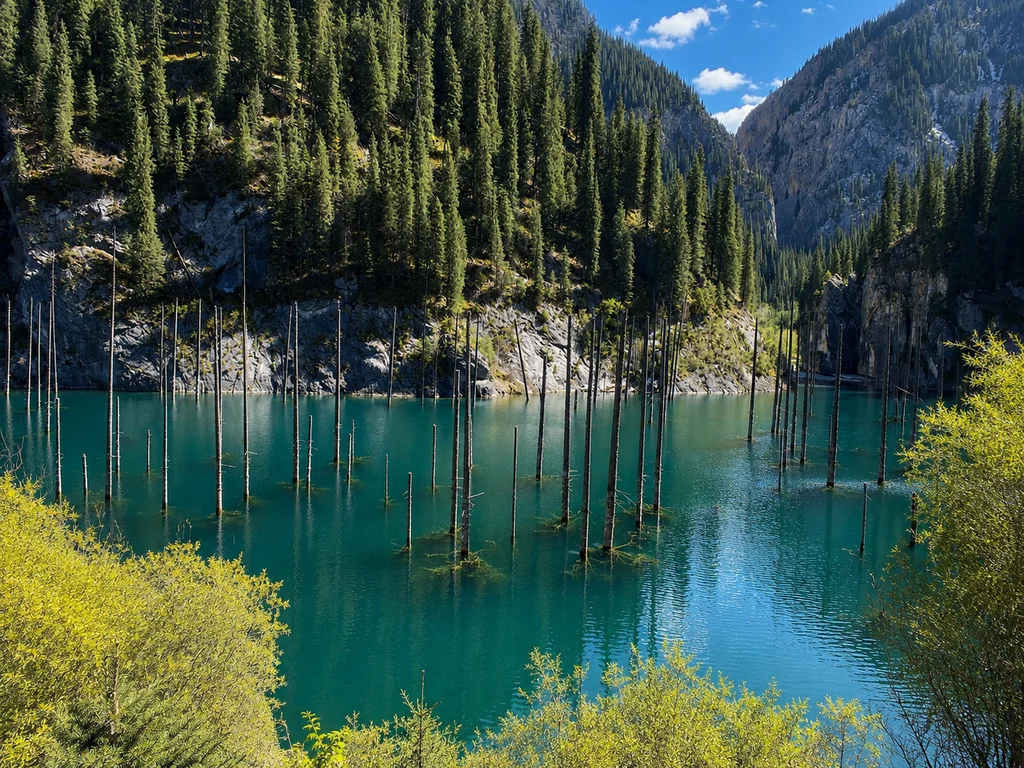
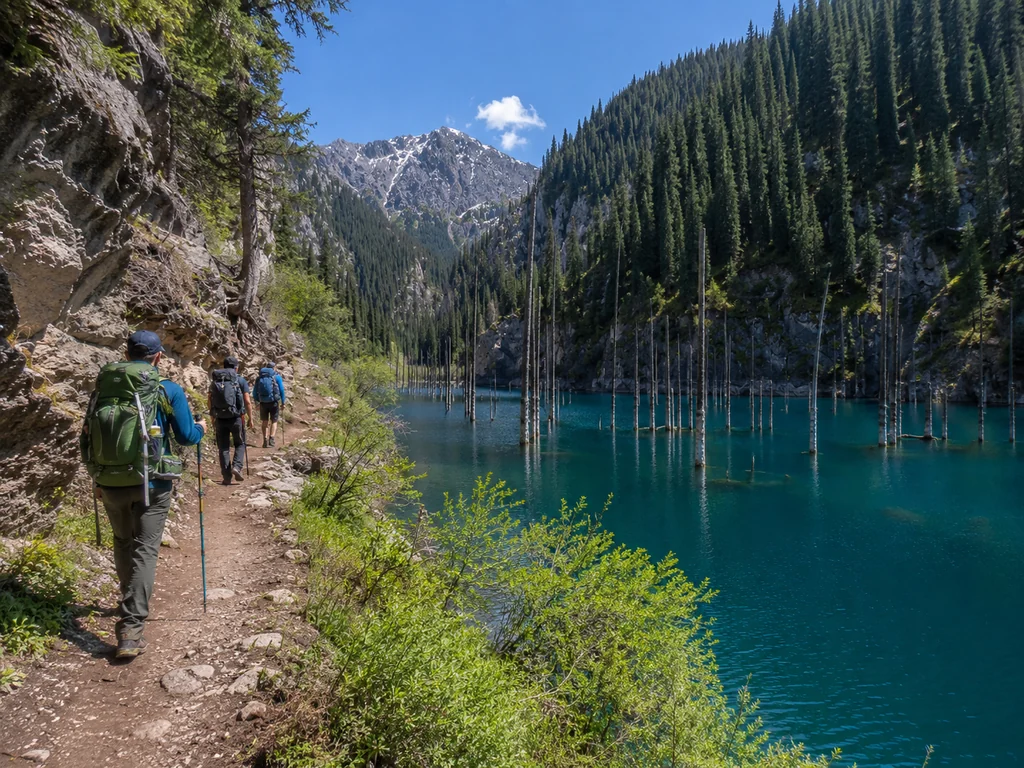
The one-day “Kolsai + Kaindy” trip lasts 12–14 hours with a 6:00 AM departure—you see the Lower Lake Kolsai-1 (1,818 m) and the submerged spruce forest at Lake Kaindy, returning to the city by 8:00 PM. The drive takes 4–5 hours one way; the trek to Kolsai-1 is an easy 1.5 km on a gentle trail, then a 30-minute drive to Kaindy and a walk along the lake with the underwater forest. The price of 21,900 KZT per person includes transfer, guide, and national park permit—no extra charges on the route. This format is chosen when you want maximum impressions in a weekend without an overnight stay in the mountains, but be prepared for an early start: the tight schedule doesn't tolerate delays.
Kolsai 1 day is the optimal format for exploring the Lower Lake and Kaindy without an overnight stay in the mountains.
A Kolsai Kaindy one-day tour includes visiting the Lower Lake and the submerged spruce forest—maximum impressions in a weekend.
Two-day trip with overnight: who it suits and what it offers
The two-day trip for 39,900 KZT per person includes an overnight stay in the village of Saty or in a tent on the lake shore—you have time to reach the Middle Lake Kolsai-2 (2,250 m) and on the second day the Upper Kolsai-3 (2,800 m). Day one is a 7 km trek with 400 m elevation gain: from the entrance through the Lower Lake to the Middle Lake, where turquoise water and views of the Zailiysky Alatau peaks await. Day two is a route to the Upper Lake, another 5 km with 550 m elevation gain, or a relaxed descent. This option is chosen to see all three lakes without rushing, complete a trek with 600 m elevation gain, and enjoy the evening silence—no time pressure.
A 2-day Kolsai tour with an overnight stay near the Middle Lake allows you to cover the entire cascade without haste and see the Upper Lake.
Private tour: when to book a separate trip
A private tour is a personal trip in a separate vehicle with a private guide, where the route, pace, and start time are tailored to you: from families with children to groups with special requests. In a group format of 8–10 people, you are tied to the schedule; here you can leave at 8 AM instead of 6, bring more warm clothes and camera equipment, and take frequent stops. The price is calculated for the whole group, not per person, and includes transfer, guide, permit, and insurance. This format is worth booking when traveling with children under 10 or if you want a later start—you dictate the day's logistics.
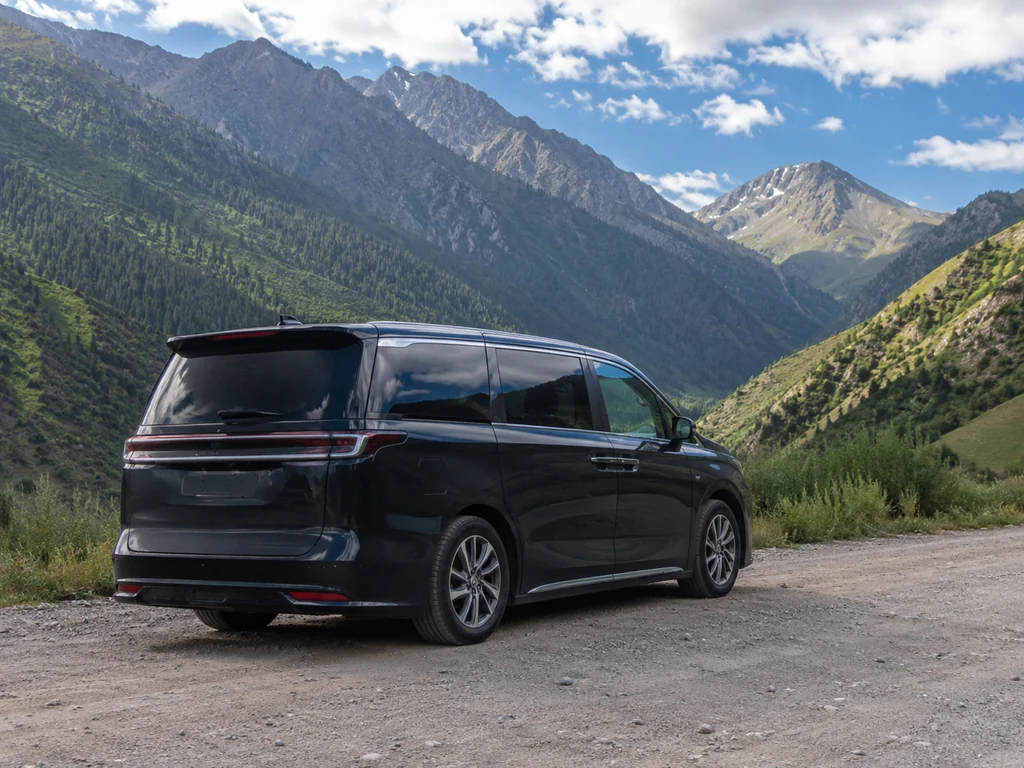
A jeep tour to Kolsai in a comfortable SUV suits families with children and those who value a flexible schedule.
Comparison of Kolsai trip formats: table
| Parameter | One-day “Kolsai + Kaindy” | Two-day with overnight | Private |
|---|
| Duration | 12–14 hours | 2 days / 1 night | Per your request |
| Price | from 21,900 KZT/person | from 39,900 KZT/person | Calculated per group |
| Lakes visited | Kolsai-1 + Kaindy | All three Kolsai lakes | Any route |
| Physical exertion | Easy (1.5 km) | Moderate (7–12 km) | Tailored to your level |
| Accommodation | Not included | Guesthouse / tent | Per your choice |
| Suitable for | Beginners, one day | Active travelers, photographers | Families with children, special requests |
Route through the three Kolsai lakes: what you can actually see in one day
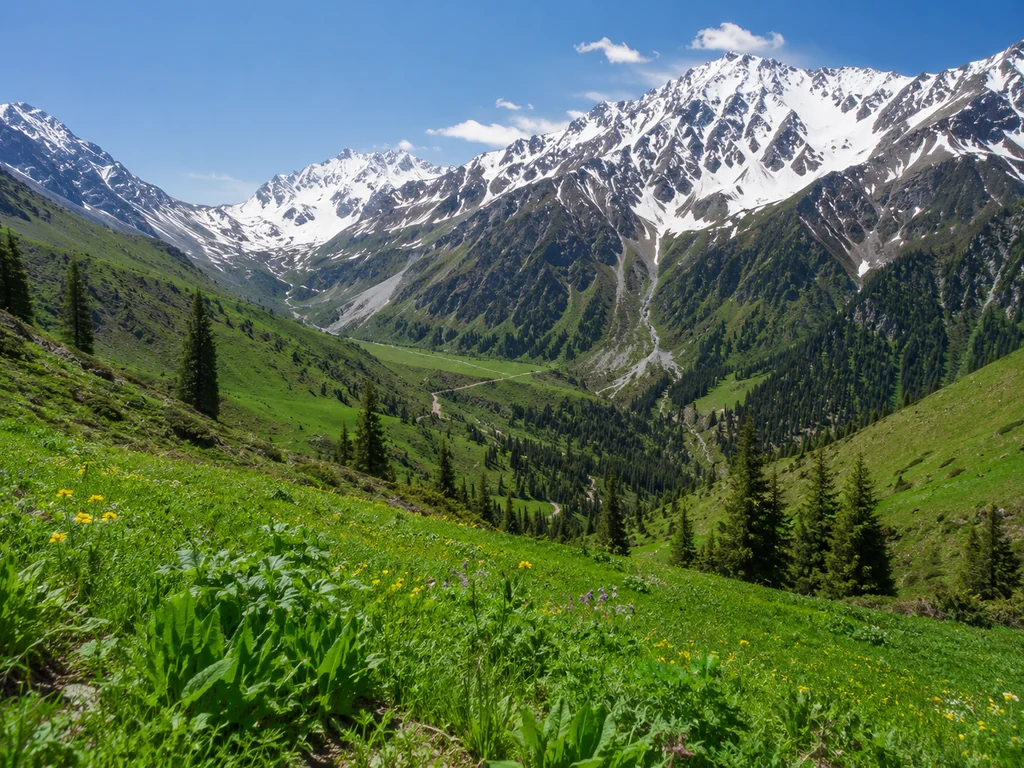
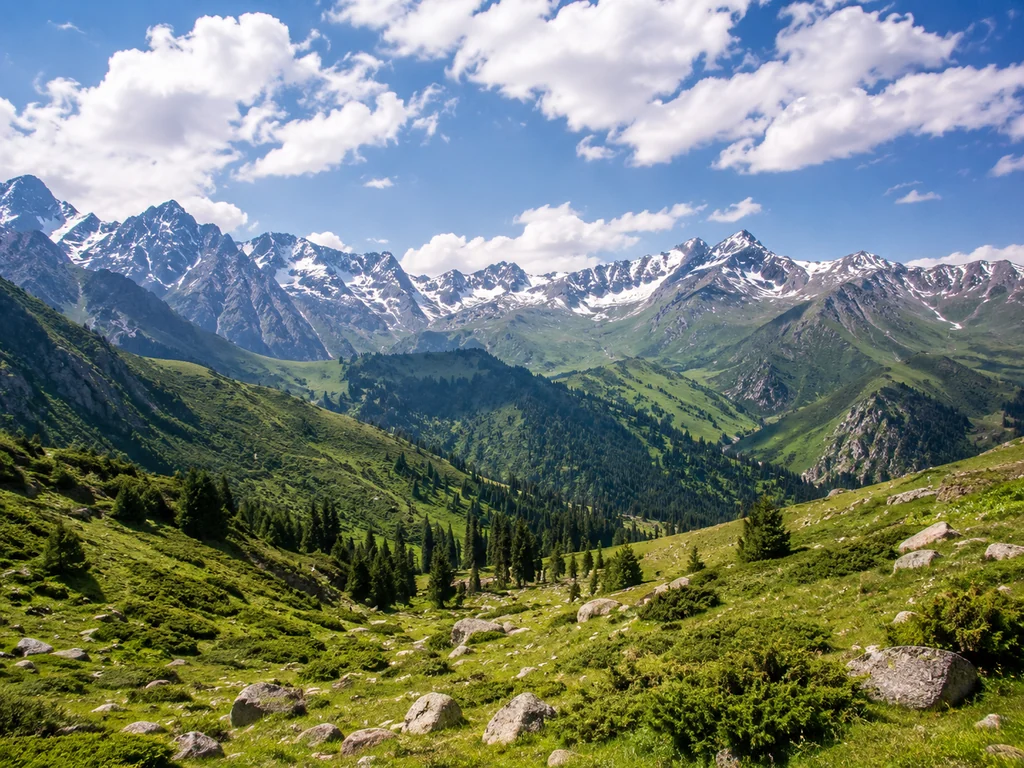
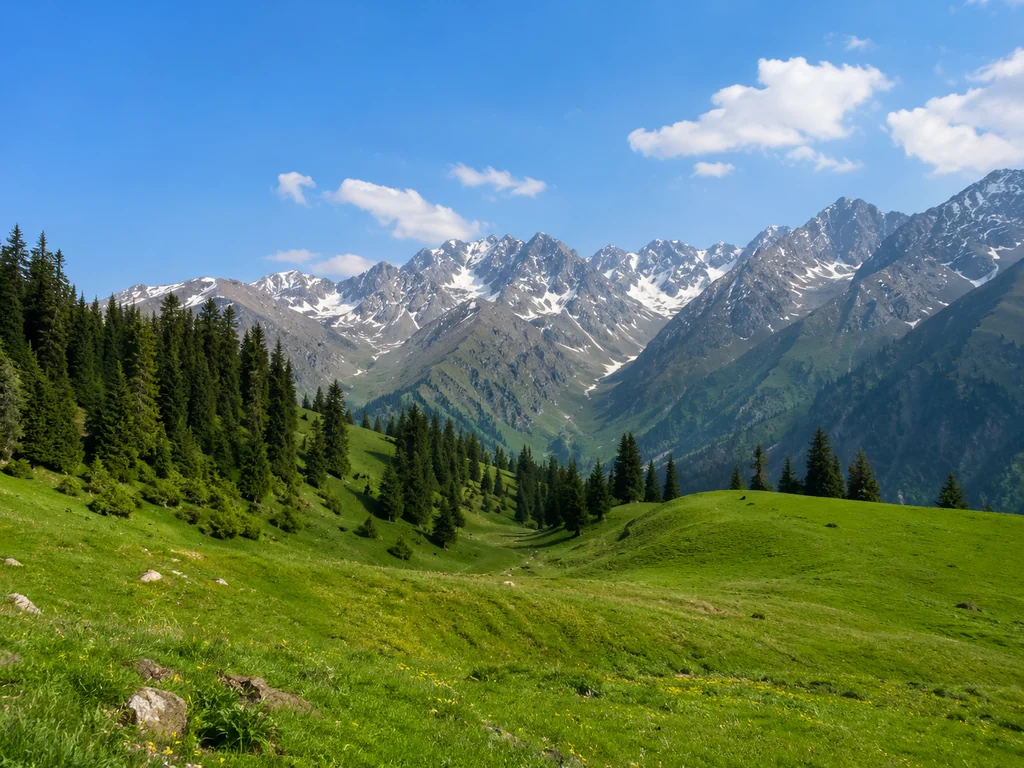
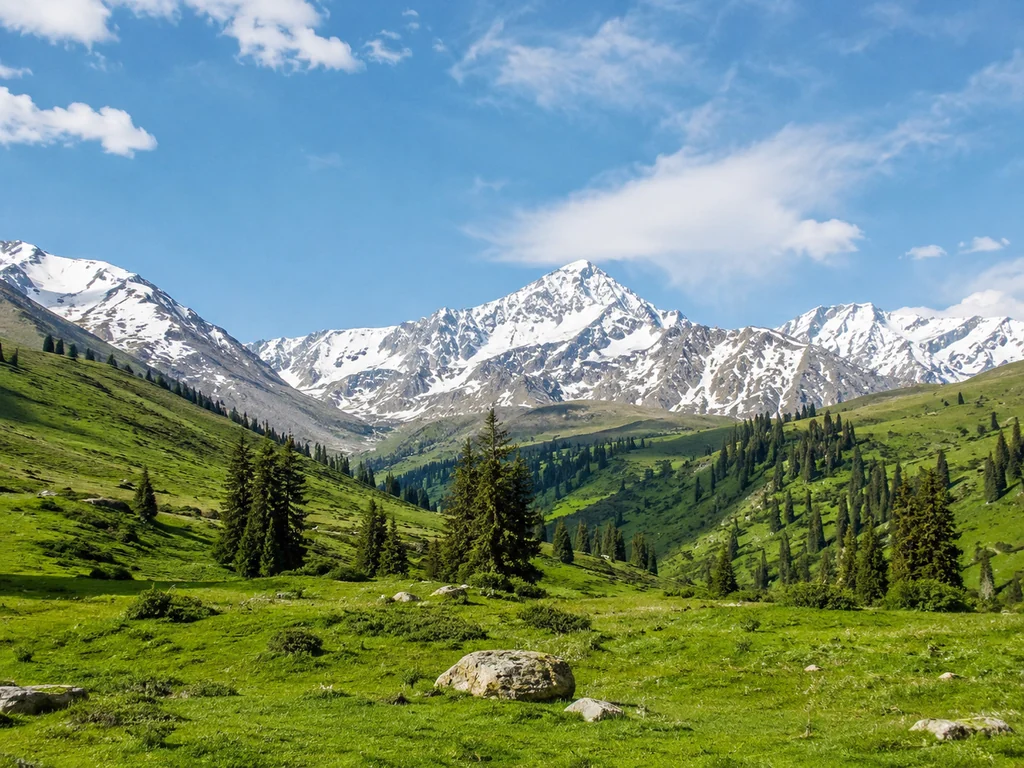
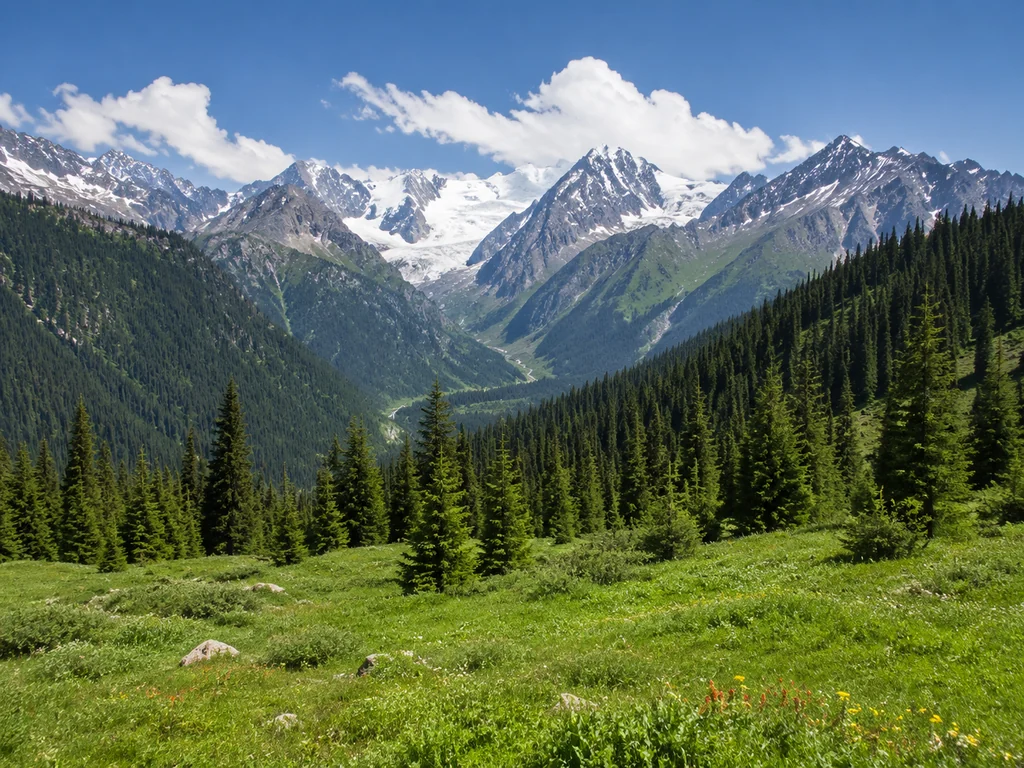
The three Kolsai lakes are arranged in a cascade at altitudes from 1,818 to 2,800 m. Let's break down how much time and effort it takes to reach each and whether it's realistic to see all in one day.
A Kolsai lakes tour with toor includes visiting all three reservoirs of the cascade—from the Lower to the Upper, with transfer and guide.
Kolsai-1 (Lower Lake): the most accessible route for beginners
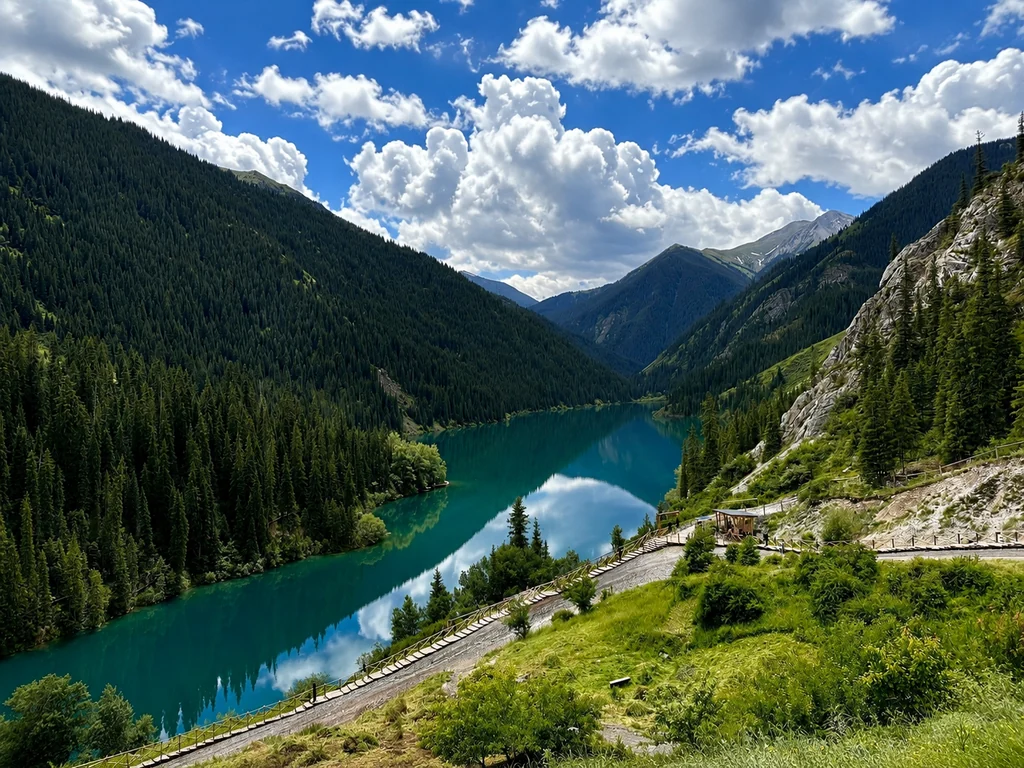
The trail to the Lower Lake (Kolsai-1, 1,818 m) is an easy trek of just 1.5 km—we cover it in 30–40 minutes, and it's the only lake reachable without special training, even with children. The trail starts right from the parking lot, runs through flat coniferous forest along a stream, with no steep climbs—suitable for any age and fitness level. You can book a one-day tour with transfer to the trailhead with us, so you don't waste energy on the drive or worry about the national park entry permit. Kolsai-1 is where the acquaintance with the national park begins: there is a rest area, a spring with drinking water, and the turquoise water is visible from the first meters of the trail—an ideal spot for the first break and photos.
Kolsai-2 (Middle Lake): distance and elevation gain
The trail from Kolsai-1 to the Middle Lake (Kolsai-2, 2,250 m) is 7 km with an elevation gain of 400 m; we cover it in 2.5–3 hours at an average pace, and it's accessible to travelers with basic fitness without special equipment. The route follows a serpentine through pine forest with a moderate incline—the main effort comes in the second hour when the climb on a rocky trail begins. On this section, a certified guide always leads the route, knowing spots for short breaks and the best viewpoints over the turquoise waters of the Middle Lake. The most scenic part of the route is the pine forest along the stream, where squirrels and rare birds are encountered; we recommend stopping every 30–40 minutes for rest and photos—this way the load is barely felt.
Kolsai-3 (Upper Lake): a challenging route for the prepared
The route to the Upper Lake (Kolsai-3, 2,800 m) is 12 km from Kolsai-1 with an elevation gain of 600 m; we cover it in 4–5 hours, and it's only accessible to tourists with good fitness and trekking experience. After Kolsai-2, the trail becomes steeper and narrower: the last 5 km involve crossing scree slopes and sections with elevation changes of up to 200 m per kilometer. You can book a two-day tour with an overnight stay near the Middle Lake with us—this is the only realistic way to reach the Upper Lake without overexertion and return before dark. The Upper Lake is fed by glaciers, so the water is colder and has a rich blue hue—seeing it in one day is only possible on a two-day tour when you stay overnight near the Middle Lake and start early in the morning.
Is it realistic to see all three lakes in one day? Time breakdown
Seeing all three lakes in one day is technically possible, but only if you start at 5:00 AM, walk without breaks, and return after dark—the full route takes 10–12 hours of pure trekking. Such a race requires excellent fitness, trekking poles, flashlights for the way back, and no fear of heights on the steep sections of the climb to Kolsai-3. In practice, most travelers on a one-day format reach Kolsai-2 and return—this gives 80% of the impressions without the risk of overexertion and returning in the dark along a mountain trail.
Prices for Kolsai tours from Almaty: what's included and what's paid separately
One of the main fears of tourists is hidden fees. Let's break down what makes up the price of a Kolsai trip and what you get for your money. A Kolsai tour price from 21,900 KZT per person includes transfer, guide, insurance, and lunch—no hidden extras.
What's included in the one-day tour price: full breakdown
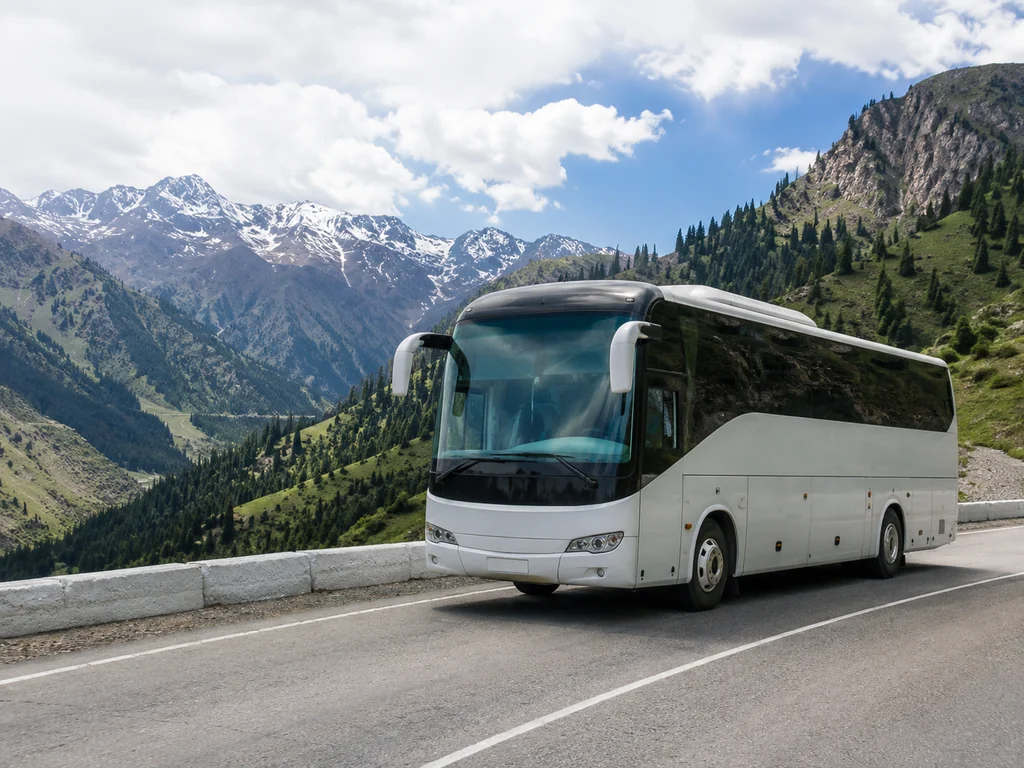
- Transfer from Almaty: comfortable SUV or minivan, 4–5 hours on the road with stops for photo sessions at the Charyn Canyon.
- Certified guide: local guide with knowledge of the route, national park rules, and first aid kit.
- Permit processing: the guide submits an application to the Ile-Alatau National Park in advance—no queuing for tourists.
- Participant insurance: policy covers accidents and evacuation from the route in case of injury.
- Picnic lunch: hot meal (plov or kuurdak), thermos of tea, pastries, and fruit—prepared at a spot overlooking the Lower Lake.
What is NOT included and what you won't have to pay extra for
In the one-day tour for 21,900 KZT per person, you don't need to pay extra for “mandatory on-site fees” or “urgent permit processing”—these items often appear from aggregators after booking, when the tourist can no longer cancel. Personal expenses (souvenirs, rental of trekking poles on request) are at your discretion and not mandatory—no hidden service charges or fees for VIP queue at the national park entrance. The price is fixed at booking and does not change during the season because the direct tour operator does not resell spots from intermediaries—unlike aggregators, which may add a 15–25% markup for “urgency” at the peak of July.
Prices for the two-day tour: what's added to the cost
The two-day tour from 39,900 KZT per person—to the basic set (transfer, guide, insurance, permit) adds accommodation in a guesthouse in the village of Saty or in a tent on the shore of the Lower Lake, dinner of Kazakh dishes, breakfast, and tent and sleeping bag rental. The second day's route includes a trek to the Middle and Upper Lakes—12 km of trekking with 600 m elevation gain, requiring an overnight stay for recovery. The difference of 18,000 KZT between the one-day and two-day formats is justified not only by accommodation but also by the opportunity to cover the full cascade without rushing—with a guide who chooses campsites considering weather and occupancy at the peak of July, when available spots in guesthouses run out two weeks in advance.
Why the price is fixed and doesn't change during the season
A fixed price at the time of booking without increase during the peak of July–August is the result of direct route management: the tour operator hires guides, rents vehicles, and arranges accommodation themselves, rather than reselling trips from third-party suppliers with dynamic pricing. Aggregators often add a 15–25% markup for “urgency” or “seasonal demand”—the base price per person remains unchanged for all dates from May to October. The only thing that can affect the final cost is choosing a private route (VIP transfer in a premium SUV or rental of additional equipment), but the standard price is fixed in the contract and not revised after signing.
Safety in the mountains: weather, wild animals, and trail rules
Kolsai is wild nature, not an amusement park. Let's break down the real risks: sudden weather changes, wild animals, altitude sickness—and how to prepare so the trip remains a pleasant memory.
Weather at Kolsai: what to expect in summer and how to prepare
In summer, daytime temperatures near the lakes are +20..+25°C, while at night they drop to +5..+10°C—a 15-degree difference requires a warm jacket even on a July afternoon when it's hot at the start. The season runs from May to October, with peak rains in June and the first half of July, with about a 40% chance of rain with hail according to the Saty weather station, and wind on the passes between lakes can reach 15–20 m/s. Sunny mornings can turn into dense cloud cover in 15–20 minutes, so a three-layer system (thermal underwear, fleece, windbreaker) and a raincoat are mandatory—even if the morning forecast promises a clear day, without them you risk getting wet and cold on the open sections between the lakes.
Encountering a bear or wolf: how to behave and what not to do
Bears and wolves are rarely encountered in these areas, but we brief the group before departure: the main rule is not to panic, not to run, not to turn your back, but to slowly retreat without looking the animal in the eye. In the Kolsai Lakes National Park, no more than 5–7 bear encounters are recorded per season—all on the upper trails to Lake Kolsai-3, where tourists go less often, with the most dangerous period (June–July) coinciding with female bears with cubs coming to springs that cross the routes. Wolves are more cautious and rarely approach groups of 4+ people—solo tourists are at greater risk. toor guides always carry signaling devices (whistle, flare) and know potentially dangerous sections, avoiding them—for example, springs in June–July.
Altitude sickness and overexertion: how to recognize and what to do
Symptoms of altitude sickness (dizziness, nausea, shortness of breath) can appear as early as 2,500 m—we monitor the group's condition at every break and at the first signs slow the pace or return to a lower camp. The route to the Middle Lake (Kolsai-2, 2,250 m) gains 400 m over 7 km—a load that 60–70% of beginners are not prepared for, especially those arriving from lowland regions; the first symptoms (rapid heartbeat, headache, mild nausea) appear 40–60 minutes into the active climb. At toor, the guide checks pulse and facial color at each break—the most common mistake is ignoring mild discomfort and continuing the climb, so we recommend drinking water every 20 minutes, avoiding sudden movements, and reporting any discomfort to the guide.
National park rules: what is allowed and what is prohibited
A permit to visit the national park is free and arranged by the guide in advance; on the trail, fishing, campfires outside designated areas, swimming in the lakes, and leaving marked trails are prohibited. Fines for violations start at 50,000 KZT, but the main reason is not the fines: swimming in glacial lakes is dangerous due to water temperatures of +8..+12°C (risk of cramps and hypothermia), and leaving the trail increases the chance of encountering wild animals—bears and wolves stay away from marked routes.
What to bring to Kolsai: complete gear checklist
Proper equipment is half the success of a hike. Here's a list of things you actually need at Kolsai, and why sneakers and jeans are a bad idea.
Footwear and clothing: what is critically important for comfort
- Trekking boots: high ankle, stiff sole—protection against sprains on rocky scree and roots on the trail to the Middle Lake.
- Thermal underwear: wicks moisture, retains heat even when wet—basic protection against hypothermia at 2,250 m.
- Fleece jacket: middle layer for temperature regulation—take off while climbing, put on during breaks in a minute.
- Windbreaker or raincoat: protection against sudden rain and wind at altitude—weather changes in 15 minutes, especially after noon.
- Warm jacket: for breaks and evening chill—even in July, temperatures at the Upper Lake drop to +5°C at sunset.
What to put in your backpack: water, food, first aid kit, and small items
- Water: 1.5–2 liters per person—there are springs along the route to refill, but the first half of the day has no water sources.
- Snacks: nuts, bars, dried fruit—light, calorie-dense, won't spoil in the heat, unlike sandwiches.
- Sunscreen SPF 30+: even on cloudy days at 2,800 m, UV burns in an hour—sunburn can ruin the trip.
- Hat: cap or sun hat—heatstroke on open sections occurs in 1 in 10 tourists in July.
- Personal medications: for allergies, blood pressure, motion sickness—the guide provides a group first aid kit, but doesn't carry individual meds, and the nearest pharmacy is in Saty, 50 km away.
- Trekking poles: reduce knee strain on descents—you can rent a pair from toor before departure; no deposit needed.
What NOT to bring: typical gear mistakes
- Jeans: they get wet from sweat or rain and take a day to dry—at 2,250 m, wet clothes lead to hypothermia in an hour; replace with synthetic trekking pants.
- Umbrella: useless in wind at altitude—gusts up to 15 m/s will turn it inside out in minutes; a raincoat is more compact and reliable.
- Heavy camera equipment: a smartphone with a good camera captures 90% of shots, and a 10,000 mAh power bank weighs 200 g vs. 2–3 kg of a DSLR with lens.
- Thermos over 1 liter: the guide provides tea at breaks, spring water is cold and clean—extra volume only weighs down your backpack.
- Backpack heavier than 8 kg: every extra kilogram on the climb to the Middle Lake feels like three, and by the end of the route, tourists regret the “just in case” items they brought.
Common mistakes tourists make at Kolsai and how to avoid them
Over the years, we've seen hundreds of travelers on the trails and noticed recurring mistakes. Here are the top 3—so you don't repeat others' experiences.
Mistake 1: Misjudging physical fitness
We see this every season: tourists used to city walks underestimate the elevation gain on the route to the Middle Lake—a 400 m climb over 2 km of trail with a 25-degree gradient on the last section. For an unprepared person, this is an hour of intense walking with a pulse of 140+, and by the middle of the climb, shortness of breath and knee pain set in—unlike the Lower Lake, where the trail is almost flat (only 150 m elevation gain). At toor, on one-day hikes, we always ask guests if they've been hiking in the last six months; if not, we recommend the route to the Lower Lake: the risk of back injury is minimal, and the views are no worse than at the upper points. A two-day hike with an overnight stay is best planned after at least one training walk of 10 km with a 5–7 kg backpack—this adapts the joints to the load and reduces the risk of injury on the second day.
Mistake 2: Ignoring weather conditions
In the mountains, weather changes in 15 minutes: at 10 AM it's sunny and +25°C, at 11 AM it's foggy and +12°C with wind that feels like +5°C on open sections, and without a warm layer, you can get chilled to shivering in an hour. At toor, guests receive a weather advisory the day before departure, including a link to the Kolsai weather station—the temperature difference from the city at the same hour can be 8–10°C. The most deceptive thing is not the rain (you can shelter under fir trees), but the wind on the ridges between the lakes: it instantly blows heat away from the body and, with wet clothes, leads to hypothermia in 30 minutes. Check the forecast specifically for that station, not for the city—it's the only way to pack the right set of clothes and not end up in a T-shirt at +12°C at 2,250 m.
Mistake 3: Trying to cover all three lakes in one day without a guide
Technically, yes, you can walk all three lakes in daylight, but without a guide, you risk not making the schedule: the route Lower → Middle → Upper Lake takes 8–10 hours of pure walking, and the last bus from Saty leaves at 6:00 PM. At toor, we lead groups on this route with a 6 AM departure and return by 5:00 PM—and even then, we only make it thanks to trail knowledge and precise timing of breaks. Without a guide, you can easily lose 1–2 hours finding the passage between the Middle and Upper Lakes: there are no markers, and travelers often take dead-end branches that lead to cliffs or thickets. If you go independently, prioritize two lakes (Lower + Middle)—that's a comfortable 6-hour route with time for photos and lunch by the water, without the risk of being stuck in the mountains after dark.
Conclusion
The main thing when choosing a trip to Kolsai is to honestly assess your physical fitness, budget, and time, rather than chasing “all three lakes in one day.”
Key takeaways
- Choose a trip based on your fitness level: a one-day route to the Lower Lake is for beginners without training; a two-day trip is for those who want to see all three lakes and are ready for an overnight stay in the mountains.
- Plan your budget in advance: a full package with transfer, meals, and guide costs from 15,000 KZT; a self-guided trip in your own car costs from 5,000 KZT plus national park entry fees and charges.
- Prepare your gear using the layering principle: trekking boots, windbreaker, fleece, and raincoat are the basic set for any weather—without them, even a one-day route becomes a challenge.
- Consider seasonality: July–August is peak tourism and the most stable weather; May–June offers greenery and waterfalls; September brings golden autumn without crowds or mosquitoes.
- Don't neglect national park rules: registration at the checkpoint, no swimming in the lakes, and campfires only in designated areas—this preserves nature and your safety on the trail.










 Weekend Top