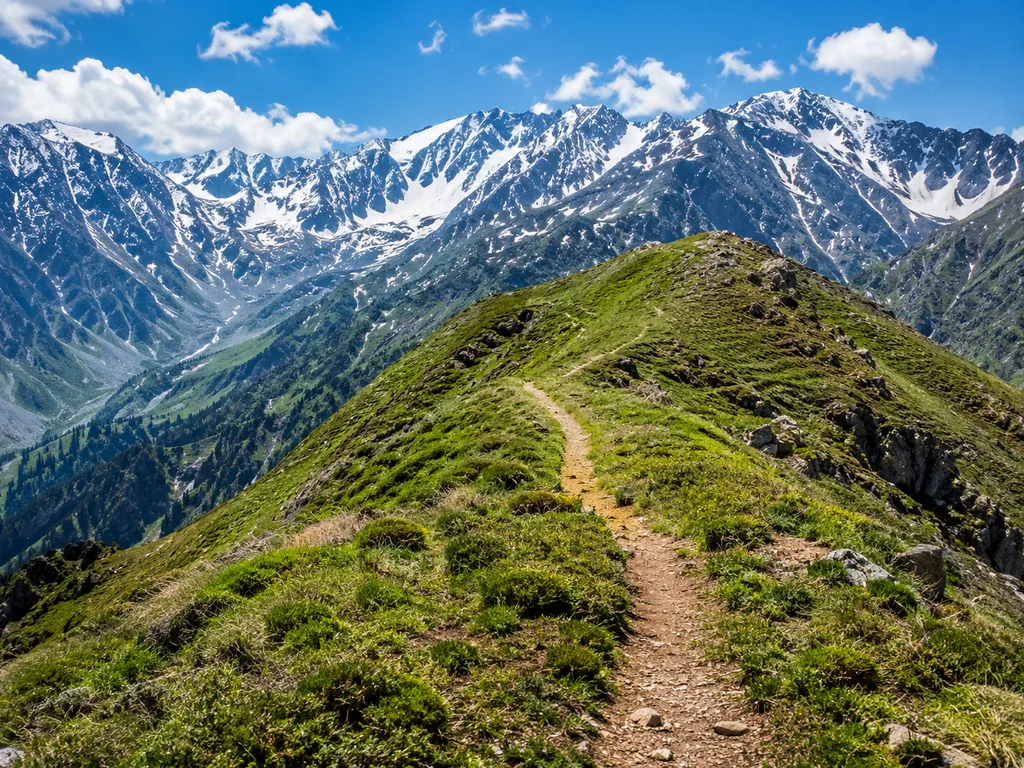
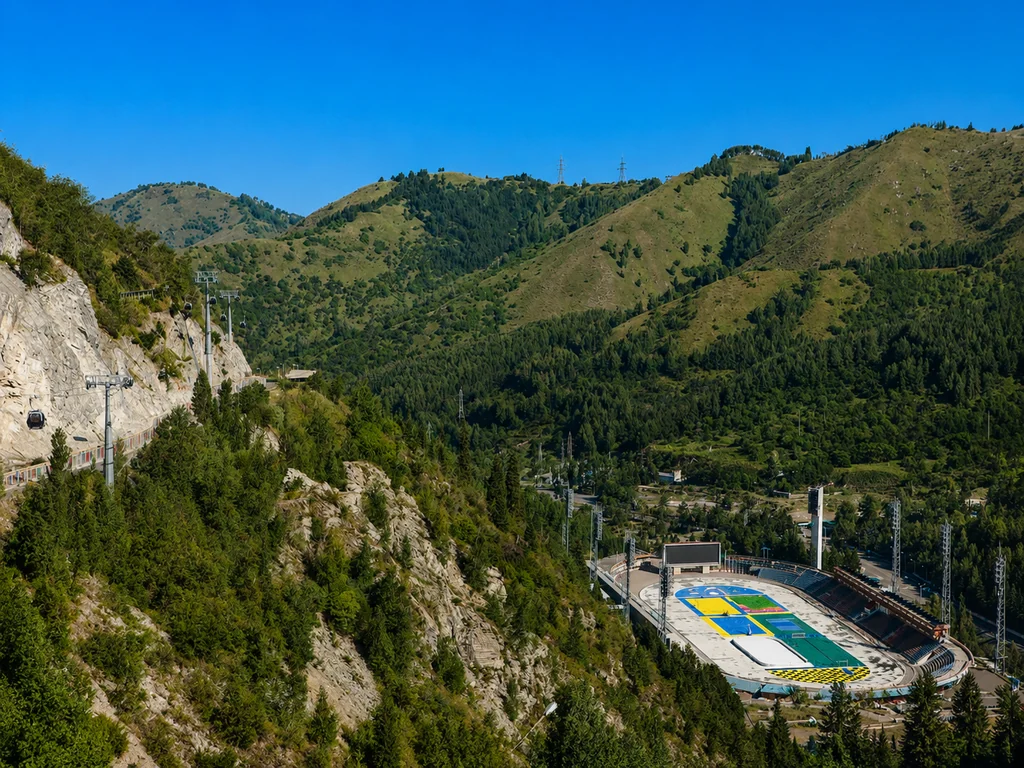
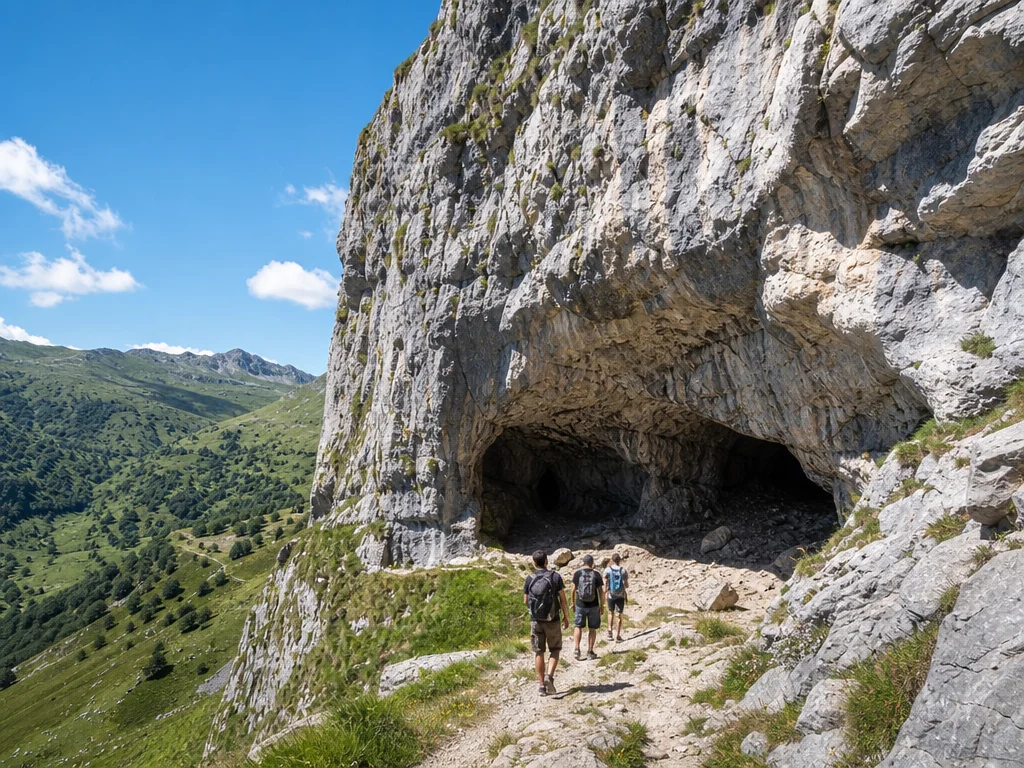
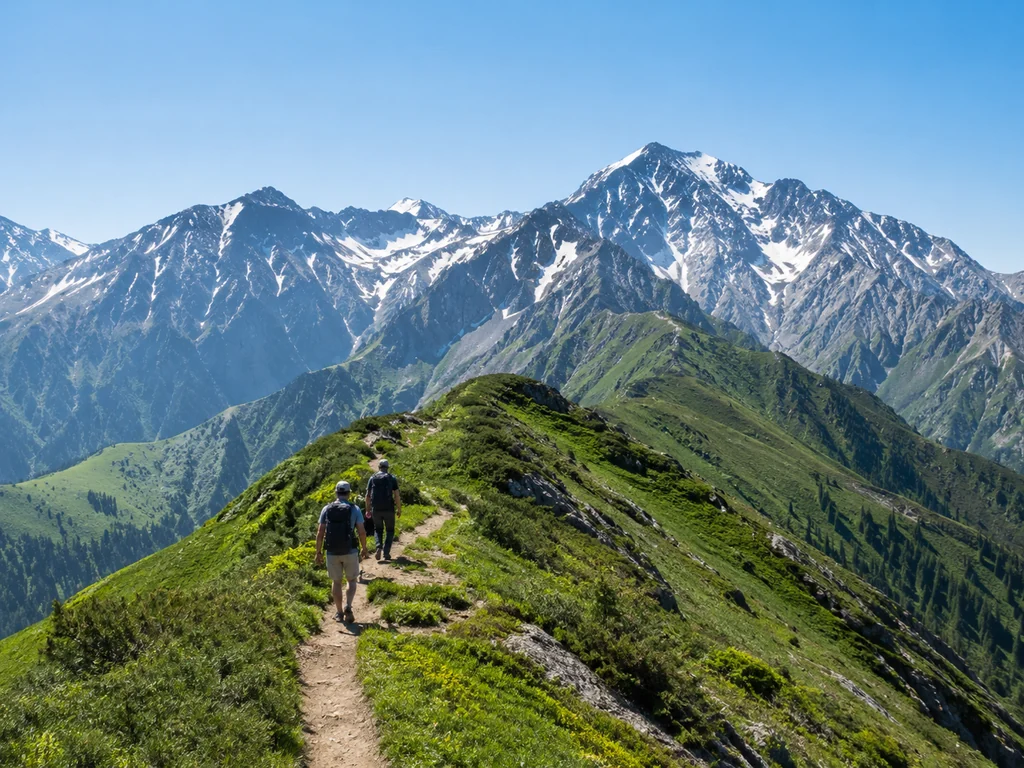
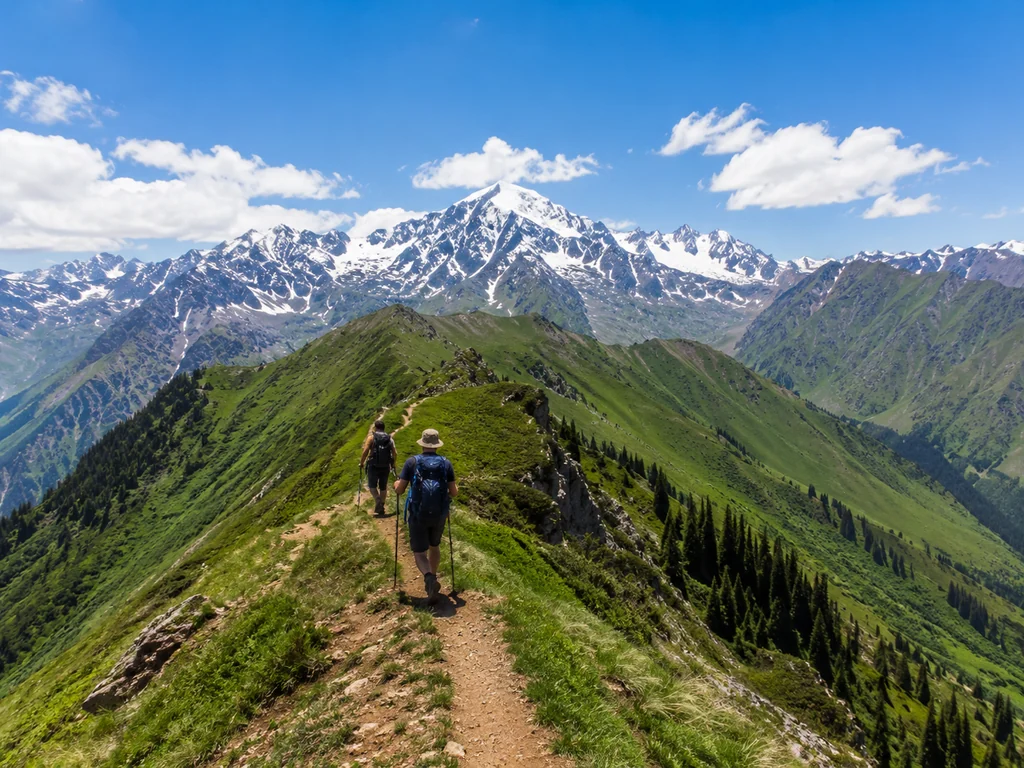
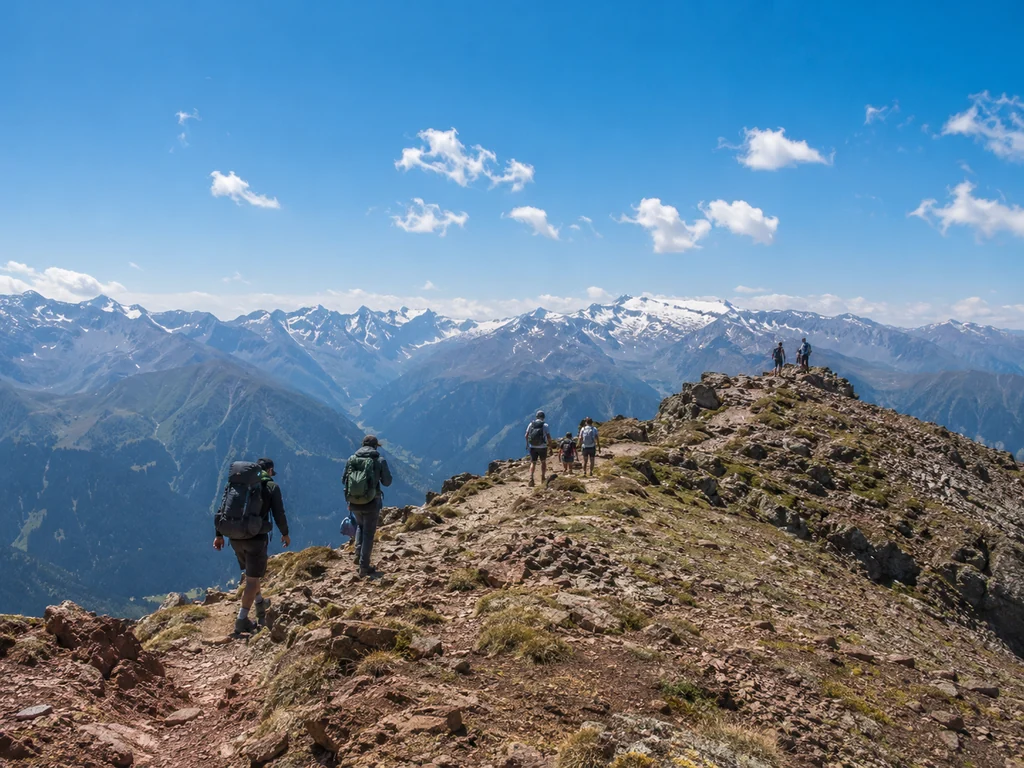
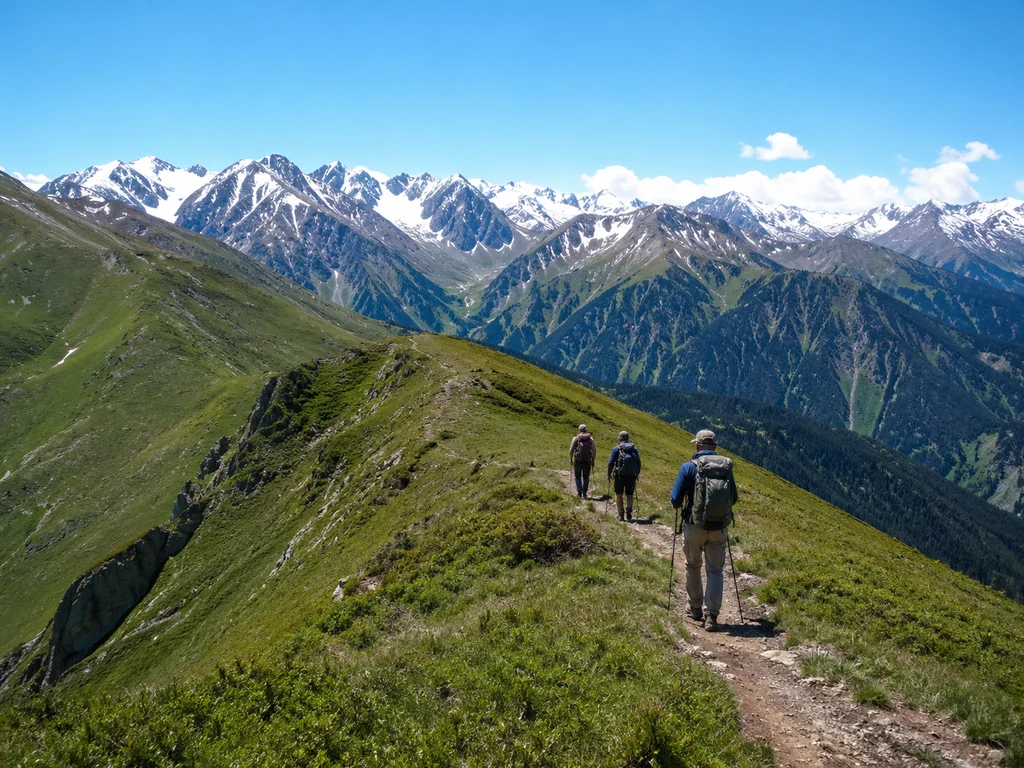
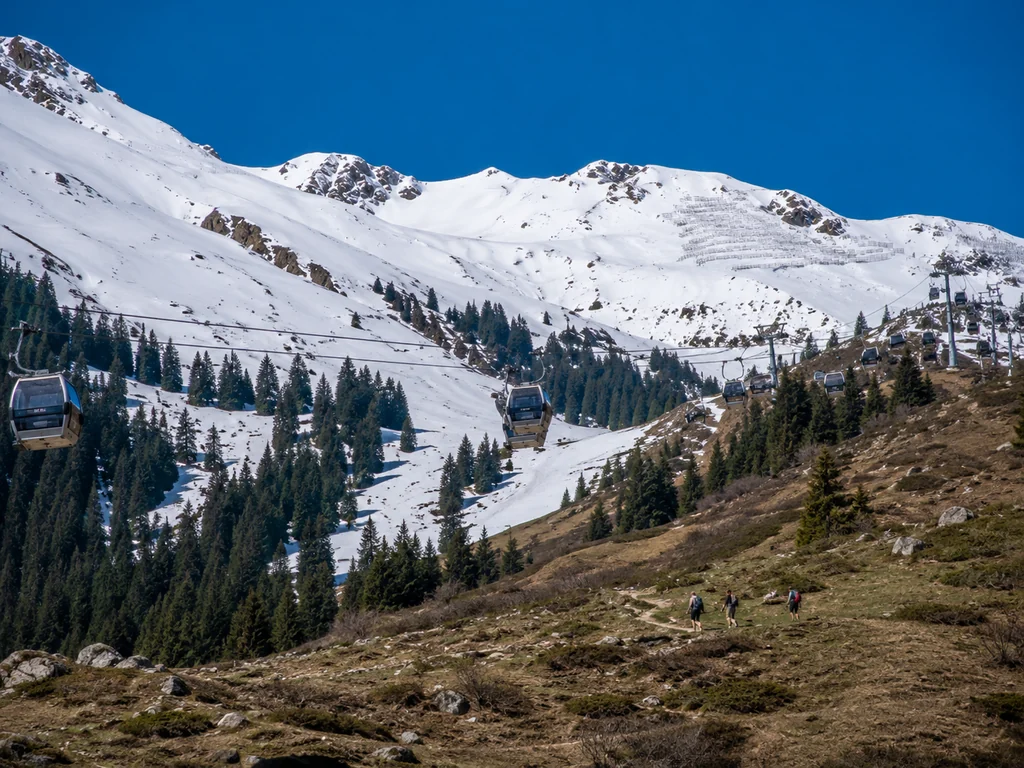
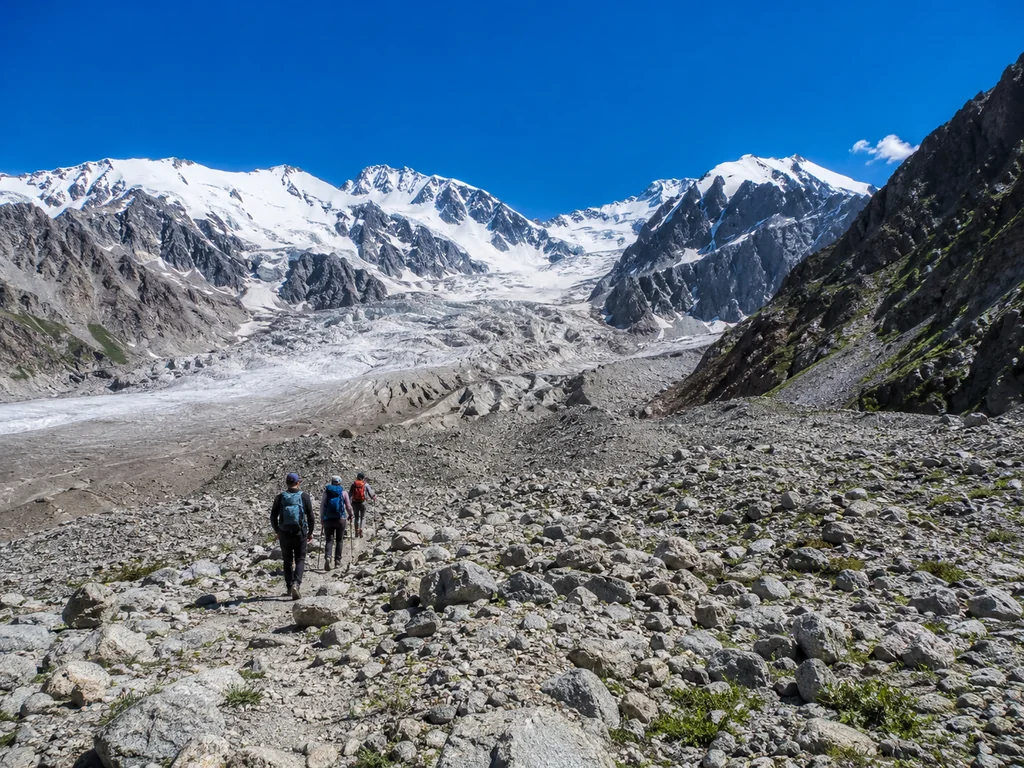
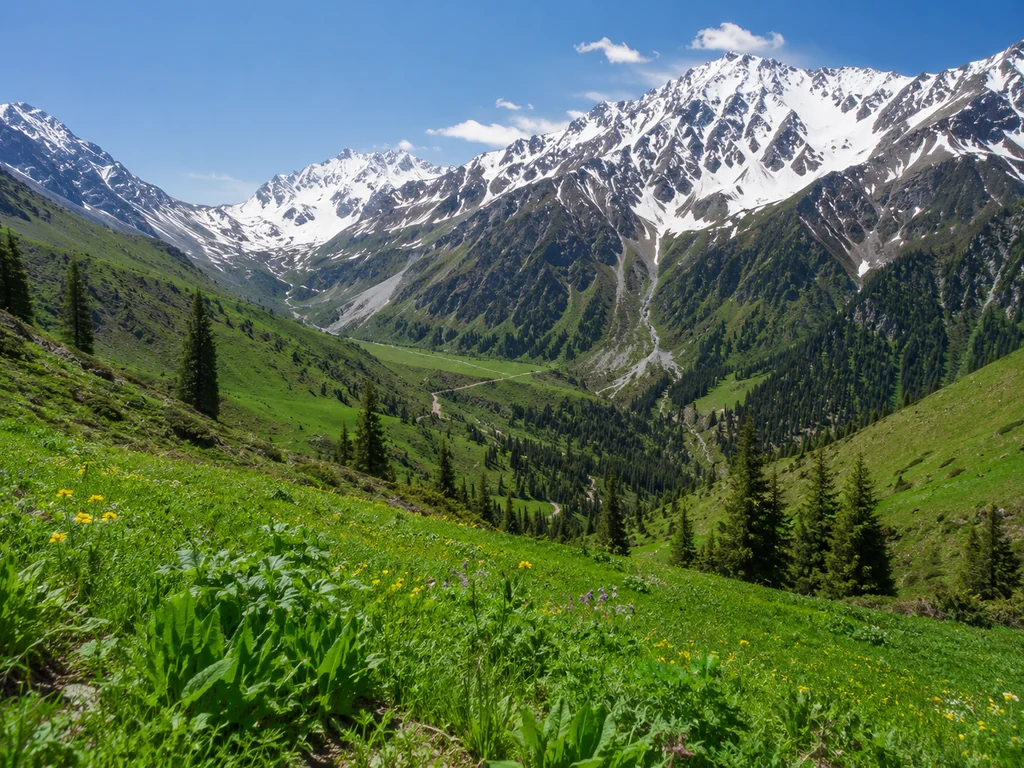
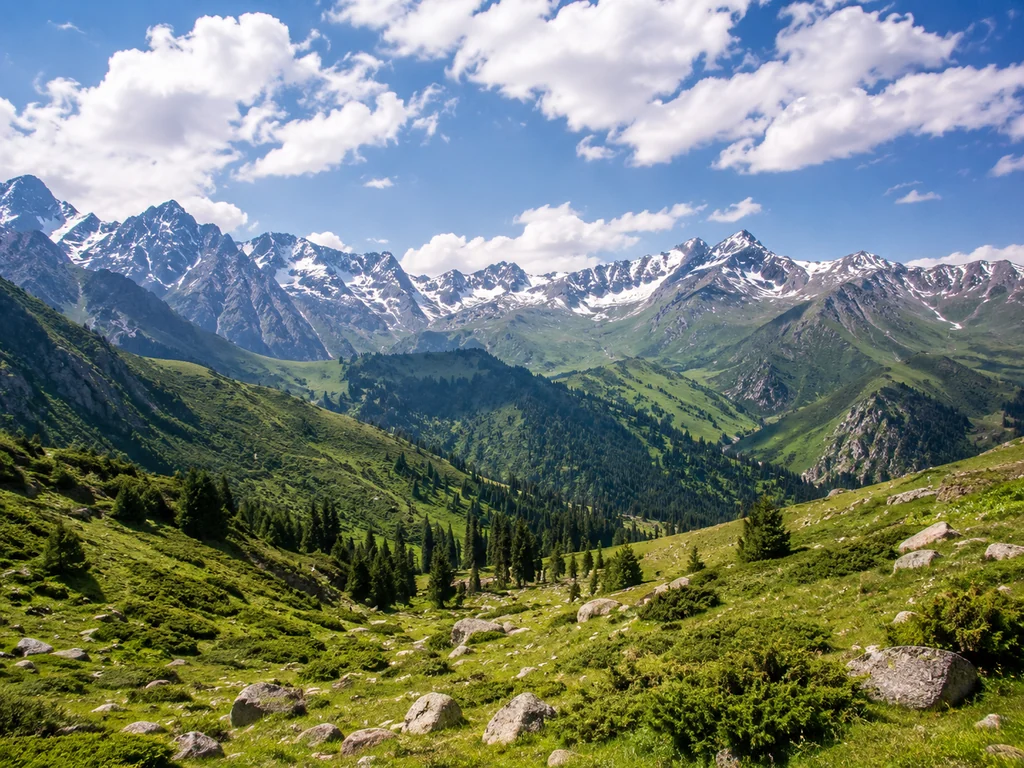
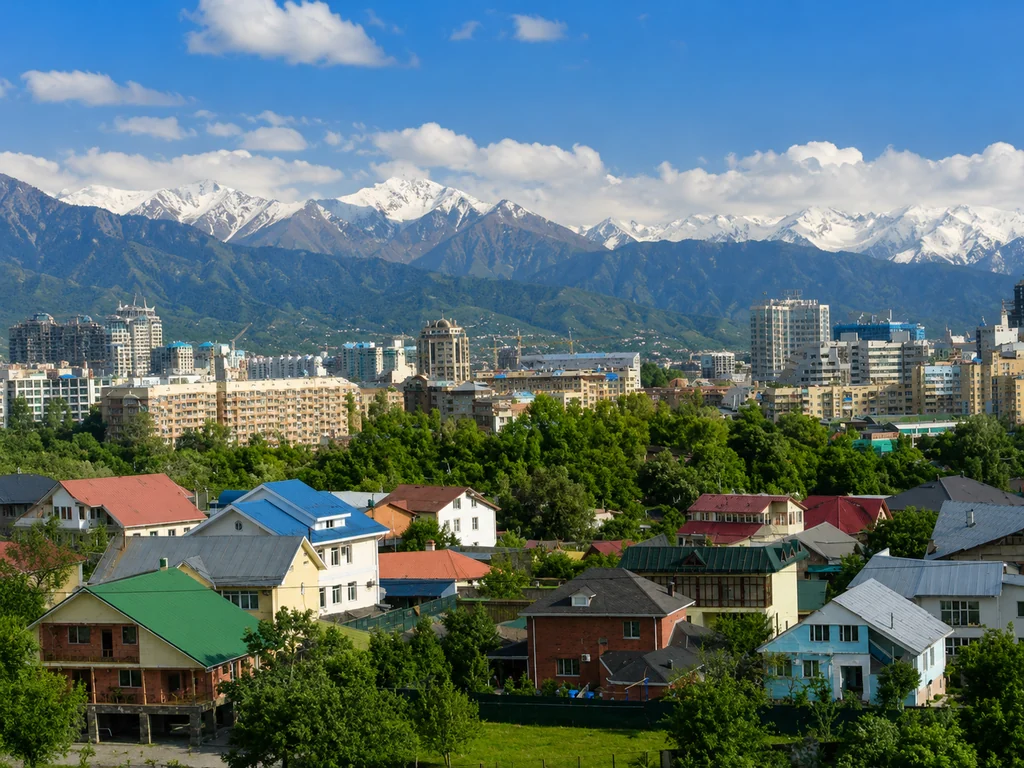
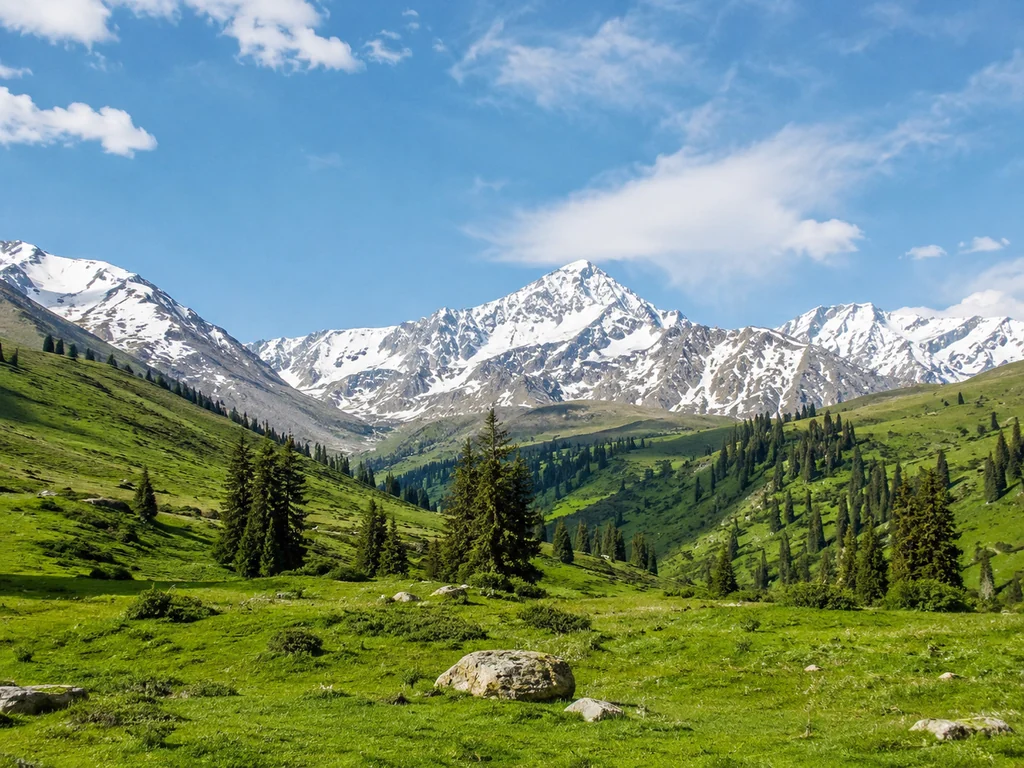
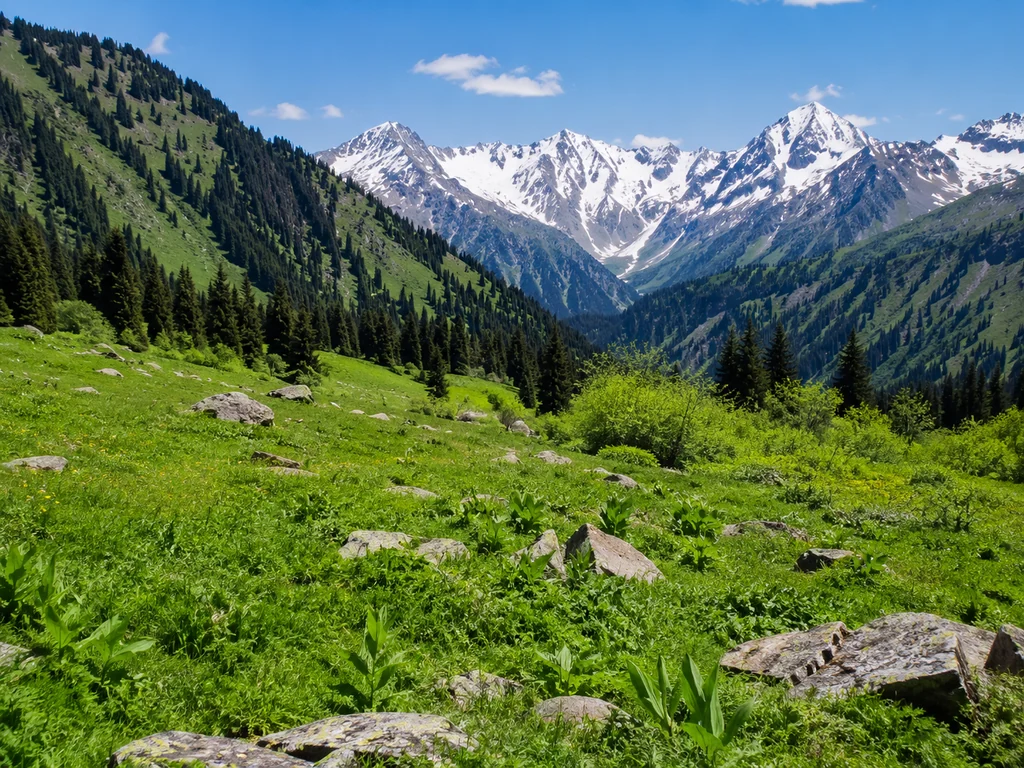
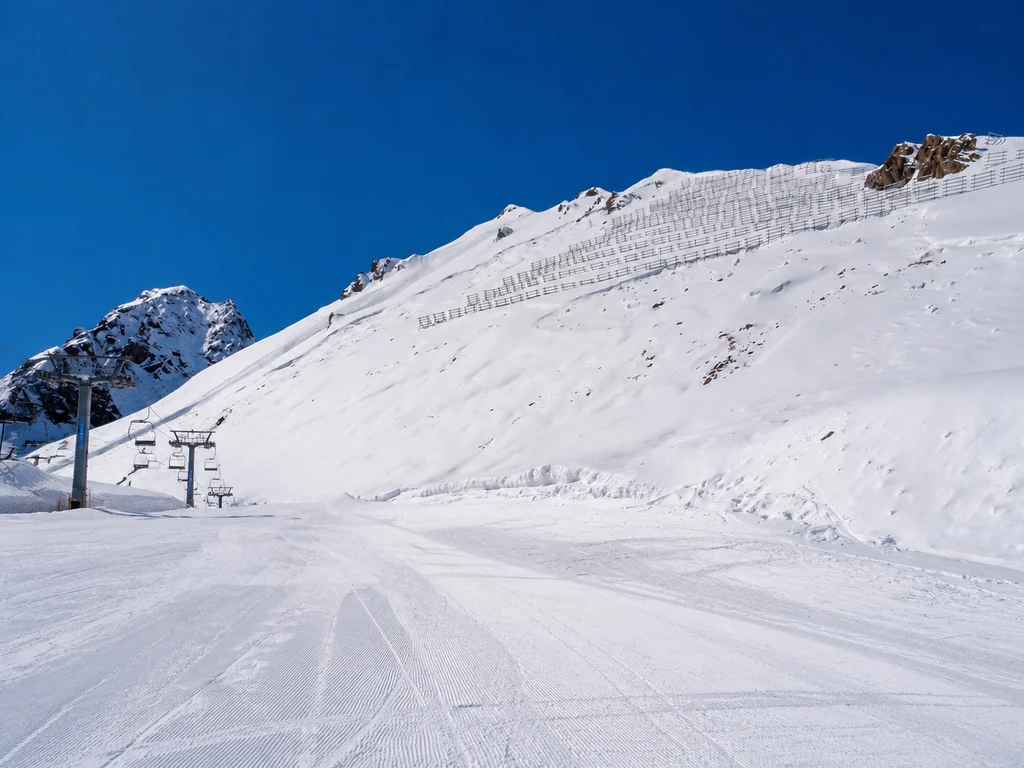
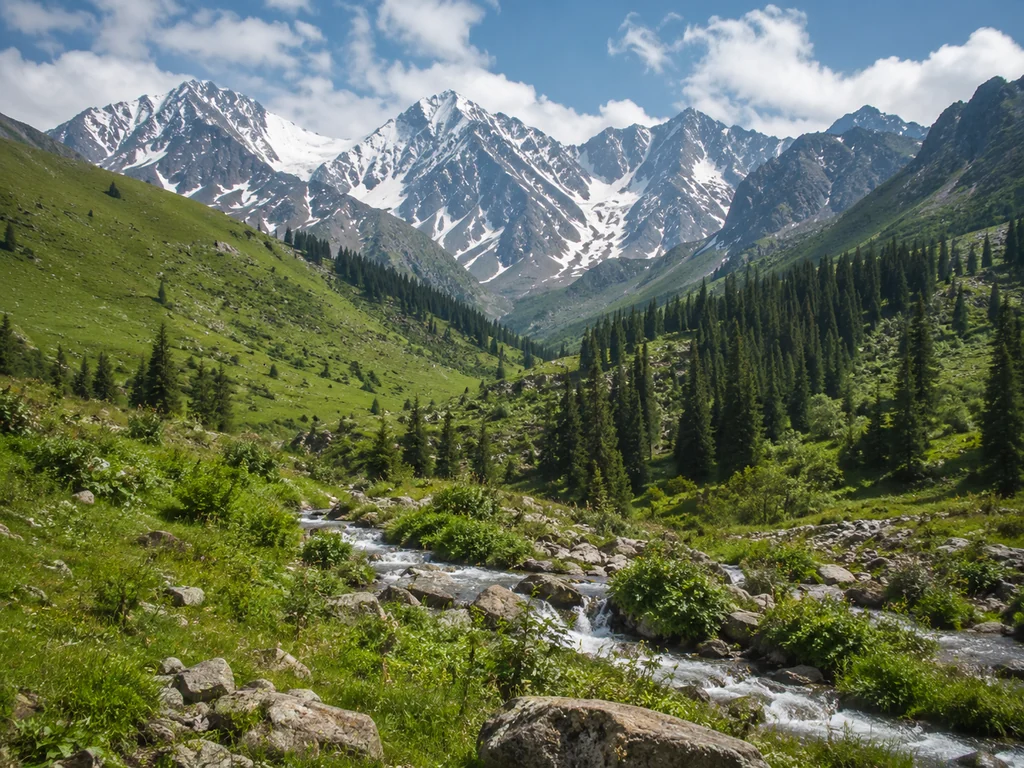
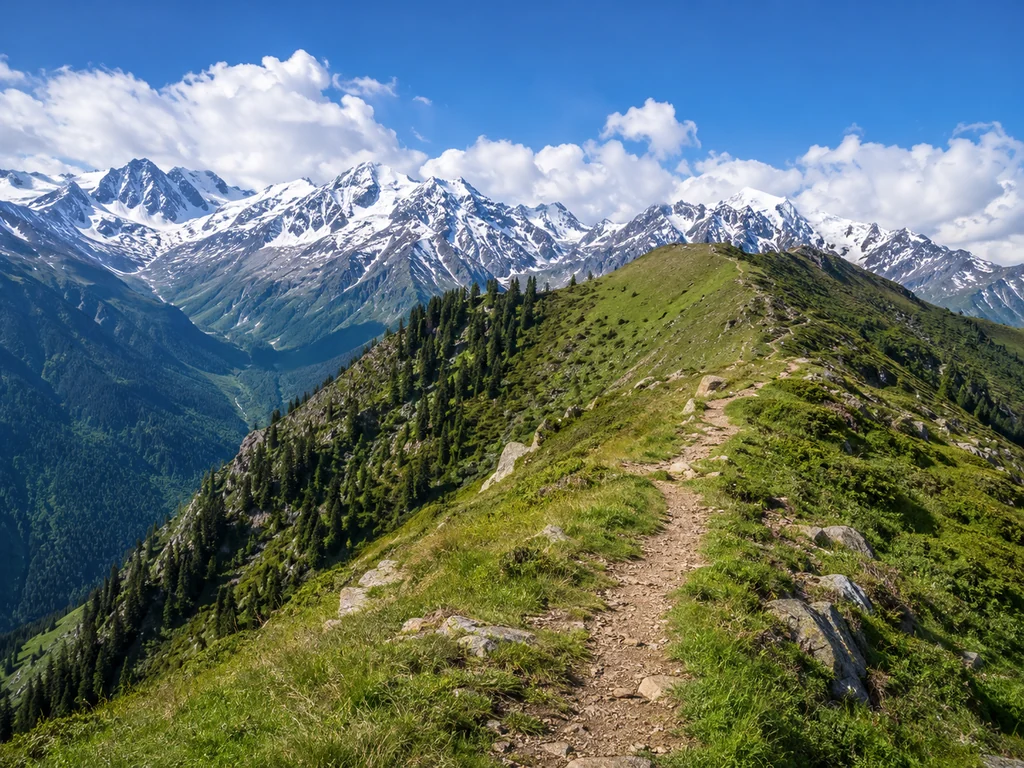
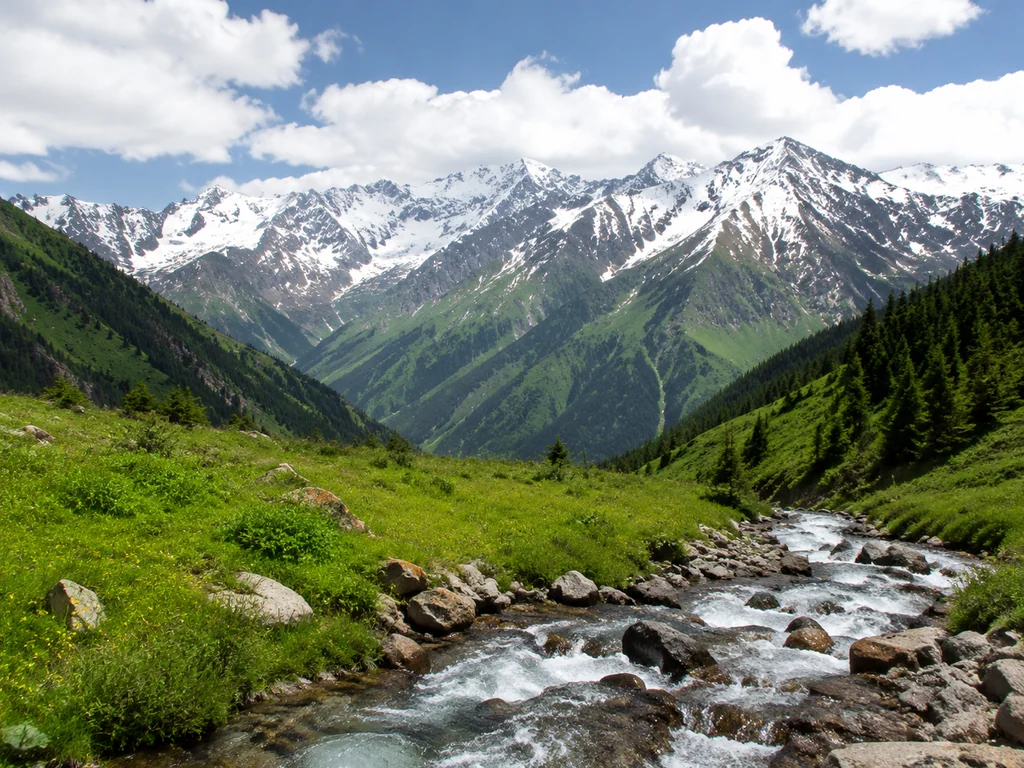
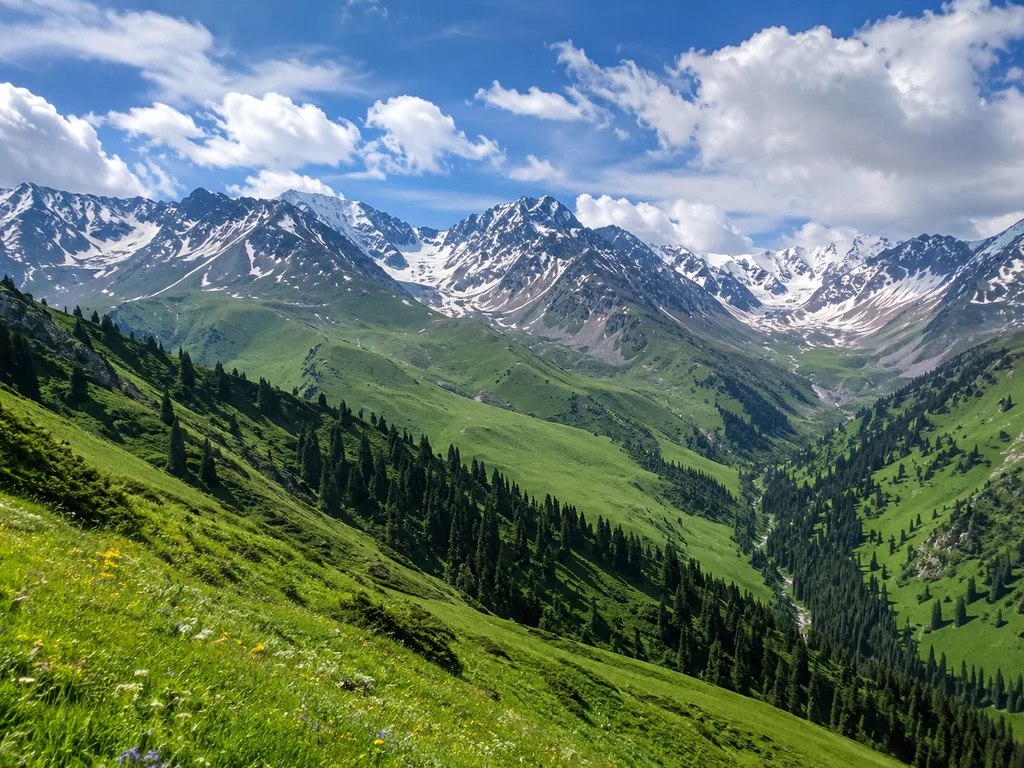
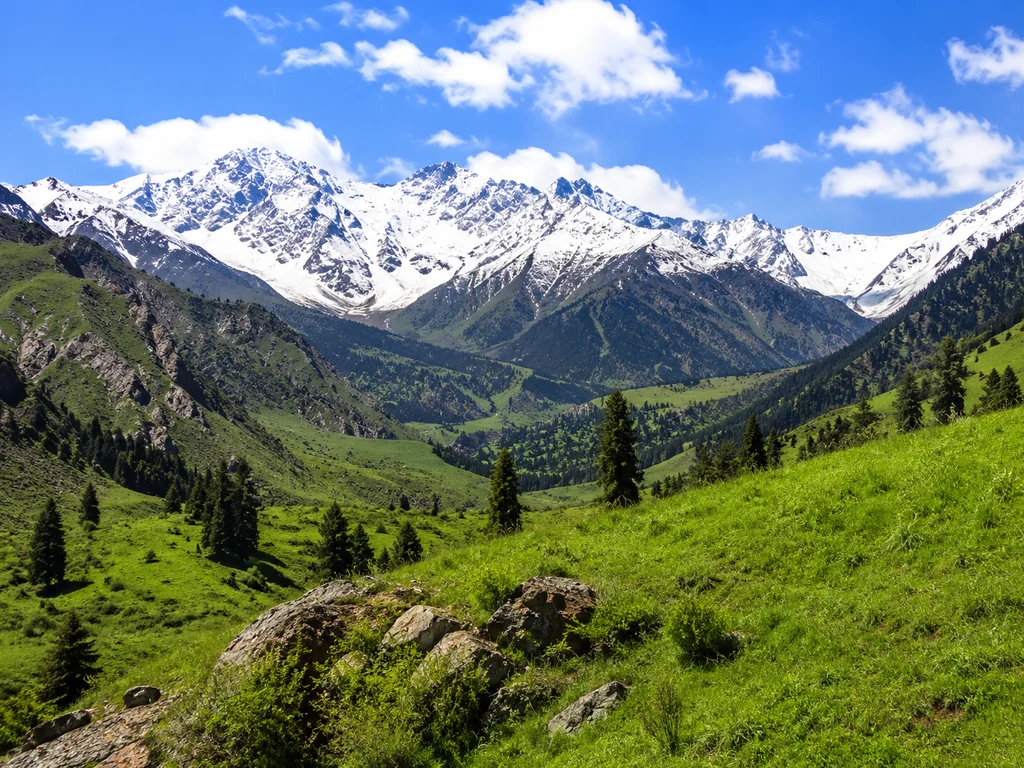
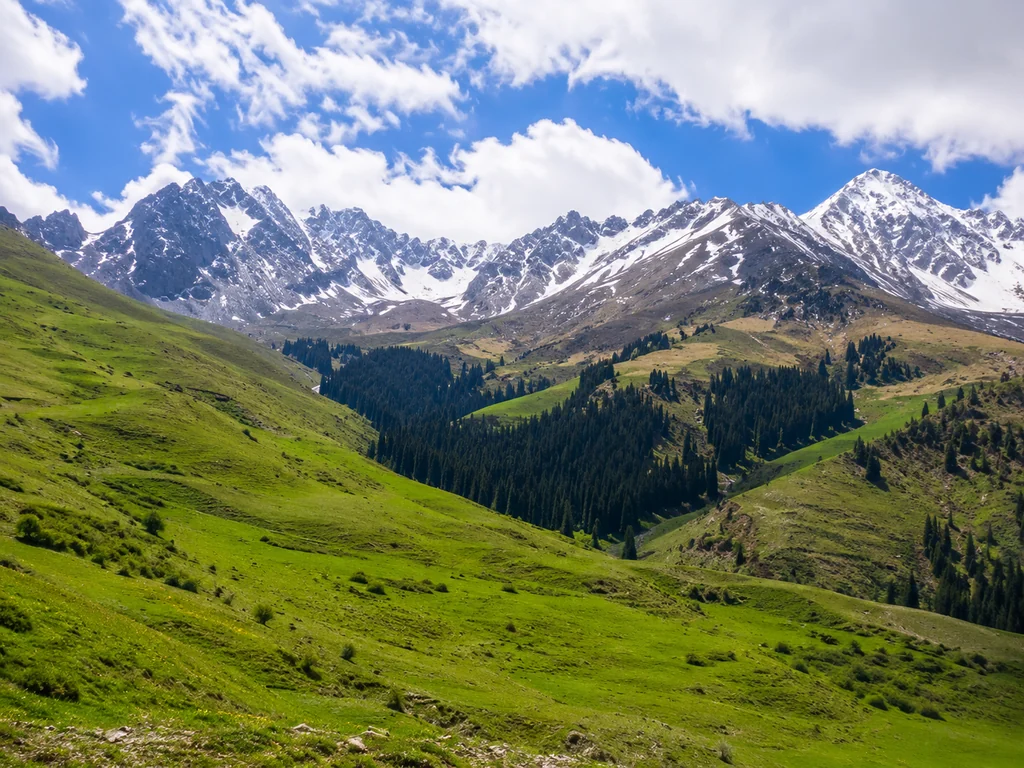
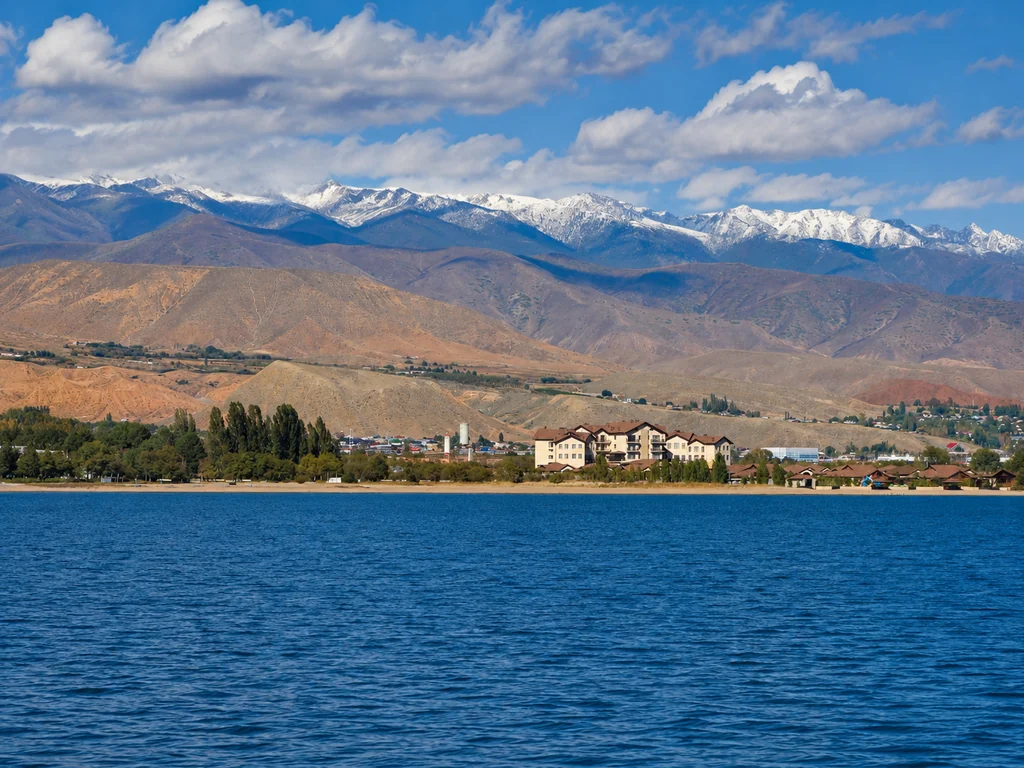
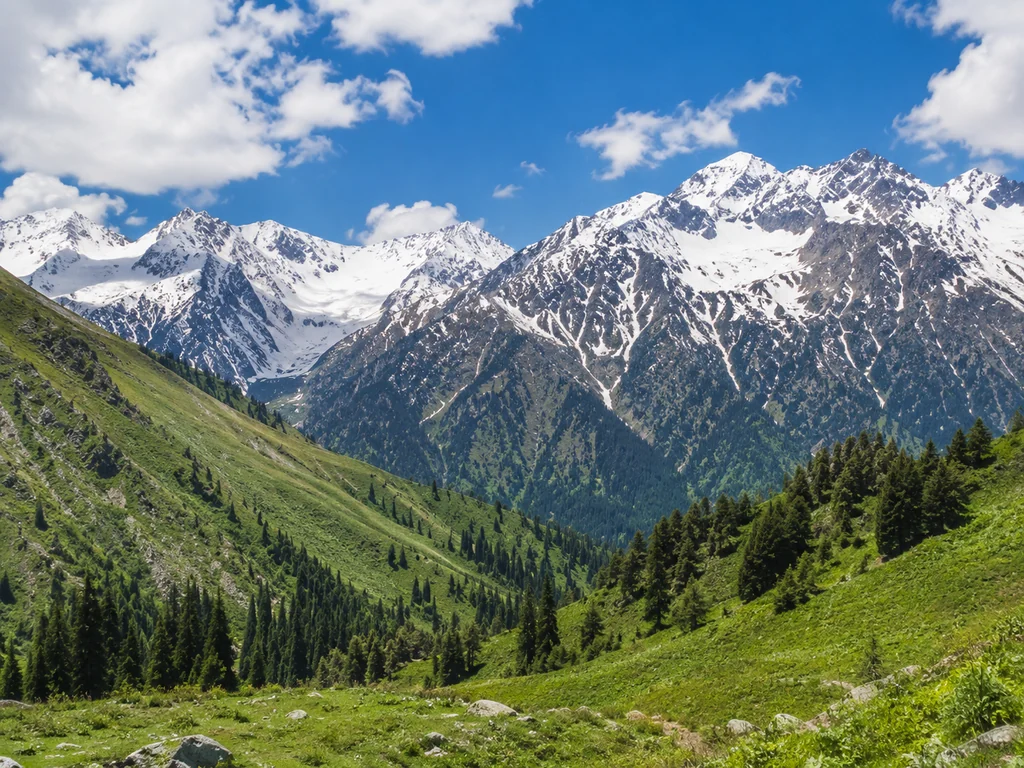
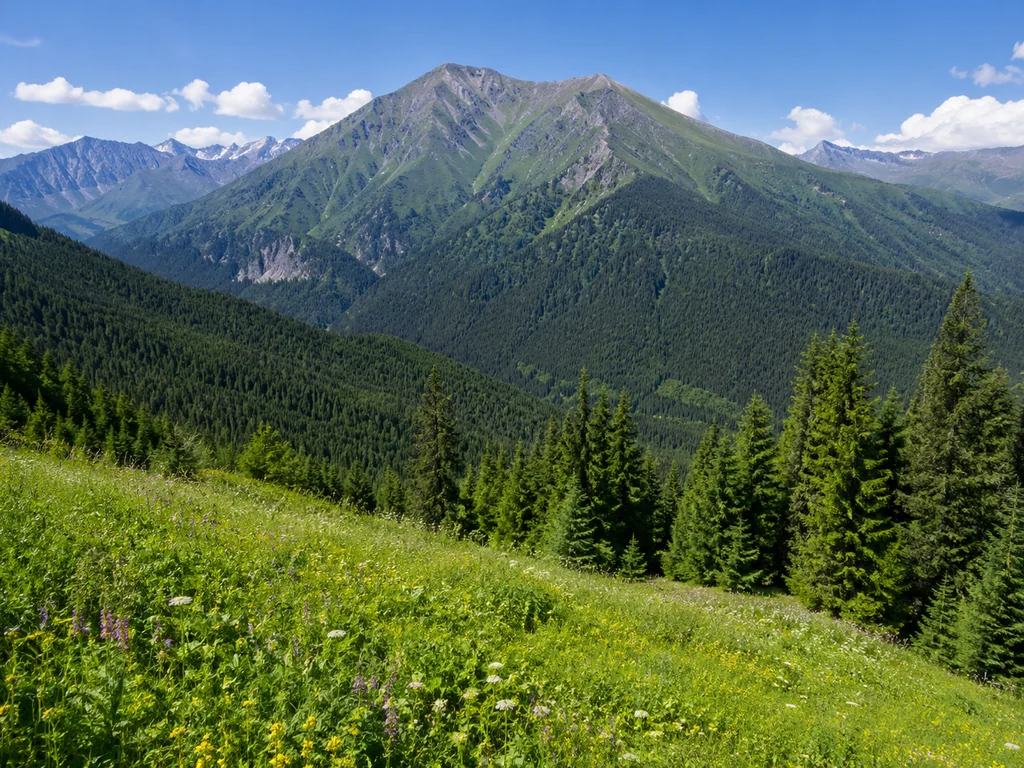
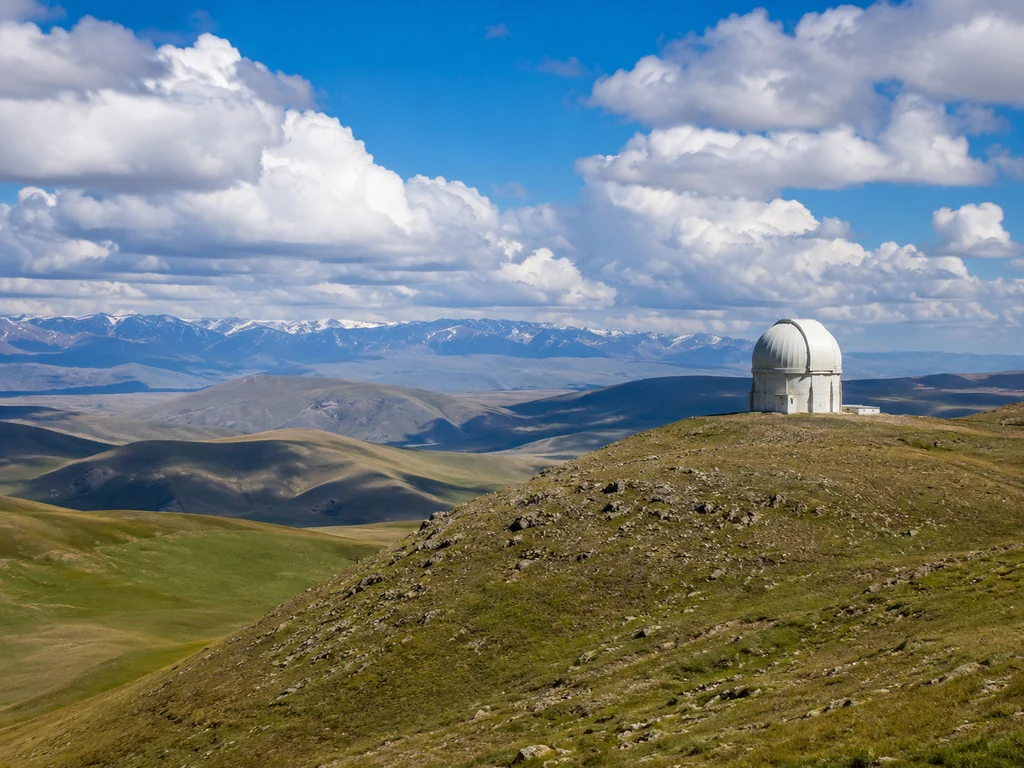
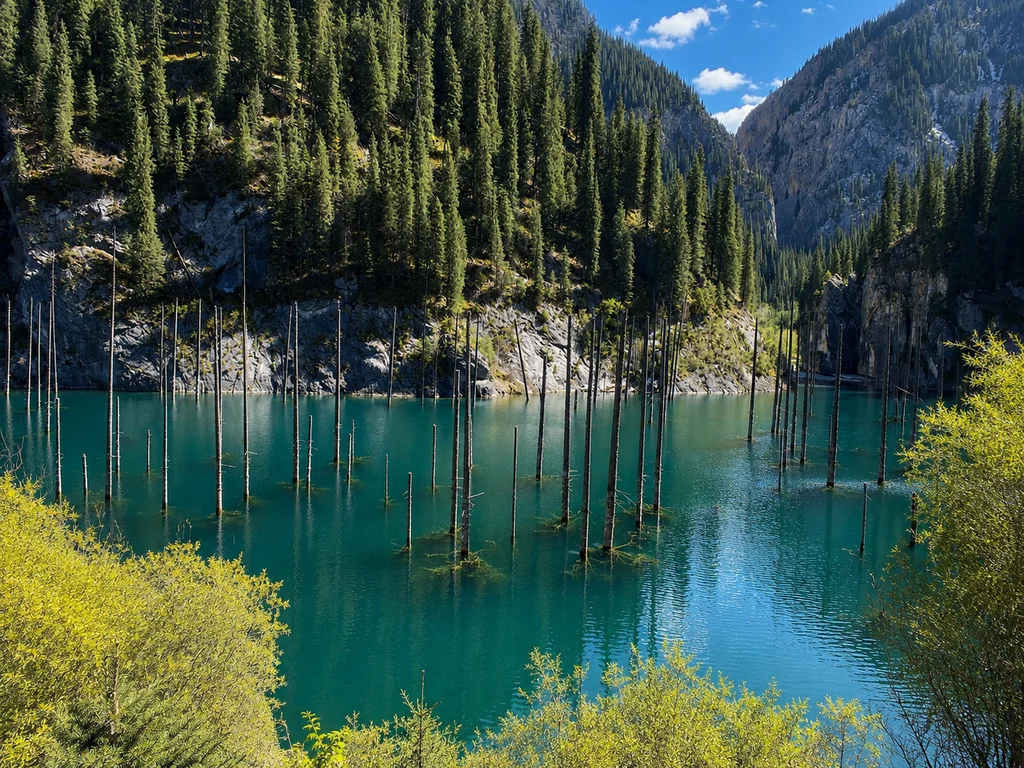
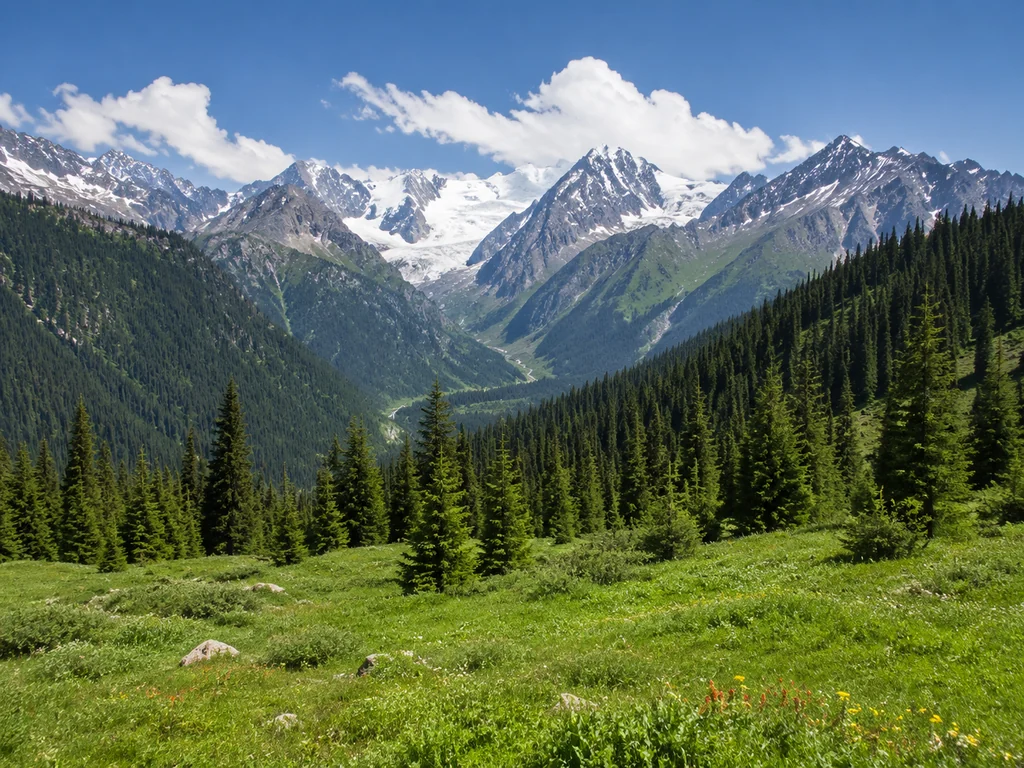
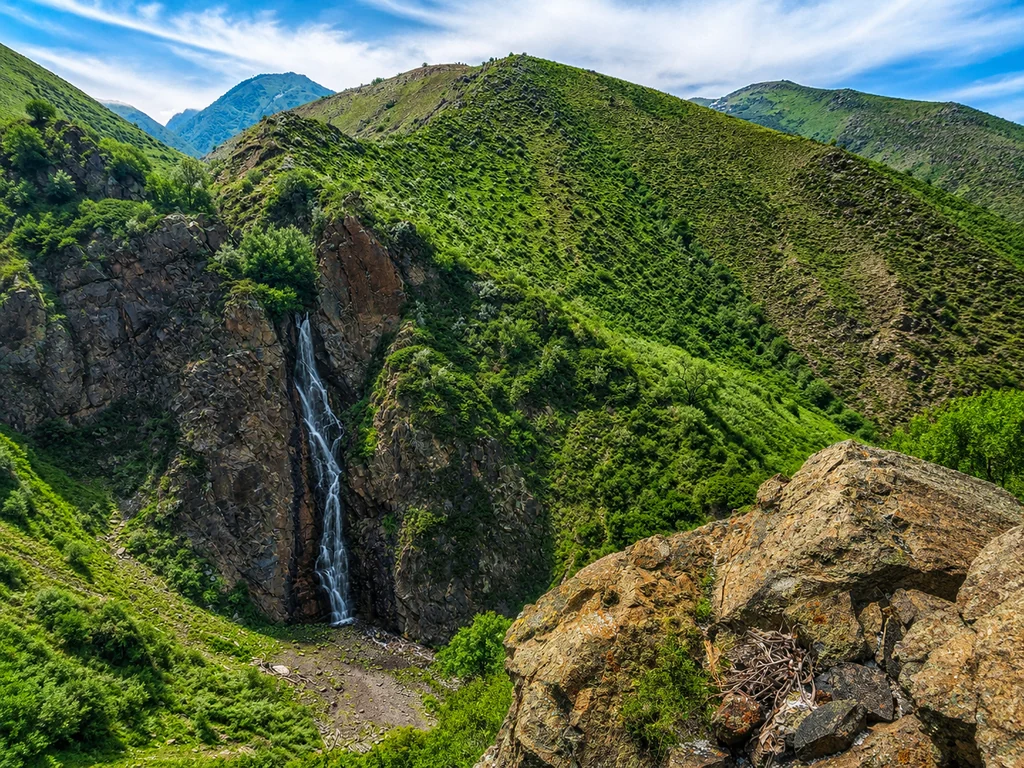
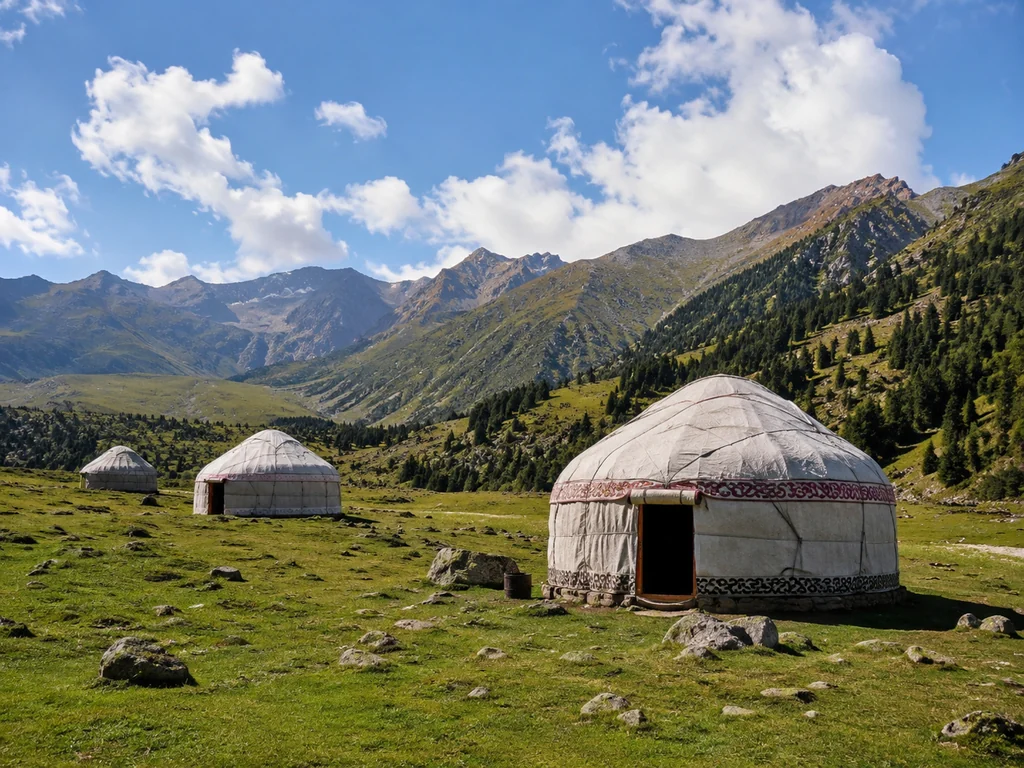
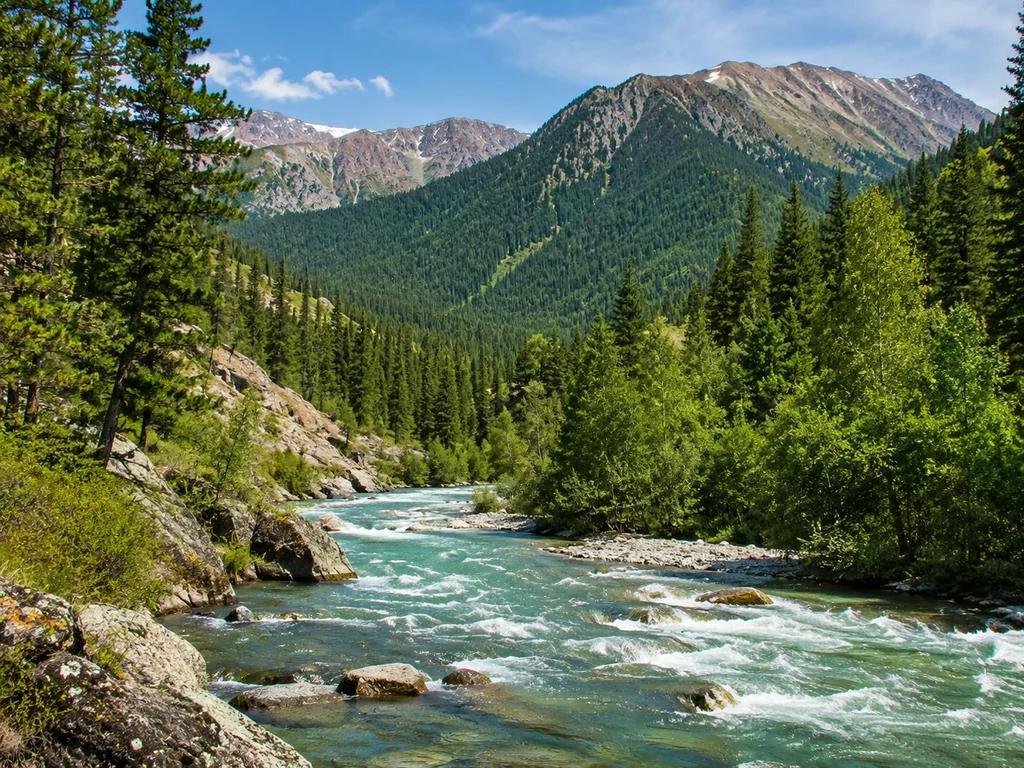
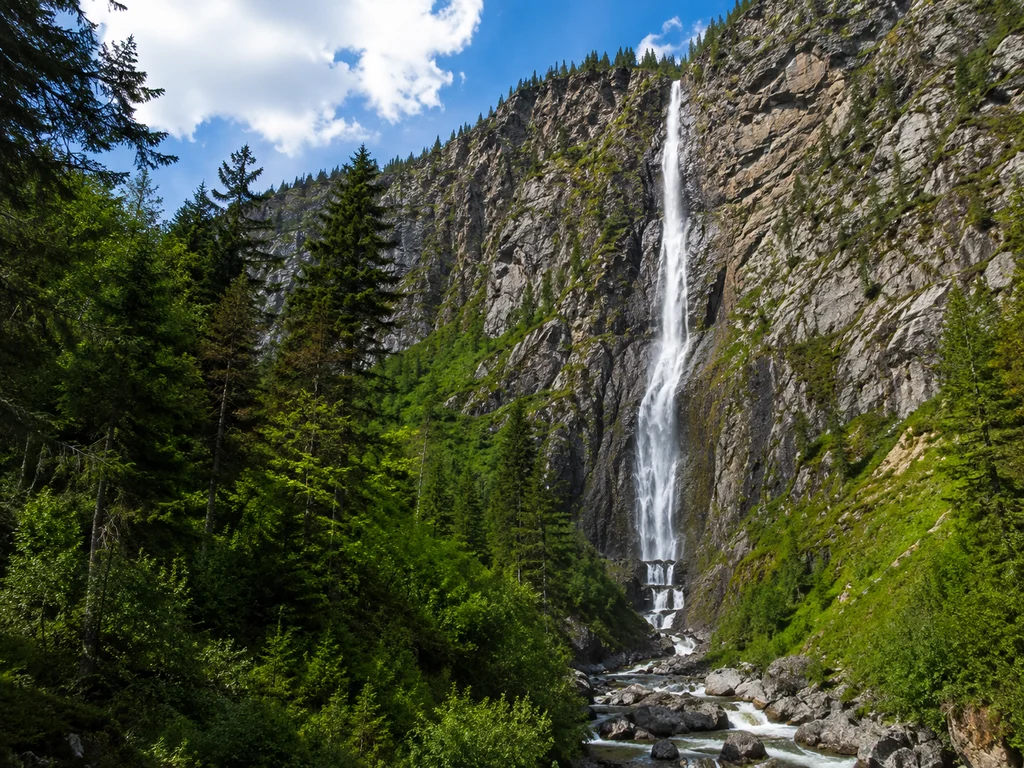
Hiking tours in Almaty are treks through the Zailiysky Alatau and Ile-Alatau National Park. toor organizes one-day and multi-day routes with certified guides, included transfer from the city, gear rental, and insurance. Prices start from 8,900 KZT for a group one-day tour.
How a beginner can choose a hiking tour by difficulty
Hiking tours in Almaty are treks through the Zailiysky Alatau and Ile-Alatau National Park. The main mistake a beginner makes is choosing a route "by eye." Let's break down three difficulty levels with specific metrics so you know exactly which hike you can handle.
Three difficulty levels: easy, moderate, hard
| Difficulty Level | Distance | Elevation Gain | Example Route | Suitable for |
|---|
| Easy | up to 8 km | up to 300 m | Kok-Zhaylyau | Beginners, families with children aged 8+ |
| Moderate | up to 12 km | up to 600 m | Big Almaty Lake | People with basic stamina |
| Hard | from 18 km | from 1000 m | Tyuk-Su | Experienced hikers with mountain training |
How to know if you're ready for a moderate route
A moderate route (12 km, 600 m elevation gain) requires basic stamina: if you can walk 5 km around the city without getting winded, you can probably handle it. The key difference from an easy route is not so much the distance, but the elevation change: climbing 600 meters puts strain on the cardiovascular system, especially if you start at the 1500 m mark at the foot of the Ile-Alatau. In the local gorges, for example on the way to Big Almaty Lake, the trail winds with steep sections — the pace drops to 2–3 km/h, and your heart rate stays elevated for 3–4 hours straight. We recommend beginners first complete an easy route — this gives a real understanding of your pace and your body's reaction to altitude without the risk of back injury or altitude sickness.
What to do if you're going on a hike for the first time
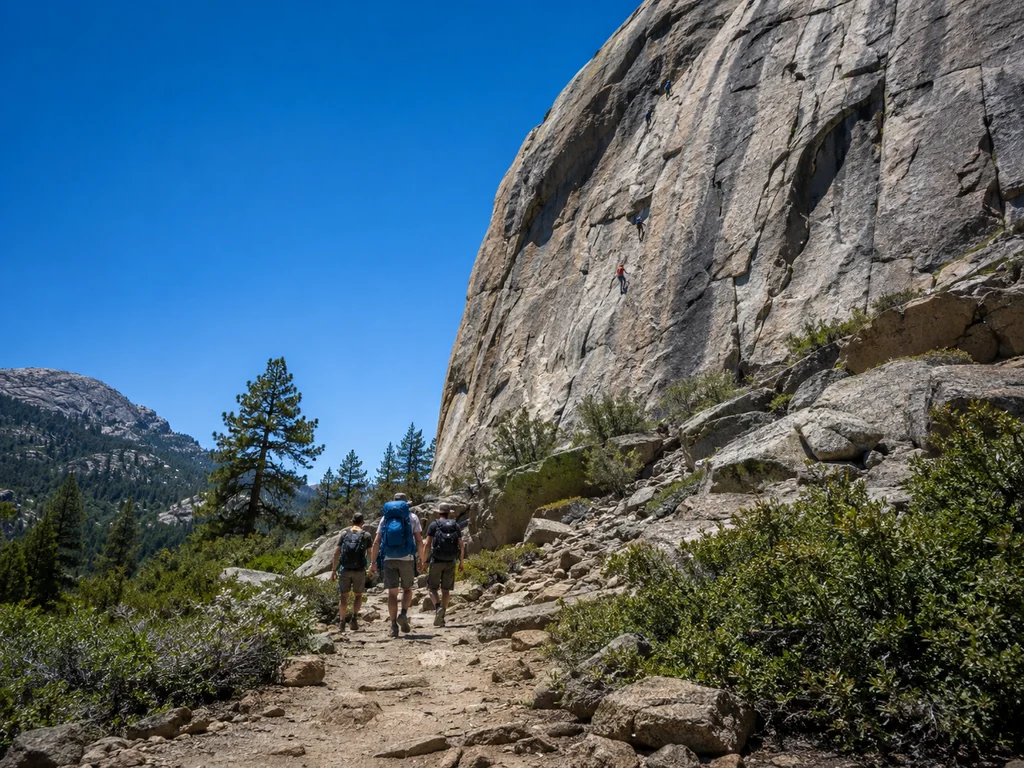
Almaty hiking for beginners starts with easy routes. For your first hike, we recommend the easy route to Kok-Zhaylyau — 8 km, only 300 m elevation gain, taking about 4–5 hours with breaks. The trail starts from the top station of the Kok-Tobe cable car and runs along a gentle plateau with views of Almaty and the Zailiysky Alatau — getting lost is nearly impossible, and the elevation change won't cause shortness of breath even for someone without athletic training. The group walks at a leisurely pace, the guide stops every 40–50 minutes for a rest, explaining how to breathe correctly on the ascent and why you should drink water before feeling thirsty. The main rule for a first hike is not to chase kilometers: it's better to cover less distance but enjoy it, rather than exhaust yourself and never want to go to the mountains again.
How to choose a hiking route by difficulty and season
Let's break down how routes are classified by difficulty and season so a beginner can choose a suitable hike without risk.
Three difficulty levels of routes in the Zailiysky Alatau
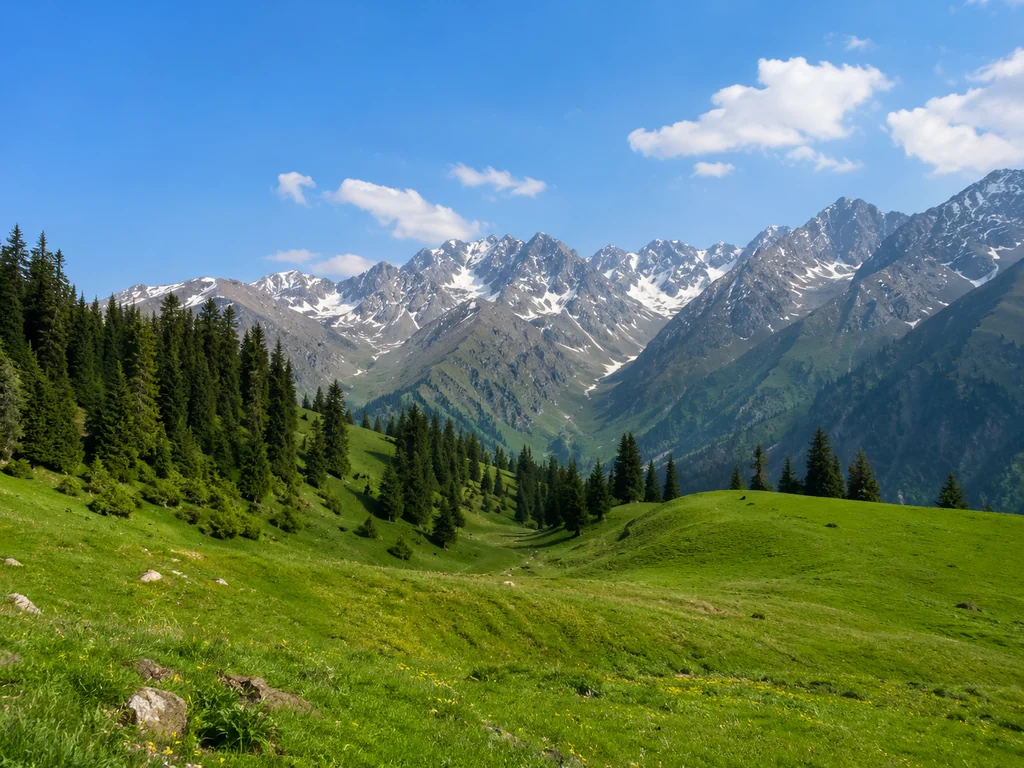
We divide all hikes into three levels: easy — no elevation gain, up to 8 km on flat trails in the Ile-Alatau Park; moderate — up to 800 m elevation gain, distance 10–15 km through gorges with varied terrain; hard — 1000+ m elevation gain, from 15 km, often with overnight camping at altitudes of 2500–3000 m. In the easy category, the route to Kok-Zhaylyau is popular — a plateau at 1100 m altitude, accessible to all ages without trekking poles. Moderate routes, for example in the Almaty-Arasan gorge, pass through pine forests and waterfalls, requiring basic physical fitness — confident walking for 6–7 hours with a 5–7 kg backpack. Hard five-day treks to Talgar Peak (4973 m) include acclimatization and work with an ice axe, undertaken only with a certified guide and registration with the Ministry of Emergency Situations. A beginner without experience should start with easy routes — they go along the park's flat trails and require no special training.
Seasonality: when is the best time to go hiking
The main hiking season is from May to October, when daytime temperatures in the mountains stay at +15…+25°C and trails are dry and safe. In June and September, traffic is lower than the peak July-August period, and the weather is more stable — rain is brief, mudslides on slopes are rare. From November to April, at 1500 m altitude, the thermometer drops to -5…-15°C, snow cover reaches 30–50 cm, and classic routes are replaced by snowshoe tours: the same gorges, but you need gaiters, trekking poles with baskets, and a windproof jacket. In the shoulder seasons (April and October), the weather is capricious — it can change from +10°C and sun to snowfall with 15 m/s wind in one day, so the guide checks the forecast 12 hours in advance and adjusts the route. In November-April, you can sign up for snowshoe tours with us — they go through the same gorges, but require different gear and readiness for snow.
Table of toor routes by difficulty and season
| Route | Difficulty | Season | Duration | Distance |
|---|
| Kok-Zhaylyau | Easy | May–October | 5–6 hours | 8 km |
| Almaty-Arasan Gorge | Easy | May–October | 5–7 hours | 10 km |
| Big Almaty Lake | Moderate | June–September | 6–8 hours | 12 km |
| Turgen Gorge (2 days) | Moderate | May–September | 2 days | 20 km |
| Trek to Talgar Peak (5 days) | Hard | July–August | 5 days | 40+ km |
For your first hike, choose an easy route in the dry season — this will reduce the strain and increase your enjoyment of the mountains, and the guide will set the pace and give gear recommendations on the spot.
Prices for hiking tours from Almaty: what determines the cost
Let's break down what the price of a mountain walk consists of and why one hike costs 8,900 KZT and another costs 61,900 KZT.
What is included in the cost of a toor tour
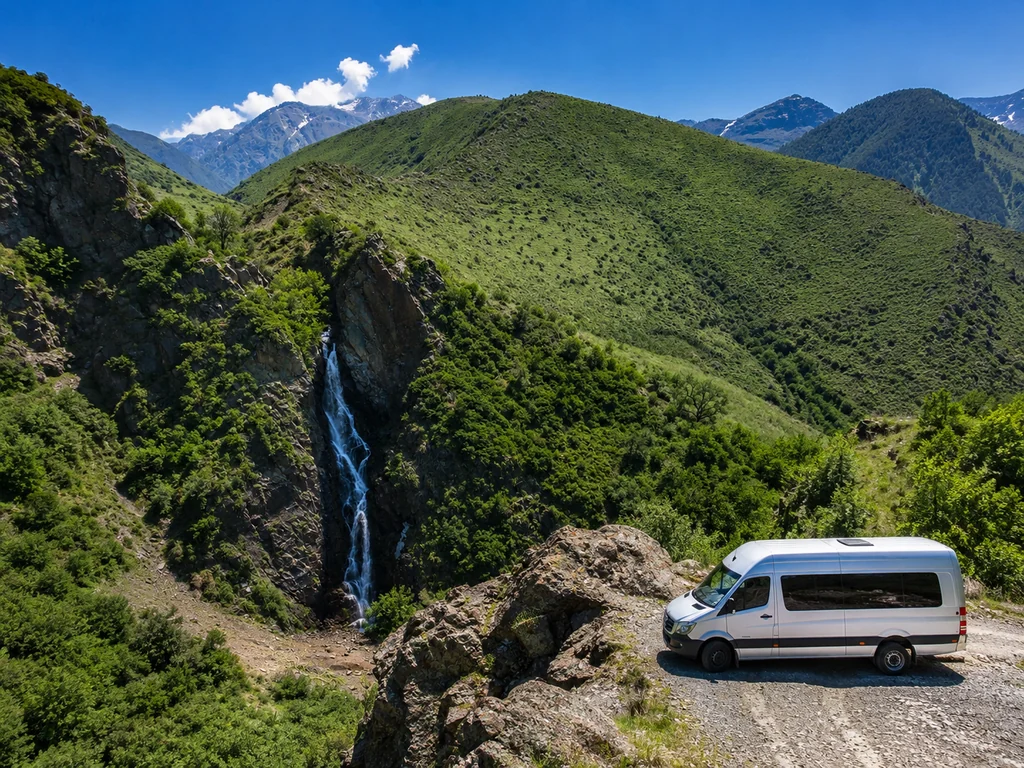
The cost of any of our tours includes transfer (up to 30 km from the city), the work of a certified guide, participant insurance, and group registration with the Ministry of Emergency Situations. The transfer picks you up from Republic Square or the Kazakhstan Hotel — the guide picks up the group in a minibus and takes you to the start of the route in the Ile-Alatau National Park. The certified guide has a first aid kit and a satellite phone for communication in areas without cellular coverage — mandatory equipment on routes above 2,500 m. Registration with the Ministry of Emergency Situations is arranged for each group: it's not an option, but a safety requirement. On multi-day hikes, meals (lunch-snack) and tent and sleeping bag rental are additionally included — this is the main reason for the price difference between one-day and multi-day tours.
Prices for different toor tour formats
A group one-day hike costs from 8,900 KZT/person, a 2–3 day tour costs from 36,900 KZT, a multi-day trek from 5 days costs from 61,900 KZT. The one-day format covers easy and moderate routes in the Ile-Alatau National Park (Almaty-Arasan Gorge, Kok-Zhaylyau, Malaya Almatinka Gorge) with a distance of 8–12 km and elevation gain up to 600 m — the guide leads the group for 5–7 hours. A two-day tour in the Turgen Gorge costs more due to an overnight stay in a tent, a hot dinner and breakfast cooked by the guide on a stove. A five-day trek to the foot of Talgar Peak (4,973 m) includes full equipment (tents, sleeping bags, mats, gas equipment) and meals for all days — the price reflects the logistics of delivering supplies and renting professional gear. An individual tour costs more than a group tour because the guide works only for you — the price starts from 25,000 KZT per day, but the route is fully tailored to your pace and interests.
Group or individual tour: which to choose
A group tour (4–10 people) is cheaper and suitable for getting to know the mountains in company, while an individual tour is more expensive but gives complete freedom of route and pace. In a group format, the guide follows a standard route with a fixed schedule: start at 8:00, 40-minute lunch stop, return to the city by 17:00–18:00, you walk at the group's pace without the ability to linger at a viewpoint or speed up on the descent. An individual tour is booked for non-standard routes (ridge traverse, ascent of an unnamed peak) or for groups with different physical fitness levels — the guide adjusts the pace to the slowest person, and the route is corrected on the go. Almaty trekking is available in group and individual formats. For beginners, we recommend starting with a group one-day hike — it's safer, cheaper, and allows you to understand if you like trekking at all before investing in an individual tour.
Gear for the hike: what is provided and what to bring yourself
Almaty hiking excursions require the right equipment. Before each hike, we provide participants with trekking boots, a 20-30 liter backpack, and a raincoat — this set is enough for a comfortable walk on the route. Boots are selected individually by size: fitting takes 10-15 minutes but prevents blisters on an 8-15 km distance through the Almaty-Arasan or Turgen gorges. The backpack holds a 1-liter thermos, a snack, a spare fleece, and a raincoat — this volume is enough for a one-day trek. A raincoat is provided regardless of the forecast: in the Zailiysky Alatau, the weather changes in 20-30 minutes, and even on a clear morning, a downpour with hail is possible by lunchtime. On multi-day routes, tents, sleeping bags, and mats are additionally provided — check the equipment list when booking. Improperly chosen footwear is the main reason for leaving the route, so fitting is mandatory before departure.
What you need to bring yourself
From personal items, you must bring a thermos with tea or water (1-1.5 liters), sunglasses, a hat, and a snack — sandwiches, nuts, dried fruit. On a one-day hike to Kok-Zhaylyau, the body loses 1.5-2 liters of fluid over 5-6 hours of walking, so a thermos is not a luxury but a necessity to maintain strength for the return descent. For clothing: comfortable sports pants (not jeans — they get wet and chafe on the ascent), a fleece or long-sleeve shirt, and a windbreaker if you don't have a raincoat. Put wet wipes, a small trash bag, and a band-aid in your backpack — just in case of chafing. Ultraviolet radiation in the Almaty mountains is more aggressive than in the city — even on a cloudy day, you can get sunburned in 2-3 hours, so sunglasses and SPF 30+ sunscreen are mandatory regardless of the season.
Gear table: provided / recommended / mandatory
| Category | Provided by organizer | Recommended own gear | Mandatory own gear |
|---|
| Footwear | Trekking boots | — | — |
| Backpack | 20-30 liters | — | — |
| Rain protection | Raincoat | — | — |
| Drinks | — | Thermos 1-1.5 liters | Water (minimum 1 liter) |
| Sun protection | — | Sunglasses | SPF 30+ sunscreen |
| Food | — | Snack (nuts, fruit) | — |
| Clothing | — | Thermal underwear (in cool weather) | Comfortable sportswear |
If you don't have your own gear — it's not a problem: the organizers provide everything necessary for a comfortable hike, except for personal items.
Safety in the Almaty mountains: ticks, altitude, weather
Hiking in the Almaty mountains is safe if you know the three main risks and are prepared for them. Let's break down how to protect yourself from ticks, avoid altitude sickness, and not get caught in sudden weather changes.
Ticks: when they are active and how to protect yourself
Ticks in the Ile-Alatau are active from May to June, especially at altitudes up to 2000 m in the Almaty-Arasan and Kim-Asar gorges, where it's humid and warm. We recommend wearing closed clothing with long sleeves, be sure to tuck your pants into your socks, and use DEET-based repellents — they work for up to 4 hours. The guide treats rest stops before stopping and checks participants during breaks. After returning, inspect yourself and your clothing: these parasites often attach to the bottom of pants and can go unnoticed under the waistband.
Altitude sickness: how to recognize it and what to do
Altitude sickness manifests at altitudes above 3000 m — on routes to Furmanov Peak or Lake Ayu — through headache, nausea, and dizziness. Our guide monitors participants' pulse and skin color every 30 minutes of ascent and, at the first symptoms, immediately slows the pace or organizes a descent of 200-300 m. Our routes are built with a gradual elevation gain: easy ones — up to 500 m per day, moderate ones — up to 800 m. The best prevention is not to exceed 500 m of gain per day for beginners and to drink 0.5 liters of water every hour of ascent.
Sudden weather changes and wild animals
In the mountains near Almaty, the weather can change in 15 minutes: temperature swings of up to 15°C, sudden rain with hail, or gusty winds in open areas of Kok-Zhaylyau. Our guide always carries a satellite phone for emergency communication outside the cellular network coverage area, a first aid kit with antiallergics and painkillers, and emergency blankets for each participant. Encounters with bears in the Ile-Alatau are extremely rare — in five seasons, we have not had a single case. If it does happen, the guide knows: don't run, don't make eye contact, don't turn your back, and slowly retreat along your own tracks.
Why it's safer with a guide than alone
Without a guide, you risk getting lost, misjudging your strength, or getting caught in bad weather without communication — every season, rescuers search for 10-15 tourists on Kok-Zhaylyau and Big Almaty Lake. Our guide has a GPS navigator with loaded tracks, a satellite phone for communication with the base, a first aid kit, and participant insurance for the entire route. A certified guide not only shows the way but also monitors the group's pace, pulse, and hydration. Even on popular routes, tourists get lost due to fog or fatigue — a guide can get you back on the trail in 10 minutes, while a person alone can wander for hours.
Safety in the mountains: risks and how to avoid them
Let's break down what risks exist on the routes of the Zailiysky Alatau and how to minimize them — from registration with the Ministry of Emergency Situations to satellite communication.
How toor ensures safety on the route
Each of our tours includes group registration with the Ministry of Emergency Situations, participant insurance, a first aid kit, and a satellite phone with the guide — this is the minimum safety standard for mountain hikes. Registration with the Ministry of Emergency Situations is mandatory: the route, start time, and estimated return time are given to the dispatcher, and if the group doesn't make contact within two hours after the control time, a search begins. Insurance covers evacuation from altitude, transportation to a medical facility, and emergency hospitalization — on routes up to 4000 m, the policy is automatically valid. The guide's first aid kit contains a tourniquet, bandages, painkillers, antihistamines, sorbents, and blister plasters. A satellite phone is not a formality: in the gorges of the Zailiysky Alatau, cellular signal disappears already at 1500 m altitude, and the only way to call for help in an emergency is satellite communication.
Mountain weather: the 6°C per 1000 m rule
In the Almaty mountains, the temperature drops by 6°C every 1000 m of ascent — if it's +30°C in the city, then at 3000 m altitude it will be only +12°C, and with the wind, even colder. On our routes, the guide checks the forecast for altitudes of 1500, 2500, and 3500 m before departure, because the weather at different levels can differ drastically: it's sunny at Kok-Zhaylyau (1200 m), but already foggy and drizzly at the pass to Big Almaty Lake (2500 m). The 6°C rule also works in reverse: descending from a peak, you gain +6°C every 1000 m, so you need to remove layers of clothing as you go, rather than enduring until the end. The weather in the Zailiysky Alatau changes in 15-20 minutes: a clear sky can be replaced by rain or hail, so a raincoat should always be in your backpack, even if the sun is shining in the morning.
Altitude sickness: how to recognize it and what to do
Altitude sickness is possible at altitudes from 3000 m — symptoms: headache, nausea, dizziness. Our routes are adapted for a gradual elevation gain to minimize the risk: on one-day hikes, the highest point rarely exceeds 3200 m, and on multi-day hikes, the transitions are planned so that the overnight stay is 500-700 m below the day's summit. Another factor is the speed of ascent: experienced guides regulate the pace so that the pulse doesn't spike, and make stops every 30-40 minutes for acclimatization. The water regime is also critical — at altitude, the body loses fluid twice as fast as in the city, and dehydration worsens altitude sickness symptoms. The main rule for altitude sickness symptoms is to immediately stop the ascent and start descending 500-700 m; symptoms subside within an hour. No pills can replace descending in altitude.
Is a guide necessary for a mountain hike?
Almaty hiking tours with a guide are the safety standard. A guide in the mountains is mandatory for all our routes — it's not an option, but a safety standard: a certified guide knows the trails, weather conditions, and procedures in an emergency. Local guides undergo annual certification by the Ministry of Emergency Situations and first aid courses — they know how to apply a splint for a fracture, stop bleeding, recognize pulmonary edema at an early stage, and evacuate a participant using available means. The guide is also responsible for navigation: in fog, snowfall, or twilight, trails become unreadable, and GPS trackers in the gorges often lose signal due to steep slopes. Even on popular routes like Kok-Zhaylyau or Big Almaty Lake, it's easy to get off the trail in fog or snowfall without a guide — rescuers bring out dozens of lost tourists each season.
Best gorges for day hikes from Almaty
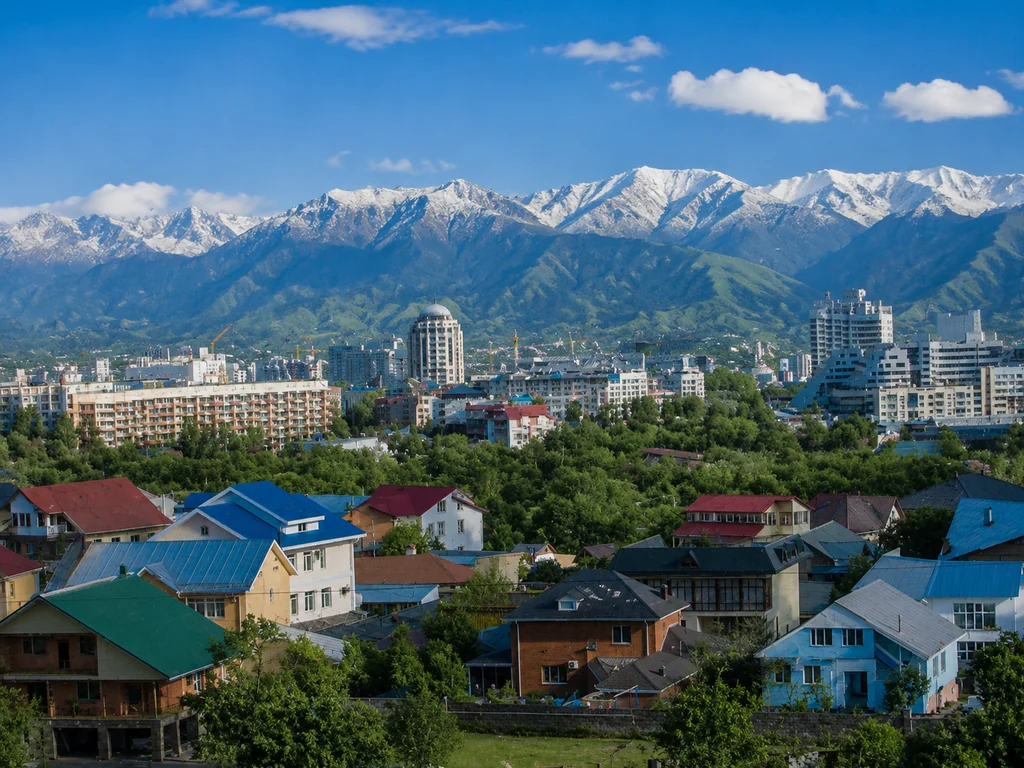
Let's tell you about the three most popular gorges for day hikes — with a description of the route, difficulty, and what you will see on the trail.
Kok-Zhaylyau — the ideal route for beginners
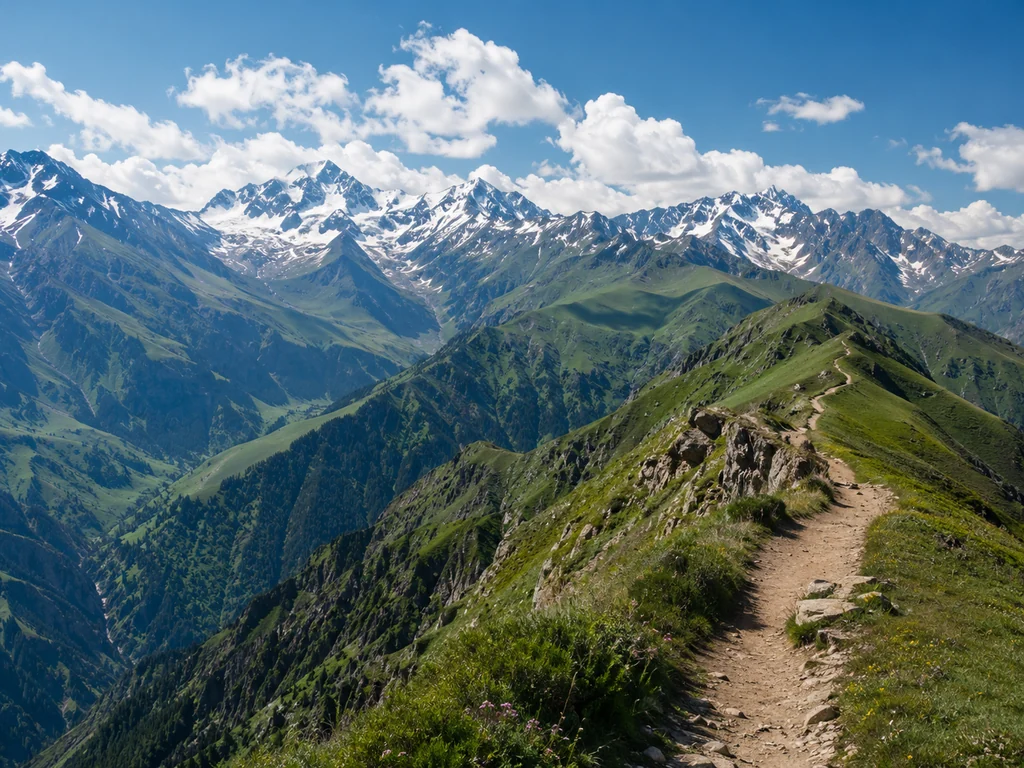
Kok-Zhaylyau is the most popular day hike for beginners: an easy trail with no elevation gain, 8 km, 5-6 hours, with panoramic views of the Zailiysky Alatau and the city. The trail passes through the Ile-Alatau National Park — a green plateau at 2300 m altitude, reached by a dirt road without steep climbs. Here you will meet marmots, mountain goats, and rare plant species, including edelweiss in July. The route is suitable for a first introduction to the nature of the Tien Shan: no special training is needed, trekking boots can be replaced by sneakers with a stiff sole, and a 20-liter backpack holds a raincoat, thermos, and snack.
Almaty-Arasan Gorge — thermal springs and waterfalls
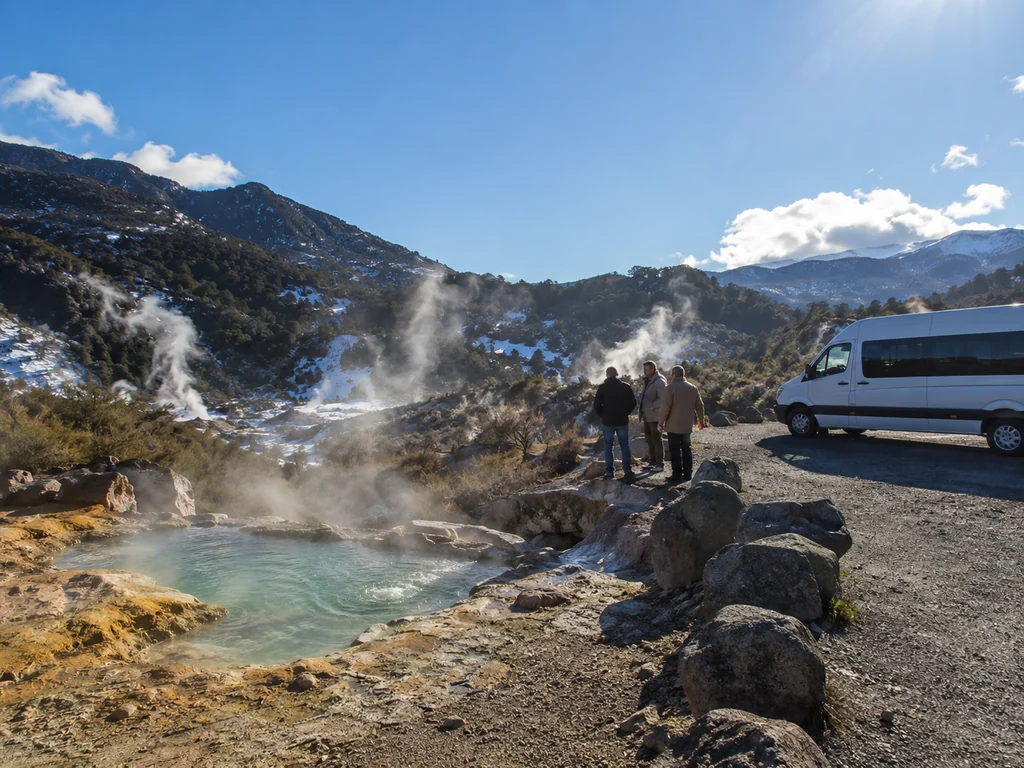
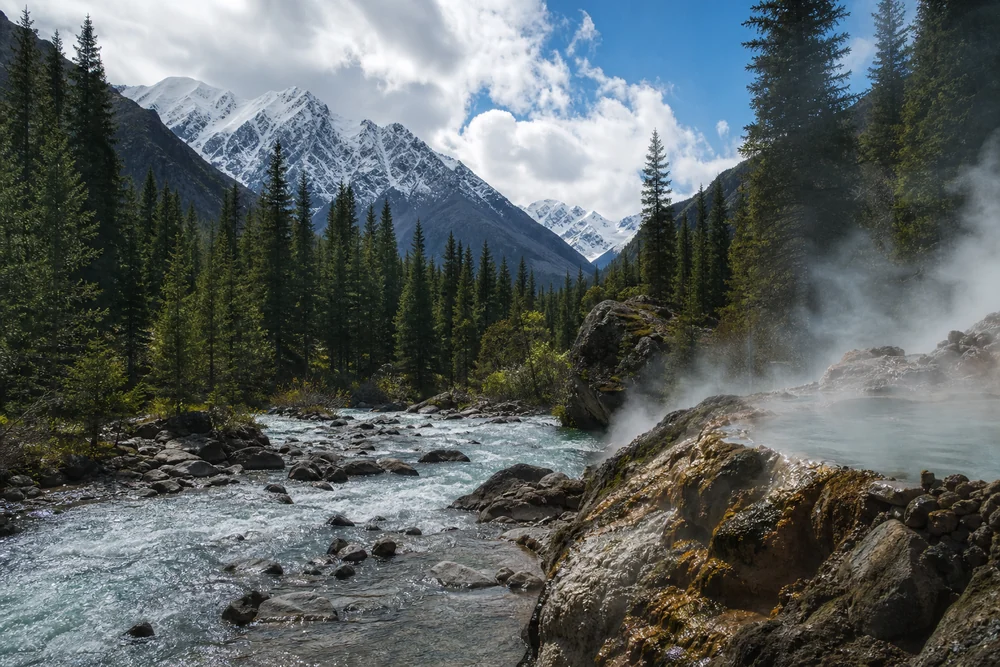
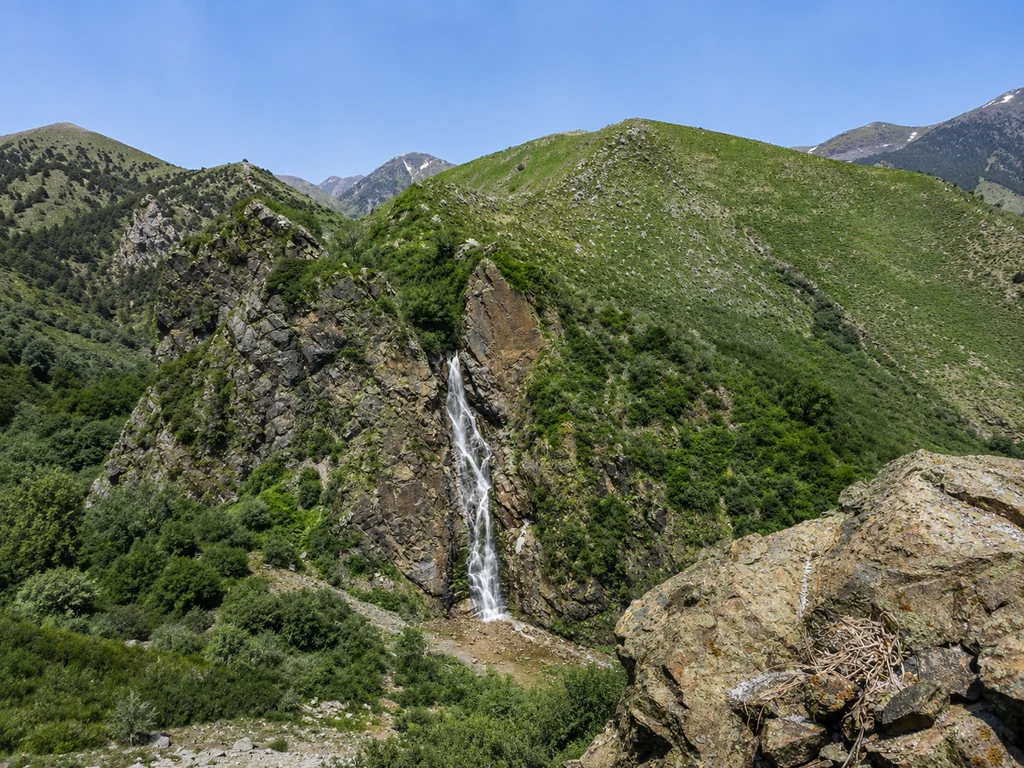
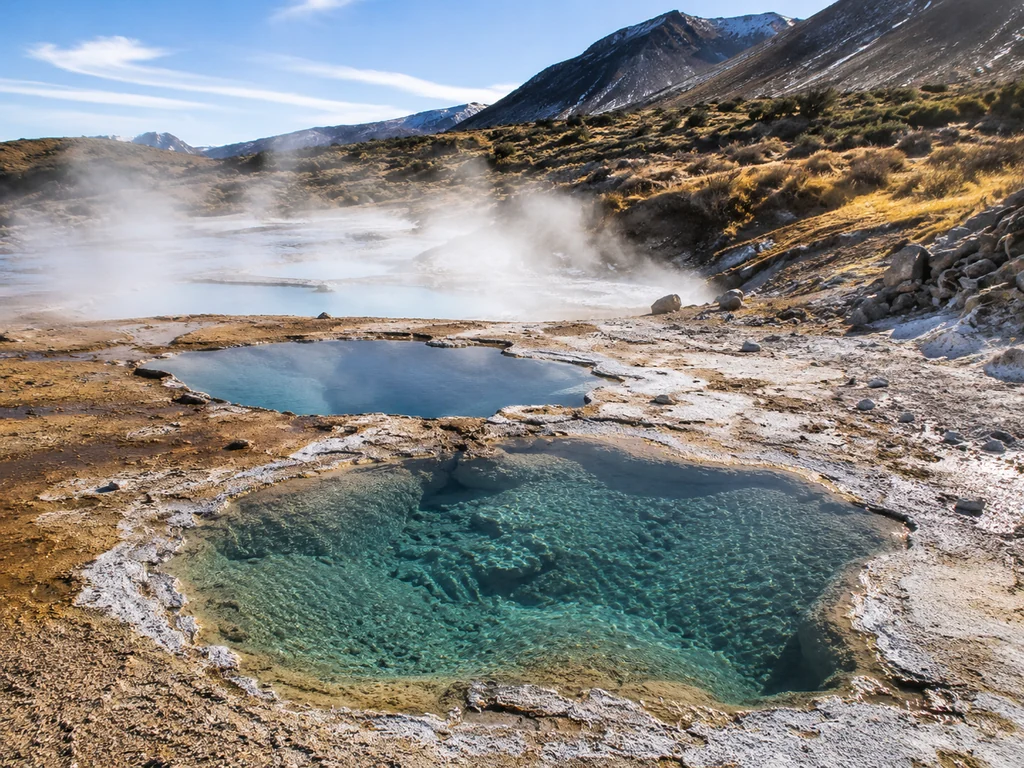
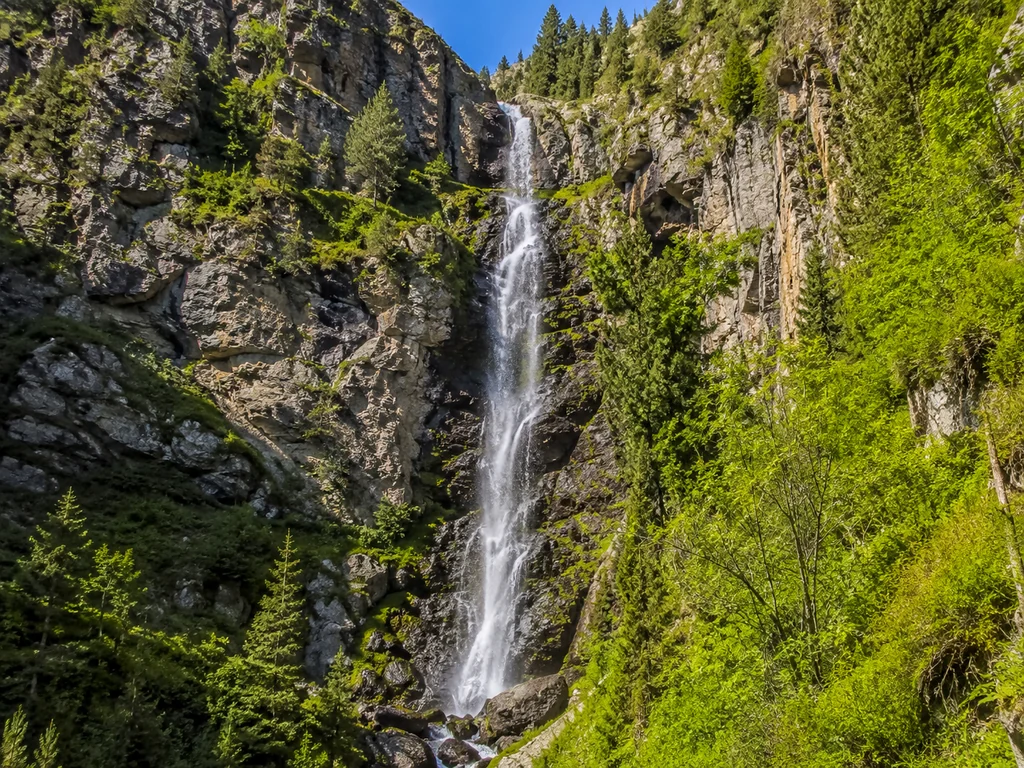
The Almaty-Arasan Gorge is a moderate difficulty route (10 km, 600 m elevation gain) with thermal springs, waterfalls, and picturesque rocks — one of the most photogenic near the city. The trail starts at the old sanatorium, passes through a pine forest, and leads to a cascade of waterfalls up to 15 m high, where water falls into an emerald-hued pool. Higher up the gorge are natural thermal springs with water temperatures of +30–35 °C — you can take a dip after the ascent. The transfer from the city to the start of the trail takes about 40 minutes — we include it in the cost, so you don't need to worry about how to get to the gorge by public transport.
Big Almaty Lake — the jewel of the Zailiysky Alatau
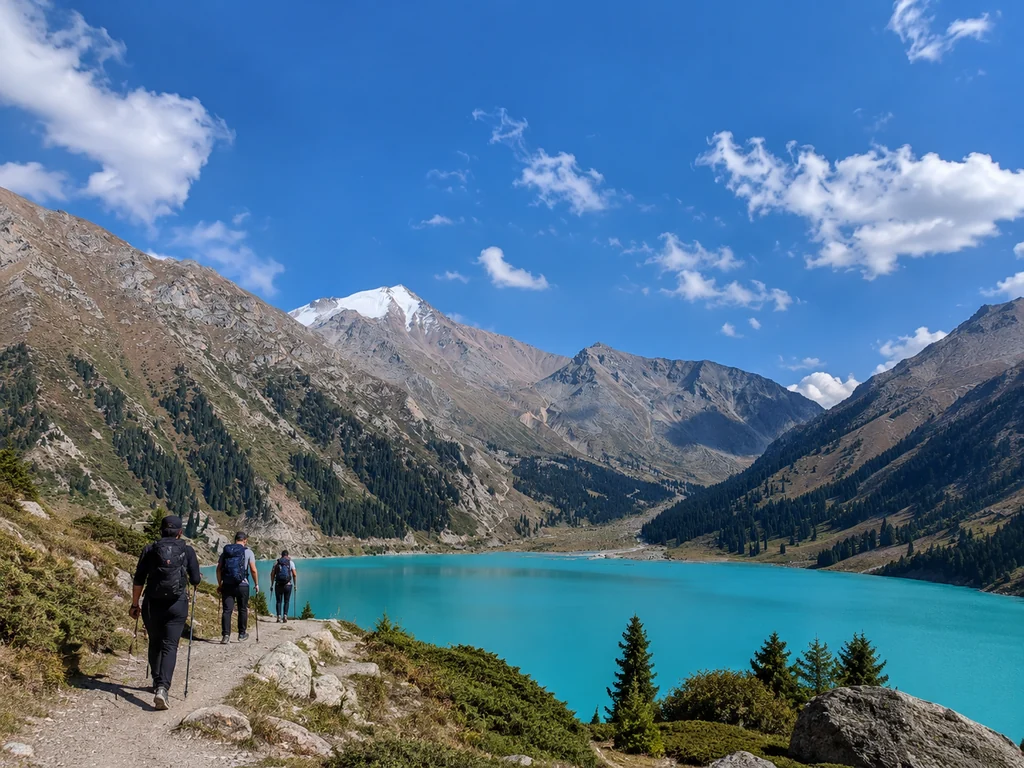
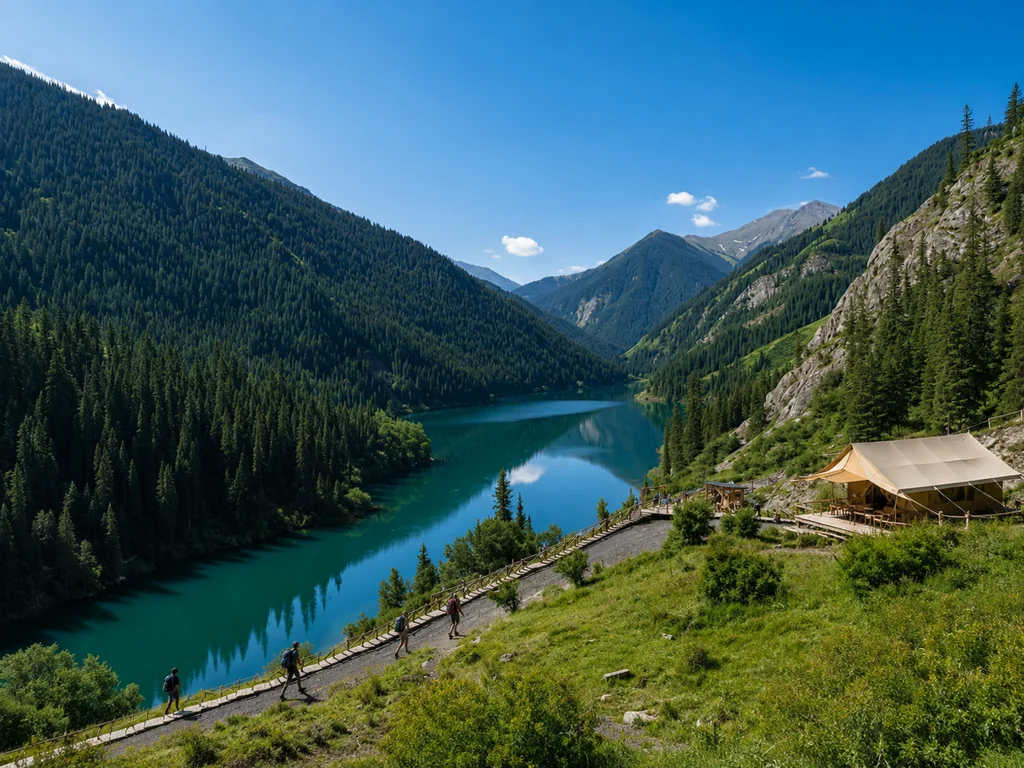
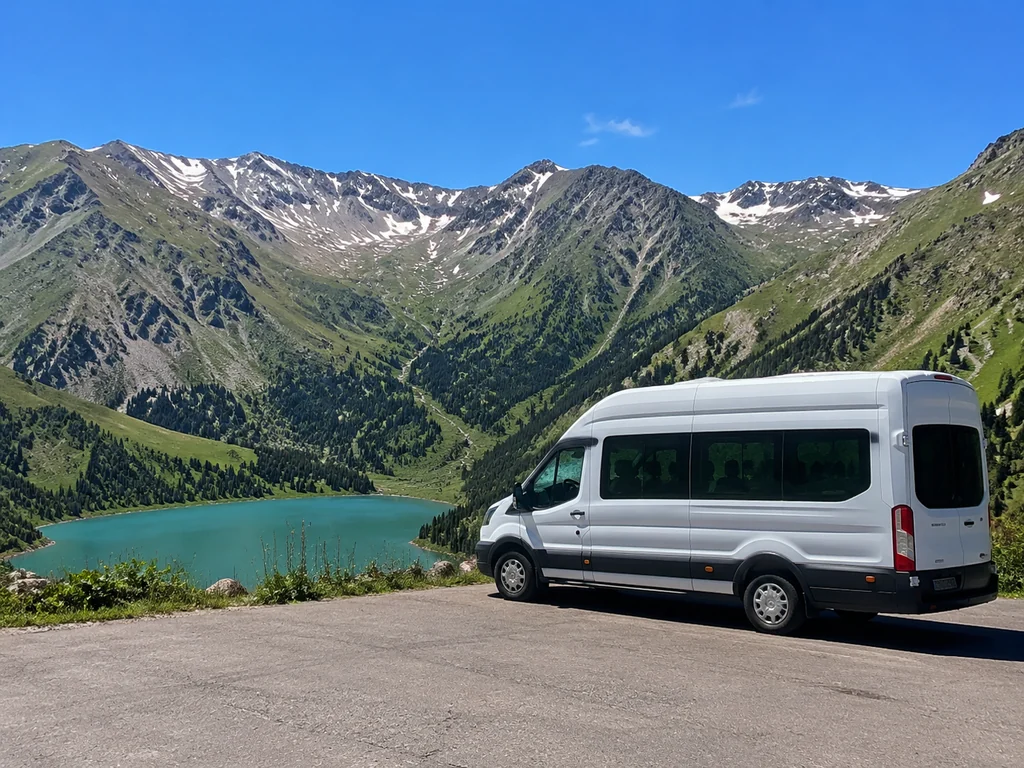
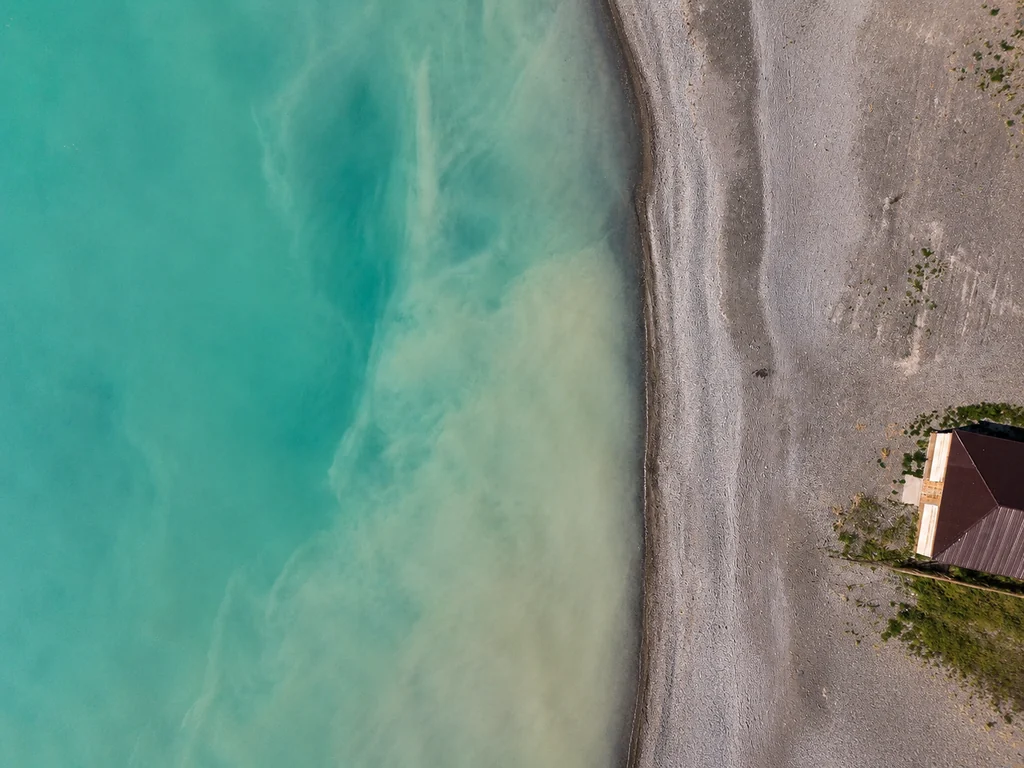
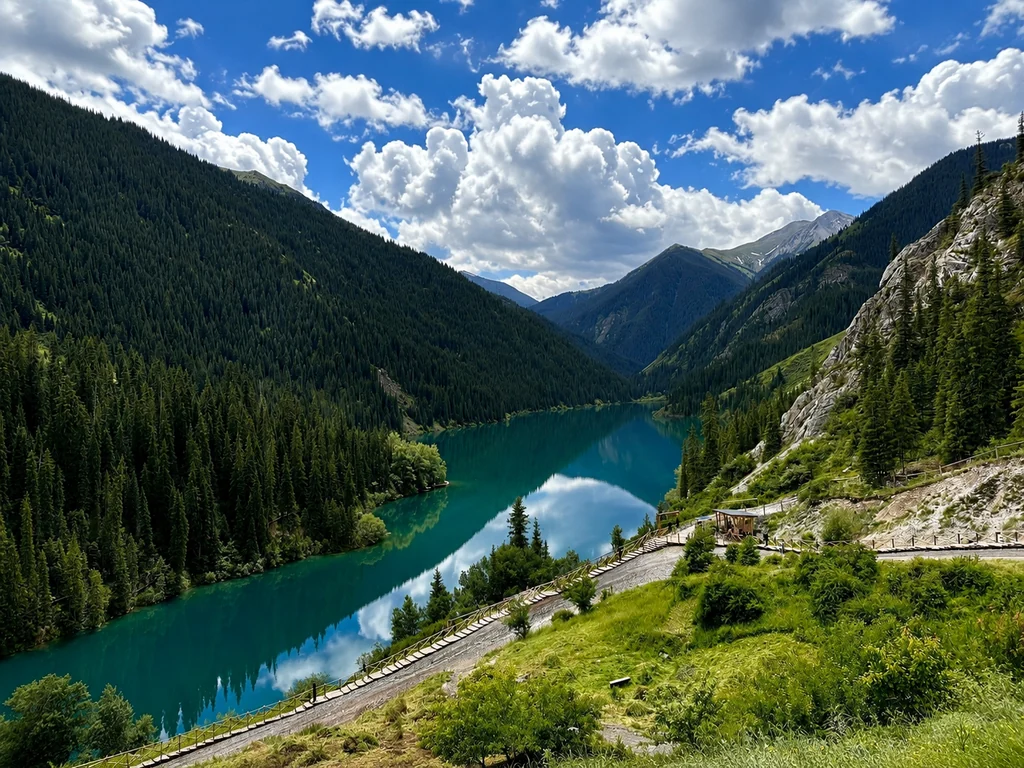
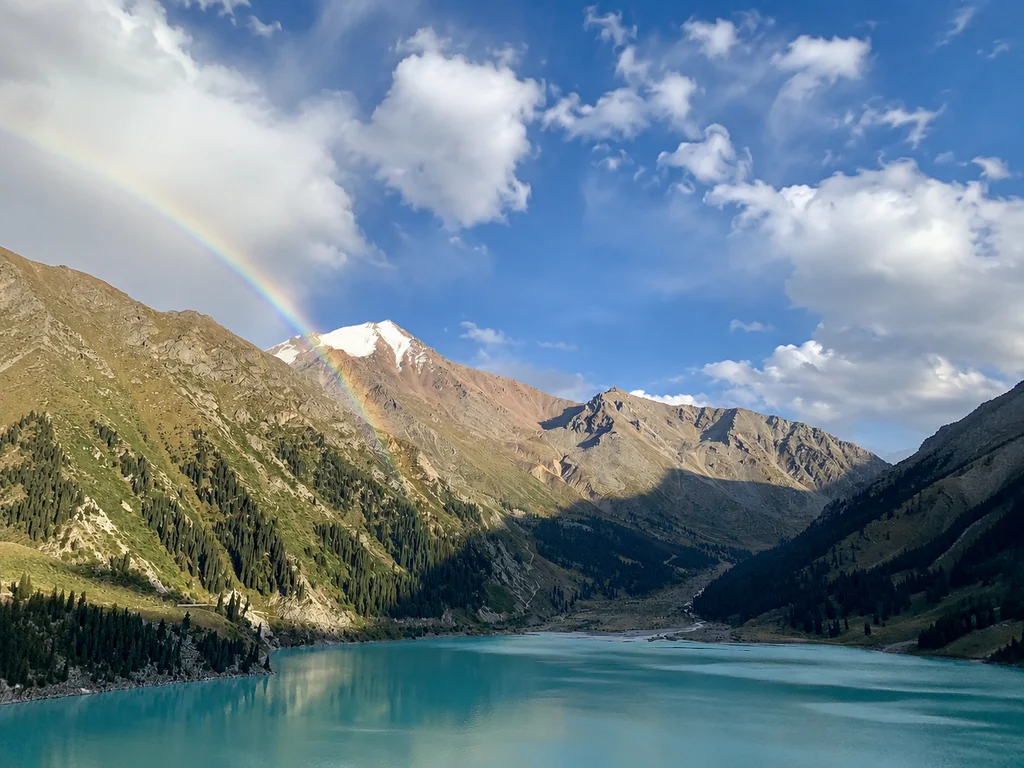
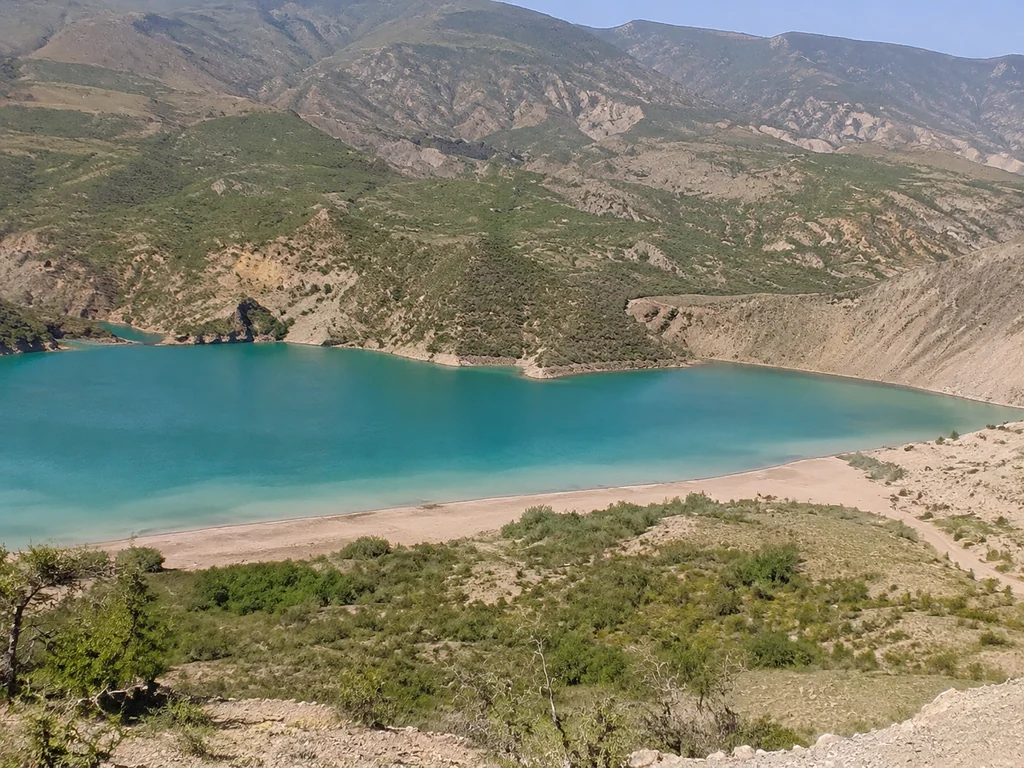
Big Almaty Lake (BAL) is the most famous route near the city: 12 km, 800 m elevation gain, 6-8 hours, with a final point at 2511 m altitude at a turquoise lake. The trail runs along a serpentine road beside the Bolshaya Almatinka River, past alpine meadows and rock outcrops — the best shots are at the top point, where the lake is framed by the peaks of the Tien Shan. The water color at BAL changes during the season — from emerald in June to dark blue in September, due to glacier melt and mineral concentration.
Seasonality of hiking tours: when to go and what the weather is like
Almaty day hikes are available from May to October. The hiking season in the Ile-Alatau lasts from May to October, but each month has its own characteristics. Let's break down when it's best to plan a walk.
Season by month: May — October
| Month | Weather | Features | Recommended Routes |
|---|
| May | +10…+20°C, frequent rain | Tick activity, snow above 2500 m | Kok-Zhaylyau, Big Almaty Lake |
| June | +15…+25°C, rain | Ticks until mid-month, snow on passes | Lake Ayu, Kok-Zhaylyau |
| July | +20…+30°C, dry | Peak season, hot in gorges | All routes, including Tyuk-Su |
| August | +20…+30°C, dry | Peak season, hot, possible thunderstorms | All routes |
| September | +15…+25°C, dry | Ideal, no heat or ticks | All routes — golden season |
| October | +5…+15°C, rain | Cold, snow above 2500 m | Kok-Zhaylyau, Big Almaty Lake |
When is the best time for a beginner to go?
The best time for a beginner is September: daytime +20…+25°C, dry, no ticks or exhausting July heat, and all easy and moderate routes — Kok-Zhaylyau, Lake Ayu, Big Almaty Lake — are fully open and passable without special training. In May and June, due to melting snow at altitudes above 2500 m, trails to Tyuk-Su and Furmanov Peak are slippery and require crampons, while in July-August, the daytime heat in the gorges reaches +30°C, which is tough for an unprepared tourist. In October, the temperature drops to +5°C, and snow falls on the passes — easy routes are still accessible, but by 16:00 the sun goes behind the ridge and it gets cold. In November, hikes in the Ile-Alatau are no longer conducted: at 2000 m altitude, there is snow, and the temperature drops below zero — the risk of frostbite without winter gear is extremely high.
Best day hikes from Almaty
Almaty hiking routes cover different difficulty levels. Day hikes are the most popular format among locals and visitors. Let's break down three routes of varying difficulty that are conducted most often and help you choose one that suits your abilities.
Kok-Zhaylyau — the ideal route for beginners
The route to Kok-Zhaylyau is 8 km, 300 m elevation gain, lasting 4–5 hours, and is the most popular easy route, suitable for beginners and children aged 8+. The trail starts from the lower station of the Kok-Tobe cable car and goes along a serpentine road with a moderate incline — the ascent takes about 2 hours without stops. The plateau opens up a panorama of the southern part of the city and the Zailiysky Alatau ridge; on a clear day, visibility reaches 50–70 km, and the peaks of Talgar and Aktau can be discerned on the horizon. This is where those iconic shots are taken that later become Instagram covers about Kazakhstan — bring a power bank, your phone battery drains faster than you walk the first kilometer.
Big Almaty Lake — a classic for the prepared
The route to Big Almaty Lake is 12 km, 600 m elevation gain, lasting 6–7 hours, and is a moderate difficulty route accessible to beginners with basic fitness. The trail passes through the Almaty-Arasan gorge past a coniferous forest of Schrenk's spruce and springs with drinking water — at the halfway point, there is an equipped rest area with benches. The lake itself lies at 2511 m altitude, its turquoise water and rocky cirque create the classic "postcard" view that tourists come to Kazakhstan from all over the world to see. Due to the altitude, the route requires attention to acclimatization: if you live on the plains, take a 5-minute break every 30 minutes of ascent — this reduces the risk of dizziness and allows you to enjoy the views rather than fight shortness of breath.
Tyuk-Su — a challenge for the experienced
The route in the Tyuk-Su gorge is 18+ km, 1000+ m elevation gain, lasting 8–10 hours, and is a hard route requiring good physical fitness and experience walking on uneven terrain. The trail starts at the Tyuk-Su cordon and follows a rocky riverbed, transitioning into a moraine landscape with screes — on the last 3 km, you'll have to walk over large boulders, where trekking poles and sturdy high-ankle boots are needed. At the end of the route is the Tyuk-Su glacier and a waterfall about 40 m high, fed by meltwater; due to snow and rockfall danger, the gorge is only accessible in July-August when the glacial moraine stabilizes. If you plan this route, start training a month in advance: daily 10,000 steps and squats in 3 sets of 20 reps are the minimum base to cover the distance without risking back or knee injury by midday.
Multi-day treks: routes and overnight stays in the mountains
Almaty multi-day hikes last from 2 to 5 days. For those ready to go into the mountains for several days, we'll explain how multi-day hikes with overnight stays are organized, which route a beginner should choose, and what awaits a participant on a two-day trek in the Turgen Gorge.
How multi-day hikes are organized
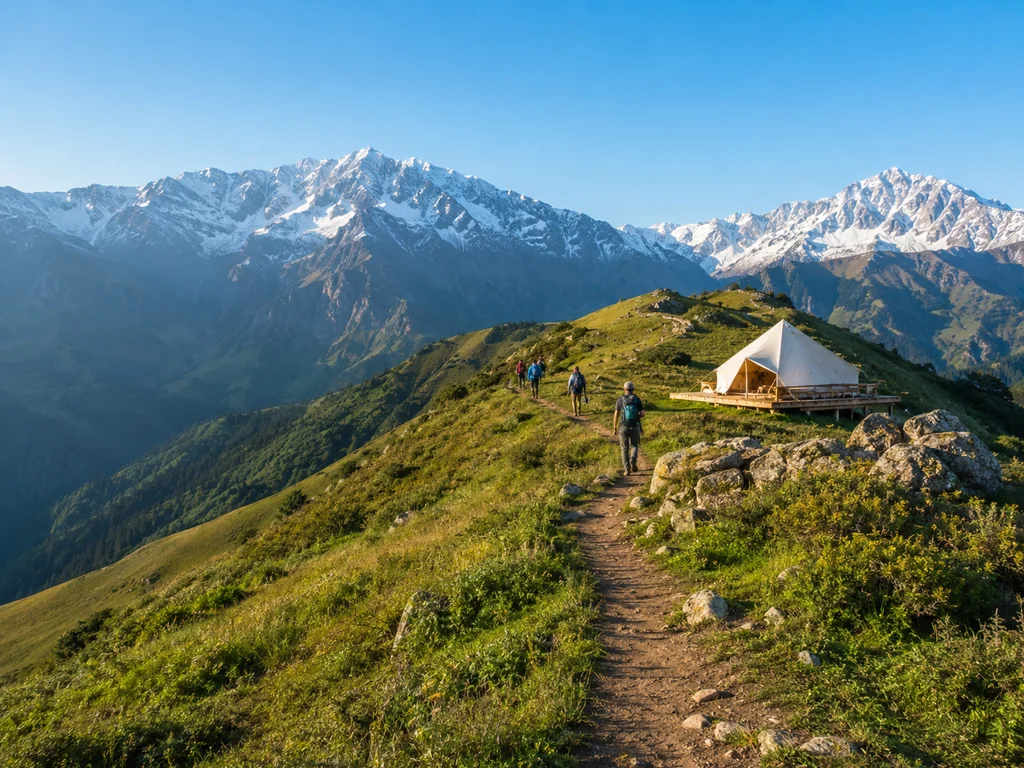
Multi-day treks last from 2 to 5 days with overnight stays in tents or mountain shelters — we provide tents, sleeping bags, and meals for the entire route. Groups are assembled from 4 to 10 people, transfer from Almaty to the starting point is included in the cost of each tour from 36,900 tenge for a two-day option. The guide carries a satellite phone and a first aid kit, and the group is registered with the Ministry of Emergency Situations before departure — this is mandatory for routes with overnight stays in the Ile-Alatau National Park. An overnight stay in the mountains is not just romance: the temperature drops by 10-15°C after sunset, so the sleeping bag is rated for temperatures down to -5°C, even in summer.
Turgen Gorge route — 2 days in the mountains
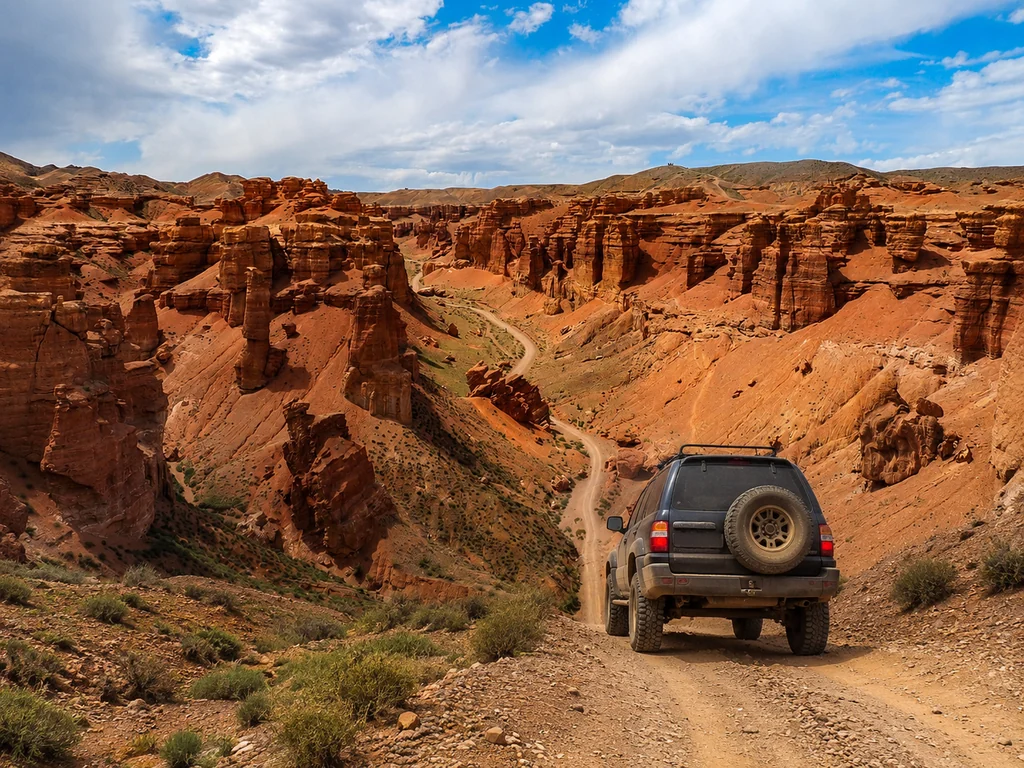
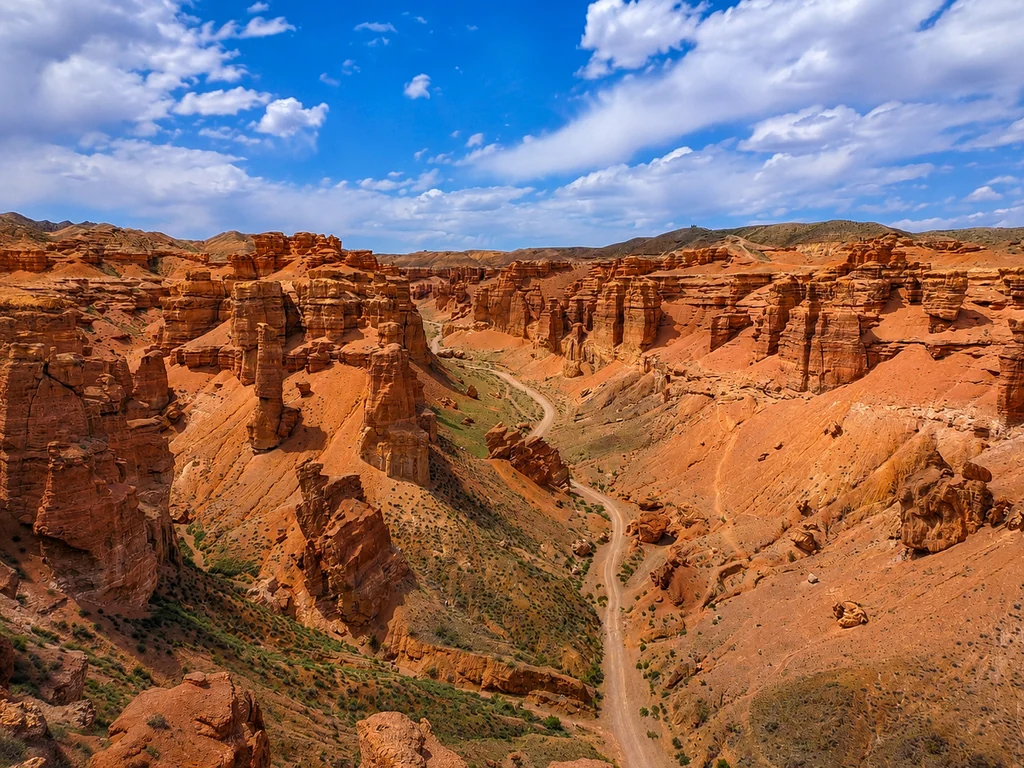
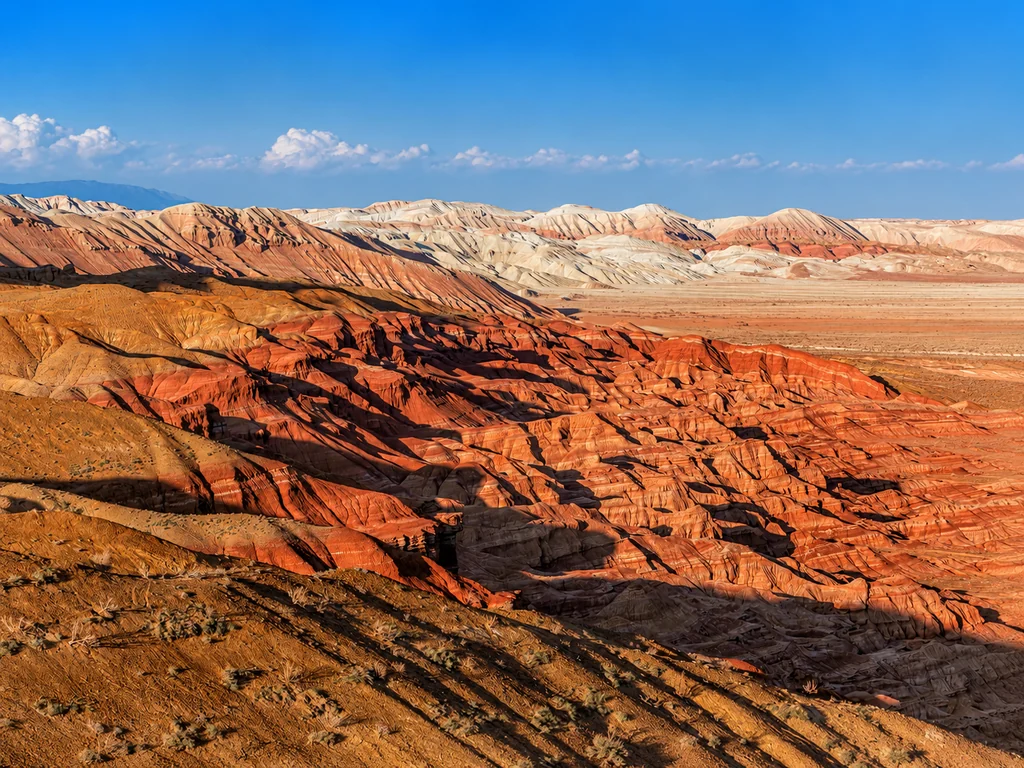
The Turgen Gorge is a two-day moderate difficulty route: 20 km, overnight camping by the river, visiting waterfalls and canyons with red rocks. The first day includes an ascent to the confluence of the Turgen and Asy rivers, where you can swim in natural stone pools, and in the evening — dinner by the campfire and an overnight stay with a view of the starry sky without city light pollution. On the second day, the group passes through the Kursai Canyon with red-orange walls up to 50 meters high — one of the most photogenic locations within an 80 km radius of the city. In Turgen, there is the only ostrich farm in Kazakhstan and a horse breeding farm — if the group wishes, the guide can include a visit in the program.
Who are multi-day treks suitable for?
Multi-day treks are recommended for tourists with experience in day hikes — beginners should start with a two-day moderate difficulty route. The average participant in such tours has already completed at least 3-4 day hikes in the Almaty-Arasan or Big Almaty Lake gorges and knows how their body reacts to an elevation gain of 600-800 meters per day. For your first overnight stay in the mountains, you should choose a two-day route without sharp elevation changes (up to 2500 m) — the load is distributed evenly there, and the group has a whole evening to adapt before the second day. Before a multi-day hike, complete 2-3 day hikes: this will show how your body reacts to the load and altitude and prepare your muscles for long transitions.
Common mistakes of beginners in hiking
The five most common mistakes beginners make in the Almaty mountains and how to avoid them — based on the experience of local guides.
Wrong footwear and clothing
The most common mistake beginners make is going on a hike in sneakers or canvas shoes: they slip on wet rocks, don't support the ankle, and get wet in 15 minutes. We provide trekking boots with Vibram soles for routes in the Almaty-Arasan Gorge or to Big Almaty Lake. The second most common is cotton clothing: a t-shirt gets wet from sweat in 20 minutes and doesn't dry, causing hypothermia when you stop. Replace cotton with synthetic thermal underwear or fleece — they retain heat when wet, and a raincoat in your backpack is mandatory, even if it's clear at the start. Nylon trekking pants dry in an hour in the wind, unlike jeans, which chafe and restrict movement on the ascent.
Lack of water and food
Beginners take 0.5 liters of water for an 8-kilometer route without a snack — by the middle of the ascent, dehydration and loss of strength set in. Minimum 1-1.5 liters per person, on a hot day in open areas of Kok-Zhaylyau — up to 2 liters, plus 300-400 kcal: nuts, dried fruit, bars. In the mountains, the feeling of thirst is dulled due to dry air — drink a few sips every 20-30 minutes, even if you don't feel like it, otherwise, with a loss of 1-2% of fluid, headache and nausea begin. A thermos with hot tea at a rest stop restores strength faster than cold water — at 2500 m altitude, the body spends more energy on heating, so a calorie-dense snack is needed every 2 hours.
Late start and underestimating time
Beginners set out at 11-12 noon, not considering that 10 km with 600 m elevation gain takes 5-7 hours — they return in the dark on an unfamiliar trail. The optimal start is 7-8 am, when it's cool in the gorges of the Zailiysky Alatau and the shaded sections on the approach to the pass don't drain your strength. In the Almaty mountains, it gets dark early: in the Turgen Gorge, twilight is at 18:00, and by 19:00 it's dark without a flashlight; in the Big Almaty Gorge, the sun goes behind the ridge at 16:30, and the temperature drops by 5-7°C in 20 minutes. If you misjudge, turn back 2 hours before sunset, otherwise you risk an overnight stay without gear: even in June, at night at 2500 m altitude, the temperature drops to +5°C.</p