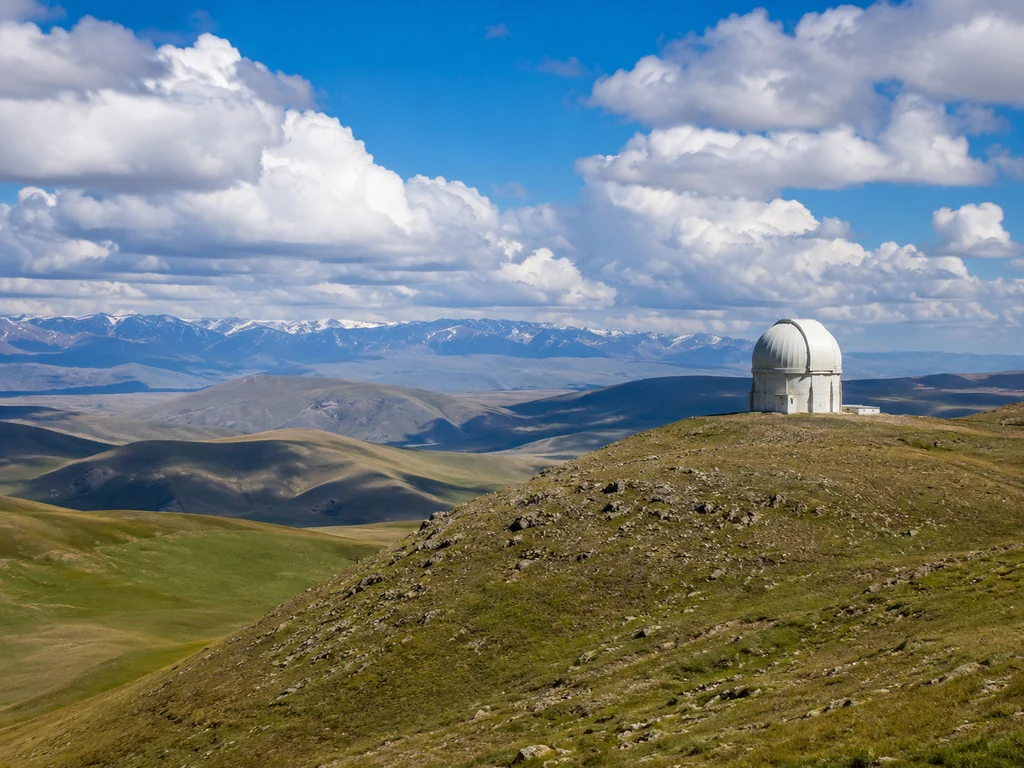
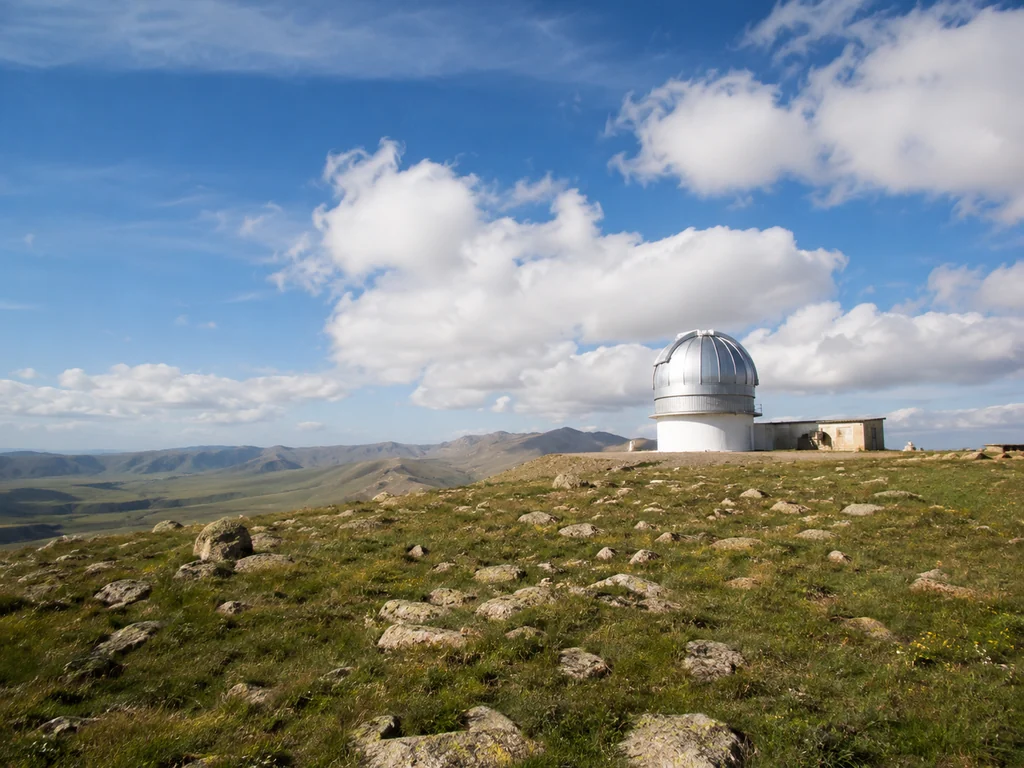
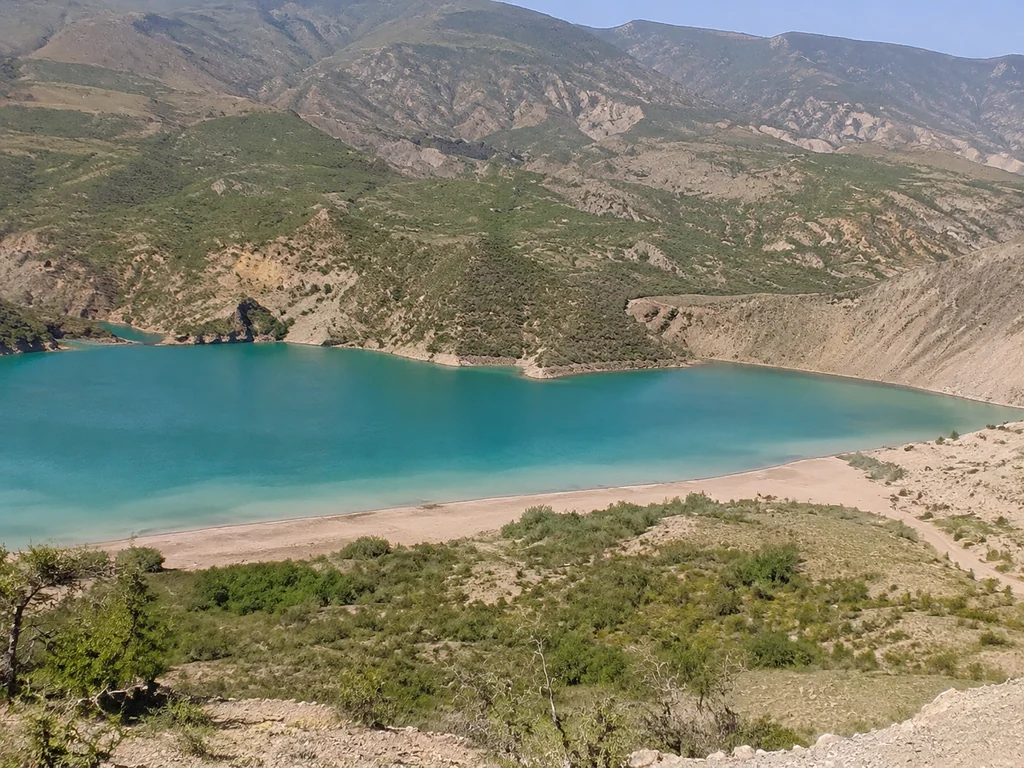
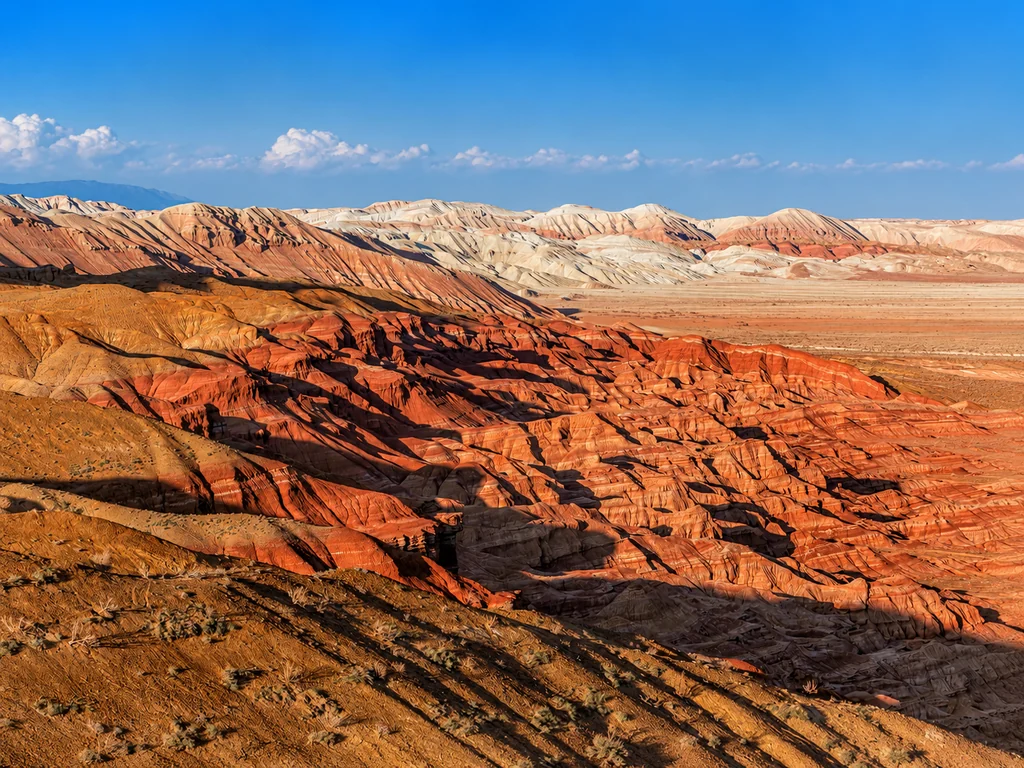
We at toor organize tours to the Almaty observatory directly from Almaty, without intermediaries. Choose a one-day format (5-7 hours, from 34 695 KZT/person) for an introduction or a multi-day format (2-3 days, from 61900 KZT/person) for full immersion. The price includes transfer, an astronomer guide, Dobson telescopes, and meals.
Prices and formats of tours to the observatory: one-day or multi-day
In our catalog, tours to the Almaty observatory from Almaty are presented in two formats: one-day and multi-day. Let's break down both formats so you can choose the one that fits your budget and expectations.
One-day tour to the observatory: prices and what's included
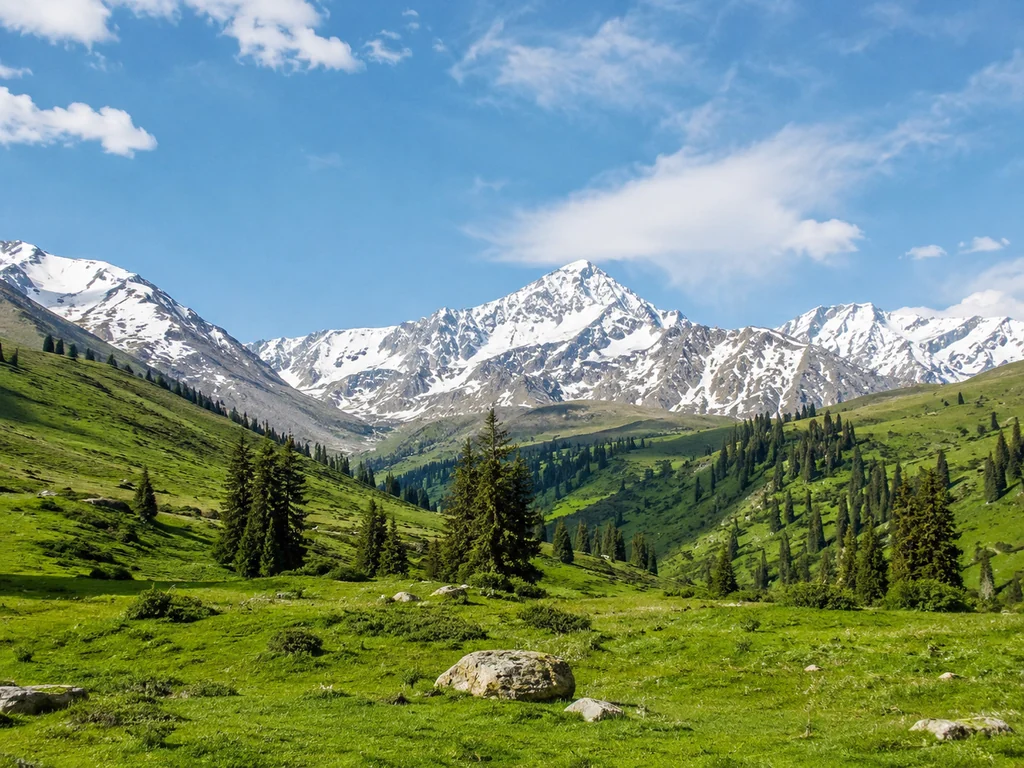
The Kamenskoe Plateau Observatory is the main location for our one-day tour, which costs from 34 695 KZT/person in a group of up to 12 people and lasts 5-7 hours. The price includes transfer from the city by jeep or minibus, an astronomer guide with at least 3 years of experience, use of an 8-12 inch Dobson telescope for observing planets and nebulae, and hot tea with sandwiches at an altitude of 1450 m (Kamenskoe Plateau). For an individual option (without a group), the price rises to 15000 KZT/person, but you get a personal guide and flexible start time. The group format is the most budget-friendly option for an introduction: you get full service (transfer, guide, telescopes, tea) at a price lower than an individual transfer.
Multi-day tour with overnight stay: prices, accommodation, and experiences
A tour to the Almaty observatory from us costs from 61900 KZT/person for 2 days and includes an overnight stay in tents or a guesthouse on the Kamenskoe Plateau. The program includes an evening stargazing excursion, a hike to the Almaty Observatory (Tien Shan Astronomical Observatory) at an altitude of 2700 m, and a daytime introduction to refractor telescopes. Meals include tea with sandwiches and an optional dinner, and the maximum group size is 12 people with children aged 10 and above. The two-day format allows you to see not only evening but also pre-dawn constellations, as well as visit the Tien Shan Astronomical Observatory without rushing.
Comparison of formats: which to choose for your scenario
| Parameter | One-day tour | Multi-day tour (2 days) |
|---|
| Price from | 3,263 KZT/person (group) | 61,900 KZT/person |
| Duration | 5–7 hours | 2 days / 1 night |
| Locations | Kamenskoe Plateau (1450 m) | Kamenskoe Plateau + Tien Shan Astronomical Observatory (2700 m) |
| Overnight stay | No | Tent or guesthouse |
| Meals | Tea, sandwiches | Tea, sandwiches + dinner (optional) |
| Suitable for | Beginners, families with children aged 10+ | Experienced tourists, amateur astronomers |
If you just want to "try" astro-tourism, go for the one-day tour; if you dream of full overnight observation and trekking, the multi-day tour is worth the experience.
How to get to the observatory: transfer, routes, and logistics
An excursion to the Almaty observatory from Almaty starts with a transfer from your hotel to the Kamenskoe Plateau. The mountain road is one of the main barriers for beginners. Let's explain how the transfer is organized in tours and why it's easier than traveling independently.
Transfer from Almaty: jeeps, minibuses, and individual departure
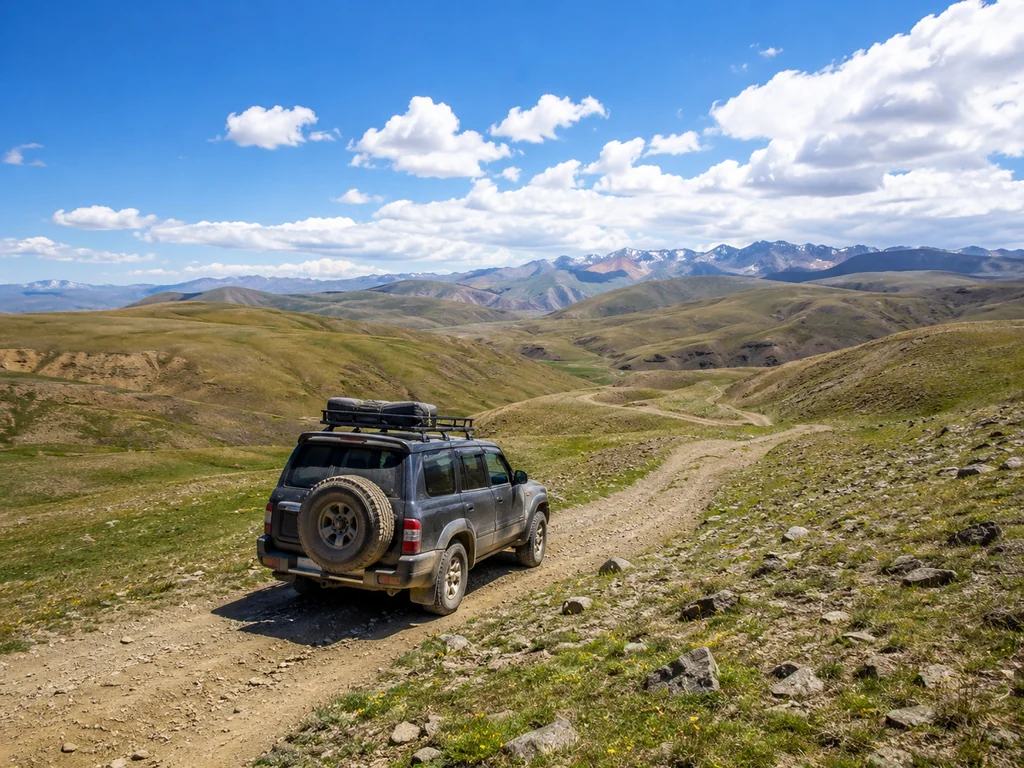
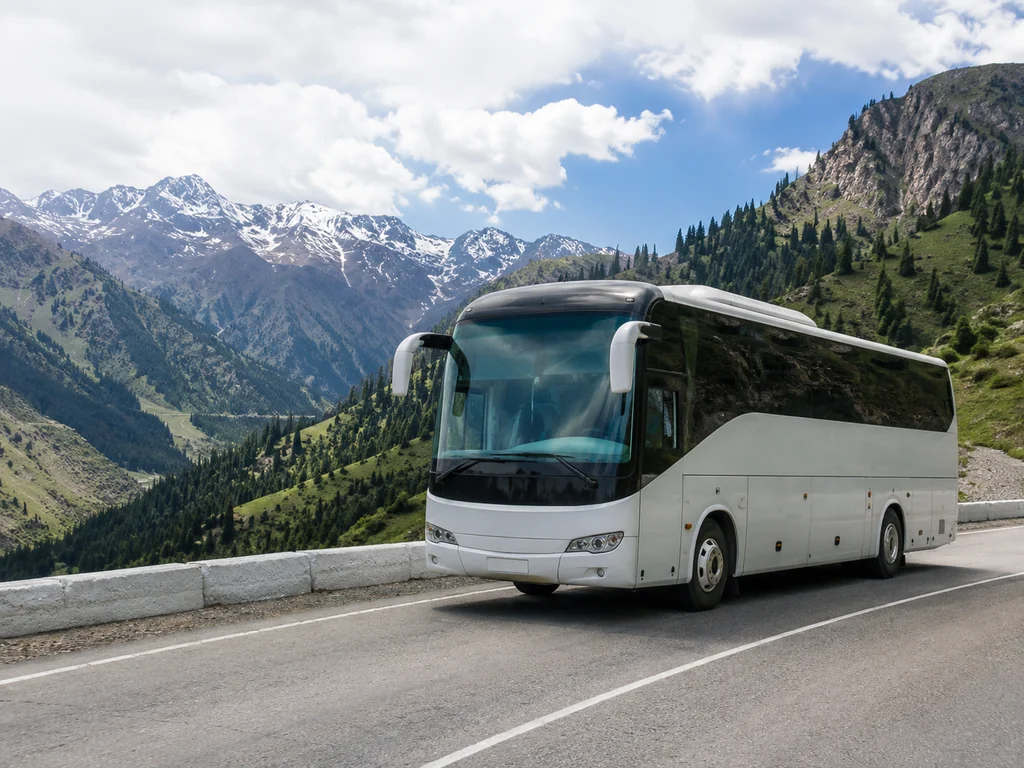
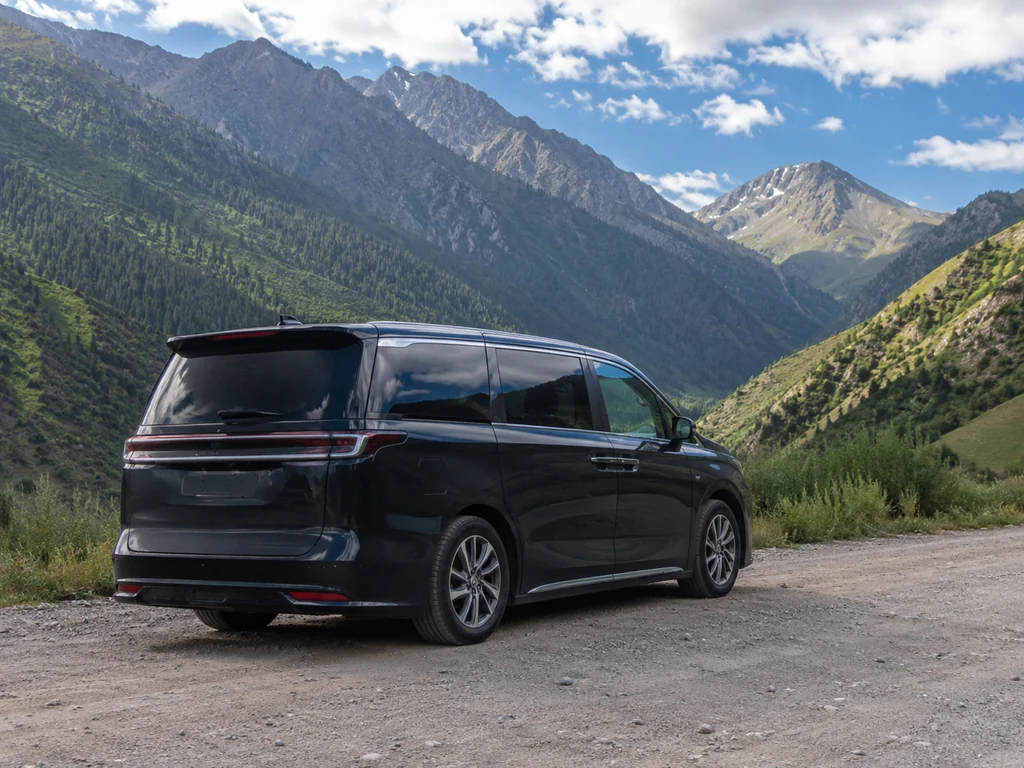
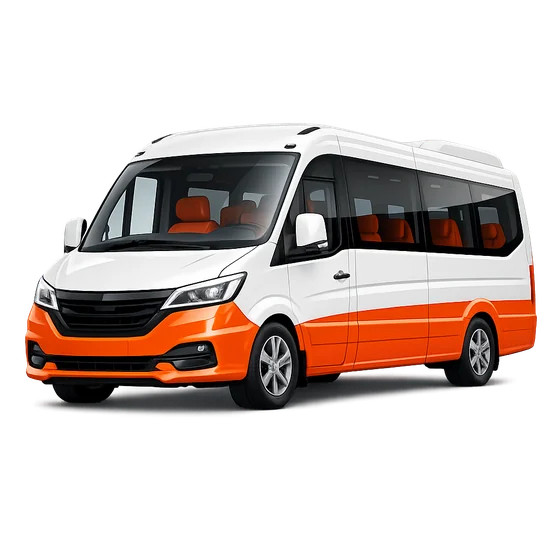
A jeep tour to the Almaty observatory is a convenient option for a couple or family: we use jeeps (up to 4 people) or minibuses (up to 15 people) depending on the group size. For a couple or family, a jeep tour is more convenient—it maneuvers faster on the serpentine road of the Kamenskoe Plateau and doesn't waste time on unnecessary stops, while for groups of 5 or more, a minibus reduces the cost per person on the same A-2 route to the turnoff to the plateau. An individual departure in a separate vehicle (6000 tenge per group) is available if the standard schedule doesn't match your time. We confirm vehicle booking one day before the trip—this allows us to match the transport to the exact number of participants, rather than squeezing six people into a four-seater car.
Route: from the city to Kamenskoe Plateau and Tien Shan Astronomical Observatory
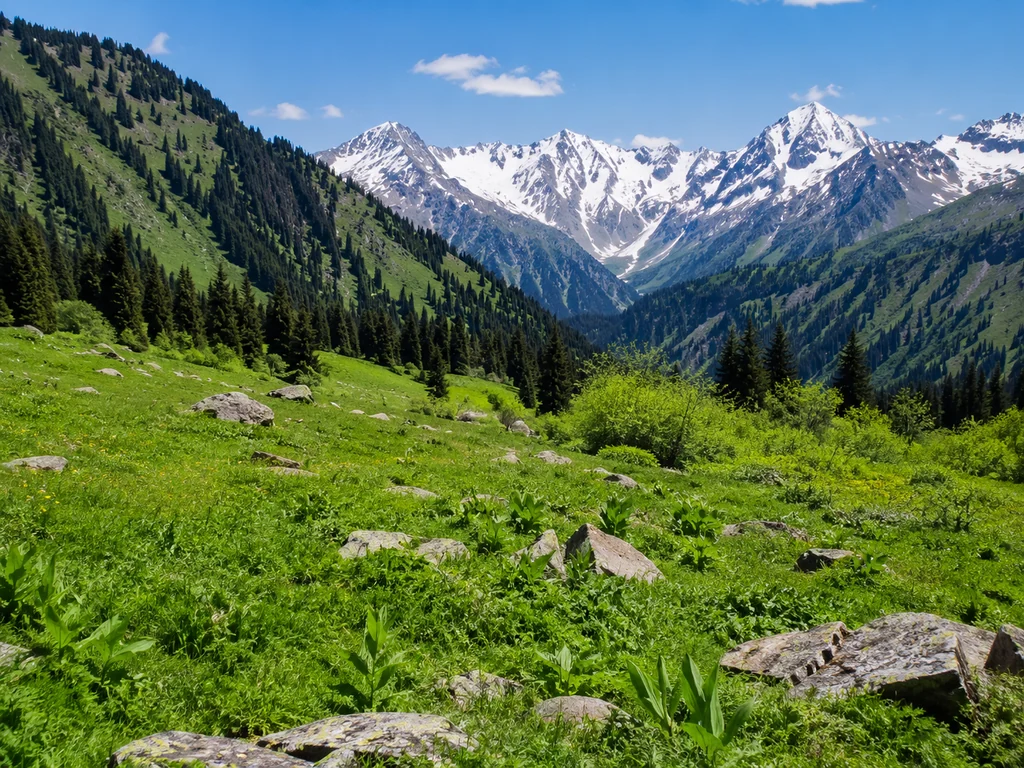
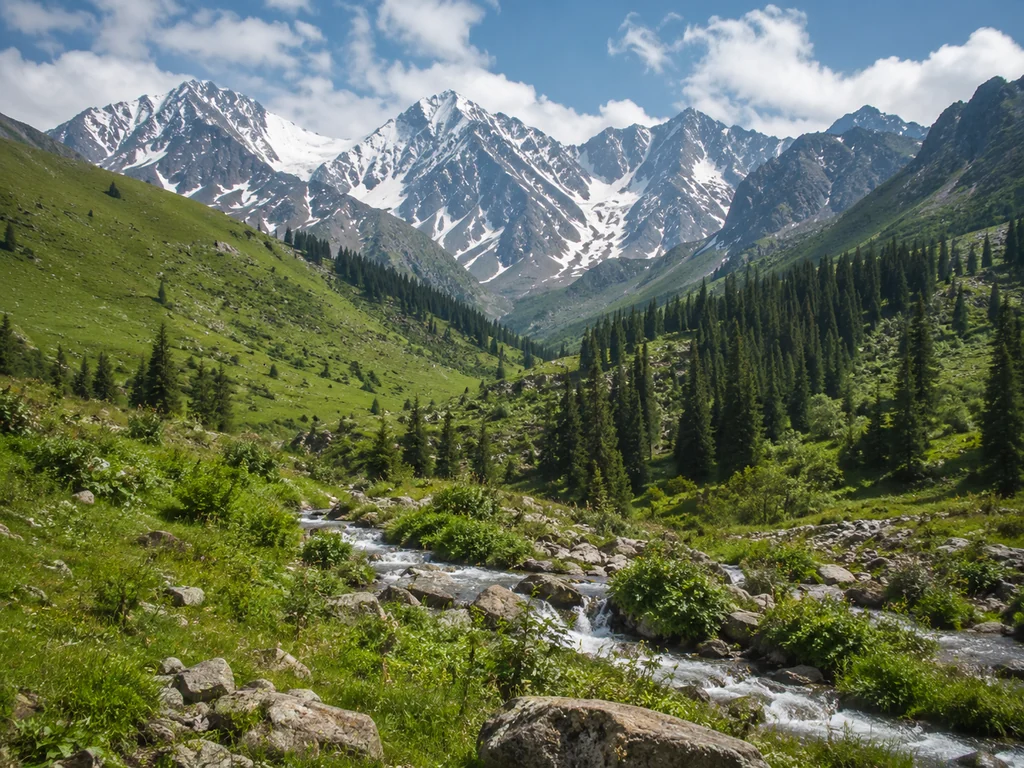
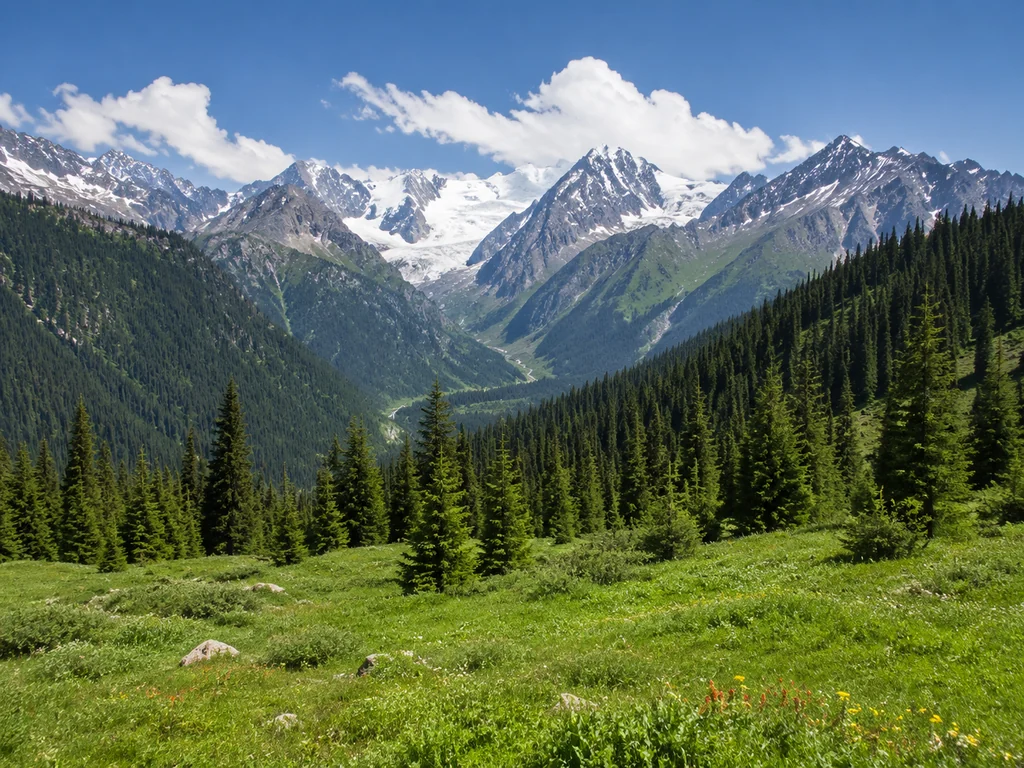
The Tien Shan Observatory excursion includes a visit to the site at an altitude of 2700 m with powerful telescopes. The journey to Kamenskoe Plateau (1450 m) takes about an hour—30 km from Almaty, while to the Tien Shan Astronomical Observatory (2700 m) it takes about 2.5 hours and 70 km. First, we drive along the A-2 highway towards the Big Almaty Gorge, then turn onto a dirt road to the plateau—here the road winds along a serpentine with an elevation change of 800 m. On the way to the Tien Shan Astronomical Observatory, we often stop at the viewpoint of the Big Almaty Gorge—this provides acclimatization and first photos against the mountains. Then the route goes through the Assa Plateau to the turnoff to the observatory, where the last 10 km are a gravel road with steep climbs of up to 15 degrees. If you plan night stargazing at the Tien Shan Astronomical Observatory, plan your departure before 4:00 PM—to arrive at the site before dark and avoid driving on the serpentine in the dark.
Can you drive yourself and is it worth it?
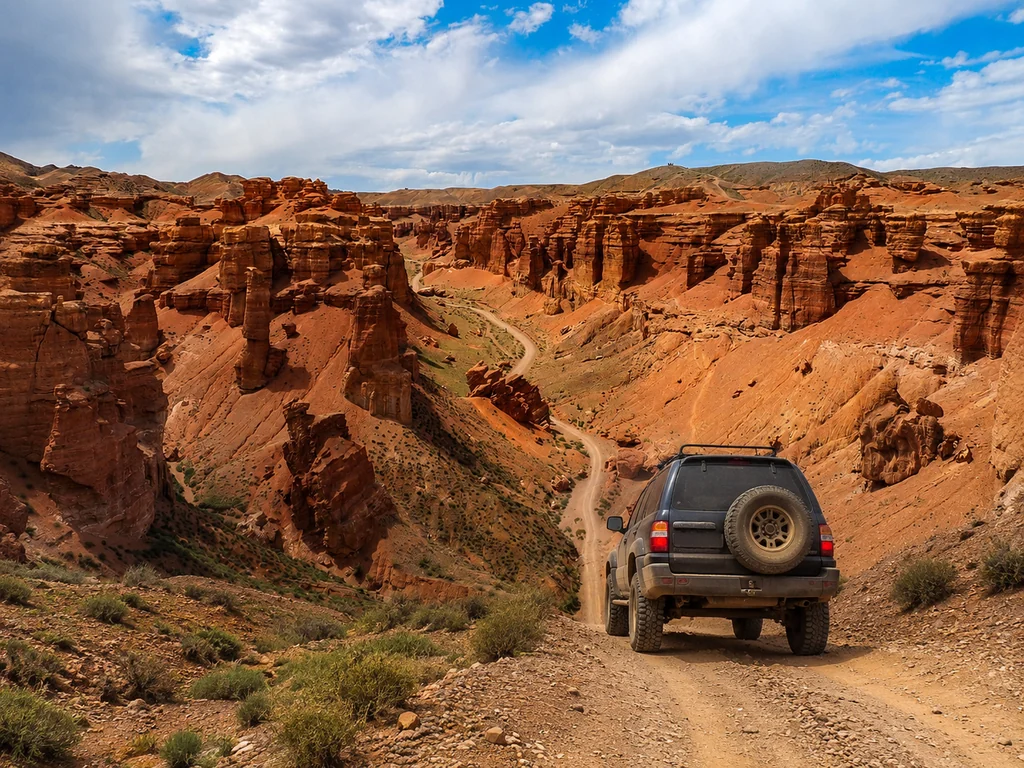
You can drive to Kamenskoe Plateau in your own high-clearance vehicle, but the road to the Tien Shan Astronomical Observatory requires four-wheel drive and mountain driving experience. The gravel road on the last 10 km to the observatory turns into a rut after rain, where a sedan will bottom out, and a crossover without locking differentials will spin out on the climb. A self-guided trip without a guide deprives you of the main thing—access to telescopes and astronomer explanations, without which the night sky remains just a "pretty picture."
What to bring on the tour: gear, clothing, and preparation
Proper equipment is the key to comfortable stargazing. Let's break down what guides provide on-site and what you must bring yourself.
Clothing and footwear: what to wear for night observation in the mountains
We recommend a warm jacket and waterproof shoes—at altitudes of 1450–2700 m, even in summer, the temperature drops to +5…+10 °C after sunset. On the Kamenskoe Plateau, it's usually 3-5 degrees warmer than at the Tien Shan Astronomical Observatory, but the wind on the open site chills you within 20 minutes, while in trekking boots with Gore-Tex membrane, tourists comfortably spend all 5-7 hours of the trip. Thermal underwear made of synthetic or merino wool wicks moisture during the ascent, a fleece jacket and windproof jacket retain heat at rest—many beginners bring a light windbreaker and start shivering within an hour, so it's better to dress "like for autumn in the mountains" and be sure to bring a hat and gloves.
Gear provided by guides: telescopes, cameras, and tripods
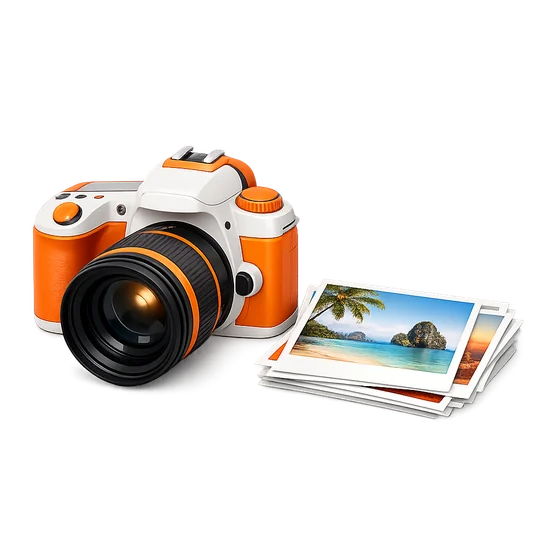
Our guides provide 8-12 inch Dobson telescopes and 80-120 mm refractors—enough to see Saturn's rings, Jupiter's cloud belts, and the Orion Nebula as a bright spot with blurred edges. Amateur astronomers with at least 3 years of experience point the optics at objects and explain what's in the eyepiece. For astrophotography, we recommend bringing your own DSLR or mirrorless camera—the guides will help you adjust shutter speed, ISO, and aperture for the specific night. You need to bring your own tripod; it's not included. If you've never shot the night sky, ask them to show you manual focusing to infinity—this simple setting dramatically improves frame quality.
Checklist: what to bring and what guides provide
What guides provide:
- Telescopes: 8-12 inch Dobson and 80-120 mm refractors for observing planets and nebulae.
- Meals: hot tea and sandwiches (in multi-day trips, dinner optional for an extra charge).
- Insurance: all participants are insured for the duration of the trip, including transfer on mountain roads.
- Photo session: upon request for 5000 KZT/person—the guide will take photos against the Milky Way.
What to bring yourself:
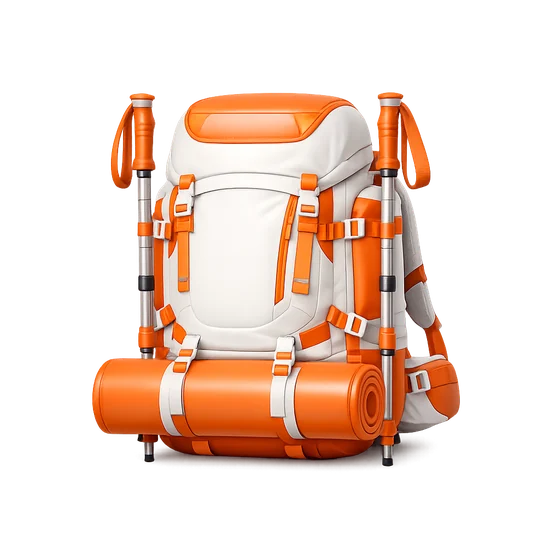
- Clothing: warm jacket, waterproof shoes, hat and gloves—even in July at 2700 m after sunset, it's +5 °C.
- Flashlight: headlamp or handheld with a red mode—for moving between telescopes without blinding other participants.
- Camera: DSLR or mirrorless with a tripod for sky photography; check the battery charge the day before.
- Personal items: water (1-1.5 L), snacks if you have special preferences, power bank for your phone—there are no outlets at the sites.
What you can see through the telescope and when is the best time to go
Astro-tourism in Almaty is gaining popularity—more and more travelers want to see the stars in the mountains. Let's talk about what objects are visible through telescopes and in which months they are best observed.
What objects are visible through toor's telescopes: planets, nebulae, and galaxies
Using 8-12 inch Dobson telescopes, we show Saturn's rings, Jupiter with its four moons (Io, Europa, Ganymede, and Callisto), the Orion Nebula (M42), and the Andromeda Galaxy (M31)—these four objects are consistently visible from May to October in clear skies. 80-120 mm refractors reveal details of the lunar surface: craters Copernicus and Tycho with diameters of 93 and 85 km, and the Apennine mountain range up to 5 km high. On planets, a 120 mm refractor shows cloud bands on Jupiter and the Cassini Division in Saturn's rings. At the Tien Shan Astronomical Observatory at 2700 m, through a 12-inch Dobson, globular clusters M13 and M15 are visible—hundreds of thousands of stars in one spot. The most spectacular object for beginners is the Moon in its first quarter phase: craters and mountains are so clear that it feels like you can reach out and touch them.
Observation season: what's visible in different months (May-October)
| Month | What's visible | Feature |
|---|
| May | Saturn, Jupiter, Orion Nebula | Long twilight, observation until midnight |
| June | Milky Way, globular cluster M13 | Shortest nights, ideal for astrophotography |
| July | Andromeda Galaxy, Delta Aquariids meteors | Warm nights, comfortable for beginners |
| August | Perseids (up to 100 meteors/hour), Saturn | Peak meteor shower—main event of the season |
| September | Jupiter, Ring Nebula (M57) | Clear skies, low humidity |
| October | Orionids, Uranus | Cool, but excellent air transparency |
Night observations: what darkness and lack of city light pollution provide
We conduct night stargazing tours in Almaty after sunset to catch full darkness on the Kamenskoe Plateau, which has no city light pollution. At an altitude of 1450 m, 30 km from Almaty, light pollution levels drop from 20-21 mag/arcsec² in the city center to 21.5-22.0 on the plateau—enough for the Milky Way to be visible to the naked eye as a wide glowing band. Through telescopes under such skies, the Orion Nebula shows not only its core but also gas wings, and in the Andromeda Galaxy, two satellite galaxies—M32 and M110—are distinguishable. For astrophotography, moonless nights during the new moon are optimal: from July to September on the Kamenskoe Plateau, you can capture 30-second shots of the Milky Way with a DSLR at ISO 3200. The difference from the city is colossal: in Almaty's sky, you see 50-100 stars, while on the plateau, more than 3000, including the Milky Way with the naked eye.
Tours to the observatory with children: age, conditions, and tips
A family trip to the observatory is a great way to spark a child's interest in science. Let's talk about the minimum age and how to prepare children.
What age can children attend and why
We accept children aged 10 and above—at this age, a child can endure 5-7 hours at altitude and understand the guide's explanations. Amateur astronomers on the Kamenskoe Plateau (1450 m) and the Tien Shan Astronomical Observatory (2700 m) structure the program around practical demonstrations: they show Saturn's rings through a 10-inch Dobson, the Orion Nebula through a 100 mm refractor, and teach how to point the telescope at lunar craters. For a ten-year-old, this is not an abstract lecture but a vivid image they will remember. Children under 10 often get tired from the 30 km mountain serpentine and cold after sunset, and it's difficult for them to focus on small details through the telescope—better to wait a couple of years until their concentration is more stable. Through toor, you can book a one-day trip with a guide who adapts explanations to the age group—this eliminates the risk of the child getting bored after the second hour of observation.
How to prepare a child for a night tour: tips for parents
To prevent your child from getting bored, explain in advance what they will see: Saturn's rings, lunar craters, shooting stars. Show them a 3-minute YouTube video about telescopes—then at the site, they will be an active participant, not a passive listener, eagerly waiting for their turn at the eyepiece. For clothing, a warm jacket with a hood and waterproof shoes are mandatory: at 2700 m, even in July, the temperature drops to +5°C after sunset, and the wind on the Kamenskoe Plateau cuts through you. Bring a warm blanket and their favorite snack—children get hungrier faster in the cold, and we'll provide hot tea with sandwiches on site.
Safety in the mountains at night: rules, insurance, and tour cancellation
Night in the mountains is safe if you follow the rules: acclimatization, insurance, and a backup plan for bad weather eliminate risks for beginners.
Rules of behavior at 2700 m: acclimatization and equipment
Before heading to the Tien Shan Astronomical Observatory (2700 m), toor makes a stop at the Kamenskoe Plateau (1450 m) for acclimatization—this reduces the risk of altitude sickness. During the 20-30 minutes at the lower site, the body adapts to the thin air, and the ascent to the upper altitude goes without dizziness. Equipment includes a warm jacket and waterproof shoes: at night at altitude, the temperature drops to +5…+10 °C even in July, and the wind on the open plateau intensifies cooling. If you feel nausea or weakness, immediately tell the guide—descending to the Kamenskoe Plateau relieves symptoms within 20-30 minutes, and observation can continue.
Participant insurance and free cancellation 48 hours in advance
All participants in toor trips are insured for the duration of the outing, and bookings can be canceled free of charge 48 hours before departure. The insurance covers medical assistance on the route and evacuation from altitude—a standard mountain policy included in the price at no extra cost. Cancellation conditions apply to all formats: one-day, multi-day with overnight stay, individual, and group. This is important for families with children: if a child gets sick or the weather turns bad, you don't lose money and can reschedule the trip for another day.
What to do if the weather is bad: alternative program
If the sky is overcast, toor does not cancel the outing but conducts an alternative program: an astronomy lecture, telescope observation through breaks in the clouds, and photos with the telescopes. Amateur astronomers with at least 3 years of experience demonstrate the structure of an 8-12 inch Dobson telescope, tell the history of the Tien Shan Astronomical Observatory, and explain how to navigate by the stars. Even on a cloudy night, bright planets like Venus and Jupiter are visible through gaps, and cloud cover on the Kamenskoe Plateau is often lower than in the city, so the chance of seeing at least a few objects remains high.
Common mistakes beginners make when choosing a tour to the observatory
Even a well-thought-out plan can go awry due to three typical miscalculations. Let's break them down in order—and show how to avoid falling into the trap.
Mistake 1: choosing a tour only by the lowest price
The most common mistake is to take the cheapest option without looking at what's included: often there is no transfer or astronomer guide. Some organizers advertise an attractive price for "entry," while actual costs—travel to the Kamenskoe Plateau by hitchhiking, telescope rental on site, food—fall on you after booking. As a result, the final amount turns out higher than a package offer with a full set of services. We indicate the price per person with a full package: transfer from Almaty, astronomer guide, 8-12 inch Dobson telescopes, hot tea with sandwiches, and participant insurance—no hidden extras. Before paying, request a written list of included services—if transfer and equipment are not mentioned, be prepared to pay extra.
Mistake 2: not checking the guide's qualifications
Some organizers assign a driver as a guide who doesn't know how to work with a telescope—you're left alone with the sky and can't tell Jupiter from Venus. Without explanations, even a powerful 12-inch Dobson doesn't provide a full experience: you see a blurry spot, not the planet's atmosphere or Saturn's rings. Certified guides are amateur astronomers with at least 3 years of experience: they not only point the telescope at an object but also share myths and scientific facts about each nebula or galaxy. Ask at booking who will lead the excursion—if you just hear "driver," look for another organizer.
Mistake 3: going without warm clothes and a flashlight
Even in July at 2700 m, the temperature drops to +5 °C after sunset, and without a flashlight, moving around the plateau is unsafe—rocks, roots, and steep paths are not visible in the dark. Many bring a light windbreaker and sneakers, and an hour after observation starts, they start shivering at the telescope, unable to focus their gaze. We always warn about equipment at booking, but tourists often ignore it: thermal underwear, a warm jacket, waterproof shoes, and a headlamp with a red mode are mandatory minimum. Pack your backpack before dark: check if it contains wool socks and a spare sweater—they will save your evening.
Conclusion
Five short but working principles that will help you avoid disappointment in your trip to the Kamenskoe Plateau and take away vivid impressions of the night sky from Almaty.
Key takeaways
- Decide on the format: a one-day option is suitable for an introduction, while an individual one is for deep immersion with an astronomer guide.
- Check the transfer: confirm whether it's included in the price and where the departure is—from your hotel or from the city center.
- Ask about the weather: responsible organizers have a backup date or alternative program (lecture, planetarium) in case of clouds.
- Bring warm clothes and a flashlight: even in summer at 2700 m, it's cold after sunset, and moving without light is unsafe.
- Choose an astronomer guide: not just a driver, but someone who works with a telescope and can tell you about each object in the sky.