Lenin Peak: The Gateway to the Seven-Thousanders
Lenin Peak, standing at 7,134 meters, is one of the most accessible seven-thousanders in the world. Located in the Pamir Mountains on the border of Kyrgyzstan and Tajikistan, it attracts climbers who dream of high altitude without extreme technical difficulty. The mountain was formerly known as Kaufmann Peak before being renamed in 1928, and it holds a special place in the history of Soviet mountaineering.
The standard route, from the south via the Razdelnaya Peak, is a classic expedition climb. It involves glacier travel, crevasse navigation, and long days on snow slopes, but it lacks the steep rock climbing or ice climbing found on more technical peaks. This makes it a perfect objective for mountaineers with solid basic skills and excellent physical fitness.
Our 20-day expedition is designed to maximize acclimatization and summit success. We spend nearly a week on the mountain before pushing above camp 2, allowing our bodies to adapt to the altitude. The journey is as much about the experience as the summit: the vast glaciers, the remote valleys, and the camaraderie of climbing a high peak in a group.
Geography of the Pamir
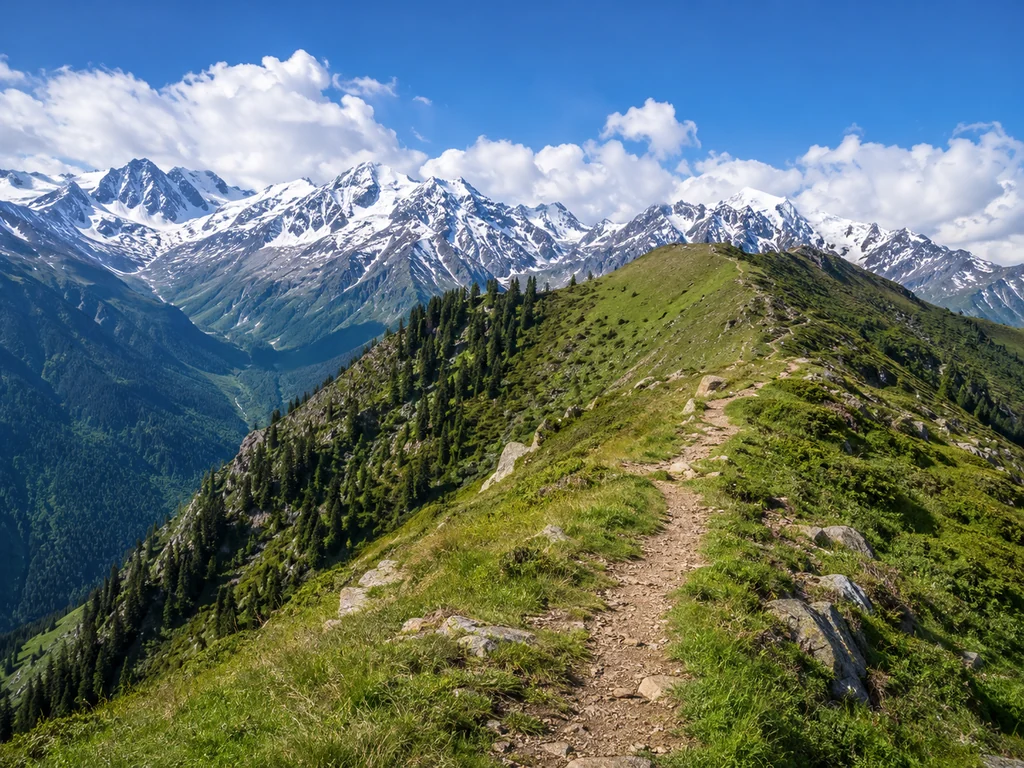
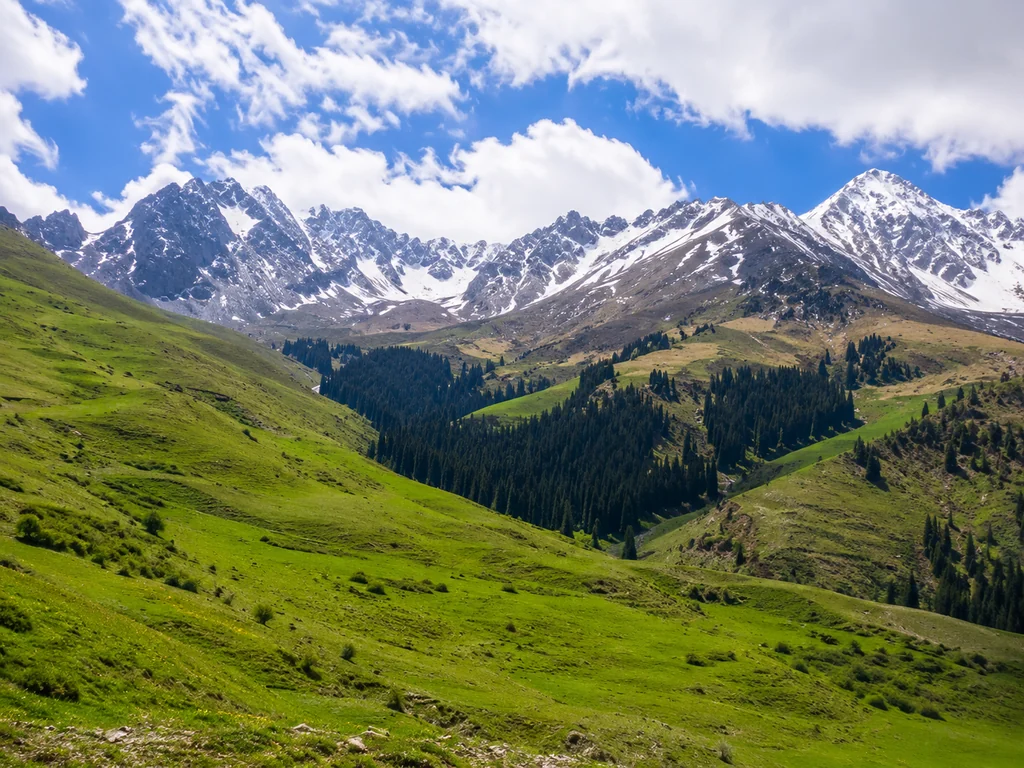
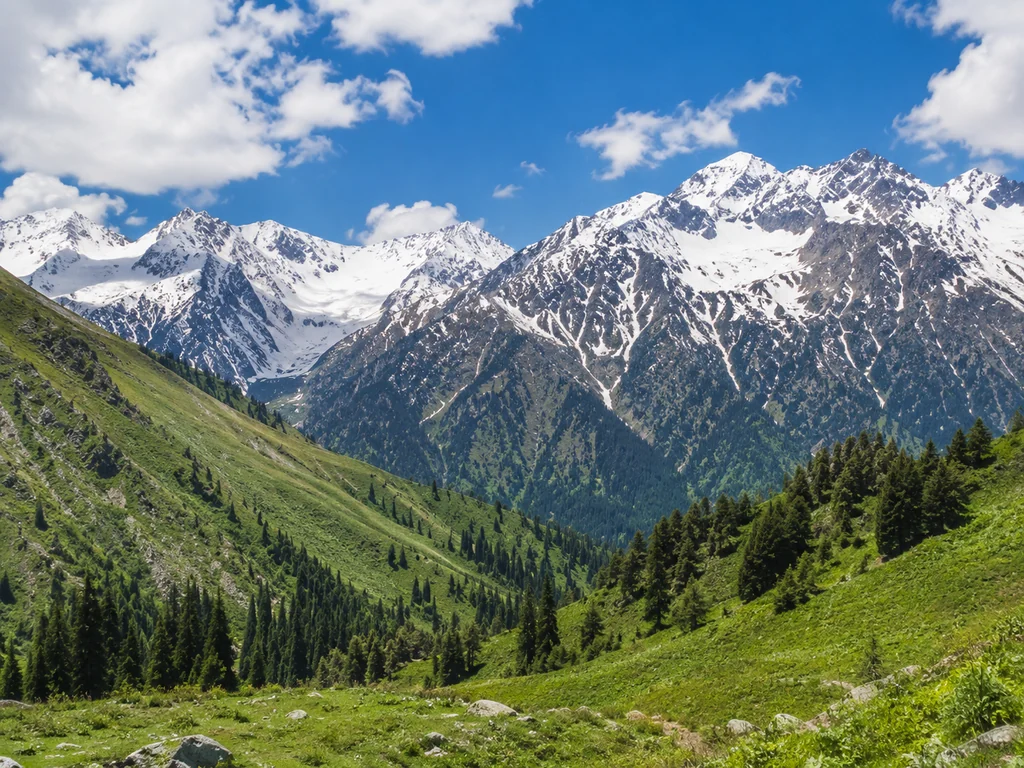
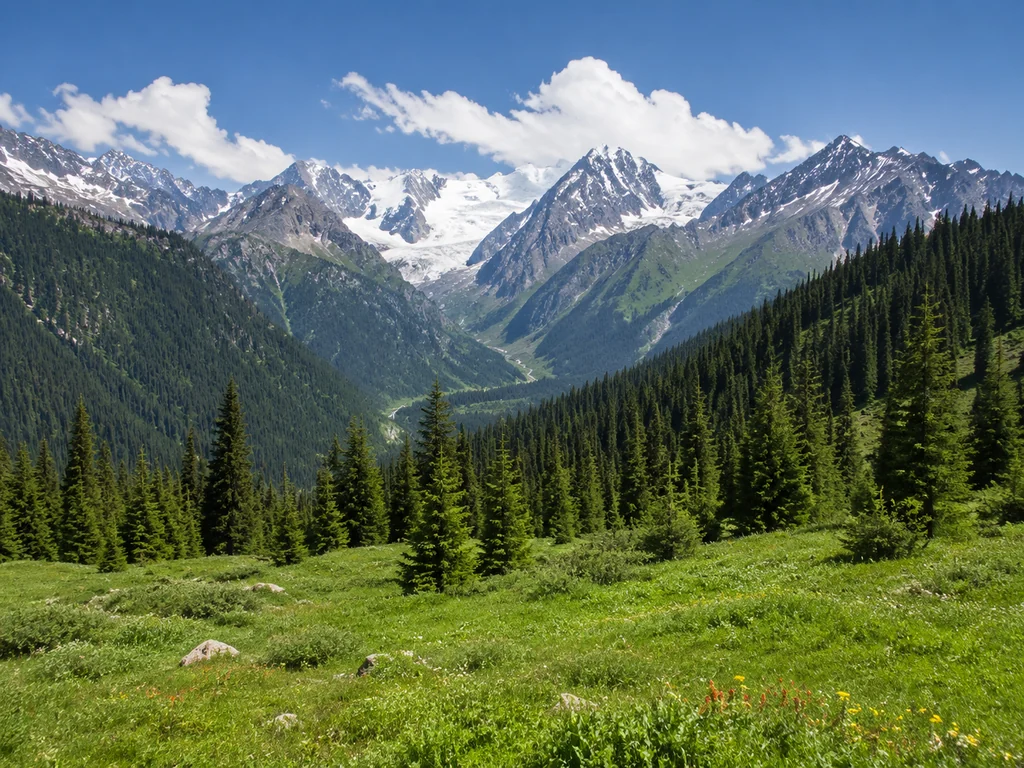
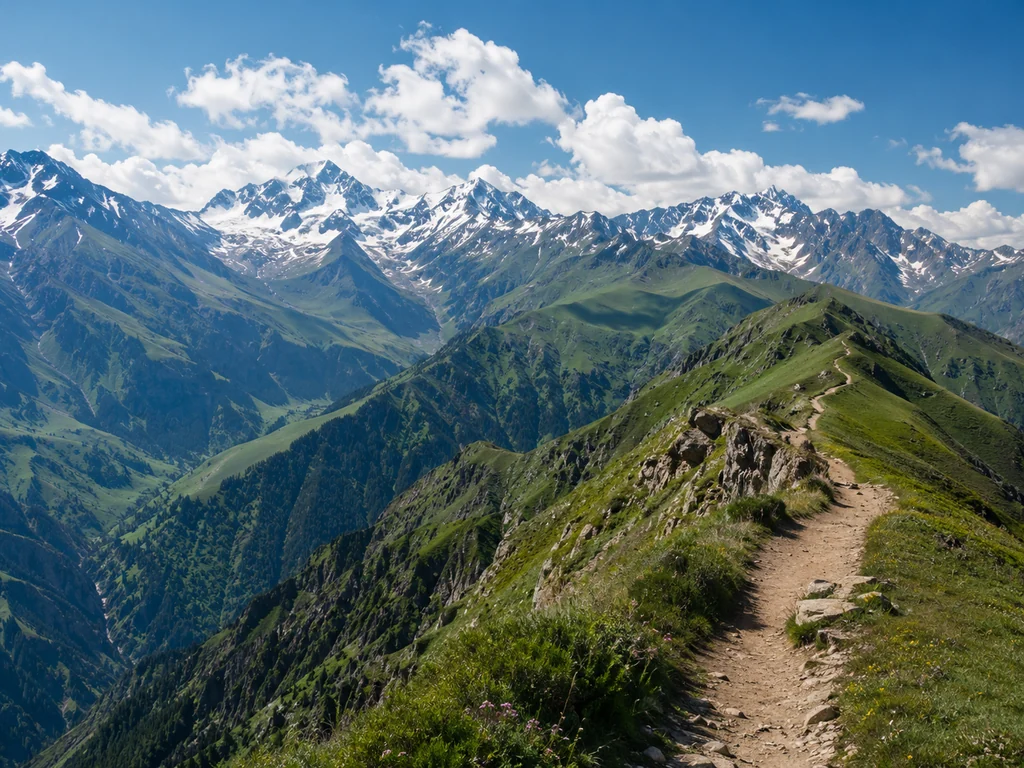
The Pamir Mountains, often called the "Roof of the World," are a massive mountain range in Central Asia. They span across Tajikistan, Kyrgyzstan, China, and Afghanistan. Lenin Peak is situated in the northern Pamir, in the Trans-Alay Range, which separates Kyrgyzstan from Tajikistan. The mountain's summit lies exactly on the border, and on a clear day, you can see the vastness of the high plateau.
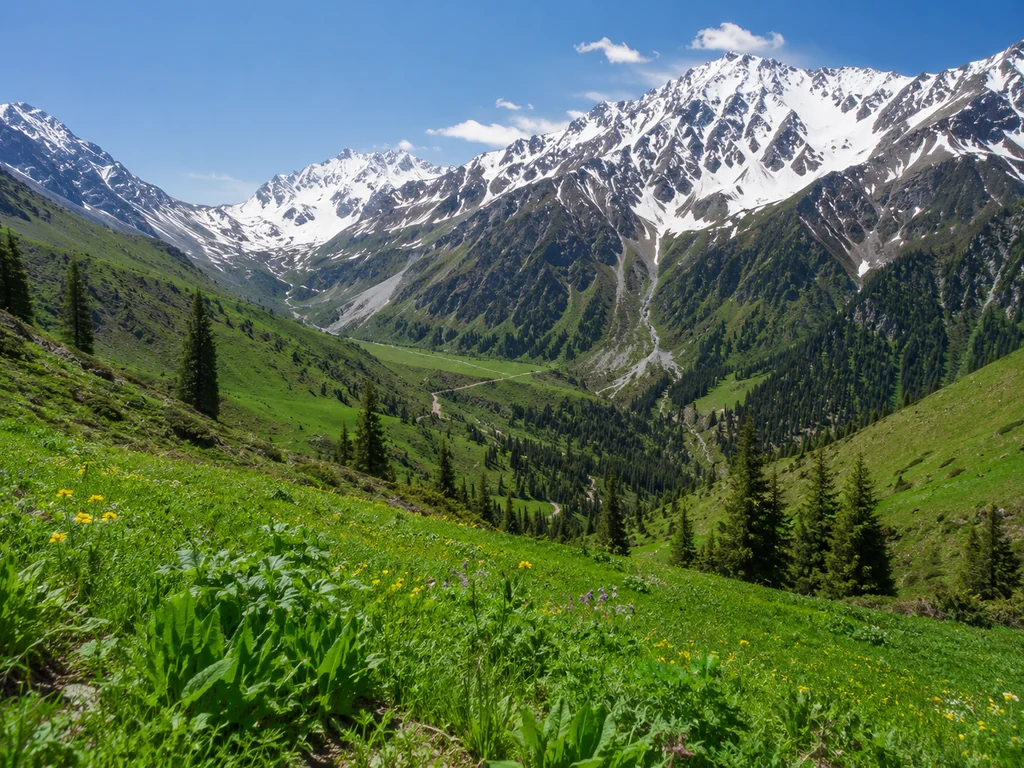
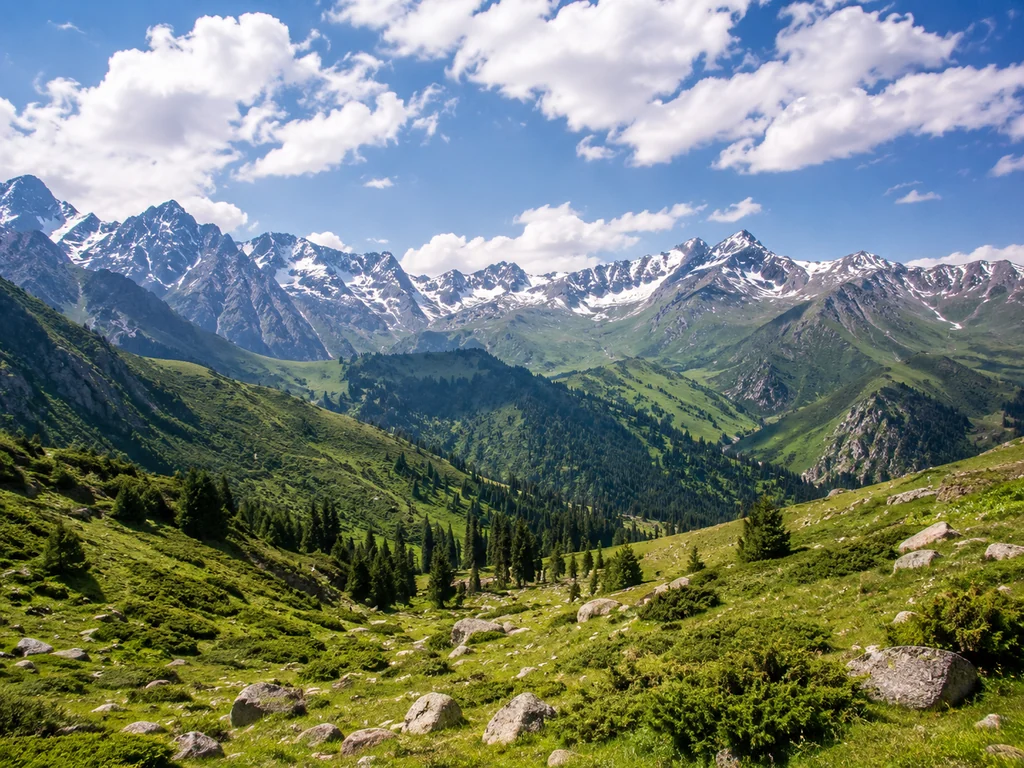
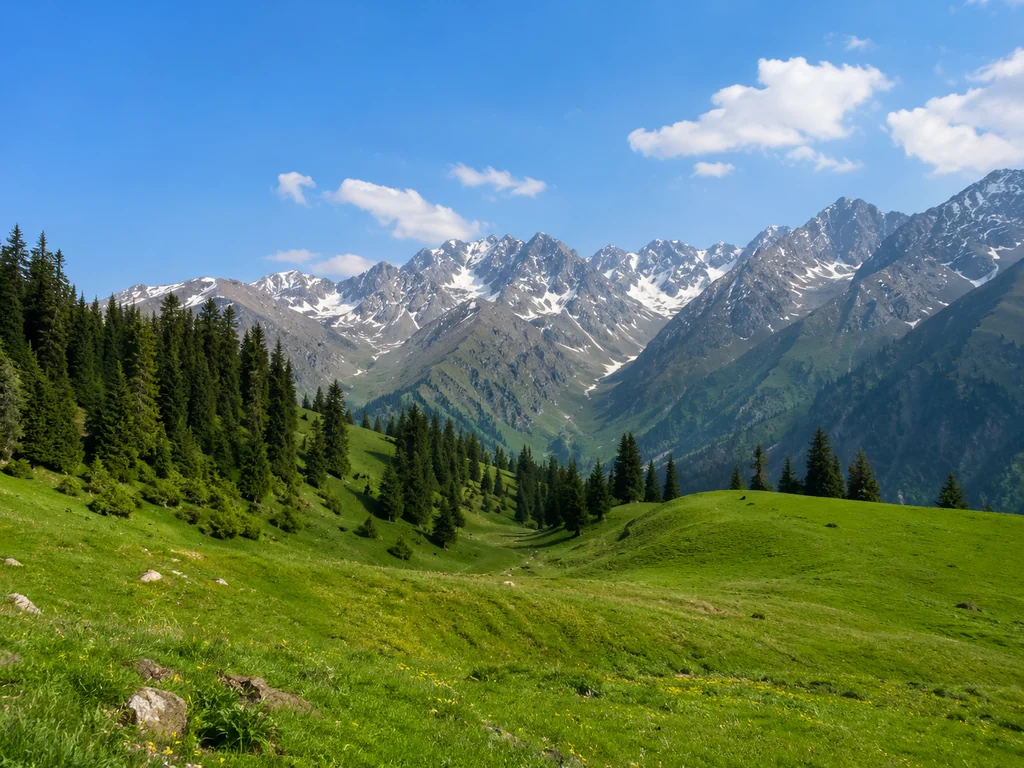
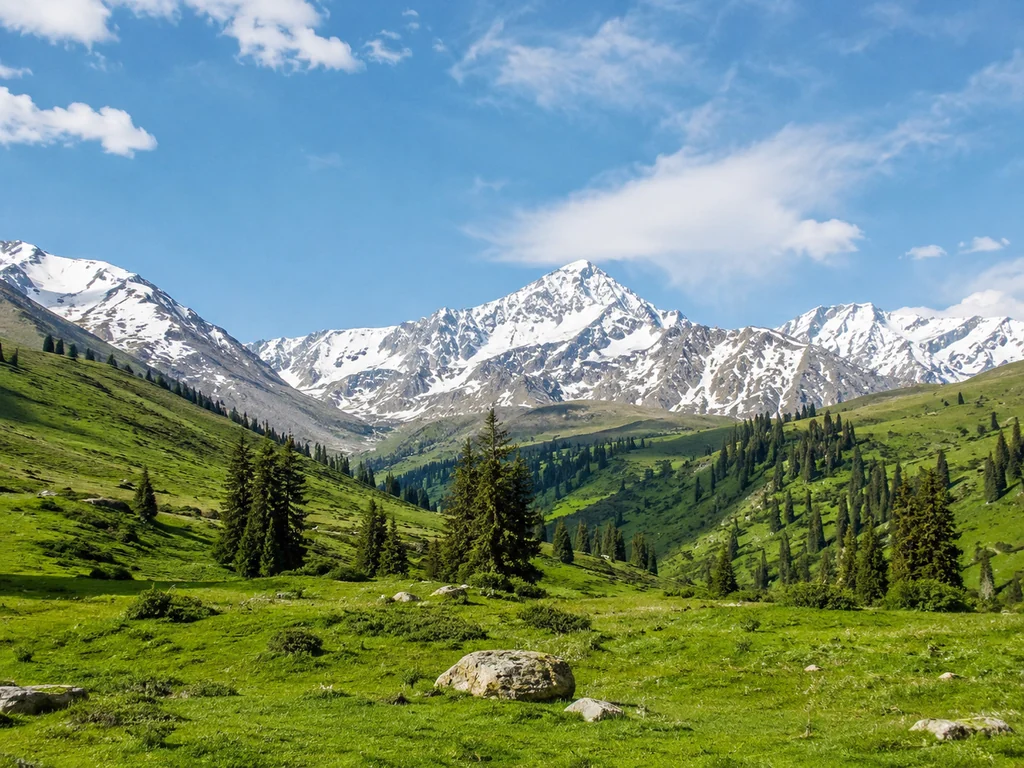
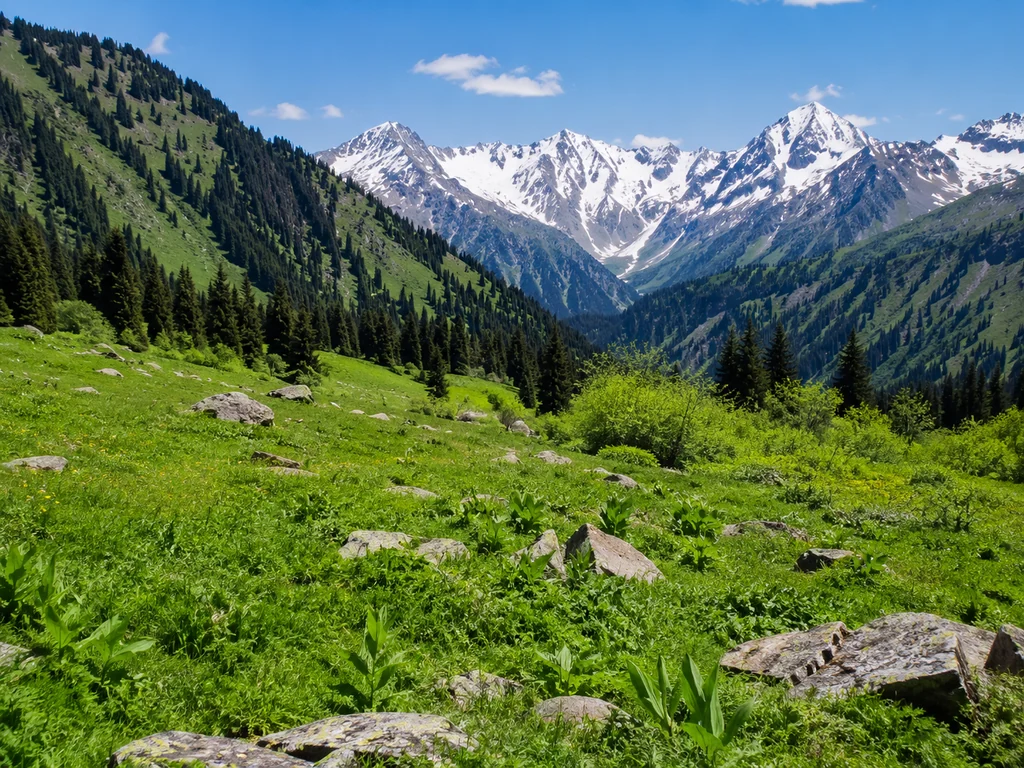
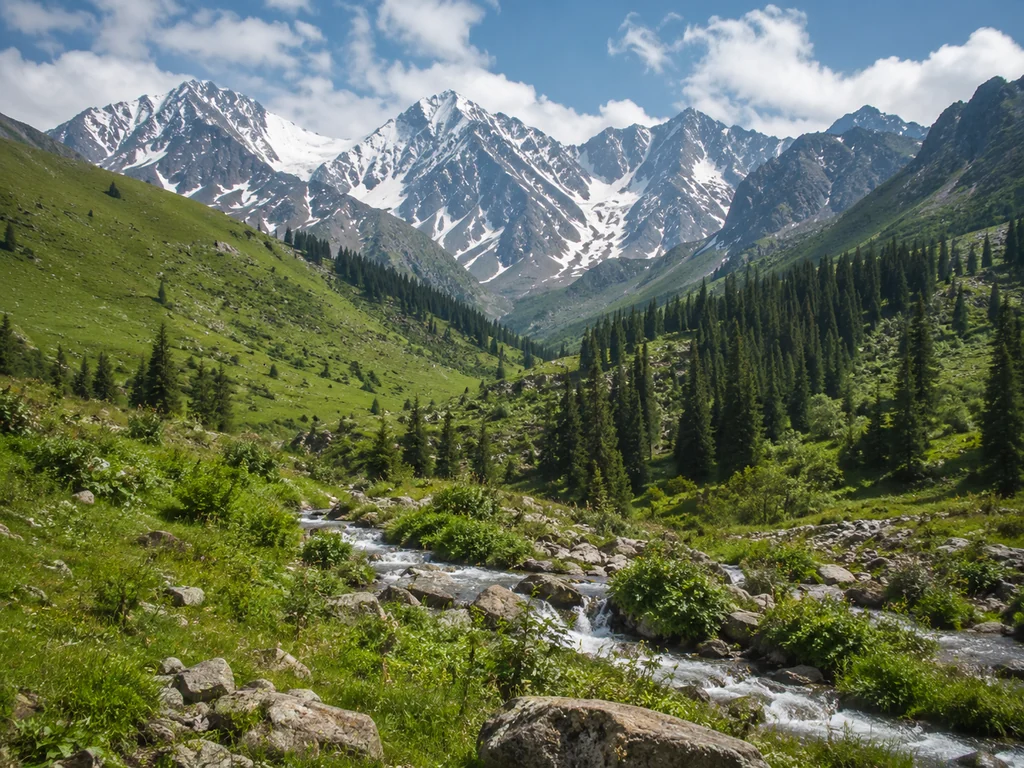
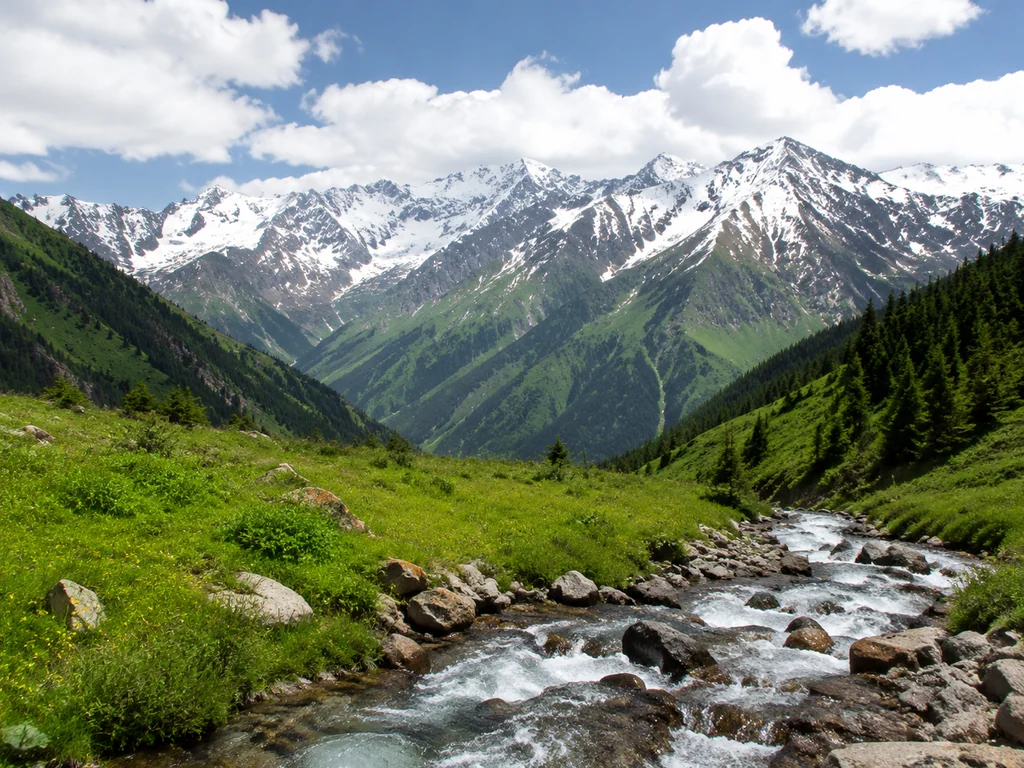
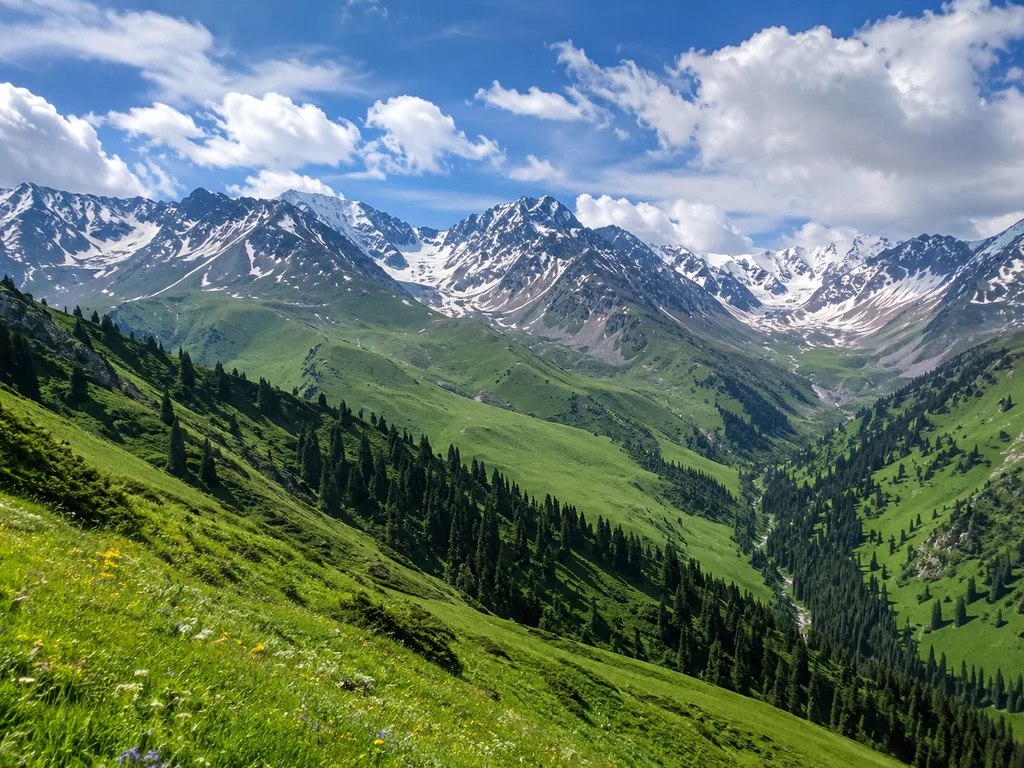
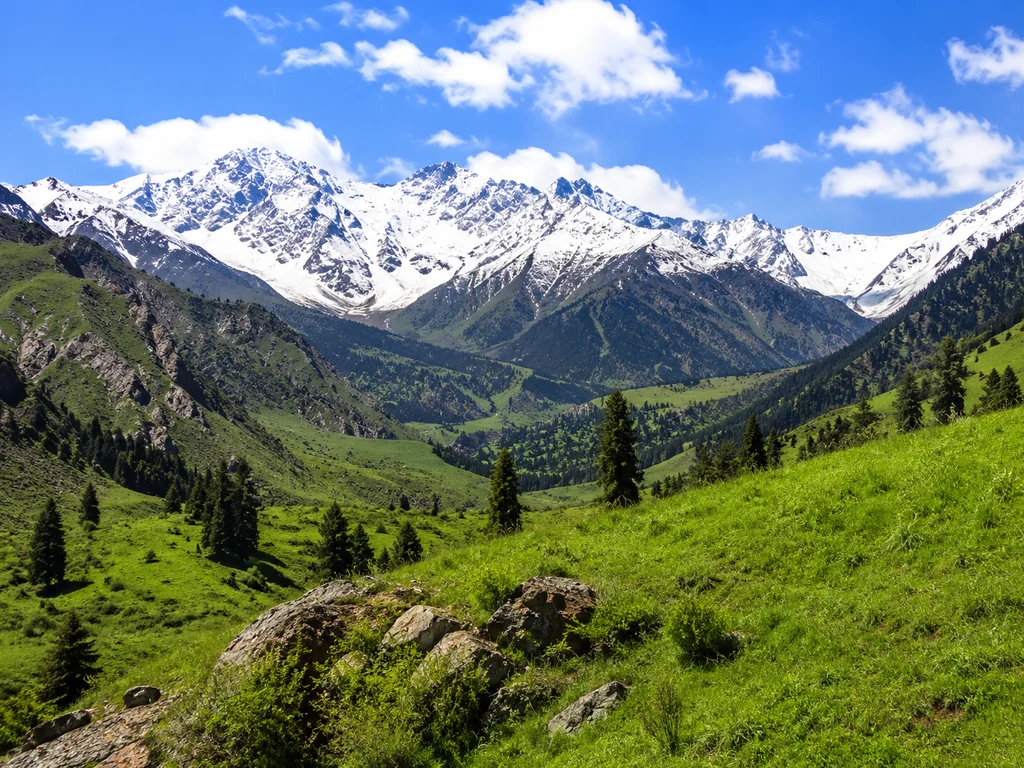
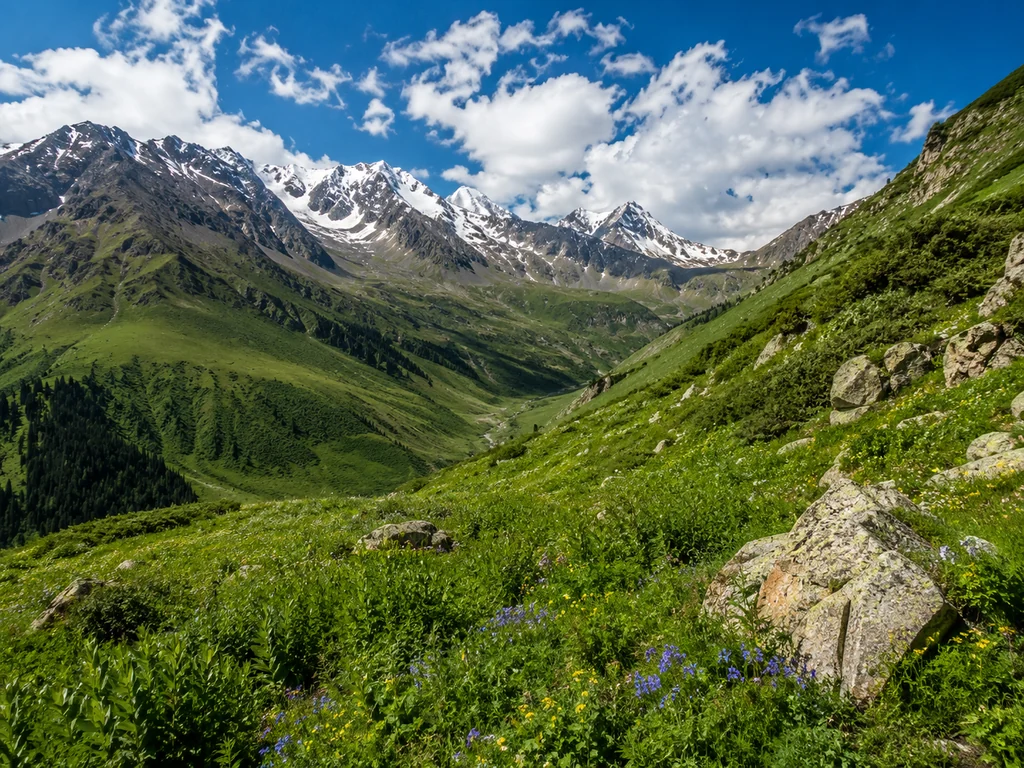
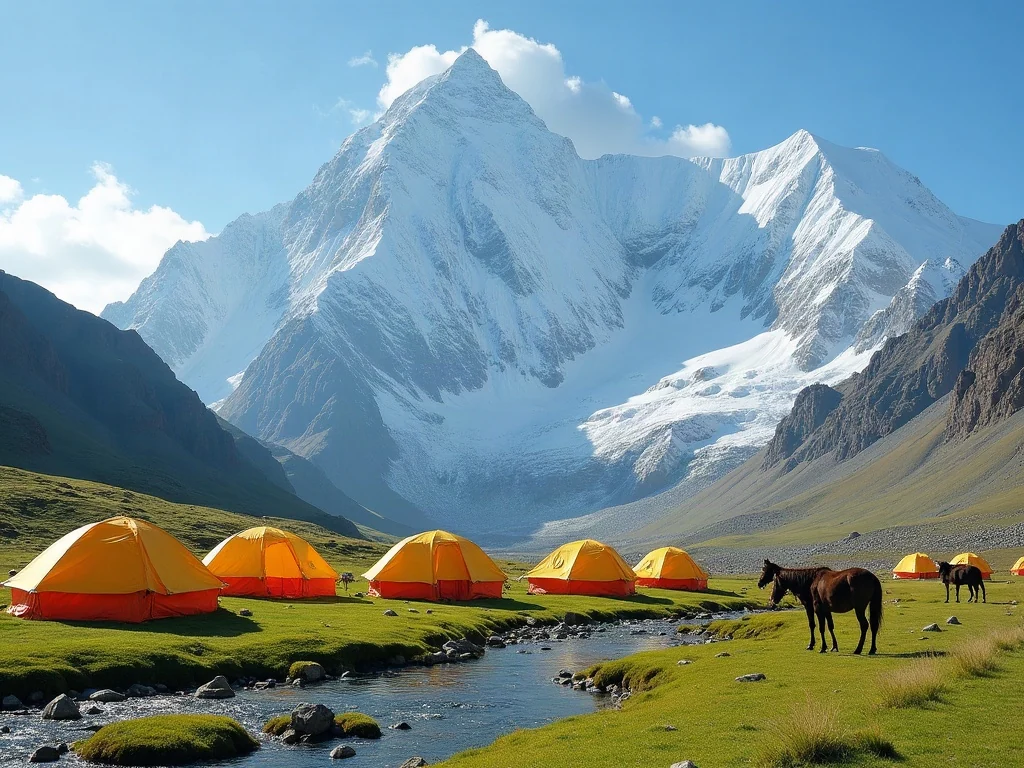
The region is characterized by high, arid valleys and dramatic peaks. The nearest major town is Osh in Kyrgyzstan, about 140 kilometers north of the mountain. From Osh, the approach to the base camp takes you through the Alay Valley, a high-altitude grassland surrounded by snow-capped peaks. The valley's average elevation is around 3,000 meters, providing a natural acclimatization advantage.
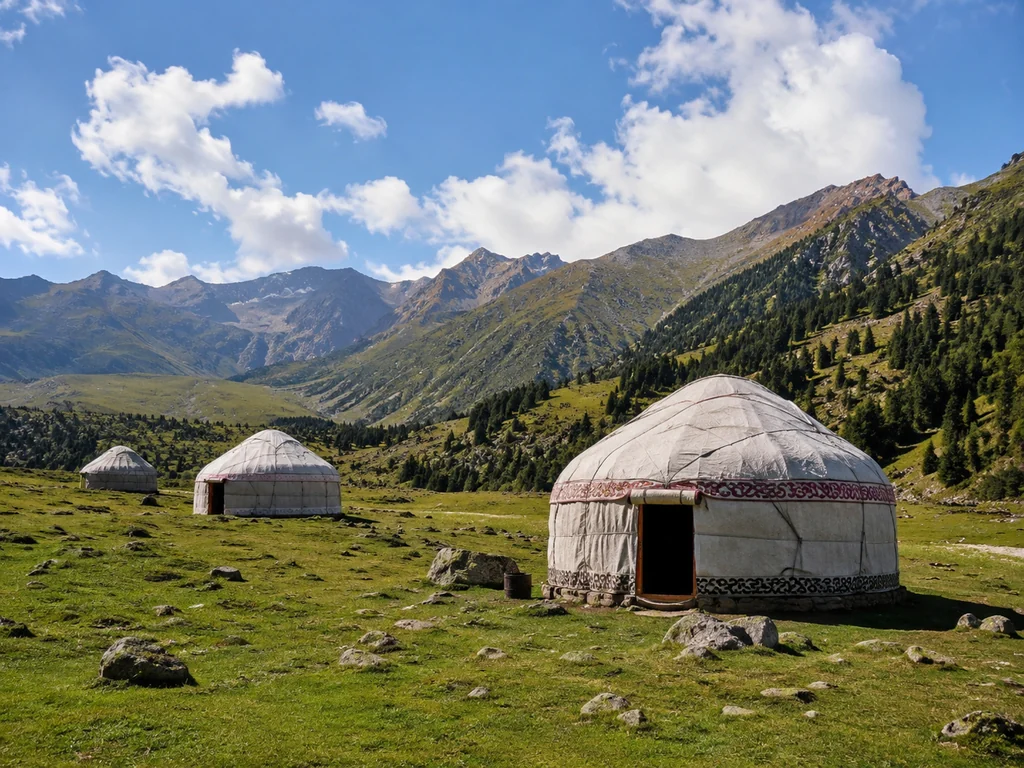
The mountain itself is a massive, glacier-covered massif. The glaciers on its flanks, such as the Lenin Glacier, feed the rivers that eventually flow into the Amu Darya and Syr Darya basins. The area is remote and sparsely populated, with only a few nomadic herders and their yurts in the summer months.
Climate and Climbing Season
The climbing season for Lenin Peak is short, typically from mid-July to mid-August. During this window, the weather is most stable, with less precipitation and slightly warmer temperatures. However, even in summer, temperatures at the summit can drop to -20°C, and strong winds are common.
July and August offer the best chance of clear skies and moderate winds. The base camp at around 4,400 meters can be pleasant during the day, with temperatures above freezing, but nights are cold. At higher camps, snow conditions are generally good for cramponing, but deep snow can make progress slow.
Outside this season, the risks of severe weather and avalanches increase dramatically. The mountain is rarely climbed in spring or autumn, and winter ascents are extremely rare due to extreme cold and winds. Our expedition is scheduled for this optimal window, giving you the highest probability of reaching the summit.
Expedition Itinerary: 20 Days Step by Step
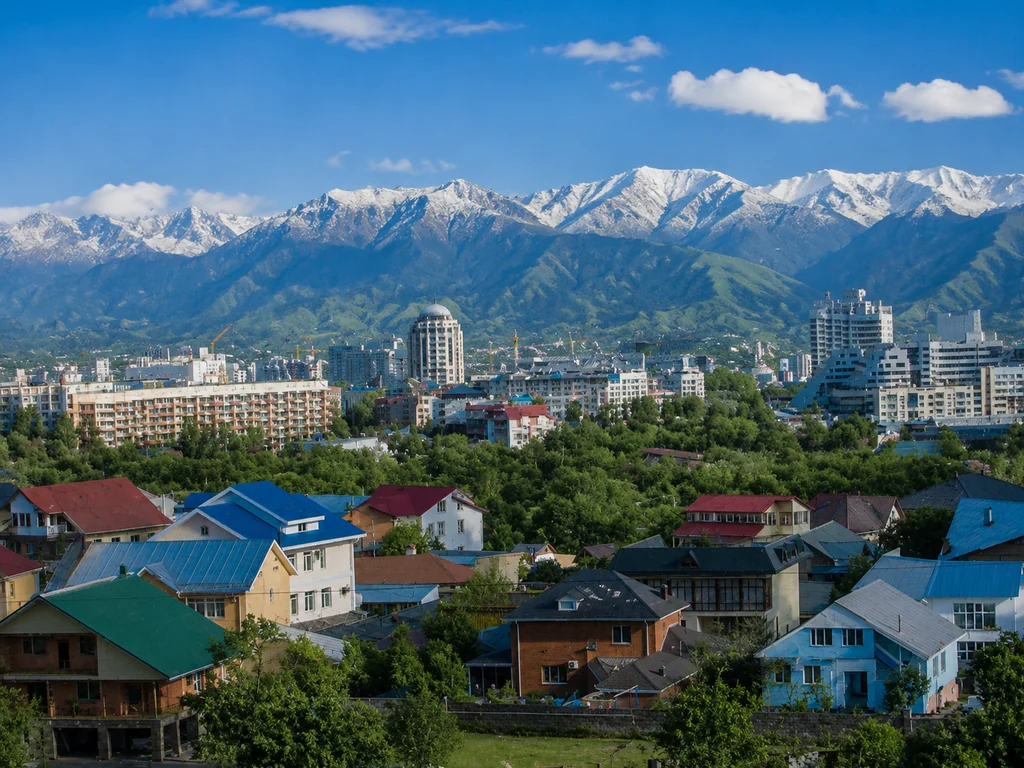
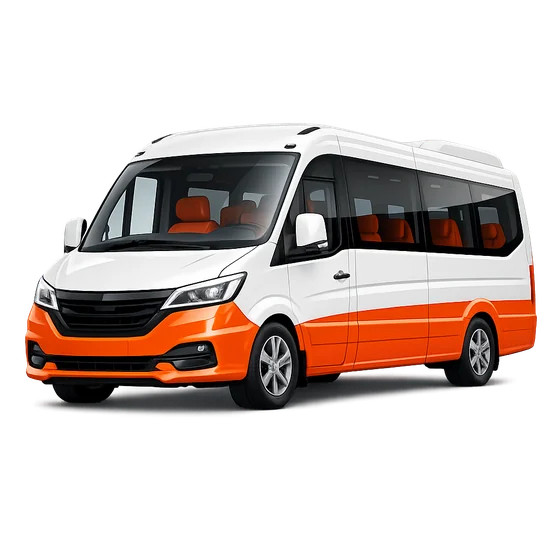
Our itinerary is carefully crafted to balance acclimatization, rest, and summit attempts. We begin in Almaty, then travel to Osh, and finally to the base camp. The first days are spent on trekking and low-altitude acclimatization before we start climbing.
The itinerary is subject to change based on weather and group fitness, but the overall structure remains the same. We prioritize safety and summit success, and our guides have extensive experience on this mountain.
Here is a day-by-day breakdown of the expedition:
Days 1-5: Approach and Acclimatization
Day 1: Arrival in Almaty, Kazakhstan. We meet the group, check gear, and have a welcome dinner. Overnight in a hotel.
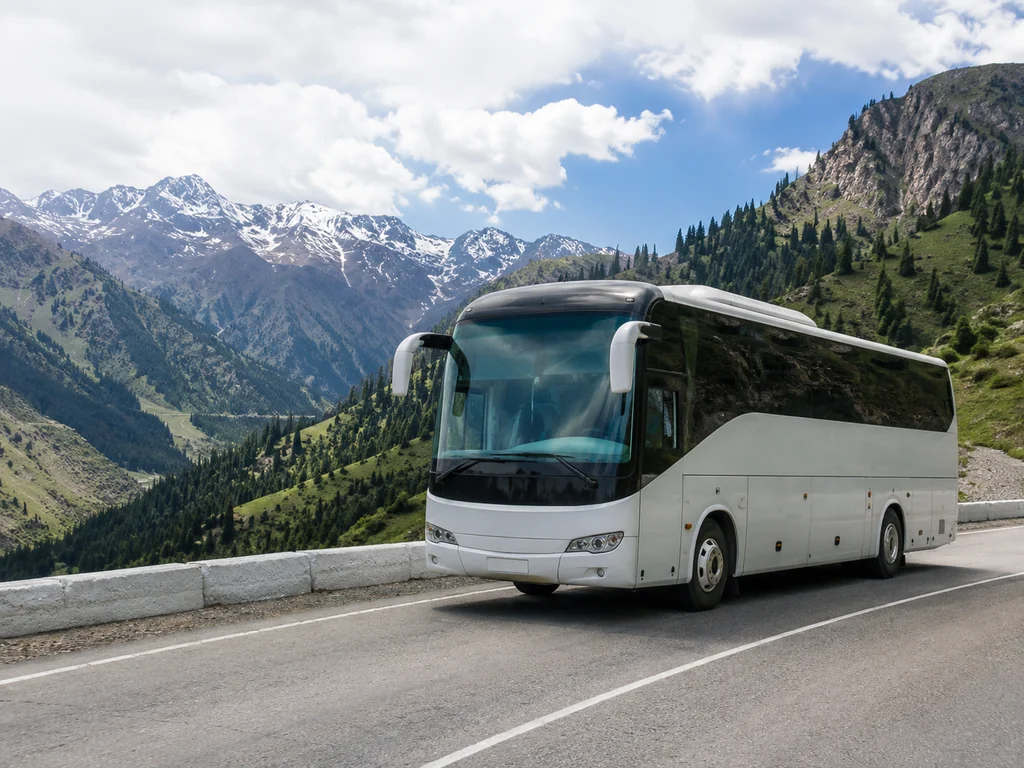
Day 2: Long drive to Osh via the beautiful mountains of Kyrgyzstan. We cross the border and stay in Osh, a city with a rich history on the Silk Road. The drive takes about 10 hours.
Day 3: Rest day in Osh. We visit the famous Suleiman-Too mountain, a UNESCO World Heritage site, and do last-minute shopping. We also obtain the necessary permits.
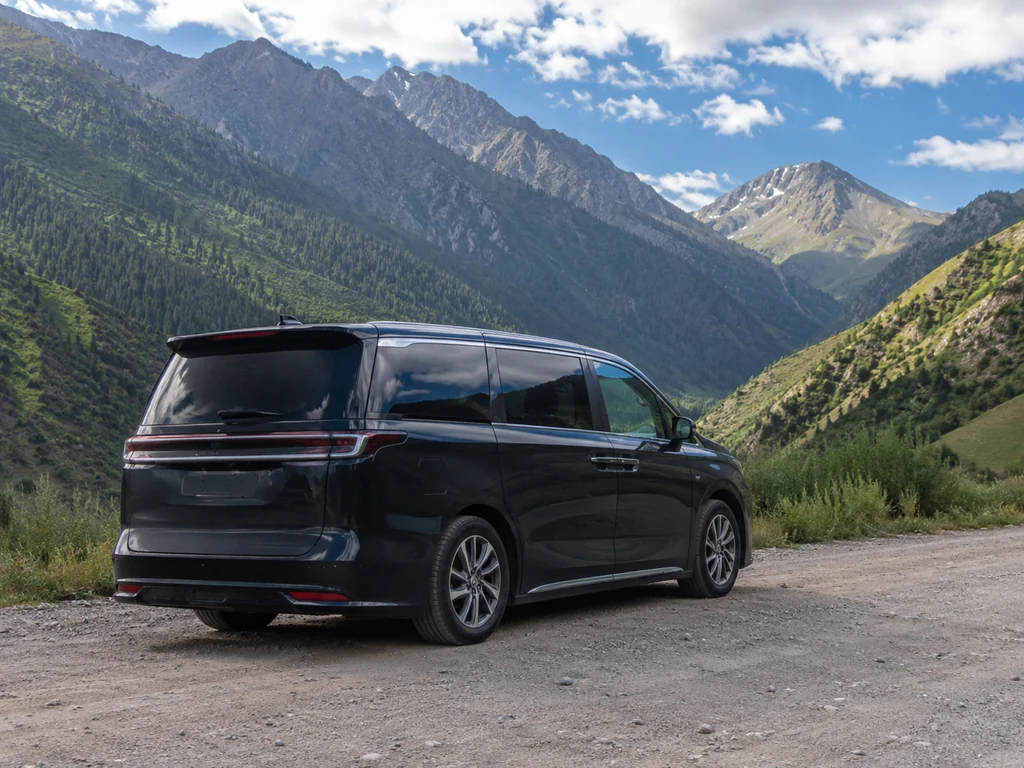
Day 4: Drive to the base camp of Lenin Peak. The road passes through the Alay Valley, with stunning views of the Trans-Alay range. We reach base camp at 4,400 meters by late afternoon.
Day 5: Acclimatization hike to the moraine above base camp. We climb to about 4,800 meters and return to base camp. This helps our bodies start adapting to the altitude.
Days 6-15: Climbing and Acclimatization Rotations
Day 6: Carry loads to Camp 1 at 5,200 meters. We walk on the glacier, learning rope techniques. We cache some gear and return to base camp to sleep.
Day 7: Rest day at base camp. Light activity, gear maintenance, and hydration.
Day 8: Move to Camp 1. We sleep at 5,200 meters for the first time.
Day 9: Acclimatization climb to Camp 2 at 6,100 meters. We climb a steep snow slope, sometimes with fixed ropes. We spend an hour at Camp 2, then return to Camp 1.
Day 10: Return to base camp for a rest day. This "climb high, sleep low" strategy is key to acclimatization.
Day 11: Rest day at base camp. Full body wash, laundry, and relaxation.
Day 12: Move to Camp 1 again. We are now well acclimatized and will continue to Camp 2 the next day.
Day 13: Move to Camp 2. We set up our tents and prepare for the summit push. The camp is located on a broad plateau at 6,100 meters.
Day 14: Rest day at Camp 2. We melt snow for water, eat well, and rest.
Day 15: Summit day! We start at 2 am, climbing steadily in the dark. We reach the summit around 9-11 am. The descent back to Camp 2 takes several hours. It's a long day of 12-14 hours.
Days 16-20: Descent and Return
Day 16: Descent to base camp. We pack up Camp 2 and carefully descend the glacier. We sleep at base camp.
Day 17: Buffer day for weather or rest. If we are on schedule, we can do a short hike or simply enjoy the views.
Day 18: Drive back to Osh. We celebrate with a dinner in a local restaurant.
Day 19: Drive back to Almaty. We cross the border and arrive in Almaty by evening.
Day 20: Departure from Almaty. You can book your flights any time after breakfast.
Physical Preparation and Training
Success on Lenin Peak depends more on your physical fitness than on technical skill. The mountain requires endurance, strength, and the ability to perform at altitude. You should start training at least 3-6 months in advance.
Aerobic fitness is paramount. You need to be able to hike for hours with a heavy pack on steep terrain. Aim for 5-6 hours of cardio per week, mixing running, cycling, or swimming. Hill workouts and stair climbing are especially effective.
Strength training should focus on your legs, core, and back. Squats, lunges, and deadlifts will build the muscles needed for climbing. A strong core helps you balance on uneven snow and ice.
Don't underestimate the mental aspect. High-altitude climbing is demanding and can be discouraging. Practice patience and determination during your training. Set small goals and achieve them to build confidence.
Cardiovascular Endurance
Your heart and lungs need to work efficiently at altitude. Long, steady workouts at a moderate intensity are ideal. Try to do at least one long hike or run of 3-4 hours every weekend.
In the months before the expedition, increase the intensity. Interval training, where you alternate between high and low intensity, can improve your VO2 max. This will help your body use oxygen more efficiently.
If possible, do some training at altitude. If you live in a flat area, you can simulate altitude by using a treadmill incline or a stair climber. But remember, nothing fully replicates the effects of altitude except being there.
Strength and Flexibility
Leg strength is critical for ascending steep slopes. Exercises like step-ups, lunges, and wall sits are perfect. Aim to do these 2-3 times a week, gradually increasing the weight you carry.
Your core stabilizes your body when you have a heavy pack. Planks, Russian twists, and leg lifts are excellent. A strong back will also help you carry your pack comfortably.
Flexibility prevents injuries. Incorporate yoga or stretching into your routine. Focus on your hips, hamstrings, and calves. These muscles are heavily used during climbing.
Acclimatization and Altitude Sickness
Acclimatization is the process of your body adjusting to lower oxygen levels. Our itinerary is designed to promote proper acclimatization, but you can also help yourself by following a few guidelines.
Climb high, sleep low: This is a golden rule. Our itinerary uses this principle, but you can also apply it during the acclimatization hikes. Spend an hour at a higher point, then return to your sleeping altitude.
Stay hydrated: At altitude, you lose more water through breathing. Drink at least 3-4 liters of water per day. Avoid alcohol and caffeine, as they can dehydrate you.
Know the symptoms of altitude sickness: Headache, nausea, fatigue, and dizziness are common. If you have a persistent headache or feel unwell, inform your guide immediately. Our guides are trained to recognize and treat altitude sickness.
Equipment and Packing List
Proper equipment is vital for a safe and successful climb. The mountain's conditions demand high-quality gear that can withstand cold and wind. While we provide group equipment like ropes and stoves, you need to bring your own personal items.
We recommend investing in good gear, as it can make a significant difference in your comfort and safety. Renting gear is possible in Almaty or Osh, but it's better to have your own, especially for boots and clothing.
Here is a comprehensive packing list:
Clothing and Footwear
- Waterproof and breathable jacket and pants (Gore-Tex or similar)
- Insulated down jacket for cold days at camp
- Soft-shell jacket for active climbing
- Base layers (2-3 pairs of merino wool or synthetic)
- Mid-layer fleece or wool sweater
- Mountaineering boots that are compatible with crampons (insulated)
- Camp shoes or light boots for base camp
- Gaiters to keep snow out of your boots
- Warm hat, balaclava, and neck gaiter
- Gloves: a thin liner pair, a warm insulated pair, and a heavy expedition pair
Technical Gear
- Crampons that fit your boots
- Ice axe (classic or technical)
- Climbing helmet
- Harness with adjustable leg loops
- 3-4 locking carabiners
- 2 prusik loops or ascenders for rope climbing
- Headlamp with spare batteries
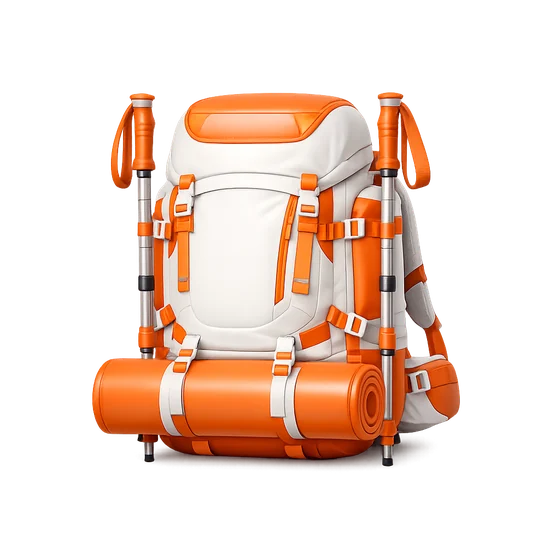
- Backpack (70-80 liters) for your gear
- Daypack (30-40 liters) for summit day
Accessories and Personal Items
- Sleeping bag rated to -20°C or colder
- Sleeping pad (inflatable and insulated)
- Water bottles or thermos (1 liter capacity)
- Water purification tablets or filter
- Sunglasses with UV protection (category 4)
- Sunscreen with high SPF and lip balm
- Personal first-aid kit
- Toiletries and wet wipes
- Earplugs for noisy camps
- Camera and extra batteries
The Route: From Base Camp to Summit
The standard route on Lenin Peak is technically moderate, but it presents challenges such as altitude, glacier travel, and potential crevasses. Our experienced guides will lead you every step of the way.
The climb begins at base camp (4,400m) and follows a glacier up to the summit. The route is well-established, with fixed ropes on the steepest sections.
Base Camp to Camp 1
From base camp, the route crosses a flat glacier and then climbs a gentle moraine. After about 3-4 hours, you reach Camp 1 at 5,200 meters. This section is a good warm-up, allowing you to practice walking on snow and ice.
The glacier is relatively smooth, but there are some crevasses that are usually bridged or marked. You will be roped together for safety. The views of the surrounding peaks are spectacular, with the Pamir panorama unfolding around you.
Camp 1 to Camp 2
Leaving Camp 1, the route becomes steeper. You will ascend a snow slope that can be up to 40 degrees in sections. Fixed ropes are installed to assist you. This section takes about 4-6 hours.
At 6,100 meters, Camp 2 is located on a broad plateau. The altitude is significant, and you will feel the effect. It's essential to move slowly and breathe deeply. Our camp is well-equipped with tents and cooking facilities.
Camp 2 to Summit
Summit day is the most challenging. You will start before dawn to take advantage of stable snow conditions. The route climbs a steep snow slope to a ridge, then follows the ridge to the summit.
The final section includes a narrow snow crest and a short, steep climb to the top. The summit itself is a rounded dome, offering breathtaking views of the Pamir and beyond. You can see as far as the Hindu Kush on a clear day.
The descent is tiring but straightforward. You will return to Camp 2, rest, and then continue down to base camp the next day. The sense of achievement is immense, and the memories will last a lifetime.
Practical Information and Booking
To join the expedition, you need to have previous mountaineering experience. While technical skills are not required, you should have climbed peaks over 4,000 meters. Your physical fitness should be excellent, as you'll be hiking for hours each day.
All necessary permits for climbing Lenin Peak are included. You will also be accompanied by certified mountain guides and porters who will assist with gear and camp setup. The expedition is a group activity, so you'll be part of a team.
The price for the 20-day expedition is 1,018,600 tenge per person. This includes all logistics from Almaty, accommodation, meals during the expedition, and the services of our guides. Additional costs, such as personal gear, travel insurance, and any extra nights, are paid separately.
Booking and Requirements
To book your spot, contact us via the website or phone. We will send you a detailed information pack and a medical questionnaire. You must be in good health and have no contraindications to high-altitude activities.
Age and weight restrictions are determined on a case-by-case basis; we will inform you at the time of booking. We recommend having travel insurance that covers high-altitude climbing up to 7,000 meters.
We also advise you to start your physical preparation early. A good level of fitness will increase your chances of reaching the summit and enjoying the experience. Our team is happy to provide training tips and answer any questions.
What Is Included and What Is Not
The expedition fee includes:
- All ground transport from Almaty and back
- Accommodation in hotels and at base camp
- All meals during the expedition
- Permits and national park fees
- Services of professional guides and porters
- Group equipment and safety gear
The fee does not include:
- International or domestic flights to Almaty
- Personal climbing equipment and clothing
- Travel insurance
- Alcoholic drinks and snacks
- Tips for staff and guides
- Any costs due to early departure or changes in itinerary
Booking and Cancellation Policy
To secure your place, we require a deposit. The balance is due 30 days before the expedition starts. If you need to cancel, please inform us as soon as possible. Cancellation fees may apply, depending on the date of cancellation.
We understand that unforeseen circumstances can arise, and we will do our best to accommodate changes. However, we cannot guarantee a refund if you cancel after the final payment. We recommend purchasing travel insurance that covers cancellation.
If we have to cancel the expedition due to force majeure or insufficient participants, we will offer a full refund or the option to transfer to another date.
Safety and Health on the Mountain
Your safety is our top priority. Our guides are experienced in high-altitude rescue and first aid. We carry oxygen and a portable hyperbaric chamber at base camp for emergencies.
However, you must also take responsibility for your own health. Follow the advice of your guides, stay hydrated, and communicate any symptoms of altitude sickness immediately.
Altitude Sickness Risks
Altitude sickness can affect anyone, regardless of fitness. Symptoms include headache, nausea, loss of appetite, and fatigue. If you experience these, it's important to descend to a lower altitude.
Our guides are trained to recognize the signs of more severe conditions like HAPE (High-Altitude Pulmonary Edema) and HACE (High-Altitude Cerebral Edema). Immediate descent is the only cure for severe altitude sickness.
To minimize the risk, we follow a gradual ascent profile and include rest days. We also use the principle of "climb high, sleep low." These measures have proven effective in preventing serious incidents.
Weather and Avalanche Safety
Weather in the Pamir can change rapidly. Our guides monitor forecasts and will delay or turn around if conditions are unsafe. You must be prepared for cold, wind, and snow at any time.
Avalanche risk is generally low on the standard route, but it can increase after heavy snowfall. We avoid climbing during or immediately after storms. The fixed ropes on the steep sections also reduce the risk of falls.
Always stay roped together on the glacier and follow your guide's instructions. Do not wander away from the group. The mountain is a serious environment, and respect for its power is essential.
Emergency Evacuation
In case of a serious emergency, we have protocols in place. The nearest medical facility is in Osh, and helicopter evacuation may be possible from base camp. However, this is costly and can be delayed by weather.
It is crucial to have comprehensive travel insurance that covers helicopter rescue. Please ensure your insurance policy includes high-altitude activities up to 7,000 meters. Our team will assist in arranging evacuation, but the costs are covered by your insurance.
We also carry a satellite phone and a personal locator beacon to call for help if needed. Our base camp is in contact with our office in Almaty, who can coordinate support.









 Adventure