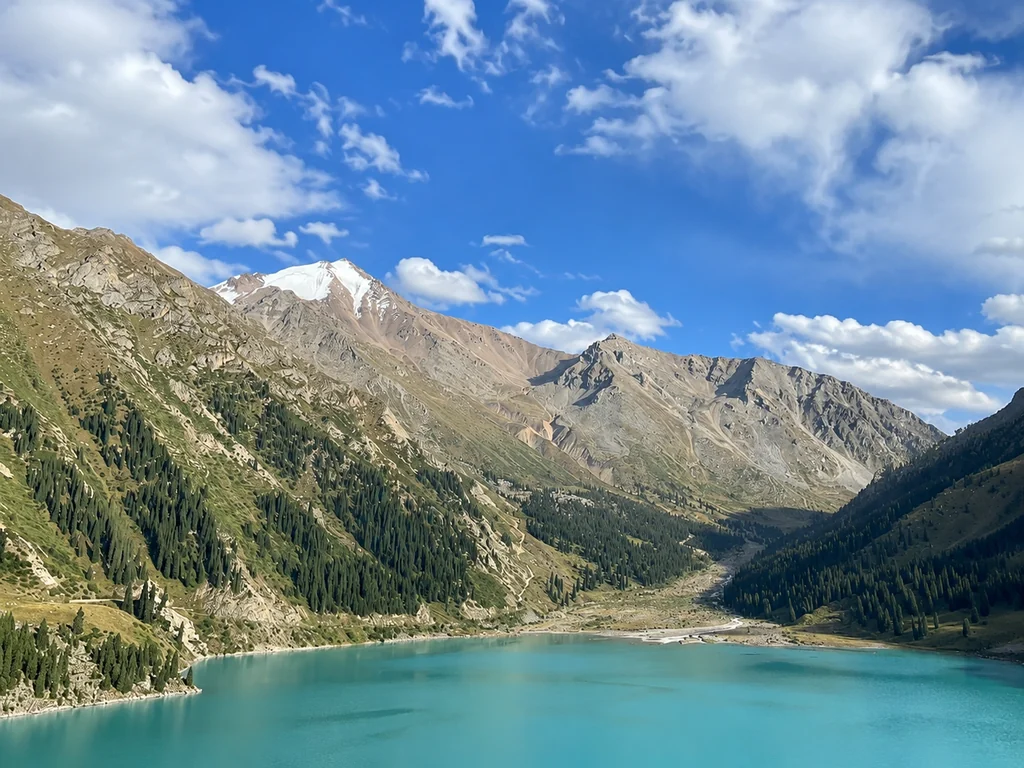
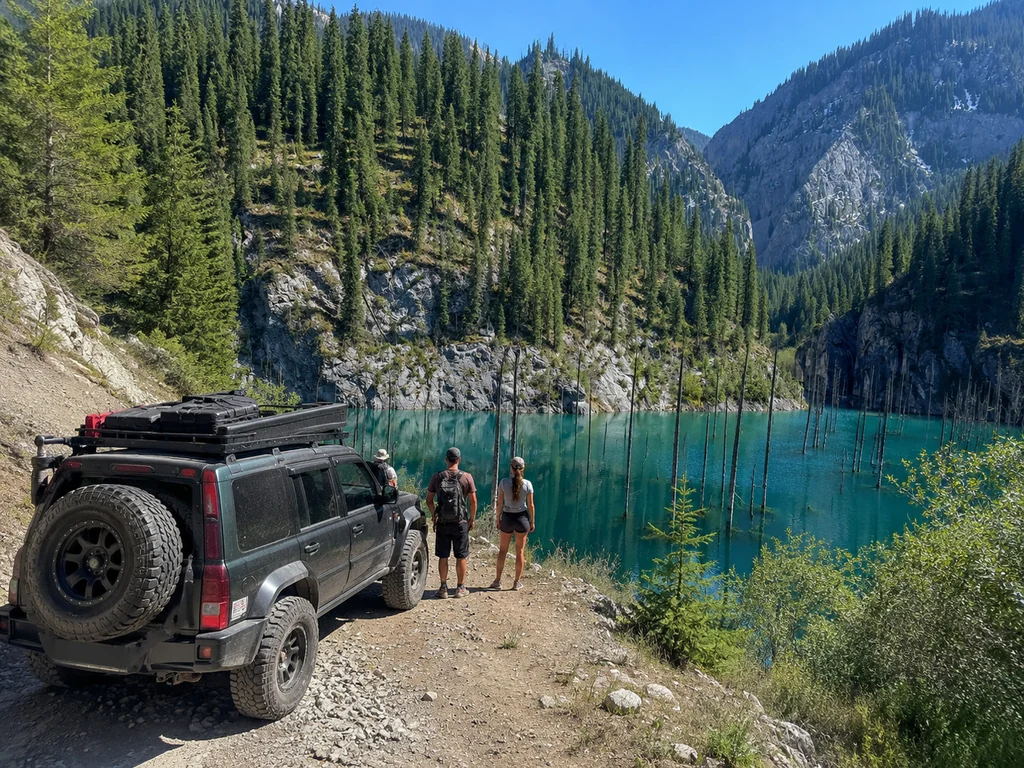
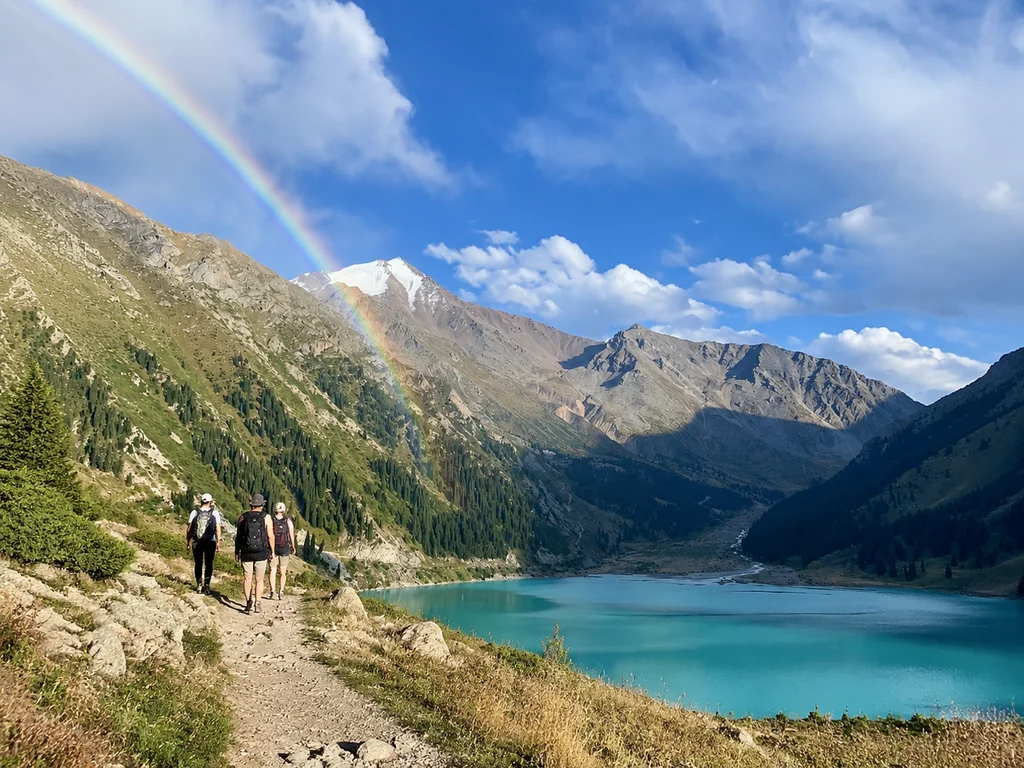
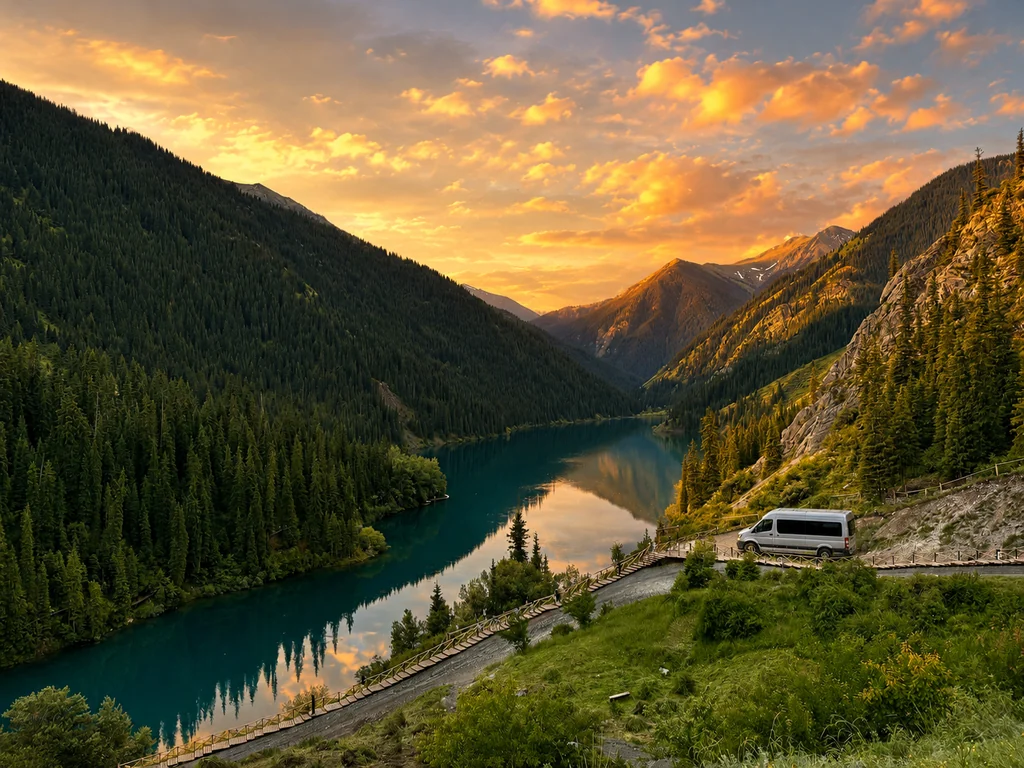
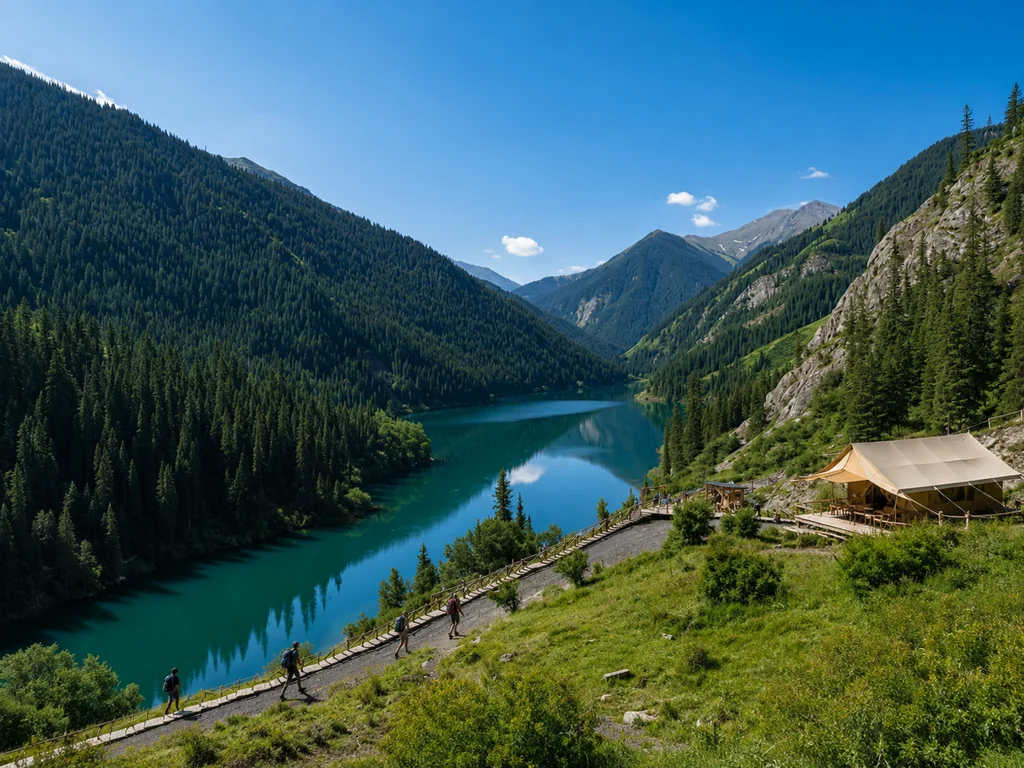
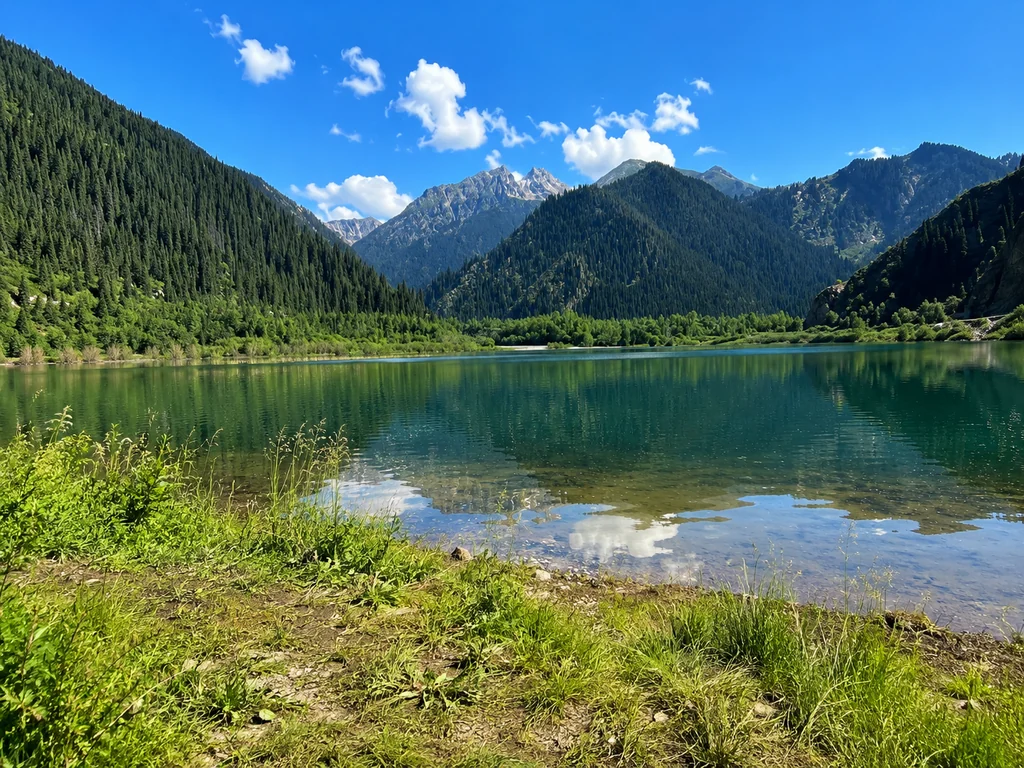
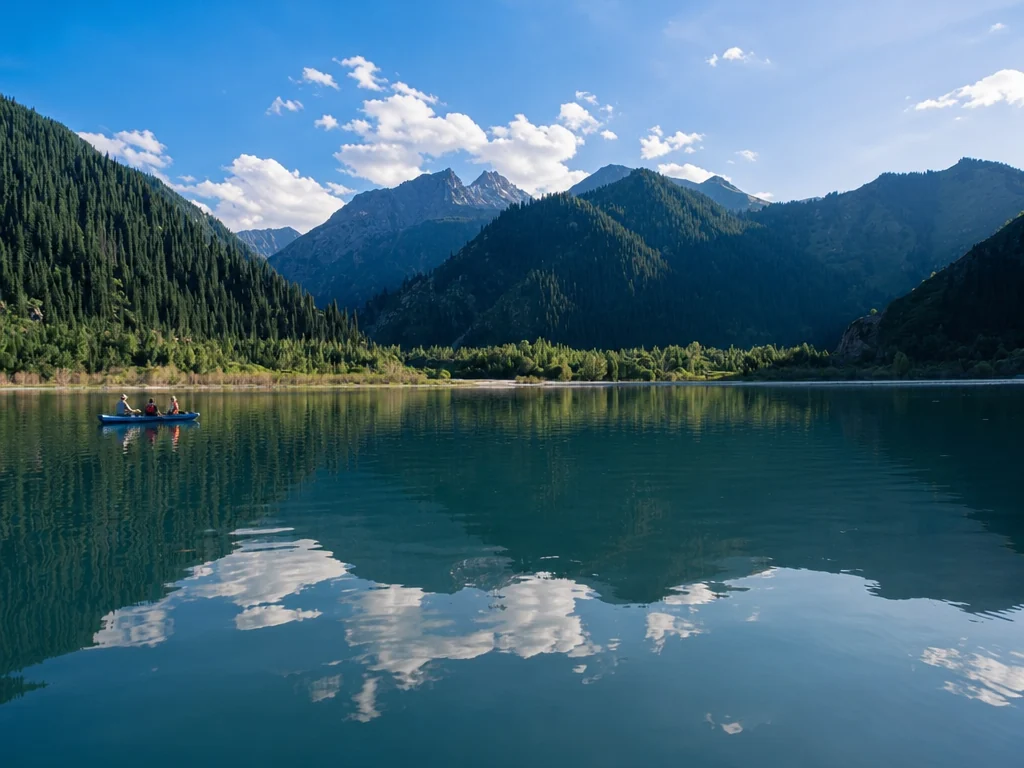
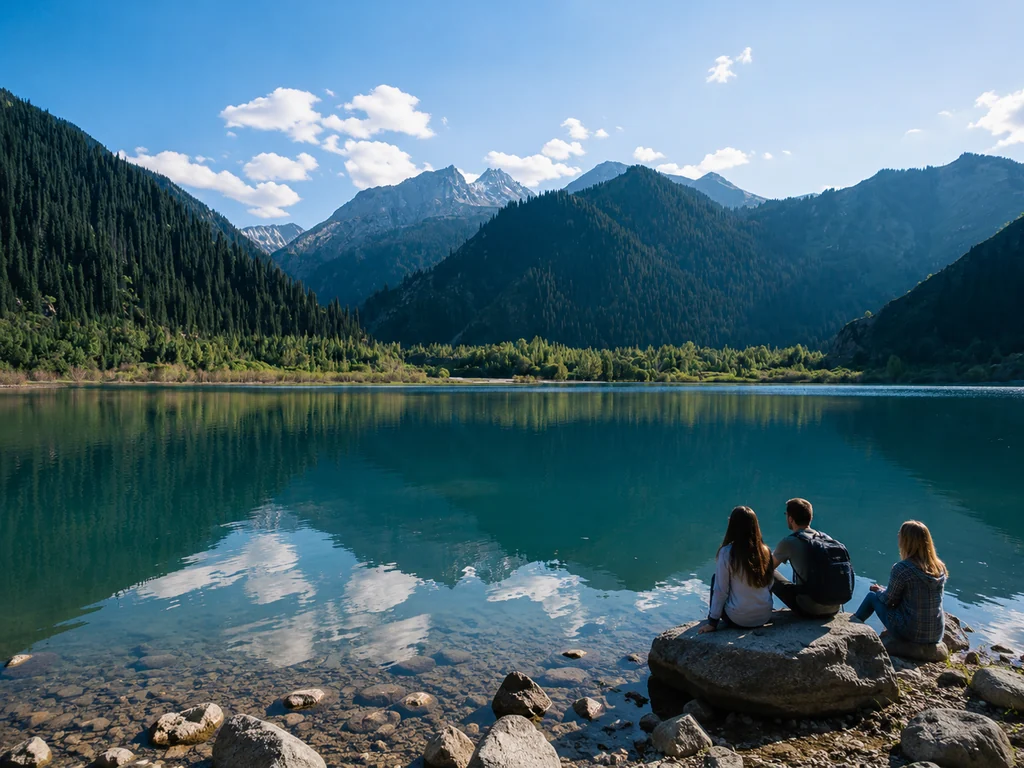
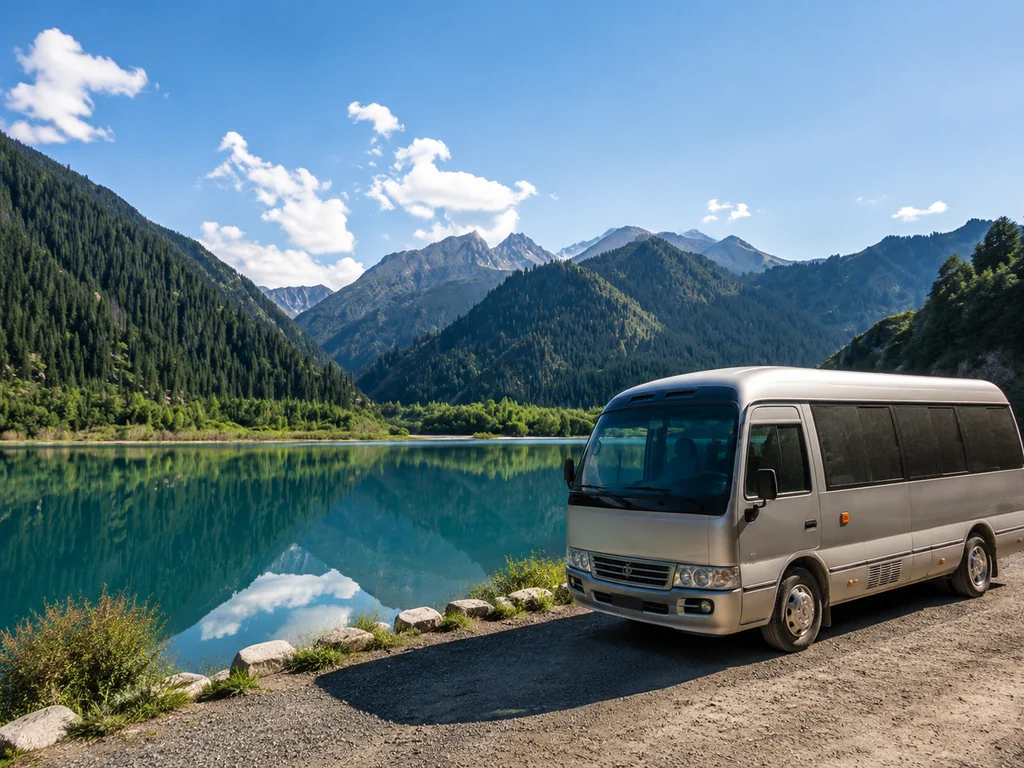
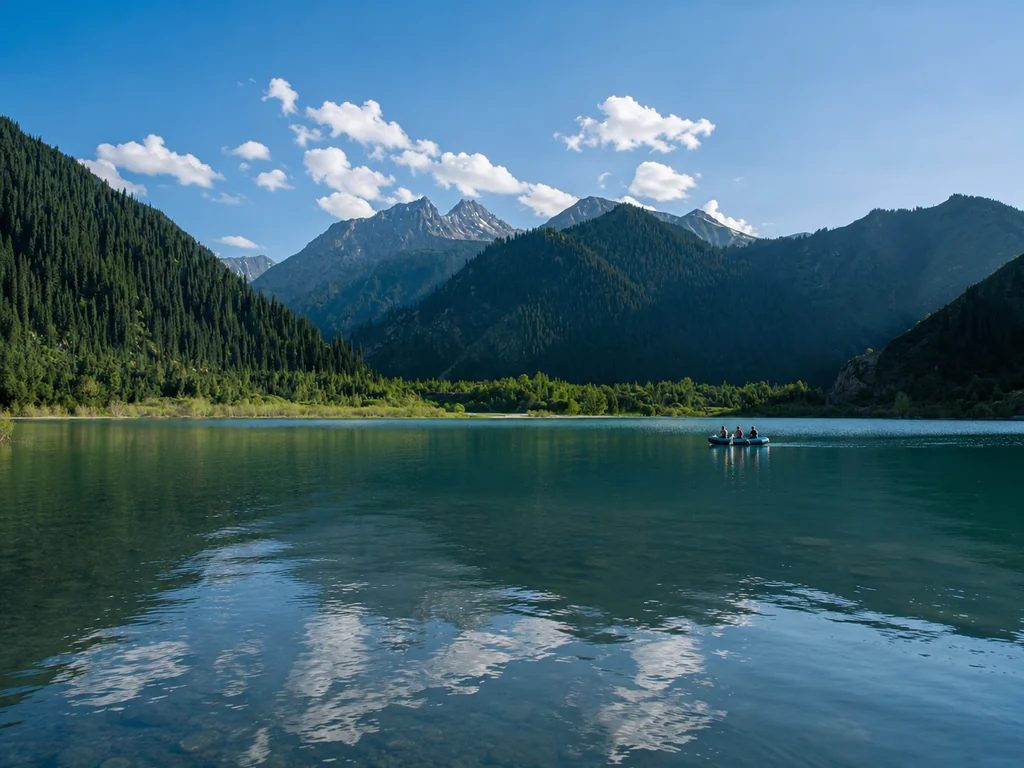
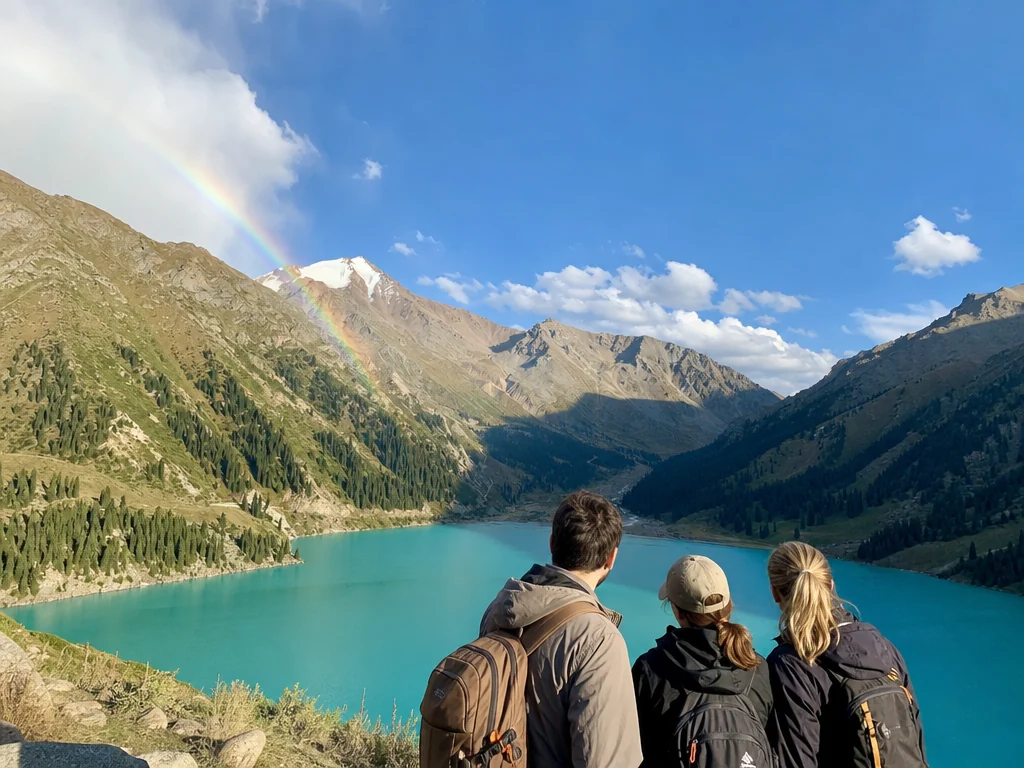
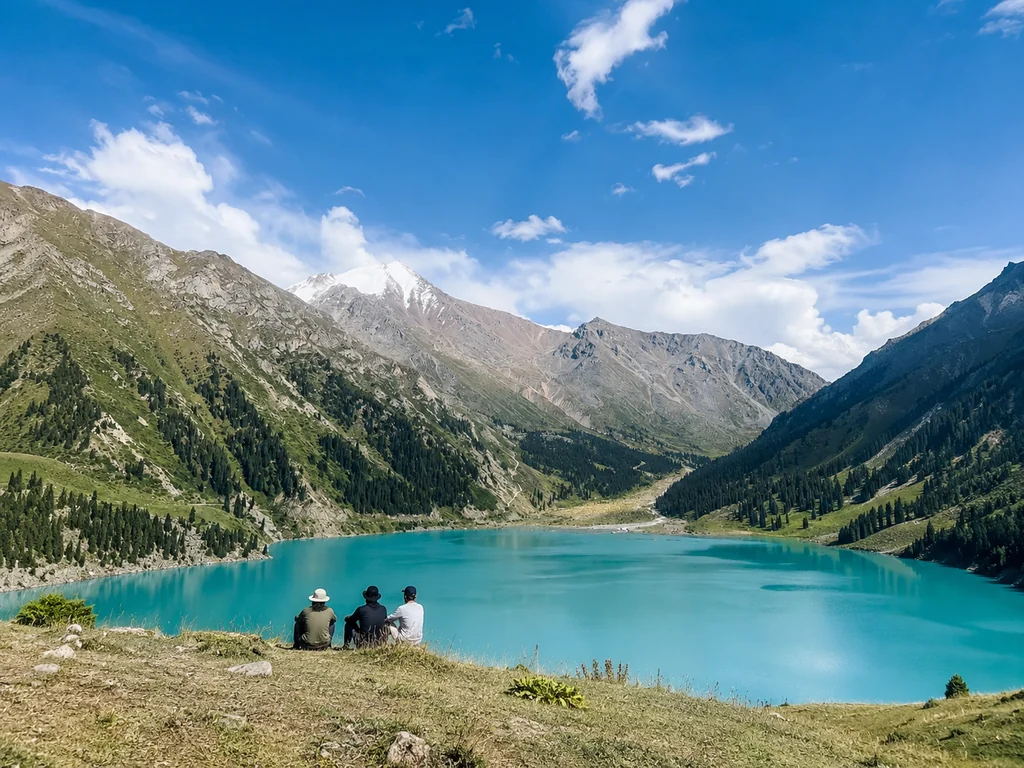
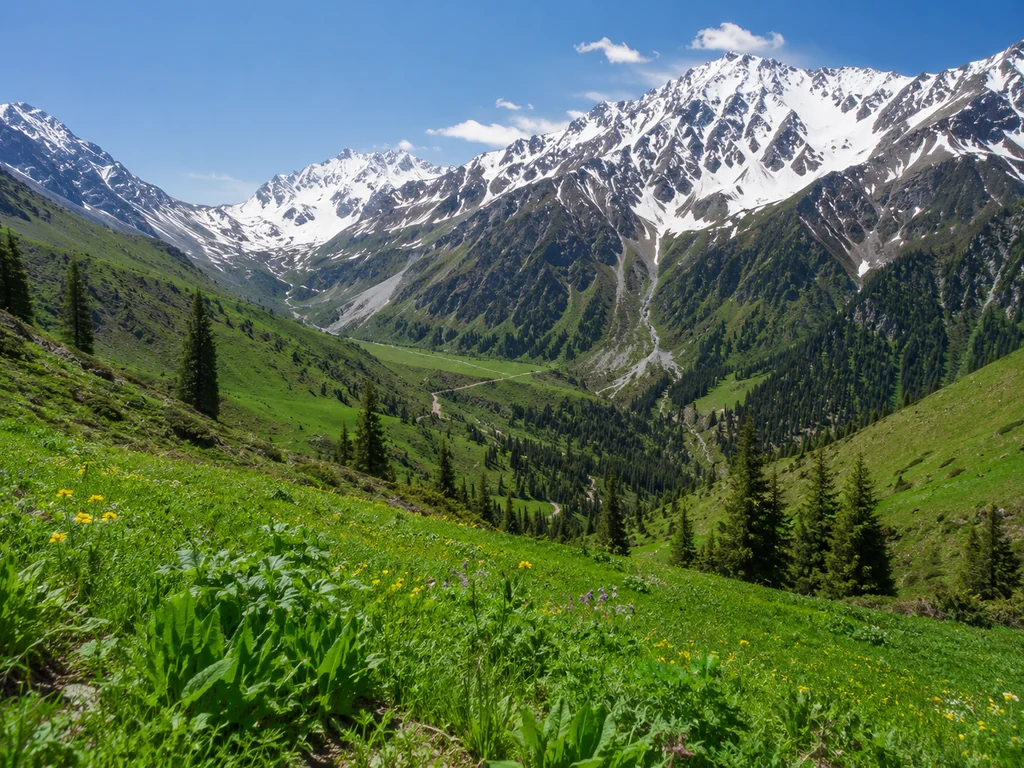
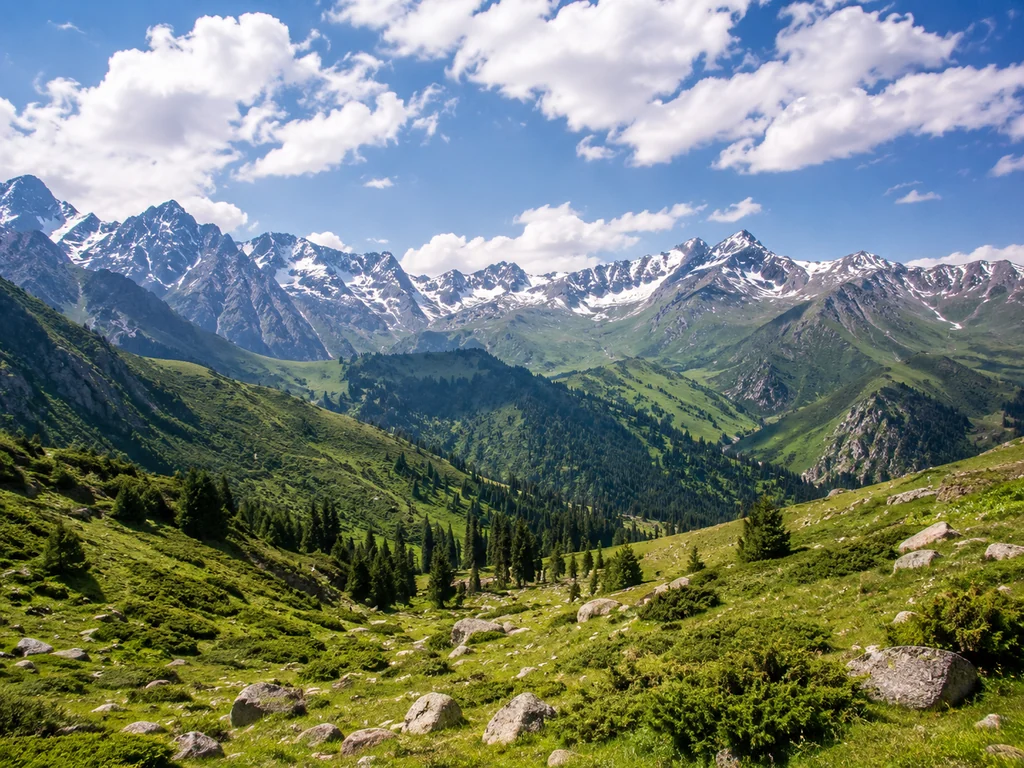
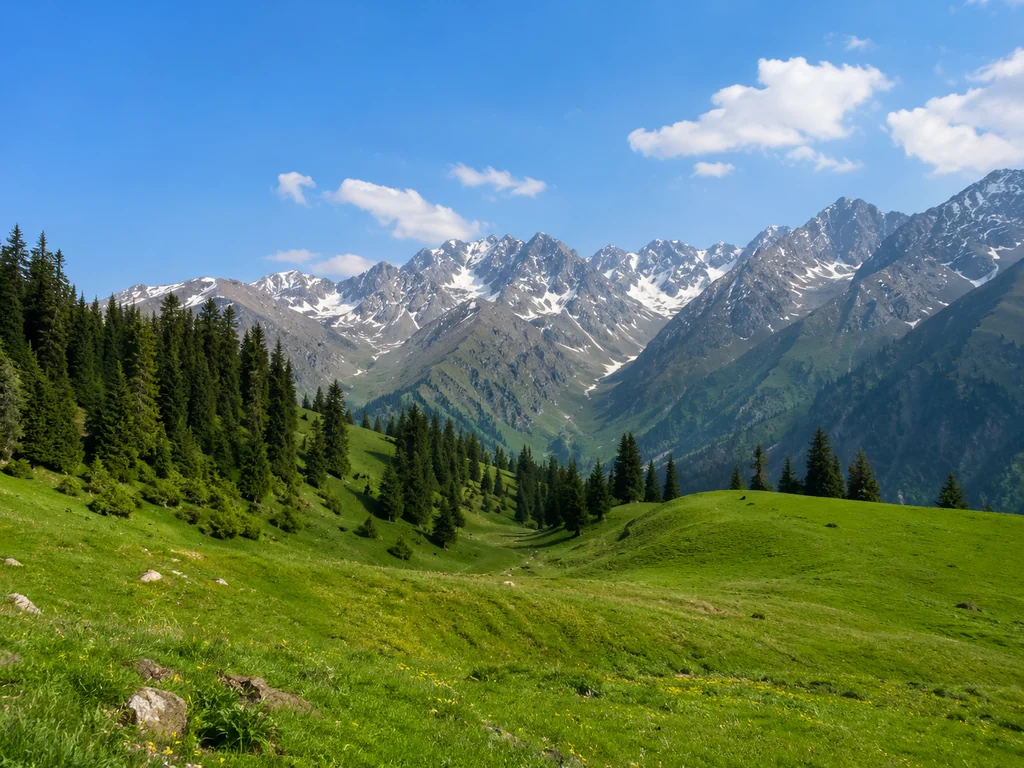
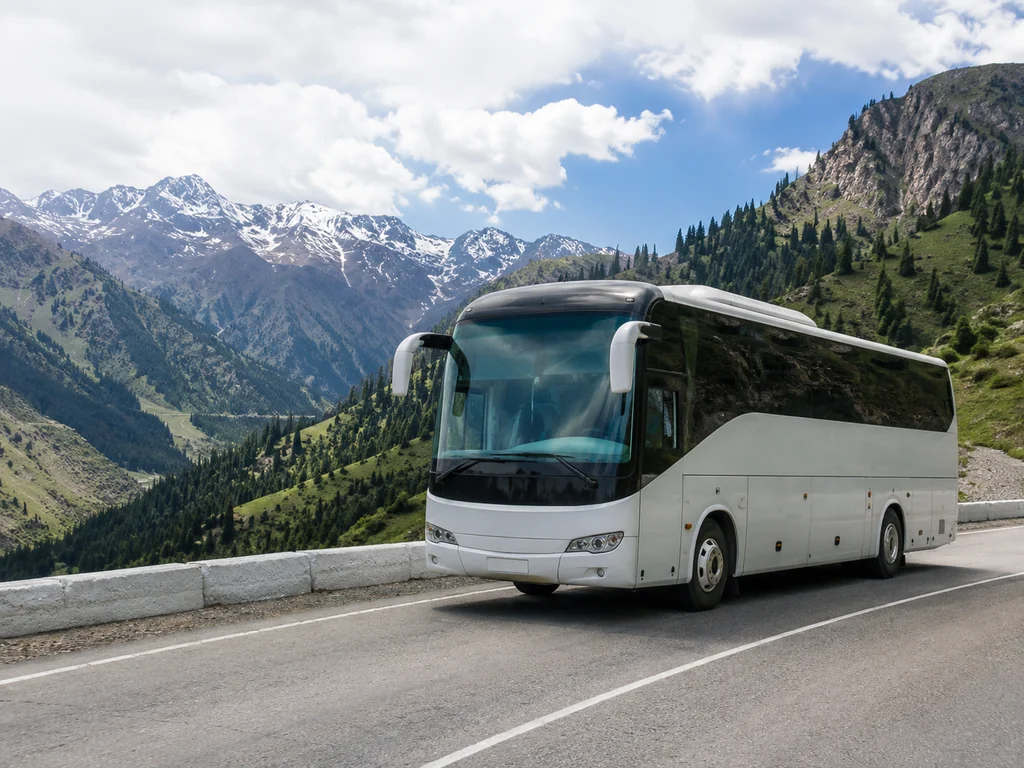
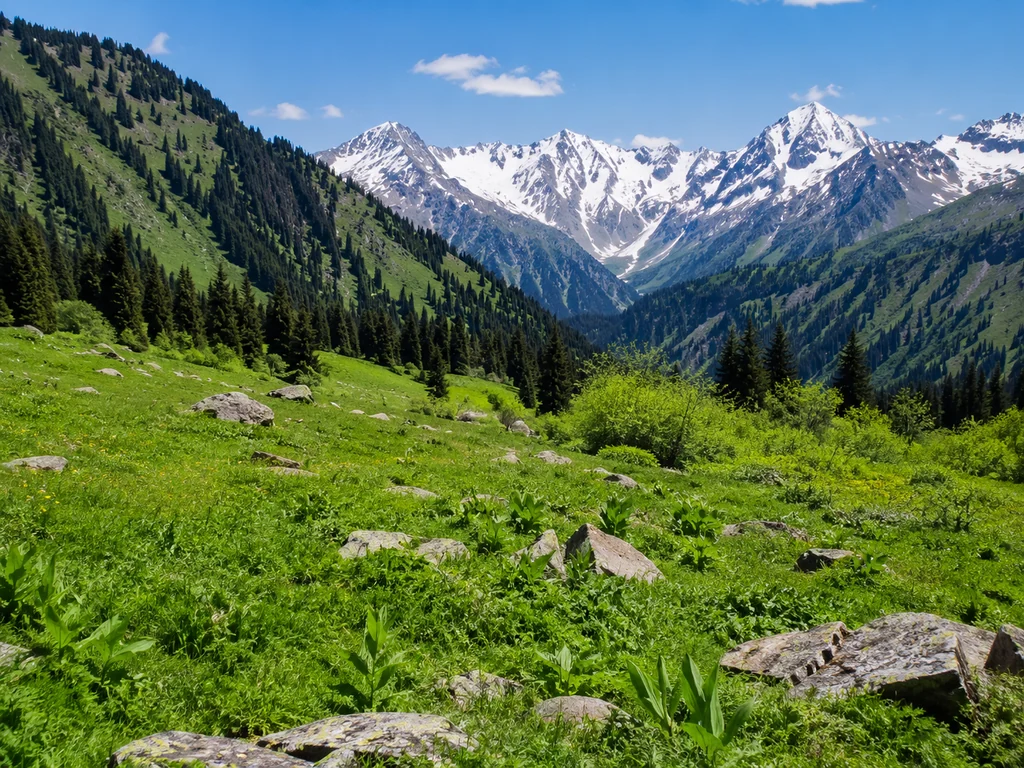
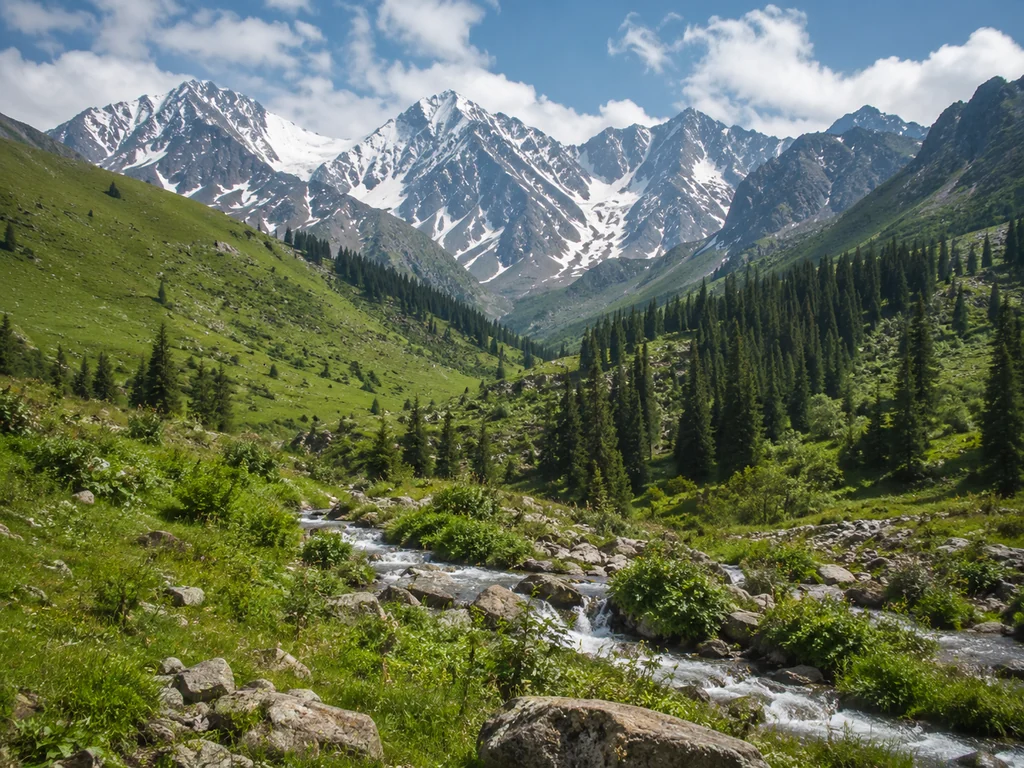
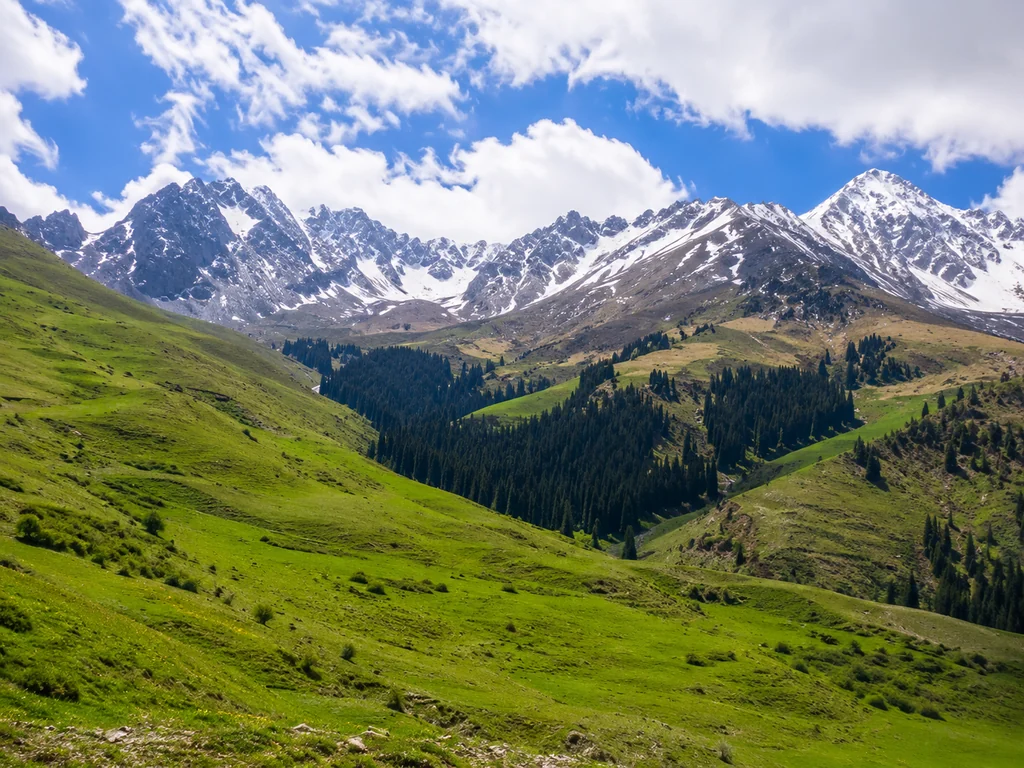
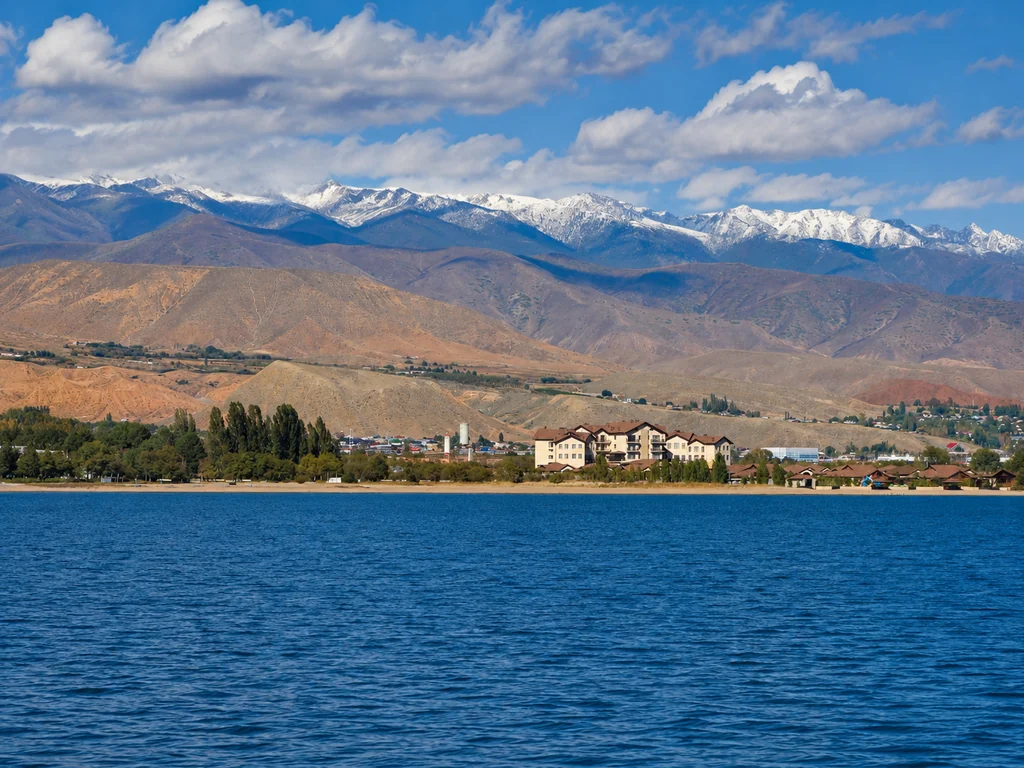
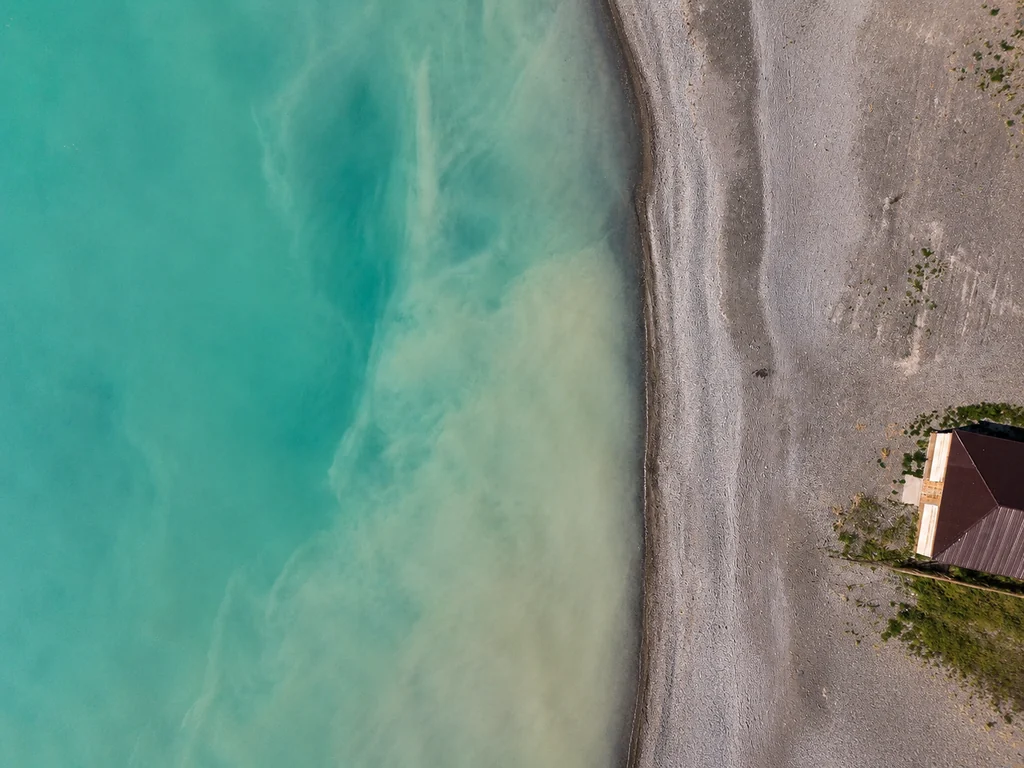
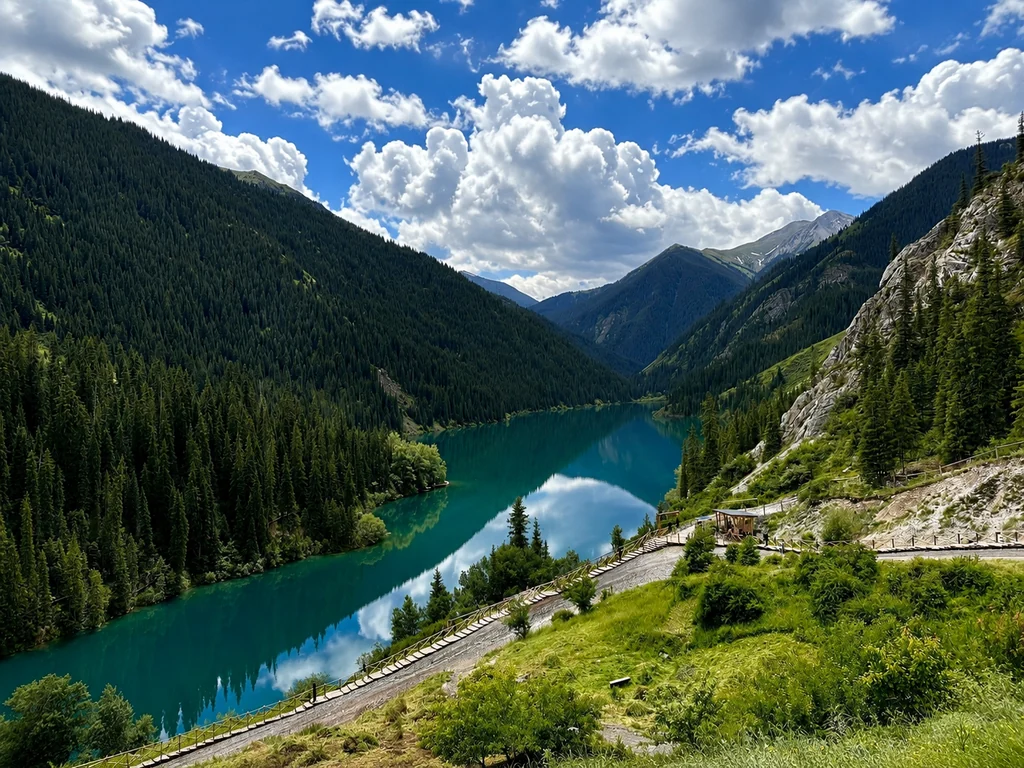
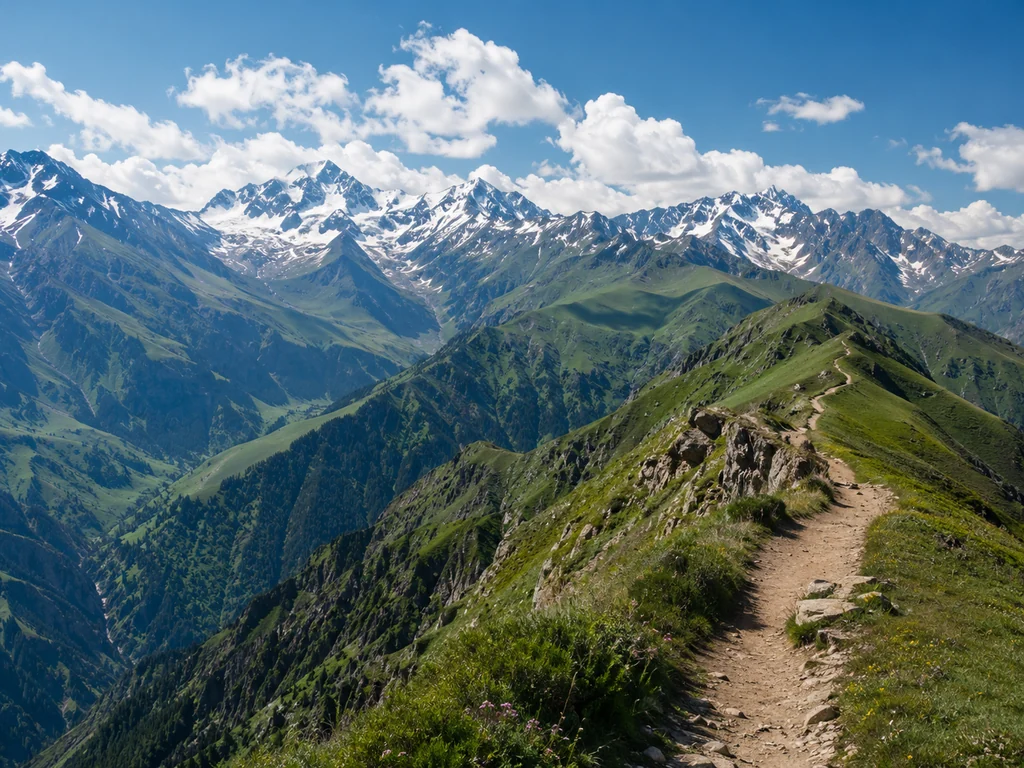
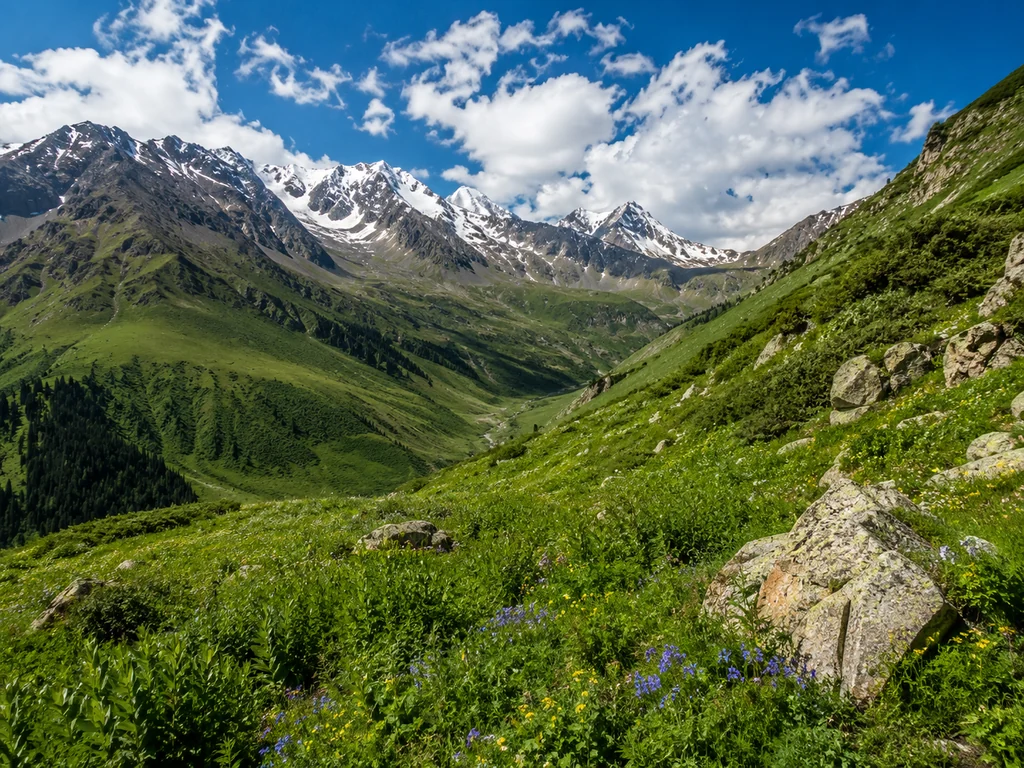
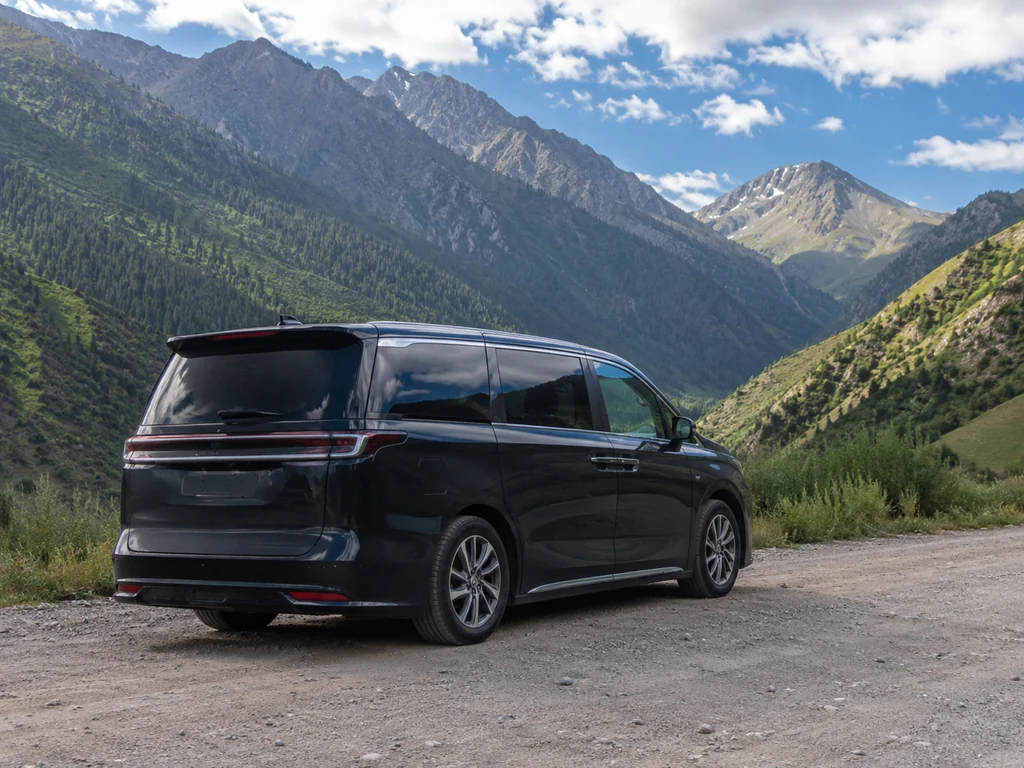
At toor, we organize tours to the Paradise Lakes from Almaty — day trips from 9,900 KZT/person and multi-day trips with overnight camping. The route passes through the Turgen Gorge (9–12 km one way, elevation gain 600–800 m). The price includes SUV transfer, a certified guide, insurance, and meals.
Day Trip or Multi-Day: Which Paradise Lakes Tour to Choose
The main question our tourists ask us is: go for one day or stay overnight? The hike to the Paradise Lakes Almaty is one of the most popular routes among our tourists, and we help you choose the right format. Let's break down both options so you can choose based on your experience and expectations.
Day Trip to the Paradise Lakes: Program and Features
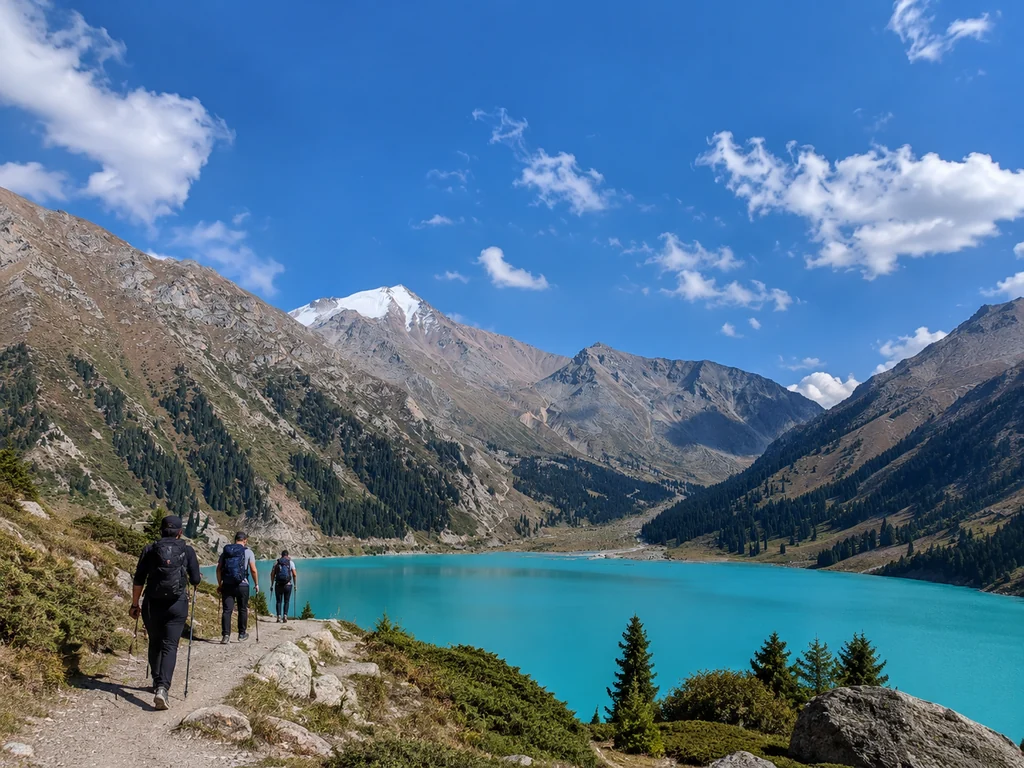
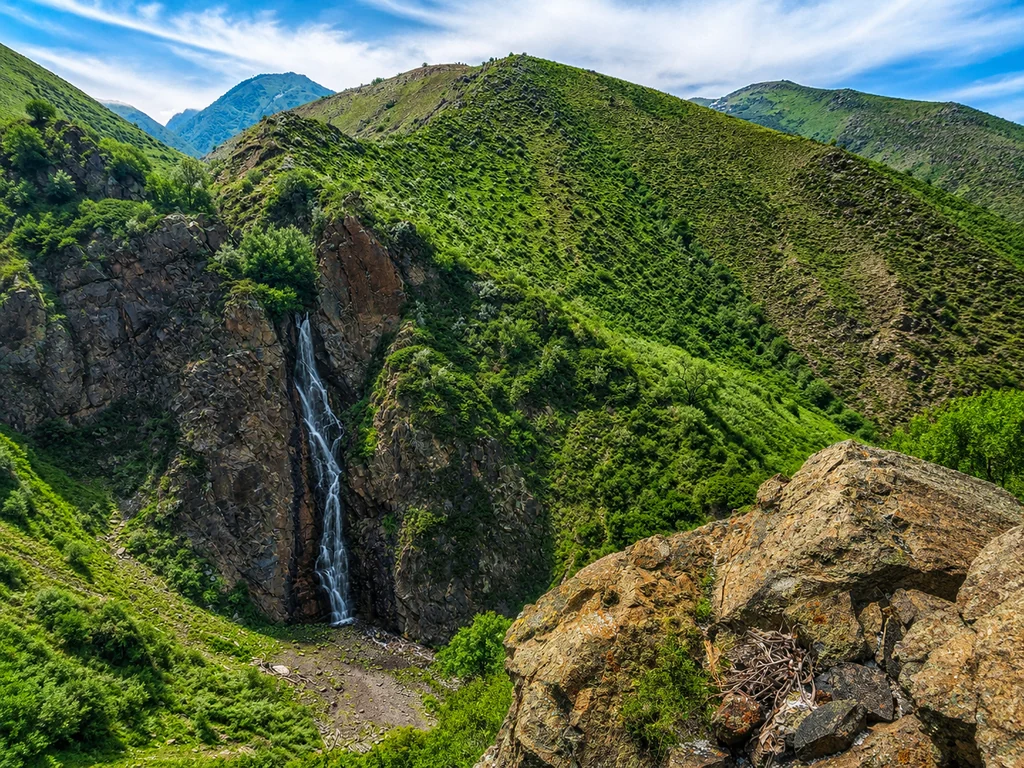
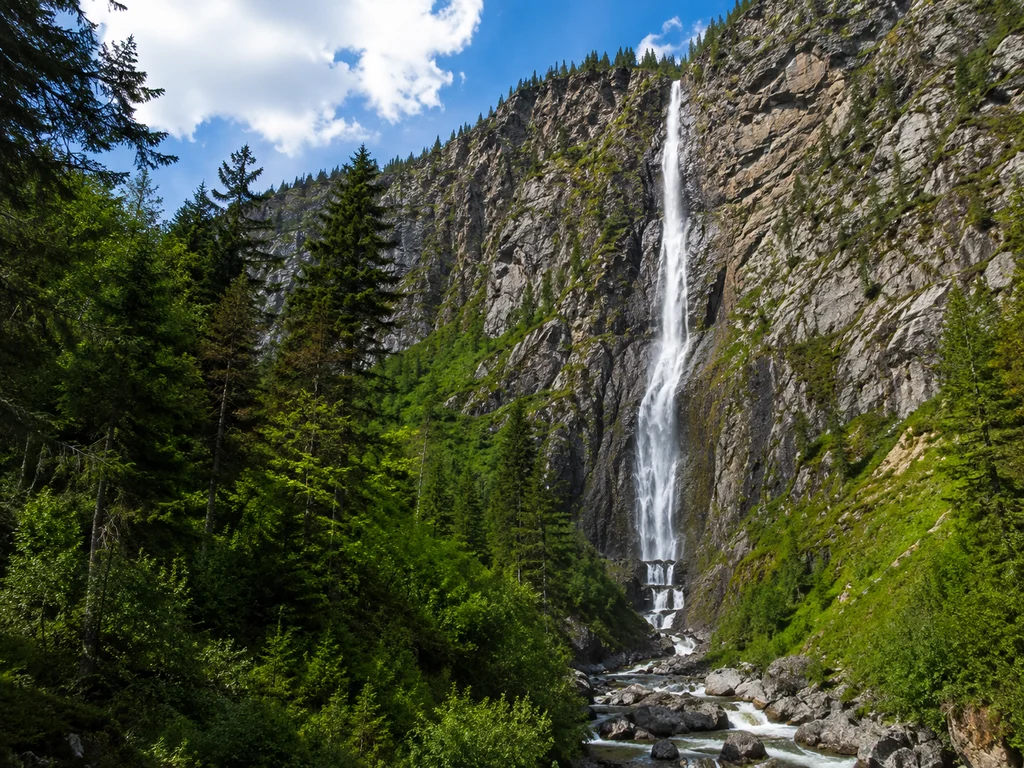
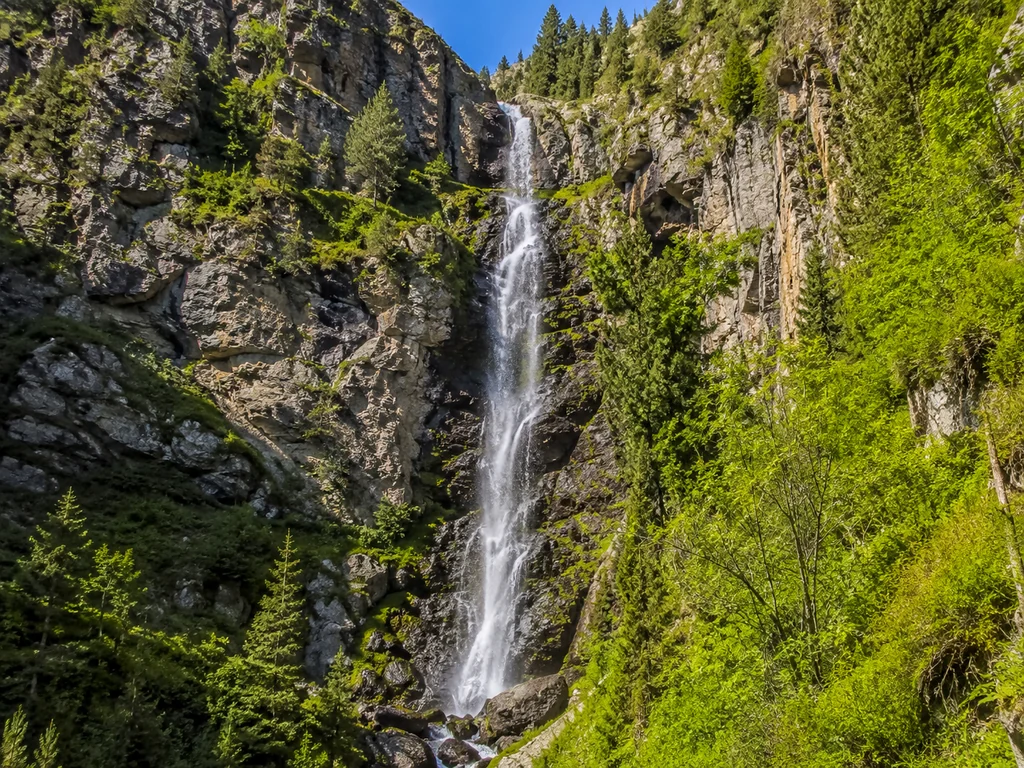
We run day trips to the Paradise Lakes departing from Almaty at 7:00 AM and returning by 6:00 PM — total duration 8–10 hours, of which 5–6 hours is pure hiking time. The SUV transfer takes 1.5 hours to the Turgen Gorge, then the group, led by a certified guide, covers 9 km with an elevation gain of 600–800 m along a trail through spruce forest and alpine meadows. The route includes a picnic with hot tea and sandwiches, stops at all three lakes for swimming (water temperature +6…+10 °C) and photos, and a radial hike to the Medvezhiy Waterfall. For a beginner, the day trip format is optimal: you get to see all three lakes, swim, and take photos, without the challenge of an overnight stay in a tent at 2500 m altitude.
Multi-Day Hike to the Paradise Lakes: Overnight Camping
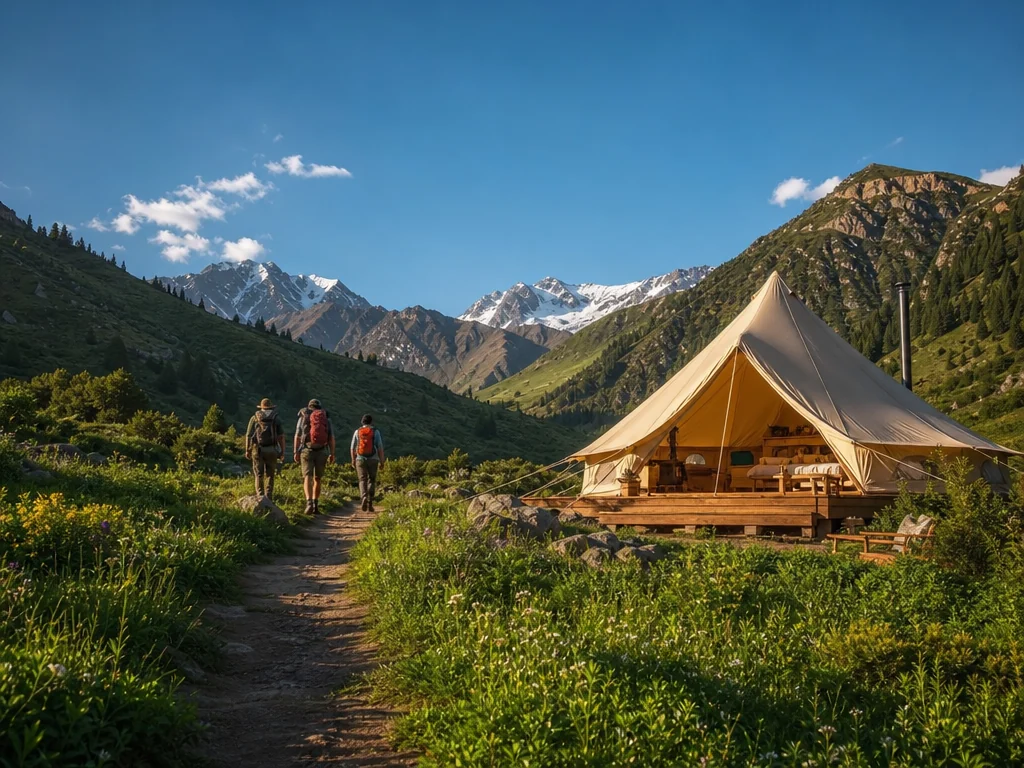
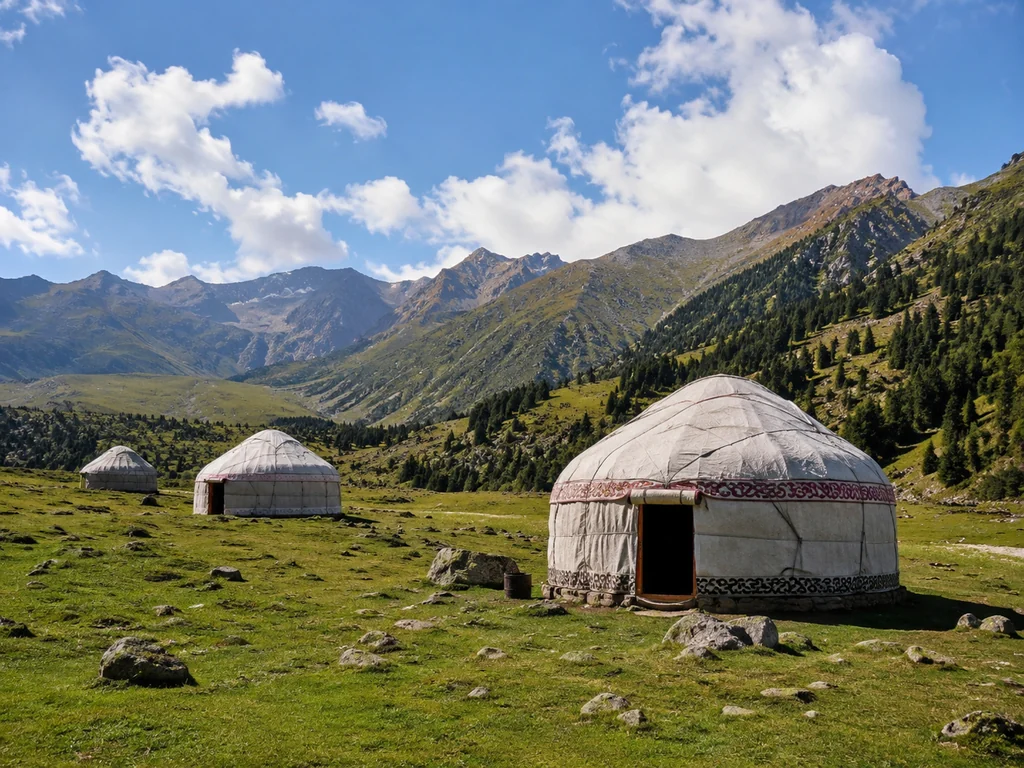
The multi-day hike to the Paradise Lakes lasts 2–3 days with overnight stays in tents at equipped campsites in the Turgen Gorge — we provide tents, sleeping bags, and hot meals. On the first day, the group covers the same 9-kilometer route to the lakes, but after lunch, instead of returning to the city, they set up camp in a clearing by the second lake. Here, the guide cooks dinner over a campfire, and in the evening, you can sit by the fire and listen to the mountain silence. On the second day: a radial hike to the Medvezhiy Waterfall and a walk in the Kokpek Gorge, followed by a descent to the vehicle and return to Almaty by 6:00 PM; the three-day format adds another day for exploring neighboring gorges and alpine meadows. The two-day format allows you to leisurely visit all three lakes, climb to the Medvezhiy Waterfall, and catch the sunrise at 2700 m altitude — this is a completely different level of experience compared to a single day.
Comparison of Day Trip and Multi-Day Tour
| Parameter | Day Trip | Multi-Day Tour (2 days) |
|---|
| Duration | 8–10 hours | 2 days / 1 night |
| Hiking Time | 5–6 hours | ~10 hours over two days |
| Elevation Gain | 600–800 m | 600–800 m + radial hikes |
| Overnight | No | Tent + sleeping bag (provided) |
| Meals | Picnic on the trail | Dinner + breakfast + lunch |
| Price from | 9,900 KZT/person | 24,900 KZT/person |
| Suitable for | Beginners, families with children aged 14+ | Experienced tourists, nature lovers |
If your goal is simply to see the lakes and take photos, one day is enough. If you want to fully immerse yourself in the mountain atmosphere, choose the two-day option.
Prices for Tours to the Paradise Lakes: What's Included and How to Save
Price is the main question when choosing a trip. An excursion to the Paradise Lakes with us includes transfer, guide, and meals — no hidden fees. Let's break down how much tours to the Paradise Lakes from Almaty cost, what's included, and how not to overpay intermediaries.
Cost of toor Hikes to the Paradise Lakes in 2025
The Paradise Lakes tour price starts from 9,900 KZT/person for a day trip and goes up to 98,900 KZT/person for a VIP format with a private guide and upgraded meals. The basic day trip includes SUV transfer to the Turgen Gorge (1.5 hours), a certified guide, insurance, trekking poles, and a hot picnic at 2700 m altitude. A two-day hike with overnight camping costs from 28,900 KZT/person — this additionally includes tent and sleeping bag rental, dinner and breakfast on the trail. The VIP tour for 98,900 KZT/person is designed for groups of up to 4 people: a private guide, an upgraded menu with hot dishes, drone photography, and a dedicated SUV. We are a direct tour operator, so our price has no aggregator markups: you pay for real services — transfer, guide, insurance, and meals — not for an intermediary's brand.
What's Included in the Trip to the Paradise Lakes
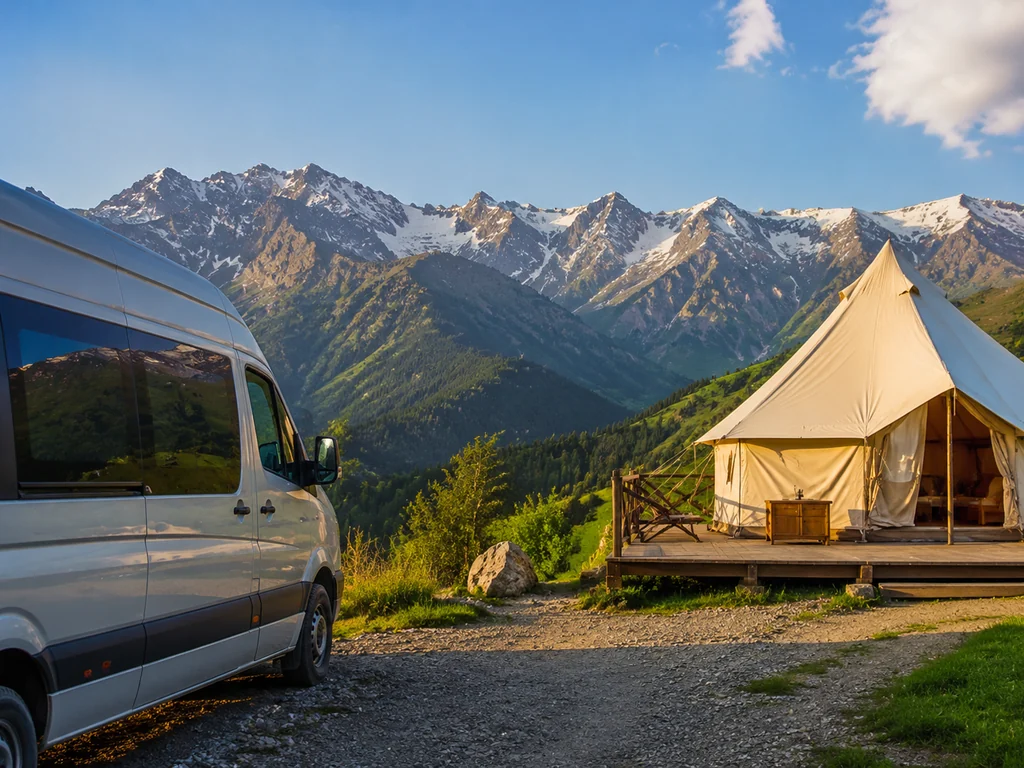
- SUV Transfer: you are picked up from your address in Almaty and taken to the start of the route in the Turgen Gorge — the same process applies for the return.
- Certified Guide: the route is accompanied by an instructor with at least 5 years of experience, holding a mountain training certificate and a first aid kit.
- Participant Insurance: each tourist is insured against accidents during the route for an amount starting from 500,000 KZT — this is a mandatory requirement.
- Trekking Poles and Meals: we provide poles to relieve knee strain on descents, and at the rest stop, a hot lunch (pilaf, tea, pastries) or a picnic with snacks.
- No On-Site Surcharges: the only things not included in the base price are personal expenses (souvenirs, extra drinks) and rental of special equipment like hiking boots if you don't have your own.
How to Save on a Trip to the Paradise Lakes
The main way to save on a trip to the Paradise Lakes is to book directly with the organizer, not through aggregators that add a 15–30% commission to the price. The Paradise Lakes from Almaty price directly from the organizer starts from 9,900 KZT/person, with no intermediary markups. On third-party platforms, the same day trip can cost 12,000–14,000 KZT/person instead of the base 9,900 KZT/person — the difference goes to the intermediary, not to the quality of services. If you go as a group of 6 or more people, the price per person decreases — group rates from direct organizers offer discounts of up to 15% off the base price. When booking two weeks before the hike date, an early booking discount applies, fixing the price at 9,500 KZT/person, which is 400 KZT cheaper than the standard rate.
Route Difficulty: Can a Beginner Handle It
The hike to the Paradise Lakes is considered a moderate-difficulty route. The hiking tour to the Paradise Lakes lasts 8–10 hours including transfer and stops, which is comfortable for beginners. Let's analyze what this means in practice and whether you can complete it without special training.
How Many Kilometers to Walk to the Paradise Lakes and What is the Elevation Gain
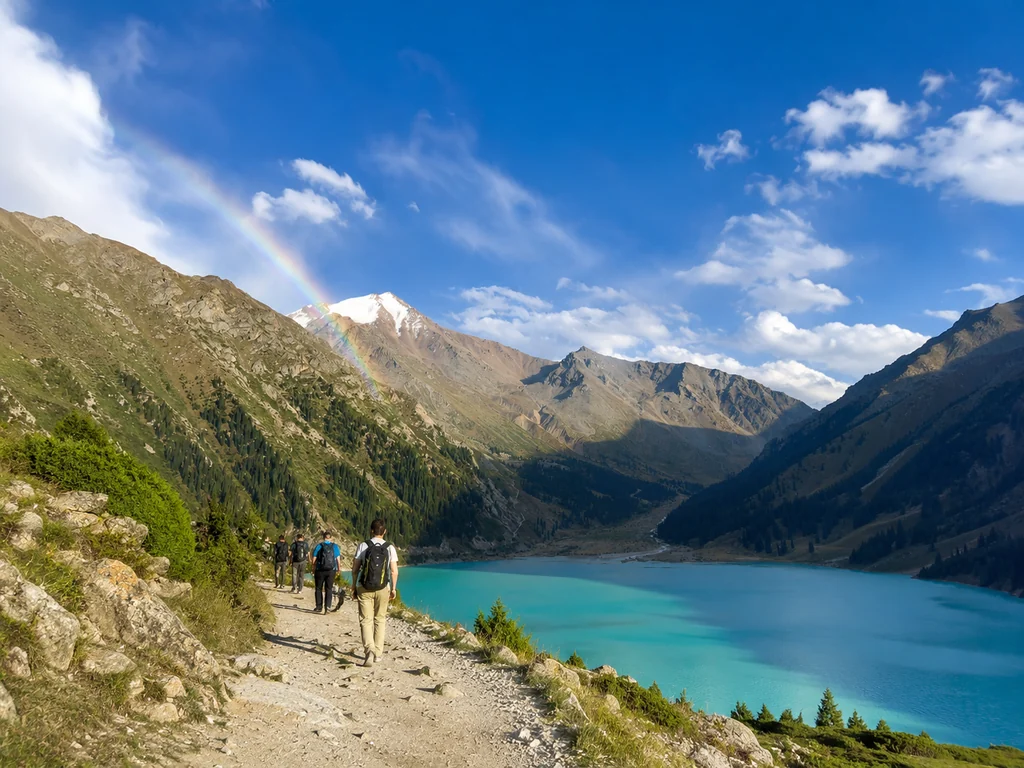
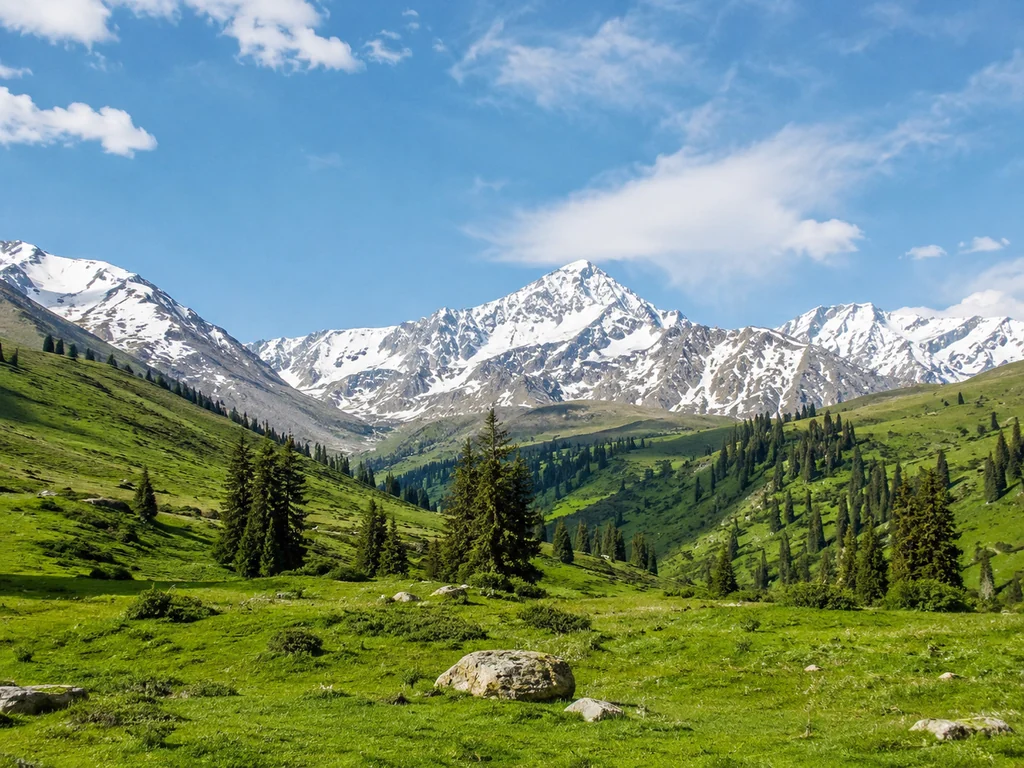
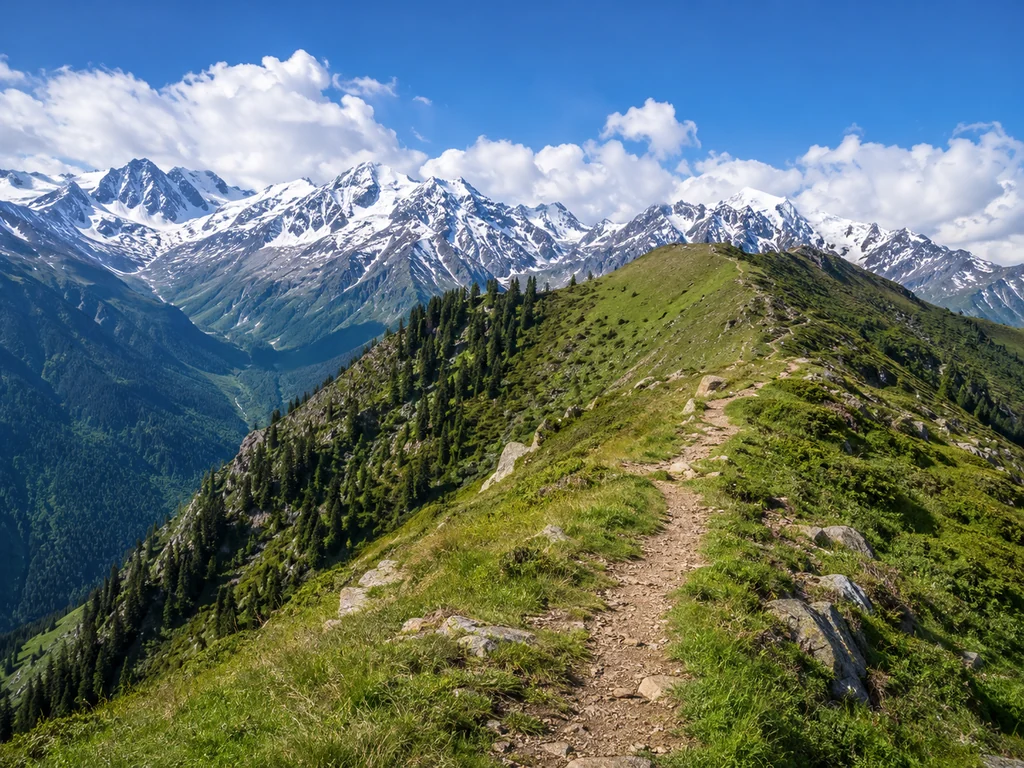
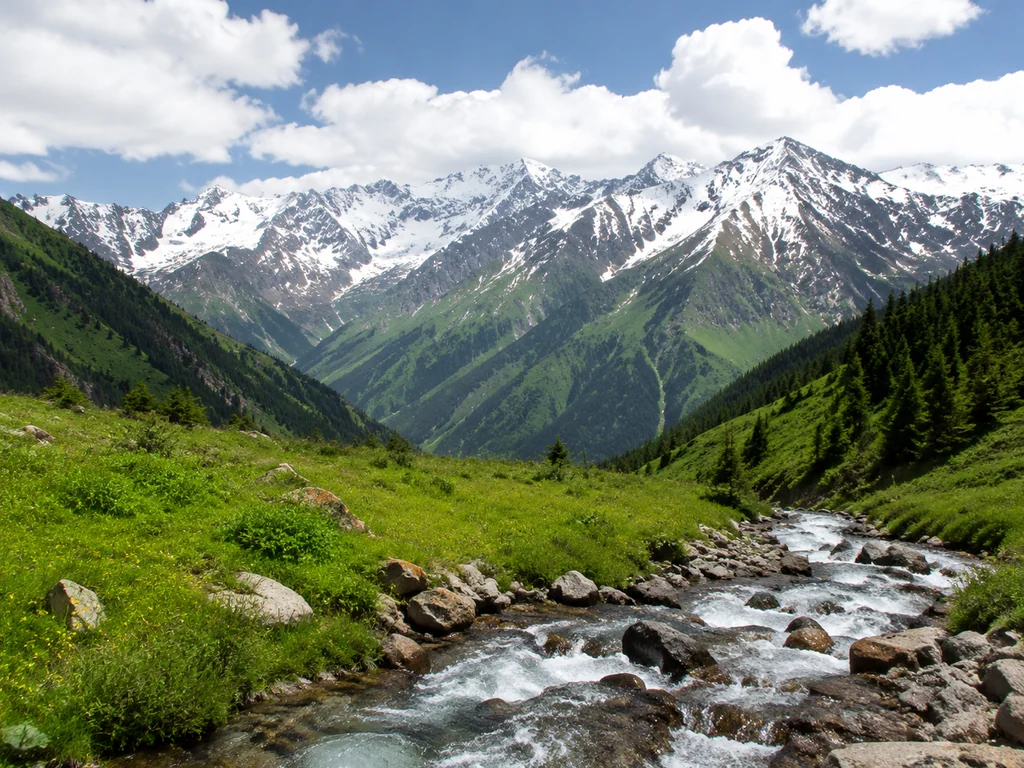
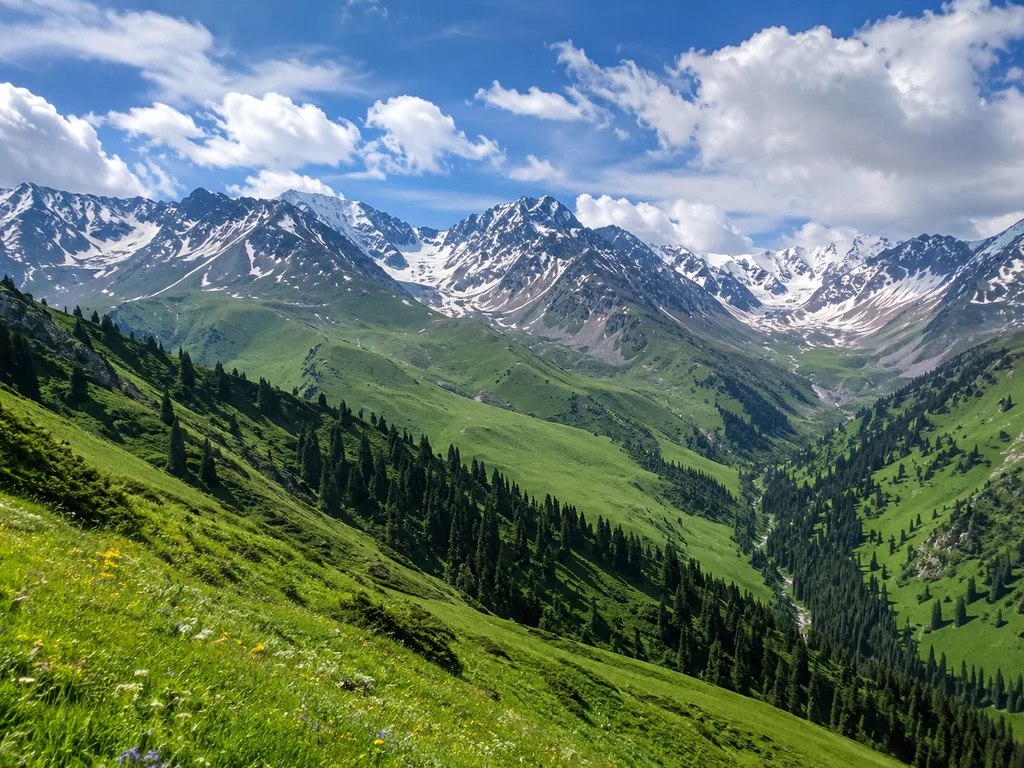
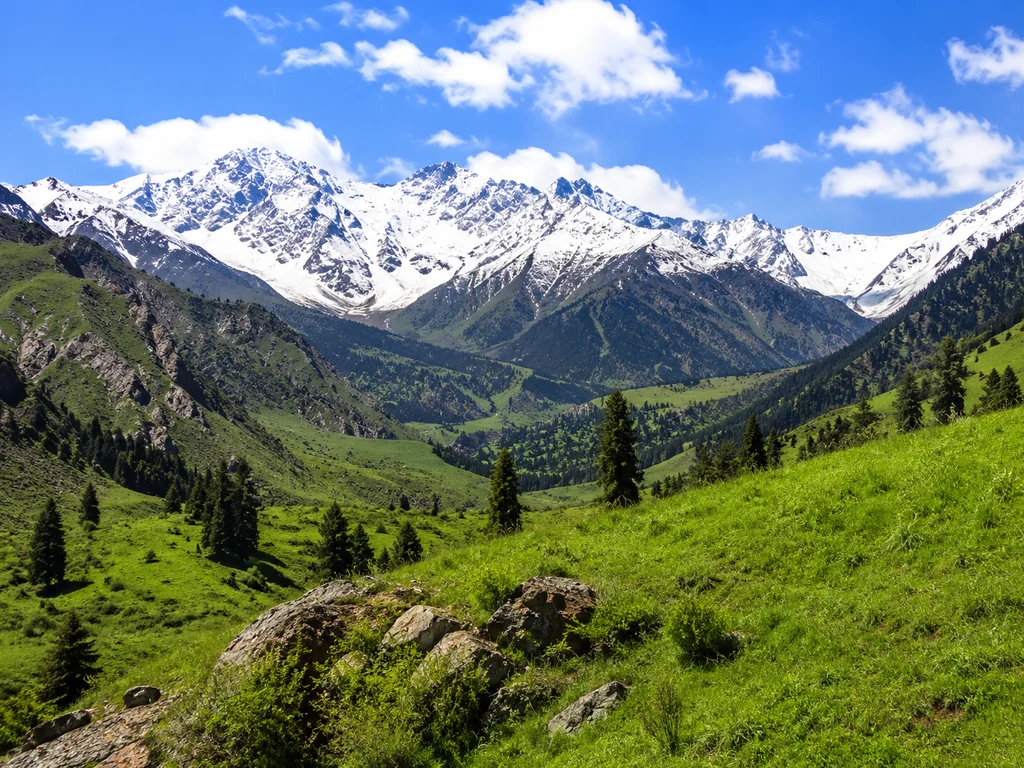
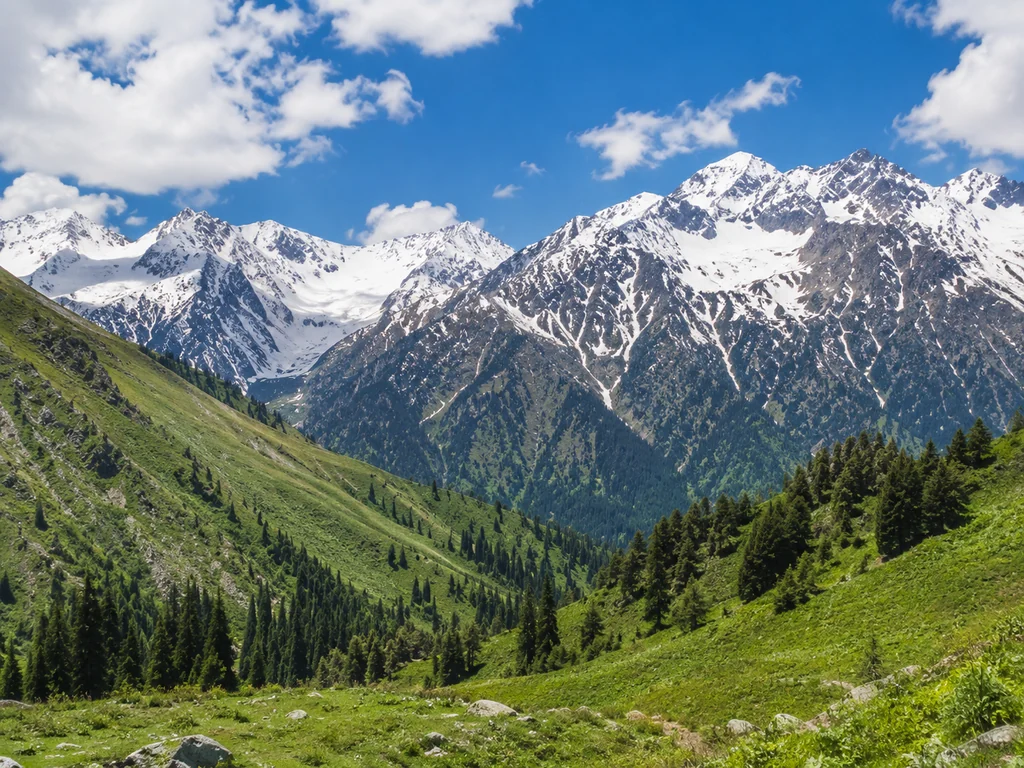
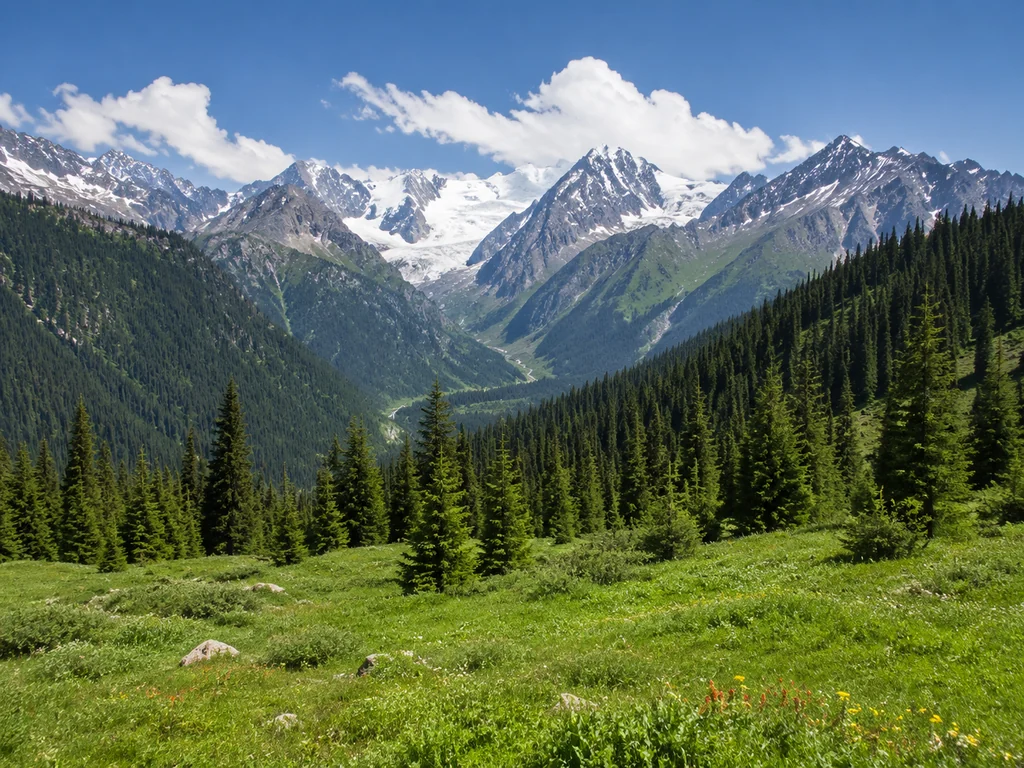
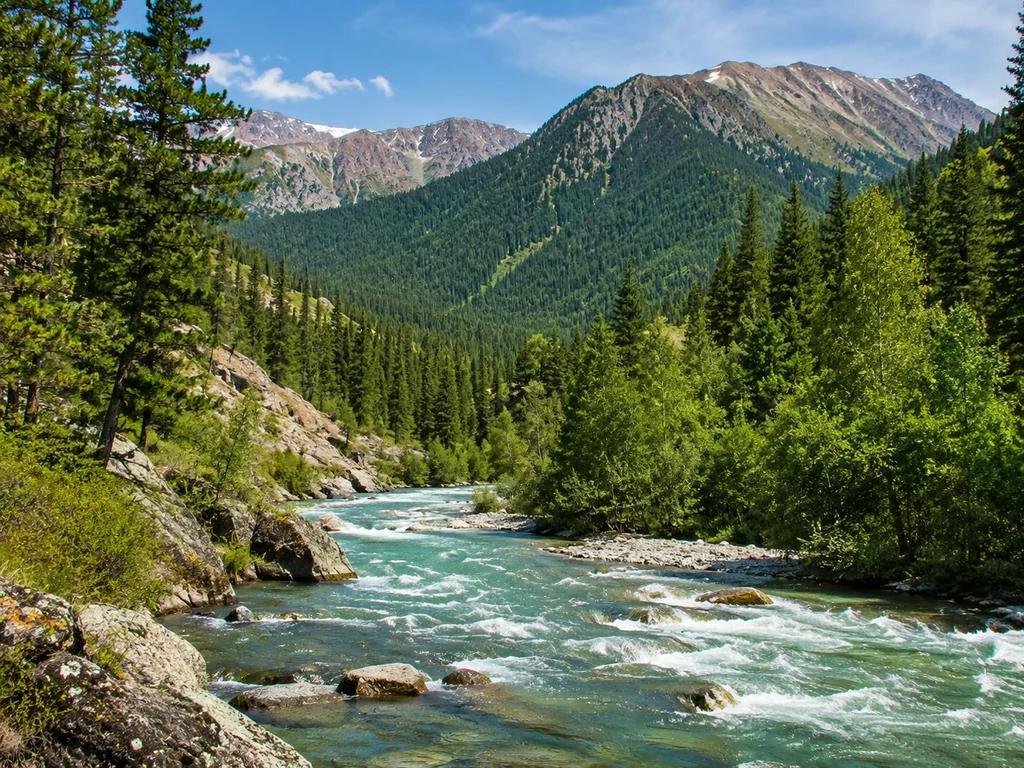
The route length to the Paradise Lakes is 9–12 km one way with an elevation gain of 600–800 meters, starting at around 1900 m and finishing at an altitude of 2500–2700 m. The trail passes through the Turgen Gorge in the Zailiysky Alatau — first through a spruce forest, then through alpine meadows with juniper. The steepest section is the first 2 km after leaving the gorge: here you gain about 300 meters in an hour, after which the ascent becomes gentler and alternates with horizontal stretches along streams. On the final 500 meters before the first lake, there is another small climb, but it is shorter and easier than the start — it takes 15–20 minutes. If you use trekking poles, the load on your knees during the descent is reduced by 30–40%, especially on rocky sections near the Medvezhiy Waterfall.
What is the Difficulty of the Route and is it Suitable for a Beginner
The route to the Paradise Lakes is classified as "moderate difficulty" and is suitable for beginners aged 14 and up — we regularly have groups where 70% of participants are on their first mountain hike. A certified guide leads groups of up to 12 people with frequent stops every 20–30 minutes for rest and photos, so the 9–12 km distance is covered comfortably in 5–6 hours of hiking time. The only objective limitations are chronic knee or cardiovascular problems: the 600–800 m elevation gain puts strain on the heart, and the descent on a rocky trail puts strain on the joints. The main thing for a beginner is not speed, but pace: if you walk steadily, without overtaking the guide, your heart rate stays in the 120–130 bpm zone, and by the finish, you're not collapsing from fatigue but have time to swim in the lake and have dinner.
How Long Does the Hike to the Paradise Lakes Take
A full day hike to the Paradise Lakes takes 8–10 hours, including the transfer from Almaty (1.5 hours one way), the route itself (5–6 hours), and stops for lunch and swimming. Departure by SUV is at 7:00 AM, returning to the city around 5:00–6:00 PM. If you book a multi-day tour, the pure hiking time is spread over two days at 3–4 hours each — this is significantly easier physically than walking for 6 hours straight, plus you get the chance to stay overnight by the lakes and watch the sunrise at 2600 meters altitude without rushing.
Seasonality and Weather at the Paradise Lakes: When to Go
The hiking season at the Paradise Lakes runs from June to October, but the weather varies dramatically each month. Let's break down when is the best time to go and what to expect from the weather.
Season at the Paradise Lakes: When the Route Opens and Closes
The hiking season opens in June and lasts until the end of October — during these months, the route is fully passable, there is no snow on the trail, and daytime air temperatures range from +15…+25°C. In June, at 2500 m altitude in the Turgen Gorge, remnants of snow still lie in shaded areas, but by mid-month, the trail dries out completely. October is a transitional month: daytime temperatures reach +5…+12°C, but nighttime frosts down to -5°C are possible, so the guide always checks the forecast before the group departs. In May and November, we do not run these trips: in May, snow still lies at 2500 m altitude, and in November, frosts down to -5°C begin, making the ascent dangerous due to trail icing.
Weather at the Paradise Lakes by Month: June, July, August, September, October
| Month | Daytime Temperature | Water Temperature | Features |
|---|
| June | +15…+20°C | +6…+8°C | Alpine meadows bloom, brief showers possible |
| July | +20…+25°C | +8…+10°C | Peak season, water comfortable for swimming, many tourists |
| August | +18…+23°C | +8…+10°C | Warm, clear skies, the most stable month with no precipitation |
| September | +12…+18°C | +6…+8°C | Golden autumn in the alpine meadows, few people, best light for photos |
| October | +5…+12°C | +4…+6°C | Frosts possible, warm jacket and thermal underwear needed |
The most photogenic month is September: golden autumn in the alpine meadows, fewer tourists, and stable weather without July thunderstorms. If you're planning a photo shoot, choose this month — the light is soft, and the larch and juniper trees turn ochre and crimson.
When is the Best Time to Go to the Paradise Lakes: Guide's Recommendations
Based on our guides' experience, the best time for a hike to the Paradise Lakes is the second half of August and the first half of September: stable weather, warm water in the lakes, and minimal risk of rain. In August, daytime temperatures are +18…+23°C, and the water warms up to +10°C — ideal for swimming after the climb. In September, the air is cooler (+12…+18°C), but there are almost no other groups on the trail, and the alpine meadows turn gold — the best season for photographers. If your main goal is to swim in the lakes, plan your trip for July-August, when the water warms up to +10°C. In June and September, the water is colder (+6…+8°C), but swimming is still possible — many tourists do it.
What to Bring on a Hike to the Paradise Lakes: Full List
Proper gear is the key to a comfortable hike. We've compiled a complete list of what you need to bring to the Paradise Lakes, considering the season and trip format.
Clothing and Footwear for the Hike to the Paradise Lakes
- Trekking boots: mandatory, with high ankle support and a stiff sole — on the rocky trail with scree, sneakers don't hold the foot, increasing the risk of sprains threefold.
- Thermal underwear and a fleece: even in July at 2500 m altitude, the temperature drops to +10°C, and the wind in the Turgen Gorge adds another 5–7°C of perceived cold.
- Waterproof jacket: rain in the Zailiysky Alatau is sudden — a downpour can start in 10 minutes and last an hour; wet clothes on the descent guarantee hypothermia.
- Spare socks and light pants: on alpine meadows after rain, the grass is wet up to the knee, and dry socks at the rest stop restore comfort in 5 minutes.
- Hat and sunglasses: on open sections of the route, UV radiation at 2500 m altitude is 30% more aggressive than in the city — corneal burns are possible even on a cloudy day.
What toor Provides and What You Need to Bring
| What toor Provides | What You Need to Bring |
|---|
| Trekking poles | Trekking boots or sneakers with a stiff sole |
| First aid kit (bandage, plaster, antiseptic) | Water 1.5–2 L |
| Satellite phone for communication | Waterproof jacket |
| Meals: picnic with hot tea and sandwiches | Sunscreen SPF 50+ and sunglasses |
| Tents and sleeping bags (on multi-day tours) | Backpack 20–30 L |
| Insurance for the route | Camera or phone for photos |
Meals are included in the price — we organize a picnic with hot tea, but if you have dietary restrictions, inform the guide a day in advance: there is no way to replace products on the trail.
What Not to Bring on a Hike to the Paradise Lakes
- Heavy backpack (more than 5–7 kg): on the 600–800 m ascent, every extra kilogram increases your heart rate by 5–10 beats per minute, quickly leading to shortness of breath even for trained travelers.
- Glassware and jars: on the rocky trail, glass breaks when dropped — shards are dangerous for you and other group members.
- Too much extra food: meals are included in the trip (a picnic, and on multi-day trips, hot dinner and breakfast); additional snacks are best limited to a couple of bars with a total weight of up to 200 g.
- Suitcases on wheels and bags without straps: the 9–12 km route over uneven terrain with elevation changes — wheels are useless on rocks, and a bag without straps has to be carried in your hands.
- Umbrella and heavy raincoat: a compact waterproof jacket weighs 200–300 g and doesn't hinder walking, while an umbrella is useless in the wind in the gorge.
Mountain Safety: Guide's Tips and Rules of Conduct
Safety on the route is the guide's primary responsibility. We break down how group protection is organized and what to do in an emergency.
How We Ensure Safety on the Route
Certified guides with at least 5 years of experience, an Iridium 9575 satellite phone for communication with the base, and a mandatory 15-minute briefing before departure — these are the three elements of safety on the route to the Paradise Lakes. The instructor holds a valid mountain instructor certificate, undergoes annual certification, and knows every turn of the Turgen Gorge — from the Medvezhiy Waterfall to the scree slopes near the third lake. The satellite phone works at 2500 m altitude in any weather, while cellular reception is only available near the pass. The briefing covers rules for moving on scree, using trekking poles, and the prohibition on leaving the trail. Before each hike, the guide checks the forecast, trail conditions, and the water level in the Turgen River — in unfavorable conditions, we reschedule or change the route, not risking the group.
What to Do in Case of Weather Deterioration, Injury, or Disorientation
In case of weather deterioration, the guide immediately turns the group towards the nearest shelter — a forested area or a rock overhang near the first lake; in case of injury, provides first aid from the kit (15 items: tourniquet, bandages, antiseptic, painkiller, blister plaster, anti-allergy medication) and calls for evacuation via satellite phone; in case of disorientation, uses a Garmin GPS navigator and a paper map of the gorge. Evacuation from 2500 m altitude is only possible on foot or by horse from the farm in the Kokpek tract — the guide assesses whether the participant can walk independently. The most dangerous decision in the mountains is to continue climbing at the first signs of a thunderstorm: on open terrain without shelter, the risk of lightning strike is real, so we always turn back.
Why You Should Choose Us for a Trip to the Paradise Lakes
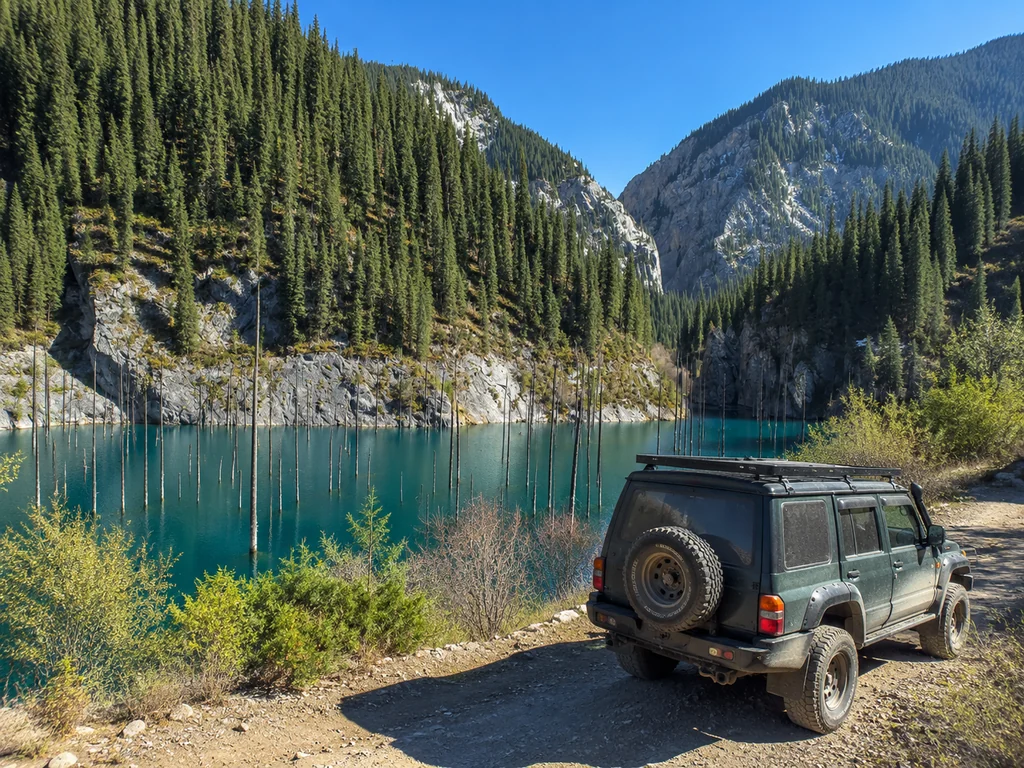
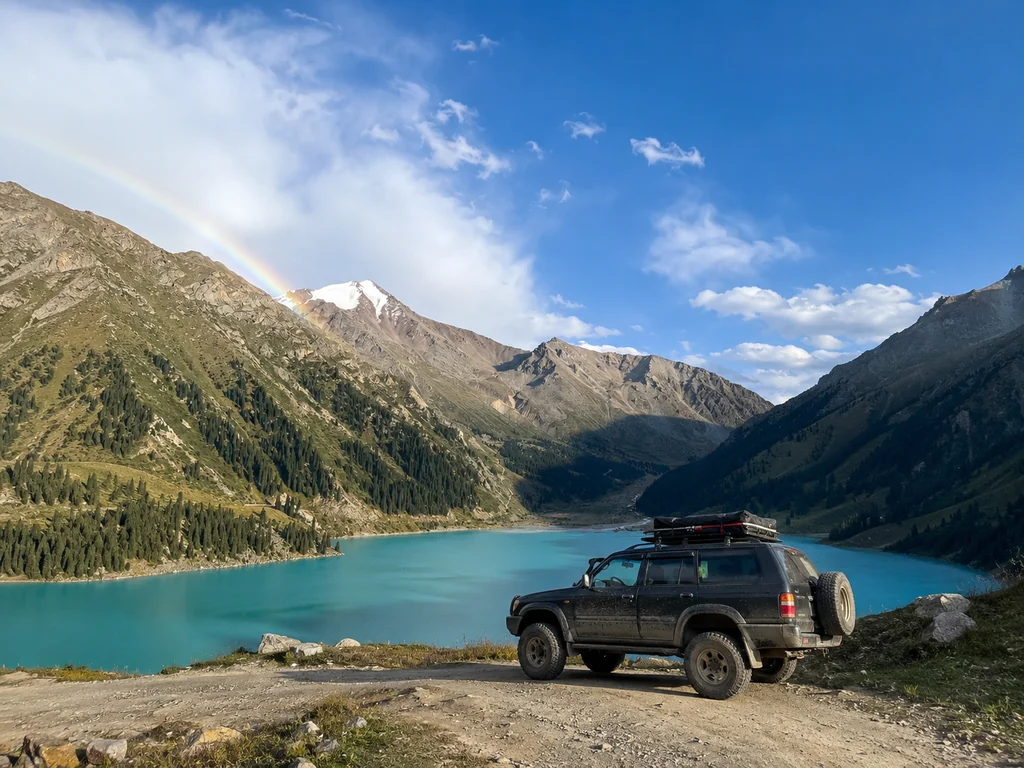
We are a direct tour operator from Almaty, not an aggregator — we organize the SUV transfer ourselves, hire certified guides with at least 5 years of experience, insure each participant, and provide equipment without intermediaries or hidden fees. The transfer via Toyota Land Cruiser Prado takes the group in 1.5 hours directly to the start of the trail, bypassing minibuses and transfers. All instructors undergo annual certification and hold mountain guide certificates — this guarantees that the group is led by a professional, not a random person from a marketplace.
Common Beginner Mistakes on the Route to the Paradise Lakes
In 5 years of operation, we have led hundreds of groups and noticed the same recurring mistakes. We break down the top 3 beginner mistakes on the route to the Paradise Lakes — so your hike goes without surprises.
Wrong Footwear and Clothing
- Sneakers with smooth soles: on the rocky trail and wet sections of the Turgen Gorge, your foot slips — this leads to falls and sprains, especially on the descent with a 600-800 m elevation gain.
- Cotton t-shirt instead of thermal underwear: cotton soaks up sweat and doesn't dry; at 2500 m altitude, this quickly causes hypothermia even at +15°C — the tourist starts feeling cold within an hour after stopping.
- Shoes without ankle support: on scree sections, the risk of twisting an ankle is significantly higher than in trekking boots with a stiff heel counter — an injury at the start of the route ruins the entire trip.
- Clothing without wind protection: on open alpine meadows, the wind amplifies the feeling of cold by 5-10°C, and without a windbreaker, a comfortable walk turns into an ordeal within 20 minutes.
Insufficient Water and Food
Beginners often bring less than 1 L of water per person on the route — during active walking over 9–12 km with a 600–800 m elevation gain, the body loses 0.5–1 L of fluid per hour, and dehydration sets in within 2–3 hours: headache, weakness, and decreased concentration appear. On the descent, the lack of water feels stronger than on the ascent because the body continues to sweat even with less load. We include a picnic with tea in the cost of each hike, but we recommend bringing an additional 0.5–1 L of water per person on top of what you plan to drink during lunch — especially on hot July days when the sun reaches +25°C and fluid loss is maximal.
Ignoring Acclimatization and Pace
A typical mistake is trying to walk fast at the beginning of the route to "get there quicker": at 2500 m altitude, there is less oxygen, and a fast start leads to shortness of breath, dizziness, and dropping out of the hike within 2–3 km. Even trained travelers who run half-marathons in the city slow down their pace by 30–40% from their usual on this route — the difference in partial oxygen pressure makes itself felt. The guide intentionally leads the group at a slow pace for the first 30 minutes: this allows the body to adapt to the altitude and distribute energy over the entire 9–12 km route without overload or the risk of dropping out due to altitude sickness.
Comparison of the Paradise Lakes with Other Mountain Routes in Almaty
The Paradise Lakes are not the only mountain route from the city. We compare them with the Big Almaty Lake, Kok-Zhaylau, and the Turgen Gorge so you can choose a direction based on your fitness level.
Paradise Lakes vs. Big Almaty Lake
The Paradise Lakes are a cascade of three lakes at an altitude of 2500–2800 m with a 600–800 m elevation gain, whereas the Big Almaty Lake (BAL) is a single lake at 2511 m altitude with asphalt road access to the dam and a 100-meter walk to the water. At BAL, you can get there by taxi in 40 minutes from the center; the route takes half an hour and suits people of all ages, but on weekends, up to 50 cars accumulate in the parking lot, and it's always crowded by the water. At the Paradise Lakes, you walk 3–4 hours one way with elevation changes, pass through alpine meadows with marmots and juniper, cross streams, and see glaciers up close — through toor, you can book a day trip with lunch by the lake or a two-day trip with an overnight stay. If your goal is a full-fledged trekking experience with transitions between lakes and glacier views, choose the Paradise Lakes; BAL is an option for those who just want to see a mountain lake without physical exertion, but be prepared for crowds of tourists and a lack of solitude.
Paradise Lakes vs. Kok-Zhaylau
Kok-Zhaylau is a high-altitude plateau at 2300 m with gentle traverses and panoramic views of the Zailiysky Alatau, without lakes and with a 300–400 m elevation gain, whereas the Paradise Lakes are specifically a cascade of lakes with an intense 600–800 m elevation gain. At Kok-Zhaylau, you walk 1.5–2 hours along a wide dirt road through a spruce forest to an open plateau with wind and views of Pik Sovetov and Pik Almaty. At the Paradise Lakes, the route is more varied: first a shady forest, then alpine meadows, then rocky sections with views of three lakes of different colors — from turquoise to emerald — through toor, you can arrange an SUV drop-off to the starting point. Kok-Zhaylau is ideal for picnics and leisurely walks, but if your goal is to see turquoise water and glaciers framed by rocks, this route offers a more spectacular and diverse landscape in one day.
Paradise Lakes vs. Turgen Gorge
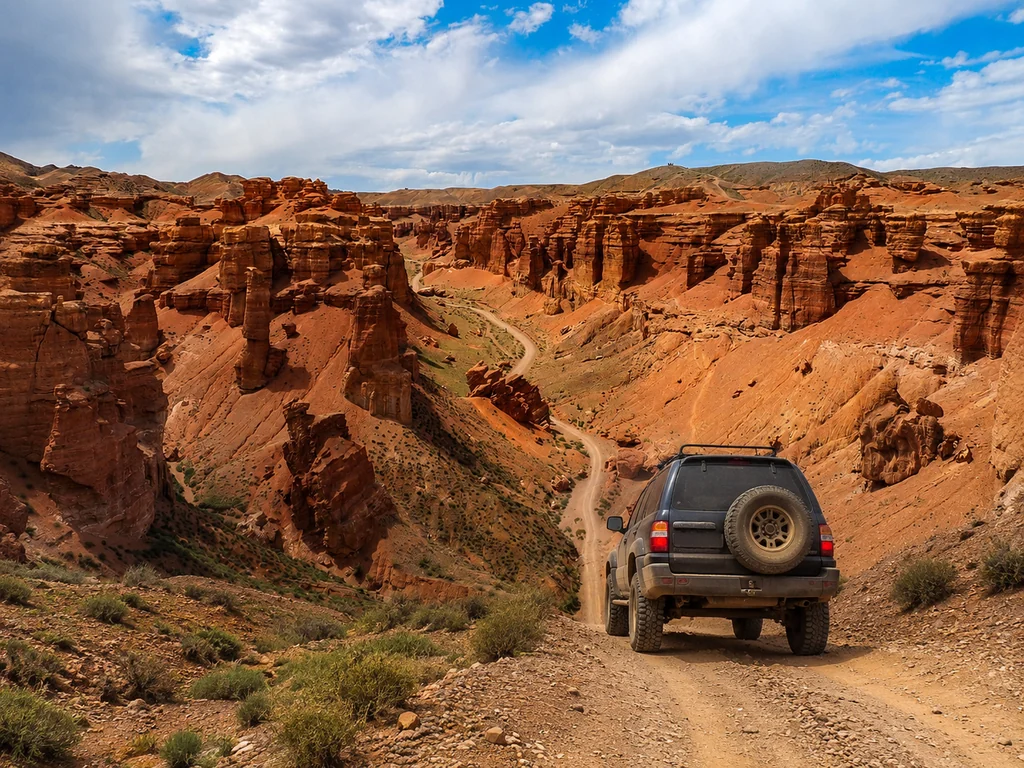
The Turgen Gorge is a complex of several waterfalls and thermal springs at an altitude of 1500–1800 m with an elevation gain of up to 200 m, accessible by a regular car, unlike the Paradise Lakes, which require an SUV or transfer. In Turgen, you park near a cafe, walk 10–15 minutes to the Medvezhiy Waterfall, then drive to the thermal springs — there is almost no physical exertion, and the route is suitable for families with strollers. To the Paradise Lakes, the road goes along a rocky riverbed, and without a prepared SUV or an organized transfer from toor, it is impossible to reach the starting point. Turgen is a good option for families with children or people with limited physical fitness, but if you want a mountain trekking experience with elevation gain and glacier views, this route offers a richer experience.
Conclusion
The hike to the Paradise Lakes is one of the most accessible mountain routes from Almaty, which, with proper preparation, even a beginner can handle. The main thing is to choose the right season, bring the correct gear, and not ignore safety rules.
Key Takeaways
- Accessibility: The 9–12 km route with a 600–800 m elevation gain is suitable for beginners with comfortable footwear and 1.5–2 L of water per person.
- Season: The best time is June–September, when the lakes are completely free of ice and the weather is most stable for trekking.
- Safety: It is mandatory to go with a guide familiar with the route and the changing weather conditions of the high mountains — a solo trip without experience is risky.
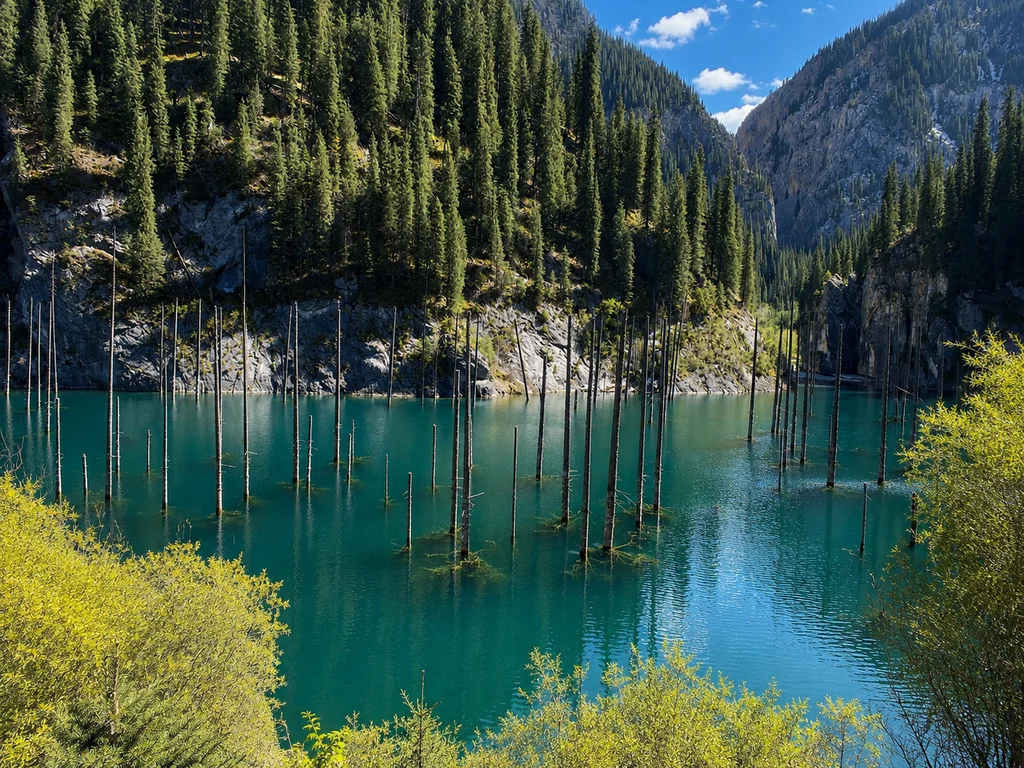
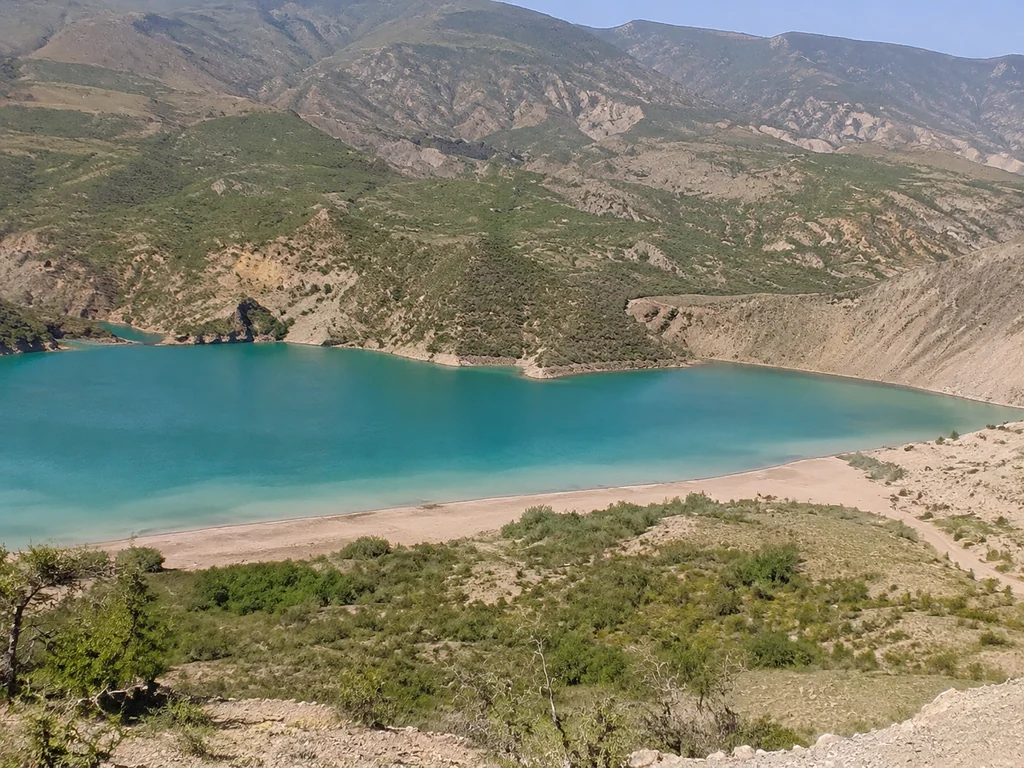
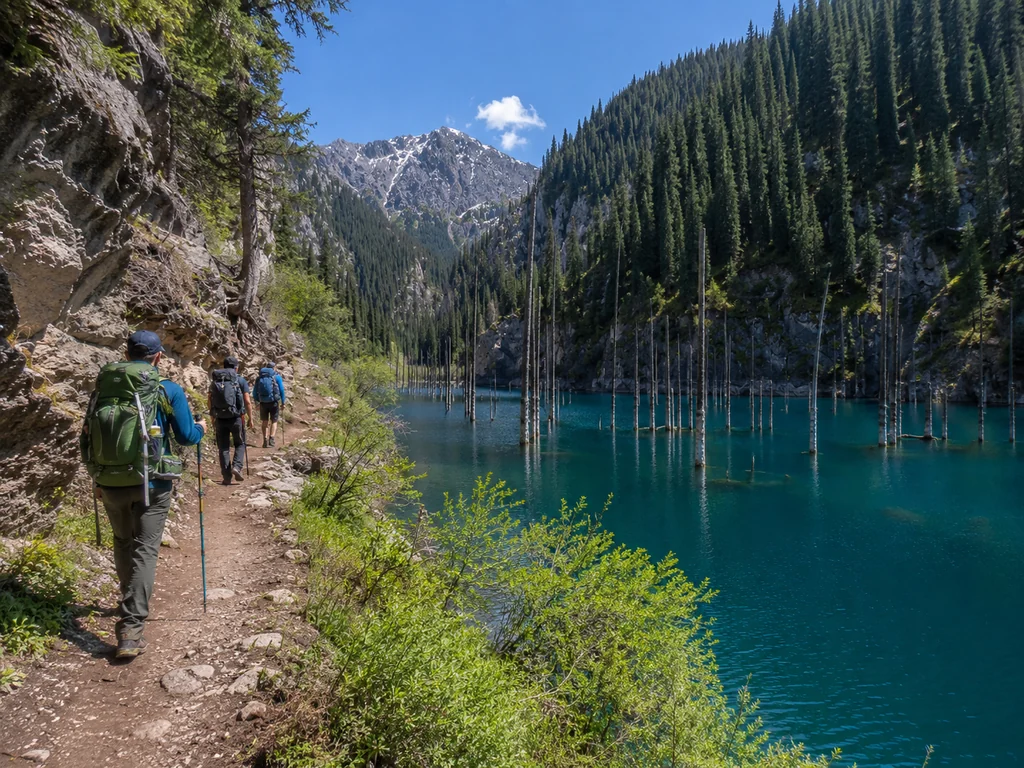
- Experience: The cascade of three turquoise lakes at an altitude of 2500–2800 m is one of the most picturesque places in the Zailiysky Alatau, accessible in a single daylight day.
- Planning: Book your trip with transfer and meals in advance — a self-drive SUV trip requires mountain driving experience and knowledge of the road.










 Weekend Top