


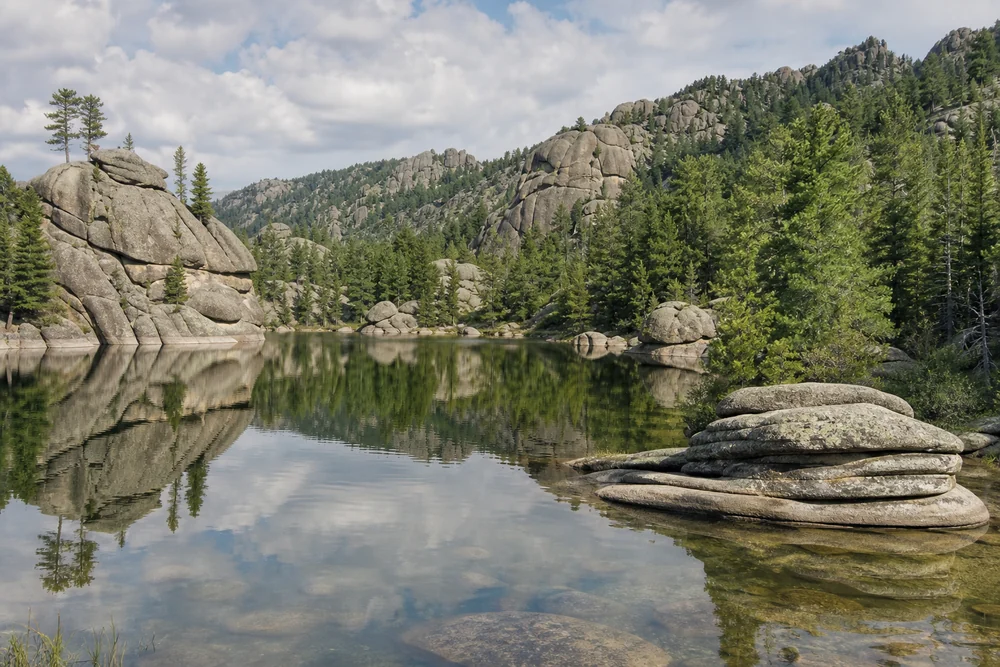
Altai Fairy Tale: Bukhtarma and Sibinskie Lakes
★★★★★ 4.9 · 23 reviews
Journey through Eastern Kazakhstan: Bukhtarma Reservoir, Sibinskie Lakes, mountain landscapes of Altai. Accommodation in campsites and guest houses.
from $403/person
Catalog
Choose by direction, duration, and season — the price is per person
Journey through Eastern Kazakhstan: Bukhtarma Reservoir, Sibinskie Lakes, mountain landscapes of Altai. Accommodation in campsites and guest houses.
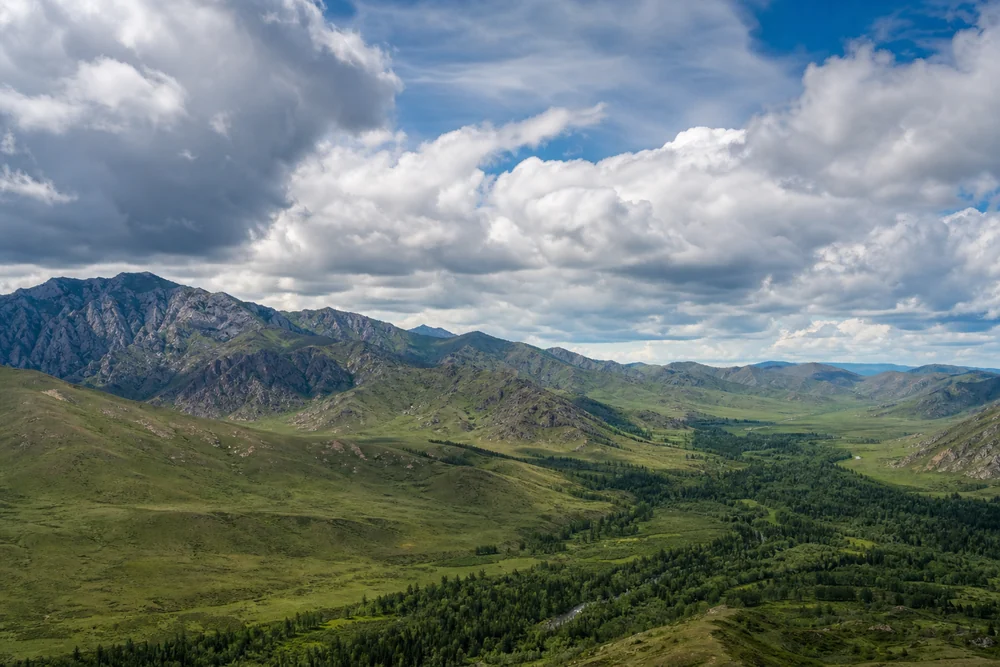
Sightseeing tour of Ust-Kamenogorsk, trip to the foot of Altai, visits to waterfalls and thermal springs.
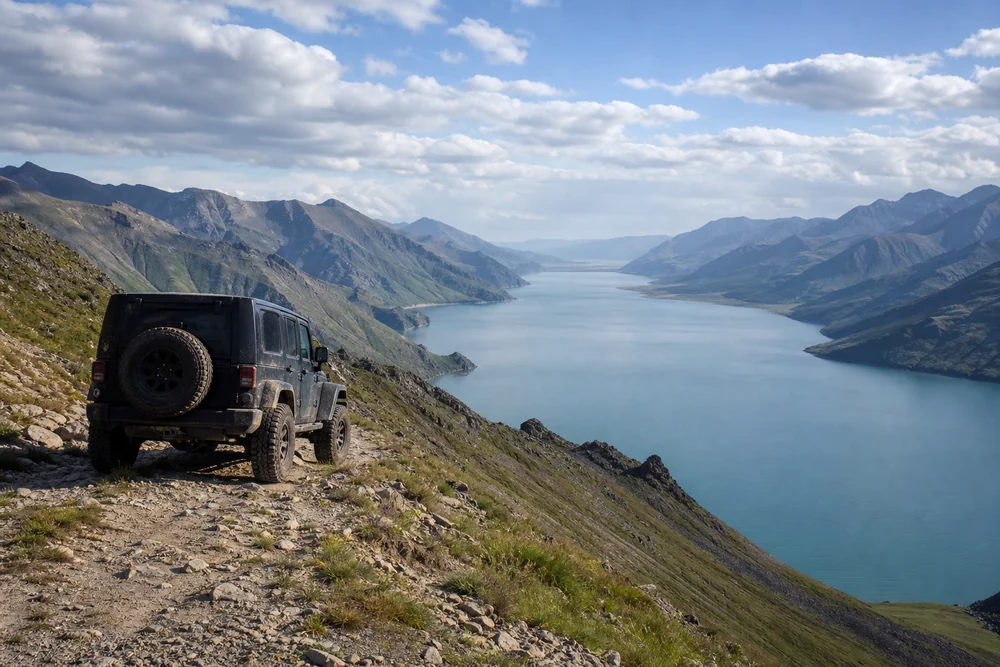
Private jeep tour to hard-to-reach places of Eastern Kazakhstan: passes, Bukhtarma Reservoir, wild beaches.
 Trekking
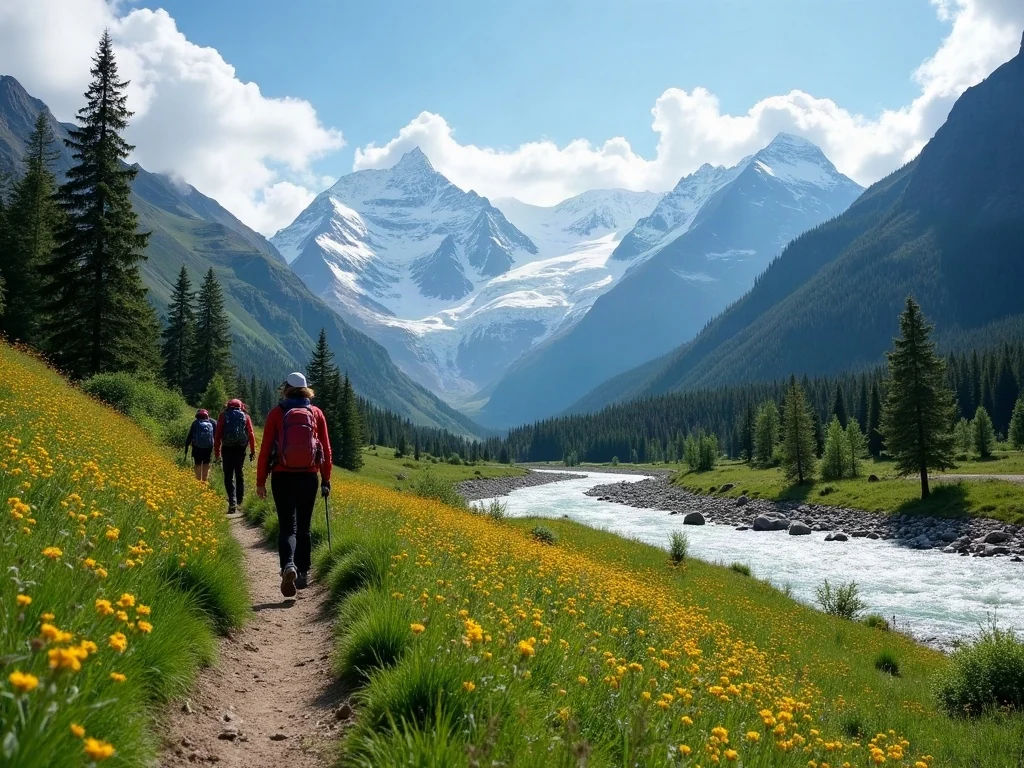
Eight days in the Kazakh Altai: Katon-Karagay, Yazevoye Lake, and access to Belukha from Kazakhstan. Permits to the border zone, eco-fees, and three meals a day included.
 Adventure
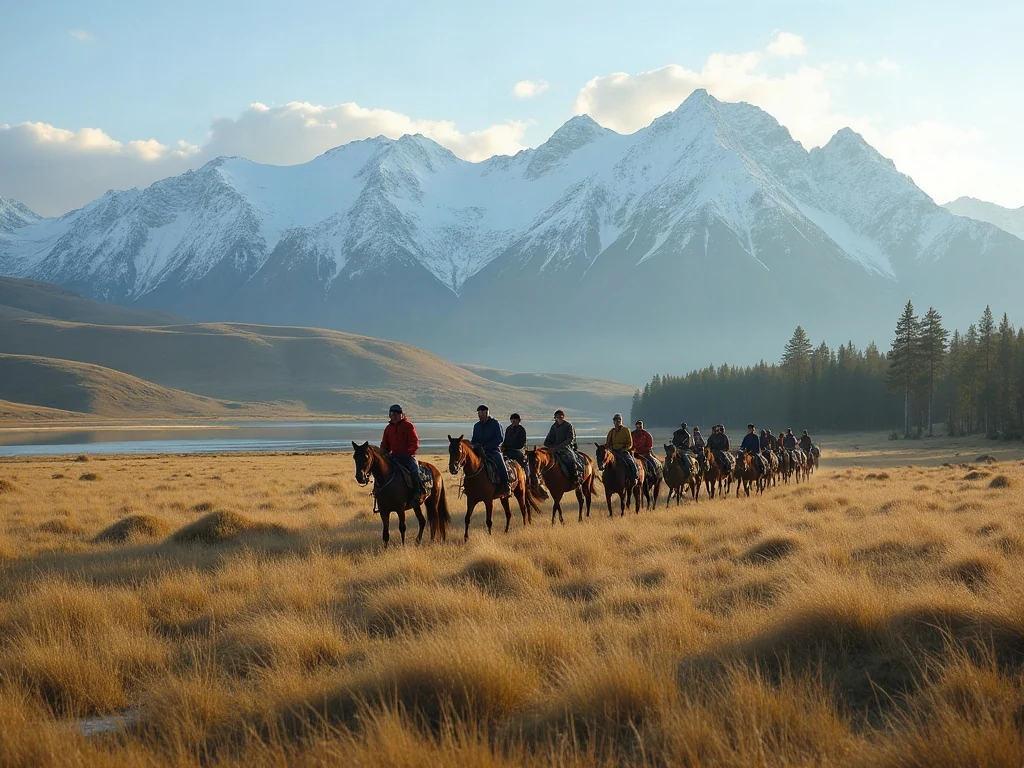
Ten days on horseback through Katon-Karagay: passes, fords, and camps near Belukha. Horse, saddle, and guide for the group included; be prepared for six to seven hours in the saddle, weight limit 110 kg.
No tours found for the selected filters.
Destinations
47 destinations across Kazakhstan and Zhetysu — choose yours and find out the price per person in WhatsApp.
 Weekend Tours
 Tours in Kazakhstan
 One-Day Tours
 Bus Excursions
 City Tours
 Jeep Tours
 Guide to Almaty
 Group Tours
 Tours in Almaty Region
 Ski Tours
 Individual Tours
 Winter Tours
 Hiking Tours
 Two-Day Tours
 Three-Day Tours
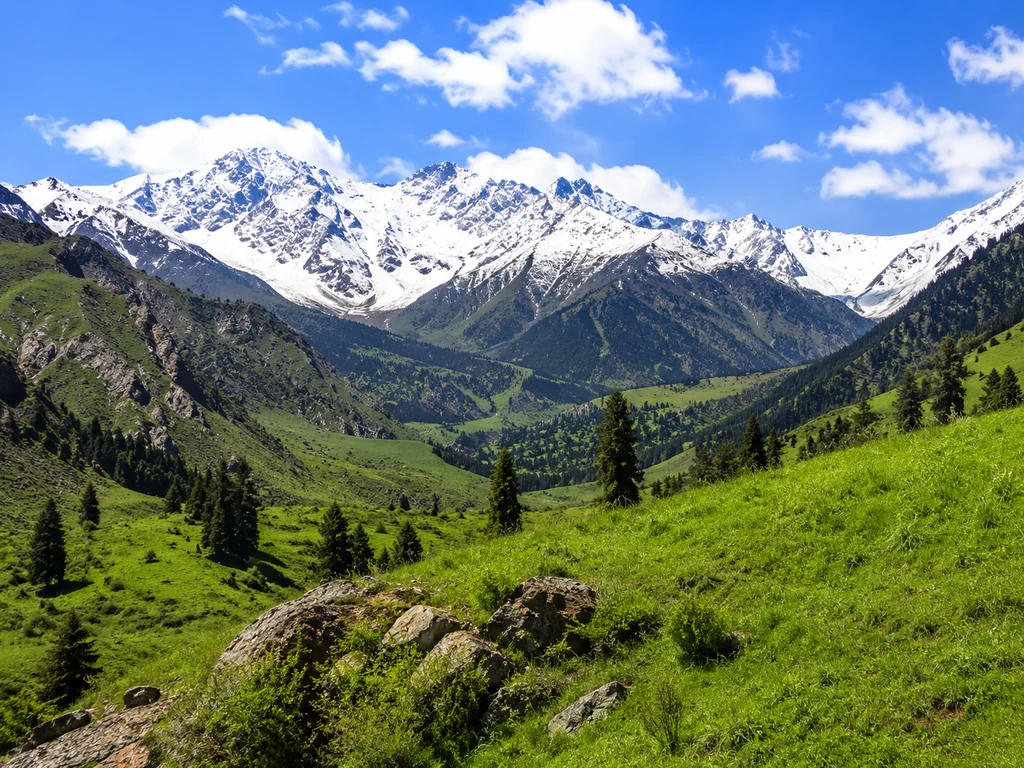 Tour Calendar
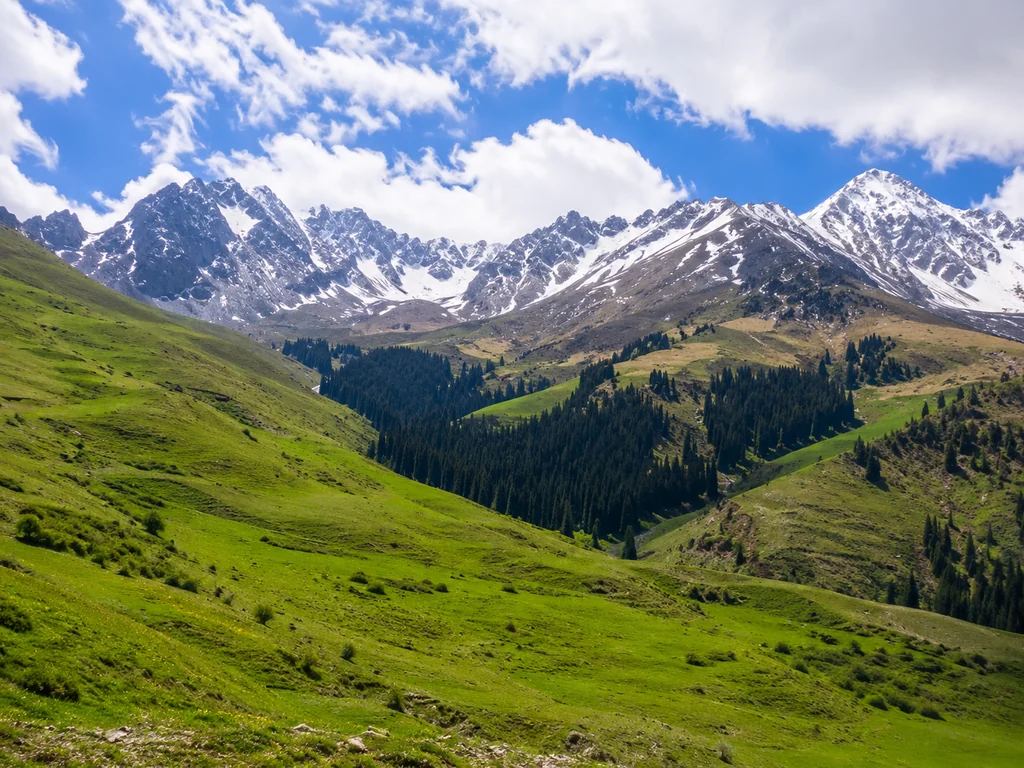 Multi-Day Tours
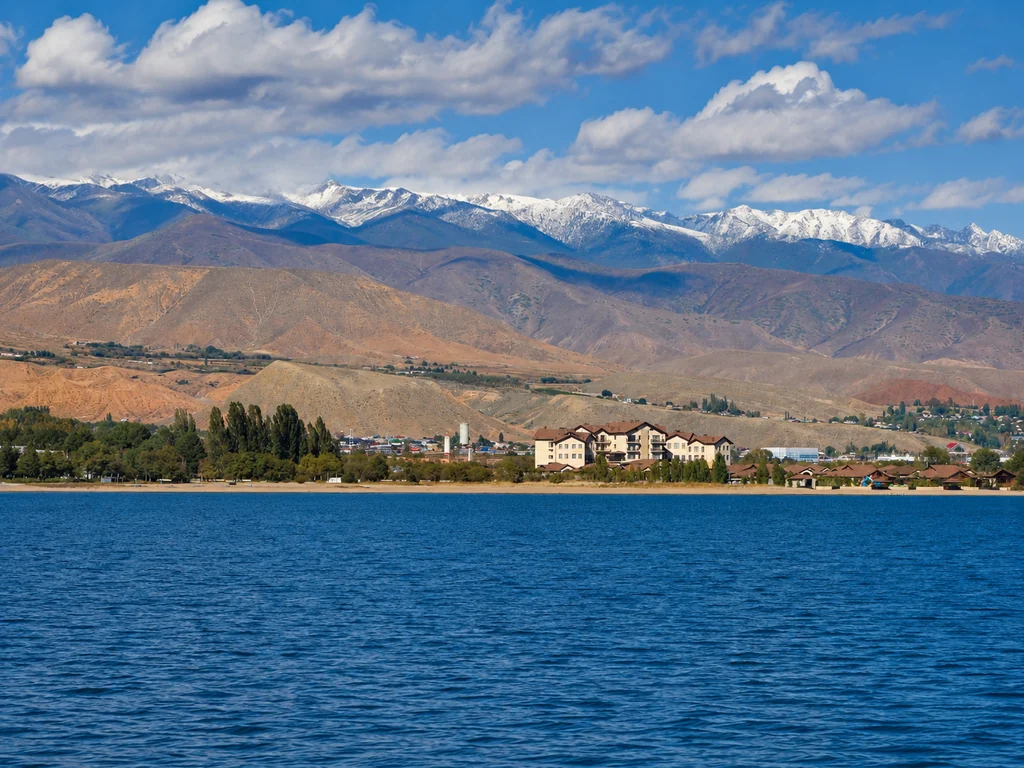 Tours to Issyk-Kul
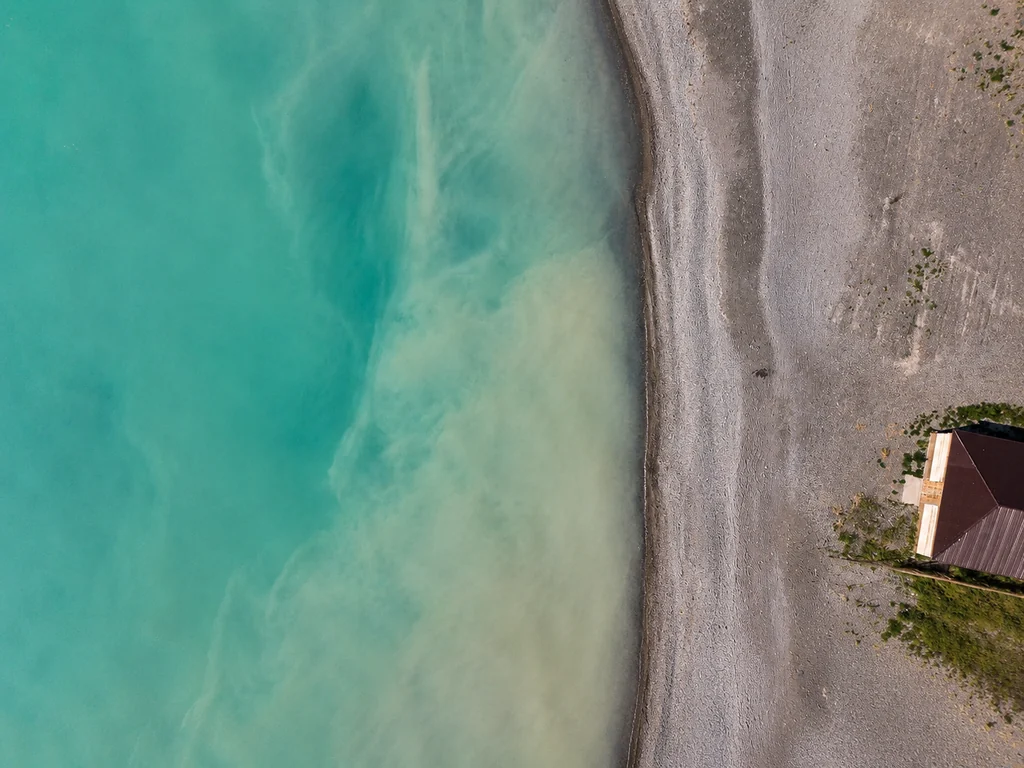 Tours to Alakol
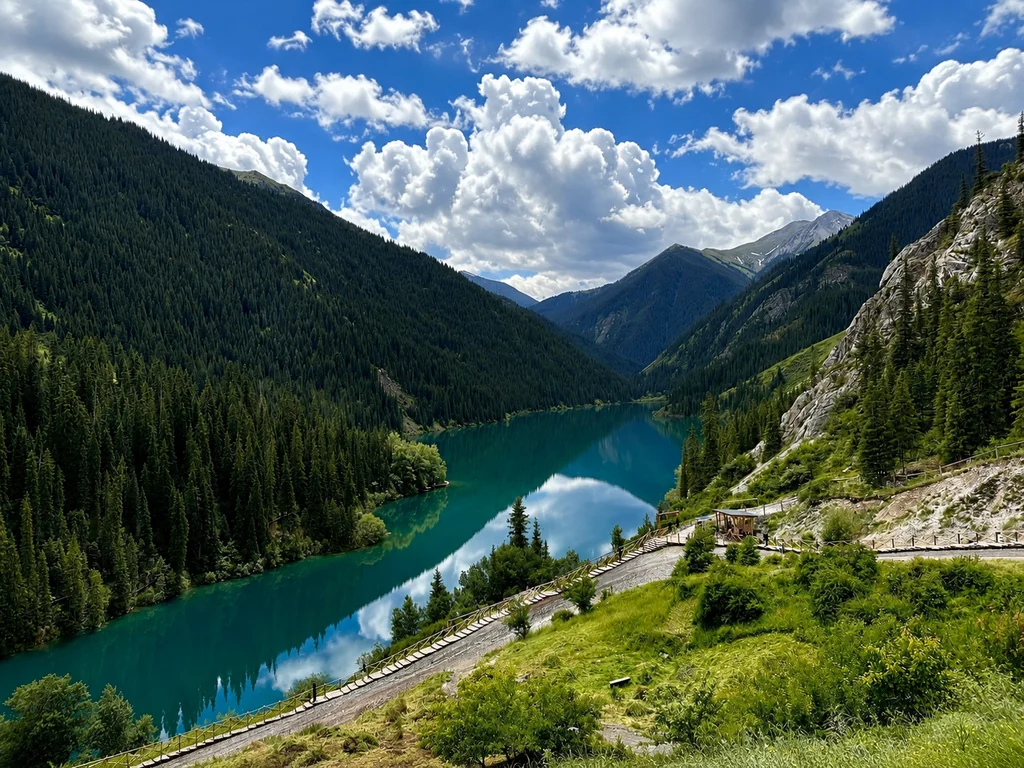 Tours to Kolsai
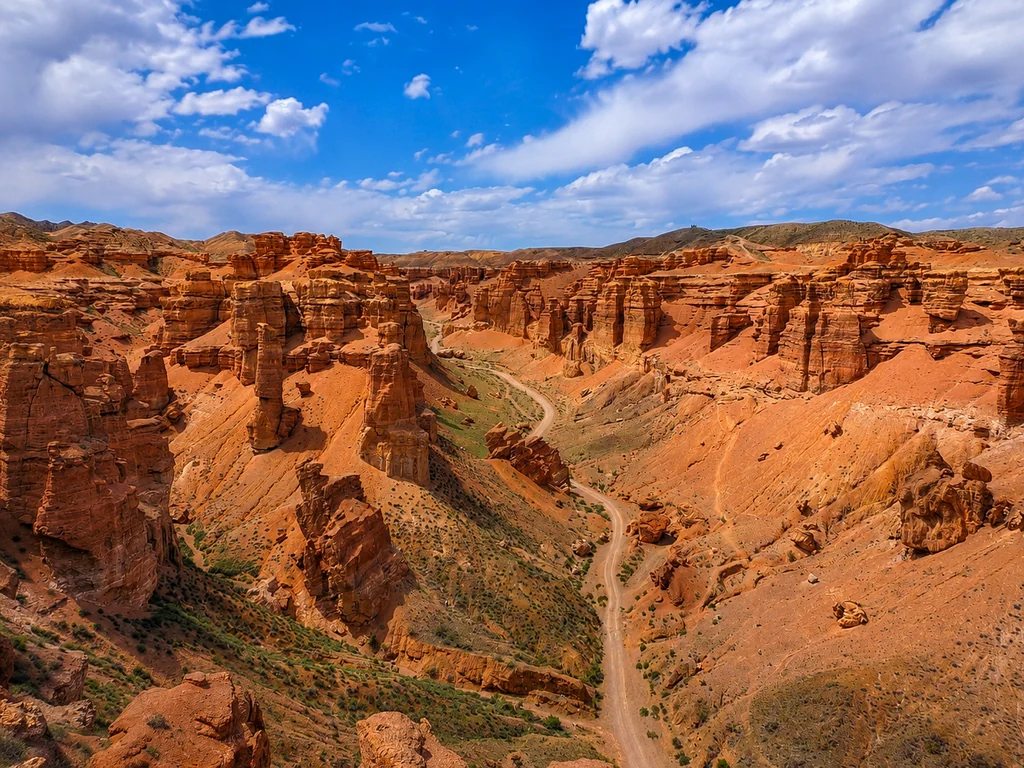 Tours to Charyn Canyon
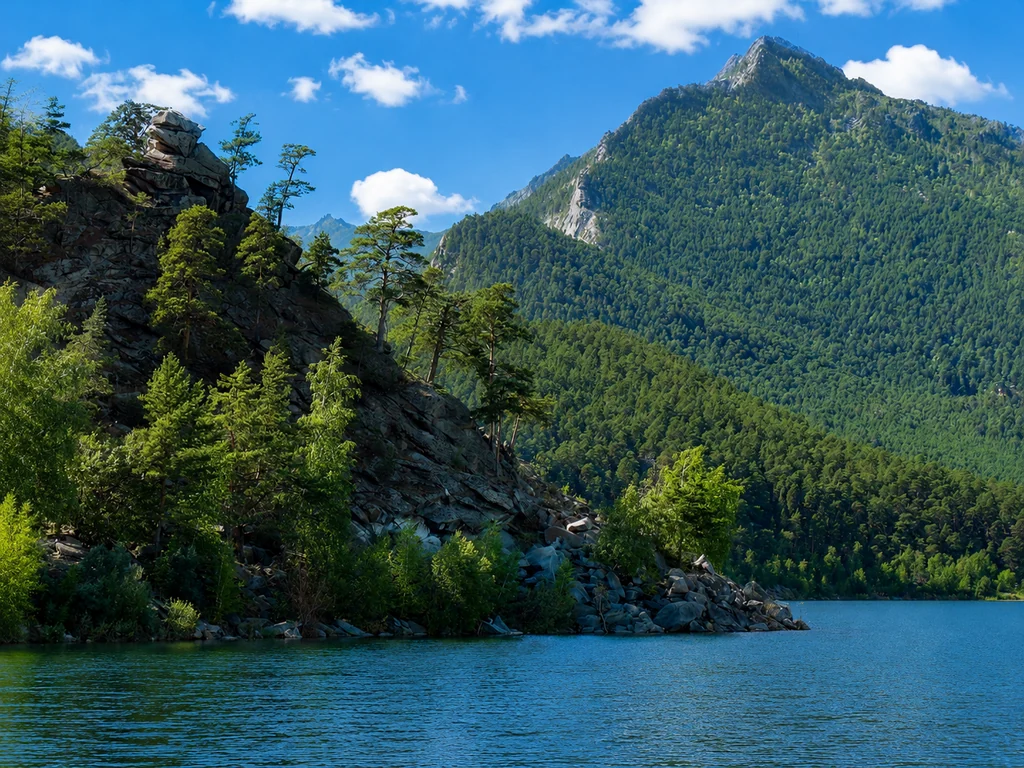 Tours to Borovoye
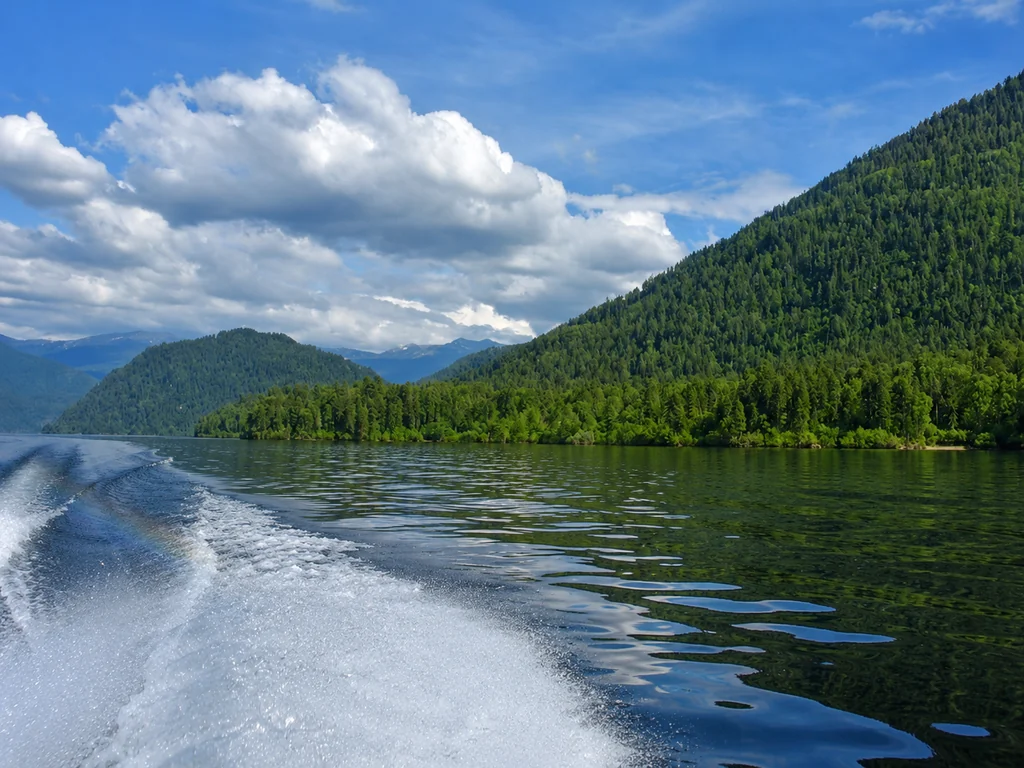 Tours to Altai
 Tours to Kyrgyzstan
 Tours to Hot Springs
 Tours to Big Almaty Lake
 Tours to Katon-Karagay
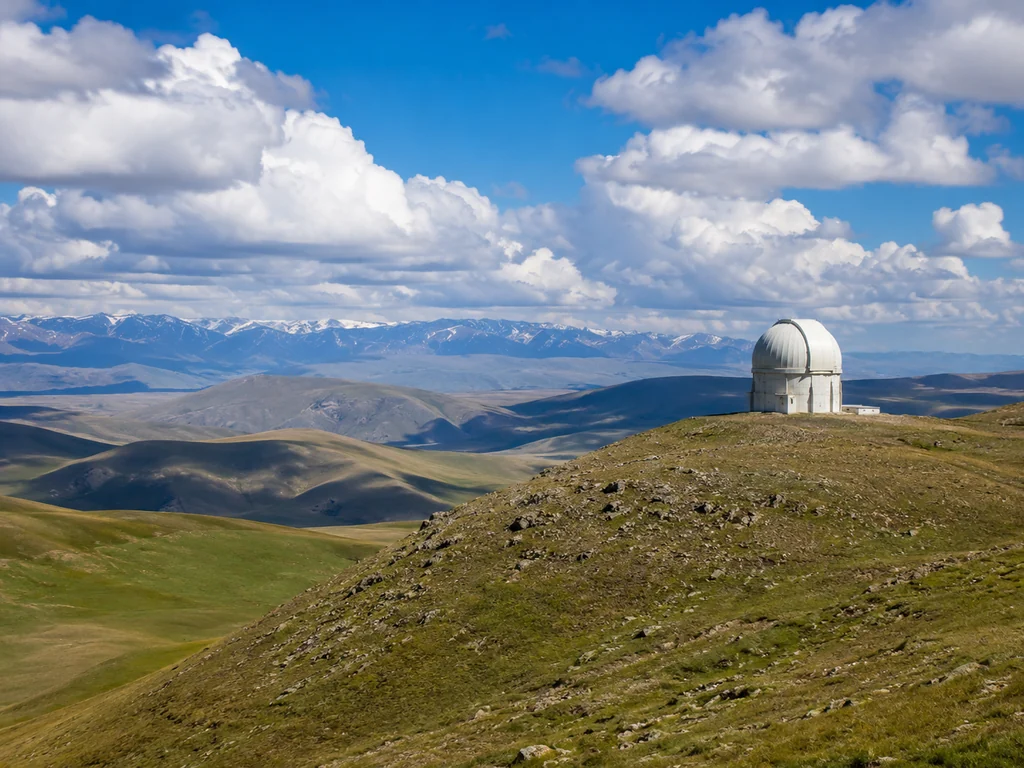 Tours to Assy Plateau
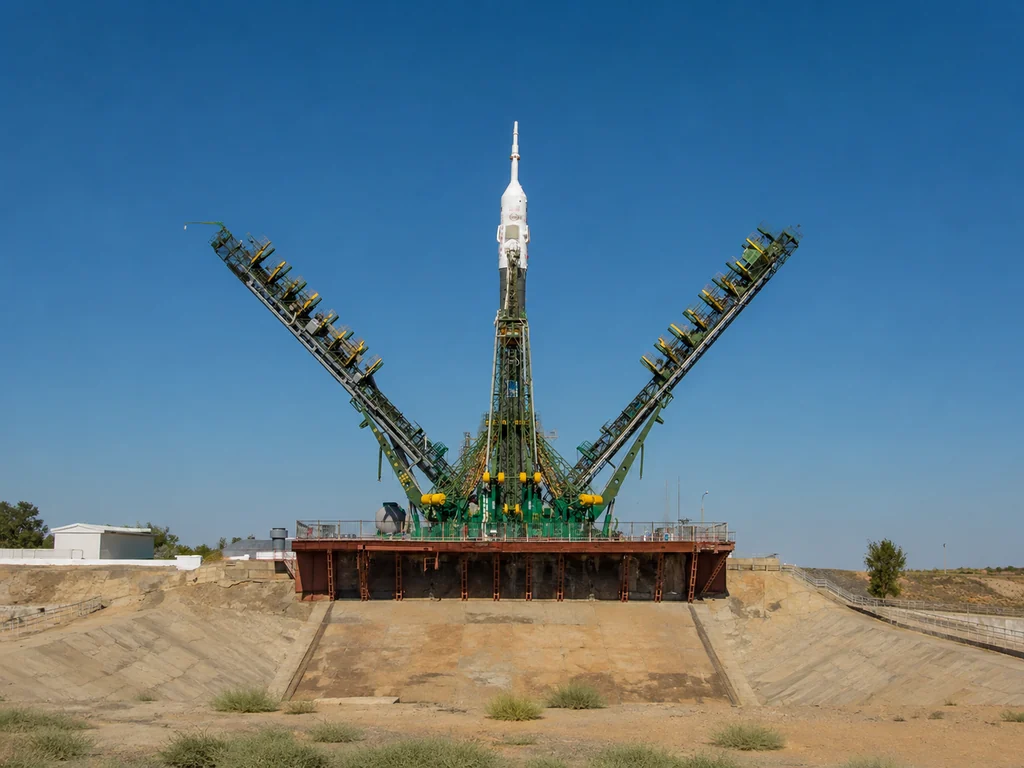 Tours to Baikonur
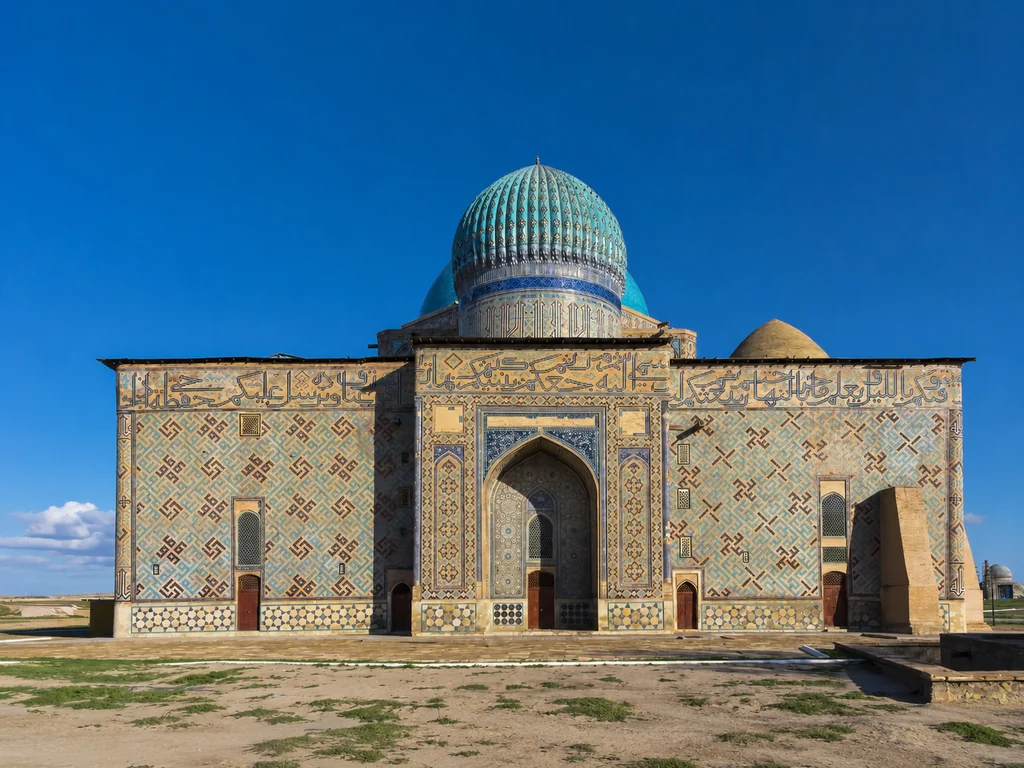 Tours to Turkestan
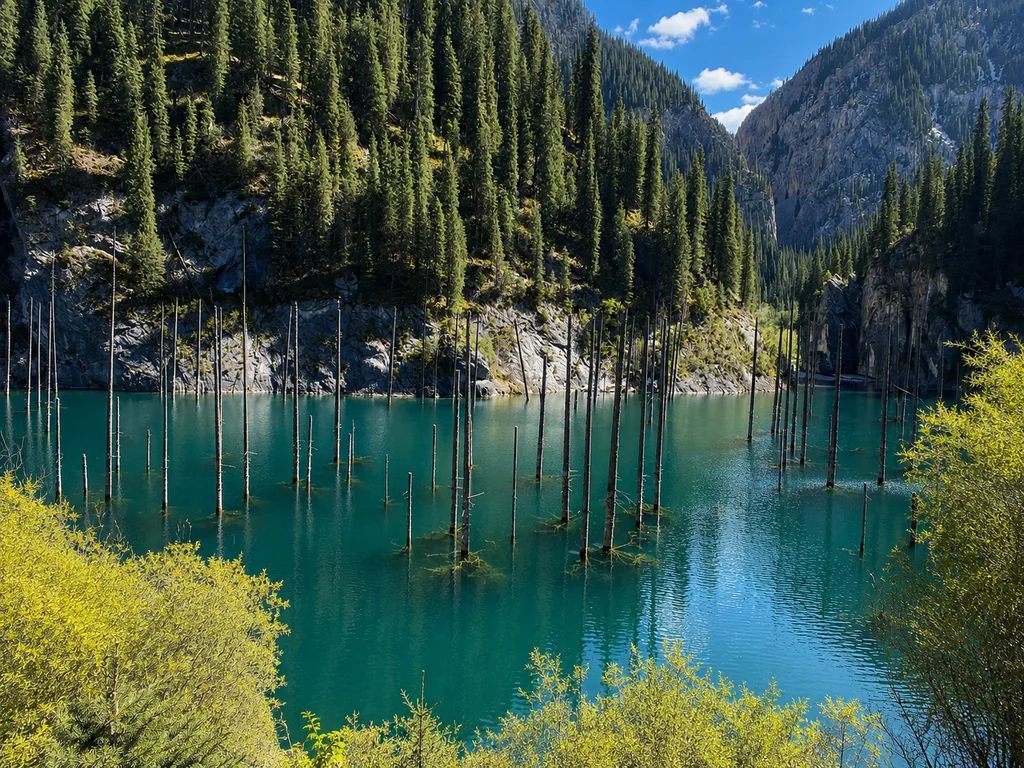 Tours to Kolsai and Kaindy
 Tours to Almaty Observatory
 Tours to Kapchagay
 Tours to Balkhash
 Tours to Aktau
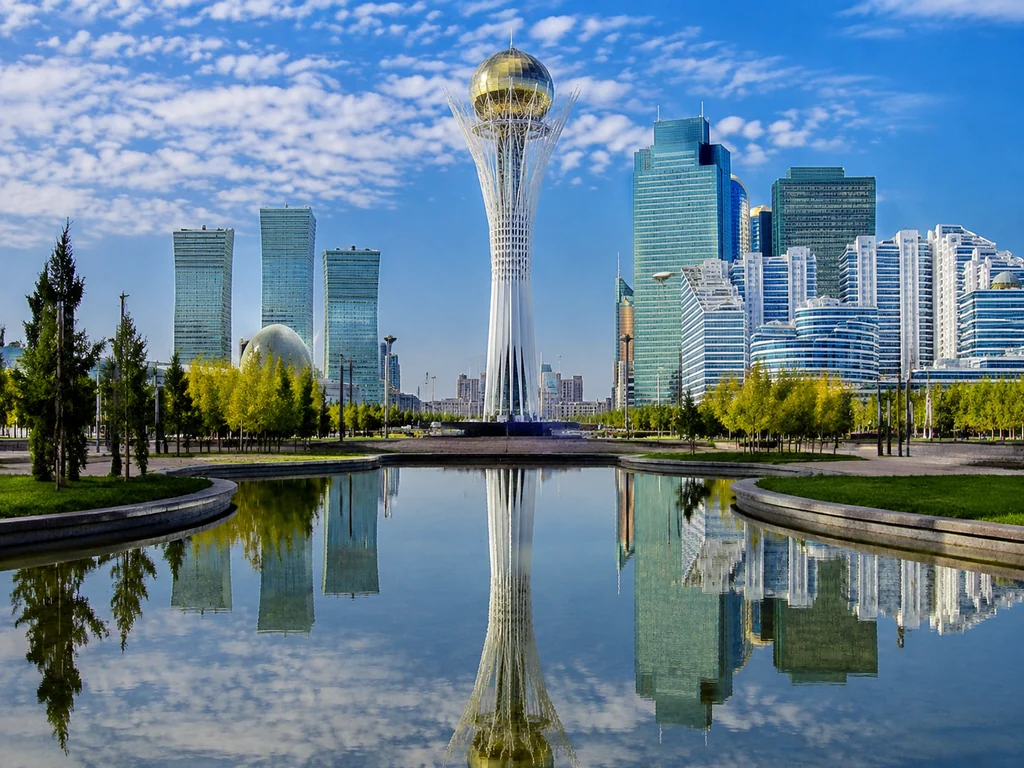 Tours to Astana
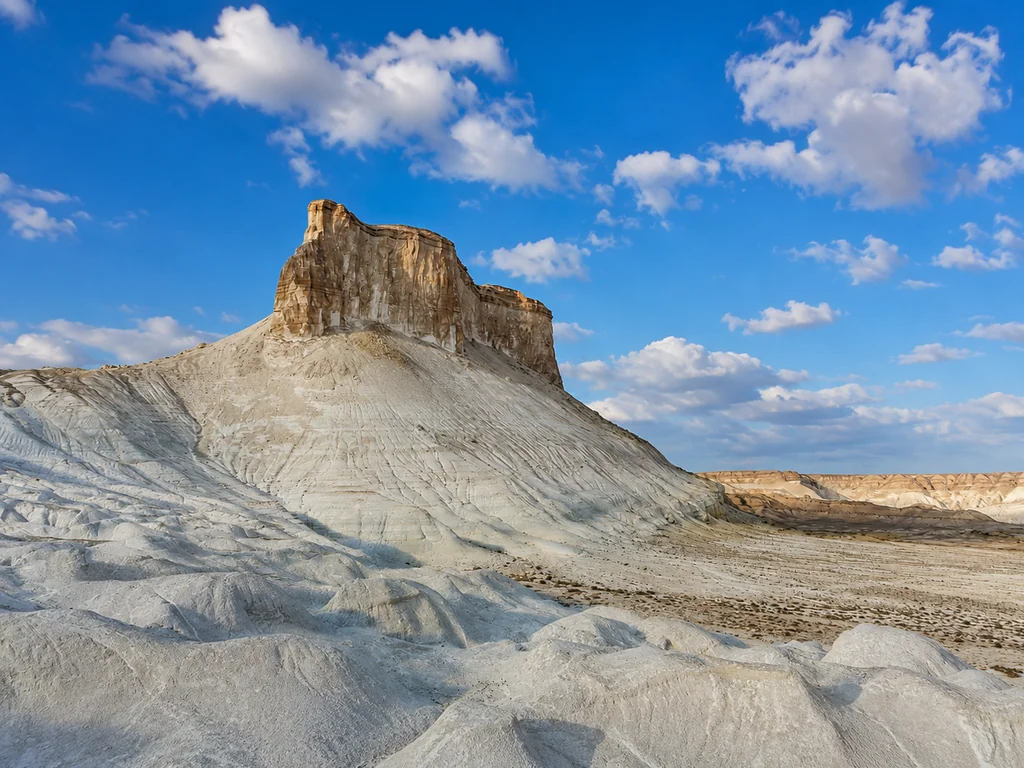 Tours to Mangystau
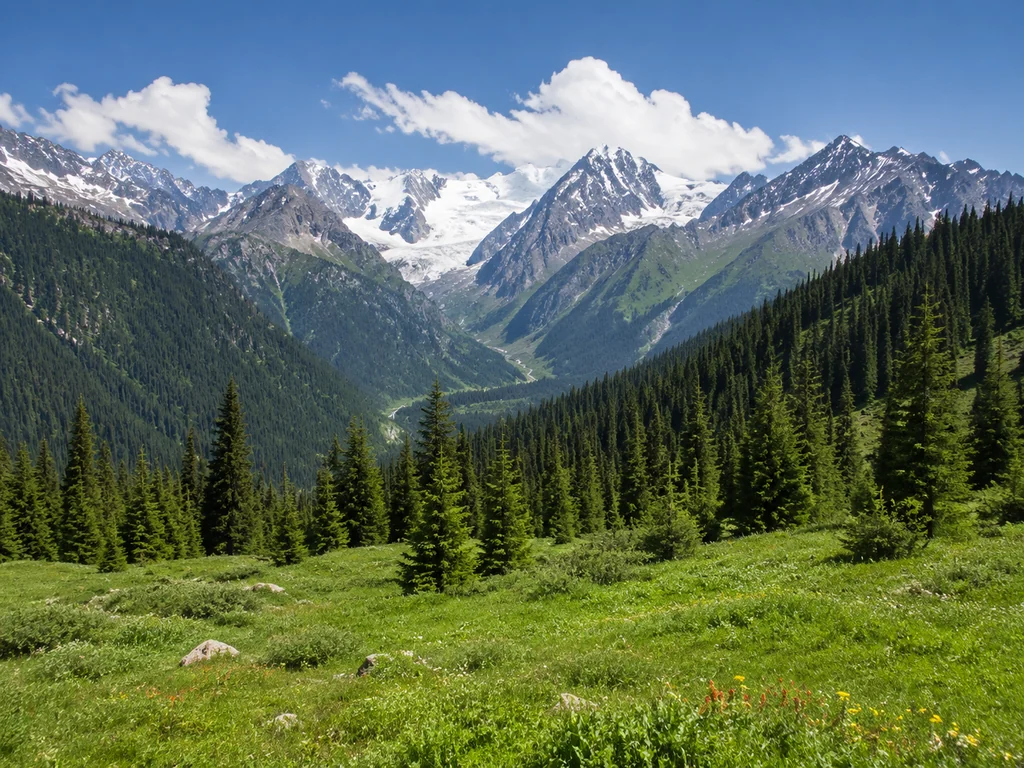 Tours to Karakol
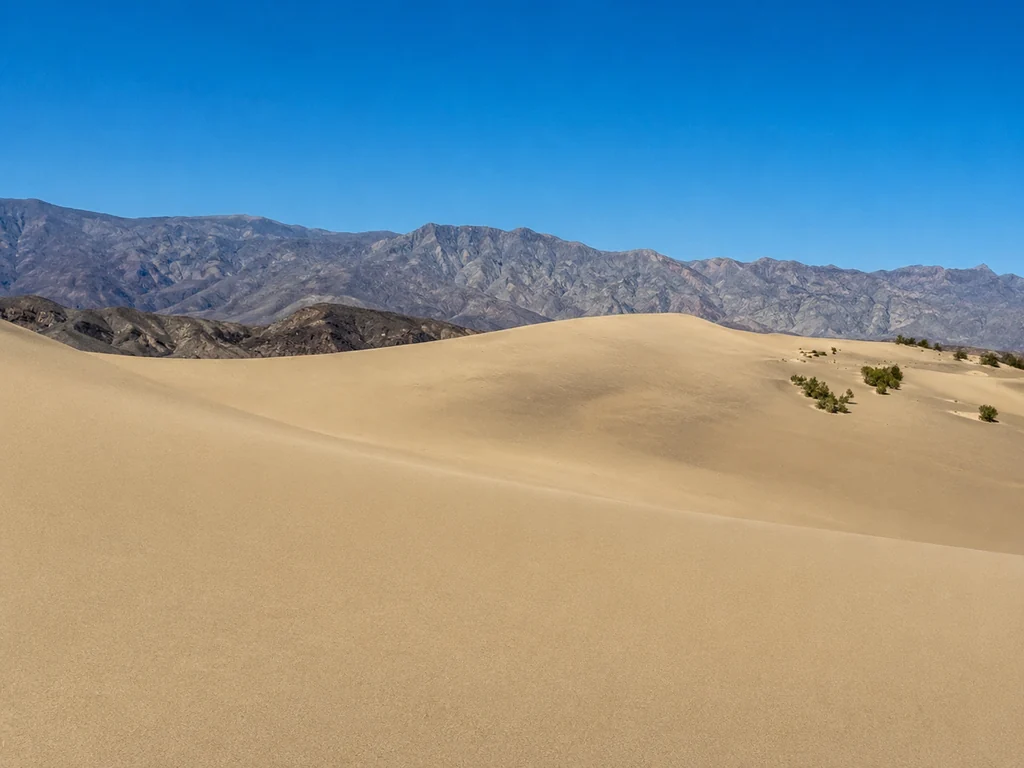 Tours to Singing Dunes
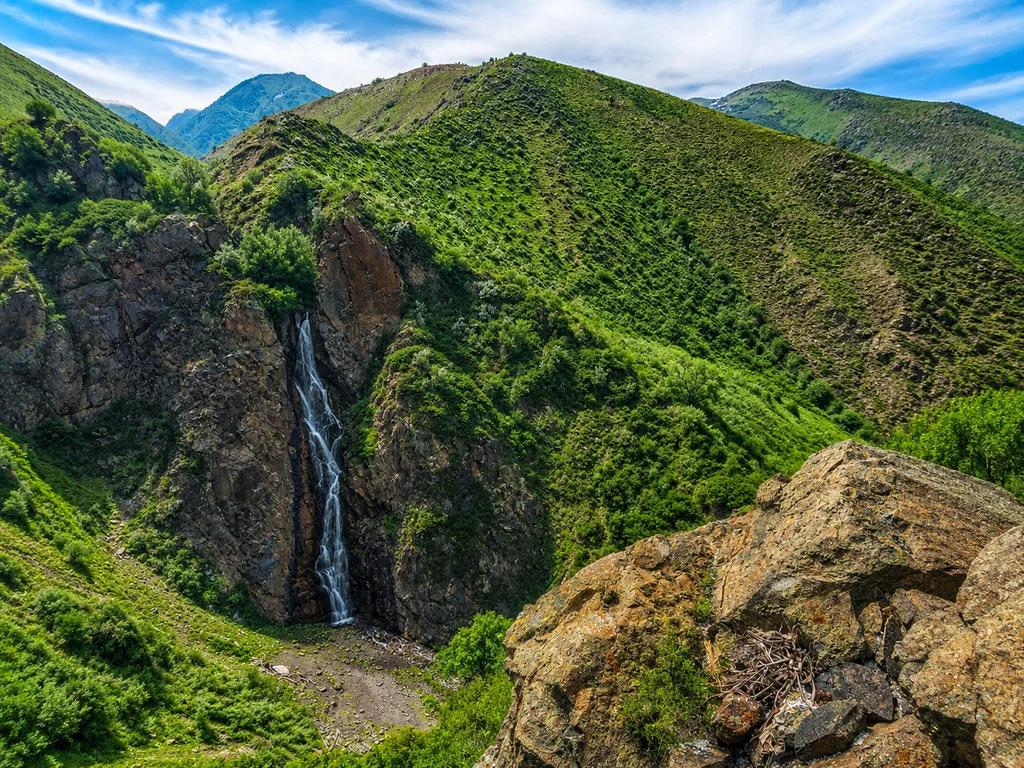 Tours to Turgen Waterfalls
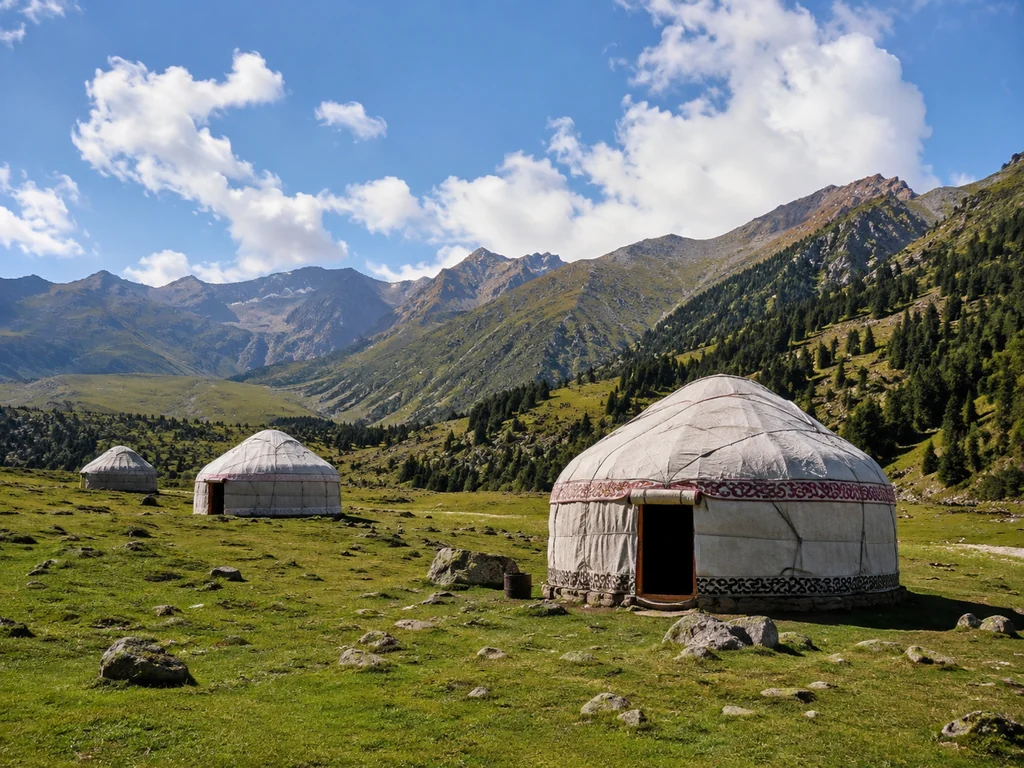 Ethno Tours
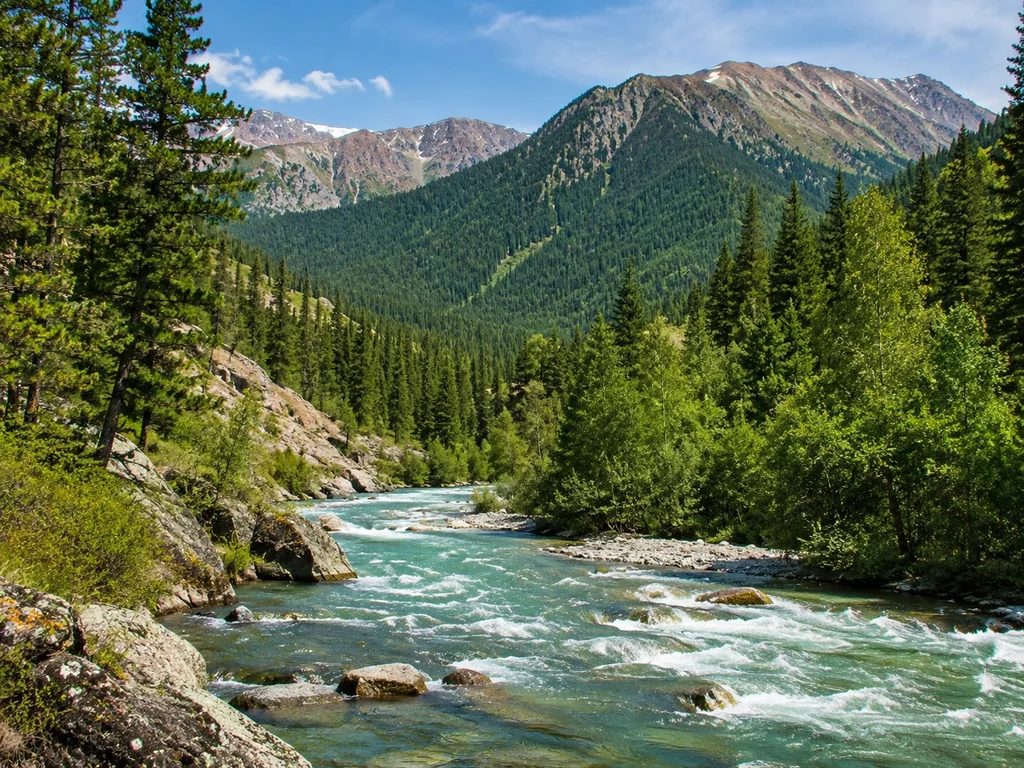 Tours to East Kazakhstan
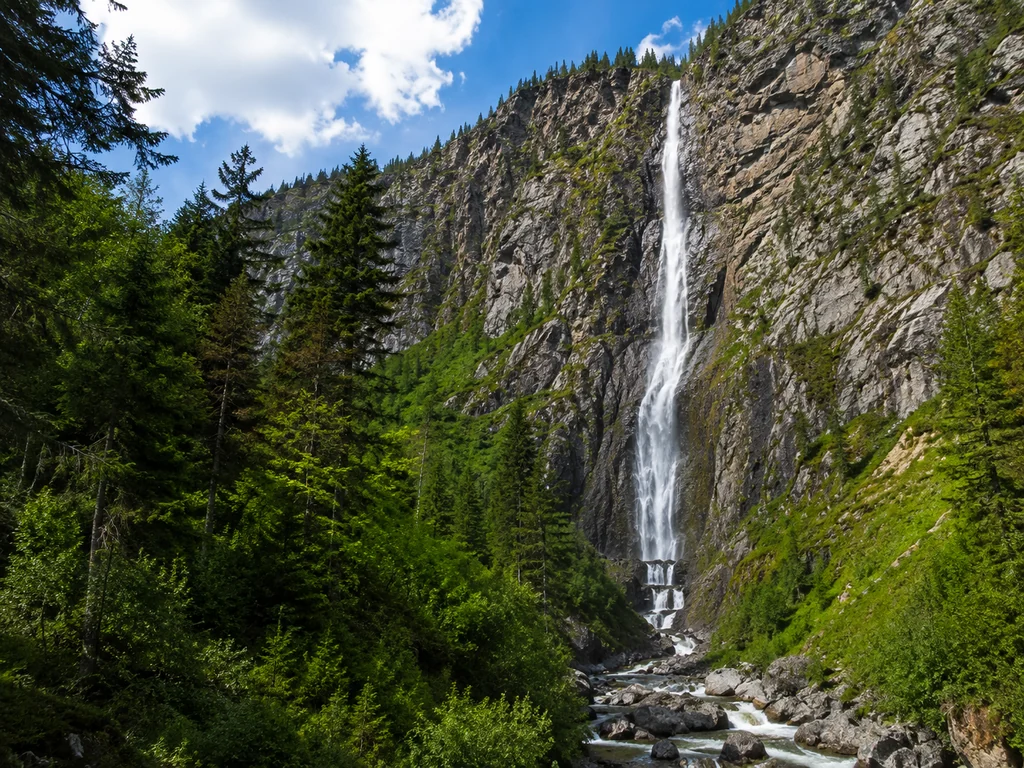 Tours to Paradise Lakes
 Tours to Burkhan-Bulak
 Hikes
 Active Recreation
 Transfer
Local guides, fixed price per person, and care on every route. — everything for a relaxing vacation.
From $190/person — transparent, with no hidden extras. What the price includes is listed in each tour’s description.
Guides know every route: where the best views are, how to avoid bears, where to camp safely.
On the Belukha trek, border-zone permits, eco fees and three meals a day are already in the price; the horseback tour includes the horse, saddle and guide.
How it works
You message us on WhatsApp. The manager clarifies your wishes: duration, difficulty level, type of tour (sightseeing, trekking, jeep, horseback).

Two days before departure you get a checklist: what to bring (trekking boots, windbreaker, swimsuit) and what gear your route requires.

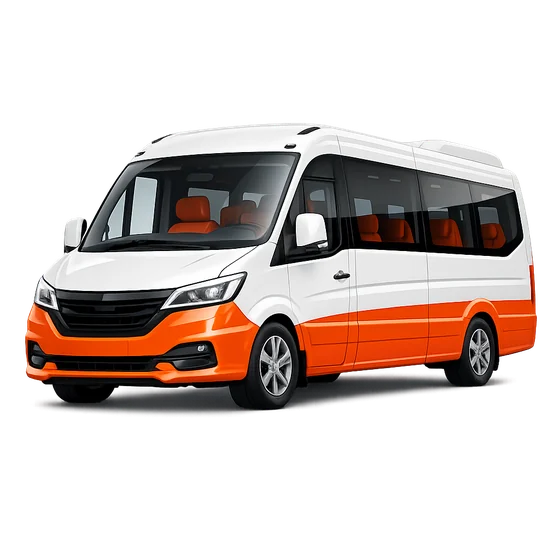
All tours in this section begin with the group meeting at the start of the route, followed by a transfer by jeep, car or bus to the first point of the programme.

On arrival (Bukhtarma, the Sibiny lakes, Katon-Karagay) the guide gives a briefing: the route, safety rules, signals.
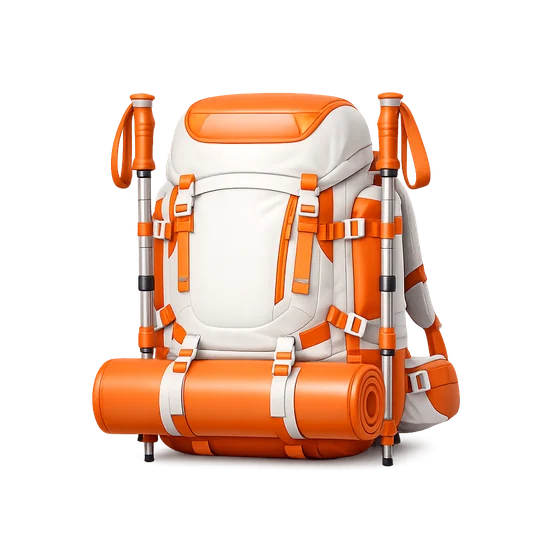
A boat trip and swimming on Bukhtarma, walks by the Sibiny lakes, a trek or ride to the foot of Belukha, a jeep tour over the passes — depending on the tour you choose.
On the last day the programme ends. After the trip you can leave a review on the website.

Team
Routes are led by working guides and instructors. The same people answer in WhatsApp and accompany groups on tour.
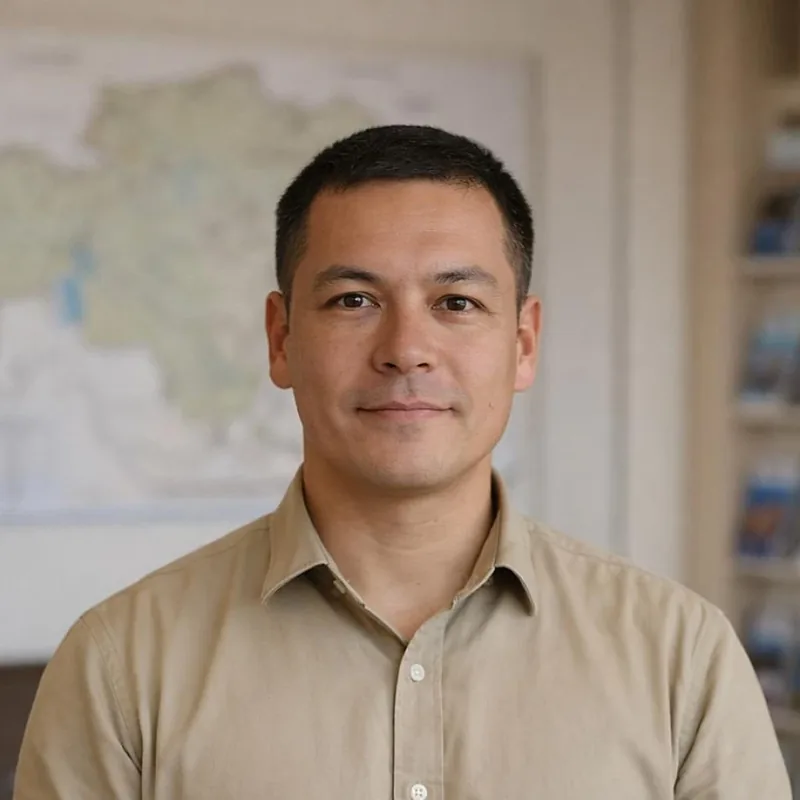 ★5
Senior guide, hiking & jeep-tour organizer
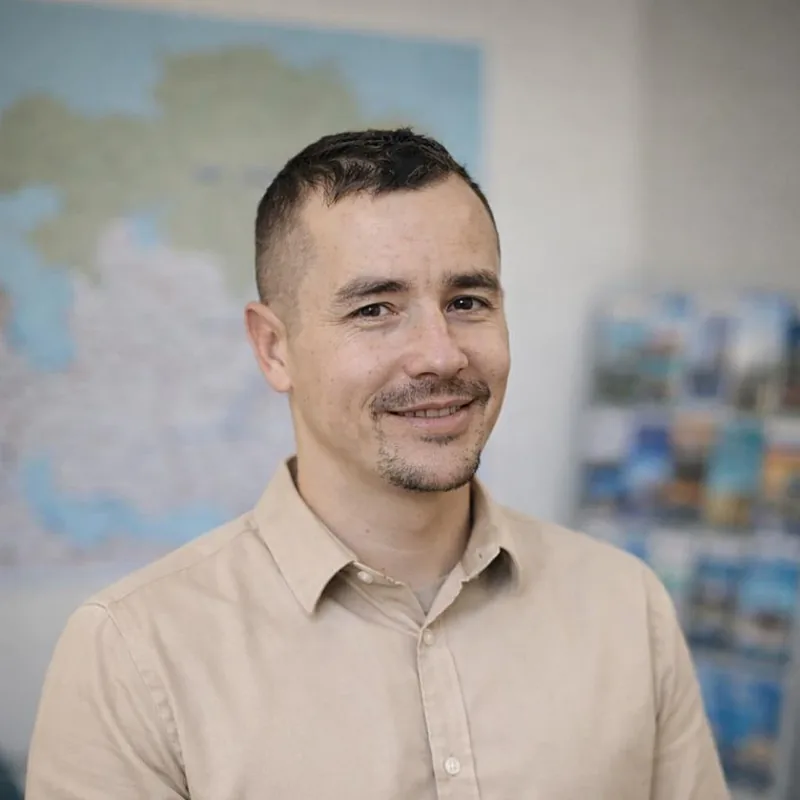 ★4.52
Alexander Пашкин
Driver-guide, инструктор по трекингу
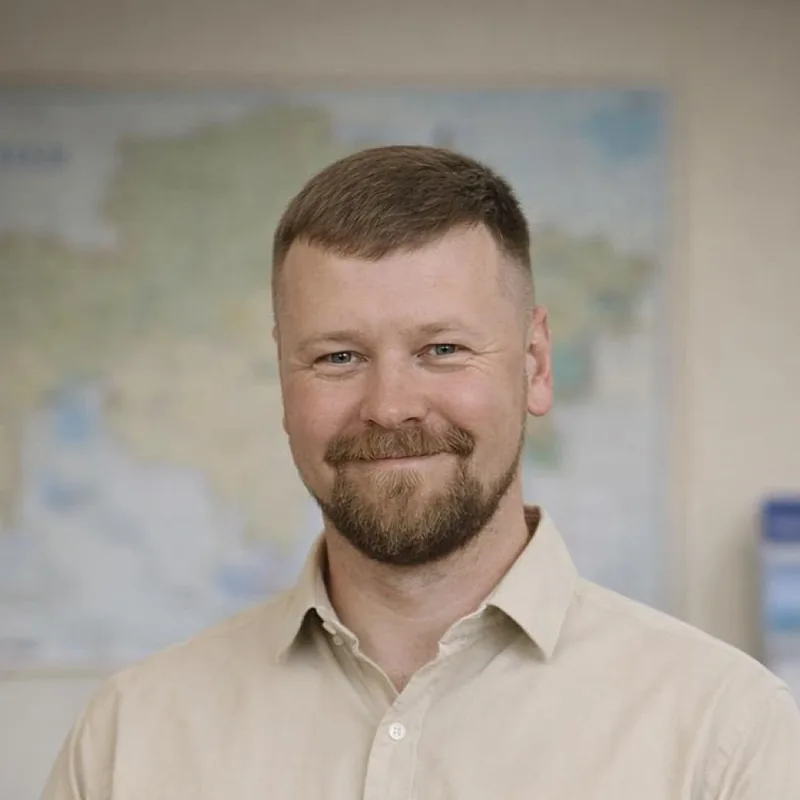 ★4.74
Andrey Шевелёв
Driver-guide
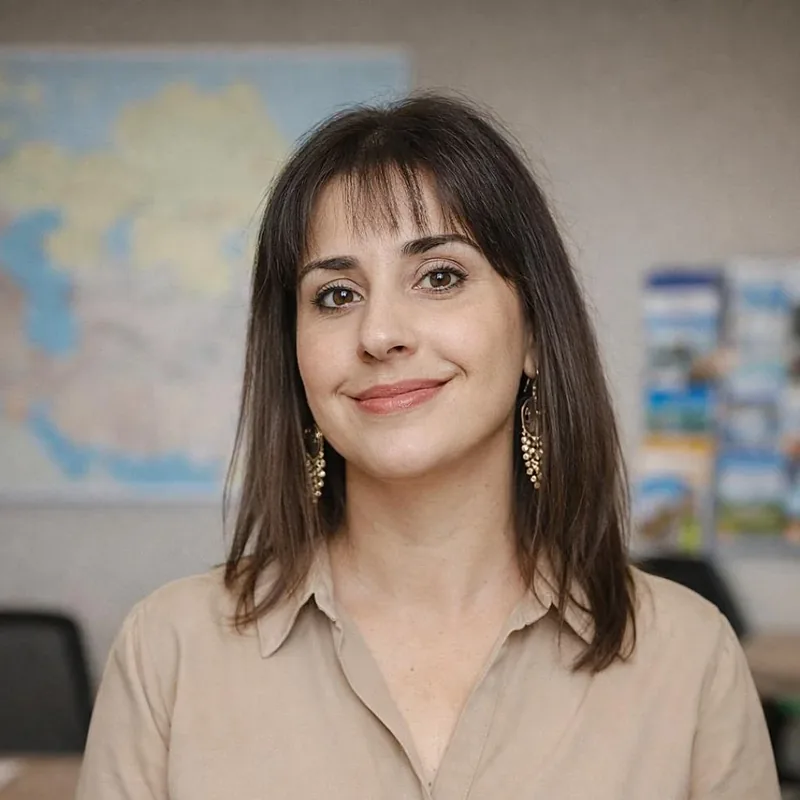 ★4.27
Анжелика Чвыкова
Гид-фотограф
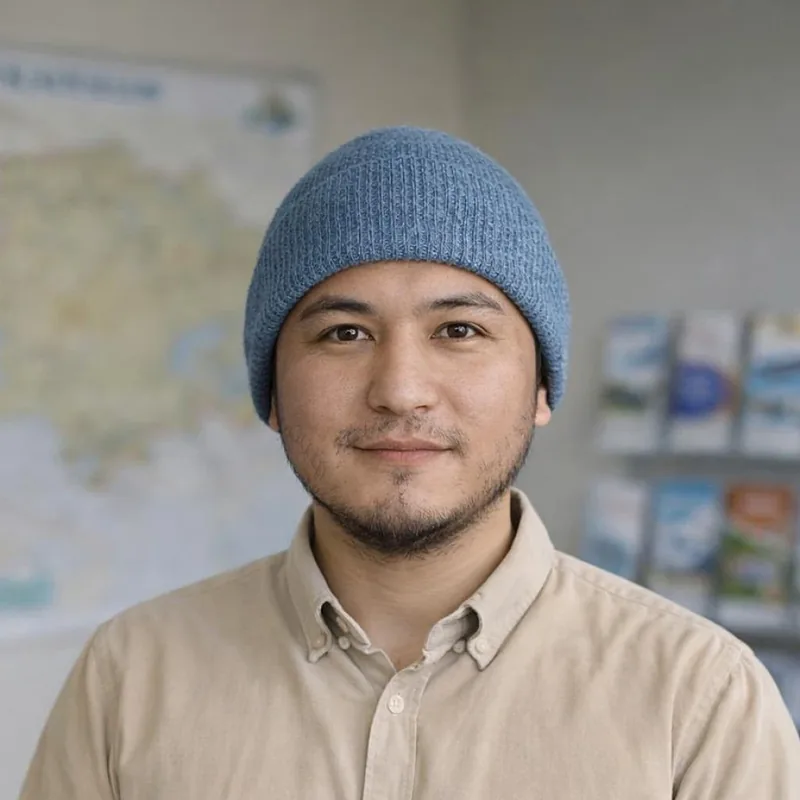 ★4.27
Ильяс Дарбеков
Гид-переводчик
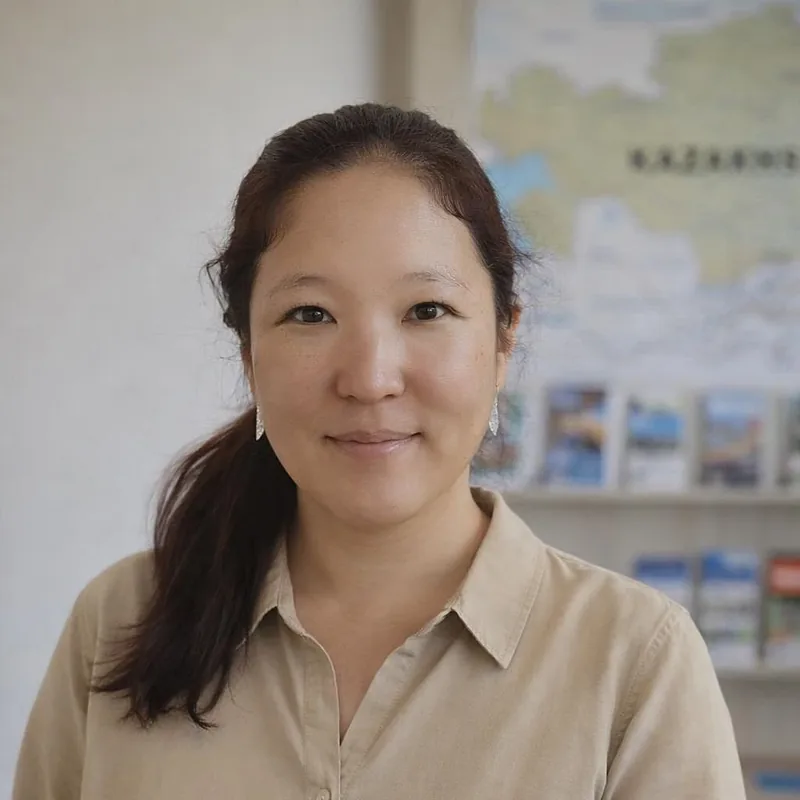 ★4.55
Мадина Данина
Организатор туров
 ★4.49
Сергей Бабичев
Personal guide-водитель
Useful
East Kazakhstan stretches from the dry steppe near Lake Zaisan up to the snow-capped ridges of the Kazakh Altai, where the border with Russia and China meets at the triple point near Mount Belukha. The region's core is the Bukhtarma valley, flooded in the 1960s into the Bukhtarma Reservoir, one of the largest artificial lakes in Central Asia. Beyond the water, the land climbs through pine forests, alpine meadows and glacier-carved valleys that reach 4,000 metres and higher.
The administrative centre is Ust-Kamenogorsk (Oskemen), a city of around 300,000 people sitting where the Ulba river meets the Irtysh. Most of our routes run through the villages further east, such as Katon-Karagay, which sits at 1,000 metres and is the gateway to the southern Altai.
This is a land of big distances and few roads. The main paved artery is the M38 highway, but many of the most beautiful places — the Sibiny lakes, the Yazevoye lake, the foot of Belukha — are reached on gravel tracks or on foot. Weather changes fast: a sunny morning at 1,200 metres can turn into rain and wind by afternoon at 2,000 metres. That is part of the appeal, but it also means preparation matters more than anywhere in the Almaty region.
The Kazakh Altai is the western spur of the Altai mountain system, which continues into Russia and Mongolia. The highest point on the Kazakh side is Mount Belukha (4,506 m), whose twin peaks are permanently snow-covered. Other notable summits include the Marble Wall (Mramornaya Stena) and the Katun range. The region drains into the Irtysh basin through the Bukhtarma, Kurchum and Ulba rivers, all of which are fed by glaciers and snowmelt.
The climate is sharply continental: January averages around -20°C in the valleys, while July averages +18°C to +20°C. In the mountains, temperatures drop about 0.6°C for every 100 metres of elevation. Snow can fall on the passes even in July. The best months for trekking are June through September, when the high trails are mostly clear and the rivers are fordable, though early June may still have snow patches above 2,500 metres.
Precipitation is uneven. The western slopes facing the Bukhtarma valley receive up to 800 mm per year, while the inner valleys are much drier. This creates a patchwork of dense taiga — larch, pine, birch — and open steppe. Wildlife includes ibex, roe deer, brown bear, lynx and the rare snow leopard, though the latter is almost never seen. Fishing is popular on the Bukhtarma Reservoir and the Kurchum river, where pike, perch and grayling are common.
Within the region, road conditions vary: the highway to Katon-Karagay is mostly asphalt, but side valleys require high-clearance vehicles, and some trails are accessible only on foot or on horseback.
Distances are deceptive. The Bukhtarma Reservoir is over 500 kilometres long, but the road along its western shore is winding and slow. The Sibiny lakes are about 60 kilometres from Ust-Kamenogorsk, yet the last 20 kilometres are gravel. That is why our multi-day tours build in long transfer days and early starts.
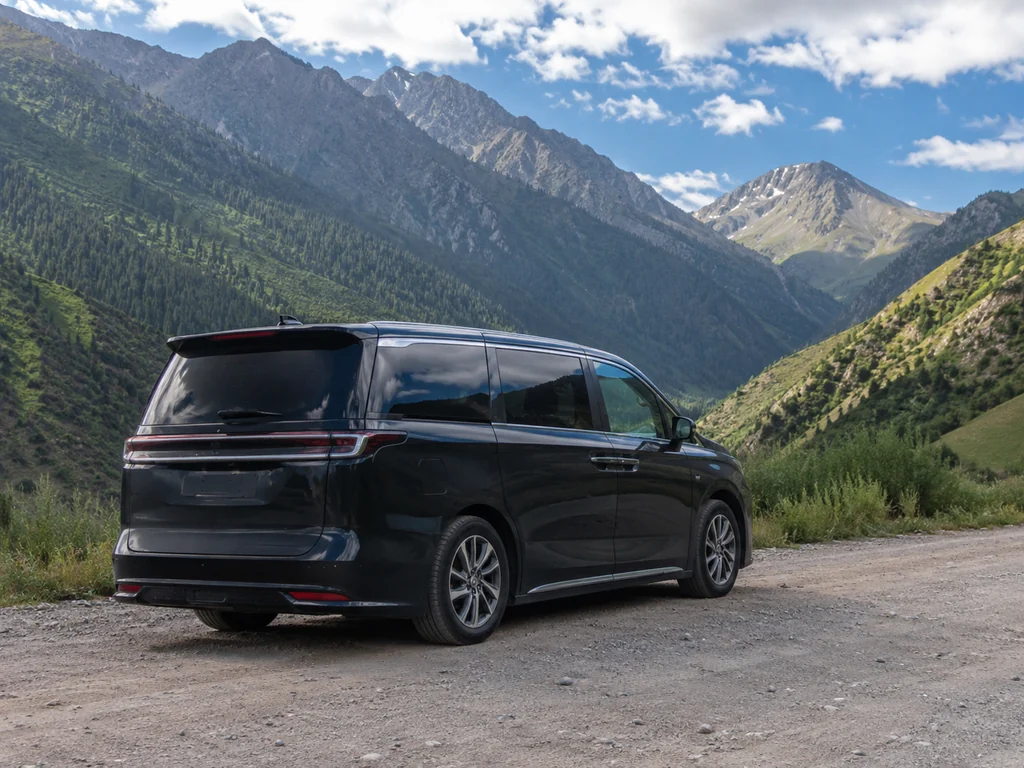
Public transport exists but is limited: buses run to larger villages, and shared taxis (marshrutkas) cover some routes. For the remote valleys, however, a private vehicle is essential. Our tours use minibuses, cars, jeeps or horses depending on the itinerary, and the choice is always stated in the tour description. The key is to match the transport to the terrain, not the other way around.
Even in midsummer, the mountains can surprise you. In the valleys, July afternoons reach +25°C, but nights drop to +5°C or lower. Above 2,000 metres, daytime temperatures rarely exceed +15°C, and frosts are common at night. Rain is frequent in June and early July, while August and September tend to be drier and more stable. On the Belukha approaches, snowfields persist until late July.
Wind is a constant factor on the passes. The Bukhtarma valley acts as a wind tunnel, and gusts of 15–20 m/s are not unusual. On the reservoir, this can make the boat outing on the 5-day Bukhtarma tour less comfortable. For hikers, the wind means layering: a base layer, fleece, windproof shell and hat are essential even on a sunny day.
The UV index is high at altitude, especially on snow. Sunburn can happen within an hour. Sunglasses, high-SPF cream and a lip balm are not luxuries but necessities. The long daylight hours in June and July — sunrise around 05:00, sunset after 21:00 — give plenty of time for walking, but also mean you should carry a headlamp for the evening.
We offer five routes in East Kazakhstan, each with a different focus and level of comfort. They range from a three-day bus tour around Ust-Kamenogorsk to a ten-day horseback expedition to the foot of Belukha. The common thread is the landscape: the Bukhtarma Reservoir, the Sibiny lakes, the Katon-Karagay forests and the high peaks of the Altai. The differences lie in how deep you go, how you travel and how much time you spend on the move.
The shortest tour, "Ust-Kamenogorsk and the Altai Mountains", is a 3-day bus trip that combines a city tour with a visit to the foothills, waterfalls and thermal springs. The longest, "Horseback Tour to the Foot of Belukha", is a 10-day ride through Katon-Karagay with six to seven hours in the saddle per day. In between are a 5-day camping and guesthouse tour around Bukhtarma and Sibiny, a 7-day individual jeep tour, and an 8-day trek to Belukha with border permits and full board included.
Prices per person range from $190 for the 3-day bus tour to $1,020 for the 8-day trek. The jeep tour is individual and costs $559, while the horseback tour is $911 and the 5-day Bukhtarma tour is $403. These are the only prices we publish; any extras are paid separately and their cost is given at booking. The table below compares the five tours by duration, transport and format.
The table gives a quick overview. Note that "format" means whether the tour is group (gruppovoj) or individual (individualnyj). Transport is the main mode used during the tour. The "when" column shows the season or schedule: some tours run on fixed dates, others only in summer.
| Tour | Duration | Transport | Format | Price per person | When |
|---|---|---|---|---|---|
| Ust-Kamenogorsk and the Altai Mountains | 3 days / 2 nights | Bus | Group | $190 | On schedule |
| Altai Fairy Tale: Bukhtarma and Sibiny Lakes | 5 days / 4 nights | Car | Group | $403 | On schedule |
| Altai Jeep Tour: Bukhtarma and Mountain Passes | 7 days / 6 nights | Jeep | Individual | $559 | On schedule |
| Trek to the Foot of Belukha | 8 days / 7 nights | On foot | Group | $1,020 | June–September |
| Horseback Tour to the Foot of Belukha | 10 days | Horse | Group | $911 | June–September |
All prices are per person. The trek includes three meals a day, border-zone permits and eco fees, and the horseback tour includes the horse, saddle and guide, as stated in their descriptions. The other tours do not list meals or permits, so those details are clarified at booking. The jeep tour is individual, meaning the itinerary can be adapted to your pace, but the route remains within the published framework.
If you have only a few days and want a taste of the region, the 3-day bus tour is the obvious choice. It is the least physically demanding: you spend most of the time in a bus or on short walks, and you sleep in a hotel. It suits families with children, older travellers and anyone who prefers a bed to a tent. The trade-off is that you see the mountains from a distance rather than from within.
The 5-day Bukhtarma and Sibiny tour is a step up. You meet the group at the start of the route, travel on by car, stay in camps and guesthouses, and spend more time outdoors. The walking is easy to moderate, with some uphill sections but no technical terrain. It is a good introduction to the Altai for those who want a mix of comfort and nature. The lakes themselves are the highlight: Sibiny is a group of three lakes at around 1,000 metres, surrounded by pine forest and rocky hills.
The 7-day jeep tour is for those who want to go further and faster. It is individual, so you set the pace, but the days are long and the roads are rough. You will cross mountain passes, visit remote beaches on the Bukhtarma Reservoir and see places that few tourists reach. It suits adventurous travellers who don't mind bumpy rides and basic accommodation. The 8-day trek and 10-day horseback tour are for fit, experienced outdoor people: the trek involves 15–20 kilometres of walking per day with a pack, and the horseback tour requires six to seven hours in the saddle daily, with a weight limit of 110 kg.
Inclusions vary by tour. The trek to Belukha includes three meals a day, border-zone permits and ecological fees; the horseback tour includes the horse, saddle and guide, with meals cooked over the campfire. The 5-day Bukhtarma tour includes accommodation in camps and guesthouses, but meals are not mentioned. The 3-day bus tour and the jeep tour do not list meals or permits. If you need to know exactly what is covered, the details are confirmed at booking.
What is never included: personal equipment, travel insurance, alcoholic drinks, souvenirs and any services not mentioned in the tour description. For the horseback tour, the horse, saddle and guide are included for the group, but you should bring your own riding gloves and comfortable trousers. For the trek, you carry your own backpack, though porter services may be available on request — ask at booking.
Border-zone permits are required for the Belukha area and some parts of Katon-Karagay. The trek includes them in the price; for the horseback tour this is confirmed at booking. If you are travelling independently, you must obtain them in advance from the relevant authorities. We do not assist with permits outside our tours. Ecological fees are also charged in national parks, and again, they are included only where stated.
The Bukhtarma Reservoir is a vast inland sea, stretching over 500 kilometres from near Ust-Kamenogorsk to the Chinese border. It was created in 1960 when the Irtysh was dammed, flooding the old Bukhtarma valley and several villages. Today it is a popular spot for fishing, boating and camping, with sandy beaches and clear water. The surrounding hills are dry and rocky, but the valleys that feed the reservoir are green and forested.
The Sibiny lakes are a trio of small lakes about 60 kilometres southeast of Ust-Kamenogorsk, at an altitude of around 1,000 metres. They sit in a natural amphitheatre of granite hills, surrounded by pine and birch forest. The water is cold even in summer, but the setting is idyllic. The area is popular for day trips from the city, but staying overnight in a camp or guesthouse gives you the chance to see sunrise over the lakes and to explore the surrounding trails.
Our 5-day "Altai Fairy Tale" tour combines both: after the group meeting at the start of the route you travel by car to the reservoir shore, then move to the Sibiny lakes for hiking and relaxation. Accommodation is in camps and guesthouses, as per the tour description. The pace is moderate, with drives of two to four hours and walks of two to three hours. It is a good introduction to the region's landscapes without the demands of high-altitude trekking.
The reservoir's shoreline is varied: sandy bays, rocky cliffs, reed beds and small islands. The water level fluctuates depending on the season, so the shoreline changes from year to year. In summer, the water warms to +20°C in shallow bays, making swimming possible, though the deeper parts remain cold. Fishing is a major draw: pike, perch, bream and carp are common, and local fishermen often camp on the shores for days.
Wildlife along the reservoir includes herons, ducks, gulls and the occasional eagle. In the surrounding steppe, you may see roe deer, foxes and marmots. The hills are dry and covered with feather grass and wormwood, but the valleys have dense shrubs and trees. The best time to visit is from May to September, when the weather is warm and the roads are dry. In winter, the reservoir freezes and the area becomes quiet and harsh.
The old Bukhtarma valley, now submerged, was once home to Old Believers who fled religious persecution in Russia. Some of their descendants still live in the villages around the reservoir, preserving their traditions, songs and cuisine. You may encounter them in the markets or at guesthouses. Their stories add a cultural dimension to the natural beauty, and it is worth asking your guide about the history of the area.
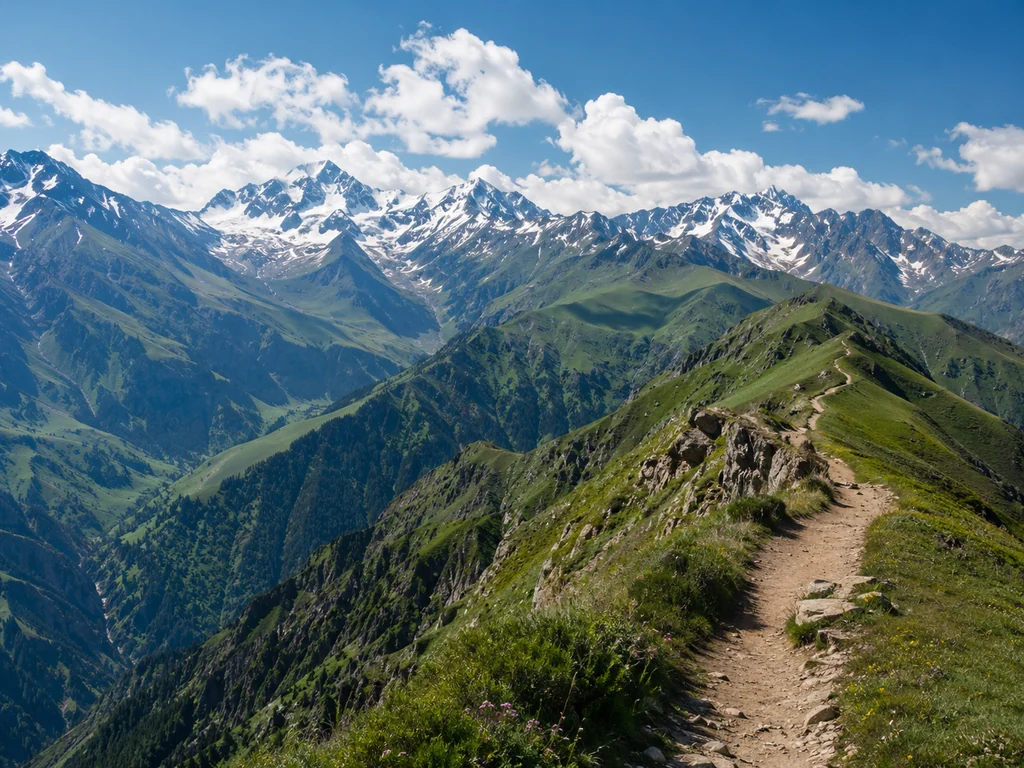
The Sibiny lakes are named after the Siberian larch that grows around them. The three lakes are connected by short streams, and a trail circles the largest one in about two hours. The path is well worn but rocky in places, with some steep sections. From the ridge above the lakes, you get panoramic views of the reservoir and the distant Altai. The altitude is moderate, so even inexperienced hikers can manage the walk.
Apart from walking, you can swim in the lakes (cold but refreshing), fish for perch and grayling, or simply relax on the shore. The forest is full of mushrooms and berries in late summer — raspberries, currants and blueberries. If you are interested in foraging, ask your guide to show you the edible species. Camping is allowed in designated areas, and our tour uses camps and guesthouses nearby.
The lakes are accessible by car from Ust-Kamenogorsk, but the last stretch is gravel and can be muddy after rain. In dry weather, a standard car can make it, but a high-clearance vehicle is safer. Our 5-day tour uses cars suitable for the road conditions. If you visit independently, check the road conditions locally before setting out.
Accommodation in the area ranges from basic camps to simple guesthouses. Our tour uses camps and guesthouses as stated. Camping equipment is not provided unless specified; check the tour description. If you are camping on your own, bring a tent, sleeping bag and mat suitable for temperatures down to +5°C at night. Mosquitoes can be a nuisance near the water in June and July, so repellent is essential.
Shops are limited in the villages, so bring any personal supplies with you. Cash is needed for small purchases, as card payments are not widely accepted. Mobile signal is patchy outside the main villages. The nearest medical facilities are in Ust-Kamenogorsk, so a basic first-aid kit for personal use is a good idea.
The best time to visit is from late May to early September. July and August are the warmest and busiest. June can be rainy, but the landscape is lush. September is quieter and often sunny, with cooler nights. The reservoir is at its fullest in spring and early summer, and lower in autumn. Each season has its own character, so choose according to your preferences.
Ust-Kamenogorsk, also known as Oskemen, is the administrative centre of East Kazakhstan region. It lies at the confluence of the Ulba and Irtysh rivers, at an altitude of about 300 metres. Founded in 1720 as a fortress, it grew into a major industrial city, but it retains a pleasant historic centre with 19th-century buildings, parks and a riverside promenade. The city is a convenient base for exploring the surrounding mountains.
Our 3-day "Ust-Kamenogorsk and the Altai Mountains" tour includes a city tour and a trip to the foothills, where you visit waterfalls and thermal springs. The tour is by bus, which means you cover more ground with less effort. It is a good option for those who want a comfortable introduction to the region without hiking. The tour runs on schedule, so you can plan around fixed dates.
The foothills of the Altai begin just outside the city, where the steppe gives way to rolling hills and then to forested ridges. The highest point visible from the city is Mount Ulba, at around 1,500 metres. The area is crisscrossed by rivers and streams, and in spring the waterfalls are at their most powerful. The thermal springs are a popular attraction, with water temperatures of +40°C to +50°C, rich in minerals.
The historic centre of Ust-Kamenogorsk is compact and walkable. The main square, Republic Square, is home to the regional administration and a monument to the founders. Nearby, the St. Zinovy and Zinovia Church is a fine example of 19th-century architecture. The local history museum has a good collection on the region's archaeology, ethnography and natural history. The riverside promenade along the Irtysh is a pleasant place for an evening stroll.
The city has several parks, including the Central Park with its lake and amusement rides. The embankment of the Ulba river is another green space, popular with families. For shopping, the main bazaar offers local produce, honey, nuts and traditional crafts. The city also has theatres, cinemas and a wide range of cafes and restaurants serving Kazakh, Russian and Central Asian cuisine.
From the city, you can see the Altai mountains on the horizon, especially in clear weather. The view from the observation point on the left bank of the Irtysh is particularly good at sunset. The city is not a major tourist destination in itself, but it serves as a comfortable gateway to the natural wonders of the region.
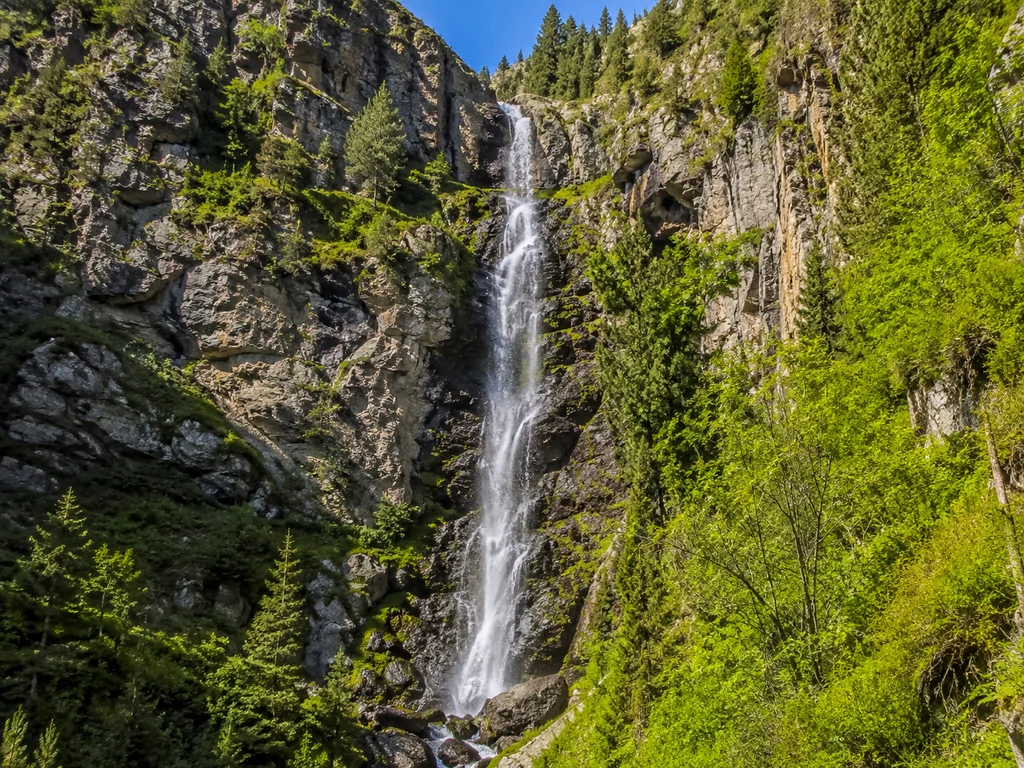
The foothills around Ust-Kamenogorsk are dotted with waterfalls, especially in spring and early summer when the snow melts. One of the most accessible is the Kok-Tobe waterfall, about 30 kilometres from the city. It is not very high — around 10 metres — but the setting is picturesque, with a small canyon and lush vegetation. Another is the Ulba waterfall, further up the valley, which requires a short walk.
The thermal springs are a different attraction. There are several in the area, with water temperatures ranging from +40°C to +50°C. They are believed to have healing properties, and the locals often visit them in winter. The springs are usually developed with pools and changing rooms, and some have cafes nearby. Our tour includes a visit to one of these springs, but the specific one depends on the itinerary.
Visiting the waterfalls and springs is easy: you travel by bus or car, walk short distances and spend time relaxing. The tours are suitable for all ages, though the paths to some waterfalls may be slippery. Wear comfortable shoes with good grip. The thermal springs are outdoors, so bring a swimsuit and a towel. In winter, the contrast between hot water and cold air is an experience in itself.
The 3-day bus tour is ideal for travellers who want a quick overview of East Kazakhstan without physical exertion. It suits families with children, older people and anyone who prefers a hotel bed to a tent. The tour runs on schedule, so you can fit it into a longer trip. The price of $190 per person makes it the most affordable of our East Kazakhstan tours.
The tour does not include meals or permits, as per the description. You will need to budget for meals in cafes and restaurants, which are inexpensive in Ust-Kamenogorsk. The city has a good choice of cuisine, from local Kazakh dishes to Russian and European fare. Vegetarian options are available but limited, so if you have special dietary needs, let us know at booking.
Because the tour is by bus, the group size may be larger than on our other tours. This means more social interaction but less flexibility. If you prefer a private experience, consider the individual jeep tour instead. The bus tour is a good introduction, but it only scratches the surface of what East Kazakhstan has to offer.
Mount Belukha, at 4,506 metres, is the highest peak in the Altai and a sacred mountain for many local peoples. It sits on the border between Kazakhstan and Russia, and the approaches from the Kazakh side are wild and remote. The trek to its foot is one of the most spectacular routes in the region, passing through the Katon-Karagay national park and the Yazevoye lake area. Our 8-day trek runs from June to September and includes border-zone permits and three meals a day.
The route starts from the village of Yazevoye, reached by jeep at the start of the programme. From there, you walk up the Belaya river valley, through larch forests and alpine meadows, to the foot of the mountain. The trek is not technical — you don't need climbing equipment — but it is demanding: you walk 15–20 kilometres a day with a backpack, and you cross rivers and steep slopes. The highest point on the route is around 2,500 metres, so altitude sickness is unlikely but possible.
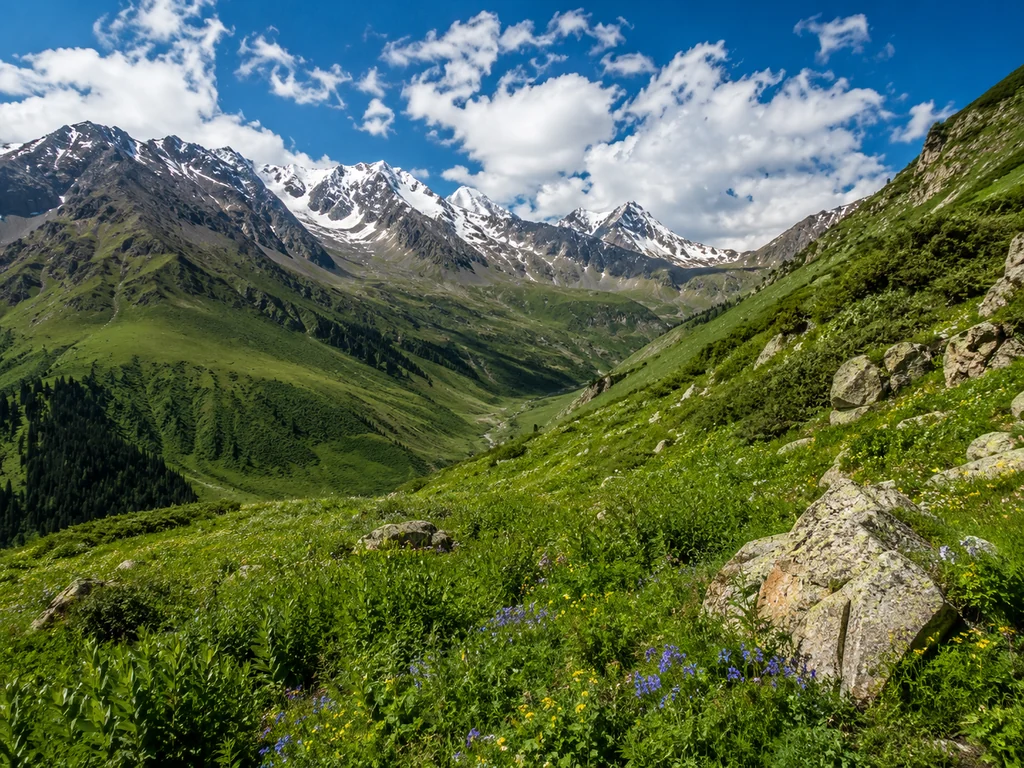
The scenery is extraordinary: glaciers, waterfalls, turquoise lakes and the twin peaks of Belukha dominating the skyline. You will see ibex on the cliffs, marmots on the meadows and eagles soaring above. The weather can change quickly, so you need to be prepared for rain, wind and even snow in July. The trek is a genuine wilderness experience, and it requires a good level of fitness and previous hiking experience.
Katon-Karagay is a large national park covering over 6,000 square kilometres. It was established in 2001 to protect the unique ecosystems of the southern Altai. The park includes forests, meadows, glaciers and lakes, and it is home to rare species such as the snow leopard, the Altai argali and the black stork. The village of Katon-Karagay, at 1,000 metres, is the administrative centre and the starting point for many routes.
From Katon-Karagay, the road continues to Yazevoye, a small village at the confluence of the Belaya and Chernovaya rivers. The drive takes about four hours on a gravel road. Yazevoye is the last settlement before the mountains, and it has a few guesthouses and shops. From here, the trail follows the Belaya river upstream, passing the Yazevoye lake — a large, cold lake at 1,700 metres — and then climbing to the Belukha pass.
The lake itself is a highlight: it is surrounded by mountains and its water is a deep blue-green. The area is popular with fishermen and campers, but beyond the lake the trails become wilder and less frequented. The trek to Belukha continues past the lake, up the valley to the foot of the mountain, where you can see the glaciers and the sheer walls of the peak. The return is by the same route, or via a different valley if conditions allow.
The trek is rated as moderate to difficult. You need to be able to walk for six to eight hours a day, carrying a backpack of 10–15 kilograms. The terrain includes rocky paths, river fords and steep ascents. Some days are shorter, but others are long and tiring. The altitude is not extreme, but the weather and the remoteness add to the challenge. Previous hiking experience is strongly recommended.
Preparation should start at least two months before the trip. Focus on cardiovascular fitness — running, cycling, swimming — and on leg strength. Practice walking with a loaded backpack on hilly terrain. If you can, do a weekend hike with similar distances and elevation gain. The better your fitness, the more you will enjoy the trek. If you have any medical conditions, consult your doctor before booking.
On the trek, you will be accompanied by a guide who knows the route and the local conditions. The group moves at a steady pace, with regular breaks. You are expected to carry your own personal gear, but group equipment (tents, cooking gear) may be shared. The trek includes three meals a day, as stated in the description. Vegetarian and other dietary requirements can be accommodated if you inform us at booking.
The Belukha area is a border zone, and access requires a special permit. The trek includes these permits in the price, so you don't need to obtain them yourself. However, you must provide your passport details in advance so that the permits can be processed. The rules are strict: you must stay with the group, follow the guide's instructions and carry your passport at all times. Violating the border regime can lead to fines or deportation.
In addition to border permits, the national park charges an ecological fee. This is also included in the trek price, as stated. The fees go towards maintaining the park's infrastructure and protecting its wildlife. You may be asked to show your permit at checkpoints, so keep it handy. The permits are usually checked at the entrance to the border zone and sometimes on the trail.
It is important to note that the border zone regulations can change. We stay informed and handle the paperwork for our clients, but ultimate responsibility for following the rules lies with the traveller. Do not attempt to enter the border zone without a permit, and do not stray from the group. The area is remote and help is far away.
For those who want to go deeper into the Altai, we offer two more adventurous options: a 7-day individual jeep tour and a 10-day horseback tour. Both are more demanding than the bus or car tours, but they reward you with access to remote places and a sense of true exploration. The jeep tour is flexible and fast, while the horseback tour is slow and immersive. Both run on schedule or in season, depending on the tour.
The jeep tour, "Altai Jeep Tour: Bukhtarma and Mountain Passes", is individual, meaning it is just you and your group. You travel in a jeep, which allows you to tackle rough roads and reach places that are inaccessible to ordinary cars. The route covers the Bukhtarma Reservoir, mountain passes and wild beaches. You sleep in tents or guesthouses, depending on the section. The tour lasts 7 days and 6 nights and costs $559 per person.
The horseback tour, "Horseback Tour to the Foot of Belukha", is a 10-day group ride through Katon-Karagay. You spend six to seven hours a day in the saddle, crossing passes and fords, and camping near Belukha. The tour includes a horse, saddle and guide for the group, with meals cooked over the campfire. The weight limit is 110 kg. The tour runs from June to September and costs $911 per person.
The jeep tour is designed for those who want to see as much as possible in a week. The route begins with a meeting at the starting point and heads southeast along the Bukhtarma Reservoir. You drive on gravel roads and tracks, crossing several mountain passes. The highest pass on the route is around 1,800 metres, which is not extreme but still offers spectacular views. The driving days are long — up to eight hours — but there are frequent stops for photos and walks.
One of the highlights is the wild beaches on the reservoir, where you can camp and swim. These beaches are far from any settlement, so you have them almost to yourself. The water is clean and warm in summer. Another highlight is the mountain passes, which offer panoramic views of the Altai. You will also visit remote villages and meet local people, including shepherds and fishermen.
The jeep tour is individual, so the itinerary can be adjusted to your interests. If you want to spend more time in one place, you can. If you want to push on, you can. The guide will advise on what is possible given the road conditions and the weather. This flexibility is the main advantage of the jeep tour over the group bus tour.
The horseback tour is a true expedition. You ride for six to seven hours a day, covering 20–30 kilometres. The horses are local and sure-footed, but you need to be comfortable in the saddle. If you have never ridden before, this tour is not for you. Even experienced riders may find the long days tiring, especially in the first few days. The reward is access to places that are otherwise unreachable.
The route follows old trails through Katon-Karagay, crossing passes and fords. You will see the same landscapes as on the trek, but from a different perspective. The pace is slower, giving you more time to absorb the scenery. You camp in tents or stay in simple guesthouses, and meals are cooked by the team. The weight limit of 110 kg is strictly enforced for the welfare of the horses.
You need to bring your own riding gear: comfortable trousers, boots with a heel, gloves and a helmet if you want one. The tour provides the horse, saddle and guide. You should also bring a rain jacket, warm layers and sun protection. Meals are cooked over the campfire; border-permit arrangements are confirmed at booking. The season runs from June to September, when the trails are clear and the weather is best.
The jeep tour is faster and more flexible. You cover more ground and can adapt the itinerary. It is less physically demanding than the horseback tour, as you spend most of the time in the vehicle. However, the roads are rough and the days can be long. It suits those who want adventure without the physical strain of riding or hiking. The price is $559 per person for 7 days.
The horseback tour is slower and more immersive. You are in the saddle for most of the day, which requires fitness and riding skill. It is a group tour, so you share the experience with others. The price is $911 per person for 10 days, including the horse, saddle and guide. It suits experienced riders who want a genuine expedition. The weight limit is 110 kg.
Both tours offer a level of remoteness that the other tours cannot match. They are for travellers who are willing to sacrifice comfort for adventure. If you are unsure which is right for you, consider your fitness, your experience and your tolerance for rough conditions. The jeep tour is a good middle ground; the horseback tour is for the dedicated.
East Kazakhstan is a year-round destination, but the best time for most activities is from May to September. Winter is harsh, with temperatures dropping to -30°C in the valleys, and many roads become impassable. Spring is short and muddy, but the waterfalls are at their best. Autumn is beautiful, with golden larches and clear skies, but nights are cold. Summer is the most popular season, with warm days and long daylight hours.
Your preparation should depend on the tour you choose. For the bus tour, you need little more than comfortable clothes and shoes. For the trek and horseback tours, you need proper outdoor gear and a good level of fitness. For the jeep tour, you need a sense of adventure and tolerance for bumpy roads. In all cases, you should be prepared for changing weather and remote conditions.
The table below shows the seasons by month, with average temperatures and what to expect. This will help you decide when to travel and what to pack. Remember that mountain weather is unpredictable, so always check the forecast before you go and be ready to adapt.
| Month | Valley Temperature | Mountain Conditions | Suitable Tours |
|---|---|---|---|
| January | -15 to -20°C | Heavy snow, passes closed | None |
| February | -15 to -20°C | Heavy snow, passes closed | None |
| March | -5 to -10°C | Snow melting, muddy | None |
| April | 0 to +10°C | Snow above 1,500 m | Bus tour (city) |
| May | +10 to +15°C | Snow patches above 2,000 m | Bus, car, jeep |
| June | +15 to +20°C | Trails open, some snow | All tours |
| July | +18 to +25°C | Best conditions, warm | All tours |
| August | +18 to +25°C | Best conditions, dry | All tours |
| September | +10 to +18°C | Cooler, clear | All tours |
| October | 0 to +10°C | Snow possible | Bus, car |
| November | -5 to -10°C | Snow, roads icy | None |
| December | -15 to -20°C | Heavy snow | None |
Note that the temperatures are approximate and can vary. In the mountains, it is always colder than in the valleys. The "suitable tours" column indicates which of our tours are generally possible, but conditions may vary. Always check with us before booking if you are unsure.
Your packing list depends on the tour, but some items are essential for all. These include a waterproof jacket, comfortable walking shoes, a hat, sunglasses, sunscreen and a water bottle. For the trek and horseback tours, you will also need a backpack, a sleeping bag, a mat, and possibly trekking poles. For the jeep tour, a small daypack is enough. For the bus tour, a camera and a sense of curiosity are the main things.
Here is a basic list for a summer trip to East Kazakhstan:
For the horseback tour, add riding gloves and trousers without thick seams. For the trek, a lightweight sleeping bag rated to 0°C is sufficient in summer. For the jeep tour, a cushion for the bumpy roads can be a blessing. Remember that you will be carrying your own gear on the trek, so keep it light.
East Kazakhstan is generally safe, but the remoteness means you should take precautions. Tick-borne encephalitis is present in some forests, so consider vaccination if you plan to spend time in the taiga. Water from rivers and lakes should be boiled or filtered before drinking. Food in guesthouses and cafes is usually safe, but avoid raw vegetables if you have a sensitive stomach.
In the mountains, the main risks are weather, river crossings and altitude. Always follow your guide's advice. Do not attempt to cross rivers alone, and do not stray from the trail. If you feel unwell, tell your guide immediately. Mobile signal is limited, so you cannot rely on your phone for emergencies. The guide will have a means of communication, but it may not work in all areas.
Respect local customs and the environment. Do not litter, do not disturb wildlife, and do not pick plants in the national park. Hunting and fishing are regulated, and you need a license for both. If you are interested in these activities, ask us for details. The rules are there to protect the fragile ecosystems of the Altai, and following them ensures that future generations can enjoy the same landscapes.
The Altai is a place of immense scale and quiet beauty, where the roads are few and the mountains are many. Whether you come for a short bus tour or a long horseback expedition, you will leave with a deeper understanding of this corner of Kazakhstan. The key is to choose a route that matches your abilities and interests, and to prepare well. The rest is up to the mountains.
Reviews
We decided to go to Bukhtarma with friends to rest from the city We loved everything, unreal beauty! Thanks to Madina for the smooth organisation.
The East Kazakhstan tour from Almaty is amazing. We went boating on Bukhtarma and walked by the Sibiny lakes. The guide explained everything brilliantly.
Everything was super, but the departure was delayed by an hour due to traffic jams. However, the guide Aleksandr gave a great commentary about nature.
I've always wanted to see the mountains of Eastern Kazakhstan. I chose this tour because of the reviews. I didn't regret it! Huge thanks to Madina.
We went to Bukhtarma with the family. The kids loved the boat and the swimming. True, there were lots of mosquitoes but we coped. Thanks to the guide for the help.
The East Kazakhstan tour is simply a fairy tale. Especially the Sibiny lakes. The guide was very warm-hearted.
We decided to take a mountain tour to escape the hustle and bustle. Everything was well organized except for the road—it was very bumpy. But the views were worth it!
First time I’d seen anything like it — blue lakes and white rocks. Thanks to the guide for the patience and interesting stories.
We went to East Kazakhstan, the nature is very beautiful. I recommend this tour to everyone!
East Kazakhstan is our love at first sight. The journey was unforgettable, thanks for the organization.
Really liked the tour! We visited Bukhtarma, walked in the mountains, everything was beautiful. The only thing — it was stuffy in the car. But the guide sorted it out.
Kogda reshili poehat v Vostochnyj Kazahstan vybrali etot tur i ne oshiblis'. Ochen' krasivye mesta, osobenno ozer. Spasibo Sergeyu za ekskursiju
The tour was great, the nature is superb. But departure was slightly delayed because of latecomers. Overall, everything was fine, thanks to Aleksandr.
I've been wanting to see East Kazakhstan for a long time. I chose this tour because the guides were praised. I wasn't disappointed! I saw Belukha, walked in the mountains. I recommend it.
A trip to East Kazakhstan from Almaty — the best holiday. Great views, clean air. A pity there was little time at the lake.
Bukhtarma was absolutely amazing! The organization was top-notch, thanks to Alya for her positivity and care. We'll come back!
I decided to take a break from work and chose a mountain tour. Everything was great, but the road was bumpy and I got a bit carsick. But that's minor.
The tour from Almaty to East Kazakhstan is very beautiful. Its blue lakes and stone mountains. Thanks to the guide!
The tour is excellent, everything was clear. The only minus — it was very bumpy on the passes. But the views are worth it. Thanks to Andrey for the great photos.
Very happy with the trip! East Kazakhstan is beautiful at any time of year. The guide told us a lot of interesting things.
Went with friends to Burkhan-Bulak. Everything was really cool, but on the way back we got stuck in traffic. But it didn't ruin the impression.
We traveled to East Kazakhstan. The mountains and lakes are amazing. Thanks to the organizers!
The East Kazakhstan tour from Almaty is love. We went to Ust-Kamenogorsk and the foothills of the Altai, we loved it. Thanks to Ilyas for the comfort.
I wanted to see Belukha and chose this tour. Everything was great, guide Sergey is a pro. But the camp was noisy on the last night and I fell asleep late.
We decided to go as a family, the kids loved the boat on Bukhtarma. Good organisation, thanks to the guide for the friendliness.
The tour was really great. The nature of East Kazakhstan is stunning. The only downside: a small delay at departure. But the guide smoothed it all over.
I had long dreamed of such a trip. Everything went wonderfully, thanks to Madina for the help with the booking and the detailed checklist.
The East Kazakhstan tour is a great holiday option. I saw many beautiful places. The guide was simply great.
The nature of East Kazakhstan is very beautiful. The tour was well organized. Thanks!
The trip to East Kazakhstan left vivid impressions. The Sibiny lakes were especially memorable. Thanks for the organisation.
Calculator
Answer a few questions — we'll send the exact price and available dates via WhatsApp.
Approximate tour cost
The cost is approximate. We'll confirm the exact amount and available dates on WhatsApp in a couple of minutes.
FAQ
We've collected the questions travelers ask most often. Didn't find your answer? Write to us — a guide will reply in a couple of minutes.
Ask a questionThe easy ones are the Ust-Kamenogorsk and Altai Mountains trip, the Altai Fairy Tale tour and the jeep tour — they suit beginners. The Belukha trek needs no mountaineering experience, but you need basic stamina and readiness to sleep in a tent; the horseback tour means 6–7 hours in the saddle.
Trekking boots, a windbreaker, a hat, swimwear, a torch, a personal first-aid kit. We confirm the gear list for the trek and the horseback tour when you book.
The Belukha trek and horseback tour run from June to September, with the peak in July–August. The Ust-Kamenogorsk and the Altai Mountains tour, the Altai Fairy Tale and the jeep tour run on a schedule. September brings beautiful golden scenery, but it is cooler.
Yes, the Ust-Kamenogorsk and Altai Mountains trip and the Altai Fairy Tale suit families. We confirm age limits for the Belukha trek and horseback tour when you book.
Cancellation is free — we take no money in advance; just let us know on WhatsApp as early as possible.
All tours in this section start with the group meeting at the start of the route and end where the programme finishes; we will confirm the exact meeting place and time for your date on WhatsApp. What is included in the price is listed in each tour's description.
Articles on this topic
 Holidays on Lake Alakol 2026: Complete Guide — How to Get There, Where to Stay, Prices, and What to DoHow to organize a holiday on Lake Alakol: villages, beaches, activities, trip budget, how…
 Alakol Sanatoriums — Treatment, Prices 2026 and How to Get from Almaty: Complete GuideComplete guide to Alakol sanatoriums: treatment programs, mud therapy, thermal springs, prices 2026 and…
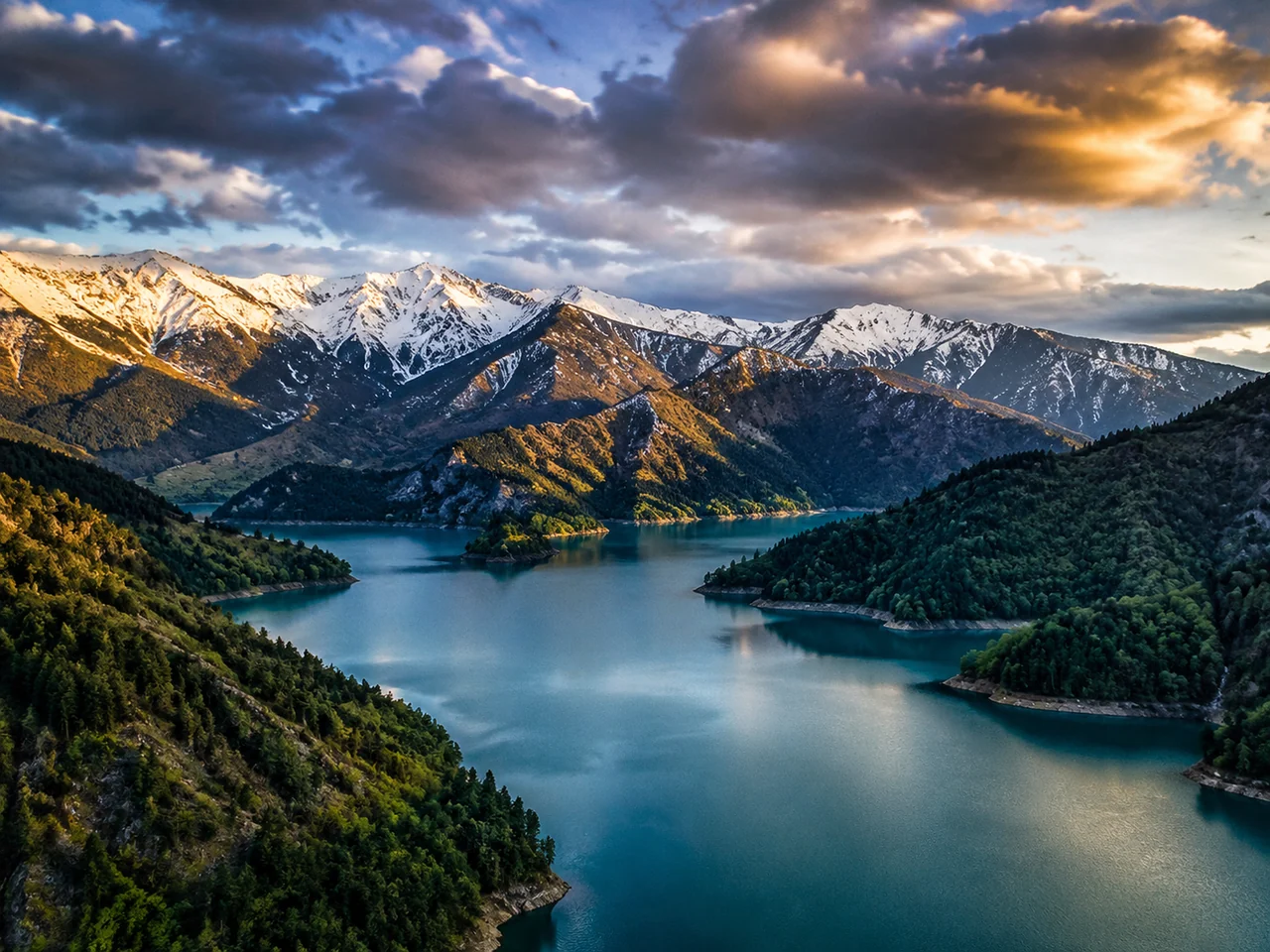 Kazakhstan Altai from Almaty: Complete Guide to Mountains, Lakes and Hot SpringsComplete guide to Kazakhstan Altai: from Almaty to Bukhtarma and Markakol. Seasons, routes, prices…
Write to us — a guide will pick a route for your dates and budget and send you the price per person.